
Restoring a classic vehicle can be one of the most rewarding experiences for an automotive enthusiast. The process allows owners to bring an older machine back to life while learning valuable mechanical skills along the way.
For many beginners, classic trucks provide one of the best entry points into the restoration world because they combine straightforward engineering with strong aftermarket support.
Unlike many classic cars that can be complicated or expensive to repair, older pickup trucks were often designed with durability and practicality in mind.
Manufacturers built these vehicles to handle demanding work conditions, which means their mechanical components tend to be simple and rugged. This simplicity makes them easier to understand and repair for someone who is restoring a vehicle for the first time.
Another reason classic trucks appeal to new restorers is their strong availability in the used vehicle market. Many of these trucks were produced in large numbers and used for everyday tasks such as farming, construction, and transportation.
Because of this widespread use, project vehicles can still be found at reasonable prices compared with more collectible classic cars.
Parts availability is another major advantage. Many classic trucks developed large enthusiast communities over the years, and aftermarket suppliers continue producing replacement parts ranging from engine components to body panels and interior trim.
This support network helps first time restorers complete their projects without struggling to locate rare parts.
Classic trucks also offer flexibility in restoration style. Some owners choose to restore them to original factory condition, while others prefer modified builds that include upgraded suspension, modern engines, or custom interiors. Either approach allows a restorer to create a vehicle that reflects personal preferences.
For beginners who want a manageable and rewarding project, certain trucks stand out as particularly good starting points. The following list highlights affordable classic trucks that offer simple engineering, strong parts availability, and plenty of potential for a successful first restoration project.
Also Read: 5 Affordable Used SUVs With Robust 4WD Systems vs 5 With Fragile Differentials
1. Chevrolet C10 (1967 to 1972)
Among classic pickup trucks, the Chevrolet C10 from the late 1960s and early 1970s remains one of the most popular choices for beginner restorers.
These trucks combine attractive styling, simple mechanical systems, and strong parts availability, which makes them ideal for someone tackling their first major restoration project.
The design of the C10 reflects an era when trucks were built with straightforward engineering. Most models came equipped with either inline six engines or small block V8 engines that were widely used across many General Motors vehicles.
Because these engines were produced in large numbers, replacement parts remain easy to find and relatively affordable.
Another advantage of the C10 lies in its body construction. The truck uses a simple body on frame structure that allows restorers to work on different sections of the vehicle without complicated disassembly.
Panels such as fenders, doors, and bed sections can often be repaired or replaced individually, which simplifies the restoration process.
The suspension layout also contributes to the truck’s beginner friendly nature. The front suspension uses a coil spring setup that is relatively easy to service, while the rear suspension relies on durable leaf springs. These systems provide a comfortable ride and can be rebuilt using widely available components.
Styling is another reason the C10 remains popular. The clean body lines, wide stance, and classic pickup proportions give the truck a timeless appearance. Whether restored to factory specifications or modified with modern upgrades, the C10 retains a strong visual presence.

The enthusiast community surrounding these trucks also plays a major role in their popularity. Restoration guides, online forums, and instructional videos provide valuable knowledge that helps new owners understand how to complete various repairs and upgrades.
For someone starting their first truck restoration project, the Chevrolet C10 offers an excellent combination of affordability, mechanical simplicity, and strong support from both parts suppliers and fellow enthusiasts.
2. Ford F100 (1965 to 1972)
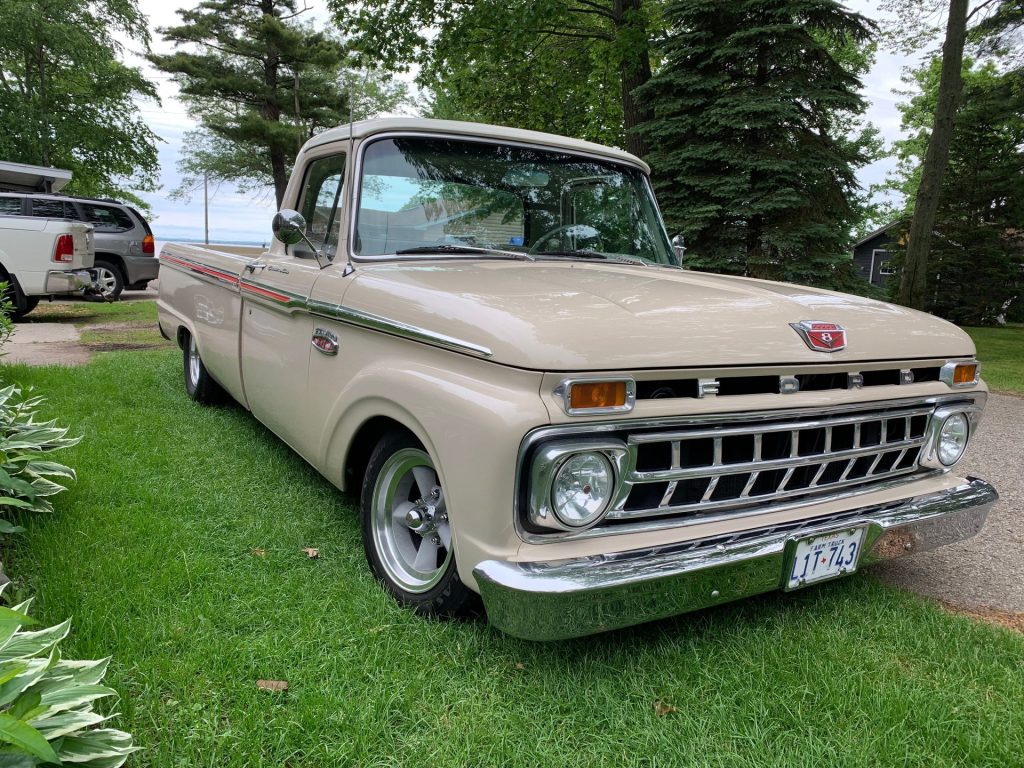
For many first time restorers, the Ford F100 offers a perfect introduction to classic truck ownership. This generation of Ford pickup combines rugged construction with mechanical simplicity, which makes it far less intimidating for beginners who want to learn restoration skills while working on a practical vehicle.
A key reason the F100 works well as a first project is its straightforward mechanical layout. During the 1960s and early 1970s, Ford trucks relied on simple engine options such as the durable inline six cylinder and the well known small block V8 engines.
These engines are widely respected for their reliability and ease of maintenance. Because millions were produced, finding parts remains relatively easy even decades after production ended.
Another advantage lies in the truck’s sturdy body on frame construction. This design separates the structural frame from the body panels, allowing restorers to repair sections individually rather than dealing with a complicated integrated structure.
For someone learning welding, body repair, or panel replacement, this design makes the process far more manageable.
The F100 also benefits from a very large aftermarket parts industry. Replacement sheet metal, interior components, suspension parts, and trim pieces are widely available through restoration suppliers. This means a beginner can gradually rebuild the truck without worrying about rare or impossible to locate components.
In terms of appearance, the F100 carries a classic truck design that continues to appeal to enthusiasts. The squared body lines, large grille, and tall stance reflect a period when trucks were built for both durability and visual presence.
Many restorers enjoy customizing these trucks with upgraded wheels, suspension modifications, or modern drivetrains.
Perhaps the greatest advantage of choosing an F100 is the learning experience it provides. The truck’s simple design allows beginners to understand how different mechanical systems interact.
Tasks such as rebuilding the suspension, servicing the brakes, or restoring interior components become valuable learning opportunities rather than overwhelming challenges.
For anyone starting their first classic truck project, the Ford F100 offers an excellent combination of affordability, durability, and restoration friendly design.
3. Dodge D100 (1972 to 1980)
Imagine walking into a workshop for the first time to restore a classic truck. Some vehicles immediately appear complicated and expensive, but the Dodge D100 from the 1970s presents a very different kind of opportunity. This truck was built with practicality in mind, which makes it a surprisingly approachable project for beginners.
The first thing many restorers notice about the D100 is its strong and uncomplicated construction. Dodge engineered these trucks to serve as work vehicles capable of handling demanding conditions. Because of that focus, many mechanical systems were designed to be durable and easy to repair rather than overly complex.
Under the hood, the truck commonly used Chrysler’s dependable engine options including inline six engines and the well known small block V8 lineup.
These engines gained a reputation for durability and straightforward maintenance. Even today, parts remain widely available due to the large number of vehicles that used similar components.
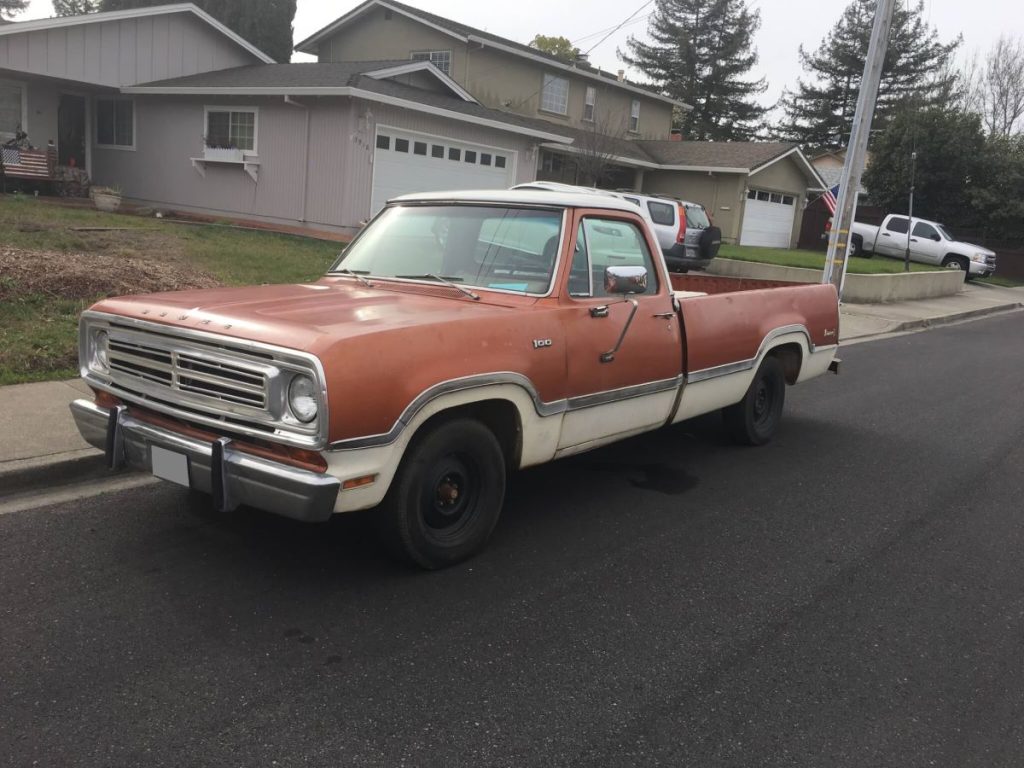
One of the appealing aspects of restoring a D100 is the balance between simplicity and character. The truck carries bold styling features such as a prominent grille, wide front fascia, and distinctive body contours. While it still reflects the rugged appearance expected from a work truck, it also has enough personality to stand out once restored.
Another benefit for beginners is the way the truck can be restored gradually. Many owners begin by focusing on mechanical reliability, rebuilding the engine, servicing the brakes, and refreshing the suspension. Later, they move on to cosmetic improvements such as paint restoration, interior upgrades, or trim replacement.
Enthusiast communities also help make the restoration process easier. Owners frequently share technical advice, restoration guides, and troubleshooting tips that help new restorers avoid common mistakes.
Choosing the Dodge D100 as a first restoration project provides more than just a finished vehicle. It offers a practical learning experience that introduces the fundamentals of classic truck restoration while producing a durable and visually distinctive pickup.
4. Chevrolet K10 (1973 to 1987)
Some restoration projects succeed because the vehicle is easy to understand mechanically. Others succeed because the vehicle has tremendous versatility. The Chevrolet K10 manages to combine both qualities, which makes it an appealing option for someone approaching their first classic truck restoration.
This generation of Chevrolet trucks was produced for more than a decade, which means there are still many examples available in various conditions. That availability is extremely helpful for beginners because it increases the chances of finding an affordable project truck that does not require extremely rare parts.
The K10 differs slightly from the earlier C10 mentioned before because it uses a four wheel drive system. While that may sound complicated at first, the design is actually quite straightforward.
The transfer case, solid axles, and suspension components are durable and relatively simple to service with common tools. Many restorers enjoy learning how these systems work while rebuilding them.
Engine choices also help make the K10 beginner friendly. Most trucks were equipped with Chevrolet’s well known small block V8 engines or inline six engines.
These powerplants have been used across numerous General Motors vehicles, so replacement parts remain easy to locate. Even complete engine rebuild kits are widely available through restoration suppliers.
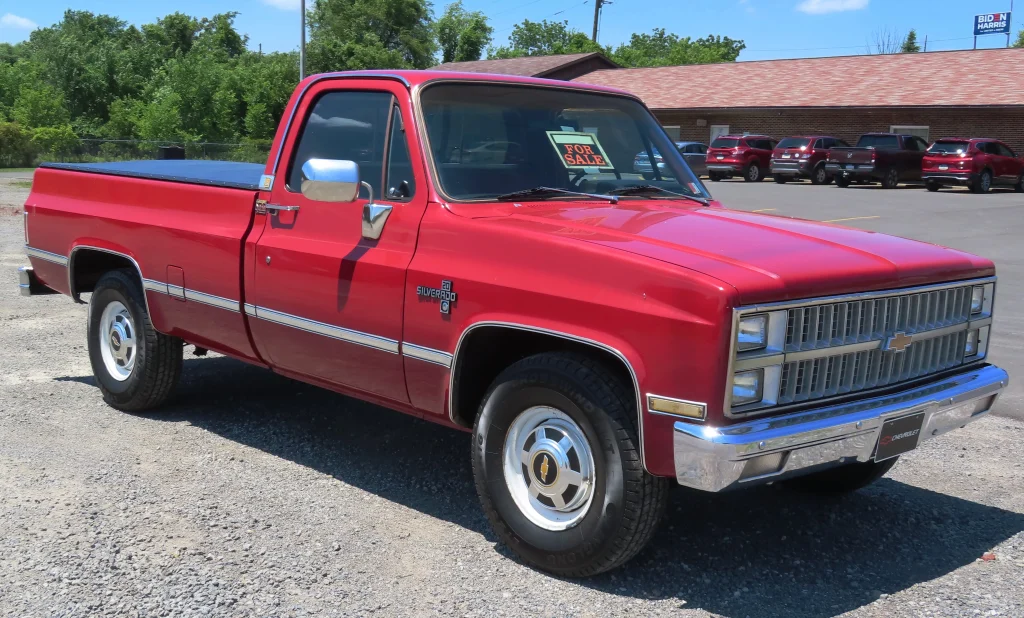
From a visual perspective, this truck carries a very recognizable design. The square body styling, large wheel arches, and strong proportions have become extremely popular among enthusiasts. Restorers often choose between returning the truck to its original appearance or creating a modified build with modern suspension upgrades and larger wheels.
Another reason the K10 works well for first time restorers is the strong community that surrounds these trucks. Owners frequently share repair advice, restoration progress, and detailed guides that help beginners understand each step of the process.
Restoring a K10 allows a beginner to learn about engine rebuilding, suspension work, drivetrain repair, and body restoration all within a single project. By the time the truck is complete, the owner often gains valuable mechanical knowledge that can be applied to many other classic vehicles.
5. Toyota Pickup (1984 to 1988)
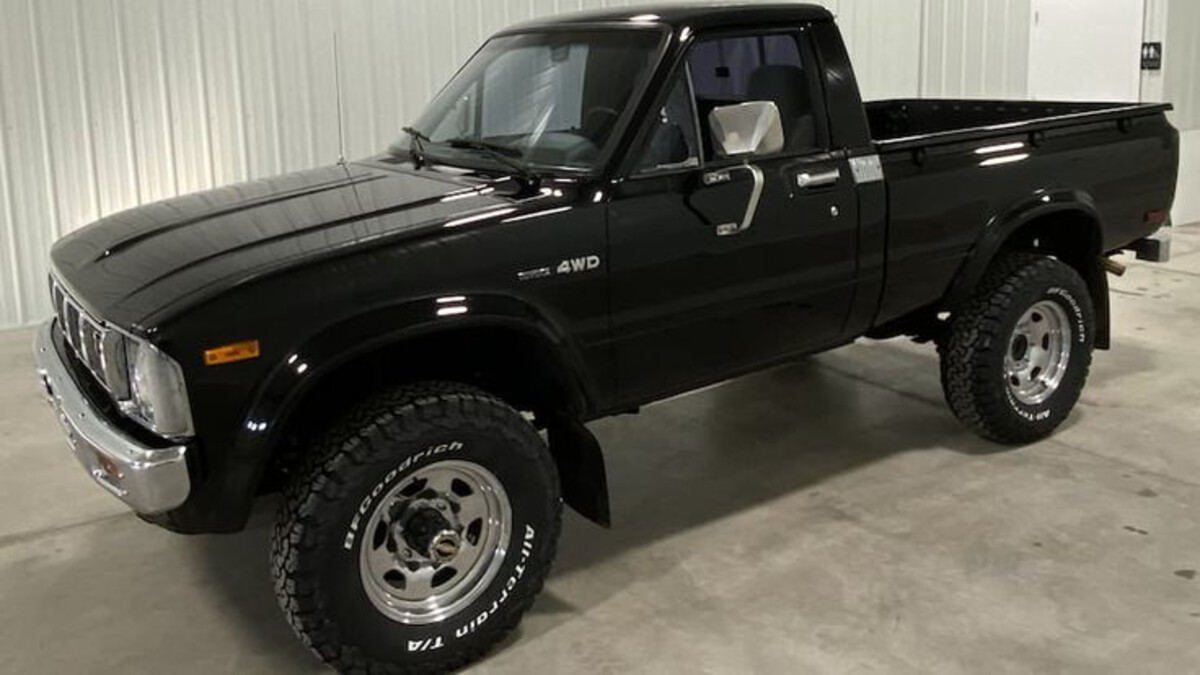
If durability alone determined the best truck for a beginner restoration project, the mid 1980s Toyota Pickup would easily rank near the top of the list. These compact trucks developed a reputation for reliability that continues to influence their popularity among enthusiasts today.
The engineering philosophy behind this Toyota truck focused heavily on mechanical simplicity. The engines used during this period were designed to operate reliably for extremely long periods with only basic maintenance.
Inline four cylinder engines such as the 22R became famous for their ability to handle high mileage while remaining dependable.
For a new restorer, this type of engine design provides a major advantage. Rebuilding or servicing the engine does not require complicated equipment or specialized tools. Many tasks can be completed with standard hand tools and careful attention to detail, making it an ideal learning platform for someone new to mechanical work.
Another appealing aspect of the Toyota Pickup is its manageable size. Compared with large American trucks, this vehicle is smaller and lighter, which makes it easier to maneuver during restoration work. Tasks such as removing body panels, lifting components, or working under the vehicle become less physically demanding.
Despite its compact size, the truck remains extremely capable. Many versions were equipped with four wheel drive systems that allowed them to perform well on rough terrain. This capability adds another layer of interest for restorers who enjoy outdoor adventures and off road driving.
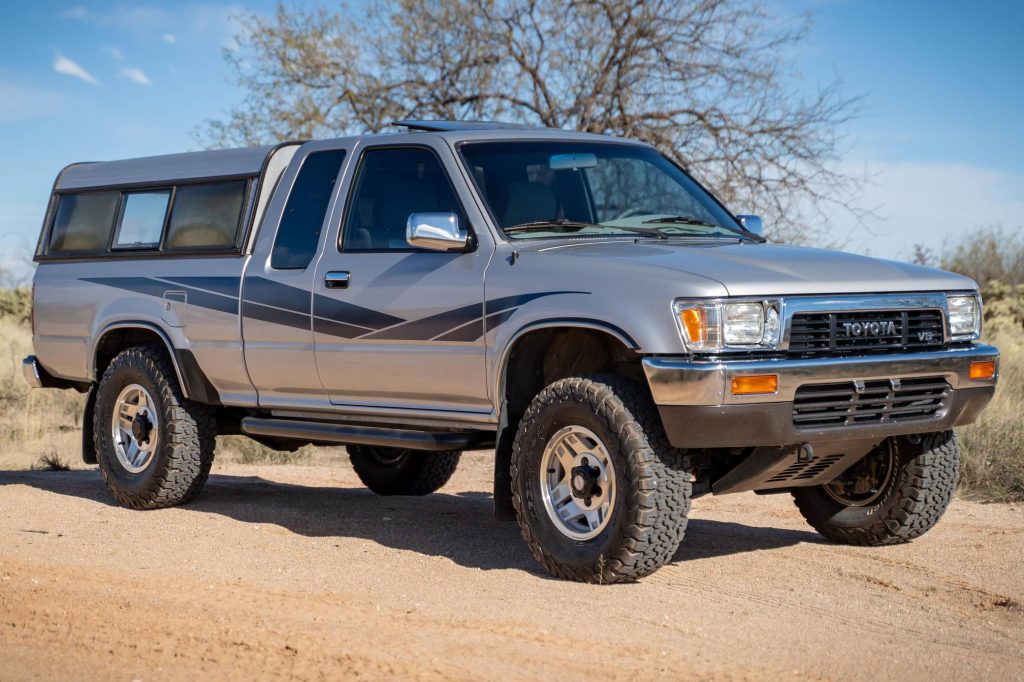
The global popularity of these trucks also ensures strong parts availability. Replacement mechanical components, suspension parts, and body panels can still be found through both original suppliers and aftermarket manufacturers.
Restoring a Toyota Pickup from this era often teaches a beginner the value of patience and attention to detail. Because the truck is built so well, careful restoration work can produce a vehicle that remains dependable for many years of regular use.
6. GMC Sierra Classic (1973 to 1987)
Not every restoration project begins with a rare or highly collectible vehicle. Sometimes the best learning platform comes from a truck that was originally designed for everyday work.
The GMC Sierra Classic from the late 1970s and 1980s fits that description perfectly, offering beginners a dependable foundation for their first restoration project.
This truck shares much of its mechanical design with Chevrolet pickups from the same era, which is extremely helpful for anyone beginning a restoration journey.
Because General Motors produced large numbers of these trucks, parts availability remains strong even decades later. From suspension components to engine parts, restorers can usually locate what they need without excessive searching.
One of the main attractions of the Sierra Classic is its mechanical simplicity. Most models came with reliable V6 or V8 engines that were built to withstand heavy work demands.
These engines were not designed with unnecessary complexity, which means many maintenance tasks are straightforward. Beginners often appreciate how accessible the engine bay is when performing repairs.
The truck’s body on frame design also helps simplify restoration work. Because the body panels are mounted on a separate frame, repairs can be performed in stages. A restorer might begin by focusing on mechanical reliability before moving on to cosmetic improvements such as paint restoration or interior upgrades.
Styling is another reason the Sierra Classic has gained attention among enthusiasts. The squared body design, wide grille, and strong stance give the truck a rugged appearance that still looks impressive today.
Some restorers prefer to maintain the original look, while others transform the truck with custom paint, upgraded wheels, or suspension modifications.
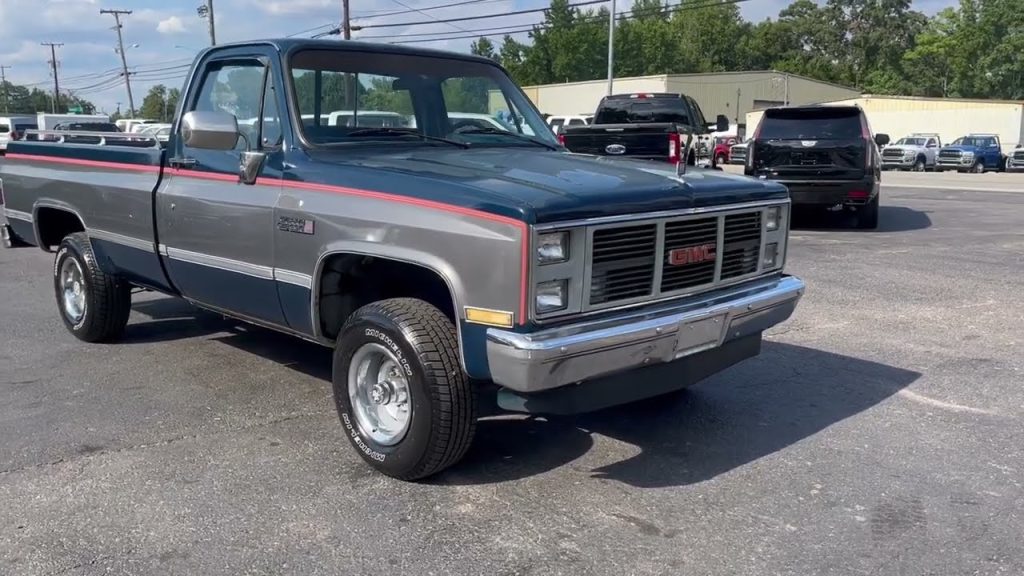
Working on a Sierra Classic teaches beginners how traditional truck systems operate. By rebuilding the suspension, servicing the braking system, and restoring the interior, a first time restorer gradually gains confidence with each completed task.
Choosing a truck like this provides more than just a finished vehicle. It creates a hands on learning experience that introduces the fundamentals of classic vehicle restoration while producing a practical and durable pickup.
7. International Harvester Scout II (1971 to 1980)
Approaching a restoration project can feel overwhelming at first, especially when a vehicle has unique engineering or unfamiliar components. However, the International Harvester Scout II often surprises beginners with how approachable it can be as a restoration project.
The Scout II was originally developed as a rugged utility vehicle capable of handling challenging environments.
Farmers, ranchers, and outdoor enthusiasts relied on these vehicles for transportation across rough terrain. Because of this purpose, International Harvester engineered the Scout with durability and serviceability in mind.
Under the hood, the Scout II used strong engine options including inline four cylinder, inline six cylinder, and V8 engines. These powerplants emphasized durability over extreme performance, which means they can continue operating reliably even after decades of use when properly maintained.
A beginner restorer often discovers that the Scout’s mechanical systems are surprisingly straightforward. The drivetrain components, suspension layout, and steering mechanisms are all designed with rugged simplicity.
While some restoration work may require patience due to the vehicle’s age, the underlying systems are not excessively complicated.
Another appealing aspect of the Scout II is its unique character. Unlike more common pickup trucks, the Scout blends truck capability with SUV practicality. Its short wheelbase, removable roof panels on some models, and strong off road capability give it a distinctive personality.
Because the Scout II has developed a dedicated enthusiast following, restoration parts are more available than many people expect. Specialized suppliers provide replacement body panels, drivetrain components, and interior pieces that help restorers bring these vehicles back to life.
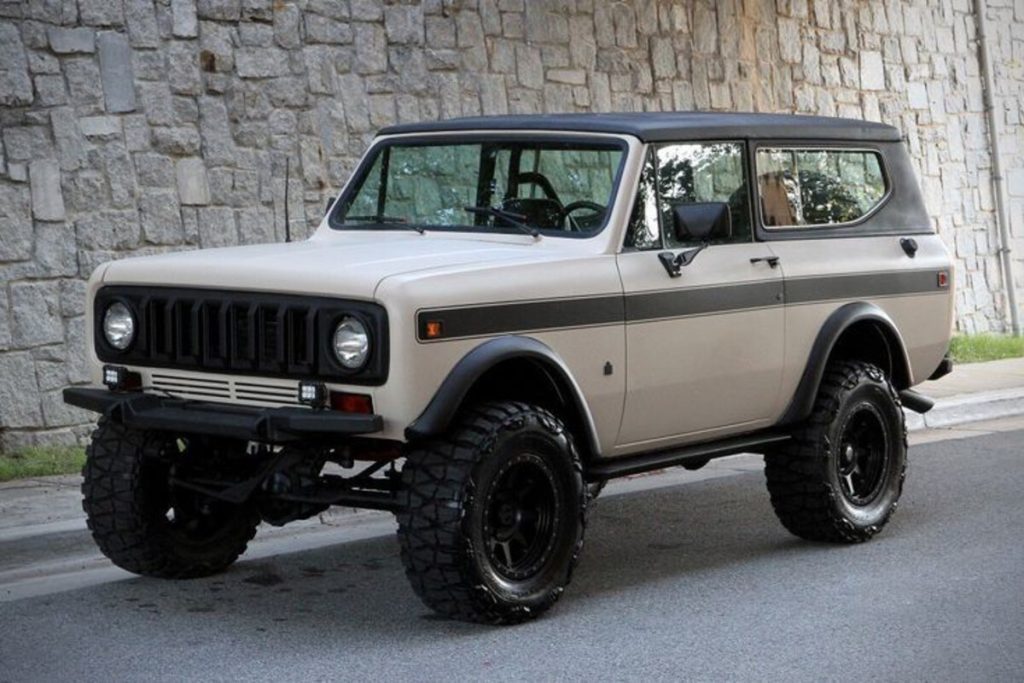
Working on a Scout II also introduces beginners to the challenges and rewards of preserving a vehicle with historical significance. Each repaired component contributes to keeping a unique piece of automotive history on the road.
For someone interested in a restoration project that combines rugged design with distinctive character, the International Harvester Scout II offers a rewarding experience that goes far beyond simply rebuilding a truck.
8. Nissan Hardbody Pickup (1986 to 1997)
By the late 1980s, compact trucks had become extremely popular among drivers who needed practical transportation with excellent durability.
The Nissan Hardbody Pickup quickly earned a reputation for reliability, and today it represents one of the most approachable restoration projects for beginners who prefer a smaller and easier to manage truck.
A first time restorer often benefits from working on a vehicle that does not feel oversized or mechanically overwhelming. The Hardbody fits that description perfectly. Its compact dimensions make it easier to store in a garage, move around during repairs, and access key mechanical components without excessive disassembly.
The engines used in these trucks also contribute to their beginner friendly nature. Nissan equipped the Hardbody with durable four cylinder engines such as the KA24 series, which became known for their longevity and straightforward maintenance requirements. Many of these engines continued running reliably even after accumulating extremely high mileage.
One of the advantages of restoring a Hardbody Pickup is the clarity of its mechanical layout. Opening the hood reveals an engine bay that is easy to understand, allowing new restorers to identify components and perform maintenance tasks with confidence.
Activities such as replacing belts, servicing cooling systems, or rebuilding fuel systems can become valuable learning experiences.
Another factor that makes this truck appealing is the flexibility it offers in restoration style. Some owners choose to restore the truck to its original condition, preserving its simple design and factory appearance.
Others use the Hardbody as a foundation for creative modifications including upgraded suspension, custom paint, or modern drivetrain swaps.
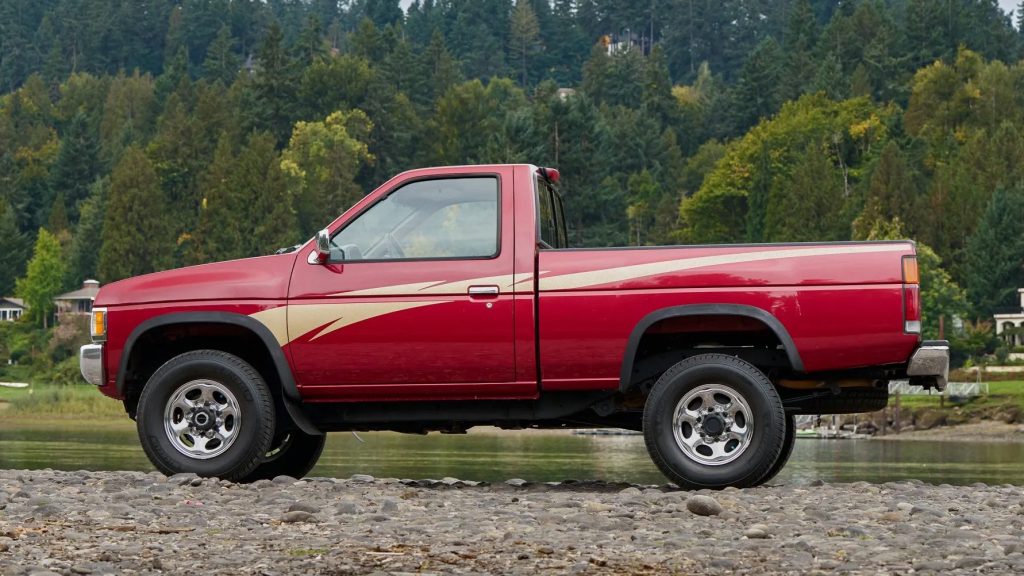
The truck also developed a strong enthusiast community over the years. Owners frequently share restoration projects, repair guides, and technical advice that help beginners overcome common challenges. This support network makes the restoration journey less intimidating for newcomers.
Choosing a Nissan Hardbody Pickup as a first restoration project often results in a vehicle that is both practical and enjoyable to drive. Its durability, manageable size, and strong parts availability make it an excellent platform for learning the fundamentals of classic truck restoration.
9. Jeep J10 Pickup (1974 to 1988)
For a beginner searching for a restoration project that combines classic truck styling with serious capability, the Jeep J10 pickup presents an interesting opportunity. While not as commonly seen as some other classic trucks, the J10 offers rugged engineering and a distinctive personality that appeals to many restorers.
The origins of the J10 trace back to Jeep’s long history of building durable utility vehicles. These trucks were designed to handle demanding environments, including rough terrain and heavy work tasks. Because of that purpose, the engineering emphasizes strength and reliability rather than complicated technology.
Engine choices included several dependable options such as inline six cylinder engines and V8 powerplants supplied by American Motors. These engines developed strong reputations for durability, and many mechanical components remain available through restoration suppliers and enthusiast networks.
A new restorer working on a J10 quickly notices how traditional the truck feels mechanically. The body on frame construction allows repairs to be performed section by section. Suspension components, drivetrain parts, and braking systems can all be rebuilt using widely available tools and parts.
The visual presence of the J10 also contributes to its appeal. The truck carries a bold front grille, strong body lines, and a tall stance that reflects its off road heritage. Restored examples often attract attention because they represent a different style of classic truck compared with more common pickups.
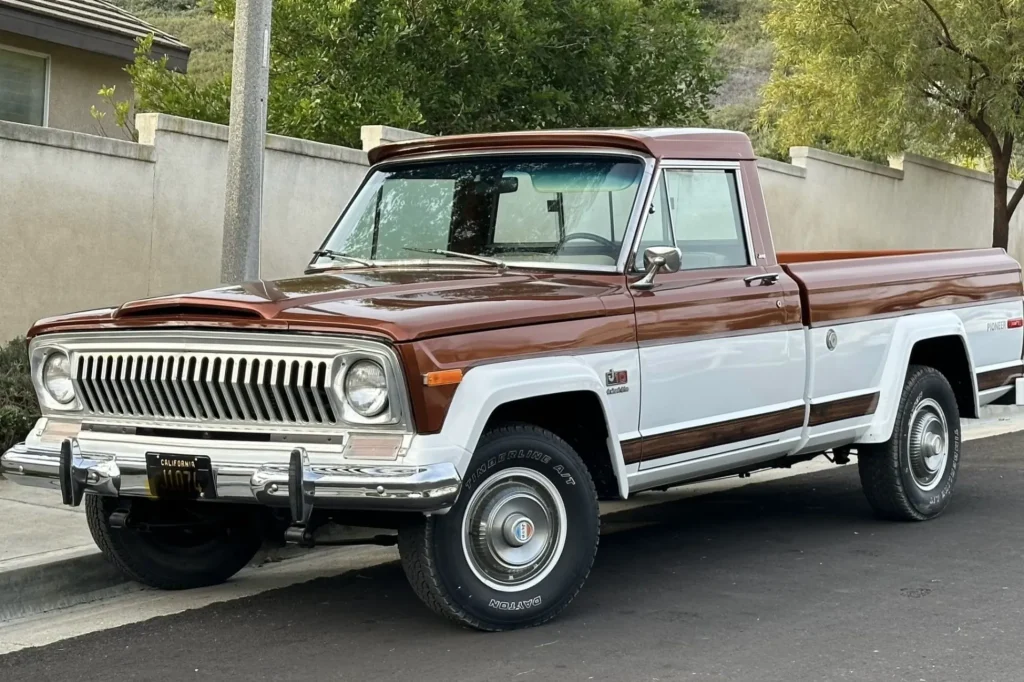
Because the J10 shares some mechanical components with other Jeep vehicles, restorers can often locate replacement parts without excessive difficulty. Enthusiast communities dedicated to vintage Jeeps also provide valuable technical knowledge and restoration guidance.
Choosing the Jeep J10 for a first restoration project introduces beginners to the rugged side of classic truck ownership. The project teaches valuable mechanical skills while producing a vehicle capable of both daily driving and outdoor adventures.
10. Ford Ranger (1983 to 1992)
For many first time restorers, the ideal project vehicle is one that combines affordability, mechanical simplicity, and strong parts availability.
The early Ford Ranger fits this description extremely well. These compact trucks were designed as practical everyday vehicles, and that straightforward approach makes them a very manageable restoration project.
The Ranger became popular during the 1980s as drivers began looking for smaller trucks that still offered strong capability.
Ford engineered the truck with durability and ease of maintenance in mind. As a result, the mechanical systems remain relatively easy to understand even for someone with limited restoration experience.
One of the biggest advantages of choosing an early Ranger is the variety of dependable engines that were available. Many trucks used simple four cylinder engines that emphasized efficiency and reliability rather than high performance.
These engines were designed with accessible components, allowing routine maintenance and repairs to be performed without complex tools.
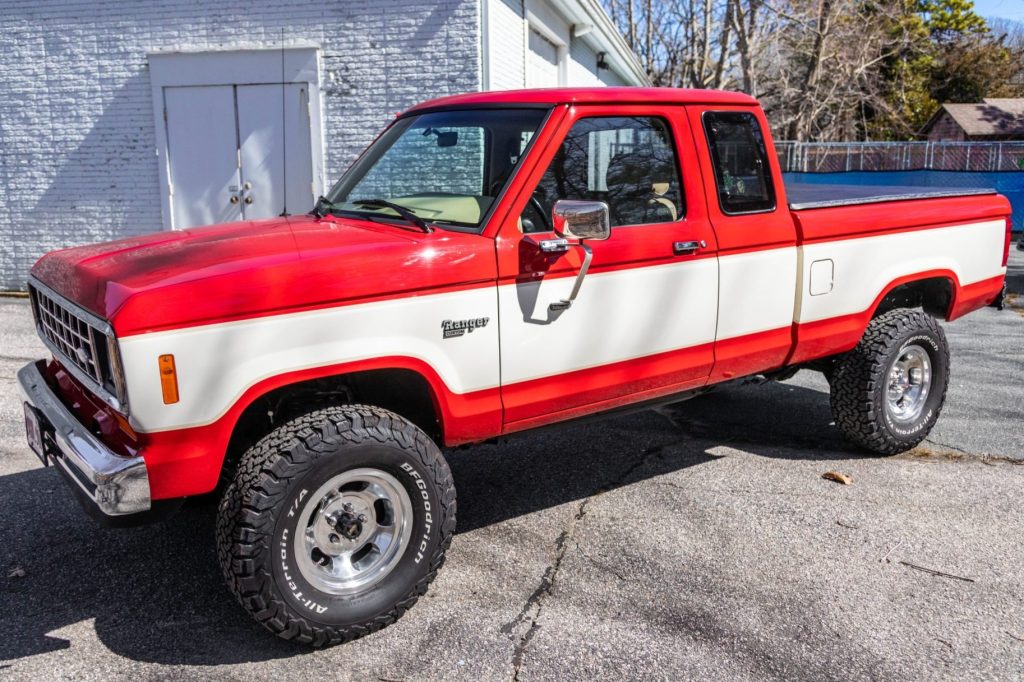
Another benefit comes from the truck’s compact structure. Compared with full size pickups, the Ranger is easier to store in a garage and simpler to work on during restoration tasks. Removing interior components, servicing suspension parts, or replacing body panels can often be done without requiring large lifting equipment.
Because Ford produced these trucks in large numbers, the supply of replacement parts remains strong. Mechanical components, suspension pieces, and body panels are widely available through aftermarket suppliers. This availability allows beginners to restore the truck gradually without facing major parts shortages.
Restoring an early Ranger also offers flexibility in terms of customization. Some owners focus on returning the truck to original factory condition, while others upgrade the suspension, install larger wheels, or modernize the interior.
Either approach allows the restorer to develop skills while shaping the vehicle according to personal preferences.
For someone starting their first classic truck project, the Ford Ranger provides a realistic and rewarding platform. Its manageable size, durable engineering, and wide parts availability help ensure that the restoration process remains enjoyable rather than overwhelming.
Also Read: 10 Common Maintenance Mistakes That Shorten Engine Life
