
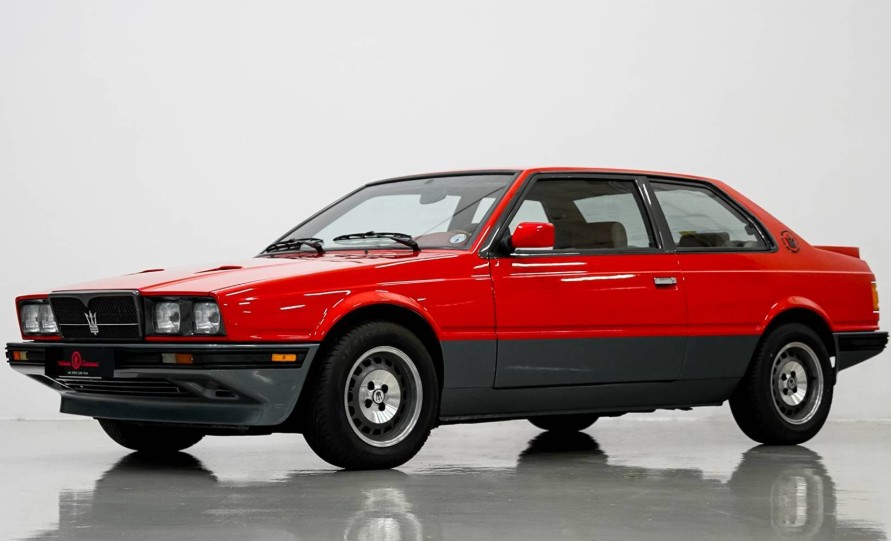
The 1980s was a golden era for the European luxury coupe a decade when continent’s finest automakers competed fiercely to define what a prestige grand tourer could be.
Against a backdrop of economic expansion, new money, and a culture that celebrated wealth without apology, the executive coupe became the ultimate status symbol.
These were not mere sports cars, nor were they limousines. They occupied a rarified space in between: powerful enough to thrill, refined enough to impress, and exclusive enough to signal membership in an elite club that very few could afford to join.
Germany led the charge, with BMW and Mercedes-Benz producing machines of almost intimidating sophistication. Italy contributed drama and passion through Maserati and Ferrari.
Britain offered the hand-crafted intimacy of Aston Martin and Jaguar. Together, these manufacturers shaped a decade of motoring that has never quite been replicated.
Fuel injection, electronic management systems, and turbocharging were transforming what engines could do, while interior designers lavished cabins with hand-stitched leather, burr walnut veneers, and the finest wool carpets money could buy. These were rolling expressions of industrial artistry. Here are the eight European luxury coupes that defined and dominated the 1980s executive market.
1. BMW E24 6 Series (1976–1989)
Few cars defined the concept of the 1980s European luxury coupe as completely and convincingly as the BMW E24 6 Series. Launched in 1976 and continuing in production through to 1989, the 6 Series was a constant, almost regal presence throughout the entire decade evolving quietly with each passing year while never losing the essential character that made it so compelling in the first place.
It was a car that managed to be sporty and luxurious simultaneously, and it did so with a grace that its rivals found extremely difficult to match. The E24 was designed by Paul Bracq, one of the most gifted automotive stylists of the era, and the results of his work were extraordinary.
The long hood, the sweeping roofline, the subtle Hofmeister kink at the C-pillar every line had purpose and beauty in equal measure. It was not a car that shouted for attention, but it commanded it effortlessly.
Parked outside a hotel or a restaurant, the 6 Series looked as though it belonged there, as though the world had been arranged specifically as a backdrop for it.
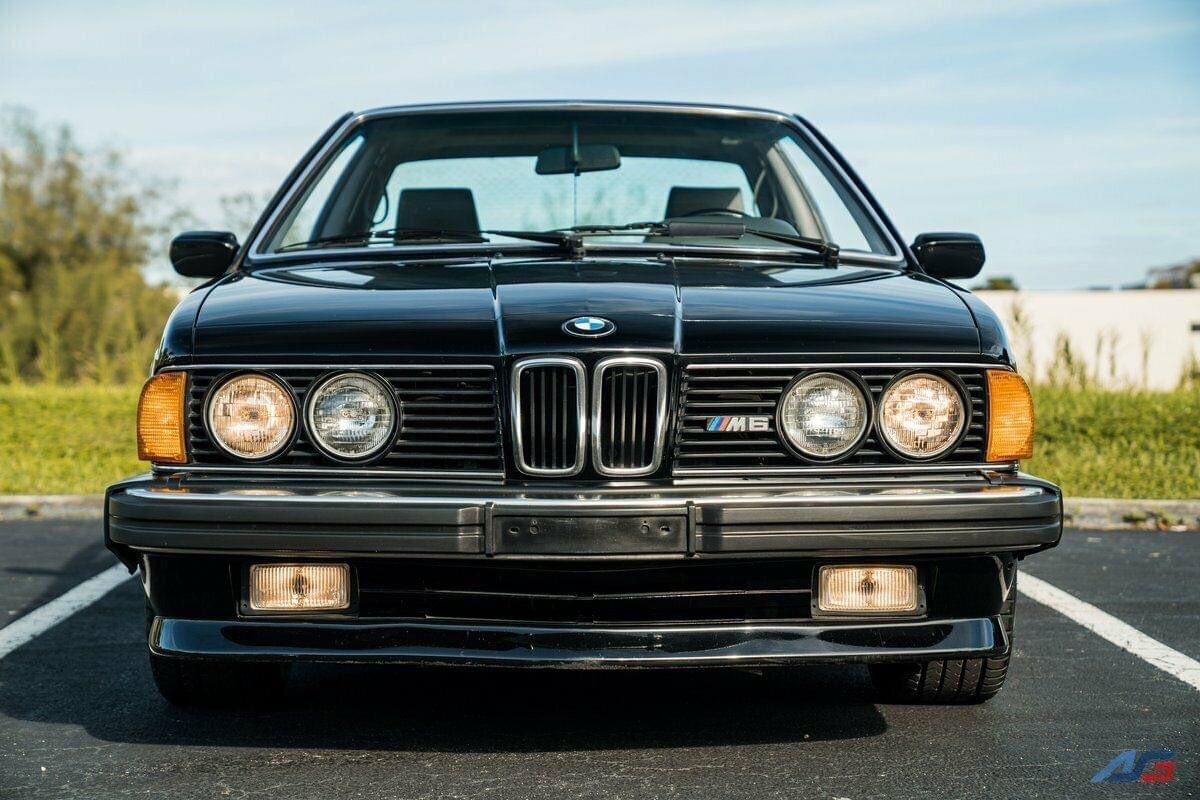
Mechanically, the 6 Series was powered by a range of straight-six and later V12-adjacent powertrains that placed it firmly among the most capable grand tourers of its era.
The 635CSi, introduced in 1978 and facelifted into a sharper, more refined machine by the early 1980s, was arguably the definitive version equipped with a 3.5-litre straight-six producing around 218 horsepower in European specification.
It was not a brute; it was a sophisticate. The engine was smooth, cultured, and entirely willing to rev, delivering its power in a linear and confidence-inspiring fashion that made long motorway runs feel effortless.
The interior was quintessential BMW of the period: functional, driver-focused, yet beautifully appointed. Black or tan leather, deeply cushioned seats, a tilted center console angled towards the driver everything communicated that the person behind the wheel was the priority.
There was a sense of precision about the way every control fell to hand, the way the gearshift clicked between ratios, the way the steering communicated without telegraphing noise. In the 1980s, BMW’s reputation for building the ultimate driving machine was not merely marketing the 6 Series was proof.
The M635CSi, introduced in 1984, raised the formula further still. Fitted with the legendary S38 engine from the M1 supercar a 3.5-litre unit producing 286 horsepower it brought genuine supercar performance to the executive coupe segment.
Zero to sixty in under seven seconds was remarkable for the era, and the M635CSi handled with a precision and balance that made even fast driving feel entirely natural and controlled. It was a car for those who understood the difference between speed and ability, and who wanted both.
Throughout the 1980s, the 6 Series accumulated an enviable clientele: architects, lawyers, senior executives, and discerning enthusiasts who recognised that it offered something no other car in its class quite matched the complete package of beauty, intelligence, and sporting ability, all in one elegant, understated form.
2. Mercedes-Benz W126 SEC (1981–1991)
If the BMW 6 Series was the athletic, forward-thinking choice among 1980s luxury coupes, the Mercedes-Benz W126 SEC was its aristocratic counterpart a car of such immense gravitas and engineering solidity that it seemed less like a product and more like a monument.
Introduced at the Frankfurt Motor Show in 1981, the SEC coupe was derived from the acclaimed W126 S-Class saloon, and it inherited every one of that car’s virtues while adding the visual drama of a sweeping two-door body that remains breathtaking to this day.
Bruno Sacco, Mercedes-Benz’s legendary head of design, oversaw the SEC’s styling, and his philosophy of timeless, rational elegance is evident in every proportion. The car is long, low, and wide, with a greenhouse that tapers gracefully to the rear and flanks that are entirely uncluttered by unnecessary surface decoration.
The frameless windows a signature Mercedes detail of the era gave the SEC a particular architectural quality, as though the cabin had been sculpted from a single piece of material.
Open the door and the glass drops slightly, sealing with absolute precision. It is a small detail, but it speaks volumes about the level of refinement Mercedes-Benz brought to this car.
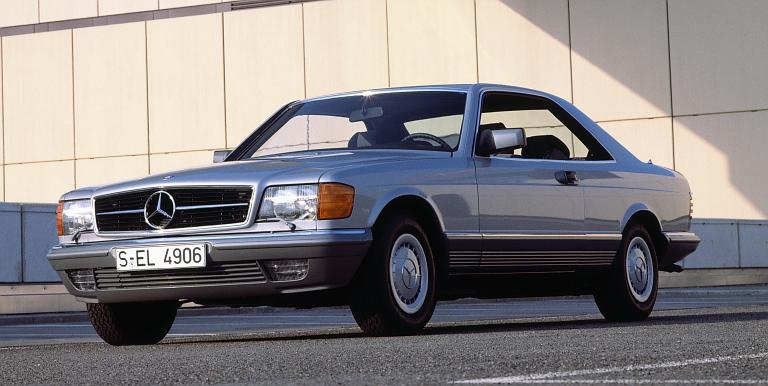
The SEC range was offered in 380, 420, 500, and the extraordinary 560 SEC specifications, each differentiated by displacement and output. The 500 SEC, with its 5.0-litre V8 producing approximately 240 horsepower, was the sweet spot of the range powerful enough to dispatch the 0-60 sprint in under eight seconds, refined enough to make that performance feel almost effortless.
The engine was a masterpiece of smooth, silent delivery, its V8 note barely audible at highway speeds, the whole car insulating its occupants from the external world with almost supernatural effectiveness.
The cabin of the W126 SEC was nothing short of extraordinary. Wide, low seats trimmed in MB-Tex or optional leather, a dashboard of classic horizontal architecture populated with the finest switches and instruments available at the time, and a sense of interior space that defied the two-door configuration.
The rear seats, while more snug than those in the saloon, were still genuinely habitable this was a car that could accommodate four adults in comfort on long journeys, provided the rear passengers were not unusually tall.
Safety was another dimension in which the SEC led the market. Mercedes-Benz had pioneered ABS braking, driver’s airbags, and crumple zone engineering, and the W126 embodied all of these advances.
In an era when car safety was still a secondary consideration for many manufacturers, Mercedes treated it as a core brand value and the SEC was the beneficiary. It felt unshakeable on the road, impervious to the kind of instability that could unsettle lesser vehicles.
Among 1980s luxury coupes, the W126 SEC occupied the absolute pinnacle of established prestige. To own one was to own the finest coupe that money could buy.
3. Jaguar XJ-S (1975–1996)
The Jaguar XJ-S is one of the most polarizing yet ultimately beloved British luxury coupes ever built. Introduced in 1975 as a replacement for the legendary E-Type, it had the unenviable task of following an icon a task made more complex by the fact that the XJ-S was deliberately not an E-Type successor in spirit.
Where the E-Type was a visceral, wind-in-the-hair sports car, the XJ-S was a grand tourer of enormous refinement, designed for effortless high-speed continental travel rather than circuit-inspired thrills.
The styling, by Malcolm Sayer and his team, was controversial upon launch and remained divisive throughout the car’s long life. The flying buttresses at the rear C-pillar divided opinion sharply, and the wide, low body lacked the classical purity of the E-Type. Yet time has been remarkably kind to the XJ-S.
Viewed from the right angle and particularly in the facelift forms it adopted through the late 1980s it is a strikingly beautiful machine, muscular and feline in equal measure.
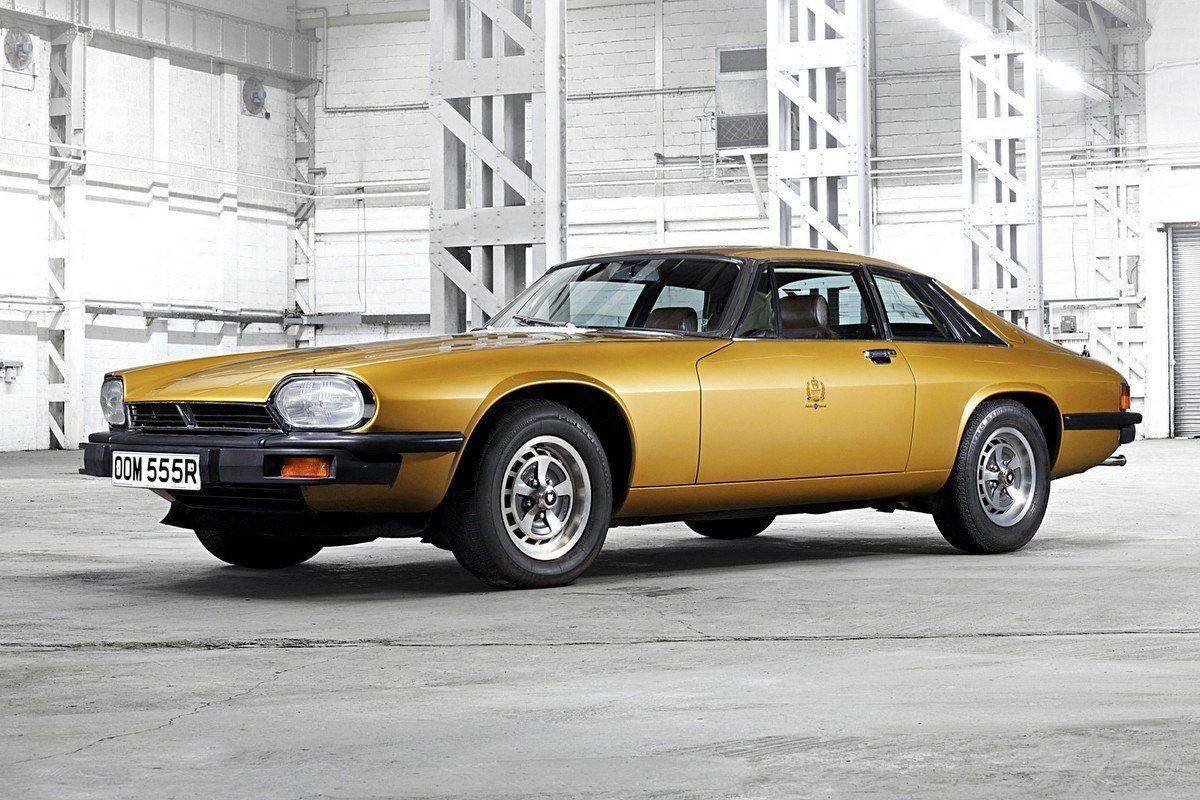
The 1980s were transformative years for the XJ-S. The decade began with the car still powered by the magnificent 5.3-litre V12 engine that had been its defining powerplant since launch a unit of extraordinary smoothness and sophistication, producing around 295 horsepower and capable of propelling the XJ-S to a top speed in excess of 150 miles per hour.
The V12 is one of the great automotive engines of the twentieth century: its note is operatic, its delivery silky, and its presence under the hood covering almost the entire engine bay is magnificent.
In 1981, Jaguar introduced the HE (High Efficiency) engine specification, developed in collaboration with Swiss engineer Michael May. This revised cylinder head dramatically improved fuel consumption historically the V12’s greatest weakness while maintaining performance.
The HE transformation made the XJ-S genuinely viable as an everyday luxury car and triggered a revival in the model’s fortunes, leading to dramatically increased sales throughout the middle years of the decade.
The interior of the XJ-S was sumptuous in the traditional British manner: deep leather seats with pronounced bolstering, real wood veneers on every available surface, thick Wilton carpeting underfoot, and an atmosphere of clubby, unhurried luxury that no German rival of the period could quite replicate. It smelled of leather and wood oil. It felt handmade, because largely it was.
The 1988 facelift brought further refinements a revised nose, new tail lamps, and improved cabin quality and the Convertible variant, introduced in 1983, added open-air grand touring to the XJ-S’s portfolio. By the end of the decade, the XJ-S had transcended its controversial origins to become a genuine icon of 1980s luxury motoring.
4. Porsche 928 (1977–1995)
The Porsche 928 was an anomaly a front-engined, V8-powered grand tourer from a manufacturer whose entire identity was built around rear-engined sports cars.
When it was introduced in 1977 and named Car of the Year in 1978, Porsche’s management genuinely believed it would replace the 911. It did not, of course but what it did instead was carve out a unique and thoroughly distinguished niche as perhaps the finest high-performance luxury coupe of the 1980s.
The 928’s design was radical for its time: a smooth, organic form with flush surfaces, pop-up headlights, and a hatchback body that was both practical and aerodynamically efficient.
The plastic bumpers and body-coloured trim that surrounded the car’s lower sections looked distinctly futuristic in 1977 and remained fresh well into the 1980s. It was the work of Anatole Lapine’s design studio, and it aged with remarkable grace.
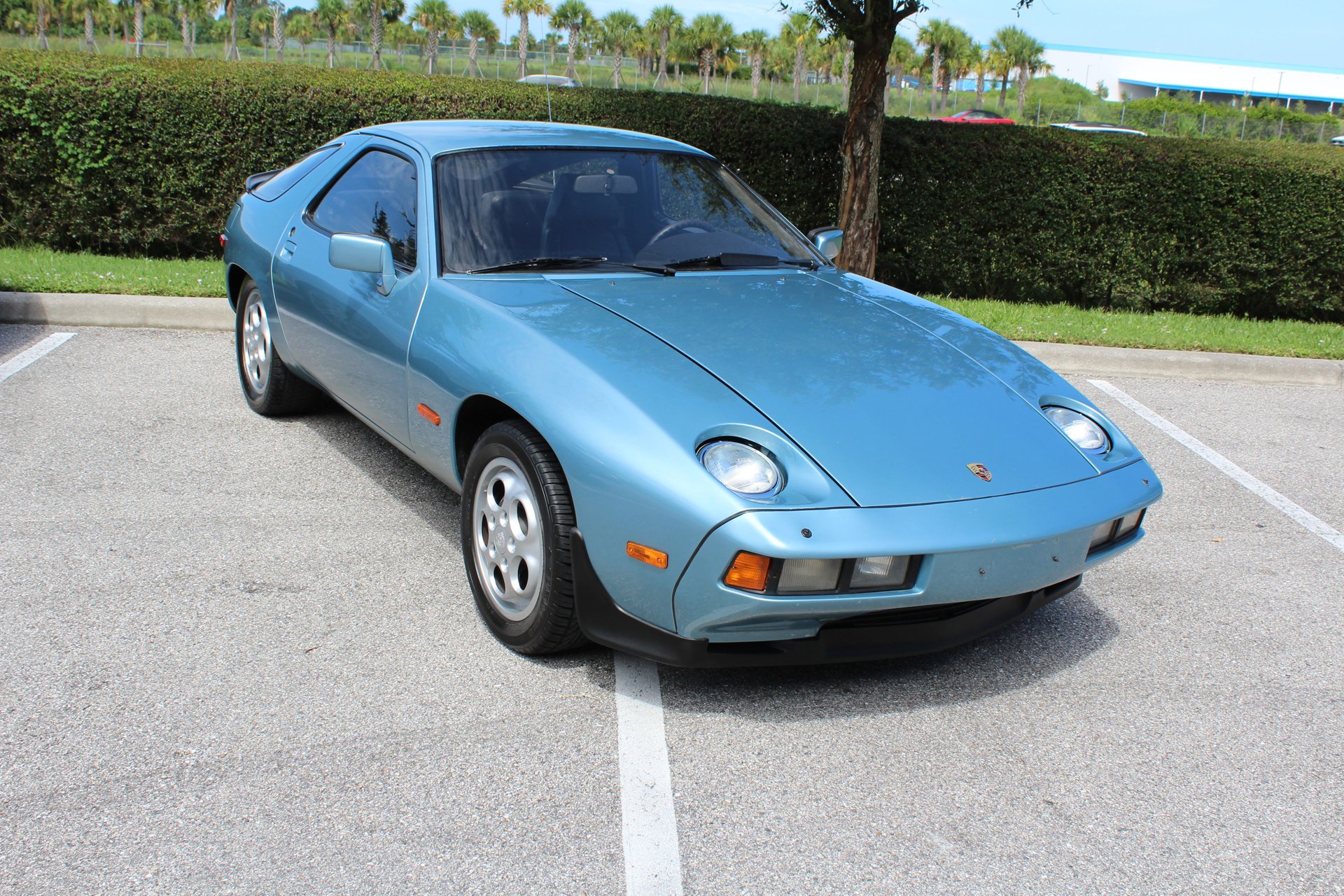
What set the 928 apart from every other luxury coupe of its era was the sheer breadth of its engineering sophistication. The transaxle layout — engine at the front, gearbox at the rear gave the 928 a near-perfect 50/50 weight distribution that endowed it with handling of extraordinary balance and precision.
The Weissach rear axle, a passive rear-wheel steering system, further sharpened its responses. This was a car that could be driven at genuinely extraordinary speeds by an ordinary driver and still feel composed and safe a remarkable achievement.
The S and S4 variants of the 1980s progressively increased the V8’s displacement and output. By the time the 928 S4 arrived in 1987, the engine displaced 5.0 litres and produced 320 horsepower enough for a 0-60 time of around five and a half seconds and a top speed approaching 170 miles per hour.
These were supercar numbers, delivered in a car that was equally comfortable carrying luggage, accommodating four passengers, and cruising in air-conditioned comfort on the autobahn.
The interior was a masterpiece of ergonomic design: the instrument pod moved with the steering column for perfect visibility in any seating position, the seats were among the most supportive of the era, and the dashboard layout was logical and clear.
Optional leather and Porsche’s famous attention to build quality made the 928’s cabin one of the finest places to spend time in any car of the period.
Critics of the 928 sometimes suggested it lacked emotional engagement. Those critics had never driven one properly. The 928 S4 at full throttle on a clear road was one of the great automotive experiences of the decade effortless, rapid, and deeply satisfying.
Also Read: 5 Vintage Hatchbacks That Defined the 1970s Commuter Lifestyle
5. Maserati Biturbo (1981–1994)
The Maserati Biturbo occupies a complex position in the history of the 1980s European luxury coupe. On one hand, it was a car of genuine audacity an attempt by a struggling Italian manufacturer to reclaim relevance by introducing twin-turbo technology to the executive market at a price point that undercut the German establishment.
On the other hand, its early production quality was notoriously inconsistent, earning the Biturbo a reputation for unreliability that its genuine engineering merits struggled to overcome.
Yet the Biturbo deserves recognition and reassessment. At its best in the later, more thoroughly developed versions of the mid-to-late 1980s it was a genuinely exciting and characterful luxury coupe that offered a driving experience utterly unlike anything the Germans could provide.
The 2.0-litre twin-turbocharged V6 engine, when it was working correctly, produced power with a surge and ferocity that was intoxicating. The delivery was anything but linear: there was a pronounced lag at low revs, then a sudden, emphatic surge of power as the turbos spooled up that pushed the occupants firmly back into their seats.
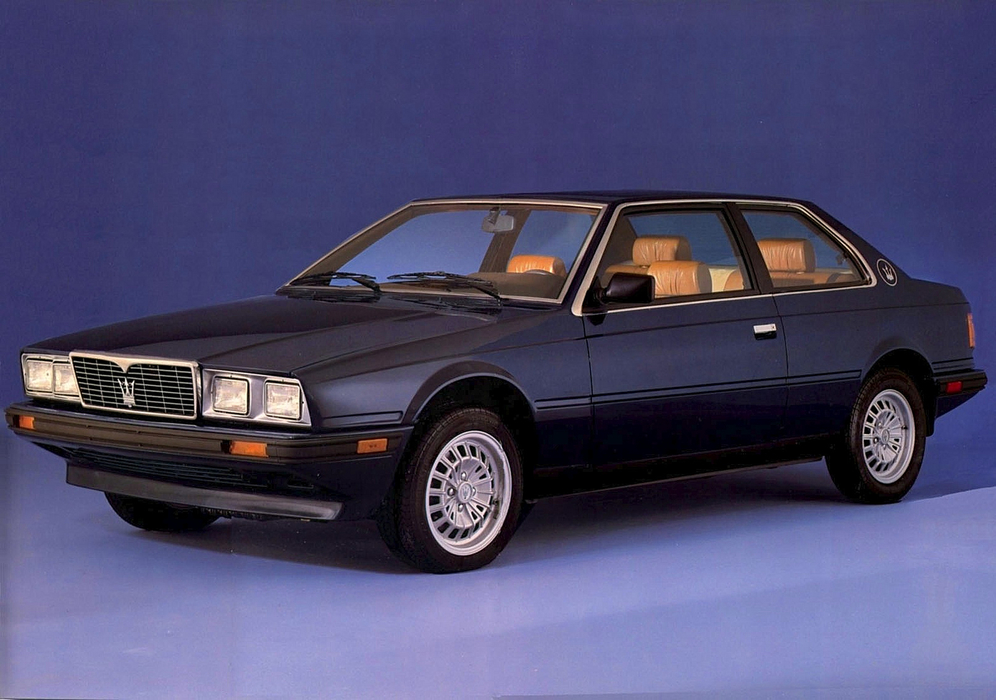
The styling, by Pierangelo Andreani, was handsome in the compact Italian tradition: clean, tailored, and properly proportioned, with none of the baroque excess that occasionally marred Italian design of the period.
The cabin was extraordinary in its ambition hand-stitched leather from floor to ceiling, Alcantara headlining, real wood on every appropriate surface.
The smell of a well-appointed Biturbo interior is one of the great automotive sensory experiences of the decade. It was a car that wrapped itself around its driver with unusual intimacy, the snug dimensions creating a sense of cocooned luxury entirely different from the more expansive German school of interior design.
The Spyder convertible and the 425 variants expanded the range throughout the decade, and progressive engineering improvements addressed many of the early reliability concerns.
By the time the revised models of 1988 arrived, the Biturbo had matured significantly, offering a more consistent and trustworthy ownership experience while retaining all of its Italian flair and passion.
The Biturbo’s importance lies in what it attempted. It dared to challenge the German hegemony on its own terms price and performance and while it did not ultimately succeed in displacing the BMW or Mercedes, it reminded the market that Italian luxury coupes could be relevant, exciting, and desirable in the executive segment. For drivers who valued passion and theatre over Germanic precision, the Biturbo was the only choice.
6. Aston Martin V8 Vantage (1977–1989)
No list of 1980s European luxury coupes could be complete without the Aston Martin V8 Vantage a car so gloriously excessive, so magnificently British in its combination of brutality and elegance, that it remains one of the most evocative automobiles of the entire decade.
Introduced in 1977 as a high-performance variant of the existing V8 series, the Vantage claimed to be the fastest production car at its launch.
By the early 1980s, that claim was being contested, but the Vantage’s reputation as an instrument of serious, almost frightening performance remained entirely intact.
The engine was the centrepiece: a 5.3-litre quad-cam V8, hand-assembled at Aston Martin’s Newport Pagnell factory, producing in the region of 380 horsepower in standard Vantage tune and considerably more in the hands of specialist tuners.
The power delivery was savage, the torque enormous, and the whole car had an intensity about it that no German or Italian rival of the period could match. This was not a car that politely accelerated; it lunged forward with controlled violence, the exhaust note deepening to a howl as the revs climbed.
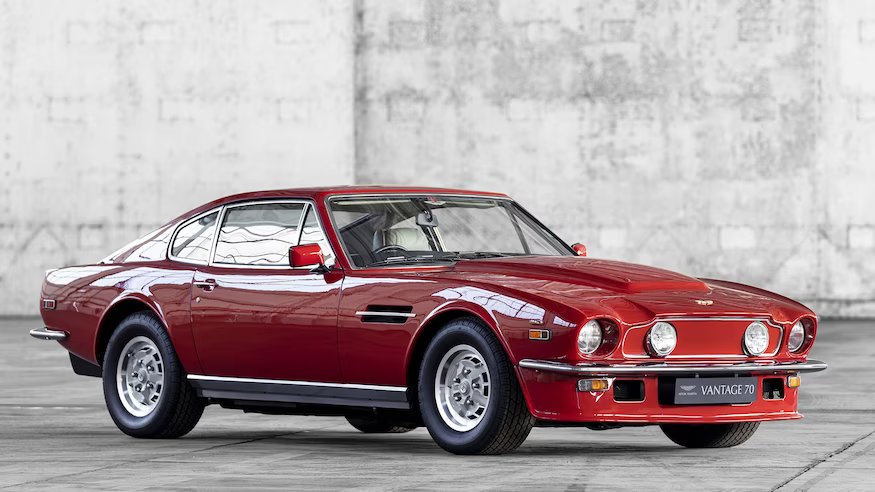
The body, styled by William Towns, was wide and purposeful, with a blanked-off front grille, flared wheel arches housing enormous tyres, and a rear spoiler that made its aerodynamic intentions perfectly clear.
It was handsome rather than beautiful, aggressive rather than refined a car that looked exactly as fast as it actually was. The optional factory supercharger, available from 1986, pushed power outputs to levels that made the Vantage genuinely competitive with the supercars of its era.
Inside, the V8 Vantage was everything a British luxury coupe should be. Hand-stitched connolly leather, polished aluminium switchgear, deep-pile carpeting, and a dashboard of elegant simplicity populated with Smith’s instruments and toggle switches that might have seemed archaic compared to BMW’s ergonomic precision, but which had a charm and character that was entirely their own.
Every Vantage was built individually, to the customer’s specification, and the resulting sense of personal ownership was impossible to replicate in volume production.
The V8 Vantage was never about practicality or compromise. It was about passion specifically British passion, which combines understatement with absolute seriousness in a way that the rest of the world finds difficult to fully understand. To drive a Vantage was to understand exactly what Aston Martin was, and why its customers would consider no other car.
7. Ferrari 400i / 412 (1979–1989)
Ferrari building a front-engined, automatic-transmission, four-seater grand tourer might seem contradictory to the brand’s racing DNA, but the 400i and its successor the 412 were precisely that and they were magnificent for it.
These were Ferrari’s answers to the question of what a luxury coupe for the serious collector and connoisseur should be: cars that carried the prancing horse badge while offering a level of touring comfort and refinement that the mid-engined models of the era simply could not provide.
The 400i, introduced in 1979 with fuel injection replacing the earlier carburetted 400’s setup, was powered by a 4.8-litre Colombo-derived V12 engine producing around 310 horsepower.
The availability of a GM-sourced three-speed automatic gearbox scandalous to purists, welcomed by those who actually used these cars as intended meant that the 400i could be driven in genuine luxury, the engine’s smooth V12 note a constant companion on long journeys across Europe.
The manual five-speed alternative was available for those who preferred it, and in that configuration the 400i was a more involving, more demanding car that rewarded skilled drivers accordingly.
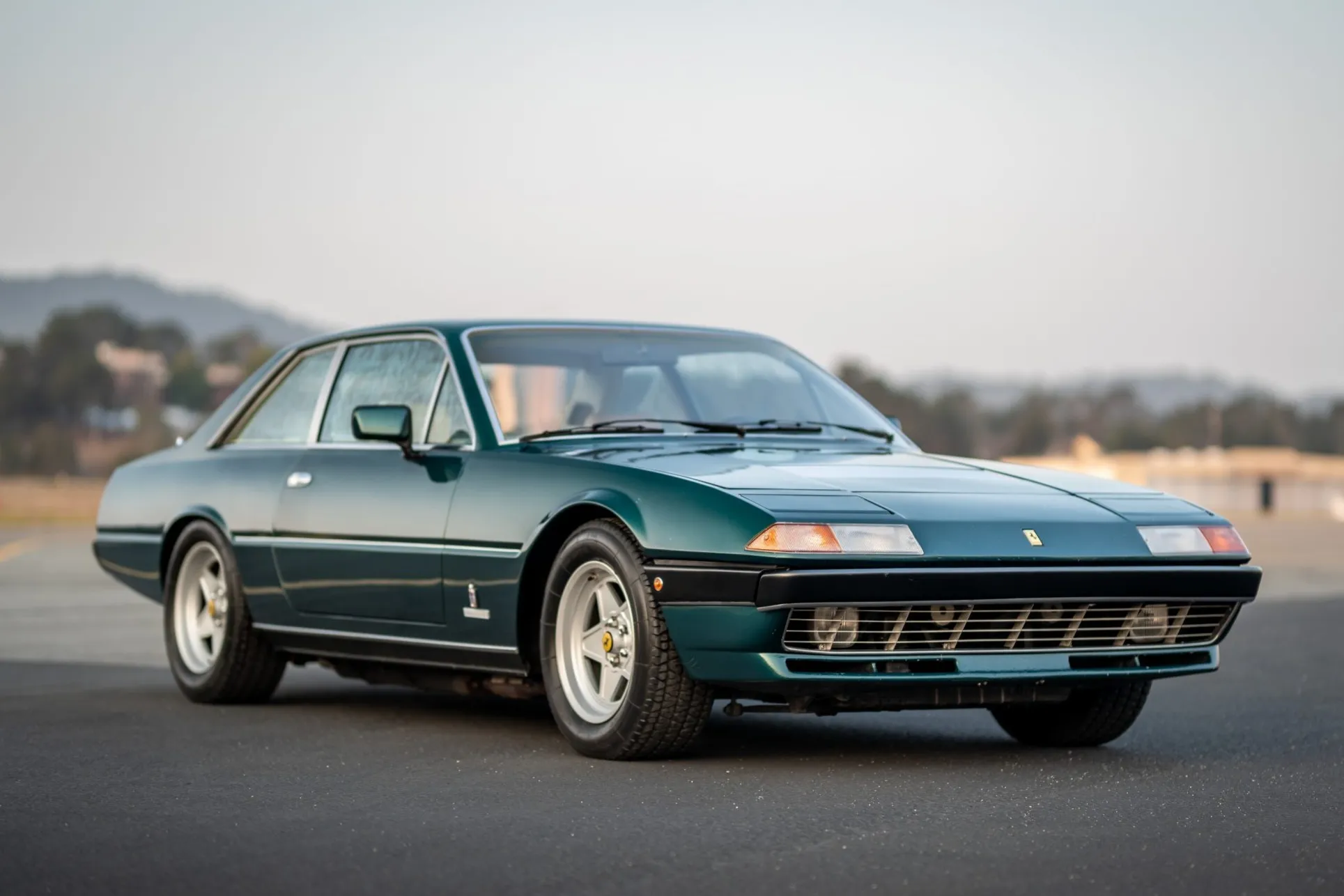
The 412, which replaced the 400i in 1985, brought displacement to 4.9 litres, output to approximately 340 horsepower, and most significantly, an improved four-wheel ABS braking system the first production Ferrari so equipped.
The 412 was a more polished, more thoroughly engineered car in every respect, addressing the occasional rough edges of its predecessor while maintaining the essential character that made these Ferrari grand tourers so distinctive.
The Pininfarina-designed body was long, low, and classically Italian: perfectly proportioned, with a fastback roofline that provided genuine rear headroom without compromising the car’s visual elegance.
The interior was leather-lined and Ferrari-appointed, with the trademark gated manual shifter (on manual versions) providing a tactile centrepiece. Rear seats were small but genuine, making the 412 a true four-seater in a segment where most rivals offered merely token rear accommodation.
Owning a 412 in the 1980s was a statement of extraordinary refinement of choosing Ferrari not for its racing pedigree but for its artistry. These were cars for connoisseurs who wanted the finest Italian engineering applied to the grand touring brief, and they delivered exactly that.
8. BMW M635CSi (1984–1989)
While the standard 6 Series deserves its own recognition earlier in this list, the M635CSi demands separate consideration because it was not merely a variant of the E24, it was one of the greatest performance luxury coupes ever built, in any era.
Developed by BMW Motorsport GmbH and introduced in 1984, the M635CSi took the beautiful 6 Series body and filled it with a barely domesticated racing engine, creating a car that could credibly challenge pure sports cars on track while remaining impeccably civilised on the road.
The engine was the S38, derived directly from the M1 supercar and producing 286 horsepower from its 3.5-litre displacement an extraordinary specific output for a naturally aspirated unit of the mid-1980s.
It revved willingly and freely to its 6,500 rpm redline, the sound rising from a cultured straight-six note at low speeds to a ferocious mechanical howl at full throttle.
The performance was startling: zero to sixty in under seven seconds, a top speed of 158 miles per hour, and a sense of mechanical urgency that was entirely unlike any other luxury coupe on the market.
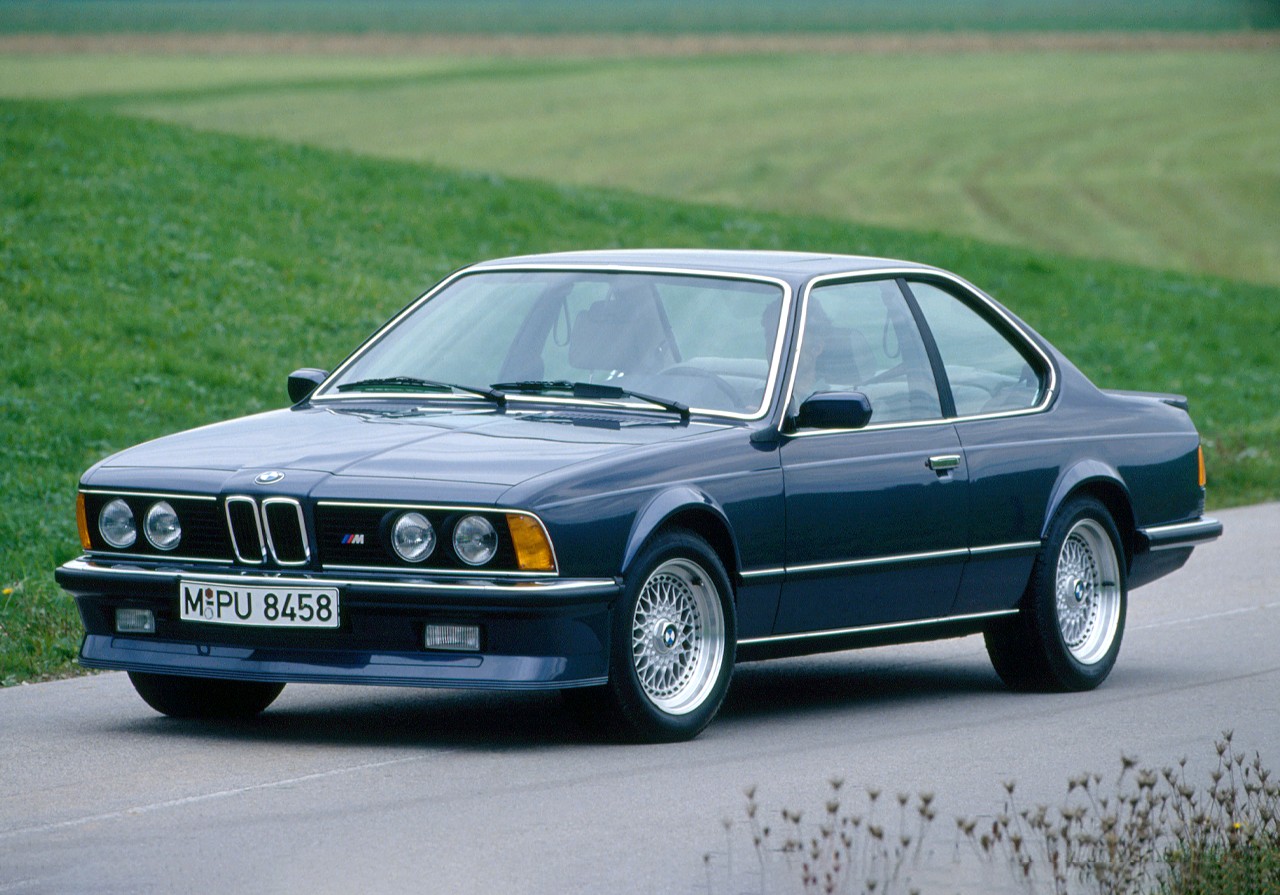
Yet the M635CSi never felt like a barely tamed race car. The suspension was carefully calibrated to provide genuine sports car handling without the harshness that lesser cars imposed on their drivers.
The steering was communicative and precise, the brakes enormous and confidence-inspiring, the chassis balance so good that the car could be driven at its limits by a skilled but not necessarily professional driver without feeling dangerous. BMW Motorsport’s engineers had achieved something remarkable: genuine performance without compromise.
The cabin retained all the quality and driver-focus of the standard 6 Series, with M-specific sport seats, a leather-wrapped steering wheel, and subtle Motorsport badging that identified this as something special without announcing it loudly to the world. The M635CSi was a car for those in the know those who understood that the most discreet badge in the parking lot was also the fastest car in it.
In the context of the 1980s executive coupe market, the M635CSi was a revelation. It demonstrated that luxury and genuine sporting performance were not mutually exclusive that a car could coddle its occupants in hand-stitched leather while simultaneously being capable of embarrassing dedicated sports cars on the right road. It remains, to this day, one of BMW’s finest achievements.
Also Read: Top 10 Boxy 1980s Sedans That Are Now Considered Modern Classics
