Modern engines have evolved into technological marvels, offering higher power, efficiency, and refinement than ever before. However, this evolution comes with a critical trade-off: serviceability.
While some engines are designed with practical maintenance in mind, allowing enthusiasts and home mechanics to perform routine repairs with basic tools, others rely on complex electronics, tight packaging, and specialized factory tools that make DIY work nearly impossible.
In this article, we explore “5 Modern Engines That Are Easy to Service at Home vs 5 That Require Specialized Factory Tools.”
From the reliable and approachable Toyota 2GR-FE V6 to the highly engineered Volvo Drive-E twin-charged engine, we’ll examine what makes certain engines DIY-friendly and why others demand professional diagnostics, calibration software, and specialized tooling. Understanding these differences can help vehicle owners make informed choices about maintenance, ownership costs, and long-term reliability.
5 Modern Engines That Are Easy to Service at Home
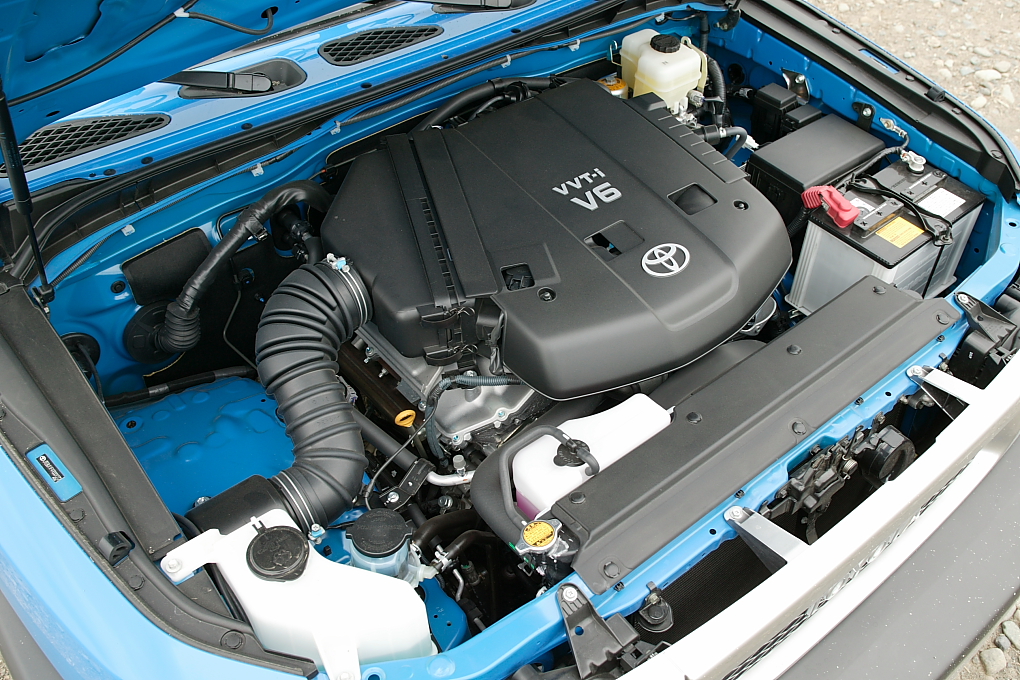
1. Toyota 2GR-FE (3.5L V6): A Durable and DIY-Friendly Engine
The Toyota 2GR-FE 3.5-liter V6 engine is widely regarded as one of Toyota’s most reliable and serviceable modern engines. Used in popular vehicles such as the Camry, Avalon, Highlander, Sienna, and RAV4, it combines strong performance with a practical design that makes maintenance easier for both professional mechanics and home DIYers.
Producing roughly 268–310 horsepower and around 248–260 lb-ft of torque, the naturally aspirated engine delivers smooth and consistent power while maintaining excellent long-term durability. With proper maintenance, many 2GR-FE engines exceed 250,000 miles of service.
A key reason for the engine’s popularity is its accessible layout. Many routine service components are easy to reach without removing major engine parts. The alternator, drive belt, air filter, and spark plugs are positioned in a way that allows them to be serviced with basic tools.
Even the cartridge-style oil filter is placed in a convenient housing that often includes a drain plug to reduce spills during oil changes. Toyota’s consistent metric bolt sizing also simplifies maintenance, meaning a basic socket set can handle most tasks.
The engine’s design also helps reduce long-term maintenance complexity. Unlike many modern engines that use direct fuel injection, the 2GR-FE uses traditional port injection. This prevents carbon buildup on intake valves, eliminating the need for expensive cleaning procedures common on direct-injection engines.
The use of a timing chain instead of a timing belt removes the need for scheduled belt replacements, and long-lasting iridium spark plugs can operate for 100,000 to 120,000 miles before replacement.
Although highly reliable, the 2GR-FE does have a few known issues. Early versions used a rubber VVT-i oil line that could crack, though replacing it with a metal version is a common fix. Water pumps may fail around 100,000 miles, and some engines develop oil leaks from the front timing cover. Despite these issues, repairs are generally well-documented and manageable.
The Toyota 2GR-FE stands out for its durability, performance, and serviceability, making it one of Toyota’s most respected modern V6 engines.
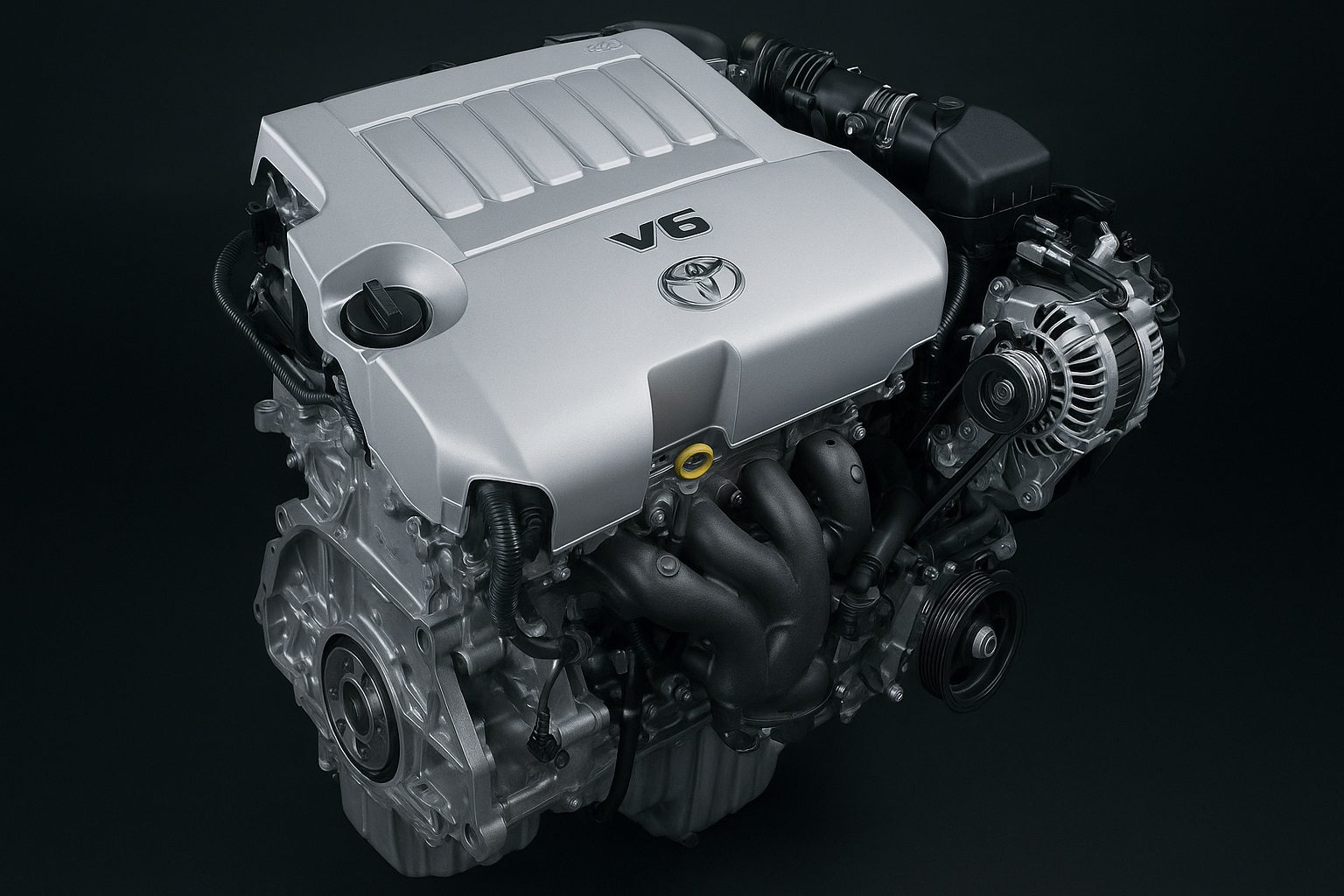
2. Honda K24 (2.4L I4): Reliable, Practical, and DIY-Friendly Performance
The Honda K24 2.4-liter inline-four engine is widely regarded as one of the most reliable and versatile modern four-cylinder engines. Found in popular vehicles such as the Accord, CR-V, Element, and Acura TSX, it has built a strong reputation among mechanics and enthusiasts for its durability, practicality, and ease of maintenance.
With basic upkeep, many K24 engines are known to exceed 200,000 to 300,000 miles. Its combination of simple engineering, spacious engine bay layout, and strong aftermarket support makes it particularly appealing for home mechanics and performance enthusiasts alike.
One reason the K24 is easy to service is its logical design and accessible engine layout. As a transverse-mounted inline-four engine, it leaves significant room in the engine bay, allowing easy access to components such as spark plugs, ignition coils, sensors, the oil filter, and the drive belt tensioner.
This extra space makes routine maintenance far less complicated than on many modern turbocharged engines, especially those in tightly packaged European vehicles.
The engine also benefits from a durable mechanical design. Instead of using a timing belt, the K24 relies on a timing chain, which reduces the need for scheduled replacement and lowers long-term maintenance costs.
Earlier variants feature a strong iron block paired with an aluminum cylinder head, providing excellent strength and reliability under normal driving conditions. The engine’s naturally aspirated design and multi-point fuel injection further simplify maintenance by avoiding the complexity and carbon buildup issues often associated with direct-injection engines.
Performance is another highlight of the K24. Its longer stroke design delivers stronger low-end torque compared with Honda’s smaller K20 engine, making it well-suited for everyday driving in heavier vehicles like the Accord and CR-V.
Most versions use Honda’s i-VTEC technology, which adjusts cam timing for smoother power delivery and improved fuel efficiency. Depending on the variant, power output typically ranges from 160 to 205 horsepower.
Although highly reliable, the K24 does have a few known issues. Some models may experience oil consumption, worn timing chain tensioners, or cold-start rattles caused by a failing VTC actuator.
Occasional valve adjustments are also recommended every 50,000 to 80,000 miles. Despite these minor concerns, the engine remains easy to maintain thanks to widely available parts, extensive documentation, and a massive aftermarket community.
The Honda K24 stands out for its durability, simple maintenance, and tuning potential, making it one of the most respected four-cylinder engines ever produced.
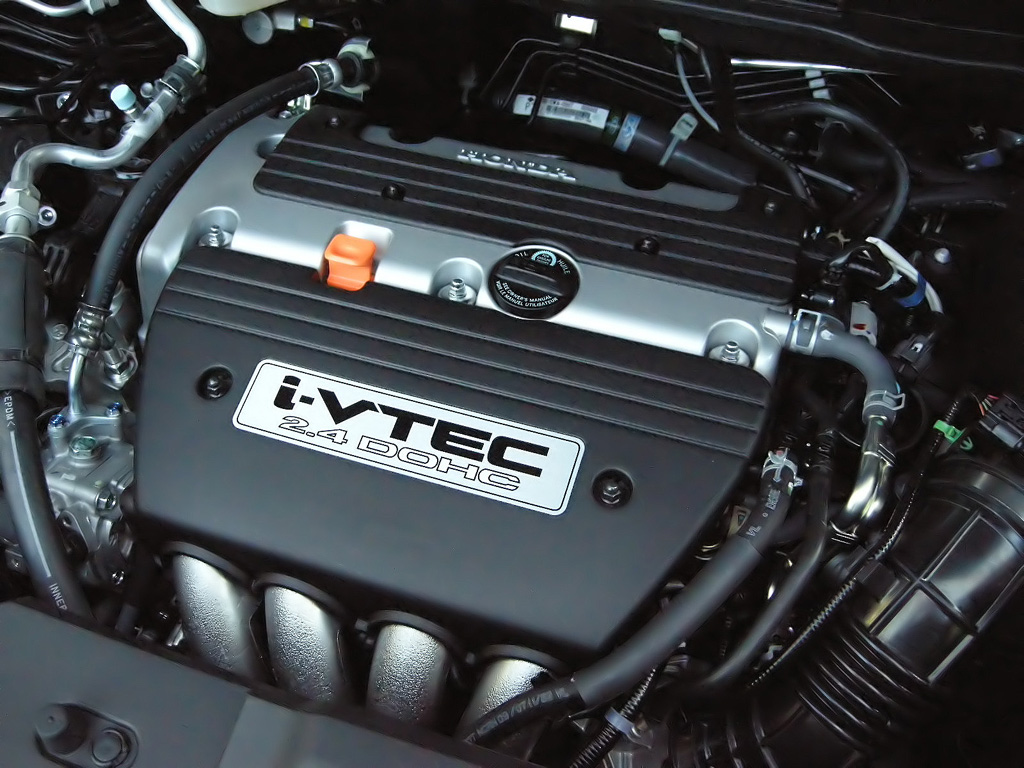
3. Mazda SkyActiv-G (2.0L / 2.5L): Efficient Design with Easy Home Maintenance
Mazda’s SkyActiv-G 2.0-liter and 2.5-liter engines are widely recognized for their reliability, efficiency, and ease of maintenance. Used in models such as the Mazda3, Mazda6, and CX-5, these engines reflect Mazda’s “human-centric” engineering philosophy, which focuses on making both driving and servicing straightforward.
Their naturally aspirated design avoids the complexity of many modern turbocharged engines, resulting in fewer components, lower operating temperatures, and reduced maintenance challenges. With proper care and the use of high-quality synthetic oil, SkyActiv-G engines are considered extremely durable and are often described as “near-bulletproof.”
One of the main reasons these engines are well-suited for DIY maintenance is their accessible layout. Important service components, such as the oil filter, drain plug, air filter, and various fluid reservoirs, are positioned for easy reach in the engine bay.
Mazda also labels reservoirs clearly, helping owners quickly identify and check fluids during routine inspections. Many components are mounted on top of the engine rather than hidden under layers of plastic covers, meaning basic preventative maintenance and sensor replacements can often be performed without removing multiple parts.
The engines also feature several design choices that simplify long-term servicing. Instead of using a timing belt, the SkyActiv-G relies on a timing chain that is designed to last the life of the engine when oil changes are performed regularly.
Spark plugs are also relatively easy to access and replace, which simplifies scheduled maintenance. Because the engines are naturally aspirated, they avoid the additional plumbing, heat management, and potential failure points associated with turbochargers.
However, the SkyActiv-G engines do require careful attention to maintenance details. They operate with high compression ratios and tight tolerances, making them sensitive to oil quality. Using the manufacturer-recommended 0W-20 oil and following service intervals is essential for long-term reliability.
Since the engines use direct fuel injection, carbon buildup on intake valves can occur over time, although regular maintenance and quality fuel can help reduce the issue. The cooling system should also be monitored, particularly in higher-mileage vehicles.
Typical maintenance intervals are straightforward: oil and filter changes every 7,500 to 10,000 miles, spark plug replacement around 75,000 miles, and periodic air filter changes. The Mazda SkyActiv-G engines offer a combination of simplicity, efficiency, and durability that makes them an excellent option for drivers who prefer practical, DIY-friendly vehicle maintenance.
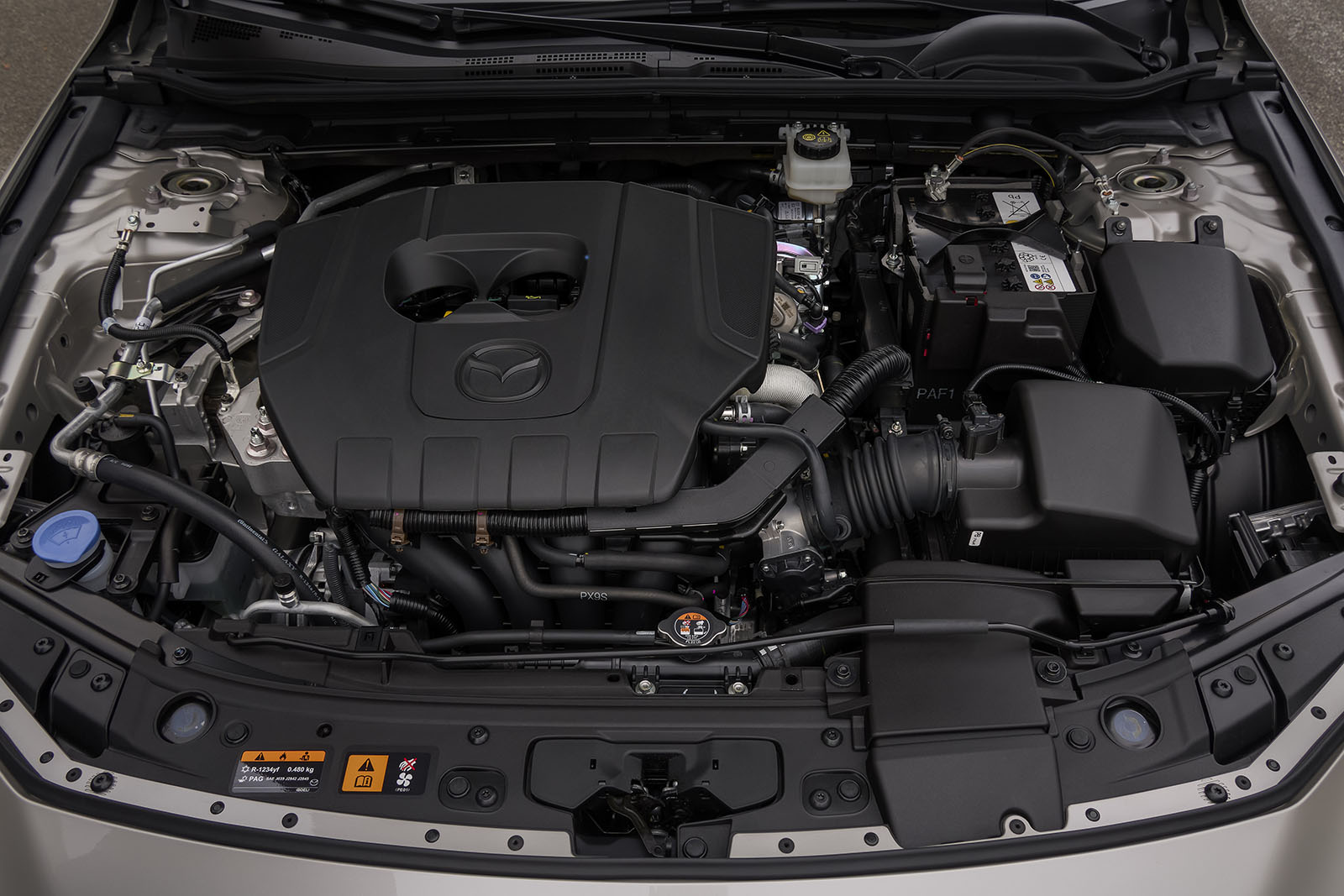
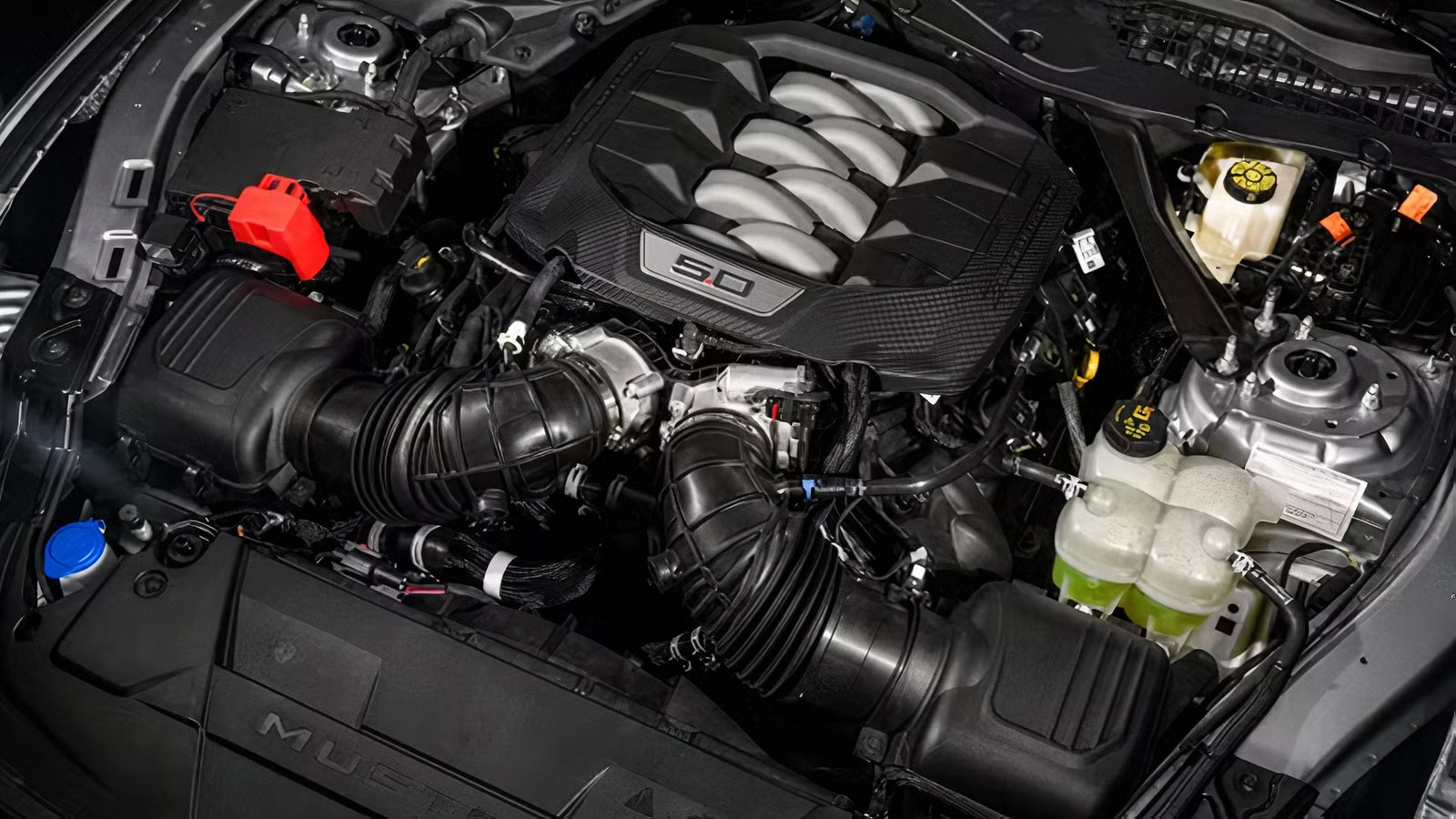
4. Ford 5.0L Coyote V8: Powerful Performance with Practical Serviceability
The Ford 5.0-liter Coyote V8 is widely respected as a modern performance engine that balances strong power with a surprisingly practical design. Used in vehicles such as the Ford Mustang GT and Ford F-150, the engine has built a reputation for durability, high-revving performance, and accessibility for home mechanics.
With routine maintenance and proper care, many Coyote engines can surpass 200,000 miles, making them appealing to both enthusiasts and long-term vehicle owners.
One reason the Coyote V8 is considered DIY-friendly is its naturally aspirated configuration. Unlike Ford’s turbocharged EcoBoost engines, the Coyote avoids the additional complexity of turbochargers, intercoolers, and related plumbing.
This results in a cleaner, less crowded engine bay with fewer components that could fail or require specialized servicing. In vehicles like the Mustang and F-150, the engine bay also offers generous space, allowing mechanics easier access to key service points without removing multiple surrounding parts.
Routine maintenance on the Coyote engine is relatively straightforward. Components such as spark plugs, oil filters, and intake parts are positioned in accessible locations, allowing basic maintenance to be completed with common tools. Oil changes are simple despite the engine’s large oil capacity, which ranges from about seven quarts in early generations to around ten quarts in later versions.
Spark plugs generally require replacement at approximately 100,000 kilometers, while components like the mass air flow (MAF) sensor and throttle body can be cleaned periodically to maintain efficiency. Cooling system components, including the coolant Y-pipe, are also accessible and manageable for home repairs.
The engine’s performance characteristics further add to its appeal. Modern Coyote variants produce around 400 horsepower and 410 lb-ft of torque and are designed to rev as high as 7,000–7,500 RPM.
This high-revving nature delivers strong acceleration and a distinctive V8 driving experience. In the F-150, the engine also provides impressive towing capability, supporting loads of up to about 13,000 pounds when properly equipped.
Another major advantage is the massive aftermarket and community support surrounding the Coyote platform. Because of its popularity in performance vehicles and trucks, there are countless tutorials, repair guides, and modification resources available.
While some early models experienced issues such as minor oil consumption or occasional ignition coil failures, the engine remains known for durability, strong performance, and user-friendly maintenance.
5. General Motors L83/L84 (5.3L V8): Traditional Small-Block Simplicity in a Modern Engine
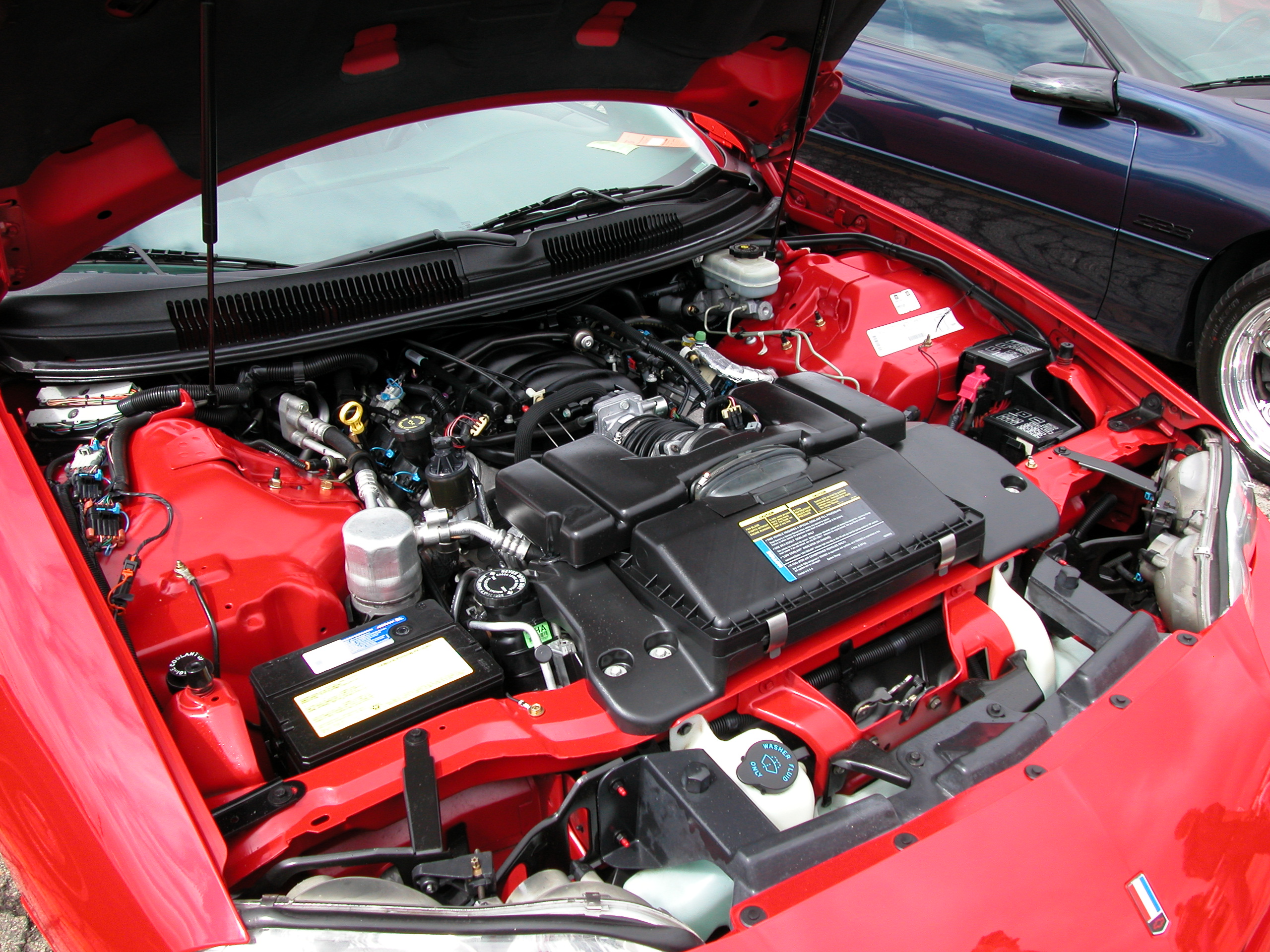
The General Motors L83 and L84 5.3-liter V8 engines are part of GM’s Generation V EcoTec3 small-block family and are widely used in full-size trucks and SUVs such as the Chevrolet Silverado, GMC Sierra, Tahoe, and Suburban. These engines combine modern technologies with GM’s long-standing small-block architecture, which helps keep them relatively easy to service compared with many modern engines.
Despite incorporating advanced systems like direct fuel injection and cylinder deactivation, they maintain a traditional pushrod layout that simplifies design and maintenance.
One of the main reasons the L83 and L84 engines remain serviceable is their overhead valve (OHV) configuration. Instead of using complex dual overhead camshafts found in many modern engines, they rely on a single camshaft positioned inside the engine block.
This pushrod design keeps the engine narrower and reduces the number of moving components in the valvetrain. As a result, the top of the engine remains less crowded, providing clearer access to components such as exhaust manifolds, ignition coils, and cooling system parts.
Routine maintenance tasks on these engines are also relatively straightforward. Spark plugs, coil packs, and various sensors are mounted along the sides of the engine and can typically be accessed without removing large sections of the engine assembly.
The familiar small-block design also allows experienced mechanics and DIY enthusiasts to perform deeper repairs, such as replacing valve lifters, pushrods, or even camshafts, without highly specialized tools. Because these engines power some of the most common trucks in North America, replacement parts and repair information are widely available through auto parts stores, forums, and online tutorials.
Performance is another strength of the L83 and L84 engines. Both variants produce around 355 horsepower and 383 lb-ft of torque, delivering strong low-RPM power that suits towing and heavy-duty driving.
In addition, cylinder deactivation technologies help improve fuel efficiency. The earlier L83 engine uses Active Fuel Management (AFM), while the newer L84 uses Dynamic Fuel Management (DFM), which allows more precise cylinder deactivation during light driving.
However, these engines are known for a few common issues. The most widely reported problem is valve lifter failure associated with the AFM or DFM systems, which can lead to misfires or engine damage if left unaddressed. Oil consumption and carbon buildup from direct injection are also occasional concerns.
With regular maintenance and proper oil changes, the L83 and L84 engines can exceed 200,000 miles while remaining powerful, practical, and relatively approachable for home mechanics.
Also Read: 5 Cars With Simple Dash Layouts vs 5 With Confusing Ones
5 That Require Specialized Factory Tools
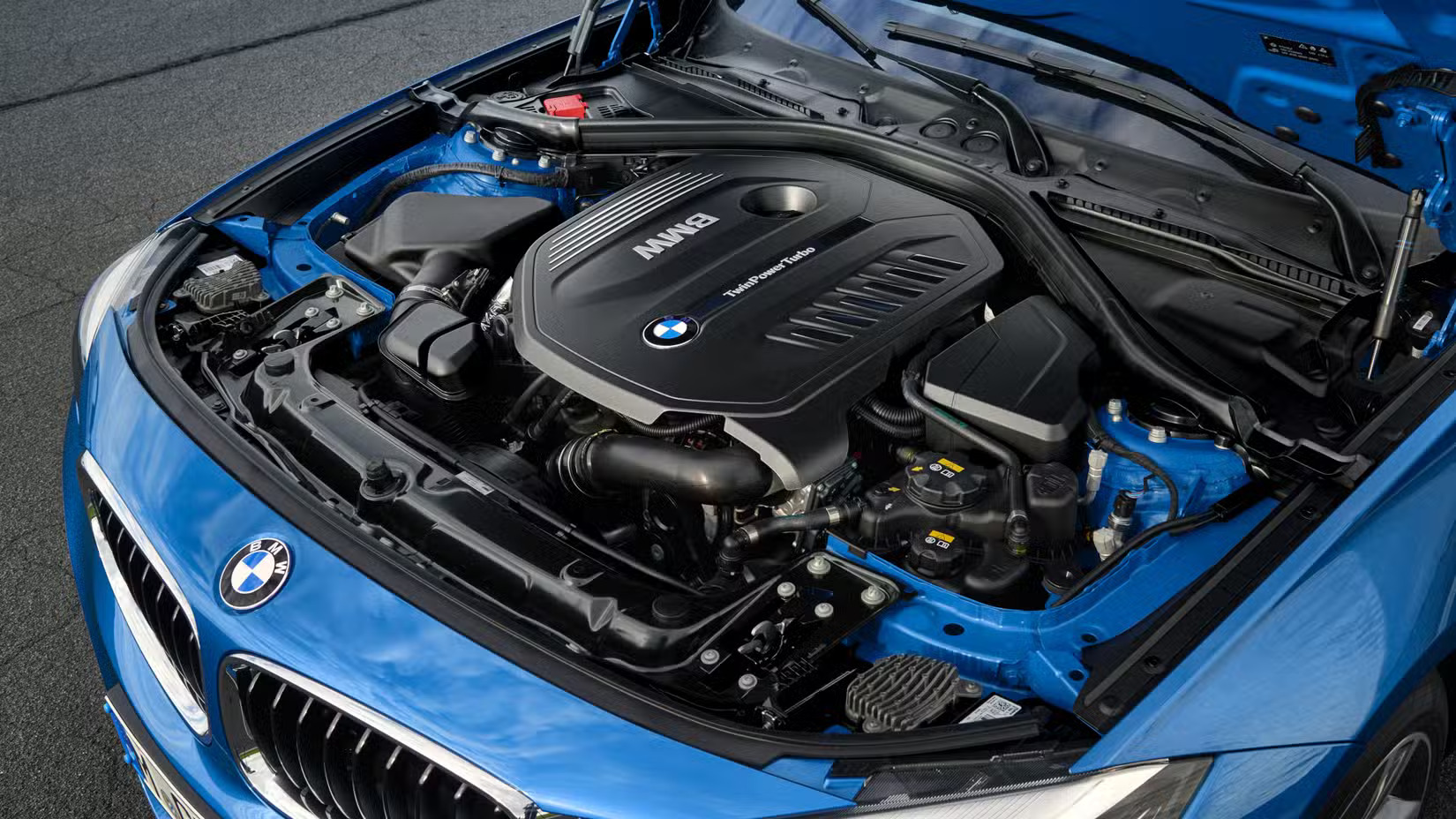
1. BMW B58 (3.0L Inline-6): High-Performance Engineering with Complex Servicing Needs
The BMW B58 3.0-liter turbocharged inline-six is widely regarded as one of the most impressive modern engines produced by BMW. Used across many BMW models and the Toyota Supra, the B58 combines strong performance, smooth power delivery, and impressive reliability.
Depending on the application, the engine typically produces between 320 and 382 horsepower and around 369 lb-ft of torque. Its single twin-scroll turbocharger provides quick throttle response with minimal turbo lag, delivering strong torque throughout the rev range while maintaining respectable fuel efficiency of around 23–27 miles per gallon in many vehicles.
The B58’s strong performance comes from several advanced engineering features. It uses a closed-deck aluminum block for improved strength, along with high-pressure direct fuel injection and BMW’s VANOS variable valve timing system.
These technologies allow the engine to handle higher levels of performance while maintaining efficiency and smooth operation. Many enthusiasts also praise the engine for its tuning potential, as it can support significant power increases with aftermarket modifications.
Despite these strengths, the B58 is more complex to service than simpler naturally aspirated engines. Many maintenance tasks require specialized tools and diagnostic software designed specifically for BMW vehicles.
The factory ISTA software is often necessary to register certain components, such as batteries or sensors, and to perform electronic calibrations through the engine management system. Later versions of the engine also include locked digital motor electronics (DME), which can require specialized unlocking tools or services for tuning or modification.
Another challenge involves the engine’s compact packaging and component placement. The timing chain is positioned at the rear of the engine near the firewall, making major timing repairs difficult and often requiring the removal of the engine from the vehicle.
Servicing the engine may also require dedicated tools, such as crankshaft and camshaft locking tools for timing procedures, a 32-mm socket for the oil filter housing, and special equipment for maintaining the serpentine belt system or cooling components.
Some common issues reported by owners include valve cover gasket leaks after moderate mileage, coolant loss from plastic expansion tanks, and occasional oil consumption in higher-mileage engines. Earlier models also experienced issues with plastic oil filter housing parts that were later updated to stronger materials.
The B58 stands out for delivering exceptional performance, refinement, and durability, though its advanced design means that proper maintenance often requires specialized tools and professional-level expertise.
2. Audi 3.0L TFSI (V6): Advanced Engineering with Demanding Service Requirements
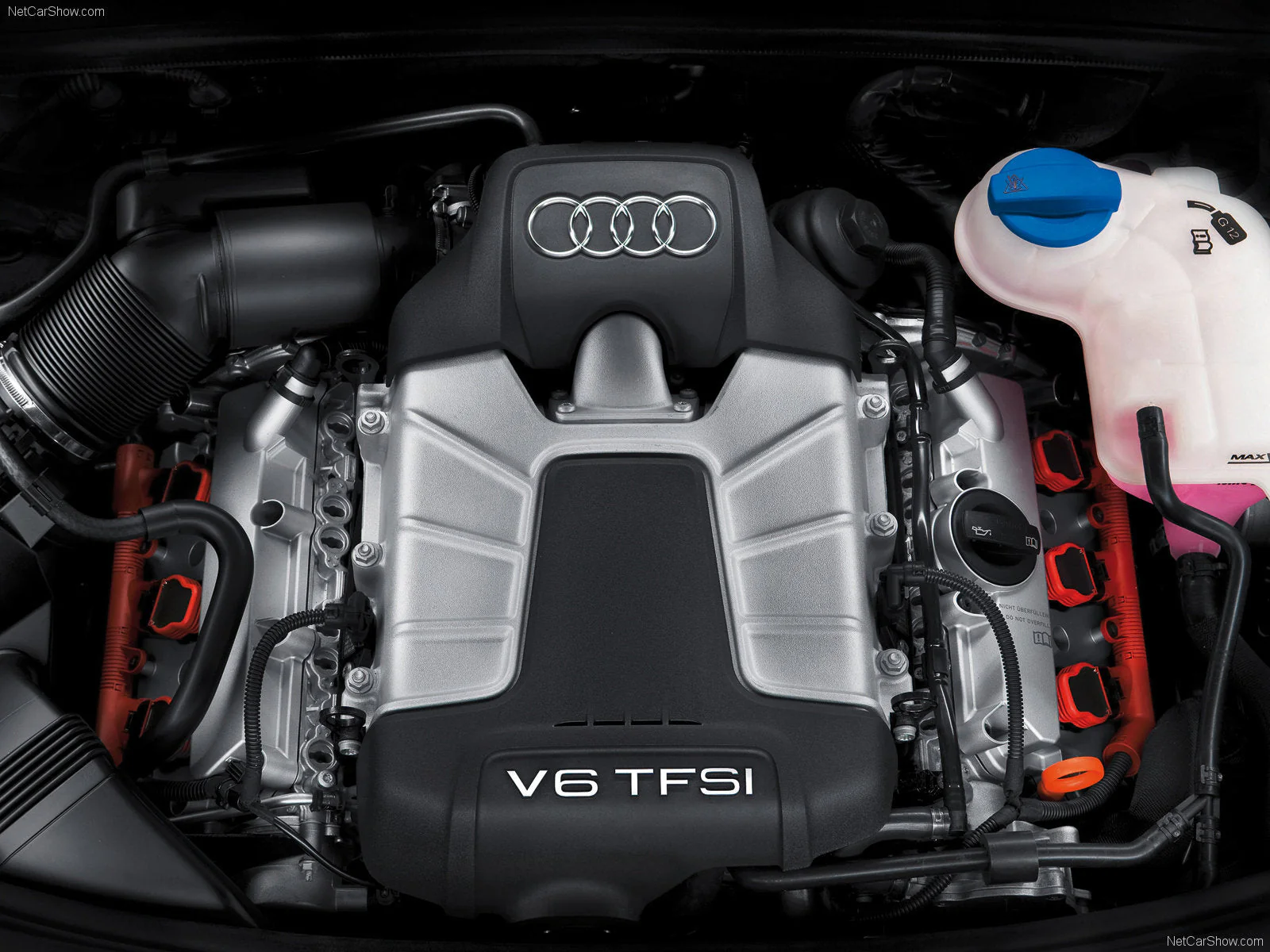
The Audi 3.0L TFSI V6 engine, available in both supercharged (EA837) and turbocharged (EA839) versions, is known for delivering strong performance, refinement, and modern engineering. Used in vehicles such as the Audi S4, S5, A6, and Q7, the engine provides a balance of luxury and sportiness while maintaining good reliability for a high-performance powertrain.
With outputs often allowing vehicles to accelerate from 0 to 60 mph in just over five seconds, the engine offers smooth and powerful acceleration while maintaining respectable fuel efficiency. Despite its impressive capabilities, servicing the 3.0L TFSI can be complex due to its tightly packaged design and reliance on specialized tools.
One major factor that complicates maintenance is Audi’s “service position,” a procedure often required to access front-mounted components. In many cases, mechanics must remove the entire front bumper and radiator assembly simply to reach drive belts or cooling components.
Additionally, the engine uses Torx and triple-square bolts, which require specialized tool sets that many home mechanics may not own. Diagnostic work also frequently requires proprietary cables and software designed specifically for Audi and Volkswagen vehicles.
The engine’s internal design also demands precision during repairs. The timing chain system is mounted at the rear of the engine near the firewall, which makes access difficult and often requires advanced tools to properly lock the crankshaft and camshafts during timing service.
Incorrect alignment can lead to severe engine damage due to the close tolerances between valves and pistons. The engine’s high-pressure direct fuel injection system adds further complexity, as specialized sockets and tools are needed to service injectors and the high-pressure fuel pump.
Newer turbocharged versions of the engine use a “hot-V” configuration, placing the turbochargers inside the V-shaped valley of the engine. While this improves efficiency and performance, it creates intense heat and restricts working space, making turbocharger removal and installation more difficult.
]Other components, such as the PCV valve and water pump in supercharged versions, are located beneath the supercharger, requiring additional disassembly to reach them.
Common issues reported with the 3.0L TFSI include thermostat failures, coolant leaks from water pumps, PCV valve problems, and carbon buildup on intake valves. These concerns are manageable with proper maintenance, but repairs often require professional tools and experience.
The Audi 3.0L TFSI stands out for its refined power, strong tuning potential, and sophisticated engineering, though its complex layout and specialized service requirements make it more challenging to maintain than many simpler engines.
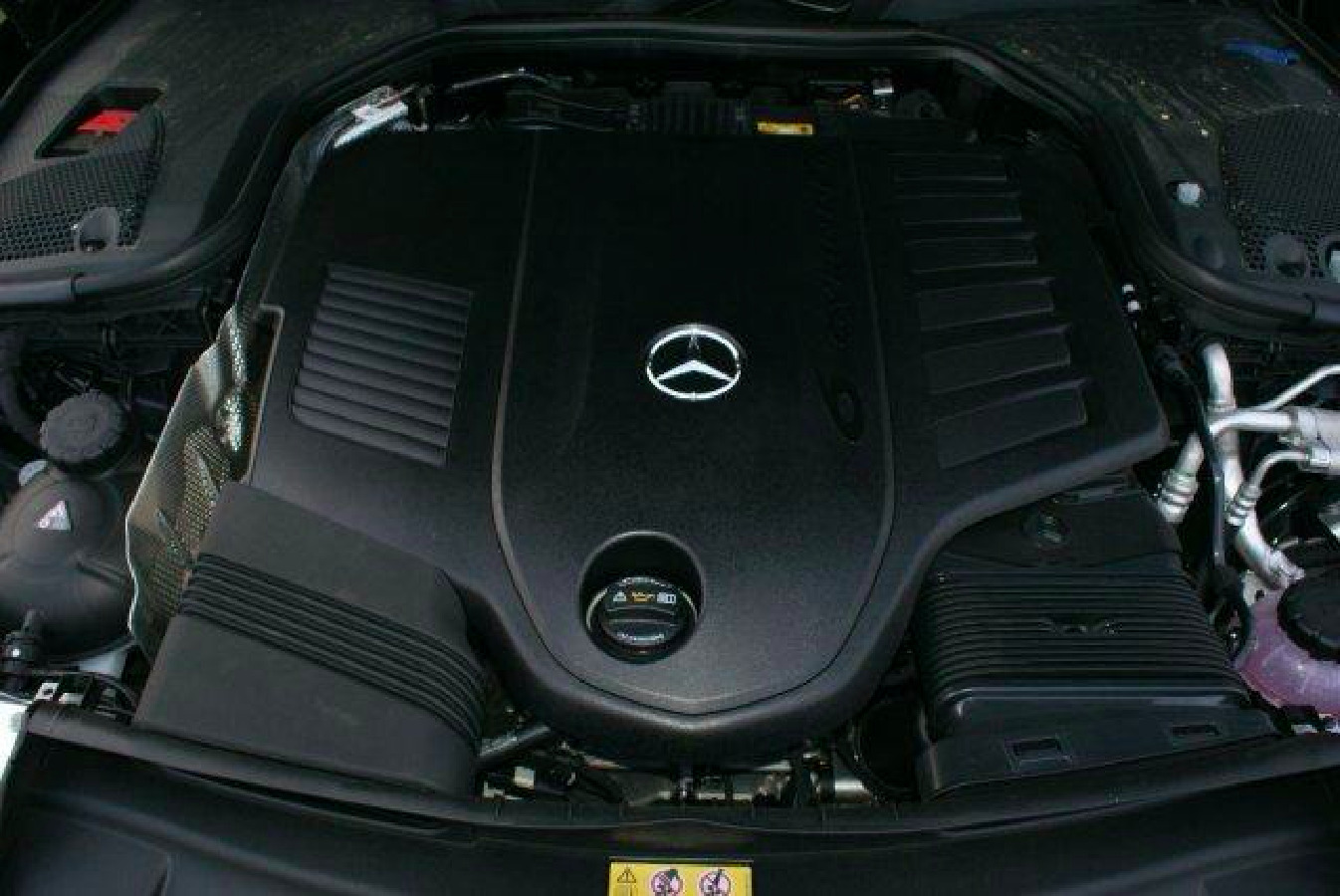
3. Mercedes-Benz M256 (Inline-6): Advanced Mild-Hybrid Engineering with Highly Specialized Servicing
The Mercedes-Benz M256 inline-six engine represents a major step in modern powertrain technology, combining traditional straight-six smoothness with advanced 48-volt mild-hybrid electrification. Introduced to replace older V6 engines in several Mercedes models, the M256 delivers strong performance, improved fuel efficiency, and extremely refined operation.
Depending on the application, the engine typically produces between 362 and 443 horsepower, while some high-performance versions can deliver even more torque through temporary overboost functions. This powerful yet efficient performance is enhanced by the EQ Boost mild-hybrid system, which can provide an additional 21 horsepower and extra low-end torque when needed.
One of the most distinctive features of the M256 is its “beltless” engine design. Traditional accessory belts have been removed and replaced by electrically driven components powered by a 48-volt electrical system. Central to this design is the Integrated Starter Generator (ISG), which sits between the engine and transmission.
The ISG handles starting, regenerative braking, and additional power assistance. Along with the ISG, the engine also uses electrically powered accessories such as the water pump and air-conditioning compressor. While this design improves efficiency and packaging, it also introduces significant complexity for servicing and repairs.
Another advanced component is the electric auxiliary compressor, sometimes called the eBooster. This high-speed electric compressor can spin up to about 70,000 RPM in just a fraction of a second, providing an instant boost before the turbocharger fully spools.
The result is smoother acceleration and virtually no turbo lag, contributing to the engine’s reputation for effortless power delivery. Reviewers frequently describe the engine as extremely smooth and responsive, maintaining the classic refinement associated with inline-six engines.
However, the M256’s sophisticated design also means that servicing the engine requires specialized tools and professional diagnostic systems.
The 48-volt electrical architecture demands proper high-voltage safety procedures, while Mercedes’ Xentry diagnostic software is often necessary to diagnose faults, recalibrate systems, and perform electronic service functions. Certain repairs, such as working on the ISG or electric supercharger, require specialized tools designed to protect delicate electrical components.
Although the engine’s mechanical core is generally considered robust, potential issues include coolant pump failures, timing chain noise in higher-mileage vehicles, and occasional faults in the electric booster system. The reliance on electrically powered components means repairs can be more complex and expensive.
The M256 stands out as a technical showcase that blends advanced electrification with classic inline-six refinement, though its sophisticated systems make traditional home maintenance significantly more challenging.
4. Land Rover AJ133 (5.0L V8): High-Performance Engineering with Specialized Service Needs
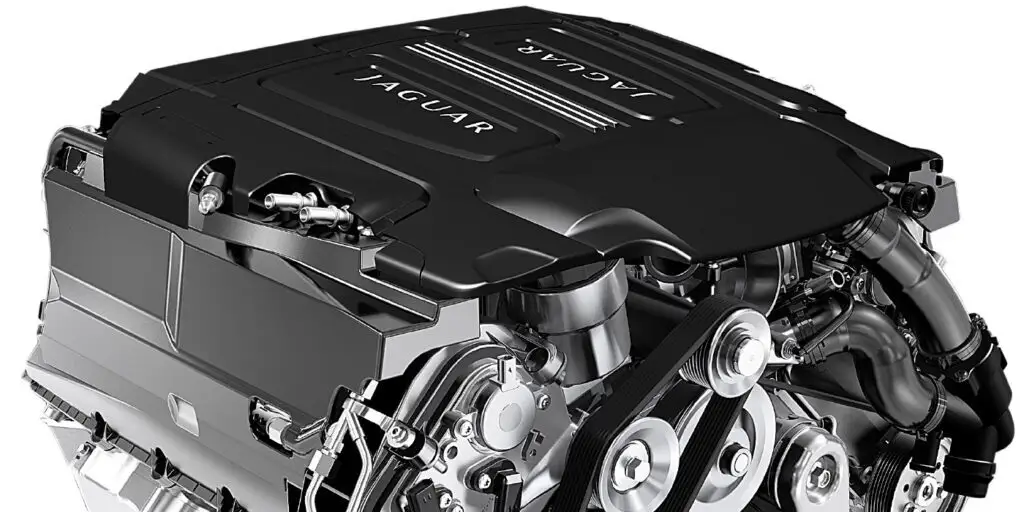
The Land Rover AJ133 5.0L V8 is a high-performance supercharged engine renowned for its power, refinement, and distinctive V8 character. Produced between 2009 and 2021, it powers vehicles like the Range Rover, Range Rover Sport, and Defender, delivering between 510 and 575 bhp depending on the model.
Drivers praise its massive low-end torque, smooth and instant acceleration, and aggressive engine soundtrack, making it equally adept at high-speed cruising and serious off-roading. Despite its performance capabilities, the engine’s sophisticated design makes servicing complex, costly, and highly dependent on specialized tools.
The AJ133’s all-aluminum construction features four overhead camshafts, direct fuel injection, and a camshaft torque-actuated variable timing system. Its timing chains and tensioners are particularly intricate, requiring specialized camshaft and crankshaft locking tools to maintain Top Dead Center (TDC) alignment during service.
Improper handling of these components can result in catastrophic valve-to-piston damage. The engine also uses extreme torque on the crankshaft pulley (over 500 ft-lbs), necessitating holding tools for safe removal, and some later engines feature left-hand threaded bolts that further complicate standard servicing.
High-pressure fuel pumps, direct injection rails, and plastic water outlet pipes add additional layers of complexity, often requiring partial engine disassembly or specific alignment tools. Specialist kits like the Laser 7051 are frequently used to manage these procedures.
Early AJ133 engines (2010–2013) are known for timing chain tensioner failures, which could lead to engine failure if unaddressed. Other common issues include coolant leaks from fragile plastic pipes, supercharger seal leaks, and oil consumption reaching up to 1 liter per 1,000 miles.
Post-2013 revisions improved reliability significantly, particularly in the timing system, making later models more dependable while maintaining the engine’s signature performance.
Fuel consumption is high, typically ranging from 9 to 15 mpg, reflecting its supercharged design and substantial power output. Despite the maintenance challenges, the AJ133 is widely regarded as one of the most desirable gasoline engines for Land Rover, offering exceptional performance and smooth driving characteristics.
Enthusiasts value it for its combination of luxury, off-road capability, and V8 performance, though strict adherence to maintenance intervals and specialist tools is critical for longevity. Proper servicing, often supported by a comprehensive warranty, ensures the engine remains a reliable powerhouse.
5. Volvo Drive-E (2.0L Twin-Charged): Advanced Performance with Specialized Service Needs
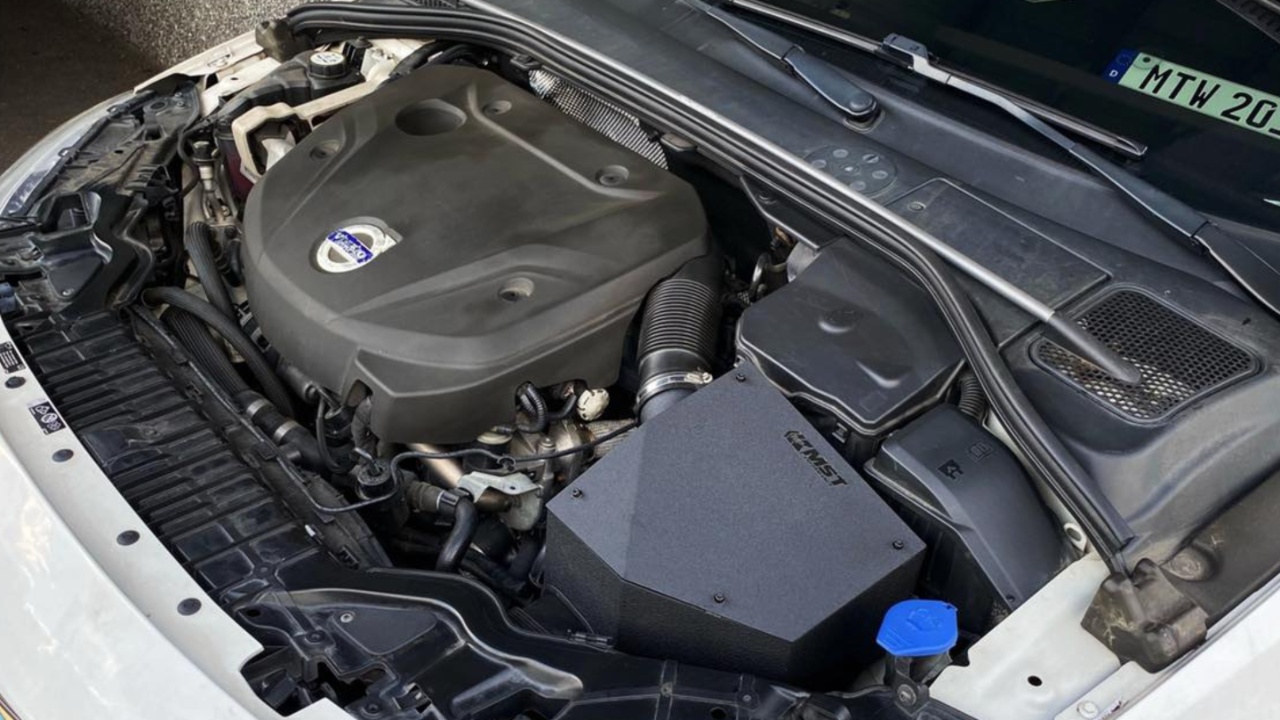
The Volvo Drive-E 2.0L Twin-Charged engine is a sophisticated powerplant that combines a supercharger for low-end torque and a turbocharger for high-RPM power. Found in models such as the S60 T6, V60 T6, XC60 T6, and T8 Twin Engine plug-in hybrids, it delivers up to 302–306 hp and 295–400 lb-ft of torque.
This small-displacement, high-output engine is paired with an 8-speed automatic transmission, providing smooth, nearly lag-free acceleration and acting as a modern alternative to V8 engines. Despite its performance, the compact packaging and complex systems make it extremely challenging for standard DIY service.
The Drive-E engine’s dual forced-induction system requires specialized tools and diagnostics. The supercharger features a clutch mechanism that engages at low RPM, while the turbocharger operates at high RPM.
Proper servicing of these components demands precision tools to monitor boost transitions and prevent damage to high-pressure fuel injectors and pumps. The DOHC design and Volvo Engine Architecture (VEA) further necessitate specialized camshaft and crankshaft alignment kits, along with non-destructive tools for roller-bearing camshafts, to maintain tight tolerances and low-friction performance.
Routine maintenance is also highly specialized. Oil changes require filter cap wrenches and small Allen keys to avoid damage to the filter housing. Accessing components often involves removing substantial portions of the intake system using Torx bits and lifting tools.
Volvo’s VIDA software is mandatory for ECU calibration, controlling the interaction between the supercharger, turbocharger, and, in hybrid variants, the electric rear axle drive (ERAD). Incorrect use of non-specialized tools can lead to miscalibration, damaged fasteners, or even catastrophic engine failure.
While offering responsive and fun driving dynamics, the Drive-E engine may underperform in real-world fuel economy, averaging around 22–23 mpg. Front-wheel-drive variants can also experience traction limitations due to high torque. Despite these caveats, the engine is generally regarded as reliable and high-performing when properly maintained, though adherence to Volvo’s specialized service procedures is critical.
The Volvo Drive-E 2.0L Twin-Charged engine represents the brand’s commitment to downsized efficiency without sacrificing performance. Its advanced twin-charging, modular construction, and hybrid integration make it a technological flagship, but also demand a high level of technical knowledge, precision tools, and software access for safe and effective maintenance.
Choosing a modern engine is not just about power or efficiency. Engines like the Toyota 2GR-FE, Honda K24, and Ford Coyote V8 allow home mechanics to perform maintenance easily and cost-effectively.
On the other hand, engines such as the BMW B58, Mercedes M256, and Land Rover AJ133 require professional expertise and specialized tools. Knowing which engines are DIY-friendly and which require factory-level service can save time, money, and frustration over the life of a vehicle.
This comparison highlights the balance between modern performance and practical maintenance, helping drivers make better choices for both enjoyment and long-term reliability.
Also Read: Top 10 Cars With the Best Headlight Ratings for Curvy Roads