When choosing a family minivan, durability and reliability are as important as space and comfort. Sliding doors are a high-usage feature in every family van, and models with robust, long-lasting tracks make daily life easier while reducing expensive repairs.
Vehicles such as the 2020 Toyota Sienna, 2024–2025 Kia Carnival, 2015–2021 Kia Sedona, 2011–2017 Nissan Quest, and the Ford Transit Passenger Van stand out for their durable sliding door systems.
These minivans are engineered to withstand frequent use, often featuring reinforced tracks, heavy-duty rollers, and optional manual operation to extend longevity. Beyond door durability, these vehicles offer spacious cabins, flexible seating, modern safety technology, and efficient powertrains, providing families with practical and dependable transportation.
On the other end of the spectrum, some popular family minivans are notorious for costly motor and powertrain failures. Models like the 2018–2019 Honda Odyssey, 2016 Dodge Grand Caravan, 2016 Chrysler Town & Country, second- and third-generation Toyota Sienna, and 2005–2007 Honda Odyssey often face recurring electrical, engine, and transmission problems.
While these vans provide space and comfort, their maintenance demands can be high, with repairs involving sliding door motors, transmission units, or engine components running into thousands of dollars. Families must weigh initial affordability against long-term reliability to avoid unexpected costs and stress.
5 Family Minivans With Durable Sliding Door Tracks
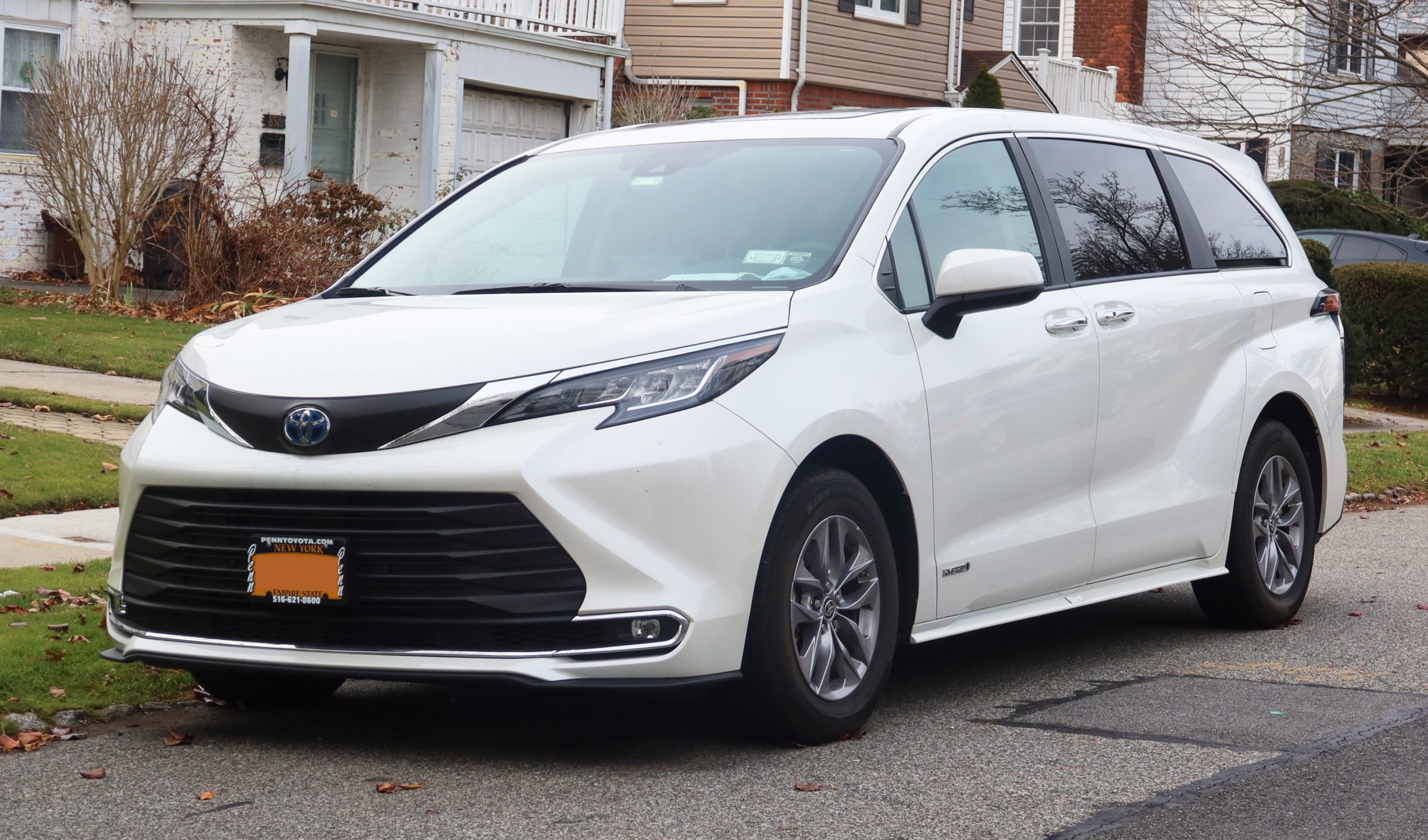
1. Toyota Sienna (2020–Present): Durable, Family-Friendly, and Practical Minivan
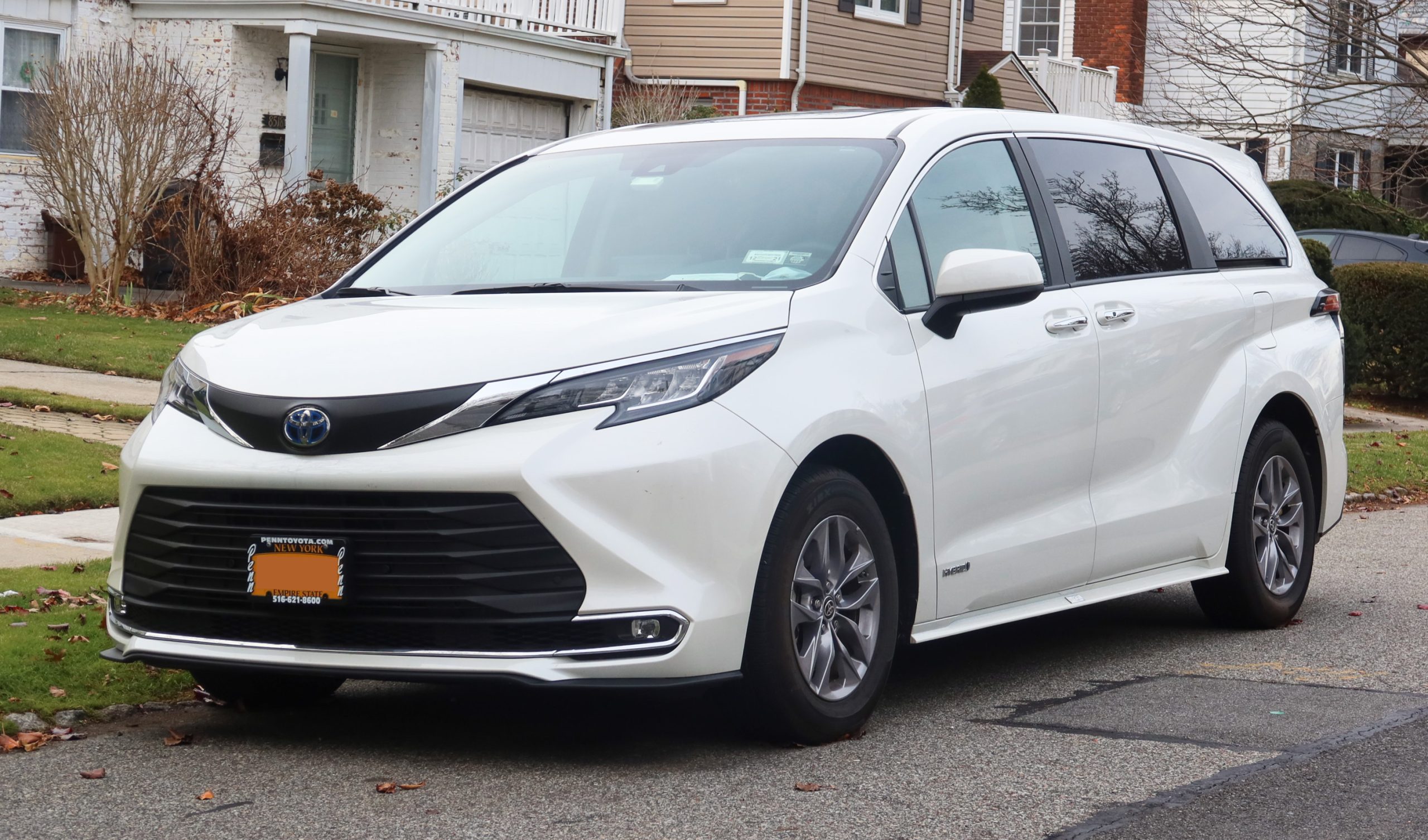
The 2020 Toyota Sienna, now in its fourth generation, is widely regarded as a reliable and practical choice for families. A key highlight is the redesigned sliding door system, developed to support the “Super Long Slide” second-row seats. Unlike previous generations, this system avoids the cable-fraying and roller stuttering issues of older models.
The hybrid powertrain reduces vibration, helping maintain long-term track alignment. Built from high-strength materials and tested for durability, the doors are designed for frequent daily use. Power operation is standard on most trims, with hands-free kick access on higher models. A manual mode is also available, allowing owners to reduce wear on the motor and cable system.
All 2020 Sienna models are powered by a 296-horsepower 3.5-liter V6 paired with an eight-speed automatic transmission. The V6 delivers smooth performance for the 4,500-pound minivan with EPA ratings up to 27 mpg highway for front-drive versions.
The cabin is spacious with a low step-in height and wide windows, providing excellent visibility. Sliding second-row seats travel nearly two feet to improve third-row access and flexibility for children or adults. Cargo capacity reaches 117.6 cubic feet with the second-row folded and up to 150 cubic feet with the seats removed.
Technology and comfort are well-integrated. All models include a 7-inch touchscreen with Apple CarPlay. Upper trims feature JBL audio, dual gloveboxes, multiple USB ports, and rear-seat entertainment. Driver-focused features include the Easy Speak intercom, three-zone climate control, and available safety systems such as adaptive cruise control, lane departure alert, and 360-degree cameras.
With durable sliding doors, flexible seating, and hybrid efficiency, the 2020 Sienna is designed to meet the needs of modern families. Proper maintenance, such as keeping tracks clean and lubricated, ensures reliability. Its combination of practicality, space, and thoughtful design makes the Sienna a strong contender among family minivans.
2. Kia Carnival (2024–2025): Rugged, Family-Friendly, and Tech-Forward Minivan
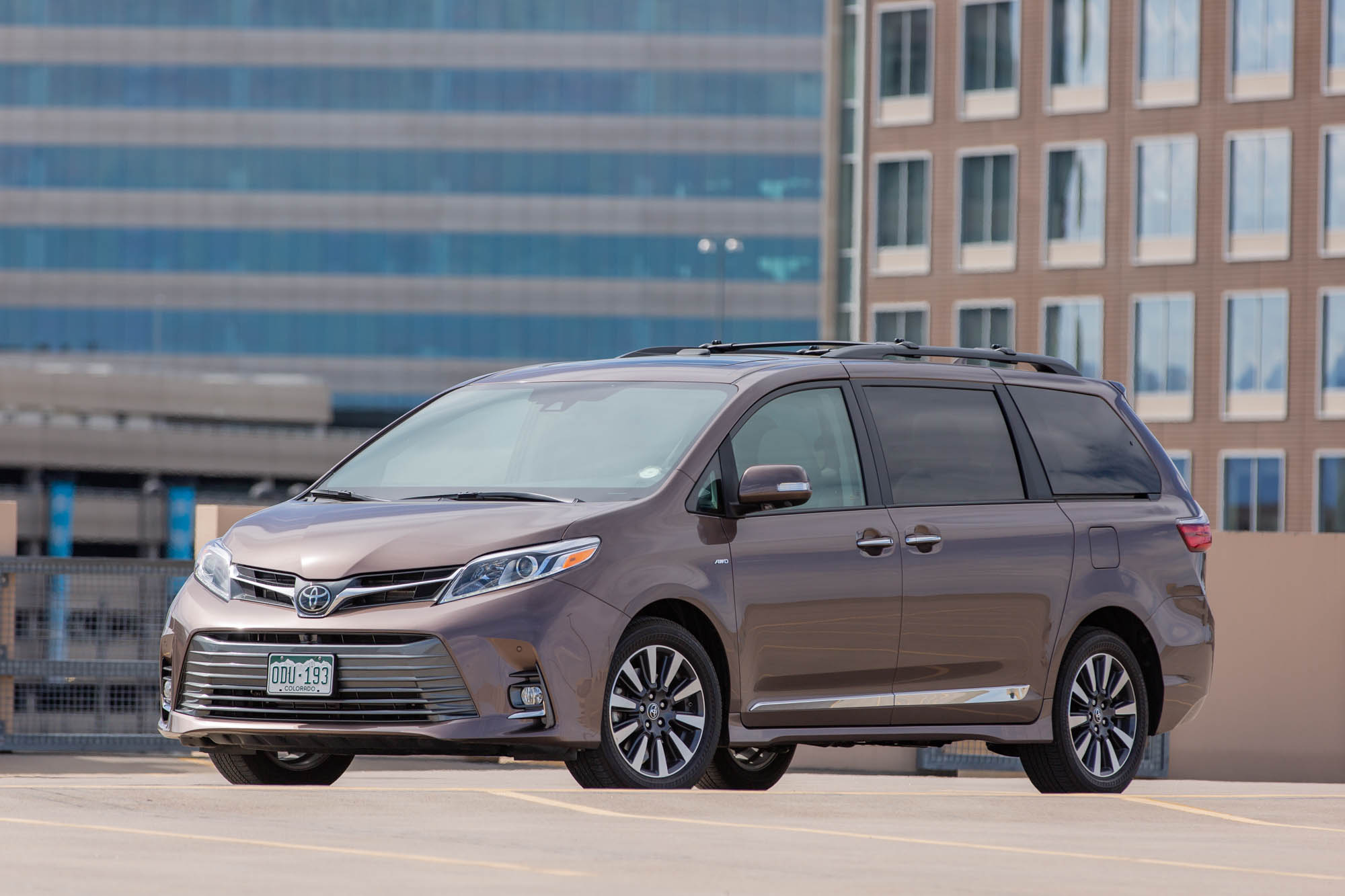
The 2024–2025 Kia Carnival is a modern, versatile family minivan designed to blend SUV-style ruggedness with the practicality of a traditional MPV. Built on reinforced steel tracks, the power-sliding doors are engineered to handle heavy VIP Lounge second-row seating and daily use by families, making them highly durable and reliable.
Consumer Reports and Kelley Blue Book praise the Carnival for its robust door hardware, noting that it surpasses older minivans like the Kia Sedona and avoids the common mechanical issues found in competitors with aging platforms. Minor recalls, such as a logic-based adjustment to the auto-reverse safety feature, have not impacted the durability of the sliding mechanisms.
Durability and convenience are central to the Carnival’s design. The sliding doors feature a secure “hold open” mechanism that prevents accidental closure during entry and exit, particularly useful on inclines or in tight parking spaces. This system, paired with heavy-duty rollers, allows the doors to withstand high-frequency family use.
The wide cabin accommodates 7 to 8 passengers comfortably, with flexible seating arrangements and easy access to the third row thanks to the sliding second-row seats. The optional captain’s chairs with relaxation mode enhance passenger comfort, while the third-row seats fold flat for cargo.
The Carnival also emphasizes modern technology and safety. It offers a dual-screen panoramic display, rear-seat entertainment, 360-degree cameras, Forward Collision-Avoidance Assist with pedestrian and cyclist detection, blind-spot view monitoring, and Highway Driving Assist 2.
Performance is delivered via a 1.6-liter turbo hybrid producing 245 horsepower and 366 Nm of torque, providing a smooth and quiet ride with EPA-rated fuel efficiency around 33 mpg combined. While hybrid maintenance costs may be slightly higher than those of diesel models, and the vehicle’s large footprint requires adjustment in tight streets, the Carnival remains practical and family-friendly.
The 2024–2025 Kia Carnival combines durable sliding doors, SUV-inspired strength, hybrid efficiency, and modern luxury features, making it one of the most capable and versatile minivans for contemporary families. Its design ensures longevity, convenience, and comfort, appealing to those who value space, technology, and reliability.
3. Kia Sedona (2015–2021): Reliable and Practical Family Minivan
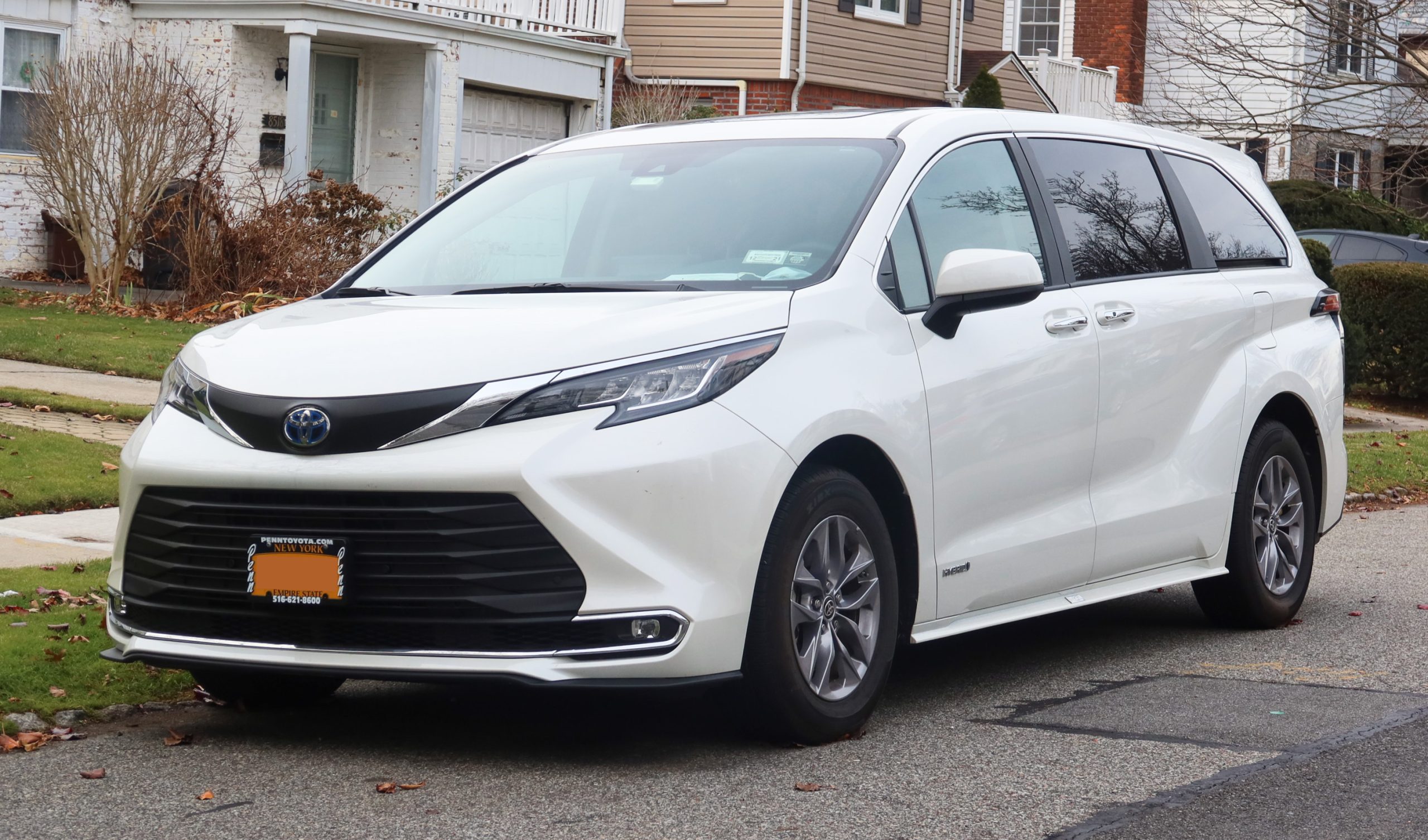
The 2015–2021 Kia Sedona, the third-generation model before the Carnival replacement, is recognized for its mechanical simplicity and durable sliding doors. Redesigned in 2015, the Sedona improved structural integrity and sliding door engineering, making it a reliable choice for families who need frequent, long-term use.
Consumer and owner reports highlight the durability of the door motors and cable assemblies, which often last well beyond 150,000 miles, while wider, more accessible tracks prevent debris buildup that can burn out components. Minor early latch issues did not compromise the long-term functionality, and 2020 models reportedly had zero door-related complaints, a notable achievement in the segment.
The Sedona balances utility, comfort, and performance. Its 3.3-liter V6 produces 276 horsepower and 248 lb-ft of torque, mated to an eight-speed automatic transmission, delivering smooth acceleration for family hauling. EPA fuel economy stands at 18/24 mpg city/highway.
The cabin emphasizes comfort with supportive front and second-row seating, optional leather interiors, and flexible trim options ranging from LX to SX. Upper trims include premium technology such as an 8.0-inch touchscreen, Harman Kardon audio, rear-seat entertainment, and built-in navigation.
Safety features across trims include blind-spot monitoring, rear cross-traffic alert, forward collision warning, lane departure warning, adaptive cruise control, and pedestrian detection, with the 2021 model earning a five-star NHTSA rating.
The Sedona’s interior layout and cargo capacity enhance practicality. The third row folds into a tub beneath the cargo floor, increasing storage from 33.9 cubic feet to 78.4 cubic feet, and up to 142 cubic feet with the second row folded. Towing capacity is 3,500 pounds. Although the second and third rows are heavier and less easily removed compared to competitors, the minivan remains a comfortable, family-focused vehicle.
The Kia Sedona (2015–2021) stands out as a dependable, well-engineered minivan with durable sliding doors, versatile seating, smooth V6 performance, and comprehensive safety features, making it a solid choice for families seeking reliability, comfort, and practicality.
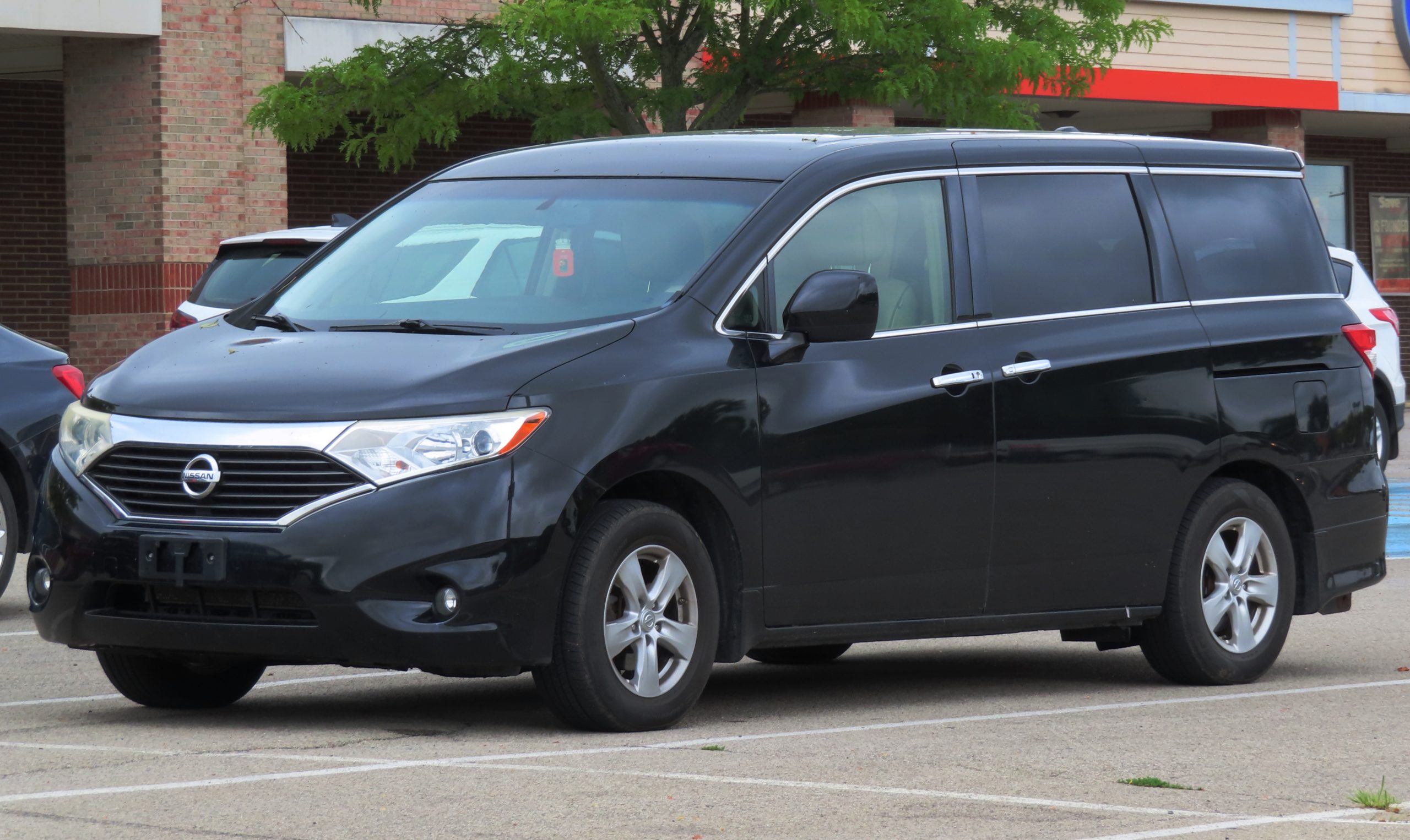
4. Nissan Quest (2011–2017): Durable Sliding Doors and Family-Friendly Minivan
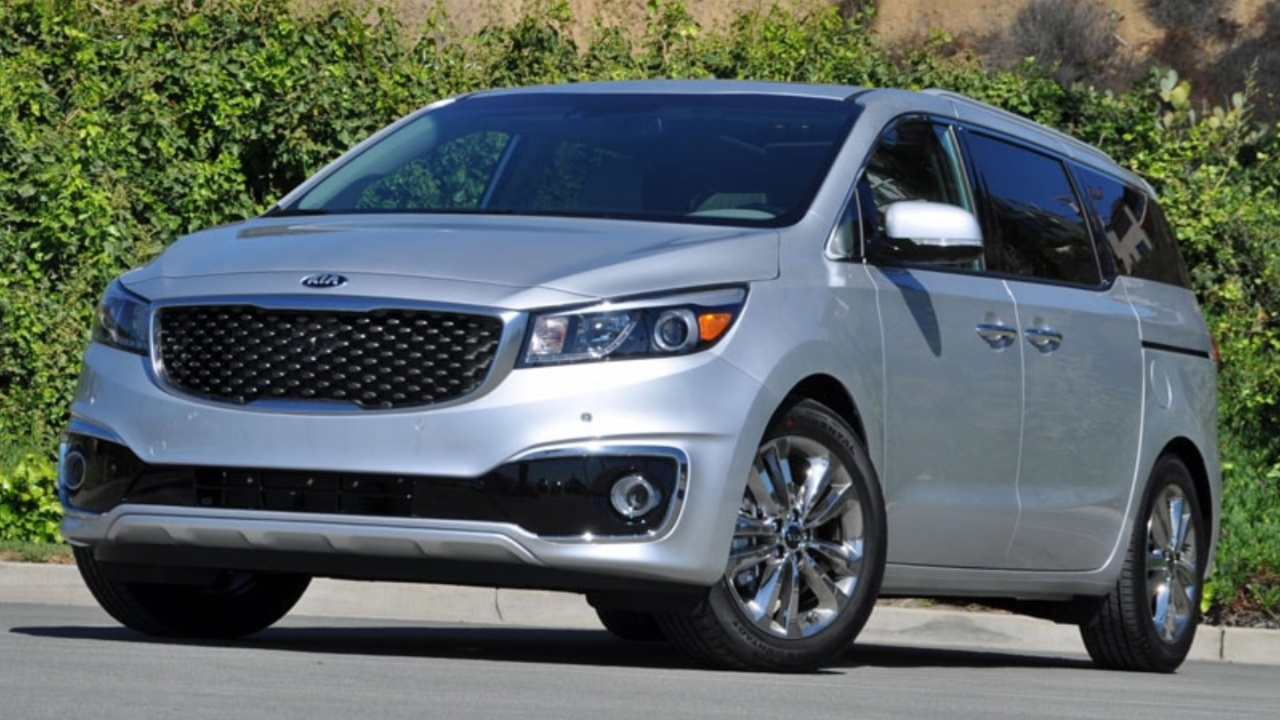
The fourth-generation Nissan Quest, produced from 2011 to 2017, is known for its reliable sliding doors and family-focused design. It features a unique vertical track alignment that shields the rollers from road debris and salt, reducing wear over time. RepairPal rates the Quest as “Above Average” for reliability, noting that while transmission quirks exist, the sliding doors rarely require costly repairs.
Data from Edmunds shows late-model Quests (2015–2017) have almost no records of motor burnouts. The lower step-in height reduces stress on the door tracks when passengers enter and exit, making it easier for children and older adults.
Most trims include one-touch, power-operated sliding doors integrated with the Nissan Intelligent Key™, and child safety locks are conveniently located. If the automatic system fails, the doors can be switched to manual operation.
The Quest’s performance and driving experience are competent but not class-leading. It is powered by a 260-horsepower V6 paired with a continuously variable automatic transmission (CVT), providing smooth acceleration and a quiet ride. Independent suspension and hydraulic steering make the van more nimble than some rivals, and fuel efficiency is respectable at 22 mpg combined, thanks to CVT programming.
Inside, comfort is a strong point, but versatility is limited. Rear doors do not open wide enough for easy adult access, second- and third-row seats cannot slide forward or backward, and the power third row does not fully raise in some trims.
Cargo volume ranges from 37.1 cubic feet behind the third row to 108.4 cubic feet with the second row folded, which is smaller than competitors such as the Kia Sedona, Chrysler Pacifica, or Toyota Sienna. Front seats are spacious and supportive, though lower trims use more gray plastic, which diminishes perceived refinement.
Safety ratings lag behind competitors, as federal crash tests are outdated. The 2016 Quest received a “Poor” rating in the small-overlap front crash test, and rearview cameras were not standard on base trims. Standard safety features include ABS, traction and stability control, and airbags, while higher trims add blind-spot monitors, rear cross-traffic alert, and a surround-view camera system.
The 2017 Nissan Quest is offered in S, SV, SL, and Platinum trims, with premium features such as a power liftgate, leather upholstery, premium audio, and a rear-seat entertainment system on higher trims. Its durable sliding doors and reliability make it a dependable family vehicle, but limited interior flexibility, aging design, and weaker safety scores make it less competitive today.
5. Ford Transit Passenger Variant: Durable Full-Size Van for Families
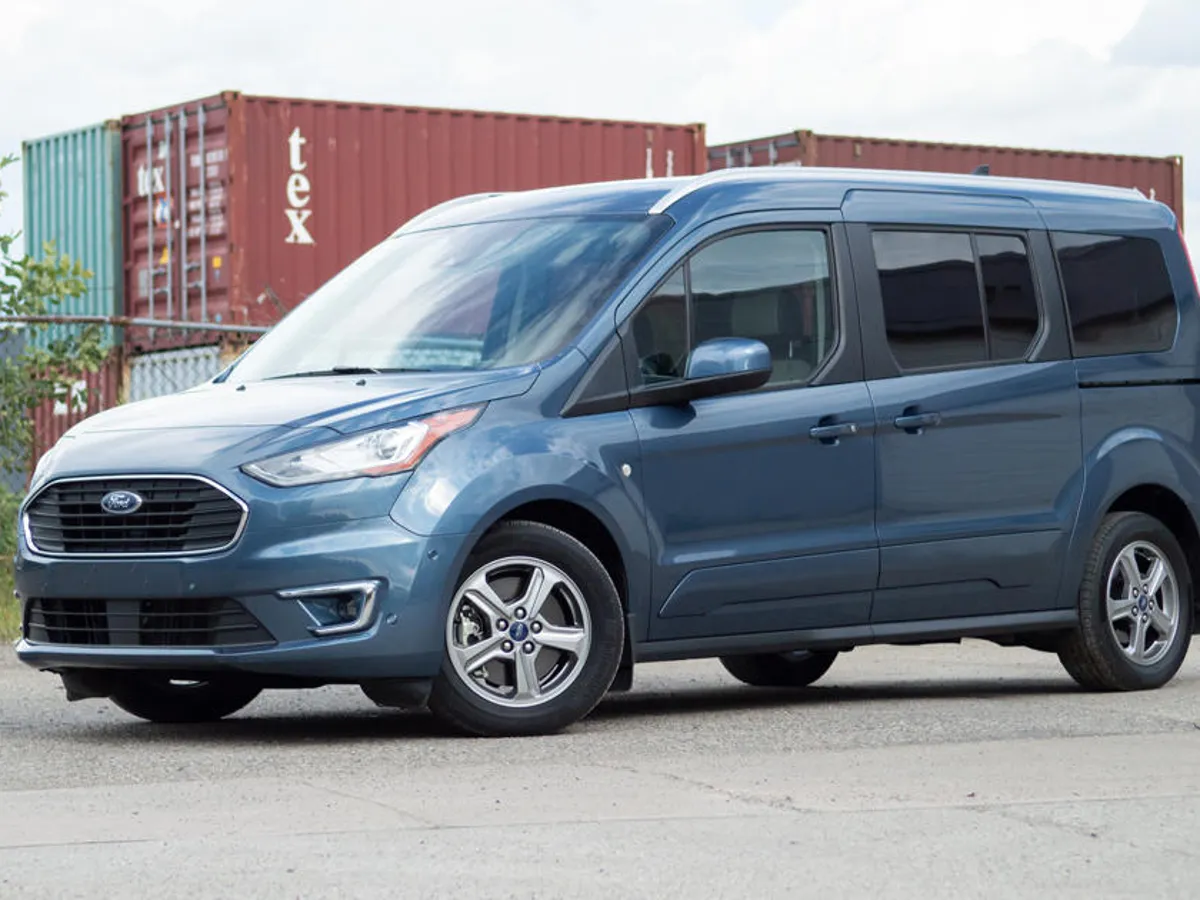
The Ford Transit Passenger Van is a full-size van increasingly used by large families who value durability and high-capacity transport. Unlike traditional minivans, the Transit is built with commercial-grade sliding door tracks that can withstand thousands of cycles per month. It uses heavy-duty ball-bearing rollers that are easy to service and far more resilient than the thin cables found in standard family vans.
While the interior leans toward utilitarian design, the mechanical components, especially the sliding doors, are engineered for long-term reliability, often lasting over 250,000 miles with proper care.
The sliding doors provide both convenience and safety. Optional power-opening features reduce wear on the mechanism, and the wide side-load door with high-grip steps allows easy entry and exit for 8, 12, or 15 passengers, depending on the configuration.
The Transit offers flexible seating arrangements, allowing rows to be removed to maximize cargo space for luggage, sports gear, or strollers. High headroom and a raised driving position improve visibility, while standard driver-assist features, including blind-spot monitoring and Ford Co-Pilot360, add safety for families on the road.
Performance-wise, the Transit is powered by a 3.5L EcoBoost V6 paired with a 10-speed automatic transmission, delivering strong acceleration for highway driving. Optional all-wheel drive enhances versatility in poor weather or rural conditions.
Despite its size, the van handles relatively well, and even in heavy-duty layouts, it provides a surprisingly comfortable ride. The electric E-Transit variant adds refinement, smooth power delivery, and improved efficiency.
Some limitations include a firm ride and noticeable road or wind noise when lightly loaded. Access to rear rows can be awkward in certain configurations, and higher trims with advanced features can become costly. Occasional turbocharger issues have also been reported.
The Ford Transit Passenger Van combines commercial-grade durability with family-oriented versatility. It offers multiple roof heights, seating arrangements, and modern technology, making it a reliable, high-capacity alternative to traditional minivans.
Its robust sliding doors, flexible interior, and strong performance position it as one of the most dependable full-size family vans on the market, rivaling vehicles like the Mercedes-Benz Sprinter.
Also Read: 5 Cars With Simple Interiors That Age Well vs 5 With Too Much Fragile Plastic
5 Known for Costly Motor Failures
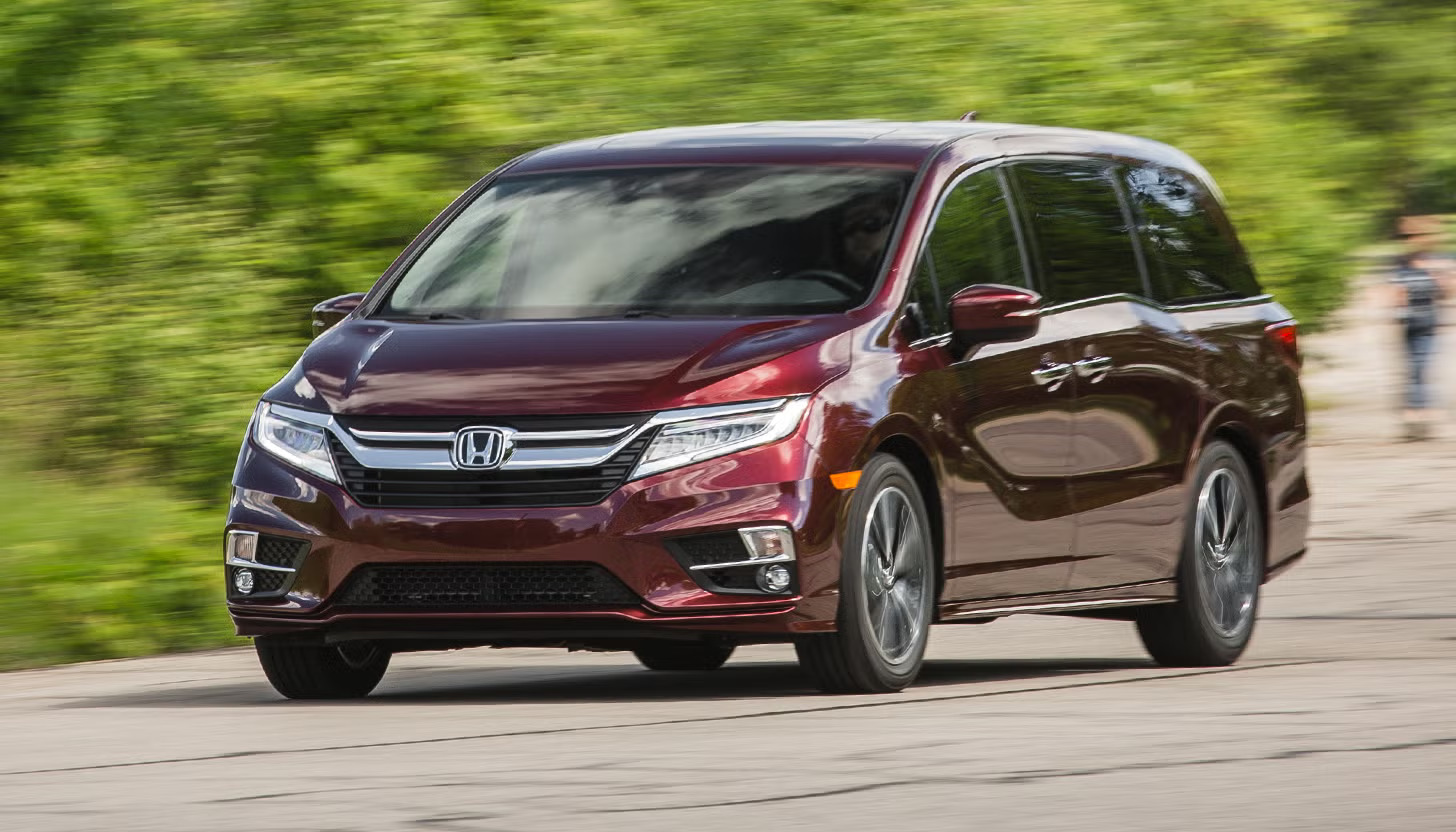
1. Honda Odyssey 2018–2019: High Comfort Minivan with Costly Mechanical Concerns
The 2018–2019 Honda Odyssey offers a spacious, family-friendly interior, a comfortable ride, and advanced safety features, but it is plagued by significant mechanical and electrical issues that can lead to costly repairs. A major concern for this generation involves sliding door latches, which were the subject of a recall affecting over 120,000 vehicles.
Faulty latches could fail to secure the doors, allowing them to slide open while driving. This issue could “confuse” the internal motor and cable assembly, causing premature motor burnout, with out-of-warranty repairs often exceeding $1,200 per door. Ensuring all recall-related latch replacements have been completed is critical to preventing further sliding door failures.
Powertrain problems are another serious concern. Many owners reported severe issues with the 9-speed and 10-speed automatic transmissions, including rough shifting, loud noises, and hesitation during acceleration.
The Variable Cylinder Management (VCM) system, designed to improve fuel efficiency by deactivating cylinders, has been linked to engine misfires, vibrations, and inconsistent performance. Fuel pump failures in these models also led to stalling and prompted recalls, raising safety risks for drivers and passengers.
Beyond powertrain concerns, the Odyssey experienced a range of electrical and mechanical problems. Power-sliding doors, power steering, and infotainment systems were prone to malfunction, often requiring expensive repairs. While generally well-built, these issues reduced reliability compared to other minivans in the same class.
Despite these concerns, the 2018–2019 Odyssey remains attractive for families due to its high-quality, versatile interior. The cabin features ample cargo space, leather seating, and flexible second-row captain’s chairs.
A low-floor design allows easy entry for passengers, and higher trims offer advanced safety technology, including 360-degree cameras and driver-assistance features. Steering and handling are stable and responsive, giving the minivan a car-like driving feel.
However, the engine and CVT pairing can feel underpowered, especially when fully loaded, and real-world fuel economy is often lower than advertised. The low ground clearance, while convenient for entry, may pose challenges on rough or uneven roads. In short, the 2018–2019 Honda Odyssey provides a luxurious, family-focused experience, but buyers must remain aware of its expensive mechanical and electrical vulnerabilities.
2. Dodge Grand Caravan 2016: Budget Minivan with Major Mechanical Concerns
The 2016 Dodge Grand Caravan is positioned as an affordable, practical family minivan, but it is notorious for significant mechanical and electrical problems, particularly with its sliding doors, engine, and transmission. A major safety concern involves the power sliding doors, which have been known to freeze completely, sometimes trapping children inside.
This issue stems from failures in the lock actuator and drive motor, often due to electrical shorts. Repairing these doors can require full assembly replacement, which in high-mileage vehicles can exceed the vehicle’s trade-in value. Owners frequently report “power sliding door won’t open” as a critical issue, making it a top repair concern.
The Grand Caravan is also affected by widespread 3.6-liter Pentastar engine problems. The oil filter housing and cooler are prone to cracks and leaks, often costing over $1,500 to repair. Rocker arm and lifter failures are common, creating engine noise and damage that can exceed $4,000. Transmission problems, including shuddering, skipping, and sudden failure, often require complete replacement.
Additional issues include electrical problems with the Totally Integrated Power Module (TIPM), bad motor mounts causing vibrations, and premature failure of window motors, door locks, and fuel pump gaskets. These defects have contributed to multiple recalls, including for the fuel pump and transmission.
Despite these issues, the Grand Caravan retains practical advantages for budget-conscious families. Its Stow ’n Go seating system allows both second- and third-row seats to fold flat into compartments under the floor, offering versatile seating and storage solutions.
The 3.6-liter V6 engine delivers adequate power through a six-speed automatic transmission, providing smooth acceleration and secure handling. The cabin, while functional, uses dated plastics and subpar tech.
Lower trims lack a central touchscreen, and only the top R/T trim offers blind-spot monitoring and rear cross-traffic alert. Active safety features such as lane-departure warning, adaptive cruise control, and forward-collision warning are absent.
While the Grand Caravan performs its basic family-hauling role, it feels outdated next to competitors like the Chrysler Pacifica. Limited technology, less comfortable seats due to the fold-flat design, and costly mechanical vulnerabilities make it a practical but problem-prone choice for families on a budget. It remains a solution for low-cost minivan buyers but falls short in durability, comfort, and modern features.

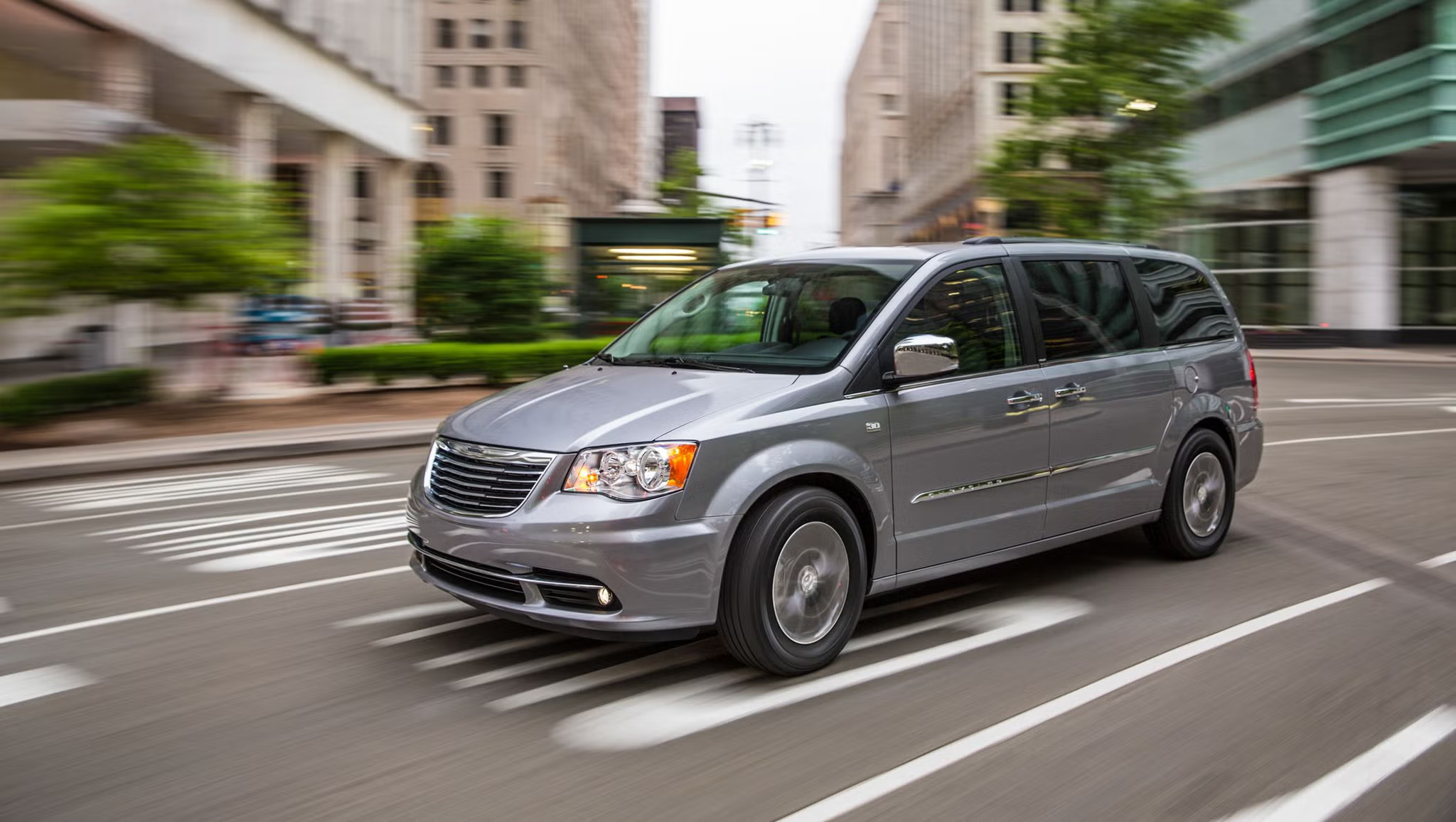
3. Chrysler Town & Country 2016: Luxury Minivan with High Maintenance Costs
The 2016 Chrysler Town & Country is a premium version of the Dodge Grand Caravan. It shares the same platform and drivetrain but includes higher-end features and higher maintenance expenses. This minivan is prone to motor and transmission failures. The Totally Integrated Power Module (TIPM) often causes electrical issues, including fuel pump malfunctions, stalling, and no-start conditions.
The oil filter housing adapter can leak, which may lead to severe engine damage if not addressed. The 62TE six-speed automatic transmission is known for rough shifting, fluid leaks, and early failure. Maintenance costs average $11,364 over ten years, which is significantly above the industry average. Expensive repairs commonly involve motors, air conditioning, and the exhaust system.
Despite mechanical issues, the Town & Country focuses on luxury and convenience. Its Stow ’N Go seating system allows both rear rows to fold flat into the floor. This makes it possible to carry eight passengers or large cargo with ease. Power sliding doors and a power liftgate improve accessibility.
The interior features leather trim, chrome-accented controls, and a classic analog clock for a refined appearance. The minivan is offered in six trims. The LX includes essentials such as leather seats, power doors, and Stow ’N Go seating. The Limited Platinum adds Nappa leather, premium audio, navigation, power-folding third-row seats, and other luxury features.
The 283-horsepower V-6 engine paired with a six-speed automatic transmission and front-wheel drive delivers adequate acceleration. Fuel economy is average at 17 mpg city, 25 highway, and 20 combined. Ride and handling prioritize comfort and stability.
The soft suspension absorbs road imperfections well, but does not match the responsiveness of competitors like the Honda Odyssey and Toyota Sienna. The upright, glass-heavy design provides excellent visibility. LED taillights and Chrysler branding distinguish the front fascia from the Grand Caravan.
Safety ratings are mixed. The NHTSA gives the minivan four stars, but the IIHS assigns a Poor rating for small-overlap front crashes. The Town & Country excels in luxury, interior space, and adaptability, but mechanical reliability and crash protection are weaker compared to rivals. It is best suited for buyers who prioritize comfort and premium features over low maintenance costs.
4. Toyota Sienna 2nd and 3rd Generations: Spacious Family Minivan with Expensive Repairs
The 2nd Generation (2004–2010) and 3rd Generation (2011–2020) Toyota Sienna are well-regarded family minivans known for reliability, versatility, and comfort. They offer spacious interiors, car-like handling, and available all-wheel drive, making them highly practical for families in various climates. Despite Toyota’s reputation for durability, these generations have specific mechanical weaknesses that can lead to costly repairs.
One of the most notorious issues is the sliding door motor and cable failure, known as “The Snap.” The steel cable in the power sliding doors can break if a roller gets stuck on debris, often leaving the door inoperable. Motor and cable replacements can cost between $1,610 and $1,791, prompting many owners to convert doors to manual operation.
Engine failures are another major concern. The 3.5L V6 (2GR-FE) in late 2nd Gen and early 3rd Gen Siennas is prone to front timing cover oil leaks, requiring engine and transmission removal for repair. The VVT-i oil cooler line, used in 2007–2016 models, can rupture due to aging rubber, causing catastrophic oil loss if not addressed immediately.
The 3.5L engine also suffers from premature water pump failure, head gasket issues, and, in some cases, excessive oil consumption. Early 2nd Gen models with the 3.3L V6 faced oil sludge buildup, which previously triggered a large Toyota service campaign.
Repairs are often expensive because the Sienna’s engine bay is compact. Technicians must remove the subframe, engine, and transmission to access major components, which increases labor costs significantly. Preventive maintenance, such as replacing rubber oil cooler lines with metal ones, can mitigate some risks.
Despite these issues, the Sienna remains a popular family minivan. The 3rd Gen models introduced more modern safety features, optional all-wheel drive, and an updated 8-speed transmission for 2017+, with 2015–2016 models considered the most reliable.
The Stow ’N Go seating and spacious interior continue to make the Sienna a highly practical choice, especially for families needing flexible seating and cargo options. Potential buyers should budget for sliding door maintenance and monitor for oil leaks to avoid costly engine repairs.
The Toyota Sienna of these generations is a capable, family-oriented minivan with strong safety, AWD capability, and generous interior space, but owners must be vigilant about power sliding doors and engine maintenance to maintain reliability.
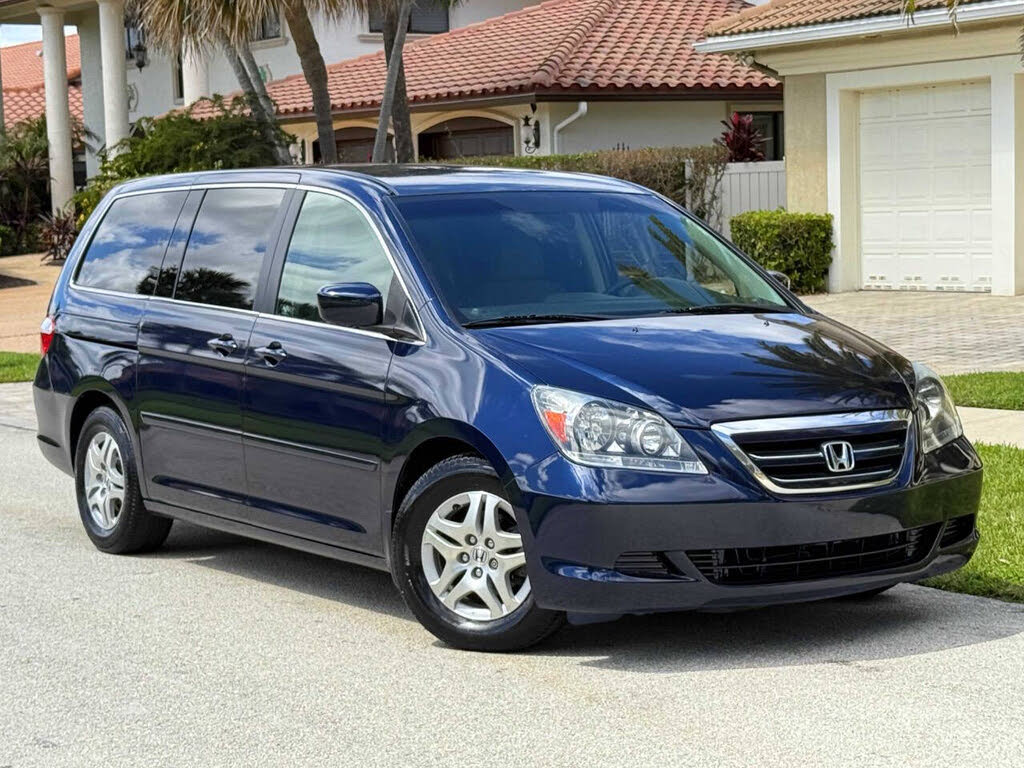
5. Honda Odyssey 2005 and 2007: Third-Generation Family Minivan with High Maintenance Costs
The 2005 and 2007 Honda Odyssey models, part of the third-generation redesign, are widely recognized for their car-like handling, strong 3.5L V6 engine (255 hp), and spacious, versatile interior capable of seating seven to eight passengers.
These years introduced features such as fold-flat third-row seats, optional second-row captain’s chairs, and available DVD entertainment systems, making them appealing family haulers. Fuel economy averages around 17 MPG city and 25–26 MPG highway. Despite these strengths, these early third-generation Odysseys are notorious for expensive repairs and recurring mechanical issues.
Power sliding door failures are a common problem in these models. The motors are linked to a sensitive pinch sensor that can malfunction, causing the motor to work against itself and eventually burn out.
Replacing the motor often does not fully resolve the issue, as underlying faults in the vehicle’s body control module can persist. Owners frequently report ongoing malfunctions despite repairs, highlighting the high repair frequency for these early years.
Engine problems also contribute to high maintenance costs. Both the 2005 and 2007 models experienced excessive oil consumption due to defective piston rings. This leads to engine misfires, spark plug fouling, and, in severe cases, total engine failure. Premature engine mount failures add to vibrations and rough idling.
Transmission issues, including jerky shifting and early transmission failure, are also reported, particularly in the 2005 model. Misfiring engines can further damage the catalytic converter, resulting in expensive repairs ranging from $1,500 to $2,000.
Other notable issues include power steering leaks in the 2007 models and A/C compressor failures in 2005. Some models, especially Touring trims, came with PAX run-flat tires that are difficult and costly to replace. The 2005 Odyssey, being the launch year of the redesign, tends to have more complaints, while 2007 saw minor updates that improved some early-production problems but still retained several costly failure points.
Despite these challenges, the third-generation Odyssey is praised for its smooth driving experience, agile handling, and strong family-oriented features.
Consumers are advised to seek well-maintained models, particularly EX or EXL trims, and carefully inspect power sliding doors, transmission health, and engine oil consumption to reduce the risk of high repair costs. These minivans remain practical choices for families willing to manage their maintenance needs carefully.
Comparing these two groups highlights a critical consideration for families shopping for a minivan. Durable sliding door tracks, reinforced motors, and robust engineering directly impact reliability, convenience, and long-term ownership costs.
The Toyota Sienna (2020+), Kia Carnival, Kia Sedona, Nissan Quest, and Ford Transit exemplify well-designed, high-usage systems that minimize downtime and repair expenses. Conversely, the Odyssey, Grand Caravan, Town & Country, and earlier Sienna and Odyssey models illustrate how recurring motor, electrical, and transmission failures can make even feature-rich vans costly to maintain.
Prioritizing mechanical durability alongside interior space, comfort, and safety ensures families enjoy stress-free, dependable transportation for daily commutes, school runs, and weekend trips, while avoiding the pitfalls of high-maintenance minivans.
Also Read: 10 Front Wheel Drive Cars That Can Set Fast Lap Times