When it comes to driving enjoyment, a sedan’s steering system is one of the most critical elements. The way a car communicates through the wheel can transform a simple commute into an engaging experience.
Modern automotive engineering has significantly improved steering systems, balancing precision, weight, and feedback to suit both enthusiasts and everyday drivers. Cars that excel in steering feel allow the driver to sense the road, anticipate corners, and maintain confidence at high speeds without excessive effort.
This type of responsiveness is not just about sharp handling but also about a connection between the driver and the car. Automakers today are increasingly prioritizing steering dynamics, understanding that drivers crave a tactile link that makes each turn intuitive. Achieving this requires meticulous calibration of electric and hydraulic systems, tire selection, and chassis design, all of which affect how weight, grip, and road texture are conveyed to the hands.
Sedans, often associated with comfort and practicality, have in recent years become platforms for highly responsive steering, proving that refinement does not have to compromise engagement. Unlike sports cars where steering is expected to be aggressive, modern sedans that excel in feedback combine precision with subtlety, offering the sensation of control without overexertion.
Engineers also consider the balance between responsiveness and effort, ensuring that low-speed maneuvers remain effortless while high-speed stability is uncompromised. These qualities often distinguish luxury or performance-oriented sedans from their more standard counterparts.
For many drivers, the experience of well-calibrated steering can define the entire driving character of a car, making even routine journeys more satisfying. Additionally, innovations in suspension geometry, active dampers, and adaptive steering ratios contribute to the way feedback is delivered, allowing cars to adjust characteristics dynamically based on speed or driving mode.
The result is a modern sedan that can feel nimble in traffic, composed on highways, and precise through corners, all while communicating critical information from the road surface to the driver. As automotive technology evolves, the best sedans manage to maintain a natural connection, resisting the numbness that sometimes accompanies electronic assistance.
Selecting a sedan with excellent steering feel involves evaluating responsiveness, center alignment, road texture transmission, and consistency across different driving conditions. Drivers who appreciate these qualities often find a deeper connection with their vehicle, transforming transportation from a chore into an experience defined by confidence and enjoyment.
This article examines ten modern sedans that exemplify these traits, highlighting their ability to combine comfort, luxury, and remarkable steering feedback.
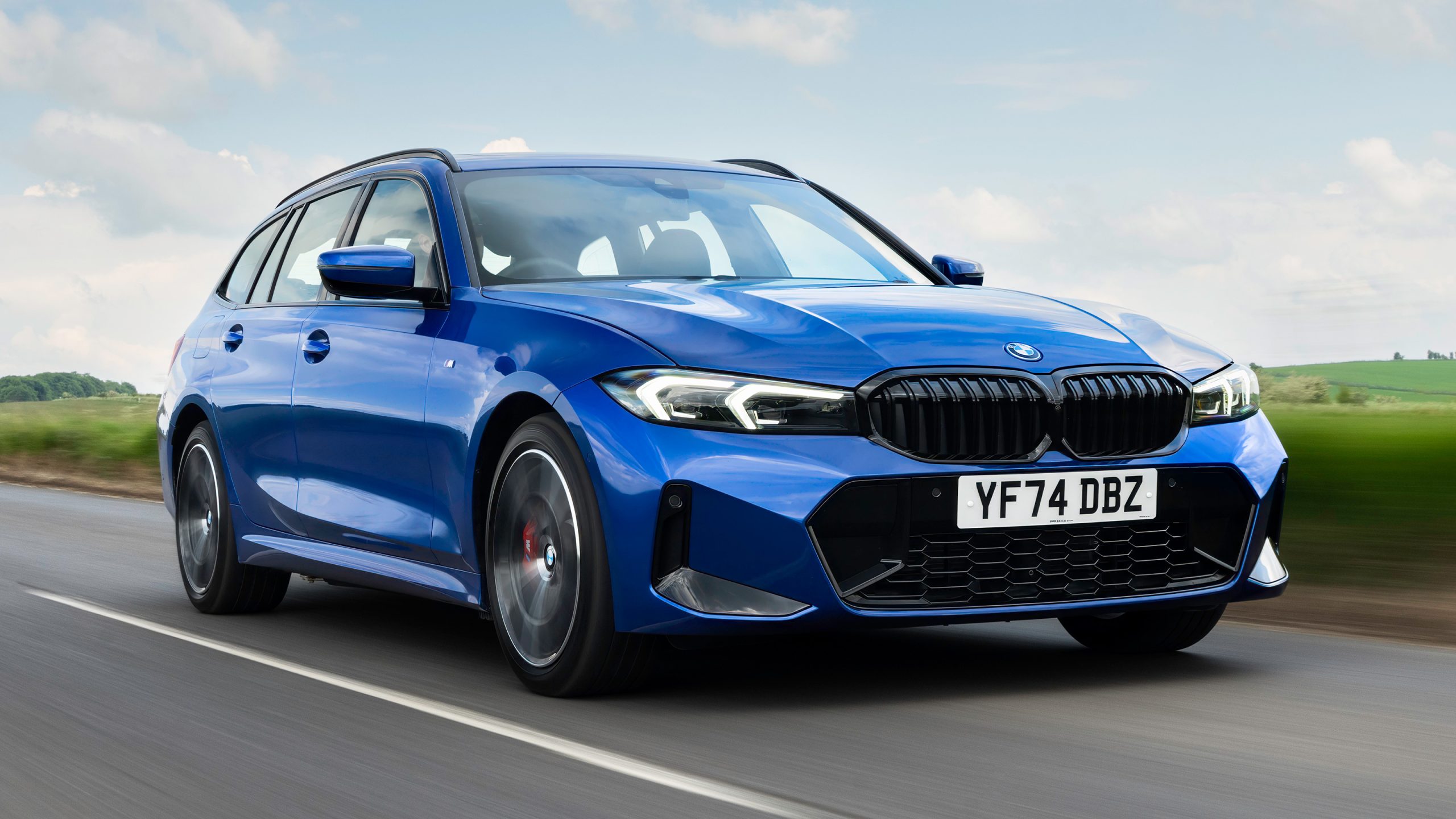
1. BMW 3 Series
The BMW 3 Series has long been a benchmark for steering precision in modern sedans. Its combination of rear-wheel-drive dynamics and finely tuned steering rack gives drivers an immediate sense of the road surface. Unlike many sedans that rely heavily on electronic assistance, this model maintains a mechanical connection that feels responsive in all conditions. Drivers report that the wheel communicates subtle changes in traction, making it easier to anticipate turns and adjust inputs smoothly.
Steering weight in the BMW 3 Series strikes a balance between effortless city driving and engaging performance. At low speeds, the system is light enough to maneuver comfortably in tight spaces, while at highway speeds, it firms up to provide stability and confidence.
The transition between these states feels natural, avoiding the abrupt artificiality common in many modern electric power steering systems. This makes the driving experience consistent across different speeds and conditions.
Cornering in the BMW 3 Series is precise without requiring excessive input. The suspension geometry and steering calibration work together to ensure minimal body roll and accurate turn-in. Drivers can sense the level of grip from the front tires, which enhances the feeling of control. The result is a sedan that feels planted and predictable even when driven aggressively, providing a rare combination of comfort and engagement.
Feedback through the steering wheel is detailed, allowing the driver to sense both the texture of the road and changes in tire load. The sensation is communicative without being harsh, offering reassurance while cornering.
This quality enhances confidence, especially on winding roads, where knowing exactly how much grip is available can affect both performance and safety. Many enthusiasts consider this level of steering feedback a defining characteristic of the BMW 3 Series experience.
The steering behavior contributes significantly to the sedan’s reputation for driving enjoyment. Even in everyday commuting scenarios, the car responds to small inputs with precision, making mundane drives feel more connected. Combined with its chassis balance and engine responsiveness, the BMW 3 Series demonstrates that modern sedans can provide a driving experience where steering feel is a central element, not just an afterthought.
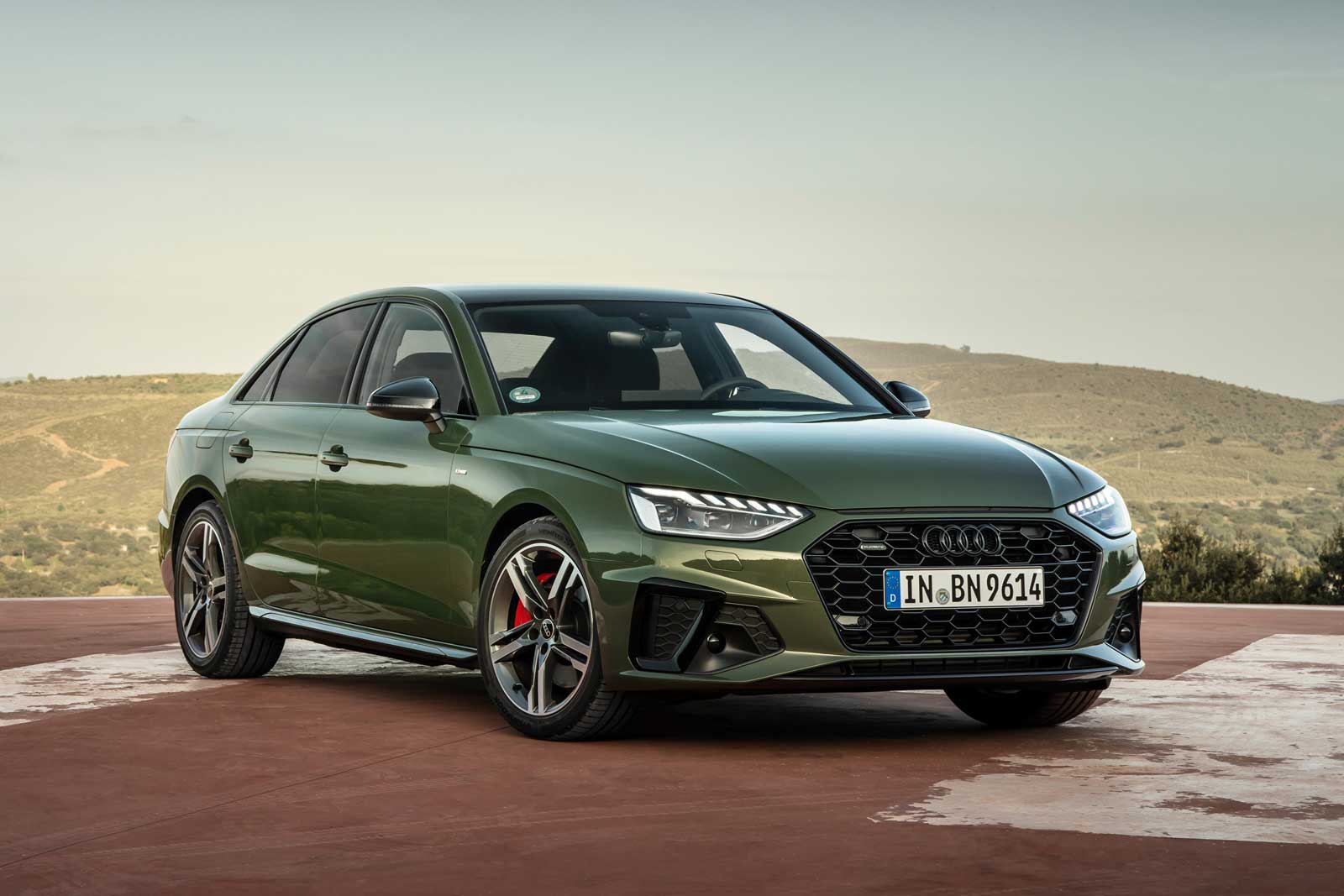
2. Audi A4
The Audi A4 offers a refined steering system that combines precision and stability. Its progressive ratio provides excellent control in tight corners and smooth response on highways. Drivers notice that the steering feels weighted correctly, giving confidence without requiring excessive effort. The balance makes the car feel agile while maintaining composed behavior at speed.
One standout feature of the Audi A4 is its feedback consistency. Road textures, tire grip, and slight changes in surface friction are communicated clearly. Unlike some sedans with numb electric steering, this model maintains a tangible link between driver and road. It allows subtle adjustments during spirited driving, which can improve cornering precision.
The suspension and chassis integration further enhance the steering feel. Turn-in is sharp, and mid-corner corrections are easily managed. The car resists understeer naturally, and the feedback through the wheel makes the driver aware of grip limits. This combination results in a driving experience that feels both controlled and interactive.
At low speeds, the steering remains light and manageable for city driving. Parallel parking and tight maneuvers are effortless, while highway cruising benefits from increased road feel. The system adapts smoothly between these conditions, providing a seamless experience for drivers in diverse situations.
The Audi A4 proves that a modern sedan can prioritize both comfort and driving engagement. Its steering communicates confidence and makes the car feel responsive in every scenario. For drivers who value tactile connection and predictable handling, it remains a top choice in its class.
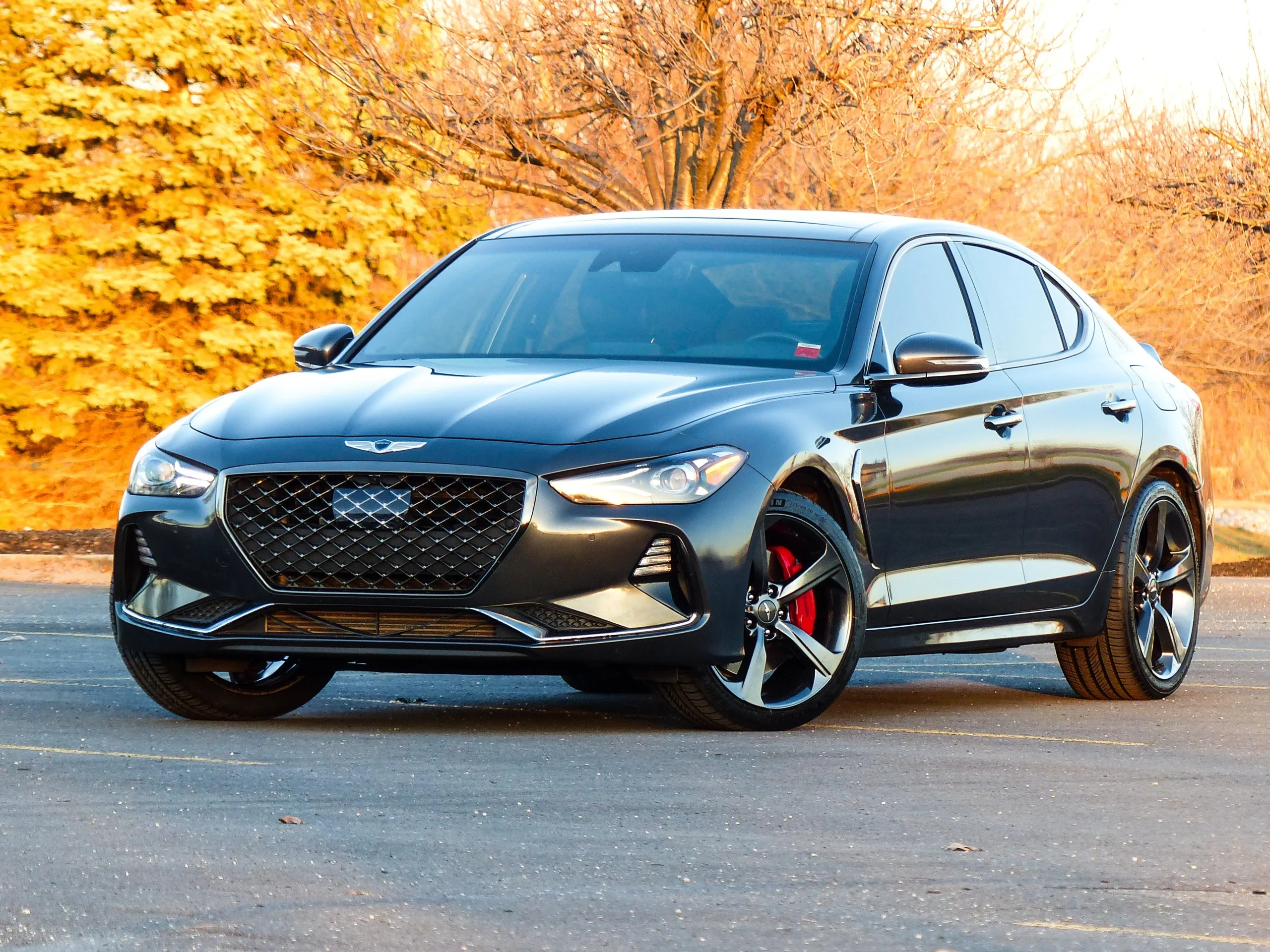
3. Genesis G70
The Genesis G70 delivers a dynamic driving experience with excellent steering feedback. Its electric-assisted rack is finely tuned to provide a sense of the road under all conditions. Drivers report immediate responses to inputs, allowing precise control through curves. The steering maintains composure without feeling overly stiff or artificial.
Cornering is a strong point for the Genesis G70. Its chassis and suspension are designed to minimize body roll, enhancing feedback clarity. The wheel communicates tire grip and road irregularities effectively. Enthusiasts appreciate how predictable and communicative the steering feels during high-speed maneuvers.
Low-speed handling is equally refined. Steering effort is light enough to make urban driving effortless. Turning radius is manageable, and the system avoids abrupt changes in feel. This ensures that drivers experience comfort and precision without compromise, even in crowded environments.
The steering feedback enhances driving confidence. When pushed hard, the wheel conveys grip limits and changes in traction clearly. This allows drivers to modulate inputs, creating a harmonious connection between car and road. The G70’s steering encourages both cautious and spirited driving.
Finally, the Genesis G70 demonstrates that modern sedans can provide sportscar-like steering characteristics. Balanced, communicative, and precise, it appeals to drivers who value connection and engagement over purely electronic assistance. Its responsive behavior contributes significantly to a memorable driving experience.
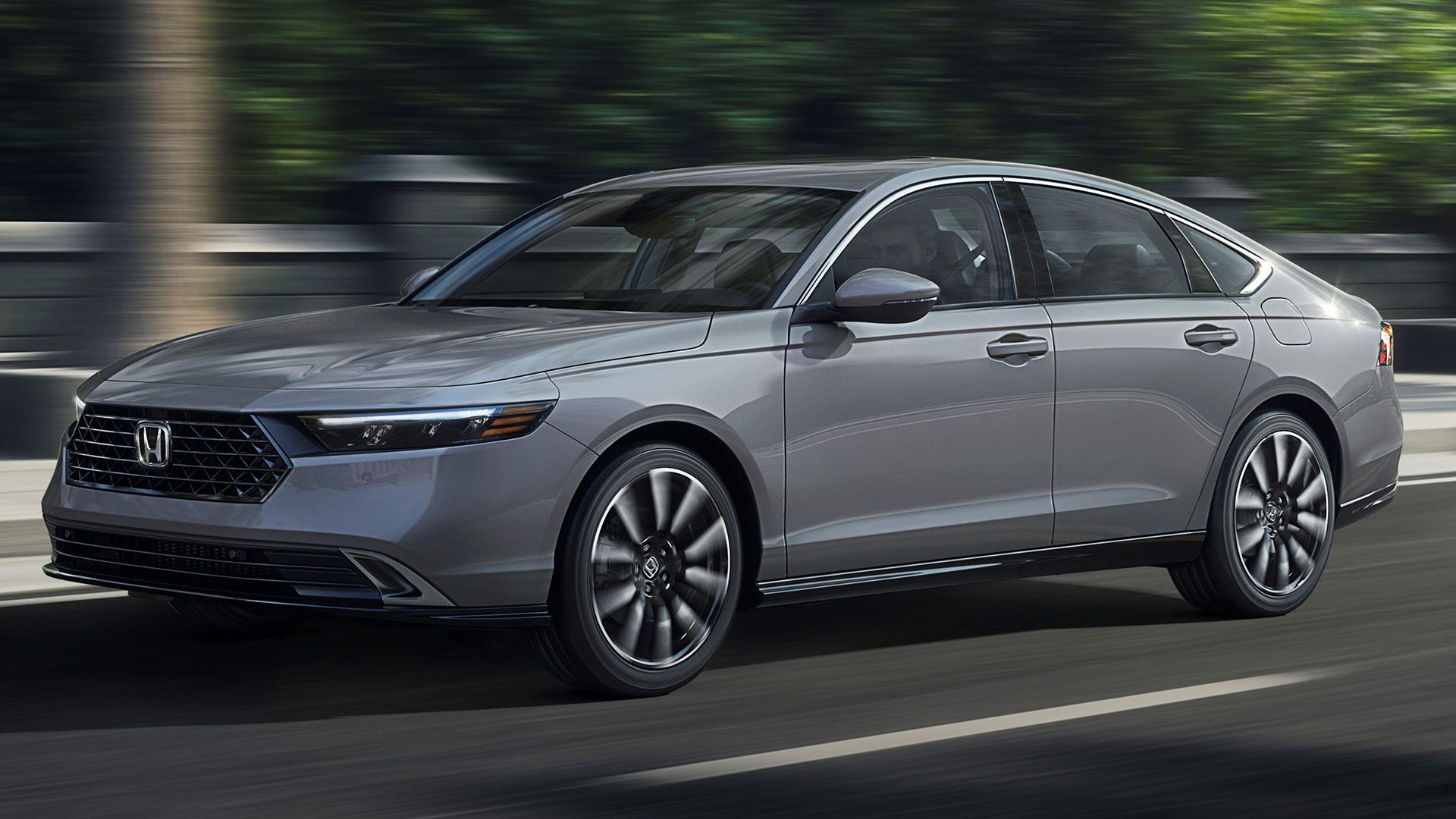
4. Honda Accord
The Honda Accord surprises many with its precise steering feel. Its electric power-assisted system is calibrated to offer tactile feedback despite its mainstream positioning. Steering inputs feel direct, translating small adjustments into noticeable directional changes. The result is a sedan that feels confident in corners without excessive effort.
Handling balance is a key feature of the Honda Accord. The suspension complements the steering system to reduce body lean while maintaining smoothness over bumps. Drivers sense road irregularities clearly, which enhances confidence during spirited or long-distance driving. Feedback remains consistent across different road conditions.
Urban driving is made easy with a light and responsive wheel. Turning at low speeds or navigating parking areas requires minimal input. Despite its ease, the steering does not feel disconnected or vague. The system maintains sufficient weight and communication to provide an engaging driving experience in everyday scenarios.
Highway stability is another highlight. The steering remains precise at speed, allowing the driver to make confident lane changes and maintain control through curves. The wheel communicates subtle surface textures, creating a sense of involvement rarely found in this segment.
The Honda Accord proves that mainstream sedans can provide excellent steering feel. Its balance of effort, feedback, and predictability makes it a standout choice for those who value engagement alongside practicality.
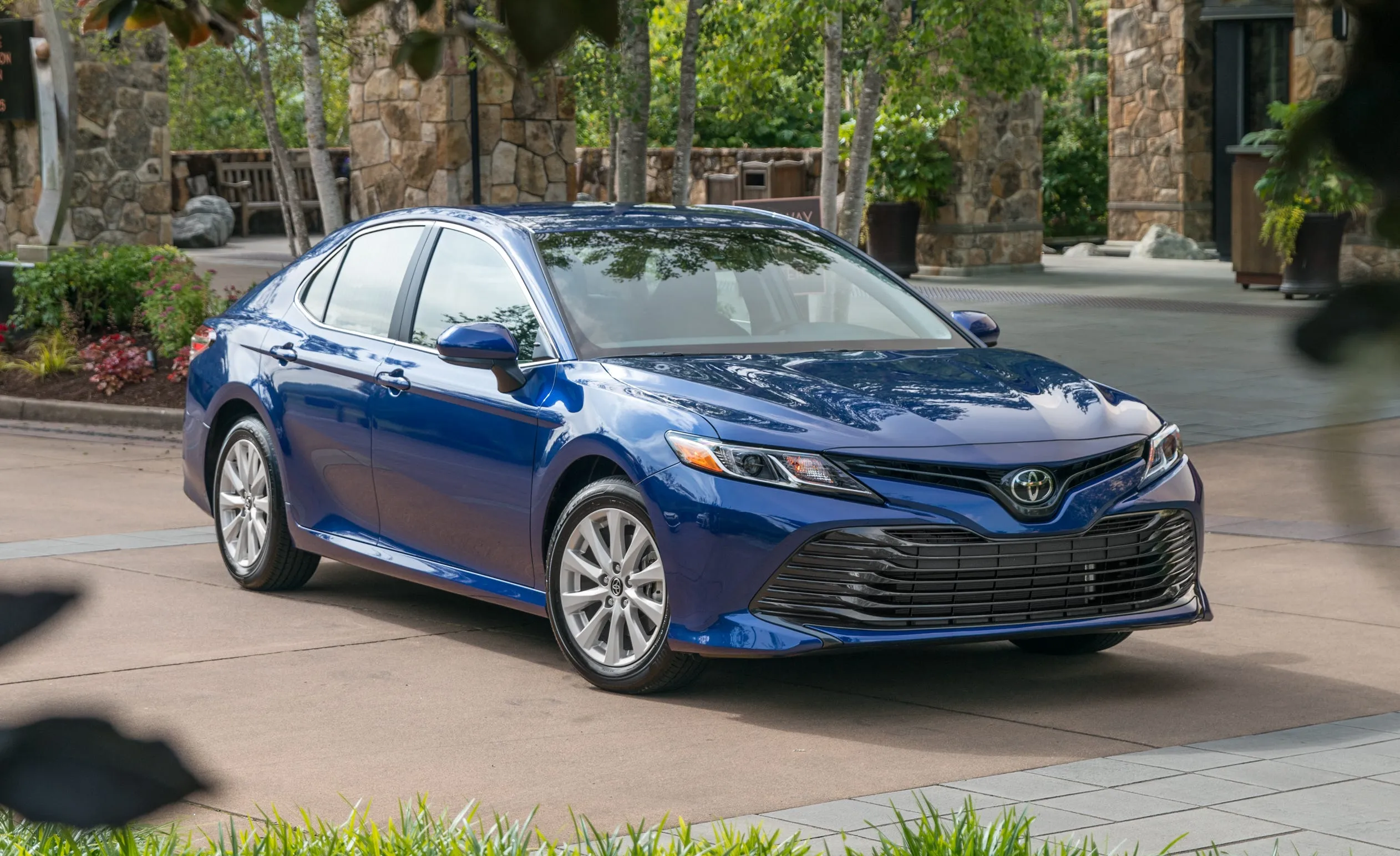
5. Toyota Camry
The Toyota Camry offers a surprisingly tactile driving experience for a family sedan. Its steering system delivers clear feedback to the driver, allowing awareness of road grip and tire behavior. The combination of suspension and chassis tuning provides responsiveness without harshness, creating a natural driving feel.
Cornering precision is a strength of the Toyota Camry. Steering inputs result in predictable turn-in, while mid-corner corrections are communicated effectively through the wheel. The feedback ensures that drivers can feel grip thresholds and modulate their inputs safely.
Low-speed maneuvers remain effortless. The Camry’s wheel weight is light enough for city driving, while still retaining clarity and connection. Drivers notice the balance between ease and feedback, making everyday commuting more enjoyable and confidence-inspiring.
The Camry’s steering provides high-speed stability. The wheel communicates subtle changes in road surface, allowing precise corrections when necessary. The combination of mechanical feel and electronic assistance ensures that the car feels planted in a variety of driving conditions.
By blending comfort and communicative steering, the Toyota Camry proves that sedans do not need to sacrifice driver engagement for practicality. It remains a reliable and responsive option for those seeking a connected driving experience.
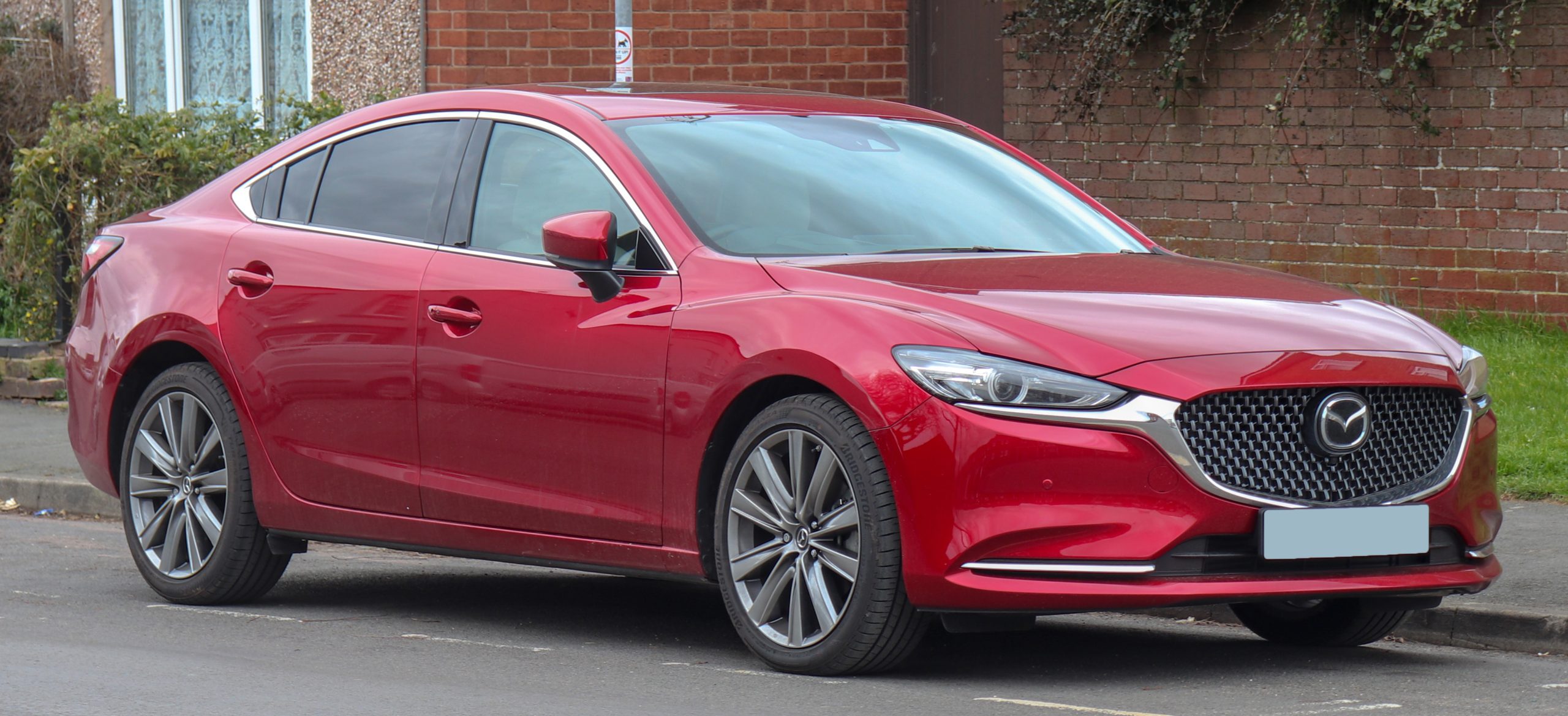
6. Mazda 6
The Mazda 6 is often praised for delivering a driving experience that feels alive and connected. Its steering system is finely tuned to balance responsiveness with effortless control. Unlike many modern sedans that feel numb at the wheel, the Mazda 6 communicates road textures, tire grip, and even subtle camber changes with clarity.
The system provides immediate feedback, allowing drivers to sense how the car is interacting with the surface beneath, making cornering and maneuvering intuitive and satisfying.
The Mazda 6’s steering feel is also enhanced by its precise weight distribution and chassis balance. The car feels nimble without being twitchy, giving drivers confidence when making quick lane changes or approaching sharp curves.
The suspension communicates subtle shifts in road conditions, which allows drivers to anticipate traction changes before they become an issue. This proactive feedback makes spirited driving safer and more enjoyable, as the vehicle responds predictably to every input.
Another remarkable aspect of the Mazda 6 is its ability to maintain steering clarity in varied weather conditions. Rainy or uneven surfaces are communicated through subtle wheel vibrations, allowing the driver to sense loss of traction early.
This characteristic is especially useful during long trips or when driving on unfamiliar roads, as it fosters a sense of control that few sedans in its class can replicate. The Mazda 6 demonstrates that modern sedans don’t need to sacrifice tactile feedback for safety features or comfort.
The responsiveness of the steering is further complemented by the car’s braking and throttle inputs. When entering a corner, the wheel communicates the grip available while the suspension and tires respond in harmony, creating a seamless connection between deceleration, steering, and acceleration.
This unity of systems provides a driving experience that is engaging and rewarding, emphasizing precision and control over raw speed. For drivers who value feel over flashy performance stats, this integration is particularly satisfying.
Long-distance driving in the Mazda 6 is another area where the steering system excels. On highways, the wheel maintains composure and provides constant feedback without fatigue.
The balance of firmness and lightness prevents the hands from becoming numb over extended periods, while subtle road imperfections are transmitted clearly enough to maintain engagement. This makes the Mazda 6 a comfortable yet exciting choice for road trips, combining practicality with a spirited driving experience.
The interior ergonomics of the Mazda 6 further enhance the steering experience. The wheel design, placement, and adjustability ensure that drivers can maintain a natural grip and position, which maximizes the tactile communication from the road.
The combination of intuitive controls, responsive steering, and well-tuned suspension allows the driver to focus on the road and enjoy a connected experience without distraction. Comfort and engagement coexist seamlessly in this sedan.

7. Mercedes-Benz C-Class
The Mercedes-Benz C-Class combines luxury refinement with precise steering feedback. Its system is engineered to deliver a sense of security and composure without sacrificing engagement. The wheel conveys subtle nuances in road texture, allowing the driver to feel the grip levels and surface variations clearly. This provides a tactile connection rarely achieved in luxury sedans, where comfort sometimes overshadows directness.
Turn-in feels controlled, and the suspension supports the chassis without excessive roll. The steering communicates the car’s balance mid-corner, letting the driver anticipate weight transfer and grip availability. Whether on tight urban streets or winding backroads, the feedback ensures confidence and minimizes the need for corrective input.
At low speeds, the steering maintains a pleasant balance between lightness and road feel. City driving is effortless, with a responsive wheel that helps in navigating crowded streets or tight parking spaces. Even when maneuvering in stop-and-go traffic, the driver remains connected to the road, which is a rare combination for a luxury-oriented sedan.
High-speed stability is another highlight. The C-Class communicates subtle changes in traction and tire behavior, allowing precise lane corrections without inducing nervousness. Steering weight increases naturally at higher speeds, giving the driver reassurance during rapid maneuvers. This balance of lightness and firmness creates a feeling of predictability and confidence, enhancing both comfort and driving pleasure.
The experience positions the Mercedes-Benz C-Class as a benchmark for sedans that combine refinement with engagement. It demonstrates that luxury sedans can deliver steering that is both communicative and responsive. The tactile connection to the road, coupled with precise control, makes this model a favorite for drivers who value both comfort and driving dynamics.

8. Kia Stinger
The Kia Stinger delivers a strikingly dynamic driving experience, emphasizing steering precision and road feedback. Its sport-oriented chassis and steering calibration provide immediate communication to the driver. Inputs translate directly into controlled and predictable responses, creating a connection that is rare in non-luxury sedans.
Drivers can feel tire grip, weight transfer, and surface irregularities in a way that enhances both confidence and enjoyment behind the wheel.
Cornering in the Stinger is exceptional. The steering provides a precise sense of front-end grip, allowing drivers to modulate speed and direction accurately. The suspension complements the system, absorbing road imperfections while transmitting important tactile information. The result is a sedan that feels agile and composed simultaneously, with a steering feel that inspires confidence during spirited driving.
Low-speed driving is remarkably effortless despite the car’s performance focus. Steering weight is light enough for urban maneuvers without sacrificing clarity. Drivers experience a natural link between wheel and road in everyday scenarios, making commuting enjoyable. The balance of comfort and feedback ensures that the Stinger is versatile in various driving conditions.
Highway and dynamic driving showcase the Stinger’s strengths. At speed, the steering becomes firmer, enhancing stability and precision. The car communicates subtle variations in road traction and tire behavior, allowing the driver to make quick adjustments instinctively. The responsiveness and feedback encourage engagement while maintaining comfort on longer trips.
The Kia Stinger proves that performance and steering feedback can coexist in a modern sedan. Its communicative steering, balanced chassis, and precise handling make it a standout choice for drivers seeking a sporty yet refined driving experience. Every input feels intentional, reinforcing the connection between driver and car.
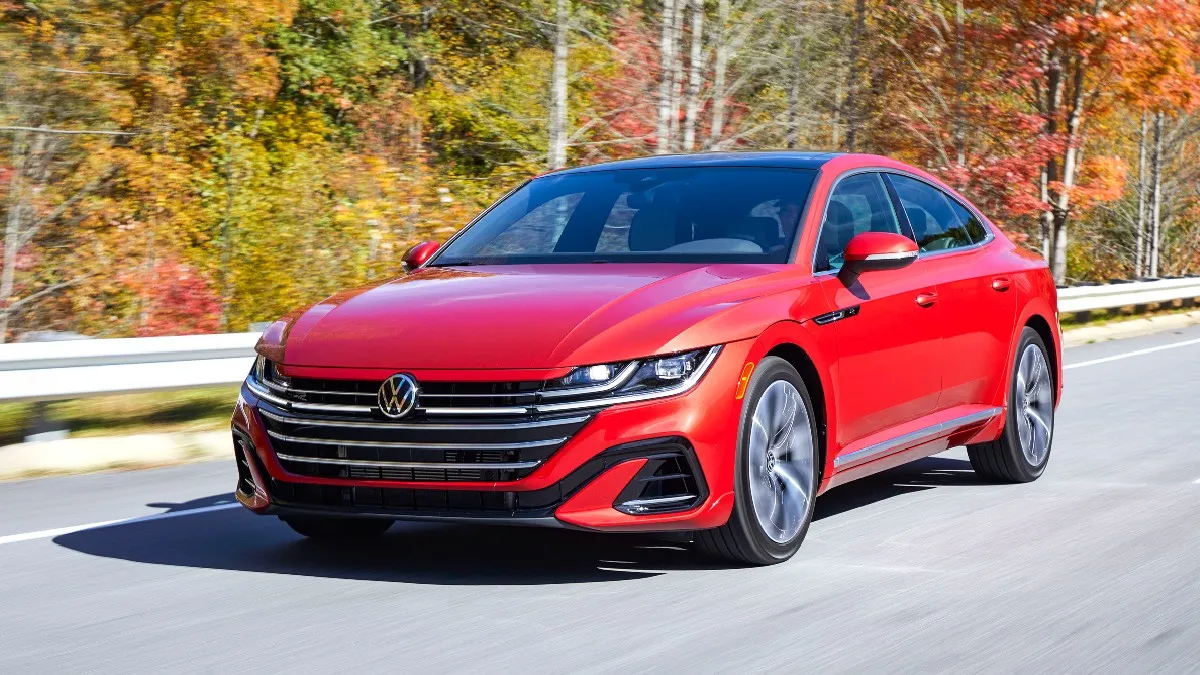
9. Volkswagen Arteon
The Volkswagen Arteon offers a unique blend of elegance and engaging steering feedback. Its precise steering rack conveys subtle road textures and surface conditions, providing a sense of confidence even at higher speeds. Drivers experience a responsive connection that translates their inputs into controlled and predictable motion, enhancing both safety and enjoyment.
Handling is refined and predictable, with turn-in that feels deliberate and balanced. The suspension supports the chassis, ensuring minimal body roll while transmitting essential tactile information. The Arteon communicates grip levels clearly, allowing drivers to navigate curves and corners confidently without feeling disconnected from the road.
City driving is easy, thanks to light steering weight and smooth responsiveness. Maneuvers such as parallel parking and tight turns are effortless, while feedback remains informative and engaging. The balance between ease of use and tactile connection ensures that daily driving never feels detached or artificial.
Highway and spirited driving highlight the Arteon’s precision. The steering firming at speed offers stability, while subtle feedback from the tires provides reassurance. Drivers can sense grip thresholds, making adjustments intuitive and precise. This creates a dynamic driving experience that feels engaging yet comfortable.
The Volkswagen Arteon demonstrates that a modern sedan can combine style, comfort, and steering engagement. Its balanced feedback and precise handling make it an appealing option for those who want a sedan that communicates clearly through every corner, straight stretch, and maneuver.
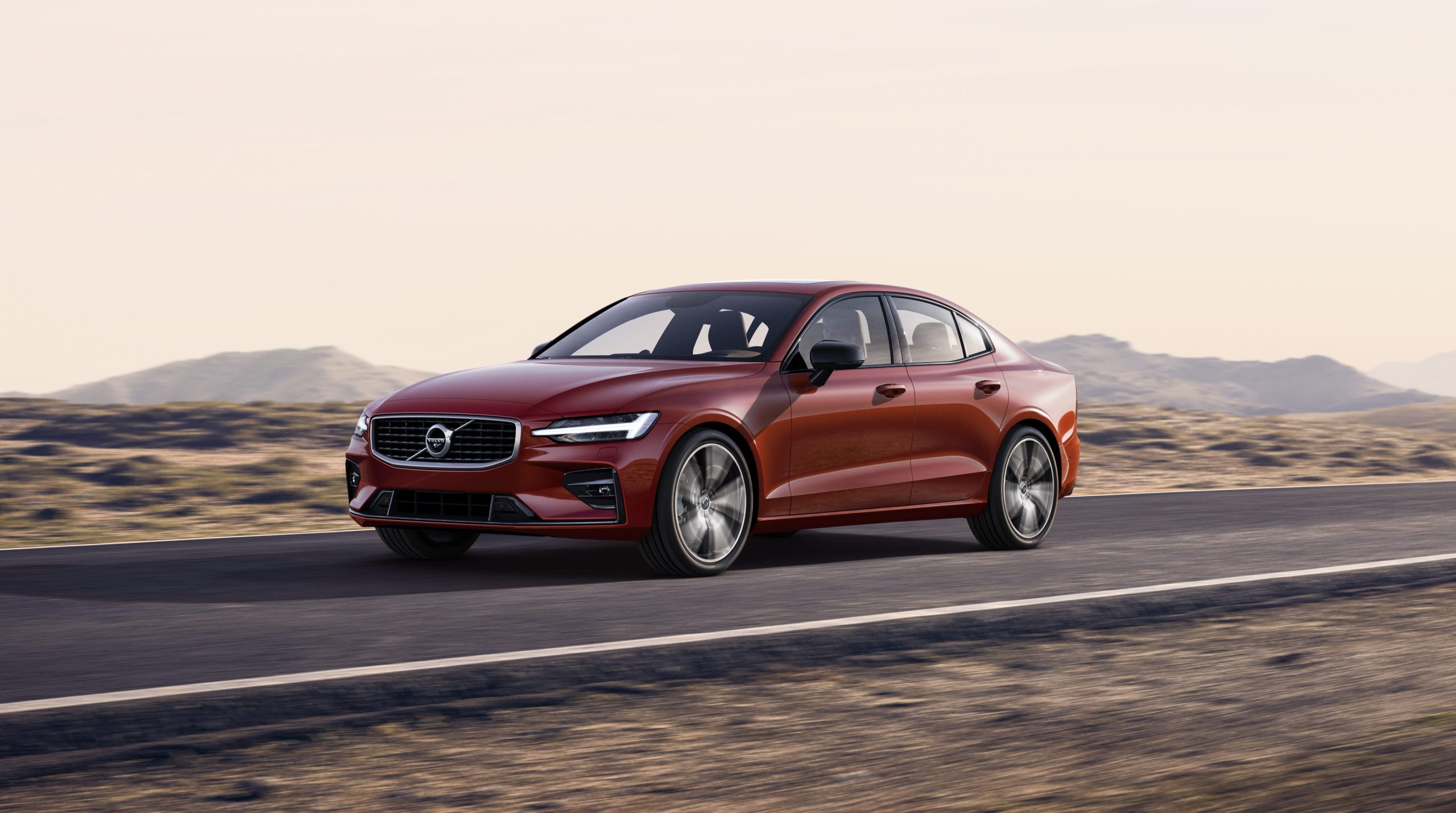
10. Volvo S60
The Volvo S60 delivers a calm yet communicative driving experience. Its steering system emphasizes stability and precision while offering a tangible sense of the road. Unlike sedans that rely solely on electronic assistance, the S60 maintains an authentic connection to the driver. Every subtle variation in surface texture or grip is conveyed through the wheel, reinforcing confidence behind the wheel in diverse conditions.
Cornering feels controlled and composed. The S60’s suspension and chassis tuning ensure minimal body roll, allowing the steering to communicate tire grip clearly. Drivers can make minor adjustments instinctively, responding to dynamic changes without overcorrection. The wheel provides predictable feedback, making spirited driving both safe and enjoyable.
City driving is effortless. Steering weight is light enough to handle tight streets and parking maneuvers, yet it does not compromise tactile feedback. The S60 communicates road nuances even at low speeds, which enhances driver awareness and engagement. The combination of comfort and feedback ensures that commuting never feels disconnected.
Highway and dynamic performance emphasize stability and clarity. Steering firmness increases naturally at speed, and subtle road imperfections are transmitted to the driver efficiently. This creates a sense of security while maintaining the pleasure of direct connection to the car’s motion.
The Volvo S60 showcases that modern sedans can achieve a balance of comfort, safety, and engaging steering feedback. Its precise, communicative wheel, paired with a stable chassis, provides a driving experience that feels confident, immersive, and satisfying in virtually any scenario.