
Your car has been trying to talk to you. Not in some dramatic, movie-style breakdown kind of way, but in those small, easy-to-ignore moments: a rough idle at a red light, a slight hesitation when you press the gas, or a check engine light that just will not go away.
Most drivers chalk these up to “just how older cars feel” or blame bad fuel. What they do not realize is that these could be early warning signs of a Variable Valve Timing (VVT) system that is starting to fail. Variable Valve Timing is one of the most impressive technologies built into modern engines.
It works quietly in the background, constantly adjusting how and when your engine’s valves open and close to give you the best possible balance of power, fuel efficiency, and clean emissions. When it works well, you never think about it. When it starts to go wrong, your entire driving experience suffers, and so does your wallet if you leave it too long.
Here is the thing about VVT problems: they are sneaky. They rarely announce themselves with a loud bang or a smoke cloud. Instead, they creep in gradually, disguising themselves as minor inconveniences. A little more fuel consumption here. A slightly sluggish throttle response there. These symptoms might seem unrelated at first glance, but they often point back to one root cause.
This page is for everyday drivers who want to stay ahead of expensive repairs. Whether you drive a brand-new sports sedan or a well-loved family SUV, your engine relies on proper VVT function to perform at its best. Knowing the warning signs early gives you the power to act before a manageable repair turns into a full engine overhaul.
Eight clear signs follow, backed by real-world examples, specific vehicle references, and straightforward explanations. Read through them carefully. Your engine will thank you.
1. Rough or Unstable Idle That Keeps Getting Worse
Picture yourself sitting at a drive-through or waiting at a traffic light. Your car should be sitting quietly, engine humming along at a steady and predictable rhythm. But lately, you have noticed something different. The whole car seems to shudder slightly.
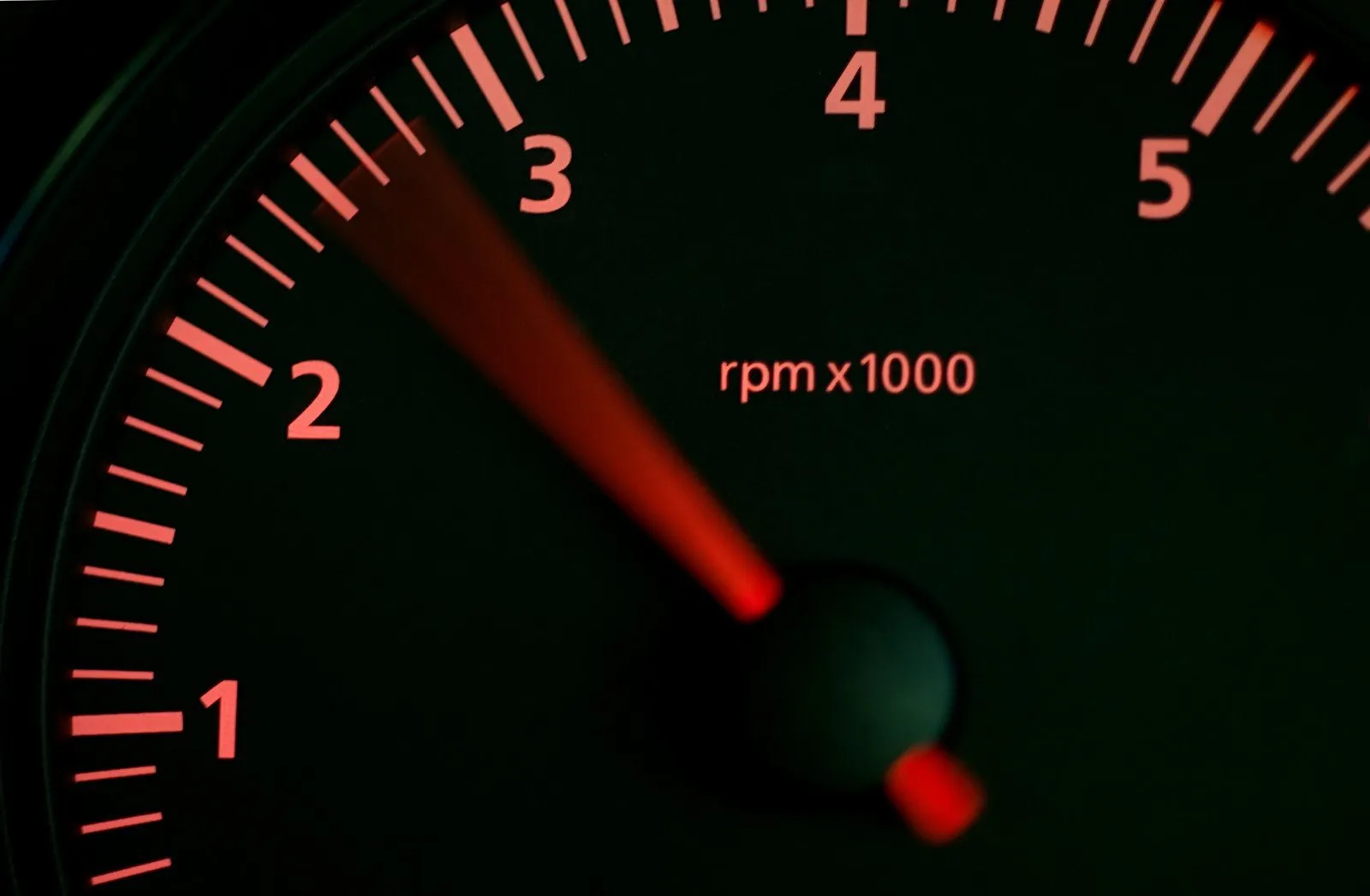
The RPM needle twitches up and down like it cannot decide where to settle. You turn up the radio to drown it out, but deep down, you know something is not right. A rough idle is one of the earliest and most telling signs of a VVT system under stress.
When the Variable Valve Timing actuator or solenoid begins to malfunction, the engine’s valve timing falls out of sync. At idle, the engine is running at its lowest load, which means any timing irregularity has nowhere to hide. The result is exactly what you have been feeling: that unsettling vibration and uneven engine rhythm that makes your morning commute feel less confident than it should.
Take the 2013 Toyota Camry 2.5L four-cylinder as a real-world example. Owners of this model have reported rough idle conditions that traced directly back to a clogged VVT solenoid caused by oil sludge buildup. The solenoid could no longer regulate oil pressure to the actuator properly, and the valve timing became erratic at low RPM.
The fix in many cases was a solenoid replacement and an oil system flush, but only after drivers had ignored the rough idle for months and allowed additional wear to accumulate. What makes this symptom tricky is that rough idle can have many causes: dirty fuel injectors, a faulty mass airflow sensor, or even old spark plugs.
However, when those components check out fine, and the rough idle persists, VVT is the next logical place to look. A professional technician can use an OBD-II scanner to pull timing-related fault codes and compare real-time cam position data against manufacturer specifications.
Leaving a rough idle unaddressed does more than just annoy you. Inconsistent valve timing at idle places extra strain on engine internals, accelerates wear on cam phasers, and can cause improper combustion that deposits carbon on valve stems and intake ports. Those carbon deposits then create their own set of problems, creating a cycle that becomes increasingly expensive to break.
If your idle has not felt right for more than a few weeks, and especially if you have already ruled out the usual suspects, do not delay a professional diagnosis. Catching a VVT issue at the rough idle stage is far cheaper than waiting for it to develop into something that requires engine disassembly.

2. Your Fuel Economy Has Quietly Dropped
Fuel economy does not usually crash overnight. It tends to decline gradually, and because drivers fill up at different intervals and rarely track mileage religiously, many people miss the early warning signs entirely. You might not notice until you realize you are stopping at the gas station more often than you used to, or until a road trip costs noticeably more than it did two years ago.
A drop in fuel efficiency is one of the more financially painful indicators of VVT trouble, and it is especially relevant in vehicles designed specifically to leverage variable timing for economy gains. The VVT system is engineered to keep valve overlap and lift optimized across all driving conditions.
During highway cruising at low load, it reduces valve overlap to prevent fuel waste. During acceleration, it advances timing to maximize combustion efficiency. When this system stops working correctly, the engine loses that precision and begins burning more fuel to produce the same output.
Consider the 2015 Ford Fusion 1.5L EcoBoost. This engine was built with fuel savings as a central promise. Owners who experienced VVT actuator wear reported a drop of three to five miles per gallon in mixed driving conditions.
That kind of reduction, though it sounds modest, adds up to hundreds of dollars annually for a driver who covers average mileage. The underlying issue was that the actuator had developed excessive play due to oil degradation, causing it to respond sluggishly to the ECU’s commands and default to a fixed timing position rather than the optimal one for the driving condition.
Proper oil maintenance is directly tied to VVT performance. The system relies on pressurized engine oil to move the cam phaser, and dirty or degraded oil reduces hydraulic pressure inconsistently. This is why many VVT-related fuel economy drops coincide with overdue oil changes. A technician will often ask for your service history immediately upon diagnosing this symptom.
Besides the financial cost, poor fuel economy from a struggling VVT system signals that your engine is working harder than necessary. That additional stress compounds wear across multiple components simultaneously. Getting a professional assessment at this stage is an investment, not just an expense.
Also Read: 15 Best EV Charging Tips for Longer Battery Life

3. A Rattling Noise From the Engine at Startup
Cold mornings reveal a lot about a car’s health. When you turn the key or press the start button on a cold engine, the first few seconds are critical. Oil pressure builds rapidly, components expand from heat, and the VVT system initializes its position. During this brief window, any weakness in the system will often make itself heard.
A distinct rattling or chain-slapping noise during the first few seconds of startup is one of the most recognizable symptoms of a failing VVT system. This sound typically comes from the timing chain area and indicates that the cam phaser is not receiving adequate oil pressure quickly enough to lock into its default position.
Instead of engaging properly, the phaser rattles against its housing until oil pressure stabilizes. The 2011 BMW 328i with the N52 engine is a well-documented example of this issue. Owners described a metallic rattling sound lasting anywhere from one to three seconds immediately after cold startup.
Technicians traced the noise to worn cam phaser components combined with oil that had thinned out and was slow to pressurize. In several cases, the VANOS solenoid (BMW’s proprietary VVT system) had also accumulated sludge that restricted oil flow during that critical startup phase.
The temptation is to dismiss this rattle because it stops quickly. Once the engine warms up and oil pressure normalizes, the noise disappears entirely, and the car drives without complaint. This cycle repeats every morning, and every morning, drivers convince themselves it is harmless. It is not.
Each cold-start rattle event represents a brief period where metal components are contacting each other with insufficient lubrication and hydraulic cushioning, accelerating wear on the phaser, chain tensioner, and timing chain itself.
A professional technician can identify the exact source of this rattle using acoustic diagnosis tools and oil pressure testing. In many cases, a timely solenoid cleaning, oil system flush, and fresh high-quality oil will resolve the issue before permanent damage sets in. Waiting until the rattle becomes a constant noise, or until the timing chain jumps a tooth, turns a minor repair into a major engine-out job.
4. The Check Engine Light With Cam Position Fault Codes
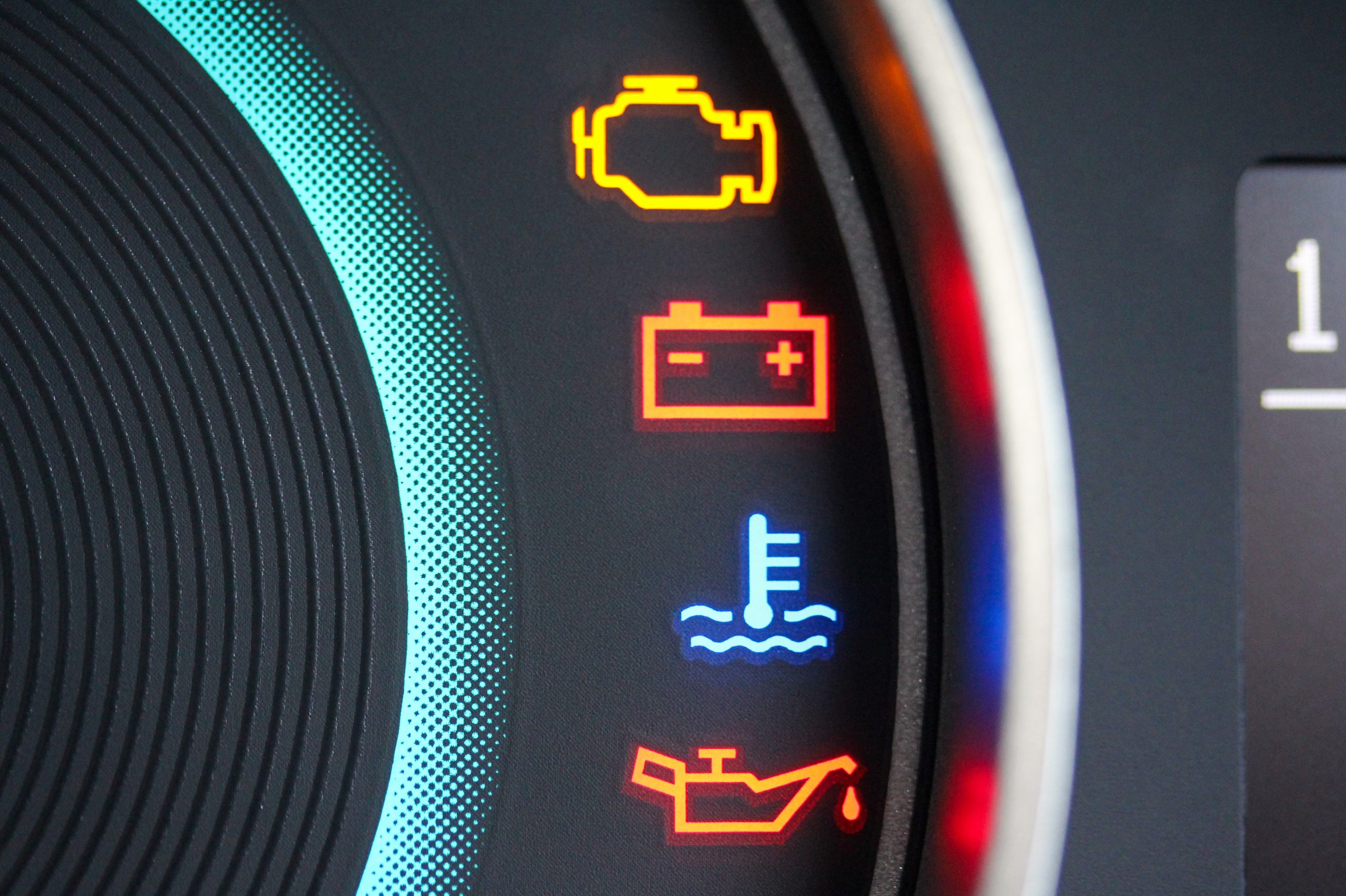
Check engine lights get ignored more often than any other warning indicator in a vehicle. Drivers have learned to live with them, especially when the car seems to drive fine otherwise. Some people cover them with tape. Others reset them at home and hope they stay off.
This approach works out poorly when the fault code hiding behind that amber glow is a cam position or VVT timing error. Modern engine control units monitor camshaft position in real time, comparing actual cam position data against a precise expected value based on engine speed and throttle input.
When the VVT system cannot deliver the requested cam position within the expected tolerance window, the ECU logs a fault code and illuminates the check engine light. The most common codes associated with VVT problems include P0010, P0011, P0012, P0013, P0014, and related bank-specific variants.
The 2014 Chevrolet Malibu 2.5L Ecotec engine became familiar with these codes in owner forums. P0011, which indicates the camshaft is over-advanced on bank one, was repeatedly linked to a faulty oil control valve on this platform.
Drivers who pulled the code, reset the light, and continued driving without addressing the root cause reported increasingly poor performance and, in some cases, timing chain wear that required more expensive repairs down the road.
What makes cam position fault codes particularly important is their specificity. Unlike a generic misfire code that could stem from dozens of causes, a P0011 or P0014 points directly at the VVT system’s ability to control camshaft position.
A professional technician who sees these codes knows exactly which circuit and component to test first. They will check oil pressure at the control valve, inspect solenoid resistance with a multimeter, and verify that wiring harness connections are secure and free of corrosion.
Attempting to diagnose these codes without proper equipment is a frustrating exercise in guesswork. The VVT system’s behavior is dynamic and load-dependent, meaning a solenoid might test within spec at rest but fail under operating conditions.
Professional diagnosis using live data capture during a road test provides accuracy that no home scanner can replicate. The check engine light, boring and familiar as it seems, is asking for professional attention.
5. Sluggish Acceleration and a Loss of Power You Cannot Explain
Nothing feels quite as frustrating as a car that used to feel lively and responsive but now feels heavy and reluctant. You press the accelerator expecting that familiar surge of power, and instead you get a slow, uninspiring crawl up to speed.
You check the fuel level, you try a different brand of gasoline, you even take a long highway drive hoping to “clear it out.” Nothing works because the problem is not something you can fix by driving differently. Loss of power and sluggish acceleration are direct consequences of improper valve timing.
When the VVT system fails to advance the camshaft at higher engine loads, the engine cannot achieve optimal volumetric efficiency. Air and fuel do not fill the cylinders as effectively as they should; combustion is less complete, and power output drops noticeably. Drivers often describe this as the car feeling “tired” or like something is holding it back.
The 2016 Honda Accord 2.4L i-VTEC offers a clear illustration. Honda’s VTEC and VTC systems work in tandem to manage both valve lift and timing, and when the Variable Timing Control actuator begins to wear, or the oil pressure feeding it becomes insufficient, drivers experience a loss of mid-range and upper-RPM power that is especially apparent during highway merging or passing maneuvers.
Several owner reports pointed to the OCV (oil control valve) filter screen becoming clogged with debris from degraded engine oil, cutting off the precise oil flow required for accurate cam advance. Power loss from VVT failure does not always feel dramatic.
Sometimes it is subtle enough that drivers only notice it when they have a passenger who comments on how slowly the car accelerates. Other times, it is apparent enough that the driver instinctively downshifts more often to compensate, which places added strain on the transmission and drivetrain.
A professional technician approaching this symptom will conduct a complete VVT circuit test, verify cam phaser travel range using a scan tool, and check for mechanical resistance within the phaser assembly. They will also review oil pressure data at multiple engine speeds to confirm whether the hydraulic system is delivering adequate force to move the actuator through its full range of motion.
Addressing this symptom early preserves engine longevity and restores the driving confidence you paid for when you bought the car.

6. Rough Performance During Cold Weather Starts and Early Morning Drives
Cold weather is merciless when it comes to exposing mechanical weaknesses. Oil thickens, metal contracts, and every system in your engine has to work harder during those first critical minutes of operation. For a VVT system that is already struggling, cold temperatures remove the remaining margin that kept symptoms from appearing during warmer conditions.
Drivers who live in colder climates often notice that their vehicle’s performance issues are dramatically worse during winter mornings. The engine bucks and hesitates during the warm-up phase, throttle response feels numb and unpredictable, and the car takes longer than usual to settle into a smooth idle.
These symptoms fade as the engine reaches operating temperature, which is exactly why many drivers attribute them to the cold itself rather than to an underlying mechanical problem. The 2012 Volkswagen Passat 2.5L five-cylinder is an instructive example. Owners in northern states and Canada reported particularly harsh cold-start behavior that diminished once the engine warmed up.
Diagnosis revealed that the VVT solenoid seals had hardened and lost their ability to maintain a proper seal at low temperatures, causing oil pressure to bleed off rapidly and preventing accurate cam positioning during the warm-up period. At operating temperature, the seals expanded sufficiently to restore partial function, masking the fault entirely.
What makes this symptom dangerous from a maintenance standpoint is the false sense of security that comes with symptom disappearance. Because the car “fixes itself” once warm, drivers assume the problem is minor or self-correcting.
Seal degradation does not improve on its own. Each cold start accelerates the deterioration, and eventually the seals fail, leaving the VVT system non-functional even at operating temperature. Professional technicians address this by performing cold-start diagnostic procedures, measuring oil pressure at the VVT circuit before full operating temperature is reached, and testing solenoid seal integrity under simulated thermal conditions.
Catching this failure mode during the seasonal performance stage prevents a complete solenoid failure that leaves you stranded on a cold morning when you least expect it.
7. Elevated and Inconsistent Exhaust Emissions During Inspection
Emissions testing day is rarely anyone’s favorite. You pull into the test lane, hand over your keys, and wait to find out whether your car passes. When it does not, the experience tends to be equal parts confusing and expensive, particularly when your car seems to run well, and you have no obvious symptoms to explain the failure.
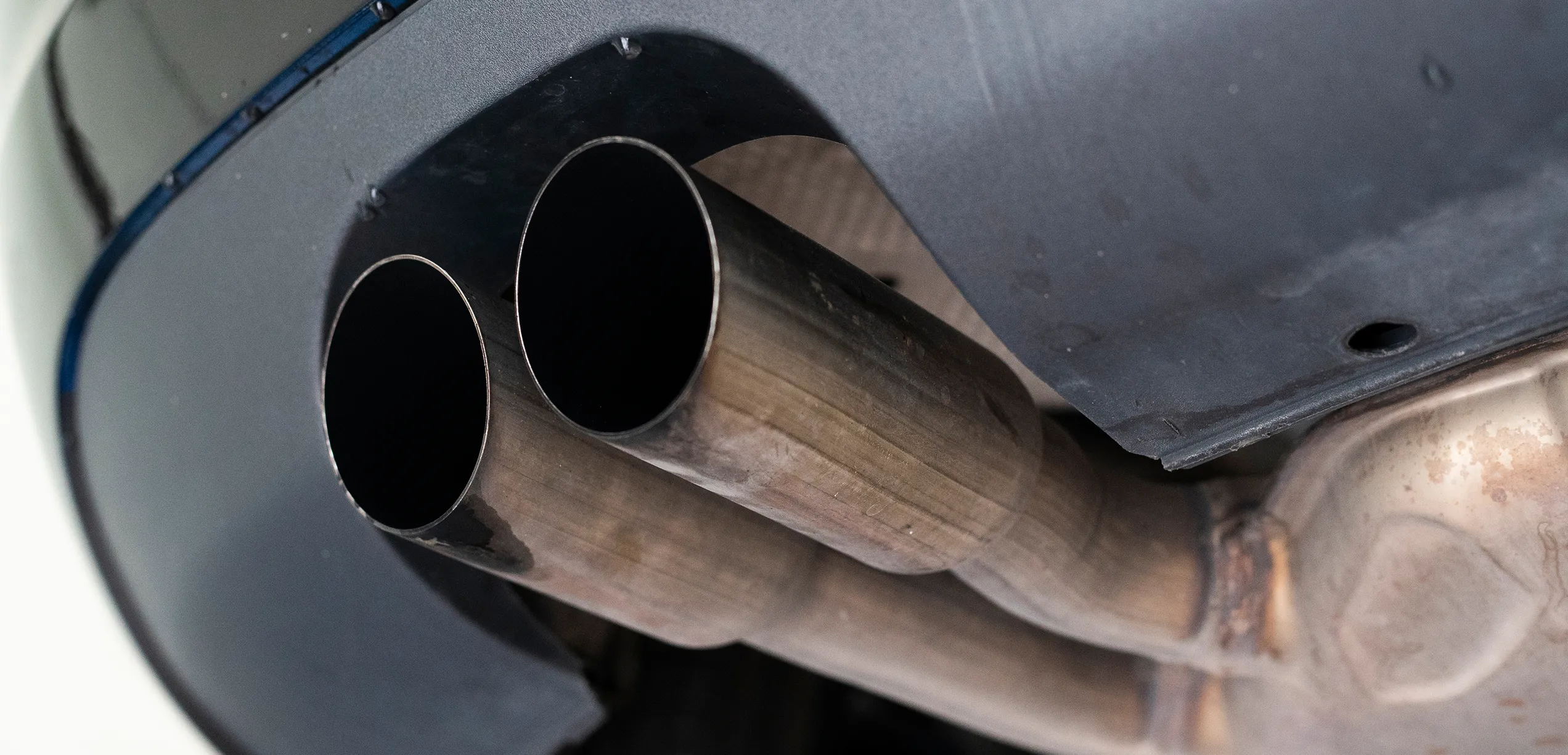
VVT system faults are a surprisingly common cause of emissions test failures that drivers do not see coming. The Variable Valve Timing system plays a direct role in managing exhaust emissions by controlling valve overlap timing, which affects how much exhaust gas recirculates into the combustion chamber.
When the system is not functioning within specification, combustion temperature and efficiency deviate from the calibrated range, producing elevated hydrocarbon and NOx readings that exceed legal limits. The 2017 Nissan Altima 2.5L SR engine is worth examining here.
Several owners discovered failed emissions tests tied to a malfunctioning CVTC (Continuously Variable Valve Timing Control) actuator. The actuator was not advancing and retarding the camshaft within the prescribed range, causing incomplete combustion events that sent excess unburned hydrocarbons through the exhaust system.
The car ran acceptably in normal driving conditions, which made the emissions failure genuinely surprising. What masked the drivability impact was that the fault was intermittent and temperature-dependent, only manifesting under the specific load and temperature conditions of the emissions test cycle.
An independent shop with emissions-grade diagnostic equipment can simulate the test cycle conditions on a dynamometer and observe live emissions data alongside VVT cam position feedback simultaneously. This approach isolates whether the emissions deviation is timing-related or attributable to another system, such as the oxygen sensors or catalytic converter.
Passing an emissions test with a compromised VVT system is possible if the fault is intermittent, but it is never advisable to leave the underlying problem unresolved. The combustion irregularities that cause elevated emissions also cause accelerated carbon buildup inside the engine, shortening the service life of valves, rings, and combustion chamber surfaces in ways that compound repair costs as time goes on.
Also Read: 10 Pro Tips That Keep a Chevy HHR Reliable for Daily Driving
8. Oil Pressure Warning Combined With Erratic Engine Behavior
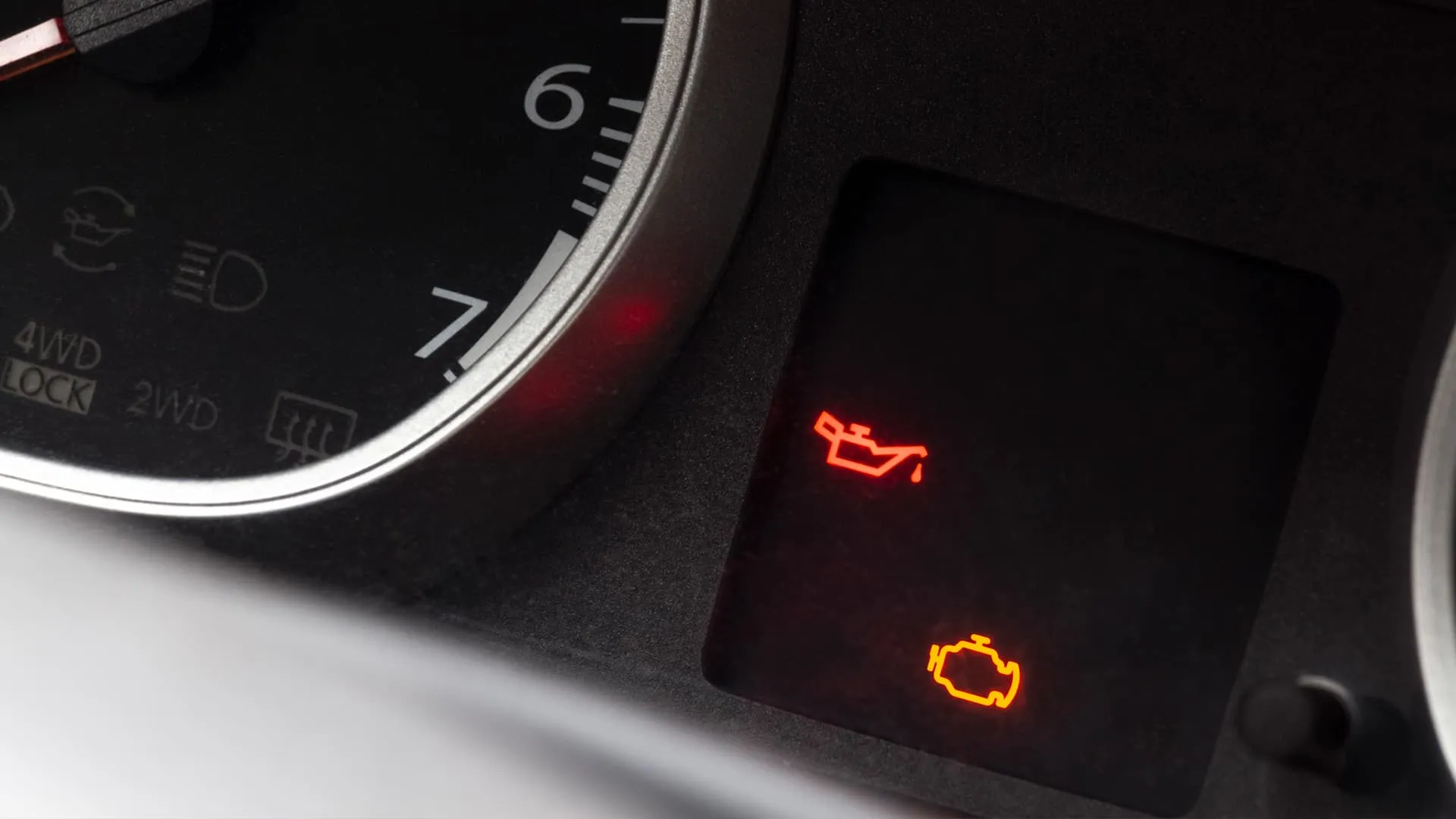
When your oil pressure warning light comes on, the instinct is to pull over immediately, and that instinct is correct. Low oil pressure is among the most serious indicators of engine trouble. What many drivers do not realize is that a VVT system in distress can both cause and be worsened by inadequate oil pressure, creating a feedback loop of escalating damage that moves quickly once it begins.
The Variable Valve Timing system depends entirely on oil pressure as its operating medium. The ECU sends an electrical signal to the VVT solenoid, which opens or restricts oil passages to adjust cam phaser position. If oil pressure is insufficient, the phaser cannot move accurately or at all.
A phaser that has seized or developed excessive internal wear can create abnormal resistance in the oil circuit, contributing to pressure irregularities that trigger the warning system. The 2010 Cadillac SRX 2.8L Turbo V6 is a vehicle where this intersection of oil pressure and VVT failure has been documented with some frequency.
Owners reported intermittent oil pressure warnings accompanied by rough engine operation and a check engine light showing cam position fault codes simultaneously. Technicians found that worn cam phaser internal components had created bypass channels within the phaser assembly, allowing pressurized oil to escape rather than build the pressure required for accurate timing control.
The oil pressure sensor registered the drop and triggered the warning light, while the engine’s behavior degraded from the simultaneous loss of timing precision. Responding to this combination of symptoms requires an experienced technician who can assess oil pressure using mechanical gauges rather than relying solely on the dash warning system, which can lag or register inaccurately when sensors themselves are affected by oil contamination.
A thorough inspection of the phaser assembly, solenoid function, oil control valve condition, and oil pump output will be required before any repair decision is made. Driving with known oil pressure irregularities, even briefly, risks permanent bearing damage, accelerated cam lobe wear, and in severe cases, catastrophic engine failure.
The cost difference between a phaser replacement performed at the first warning sign and a full engine rebuild performed after catastrophic failure is not a gap most drivers want to bridge. At this stage, immediate professional attention is not optional.
