
Cabin quietness has become a defining trait in modern crossovers. Drivers now expect a calm interior where wind, road, and engine noise are carefully controlled, especially during long highway drives.
Advances in acoustic engineering have helped manufacturers achieve this goal through features such as laminated glass, thicker insulation, refined suspension systems, and more aerodynamic body designs. When these elements work together, the cabin feels peaceful and conversations remain easy even at higher speeds.
Not every crossover delivers the same level of refinement. Some models prioritize rugged styling, off-road capability, or lower manufacturing costs, which can allow more outside noise to enter the interior. Wind turbulence around mirrors or roof rails, aggressive tire tread, thinner glass, and limited sound insulation can all contribute to a louder cabin environment.
This comparison highlights 5 crossovers with excellent cabin insulation that create a quiet, relaxing driving experience. It also examines 5 crossovers with excessive wind and road noise, where design and engineering choices make outside sounds more noticeable inside the vehicle.
5 Crossovers With Excellent Cabin Insulation
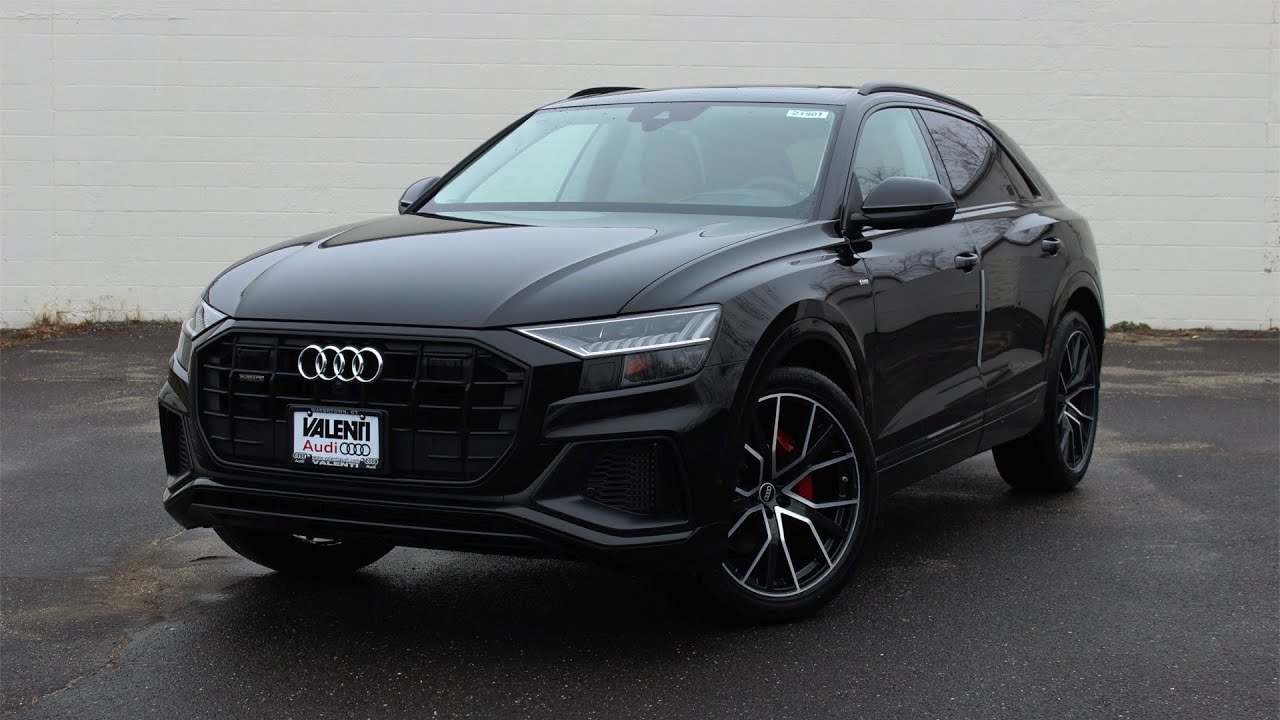
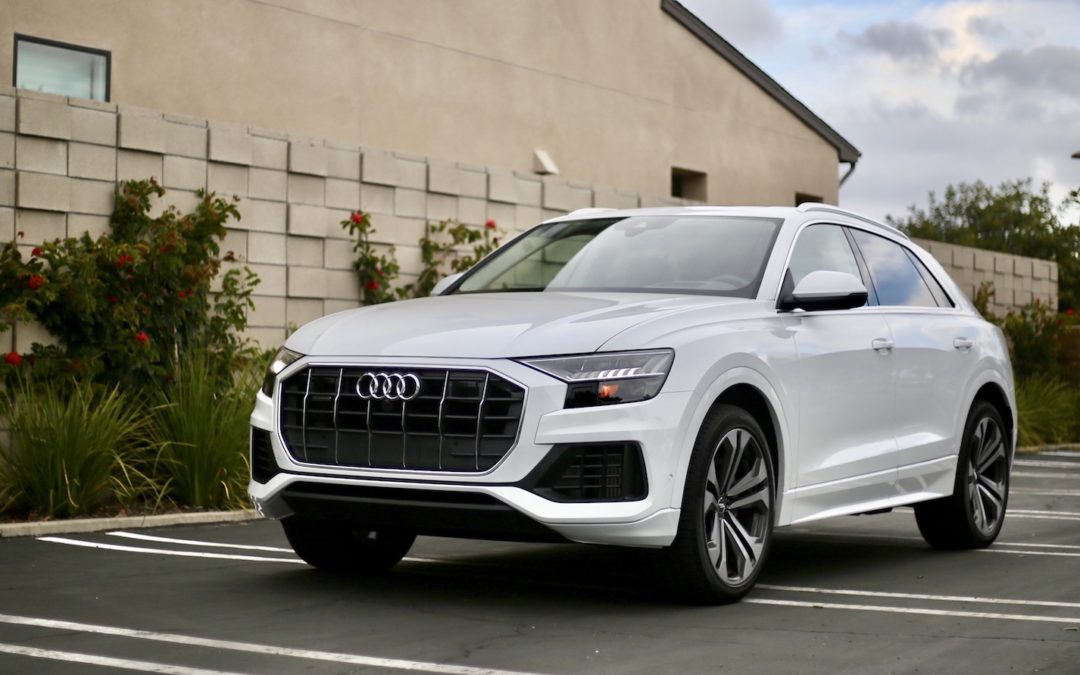
1. Audi Q8 Prestige: The Pinnacle of Quiet Luxury
The 2026 Audi Q8 Prestige is the quietest luxury crossover available, recording an impressive 56.2 dB at 70 mph, according to Edmunds. This near-silent cabin is achieved through dual-pane acoustic glass, advanced sound-deadening materials, precision-fit body panels, and structural enhancements that reduce wind resistance.
The result is a serene interior where conversations can be held in whispers even at highway speeds, setting a new standard for acoustic refinement in the segment.
The Prestige trim emphasizes comfort and tranquility with edgeless acoustic windows, soft-close doors, and adaptive air suspension, which minimize vibrations, road noise, and external disturbances.
High-end features such as massaging seats, premium materials, and advanced infotainment systems enhance the sense of luxury, while the cabin offers generous space for five adults, with superior legroom and headroom compared to other coupe-SUVs. Cargo space measures 30.5 cubic feet behind the rear seats, competitive for its class.
Performance is delivered by the 55 TFSI model, featuring a 3.0L turbocharged V6 with 335 horsepower and Quattro all-wheel drive. The ride is smooth and exceptionally quiet, though some reviewers note a slight delay in throttle response and transmission, giving it a less sporty feel than its coupe-inspired exterior might suggest. The optional air suspension provides excellent body control, while higher-performance modes can feel firmer.
The Q8 Prestige pairs its modern, stylish design with a luxurious, tech-rich interior. Its dual-touchscreen infotainment system with haptic feedback delivers a high-tech experience, though the reliance on touch controls can be distracting. The SUV commands a high price and offers below-average fuel efficiency, which may be a consideration for some buyers.
The Audi Q8 Prestige excels as a high-end, two-row luxury SUV that combines acoustic sophistication, refined comfort, and advanced technology. Its quiet cabin, spacious interior, and premium features make it an ideal choice for drivers seeking both style and tranquility in a luxury crossover.
2. BMW iX: A Quiet, High-Tech Electric Luxury Crossover
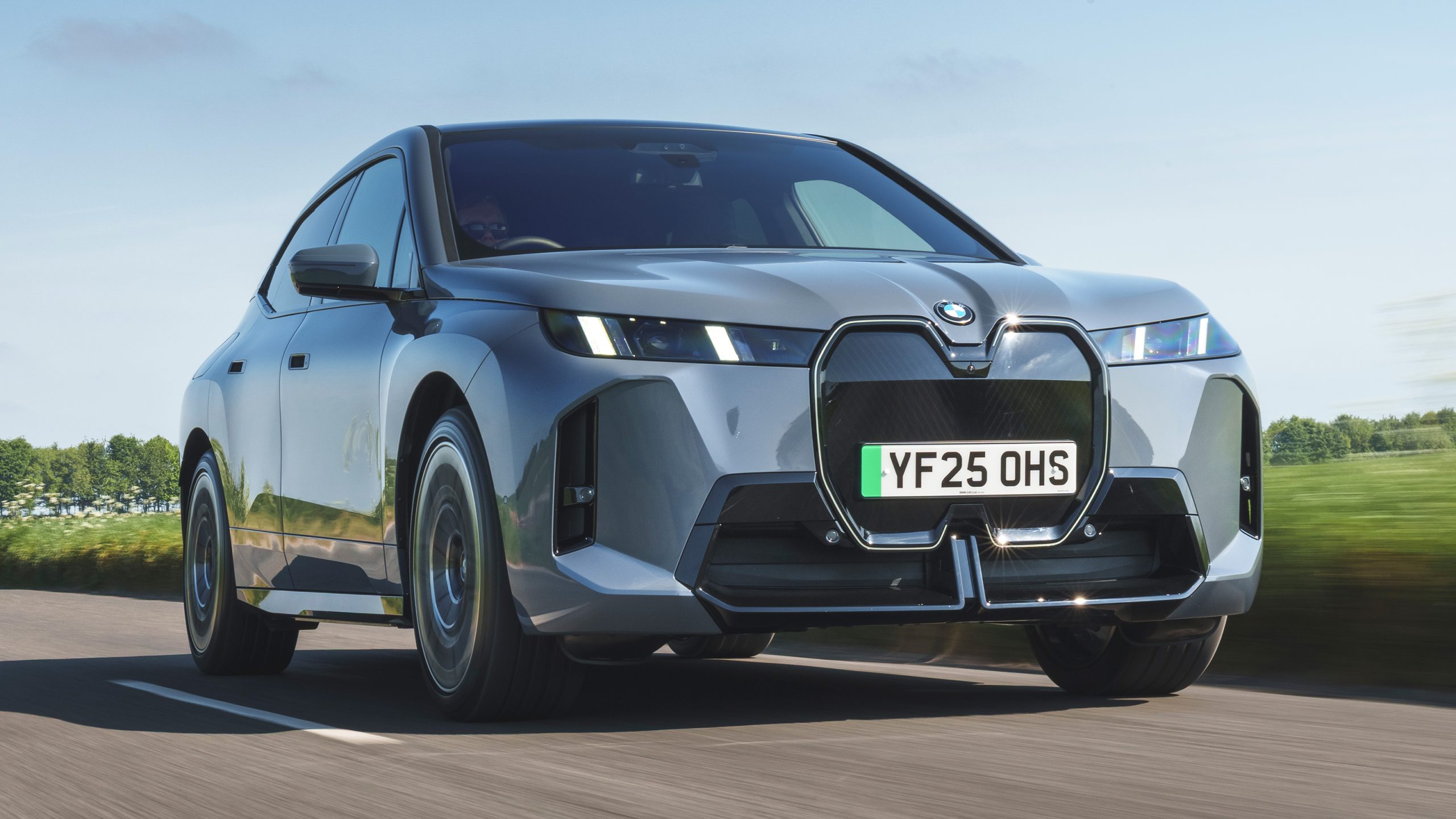
The 2026 BMW iX is a leading electric luxury crossover, achieving a remarkably quiet 59.1 dB at highway speeds, according to Edmunds. Without an internal combustion engine, BMW focused on aerodynamics, specialized tire foam, acoustic glass, and a heavily insulated floorpan to reduce road and wind noise.
The cabin also incorporates sustainable materials that absorb sound, creating a calm, lounge-like interior where passengers can enjoy a serene driving experience.
The iX’s quiet cabin is further enhanced by air suspension, which smooths out road imperfections, and advanced acoustic engineering, including sound-absorbing materials integrated into the chassis. Even high-performance versions of the iX maintain minimal interior noise. These design elements make it one of the most tranquil electric vehicles available.
The 2026 iX is available in three models. The xDrive45 produces 402 horsepower, the xDrive60 delivers 536 horsepower, and the M70 xDrive offers 650 horsepower. All models come with all-wheel drive. Adjustable air suspension and optional rear-wheel steering are available on the xDrive45 and xDrive60, while the M70 includes these features as standard.
The iX offers strong acceleration, reaching 0–60 mph in 4.6 seconds for the xDrive45 and 3.6 seconds for the M70, while delivering agile handling and a smooth, quiet ride even at high speeds.
Battery range varies from 312 to 364 miles, depending on the model and wheel size. DC fast charging allows the iX to recharge from 10 to 80 percent in about 35 minutes with a 200-kW connection. Highway testing has shown the iX can exceed EPA range estimates under real-world conditions.
The interior combines modern design and technology with spaciousness and comfort. It features a large curved touchscreen, 12.3-inch digital gauge cluster, panoramic sunroof, BMW iDrive 8.5 system, heated power front seats, and high-quality audio options.
Cargo space can accommodate up to 22 carry-on suitcases with the rear seats folded. Standard safety features include automated emergency braking, lane-keeping assist, and adaptive cruise control, supported by BMW’s EV warranty and a three-year complimentary maintenance plan.
The BMW iX delivers a quiet, high-tech, and luxurious electric crossover experience. Its calm cabin, advanced technology, strong performance, and efficient range make it a standout in the electric luxury segment.
3. Mercedes-Benz GLS 450: Quiet, Spacious, and Refined
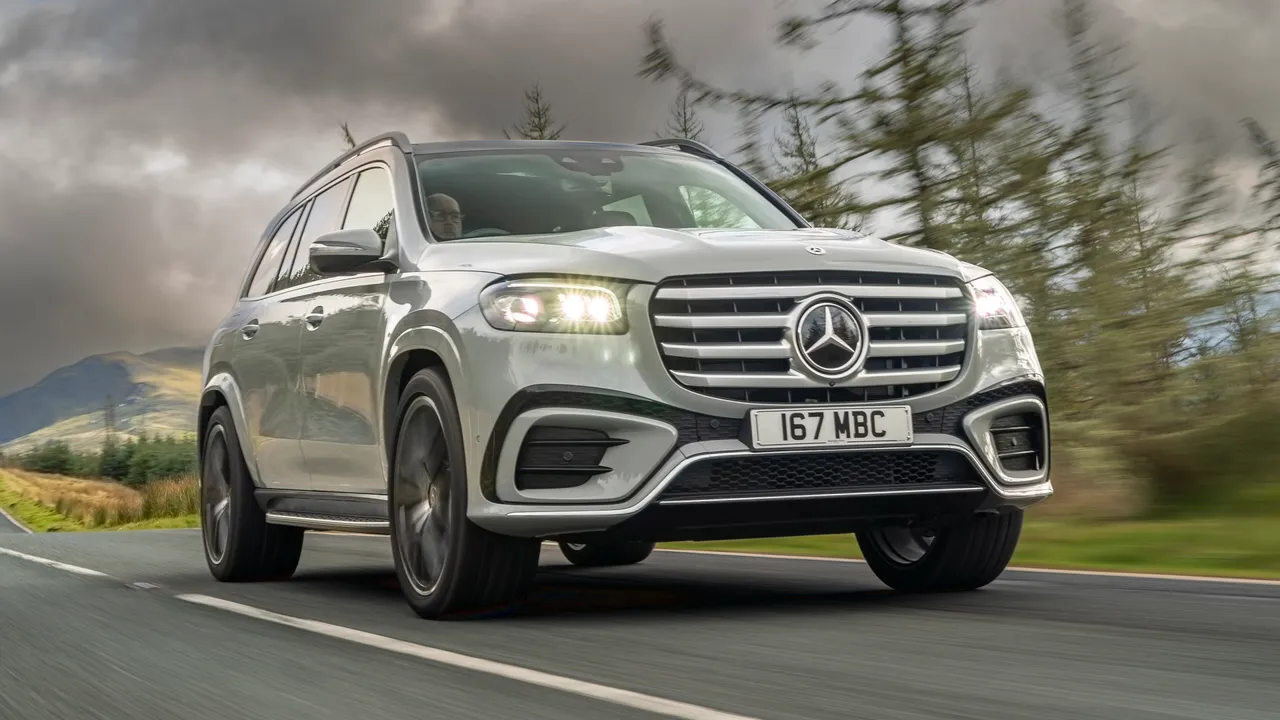
The 2026 Mercedes-Benz GLS 450 is a full-size luxury crossover that delivers an exceptionally quiet highway experience, recording 59.4 dB at cruising speeds. Its cabin serenity is enhanced by an optional Acoustic Comfort Package, which adds thick laminated safety glass with infrared-absorbing film, extra insulation in the floor and doors, and high-quality seals.
A specialized underbody shield and meticulous assembly further block engine and road noise, making the GLS 450 a “conversation-friendly” vehicle ideal for long-distance travel. Standard AIRMATIC air suspension absorbs road imperfections, and optional soft-close doors improve sealing, while heated and ventilated seats contribute to a calm and luxurious interior atmosphere.
Power comes from a 3.0L turbocharged inline-six engine paired with a 48-volt mild-hybrid system, producing 375 horsepower in the 2026 model. This setup allows the GLS 450 to accelerate from 0–60 mph in 5.4 seconds and complete the quarter-mile in 13.9 seconds, slightly faster than previous iterations.
Transmission responsiveness has improved with kick-down performance from 30–50 mph in 3.0 seconds and 50–70 mph in 4.0 seconds, ensuring smooth passing even in Comfort mode. Fuel economy is rated at 19 mpg city, 24 mpg highway, and 21 mpg combined, representing a small improvement over earlier models.
The GLS 450 excels in comfort and practicality. Its three-row interior offers spacious front and rear seating, while the third row provides adequate space for adults or can fold to increase cargo capacity from 17 to 43 cubic feet. Middle-row captain’s chairs are available for enhanced flexibility. The cabin is equipped with premium materials, soft-touch surfaces, and modern infotainment features.
The 2026 GLS 450 retains its elegant but understated design, often seen in shades like Silicon Grey, making it a stylish yet practical choice for families. Optional upgrades, including the Manufaktur Edition package with AMG wheels and custom interior touches, allow further personalization.
Priced from $91,400, rising to around $96,400 with select options, the GLS 450 combines quiet sophistication, spaciousness, and refined performance. Its blend of acoustic engineering, comfort-focused suspension, and luxury features makes it a top choice for buyers seeking a serene, capable, and stylish full-size crossover.
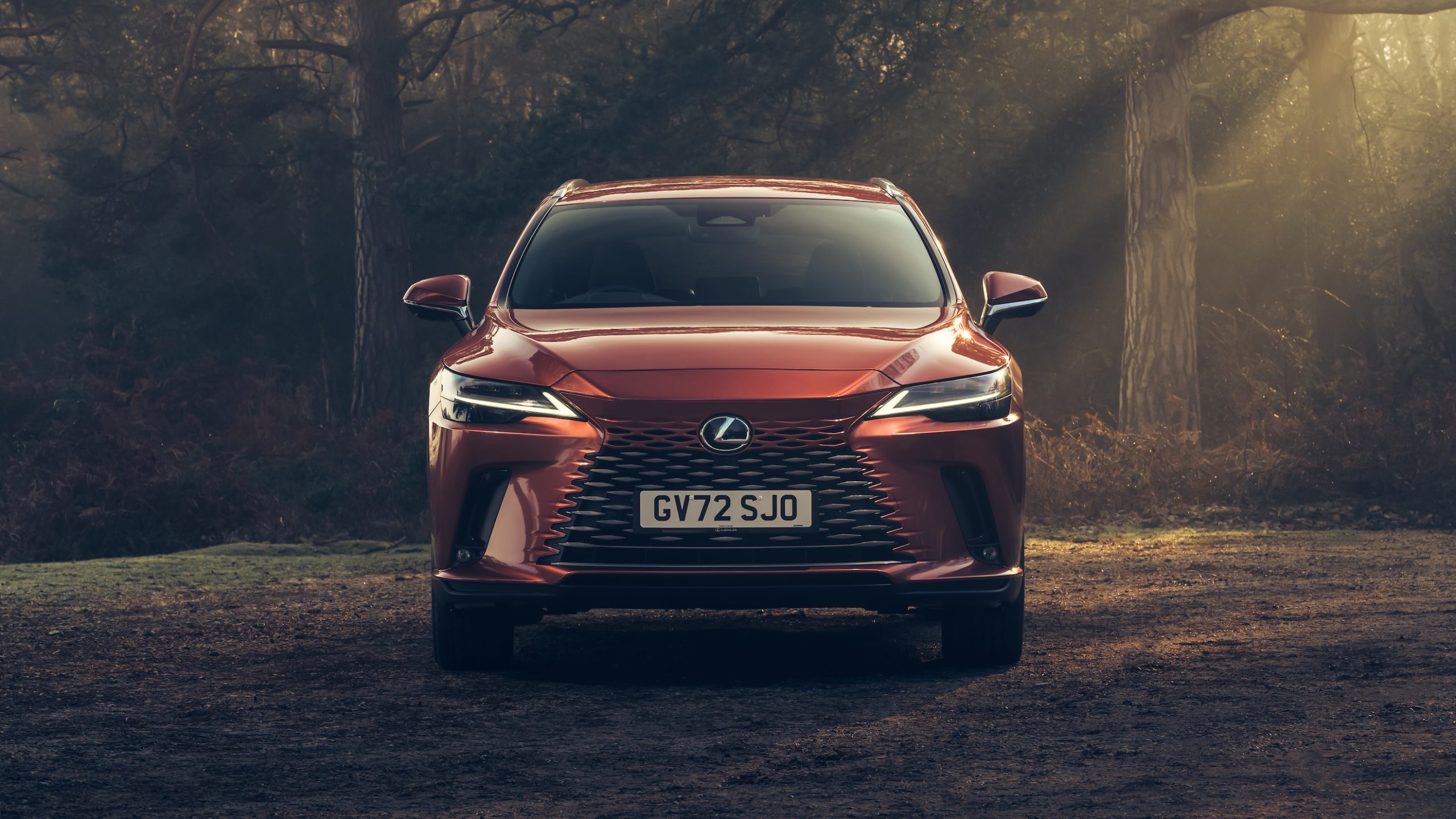
4. Lexus RX 350: Quiet, Comfortable, and Reliable Luxury
The 2026 Lexus RX 350 continues its legacy as a benchmark for quiet, comfortable luxury in the midsize SUV segment. It combines Active Noise Control (ANC) to cancel low-frequency engine and road sounds with extensive passive insulation, including acoustic glass, high-damping mastic on the roof and doors, and specialized door seals.
Flush door moldings and an optimized rear spoiler further reduce airflow turbulence. Together, these features create a calm, zen-like cabin that isolates passengers from outside noise, establishing the RX 350 as a serene and relaxing driving environment.
The RX 350’s cabin insulation is enhanced by high-quality materials and meticulous construction. Soft-touch surfaces, tight-fitting seals, and careful attention to assembly minimize vibration and wind intrusion, ensuring a quiet, comfortable ride.
The powertrain itself is engineered for smoothness, with the 2.4-liter turbocharged four-cylinder engine providing efficient, responsive performance while remaining unobtrusive. Standard trims emphasize luxury and serenity, while the F Sport variant sacrifices a small degree of cabin quiet for a firmer, sportier ride.
Ride quality and handling focus on comfort. The RX 350 offers a soft, composed suspension setup that smooths out road imperfections, allowing passengers to enjoy long trips without fatigue. Interior features include a large 14-inch touchscreen, intuitive infotainment, and a high-quality, well-appointed cabin with seating for five.
Cargo capacity is generous, providing around 46 cubic feet with the rear seats folded. Lexus’ reputation for reliability ensures low long-term ownership costs, making the RX 350 an appealing choice for value-conscious buyers seeking lasting quality.
Fuel economy is competitive, and hybrid options, such as the RX 350h, provide improved efficiency for those seeking reduced environmental impact. While handling is less engaging than some German rivals, and the four-cylinder engine is slightly less refined than the previous V6, the RX 350 excels in quiet comfort, interior quality, and dependability.
With its blend of exceptional cabin insulation, comfortable ride, high-quality interior, and strong reliability, the 2026 Lexus RX 350 remains a top choice for buyers who prioritize peace, comfort, and low-maintenance luxury over sporty dynamics. It continues to set the standard for accessible, quiet, and practical luxury SUVs.
5. Kia Telluride SX Prestige: Quiet, Spacious, and Refined
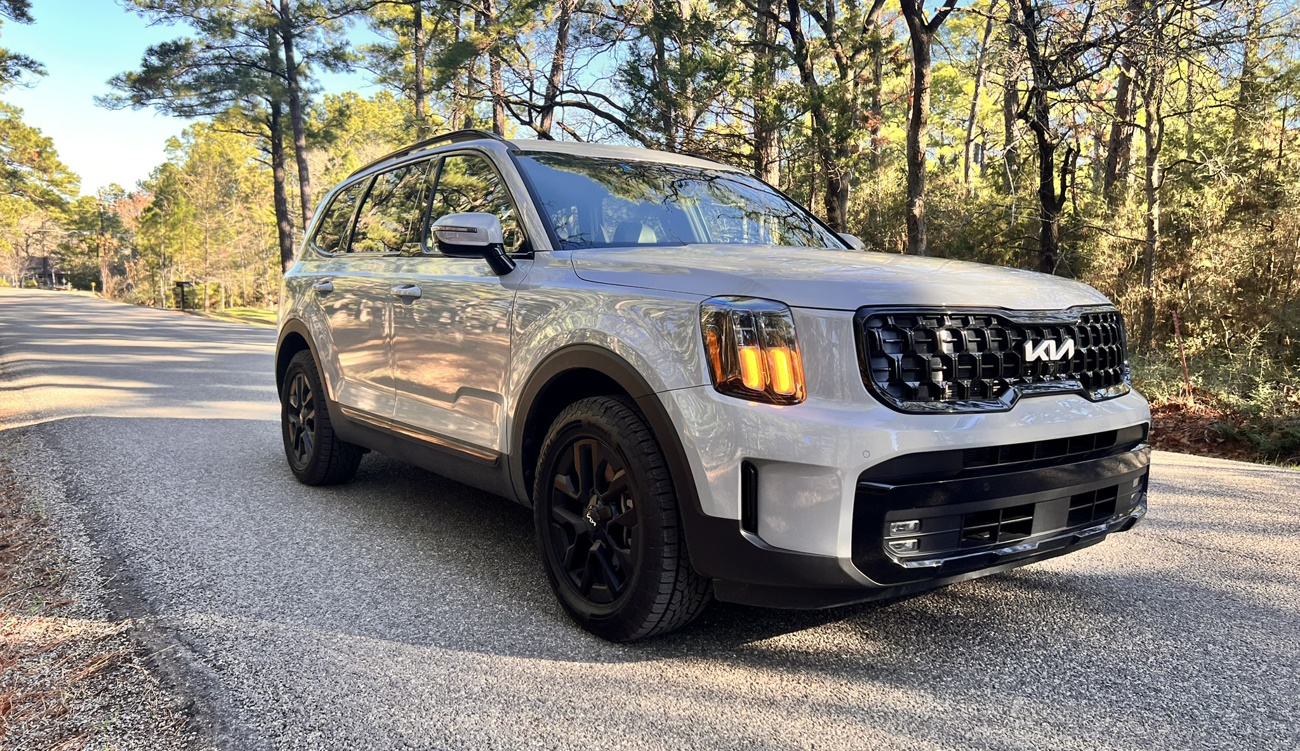
The Kia Telluride SX Prestige stands out in the midsize SUV segment for its quiet, comfortable cabin and near-luxury refinement. U.S. News highlights its exceptionally well-isolated interior, which uses heavy-duty sound-absorbing materials under the carpet and within the wheel arches.
The SX Prestige trim adds acoustic glass for the windshield and front side windows, significantly reducing wind noise at highway speeds. Despite its boxy profile, the Telluride filters out road harshness and remains composed over rough pavement, making it one of the quietest non-luxury midsize crossovers on the market.
Cabin serenity is further enhanced through triple door seals, thicker window glass, and high-quality construction, which combine to block ambient noise.
The suspension is tuned for a smooth and compliant ride, while luxurious touches such as Nappa leather seating, suede headliner, and panoramic sunroof contribute to an upscale, comfortable environment. First and second-row captain’s chairs are heated and ventilated, and a driver-seat massage function adds to long-distance comfort.
The SX Prestige is powered by a 3.8-liter V6 engine producing 291 horsepower and 262 lb-ft of torque, paired with an 8-speed automatic transmission. It accelerates from 0–60 mph in approximately 6.8 to 7.5 seconds, offering stable handling, light steering, and multiple drive modes including Eco, Normal, Sport, and Smart.
The X-Line and X-Pro variants add Snow, Mud, and Sand modes for off-road capability. Fuel economy ranges from 18–20 MPG city and 24–26 MPG highway, with towing capability up to 5,500 pounds when equipped with all-wheel drive.
Technology is another highlight. The Telluride SX Prestige features dual 12.3-inch panoramic displays, a 10-inch head-up display, a digital rearview mirror, and a Harman Kardon audio system. Wireless phone charging and dual-level console storage add convenience for families and tech-savvy drivers.
Priced around $55,000–$56,000, the Telluride SX Prestige delivers a quiet, refined, and spacious experience that rivals more expensive competitors. Its combination of premium materials, thoughtful acoustic engineering, smooth ride, and user-friendly technology makes it a standout choice for buyers seeking a comfortable and capable three-row midsize SUV.
Also Read: 5 Cars With Excellent Air Conditioning for Hot Climates vs 5 That Struggle
5 With Excessive Wind and Road Noise
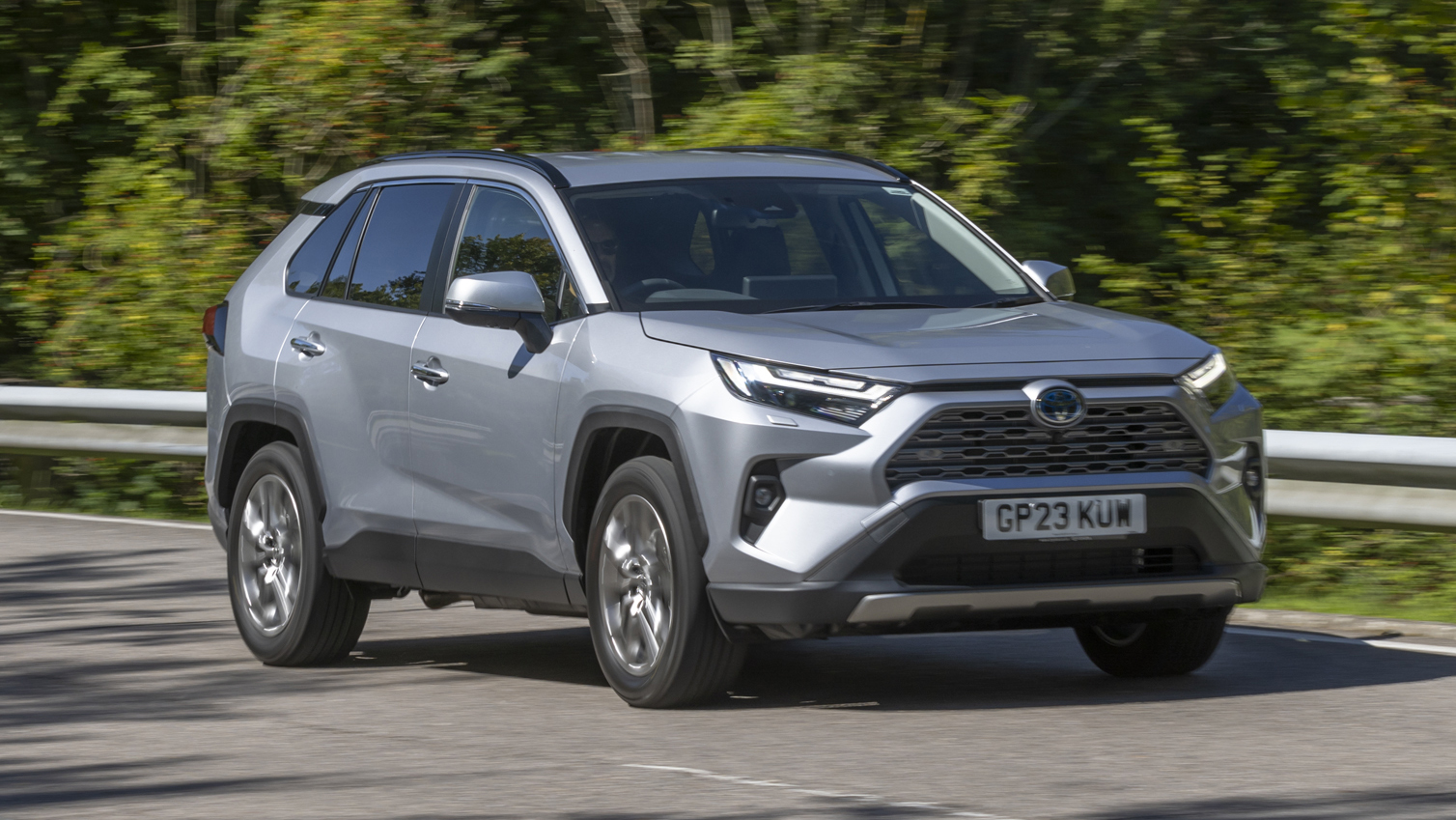
1. Toyota RAV4 Non-Hybrid: Practical but Noisy
The 2026 Toyota RAV4 Non-Hybrid remains a popular midsize SUV thanks to its reliability, utility, and fuel efficiency, but it is often criticized for its cabin noise and coarse engine characteristics. At highway speeds of 70 mph, noise levels can reach 71 dB, according to Oreate AI, which is significantly louder than most competitors.
Drivers frequently report engine groaning during acceleration, noticeable wind turbulence around the boxy mirrors, and intrusive road noise from the wheel wells. Hybrid and Prime models are somewhat quieter due to different powertrain tuning, but the base gas models remain among the loudest in the segment.
The RAV4’s cabin noise results from several design and engineering choices. Toyota prioritizes fuel efficiency and weight reduction over sound insulation. This means fewer heavy sound-deadening materials in the doors, roof, and floorboards, which allows external noise to enter the cabin more easily.
The SUV’s boxy, rugged shape creates aerodynamic turbulence at highway speeds. Airflow around the A-pillars, side mirrors, and thin door seals produces a wind whistle that can make occupants feel like a window is not fully closed.
The 2.5-liter Dynamic Force engine with an 8-speed automatic transmission contributes to the coarse noise. Unlike the hybrid models, the gas engine must work harder and rev higher to reach cruising speed. The transmission’s shift logic can keep the engine in higher RPM bands, increasing mechanical vibration and drone.
Noise from the road is also transmitted through the wheel wells, which have minimal insulation. The stock low-rolling-resistance tires are harder than comfort-oriented tires, producing additional noise, especially on concrete. The roof rails can trap air, creating a high-frequency thrumming sound at highway speeds.
Owners who want to improve cabin quietness often use acoustic mats in doors and trunks, quieter touring tires, and additional door seal gaskets.
The non-hybrid Toyota RAV4 delivers practicality, utility, and strong reliability. However, its cabin refinement and noise control are below the level of rivals such as the Honda CR-V or Mazda CX-5. Buyers who prioritize a quiet and comfortable ride may prefer hybrid versions or competitors with better sound insulation.
2. Honda CR-V TrailSport: Rugged Capability with Added Cabin Noise
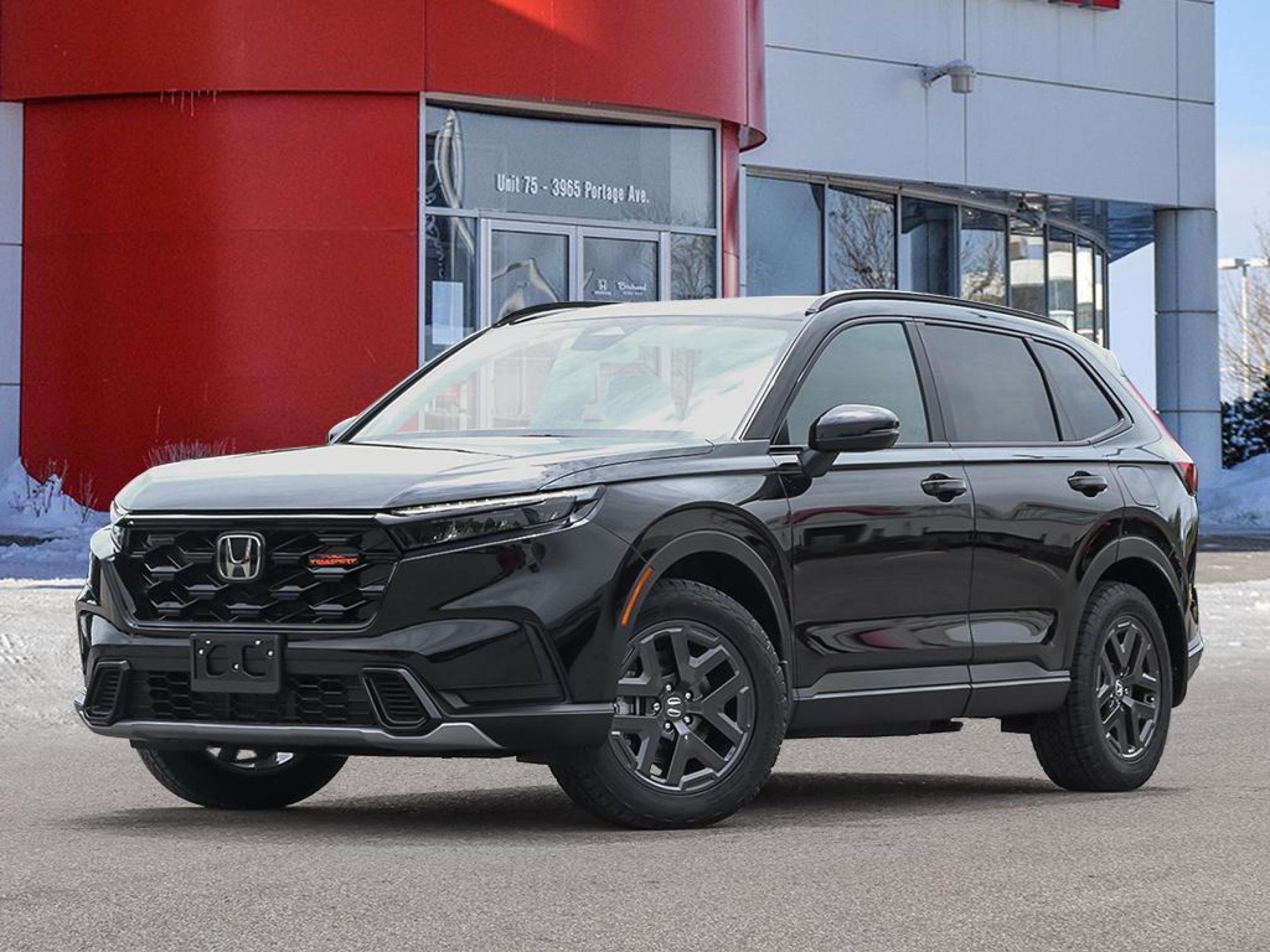
The Honda CR-V TrailSport builds on the strong reputation of the CR-V lineup for practicality and comfort, but its off-road-oriented design introduces noticeable increases in cabin noise compared with more urban-focused trims.
While the standard CR-V models are generally praised for refinement and quietness, the TrailSport prioritizes rugged capability. This shift in focus results in a driving experience that can feel busier and louder, especially on highways or smooth pavement.
One of the main contributors to the increased noise is the use of all-terrain tires, specifically the Continental CrossContact ATR. These tires feature aggressive tread patterns designed to improve grip on dirt, gravel, and light off-road terrain.
However, the knobby tread blocks that enhance traction also generate a consistent humming or droning sound when driving at highway speeds, typically above 70 mph. Although Honda incorporates some noise-reducing technology within the tires, the physical characteristics of all-terrain rubber inevitably produce more road vibration and sound than the quieter all-season tires used on other CR-V trims.
Aerodynamic factors also contribute to the louder cabin environment. The TrailSport includes standard roof rails, which disrupt the smooth flow of air over the vehicle’s roof.
At higher speeds, this airflow turbulence can create a noticeable rushing or whistling sound. Additionally, the CR-V’s relatively large side mirrors, designed to improve visibility during trail driving, can catch the wind and produce additional turbulence near the front windows.
Another factor affecting cabin quietness is the difference in insulation and premium materials compared with higher trims, such as the Sport Touring. That top trim features acoustic laminated front side glass and extra sound-deadening materials around the engine bay and wheel wells. The TrailSport generally uses standard glass and slightly less insulation, allowing more road, wind, and engine sounds to reach the interior.
Despite these drawbacks, the TrailSport still provides the spacious interior, comfort, and practicality expected from a CR-V. In comparison with some competitors, it can remain quieter than vehicles like the Toyota RAV4, though it may not match the insulation found in models such as the Subaru Forester Wilderness or Mazda CX-50. The TrailSport illustrates a common trade-off in SUVs, where increased off-road capability often comes at the expense of acoustic comfort.
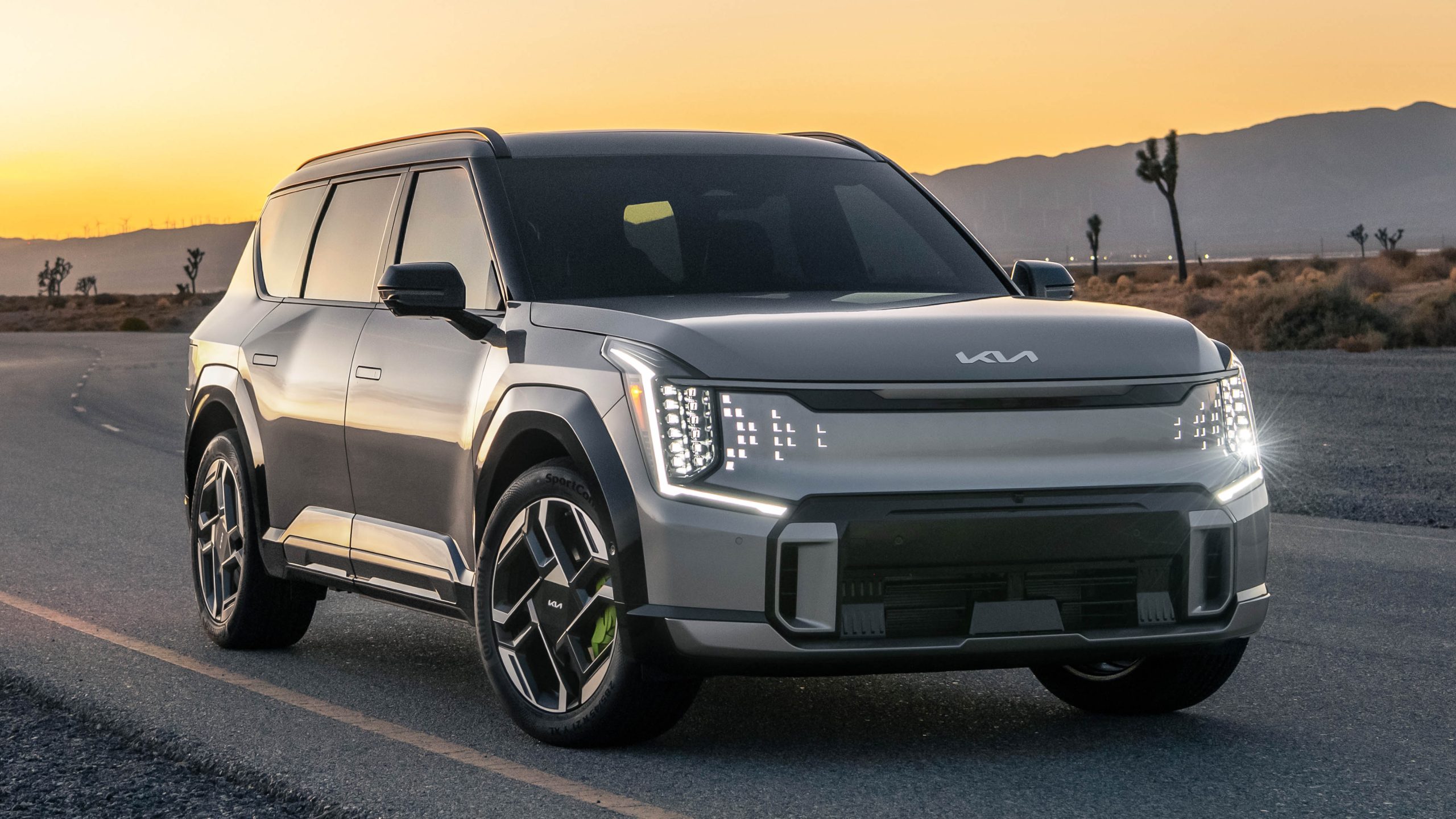
3. Kia EV9 GT-Line: Quiet Electric Power with Noticeable Wind Noise
The Kia EV9 GT-Line represents Kia’s flagship electric SUV, combining futuristic design, advanced technology, and three-row practicality. As an electric vehicle, it benefits from the inherent quietness of an electric powertrain because there is no internal combustion engine producing mechanical noise.
However, some owners and reviewers have reported noticeable wind and road noise at highway speeds. These sounds are not unusually loud for an SUV, but they become more noticeable because there is no engine noise to mask them, which can create the impression that the cabin is less quiet than expected for a modern EV.
One major factor behind the perceived noise is the EV9’s boxy exterior design. The vehicle’s upright shape and large dimensions resemble rugged SUVs such as the Land Rover Defender. While visually distinctive, this design is less aerodynamic than sleeker electric crossovers.
At highway speeds, airflow around the A-pillars and large side mirrors can create turbulence that produces a rushing or whistling sound near the front of the cabin. Roof rails can also disturb airflow, adding to wind noise when driving at higher speeds or in strong crosswinds.
The GT-Line trim introduces additional features that can contribute to road noise. This version comes with large 21-inch alloy wheels and low-profile tires, which provide a sportier look and improved handling.
However, these tires have less sidewall cushioning than smaller tires, meaning they absorb fewer road imperfections. As a result, vibrations and tire roar from rough pavement can travel more easily into the cabin, especially on coarse asphalt or concrete highways.
Some owner reports have also pointed to quality control issues that can increase wind noise. For example, certain drivers have experienced wind buffeting from the panoramic sunroof seals, particularly during crosswinds. In a few cases, misaligned doors or windows have created small gaps in the seals, allowing wind to whistle at high speeds. These problems are often resolved through dealer inspections or warranty repairs.
Despite these concerns, the EV9 remains quieter than many gasoline SUVs and typically measures around 63 to 65 dBA at highway speeds. While this level of noise is respectable for a large family SUV, it falls short of the extremely quiet cabins found in premium electric competitors.
The EV9 GT-Line still delivers impressive space, technology, and electric performance, though its design and features make aerodynamic noise more noticeable than some buyers might expect.
4. GMC Terrain (Pre-2026): Noticeable Wind and Road Noise
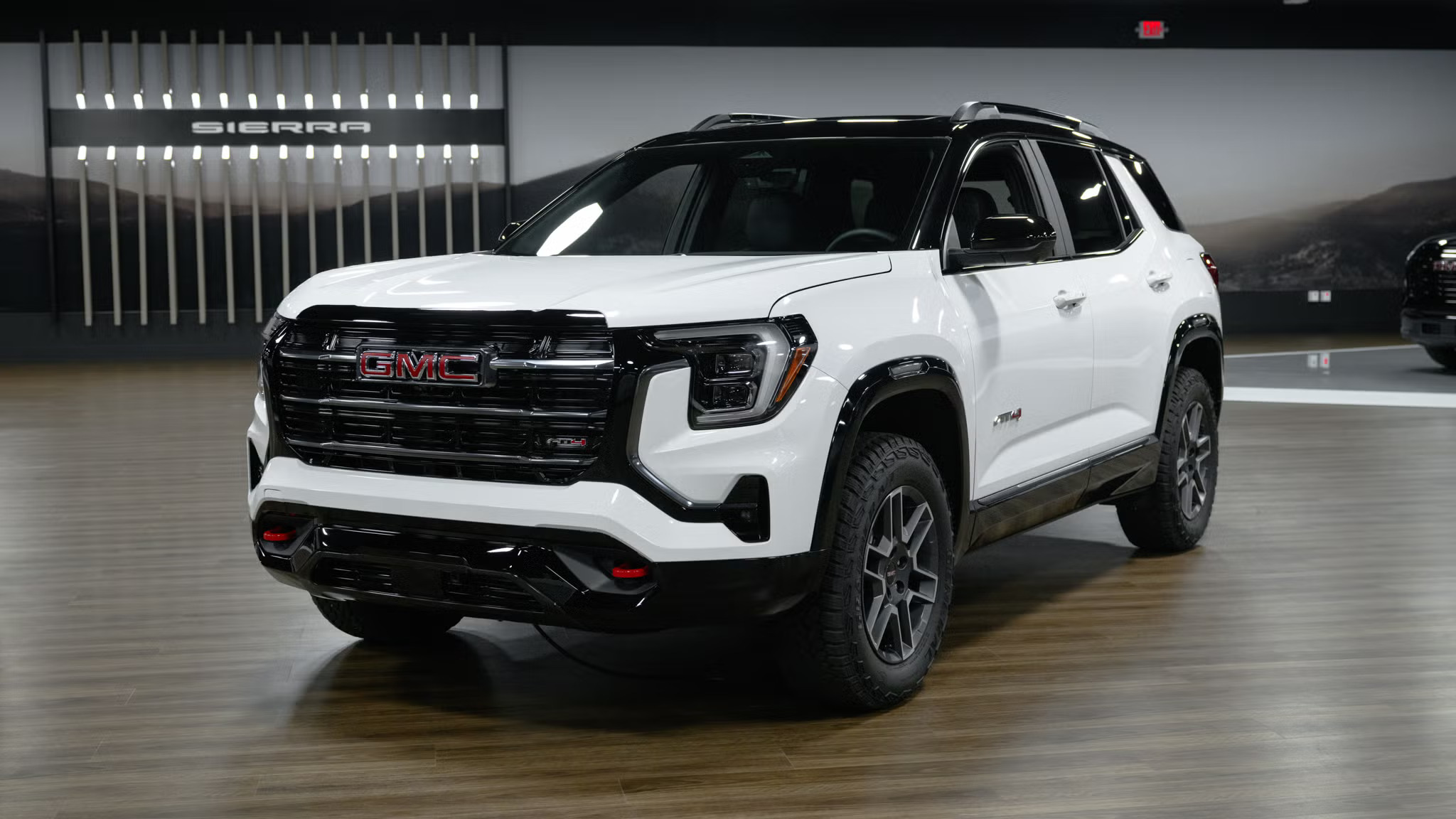
Older versions of the GMC Terrain produced before the 2026 redesign are often criticized for cabin noise, particularly during highway driving. While GMC promoted its QuietTuning technology as a way to reduce noise and vibration, many reviewers and owners reported that the Terrain still struggled with wind, engine, and road noise compared with other compact SUVs.
At speeds above 65 mph, some drivers describe the cabin as having a “wind tunnel” effect, where outside sounds become more noticeable and can make long trips more tiring.
One of the main reasons for this issue lies in the vehicle’s structural and aerodynamic design. Earlier Terrain models used a chassis that was less rigid than newer designs, allowing vibrations from the road surface to travel more easily into the passenger compartment.
Large side mirrors and their mounting points also contributed to turbulence around the doors, sometimes creating a high-pitched whistling sound at highway speeds. In addition, aging door seals and weatherstripping could lose their tight fit over time, allowing wind to leak into the cabin through small gaps around the window frames.
Another contributor to cabin noise is thin window glass and limited sound insulation, especially in the lower door sections. This lack of insulation allows road and tire sounds to enter the cabin more easily.
The rear cargo area is also known for amplifying noise because sound from the rear tires can echo through the open cargo space. On rough pavement or concrete highways, drivers often notice a humming or rhythmic “whop” sound caused by the interaction between the tires and the road surface.
Mechanical factors can also play a role in perceived loudness. Many pre-2026 Terrain models use a 1.5-liter turbocharged engine that can feel strained when accelerating or maintaining highway speeds.
Because the engine sometimes operates at higher RPMs, it can produce a persistent buzzing or droning sound inside the cabin. Some older vehicles also experience issues such as uneven tire wear or failing wheel bearings, both of which can increase road noise.
The 2026 redesign of the GMC Terrain specifically addressed many of these concerns. Improvements included a more aerodynamic shape, stronger body structure, upgraded suspension tuning, and the introduction of more advanced noise-reduction technology. These changes aimed to deliver a quieter and more refined driving experience than earlier versions of the vehicle.
5. Jeep Grand Cherokee: Rugged Design with Noticeable Cabin Noise
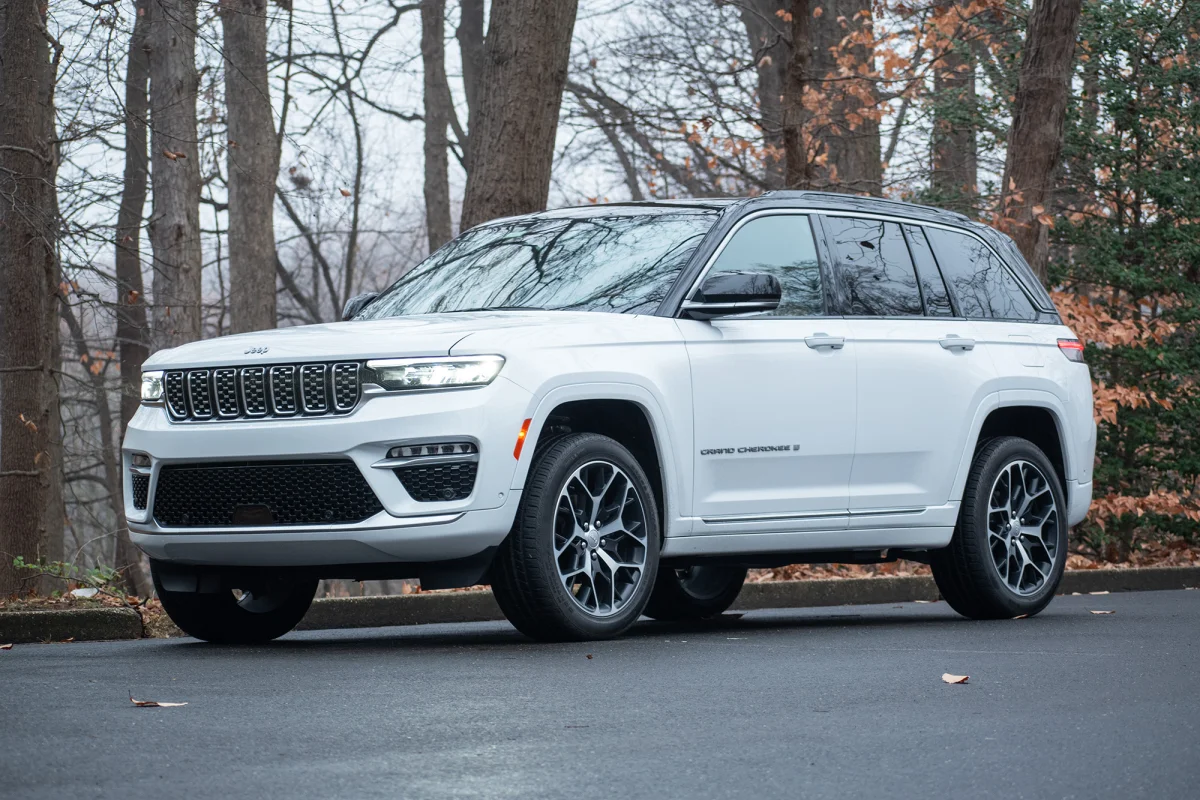
The Jeep Grand Cherokee is known for its bold styling, off-road capability, and upscale interior, but its design can also contribute to noticeable wind and road noise during highway driving. The SUV’s iconic boxy shape gives it a distinctive and rugged appearance, yet this same design creates more aerodynamic drag than sleeker crossovers.
As air flows around the upright windshield and large hood, turbulence forms near the A-pillars, producing a rushing or “whooshing” sound that can be heard inside the cabin at higher speeds. Although the interior features premium materials and comfortable seating, some experts note that the vehicle’s sound isolation is not as effective as that found in more aerodynamic luxury rivals such as the Audi Q8 or Lexus RX.
Wind noise is one of the most common complaints associated with the Grand Cherokee. The vehicle’s upright structure naturally increases wind resistance compared with car-based crossovers.
Additional features, such as a roof rack crossbar,s can disrupt airflow over the roof, creating whistling or buffeting sounds when traveling above about 65 mph. Because the SUV rides higher than many crossovers, more of its body is exposed to moving air, which can intensify the turbulence and make the sound more noticeable to occupants.
Road noise is another factor that affects cabin comfort. The Grand Cherokee is engineered with off-road performance in mind, which means it often uses tougher suspension components and optional all-terrain tires.
These elements are beneficial for driving on dirt trails, gravel, or uneven terrain, but they can transmit more vibration and tire noise through the vehicle’s structure. On highways with coarse asphalt or concrete surfaces, the tires may generate a constant humming sound that travels through the floor and wheel wells into the cabin.
Engine noise can also become noticeable under certain conditions. Drivers sometimes report hearing the engine working harder during acceleration or when maintaining highway speeds. In some cases, mechanical issues such as worn tires or failing wheel bearings can create additional humming or droning sounds that increase with speed.
Many owners attempt to reduce cabin noise by adjusting tire pressure, switching to quieter highway-oriented tires, covering roof rack openings, or installing aftermarket sound-deadening materials. These steps can help improve cabin comfort while preserving the Grand Cherokee’s rugged capability and distinctive design.
The difference between a quiet crossover and a noisy one often comes down to engineering priorities. Vehicles such as the Audi Q8 Prestige, BMW iX, Mercedes-Benz GLS 450, Lexus RX 350, and Kia Telluride SX Prestige show how advanced acoustic materials, carefully tuned suspensions, and aerodynamic designs can create impressively calm interiors. These models focus heavily on passenger comfort, making them ideal for long-distance travel and daily commuting.
Other crossovers, including the Toyota RAV4 Non-Hybrid, Honda CR-V TrailSport, Kia EV9 GT-Line, earlier GMC Terrain models, and the Jeep Grand Cherokee, reveal how certain design traits can introduce more noise into the cabin. Boxier shapes, off-road tires, large mirrors, and lighter insulation often allow wind turbulence and road vibration to become more noticeable at highway speeds.
For buyers comparing crossovers, cabin insulation is an important factor that affects comfort every time the vehicle is driven. Choosing a model with strong sound isolation can make daily trips quieter, more relaxing, and far less fatiguing.
Also Read: Top 10 Cars With the Most Useful Hidden Storage Compartments
