
Safety is a key consideration for budget-conscious car buyers. The 2026 model year highlights a clear distinction between two categories of affordable vehicles. Cars such as the Mazda3, Honda Civic, Subaru Impreza, Hyundai Elantra, and Nissan Sentra combine advanced safety features, reinforced structures, and multiple airbags while remaining competitively priced.
These models include driver-assistance systems that help prevent accidents and enhance protection. In contrast, vehicles like the Mitsubishi Mirage G4, Toyota Wigo, Suzuki Dzire, Isuzu mu-X LS, and the base Nissan Almera focus on low cost and mechanical simplicity.
They rely mainly on basic safety measures and lack modern collision-avoidance technologies. This comparison emphasizes the trade-offs buyers face when selecting a budget vehicle. Understanding which features are included can help consumers choose the right balance between safety, functionality, and price.
5 Budget Vehicles With Premium Safety Tech
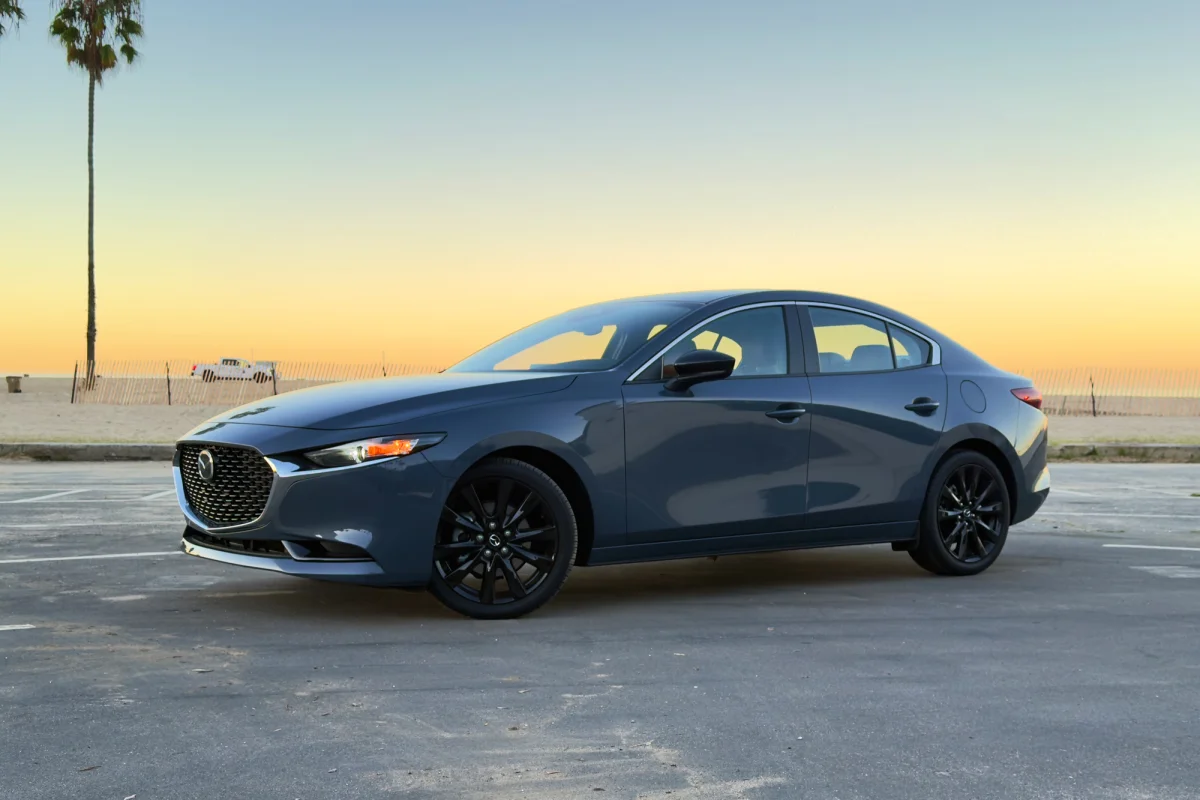
1. 2026 Mazda3: A Safe and Premium Budget Hatchback
The 2026 Mazda3 stands out in the compact car segment by combining advanced safety technology, refined interior quality, and efficient performance at a competitive price. One of its strongest advantages is that Mazda does not restrict safety technology to higher trims.
Every model comes standard with the i-Activsense safety suite, which includes Smart Brake Support, Lane-Keep Assist, Mazda Radar Cruise Control with Stop & Go, blind-spot monitoring, and automatic emergency braking. These features are carefully calibrated to function smoothly and avoid common issues such as false warnings or “phantom braking” found in some lower-cost systems.
Because of this strong safety package and its rigid body structure, the Mazda3 consistently receives excellent safety ratings, including a 5-star rating from the National Highway Traffic Safety Administration (NHTSA). This makes it a highly attractive option for buyers who prioritize safety but want to remain within a compact-car budget.
Another reason the Mazda3 stands out is its near-luxury interior and refined driving experience. Despite its mainstream price, the cabin features high-quality materials, clean styling, and improved insulation that significantly reduces noise, vibration, and harshness.
Mazda focused on details that enhance comfort, such as smoother switchgear operation, balanced interior lighting, and a faster infotainment system.
The car also includes modern technology features like an 8.8-inch infotainment display, driver-attention alert, lane-keeping assistance, and an available 360-degree camera system. These elements help create a comfortable, user-friendly environment that competes with more expensive vehicles.
Performance and efficiency also play an important role in the Mazda3’s appeal. The car offers two petrol engine options supported by mild-hybrid technology, which uses brake energy regeneration to power the vehicle’s electrical systems and improve fuel efficiency.
The first option is a 2.5-liter naturally aspirated engine producing 138 bhp, while the more advanced 2.0-liter e-Skyactiv-X high-compression engine produces about 184 bhp and delivers fuel economy comparable to some diesel engines, reaching around 51 mpg.
Both engines are available with either a six-speed manual transmission or a conventional automatic transmission, allowing drivers to choose between a more engaging driving experience or added convenience.
The Mazda3 remains a traditional family hatchback rather than an SUV or crossover, offering sleek styling with a long hood, balanced proportions, and a modern design. Competing with models such as the Volkswagen Golf, Honda Civic, Peugeot 308, Hyundai i30, and Ford Focus, the Mazda3 distinguishes itself through its strong focus on safety, comfort, and thoughtful engineering while maintaining an accessible price point.
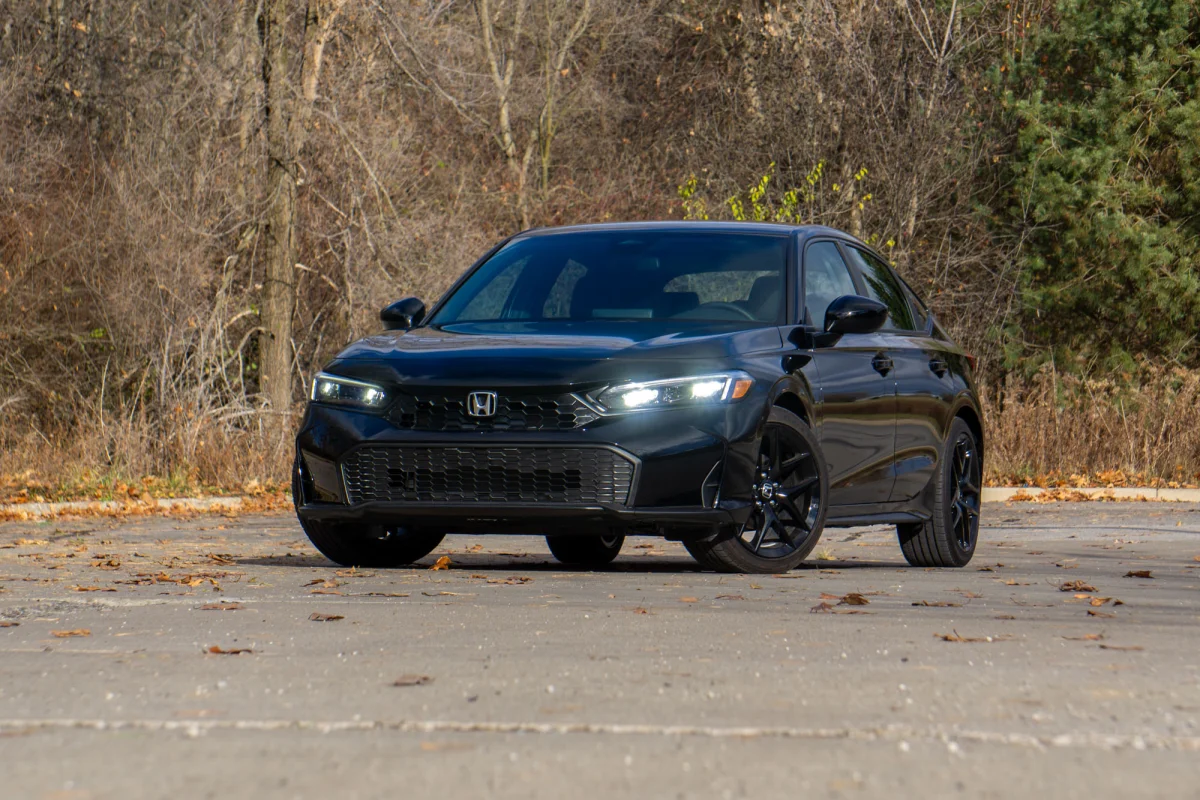
2. 2026 Honda Civic: Affordable Compact Car with Advanced Technology and Safety
The 2026 Honda Civic continues to be one of the strongest competitors in the compact car market by combining advanced safety technology, strong fuel efficiency, and modern features at a relatively affordable price. With a starting price of about $24,695, the Civic offers premium-level technology that is often optional or unavailable in many other budget vehicles.
One of its key advantages is that Honda includes the Honda Sensing safety suite across the entire lineup, ensuring that even the most affordable models receive the same core safety features as higher-end trims.
The Honda Sensing system provides a wide range of driver-assistance technologies designed to improve road awareness and reduce accidents. Standard features include Adaptive Cruise Control, Lane Keeping Assist, Forward Collision Warning, Lane Departure Warning, and a Collision Mitigation Braking System that can detect pedestrians and cyclists.
The Civic also includes advanced tools such as Traffic Sign Recognition and Traffic Jam Assist, which help drivers manage heavy traffic conditions more easily. Unlike some budget vehicles that rely on simpler camera-only systems, the Civic uses a wide-view camera and faster processing technology, allowing the safety systems to respond more naturally to road hazards.
These technologies, combined with strong crash-test ratings from safety organizations, reinforce the Civic’s reputation as a safe and reliable compact car.
The Civic also delivers solid performance with two engine options. The standard nonhybrid model uses a 150-horsepower 2.0-liter four-cylinder engine paired with a continuously variable transmission (CVT) and front-wheel drive.
While it is not the quickest in its class, the engine provides enough power for daily driving and urban commuting, supported by the Civic’s agile handling and balanced ride quality. For drivers seeking more power and better efficiency, Honda offers a hybrid powertrain that combines a 2.0-liter engine with two electric motors, producing a combined 200 horsepower.
This setup delivers significantly stronger acceleration, reaching 0–60 mph in about 6.1 seconds, while maintaining impressive fuel efficiency of up to 50 mpg in the city and around 47 mpg on the highway.
Inside, the Civic features a clean and modern cabin design with comfortable seating and practical storage spaces.
A 7-inch touchscreen infotainment system with Apple CarPlay and Android Auto comes standard, while higher trims offer a 9-inch touchscreen, wireless connectivity, digital gauge display, navigation, and a 12-speaker Bose audio system. The sedan and hatchback versions both provide generous cargo space, making the Civic practical for everyday commuting, grocery runs, or longer road trips.
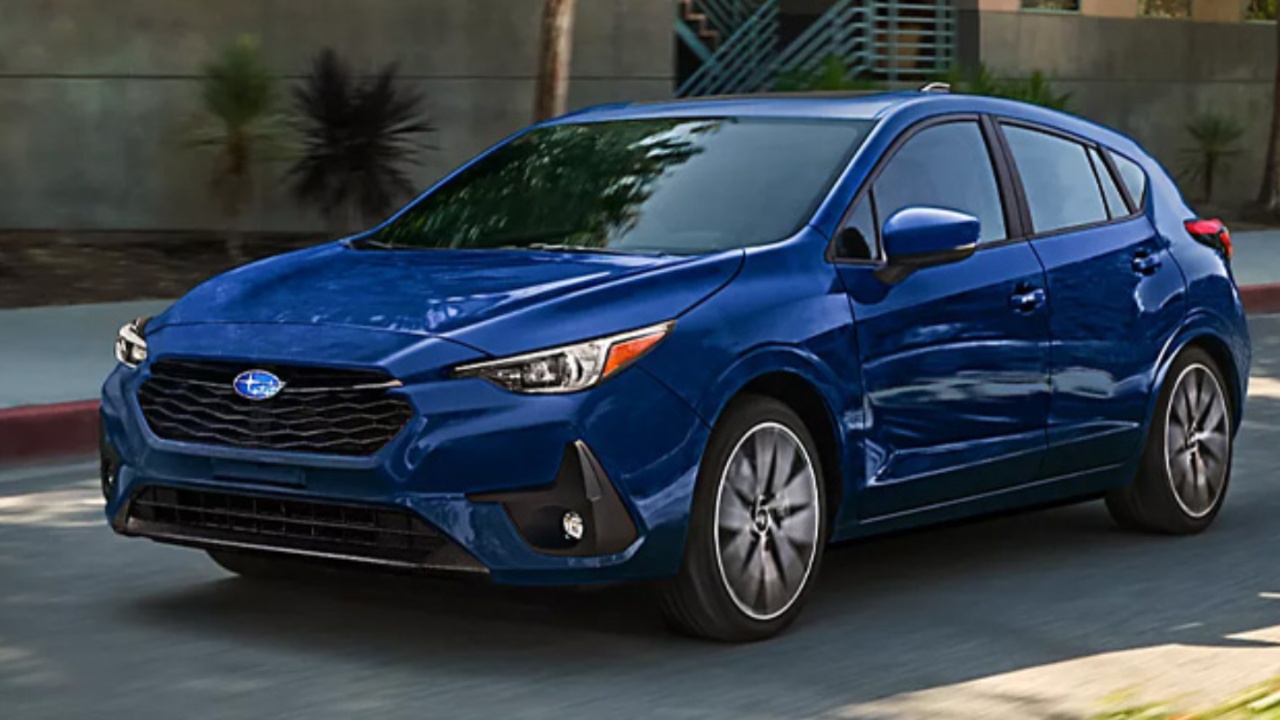
3. 2026 Subaru Impreza: All-Wheel-Drive Safety and Practical Compact Design
The 2026 Subaru Impreza is a standout in the compact car segment because it combines advanced safety features, standard all-wheel drive, and practical design at an accessible price. At the core of its appeal is Subaru’s EyeSight Driver Assist Technology, standard on all trims, which acts like an extra set of eyes on the road.
This system includes Pre-Collision Braking, Automatic Emergency Steering, Adaptive Cruise Control with Lane Centering, and pedestrian and cyclist detection. For 2026, Subaru added rear-seat side airbags as standard.
The combination of active driver-assistance technology and Symmetrical All-Wheel Drive provides superior stability in poor weather, making the Impreza highly confidence-inspiring for drivers in unpredictable conditions.
The Impreza also delivers modern technology and connectivity even in base models. All trims come with an 11.6-inch high-resolution touchscreen, wireless Apple CarPlay and Android Auto, and dual-zone automatic climate control.
Higher trims, such as the Sport and RS, provide premium Harman Kardon audio, upgraded 2.5-liter engines, and sport-tuned suspension while remaining competitively priced in the compact car segment. Subaru’s reputation for reliability and long-term value further enhances the appeal of the Impreza.
Performance comes from two naturally aspirated flat-four engines. The base 2.0-liter engine produces 152 horsepower, while the RS model’s 2.5-liter engine generates 180 horsepower, with both using a CVT and standard all-wheel drive.
Acceleration is moderate, with the RS reaching 0–60 mph in 7.8 seconds, but the car handles well, provides a comfortable ride, and maintains a quiet cabin. Fuel economy is reasonable, with EPA ratings up to 27 mpg city and 33 mpg highway for the 2.5-liter RS. Real-world testing shows it can reach 37 mpg on the highway.
The interior emphasizes practicality and comfort. Both sedan and hatchback models seat five passengers, with 60/40 split-folding rear seats and adequate legroom in the back.
Cargo space is generous, with the hatchback offering up to 56 cubic feet with the rear seats folded, enough for multiple suitcases or large items. Standard and optional driver-assistance features include blind-spot monitoring, rear-cross-traffic alert, and evasive-steering assist, further enhancing safety.
With all-wheel drive, high-tech safety features, practical cargo space, and reliable engineering, the 2026 Subaru Impreza is an excellent choice for buyers seeking a safe, capable, and budget-friendly compact vehicle.
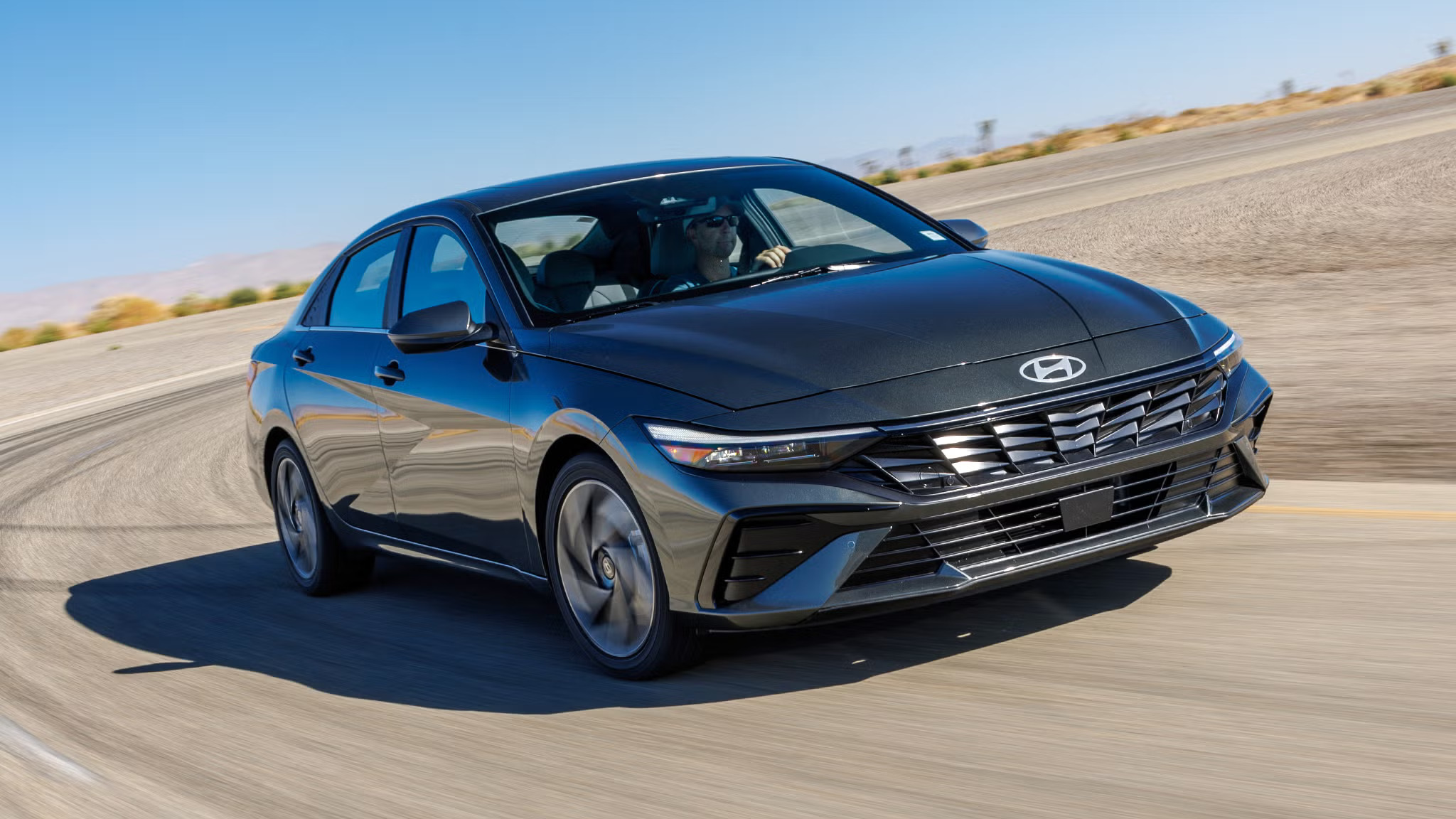
4. 2026 Hyundai Elantra: Affordable Compact Car with Advanced Safety and Hybrid Options
The 2026 Hyundai Elantra offers a compelling mix of affordable pricing, advanced safety technology, and modern design, making it one of the most competitive compact sedans in its class. One of the Elantra’s strengths is the Hyundai SmartSense suite, standard on most trims.
This system includes Blind-Spot Collision-Avoidance, Rear Cross-Traffic Alert, Safe Exit Warning, Forward Collision-Avoidance Assist, Lane Keeping Assist, and Smart Cruise Control.
These features are designed to prevent common minor accidents, and their clear visual and haptic alerts make them easy to use. The Elantra has earned strong safety recognition, including IIHS Top Safety Pick+ designations, and comes equipped with multiple airbags and electronic stability control.
The Elantra is available with a range of powertrain options, catering to different driving needs. The base model has a 147-horsepower 2.0-liter four-cylinder engine with a CVT, while the N Line turbocharged 1.6-liter engine produces 201 horsepower with a 7-speed dual-clutch automatic, offering sportier performance.
The hybrid variant combines a 1.6-liter engine with one electric motor for a total of 139 horsepower, paired with a 6-speed dual-clutch automatic transmission.
Acceleration ranges from 8.1 seconds for the base model to an estimated 6.5 seconds for the N Line, and the hybrid achieves up to 51 mpg in the city and 58 mpg on the highway, though real-world highway testing showed 48 mpg. Fuel efficiency for nonhybrid models reaches up to 40 mpg on the highway.
Inside, the Elantra emphasizes functionality and driver-focused design, with outboard seats that are spacious for adults and cargo space that fits six carry-on suitcases behind the rear seats.
Standard trims have an 8.0-inch touchscreen with Bluetooth, Apple CarPlay, and Android Auto, while higher trims offer dual 10.3-inch screens and an optional eight-speaker Bose audio system. The cabin uses harder plastics in lower trims to keep costs down, but the exterior styling and interior layout maintain a modern, stylish feel.
The Elantra also includes strong warranty and maintenance coverage, with a five-year or 60,000-mile limited warranty, a 10-year or 100,000-mile powertrain warranty, and three years of complimentary maintenance.
With advanced safety, diverse powertrain options including a hybrid, stylish design, and long-term ownership value, the 2026 Hyundai Elantra delivers a high-tech, reliable, and budget-conscious compact sedan for a wide range of drivers.
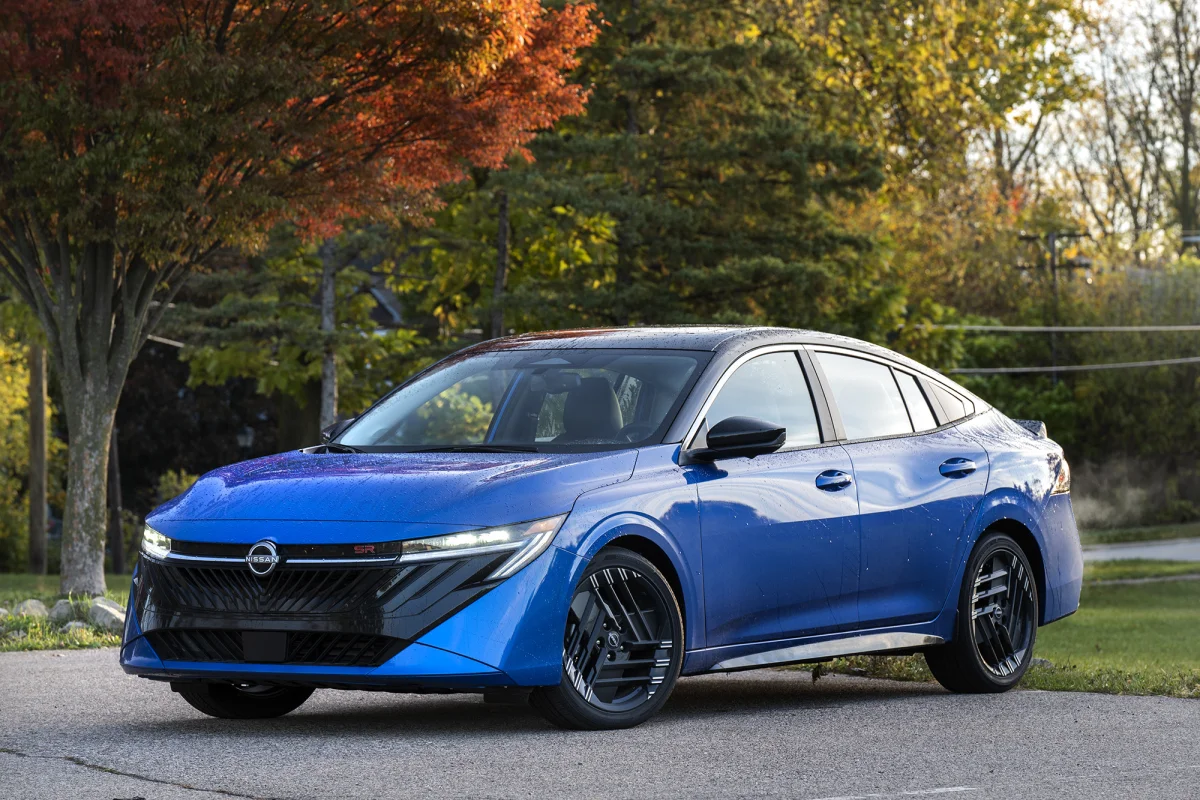
5. 2026 Nissan Sentra: Practical Sedan with Advanced Safety and Technology
The 2026 Nissan Sentra is designed to deliver value, safety, and practicality for budget-conscious buyers without sacrificing technology or comfort. At the core of its appeal is the Standard Safety Shield 360, which comes with Automatic Emergency Braking with Pedestrian Detection, Rear Automatic Braking, Rear Cross-Traffic Alert, Blind Spot Warning, Lane Departure Warning, and High Beam Assist.
This comprehensive package provides 360-degree awareness, helping prevent low-speed collisions in urban environments. By including features such as rear braking and blind-spot intervention at no extra cost, the Sentra offers a level of safety typically found in more expensive vehicles or SUVs.
Mechanically, the 2026 Sentra remains conventional yet reliable. It features a 2.0-liter MR20DD inline-four engine producing 149 horsepower and 146 lb-ft of torque, paired with front-wheel drive and a continuously variable transmission (CVT). The suspension uses struts in front and a multilink rear axle, creating a smooth and comfortable ride.
Acceleration is modest, reflecting the Sentra’s role as a practical daily driver rather than a performance car. Trim levels range from the base S and SV to the sporty-looking SR and the top-of-the-line SL, which offers features such as quilted TailorFit faux-leather seats and ambient lighting.
Prices start at approximately $23,645 for the S, rising to $29,235 for the fully equipped SL, making the Sentra a highly competitive option in the compact sedan segment.
The interior has seen significant improvements in material quality, with subtler graining on plastics and a solid, reassuring feel to panels. Non-luxury touches such as twin 12.3-inch digital displays on most trims, surround-view cameras, and Zero Gravity seats enhance both comfort and usability. Cargo capacity and seating are practical, accommodating five passengers with a spacious rear bench and versatile trunk space.
Although the Sentra’s driving experience is calm rather than exciting, its ride is quiet and comfortable, and the CVT has been tuned to reduce drone and mimic gear shifts. Steering is easygoing, supporting relaxed daily driving.
With generous standard safety features, modern technology, improved interior materials, and practical everyday usability, the 2026 Nissan Sentra is a solid choice for first-time buyers, small families, or anyone seeking a reliable, tech-forward compact sedan at an affordable price.
Also Read: 5 Cars With Simple Interiors That Age Well vs 5 With Too Much Fragile Plastic
5 That Lack Basic Modern Driver Aids
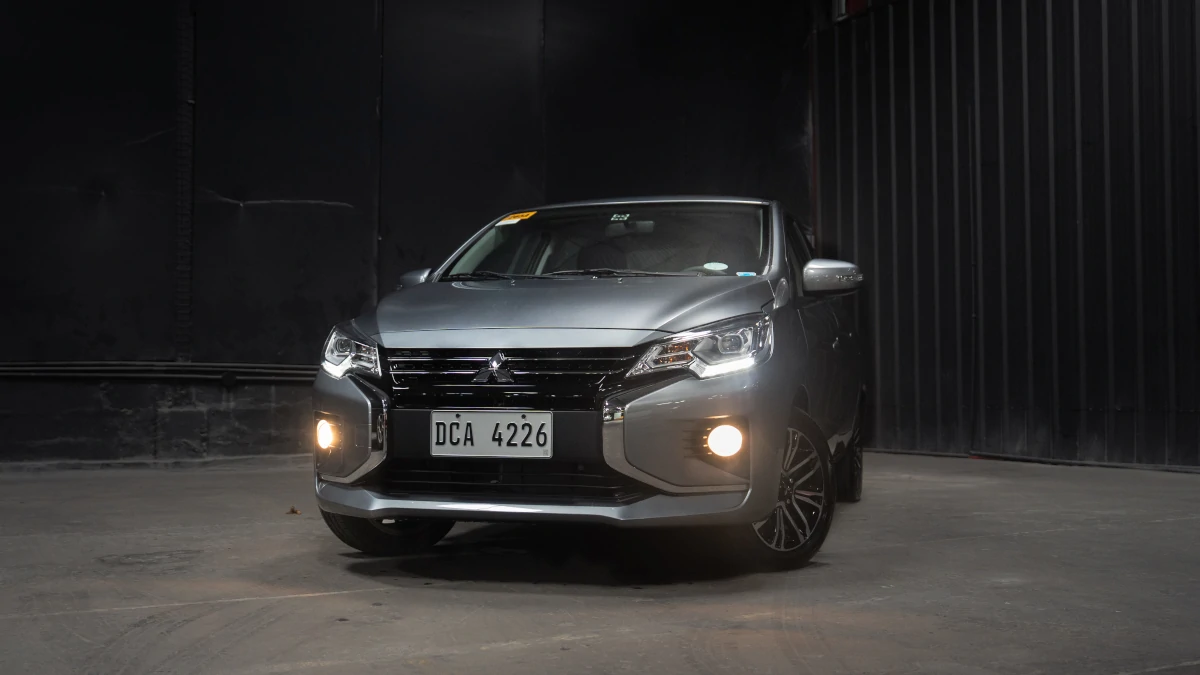
1. 2026 Mitsubishi Mirage G4: Ultra-Affordable and Practical City Car
The 2026 Mitsubishi Mirage G4 is built with one goal in mind: providing the most affordable new-car option for budget-conscious buyers. With a starting price of approximately ₱793,000 for the base GLX trim, the Mirage G4 achieves cost efficiency by omitting almost all modern Active Driver Assistance Systems (ADAS).
Features such as lane-keep assist, adaptive cruise control, blind-spot monitoring, and advanced forward-collision systems are absent in most trims. Instead, it relies on essential safety measures, including ABS, Active Stability Control, Hill Start Assist, and a basic airbag setup.
The chassis also uses RISE body construction, a reinforced high-tensile steel shell designed to absorb energy in a collision. These measures provide basic protection but do not offer the preventative “smart” safety found in more expensive competitors.
The Mirage G4’s trade-off between affordability and technology is clear. To keep costs low, Mitsubishi avoids expensive sensors and cameras required for advanced safety systems. Even parking aids like rearview cameras and parking sensors are limited to the top-tier GLS variant, leaving the base GLX with only the fundamentals.
While some incremental safety updates have been added for 2026, the car remains an outlier in a market where driver-assistance features are increasingly standard, making it ideal only for drivers who are confident in manual control and defensive driving.
Performance and efficiency reflect its budget-focused design. A 1.2-liter three-cylinder engine producing 78 horsepower powers the Mirage G4, prioritizing fuel economy of up to 23 km/L rather than high-speed performance.
The compact dimensions and 4.8-meter turning radius make it highly maneuverable in urban environments, though the cabin prioritizes utility over comfort, with hard plastics, minimal sound insulation, and basic NVH refinement.
Despite its limitations, the Mirage G4 is well-suited for first-time car buyers and city commuters who prioritize low maintenance costs, reliability, and practicality.
Its design emphasizes function over flair, offering a simple, lightweight, and cost-efficient transportation solution that meets basic safety requirements while keeping the purchase price low. For those who value ultra-affordable mobility and efficient urban performance, the 2026 Mitsubishi Mirage G4 remains a sensible, no-frills choice in the subcompact sedan segment.
2. 2026 Toyota Wigo: Affordable and Reliable City Hatchback
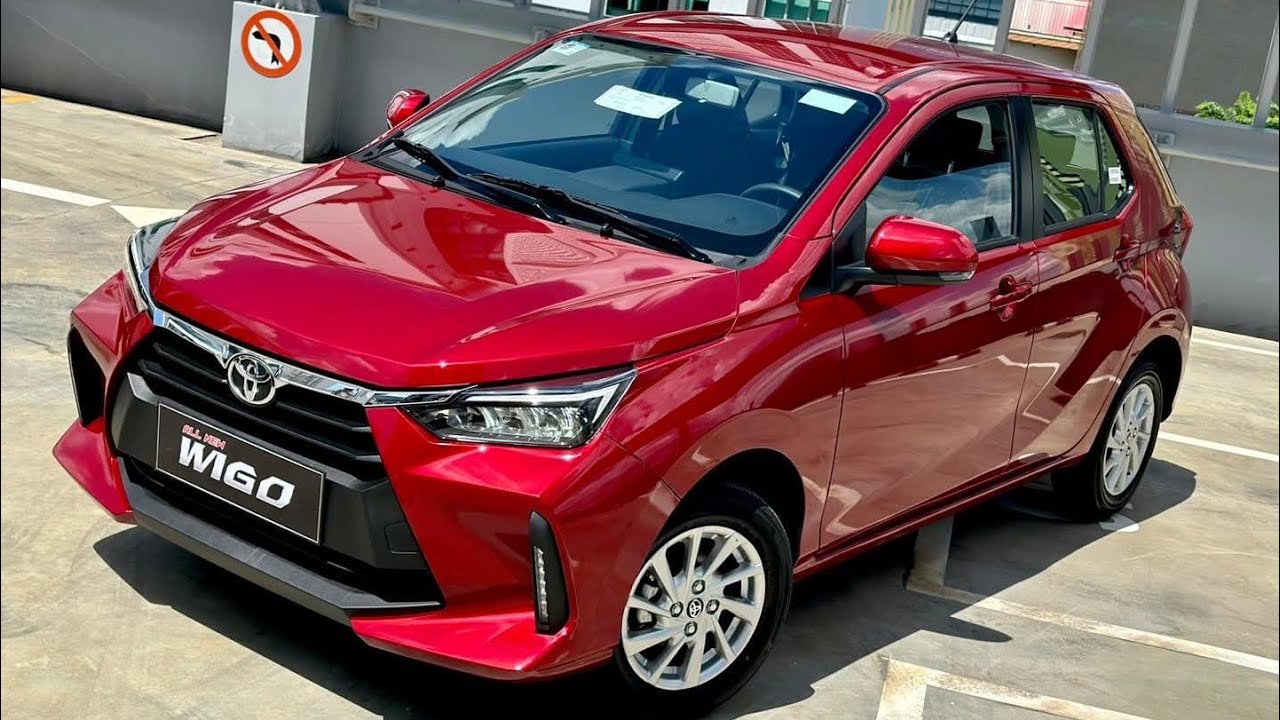
The 2026 Toyota Wigo is Toyota’s entry-level city car, designed primarily for first-time buyers and urban commuters seeking affordable, reliable, and low-maintenance transportation.
Priced between ₱615,000 and ₱735,000, the Wigo achieves its ultra-low cost by deliberately omitting modern advanced driver-assistance systems (ADAS) such as automatic emergency braking, lane-keeping assist, adaptive cruise control, and blind-spot monitoring. Instead, it focuses on essential safety features and practical urban usability, making it a sensible option for low-speed city driving.
Safety in the Wigo emphasizes foundational protection rather than high-tech prevention. All variants come with ABS, Vehicle Stability Control (VSC), hill-start assist, and dual front airbags, which cover the basic safety requirements for urban commuting. Side and curtain airbags are generally absent, reflecting the car’s focus on simplicity and cost efficiency.
The vehicle is built on the Daihatsu New Global Architecture (DNGA) platform, ensuring structural reliability while keeping production costs low.
Performance and mechanical design reinforce the Wigo’s budget-focused approach. Power comes from a 1.0-liter three-cylinder engine producing 65–67 horsepower, optimized for fuel efficiency and maneuverability rather than highway speed or sporty driving.
Braking systems may include rear drum brakes on base trims, keeping maintenance and repair costs minimal. Its compact dimensions and tight turning radius make the Wigo highly maneuverable for city traffic and parking, aligning with the vehicle’s intended urban use.
The interior is minimalist and durable, featuring hard plastics and fabric upholstery. Entry-level trims often include basic audio setups, while higher trims provide touchscreen infotainment with Apple CarPlay and Android Auto. The focus is on utility and longevity rather than premium feel or high-tech gadgets.
By targeting affordable ownership, fuel efficiency, and basic urban safety, the 2026 Toyota Wigo provides essential, reliable transportation at one of the lowest entry points in the Philippine market.
It is not designed for high-speed highway driving or semi-autonomous convenience, but it fulfills the needs of its intended audience: a nimble, economical, and dependable city hatchback. For buyers prioritizing low cost, easy maintenance, and practical urban performance, the Wigo represents a sensible, no-frills option.
3. 2026 Suzuki Dzire: Affordable Sedan with Strong Passive Safety
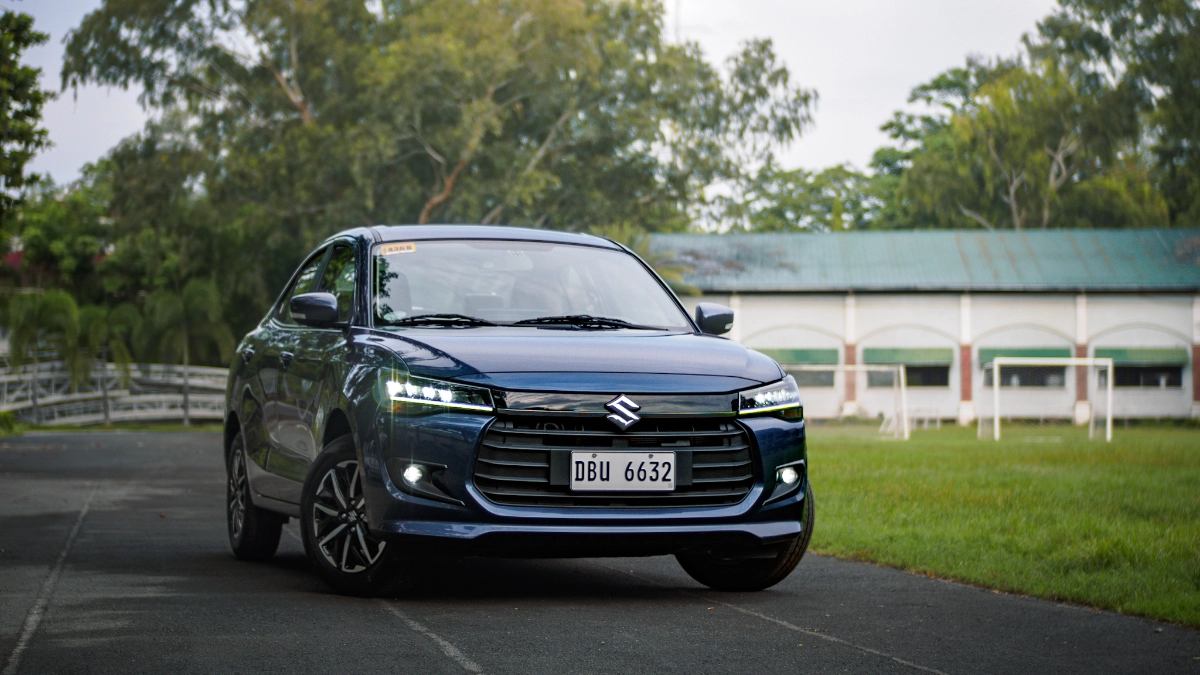
The 2026 Suzuki Dzire is designed for budget-conscious commuters and fleet operators, offering low maintenance costs, fuel efficiency, and practicality without relying on advanced driver-assistance technologies.
Priced under ₱1 million, the Dzire achieves affordability by focusing on mechanical durability and passive safety rather than digital interventions. While it lacks camera-based collision warnings, autonomous braking, lane-keeping assist, or adaptive cruise control, it meets all legal safety requirements and provides a solid, reliable driving experience for everyday urban and highway use.
A major advancement for 2026 is the 5-star Global NCAP safety rating, a significant improvement over previous generations that struggled with structural instability. The Dzire now comes standard with six airbags, including front, side, and curtain airbags, surpassing many rivals that offer only two in base trims.
The Electronic Stability Program (ESP) helps prevent skidding and loss of control, and Hill Hold Assist ensures safer starts on inclines. The HEARTECT platform, made from ultra-high-tensile steel, strengthens the chassis, effectively absorbing and dispersing impact energy during collisions. These upgrades give the Dzire a strong foundation of passive safety, allowing it to protect occupants even without high-tech automation.
The Dzire deliberately omits active digital driver aids to maintain its low price point. Features such as Autonomous Emergency Braking (AEB), Lane Keep Assist, and Adaptive Cruise Control are absent, and the vehicle relies on a standard rearview camera rather than 360-degree high-resolution systems.
While these omissions may make it feel less technologically advanced than competitors like the Honda City or Mazda 3, the trade-off ensures that buyers prioritize reliability, crashworthiness, and efficiency over semi-autonomous assistance.
Performance emphasizes economy rather than power. The car is equipped with a 1.2-liter three-cylinder hybrid engine, balancing fuel efficiency with adequate city and highway performance. Its lightweight construction and compact design make it agile for urban driving, while the improved passive safety features ensure confidence in traffic and minor collisions.
The 2026 Suzuki Dzire demonstrates that a budget sedan can be world-class in structural safety without relying on expensive driver-assist systems. By combining strong crash protection, multiple airbags, and durable mechanics, it provides peace of mind and affordability, making it an excellent choice for first-time buyers, city commuters, and fleet operators seeking reliable, low-cost transportation.
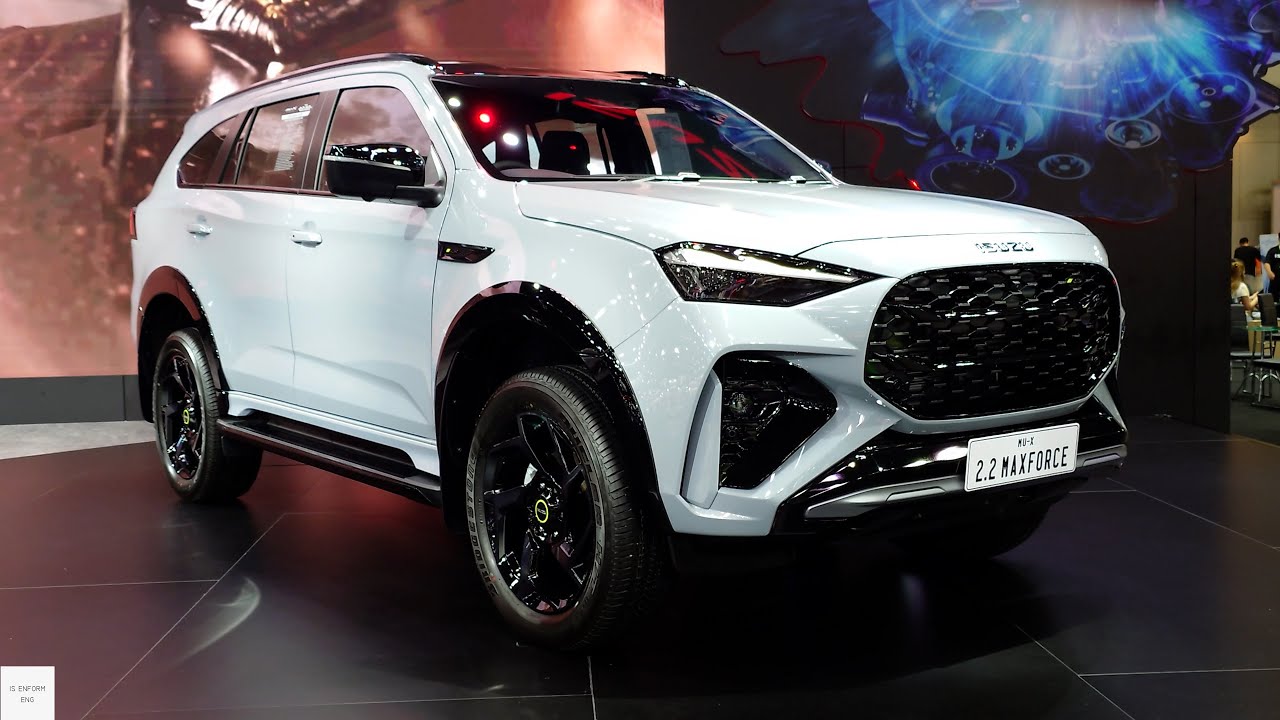
4. 2026 Isuzu mu-X LS: Practical Midsize SUV with Basic Safety
The 2026 Isuzu mu-X LS serves as the entry-level model in Isuzu’s midsize SUV lineup, offering a rugged, reliable vehicle at a lower price point. Priced at approximately ₱1,725,000 in the Philippines, the base LS variant is positioned for commercial buyers, fleet operators, and budget-conscious consumers who prioritize fuel efficiency and low maintenance costs over advanced driver-assistance features.
While higher trims include sophisticated systems, the LS focuses on core mechanical reliability and fundamental safety, omitting many of the semi-autonomous technologies that prevent accidents before they occur.
To maintain a competitive starting price, the LS variant uses the 1.9-liter RZ4E Blue Power diesel engine, producing 150 hp and 350 Nm of torque, rather than the 3.0-liter engine found in premium models. It is strictly 4×2 Rear-Wheel Drive, lacking off-road modes or the 4×4 Terrain Command system of higher trims.
The interior is simple, featuring fabric upholstery, a urethane steering wheel, and a 4.2-inch monochrome instrument display, compared to leather seats, power adjustments, and a digital cluster in flagship variants. These trade-offs help keep the vehicle affordable while retaining utility and durability.
The LS variant notably lacks the Advanced Driver Assist System (ADAS) found in higher trims. Standard accident-prevention features such as Blind-Spot Monitoring, Rear Cross-Traffic Alert, Autonomous Emergency Braking, Forward Collision Warning, Adaptive Cruise Control, Lane Departure Warning, and Automatic High Beams are absent.
Even basic parking aids like rearview cameras or sensors are only available on mid-level trims. This makes the LS a “manual-only” safety experience, relying entirely on the driver’s attention and skill.
Despite these omissions, the base mu-X retains essential active and passive safety features. It includes ABS, Electronic Brakeforce Distribution, Brake Assist, Electronic Stability Control, Hill-Start Assist, and Hill-Descent Control, along with dual front airbags and ISOFIX anchors for child seats.
Its structural integrity, recognized with a 5-star ASEAN NCAP rating, ensures that the vehicle provides a solid foundation for occupant protection in collisions.
The 2026 Isuzu mu-X LS is designed for buyers seeking a functional, fuel-efficient SUV with lower operating costs, rather than cutting-edge driver-assist technology. It balances durability, practicality, and core safety, making it a sensible choice for commercial use or cost-conscious families who value reliability and efficiency over high-tech safety features.
5. 2026 Nissan Almera Base Variant: Budget-Friendly Subcompact with Essential Safety
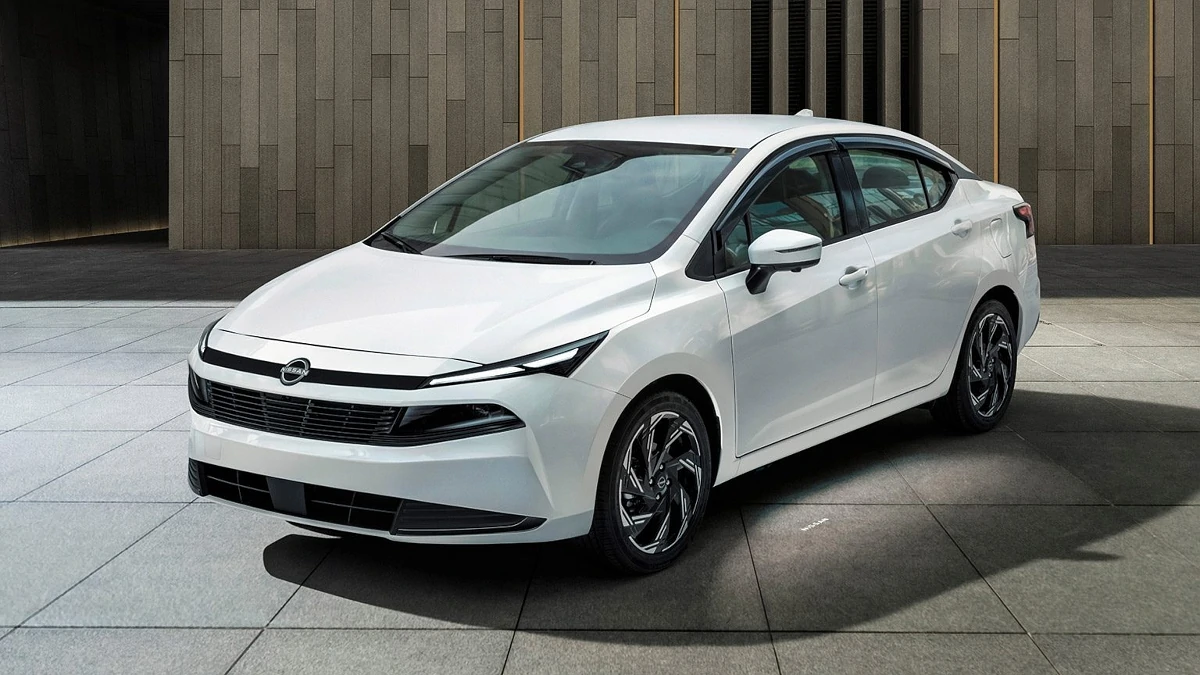
The 2026 Nissan Almera base variant, specifically the 1.0 EL Turbo MT, is positioned as a practical, budget-friendly subcompact sedan, ideal for first-time buyers, urban commuters, or ride-hailing drivers. Priced around ₱845,000, it prioritizes mechanical performance, interior space, and reliability over advanced driver-assistance technologies.
While higher-tier trims, like the VE and VL, feature the full Nissan Intelligent Mobility (NIM) suite, the base model intentionally excludes many of these systems to keep the entry-level price competitive.
To maintain affordability, Nissan omits several advanced driver-assistance systems (ADAS) that have become increasingly standard in competitors. The EL Turbo MT does not include the 360-degree Intelligent Around View Monitor, Blind Spot Warning, Rear Cross Traffic Alert, Forward Collision Warning, or Intelligent Emergency Braking.
Lane Departure Warning is also absent, leaving drivers with a traditional, manual-focused driving experience. Instead, the vehicle relies on standard rear parking sensors for basic situational awareness.
The interior reflects the car’s budget-oriented design. The base variant is equipped with a 2-DIN audio system, Bluetooth, USB, and four speakers, instead of the 8-inch touchscreen with smartphone integration found in higher trims. Instrumentation is analog rather than the 7-inch TFT semi-digital cluster of premium models.
Cabin materials include fabric upholstery and a polyurethane steering wheel, while soft-touch surfaces and leather trims are reserved for the upper-tier versions.
Despite lacking high-tech aids, the base Almera maintains a solid foundation of essential safety features. It comes standard with a six-airbag system, including front, side, and curtain airbags, alongside ABS with EBD, Brake Assist, Vehicle Dynamic Control (VDC), and Hill Start Assist. ISOFIX tether anchors are provided for child seat security, ensuring that basic passive and active safety requirements are met.
The 1.0-liter turbo engine delivers 100 PS and 160 Nm of torque, offering responsive city driving and adequate highway performance without increasing operating costs.
The 2026 Nissan Almera base variant demonstrates that a subcompact can be affordable, practical, and safe at a fundamental level, providing essential protection and functional performance while excluding high-end digital safety systems. It is a sensible option for buyers seeking value and reliability over advanced technology.
Comparing these ten 2026 models shows that affordability and advanced safety features do not always go hand in hand. The Mazda3, Civic, Impreza, Elantra, and Sentra prove that budget vehicles can provide strong protection through both passive and active systems.
On the other hand, the Mirage G4, Wigo, Dzire, mu-X LS, and base Almera demonstrate that low-cost cars often exclude modern driver-assistance aids, leaving safety more dependent on the driver.
Buyers must decide whether they prioritize enhanced safety technology or lower purchase prices with essential protection. Being aware of these differences allows buyers to make informed decisions that match their needs, preferences, and budget.
Also read: Top 10 Cars With the Most Useful Hidden Storage Compartments
