
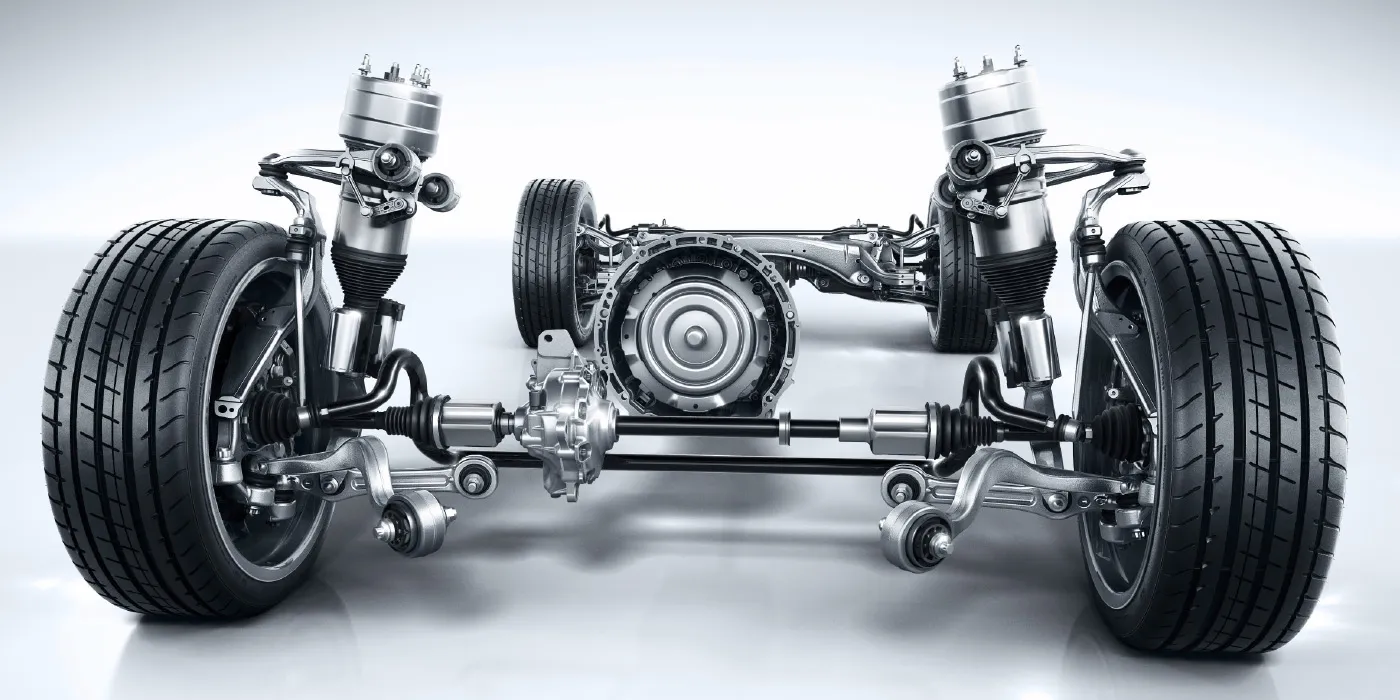
Comfort used to be a luxury reserved for high-end vehicles, yet modern engineering has steadily transformed that expectation. Active air suspension systems represent one of the most impressive examples of that progress. Instead of relying on traditional steel springs, these systems use air-filled components that adapt to changing road conditions, vehicle loads, and driving modes.
The result is a smoother ride, improved stability, and the ability to adjust ride height for different situations. Luxury manufacturers embraced this technology early because it allows drivers to enjoy a balance between comfort and performance.
Vehicles such as the Mercedes-Benz S-Class S 580 4MATIC, Audi A8 L, and Land Rover Range Rover Autobiography demonstrate how advanced suspension design can transform the driving experience. Air suspension can lower a vehicle during highway travel for improved aerodynamics or raise it when extra ground clearance is required.
Despite its benefits, this system requires careful attention to remain dependable. Air springs, compressors, sensors, and electronic controls all work together as a coordinated system. When one component receives poor care, the entire suspension can suffer. Small issues such as minor air leaks or neglected filters may eventually lead to expensive repairs if ignored.
Responsible ownership begins with understanding how the system functions and how to protect it from unnecessary wear. Drivers who adopt simple maintenance habits can extend the life of their suspension and maintain the comfort level that originally made the vehicle appealing.
The following eight tips explain practical ways to maintain an active air suspension system. Each recommendation focuses on habits and inspection routines that help keep vehicles operating smoothly for years.
1. Regularly Inspect Air Springs for Wear and Damage
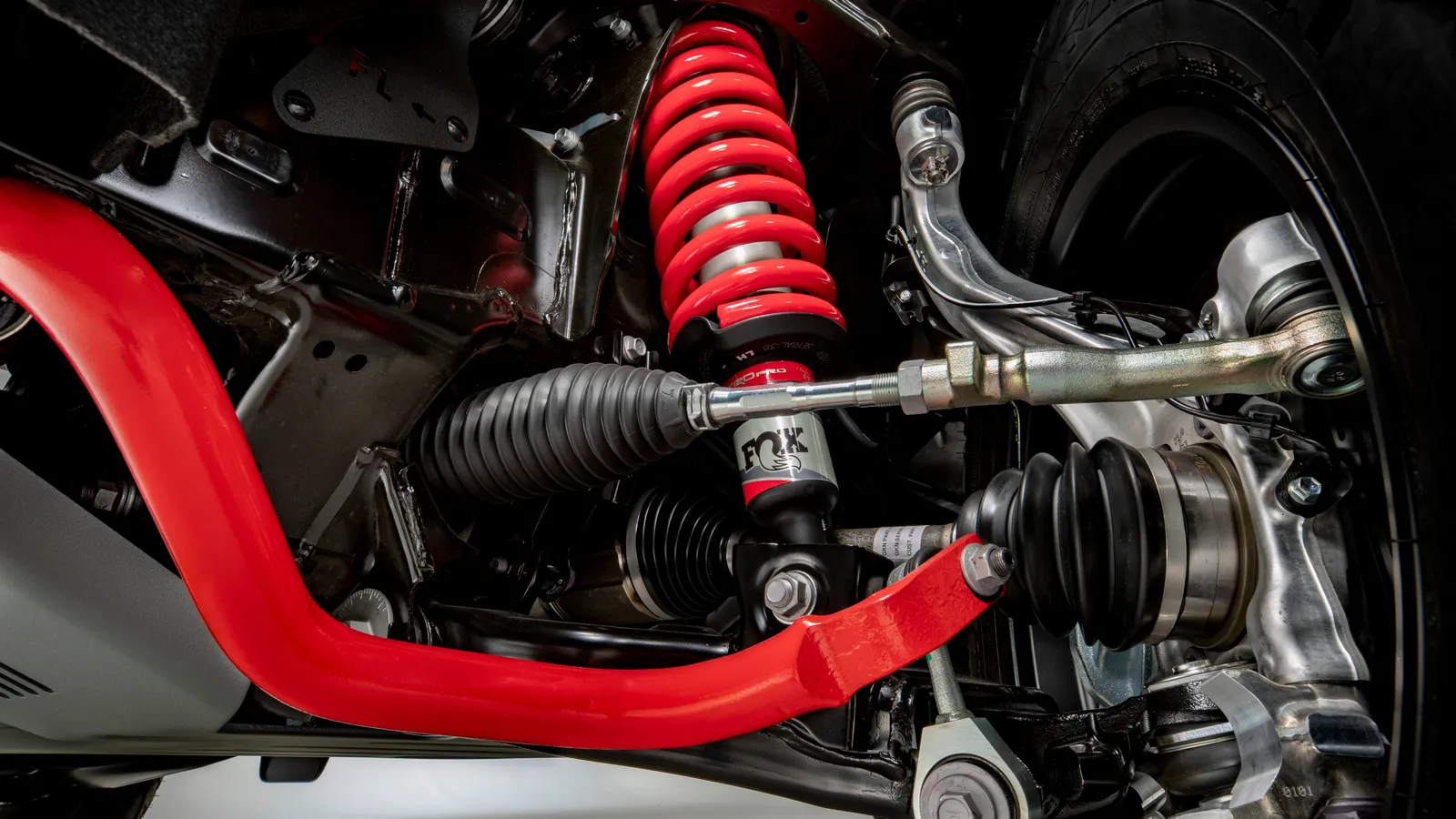
Air springs act as the foundation of any active air suspension system. Instead of metal coils, flexible rubber bladders filled with pressurized air support the vehicle’s weight. Those components constantly expand and contract while driving, which means wear is unavoidable as mileage increases. Routine inspection helps detect problems before they become expensive failures.
Visual examination should become a regular habit. Park the vehicle on a level surface and turn the steering wheel to expose the suspension area. A glance at the air springs may reveal cracks, dry rot, or unusual bulges along the rubber surface. Dirt accumulation around the folds of the air bag also deserves attention because trapped debris can accelerate deterioration.
Luxury sedans such as the Audi A8 L rely heavily on air suspension to maintain their well-known ride comfort. When air springs lose elasticity, ride quality declines quickly. The vehicle may begin to sag on one side after sitting overnight. Uneven ride height often signals that air is escaping through a small leak.
A practical approach involves checking the suspension after seasonal temperature changes. Rubber components expand and contract with shifting temperatures, which sometimes exposes hidden cracks. Cold winter conditions can stiffen aging air springs, while summer heat can increase internal pressure. Both conditions place additional strain on weakened materials.
Listening carefully can also reveal developing problems. A faint hissing sound near the suspension indicates air escaping from a small puncture. Even slow leaks force the compressor to work harder to maintain proper ride height. Continuous compressor activity shortens its lifespan and increases energy consumption.
Professional inspection during scheduled service appointments offers additional protection. Technicians can spray soapy water around the air spring surfaces while the system is pressurized. Bubbles appear wherever escaping air is present, allowing technicians to identify leaks with precision.
Drivers who address worn air springs early prevent further damage to the compressor and electronic control components. Preventive replacement may feel expensive at first, yet it often saves far greater repair costs later. Treating air springs as serviceable components rather than permanent parts ensures the suspension continues delivering the comfort it was designed to provide.
2. Keep the Air Compressor Clean and Functioning Properly
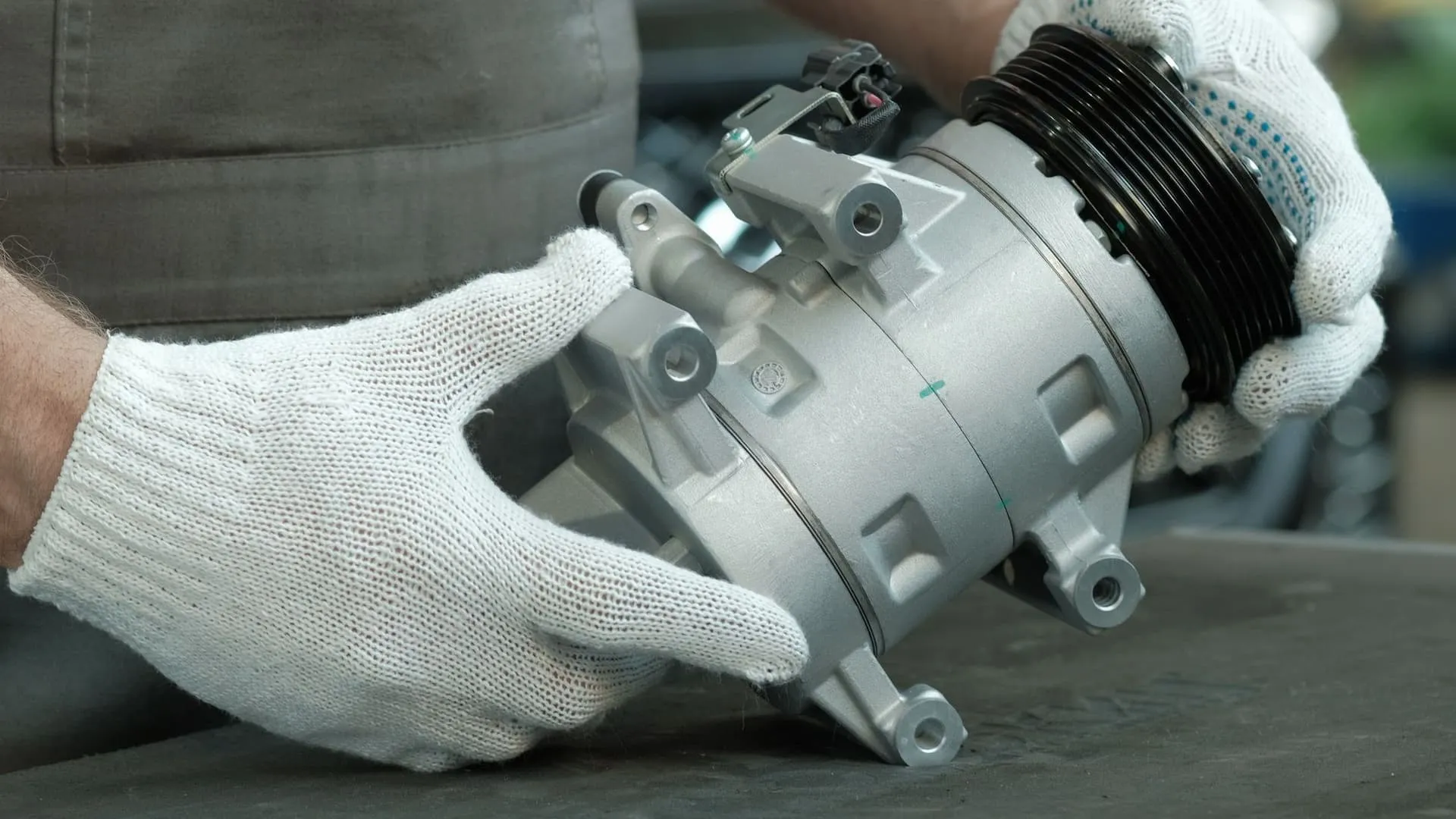
Air compressors serve as the heartbeat of an active air suspension system. Each adjustment in ride height depends on the compressor’s ability to pump air into the suspension lines and air springs. Without reliable compressor performance, the entire system struggles to operate effectively.
High-end SUVs such as the Land Rover Range Rover Autobiography rely on this component during nearly every drive. Adjustments occur when the vehicle changes driving modes, carries heavy cargo, or travels on uneven surfaces. Continuous operation means the compressor faces steady mechanical stress throughout its life.
Clean airflow plays a major role in compressor health. Dust, sand, and road debris can enter the intake filter and reduce airflow efficiency. A clogged filter forces the compressor motor to work harder, which raises operating temperatures and accelerates internal wear. Periodic filter inspection helps maintain proper airflow and prevents overheating.
Location also influences compressor condition. Most manufacturers place the unit under the vehicle or near the rear suspension. That placement protects interior space but exposes the compressor to water spray and road debris. Protective covers help shield the unit, yet they cannot block every contaminant.
Routine cleaning of the surrounding area reduces long-term damage. During oil changes or tire rotations, a technician can inspect the compressor housing and remove accumulated dirt. Clearing mud and debris prevents excessive heat buildup and protects electrical connections.
Sound can reveal early warning signs of trouble. Healthy compressors operate with a steady mechanical hum. Loud grinding noises or unusually long running cycles indicate that the system struggles to maintain pressure. Delayed ride height adjustments often accompany compressor fatigue.
Drivers sometimes overlook another simple precaution. Allowing the vehicle to complete its height adjustment before shifting into gear protects the compressor from unnecessary strain. Quick departures while the system is still leveling can interrupt the pressure cycle and increase workload.
Reliable compressor performance ensures the air suspension responds quickly and maintains consistent ride quality. Paying attention to cleanliness, filter condition, and operating behavior helps extend the life of this critical component.
Also Read: 10 Tips for Keeping Your Car Turbocharger Cool and Healthy

3. Monitor Ride Height Sensors and Electronic Controls
Modern air suspension systems rely heavily on electronic communication. Sensors placed near each wheel measure the vehicle’s position relative to the road surface. Those sensors send constant data to the suspension control module, which then adjusts air pressure to maintain proper ride height.
Luxury vehicles such as the Mercedes-Benz S-Class S 580 4MATIC depend on this network of sensors to maintain exceptional ride comfort. Even slight inaccuracies in sensor readings can create uneven suspension adjustments. The result may appear as a leaning stance or unpredictable ride height changes.
Environmental exposure plays a large role in sensor wear. Road salt, water spray, and debris can accumulate around sensor linkages. When dirt interferes with the moving components, the system may misread the vehicle’s position. Drivers might notice warning messages on the dashboard or experience delayed suspension adjustments.
Regular cleaning of the suspension area helps maintain accurate sensor operation. During routine service visits, technicians should inspect the linkages that connect the sensors to the suspension arms. Removing built-up grime prevents mechanical binding and allows the sensors to move freely.
Electrical connectors also deserve attention. Air suspension sensors rely on precise voltage signals to communicate with the control module. Corrosion at the connector terminals may interrupt those signals, leading to error codes and unpredictable system behavior.
Software diagnostics provide another useful layer of protection. Modern vehicles allow technicians to scan the suspension control module for stored fault codes. Even minor sensor inconsistencies can appear in diagnostic reports before they cause noticeable driving issues.
Drivers can watch for symptoms that suggest sensor problems. Uneven vehicle stance after parking overnight, sudden ride height changes during normal driving, or suspension warning lights often point toward faulty sensors or communication errors.
Maintaining accurate sensor readings protects the entire air suspension system. Proper communication ensures that adjustments occur smoothly and precisely. Keeping the electronic components clean and regularly inspected helps preserve the refined ride quality expected from vehicles equipped with advanced suspension technology.
4. Check Air Lines and Connections for Leaks
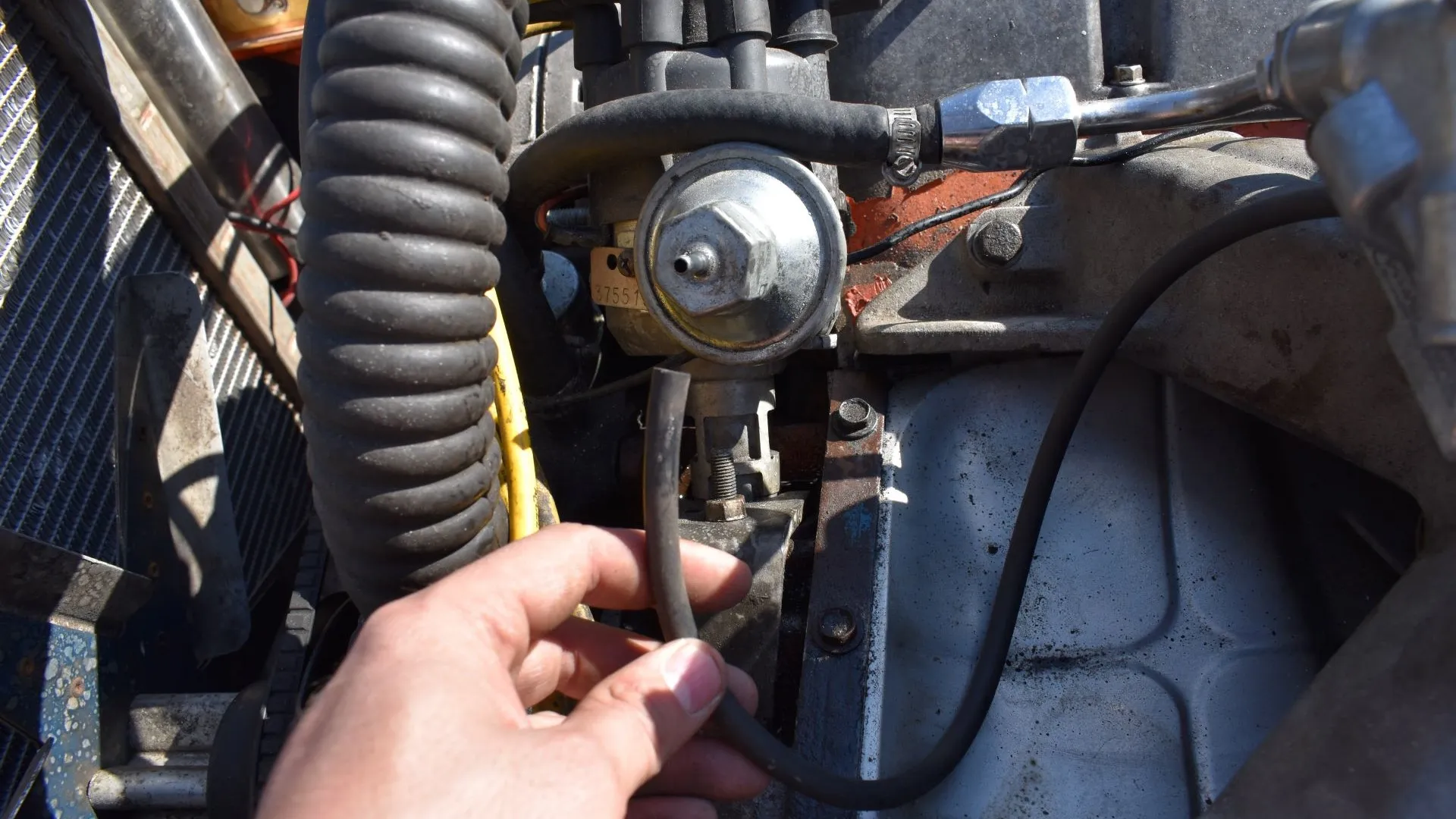
Air suspension systems depend on a network of hoses that transport pressurized air between the compressor, reservoir, and air springs. Those lines function quietly behind the scenes, yet they carry immense responsibility. A small leak anywhere in the system can gradually reduce pressure and compromise ride stability.
Premium SUVs such as the Porsche Cayenne Turbo use carefully routed air lines to support dynamic driving modes. Adjustments happen quickly during acceleration, braking, and cornering. Reliable airflow allows the suspension to respond instantly when conditions change.
Flexible air lines face continuous vibration and temperature variation. Over years of service, rubber or synthetic materials may harden or develop small cracks. Areas where hoses bend sharply often become weak points that allow slow air leaks.
Inspection should include a careful look at each visible connection point. Tight fittings prevent air from escaping while the system operates under pressure. Loose clamps or worn seals can allow gradual leakage that becomes worse as mileage increases.
A simple diagnostic method involves monitoring how the vehicle sits after being parked overnight. If one corner of the vehicle drops noticeably lower than the others, an air line leak may exist near that wheel. The compressor may run frequently in an attempt to restore proper height.
Technicians sometimes use pressurized testing equipment to locate hidden leaks. Applying a soap solution around the fittings reveals escaping air through the appearance of small bubbles. That method allows precise identification of weak points in the system.
Careful routing also matters when replacing air lines. Lines must remain clear of sharp edges and hot exhaust components. Heat exposure weakens rubber materials and increases the chance of future leaks.
Drivers who address air line issues promptly protect the rest of the suspension components. Maintaining airtight connections ensures a stable ride height and prevents unnecessary compressor strain. Proper airflow allows the entire system to function as designed, delivering consistent comfort and performance.
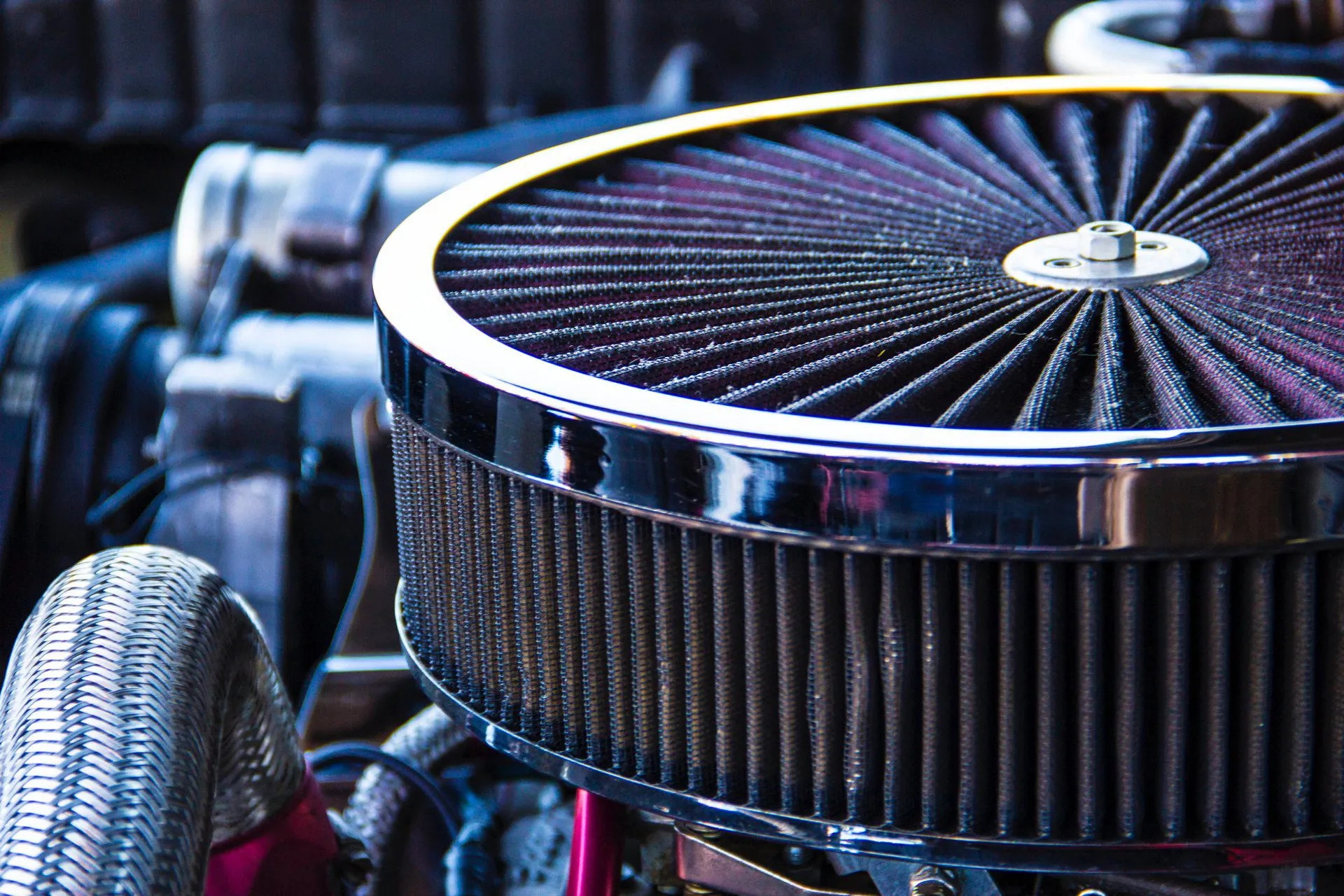
5. Replace Air Suspension Filters at Recommended Intervals
Air suspension systems rely on clean airflow to maintain stable pressure levels. Hidden within the system is a small but critical component that often receives little attention. The air suspension filter protects internal components from dust, moisture, and debris that could damage sensitive parts.
Luxury SUVs such as the BMW X7 xDrive40i use sophisticated air suspension technology to provide both comfort and stability. Each adjustment in ride height requires air that passes through a filtration system before reaching the compressor and air springs. Without effective filtration, contaminants may circulate through the entire suspension system.
Dirty filters restrict airflow and force the compressor to work harder during each pressure cycle. Increased strain leads to higher operating temperatures and reduced efficiency. Gradual buildup of debris inside the filter housing can also trap moisture, which may cause corrosion in metal components.
Replacement schedules vary depending on driving conditions. Vehicles operating in dusty environments or regions with frequent road construction accumulate debris faster than those driven on cleaner highways. Checking the filter during routine service appointments helps determine whether replacement is necessary earlier than the standard interval.
Drivers sometimes notice early warning signs when the filter becomes clogged. Slow ride height adjustments, extended compressor running time, or minor suspension warning messages may appear on the dashboard. Addressing the filter condition early prevents damage to more expensive components.
Technicians often inspect the entire intake pathway during filter replacement. This process includes examining hoses that guide air toward the compressor. Ensuring those pathways remain clean allows the system to maintain consistent pressure without unnecessary effort.
Quality replacement filters also matter. Using manufacturer-approved components ensures the filtration material captures fine particles while allowing proper airflow. Lower-quality filters may allow debris to pass through or restrict airflow too heavily.
Routine filter replacement represents a small investment compared with the cost of compressor repair or air spring replacement. Clean airflow protects the suspension’s internal parts and helps maintain smooth operation. Keeping the filter fresh ensures that the entire air suspension system continues to perform at its best.
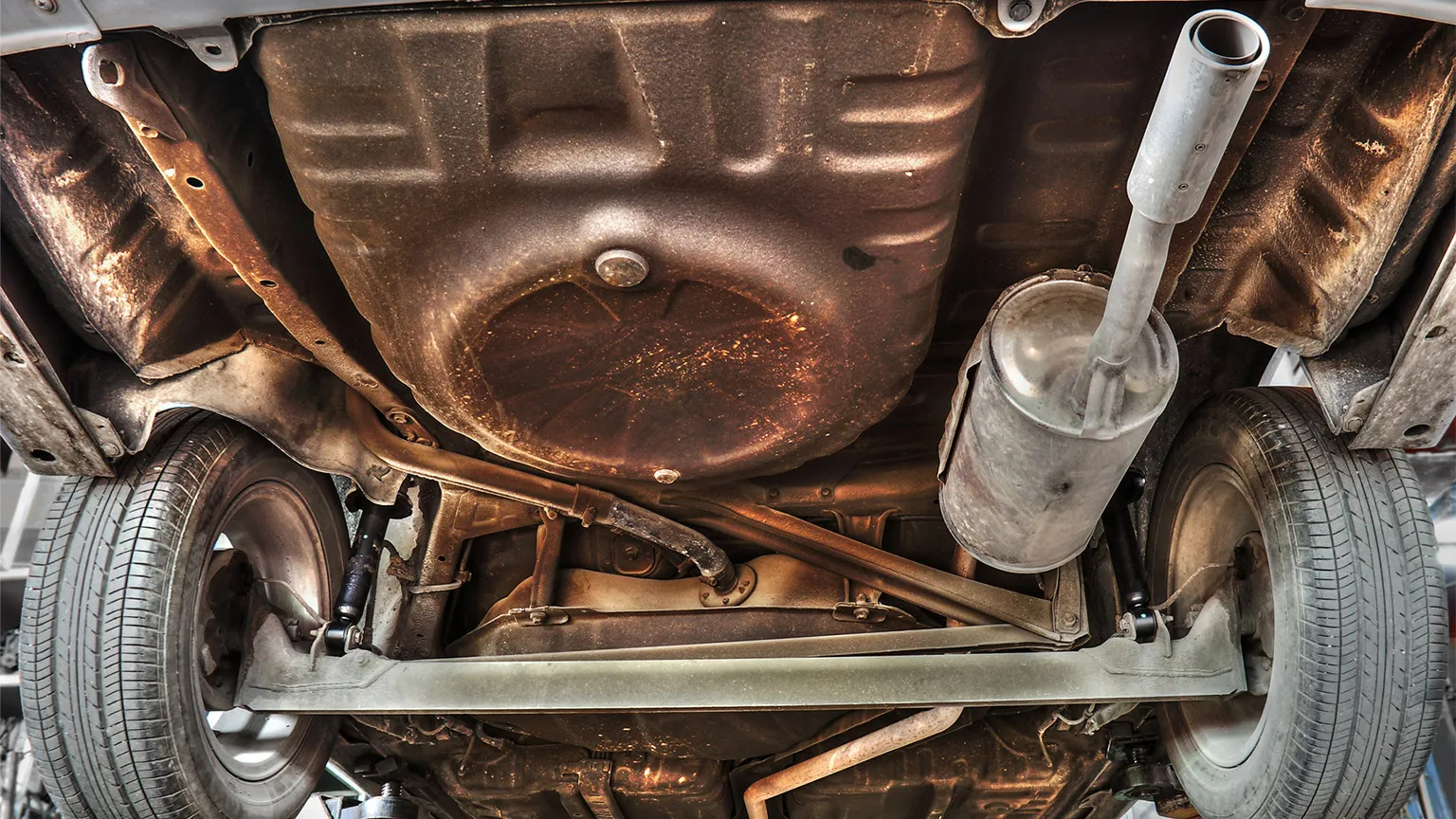
6. Protect Suspension Components from Moisture and Corrosion
Weather exposure affects nearly every mechanical system in a vehicle. Active air suspension systems face particular risk because many components sit beneath the vehicle, where water, salt, and debris accumulate quickly. Preventing corrosion plays a major role in extending the life of these systems.
High-end vehicles such as the Genesis GV80 3.5T Prestige use electronically controlled air suspension to balance comfort with responsive handling. Precision sensors and metal fittings require a clean environment to function properly. When corrosion develops around those parts, electrical connections may weaken and mechanical joints may seize.
Winter driving conditions present one of the biggest threats. Road salt used for ice control clings to suspension components and accelerates corrosion. Moisture trapped in tight spaces can slowly damage metal surfaces, weakening fittings that hold air lines and sensors in place.
Regular vehicle washing helps reduce that risk. Cleaning the underside of the vehicle removes salt deposits and accumulated grime. Automatic car washes that include underbody sprays offer an easy way to flush away contaminants.
Garage storage also provides benefits during harsh weather. Vehicles parked indoors remain protected from freezing temperatures and moisture buildup. Reduced exposure helps preserve rubber air springs and electronic connectors.
Inspection after heavy rain or off-road driving helps identify areas where mud and debris collect around suspension parts. Removing buildup prevents moisture from lingering near critical components. Simple cleaning tools and compressed air can help clear difficult areas.
Protective coatings add another layer of defense. Anti-corrosion sprays applied to exposed metal parts help repel moisture and prevent rust formation. Professional technicians often apply these coatings during seasonal service appointments.
Long-term reliability depends on protecting both mechanical and electronic components from corrosion. Drivers who maintain a clean underbody environment reduce the chance of sensor failures, leaking fittings, or electrical faults. Careful attention to moisture control preserves the performance and comfort associated with air suspension systems.

7. Avoid Overloading the Vehicle Beyond Recommended Limits
Air suspension systems allow vehicles to maintain a level ride height even when carrying heavy cargo. That capability often leads drivers to believe the suspension can handle unlimited weight. Such assumptions place unnecessary stress on the system and shorten the lifespan of important components.
Luxury sedans such as the Lexus LS 500 AWD use adaptive air suspension to maintain comfort under varying passenger loads. Sensors automatically adjust air pressure to compensate for additional weight. While this technology offers impressive flexibility, it does not eliminate the vehicle’s maximum load capacity.
Exceeding weight limits forces the compressor and air springs to operate near their highest pressure levels. Continuous high-pressure operation increases the likelihood of leaks and rubber fatigue. Air springs that remain fully inflated for extended periods may develop weak spots that eventually rupture.
Vehicle manuals list recommended payload limits for a reason. Manufacturers design suspension systems to operate efficiently within those parameters. Carrying cargo beyond the suggested capacity may also affect braking performance and tire wear.
Practical habits help reduce stress on the suspension. Distributing cargo evenly throughout the vehicle prevents excessive pressure on a single corner. Balanced weight allows the system to maintain a stable ride height without constant adjustment.
Responsible weight management preserves the performance of air suspension systems. Keeping cargo within recommended limits ensures that air springs, compressors, and sensors operate under normal conditions. Balanced loading allows the suspension to deliver the smooth ride and stability it was designed to provide.
Beyond protecting the suspension hardware, respecting weight limits also contributes to safer vehicle handling. Excess weight changes the vehicle’s center of gravity and may increase body roll when cornering. Even though air suspension can level the ride height, it cannot fully compensate for the physics involved when a vehicle carries more weight than intended. Drivers may notice slower steering response and longer stopping distances when the vehicle is overloaded.
Passengers also contribute to the total load placed on the suspension system. A fully occupied vehicle with luggage in the trunk can approach the maximum payload rating quickly. Checking the payload figure listed in the owner’s manual helps drivers understand how much weight the vehicle can safely carry. This number includes passengers, cargo, and any accessories installed on the vehicle.
Roof cargo carriers introduce another factor that drivers should consider. Extra weight placed on the roof rack increases stress on suspension components while also raising the center of gravity. Keeping roof cargo within recommended limits prevents unnecessary strain on the air springs and preserves handling stability.
Simple awareness goes a long way toward preserving suspension health. Planning cargo placement before long trips and removing unnecessary items after returning home helps reduce continuous load on the system. Vehicles equipped with advanced air suspension perform best when the system operates within its intended design range.
Balanced weight distribution and careful attention to load limits protect more than just the suspension. Tires, brakes, and steering components all benefit from responsible loading practices. Treating payload capacity as a firm guideline allows the suspension system to function smoothly and continue delivering the refined ride quality that air suspension technology was designed to provide.
Also Read: Top 10 Tips for Negotiating the Best Price on a New Car in 2026

8. Schedule Professional Diagnostics for Early Problem Detection
Advanced suspension technology relies on mechanical precision and electronic coordination. While routine visual inspections help identify obvious issues, certain problems remain hidden without specialized diagnostic equipment. Professional evaluations play an important role in long-term suspension reliability.
Performance-oriented vehicles such as the Tesla Model S Long Range use sophisticated adaptive suspension systems that integrate sensors, software controls, and pressurized air components. Minor irregularities in software communication or pressure regulation may not produce immediate symptoms. Diagnostic tools allow technicians to detect these issues before they affect ride quality.
Computerized diagnostic systems read data directly from the suspension control module. These systems analyze sensor readings, compressor activity, and pressure levels within the air lines. Any irregular data pattern appears as a fault code that technicians can investigate.
Scheduled diagnostics also allow technicians to test system calibration. Ride height sensors must remain properly aligned to ensure accurate measurements. Calibration procedures verify that each sensor communicates the correct position data to the control module.
Pressure testing provides additional insight. Technicians may temporarily pressurize the suspension system to detect leaks that are difficult to locate during normal operation. Controlled testing environments reveal weaknesses in seals, fittings, and air springs.
Software updates sometimes accompany diagnostic sessions. Manufacturers periodically release updates that improve suspension response or correct known programming issues. Installing updated software keeps the system functioning according to factory standards.
Drivers who invest in periodic diagnostic inspections often prevent large repair bills later. Early detection allows technicians to replace worn parts before they damage other components. A small leak identified during routine service is far easier to fix than a failed compressor or collapsed air spring.
Professional diagnostics complete the maintenance routine for any vehicle equipped with active air suspension. Combining routine inspections with expert analysis ensures the system remains dependable. Consistent care allows drivers to enjoy the comfort, adaptability, and refined ride that air suspension technology delivers.
