Performance cars often promise adrenaline, precision handling, and supercar-level acceleration, but not all are created equal when it comes to ownership costs. Some models, like the Mazda MX-5 Miata and Tesla Model S, offer thrilling driving experiences while keeping annual maintenance expenses surprisingly low.
These vehicles are engineered for reliability, simplicity, and efficiency, allowing enthusiasts to enjoy performance without constant trips to the mechanic or draining their wallets.
On the other hand, certain high-end cars, such as the Bentley Continental GT or Audi R8, combine extreme performance with complex engineering, expensive consumables, and rapid depreciation.
Owning these machines can quickly become a financial black hole, where routine maintenance, parts replacement, insurance, and fuel costs accumulate into substantial yearly expenditures. In this comparison, we explore five performance cars that reward drivers with low annual upkeep and five that demand extraordinary financial commitment, revealing the hidden costs behind the thrill.
5 Performance Cars With Low Annual Maintenance Costs
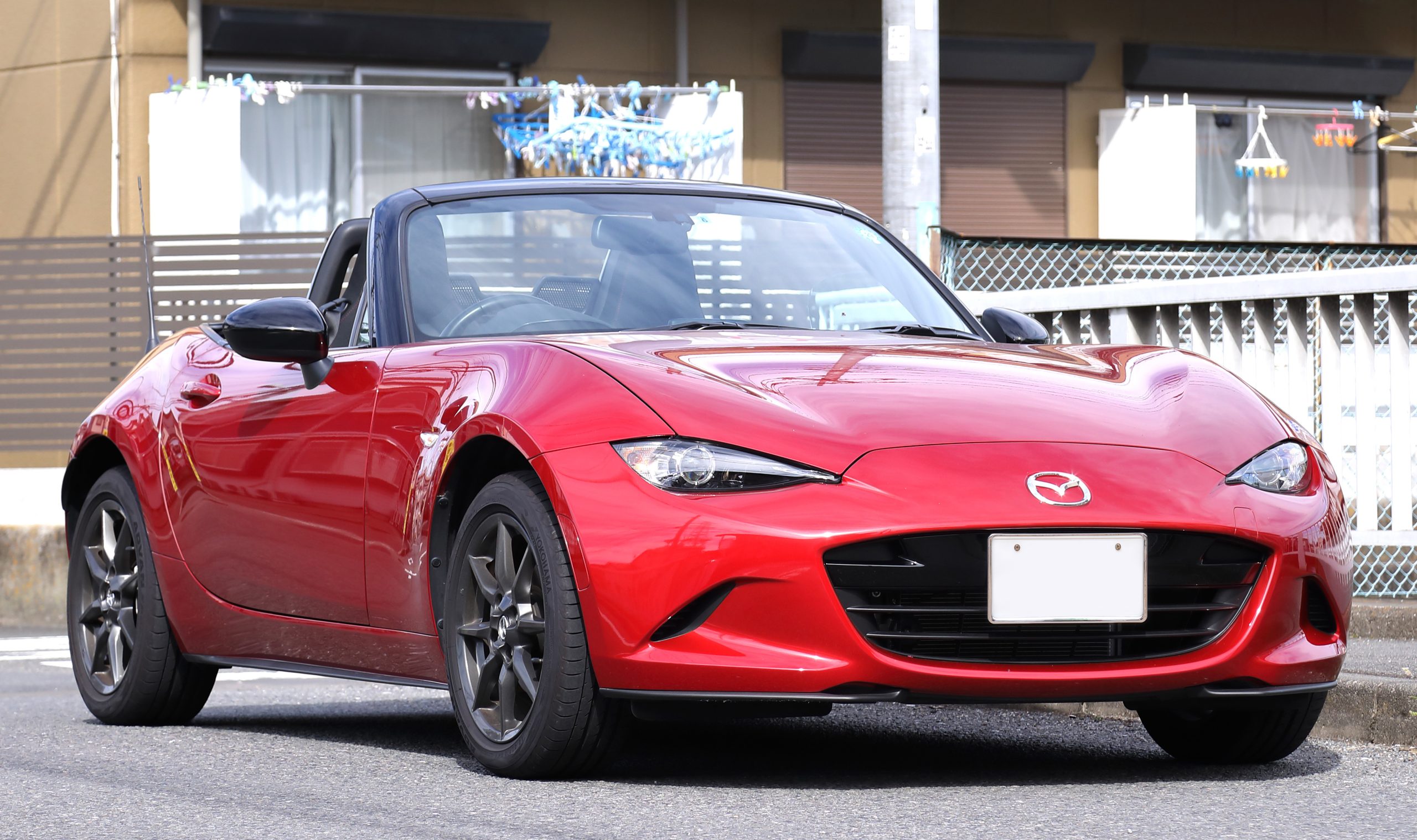
1. Mazda MX-5 Miata: Affordable Fun with Low Maintenance and Pure Driving Enjoyment
The Mazda MX-5 Miata has earned its reputation as a “gold standard” for affordable sports cars by combining thrilling performance with surprisingly low ownership costs. Its lightweight design, naturally aspirated SKYACTIV engine, and simple mechanical layout make it highly reliable and inexpensive to maintain.
According to data, the average annual maintenance cost is roughly $429, well below the $659 average for comparable vehicles. Shared parts with other Mazdas further reduce repair expenses, while the minimalist approach focuses on driving pleasure rather than complex electronics.
Performance is engaging without being extreme. Modern 2.0-liter models produce up to 184 horsepower, achieving 0–62 mph in about 6.5 seconds, and fuel efficiency remains strong at 26 mpg city and 34–35 mpg highway. The rear-wheel-drive layout, light curb weight, and responsive 6-speed manual transmission create a tactile, connected driving experience.
Even the automatic option maintains sporty characteristics, but purists will prefer the manual gearbox. Handling is precise and playful, with firm suspension and highly communicative steering that rewards attentive drivers.
The cabin reflects the Miata’s driver-focused philosophy. Seating is snug for two, with minimal storage and a small trunk suitable for a weekend trip. Infotainment includes an 8.8-inch touchscreen with standard Bluetooth, wired Apple CarPlay, and Android Auto, with wireless integration optional. Optional upgrades like a Bose stereo add refinement without compromising simplicity.
Safety features are present but basic for a sports car, including automated emergency braking, blind-spot monitoring, and adaptive cruise control. The Miata’s rigid body structure and attentive design provide crash protection, while its compact size contributes to agility and confidence on the road.
Warranty coverage is typical for the segment, offering three years or 36,000 miles for basic coverage and five years or 60,000 miles for the powertrain, though no complimentary maintenance is included.
In essence, the Mazda MX-5 Miata delivers pure driving enjoyment while keeping ownership costs low. Its combination of lightweight engineering, reliable mechanics, and straightforward features makes it an enduring favorite among enthusiasts seeking affordable thrills without the maintenance headaches of more complex performance vehicles.
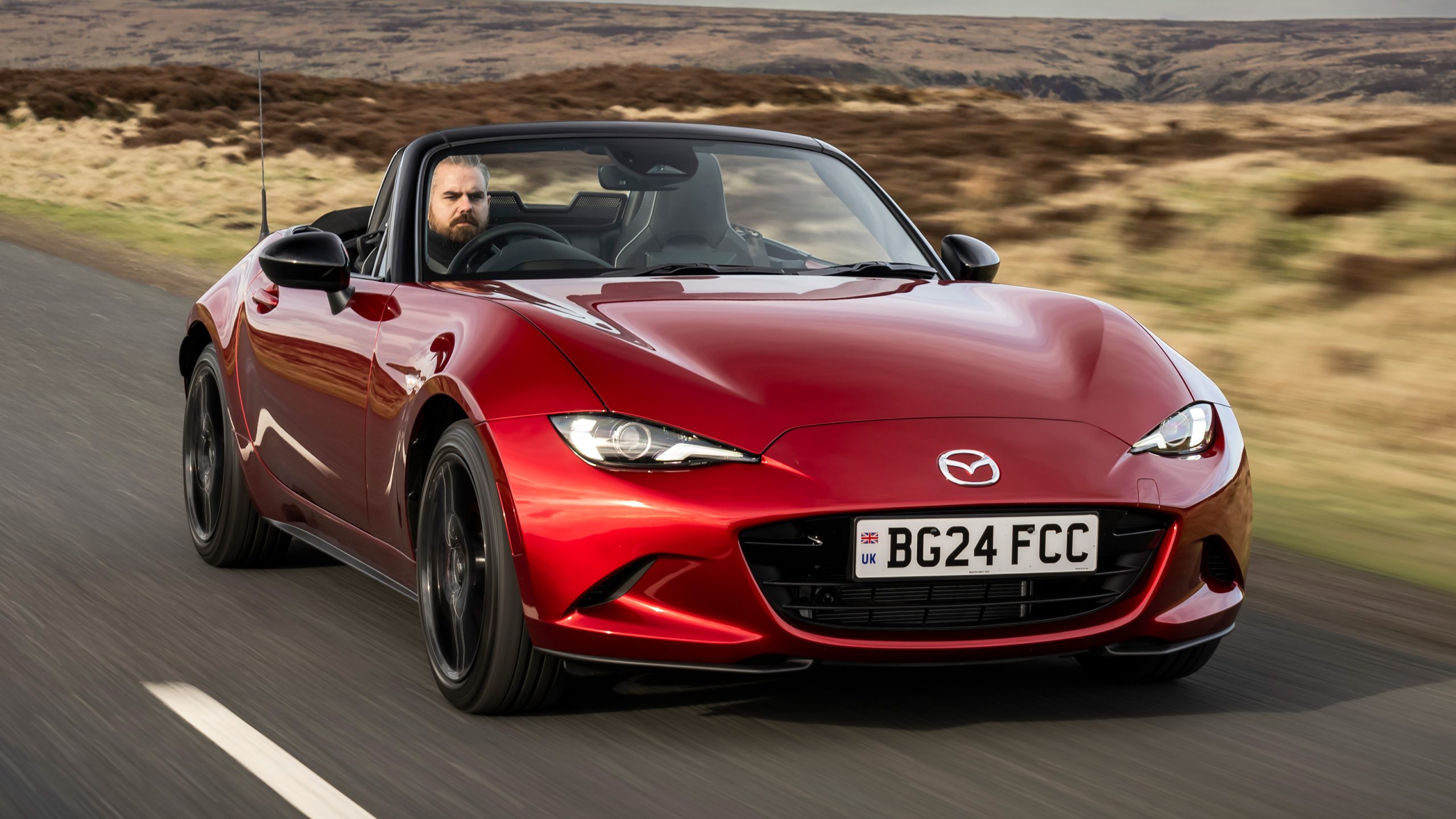
2. Toyota GR Supra: High-Performance Thrills with Predictable Maintenance Costs
The Toyota GR Supra delivers German-engineered performance paired with Toyota’s renowned quality control, making it a standout in the performance car segment for low-maintenance ownership. Sharing its B58 3.0-liter turbocharged inline-six engine with BMW, the Supra benefits from Toyota’s rigorous assembly standards, extensive dealership network, and predictable servicing costs.
This combination allows owners to enjoy high horsepower and dynamic handling without facing the unusually high repair bills often associated with premium sports cars.
Reliability is a major advantage. The B58 engine is robust and durable, reducing long-term repair requirements. Toyota’s quality assurance ensures each vehicle meets strict standards before leaving the factory, while the widespread dealership network provides accessible service and competitive labor rates.
Even though certain BMW-sourced electronic components or turbo-related parts can become costly at high mileage, the maintenance requirements for the Supra remain relatively low compared to rivals such as the Porsche 911 and other premium sports cars.
Performance capabilities are impressive. Producing 382 horsepower, the Supra accelerates from 0–60 mph in just 3.9 seconds with a manual transmission, and comes with either a six-speed manual or eight-speed automatic.
Steering is precise, and suspension tuning balances daily comfort with sporty handling, making it usable as both a weekend thrill ride and a practical daily driver. Fuel economy is reasonable for a sports car, with automatic models achieving 22 mpg city and 29 mpg highway, while manuals deliver slightly lower efficiency.
The interior emphasizes a driver-focused cockpit. Seats are highly adjustable, though taller drivers may find headroom limited due to the double-bubble roof. Cargo space is modest but sufficient for weekend trips, and infotainment includes an 8.8-inch touchscreen, Apple CarPlay, and a standard digital gauge display.
Safety features such as automated emergency braking, lane-departure warning, and automatic high beams come standard, with optional packages offering adaptive cruise control and blind-spot monitoring.
With high performance, solid reliability, and a predictable maintenance schedule, the Toyota GR Supra offers an engaging sports car experience without the prohibitive costs often associated with high-end European models. Its combination of thrills and Toyota-managed durability makes it a compelling choice for drivers seeking a premium driving experience with fewer long-term surprises.
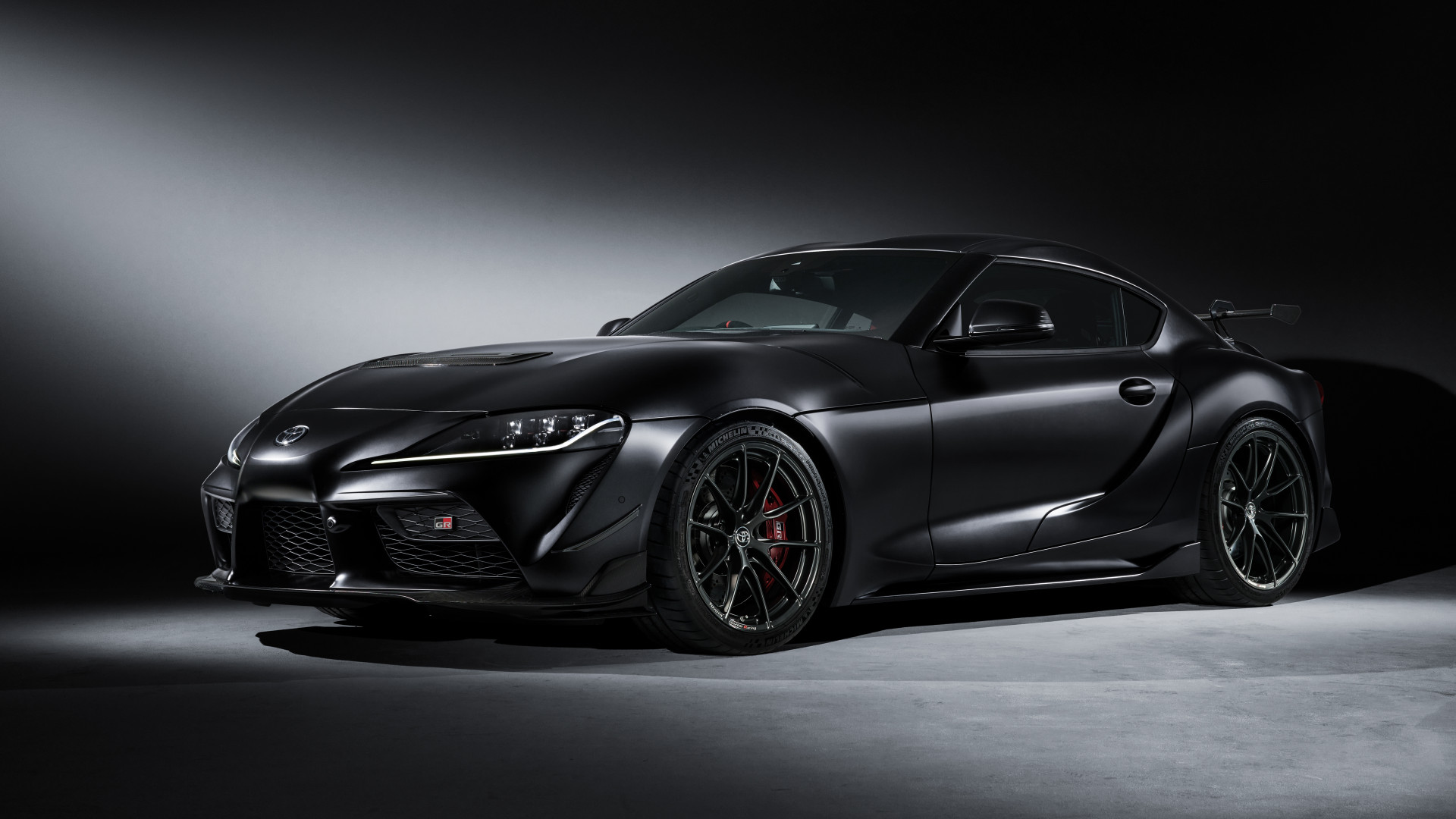
3. Ford Mustang GT: Classic American Performance with Accessible Maintenance
The Ford Mustang GT combines iconic American muscle with practicality in maintenance, making it a favorite for enthusiasts seeking high horsepower without the financial strain of exotic performance cars.
Its naturally aspirated 5.0-liter Coyote V8 provides 480 horsepower and 415 lb-ft of torque, delivering exhilarating performance through either a six-speed manual or ten-speed automatic transmission. Optional performance features such as Brembo brakes, adaptive dampers, and track-focused tires allow owners to tailor the car to spirited driving or daily usability without significantly increasing service costs.
Maintenance affordability is one of the Mustang GT’s strongest assets. Its conventional V8 engine design and widely used platform make repairs straightforward, while the mass-produced nature of the Mustang ensures that replacement parts are abundant and inexpensive.
Owners can modify or upgrade components with relative ease thanks to the extensive aftermarket support. This accessibility, combined with generally high reliability scores, allows the Mustang GT to hit 400+ horsepower levels with minimal long-term ownership expense compared to turbocharged or exotic sports cars.
Performance metrics confirm the Mustang’s capabilities. The GT accelerates from 0–60 mph in 4.2 seconds with a performance exhaust, while the EcoBoost four-cylinder variant reaches the same speed in 4.5 seconds.
The track-focused Dark Horse variant pushes performance further, achieving 0–60 mph in 4.1 seconds and completing a 0–150–0 speed test in 29.7 seconds. Fuel efficiency varies with powertrains: the EcoBoost achieves up to 33 mpg highway, the GT V8 around 24 mpg highway, and the Dark Horse 22 mpg highway.
Inside, the Mustang blends modern technology with retro-inspired design. The 12.4-inch configurable digital instrument cluster, available plaid or micro-suede seats, and ambient lighting adapt to different drive modes.
Infotainment is handled via the optional 13.2-inch Sync 4 touchscreen with Apple CarPlay, Android Auto, and wireless charging, while Ford Power-Up allows over-the-air updates for software and vehicle functions.
Safety is supported by the Ford Co-Pilot360 suite, including automated emergency braking, lane-departure warning, lane-keeping assist, and optional active pothole mitigation. Warranty coverage is standard, with three years or 36,000 miles for limited coverage and five years or 60,000 miles for the powertrain.
The Ford Mustang GT delivers a blend of raw performance, approachable maintenance, and customizable features, making it one of the most accessible ways to enjoy American muscle with modern convenience.
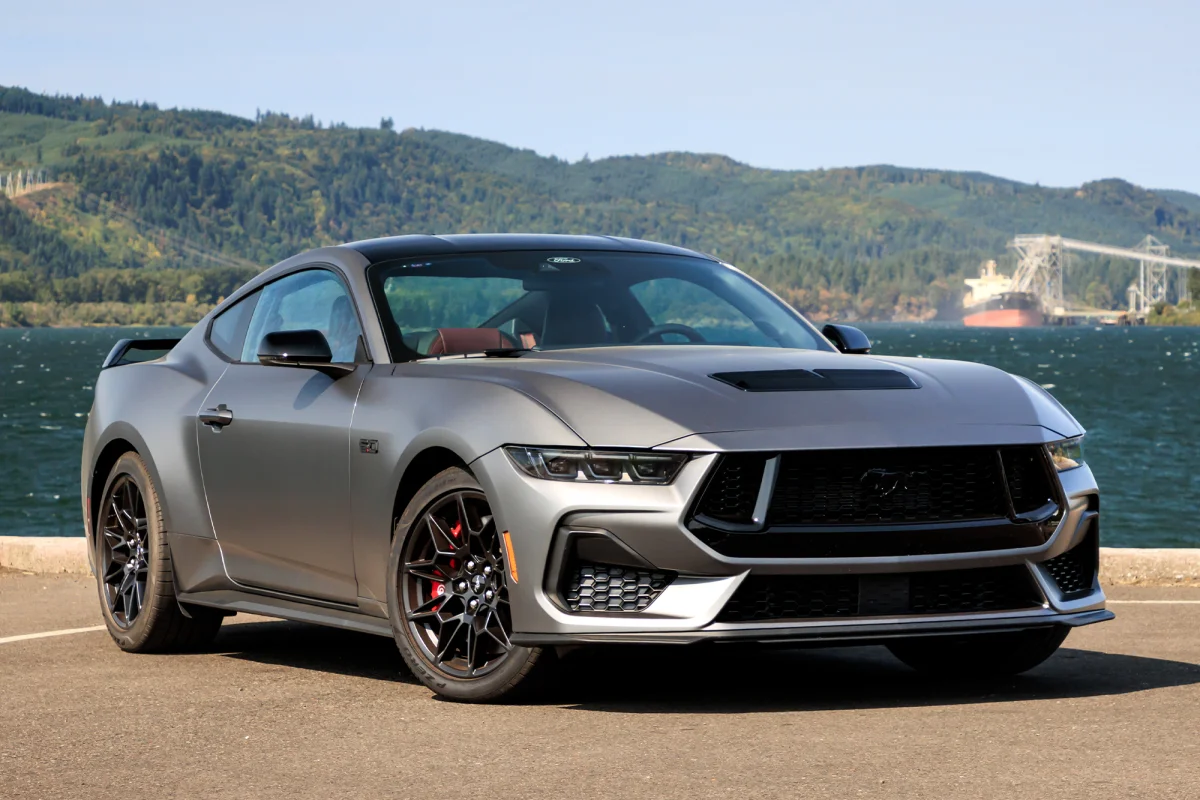
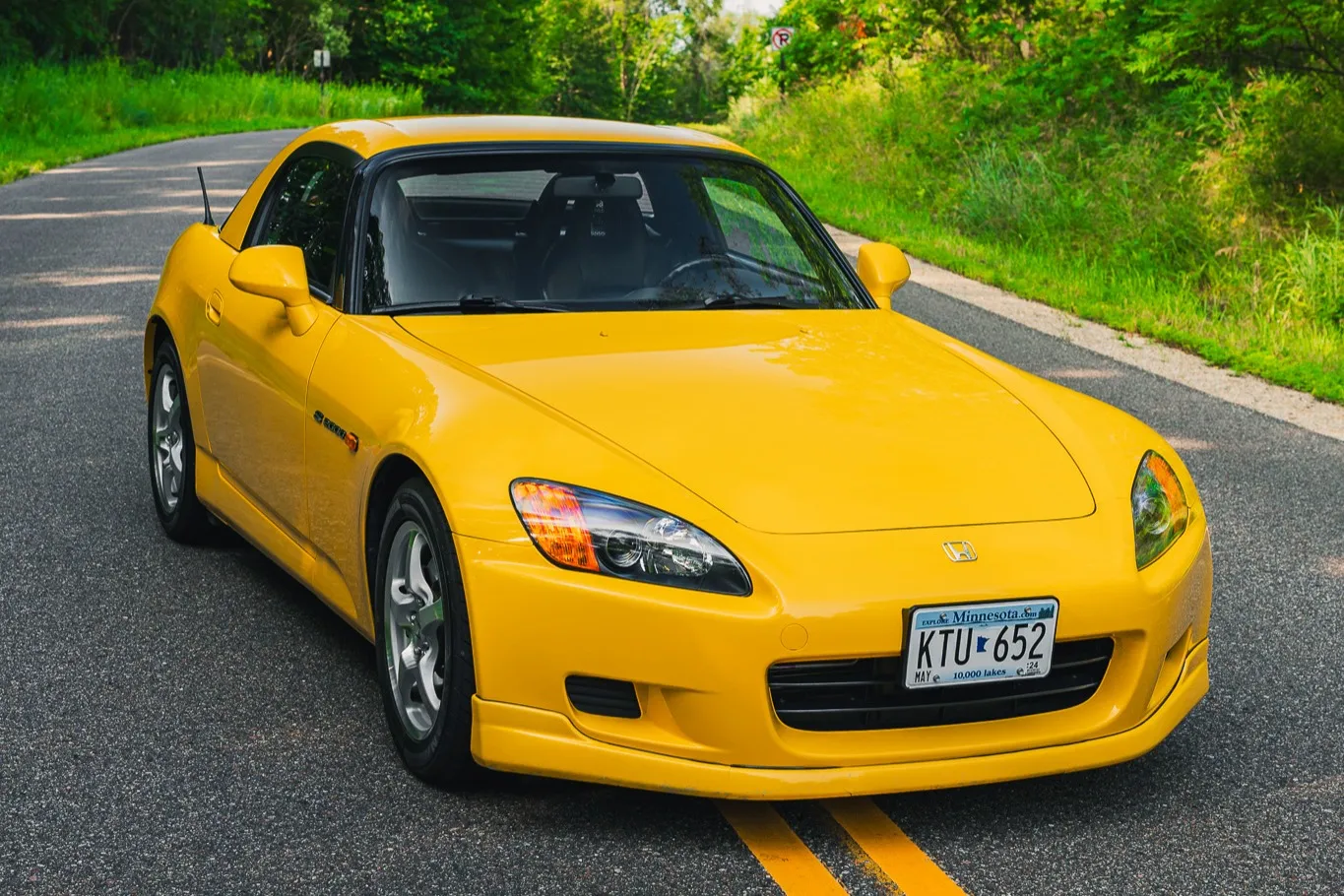
4. Honda S2000: High-Revving Reliability and Iconic Driving Experience
The Honda S2000 remains one of the most revered sports cars ever made, blending high-revving performance with legendary mechanical reliability. Produced from 1999 to 2009, it features a naturally aspirated 2.0-liter or 2.2-liter VTEC inline-four engine capable of 237 horsepower at 8,300 rpm, with a redline at 9,000 rpm.
Torque is modest at 153 lb-ft, but the engine’s extraordinary rev range and precise throttle response make every shift through the six-speed manual gearbox exhilarating. The front-mid-engine, rear-wheel-drive layout, coupled with a curb weight of 1,260 kg, gives the S2000 a nearly perfect balance and engaging dynamics.
Reliability is a core strength. Honda’s VTEC engines are famed for longevity, often surpassing 200,000 miles with basic fluid changes and regular maintenance. The minimalist design avoids complex electronics, forced induction, or intricate cooling systems, reducing potential failure points.
Annual maintenance costs for a daily-driven S2000 are estimated between $1,200 and $1,800, covering oil changes, valve inspections, and gearbox fluid.
Specific considerations include frequent oil checks due to high consumption, timing chain tensioner replacements, and consumable wear such as tires and brakes, particularly under spirited driving. Replacement parts, including soft tops and Bridgestone Potenza tires, remain reasonably accessible.
Performance is thrilling yet disciplined. The S2000 excels when revved into its VTEC zone, delivering a unique auditory and tactile experience unmatched by turbocharged rivals.
Later AP2 models improved mid-life handling with revised suspension, slightly larger 2.2-liter engines in North America, and 17-inch wheels to reduce twitchiness. While steering feel can be slightly less precise than its engine performance suggests, it still provides an immersive driving experience that rewards patience and skill.
Inside, the S2000 is driver-focused, with a snug cockpit, supportive seats, and clear, functional instrumentation. The simple, well-laid-out interior emphasizes the driving experience over luxury or infotainment. Despite its age, the ergonomics and tactile controls remain commendable, giving a sense of connection between car and driver that few modern sports cars replicate.
Pricing for used Honda S2000 models has steadily increased. Early high-mileage examples can start around $8,500–$9,500, while well-preserved late AP2 editions typically sell for $12,000–$15,000. Exceptionally low-mileage examples can approach $25,000.
The Honda S2000 combines high-revving thrills, mechanical purity, and enduring reliability, making it a standout choice for enthusiasts seeking a rewarding, low-maintenance sports car.
5. Tesla Model S: High-Performance Electric with Minimal Maintenance
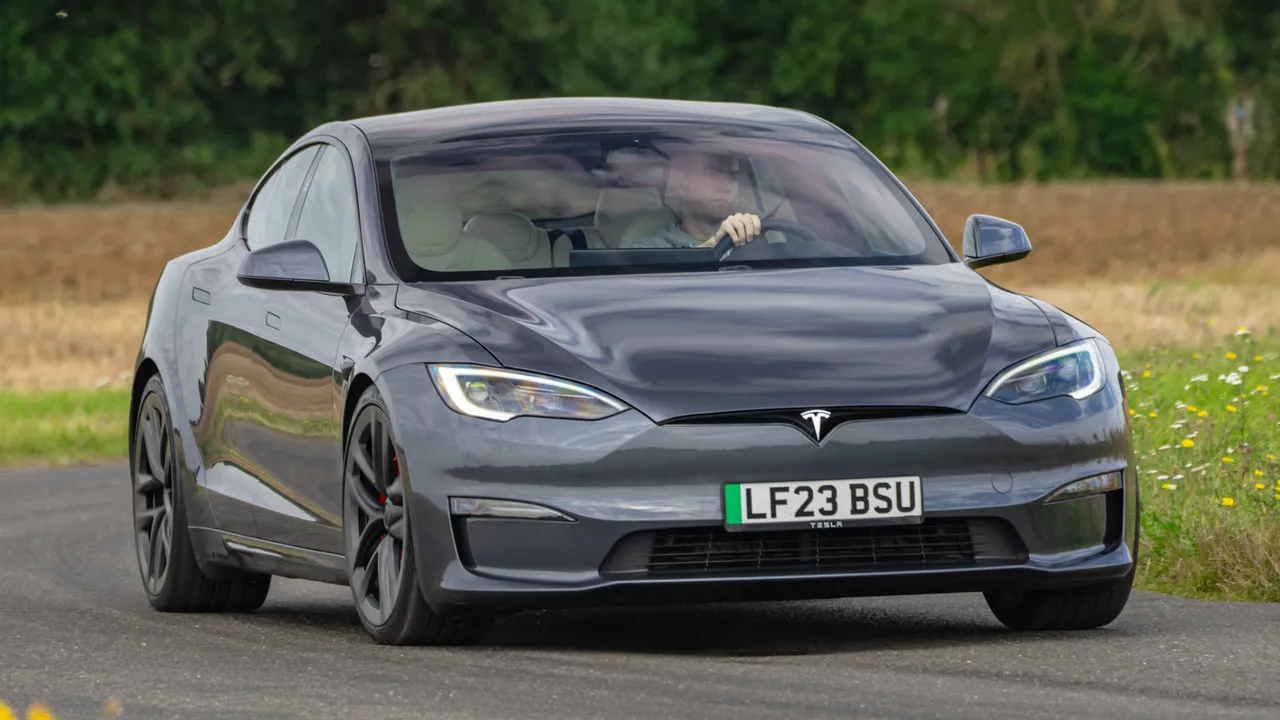
The Tesla Model S is a standout in the performance car world because it delivers supercar-level acceleration while avoiding the high maintenance costs of traditional internal combustion vehicles. Its fully electric powertrain has only about 150 moving parts, eliminating components like oil, spark plugs, fuel filters, and transmissions that typically require frequent servicing.
With far fewer mechanical failure points, owners avoid the “death by a thousand cuts” repairs common in high-end luxury sedans. Maintenance is limited to tire rotations, cabin air filter replacements, brake fluid checks, and occasional lubrication of brake calipers in colder climates, keeping long-term costs significantly lower than comparable performance vehicles.
Performance is where the Model S truly impresses. Standard models achieve 0-60 mph in approximately 2.4 seconds, while the Plaid edition, with three electric motors producing 1,020 horsepower, accelerates to 60 mph in just 2.1 seconds.
The car features full-time all-wheel drive and a battery pack mounted low in the chassis, creating a balanced weight distribution that enhances handling. While the optional yoke steering wheel can feel awkward during tight maneuvers, the ride remains smooth and quiet, making the Model S suitable for both daily commuting and high-speed thrills.
Range and efficiency are also key strengths. The standard Model S can travel up to 410 miles per charge, while the Plaid achieves between 309 and 368 miles. Tesla’s Supercharger network allows rapid DC fast-charging, taking the battery from 10 percent to 90 percent in around 37 minutes.
Energy efficiency is impressive, with the standard model rated at 132 MPGe city and 116 MPGe highway, and the Plaid achieving approximately 101 MPGe in real-world highway testing. These factors make the Model S practical for longer trips, offering both performance and convenience for electric vehicle owners.
Inside, the Model S offers a minimalist yet functional interior with a massive central touchscreen controlling nearly all car functions. The rear liftgate opens to a 26-cubic-foot cargo area, easily accommodating multiple carry-on suitcases, while a secondary display in the gauge cluster and a rear touchpad provide added functionality.
Standard safety features include automated emergency braking and lane-departure warning, with optional adaptive cruise control and hands-free driving features available. Tesla’s warranty covers four years or 50,000 miles for general components and eight years with unlimited miles for the powertrain, ensuring long-term reliability.
The Model S combines extraordinary acceleration, long-range capability, and minimal upkeep, making it one of the most unique and cost-effective high-performance cars on the market.
Also Read: 5 Cars Owners Are Happy With Long-Term vs 5 They Aren’t
5 That Are Financial Black Holes
1. Bentley Continental GT: Luxury Performance at a Prohibitive Cost
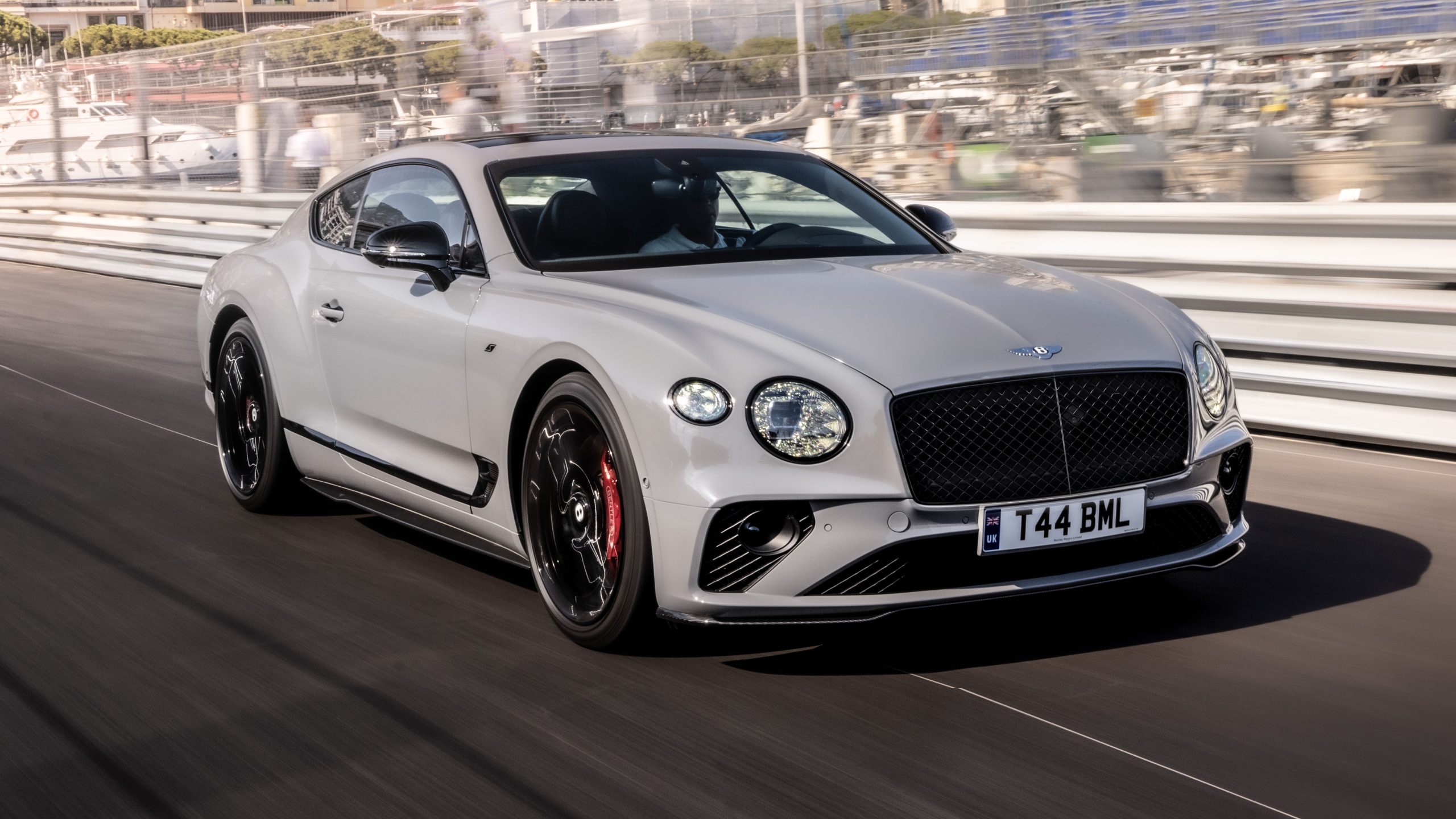
The Bentley Continental GT is a benchmark for grand touring excellence, offering refined luxury, blistering performance, and unmatched craftsmanship. However, this prestige comes with a punishing financial reality.
While the car delivers an exceptional driving experience, its cost of ownership makes it one of the most expensive vehicles to maintain. Unlike more service-friendly cars, the Continental GT’s combination of complex engineering, bespoke components, and tightly packaged systems results in routine repairs becoming significant financial events.
Even routine maintenance or minor issues often require specialized technicians and high-cost parts, turning ownership into a continuous financial commitment.
Depreciation is one of the most striking expenses for Continental GT owners. A new model can lose over $87,000 in value within its first year, and over a decade, total depreciation can exceed $231,000.
Early models that once commanded six-figure prices can now be purchased for surprisingly low amounts, sometimes under $12,000, tempting buyers who may underestimate the costs of maintaining a car of this caliber. The massive value loss, combined with costly repairs, ensures that the car remains a long-term financial burden rather than a prudent investment.
Mechanically, the Continental GT’s W12 engine exemplifies engineering complexity. Its tightly packed engine bay means that even simple repairs such as replacing vacuum lines, turbochargers, or a starter motor often require “engine-out” procedures, where the entire engine and gearbox must be removed, adding thousands to labor costs.
Known weak points include air suspension struts prone to leaks, water ingress into the interior footwells, and brittle plastic vacuum lines, all of which can lead to catastrophic failures costing tens of thousands of dollars to repair. These issues make older models particularly risky and underscore the importance of specialized service knowledge.
Ongoing operational costs further add to the burden. Annual maintenance, fuel, insurance, and consumables for a used Continental GT average around $14,093. The W12’s thirst for fuel (13–20 mpg), high insurance premiums averaging $7,580, and frequent replacement of high-performance parts such as brake discs and bespoke tires create a constant financial drain.
While the Bentley Continental GT offers an unmatched driving experience and prestige, it is a financial black hole where both routine and unexpected costs can easily surpass the expectations of even well-prepared enthusiasts.
2. Nissan GT-R: Supercar Performance at Supercar Costs
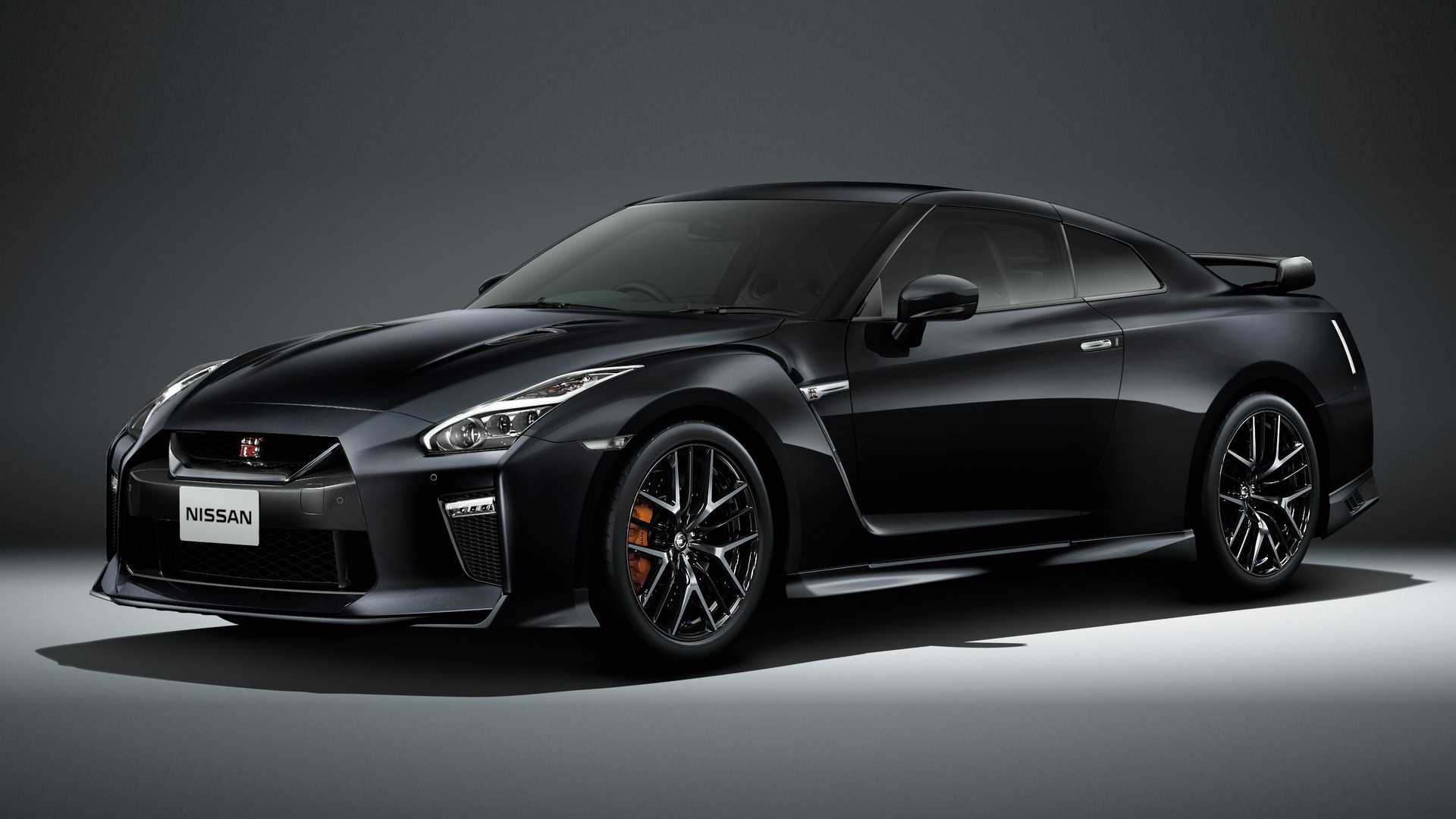
The Nissan GT-R, known as “Godzilla,” is famous for delivering performance that rivals million-dollar supercars while costing far less to purchase. However, this high-performance coupe comes with substantial ownership costs. Its hand-built VR38DETT twin-turbo V6 engine, advanced dual-clutch transmission, and sophisticated all-wheel-drive system require specialized maintenance.
While the GT-R provides exhilarating acceleration and precise handling, routine upkeep is complex and expensive, meaning the car quickly becomes a financial challenge for many owners.
A major source of ongoing expenses is performance consumables such as tires and brakes. The GT-R’s high curb weight and AWD system place significant stress on these components. A single set of OEM run-flat tires can cost between $1,700 and $2,100 and may wear out in as little as 8,000 miles with aggressive driving.
Brake replacement at a dealership, including rotors and pads, can range from $6,000 to $8,500. While aftermarket alternatives exist, maintaining factory-level performance standards involves accepting these high recurring costs, which many refer to as the “GT-R Tax.”
Specialized maintenance requirements add to the financial burden. The dual-clutch transmission needs fluid changes every 18,000 to 36,000 miles, costing between $650 and $2,700. Major repairs, such as full transmission rebuilds, can exceed $12,000, with high-performance builds reaching over $30,000.
The car has an estimated 17.9 percent chance of requiring a major repair in the first ten years. Insurance is also expensive because of the GT-R’s performance and repair costs, averaging $2,000 to $3,200 per year. Even routine maintenance is costly due to the car’s mechanical complexity.
Depreciation and total ownership costs further increase the financial commitment. Over ten years, maintenance and repairs average $9,230, nearly $2,000 higher than the industry average for popular coupes. Fuel expenses are significant, averaging $22,156 over five years because of the GT-R’s high-performance engine.
While some early models have stabilized in value due to their cult following, newer models experience steep depreciation, with a 2021 GT-R NISMO losing over $16,000 in one year. While the GT-R offers thrilling supercar performance, owners must be prepared for high costs related to tires, brakes, transmission service, insurance, and fuel.
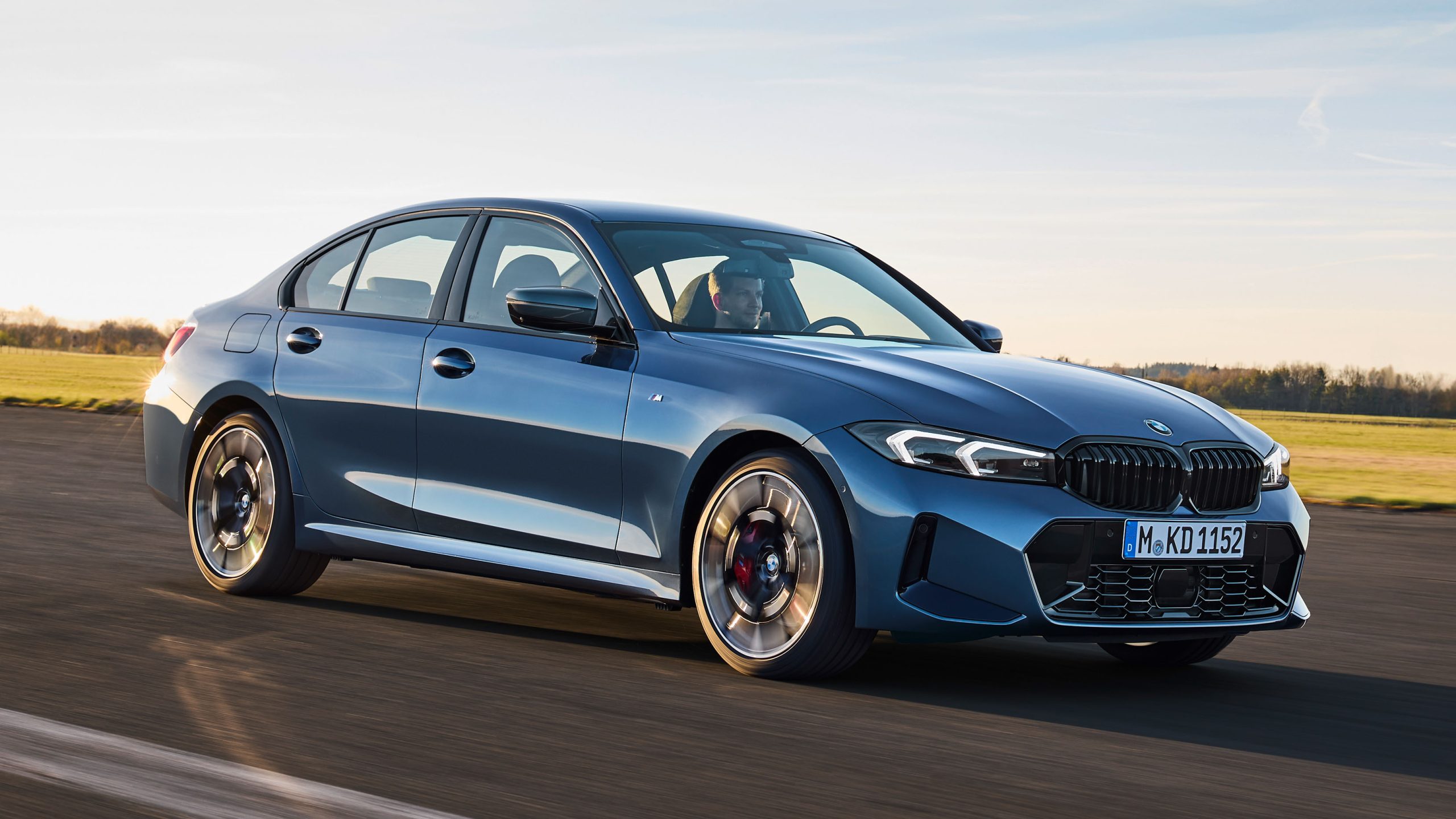
3. BMW 3 Series Diesel: High Performance, High Costs
The BMW 3 Series Diesel is a compelling combination of performance, efficiency, and long-distance usability. Its diesel engines deliver strong low-end torque and smooth high-speed cruising, making them ideal for highway driving.
Models such as the M340d produce up to 700 Nm of torque and can accelerate from 0 to 62 mph in under five seconds, while the 330d offers 258 horsepower and 560 Nm for effortless performance.
BMW’s signature 50/50 weight distribution and rear-wheel-drive layout provide precise handling with minimal body roll. Fuel efficiency is also a major strength, with the 320d capable of covering more than 1,200 kilometers on a single tank, allowing it to outperform many petrol alternatives in real-world long-distance driving.
Despite its driving strengths, the 3 Series Diesel carries significant financial risks. The engines rely on complex emissions systems, including Diesel Particulate Filters (DPF) and Exhaust Gas Recirculation (EGR) valves, which are prone to clogging during short city trips.
A dealer-sourced DPF replacement can cost over $3,600, and cleaning is often only a temporary fix. Early N47 engines built between 2007 and 2011 also face timing chain issues. The chain is located at the rear of the engine, making repairs labor-intensive and expensive. Replacing the timing chain can take 12 to 20 hours and cost between $2,500 and $4,500. A total engine failure can exceed $8,000 in repair costs.
Routine maintenance is also more expensive than average. Premium components such as run-flat tires, brake pads, and discs wear faster than standard parts, with a set of tires costing nearly $1,000.
Annual maintenance bills add up quickly, especially once the factory warranty expires. Diesel engines require strict adherence to preventive maintenance schedules, and skipping recommended services increases the risk of major failures that are costly to repair.
Depreciation further increases ownership costs. A 2025 BMW 3 Series Diesel is expected to lose nearly $30,000 of its value in the first five years. Total out-of-pocket expenses, including maintenance, fuel, and insurance, are projected to exceed $76,000 over the same period.
While the 3 Series Diesel delivers impressive performance and efficiency, the high cost of major repairs and specialized maintenance makes it a potentially expensive vehicle to own. Once components such as the DPF, turbo, or timing chain fail, repair bills can exceed the car’s remaining market value, reinforcing its reputation as a financial black hole.
4. Mercedes-Benz AMG S63: Luxury Performance at a Premium Cost
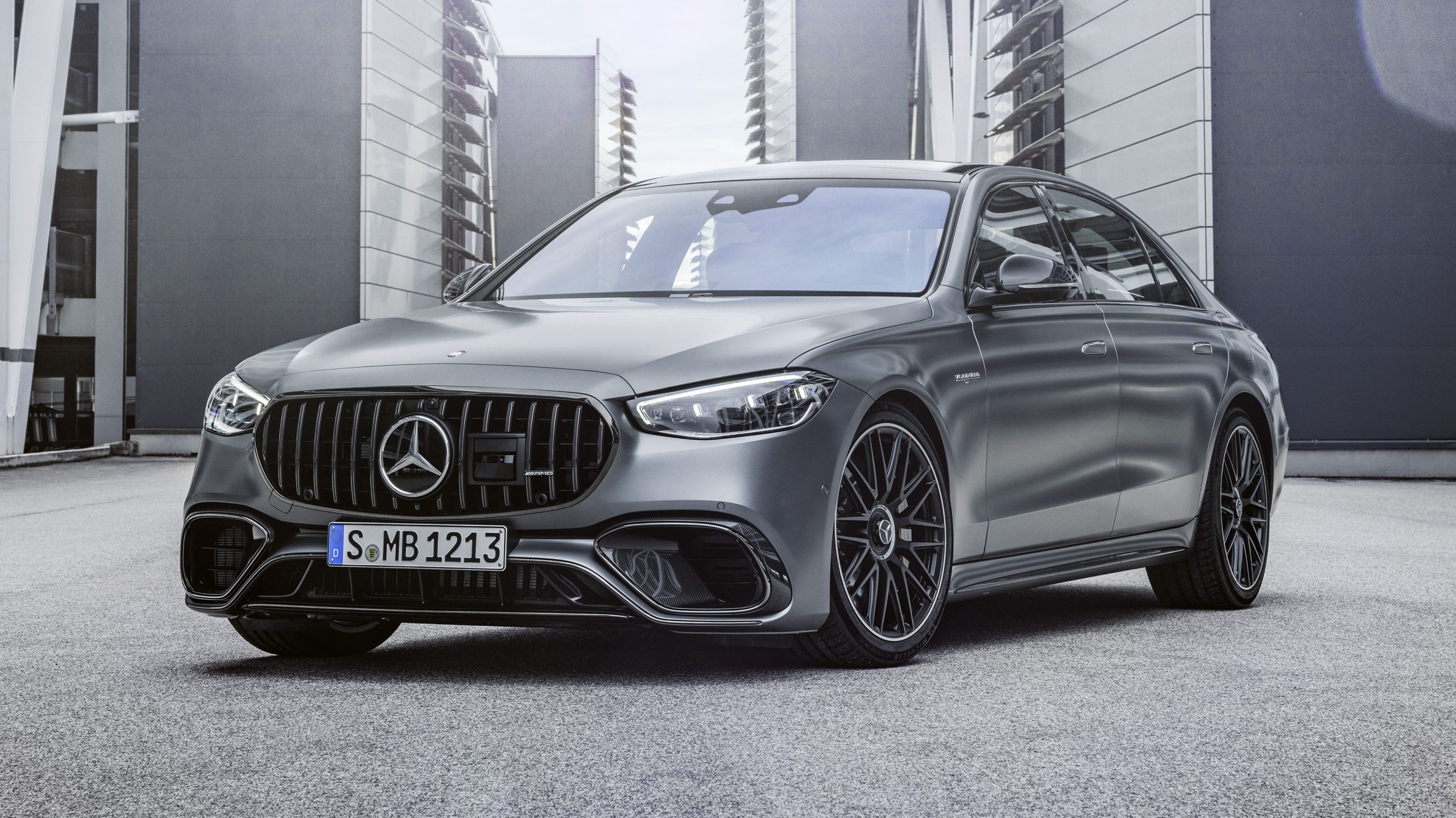
The Mercedes-Benz AMG S63 is the ultimate expression of German luxury and engineering, combining twin-turbo V8 power, hybrid assist, and an intricate all-wheel-drive system for exhilarating performance. The S63 delivers 791 horsepower, accelerates like a supercar, and rides like a floating palace on wheels.
Its advanced features, including active air suspension (ABC) and high-end infotainment, provide comfort and cutting-edge technology. The driving experience is thrilling, yet the S63’s reputation as a “financial black hole” comes from its extreme depreciation, costly maintenance, and mechanical complexity, which together make ownership a high-stakes endeavor.
Depreciation is the first major financial burden. A brand-new 2024 AMG S63 E Performance can cost over $220,000 with options, yet S-Class sedans lose value rapidly. Within the first two years, owners can see a depreciation of around 32 percent, equating to a loss of $64,000 on a $200,000 car.
By the fifth year, many S63s are worth less than 40 percent of their original MSRP. This steep value drop means every mile driven carries a tangible financial hit, and prospective buyers of used models must weigh the risk of inheriting an expensive, aging luxury sedan.
Maintenance, known as the “AMG Tax,” compounds the cost. The S63’s weight, performance, and high-strung engines place enormous stress on consumables. A full set of high-performance tires costs $1,500 to $2,000 and may only last 10,000 miles, while Carbon Ceramic brakes can exceed $10,000 for a full replacement.
Labor is highly specialized; only technicians trained in AMG’s engines and hybrid systems with proprietary diagnostic tools can perform most services, often billed at $250 per hour or more. Even routine service is far pricier than a standard luxury sedan.
The S63’s mechanical complexity is both a strength and a liability. Its hybrid systems, twin-turbo V8, and advanced suspension create thousands of potential failure points. Out-of-warranty repairs for components such as the Airmatic suspension, hybrid cooling system, or infotainment units can range from $3,000 to $15,000 per visit.
This combination of high acquisition costs, expensive upkeep, and rapid depreciation ensures that the AMG S63 remains a financial black hole. It is a car for enthusiasts who prioritize performance and luxury above cost, accepting that every thrill comes with a steep price tag.
5. Audi R8: High Performance Comes with High Costs
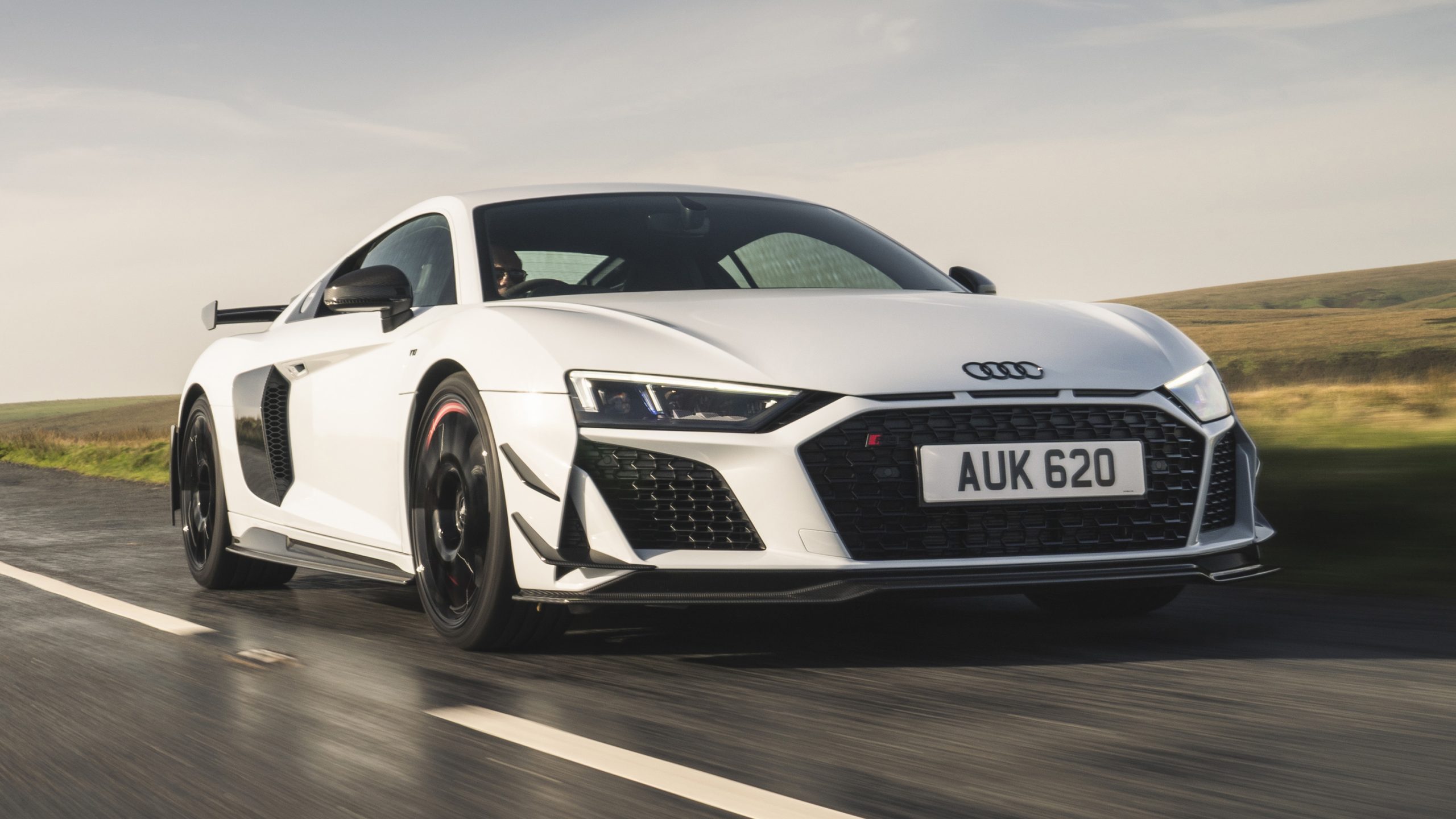
The Audi R8 is a celebrated supercar, sharing many components with the Lamborghini Huracán, including its mid-engine layout and high-performance 5.2-liter V10 powertrain. While the R8 offers an exhilarating driving experience with precise handling and supercar acceleration, ownership comes with extreme financial challenges.
Its engineering excellence translates into expensive maintenance, rapid depreciation, and premium insurance, earning it a reputation as a “financial black hole” for all but the wealthiest enthusiasts.
Depreciation is the largest financial factor for R8 owners. A new model can lose approximately 29 percent of its value within the first three years, equating to around $67,695 for a 2023 model.
Annually, newer R8s typically decline by $15,000 to $20,000, leaving many five-year-old examples at roughly 57 percent of their original MSRP. This steep depreciation means that nearly half the purchase price evaporates in a short period, making the car an expensive proposition even before maintenance and insurance are considered.
Insurance costs further amplify the expense. Almost all R8 models from 2015 onward fall into Insurance Group 50, the highest possible risk category. Full-coverage insurance averages $6,501 per year, or about $542 per month, which is 141 percent higher than the national average for standard vehicles. The combination of high replacement part costs and performance-related risk keeps premiums consistently elevated.
Maintenance and repairs are substantial due to the R8’s track-oriented components and mid-engine layout. Routine annual services cost between $1,123 and $3,500, while major repairs, such as exhaust or engine components, can easily exceed $5,000. Over five years, total maintenance and repair expenses can reach $26,322.
Fuel consumption also adds to the financial burden; the V10 engine averages between 15 and 22 mpg, leading to an estimated five-year fuel cost of $26,599. When combined with depreciation, insurance, and financing, the five-year total cost of ownership can exceed $164,000.
While the Audi R8 provides an extraordinary driving experience with supercar performance, it requires a willingness to accept extreme and ongoing expenses. For most owners, the car is not just a vehicle but a continuous financial commitment, making it a true luxury for those who can comfortably accommodate both its purchase price and operational costs.
Choosing a performance car requires balancing driving excitement with long-term affordability. Cars like the Mazda MX-5 Miata, Toyota GR Supra, and Tesla Model S demonstrate that it is possible to enjoy high-performance thrills without being burdened by relentless maintenance costs.
Conversely, vehicles such as the Bentley Continental GT, Mercedes-AMG S63, and Audi R8 deliver breathtaking performance and luxury but demand a constant flow of funds for upkeep, insurance, and fuel.
Understanding these cost differences allows enthusiasts to make informed decisions, ensuring that the joy of driving is not overshadowed by financial strain. Whether prioritizing affordability, reliability, or ultimate performance, this guide highlights the trade-offs between low-maintenance sports cars and extravagant, high-cost machines, giving prospective owners a clearer picture of the true cost of performance.
Also Read: Top 10 Cars With the Best Headlight Ratings for Curvy Roads