
Vintage vehicles occupy a unique space in the American automotive landscape. Unlike modern cars, which tend to depreciate quickly after purchase, certain classic models have demonstrated remarkable resale stability over decades.
Their value is supported by a combination of cultural impact, mechanical reliability, historical importance, and a passionate collector base.
In the United States, the classic car market has grown steadily, supported by auction houses, enthusiast communities, and rising interest among younger collectors who see vintage vehicles not only as nostalgic artifacts but also as relatively stable assets.
While many classic cars fluctuate wildly in value depending on trends, a small group of models has consistently held strong resale performance.
These vehicles are recognizable, widely admired, and often produced in numbers that strike a balance between availability and exclusivity.
Importantly, they also benefit from strong aftermarket support, making ownership easier for collectors and hobbyists alike.
The following five vintage models have developed reputations for exceptional resale stability, often maintaining or increasing their value over long periods.
1. Ford Mustang (1964½–1966)
The Ford Mustang represents one of the most influential American automobiles ever produced, and its consistent resale value reflects both its cultural significance and enduring mechanical appeal.
Introduced in April 1964 at the New York World’s Fair 1964, the Mustang arrived during a period when U.S. automakers were searching for ways to attract younger buyers.
Developed under the leadership of Lee Iacocca at Ford Motor Company, the car was engineered to combine sporty styling with affordability. The strategy proved remarkably successful. Demand surged immediately, with more than 400,000 units sold in the first year alone, establishing the Mustang as the car that created the “pony car” segment.
Mechanically, the early Mustang relied on proven engineering drawn from Ford’s compact platforms, which helped keep production costs manageable while ensuring reliability. The car used a front-engine, rear-wheel-drive layout, a configuration long favored for balanced performance and straightforward mechanical design.
Entry-level models were equipped with a 170-cubic-inch inline-six engine producing modest horsepower but offering dependable daily usability. Buyers seeking greater performance could opt for several V8 options, including the highly regarded 289-cubic-inch small-block V8.

This engine configuration delivered stronger acceleration and a distinctive American V8 soundtrack, helping establish the Mustang’s reputation as a stylish yet accessible performance car. Power was delivered through either a three-speed manual, four-speed manual, or automatic transmission, allowing drivers to tailor the driving experience to their preferences.
The Mustang’s design was equally important to its success. Long hood proportions, a short rear deck, and aggressive grille styling created a profile that conveyed performance even when the car was standing still.
Signature elements such as the galloping horse emblem and tri-bar taillights quickly became recognizable symbols of American automotive culture. Inside, the Mustang offered a driver-focused cockpit with optional bucket seats, a floor-mounted shifter, and a sporty instrument cluster that reinforced the vehicle’s youthful personality.
Historically, the Mustang’s impact extends far beyond its initial sales success. It reshaped the American automotive market by demonstrating that a stylish performance-oriented coupe could be produced at an attainable price. That cultural influence continues to shape collector demand today.
Early models from the 1964½–1966 production era remain widely sought after because they represent the purest form of the original Mustang concept. Parts availability, strong enthusiast communities, and the car’s mechanical simplicity make restoration feasible and ownership appealing.
These factors collectively explain why the first-generation Mustang consistently demonstrates exceptional resale stability. Its combination of historical importance, iconic design, and robust mechanical engineering ensures that demand remains strong decades after production ended, securing its place among vintage vehicles with remarkably reliable long-term value.
2. Chevrolet Corvette C2 Sting Ray (1963–1967)
Few American sports cars carry the historical significance of the second-generation Chevrolet Corvette, commonly referred to as the C2 Sting Ray.
Produced between 1963 and 1967, the C2 marked a dramatic evolution in the Corvette’s design and engineering. It introduced sharp, aggressive styling and improved performance that helped elevate the Corvette into serious sports car territory.
The 1963 model year, in particular, is famous for its split rear window coupe design. Although the feature was produced for only one year, it became one of the most iconic visual elements in Corvette history.
Collectors often prize these early coupes, and their scarcity has contributed significantly to long-term value stability.
Performance also plays a major role in the C2’s enduring demand. During the mid-1960s, Chevrolet offered several powerful engine options, including high-performance small-block and big-block V8 configurations.
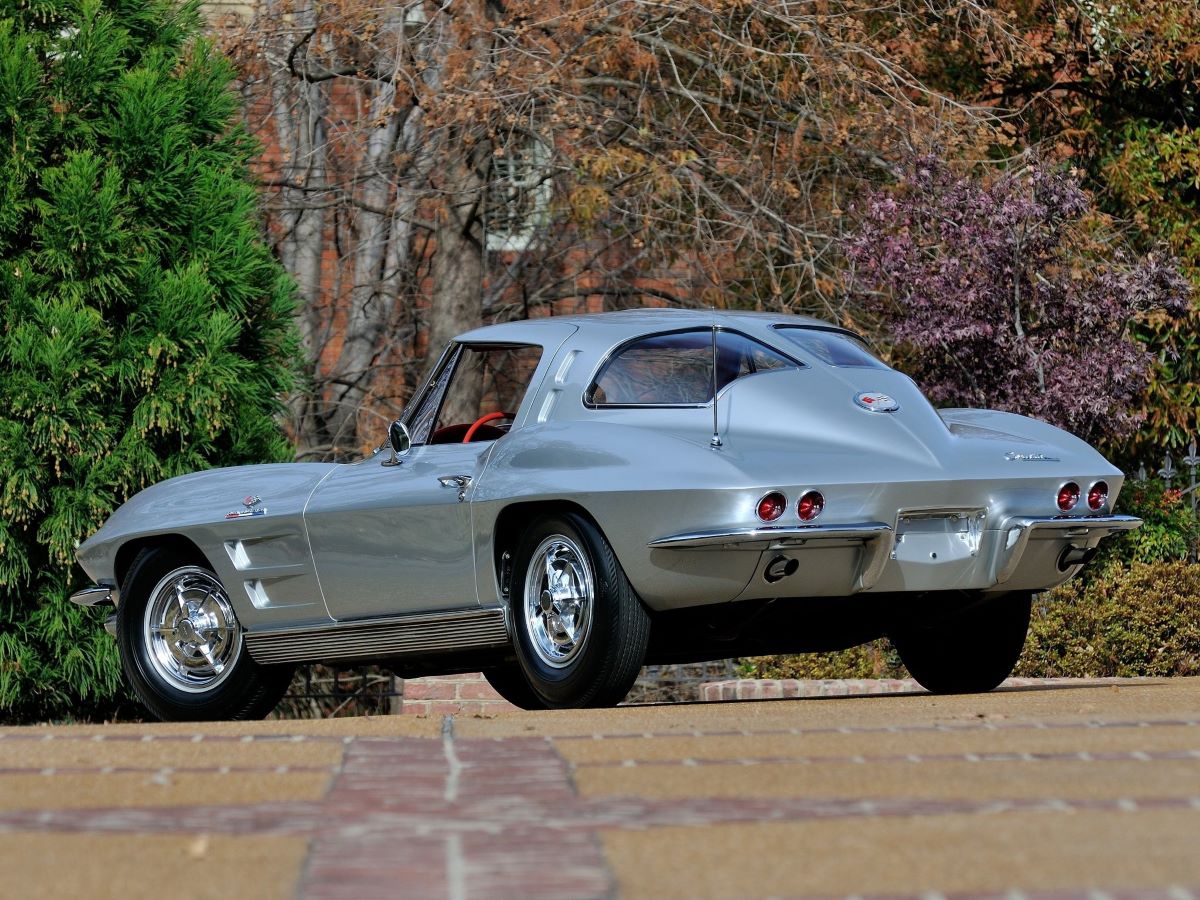
The Chevrolet Corvette C2 Sting Ray stands as one of the most celebrated American sports cars ever produced, and its long-term resale stability reflects its importance in automotive history. Introduced for the 1963 model year by General Motors under the Chevrolet division, the second-generation Corvette represented a dramatic leap forward in both design and engineering compared with the original C1 model.
The engineering foundation of the C2 Corvette combined advanced chassis design with powerful small-block and big-block V8 engines. The car retained a front-engine, rear-wheel-drive layout but introduced an independent rear suspension system for the first time in Corvette history.
This configuration significantly improved handling and ride stability, allowing the Sting Ray to corner with far greater precision than its predecessor. Early models were powered by Chevrolet’s 327-cubic-inch small-block V8, available in several performance configurations ranging from around 250 horsepower to a high-performance fuel-injected version producing 360 horsepower.
Later in the production run, the legendary 427-cubic-inch big-block V8 became available, delivering immense torque and straight-line performance that solidified the Corvette’s reputation as a true American sports car. Buyers could pair these engines with either four-speed manual transmissions or automatic gearboxes, offering flexibility for both enthusiasts and casual drivers.
The C2 Sting Ray remains one of the most striking Corvette designs ever created. Styled under the direction of Bill Mitchell, the car adopted dramatic sculpted body lines, hidden headlamps, and a low, aggressive stance that emphasized speed and athleticism.
The 1963 model is especially famous for its distinctive split rear window on the coupe version, a design feature that has since become one of the most recognizable elements in Corvette history. Combined with muscular fender arches and a tapered rear profile, the Sting Ray’s styling conveyed performance even when stationary.
The Corvette C2’s historical significance lies in how it elevated the Corvette from a stylish American roadster into a legitimate global sports car competitor.
With its improved suspension, powerful V8 engines, and aerodynamic design, the Sting Ray demonstrated that American engineering could deliver both raw power and sophisticated handling. This balance helped build the Corvette’s long-standing performance reputation and attracted a devoted enthusiast following.
That enduring reputation plays a major role in the model’s exceptional resale stability today. Collectors value the C2 Corvette not only for its performance but also for its iconic styling and relatively limited production window between 1963 and 1967.
Because it represents a turning point in Corvette development and one of the most visually distinctive sports cars of the 1960s, the Sting Ray consistently maintains strong demand in the collector market, making it a clear example of a vintage vehicle with remarkable long-term value retention.
3. Porsche 911 (Air-Cooled Models, 1965–1989)
Among European classics, few vehicles demonstrate resale stability as consistently as the air-cooled Porsche 911. Introduced in the mid-1960s, the 911 quickly became Porsche’s flagship sports car and remains one of the longest-running automotive nameplates in history.
Early 911 models gained recognition for their distinctive rear-engine layout, precise handling, and understated yet elegant styling. Unlike many sports cars that undergo radical redesigns every few years, the 911 evolved gradually.
This continuity has strengthened its identity and helped maintain demand among collectors who appreciate the car’s heritage. Air-cooled versions produced between 1965 and 1989 are particularly valued.
These cars represent the original engineering philosophy of the 911 before Porsche transitioned to water-cooled engines in later generations. Enthusiasts often regard them as the purest expression of the brand’s design.
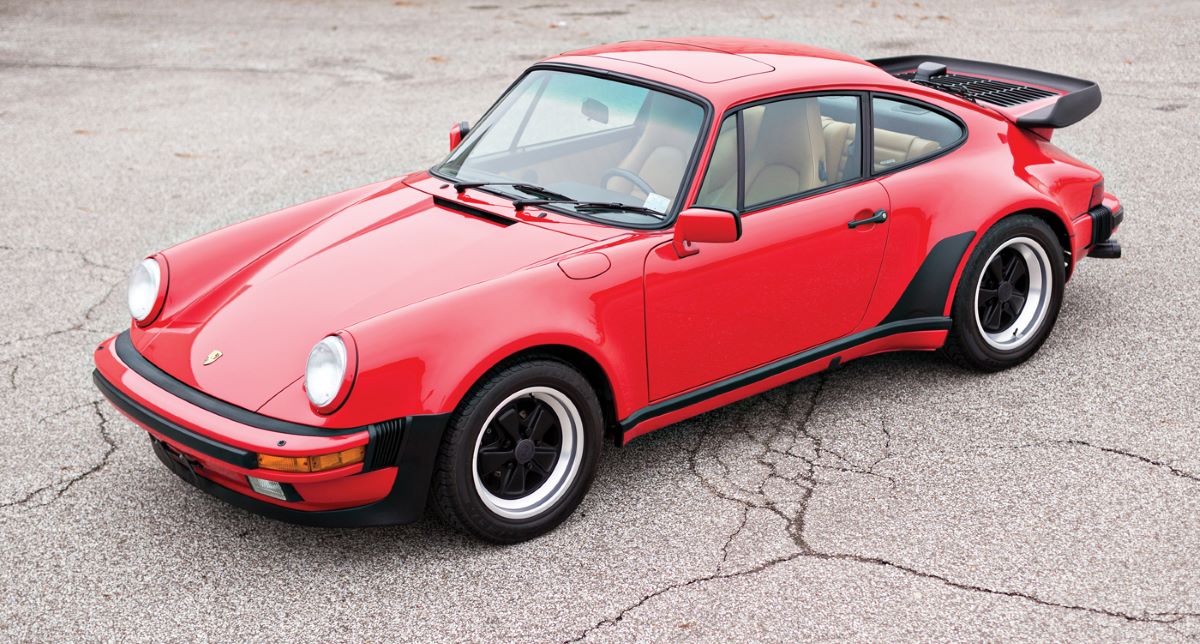
The Porsche 911 is one of the most enduring sports cars ever built, and its remarkable resale stability reflects decades of engineering consistency and cultural prestige. First introduced in 1964 and entering production for the 1965 model year by Porsche, the 911 was designed as the successor to the smaller Porsche 356.
Developed under the leadership of Ferdinand Alexander Porsche, the car introduced a design language and mechanical layout that would define Porsche performance vehicles for generations. Unlike many sports cars that evolved dramatically over time, the early 911 established a formula that remained fundamentally consistent for more than two decades.
At the heart of the air-cooled 911 was a distinctive rear-engine layout paired with rear-wheel drive, a configuration rarely used in high-performance sports cars. The car’s signature powerplant was an air-cooled flat-six engine mounted behind the rear axle, giving the vehicle a unique weight distribution and driving character.
Early versions featured a 2.0-liter horizontally opposed six-cylinder engine producing around 130 horsepower, but displacement and output steadily increased throughout the air-cooled era.
By the late 1980s, models such as the Carrera 3.2 delivered significantly greater performance while maintaining the distinctive sound and throttle response that enthusiasts associate with the flat-six configuration. The engines were paired with manual gearboxes, typically four- or five-speed units, designed to provide precise control and a direct mechanical connection between driver and machine.
The 911’s design became one of the most recognizable silhouettes in automotive history. Its sloping fastback roofline, round headlamps, and compact proportions remained remarkably consistent throughout the 1965–1989 production period.
This visual continuity helped create a strong brand identity, making the 911 instantly identifiable even as mechanical improvements and subtle styling updates were introduced over time. The cabin emphasized driver engagement with a straightforward instrument cluster dominated by a large central tachometer, reinforcing the car’s performance-focused purpose.
Historically, the air-cooled 911 helped establish Porsche as a premier manufacturer of high-performance sports cars capable of both everyday usability and serious motorsport success.
The model earned an impressive racing pedigree in endurance competitions and rally events, further strengthening its reputation among enthusiasts and collectors. Unlike many performance cars of the era that disappeared after a few years, the 911’s continuous evolution built a loyal global following that continues to support the model today.
This legacy explains why air-cooled Porsche 911 models consistently demonstrate extraordinary resale stability. Collectors value them for their mechanical purity, distinctive engine design, and direct connection to Porsche’s motorsport heritage.
Because these cars represent the original era of the 911’s air-cooled engineering before the transition to modern water-cooled systems in the late 1990s, demand remains exceptionally strong. Their combination of timeless design, innovative engineering, and historical importance ensures that early 911s remain among the most desirable vintage sports cars on the collector market.
4. Toyota Land Cruiser FJ40 (1960–1984)
Not all classic vehicles that maintain strong resale value are sports cars. The Toyota Land Cruiser FJ40 has become one of the most respected vintage SUVs in the collector world.
Known for its rugged construction and legendary reliability, the FJ40 developed a reputation for durability in some of the harshest environments on earth.
In the United States, the FJ40 gained popularity during the 1960s and 1970s as an off-road vehicle capable of handling demanding terrain. Its simple mechanical design made it easy to repair and maintain, a characteristic that continues to appeal to collectors today.
The vehicle’s boxy styling has also become iconic. Round headlights, a short wheelbase, and utilitarian body lines give the FJ40 a distinctive appearance that stands out even among modern off-road SUVs.
As interest in vintage off-road vehicles has increased, the Land Cruiser has benefited from renewed attention among collectors and enthusiasts.
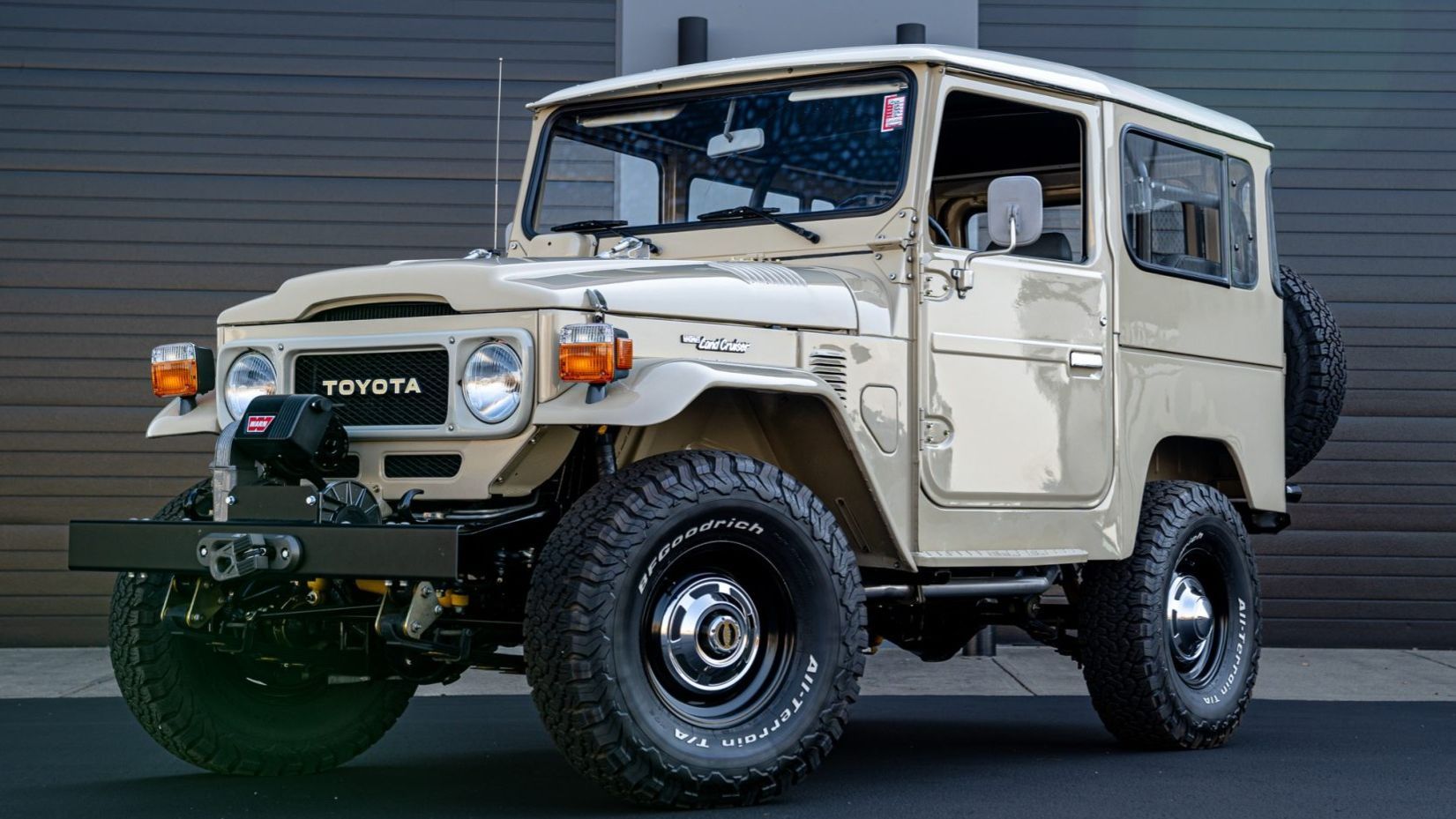
The Toyota Land Cruiser FJ40 is widely regarded as one of the most durable and dependable four-wheel-drive vehicles ever built, and that reputation has translated into remarkable resale stability decades after production ended.
Introduced in 1960 by Toyota, the FJ40 was part of the early Land Cruiser lineup designed to compete with rugged military-inspired utility vehicles such as the Jeep CJ and the Land Rover Series.
During the postwar decades when global demand for tough off-road transport was rapidly growing, Toyota engineered the FJ40 as a simple, highly reliable machine capable of operating in extreme environments ranging from deserts to mountain trails.
Mechanically, the FJ40 relied on a traditional body-on-frame construction combined with a front-engine, four-wheel-drive layout. Power came primarily from Toyota’s robust inline-six engines, most notably the 3.9-liter F engine and its later 4.2-liter successor.
These engines were designed for longevity and torque rather than outright horsepower, producing strong low-end pulling power ideal for off-road terrain, steep inclines, and heavy loads.
A four-speed manual transmission paired with a two-speed transfer case allowed drivers to shift between high and low gearing, giving the vehicle excellent crawling ability in difficult conditions. Solid axles, leaf-spring suspension, and locking hubs further reinforced the FJ40’s reputation as a mechanically straightforward yet extremely capable off-road platform.
Design played an equally important role in the vehicle’s success. The FJ40 featured a compact, boxy body with short overhangs that improved approach and departure angles during off-road driving.
Round headlamps, a flat hood, and upright windshield created a purposeful look that emphasized function over luxury. Removable tops and doors were common, making the vehicle adaptable for both work and recreational use. Inside, the cabin remained deliberately simple, with durable materials and easily serviceable components that reflected the vehicle’s utilitarian mission.
Historically, the FJ40 became a global icon of reliability. It earned a strong reputation in remote regions where dependable transportation was essential, including parts of Africa, Australia, the Middle East, and the Americas. Farmers, explorers, humanitarian organizations, and military units relied on the Land Cruiser’s toughness and mechanical simplicity. Over time, this reputation helped build an almost legendary status for the model among off-road enthusiasts.
That reputation is the primary reason the FJ40 continues to demonstrate exceptional resale stability today. Collectors and outdoor enthusiasts value the vehicle for its unmatched durability, classic design, and historical importance in the development of modern sport-utility vehicles.
Well-maintained examples often command strong prices because demand remains high among buyers seeking a vintage 4×4 that is both historically significant and still capable of serious off-road performance. The FJ40’s combination of rugged engineering, timeless styling, and proven reliability makes it one of the most stable and sought-after vintage utility vehicles on the collector market.
5. Mercedes-Benz 300SL (1954–1963)
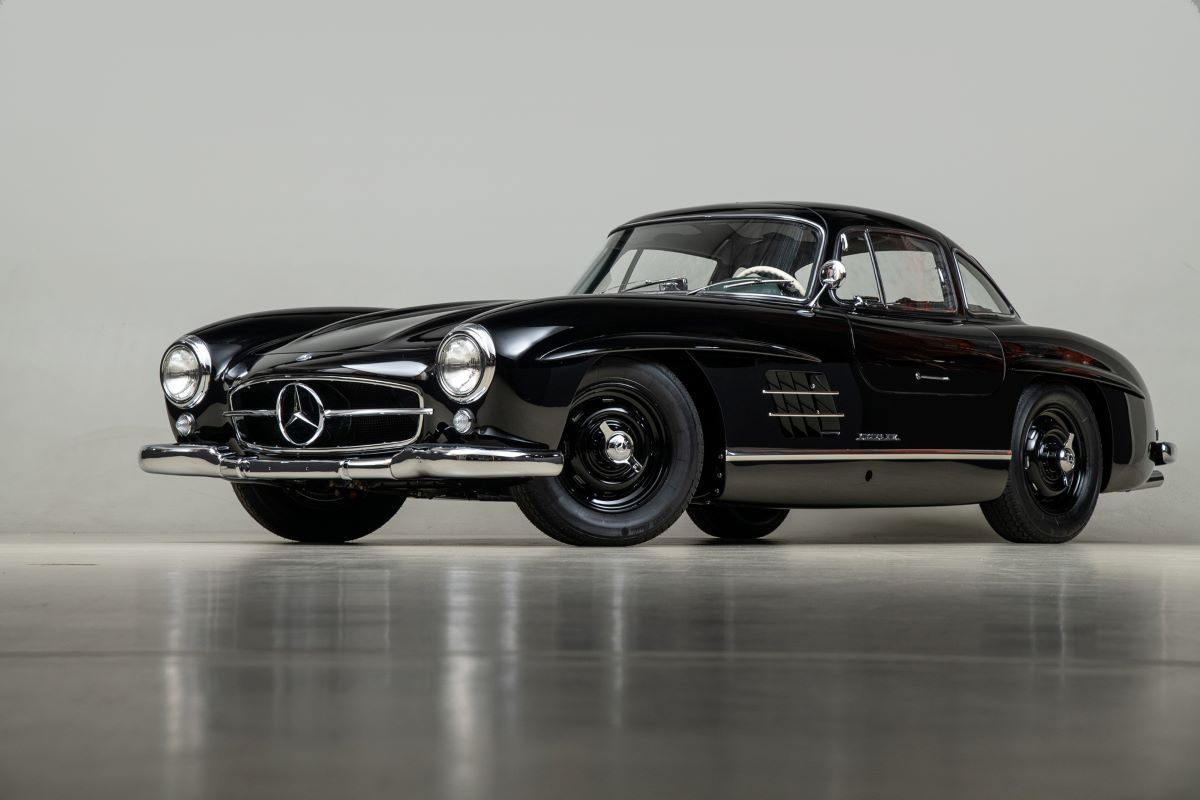
Few vintage automobiles carry the same prestige as the Mercedes-Benz 300SL. Introduced in the 1950s, the 300SL was one of the most technologically advanced sports cars of its era and quickly became a symbol of engineering excellence.
The car is most famous for its distinctive “gullwing” doors, which were necessary because of the vehicle’s innovative tubular space frame chassis.
This engineering solution not only created one of the most recognizable silhouettes in automotive history but also helped reduce weight and improve structural rigidity.
Under the hood, the 300SL featured a fuel-injected inline-six engine, a technology that was rare in production cars at the time.
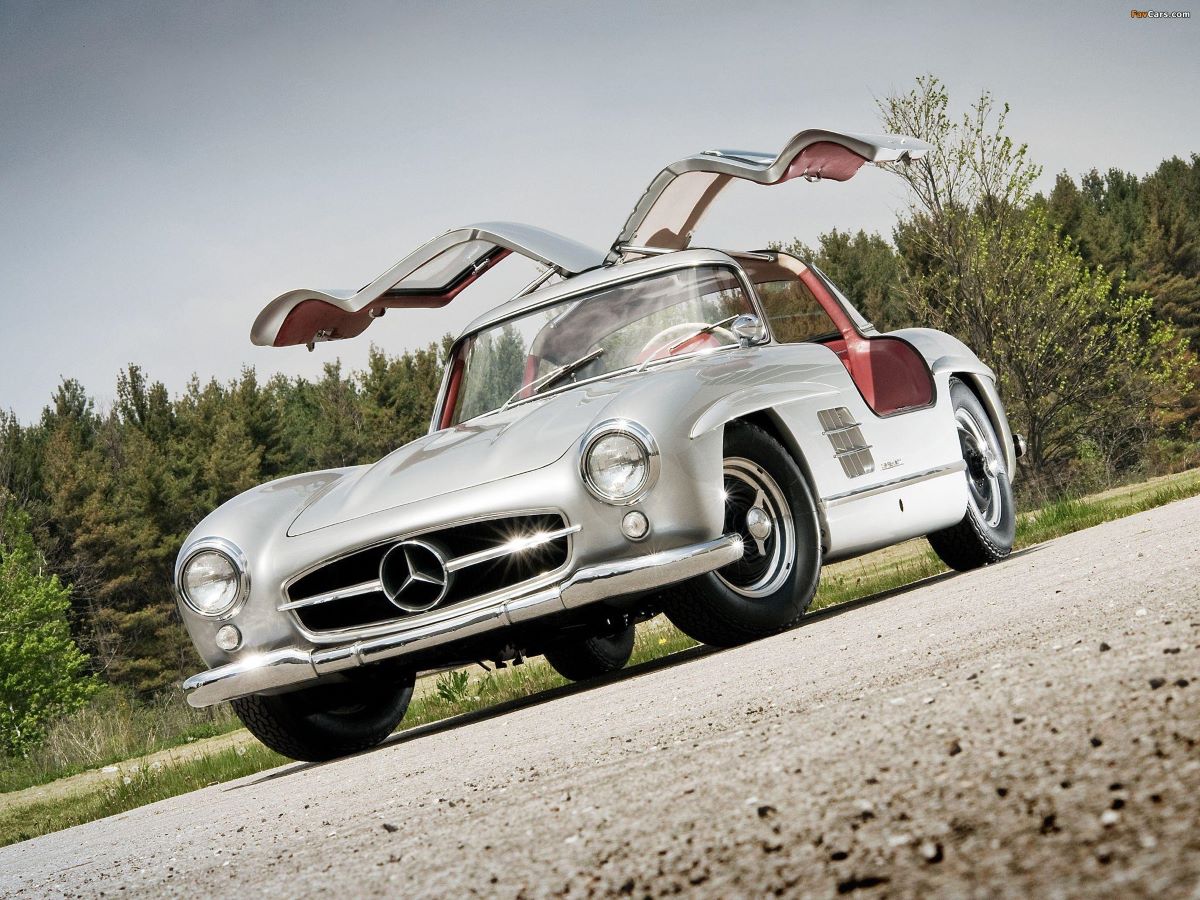
The Mercedes-Benz 300SL remains one of the most celebrated performance cars of the twentieth century, and its exceptional resale stability reflects both its groundbreaking engineering and lasting cultural prestige. Introduced in 1954 by Mercedes-Benz, the 300SL was derived directly from the company’s successful postwar racing program.
The road car evolved from the competition-focused Mercedes-Benz W194, which achieved major victories in endurance events such as the 24 Hours of Le Mans and the Carrera Panamericana. Encouraged by strong interest from American importer Max Hoffman, Mercedes-Benz adapted the race-bred design into a production sports car aimed at affluent enthusiasts seeking cutting-edge performance.
At the center of the 300SL’s engineering achievement was its advanced mechanical architecture. The car used a front-engine, rear-wheel-drive layout built around a lightweight tubular spaceframe chassis.
This design dramatically improved structural rigidity while minimizing weight, but it also resulted in high door sills that made conventional doors impractical. The solution became one of the car’s most famous design elements: upward-opening gullwing doors that allowed access to the cabin while preserving the integrity of the chassis structure.
Under the long hood sat a 3.0-liter inline-six engine mounted at a slight angle to lower the vehicle’s center of gravity. This engine featured one of the earliest mechanical fuel injection systems used in a production automobile, replacing traditional carburetors and enabling the engine to produce around 215 horsepower, an impressive figure for the era.
Power was delivered through a four-speed manual transmission, giving the 300SL exceptional performance and a top speed exceeding 160 mph, making it the fastest production car in the world at the time.
The car’s design further reinforced its technical sophistication. The sleek body featured aerodynamic curves, a low roofline, and prominent side vents that helped manage engine heat while contributing to its distinctive appearance. Inside, the cockpit emphasized driver engagement, with a large steering wheel and straightforward instrumentation arranged to prioritize performance driving.
Historically, the 300SL played a critical role in shaping the image of Mercedes-Benz as a manufacturer of technologically advanced luxury performance vehicles.
Its combination of motorsport pedigree, innovative engineering, and unmistakable styling created a car that was instantly recognized around the world. Both the original gullwing coupe and the later roadster version remain highly respected among collectors.
This legacy explains why the 300SL consistently demonstrates extraordinary resale stability in the collector market. Limited production numbers, pioneering fuel-injection technology, and the unforgettable gullwing design have ensured enduring demand. For collectors and enthusiasts alike, the 300SL represents a milestone in automotive engineering, making it one of the most valuable and stable vintage sports cars ever produced.
