

When buying a used sedan, the complexity of its electrical system is often a decisive factor in long-term reliability. Modern cars rely on interconnected computers, sensors, and control modules to manage engine performance, infotainment, and safety features.
While these systems add convenience, they can also create mysterious problems such as phantom warnings, erratic behaviors, or random component failures that are difficult and expensive to diagnose. Sedans with simpler, mechanically focused electrical designs are generally easier to maintain, more predictable, and less likely to experience these frustrating issues.
In this comparison, we examine five used sedans with straightforward electrical systems, including the Toyota Corolla and Honda Civic, alongside five sedans prone to mysterious gremlins, such as the Mercedes-Benz C-Class, BMW E60, and Tesla Model 3. Understanding the differences in electrical complexity helps buyers make informed decisions about reliability, repair costs, and long-term ownership satisfaction.
5 Used Sedans With Simple Electrical Systems
1. Toyota Corolla (2000–2013): Simplicity and Reliability in Electrical Design
The Toyota Corolla models produced between 2000 and 2013 are widely regarded for their simple, durable, and easy-to-maintain electrical systems. During this period, particularly in base trims such as the VE, the Corolla emphasized reliability and practicality rather than complex electronics. This design philosophy resulted in fewer electrical failures and easier diagnostics compared with many modern vehicles.
One of the key reasons for the Corolla’s reputation for simplicity is its minimal reliance on electronic convenience features. Many base models lacked power windows, power door locks, and other motorized accessories.
By using manual window regulators and simpler mechanical components, Toyota eliminated common electrical failure points such as worn motors, damaged switches, or frayed door wiring. This focus on mechanical durability helped the Corolla remain dependable even at high mileage.
Another factor contributing to its reliability is the straightforward starting and charging system. The vehicle uses a standard 12-volt lead-acid battery paired with a conventional alternator. Unlike newer cars that rely on advanced “smart charging” systems controlled by complex computer logic, the Corolla’s setup is simple and predictable. This means repairs are easier and replacement parts are inexpensive and widely available.
The electrical architecture itself is also uncomplicated. Essential circuits such as headlights, windshield wipers, and other accessories are typically controlled through basic physical switches, fuses, and analog relays rather than a network of interconnected computer modules.
Because of this design, electrical issues are usually isolated. For example, if a fuse fails, the problem is typically confined to a single circuit rather than affecting an entire digital control network.
Additionally, the engine control modules (ECMs) used in engines like the 1ZZ-FE and 2ZR-FE are relatively simple compared with modern units. These ECUs are generally straightforward, reliable, and often plug-and-play, making diagnostics and replacement easier for technicians and owners alike.
Across generations, this philosophy remained consistent. The 9th generation Corolla (2000–2006) was especially basic, prioritizing functionality over technology. The 10th generation (2009–2013) introduced some refinements and additional features while still maintaining Toyota’s focus on practical, dependable systems.
The 2000–2013 Toyota Corolla demonstrates how simple electrical engineering can enhance long-term reliability. By limiting unnecessary electronic complexity and relying on proven components, Toyota created a vehicle that is easy to repair, inexpensive to maintain, and capable of providing many years of dependable transportation.
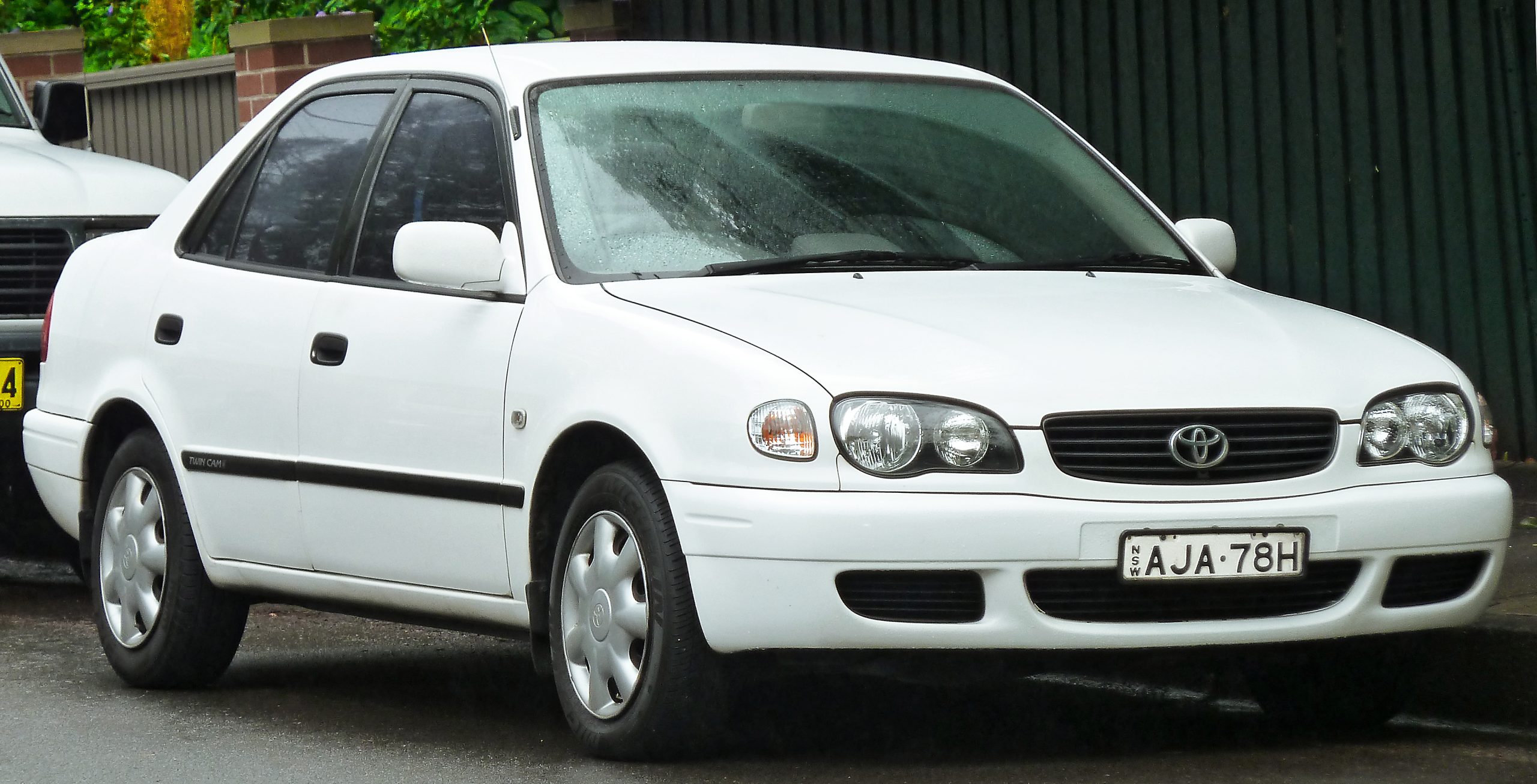
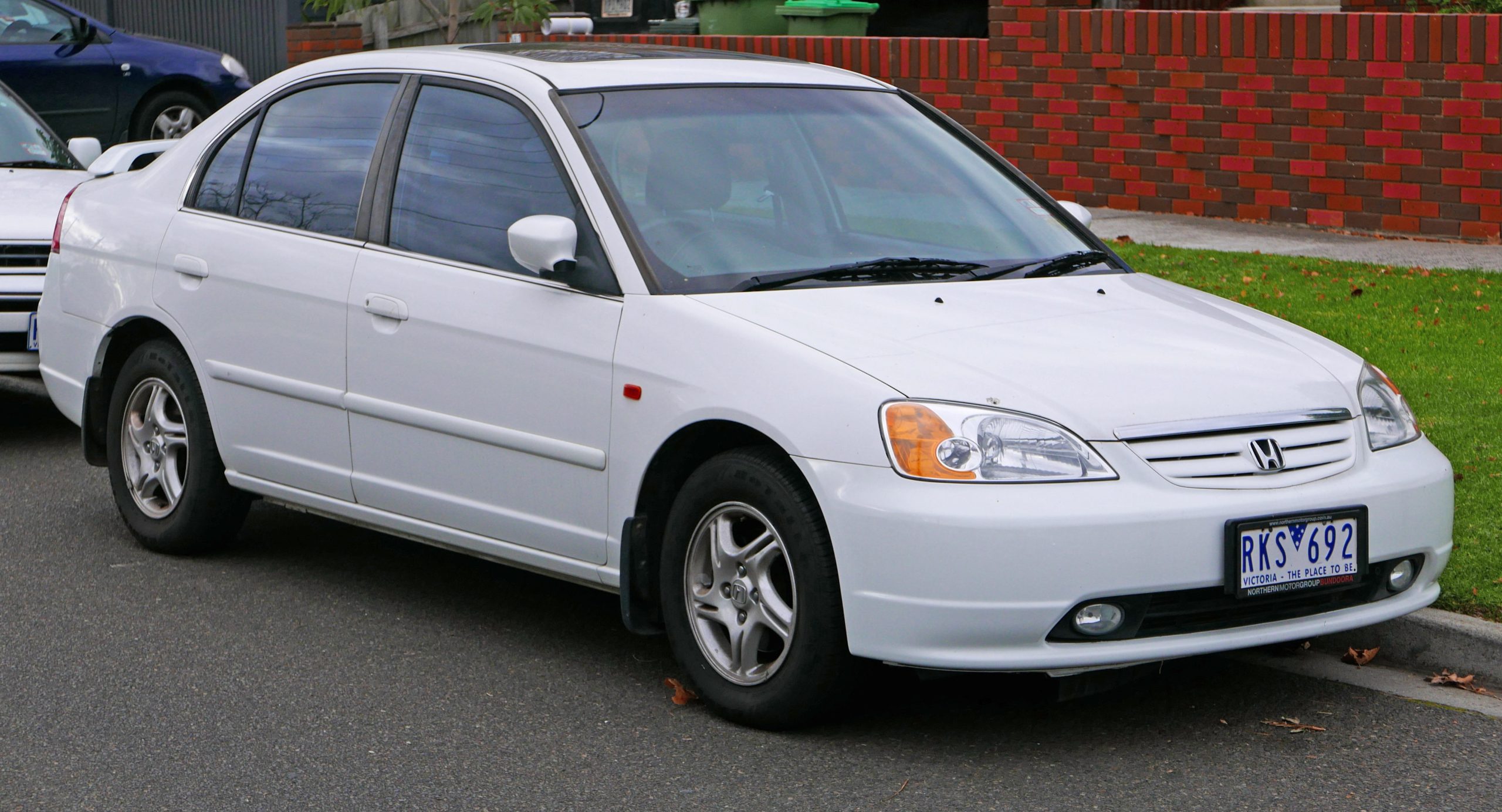
2. Honda Civic (2001–2011): Simple Electrical Design and Long-Term Reliability
The Honda Civic models produced between 2001 and 2011, covering the seventh and eighth generations, are widely recognized for their strong reliability and straightforward electrical systems.
These vehicles were engineered during a time when car manufacturers relied less on complex digital networks and more on conventional wiring and mechanical components. As a result, the Civic from this era became a popular choice for drivers seeking a dependable, easy-to-maintain compact car.
One key reason for the Civic’s simple electrical system is its use of conventional wiring harnesses rather than complex multiplex computer networks. Modern vehicles often rely on numerous interconnected electronic modules that communicate through centralized digital systems.
In contrast, the Civic’s electrical architecture is more direct and organized, which reduces the number of potential failure points. Because the circuits are less interconnected, electrical problems are usually isolated and easier to trace.
At the center of the vehicle’s powertrain management is a reliable Electronic Control Unit (ECU). This unit controls essential engine functions such as fuel delivery, ignition timing, and emissions management.
However, unlike the sophisticated systems used in newer vehicles, the Civic’s ECU operates with a simpler structure and fewer integrated modules. This approach keeps the powertrain system efficient while avoiding the complexity that can make modern vehicles difficult to diagnose.
Another factor contributing to the Civic’s reputation is the use of standard electrical components. Parts such as alternators, starters, sensors, and fuse boxes follow widely used automotive designs, making them easy to replace and relatively inexpensive. Many common electrical repairs involve accessible components like ignition switches, battery terminals, or simple wiring connections rather than advanced electronic modules.
The layout of the Civic also supports do-it-yourself maintenance. The engine bay and electrical components are arranged in a logical and accessible manner, allowing owners with basic mechanical knowledge to perform inspections and minor repairs.
This accessibility has made these Civic generations especially popular among enthusiasts and home mechanics who prefer vehicles that do not require specialized tools or advanced computer diagnostics.
Although some seventh-generation models (2001–2005) experienced minor issues such as alternator grounding problems that could affect the ECU, these cases were limited and generally easy to address. The electrical architecture remained simpler than many later vehicles.
The 2001–2011 Honda Civic demonstrates how straightforward engineering and conventional electrical systems can support durability, easier diagnostics, and lower maintenance costs for drivers over time.
3. Mitsubishi Mirage G4: Simple Engineering and Practical Electrical Design
The Mitsubishi Mirage G4 is often recognized as one of the few modern sedans that still follows a basic, economy-focused design philosophy. Instead of emphasizing advanced technology and complex electronic systems, the Mirage G4 prioritizes affordability, reliability, and fuel efficiency.
This approach results in a vehicle with a relatively simple electrical system that is easier to diagnose and maintain compared with many modern cars that rely heavily on interconnected digital modules.
A major reason for the Mirage G4’s simplicity is its minimalist engineering approach. The car is built using long-proven technology and a platform that has remained largely unchanged for many years. Its electrical architecture relies on conventional wiring and standard sensors instead of complex vehicle-wide computer networks.
Because the systems are less interconnected, electrical problems are typically easier to identify and repair. This straightforward structure helps reduce maintenance costs and makes the vehicle appealing to drivers who prefer uncomplicated automotive technology.
The Mirage G4 is powered by a 1.2-liter three-cylinder engine known as the 3A92. This engine was designed primarily for efficiency and low operating costs rather than high performance. It produces about 78 horsepower and works with a continuously variable transmission that powers the front wheels.
Supporting this engine is a simple electrical setup that includes an 85-amp alternator, which provides enough power for the vehicle’s essential systems without requiring complex power management technology. While acceleration is modest, the design contributes to excellent fuel economy, with estimates reaching around 35 miles per gallon in the city and 41 miles per gallon on the highway.
Modern conveniences are still present in the Mirage G4, but they are implemented in a practical way. Many models include Bluetooth connectivity, a touchscreen display, and smartphone integration such as Apple CarPlay and Android Auto.
These infotainment features operate largely independently from the vehicle’s main mechanical systems. If an infotainment component experiences a problem, it usually does not affect the engine or drivetrain.
Another factor that keeps the electrical system simple is the limited use of advanced driver assistance technology. While the car includes important safety features such as automated emergency braking and optional lane departure warning, it avoids the extensive radar sensors and multiple cameras commonly found in newer vehicles. Fewer electronic sensors reduce the risk of calibration issues and electronic failures.
Through its focus on practicality, essential technology, and straightforward engineering, the Mitsubishi Mirage G4 offers drivers a dependable and economical sedan with an electrical system that remains simple and manageable.

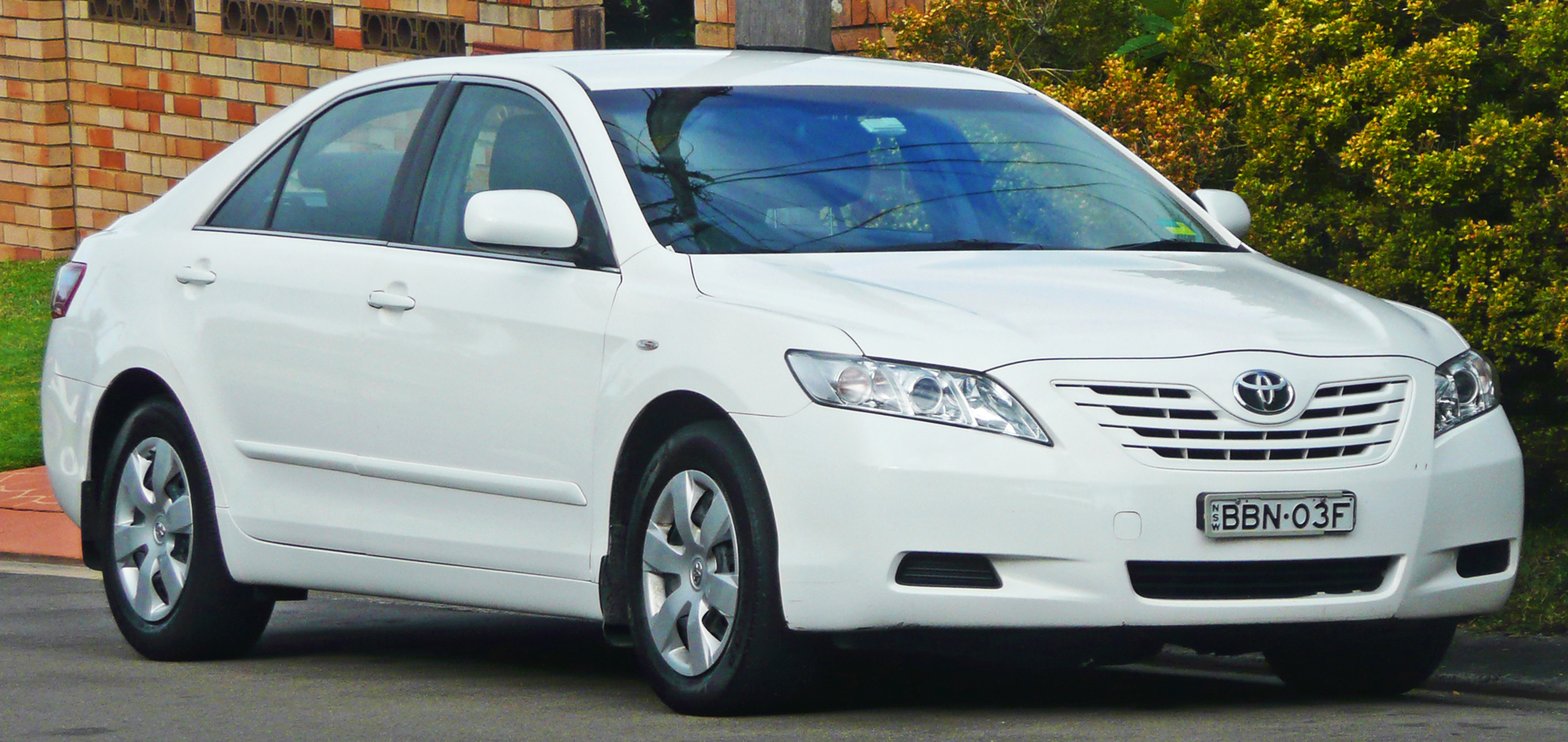
4. Toyota Camry (Pre-2012): Durable Electrical Systems and Proven Engineering
Toyota Camry models produced before the 2012 redesign, particularly the 2002–2006 XV30 and 2007–2011 XV40 generations, are widely recognized for their durable and relatively simple electrical systems. These vehicles were built during a period when automotive electronics were less complex, relying on proven mechanical components and straightforward electrical architecture.
Because of this, many mechanics and owners consider pre-2012 Camrys easier to maintain and diagnose than newer vehicles that depend heavily on integrated computer networks.
One major reason for the Camry’s electrical simplicity is its focus on essential vehicle functions rather than advanced digital technology. The electrical system primarily handles power distribution and grounding for basic components such as the starter motor, lighting systems, power windows, locks, and climate control.
These systems rely on traditional wiring, relays, and fuses rather than heavily interconnected electronic modules. This structure allows individual components to operate more independently, which means a single faulty sensor or wire is less likely to cause widespread system failures.
Another factor contributing to the Camry’s reputation is the use of mature and well-tested engine designs. Common engines such as the 2.4-liter 2AZ-FE four-cylinder and the 3.5-liter V6 were developed using long-established engineering principles.
These engines use timing chains instead of timing belts, which reduces maintenance complexity. The engine management electronics are also relatively straightforward, using sensors dedicated to specific tasks rather than shared networks that control multiple systems simultaneously.
Pre-2012 Camrys also feature conventional electrical components that are easy to service. Parts such as ignition coils, alternators, sensors, and relays are generally accessible in the engine bay and can often be replaced without extensive disassembly.
The wiring harnesses in these vehicles are known for being thick, well-insulated, and resistant to deterioration. This durability reduces the risk of brittle wiring and electrical faults that sometimes appear in older vehicles with more fragile materials.
Compared with modern vehicles, these Camry models also have minimal in-car technology. Large touchscreen displays, advanced smartphone connectivity, and extensive driver-assistance systems were not common in these cars. While features like anti-lock brakes and traction control were present, they operated independently rather than through a complex network of electronic modules.
Some issues did appear in certain model years, including dashboard material problems, power steering leaks, or oil consumption in a few engines. Despite these concerns, the electrical architecture itself remained straightforward and dependable.
Because of their practical design, accessible components, and durable wiring, pre-2012 Toyota Camrys remain popular for drivers seeking reliable vehicles with uncomplicated electrical systems and manageable long-term maintenance.
5. Mazda3 (2004–2009): Simple Electronics and Driver-Focused Engineering
The first-generation Mazda3, produced from 2004 to 2009 and known as the BK series, is widely appreciated for its straightforward design and mechanically focused engineering.
Developed before the widespread adoption of heavily integrated vehicle computer networks, this generation relies on a relatively simple electrical architecture. Because of this, many drivers and mechanics consider it easier to maintain and troubleshoot compared with newer vehicles filled with complex electronic systems.
A defining characteristic of the first-generation Mazda3 is its efficient and uncomplicated wiring system. The electrical setup mainly connects essential components such as lighting, ignition, fuel delivery, and other basic vehicle functions.
These systems operate through traditional wiring harnesses, fuses, and relays rather than relying on numerous digital control modules. This approach means electrical components behave in a predictable manner, allowing mechanics to quickly identify problems by tracing individual circuits.
The Mazda3 does include an engine control unit (ECU) to manage fuel injection, ignition timing, and other engine operations. However, the ECU functions within a relatively simple network compared with the highly integrated systems used in modern cars.
Many newer vehicles rely on body control modules that digitally manage everything from light switches to door locks. The first-generation Mazda3 avoids much of this complexity, which reduces the chances of software-related faults and makes troubleshooting more direct.
Another aspect that contributes to its simplicity is the limited use of advanced electronic features. The Mazda3 from this era does not include modern driver assistance technologies such as automatic emergency braking, adaptive cruise control, or lane keeping systems.
The infotainment systems are also basic, typically lacking touchscreens, smartphone integration, or complex digital interfaces. Fewer electronic features mean fewer components that could malfunction over time.
The car also retains traditional mechanical features that simplify ownership. For example, it uses a conventional mechanical handbrake rather than an electronic parking brake. This mechanical design is generally more durable and easier to repair. In addition, the Mazda3 shares its C1 platform with the Ford Focus of the same era, which allows many electrical components and parts to be easily sourced and replaced.
Although the electrical system is simple, some minor issues can still appear in older models. Common examples include corrosion in the battery ground wire, worn alternator brushes, or aging power window motors. These problems are typically inexpensive and straightforward to repair.
Because of its balanced mix of simple electronics, accessible components, and driver-focused design, the first-generation Mazda3 remains a popular choice for buyers seeking an affordable used sedan with manageable maintenance and dependable electrical systems.

Also read: 5 Cars With Simple Dash Layouts vs 5 With Confusing Ones
5 Prone to Mysterious Gremlins
1. Mercedes-Benz C-Class (Early 2000s): Complex Electronics and the Rise of “Electrical Gremlins”
The early 2000s Mercedes-Benz C-Class, particularly the W203 generation produced from 2000 to 2007, gained a reputation for complicated electrical issues that often puzzled owners and mechanics.
This period coincided with the DaimlerChrysler merger, a time when Mercedes-Benz introduced advanced electronic technologies while also attempting to reduce production costs. The combination of complex new systems and cost-cutting measures resulted in vehicles that were innovative but prone to unusual and difficult-to-diagnose problems.
A major factor behind these issues was the highly integrated network of control units used in the vehicle. Instead of relying on simple circuits, the C-Class used multiple electronic modules connected through CAN bus and fiber optic communication systems.
These modules shared data across the car’s electrical network, controlling systems ranging from engine management to interior electronics.
When one sensor or component malfunctioned, it could send incorrect signals through the network, causing unrelated systems to behave unpredictably. As a result, drivers sometimes experienced unusual symptoms such as windows operating unexpectedly or the transmission entering “limp mode.”
One of the most common sources of these electronic problems was the Signal Acquisition Module (SAM). The SAM acts as a central hub that manages electrical signals for various vehicle functions.
If the module failed, often due to moisture or internal electrical faults, it could create seemingly random issues. Examples included windshield wipers activating unexpectedly, headlights refusing to turn off, or the fuel gauge displaying incorrect readings.
Another unusual problem involved the camshaft adjustment solenoids found in certain four-cylinder engines. These components could develop internal oil leaks.
Through a process known as capillary action, engine oil could travel through the wiring harness and eventually reach sensitive electronics such as the engine control unit. Once oil contaminated these connectors, the vehicle could generate numerous error codes that were difficult to trace to the original source.
Additional electrical concerns included failures in the Electronic Ignition Switch (EIS), which used an infrared system to authorize engine starting. When the internal electronics failed, the car could refuse to start entirely. The dashboard also contained small plastic stepper motor gears that controlled airflow systems, and when these components wore out, they produced persistent clicking noises behind the dashboard.
Mechanical issues could also contribute to electrical complications. Some models used radiators that allowed coolant to mix with transmission fluid, eventually damaging the transmission. Combined with wiring insulation problems and corrosion in certain components, these vehicles often became challenging and expensive to maintain.
Because of these factors, the early 2000s C-Class is frequently remembered as a luxury sedan whose advanced electronics sometimes created complicated and costly diagnostic challenges for owners and technicians.

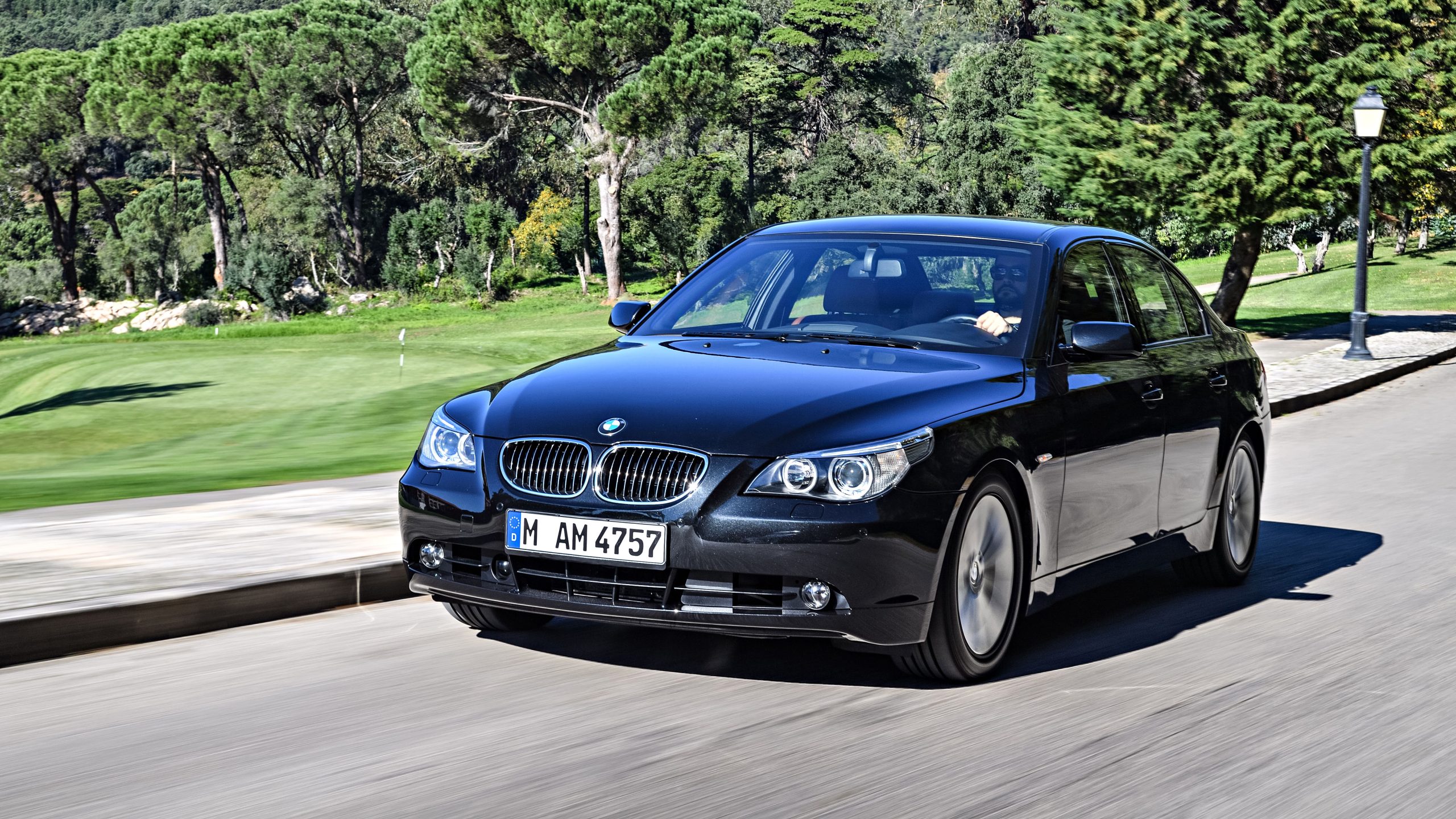
2. BMW 5 Series (E60 Era): Advanced Technology and Complex Electrical Challenges
The BMW 5 Series E60, produced from 2004 to 2010, represented a major leap forward in automotive technology when it was first introduced. Packed with innovative electronic systems, advanced driver features, and BMW’s early iDrive infotainment interface, the E60 aimed to redefine the modern luxury sedan.
However, the same technological ambition that made the car impressive also contributed to a reputation for complicated electrical problems, especially as these vehicles aged.
A key factor behind these issues was the extensive network of electronic modules and wiring throughout the vehicle. The E60 relied on numerous control units connected through a CAN bus communication system. These modules controlled functions such as engine management, safety systems, steering assistance, and infotainment.
Because many systems depended on shared electrical data, a minor fault in one component could trigger warning messages in multiple unrelated systems. Drivers often reported “phantom” alerts for airbags, steering, brakes, or other components, especially when the battery voltage dropped even slightly.
One of the most frequently discussed weak points in early E60 models was the Car Communication Computer (CCC), which powered the first generation of the iDrive system. This unit managed the vehicle’s central display and several electronic functions.
Hardware failures caused by overheating or aging components could cause the system to freeze, reboot repeatedly, or display a blank screen. Since the CCC also acted as a gateway for vehicle information, its malfunction could prevent drivers from accessing service reminders, warning chimes, and other important alerts.
Another vulnerable component was the Micro Power Module (MPM), which managed power distribution to the infotainment and navigation systems. In many E60 models, the module was placed at the lowest point of the trunk, near the spare tire well.
If water entered the trunk due to clogged sunroof drains or worn seals, the module could become submerged and short-circuit. This could lead to a non-functional dashboard, battery drain, and a completely unresponsive iDrive system.
The E60 also introduced an Intelligent Battery Sensor (IBS) that monitored battery health and charging behavior. While innovative, the sensor proved extremely sensitive to voltage changes or moisture.
A failing IBS could cause inaccurate charging control, leading to overcharging, undercharging, or repeated battery warnings. In addition, new batteries needed to be electronically registered with the vehicle’s computer system, which many owners overlooked.
Other advanced systems added to the complexity. Features such as Active Steering and electronically controlled automatic transmissions could display warning messages when electrical irregularities occurred. Often, these alerts were triggered by simple voltage problems rather than major mechanical failures.
Because of its interconnected systems and early adoption of complex electronics, the BMW E60 remains known for technological innovation but also for electrical issues that can create confusing and costly diagnostic challenges for owners and technicians.
3. Chrysler 200 and 300: Electrical Complexity and Phantom Gremlins
The Chrysler 200 and 300 sedans are often criticized for unpredictable electrical problems that stem largely from the Totally Integrated Power Module (TIPM) and intricate electronic-mechanical systems.
The TIPM acts as a central fuse box and computer, managing power distribution to nearly every major system in the vehicle. When this module fails, it can trigger bizarre and seemingly unrelated malfunctions, earning these models a reputation for “phantom gremlins.”
Common TIPM-related issues include random windshield wiper activation when using the turn signal, radios resetting without warning, headlights flickering or refusing to turn off, and horns honking unexpectedly. Fuel delivery is also affected; a failing internal relay can disable the fuel pump, resulting in “crank-but-no-start” scenarios or sudden engine stalls.
TIPM faults can cause circuits to remain powered when the vehicle is off, draining the main 12-volt battery overnight. Models equipped with start-stop technology use a secondary battery, which, when degraded, compounds these electrical anomalies. Replacing a faulty TIPM is typically expensive and often the only definitive fix.
Beyond the TIPM, these sedans, particularly the second-generation Chrysler 200, experience transmission and software “gremlins.” The ZF 9-speed automatic transmission is prone to issues such as unexpected shifts into neutral caused by terminal crimping failures in the sensor harness.
Drivers also report rough or jerky shifting due to software control inconsistencies, necessitating frequent updates to the Powertrain Control Module (PCM) and Transmission Control Module (TCM).
Some electrical failures affect safety systems, producing sudden hazards. Certain 2011–2017 Chrysler 200 models have Active Head Restraints that can deploy unexpectedly due to fragile plastic components. Early 2011–2014 Chrysler 300 models were recalled for 160-amp alternators that could fail without warning, sometimes causing engine stalls or short circuits.
While these sedans offer attractive features such as the Pentastar V6 engine and luxury appointments, their reliability is often rated as poor. Diagnosing problems can be challenging because many OBD-II scanners cannot detect the complex codes generated deep within the TIPM.
Owners frequently encounter a cycle of fixing one issue only to face another, creating a frustrating ownership experience. Despite their performance and styling, these electronic and software quirks make the Chrysler 200 and 300 high-maintenance vehicles for second-hand buyers.
The combination of sophisticated electronics and sensitive modules turns these models into cars where small failures cascade unpredictably, making them notorious among used luxury sedans.

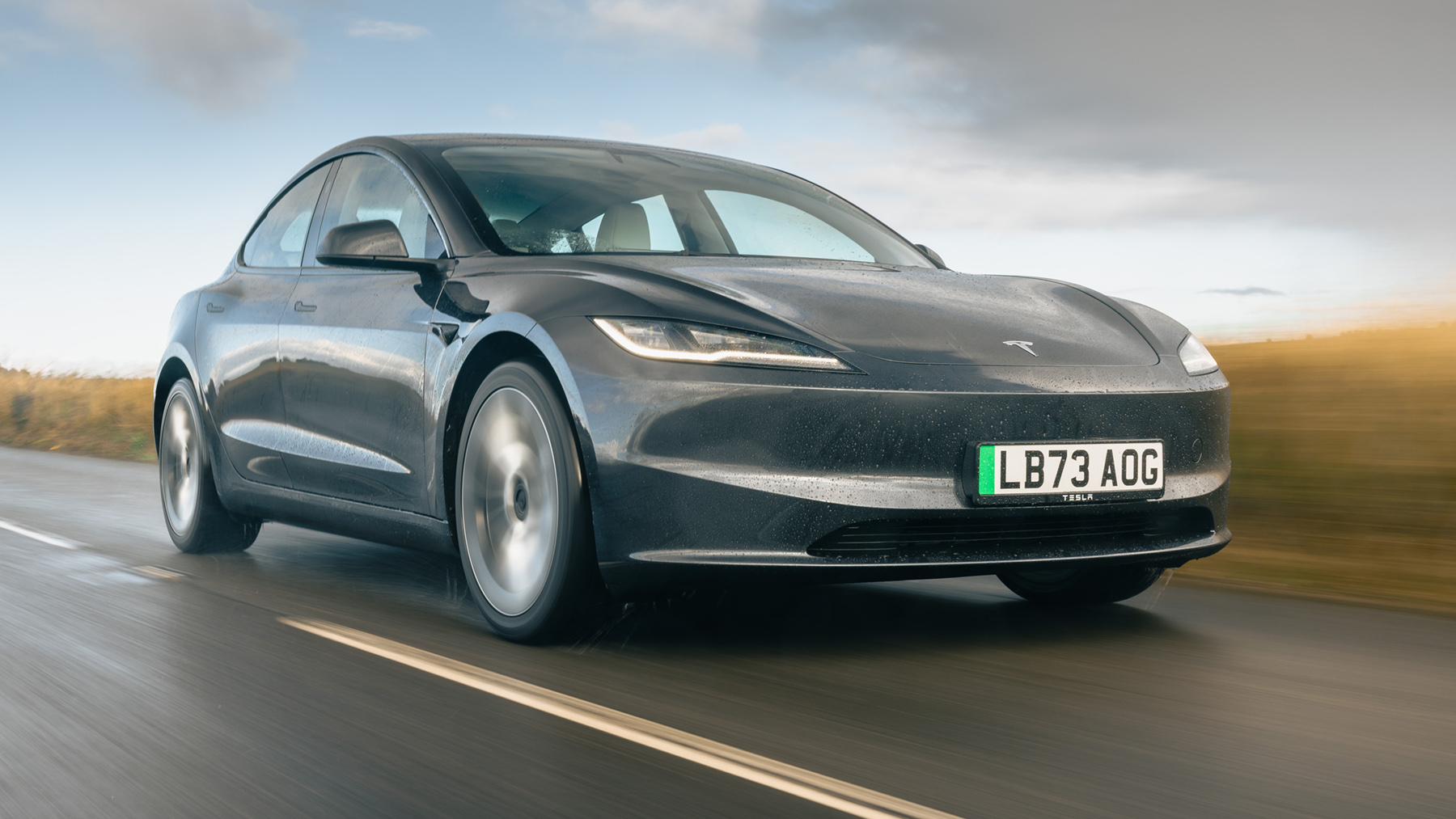
4. Tesla Model 3: Software-Defined Gremlins and Used Car Considerations
The Tesla Model 3 is a fully software-driven vehicle, which makes it highly advanced but also prone to unpredictable electronic and mechanical issues. Unlike traditional cars that rely on fuses and relays, the Model 3 uses a network of electronic control units (ECUs) to monitor and manage current.
While this allows for sophisticated features, a single software glitch can affect critical systems such as steering, HVAC, or door handles, often requiring a remote hard reset or a visit to a Tesla service center.
Early Production Challenges contributed to many reliability issues. The 2017–2019 models were built during Tesla’s rapid scaling phase, leading to inconsistent panel fitment, interior noise, and suspension variances.
Tesla often considered minor defects “within spec,” leaving early owners with unresolved imperfections. Continuous changes in production also mean that a 2018 model may have components inferior to a 2022 version, creating variability in used-car reliability.
Electronic Gremlins are the most common source of complaints. Central touchscreen freezes, slow reboots, and unresponsive menus affect everything from wipers to door locks.
The 12-volt auxiliary battery frequently fails, causing random error codes and temporary vehicle shutdowns, even when the main high-voltage battery is healthy. Faulty sensors and camera harnesses can also interfere with Autopilot, leading to phantom braking or system disengagement.
Suspension and Build Quality Issues arise from the vehicle’s heavy battery pack and high torque. Front upper control arm ball joints are known to allow water penetration, resulting in clunks and creaks. Suspension bushings wear faster than in conventional sedans, and users report excessive cabin noise, wind whistles around frameless windows, and occasional water leaks in the trunk or rear lights.
Software and Cabin Idiosyncrasies include Autopilot phantom braking, AC system odors from mildew buildup, and occasional problems introduced by over-the-air updates. Pop-out door handles may fail in cold climates, and the soft paint is prone to chipping, especially on door edges and wheel arches.
For used buyers, the Model 3 drivetrain and battery remain strong, but careful inspection is essential. Attention should be given to the suspension, electronics, water intrusion, and cabin features.
While many gremlins can be resolved with simple resets or 12V battery replacement, diagnosing the issues can be time-consuming and sometimes frustrating, making used Model 3 ownership a balance between cutting-edge tech and high-maintenance electronics.
5. Volkswagen Jetta and Passat: Electrical Gremlins and Diagnostic Challenges
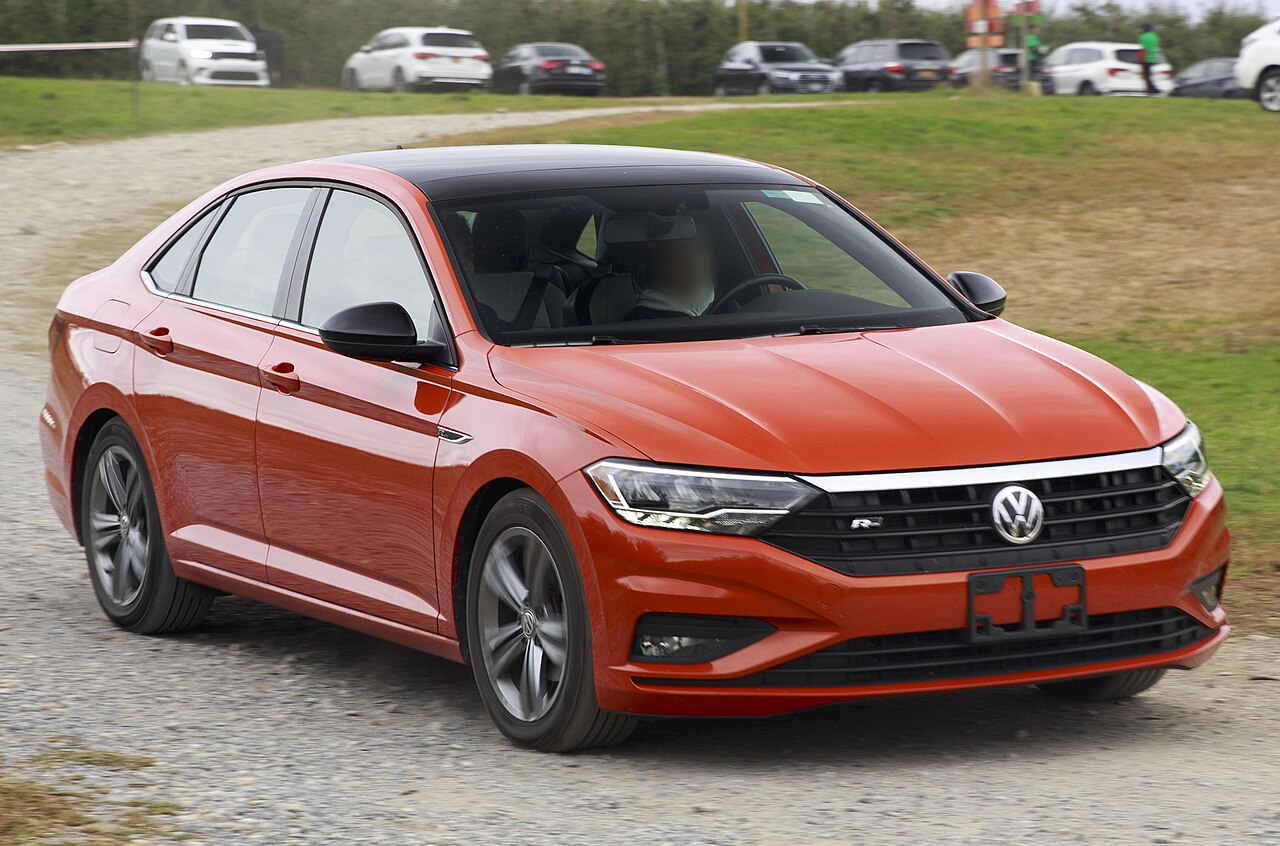
The early 2000s Volkswagen Jetta (MK4) and Passat (B5) are infamous for electrical “gremlins” stemming from ambitious but flawed wiring design. Many of these vehicles used soy-based wiring insulation, which degrades over time and leads to intermittent shorts.
Symptoms include flickering dashboard lights, power windows dropping into the doors, and erratic instrument cluster readings caused by failing solder joints. Their tightly integrated electrical systems mean that minor moisture intrusion, such as a leak from the windshield washer system, can travel along wires via capillary action and damage the ECU.
A critical weak point is the Comfort Control Module (CCM), located under the driver’s seat at the floor level, where water naturally accumulates. Clogged sunroof drains or failing cabin seals allow moisture to corrode the pins and wiring, leading to phantom behaviors like windows moving on their own, interior lights flickering, or alarms activating without cause.
Poor grounding, particularly under the battery tray, combined with brittle insulation, compounds these issues. Cracked wires can intermittently short, and failing door latch microswitches can trigger automatic re-locks or trap keys inside the vehicle.
The 1.8T turbocharged engine added additional complexity. Ignition coil packs were prone to failure, often causing severe misfires, while Mass Airflow Sensors and vacuum leaks created rough idles and stalling that standard scanners struggled to detect. Early 1.8T engines also suffered from oil sludge due to the use of conventional oil, risking sudden mechanical failure if unaddressed.
Diagnosing these Volkswagens is particularly challenging without proprietary tools like VAG-COM or VCDS. Standard OBD-II scanners often produce ghost codes or no readings at all, leading to repeated trial-and-error repairs. Many owners experience a cycle of part replacement without resolving the underlying electrical issues.
The early 2000s Jetta and Passat were technologically advanced for their time, with extensive CAN bus networks and computerized comfort features. However, the combination of moisture-sensitive components, aging insulation, and complex electronics created a series of persistent, hard-to-diagnose gremlins.
Used buyers should be prepared for potential electrical quirks, especially related to the CCM, wiring harnesses, and turbocharged engines, and ensure any repair or inspection uses the proper VW diagnostic tools to avoid ongoing frustration.
Choosing a used sedan requires attention to the design of its electrical systems. Cars with simple electrical setups, such as the Toyota Corolla, Honda Civic, and Mitsubishi Mirage G4, provide easy diagnostics, durable components, and minimal risk of unexplained failures.
Conversely, sedans prone to mysterious gremlins, including the BMW 5 Series E60, early Tesla Model 3, and Volkswagen Jetta, show that advanced electronics can create costly and confusing issues over time.
Interconnected networks of sensors and control modules may offer luxury features but increase the chance of cascading failures. For used buyers, prioritizing simplicity and proven reliability can prevent repeated headaches and ensure ownership remains convenient and stress-free.
Also Read: Top 10 Cars With the Most Useful Hidden Storage Compartments
