The subcompact segment offers a wide range of options, yet cabin quality can vary dramatically between models. Some vehicles provide a refined, luxurious feel that rivals larger SUVs, while others develop rattles and creaks within the first year of ownership. Factors such as material choice, assembly precision, and attention to detail in dashboards, door panels, and suspension components play a key role.
Subcompacts like the Mazda CX-30, Lexus LBX, Honda HR-V, Geely Coolray, and Buick Envista stand out for their soft-touch plastics, leather or leatherette accents, precise panel alignment, and advanced NVH (Noise, Vibration, Harshness) mitigation, creating quiet, durable, and premium-feeling cabins.
Conversely, models including the Ford Fiesta, Citroën C3, older Nissan Micra generations, Fiat 500, and previous Hyundai i20 often show the effects of cost-conscious construction.
Hard plastics, minimal sound insulation, fragile suspension bushings, and loosely secured trim panels lead to squeaks, rattles, and clunks within the first year. Evaluating these aspects helps buyers understand the trade-offs between affordability, style, and cabin refinement in the subcompact segment.
5 Subcompacts With High Quality Interior Plastics
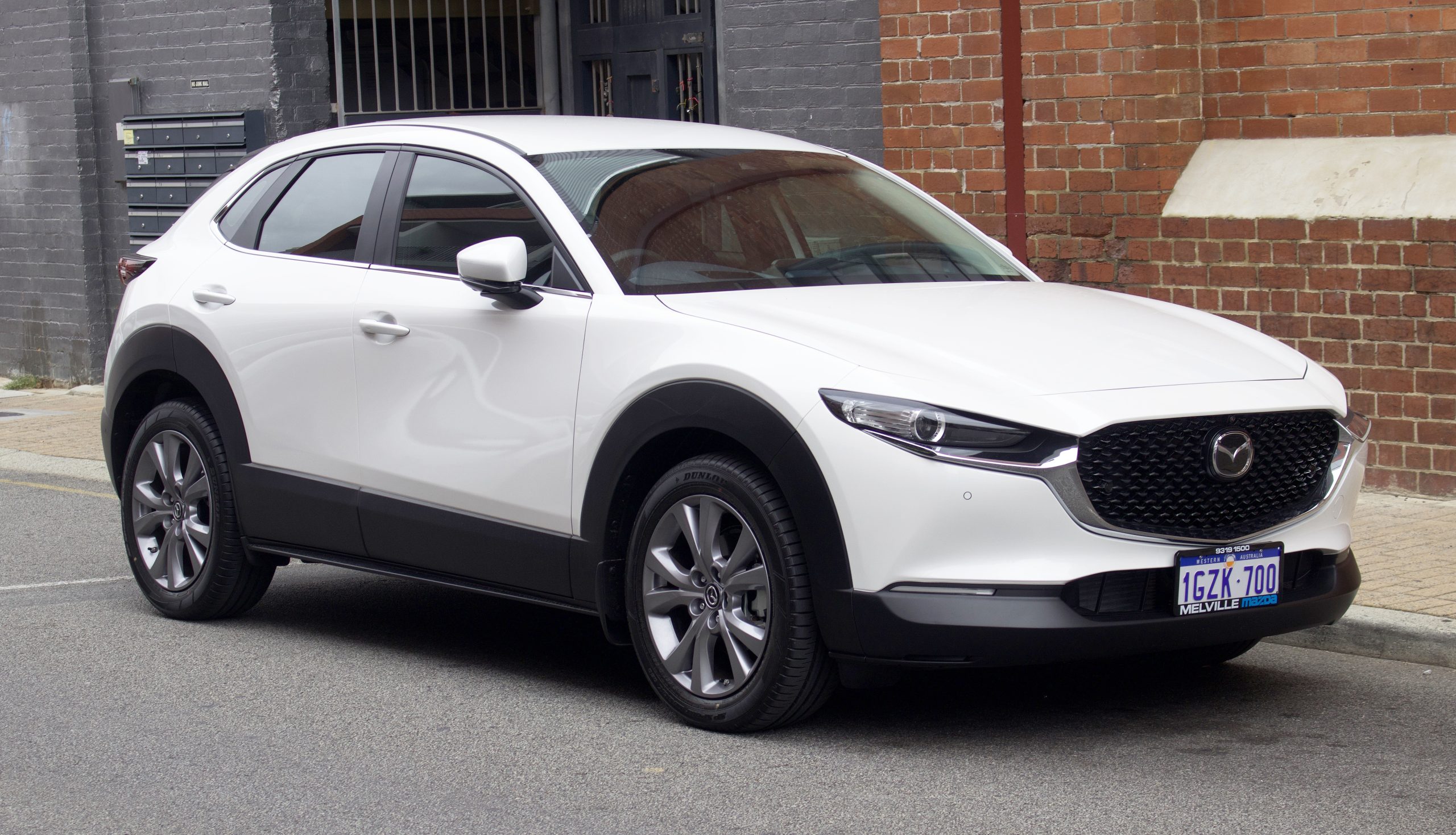
1. Mazda CX-30: A Subcompact with a Luxury-Level Interior
The Mazda CX-30 is widely praised for offering a refined and sophisticated interior that stands out in the subcompact crossover segment. Automotive reviewers note that its cabin feels more luxurious than those of typical vehicles in its class.
Kelley Blue Book describes the interior as one that “works on the pleasure center of the brain,” highlighting the emotional appeal of its design and materials. Reviewers from Zigwheels and AutoDeal emphasize the CX-30’s plush cabin, which avoids the hard, cheap plastics often found in subcompact crossovers.
The CX-30’s premium feel begins with its materials. Even base trims use soft-touch plastics instead of hard surfaces, creating a more upscale tactile experience. Key touchpoints, such as the steering wheel, shift lever, and dashboard edges, are wrapped in leather or leatherette, adding comfort and durability. These choices give the cabin a sophisticated, quiet atmosphere that rivals more expensive vehicles.
Attention to craftsmanship is another defining feature. The interior design incorporates meticulous stitching, precise panel alignment, and high-quality switches that provide consistent tactile feedback.
Mazda’s “wing” design concept wraps the dashboard around occupants, creating a cockpit-like feel that is both visually appealing and human-centric. This thoughtful layout ensures that drivers and passengers feel surrounded by quality without compromising functionality.
Higher trims offer features such as perforated leather seats and premium interior accents, matching the level of refinement found in entry-level models from Lexus. The cabin’s layout, including the center console and control placement, is designed for both ease of use and aesthetic appeal, ensuring that practicality does not come at the cost of luxury.
With its soft-touch materials, precise craftsmanship, and human-focused design, the Mazda CX-30 sets a high standard for interior quality in the subcompact crossover segment, delivering a luxurious experience in a smaller, more affordable vehicle.
2. Lexus LBX: Subcompact Luxury with a Refined Interior
The Lexus LBX has established itself as a standout in the subcompact luxury segment, earning accolades such as What Car? Car of the Year. Its interior is widely praised for being significantly more premium than its rivals, combining high-quality materials, meticulous craftsmanship, and practical design.
Owners and experts highlight the cabin’s solid construction, use of supple soft-touch surfaces, and rattle-free build, which contribute to long-term durability. This reputation is reinforced by JD Power dependability studies.
Despite its compact size, the LBX delivers a small luxury experience. The cabin features soft-touch plastics, Alcantara, and leather, materials often reserved for larger Lexus models like the NX. Key touchpoints feel substantial, and controls are well-damped, providing consistent tactile feedback.
The interior adopts a refined and minimalist layout that emphasizes comfort and sporty elegance. Even in base trims, the quality of surfaces and finishes ensures the cabin feels premium and thoughtfully crafted.
Luxury touches in the LBX are extensive. Certain models include a Mark Levinson Premium Surround Sound system. Electric door latches, a 12.3-inch customizable instrument panel, and a high-resolution infotainment display provide a high-end user experience similar to larger Lexus SUVs.
The steering wheel and dual touchpads mirror features from the NX and RX, reinforcing a shared luxury identity. The rear cabin accommodates two adults comfortably, with a plush bench and taller-than-expected backrest. Boot space ranges from 402 liters with the seats up to 994 liters with the seats folded.
The LBX’s exterior design complements its upscale interior. It has a sleeker and more rounded interpretation of Lexus’ spindle grille, balanced by sharp headlights and a well-proportioned rear. Although it shares its platform and powertrain with the Toyota Yaris Cross, the LBX maintains an independent and premium identity with no overt visual cues linking it to its humbler sibling.
The hybrid 1.5-liter three-cylinder engine produces 129 hp and 185 Nm of torque, delivering efficient and refined performance. It performs well in stop-and-go traffic, offering fuel efficiency of around 20 km/l. The ride-handling balance favors a slightly firmer and sportier feel, making it responsive yet comfortable for daily driving.
With premium materials, precise craftsmanship, and a compact but luxurious design, the Lexus LBX demonstrates that a small crossover can deliver an upscale experience while remaining practical and efficient for urban use.

3. Honda HR-V: Subcompact Comfort with Refined Interiors
The Honda HR-V is praised for a cabin that combines durability, comfort, and a premium feel for its class. Reviewers such as AutoDeal note that the HR-V uses a mix of leather and textured plastics that provide a sophisticated, edgy look.
Experts at Edmunds highlight that the interior avoids hollow, resonant sounds often found in budget competitors, giving a refined and solid experience. While some piano black plastics can attract fingerprints, the assembly feels robust and built to last.
The HR-V focuses on high-quality interior materials and a human-centric design philosophy. Soft-touch surfaces, leather-like accents, and durable textures are applied throughout the cabin to create a “premium-for-the-price” experience.
The dashboard features leatherette with contrast stitching, and control layouts follow Honda’s “man maximum, machine minimum” approach, prioritizing comfort and intuitive use. Later models also include enhanced insulation to reduce engine and road noise, improving the sense of refinement.
Practicality is a key strength of the HR-V. Front seats are comfortable and highly adjustable, while storage compartments are thoughtfully placed. The cargo area accommodates seven carry-on suitcases with the rear seats up and expands to fit 22 suitcases when folded. The infotainment system includes a 9.0-inch touchscreen with wireless Apple CarPlay and Android Auto, along with wireless smartphone charging.
Under the hood, the U.S. HR-V is powered by a 2.0-liter four-cylinder engine producing 158 hp, paired with a CVT, while all-wheel drive is available as an option. The SUV is tuned for efficient and refined daily driving rather than aggressive performance, achieving up to 32 mpg on the highway with front-wheel drive and performing well in stop-and-go traffic.
Safety and convenience features include adaptive cruise control, lane-keeping assist, and automated emergency braking. Warranty coverage consists of three years or 36,000 miles for the limited warranty, five years or 60,000 miles for the powertrain, and a one-year complimentary maintenance plan.
By combining refined materials, practical layout, and modern technology, the Honda HR-V delivers a subcompact crossover experience that feels premium, comfortable, and versatile for daily driving.

4. Geely Coolray: Sporty, High-Tech Interior in a Subcompact Crossover
The Geely Coolray is widely recognized for delivering one of the most high-tech and stylish cabins in its price segment. Reviewers such as AutoDeal highlight its use of soft-touch materials and durable plastics across all variants, while the range-topping Sport trim incorporates sophisticated textures and a three-tone color scheme that further enhances the premium feel. Its robust assembly quality has contributed to strong sales, as the cabin feels more substantial than typical entry-level subcompact crossovers.
The Coolray’s interior draws inspiration from Volvo, a brand under Geely’s ownership. It features leather upholstery, brushed aluminum accents, and well-bolstered seats, creating a cabin that feels upscale and comfortable.
The design follows an “enveloping cockpit” philosophy, wrapping the driver and front passenger in a modern, high-tech environment. Even smaller details, such as the saturation of red accents in the Sport trim, are carefully executed to provide visual appeal without causing distraction or fatigue.
Key features of the Coolray’s interior include soft-touch surfaces, metallic finishes, and premium leather, offering a European-like luxury experience at an accessible price.
Technology is a highlight, with a 10.25-inch touchscreen infotainment system, Apple CarPlay and Android Auto compatibility in newer models, a digital instrument cluster, panoramic sunroof, and advanced features like a 360-degree camera and auto-parking assistance. These elements enhance the sense of sophistication and convenience for daily driving.
Performance complements the sporty interior. The 1.5-liter turbocharged engine delivers responsive and punchy acceleration, making the Coolray enjoyable in urban and highway settings.
While fast and engaging, some users report higher fuel consumption in traffic. Practical drawbacks include the absence of rear air-conditioning vents on some models and potential long-term parts availability concerns, although these are gradually improving.
The 2025 and 2026 Coolray models have refined the driving experience, maintaining strong styling, premium interior quality, and a tech-rich environment. Its combination of sporty aesthetics, advanced features, and European-inspired design makes the Geely Coolray an appealing choice for young professionals and small families seeking a stylish, feature-packed subcompact crossover that balances performance, comfort, and value.

5. Buick Envista: Attainable Luxury with a Refined Subcompact Interior
The Buick Envista exemplifies Buick’s move toward attainable luxury, offering a cabin that feels upscale and well-built. Experts note that the interior “doesn’t feel cheap,” with soft-touch materials, stylish stitching, and minimal hard plastics in key touchpoints.
JD Power ranks Buick highest in mass-market dependability for 2025, reflecting the tight fit and finish of its cabins. The dashboard and door panels feature brushed chrome accents, soft-touch surfaces, and textured materials, creating a modern, futuristic layout that maintains cabin quietness over time.
High-quality materials in the Envista extend to leatherette accents and refined stitching, especially in higher trims like the Sport Touring and Avenir. Standard digital displays include an 8-inch instrument cluster and an 11-inch infotainment touchscreen on higher trims, while wireless Apple CarPlay, Android Auto, and a Wi-Fi hotspot enhance connectivity.
Buick’s QuietTuning technology with active noise cancellation ensures a serene cabin environment, further enhancing the sense of refinement for drivers and passengers.
Interior space is thoughtfully packaged. The coupe-like roofline does not significantly compromise rear-seat headroom, and the cabin comfortably seats four. Cargo capacity ranges from 20 cubic feet behind the rear seats to 42 cubic feet with them folded. Practical storage and convenience features complement the premium feel.
The 1.2-liter turbocharged three-cylinder engine produces 137 horsepower, paired with a six-speed automatic transmission and front-wheel drive. Acceleration is adequate for city driving, though highway passing requires careful planning as the engine takes a moment to spool up.
Fuel economy is rated at 28 mpg city, 32 mpg highway, and 30 mpg combined, with highway tests confirming the advertised performance. Handling is poised, with precise steering, a firm brake pedal, and a smooth ride suited to comfortable daily commuting rather than aggressive driving.
Safety is comprehensive, with standard automated emergency braking, lane-departure warning with lane-keeping assist, and automatic high-beam headlamps, while adaptive cruise control is available. Warranty coverage includes three years or 36,000 miles for limited coverage, five years or 60,000 miles for the powertrain, and complimentary scheduled maintenance for the first visit.
By combining thoughtful design, premium materials, advanced tech, and a quiet, well-insulated ride, the Buick Envista delivers a subcompact SUV experience that feels more luxurious than its price suggests while remaining practical and dependable.

Also Read: 5 Cars With Excellent Air Conditioning for Hot Climates vs 5 That Struggle
5 That Rattle After One Year
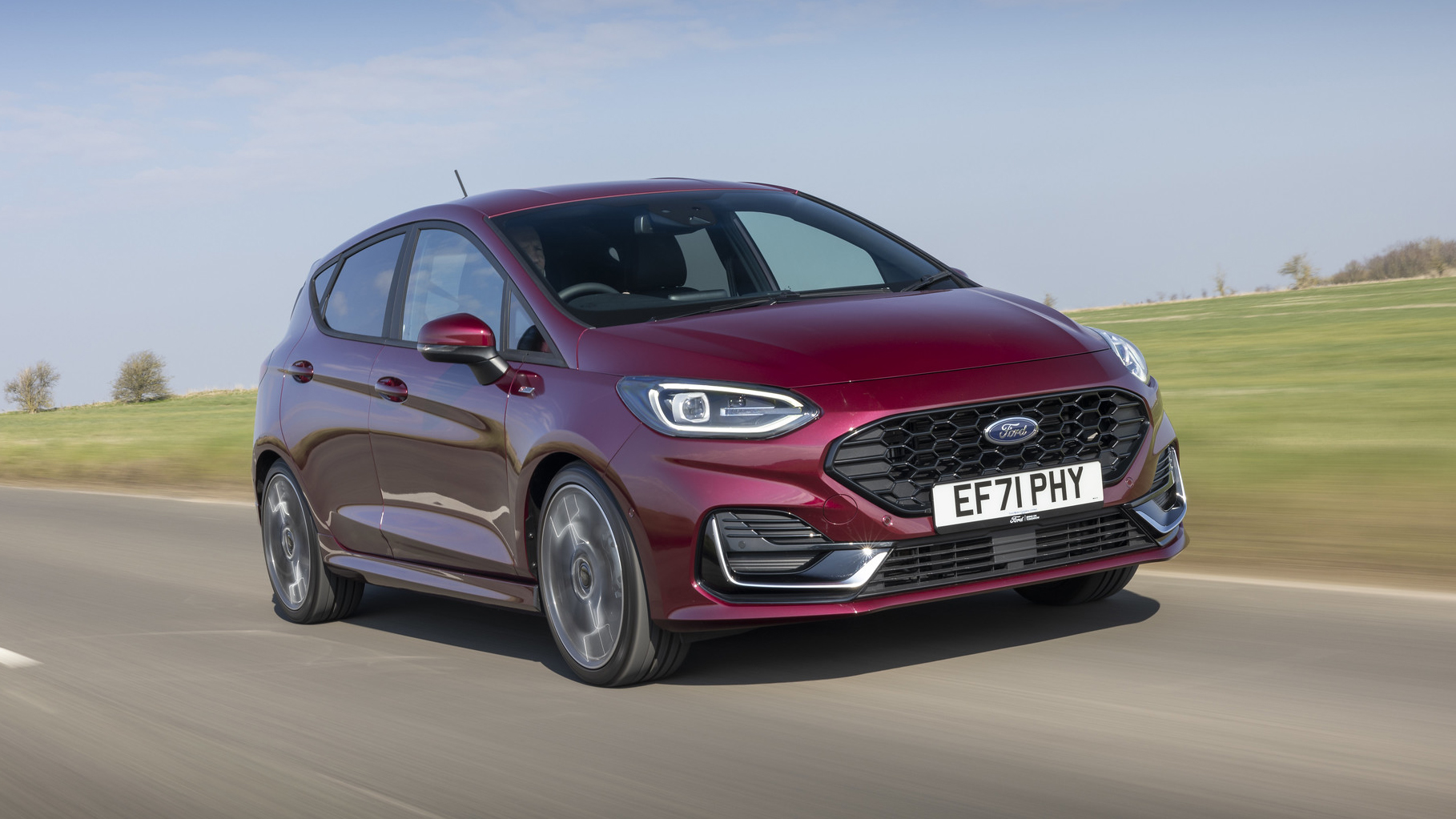
1. Ford Fiesta: Fun-to-Drive Hatchback with Cabin Durability Concerns
The Ford Fiesta is widely celebrated for its engaging driving dynamics, often described as “go-kart-like,” yet older generations are frequently criticized for interior durability. According to What Car?, nearly half of the surveyed owners reported cabin faults, including rattles from the dashboard, door panels, and trim pieces.
Thin plastics in lower sections of the interior are prone to scratching, loosening, or warping over time, which can lead to persistent cabin noise within the first year of ownership, especially over uneven surfaces.
Several factors contribute to these common issues. The Fiesta’s extensive use of hard plastics in the dashboard and center stack allows components to vibrate as clips loosen with thermal expansion and road vibrations. Its firm suspension, designed for precise handling, transmits additional vibrations into the cabin.
Specific engine-related noises, such as the “death rattle” in 1.0L EcoBoost models due to the wet timing belt system, and turbocharger wastegate rattles, are well-documented. Manual transmission gear cables may also vibrate against the transmission tunnel, creating buzzing sounds, while loose exhaust heat shields can cause rattles during acceleration or idling.
Many of these issues tend to emerge around the one-year mark as suspension components settle, plastics fatigue, and initial service intervals pass. Common fixes include securing loose trim panels, lubricating gear cables, or replacing affected turbo components.
Despite interior and mechanical quirks, the facelifted seventh-generation Fiesta maintains its appeal. Exterior updates include revised grilles, a reshaped bonnet, LED headlights, and refined rear lights.
Production now focuses exclusively on five-door models, with the three-door discontinued. The engine lineup is limited to a 1.0-liter three-cylinder EcoBoost, available in 99 hp or 123 hp with a mild-hybrid setup. Performance is sufficient for daily driving, though acceleration may feel sluggish on highways.
Trim options range from the base Trend to Titanium, Titanium Vignale, ST-Line, and Active variants, offering a combination of style, technology, and practicality. Prices start at approximately $23,900 for the base model, with the ST hot hatch providing a sportier option at higher trims.
While it is not the roomiest or quietest subcompact, the Fiesta remains popular for its engaging driving experience, contemporary design, and intuitive, driver-focused interior, securing a strong position among compact hatchbacks in the U.S. market.
2. Citroën C3: Chic Design Undermined by Early Cabin Rattles
The Citroën C3 is often praised for its stylish, “chic” design and advanced comfort-focused suspension, but it has a long-standing reputation for interior and mechanical rattles that appear early in ownership. European consumer reports and owner feedback frequently cite trim failures, squeaks, and rattles as common issues, making the long-term cabin experience less refined than competitors from Japanese or German brands.
A primary source of rattles in the C3 is the cabin’s extensive use of hard plastics and lightweight trim pieces. These components are often secured with plastic clips rather than metal fasteners to reduce costs and weight.
Temperature changes over time cause expansion and contraction of these plastics, loosening clips and creating persistent squeaks or ticking from the dashboard and door panels. In some cases, internal clips or locks are missing or become loose during early use, worsening the problem.
The vehicle’s soft, long-travel “Advanced Comfort” suspension, while highly rated for ride quality, contributes to additional noise. Anti-roll bar drop links can develop play in their ball joints within as little as 10,000 miles, producing metallic clunks. Shock absorber rubber sleeves may slip, allowing the spring to contact the strut, creating sharp rattles.
Dry creaking noises also emerge from the front shock absorber bump stops if they were insufficiently lubricated during assembly. These suspension-related noises transmit directly into the cabin, undermining the perception of refinement.
Engine bay vibrations are another factor. Loosely mounted ECUs or brackets can transmit vibration into the cabin, while intercooler pipes and heat shields that are not fully secured may create buzzing sounds during acceleration. These under-the-hood rattles are often mistaken for interior trim failures but contribute to the cumulative perception of noise and aging.
Many of these issues stem from strategic cost-saving measures. To keep the C3 affordable, Citroën reduces weight and uses less sound-deadening material compared to premium rivals. This means minor vibrations from the engine, suspension, and trim are more noticeable to the driver.
While the C3 excels in ride comfort and visual appeal, its interior and mechanical NVH compromises frequently result in rattles and squeaks within the first year of ownership, limiting the sense of long-term refinement.
The Citroën C3 offers a stylish and comfortable subcompact experience, but early rattles and trim issues prevent it from matching the long-term polish of competitors.

3. Nissan Micra (Older Generations): Economical Design at the Cost of Cabin Refinement
Pre-2017 models of the Nissan Micra, particularly the K12 and K13 generations, were widely criticized for interior rattles and trim issues. While these cars were designed to be affordable and efficient, long-term reliability surveys and owner reports reveal that cost-cutting measures often resulted in a cabin that felt “hollow” and susceptible to squeaks within the first year of ownership.
Hard plastics used throughout the dashboard, center console, and door cards frequently vibrated against one another, producing persistent ticking or rattling sounds.
The Micra’s interior materials and build quality were primary contributors to these noises. Lightweight plastics, while fuel-efficient and inexpensive, are highly sensitive to temperature changes.
Expansion in heat and contraction in cold weather can loosen mounting clips, causing panels to shift and generate squeaks. In addition, minimal sound-deadening materials allow engine and road vibrations to transmit directly into the cabin, amplifying the perception of rattles compared to more insulated competitors.
Under the vehicle, the exhaust heat shield is a notorious source of metallic rattling. Thin metal shields protecting the exhaust and catalytic converter are prone to rust or loose bolts. Low-speed vibrations, idling, or gentle acceleration often trigger these early “mystery noises,” which many owners encounter within months of ownership.
Suspension components also contribute to the Micra’s reputation for cabin noise. Lower wishbones, rubber bushes, and stabilizer links wear prematurely, producing clunks or rattles over uneven pavement and speed bumps. Anti-roll bar drop links are another common culprit, adding repetitive noise even on smoother roads.
Engine and drivetrain traits further affect the cabin experience. Three-cylinder engines used in K13 models generate more vibrations than four-cylinder units, which can exacerbate trim rattles. Premature timing chain stretch in 2010–2017 models creates metallic slapping from the engine bay, and window regulator misalignments can produce rattles when windows are partially open.
Older Nissan Micras are not mechanically unreliable in most respects, but their economical design and lightweight, cost-conscious construction make them prone to interior rattles and trim noise.
These issues reflect a focus on affordability over refinement, meaning drivers experience an audible sense of wear and cabin looseness earlier than in more premium subcompacts. Newer Nissan models, such as the Kicks, have significantly improved on these long-term quality issues.

4. Fiat 500: Iconic Style Tempered by Interior and Mechanical Rattles
The Fiat 500 is celebrated for its distinctive, retro-inspired design, but its cabin and mechanical durability have historically been a source of complaints. Early versions of the 500 were prone to rattles, peeling trim, and loose components, with lightweight plastics used to maintain the car’s compact footprint often failing to withstand temperature changes.
Expansion and contraction of these materials can loosen panels and fasteners, resulting in persistent buzzing, clicking, or creaking during daily driving. In reliability surveys such as the 2024 What Car? report, the 500 ranked near the bottom of small cars, reflecting widespread concerns over interior longevity.
Interior build and materials are a primary factor in these noises. Hard plastics dominate the dashboard, door panels, and trim pieces, which are susceptible to creaking as temperatures fluctuate. Owners often report broken armrests, loose door handles, and rattling seatbelt adjusters due to weakened fasteners. Daily vibrations from city driving exacerbate these issues, making rattles noticeable at the driver’s ear level.
Suspension and chassis components are another contributor to the 500’s rattles. Lightweight front strut mounts and control arm bushings tend to wear quickly, producing clunking or knocking over bumps.
Ball joints can deteriorate prematurely, affecting steering feel, while worn rear engine mounts transmit vibrations when accelerating or reversing. These suspension-related noises impact both ride comfort and perceived build quality.
Mechanical and external systems also contribute to rattling. Engine bay components such as the serpentine belt or timing chain can produce ticking sounds, while loose exhaust pipes, corroded muffler clamps, and heat shields often create rear-end rattles. The “Dualogic” automated manual transmission is noted for jerky shifts, grinding, and shaking noises as internal bearings age.
A further factor is the 500s ’ minimal sound insulation. Road and wind noise penetrate the cabin easily, amplifying minor mechanical or trim rattles. Owners can mitigate some issues through regular inspections of suspension components and ensuring all interior clips and fasteners remain secure.
While the Fiat 500 remains a style icon with urban agility, its lightweight construction, sensitive interior materials, and mechanical quirks make early rattles a common characteristic, highlighting a trade-off between affordability, compact design, and long-term refinement.

5. Hyundai i20 (Previous Generations): Early Rattles and Trim Issues
Older generations of the Hyundai i20, particularly the first-generation and Elite i20 models, are known for interior and suspension rattles that often appear within the first year of ownership.
Unlike modern Hyundais such as the Kona, which are praised for refinement, these earlier i20 models prioritized utility over premium feel, relying heavily on hard plastics and cost-conscious components. As a result, owners frequently report squeaks, buzzes, and rattles from both the cabin and mechanical systems.
A major source of noise is the interior plastic and trim quality. Hard plastics used on dashboards, door panels, and pillar trims can expand, contract, and harden over time, producing squeaks or buzzing when driving over uneven surfaces.
Loose clips and friction between plastic surfaces often generate rattles at the dashboard and doors. Even small components like the folding key fob are reported to feel loose or rattle, contributing to the perception of poor build quality.
The suspension system also plays a key role in cabin noise. Older i20s feature a slightly stiffer suspension that transmits vibrations more readily, particularly on rough or waterlogged roads. Premature wear of rubber bushings in the front and rear suspension leads to clunks or rattles over potholes and speed bumps. Rear suspension noise, often described as a persistent “clunk,” is a common complaint among owners.
Steering column issues can add to the rattle problem. Reports indicate that the steering rack or column can produce noise on uneven surfaces, while Electric Power Steering (EPS) malfunctions may create a heavier or unusual feel that owners sometimes mistake for a trim rattle.
Other sources of rattles include loose heat shields around the exhaust, which can vibrate against the undercarriage, and engine noises transmitted into the cabin due to limited sound insulation. Ticking or rattling sounds from the engine, especially during warm-up, can become noticeable inside the cabin.
To address these issues, owners often install sound-damping sheets, replace worn suspension bushings with higher-quality components, or use acoustic foam to secure loose trim panels. Despite these drawbacks, the Hyundai i20 of these earlier generations remains a practical and efficient subcompact hatchback, though it lacks the cabin refinement and long-term solidity of later Hyundai models.

High-quality subcompacts demonstrate that thoughtful materials and precise assembly can make even a small vehicle feel sophisticated and durable. The Mazda CX-30, Lexus LBX, and Geely Coolray deliver quiet, well-crafted cabins that stand the test of time, enhancing long-term ownership satisfaction.
On the other hand, vehicles like the Ford Fiesta, Citroën C3, and older Micra models reveal how cost-saving measures can compromise interior solidity, producing rattles and minor annoyances early in a car’s life. For buyers weighing subcompact options, prioritizing quality materials, secure fittings, and effective NVH design ensures a more comfortable, lasting, and enjoyable driving experience.