
Automotive cooling systems have progressed from simple mechanical fans to advanced electric modules. Vehicles like the Toyota 4Runner, Chevrolet Silverado, Ford Mustang, Jeep Cherokee XJ, and BMW 5 Series E39 use mechanical fans that rely on engine speed or viscous clutches to provide consistent cooling.
These designs are valued for reliability, durability, and ease of maintenance. Modern vehicles, including the Mercedes-Benz S-Class, Ford Taurus 3.8L, Tesla Model 3, BMW 7 Series, and Subaru Outback, employ complex electric fan modules integrated with sensors and software. They offer precise airflow control, support multiple systems, and enhance efficiency, performance, and passenger comfort.
5 Cars With Simple Mechanical Cooling Fans
1. Toyota 4Runner (4.0L V6): Rugged Reliability and Off-Road Performance
The Toyota 4Runner with the 4.0L 1GR-FE V6 engine is a body-on-frame SUV known for its off-road capability, durability, and long-term reliability. A key feature is the mechanical viscous fan clutch, which uses silicone fluid and a bimetallic spring to control radiator airflow based on temperature.
This simple and robust system provides consistent engine cooling during heavy-duty off-roading, towing, or low-speed rock crawling and avoids the potential electrical problems of modern electric fans. Toyota favors this design for its reliability, ease of maintenance, and performance in harsh environments, making it a trusted choice for adventure enthusiasts.
The 4Runner is powered by a 270-hp V6 paired with a five-speed automatic transmission. Acceleration from 0 to 60 mph takes about 7.7 seconds, and the transmission can feel slow under heavy throttle. The steering is lightly weighted, and the suspension is soft, prioritizing comfort over precision.
Ground clearance and body-on-frame construction provide strong off-road capability, and the torque-rich engine allows a towing capacity of 5,000 pounds. This capacity exceeds the Ford Edge and Jeep Wrangler but is less than the Dodge Durango, which can tow up to 8,700 pounds.
Fuel economy is modest, rated at 16 mpg in the city and 19 mpg on the highway, with real-world highway testing reaching 22 mpg. The interior is functional but dated, with basic materials and controls.
Two rows of seating accommodate adults comfortably, and the optional third row is best for children. The flexible cargo area includes deep storage compartments and an optional pull-out deck to make loading heavy items easier. It also provides a flat load floor when the second row is folded, allowing storage for up to 14 carry-ons.
Technology includes an 8-inch touchscreen with Apple CarPlay and Android Auto, optional navigation, and a 15-speaker JBL audio system.
Safety features include forward-collision warning, automated emergency braking, blind-spot monitoring, lane-keeping assist, and adaptive cruise control. Toyota provides two years of complimentary maintenance, a three-year/36,000-mile limited warranty, and a five-year/60,000-mile powertrain warranty.
The 4Runner’s combination of reliable mechanical systems, capable off-road performance, and practical interior design makes it an ideal choice for those who value durability and adventure-ready engineering over modern refinements.

2. Chevrolet Silverado (1999–2007 GMT800): Mechanical Cooling System and Workhorse Performance
The 1999–2007 Chevrolet Silverado, built on the GMT800 platform, is widely recognized as a durable and dependable full-size pickup designed primarily for heavy-duty work. One of its defining mechanical features is the engine-driven cooling fan system used in most early models of this generation.
The fan is mounted directly to the engine’s water pump and typically spins at a ratio between 1:1 and 1:1.25 of the engine’s RPM. Because of this direct mechanical connection, airflow increases immediately as engine speed rises, ensuring effective cooling when the truck is under heavy load.
A viscous thermal clutch is also integrated into the system, allowing the fan to free-spin when the engine is cool. This reduces drag, noise, and unnecessary power loss while still providing strong cooling performance when temperatures increase.
Chevrolet used this mechanical fan design primarily because the Silverado was engineered as a reliable work truck for towing, hauling, and other demanding tasks. Mechanical fans provide consistent airflow even at low vehicle speeds, which is important when pulling trailers or operating equipment where the engine works hard, but airflow through the radiator is limited.
The system also avoids the additional electrical load created by electric fans, which is beneficial for trucks running accessories such as snow plows or heavy-duty lighting. In addition, the simple mechanical design makes maintenance easier because it eliminates complex wiring, sensors, and electronic controls that could fail over time.
During the later years of the GMT800 generation, around 2005 to 2007, some Silverado models transitioned to electric cooling fans to meet newer efficiency and emissions requirements. However, the earlier belt-driven setup remains popular among truck owners due to its durability and straightforward serviceability.
Beyond its cooling system, the Silverado from this era earned a reputation as a long-lasting workhorse. It offered several Vortec V8 engines, with the 5.3-liter version becoming especially popular for its balance of power and efficiency.
The truck delivered solid towing capability, good acceleration for its class, and a smooth ride compared to many pickups of the time. Many owners report these trucks lasting well over 200,000 miles with proper maintenance.
Despite its strengths, the GMT800 Silverado has some known issues, including rust, occasional electrical problems such as brake light failures, fuel pump concerns, and weak rear frames in some early 1999 models.
Steering has also been described as light and somewhat loose by some drivers. Nevertheless, the truck remains highly regarded for its comfort, spacious interior, and durability. Because of these qualities, the 1999–2007 Silverado continues to be considered a strong and affordable used truck option.

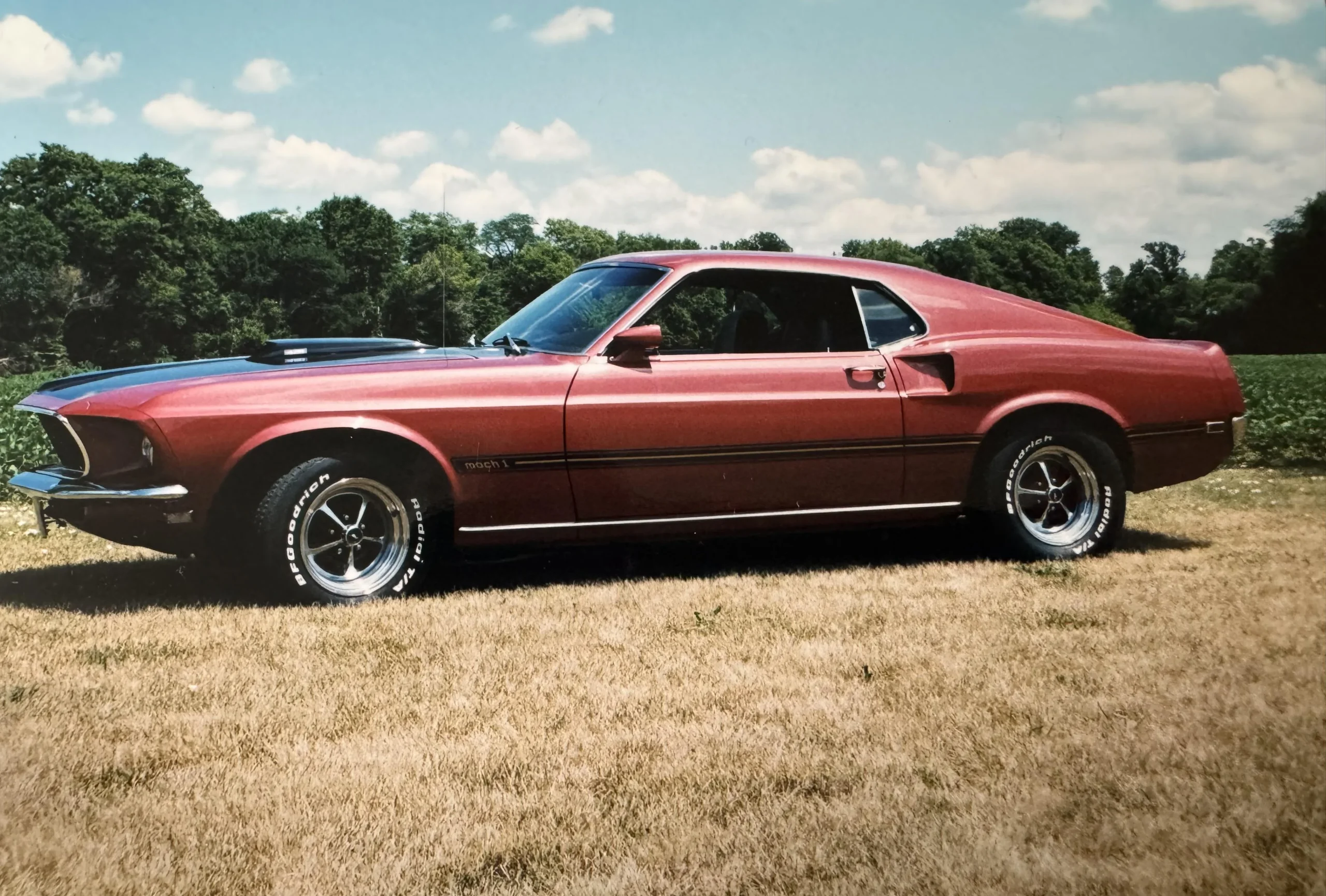
3. Ford Mustang (1964–1973): Mechanical Cooling System and Classic Muscle Car Design
The classic Ford Mustang, produced from 1964 to 1973, used a simple mechanical cooling fan system that reflected the engineering standards of the era. These early Mustangs typically employed fixed-blade or flex-blade fans that were bolted directly to the water pump pulley and driven by the engine through a belt.
Because of this direct mechanical connection, the fan spins continuously whenever the engine is running. In many performance applications, enthusiasts and manufacturers used a six-blade steel fan to increase airflow across the radiator and improve cooling for powerful V8 engines.
Since these systems lack electronic controls or temperature-based switching, a properly fitted radiator shroud is essential. The shroud ensures that air is drawn efficiently through the radiator core, helping prevent overheating in high-output engines.
Mechanical fans were widely used during this period because they offered reliability, simplicity, and cost-effective manufacturing. The system contained no electronic components, sensors, or relays that could fail, making it durable and easy to repair. Because the fan was powered directly by the engine, airflow naturally increased with engine speed.
This provided effective cooling when the vehicle was under heavy load or operating at higher RPM. Later models within this generation also adopted mechanical clutch fans.
These clutches allowed the fan to spin more slowly when the engine was cool and engage more fully when temperatures increased. This improvement reduced unnecessary drag on the engine while maintaining the dependability of a mechanical system.
Beyond its cooling design, the 1964½–1973 Mustang became one of the most iconic American pony cars. It combined sporty styling, accessible performance, and a wide variety of engine options. The 289 cubic inch V8 engine was especially popular, delivering up to 271 horsepower in high-performance versions.
Early models from 1964 to 1966 were relatively compact and agile, while later models from 1969 to 1973 became larger and more aggressive in styling. Body styles included a hardtop coupe, convertible, and the popular 2+2 fastback.
Despite its popularity, the classic Mustang has some known drawbacks. Rust is a common issue, particularly in the floor pans and wheel arches, and stock braking systems and steering are often considered weak by modern standards.
Interiors were functional but built with basic materials. Nevertheless, the Mustang’s timeless design, strong V8 performance, and extensive parts availability have made it highly collectible and a favorite among classic car enthusiasts.
4. Jeep Cherokee XJ (1984–2001): Mechanical Cooling System and Off-Road Reliability
The Jeep Cherokee XJ, produced from 1984 to 2001, is widely respected in the off-road community for its rugged design, reliability, and simple mechanical systems. A key part of this reputation comes from its cooling setup, which primarily relies on a belt-driven mechanical fan with a viscous clutch.
The fan is powered by the engine through the serpentine belt and mounted to the water pump, ensuring that airflow through the radiator is directly tied to engine operation. This design provides dependable cooling even when the vehicle is operating in harsh conditions or when the electrical system is under strain.
The viscous fan clutch plays an important role in regulating airflow. It contains silicone fluid and a temperature-sensitive bimetal spring that responds to the heat coming from the radiator. When the engine temperature rises, the clutch engages more firmly, causing the fan to spin faster and draw more air through the radiator.
When the engine is cool or the vehicle is moving at higher speeds, the clutch allows the fan to partially freewheel, reducing drag on the engine and improving fuel efficiency. This thermal control allows the system to balance cooling performance with efficiency while maintaining the reliability of a mechanical design.
Most Cherokee XJ models also include a secondary electric auxiliary fan mounted near the radiator. This fan assists the mechanical fan during high-temperature situations or when the air conditioning system is operating.
The combination of a mechanical primary fan and an electric auxiliary fan creates a dual-fan system that offers redundancy and improved cooling capacity, especially during demanding driving conditions such as slow trail crawling or hot weather.
The cooling system is particularly important for the Cherokee’s well-known 4.0-liter inline-six engine, which produces strong torque but also generates significant heat. Maintaining a functioning fan clutch is essential, as worn or failing clutches can reduce airflow and lead to overheating. These components typically last several years but should be inspected regularly, especially in vehicles used for off-road driving.
Beyond its cooling system, the Cherokee XJ is admired for its solid axles, strong off-road performance, and durable powertrain. The 4.0-liter engine is considered extremely reliable and capable of high mileage with proper maintenance.
However, the vehicle does have some drawbacks, including poor fuel economy, limited rear-seat space, and a tendency for rust in the unibody frame rails. Interior materials are basic, and the ride can be noisy and rough compared to modern SUVs.
Despite these weaknesses, the Cherokee XJ remains a favorite among enthusiasts due to its simplicity, affordability, and extensive aftermarket support. Its dependable mechanical systems and capable off-road design continue to make it a popular platform for modifications and trail use.

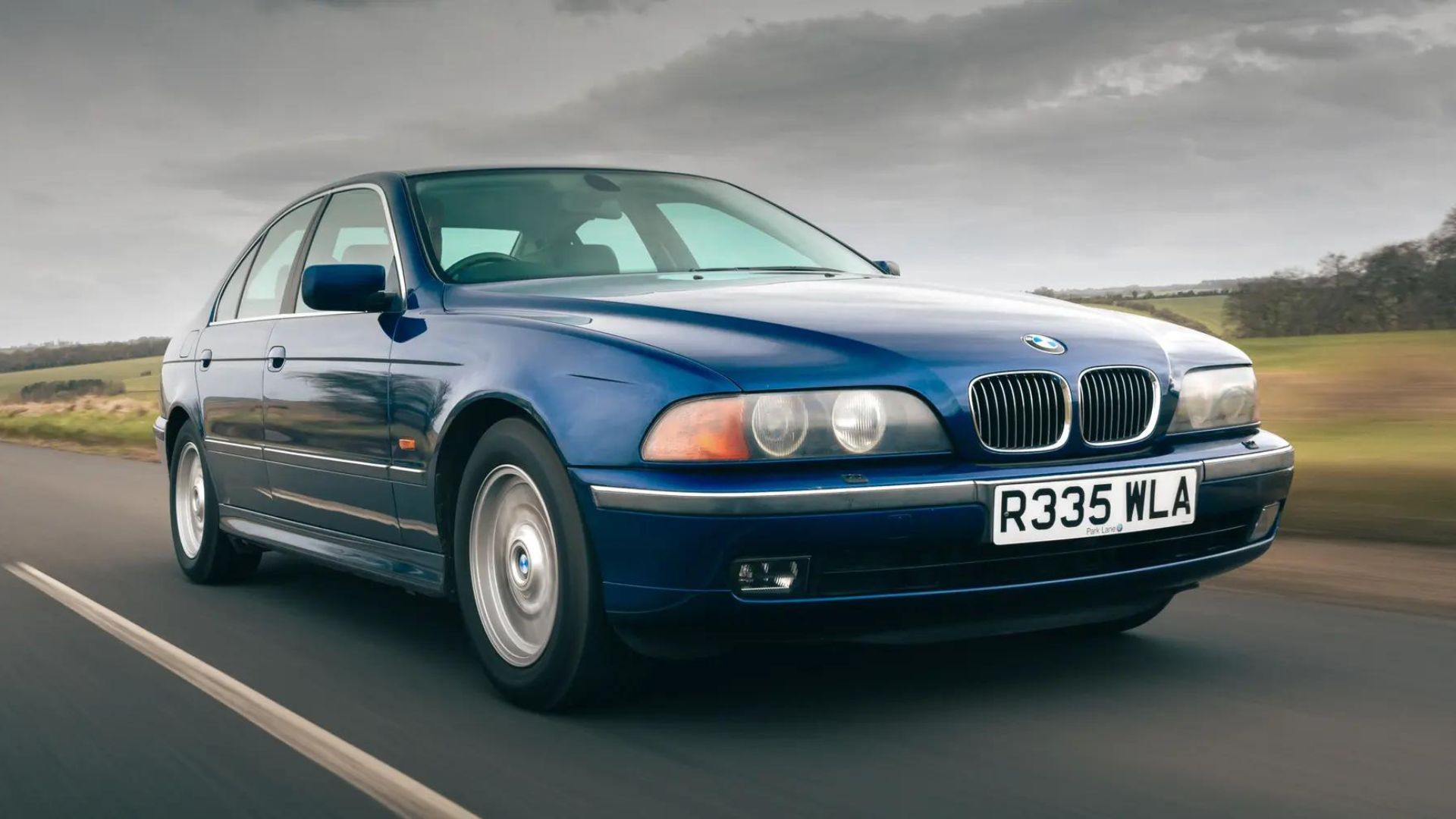
5. BMW 5 Series (E39): Mechanical Cooling System and Balanced Performance
The BMW 5 Series E39, produced from 1995 to 2003, is widely regarded as one of the most balanced executive sedans ever built. Known for combining strong performance with traditional engineering, the E39 uses a mechanical belt-driven cooling fan equipped with a viscous clutch as its primary cooling system.
The fan is mounted to the water pump and driven by the engine through the serpentine belt. This direct mechanical connection ensures that airflow increases with engine speed, providing consistent cooling when the engine is under heavy load or operating in demanding conditions.
A key component of the system is the viscous fan clutch, which regulates the fan’s operation based on temperature. The clutch contains silicone fluid and a temperature-sensitive mechanism that reacts to the heat of the air coming through the radiator.
When the engine temperature rises, the clutch engages more firmly, causing the fan to spin faster and move greater volumes of air through the radiator. When the engine is cool, the fan spins more slowly or partially freewheels, reducing noise and minimizing power loss from the engine. This design allows the system to provide strong cooling performance while maintaining efficiency.
The E39 also incorporates a dual-fan setup. The mechanical fan acts as the primary cooling source and sits behind the radiator as a “puller” fan, drawing air through the cooling system.
In addition, an electric “pusher” fan is positioned in front of the radiator and primarily assists with air conditioning operation or when additional cooling is required during high temperatures. This combination helps maintain stable engine temperatures in both everyday driving and demanding conditions.
BMW chose this mechanical fan design because the E39 was developed during a transitional period between traditional mechanical engineering and modern electronic systems.
The setup offered reliable high-volume airflow, which was particularly important for the heat generated by the inline-six engines and the larger V8 engines, such as the M62 used in the 540i. The design also ensured that the engine would continue receiving cooling airflow even if electronic components failed.
Although effective, the cooling system can require maintenance over time. Fan clutches may fail to engage properly or become stuck, and the plastic fan blades can become brittle with age. Additionally, other cooling components, such as the radiator and expansion tank, may need replacement as they age.
Despite these maintenance concerns, the E39 remains highly respected for its driving dynamics, refined interior, and strong engine lineup. Its combination of comfort, performance, and timeless design has made it a modern classic that continues to appeal to enthusiasts and drivers seeking a more analog luxury driving experience.
Also Read: 5 Cars With Excellent Air Conditioning for Hot Climates vs 5 That Struggle
5 With Complex Electric Fan Modules
1. Mercedes-Benz S-Class: Electric Fan Module and Advanced Thermal Management
The Mercedes-Benz S-Class, the brand’s flagship luxury sedan, uses a highly advanced electric cooling fan module designed to manage heat from its sophisticated engines and extensive electronics.
Unlike traditional mechanical fans or basic electric fans with fixed speeds, the S-Class employs an intelligent fan fully integrated into the vehicle’s electronic systems via the CAN bus. This allows the fan to communicate directly with the engine control unit (ECU) and other vehicle systems for precise and responsive temperature management.
At the core of this system is pulse-width modulation (PWM) control. PWM enables the fan to operate at variable speeds rather than just low or high settings. The ECU sends digital signals to adjust the voltage to the motor in rapid pulses, allowing the fan to run at exactly the speed needed to maintain optimal temperatures. This precision reduces unnecessary electrical load, minimizes parasitic power loss, and improves fuel efficiency.
The variable-speed operation also enhances cabin comfort. The fan runs quietly during low-load or idle conditions, producing minimal noise, which is essential for a luxury sedan. High-speed operation only engages when cooling demands increase, such as during heavy engine load or extreme temperatures.
The S-Class fan module supports multiple systems beyond engine cooling. It helps regulate the climate control system by maintaining airflow and air-conditioning performance, especially at a standstill. It also manages heat for sensitive electronic components throughout the vehicle, protecting dozens of control units from thermal stress.
Safety and reliability are enhanced through real-time diagnostics. The system can detect faults or sensor failures and activate a fail-safe mode, running the fan at full speed to prevent engine overheating. Internal circuits protect the motor from voltage spikes, overheating, and electrical faults.
By combining intelligent software control, precise thermal management, and quiet operation, the Mercedes-Benz S-Class fan module exemplifies how modern luxury vehicles integrate advanced electronics to optimize engine performance, protect electronics, and maintain a refined passenger environment.

2. Ford Taurus (3.8L V6): High-Output Electric Fan System and Cooling Performance
The Ford Taurus equipped with the 3.8L V6 engine, particularly in 1990s and early 2000s models, features a highly capable and complex electric cooling fan module. Unlike simple on-off fans, the Taurus uses a high-output, two-speed electric fan designed to provide strong airflow within its compact engine bay.
This setup ensures effective engine cooling during both regular driving and demanding conditions, including heavy A/C use or high temperatures.
The dual-speed functionality is a defining feature. Under normal driving or when the air conditioning is running, the fan operates at low speed to provide adequate cooling while minimizing electrical load.
When the engine coolant temperature exceeds a set threshold, the Powertrain Control Module (PCM) triggers high-speed operation. This delivers significantly increased airflow to quickly lower engine temperatures and maintain safe operating conditions.
A specialized Constant Control Relay Module (CCRM) manages the fan along with other systems, such as the fuel pump. While the CCRM simplifies wiring, it introduces complexity because a failure can affect multiple components. Malfunctions may cause the fan to run continuously, fail to engage, or operate erratically.
The Taurus fan system demands substantial electrical power. The high-output motor can draw up to 70 amps at startup or during high-speed operation, requiring robust wiring, heavy-duty fuses, and durable relays. This enables the fan to move large volumes of air, often estimated at 3,000 to 4,000 cubic feet per minute, making it exceptionally effective at cooling the engine and radiator.
Integration with the air conditioning and temperature monitoring systems further enhances performance. The fan responds to engine coolant temperature and A/C pressure to ensure optimal condenser cooling. In the event of a sensor failure, a fail-safe mode activates the fan at full speed to prevent overheating.
Thanks to its powerful performance and reliability, the Taurus 3.8L fan module has become popular in the aftermarket. It is frequently retrofitted into hot rods, performance cars, and off-road builds as a superior alternative to traditional mechanical fans, valued for its strong airflow and dual-speed versatility.

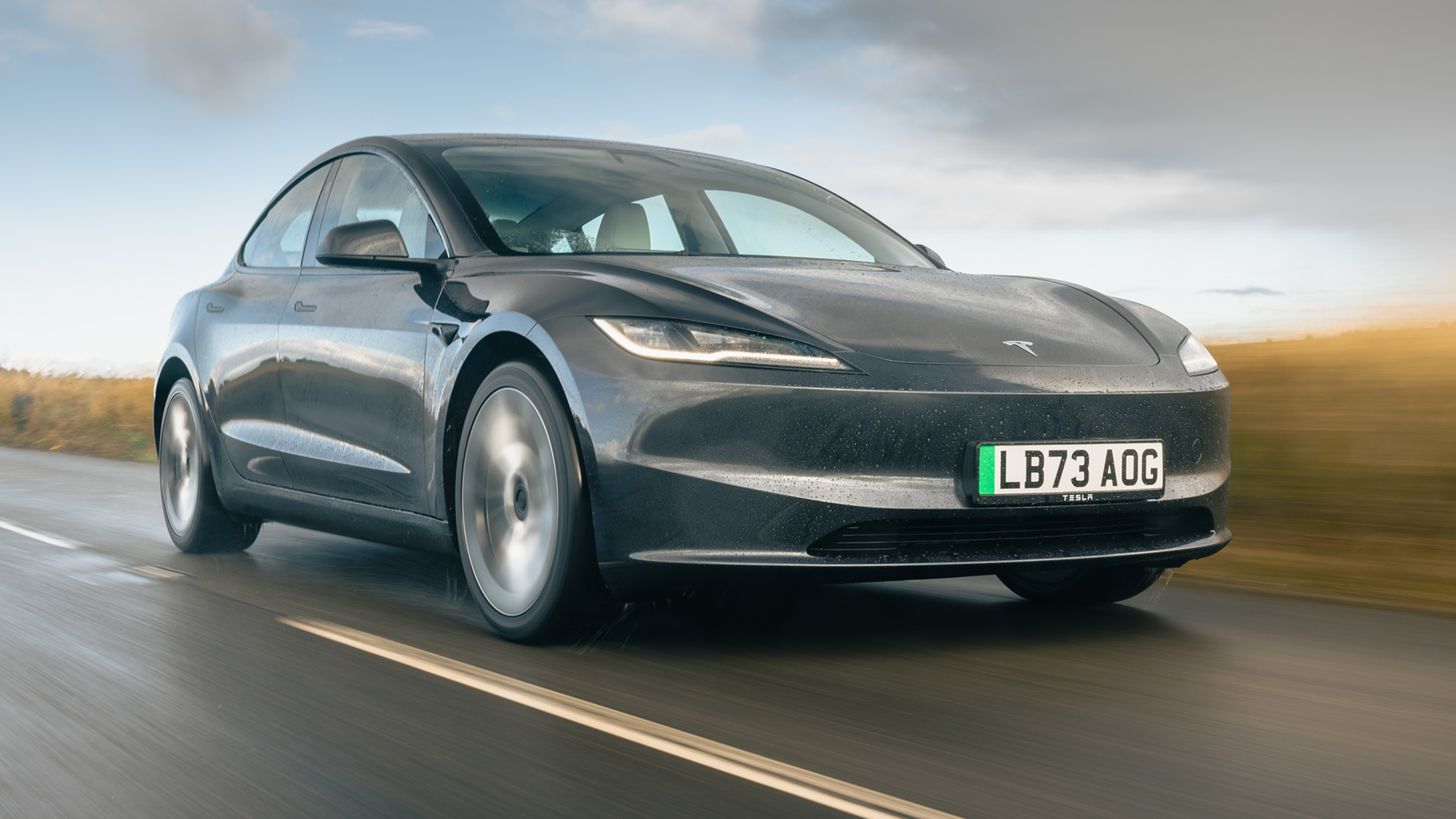
3. Tesla Model 3: Advanced Thermal Management and Electric Fan System
The Tesla Model 3 uses a sophisticated electric cooling fan module as part of a highly integrated thermal management system designed specifically for electric vehicles. Unlike conventional gasoline-powered cars, where cooling fans mainly regulate engine temperature, the Model 3’s system must control heat from several critical components simultaneously.
These include the high-voltage battery pack, electric drive motors, power electronics such as the inverter, and the cabin climate system. Because battery performance, charging speed, and vehicle efficiency depend heavily on temperature control, Tesla designed a complex multi-loop cooling circuit managed by the vehicle’s central computer.
A key feature of this system is its integrated thermal architecture. Early versions of the Model 3 used a component commonly referred to as the “Superbottle,” while later versions introduced a more advanced system called the Octovalve.
These components allow coolant to be routed between different parts of the vehicle depending on the current cooling or heating demand. The electric fan module supports this process by regulating airflow through the radiator and heat exchangers, helping maintain safe temperatures for all major systems.
The fan operates using variable-speed electronic control instead of simple on/off operation. Sensors continuously monitor factors such as battery temperature, motor workload, inverter heat output, ambient conditions, and driving intensity.
The vehicle’s software analyzes this information and adjusts fan speed precisely to match cooling requirements. This approach reduces unnecessary power consumption while ensuring that critical components remain within their optimal temperature range.
Thermal management is especially important during high-power situations. When the vehicle is connected to a fast-charging station such as a Supercharger, the cooling system can pre-cool the battery to prepare it for rapid charging.
This helps maintain charging efficiency and prevents overheating. During aggressive driving, such as climbing steep hills or high-performance driving, the cooling system increases airflow to protect the motors and electronics from excessive heat buildup.
Newer Model 3 variants also integrate a heat pump system that improves energy efficiency during heating and cooling. The fan module works with this system by managing airflow through the heat exchangers involved in both air-conditioning and heating cycles. Waste heat from the motors or battery can be redirected to warm the cabin, reducing the amount of energy required for climate control.
Because the system operates frequently and under demanding conditions, the fan module is built with durable materials, reinforced blades, and high-quality bearings to ensure reliable long-term operation. The design reflects the advanced engineering required for modern electric vehicles, where precise thermal control supports performance, efficiency, and battery longevity.
4. Modern BMW 7 Series: Electric Cooling System and Intelligent Thermal Management
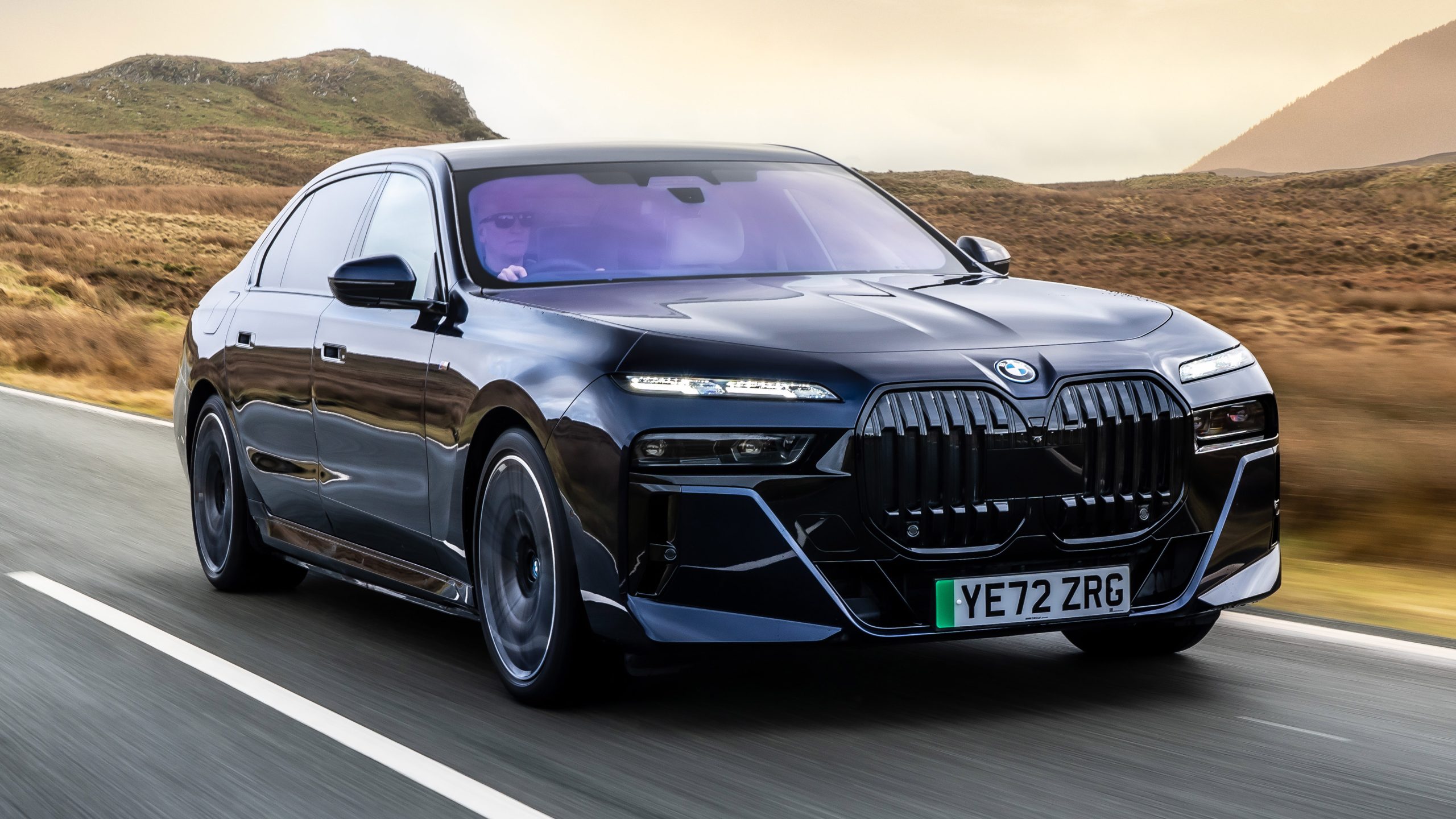
Modern BMW 7 Series models, including the G11, G12, and G70 generations, feature an advanced electric cooling system engineered to manage high-performance engines, luxury amenities, and stringent emissions standards. The cooling fan operates as an intelligent electronic module rather than a traditional mechanical component.
It communicates directly with the engine management system through the Controller Area Network (CAN Bus), allowing the vehicle to adjust cooling performance with high precision based on real-time operating conditions.
The fan module uses pulse-width modulation (PWM) to vary fan speed in fine increments instead of relying on fixed low or high settings. The engine control unit constantly monitors inputs such as engine coolant temperature, oil temperature, ambient temperature, vehicle speed, and engine load.
By adjusting fan speed precisely to meet demand, the system ensures optimal airflow, reduces unnecessary energy consumption, and maintains a quiet cabin environment, which is essential in a luxury sedan.
The complexity of the cooling system also stems from multiple thermal circuits in modern BMW engines. Turbocharged V8 and V12 powerplants generate significant heat and use separate loops for the engine block, turbochargers, intercoolers, and transmission. The fan module manages airflow across these heat exchangers, supplying cooling where it is most needed without wasting electrical power.
Active grille shutters work in tandem with the fan to improve aerodynamics and efficiency. When cooling demand is low, the shutters remain closed to reduce drag and improve fuel economy. When temperatures rise, they open automatically as the fan increases airflow through the radiator and other heat exchangers, maintaining proper cooling while balancing efficiency.
A specialized after-run function protects engine components after shutdown. Hot-V turbo layouts trap heat in the engine valley, so the fan can continue running for several minutes post-shutdown, drawing power from the vehicle’s electrical system to prevent heat damage to turbos and other components.
Newer 7 Series models incorporate 48-volt mild-hybrid systems, allowing the fan module to deliver higher power and efficiency. Integrated electronics within the fan regulate voltage and manage the increased electrical load.
Through intelligent software control, coordination with multiple thermal circuits, and interaction with aerodynamic components, the BMW 7 Series fan system delivers precise, reliable cooling while supporting the high performance and refined comfort expected from a flagship luxury sedan.
5. Modern Subaru Outback: Dual-Electric Fan System and Intelligent Cooling
The modern Subaru Outback, particularly post-2020 models built on the Subaru Global Platform (SGP), employs a sophisticated dual-electric fan system designed to manage engine and A/C cooling with high precision.
Unlike traditional single mechanical fans, the Outback’s system uses two separate fans: one dedicated to primary engine cooling and a secondary fan that activates during high A/C loads or extreme heat.
Each fan is independently controlled by a specialized module, allowing the vehicle to maintain optimal engine temperatures even in stop-and-go traffic, while efficiently supporting the horizontally opposed “Boxer” engine layout.
A defining feature of this system is its use of Pulse Width Modulation (PWM). Unlike older fans with simple low or high speed, the PWM module allows the fans to operate at any precise percentage of power, such as 14%, 46%, or 80%, depending on real-time cooling requirements.
This variable speed operation reduces electrical load on the alternator, contributes to improved fuel economy, and helps Subaru meet stringent Corporate Average Fuel Economy (CAFE) standards.
Integration with the Engine Control Module (ECM) enables the fans to function as part of the vehicle’s central management system. The module receives CAN bus data from multiple sensors, including coolant temperature, ambient air temperature, and A/C refrigerant pressure. The ECM can command soft-start fan operation, preventing sudden voltage spikes and protecting sensitive electronics throughout the engine bay.
The Boxer engine layout presents unique thermal challenges. Its low, flat design lowers the vehicle’s center of gravity but creates a compact engine bay prone to trapped heat. Modern Outbacks often feature radiators positioned slightly rearward or shielded by subframes for crash safety, increasing reliance on the dual-fan system to provide adequate airflow at low speeds.
In turbocharged Outback XT models with the 2.4L engine, the fan system’s complexity increases further. The module can run fans after engine shutdown to prevent heat soak, protecting turbocharger oil and bearings from degradation. During high-load driving, it coordinates both fans in a series-parallel configuration to maximize airflow while minimizing noise.
The dual-fan system in the Subaru Outback has therefore evolved into a smart, variable-speed thermal processor that balances precise cooling for the Boxer engine, turbocharging demands, fuel efficiency, and cabin quietness, making it a highly sophisticated solution compared to traditional cooling designs.

Mechanical and electric cooling systems illustrate the evolution of automotive engineering. Mechanical fans deliver dependable airflow under heavy loads with simple, robust designs. Electric fan modules provide adaptive, software-controlled cooling for engines, electronics, and air conditioning, improving efficiency, reducing noise, and protecting high-performance components.
The comparison highlights how modern vehicles balance precision, integration, and comfort with the proven reliability of traditional designs, showing the benefits and trade-offs between simplicity and advanced thermal management.
Also Read: Top 10 Cars With the Most Useful Hidden Storage Compartments