
When people think about classic cars, fuel efficiency is usually the last thing that comes to mind. The popular image of vintage automobiles often involves large engines, heavy bodies, and frequent fuel stops.
While this reputation is true for many muscle cars and luxury cruisers, it does not represent the full picture. Hidden among the legends of automotive history are several classic cars that managed to deliver respectable fuel economy while still becoming icons.
Part of this came from necessity. During fuel crises of the 1970s and rising fuel costs in the 1980s, manufacturers began focusing more seriously on efficiency.
Instead of only chasing horsepower numbers, engineers started improving aerodynamics, reducing weight, and designing engines that balanced performance with economy. This shift quietly produced some classic cars that could travel surprisingly far on a single tank.
Another factor was European and Japanese influence. While American classics often emphasized size and power, many European coupes and compact sports cars showed that smart engineering could deliver both driving enjoyment and fuel savings. These cars proved that being fun to drive did not automatically mean being expensive to fuel.
What also makes these vehicles interesting today is their practicality as classics. Owners who actually drive their vintage cars often appreciate models that do not consume excessive fuel. A classic that can be enjoyed regularly without constant refueling offers a very different ownership experience compared to fuel hungry collector cars.
This list explores eight iconic classic cars that built strong reputations for their design, cultural impact, or performance, but also delivered better fuel efficiency than many people expect.
Some achieved this through lightweight construction, others through advanced engine design, and a few through simple but effective engineering decisions.
These cars remind us that automotive history is not only about speed and style. Sometimes true innovation appears in the ability to do more with less. These classics prove that efficiency and character can exist in the same machine, and that smart engineering never goes out of style.
Also Read: 10 Classic Performance Trucks From the 1970s That Are Still Fast
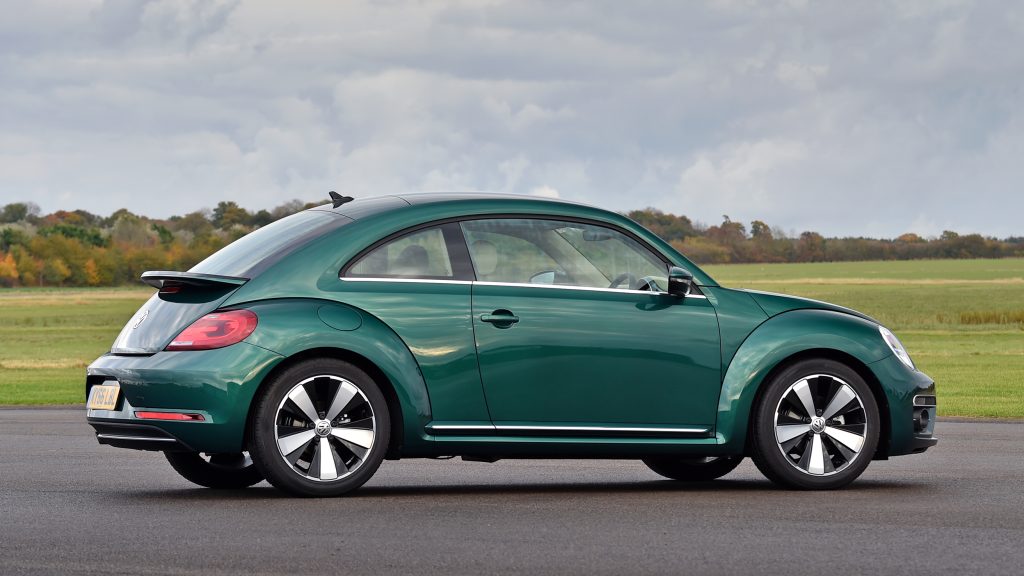
1. Volkswagen Beetle (Classic Air Cooled Generation)
Few cars in automotive history are as instantly recognizable as the classic Volkswagen Beetle. Its rounded shape, simple mechanics, and global popularity made it one of the most successful cars ever produced. What many people forget is that this icon was also designed with efficiency as a core goal from the very beginning.
The Beetle succeeded because of simplicity. Its small displacement air cooled engine did not attempt to compete with larger cars on power. Instead, it focused on reliability and low fuel consumption. This approach allowed millions of owners to experience affordable mobility during times when operating costs mattered greatly.
Weight also played a major role in its efficiency. Because the Beetle was relatively light compared to many vehicles of its era, the engine did not have to work as hard to maintain cruising speeds. This directly translated into lower fuel consumption, especially during steady highway driving.
The car’s shape, although originally created for manufacturing simplicity, also helped efficiency in an indirect way. Its curved profile reduced some wind resistance compared to more upright vehicles of the time. While not designed in a modern wind tunnel sense, it still benefited from smoother airflow than many box shaped competitors.
Another interesting aspect is how driving style influenced its fuel usage. Owners quickly learned that smooth acceleration and maintaining moderate speeds allowed the Beetle to deliver impressive mileage. It rewarded careful drivers rather than aggressive ones.
The Beetle also became popular among students and young drivers partly because of this economy. It allowed people to own a distinctive car without the financial burden associated with larger classics. This practicality helped extend its appeal across generations.
In restoration circles today, many enthusiasts appreciate how affordable it remains to operate compared to many vintage performance cars. Parts availability, mechanical simplicity, and reasonable fuel consumption make it one of the most usable classic cars for regular driving.
Looking back, the Beetle represents an important reminder that greatness in automotive history does not always come from excess. Sometimes it comes from efficiency, durability, and thoughtful design choices that allow a car to serve millions of people effectively.
2. Porsche 924
At first glance, the Porsche 924 might not seem like a car associated with efficiency. Its sporty badge and sleek coupe shape suggest performance as the main focus. However, this model actually represented a very balanced approach to sports car design, including surprisingly reasonable fuel consumption.
Unlike traditional Porsche models with large performance focused engines, the 924 used a smaller and more efficient powerplant. This decision helped create a sports car that was more accessible to buyers who wanted Porsche handling without extreme running costs.
Aerodynamics played a major role in this car’s efficiency story. The low nose, smooth body lines, and sloped windshield were carefully designed to reduce drag. At highway speeds, this aerodynamic advantage helped the car maintain speed without excessive fuel usage.
Balance also defined the engineering philosophy. The transaxle layout, which placed the transmission near the rear, improved weight distribution. While this was mainly done for handling, it also meant the engine worked under more stable conditions, indirectly supporting efficient cruising.
The interior design further reflected the idea of practical performance. This was not an overly extravagant sports car. It was designed to be driven regularly. Owners could commute during the week and enjoy spirited driving on weekends without constantly worrying about fuel costs.

Interestingly, the Porsche 924 helped change perceptions about what a sports car could be. It demonstrated that driving enjoyment did not always require large engines or high consumption. This idea would later influence many future performance cars.
Modern collectors often see the 924 as an underrated entry point into classic Porsche ownership. One reason is that it offers the brand experience while remaining more affordable to maintain and operate than many other vintage sports models.
Ultimately, the Porsche 924 shows how intelligent engineering can deliver both excitement and efficiency. It stands as proof that a classic sports car can still be sensible, and that efficiency does not reduce character when done correctly.
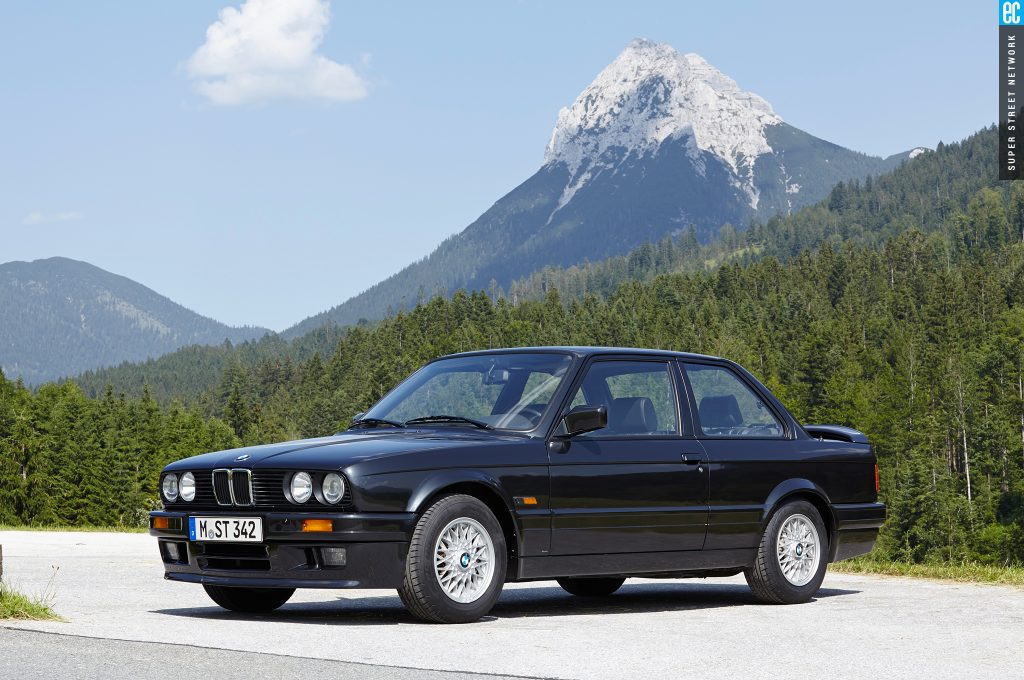
3. BMW 318i E30
Efficiency was not the headline feature when BMW introduced the E30 generation 3 Series, yet the 318i quietly proved that a classic sports sedan could be both engaging and economical. While the more powerful six cylinder versions often receive the most attention, the four cylinder 318i built its reputation through balance rather than brute force.
The philosophy behind this car was precision instead of excess. BMW engineered the 318i to deliver responsive driving characteristics through lightweight construction and careful chassis tuning rather than relying on a large engine. Because of this approach, the smaller engine was able to move the car effectively without excessive fuel demand.
One of the strongest advantages came from the car’s overall proportions. The E30 was compact, relatively light, and mechanically efficient. This meant less rotational mass, less drag from oversized components, and better efficiency during daily use.
These factors worked together to make the car surprisingly economical compared to many sports sedans of the same era.
Another factor that contributed to its fuel reputation was gearing. BMW selected transmission ratios that allowed relaxed highway cruising. At steady speeds, the engine operated comfortably rather than being pushed hard. Drivers often discovered that long distance trips required fewer fuel stops than expected from a sporty German sedan.
Ownership stories often highlight how versatile the 318i became because of this balance. Some owners used it as their only car, commuting daily while still enjoying its driving dynamics on weekends. This dual personality helped the car stand out among classics that often specialize in only one role.
The design also helped indirectly. The simple three box shape did not chase extreme styling trends, but its clean lines contributed to stable airflow and predictable efficiency. This demonstrated how good design sometimes supports efficiency without advertising it.
Another overlooked aspect was maintenance efficiency. The four cylinder engine layout was simpler and lighter than the six cylinder alternatives. This not only reduced weight but also kept operating costs manageable, which reinforced the car’s reputation as a sensible enthusiast vehicle.
Today the BMW 318i E30 is often respected by enthusiasts who understand subtle engineering excellence. It may not dominate horsepower discussions, yet it represents something equally important. It shows how a car can become iconic through intelligent balance rather than extremes.
This BMW proves a valuable point. A classic does not need to be thirsty to be memorable. Sometimes the smartest engineering decisions are the ones that make a car enjoyable to own every single day.
4. Alfa Romeo Spider (Series 3 Fuel Injected Models)
Italian sports cars are rarely associated with fuel economy discussions. Passion, sound, and styling usually define their legacy. Yet the Alfa Romeo Spider, particularly the later fuel injected versions, managed to combine Italian character with surprisingly reasonable fuel consumption.
The secret to its efficiency came from evolution. Alfa Romeo continuously improved the Spider across multiple generations, eventually introducing fuel injection systems that allowed more precise fuel delivery. This technology helped the engine use fuel more effectively compared to earlier carbureted designs.
Lightness also played an important role in the Spider’s efficiency story. As a relatively small roadster, it did not require a massive engine to feel lively. The combination of modest weight and a responsive four cylinder engine allowed the car to deliver enjoyable acceleration without excessive consumption.
The experience of driving the Spider also encouraged efficiency naturally. This was not a car built for aggressive straight line racing. It rewarded smooth driving, cornering rhythm, and open road cruising. Drivers who embraced this character often found the car surprisingly reasonable on fuel.
Even the convertible design contributed in unexpected ways. With the roof down during relaxed drives, many owners found themselves driving at moderate speeds to enjoy the experience rather than pushing the car hard. This driving style often resulted in better mileage than people expected from a classic Italian sports car.
Another interesting dimension comes from its long production life. Because the Spider remained in production for decades, Alfa Romeo had time to refine engine management and efficiency improvements. Later versions benefited from these lessons, making them more usable as regular classics.

Collectors today often describe the Spider as an emotional purchase that also makes practical sense. It offers style, heritage, and an engaging driving feel while avoiding the extreme fuel appetite associated with many vintage sports cars.
What makes the Alfa Romeo Spider special is that its efficiency feels accidental rather than intentional. It was built to deliver joy first. The fact that it also managed reasonable fuel consumption simply makes the ownership experience even more rewarding.
This Alfa shows that sometimes efficiency comes not from strict planning but from good fundamentals. A light body, a well tuned engine, and a clear design purpose can naturally create a classic that is both exciting and surprisingly economical.
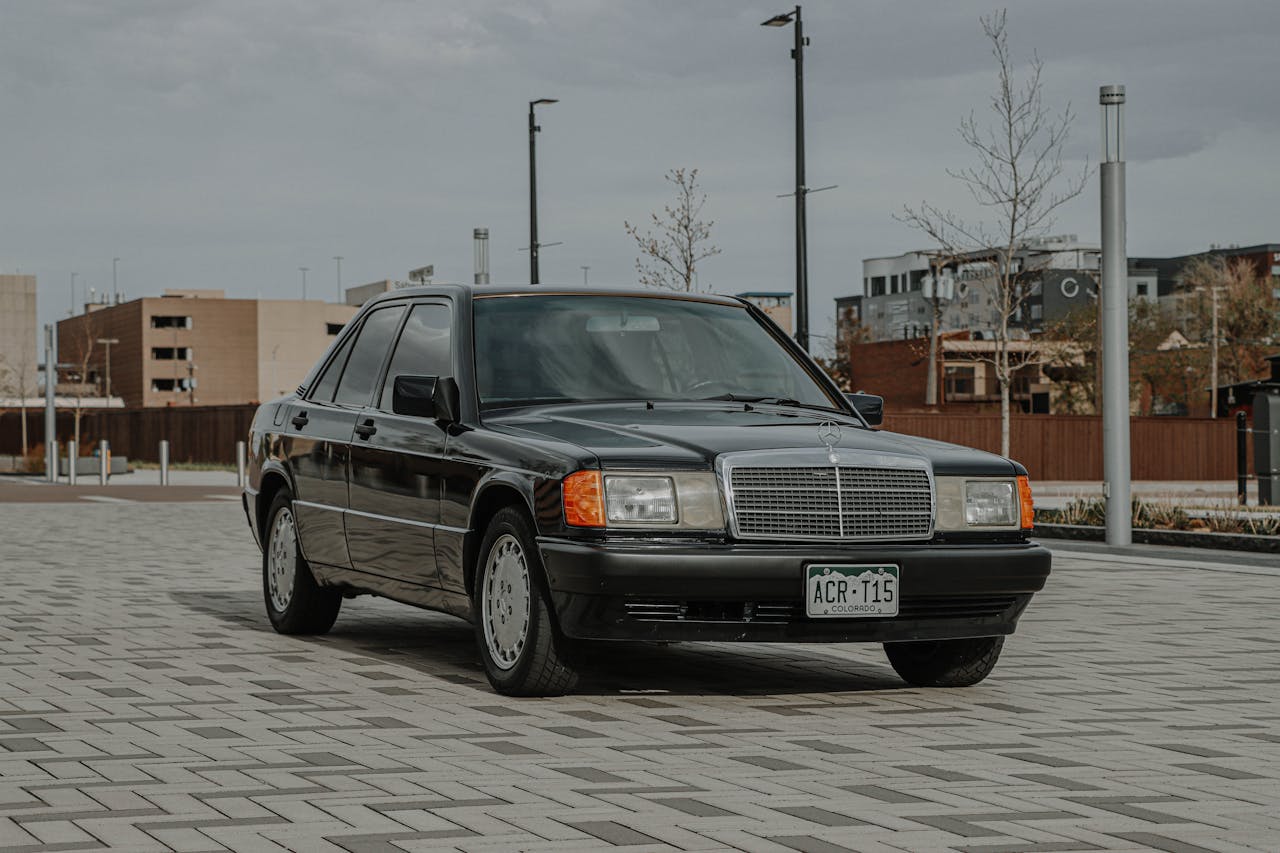
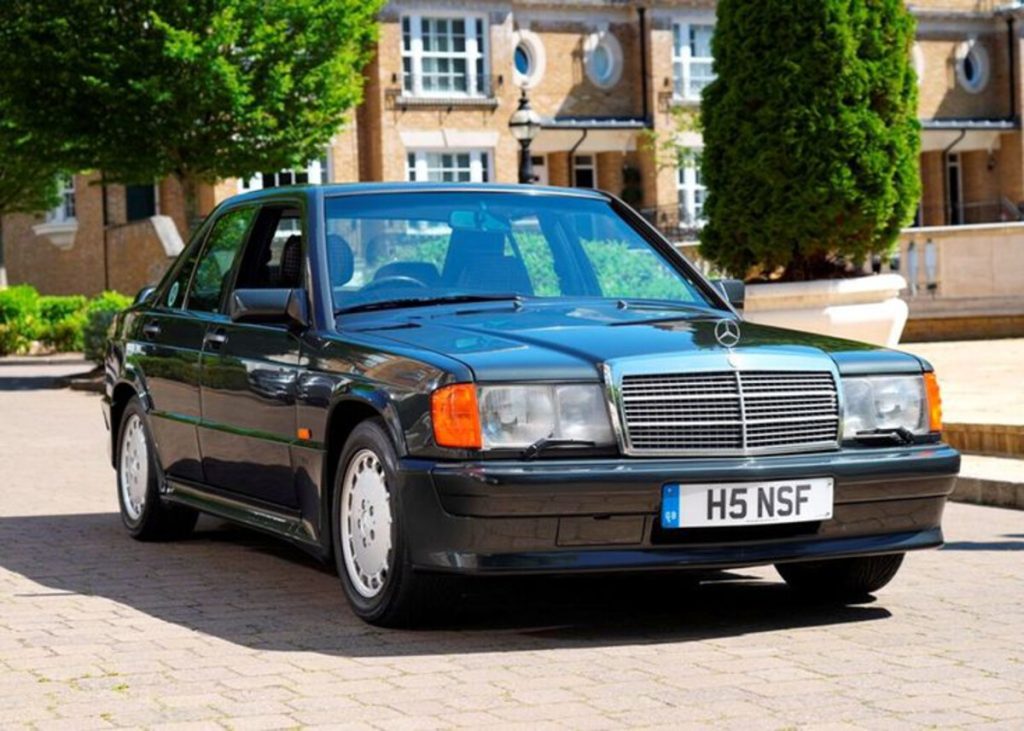
5. Mercedes Benz 190E
The Mercedes Benz 190E tells a very different efficiency story compared to small economy classics. This was not a budget car and it was not marketed as an economy champion. Instead, it was engineered as a compact luxury sedan that happened to deliver impressive fuel discipline because of how carefully it was developed.
Mercedes approached the 190E with a long term engineering mindset. The goal was to create a smaller executive car that could maintain the brand’s reputation for quality while being more manageable in everyday use. This naturally resulted in a vehicle that consumed less fuel than the larger Mercedes sedans of the time.
One important factor was engine refinement. The four cylinder engines used in many 190E models were designed for smooth operation rather than aggressive performance. Because of this, they delivered steady power without unnecessary fuel consumption. The engine character encouraged calm, confident driving instead of high revving behavior.
Wind resistance also received attention. Mercedes invested significant time refining the body shape to improve airflow. The relatively clean exterior design was not just about appearance. It helped reduce drag at highway speeds, which meant the engine needed less effort to maintain cruising momentum.
Another reason the 190E gained a reputation for efficiency was how it behaved in real ownership situations. Business professionals often selected this car because it projected success without appearing excessive. At the same time, the manageable fuel costs made it practical for regular commuting.
The interior philosophy also matched this sensible character. Everything inside was designed to last. Switches, seats, and materials were built for durability rather than decoration. This long life approach extended to the mechanical systems as well, meaning the car stayed efficient when properly maintained.
Unlike some classic cars that require constant tuning to maintain reasonable consumption, the 190E was known for consistency. Owners frequently reported predictable fuel usage even after years of service, which is a sign of strong engineering fundamentals.
Motorsport involvement also played an indirect role in its efficiency image. While high performance versions gained racing fame, the standard models benefited from the same disciplined engineering culture. This connection helped ensure even the everyday versions were well optimized machines.
Today the 190E is appreciated as a thinking person’s classic Mercedes. It offers the brand’s traditional solid feel while remaining one of the more practical vintage luxury cars to operate regularly.
What makes this car special is how quietly it achieved efficiency. It did not advertise itself as economical. It simply performed its job so well that efficiency became one of its natural strengths.
6. Peugeot 205
The Peugeot 205 represents a completely different side of the classic efficiency discussion. Where German cars often achieved fuel economy through precision engineering, the Peugeot 205 did it through lightness, simplicity, and clever packaging.
This small French hatchback became one of Europe’s most respected compact cars because it understood exactly what drivers needed. Instead of chasing unnecessary size or power, Peugeot created a car that maximized usefulness while keeping weight low. That decision alone played a major role in its fuel efficiency.
The engines available in the 205 were generally modest in size, yet they were well matched to the car’s lightweight structure. Because the vehicle did not carry excess mass, even small engines could deliver lively performance. This balance allowed drivers to enjoy the car without constantly visiting fuel stations.
Urban usability was another advantage. The Peugeot 205 excelled in city environments where efficiency matters most. Its compact dimensions made parking easy, and its responsive steering allowed smooth traffic movement. These characteristics helped it become a favorite daily driver across European cities.
Interestingly, even performance versions like the GTI benefited from the car’s lightweight philosophy. While those models focused more on driving excitement, they still demonstrated how weight control could support both performance and reasonable fuel usage at the same time.
Another element that defined the 205 was its honesty. This was not a car trying to be something it was not. It was built to be practical, affordable, and enjoyable. Because of this clear purpose, everything about it worked efficiently, including how it used fuel.
Long term ownership also highlighted its strengths. Many examples remained daily transportation for decades. This was possible because the car was affordable to maintain and did not punish owners with high operating costs.
The Peugeot 205 also helped establish a formula that many modern small cars still follow today. Keep weight controlled, design efficient engines, and focus on real world usability rather than marketing numbers.
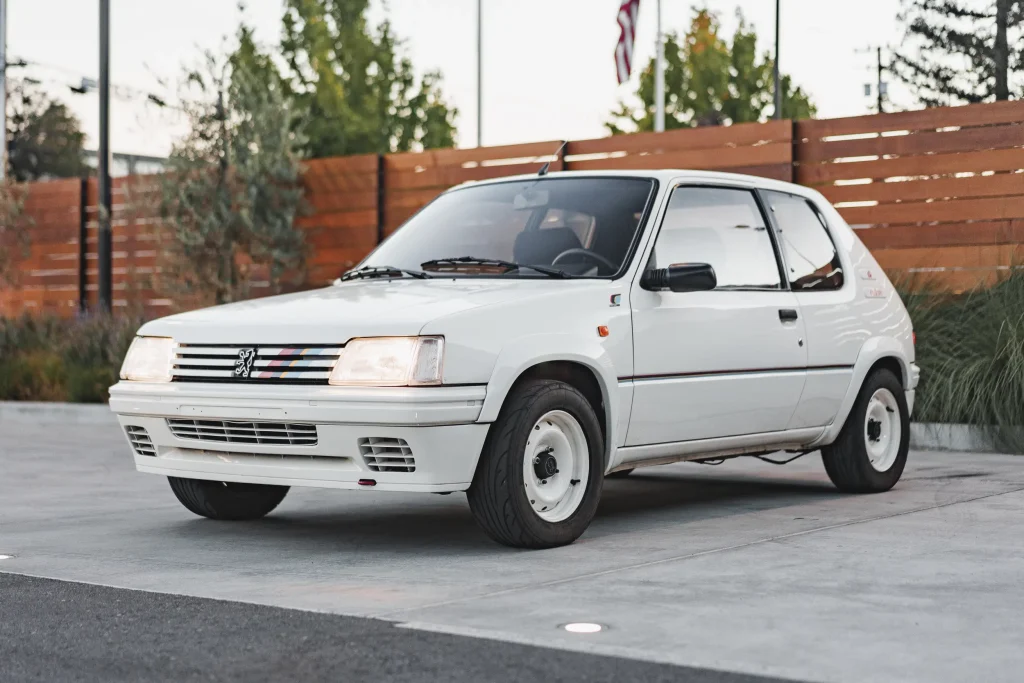
Today, enthusiasts often celebrate the 205 for its driving charm, but its efficiency deserves equal recognition. It showed that a small well designed car could become a legend without needing excessive power.
The Peugeot 205 proves that sometimes the smartest classics are the ones that achieve greatness through simplicity rather than complexity.
7. Honda CRX (First Generation)
The first generation Honda CRX deserves recognition because it challenged the idea that a fun car must automatically be inefficient. At a time when many sporty coupes focused on performance numbers alone, Honda created a lightweight two seat hatchback that proved efficiency and enjoyment could exist together without compromise.
A major reason behind the CRX’s fuel efficiency was its extremely low curb weight. Honda engineers focused on reducing unnecessary bulk, which meant the engine could deliver strong responsiveness without requiring large amounts of fuel. This created a car that felt energetic despite its small displacement engine.
Instead of brute strength, Honda focused on mechanical intelligence. The engines used advanced combustion efficiency ideas for their time, allowing more energy to be extracted from every drop of fuel. This careful engineering helped the CRX become one of the most fuel conscious sporty cars of its era.
The shape of the CRX also played a significant role. The compact body and sloping rear helped air move cleanly over the car. While it was never marketed as an aerodynamic experiment, the benefits of its design were clear during highway driving where fuel usage remained impressively controlled.
There was also something psychological about how the CRX encouraged efficient driving. Sitting in a small cockpit with excellent visibility often made drivers more aware of smooth inputs. Quick acceleration was available when needed, but the car felt happiest when driven with rhythm and precision rather than aggression.
Its reputation grew particularly strong among young enthusiasts who wanted a sporty car but could not afford the fuel costs of traditional performance vehicles. The CRX became proof that engineering intelligence could replace engine size when the goal was balanced performance.
Another overlooked advantage was mechanical durability. Honda built these cars with tight tolerances and strong reliability standards. A well maintained CRX often continued delivering strong efficiency even after years of use, which reinforced its practical appeal.
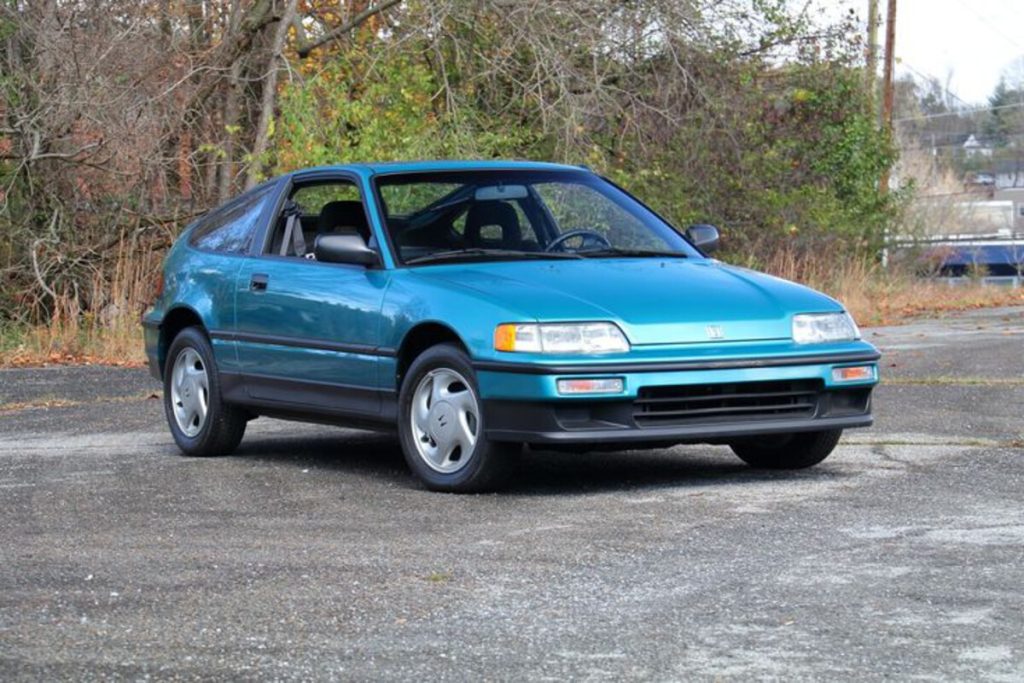
The CRX also quietly influenced the future. It helped inspire the idea that compact sporty cars could be responsible daily drivers rather than occasional toys. This philosophy later became common across the industry.
Today the CRX stands as a reminder that efficiency can be exciting. It shows that a car does not need large displacement or high fuel usage to become memorable. Sometimes smart engineering and lightweight thinking create a legacy just as powerful as raw performance.
The Honda CRX remains one of the clearest examples that efficiency itself can become part of what makes a classic truly iconic.
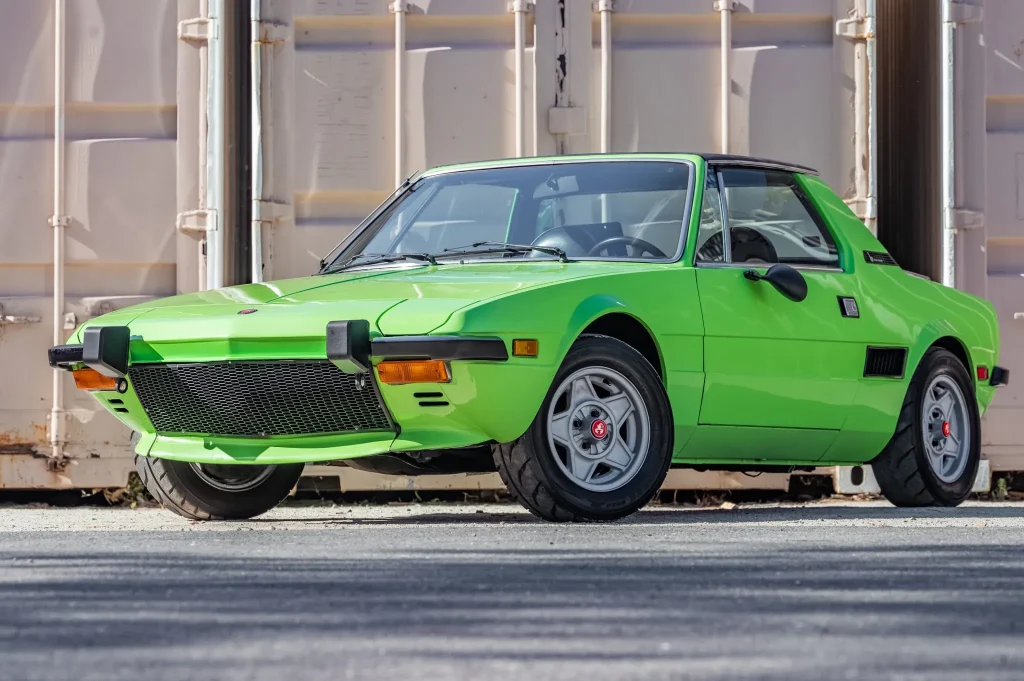
8. Fiat X1/9
Some cars earn fame through power. Others through beauty. The Fiat X1/9 earned its place in automotive history through clever design thinking. This small mid engine sports car demonstrated that layout innovation could also support efficiency when executed correctly.
At the center of the X1/9’s identity was its compact engine placement. By using a small displacement engine mounted behind the seats, Fiat achieved excellent weight balance without needing a large powerplant. This allowed the car to feel agile while still maintaining modest fuel demands.
The compact dimensions also helped its efficiency story. Because the car was physically small and light, it required less energy to move. This created a situation where even relaxed driving felt rewarding. Owners did not need high speeds to enjoy the experience.
Another interesting factor was how the X1/9 delivered the sports car feeling without traditional costs. The mid engine layout gave it handling characteristics similar to more expensive exotic cars, yet its small engine kept it within reach for practical ownership. This balance gave it a unique identity.
Its removable roof panel added another dimension to the experience. Like other small sports cars, it encouraged relaxed scenic driving rather than aggressive speed. This natural driving style often supported better fuel usage compared to heavier performance classics.
Fiat also approached the car with a creative packaging mindset. Despite its small footprint, it offered storage compartments in both the front and rear. This made it more usable than many sports cars, proving that efficiency can also mean smart use of available space.
The X1/9 also built a loyal following because it delivered something different. It was not trying to compete with muscle cars or luxury grand tourers. It existed in its own category where balance, cleverness, and affordability mattered more than raw numbers.
Over the years, enthusiasts have appreciated how approachable it remains. Compared to many classic sports cars, it can still be enjoyed without extreme operating costs. This usability has helped maintain interest in the model.
The Fiat X1/9 proves that innovation often comes from thinking differently rather than thinking bigger. Its design shows that when weight, size, and engine output are kept in harmony, efficiency can become a natural result.
This car stands as a creative example of how classic sports cars could deliver driving excitement while still respecting fuel economy.
Fuel efficiency is rarely the first topic discussed when classic cars are mentioned, yet these eight vehicles show that smart engineering has always existed alongside performance and style. They represent a quieter kind of innovation, one focused on making cars usable, balanced, and practical for real owners.
What makes these cars especially interesting is that none of them were defined purely by economy. The Volkswagen Beetle became a cultural symbol. The Porsche 924 introduced accessible sports car ownership.
The BMW 318i showed balance. The Alfa Romeo Spider delivered emotional driving. The Mercedes 190E demonstrated engineering discipline. The Peugeot 205 proved simplicity works. The Honda CRX showed efficiency could be fun. The Fiat X1/9 highlighted creative thinking.
Together they show that efficiency often comes as a result of good design rather than a single goal. Lightweight construction, careful aerodynamics, smart gearing, and well tuned engines all played roles in making these cars surprisingly economical.
Another important lesson is usability. These classics can often be driven more frequently than many fuel heavy vintage cars. For enthusiasts who believe cars should be experienced on the road rather than only displayed, this makes them especially appealing choices.
These vehicles also helped shape modern expectations. Today it is normal to expect cars to balance performance and economy. These classics helped prove that such a balance was possible long before modern hybrid technology existed.
Ultimately, these eight cars demonstrate that automotive greatness is not only measured in speed or rarity. Sometimes it is measured in how intelligently a machine serves its driver.
Their stories remind us that even in the golden age of classic cars, efficiency was already becoming part of what defined truly great design.
Also Read: Top 10 Classic Cars With the Most Iconic Front End Designs
