
Japanese performance cars have experienced a dramatic transformation in reputation over the last two decades. Once seen as affordable alternatives to European sports cars, many of these machines are now considered serious collector assets.
What was once a budget friendly enthusiast market has evolved into a global investment category where certain models regularly appreciate in value.
One important reason behind this rise is engineering credibility. During the 1980s, 1990s, and early 2000s, Japanese manufacturers built performance cars with extremely strong mechanical foundations.
Many engines were intentionally overbuilt, allowing them to handle both factory performance and aftermarket tuning. This strength helped these cars develop legendary reliability, something collectors deeply value today.
Another major factor is cultural influence. Video games, motorsport, and car enthusiast communities helped turn many Japanese performance cars into icons.
Exposure through racing series and digital media introduced these vehicles to younger generations who later became collectors. As demand increased and supply remained limited, prices naturally began to climb.
Rarity also plays a major role. Some models were produced in limited numbers, while others were heavily modified or lost over time. Clean and original examples have therefore become increasingly difficult to find. This scarcity has pushed collectors to treat well preserved examples as long term assets rather than just weekend toys.
The driving experience is another reason these cars have become investment worthy. Many come from an era before excessive electronic assistance. This gives them a more mechanical and connected feel that modern vehicles sometimes lack. Enthusiasts often describe them as pure driver machines, which further increases their desirability.
Global recognition has also helped. Auctions in different countries now regularly feature Japanese performance cars alongside traditional collector vehicles from Europe and America. This acceptance has confirmed their place in the investment world.
This list explores ten Japanese performance cars that have transitioned from enthusiast favorites into recognized global investment machines. Each represents a different story of how performance, culture, rarity, and engineering combined to create long term value.
Also Read: Top 10 Most Reliable Diesel Engines From the Late 1970s Era
1. Nissan Skyline GT R R32
Some cars become valuable because they are rare. Others become valuable because they changed history. The Nissan Skyline GT R R32 belongs to the second category.
When it appeared at the end of the 1980s, it did not just enter the performance market. It reset expectations for what a technologically advanced sports car could achieve.
Nicknamed Godzilla by the Australian press due to its racing dominance, this car quickly built a reputation that extended far beyond Japan. Its advanced all wheel drive system and intelligent torque distribution allowed it to outperform many competitors that appeared more powerful on paper.
The RB26 engine became one of the most respected performance engines ever built in Japan. Its iron block construction and strong internal design allowed it to handle much more power than its factory rating suggested. This hidden potential became a major attraction for enthusiasts and later investors.
Collectors today often value this car not only because of performance but because of what it represents historically. It marked Japan’s arrival as a serious performance engineering force. Cars that represent turning points in automotive history often become strong investments.
Another reason for its increasing value is how many examples were modified. During the tuning boom of the early 2000s, originality was not a priority. As a result, unmodified cars have become rare. Investors typically prefer originality, which has driven prices higher.
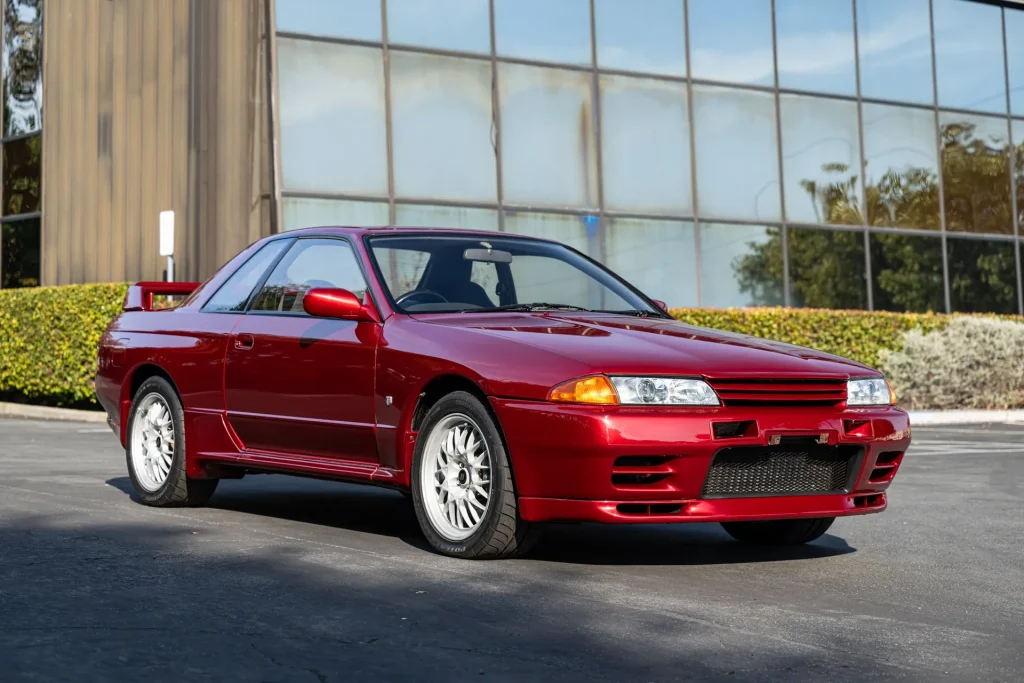
The design also helped its long term appeal. Unlike many cars tied strongly to one era of styling, the R32 maintained a clean and functional look. This timelessness helps it remain attractive across generations.
Market trends show that values for well preserved examples continue to rise as global collectors compete for limited supply. Import eligibility in new markets has also expanded the buyer base.
This car proves that investment value often comes from a combination of engineering importance, racing success, and cultural relevance. The R32 Skyline GT R possesses all three qualities.
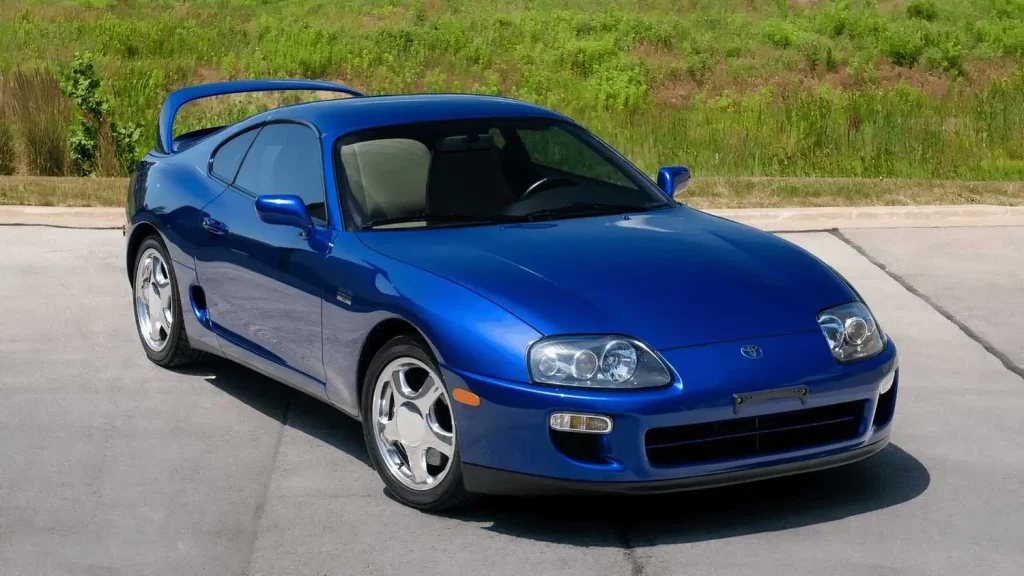
2. Toyota Supra Mk4
Few Japanese performance cars have experienced a value surge as dramatic as the Toyota Supra Mk4. During the early 2000s, these cars were simply used sports coupes. Today, they are frequently treated as collector centerpieces and long term automotive investments.
The main driver behind this transformation is the 2JZ engine. Known for its incredible strength, this engine became legendary among tuners because it could handle very high power levels without major internal modification. This engineering strength gave the car a second life in performance culture.
Popularity in entertainment media also played a role. Appearances in car culture films helped introduce the Supra to a global audience. This type of exposure often increases long term collector demand because it connects vehicles with emotional memories.
Another interesting factor behind the Supra’s rise is its balance. It offered strong straight line performance, reliable engineering, and everyday usability. Cars that combine these traits often develop wider appeal than vehicles focused on only one strength.
Design also contributed to its collector status. The large rear wing, smooth body shape, and distinctive front styling created a recognizable identity. Iconic visual identity is often a major factor in determining which cars become investment grade collectibles.
Manual transmission turbo models have become especially valuable due to their relative rarity. As automatic vehicles dominated later years, traditional manual performance cars gained additional appeal among collectors seeking a more engaging driving experience.
Global auction results continue to show rising interest. Prices for excellent condition examples have increased as more collectors recognize their importance in performance history.
The Supra Mk4 demonstrates how engineering strength, cultural exposure, and limited availability can transform a once affordable sports car into a recognized global investment asset.
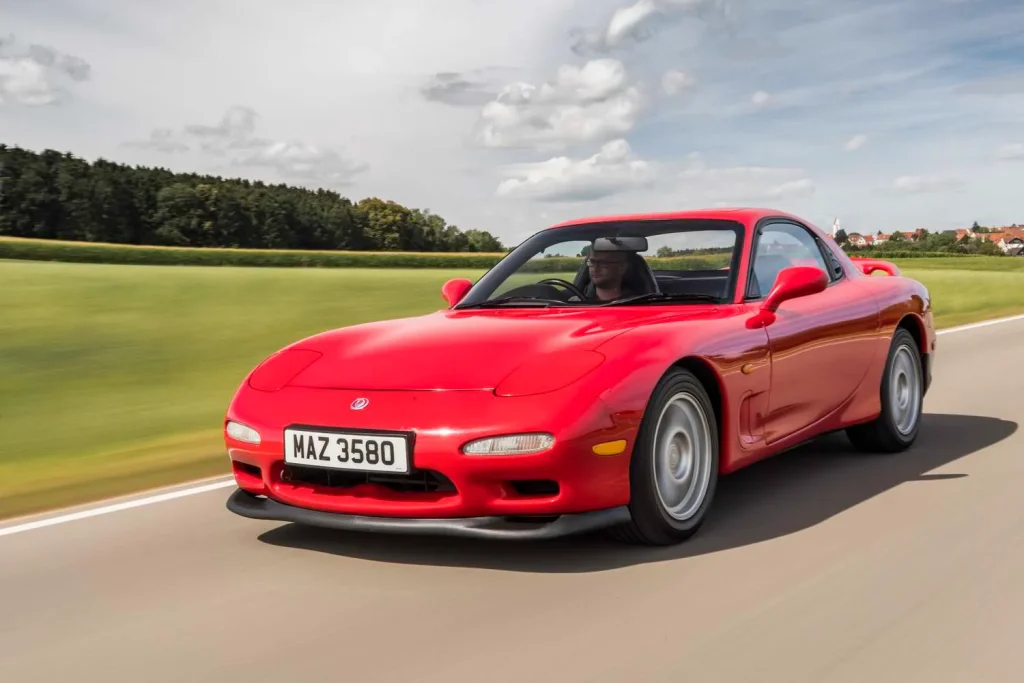
3. Mazda RX 7 FD
The Mazda RX 7 FD did not become an investment asset because it was the most powerful car of its time. Its rise came from something more unusual. It became valuable because it offered a driving experience and engineering philosophy that no longer exists in modern performance cars.
At the center of its story is the rotary engine. Unlike traditional piston engines, this unique design delivered smooth power delivery and a very different driving character. While rotary engines required careful maintenance, they rewarded owners with a distinctive performance feel that became highly respected among enthusiasts.
The design of the RX 7 FD also played a major role in its investment rise. Its flowing body lines, low height, and almost organic shape helped it age exceptionally well. Many collectors consider it one of the most beautiful Japanese sports cars ever produced, and design appeal often plays a strong role in long term value growth.
Production numbers were also relatively limited compared to more mainstream performance cars. As years passed, many examples were heavily modified or poorly maintained. This created a situation where original and well preserved cars became increasingly scarce.
Another important factor is purity of purpose. The RX 7 FD was engineered with driving balance as a priority. Lightweight construction, near perfect weight distribution, and responsive steering created a connection between driver and machine that many modern cars struggle to replicate.
The car also benefited from strong enthusiast communities around the world. Active communities help preserve knowledge, parts availability, and interest. These networks often play an invisible role in maintaining collector value.
In recent years, values have steadily increased as collectors began recognizing how unique the rotary era really was. As emissions regulations and changing technology made such engines unlikely to return, the RX 7 FD gained additional historical significance.
What makes this car an investment is not just rarity or performance. It is the fact that it represents a type of engineering experimentation that may never be repeated. That uniqueness gives it lasting collector importance.
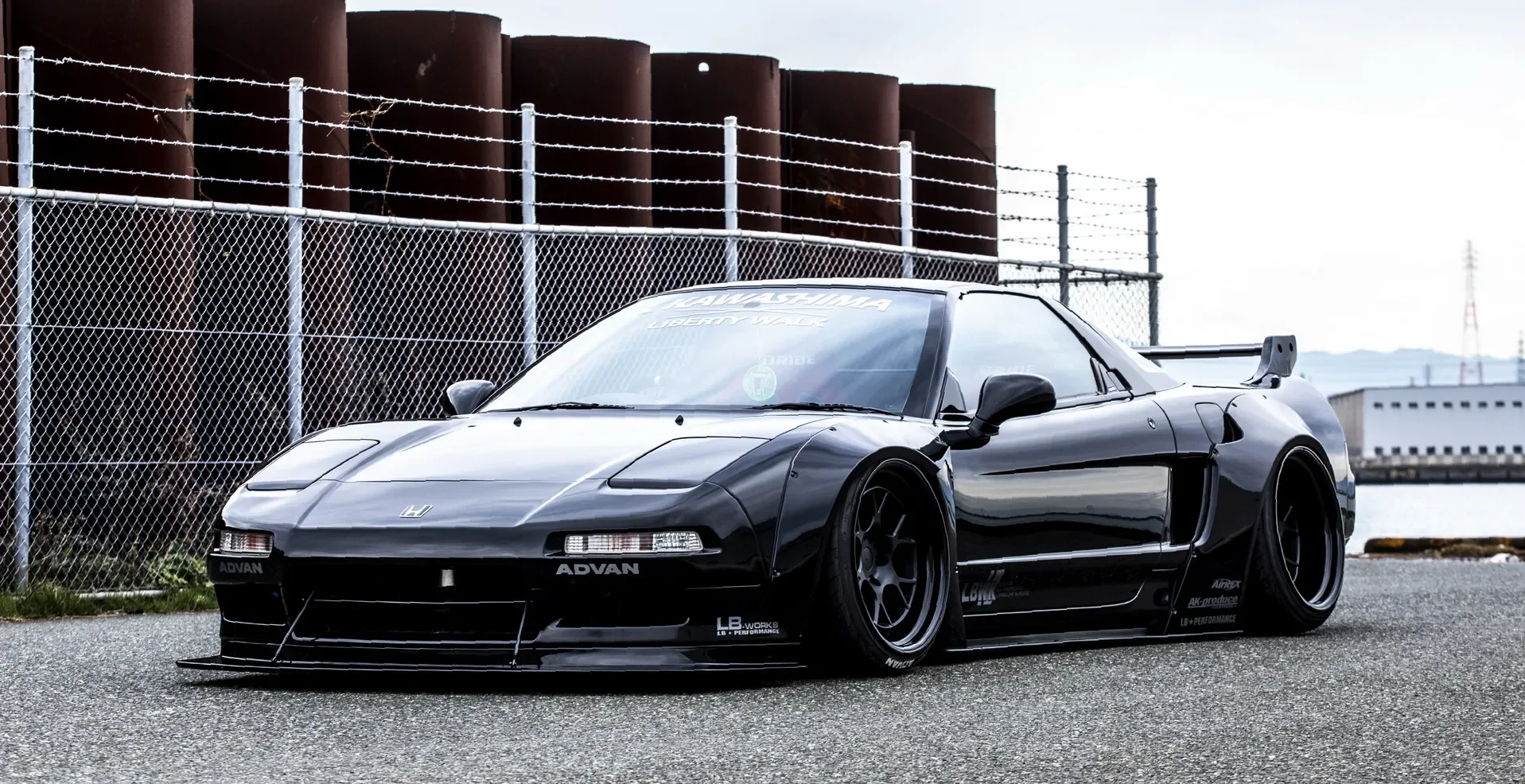
4. Honda NSX First Generation
The Honda NSX represents a completely different investment story. Instead of becoming valuable through tuning culture or rarity alone, it earned its status by proving that a Japanese manufacturer could build a world class supercar capable of challenging established European brands.
When it was introduced, the NSX shocked the industry by combining exotic car performance with Honda reliability. This changed expectations. Before this car, many people believed high performance machines had to sacrifice dependability. The NSX proved otherwise.
Its aluminum body construction was highly advanced for its time. Reducing weight without sacrificing strength allowed the car to deliver excellent handling characteristics. Engineering innovation like this often becomes a major reason certain vehicles gain collector respect.
Another important part of its history comes from its development process. Feedback from professional racing drivers helped shape the handling characteristics. This focus on driver experience gave the NSX a reputation as a precision instrument rather than just a fast machine.
The styling also helped its long term value. Instead of aggressive or exaggerated shapes, the NSX used clean and confident proportions. This restraint helped the car remain visually appealing decades later, which is very important in the collector market.
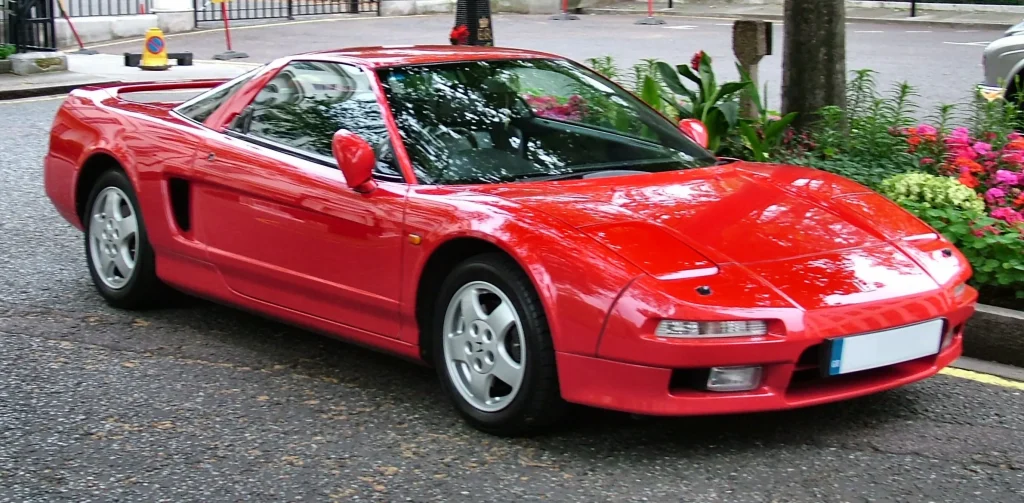
Limited production numbers also contributed to its investment growth. Compared to mass produced sports cars, fewer units mean fewer surviving examples. Scarcity combined with historical importance usually creates strong collector demand.
Another element behind its rising value is respect. Among engineers and enthusiasts, the NSX is often mentioned as one of the most important Japanese performance cars ever made. Respect within the enthusiast community often translates into financial appreciation over time.
Today, early NSX models are increasingly seen at major collector auctions. Their rising values show how engineering excellence and historical importance can transform a performance car into a global automotive asset.
5. Nissan Silvia S15
The Nissan Silvia S15 presents an interesting case where a car originally loved by grassroots enthusiasts slowly transitioned into a respected collector asset. For many years it was known mainly in drifting circles, but as time passed, its importance within performance history became more widely recognized.
Unlike some investment cars that gained value through luxury positioning, the Silvia built its reputation through driver engagement. It was designed as a lightweight rear wheel drive coupe that rewarded skill rather than relying on electronic assistance. That purity has become increasingly rare, which has helped its collector appeal.
One important reason behind its rising value is its position as one of the final compact Japanese performance coupes of its kind. As the industry shifted toward heavier and more technology focused vehicles, cars like the Silvia became symbols of a disappearing era.
Its turbocharged SR20DET engine also contributed to its reputation. Known for strong tuning capability and durability when maintained properly, this engine helped the car gain worldwide recognition among performance builders. As tuning culture matured, clean factory examples became harder to find.
Design plays a surprisingly strong role in its investment rise. The S15 featured sharp but balanced styling that still looks modern today. Because it was produced toward the end of the analog performance era, its appearance bridges classic and modern design language.
Market availability also influenced its investment status. Since the car was not originally sold in every global market, import eligibility rules later created waves of demand. When new regions gained legal access, prices often increased due to fresh buyer interest.
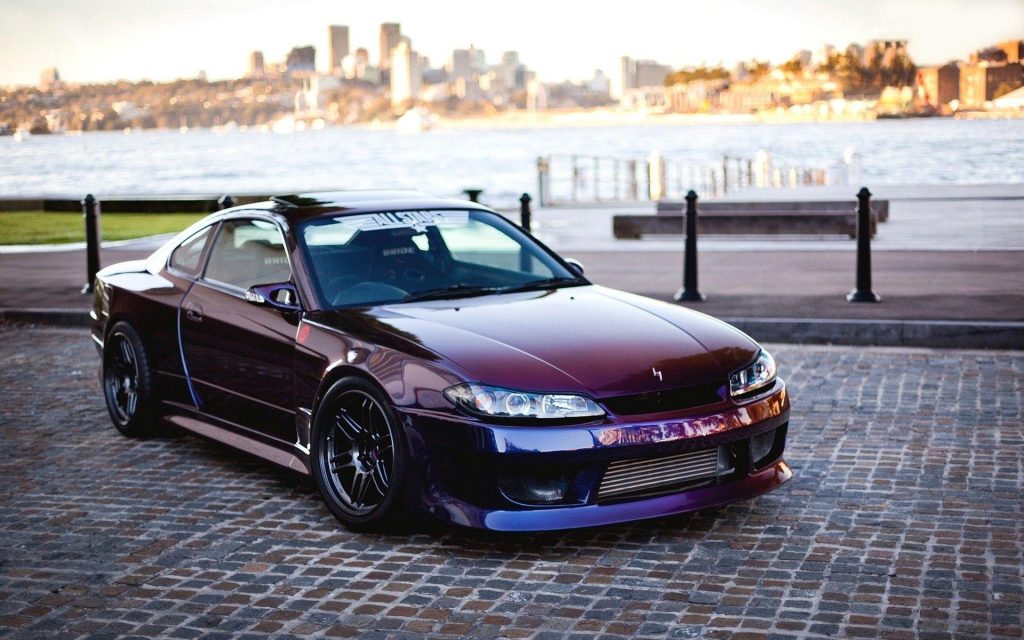
Another factor is survival rate. Many Silvias were modified for motorsport or street performance. This means original cars are now significantly more valuable. Collectors often pay premiums for factory condition vehicles because they represent untouched history.
The Silvia S15 proves that investment value does not always come from prestige branding. Sometimes it comes from representing the final chapter of a certain type of performance engineering philosophy.
6. Mitsubishi Lancer Evolution VI
The Mitsubishi Lancer Evolution VI tells a story shaped by motorsport credibility. Unlike cars that became valuable through luxury or rarity alone, this machine built its reputation through competition success and engineering designed for real performance conditions.
Developed during Mitsubishi’s strong involvement in international rally competition, the Evolution VI carried lessons learned from extreme racing environments. This connection gave the car technical authenticity, something serious collectors often value highly.
The turbocharged four cylinder engine became famous for its responsiveness and durability. Built to handle aggressive driving, the engine gained respect among both professional drivers and private owners. Cars that demonstrate durability under competition conditions often gain long term investment attention.
The all wheel drive system also helped define the car. Designed to maximize traction across unpredictable surfaces, it delivered confidence in both racing and road environments. This kind of real world performance credibility helps separate true performance icons from marketing driven sports models.
Another interesting aspect of the Evolution VI is how clearly it communicates its purpose visually. Functional air openings, performance focused body design, and a purposeful stance made it obvious that the car was built for speed rather than comfort. Purpose driven design often becomes attractive to collectors over time.
Special editions also played a role in value appreciation. Limited variants connected to racing achievements created additional collector interest. Vehicles with direct motorsport associations often develop strong investment potential because they carry historical context.
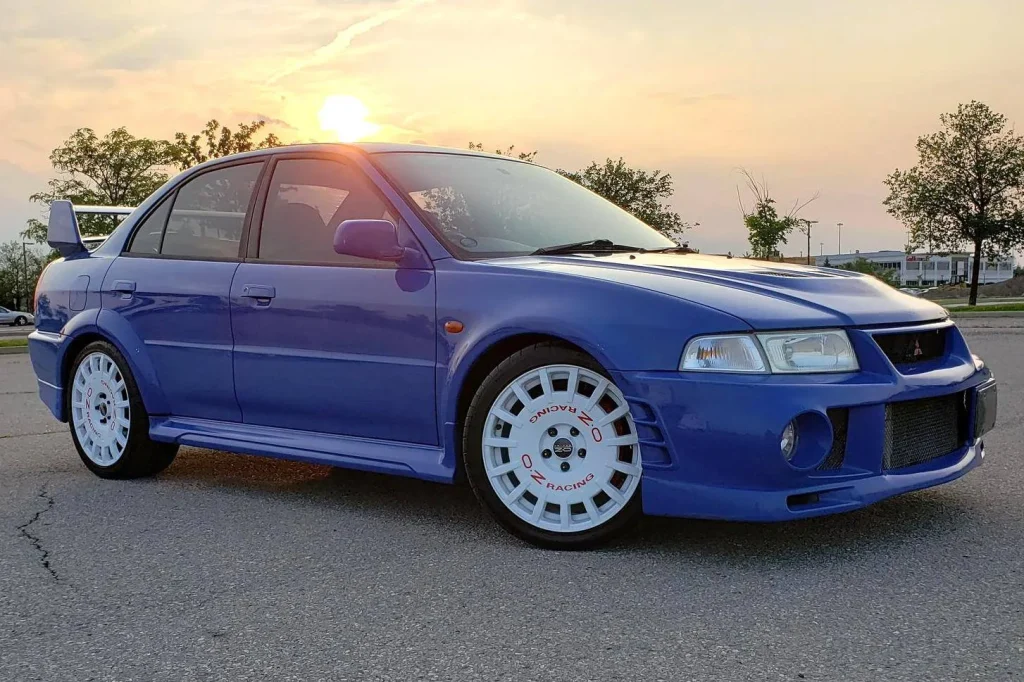
Enthusiast demand has remained strong as fewer clean examples remain available. As with many performance cars of its era, heavy use and modification reduced the number of original survivors. This scarcity continues to push collector attention toward well preserved vehicles.
The Evolution VI stands today as an example of how motorsport heritage, engineering honesty, and enthusiast respect can combine to create a performance car that evolves into a global investment piece.
7. Subaru Impreza WRX STI 22B
Certain cars become investment assets because of production numbers alone. The Subaru Impreza WRX STI 22B became something more. It turned into a legend because it represented a celebration of Subaru’s rally dominance and engineering confidence during one of the most competitive periods in motorsport history.
Built as a special performance model, the 22B was never intended to be a mass production vehicle. Its limited production instantly made it desirable, but what truly elevated its status was the story behind its creation.
It was built to honor Subaru’s success in world rally competition, which gave it historical importance from the very beginning.
Mechanically, the car was heavily reinforced compared to the standard WRX models. Strengthened internals, wider body construction, and carefully tuned suspension created a machine built to handle aggressive driving. These upgrades were not cosmetic. They were functional improvements aimed at performance durability.
Collectors also value the authenticity of this model. Unlike cars that gain fame later, the 22B was recognized as special from the moment it appeared. This early recognition helped many examples remain preserved rather than heavily modified, which helps maintain collector quality supply.
The visual identity also played a strong role in its appeal. The wide body design, signature blue paint, and gold wheels created one of the most recognizable Japanese performance car appearances ever produced. Distinctive appearance often strengthens long term desirability.
Another factor supporting its investment growth is emotional connection. Many enthusiasts who grew up watching rally competition consider this car a dream vehicle. As those enthusiasts reach collector age, demand naturally increases.
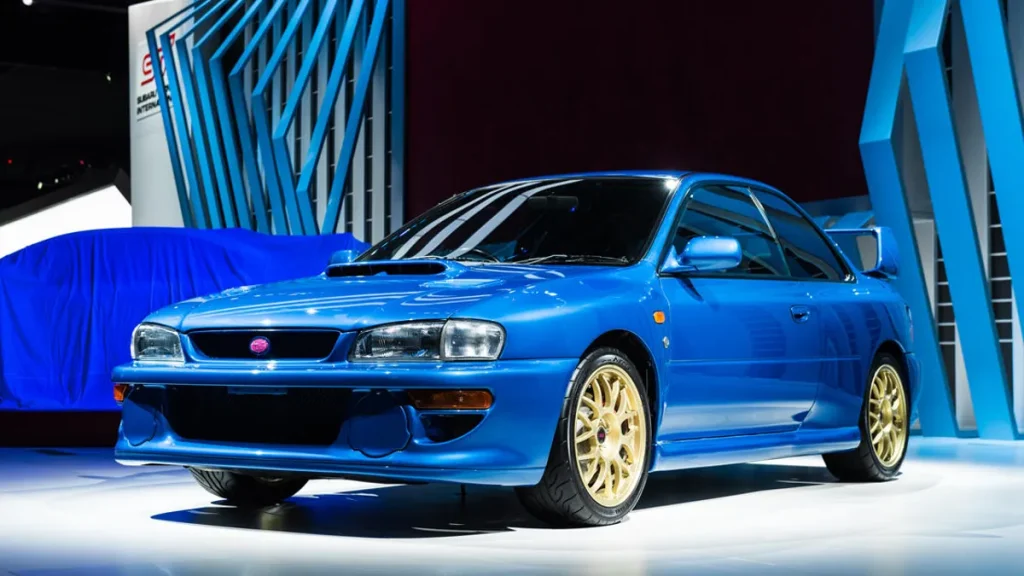
Auction values have reflected this growing demand. Exceptional examples have sold for figures that would have seemed impossible when the car was new. This kind of appreciation shows how motorsport legacy can translate into financial value.
The 22B demonstrates that investment cars often carry stories as powerful as their engineering. In this case, the story of rally success became just as important as the machine itself.
8. Toyota AE86 Corolla
The Toyota AE86 Corolla followed a completely different path toward investment status. It did not begin life as an expensive performance machine. In fact, it was originally valued because it was simple, balanced, and affordable. Ironically, those same traits later helped turn it into a valuable collector car.
This car’s reputation grew through driver communities rather than official promotion. Lightweight construction, rear wheel drive layout, and excellent balance made it ideal for learning performance driving techniques. Over time, this created a loyal global following.
Its naturally aspirated engine also became respected for reliability and responsiveness. While not extremely powerful, it encouraged drivers to focus on skill rather than speed. Cars that reward technique often develop deep enthusiast respect.
Cultural influence also played a major role. Appearances in automotive media and enthusiast storytelling helped turn the AE86 into a symbol of pure driving enjoyment. Cultural symbolism can sometimes push values higher than raw performance numbers.
The biggest reason for its investment growth may be survival rate. Because the car was affordable for many years, many examples were modified, raced, or damaged. Clean original cars therefore became rare much faster than anyone expected.
Another interesting aspect is its mechanical transparency. Owners often describe the driving experience as honest and predictable. As modern vehicles become more complex, this analog driving feel has become more desirable among collectors.
The AE86 also benefits from strong aftermarket and restoration support. Continued parts availability makes long term ownership possible, which helps sustain collector interest.
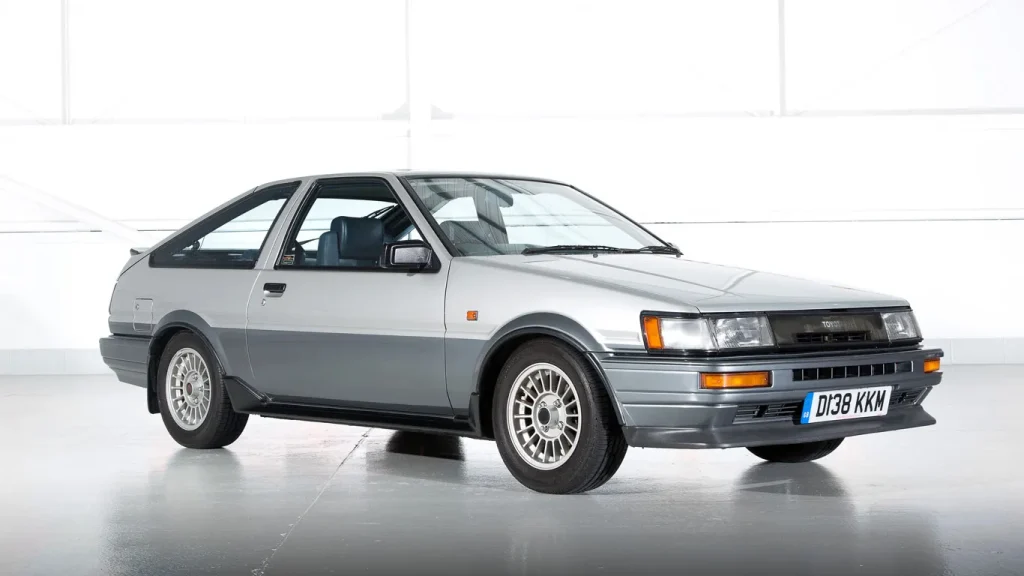
Its story shows that investment potential does not always start with prestige. Sometimes it begins with passion, community respect, and the slow realization that a simple car captured something special that newer vehicles struggle to recreate.
9. Nissan 350Z Nismo
The Nissan 350Z Nismo shows how special factory tuned versions can eventually become stronger investment choices than their standard counterparts. While the regular 350Z was already respected as a performance coupe, the Nismo version added exclusivity and factory backed performance credibility that collectors now value.
What separates this model from the base version is not just visual upgrades but the philosophy behind it. Nismo, Nissan’s performance division, approached the car as a complete performance package rather than a styling exercise.
Suspension tuning, aerodynamic improvements, and chassis refinement were all developed to improve real driving performance.
The V6 engine platform itself already had a reputation for reliability and strong performance. In Nismo form, the car gained additional desirability because buyers knew the upgrades came directly from the manufacturer rather than from aftermarket experimentation. Factory performance credibility often carries more collector trust.
Another reason this model has gained investment attention is production limitation. Compared to standard models, Nismo variants were produced in far smaller numbers. As years passed and some cars were modified or damaged, the number of original examples naturally declined.
Design also played a role in its rising value. The more aggressive body treatment gave the car a distinct identity without making it look excessive. Cars that visually stand apart from their base versions often become more desirable over time because they are easier to identify and remember.
The timing of the car also helped its investment case. It came from an era when manufacturers were still building naturally aspirated performance cars with manual transmissions.
As the industry moved toward turbocharging and automation, these characteristics became more desirable among enthusiasts.
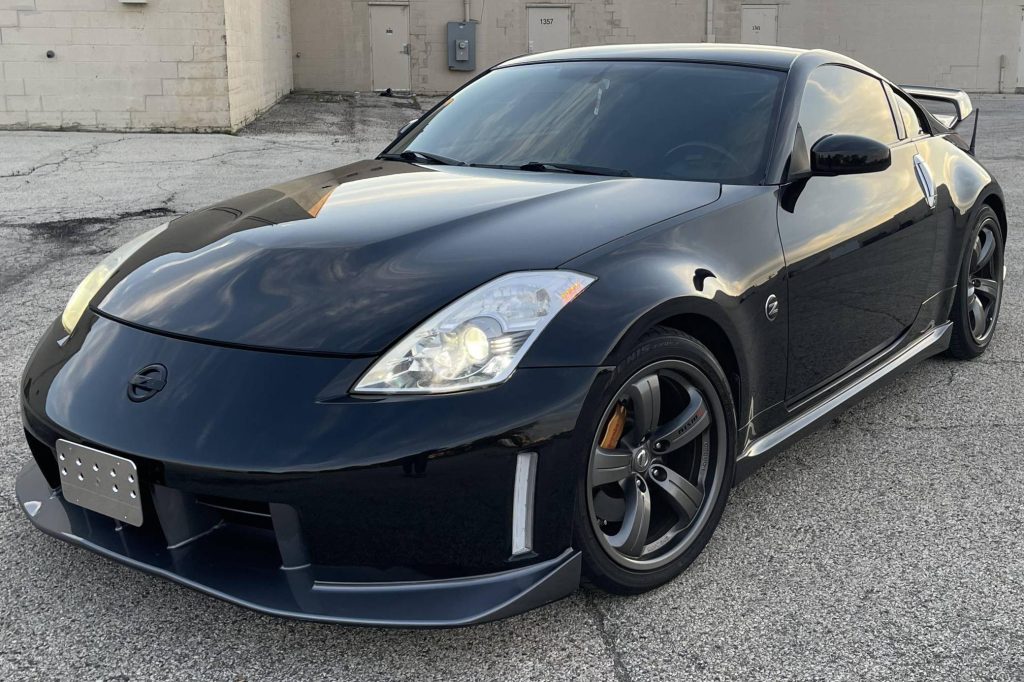
Collector interest has grown steadily as people recognize the importance of factory performance divisions. Vehicles built by official performance departments often gain stronger long term recognition than standard models.
The 350Z Nismo shows how limited production, manufacturer performance heritage, and strong mechanical foundations can work together to create a modern Japanese car with growing collector value.
10. Lexus LFA
The Lexus LFA represents perhaps the clearest example of a Japanese performance car becoming a true global investment asset. Unlike many others on this list that gained value gradually, the LFA was recognized as special even before production ended.
Developed as a technology showcase, this car represented what Lexus engineers could achieve when given freedom to focus purely on performance and innovation. It was not designed to compete on price. It was built to demonstrate capability.
One of the most famous aspects of the LFA is its naturally aspirated V10 engine. Known for its extraordinary sound and high revving capability, the engine became a defining feature of the car. As naturally aspirated supercar engines become less common, vehicles with such characteristics often gain collector importance.
The carbon fiber intensive construction also made it technically significant. Lexus even developed its own carbon manufacturing processes to produce the chassis. Technical innovation often increases collector respect because it shows engineering ambition rather than simple production goals.
Production numbers were strictly limited, which immediately created exclusivity. When supply is permanently fixed and global demand grows, investment potential often follows naturally.
Another factor behind its investment rise is how differently it approached the supercar idea. Instead of focusing only on raw speed, Lexus focused on balance, sound, and driving experience. This created a car that feels unique even among exotic performance machines.
Market values have remained strong because many owners recognized early that the LFA was more than just another sports car. Many examples were preserved carefully, which further strengthened its collector status.
The LFA proves that when engineering passion, rarity, and brand ambition come together, the result can become an automotive asset recognized around the world.
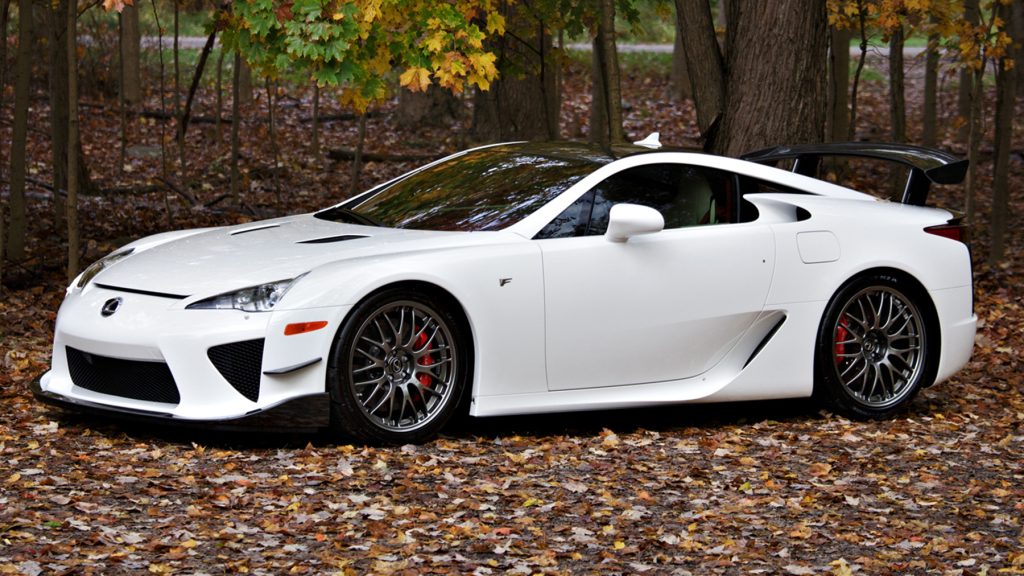
The journey of Japanese performance cars from affordable enthusiast machines to respected investment assets reflects changing attitudes in the collector world. What was once underestimated is now appreciated for engineering quality, cultural importance, and historical value.
Many of these cars represent the final era of analog performance, when driver skill mattered more than software assistance. This purity has become one of the strongest reasons collectors now pursue them.
Rarity also continues to play a major role. As time passes, accidents, modifications, and neglect reduce supply. Well preserved examples therefore become more valuable as surviving representatives of their era.
Another important factor is global acceptance. Japanese performance cars now regularly appear in major auctions and private collections. Their recognition alongside traditional collector vehicles confirms their importance.
Perhaps the biggest lesson from these ten cars is that true investment vehicles usually share certain traits. Strong engineering, cultural relevance, enthusiast respect, and limited availability all contribute to long term appreciation.
These machines are no longer just performance cars. They are historical markers of a period when Japanese manufacturers pushed boundaries and created vehicles that could compete with the best in the world.
As the automotive industry moves toward electrification and automation, these mechanical icons may continue gaining value as reminders of a very special performance era.
Also Read: Top 10 Classic Cars With the Most Iconic Front End Designs
