
Japanese SUVs earned their reputation through durability rather than luxury. Long before modern vehicles became filled with complex electronics and driver assistance systems, many Japanese sport utility vehicles were engineered with a very different goal.
Their primary focus was survival. These machines were built to operate in harsh environments, from mountain trails to construction zones, and even remote rural regions where reliability mattered more than comfort.
What makes many classic Japanese SUVs special is their mechanical simplicity. Most of them used naturally aspirated engines, strong ladder frame chassis, and basic four wheel drive systems that could be repaired without specialized tools.
This simplicity often makes them last longer than some modern SUVs that depend heavily on sensors and complicated software.
Another major factor behind their longevity is over engineering. During the 1980s and 1990s especially, Japanese manufacturers built their reputation on trust.
To achieve this, many components were designed to handle more stress than they would normally face. Thick steel frames, strong axles, and proven engine designs allowed these vehicles to remain functional even after decades of use.
Classic Japanese SUVs also benefited from a philosophy of function first design. Instead of focusing on large screens or luxury features, manufacturers invested in drivetrain strength, cooling efficiency, and suspension durability.
This approach created vehicles that may appear basic today but continue to operate reliably long after many newer vehicles require expensive repairs.
Enthusiasts and collectors often say that these SUVs were built during a time when reputation mattered more than production speed. Whether used for farming, exploration, military support roles, or daily transportation, these vehicles proved their worth through endurance.
This list highlights ten classic Japanese SUVs known for their ability to outlast many modern vehicles when properly maintained. Each one represents a different approach to durability, whether through engineering strength, mechanical simplicity, or proven reliability in extreme conditions.
Together they represent a golden era of Japanese SUV engineering where toughness came before trends.
Also Read: Top 10 Most Reliable Diesel Engines From the Late 1970s Era
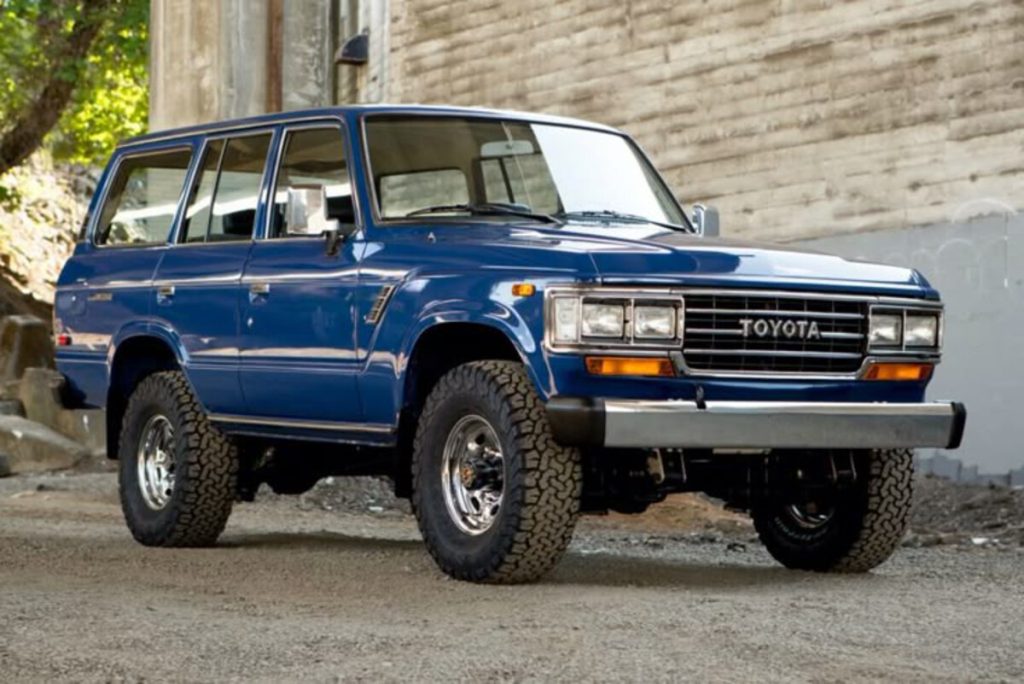
1. Toyota Land Cruiser FJ60
Some vehicles earn their reputation slowly through decades of real world testing rather than marketing claims. The Toyota Land Cruiser FJ60 belongs firmly in that category.
Introduced in the early 1980s as part of the legendary Land Cruiser family, this SUV became known for its ability to continue operating in environments where many vehicles would fail.
What makes the FJ60 particularly respected is its engineering honesty. The vehicle was built on a fully boxed ladder frame, a construction method known for strength and resistance to twisting forces. This made it ideal for rough terrain and heavy use, especially in regions with poor road infrastructure.
Under the hood, the inline six cylinder engine became famous for its long service life. These engines were not designed for speed. Instead, they were tuned for reliability and steady torque delivery.
Many examples have crossed extremely high mileage figures while still running on original internal components, which speaks to their build quality.
Unlike modern SUVs that rely on electronic traction systems, the FJ60 used a straightforward mechanical four wheel drive system. This gave drivers direct control and also reduced the chances of electronic failure. In remote locations, this mechanical simplicity often meant the difference between getting home and getting stranded.
Another strength comes from its cooling system design. Larger radiators and simple airflow management helped the vehicle maintain stable temperatures even in hot climates. Overheating is a common cause of engine failure, and Toyota clearly designed this vehicle to avoid that problem.
Inside, the vehicle focused on durability rather than decoration. Hard wearing materials, simple switches, and easily replaceable components made long term ownership practical. Even today, replacement parts remain widely available due to the vehicle’s global popularity.
Owners often describe the FJ60 as a vehicle that feels unbreakable when maintained properly. Stories of these SUVs operating for decades in deserts, forests, and mountains continue to strengthen their legend.
Its reputation is not based on nostalgia alone. It comes from consistent real world performance across generations of owners. That kind of proven endurance is exactly why it deserves a place among the toughest classic Japanese SUVs.
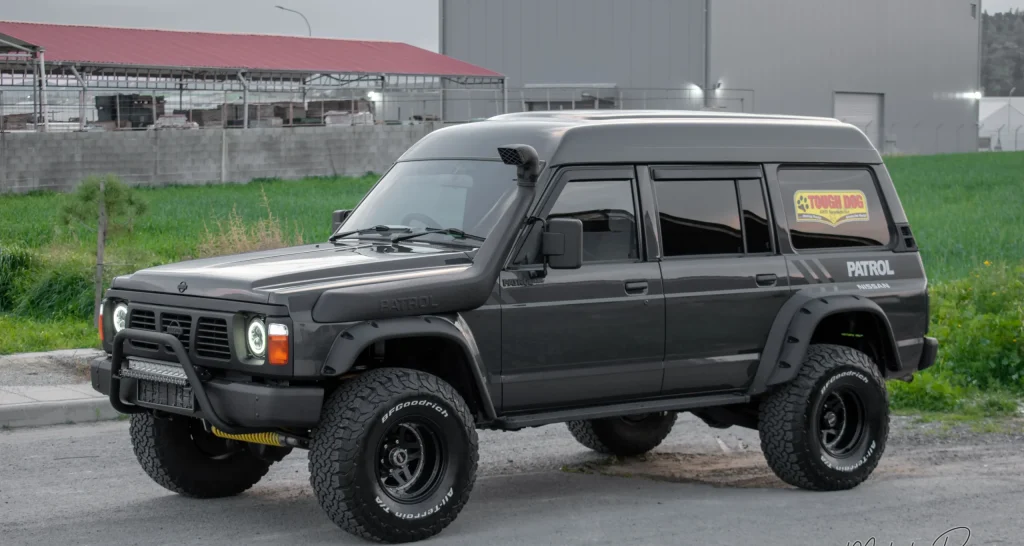
2. Nissan Patrol Y60
Strength sometimes comes from refusing to compromise. The Nissan Patrol Y60, introduced in the late 1980s, represents one of the clearest examples of a Japanese SUV built with durability as its main objective rather than mass market appeal.
This generation of Patrol became especially respected because Nissan redesigned it with serious off road use in mind. Unlike many competitors that began moving toward comfort oriented suspension, the Y60 kept a strong focus on rugged performance.
Its solid axle suspension setup provided excellent durability and articulation, making it extremely capable on uneven terrain.
The body on frame construction gave the Patrol a structural advantage in demanding environments. This design allowed the chassis to absorb punishment while protecting the body. For owners who regularly drove on rough surfaces, this translated into fewer structural issues over time.
One feature that helped the Y60 earn its reputation was its drivetrain strength. The manual transmission options especially became known for their toughness. Many off road enthusiasts still seek these vehicles because of how well the drivetrain tolerates heavy loads and difficult driving conditions.
The Patrol also became known for its dependable diesel engine options. These engines prioritized longevity over speed, often running for decades with proper servicing. In many countries, these vehicles became trusted workhorses in industries such as mining and agriculture.
Instead of focusing on luxury, Nissan emphasized practical durability. The interior used materials chosen for resistance to wear. Controls were large and easy to operate even in difficult conditions. This kind of thinking showed that the designers expected the vehicle to be used seriously rather than gently.
Another reason for its lasting respect is how easily it can be repaired. The mechanical layout is straightforward, allowing experienced mechanics to service it without advanced diagnostic equipment. This makes it especially valuable in regions where modern service infrastructure may not exist.
The Y60 Patrol built its legacy not through advertising but through performance under pressure. Owners trusted it because it consistently delivered reliability in situations where failure was not an option.
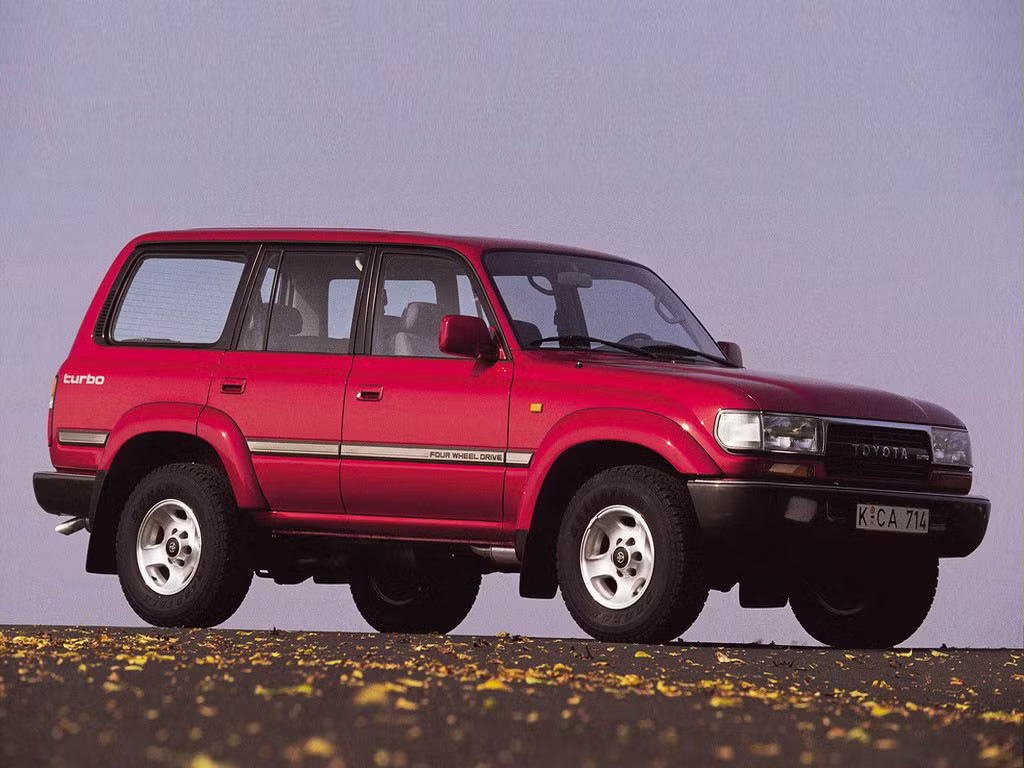
3. Toyota Land Cruiser 80 Series
Durability is not always about being basic. Sometimes it comes from engineering depth, and the Toyota Land Cruiser 80 Series shows how advanced engineering can still result in extreme longevity when done correctly.
Introduced in the early 1990s, this model represented a shift toward combining comfort with legendary toughness without weakening the core DNA.
This SUV is often described by mechanics as one of the last Land Cruisers built with almost no cost cutting in critical areas.
Toyota equipped it with a very strong chassis and heavy duty drivetrain components designed to handle extreme stress for long periods. The strength of its axles and transfer case became especially respected among off road communities.
One of its most praised qualities is drivetrain redundancy. Some variants included triple differential locks, a feature rarely seen even today.
This allowed the vehicle to maintain traction even in situations where most SUVs would get stuck. More importantly, these systems were built to last rather than to impress on specification sheets.
The engines also played a major role in its reputation. Both petrol and diesel variants were known for their ability to run for hundreds of thousands of kilometers with proper maintenance. The diesel versions in particular became famous for their slow wearing internal components and strong block construction.
What separates the 80 Series from many modern SUVs is serviceability. Components were designed to be repaired rather than replaced. This philosophy helped owners keep these vehicles running for decades instead of discarding them after major failures.
Even the suspension deserves recognition. Coil springs at all four corners improved ride quality without sacrificing durability. Toyota proved that strength and comfort did not have to be opposites if engineering was done correctly.
Many long distance expedition travelers still choose this model because it has proven itself in deserts, snow regions, and remote overland routes. Its reputation continues to grow as surviving examples continue to demonstrate reliability after decades of use.
That kind of endurance cannot be manufactured through marketing. It must be earned through performance over time.
4. Mitsubishi Pajero First Generation
The first generation Mitsubishi Pajero tells a different story about durability. Instead of being designed purely as a heavy duty truck, it was created to prove that an SUV could be both capable and dependable in everyday life as well as extreme conditions.
Mitsubishi approached this vehicle with a focus on versatility. The goal was to create something that could survive harsh off road use while still being manageable for normal driving. This balance helped the Pajero become one of the most respected SUVs of its era.
A major factor behind its long life is its strong but relatively lightweight construction compared to some heavier rivals. By carefully managing weight, Mitsubishi reduced stress on major mechanical components. This often leads to longer part life because less mass means less strain during operation.
The Pajero also became widely known through rally competition success, particularly in long distance endurance events. These victories were not just publicity.
They demonstrated that the vehicle’s engineering could withstand extreme punishment over long durations. Motorsport durability often translates into consumer confidence, and this SUV benefited greatly from that connection.
Another interesting strength lies in its suspension tuning. Mitsubishi designed it to absorb repeated impacts without excessive wear. This helped protect the chassis and drivetrain from shock loads, one of the hidden reasons some SUVs develop long term structural fatigue.
Unlike some competitors that required specialized maintenance, the Pajero remained relatively straightforward to service. Routine maintenance could be performed without excessive disassembly. This encouraged owners to maintain their vehicles properly, which indirectly increased their lifespan.
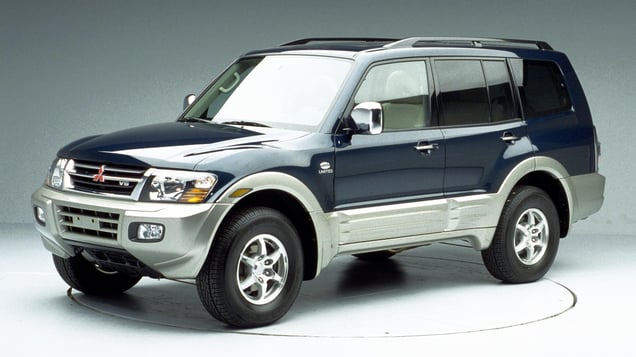
The interior design also reflected practical thinking. Surfaces were made to resist scratches and dirt, acknowledging that many owners would actually use the vehicle for outdoor activities. This realistic approach to ownership contributed to its long term survival rate.
Today, early Pajero models are still seen in demanding environments. Their continued operation is a reminder that durability often comes from thoughtful engineering rather than just heavy construction.
5. Suzuki Jimny LJ80
If durability could be measured by how well a vehicle survives neglect, harsh terrain, and constant hard use, the Suzuki Jimny LJ80 would rank extremely high.
This small SUV proved that size has very little to do with toughness. Despite its compact footprint, it developed a global reputation for surviving conditions that would challenge much larger vehicles.
The LJ80 followed a very simple engineering formula. Lightweight body, strong ladder frame, basic four wheel drive hardware, and minimal electronics. This combination reduced failure points and made the vehicle extremely dependable over long ownership periods.
What made this Jimny special was its philosophy of efficiency through simplicity. Instead of adding complex systems, Suzuki focused on making each mechanical part as reliable as possible. This meant fewer things could go wrong, and when something did need repair, the process was usually straightforward.
Another important factor behind its long life is weight. Because the vehicle is light, the stress placed on suspension parts, drivetrain components, and tires is much lower compared to heavy SUVs. Less stress often means slower wear, which naturally increases service life.
In rural regions across Asia and other parts of the world, the Jimny became known as a vehicle that simply refuses to quit. Farmers, forest workers, and mountain communities often depended on it because it could travel narrow paths where larger vehicles could not operate.
The LJ80 also became respected for its mechanical honesty. No unnecessary complexity meant owners could understand their vehicle better. This often leads to better maintenance habits, which directly improves longevity.
Its compact engine also deserves mention. While not powerful, it was designed to operate reliably with basic maintenance. The focus was never speed. It was survival and consistency.
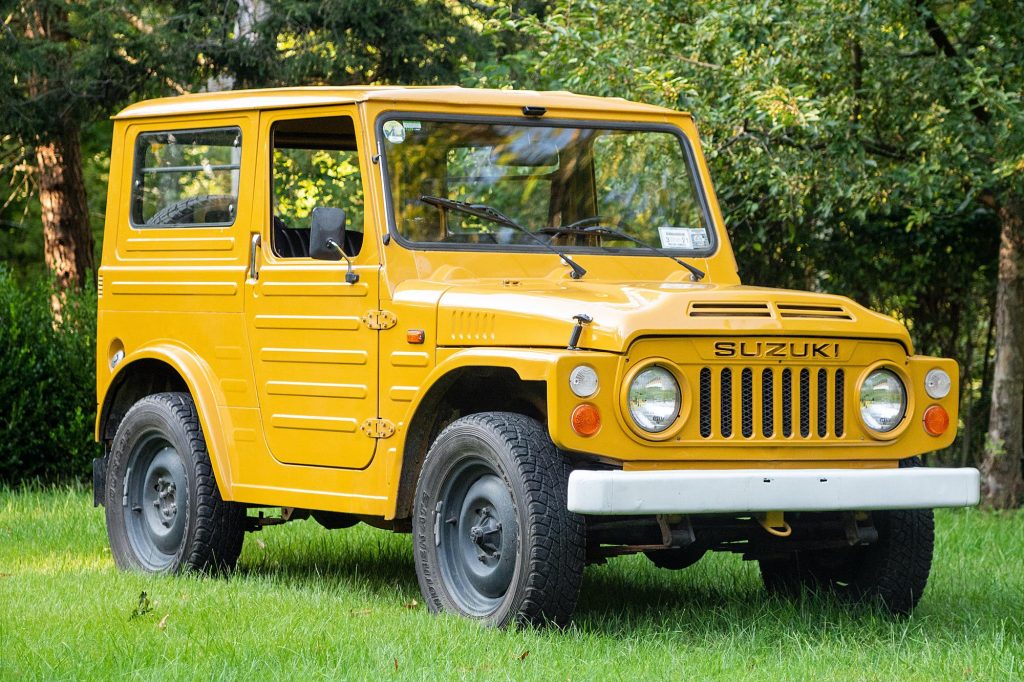
Even today, older Jimny models are still actively used instead of being preserved only as collector items. That says something important about their durability.
The LJ80 proved that true toughness is not about appearance. It is about smart engineering decisions that prioritize reliability above everything else.
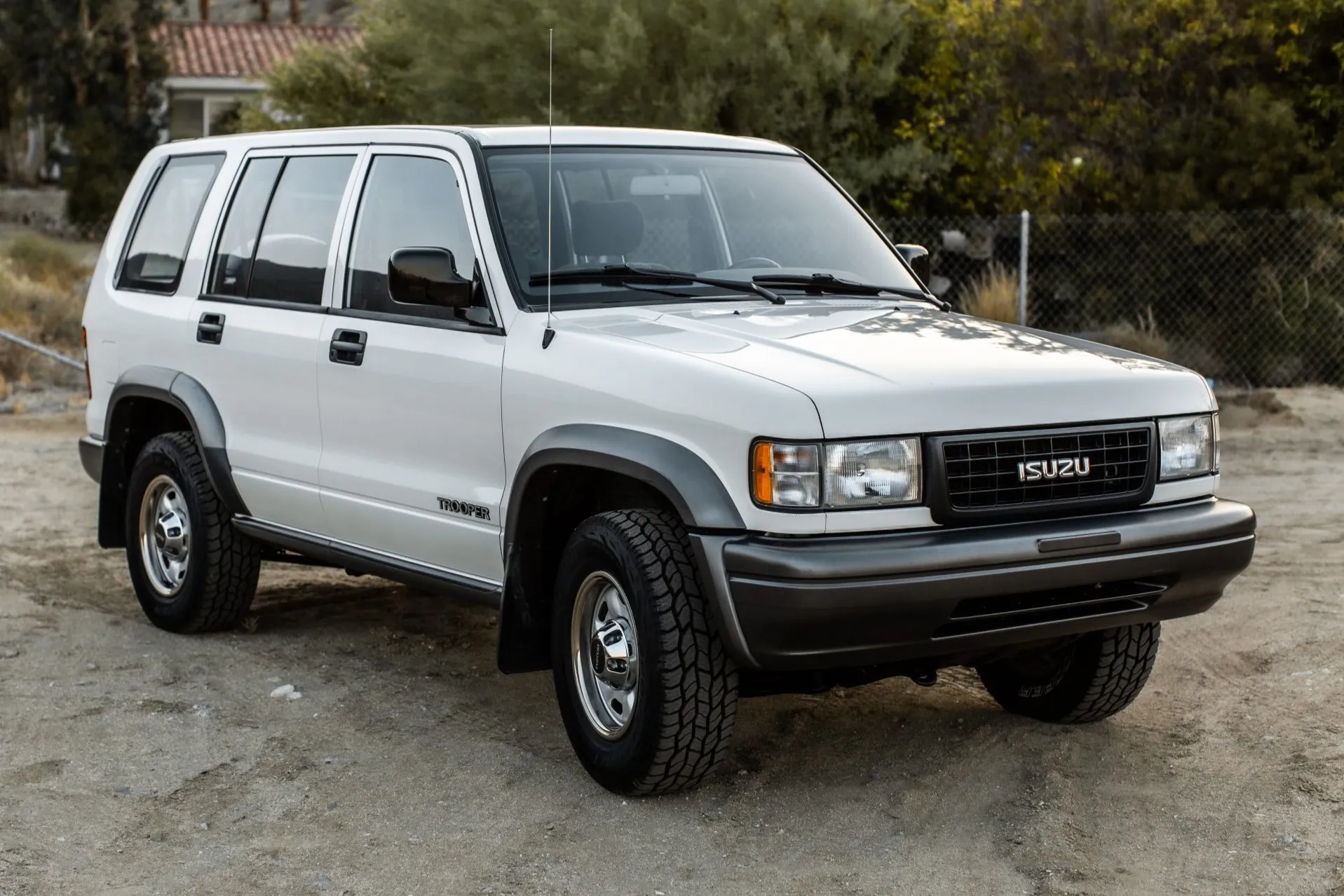
6. Isuzu Trooper First Generation
The Isuzu Trooper represents a different approach to long lasting SUV design. Instead of relying purely on heavy duty construction, Isuzu focused on creating a balanced machine that could handle both commercial use and family transportation without compromising durability.
Introduced in the early 1980s, the Trooper quickly earned respect for its strong diesel engines. Isuzu had extensive experience in diesel technology, and this knowledge helped them produce engines known for long operating life. Many Troopers became known for reaching very high mileage with routine maintenance.
Structurally, the vehicle used a traditional body on frame layout. This allowed the SUV to tolerate twisting forces during off road driving without causing damage to the main passenger structure. This type of construction is one of the main reasons many classic SUVs remain operational decades later.
What made the Trooper interesting was its global adaptability. It was sold in many markets under different names and used in a wide variety of roles. From government service to private ownership, its ability to adapt to different needs demonstrated the strength of its design.
Instead of chasing luxury trends, Isuzu stayed focused on long term reliability. The electrical systems remained relatively simple, reducing the chance of complicated failures. Many modern vehicles suffer from electronic aging issues, but this was rarely a major problem here.
The Trooper also gained a reputation for strong gearboxes. Whether manual or automatic, the transmissions were built to tolerate heavy usage. This made the vehicle popular among people who regularly carried loads or drove long distances.
A practical advantage was the spacious engine bay layout. Mechanics often appreciated how accessible major components were. Easier maintenance usually leads to better upkeep, and better upkeep leads to longer vehicle life.
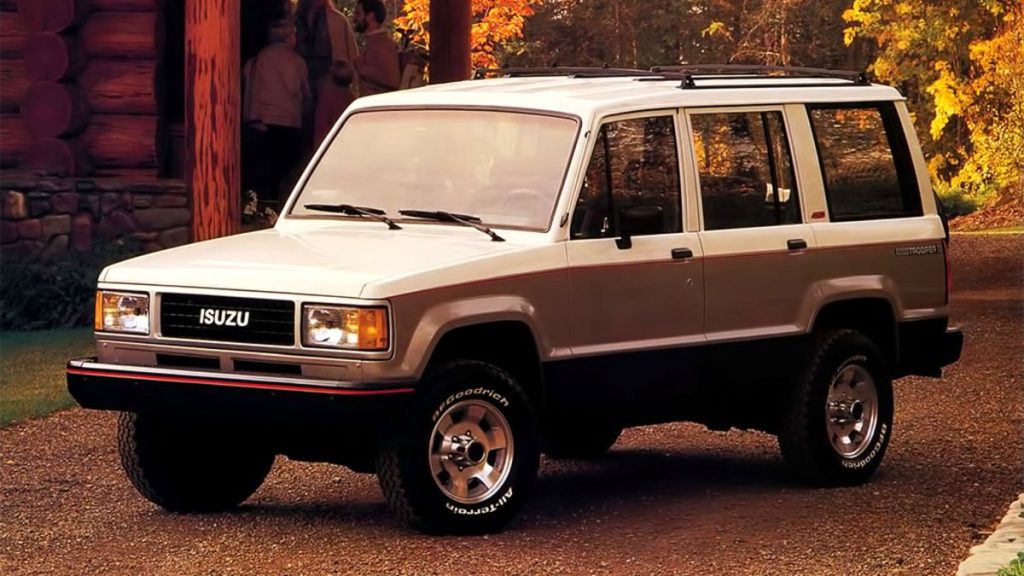
Owners often describe the Trooper as an SUV that does not demand attention but quietly continues working year after year.
That type of dependability may not always attract headlines, but it creates lasting respect. Its legacy continues as many surviving examples remain in active use rather than retirement.
7. Toyota 4Runner First Generation
The first generation Toyota 4Runner followed a very practical idea. Take the proven reliability of a pickup platform and adapt it into a sport utility vehicle without weakening its strength. That simple decision helped create one of the most durable SUVs to come out of Japan.
Instead of developing an entirely new structure, Toyota built the early 4Runner on the Hilux pickup foundation, a truck already famous for surviving extreme abuse. This gave the SUV a major advantage because its core structure had already been tested in demanding commercial environments.
The removable rear fiberglass section on early models also showed Toyota experimenting with versatility. Owners could use it as a cargo hauler, an adventure vehicle, or daily transport. This multi role capability often meant the vehicle stayed useful longer instead of being replaced when needs changed.
Another reason behind its longevity lies in the engines used. The four cylinder options especially developed a strong reputation for mechanical endurance. These engines were designed to run reliably rather than produce high output numbers. Conservative tuning often leads to longer mechanical life.
The suspension design also contributed to its reputation. Leaf springs in the rear provided load carrying strength while the front setup maintained steering stability. This balance allowed the vehicle to function both as a work machine and as a recreational SUV.
Unlike modern SUVs that often rely heavily on electronics, the early 4Runner kept things mechanical. Fewer sensors and simpler wiring meant fewer age related electrical problems. This is one of the hidden reasons many classic SUVs remain usable long after newer ones develop expensive faults.
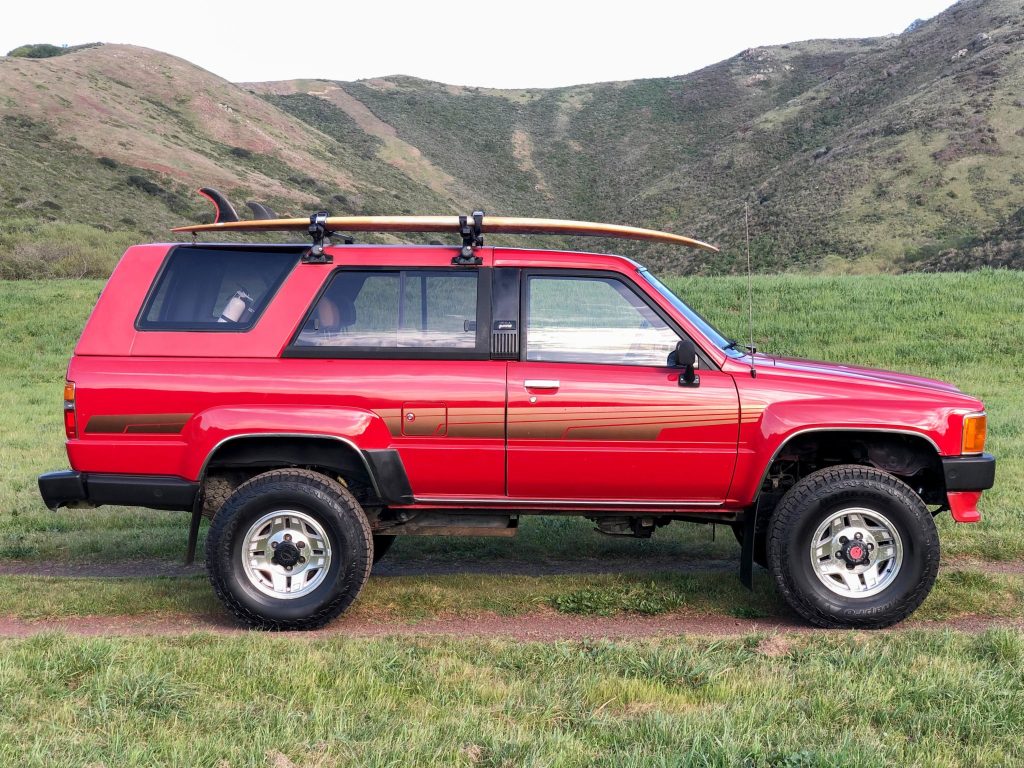
Owners frequently mention how forgiving the vehicle is. Even when maintenance schedules were not perfectly followed, many examples continued to operate reliably. That kind of tolerance is rare in modern vehicles.
The 4Runner helped establish the idea that durability can come from using proven components instead of chasing unnecessary innovation. It remains a strong example of practical engineering done correctly.
8. Nissan Pathfinder WD21
When Nissan introduced the Pathfinder WD21, the company took a slightly different path compared to some of its heavier off road models. This SUV was designed to bring durability into a more accessible and family friendly package while still maintaining strong mechanical foundations.
The Pathfinder shared engineering roots with Nissan’s compact truck platforms, which gave it a strong base. This connection to commercial vehicle engineering meant that many of its parts were already proven under demanding use conditions before being adapted into the SUV.
One of its key strengths came from its V6 engine options. These engines balanced reliability with reasonable performance and became known for their long operating life when maintained properly. Their relatively simple design also made long term servicing manageable.
The WD21 also showed how careful engineering could extend vehicle life through corrosion resistance. Nissan invested effort into protective coatings and structural durability. In regions with harsh climates, this often made the difference between a vehicle lasting ten years or several decades.
Inside the cabin, practicality remained the main theme. Switches were designed for long term use rather than visual appeal. Seat materials were chosen to handle years of entry and exit without rapid deterioration. This focus on durability extended beyond the mechanical parts.
The vehicle also benefited from a straightforward four wheel drive system that emphasized reliability. Drivers could depend on consistent engagement without worrying about complex electronic failures. This predictability helped the model build trust among outdoor users.

Unlike some vehicles that become outdated quickly, the Pathfinder remained useful because of its balanced design. It was not extreme in any one area, which allowed it to adapt to changing ownership needs.
Many examples today continue to serve as daily drivers or off road project vehicles. Their continued presence on roads shows how well Nissan understood the importance of building vehicles that could stand the test of time.
9. Daihatsu Rocky (First Generation)
Durability sometimes comes from designing a vehicle with very clear priorities. The Daihatsu Rocky was never meant to compete with large luxury SUVs. Instead, it was created as a dependable compact off roader that could tolerate difficult use without becoming expensive to maintain.
What made the Rocky impressive was its focus on structural strength relative to its size. The ladder frame underneath the body gave it the toughness of a much larger vehicle.
This allowed it to handle rough usage such as trail driving and utility work without developing the fatigue problems sometimes seen in lighter crossovers.
Its compact diesel engines also contributed to its long life reputation. These engines were developed with fuel efficiency and reliability in mind rather than speed. Slow revving diesel engines often last longer because internal stresses remain lower compared to high performance motors.
A major advantage of the Rocky was its mechanical accessibility. The engine bay layout left enough room for routine servicing without excessive effort. Owners who can easily maintain their vehicles usually keep them in better condition, which directly improves survival over decades.
The Rocky also demonstrated how smaller SUVs could remain durable by avoiding unnecessary weight. Because it stayed relatively light, its drivetrain and suspension components experienced less cumulative stress. Over time this can significantly reduce wear.
The manual transmission versions became especially respected for their toughness. These gearboxes were known to tolerate heavy use, particularly in off road environments where precise control matters more than speed.
Interior materials followed a similar philosophy. Instead of focusing on comfort trends, Daihatsu selected materials that could tolerate dirt, moisture, and repeated use. This made the Rocky popular among users who treated their vehicles as tools rather than status symbols.
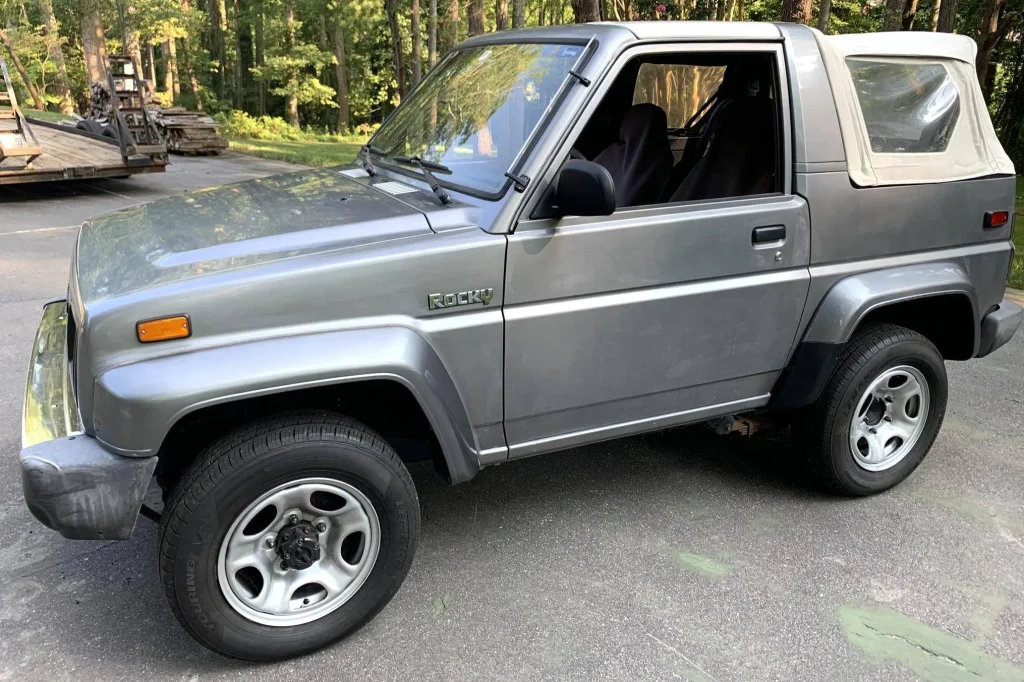
Many surviving examples still operate in rural and mountainous regions where reliability matters more than appearance. This continued usage is perhaps the strongest proof of the vehicle’s durability.
The Rocky showed that a focused design with clear goals can sometimes outlast more expensive and complex machines.
10. Honda Passport First Generation
The first generation Honda Passport represents an interesting case where durability came from collaboration. Developed during a partnership period, this SUV combined Honda’s reliability philosophy with proven body on frame SUV engineering, resulting in a vehicle known for dependable long term ownership.
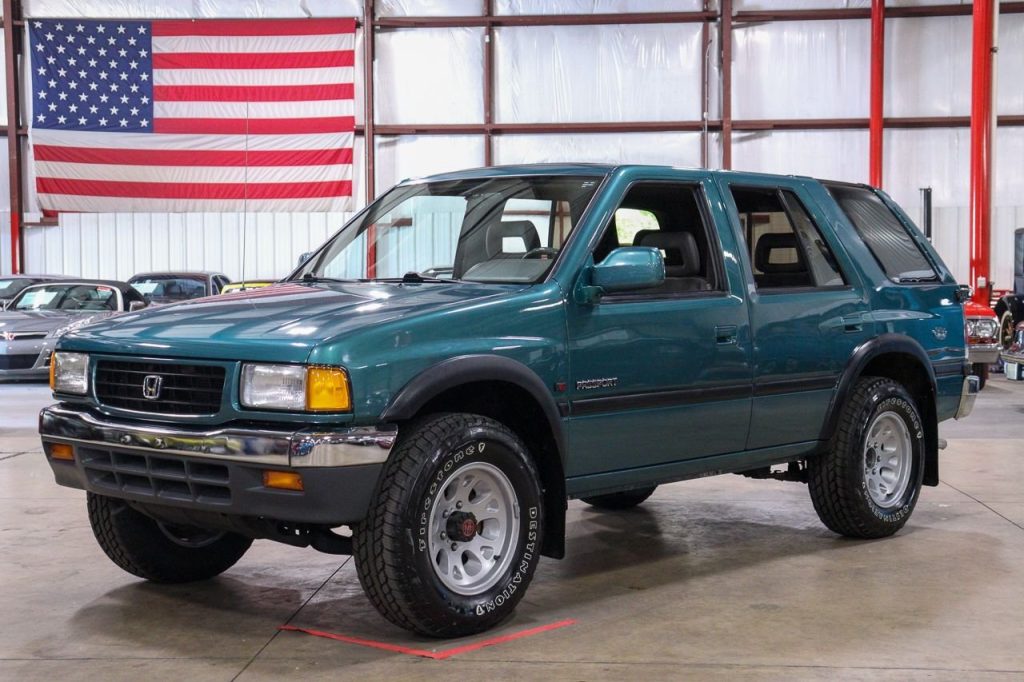
Rather than attempting to reinvent the segment, the Passport focused on using already trusted mechanical systems. This decision reduced development risks and gave buyers confidence because many of the core components had already demonstrated reliability in earlier applications.
The V6 engine options offered strong longevity when maintained correctly. These engines were tuned conservatively, avoiding extreme performance targets. This type of tuning often results in longer engine life because components operate within safer limits.
One overlooked strength of the Passport was its balanced cooling design. Reliable temperature management is essential for long engine life, and this SUV maintained stable operating conditions even during heavy use. This helped reduce internal wear over time.
The vehicle also benefited from a practical suspension setup designed to handle both highway driving and moderate off road conditions. By not pushing the design toward extremes, Honda ensured the components remained within safe operating limits, which helped increase durability.
Electrical systems were also relatively straightforward compared to modern SUVs. With fewer complex modules, the risk of age related electronic problems remained lower. This simplicity helped the vehicle remain usable long after newer models required expensive electronic repairs.
Another reason for its survival is parts availability. Because many components were shared with other vehicles, maintenance remained practical even years after production ended. Vehicles that can be maintained easily usually stay on the road longer.
Owners often describe the Passport as an honest SUV. It may not have been the most advanced, but it was dependable. Sometimes durability is not about being the strongest or most advanced. It is about being well designed, balanced, and built with proven ideas.
That philosophy helped this SUV earn its place among classic Japanese vehicles known for lasting far beyond expectations.
