
The 1970s marked a turning point for the Japanese automotive industry, a decade when manufacturers from Japan began to move from being seen as producers of simple economy cars to creators of machines that could influence global design trends.
During this era, Japanese designers proved that style, efficiency, and reliability could exist together without compromise. This philosophy helped establish a design identity that still shapes modern cars today.
Unlike the large and often excessive styling themes seen in American cars of the same period, Japanese vehicles focused on balance. Their proportions were usually clean, their lines purposeful, and their shapes often inspired by European sports cars while still maintaining a unique character.
This careful blending of global inspiration with domestic innovation created vehicles that appealed to both enthusiasts and everyday drivers.
Another important factor behind the influence of these designs was the oil crisis of the 1970s. As fuel prices rose, buyers started valuing smaller and more efficient cars.
Japanese manufacturers responded with vehicles that were not only economical but also visually appealing. Instead of sacrificing design for efficiency, they proved that compact cars could still look sporty, modern, and desirable.
What makes these cars influential is not just their appearance but the ideas they introduced. Some established the affordable sports car formula. Others demonstrated how aerodynamic thinking could improve both performance and economy.
A few introduced minimalist interiors that later became industry standards. Each of these vehicles contributed something different to automotive design language.
This list explores ten Japanese cars from the 1970s whose designs left a lasting impact. Some became global icons, while others quietly influenced future generations of vehicles through their engineering philosophy and styling choices.
Together they represent a decade of creativity that helped Japan become one of the most respected automotive design centers in the world.
Each of these cars tells a different story about innovation, risk taking, and the evolution of automotive aesthetics.
Also Read: 8 Essential Safety Checks Before Driving a Trailer for the First Time
1. Datsun 240Z
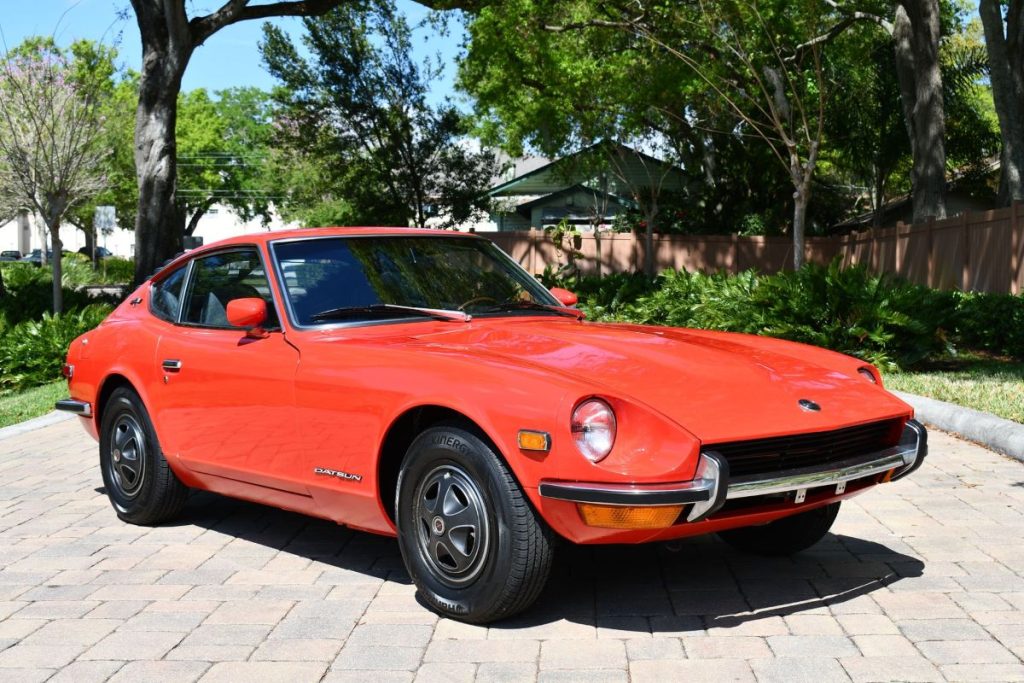
When the Datsun 240Z arrived in 1969 and gained global popularity throughout the 1970s, it changed how people viewed Japanese sports cars.
Until that point, affordable performance was usually associated with European brands. This car challenged that idea by delivering elegant styling and strong performance at a price many could actually afford.
Its long hood and short rear deck proportions immediately gave it the classic sports car stance. The shape was simple yet confident, avoiding unnecessary decoration. The front featured smooth curves instead of aggressive chrome heavy elements common at the time, helping it age far better than many of its rivals.
What truly made the design influential was its accessibility. This was not an exotic car reserved for the wealthy. It was a sports coupe that ordinary buyers could realistically own. That idea became a blueprint later followed by many manufacturers who realized performance design could exist in the affordable segment.
The side profile deserves special attention because it showed remarkable restraint. A clean shoulder line ran from front to rear, creating a sense of motion even when the car was standing still. Designers avoided visual clutter, proving that simplicity could create stronger visual impact than excessive detailing.
Inside, the driver focused cockpit also helped establish a new standard. Instead of decorative interiors, the 240Z emphasized functionality. The clear gauge layout and logical control placement showed that good design also meant usability. This approach later became common in both sports cars and regular passenger vehicles.
Another reason for its lasting influence is how it balanced international inspiration with Japanese precision. While it had echoes of European grand touring cars, it never felt like a copy. Its identity was confident enough to stand on its own, which helped Japanese brands gain design credibility worldwide.
Today, many modern sports coupes still follow the formula popularized by this car. Affordable pricing, attractive proportions, and driver centered design remain key elements in the segment. The Datsun 240Z helped prove that Japan could lead in design rather than just follow trends.
That achievement alone secures its place among the most influential automotive designs of the 1970s.
2. Toyota Celica (First Generation)
Some cars become influential because they are revolutionary, while others become important because they understand the market perfectly.
The first generation Toyota Celica belongs to the second category. Introduced at a time when sporty styling was usually expensive, this car showed that exciting design could exist in the compact segment without intimidating buyers.
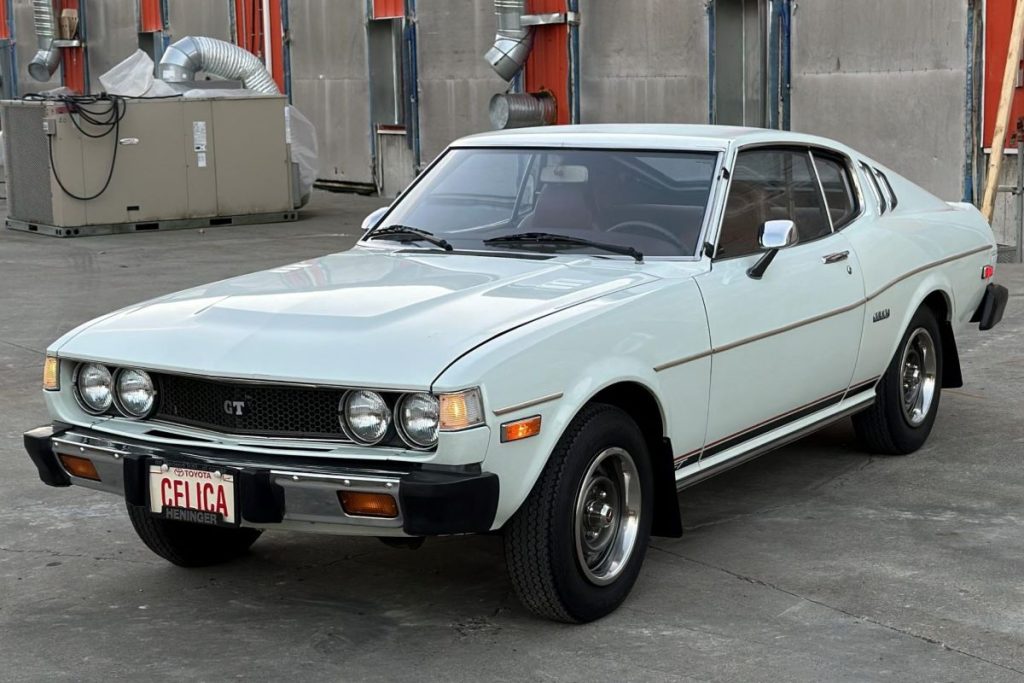
Instead of building a pure sports car, Toyota focused on emotional appeal. The Celica was shaped to make ordinary drivers feel like they owned something special. Its coupe roofline, slim pillars, and balanced proportions created a youthful personality that attracted a new generation of buyers who wanted style without sacrificing practicality.
The front design carried a confident expression through its rectangular grille and neatly integrated headlights. Rather than trying to look aggressive, the car looked precise and well organized. This gave it a timeless look that would later influence the design direction of compact coupes throughout the late 1970s and early 1980s.
One particularly interesting aspect of the design was how Toyota offered multiple visual personalities through different trims. Some versions looked elegant and refined, while others appeared sportier with stripes and subtle body accents.
This idea of design variation within the same model later became a major marketing strategy across the global auto industry.
The rear styling also deserves recognition. Instead of complex shapes, Toyota used flat surfaces and simple tail lamp arrangements to create a clean finish. This demonstrated confidence in proportion rather than dependence on decoration. Many future compact coupes adopted this same philosophy of letting shape define character.
The Celica also helped establish the idea that design could create aspiration. Buyers who could not afford high performance machines could still enjoy a car that looked sporty. This emotional accessibility became one of the strongest selling points of Japanese car design in the decades that followed.
Looking back, the Celica did more than sell well. It helped shape the idea that affordable cars could still carry strong visual identity. That mindset continues to influence how manufacturers design entry level performance inspired vehicles even today.
3. Mazda RX 3
If one car proved that compact dimensions could still carry a bold personality, it was the Mazda RX 3. This car did not rely on size to make a statement. Instead, it used sharp detailing and confident geometry to stand out in a crowded market of small vehicles.
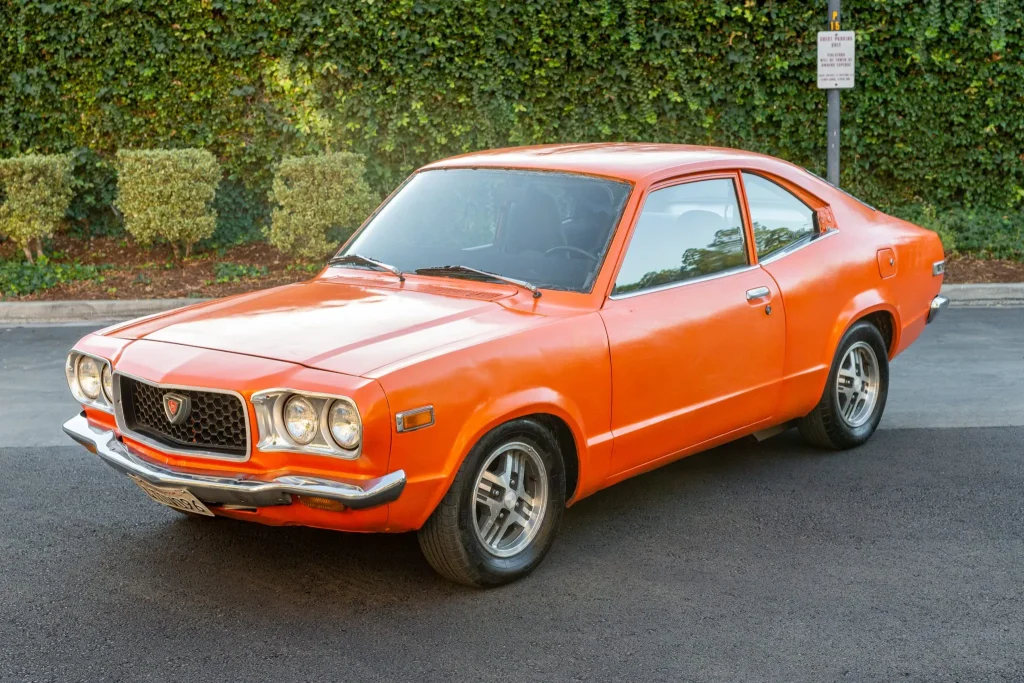
Mazda approached the design with a very different philosophy compared to many competitors. While others focused on soft curves, the RX 3 embraced crisp edges and strong character lines. This gave the car a sense of technical precision, almost like it was engineered with a ruler rather than sculpted with clay.
From certain angles, the car almost looked serious, as if it was designed with performance in mind even when standing still. The tight body panels and upright greenhouse created a sense of structural strength. This visual toughness later became an important theme in performance oriented compact cars.
The design also worked because it matched the engineering story. Since the RX 3 used rotary engine technology, Mazda needed the car to visually communicate innovation. Its clean yet slightly unconventional styling helped support that narrative. It looked different because it was different.
Another notable feature was how efficiently the designers used space. Short overhangs and a well balanced cabin placement gave the car a planted stance. Even without wide tires or aggressive modifications, the proportions suggested stability and agility.
Mazda also demonstrated how motorsport success could reinforce design credibility. As the RX 3 gained recognition in racing circles, its styling began to represent performance potential. This created an early example of how racing image could strengthen road car design perception.
Perhaps the most important lesson from the RX 3 was that identity matters more than size. It proved that even a small car could have a strong visual voice if designers committed to a clear theme. That lesson would later be seen in many Japanese performance compacts.
Its influence may not always be immediately obvious, but its philosophy can still be seen today in cars that combine compact size with strong character driven styling.
4. Nissan Skyline C110
Not every influential design needs instant global fame. Some earn their legacy slowly through the culture they help create. The Nissan Skyline C110, often remembered for its association with performance heritage, represents a moment when Japanese design began mixing elegance with quiet aggression.
This generation of Skyline carried a very distinct visual balance. Its body lines were smoother than earlier models, yet it still maintained a muscular presence.
The designers achieved this by carefully controlling the width and height proportions rather than relying on dramatic styling tricks. The result was a car that looked mature rather than flashy.
One of its strongest design contributions was the way it blended sedan practicality with coupe inspired styling. The pillar design and window shape created a sporty feeling even in more practical versions. This approach later became common as manufacturers tried to make family cars feel more dynamic without sacrificing usability.
The front fascia introduced a more serious facial expression compared to many Japanese cars of the time. Circular lights combined with a dark grille area gave the car a focused personality. This idea of giving cars a recognizable face would later become a key part of brand identity across the industry.
Something else that made this Skyline special was its cultural storytelling through design. Special editions and performance variants helped connect the model with motorsport and enthusiast communities. This created emotional value beyond simple transportation, a strategy that many brands now actively pursue.
At the back, the round tail lights became one of the most recognizable visual signatures. While simple in execution, they created a lasting identity that future Skyline generations would continue. It showed how a small design decision could become a decades long brand symbol.
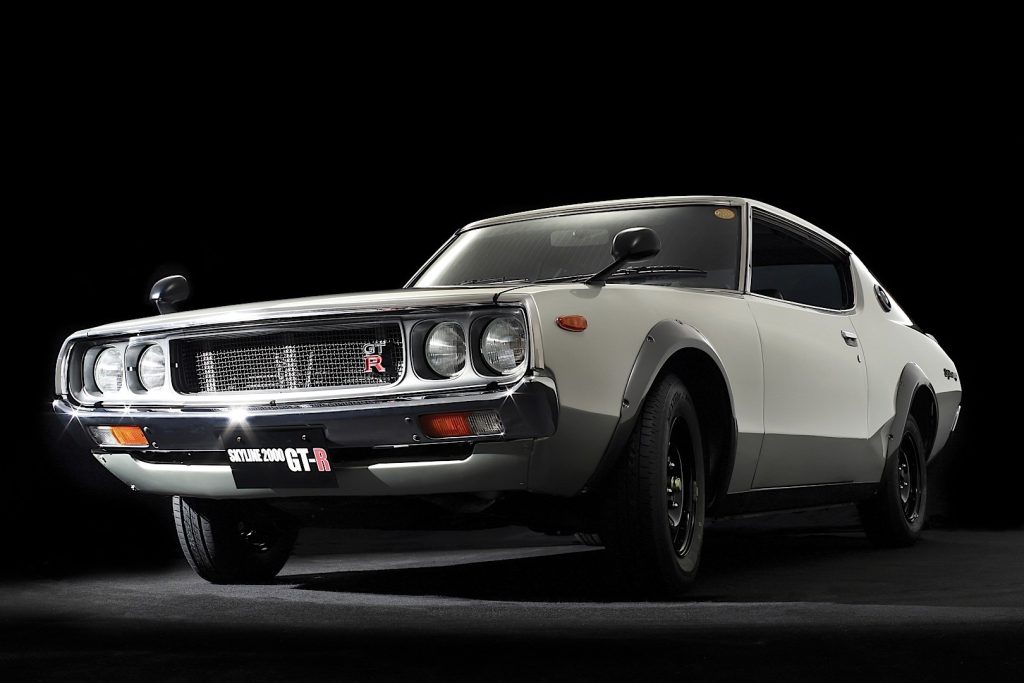
Rather than chasing trends, this Skyline helped establish them. It showed how a car could appear refined and performance oriented at the same time. That dual personality became a major design goal for many later sport sedans.
The C110 may not have been the most radical looking car of the decade, but its influence came from how intelligently it balanced multiple design goals into one cohesive form.
5. Honda Civic (First Generation)
Influence sometimes comes from solving problems rather than chasing attention. The first generation Honda Civic demonstrated how intelligent packaging and honest design could become just as important as visual drama.
At first glance, the Civic did not try to look like a sports car. Instead, it embraced a clean and friendly appearance. Its compact shape was designed to maximize interior space while keeping the exterior dimensions manageable. This efficiency driven design approach would later become a standard practice in small car development.
What made the Civic special was how it visually communicated practicality without looking boring. The large glass area improved visibility while also making the cabin feel more open. This human centered thinking became one of Honda’s strongest design philosophies.
Instead of adding unnecessary decoration, Honda focused on clarity. The body panels were smooth, transitions were gentle, and every element appeared to have a purpose. This honesty in design later influenced the minimalist direction many manufacturers adopted decades later.
The Civic also helped redefine how economy cars should look. Before this period, many affordable cars were styled as basic transportation tools. The Civic showed that even entry level vehicles could feel thoughtfully designed. This helped change customer expectations worldwide.
Another important aspect was how the design supported fuel efficiency goals during a time of global fuel concerns. Its lightweight appearance matched its engineering purpose. The car looked efficient because it was efficient. This alignment between engineering and design later became a major principle in automotive development.

The upright hatchback like proportions also introduced a shape that would become extremely popular in urban markets. This format allowed flexibility for passengers and cargo without making the vehicle feel oversized. Today, this layout remains one of the most successful automotive design formulas.
The first Civic proved that influence does not always come from speed or luxury. Sometimes it comes from understanding how people actually use cars and designing around those needs.
Its impact can still be seen in modern compact cars that prioritize smart design over unnecessary complexity.
6. Mitsubishi Galant GTO
There are moments in automotive history when designers decide to be bold instead of safe. The Mitsubishi Galant GTO stands as one of those examples, a car that showed how Japanese manufacturers were becoming more confident in experimenting with expressive styling rather than simply following conservative design paths.
What immediately separated this car from many of its contemporaries was its strong front end character. The long nose, combined with a low grille and distinctive lighting arrangement, gave the car a dramatic road presence. It looked like a performance machine even before anyone discussed its specifications.
Instead of relying on flowing curves, the Galant GTO used a more geometric approach. Flat surfaces combined with sudden edges created visual tension. This kind of design language later became popular in performance coupes where visual sharpness was used to communicate strength and precision.
The side graphics and fastback inspired roofline also helped introduce a more emotional side of Japanese car design. This was a vehicle meant to attract attention, especially among younger buyers. It showed that Japanese brands were beginning to understand the importance of visual excitement as a selling point.
Looking at the proportions, the car carried a forward leaning stance. The slightly nose heavy visual balance gave the impression of motion. Designers often try to make stationary objects look dynamic, and this car achieved that through careful weight distribution in its visual form.
Even details such as the wheel arches contributed to its influence. Instead of being purely functional, they were shaped to enhance the muscular appearance. This idea of exaggerating structural elements to create emotion would later become common in sports car design worldwide.
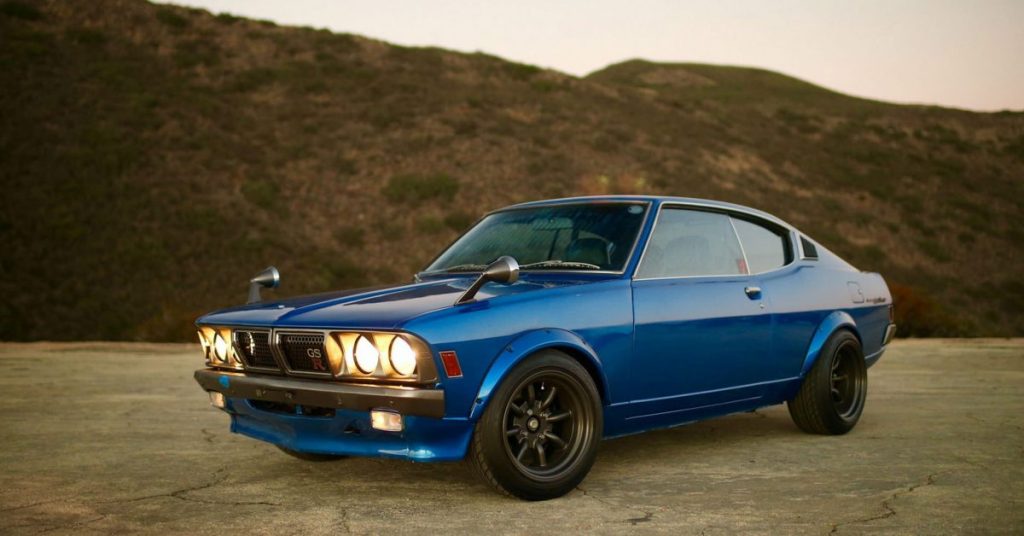
The Galant GTO also helped demonstrate that design could help reposition a brand. By introducing a more daring visual identity, Mitsubishi showed it could appeal to enthusiasts as well as practical buyers. This type of brand repositioning through design is now a common industry strategy.
Although not as globally famous as some rivals, its design courage helped push Japanese styling toward a more expressive future.
7. Toyota Corolla E20
Sometimes influence comes quietly through consistency rather than spectacle. The Toyota Corolla E20 represents a different type of design success, one built on trust, clarity, and the ability to appeal to a very wide audience without appearing generic.
Toyota approached this design with a very clear objective. The car needed to look dependable. That requirement shaped everything from the straightforward front fascia to the balanced body proportions. Nothing about the design felt experimental, yet everything felt carefully considered.
The grille and lighting arrangement followed a logical structure that made the car instantly understandable. There was no confusion about its purpose. It looked like reliable transportation, and that honesty became one of its strongest design assets.
Another key contribution of this model was its role in defining the global compact sedan template. Its three box shape with clear separation between engine bay, passenger area, and trunk became one of the most copied automotive layouts. Even today, this formula dominates many markets.
The simplicity of the side profile deserves appreciation. Instead of dramatic lines, Toyota used subtle curvature to prevent the design from feeling flat. This showed that restraint could be just as powerful as complexity when executed properly.
Inside the design philosophy continued. The focus remained on clarity and ease of use. Controls were placed where drivers expected them to be. This user first approach helped establish ergonomic thinking as a central part of Japanese automotive design.
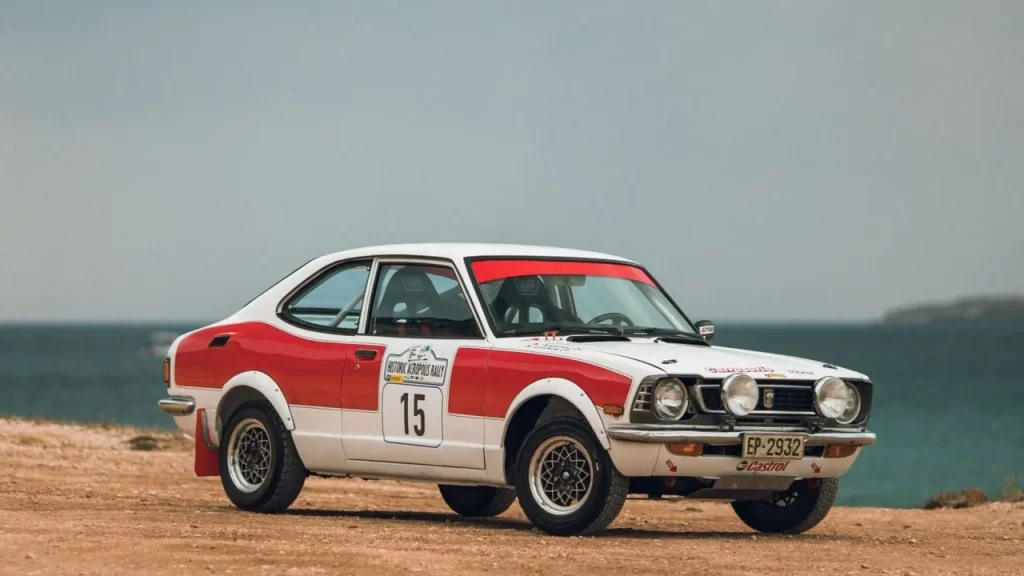
The Corolla also helped prove that influence does not always require bold styling statements. Sometimes the most influential designs are the ones that quietly define standards. By delivering a shape that worked in multiple markets and cultures, Toyota created a global reference point.
Its real achievement lies in how it normalized good design for everyday transportation. Instead of making design exclusive, it made it universal.
That quiet influence continues today in how manufacturers approach the design of mass market vehicles.
8. Mazda Cosmo AP
Some cars become influential because they look fast, and then there are cars that look futuristic even years after their release.
The Mazda Cosmo AP belonged to the second category. Its design suggested that Japanese manufacturers were beginning to think beyond immediate trends and toward long term visual identity.
The shape of the Cosmo AP carried a sense of technological optimism. Its long body and clean surfaces created a grand touring presence rather than a compact sporty feel. This showed Mazda’s ambition to move into more premium visual territory during the decade.
What stands out most is the way the car used length as a design tool. The extended hood and stretched cabin proportions gave it an almost concept car like appearance. This approach influenced later Japanese coupes that tried to combine luxury proportions with performance character.
Instead of using heavy ornamentation, Mazda allowed surface quality to become the highlight. The smooth metal work and carefully managed reflections demonstrated growing confidence in manufacturing precision. This philosophy later became central to Japanese design, where surface perfection often replaced decoration.
The front design also carried a layered look, with lighting and grille elements arranged to create depth. This technique of adding visual layers without adding unnecessary parts would later be widely used to create sophisticated front end designs.
An unusual aspect of the Cosmo AP was how it balanced elegance and experimentation. It did not appear radical, yet it did not look conventional either. This middle ground is very difficult to achieve and often defines cars that age gracefully.
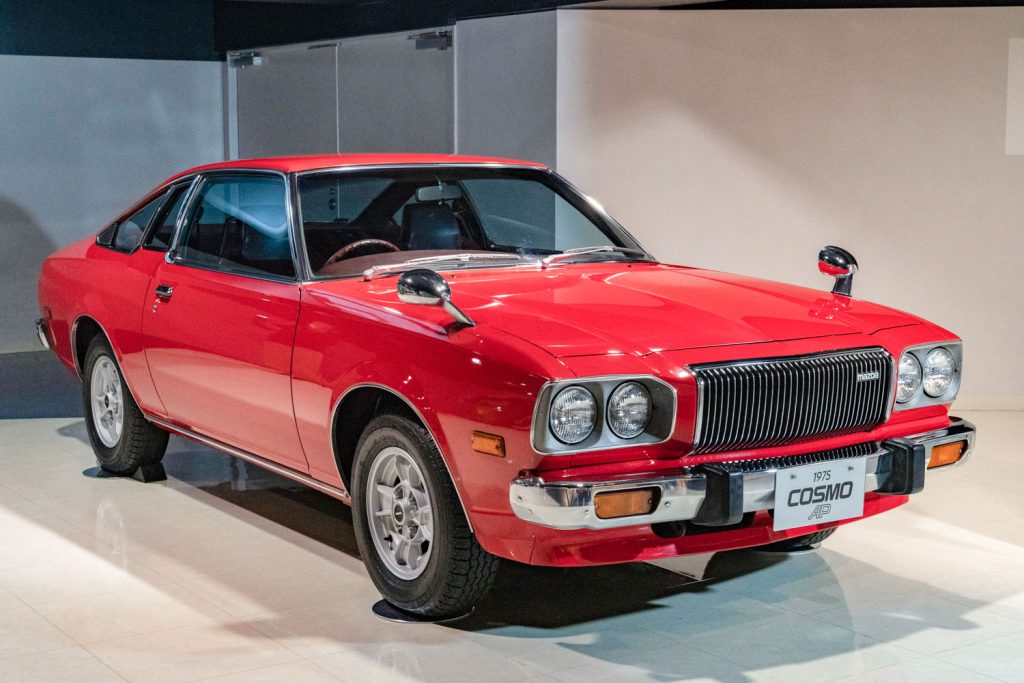
The model also reinforced Mazda’s identity as a technology driven brand. Since the Cosmo name was associated with rotary engineering, the design needed to visually support innovation. Its refined yet slightly unconventional look achieved exactly that purpose.
Rather than becoming influential through high sales, this car influenced thinking. It showed that Japanese cars could look aspirational without copying Western luxury vehicles.
Its importance lies in how it helped expand the visual ambition of Japanese automotive design.
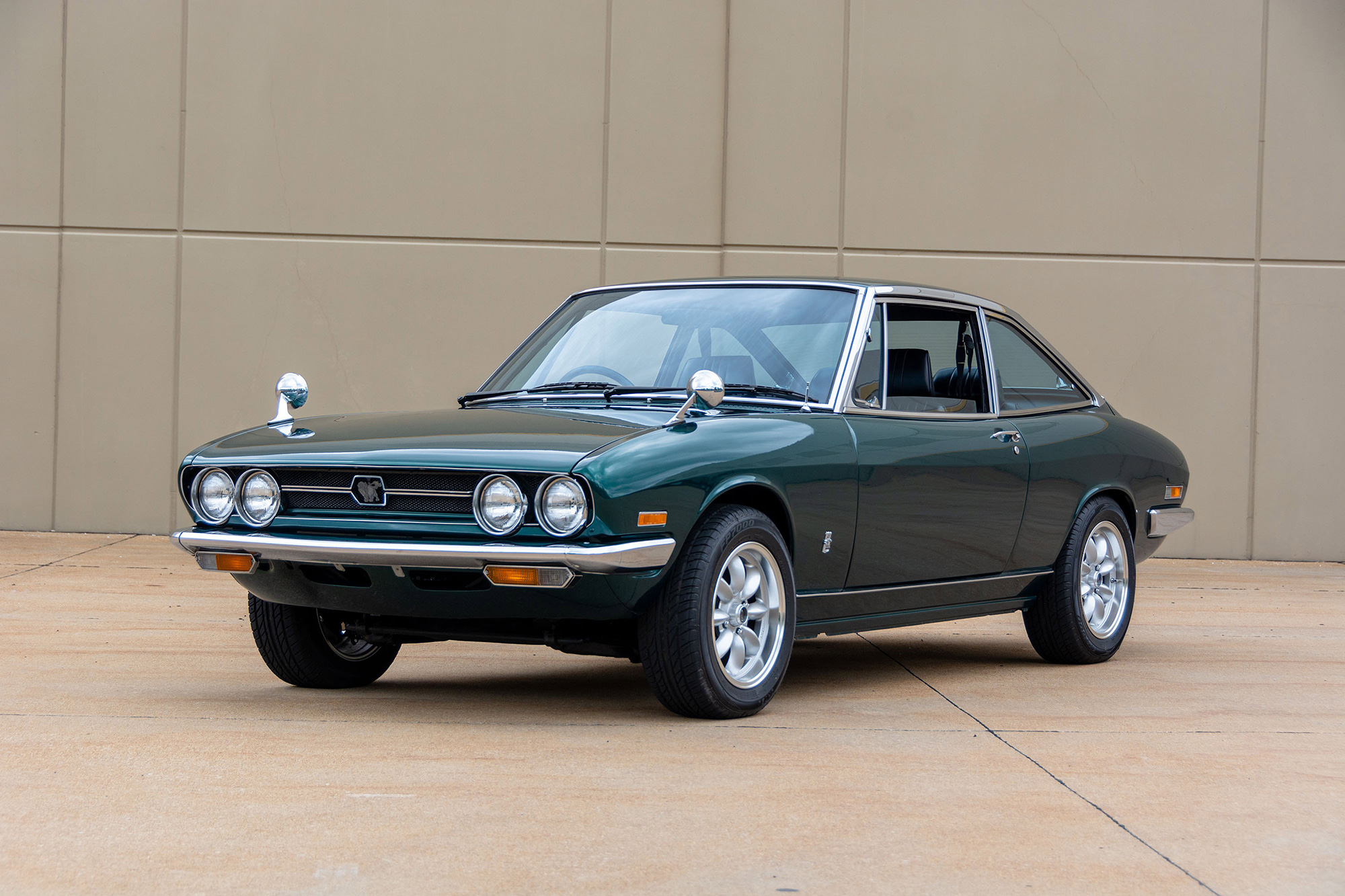
9. Isuzu 117 Coupe
If automotive design were compared to architecture, the Isuzu 117 Coupe would be considered a carefully crafted boutique project rather than mass construction. This car demonstrated how attention to proportion and detail could create lasting visual respect even without huge production numbers.
Styled with strong European influence, the car carried a sense of international sophistication that was rare among Japanese vehicles of the early 1970s. Yet it still managed to maintain its own personality through careful execution rather than imitation.
One of the strongest aspects of its design was its visual discipline. Every line seemed intentional. The roof flowed naturally into the rear without awkward transitions. The window frames were thin, giving the car a light and elegant appearance. This level of visual control later became a hallmark of premium vehicle design.
The front end avoided aggression and instead focused on symmetry and balance. This gave the car a calm confidence. Designers often speak about visual noise, and this car succeeded because it had very little of it.
Even small details such as the door handles and lighting placement showed careful integration. Nothing appeared added as an afterthought. This idea of total design integration later became essential in modern automotive development.
The 117 Coupe also helped demonstrate the value of design partnerships and global thinking. It proved that Japanese brands could collaborate with international design ideas while still building something authentic.
Another lesson from this car was that exclusivity could strengthen design reputation. Because it was not overly common, it developed a certain prestige. This effect is still seen today when limited production models help elevate brand image.
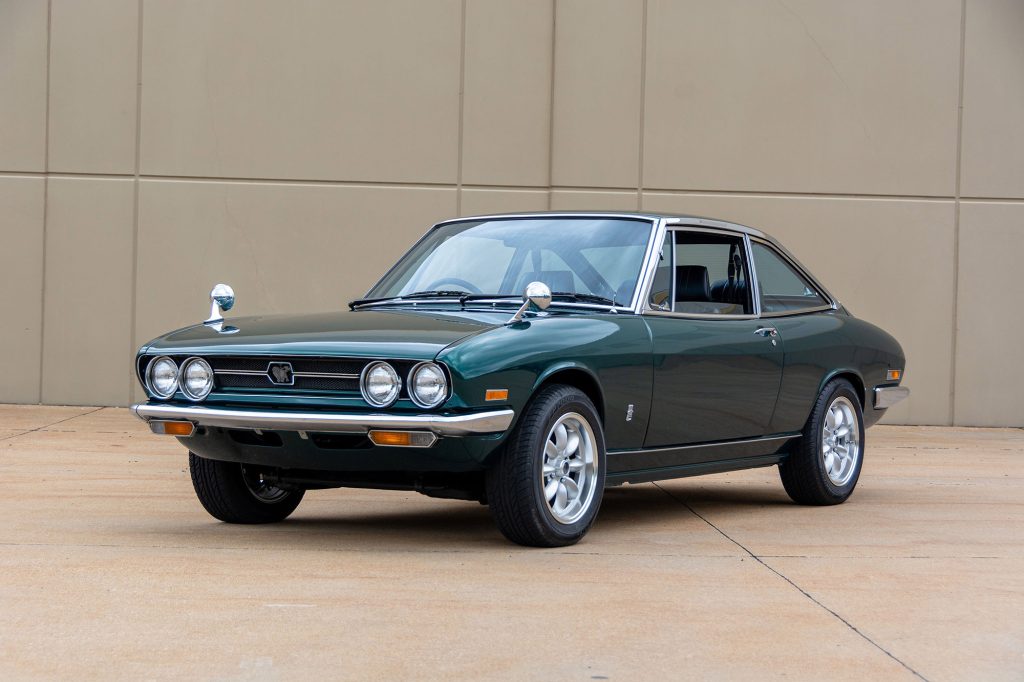
The Isuzu 117 Coupe may not be widely discussed in casual conversations, but among design historians it represents a moment when Japanese cars proved they could compete aesthetically with established European coupes.
10. Nissan Silvia S10
The Nissan Silvia S10 represents a fascinating transition point in Japanese automotive styling, where design started moving toward the sharper and more technical appearance that would define the 1980s. It serves as a bridge between two design eras.
This car embraced straight lines more openly than many earlier Japanese vehicles. The edges were more defined, the surfaces flatter, and the overall structure more geometric. This signaled a shift toward the angular design trends that would soon dominate the industry.
Its front styling carried a technical feel rather than an emotional one. The rectangular lighting and grille arrangement suggested precision and engineering focus. This design direction later became closely associated with performance coupes and tuner culture.
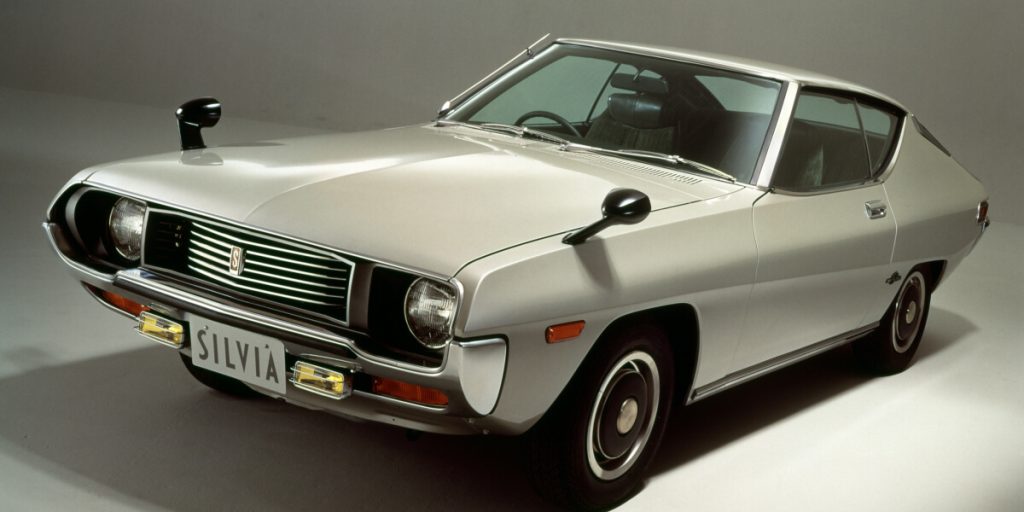
Looking at the silhouette, the Silvia presented a well balanced wedge like profile. This was not an extreme wedge shape, but it hinted at aerodynamic thinking. Designers were beginning to consider how shape could communicate efficiency as well as style.
The car also showed how design could target a very specific audience. Unlike broader appeal vehicles, the Silvia aimed more directly at driving enthusiasts. This kind of focused design targeting later became common as manufacturers created niche performance segments.
Interior design also reflected this shift toward driver engagement. The layout emphasized clarity and purpose rather than comfort focused decoration. This reinforced the car’s sporting intentions without needing dramatic exterior elements.
Perhaps the Silvia’s greatest influence was how it previewed the future. Many styling ideas that became popular in the next decade could already be seen in its structure. It showed how Japanese manufacturers were beginning to lead design evolution rather than react to it.
As a result, the Silvia S10 stands as an important closing chapter to the design story of 1970s Japanese cars, pointing clearly toward what was coming next.
Also Read: 8 Signs Your Variable Valve Timing System Needs Professional Help
