
The 1960s represented a golden age for the American station wagon. During this decade, the wagon was not just another body style. It was a symbol of family life, suburban growth, and the expanding American road culture.
As highways improved and family road trips became common, the station wagon became the trusted companion of millions of households.
Unlike modern family vehicles that focus heavily on technology, the wagons of the 1960s emphasized space, durability, and comfort. These cars were designed to carry entire families along with luggage, camping gear, groceries, and sometimes even pets. Manufacturers understood that these vehicles were not just transportation but part of everyday family routines.
One major reason these wagons became so popular was their versatility. During the week they handled school runs and shopping trips. On weekends they transformed into vacation vehicles capable of carrying everything needed for long journeys. Fold down seats, wide cargo floors, and creative tailgate designs made them incredibly useful.
Styling also played a big role. American manufacturers did not treat wagons as plain utility vehicles. Many featured chrome trim, stylish interiors, and body designs similar to their sedan counterparts. This meant families did not feel like they were sacrificing style in exchange for practicality.
Another interesting factor was how these vehicles became part of family memories. Many people who grew up in the 1960s remember sitting in rear facing third rows, watching the highway disappear behind them.
Others remember long summer trips with the car packed to the roof. These experiences helped the station wagon become part of American cultural history.
This list explores eight American station wagons that became especially popular with families during the 1960s. Each one shows a different approach to comfort, design, and usability. Some focused on luxury, others on affordability, but all of them earned trust through their ability to support family life.
These wagons represent more than machines. They represent a time when the journey itself was just as important as the destination.
Also Read: Top 10 Iconic Japanese Sports Coupes With All Wheel Steering
1. Ford Country Squire
Woodgrain panels, long body lines, and unmistakable presence helped the Ford Country Squire become one of the most recognizable family wagons of the 1960s. This was not just a vehicle. It was often seen as a sign that a family had reached a stable and comfortable stage of life.
Ford positioned the Country Squire as a premium family wagon, and this showed in the details. Interiors often included comfortable bench seating, generous legroom, and high quality trim for a family vehicle. Parents appreciated the comfort during long drives, while children enjoyed the space that prevented cramped travel.
The cargo area told an equally important story. Ford designed the rear section to handle serious family demands. Whether it was vacation suitcases, sports equipment, or weekly shopping, the large rear section rarely ran out of space. Fold down seating made it possible to quickly increase storage when needed.
One of the most talked about features was the dual action tailgate. This clever design allowed the rear door to either drop down like a traditional tailgate or open sideways like a door. Families found this extremely convenient depending on the parking situation or the type of cargo being loaded.
Another factor behind its popularity was smooth highway performance. The Country Squire was built for distance. Its long wheelbase helped create a comfortable ride that made cross state trips feel manageable even with a full load of passengers.
Safety, while different from modern standards, was also part of its appeal. Its large size provided a sense of security that many families valued. The strong body construction and predictable handling added confidence for parents responsible for transporting their families.
Culturally, the Country Squire became associated with the American dream lifestyle. Suburban neighborhoods often featured these wagons parked in driveways, ready for the next family outing. It became a quiet status symbol that represented reliability and responsibility.

Many surviving examples today are remembered not just for design but for the memories attached to them. Owners often describe them as part of their childhood stories rather than just transportation devices.
The Ford Country Squire showed how a station wagon could combine style, comfort, and serious practicality. Its ability to serve as both a daily tool and a family memory maker explains why it remains one of the most loved American wagons of its era.
2. Chevrolet Impala Wagon
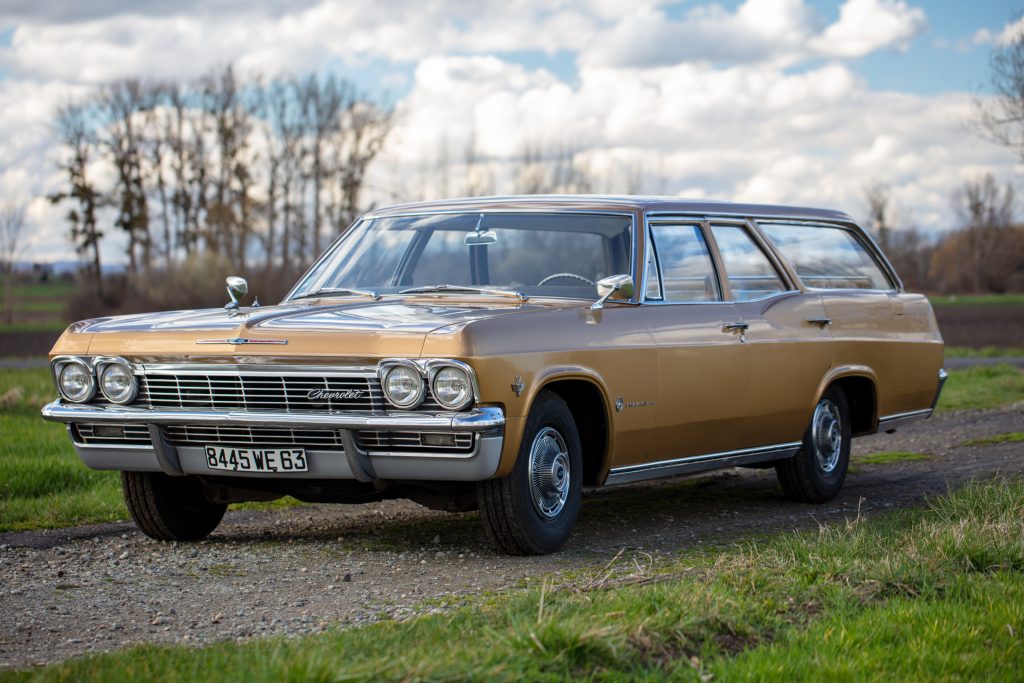
The Chevrolet Impala wagon approached family transportation with a slightly different personality. Where some wagons focused purely on practicality, the Impala wagon tried to combine family usefulness with the sense of excitement associated with Chevrolet’s popular full size lineup.
One of the strongest advantages of the Impala wagon was how it avoided feeling like a compromise. Chevrolet made sure the wagon shared much of the same design language as the Impala sedan. This gave families a vehicle that looked modern and stylish while still delivering the space they required.
Underneath the attractive exterior was a vehicle built for serious use. The wide body allowed comfortable seating arrangements that made long trips easier. Parents could travel with multiple children without constant complaints about space, something that mattered greatly before the era of personal entertainment devices.
The rear section of the Impala wagon showed how Chevrolet understood real family needs. The flat cargo floor and large opening made packing straightforward. Families heading on vacations often found they could carry everything without needing external storage solutions.
Performance also gave the Impala wagon a unique advantage. Chevrolet offered a range of engines, allowing buyers to choose between efficiency and stronger performance. This flexibility allowed families to match the car to their driving habits and travel expectations.
The ride quality also helped build loyalty. The suspension absorbed road imperfections effectively, which helped reduce fatigue during long travel days. Comfortable travel was a major selling point during an era when many families explored the growing interstate system.
Another interesting detail was how adaptable the car became over time. Many families kept these wagons for years, passing them down to younger drivers or repurposing them for different needs. Their durability made them long term members of the household.
The Impala wagon also became part of American pop culture through advertisements and television appearances. It represented the idea that a practical car did not have to be boring.
Owners today often remember these wagons for their dependable nature and strong presence. Even decades later, they remain symbols of an era when large family cars dominated American roads.
The Chevrolet Impala wagon demonstrated that a family vehicle could still carry personality. By combining space, comfort, and visual appeal, it became one of the most trusted wagons of the 1960s.
3. Plymouth Fury Suburban Wagon
Not every popular family wagon of the 1960s relied on luxury touches or flashy styling to win buyers. The Plymouth Fury Suburban wagon built its following through straightforward practicality and a reputation for being a dependable household workhorse.
It appealed to families who valued function first and saw their vehicle as an essential daily tool rather than a statement piece.
To understand why the Fury Suburban connected so well with families, it helps to imagine a typical week during that era. School drop offs in the morning, grocery shopping in the afternoon, and perhaps a weekend baseball game or camping trip. This Plymouth was built to handle that entire schedule without complaint.
One of its strongest qualities was interior space planning. The seating arrangement allowed multiple passengers without forcing uncomfortable compromises. The wide bench seats reflected American design thinking of the time, prioritizing shared family space rather than individual separation.
The cargo section felt more like a mobile storage room than a typical trunk. Families often used these wagons to transport everything from home improvement supplies to vacation luggage. The ability to fold seating sections created a flexible interior that could quickly change roles depending on the situation.
Another important reason families trusted the Fury Suburban was its mechanical toughness. Plymouth engineered these cars with durability in mind because they knew many would experience constant use. From daily errands to long distance travel, reliability mattered more than luxury features.
Unlike some premium wagons, this model also attracted practical buyers because of its value positioning. It offered size and capability without entering the highest price brackets. This made it accessible to middle class families looking for maximum usefulness.
There was also something reassuring about its driving character. The Fury Suburban did not try to be sporty. Instead it focused on predictable behavior and comfortable cruising. For parents responsible for their families, this calm personality mattered more than excitement.
Owners frequently developed strong emotional connections with these vehicles because they were present during important life moments. First family vacations, moving into new homes, and countless everyday routines often involved these wagons. This created loyalty that lasted long after the cars left the road.
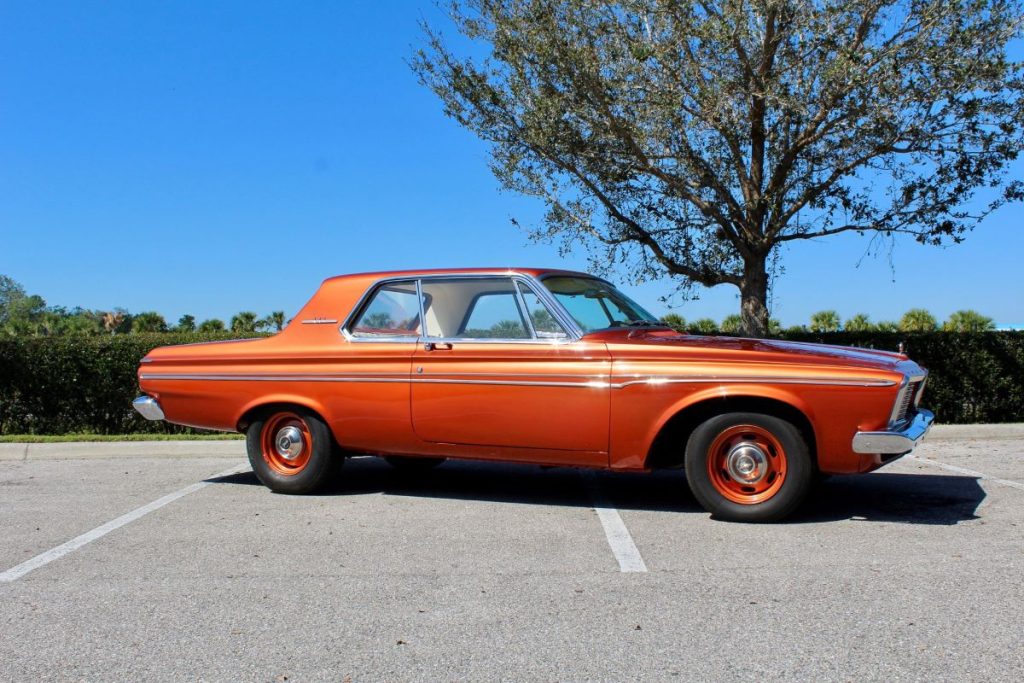
Today the Fury Suburban is remembered as an honest vehicle. It did not pretend to be something else. It existed to serve families, and it performed that job faithfully.
Its legacy shows that popularity is not always built through glamour. Sometimes it comes from showing up every day and doing exactly what families need.
4. Buick Sport Wagon
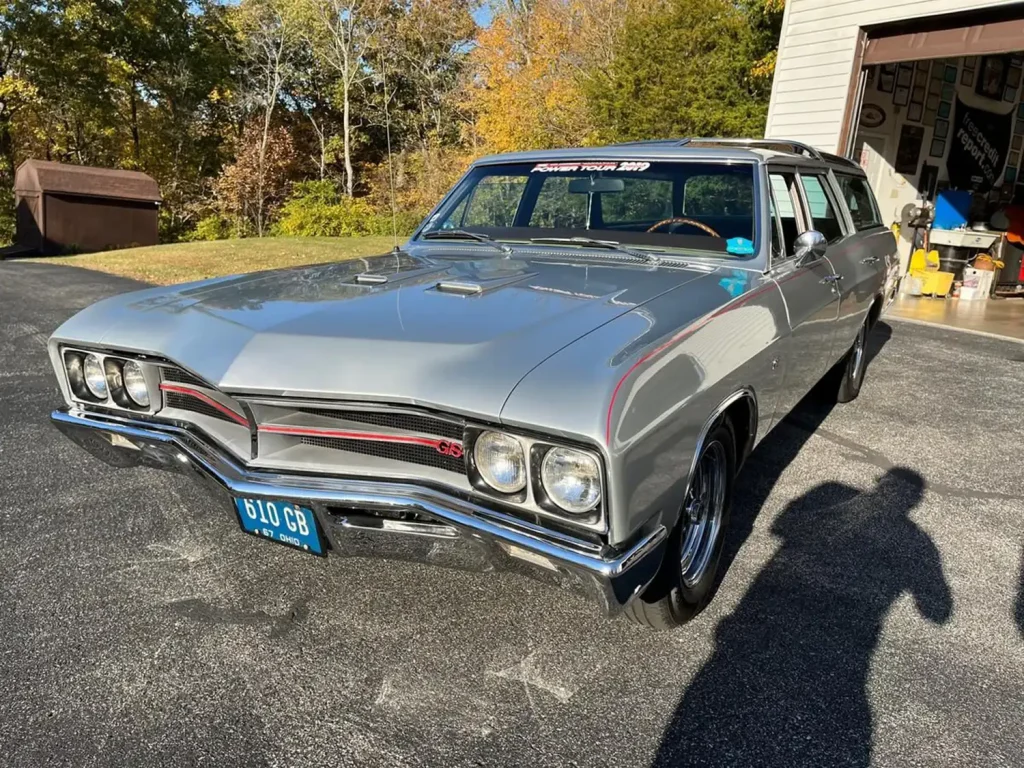
If the Plymouth Fury represented straightforward practicality, the Buick Sport Wagon represented innovation within the family wagon market. Buick attempted something slightly different by blending comfort with unique design ideas that made the wagon stand out in a crowded field of large American estates.
One of the most distinctive features was the raised roof section with skylight windows, often referred to as the Vista Roof design. This feature was not just for appearance. It created a more open interior feeling and allowed additional light into the passenger area, which children especially appreciated during long drives.
This design also helped reduce the closed in feeling that sometimes came with large wagons. Families traveling long distances found the cabin felt more inviting. The additional glass area created a more pleasant travel environment, something Buick clearly understood as part of family comfort.
Another aspect that helped the Sport Wagon gain popularity was Buick’s focus on ride smoothness. The suspension tuning leaned toward comfort, helping absorb uneven road surfaces. This mattered greatly in a decade when road quality could vary significantly between regions.
Buick also paid attention to how families entered and exited the vehicle. Wide opening doors and accessible seating heights made it easier for passengers of all ages. These small ergonomic considerations often determined whether a vehicle truly worked well as a family car.
The rear cargo section reflected Buick’s understanding of versatility. The layout allowed easy organization of luggage and equipment. Families heading on long summer trips often relied on this flexibility to carry everything from picnic supplies to travel bags.
Unlike some wagons that felt purely utilitarian, the Buick offered a slightly more refined atmosphere. Interior materials and trim suggested that practicality did not have to feel basic. This helped attract buyers who wanted usefulness without sacrificing comfort.
The Sport Wagon also became known for attracting loyal repeat buyers. Families who owned one often returned to Buick when it was time to replace their vehicle. This kind of loyalty only develops when a product consistently meets expectations.
Another interesting point is how the design reflected optimism. The extra windows, bright interiors, and smooth ride created a sense of pleasant travel rather than just transportation. Buick seemed to understand that family cars were part of life experiences, not just machines.
Today, the Buick Sport Wagon stands as an example of how small innovations can make a big difference. By improving visibility, comfort, and interior atmosphere, Buick created a wagon that families did not just use but genuinely enjoyed traveling in.
Its story proves that sometimes the most loved vehicles are the ones that make the journey feel just a little better.
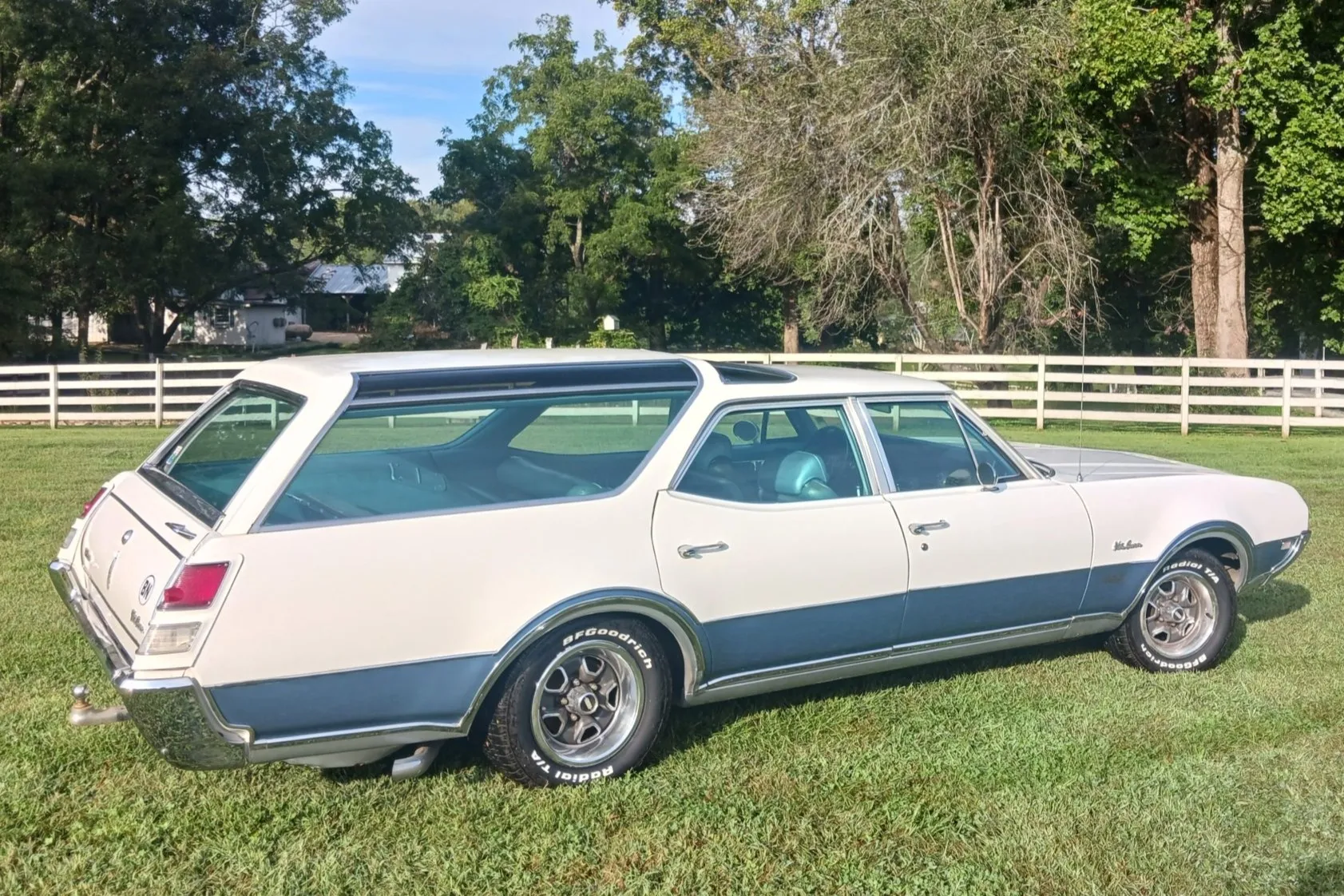
5. Oldsmobile Vista Cruiser
Among all American station wagons of the 1960s, few created as memorable an identity as the Oldsmobile Vista Cruiser. This wagon managed to combine family practicality with a sense of futuristic thinking that made it stand apart from many of its competitors. Families did not just buy it for space. They bought it because it felt special.
The most defining element of the Vista Cruiser was its raised roof with extended glass panels running above the second row. This feature dramatically changed the passenger experience. Children often considered the upper windows the best seats in the car because they could look at the sky, buildings, and surroundings during long trips.
This design also made the interior feel larger than its already generous dimensions suggested. The added natural light reduced the sense of confinement that sometimes affected large vehicles. Oldsmobile understood that comfort was not only about seat cushioning but also about how the space felt psychologically.
Another advantage came from the vehicle’s smooth driving character. Oldsmobile engineered the Vista Cruiser to deliver a composed highway ride. Long distance travel became less tiring because the suspension absorbed imperfections rather than transmitting them into the cabin.
Families also appreciated the thoughtful interior arrangements. Seating could be adapted depending on passenger needs. When extra cargo space was required, sections could be adjusted to increase storage without complicated mechanisms. This simplicity helped the wagon become a trusted family companion.
The Vista Cruiser also carried a reputation for solid construction. Owners often spoke about how well the car tolerated years of use. Whether it was hauling sports equipment, school supplies, or travel gear, the car maintained its composure through constant activity.
Interestingly, the wagon also gained recognition through cultural exposure. Over time it appeared in television and film, which helped reinforce its image as the classic American family transporter. Even people who never owned one often recognized it instantly.
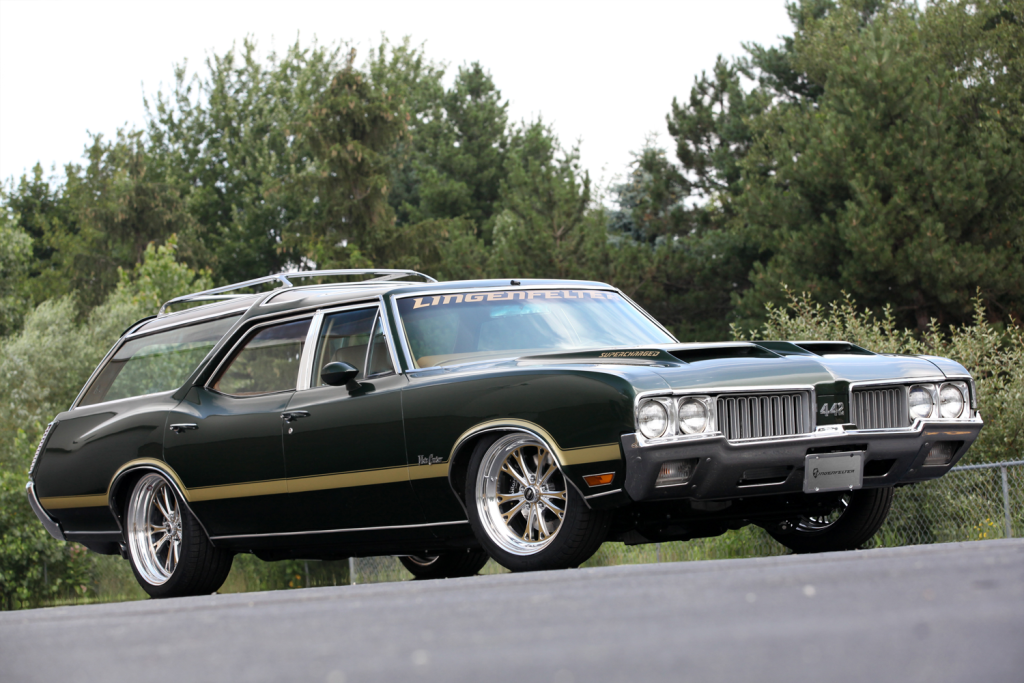
Another subtle strength was how Oldsmobile balanced image with practicality. It did not feel like a stripped down utility car. Instead it offered enough style and detail to make owners feel proud of their purchase. This emotional satisfaction played a role in its popularity.
Looking back today, the Vista Cruiser represents an era when automakers experimented with creative ways to improve family travel. It shows how something as simple as additional visibility and light could transform how people experienced long journeys.
Its legacy remains tied to family memories, innovation, and the idea that practical vehicles can still carry personality.
6. Dodge Polara Wagon
The Dodge Polara wagon approached the family vehicle formula with a focus on strength and presence. This was a car that looked substantial and felt built to handle the responsibilities placed on it by busy households. It appealed to buyers who wanted confidence in both size and durability.
At a time when many American families were expanding, vehicles like the Polara answered the need for additional passenger room. The wide body allowed comfortable seating arrangements that made group travel realistic without discomfort. It was not unusual for these wagons to carry extended family members during holidays.
Cargo capacity was another major selling point. Dodge ensured that the rear area could handle serious loads. From vacation packing to home improvement materials, the Polara wagon was capable of supporting active lifestyles. This versatility helped it earn trust among practical buyers.
Unlike some competitors that focused heavily on appearance, Dodge emphasized straightforward usefulness. The design avoided unnecessary complications and instead delivered a vehicle that felt dependable. This approach helped attract buyers who valued reliability more than decoration.
Driving the Polara wagon was about confidence rather than excitement. The steering feel, road presence, and predictable responses gave drivers a sense of control. For parents transporting children, this predictable behavior was often more valuable than performance.
Another important factor was brand loyalty. Dodge already had a strong following among American buyers, and the Polara wagon benefited from this trust. Families who had positive experiences with earlier Dodge vehicles often stayed with the brand when choosing a wagon.
Maintenance accessibility also helped ownership satisfaction. The mechanical layout reflected the engineering practices of the time, allowing routine servicing without unnecessary complexity. This contributed to the long service lives many of these wagons experienced.
The Polara also represented an interesting transition period in American automotive design. It showed how manufacturers were refining the balance between size, comfort, and usability as family expectations continued to grow.
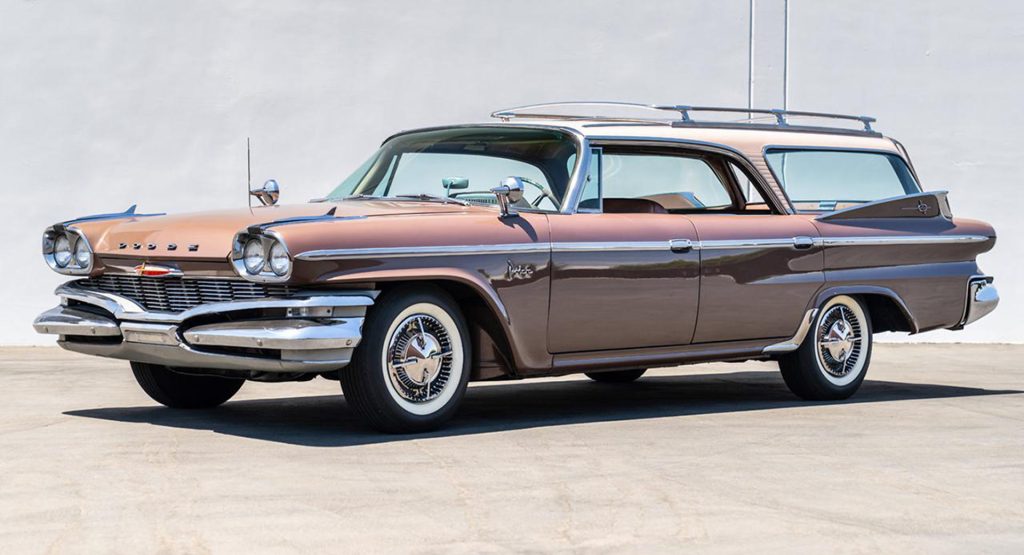
Today, enthusiasts often remember the Polara wagon as a symbol of dependable American transportation. It may not always receive the same attention as more famous models, yet its role in supporting everyday family life gives it lasting importance.
Its story highlights how family vehicles earn their reputation not through advertising claims but through years of dependable service. The Dodge Polara wagon succeeded because it delivered exactly what families expected from a serious station wagon.
7. AMC Ambassador Cross Country Wagon
American Motors Corporation did not always receive the same attention as the largest Detroit manufacturers, yet the Ambassador Cross Country wagon proved that AMC clearly understood what families wanted during the 1960s.
This model represented the company’s effort to offer a full size family vehicle that balanced comfort, value, and everyday practicality.
Instead of trying to compete purely on size, AMC focused on making the interior experience pleasant and usable. The seating arrangements allowed families to travel together without feeling crowded, and the interior layout showed careful attention to how people actually used their cars during daily routines.
One detail that helped the Ambassador wagon stand out was its emphasis on ride comfort without unnecessary excess. The suspension was tuned to provide a stable experience on long drives, making it particularly suitable for highway travel.
For many families, summer vacations meant hundreds of miles on open roads, and a smooth ride mattered greatly.
The rear cargo section was shaped to support practical needs rather than just impressive measurements. The loading area allowed easy placement of suitcases and travel equipment. Families often discovered that packing became easier because of the straightforward layout.
AMC also built a reputation for offering good value, which helped this wagon appeal to practical buyers. It delivered full size capability without always matching the highest price levels of some competitors. This allowed more families to enter the full size wagon market.
Another aspect worth noting is how adaptable these cars became as family needs changed. As children grew older, the wagon often shifted roles from daily transport to backup family vehicle or learning car for younger drivers. This long term usefulness helped justify the original purchase.
The styling of the Ambassador wagon also deserves mention. While not overly flashy, it carried a dignified appearance that aged well. It looked appropriate in both suburban driveways and business parking areas, giving it a versatility of image.
Owners often described these wagons as trustworthy companions. They were not necessarily the most glamorous vehicles, yet they consistently delivered dependable service. This reliability created quiet appreciation among those who depended on them.
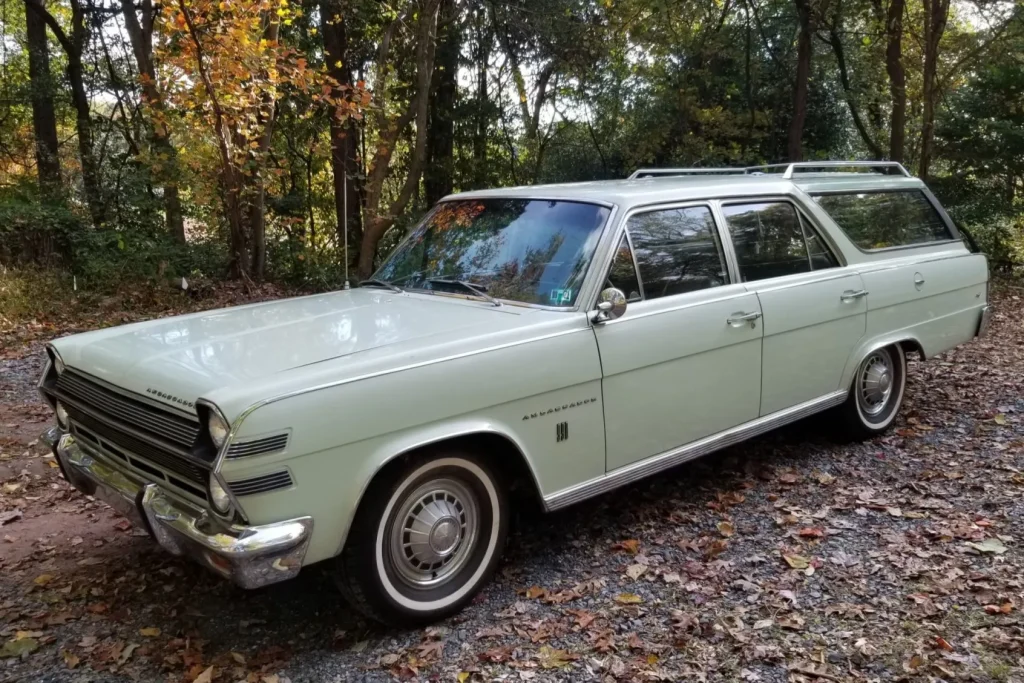
Looking back, the Ambassador Cross Country shows how smaller manufacturers could still produce highly competitive family vehicles. By focusing on real needs rather than marketing trends, AMC created a wagon that genuinely supported family life.
Its story reminds us that automotive history is not only shaped by the biggest companies. Sometimes it is shaped by those who simply understand their customers well.
8. Pontiac Catalina Safari Wagon
The Pontiac Catalina Safari wagon brought a slightly different flavor to the American family wagon market by combining practicality with a touch of Pontiac’s performance inspired image. It showed that even a family vehicle could carry a sense of energy while still fulfilling everyday responsibilities.
Pontiac approached the Catalina Safari with the idea that a wagon should not feel dull. The styling reflected the same confident design language seen in Pontiac’s passenger cars. This gave families a vehicle that looked modern and strong rather than purely functional.
Inside, the Catalina Safari focused on making travel comfortable for multiple passengers. The wide seating arrangements and generous legroom supported long distance travel. Families planning cross country trips often needed vehicles that could keep everyone comfortable for hours, and this wagon delivered that capability.
The cargo area reinforced its practical purpose. Pontiac designed the rear section to support heavy family usage. Whether carrying vacation luggage, outdoor recreation gear, or everyday purchases, the space proved consistently useful. The layout allowed families to organize their cargo efficiently.
Another strength came from Pontiac’s attention to driving feel. While still clearly a large wagon, the Catalina Safari carried a sense of responsiveness that reflected Pontiac’s brand identity. This gave drivers the feeling they were operating something more engaging than a basic utility vehicle.
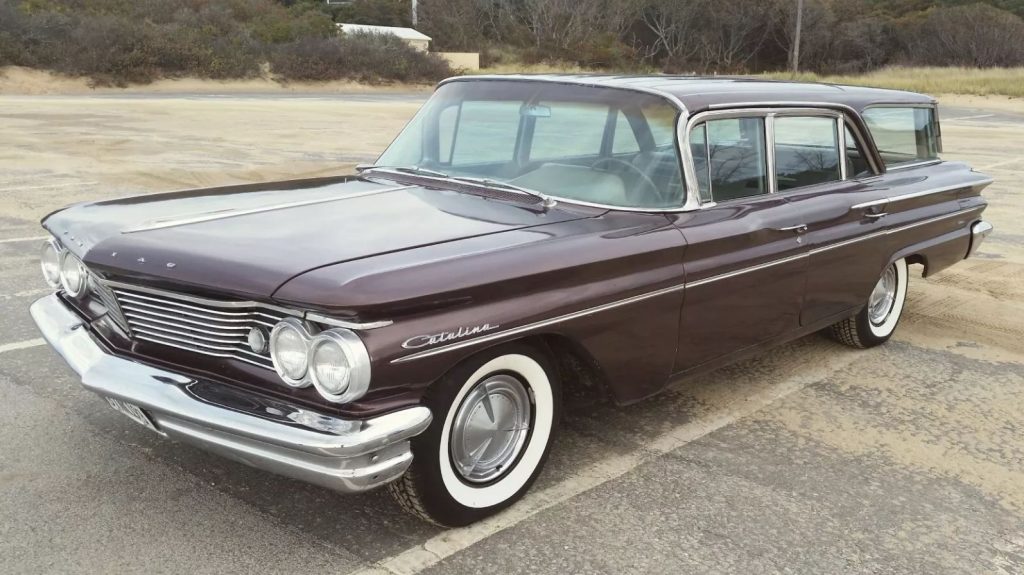
The vehicle also benefited from Pontiac’s strong brand recognition during the decade. Buyers who appreciated Pontiac’s performance reputation often felt comfortable choosing the wagon version because it carried similar design confidence.
Families also valued how the Catalina Safari handled changing responsibilities. It could function as a school transport vehicle, a vacation machine, and even a light duty hauling vehicle when needed. This flexibility helped justify its place in many households.
Another interesting point is how these wagons often became part of community life. They appeared in school parking areas, local events, and neighborhood gatherings. Their presence became part of the visual landscape of American suburbia.
Today, collectors often view the Catalina Safari as an example of how Pontiac blended personality with usefulness. It demonstrated that even practical vehicles could carry a sense of identity.
Its legacy remains tied to the idea that a family car could still feel distinctive. The Catalina Safari succeeded because it respected both emotional appeal and practical necessity.
Also Read: Top 10 Classic Cars With the Most Iconic Front End Designs
