
The global automobile industry has always been shaped by more than just engineering and design. Marketing strategies, language differences, cultural sensitivities, and trademark conflicts have all played a major role in how vehicles are presented to buyers across different regions.
One fascinating result of this global complexity is the number of cars that were sold under completely different names depending on the country in which they were offered. While the vehicle itself often remained mechanically identical, its identity could change dramatically simply by crossing a border.
Automakers typically rename vehicles for practical reasons. Sometimes a name that sounds attractive in one language may have an embarrassing or negative meaning in another. In other cases, a name may already be legally registered by another company in a certain market.
There are also situations where manufacturers want to align a vehicle with an existing successful brand name in a specific country to improve its chances of success. These decisions may seem minor, but they often determine whether a car succeeds or fails in competitive markets.
This practice became especially common during the 1970s, 1980s, and 1990s, when manufacturers rapidly expanded into global markets. Japanese brands entering North America, American brands entering Europe, and European brands expanding into Asia all faced naming challenges.
Rather than risk poor sales due to branding mistakes, companies often chose to reintroduce the same car with a new identity tailored for local buyers.
For car enthusiasts, these naming differences create an interesting layer of automotive history. A vehicle known by one name in the United States may be instantly recognized by a completely different name in Japan or Europe.
Understanding these differences not only highlights marketing creativity but also shows how global the car industry truly became.
Here are ten notable cars that became known by different names depending on where they were sold, each with its own unique story behind the badge.
Also Read: Top 10 Most Recognizable Vintage Nameplates That Still Exist Today
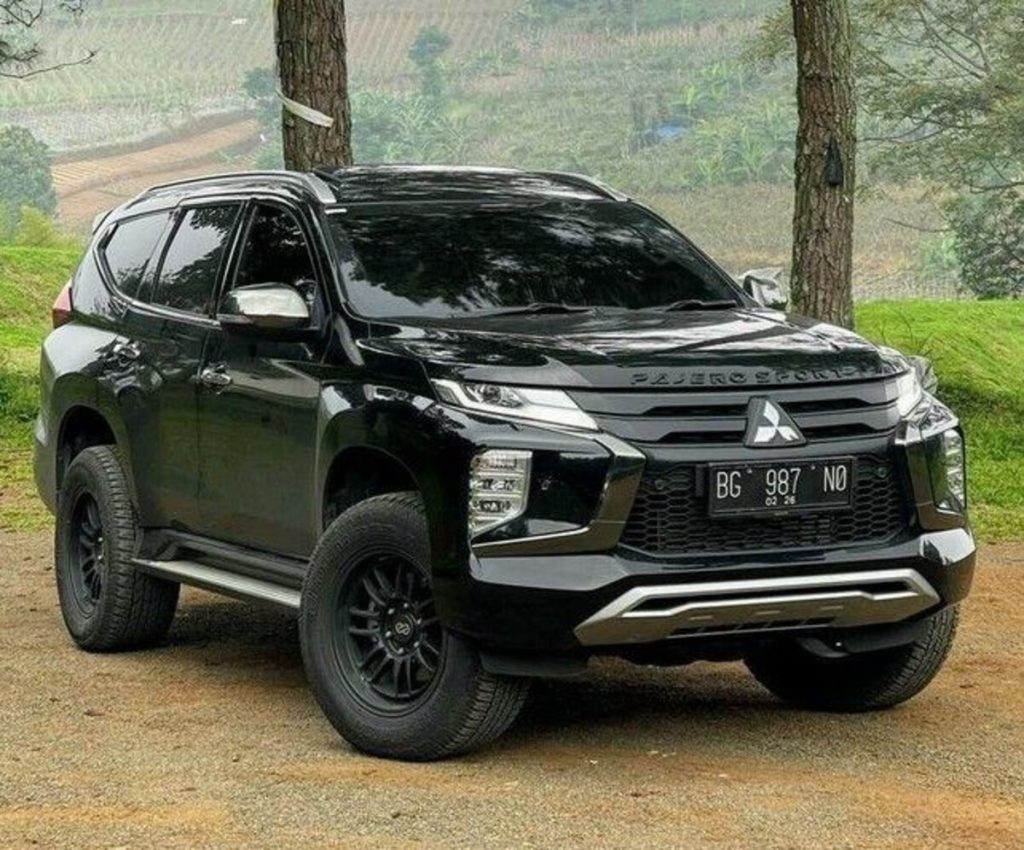
1. Mitsubishi Pajero (Also Known as Montero and Shogun)
Few vehicles demonstrate the importance of cultural awareness in automotive naming better than the Mitsubishi Pajero. When this SUV was introduced in the early 1980s, it was intended to compete with serious off road vehicles while also offering everyday usability.
The engineering was strong, the styling was modern for its time, and Mitsubishi expected the name to carry global recognition.
However, problems quickly appeared when the company began exporting the vehicle. In Spanish speaking markets, the original name had an unintended slang meaning that could damage the vehicle’s reputation.
Rather than risk embarrassment or negative publicity, Mitsubishi made the strategic decision to rename the vehicle in those regions. In Spain and many Latin American countries, it became the Mitsubishi Montero, a name chosen to emphasize a rugged, outdoors focused image.
Meanwhile, the United Kingdom received yet another identity. There the vehicle was sold as the Mitsubishi Shogun, referencing Japanese military history and leadership.
This gave the SUV a strong and authoritative personality that suited British marketing campaigns. Interestingly, the Shogun name became so well recognized in the UK that many buyers did not even realize it had a different global identity.
What makes this case particularly interesting is that all three names existed simultaneously for the same generation of vehicle. Buyers in different countries were often unaware they were essentially driving the same machine. Automotive magazines sometimes had to clarify these naming differences when discussing international models.
The Pajero also built a strong reputation through motorsport, particularly in long distance desert rally competitions. Its success in events like the Dakar Rally strengthened its global reputation regardless of the name it carried. Performance credibility helped unify its identity even when the badge changed.
Today, this SUV remains one of the most famous examples of how manufacturers must carefully consider language and culture before launching a global product. It also shows how smart branding adjustments can prevent problems while still allowing a vehicle to succeed internationally.
2. Toyota Corolla (Also Called Toyota Auris in Europe for Certain Generations)
The Toyota Corolla is widely recognized as one of the best selling cars in automotive history, but its naming story is more complex than many people realize.
While most markets consistently received the Corolla name, Toyota experimented with a different branding approach in Europe during the mid 2000s. Instead of continuing with the familiar badge, the company introduced the Toyota Auris as the successor to the Corolla hatchback.
This decision was not random. Toyota wanted to reposition its compact hatchback as something more premium and emotionally appealing. The Corolla name had become strongly associated with reliability and practicality, but not necessarily excitement.
By introducing the Auris name, Toyota attempted to create a more modern personality for European buyers who were increasingly comparing cars based on style and driving feel rather than just durability.
Interestingly, the sedan version in many markets continued to carry the Corolla name while the hatchback used the Auris badge.
This created a situation where two body styles of essentially the same vehicle were marketed as separate models. Buyers who followed international automotive news often noticed the similarities in design and platform sharing.
Toyota eventually reversed this strategy. By 2019, the company decided to reunify the naming structure and bring the Corolla name back to the hatchback globally.
One major reason was the enormous brand value built by decades of Corolla sales. The company realized the historic name carried more trust than any newly created badge could replicate.

This example highlights a different reason for renaming cars compared to cultural issues. Instead of avoiding negative meanings, Toyota was experimenting with brand positioning. The company wanted to see whether a fresh name could change public perception of a familiar vehicle.
In the end, the return of the Corolla name proved how powerful consistent branding can be. Even with strong engineering and good design, the history behind a name can be just as important as the product itself in influencing customer trust and long term recognition.
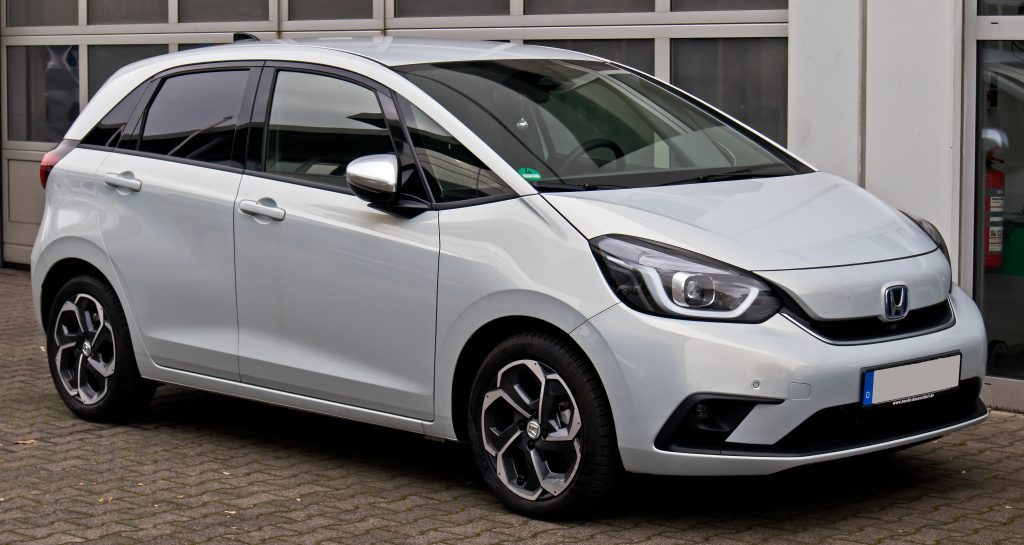
3. Honda Fit (Known as Honda Jazz in Many International Markets)
Unlike cases driven by language concerns, the naming difference between the Honda Fit and Honda Jazz largely came from marketing philosophy. Honda introduced this small hatchback in Japan in 2001 as the Honda Fit, emphasizing how cleverly the interior space was designed to “fit” different lifestyles through its flexible seating arrangements.
When the company prepared the car for European and several Asian markets, it decided the Jazz name would better connect with buyers.
The goal was to give the car a youthful and energetic personality. The word Jazz suggested rhythm, creativity, and urban mobility, which aligned with how Honda wanted the car to be perceived in crowded city environments.
North America continued to receive the Fit name, partly because Honda believed the practical meaning of the word would resonate more strongly with buyers focused on efficiency and functionality. This created an unusual situation where automotive discussions sometimes required clarification that the Fit and Jazz were the same vehicle.
One interesting aspect of this naming story is how it shows regional differences in buyer psychology. In some markets, customers respond strongly to emotional branding. In others, practicality and function influence buying decisions more heavily. Honda adjusted the name to reflect those different expectations rather than using a single universal identity.
The vehicle itself became well known for its clever packaging. Its fuel tank placement allowed the rear seats to fold in multiple configurations, something Honda called Magic Seats. This feature helped the car stand out regardless of which name appeared on the rear badge.
Over time, the dual identity became part of the car’s global story. Owners traveling between countries were sometimes surprised to discover their familiar Fit was called Jazz elsewhere. Automotive forums frequently discussed these naming differences, adding to the vehicle’s international character.
This case demonstrates that renaming is not always about avoiding problems. Sometimes it is simply about speaking the right marketing language for a particular audience. By tailoring the name to regional preferences, Honda managed to strengthen the appeal of one of its most versatile small cars.
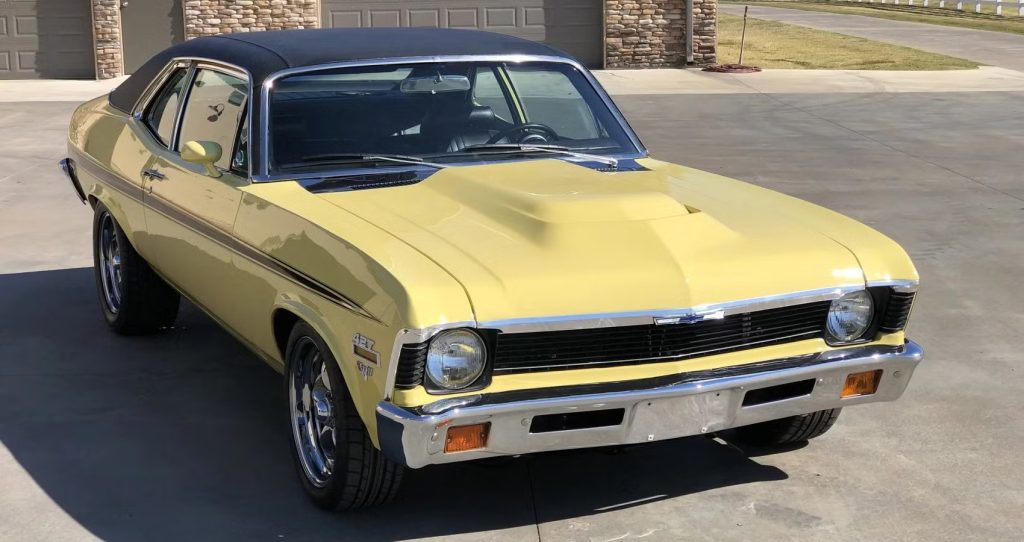
4. Chevrolet Nova (Sold in Latin America as Chevrolet Caribe in Some Markets)
The Chevrolet Nova is often surrounded by one of the most repeated naming stories in automotive folklore. Many people claim the car failed in Spanish speaking countries because “Nova” supposedly translates to “does not go.”
While this story has been debated and sometimes exaggerated, it still highlights how seriously manufacturers consider language when expanding into international markets.
General Motors did take precautions in certain regions by adjusting branding strategies. In Mexico, for example, versions of the Nova were marketed as the Chevrolet Caribe, particularly when referring to hatchback variants derived from the same platform.
This allowed the company to present the car with a name that sounded regionally appealing while avoiding any possible misunderstandings.
The Caribe branding also allowed Chevrolet to position the vehicle slightly differently in terms of lifestyle marketing. Advertisements focused on youth, coastal driving themes, and modern styling. This created a fresh identity even though the mechanical foundation remained closely related to the Nova sold elsewhere.
What makes this case different from many other renaming examples is that it was influenced by perception management rather than an officially confirmed translation problem.
Even the possibility of a misunderstanding was enough to encourage alternative branding decisions. This shows how proactive manufacturers can be when protecting a vehicle’s reputation.
Another factor was regional marketing independence. Local divisions of large automakers sometimes had the freedom to rename or reposition cars based on what they believed would sell best in their territory. This often resulted in unique identities that did not exist elsewhere.
Today, the Nova remains an interesting example not only because of the naming myths but because it shows how stories themselves can influence branding decisions. Whether the translation concern was fully justified or not, it demonstrates how seriously companies take public interpretation of a vehicle’s name.
This situation proves that sometimes branding decisions are shaped not just by facts, but by how customers might react. In global business, perception can be just as powerful as reality.
5. Nissan 240SX (Known as Nissan Silvia and Nissan 180SX in Japan)
The Nissan 240SX presents a very different naming story because its identity changed based on engineering differences as well as market strategy.
In North America, the car was sold as the 240SX, with the number referencing its 2.4 liter engine. However, in Japan the same basic sports coupe platform was sold under the Silvia and 180SX names depending on the configuration and engine choice.
This created a situation where enthusiasts later discovered that what seemed like different vehicles were actually closely related members of the same family. The Silvia name had a long history in Japan dating back decades, so Nissan chose to preserve that heritage rather than replace it with a new global name.
The numbering strategy also reflected performance positioning. The 180SX name in Japan referred to the 1.8 liter turbocharged engine originally offered there, while the Silvia often carried different engine options.
In contrast, the American market received a naturally aspirated engine focused more on reliability and affordability rather than turbocharged performance.
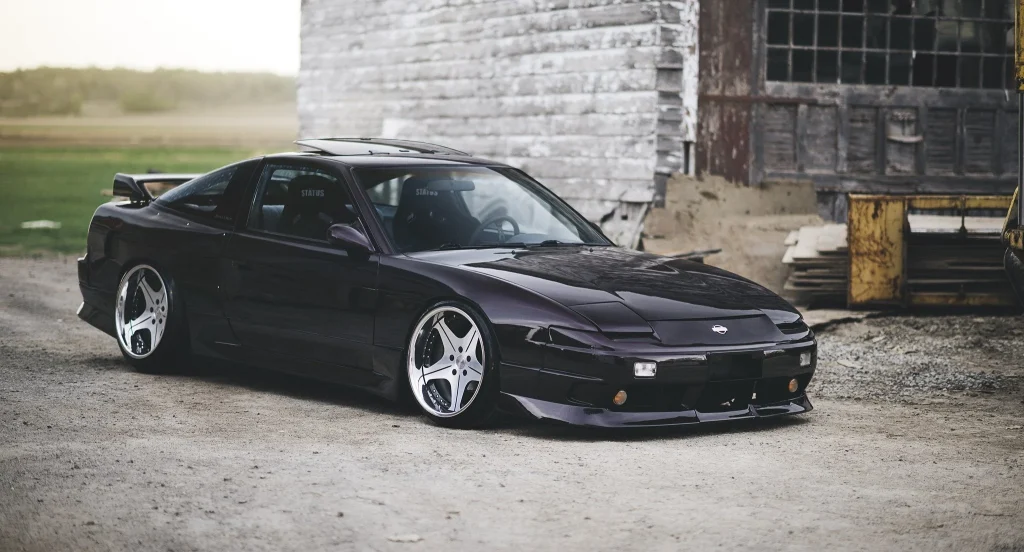
Another interesting angle is how these naming differences later influenced car culture. Import enthusiasts in the United States began using the Silvia name when modifying 240SX models to resemble their Japanese counterparts. This created a cross cultural identity where one car effectively had two personalities depending on how it was presented.
Unlike some renaming cases driven by language issues, this example shows how heritage and performance branding can shape naming decisions. Nissan understood that the Silvia badge carried emotional value in Japan, while a numeric name fit better with American naming traditions of the time.
The story also demonstrates how naming can affect long term enthusiast perception. Today, collectors often refer to these cars using both names interchangeably, showing how global information sharing has blurred the lines between regional branding.
This example stands out because the naming differences were not just cosmetic marketing choices. They reflected differences in engines, positioning, and customer expectations. It shows how one platform can develop multiple identities depending on how it is presented to different audiences.
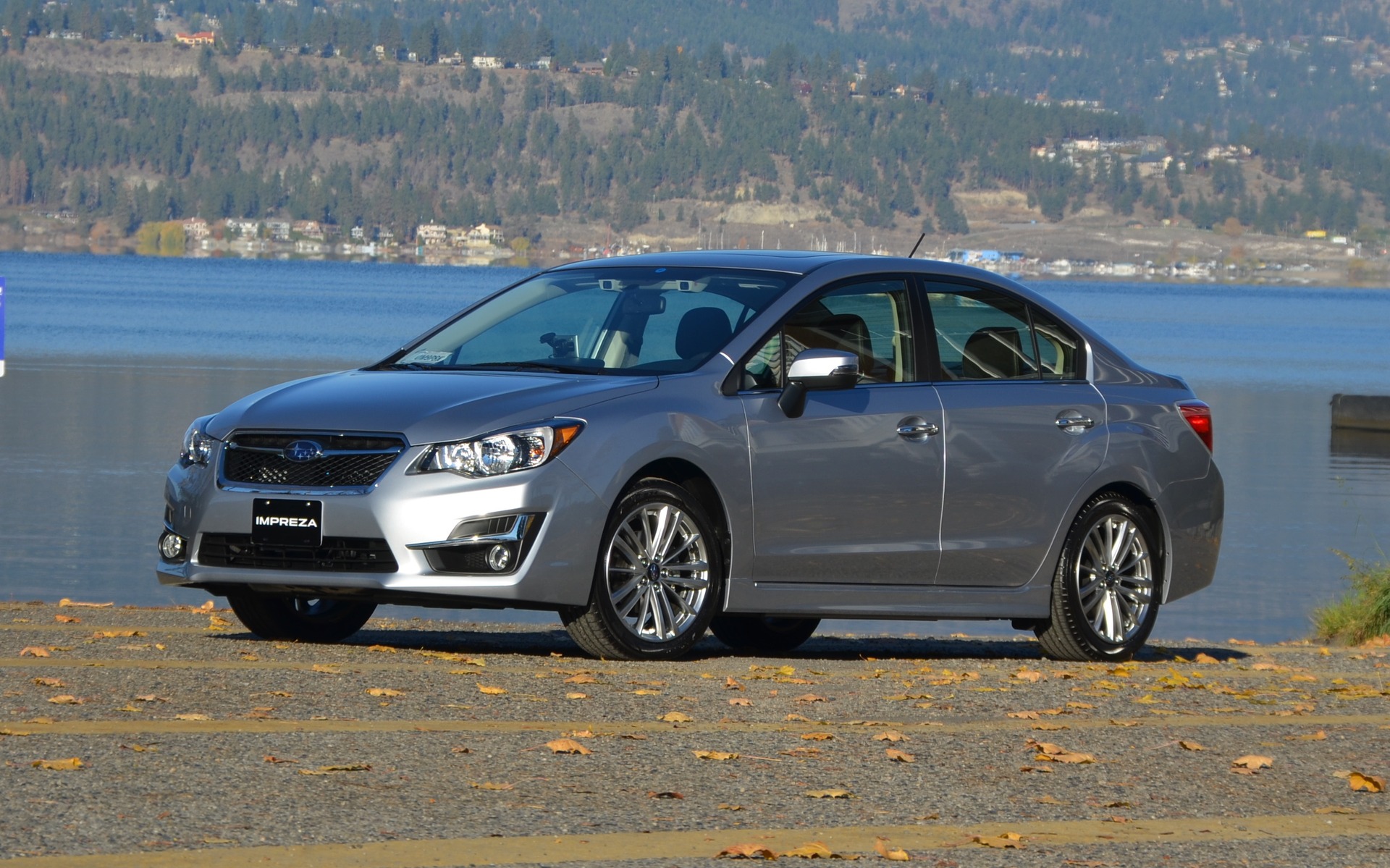
6. Subaru Impreza (Sold as Subaru WRX as a Standalone Model in Some Markets)
Not every naming change happens because of translation issues or legal conflicts. Sometimes a manufacturer discovers that one particular version of a car becomes so popular that it develops its own identity. This is exactly what happened with the Subaru Impreza and its high performance WRX variant.
Originally, the WRX was simply a performance trim of the Impreza lineup. The name stood for World Rally Experimental, reflecting Subaru’s involvement in rally racing. In markets like Japan, the WRX remained closely tied to the Impreza identity for many years. Buyers understood it as the most aggressive version of the standard compact sedan.
Things began to shift as Subaru’s rally success built a cult following worldwide. In countries such as the United States, the WRX name started to carry more emotional weight than the Impreza name itself.
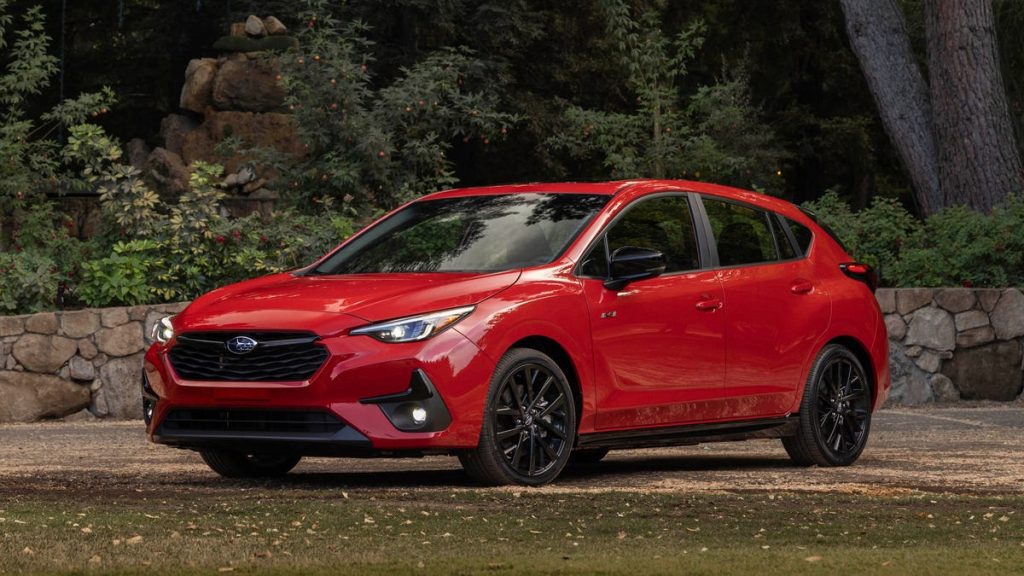
Enthusiasts talked about owning a WRX rather than mentioning the Impreza at all. Subaru eventually recognized this shift and decided to separate the WRX as its own model line in certain markets.
This created an unusual naming split. Some regions still treated WRX as part of the Impreza family, while others marketed it as a completely separate vehicle. The mechanical roots remained shared, but branding emphasized performance independence.
Another reason behind this decision involved buyer expectations. The Impreza name suggested a practical compact car, while WRX suggested motorsport heritage and aggressive driving. By separating the names, Subaru could market each vehicle to a different type of customer without confusion.
This situation shows how customer enthusiasm can actually reshape a product’s identity. Unlike most renaming cases driven by corporate decisions alone, this one was influenced heavily by how drivers themselves talked about the car.
Today, the WRX stands as proof that sometimes a name grows beyond its original purpose. What began as a trim designation eventually became strong enough to stand on its own, showing how powerful brand evolution can be when supported by racing credibility and loyal fans.
7. Suzuki Swift (Also Sold as Suzuki Cultus and Geo Metro)
The Suzuki Swift demonstrates how partnerships between manufacturers can create multiple identities for the same vehicle. While many people know it today as a global compact hatchback, earlier generations were sold under several different names depending on market alliances.
In Japan, earlier versions were known as the Suzuki Cultus. The name reflected Suzuki’s domestic naming strategy at the time, which often used unique branding separate from export markets. However, when Suzuki began cooperating with General Motors, the same basic car started appearing with entirely different badges.
In the United States, for example, versions of this small Suzuki were sold as the Geo Metro through General Motors dealerships. Buyers often had no idea they were purchasing a Suzuki designed vehicle because the branding emphasized the Geo name, which GM created for small fuel efficient imports.
This example shows how business relationships can influence naming decisions just as much as culture or language. Manufacturers often rebrand vehicles to fit their partner company’s lineup. This helps fill gaps in product ranges without developing entirely new cars from scratch.
Another interesting factor was how the car’s identity shifted depending on economic conditions. During periods of rising fuel prices, the Metro name became associated with affordability and efficiency. Meanwhile, the Swift name in other markets often focused more on sporty styling and youthful appeal.
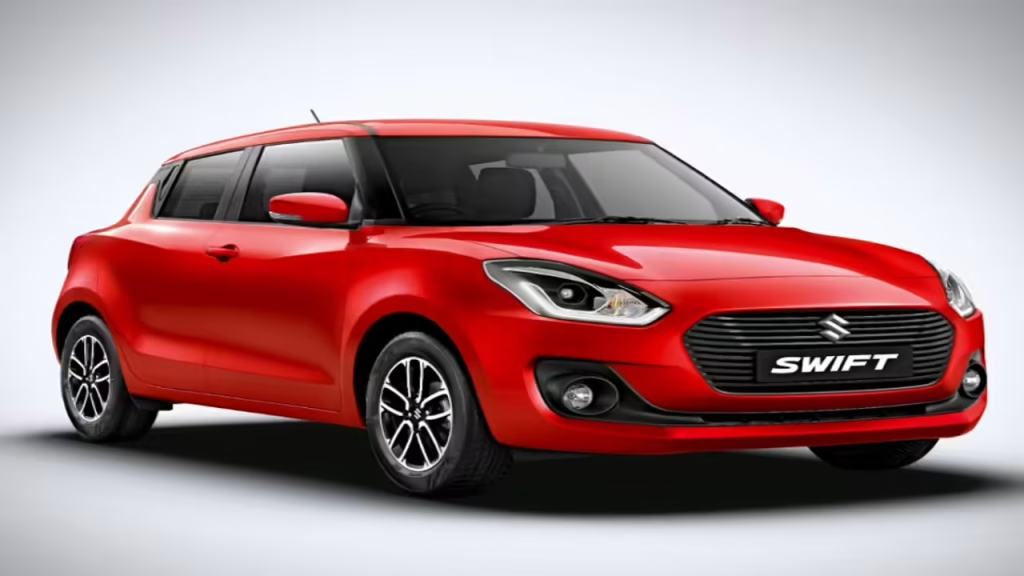
Over time, Suzuki gradually unified the branding again and pushed the Swift name globally as the company built stronger international recognition. This helped simplify marketing and strengthen brand consistency.
The multiple identities of this vehicle highlight how globalization works behind the scenes. A single engineering project may serve several companies, several markets, and several price segments at once.
This story stands out because it shows that a car’s name is not always about the car itself. Sometimes it reflects the complex relationships between the companies selling it.
8. Ford Escape (Also Sold as Ford Kuga in Europe)
Sometimes a car receives a different name simply because a manufacturer wants it to better match regional branding strategies. The Ford Escape is a strong example of this approach.
While North America became familiar with the Escape as a compact SUV focused on practicality and family use, European customers came to know a very similar vehicle as the Ford Kuga.
Ford’s decision was partly influenced by how SUV buyers differed between continents. In the United States, SUV names often emphasized adventure and freedom.
The word Escape suggested getting away from routine and heading toward the outdoors. This matched American marketing themes that often highlighted road trips and open landscapes.
European markets required a slightly different emotional tone. The Kuga name was selected to sound distinctive and modern without directly translating into a specific meaning. Ford wanted something that would feel fresh and unique among the highly competitive European crossover segment.
There were also practical reasons. Ford already had an established naming structure in Europe with vehicles like the Fiesta and Focus. The company wanted the Kuga name to fit that short, memorable style rather than introducing a name that sounded overly descriptive.
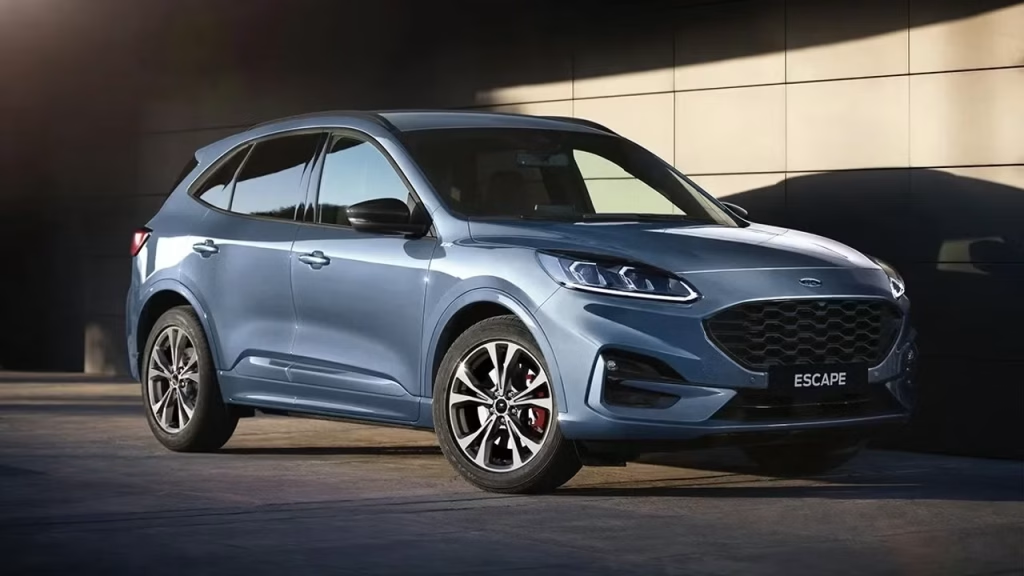
Another factor involved styling differences. While the Escape and Kuga shared engineering, Ford sometimes adjusted suspension tuning, interior materials, and available engines to better suit regional expectations.
European buyers often expected sharper handling and diesel engine options, while American buyers focused more on automatic transmissions and comfort features.
This naming difference also created interesting situations when automotive journalists compared global models. Reviews often had to explain that the Escape and Kuga were essentially relatives despite wearing different badges.
The case illustrates how even when companies aim for global platforms, regional personality still matters. Giving the same vehicle two names allowed Ford to speak directly to different audiences without forcing a single identity that might not resonate everywhere.
It also shows that a name does not just identify a vehicle. It helps tell the story manufacturers want customers to believe about it.
9. Volkswagen Golf (Sold as Volkswagen Rabbit in the United States for Early Generations)
Volkswagen made a very unusual branding decision when introducing the Golf to the American market. While the car was already known in Europe as the Golf, Volkswagen of America chose to rename it the Rabbit during the late 1970s and early 1980s.
The reasoning was tied to marketing psychology. Volkswagen believed American buyers at the time responded better to friendly, memorable names rather than technical or abstract ones.
The Rabbit name was intended to make the car feel approachable, economical, and easy to own. It also matched Volkswagen’s earlier success with memorable names like the Beetle.
Interestingly, the Rabbit name did not exist in most other markets. European customers continued to know the car as the Golf, a name that fit Volkswagen’s tradition of naming vehicles after winds and natural themes. The company essentially allowed two parallel identities to exist for the same vehicle.
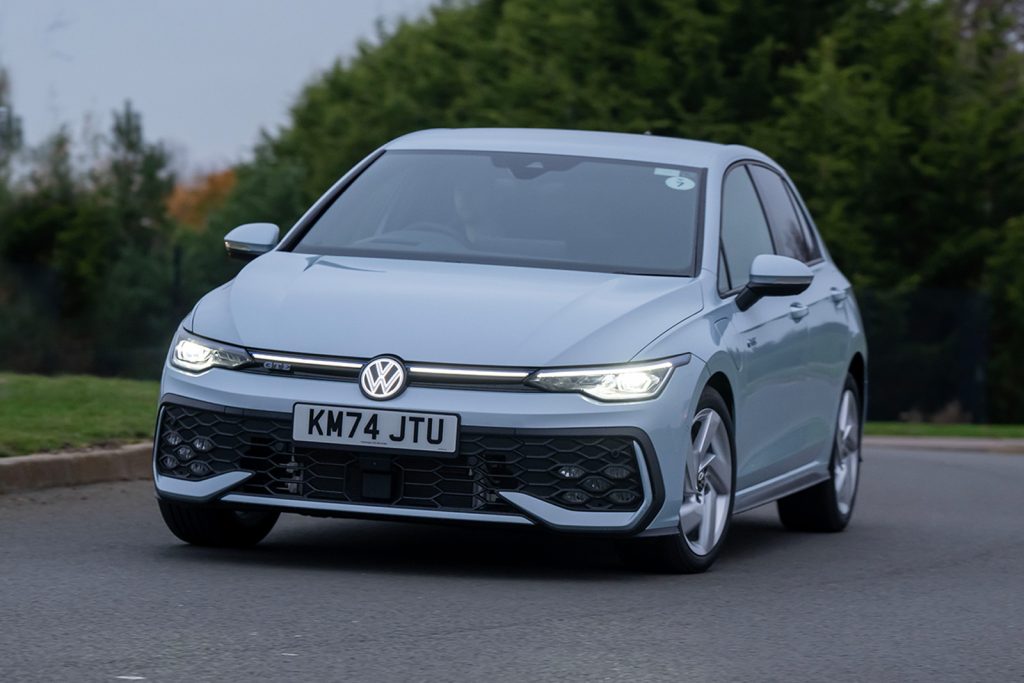
Over time, Volkswagen reconsidered the strategy. As the Golf developed a strong global reputation for quality and driving dynamics, the company realized it made more sense to unify the branding.
Eventually, the Golf name returned to the American market as well, although Volkswagen briefly revived the Rabbit name again during the mid 2000s before permanently standardizing the Golf identity.
This example shows how naming strategies can evolve as a vehicle builds its reputation. Early on, a company may choose a name that feels locally friendly. Later, the strength of global recognition may become more valuable than regional customization.
The Rabbit name still holds nostalgic value among enthusiasts who remember early American versions fondly. At the same time, the Golf name has become one of the most recognized compact car badges in the world.
The story demonstrates how branding is sometimes experimental. Manufacturers are willing to test different identities to see what resonates with buyers, even if they later return to a unified global approach.
10. Opel Kadett (Sold as Vauxhall Astra and Later as Chevrolet Kadett in Some Markets)
The Opel Kadett represents one of the most interesting examples of how one vehicle can exist under multiple identities because of corporate structure rather than language or marketing experiments alone.
Opel, a German manufacturer, was part of General Motors for many decades. Because of this relationship, its vehicles were often rebadged for different regions under different GM owned brands.
In the United Kingdom, Opel models were traditionally sold under the Vauxhall brand. Instead of keeping the Kadett name, the company introduced the Vauxhall Astra as its British counterpart.
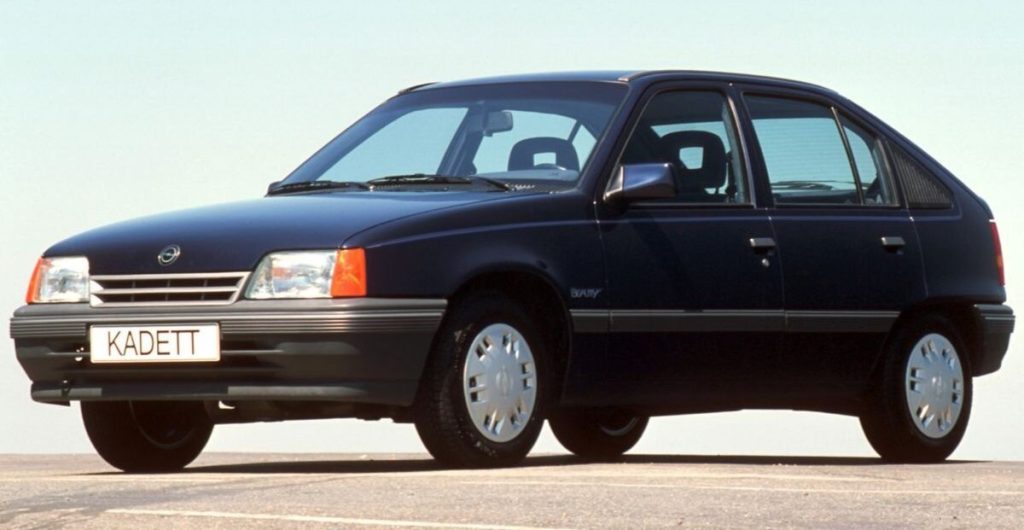
The Astra name was chosen to sound modern and forward looking, helping Vauxhall position the car as a fresh competitor in the small family car segment.
At the same time, versions of the Kadett were also produced or assembled in other parts of the world and sometimes sold under the Chevrolet name due to General Motors’ brand recognition in those regions. This meant the same engineering could appear as an Opel, a Vauxhall, or a Chevrolet depending purely on geography.
What makes this example unique is that the naming difference reflected brand hierarchy. General Motors believed customers in each market trusted different brand names.
German buyers recognized Opel, British buyers trusted Vauxhall, and other regions often responded more strongly to Chevrolet. Rather than force one identity, GM adapted the badge to match local loyalty.
Another interesting development came when the Astra name eventually replaced the Kadett name even in Germany. This shows how naming strategies can evolve internally as well, not just between countries. Companies sometimes standardize newer names to create a more modern lineup.
The Kadett and Astra story highlights how global corporations manage multiple brand identities at once. A single car can support several brand strategies simultaneously, maximizing reach without redesigning the vehicle.
This case perfectly demonstrates that sometimes a car changes its name not because it has to, but because it helps a company strengthen its position in different parts of the world.
Also Read: Top 10 Classic Cars With the Most Iconic Front End Designs
