
Long before electronic driver aids and ultra light steering systems became common, cars demanded more physical involvement from the driver. One of the most important parts of that experience was manual steering.
Without power assistance, the steering wheel transmitted every movement, vibration, and change in road texture directly into the driver’s hands. For enthusiasts, this raw connection created a level of feedback that many believe modern cars have lost.
Manual steering was not originally designed for driving pleasure. It existed because early vehicles simply did not have the technology to provide assistance.
Yet what started as a necessity eventually became a defining characteristic of many classic driver focused machines. Lightweight construction, balanced chassis design, and narrow tires allowed these cars to remain manageable even without power steering.
Drivers who appreciate vintage cars often describe manual steering as honest communication. You can feel how the front tires grip the road.
You sense weight transfer during cornering. Even small details such as pavement texture become part of the driving experience. This mechanical purity is one of the main reasons collectors still search for analog era vehicles.
Another interesting factor is how manual steering rewards proper driving technique. Smooth inputs, correct corner entry speed, and thoughtful control become essential.
These cars teach patience and precision rather than depending on electronic correction systems. For many enthusiasts, this makes driving feel like a skill rather than just transportation.
Several classic cars became famous not just because they lacked power steering, but because their chassis balance made manual steering feel natural instead of heavy. Engineers achieved this through clever weight distribution and suspension tuning rather than adding complexity.
The following cars are excellent examples of vehicles that delivered exceptional steering feedback in their era. Each one offers a slightly different interpretation of driver connection, showing how mechanical simplicity often created the most memorable driving experiences.
Also Read: Top 10 Most Recognizable Vintage Nameplates That Still Exist Today
1. Lotus Elan (1960s)
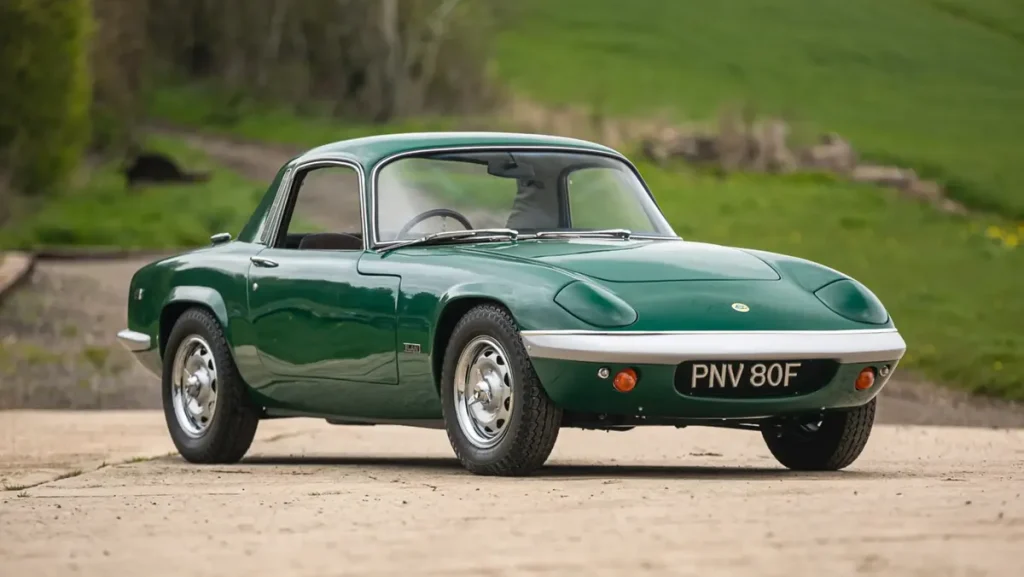
Among lightweight sports cars of the 1960s, the Lotus Elan stands as one of the purest demonstrations of how manual steering could feel almost effortless when engineering priorities focused on weight reduction.
Colin Chapman’s famous philosophy of adding lightness played a huge role in why this small British roadster became legendary among drivers who valued steering feel above all else.
Instead of relying on brute strength, the Elan relied on intelligent design. Its fiberglass body helped keep overall mass low, which meant the steering never felt unnecessarily heavy even at low speeds. Once the car began moving, the steering became remarkably delicate, offering precise information about how the front tires interacted with the road surface.
What truly separated this car from many of its contemporaries was how naturally the steering responded to driver input. There was no artificial resistance and no delay.
Turning the wheel resulted in immediate chassis response, creating a sense of unity between the driver and the machine. This characteristic later influenced the development of the Mazda MX 5 decades later.
Another strength came from suspension design. The Elan used advanced suspension geometry for its time, which allowed it to maintain tire contact and stability through corners. Because of this, the steering wheel did more than just change direction. It acted as a communication tool, constantly informing the driver about grip levels.
Owners often describe the experience as conversational rather than mechanical. Instead of fighting the steering, drivers learn to work with it. This is why many vintage car collectors consider the Elan one of the best learning tools for understanding chassis balance.
The car also demonstrated an important lesson. Heavy steering is not necessary for good feedback. Proper balance, low weight, and thoughtful engineering can create steering that feels both light and informative at the same time.
Even today, decades after production ended, the Lotus Elan remains one of the most respected examples of how manual steering can transform a simple sports car into an unforgettable driving experience.
2. Porsche 911 (Early Air Cooled Models)
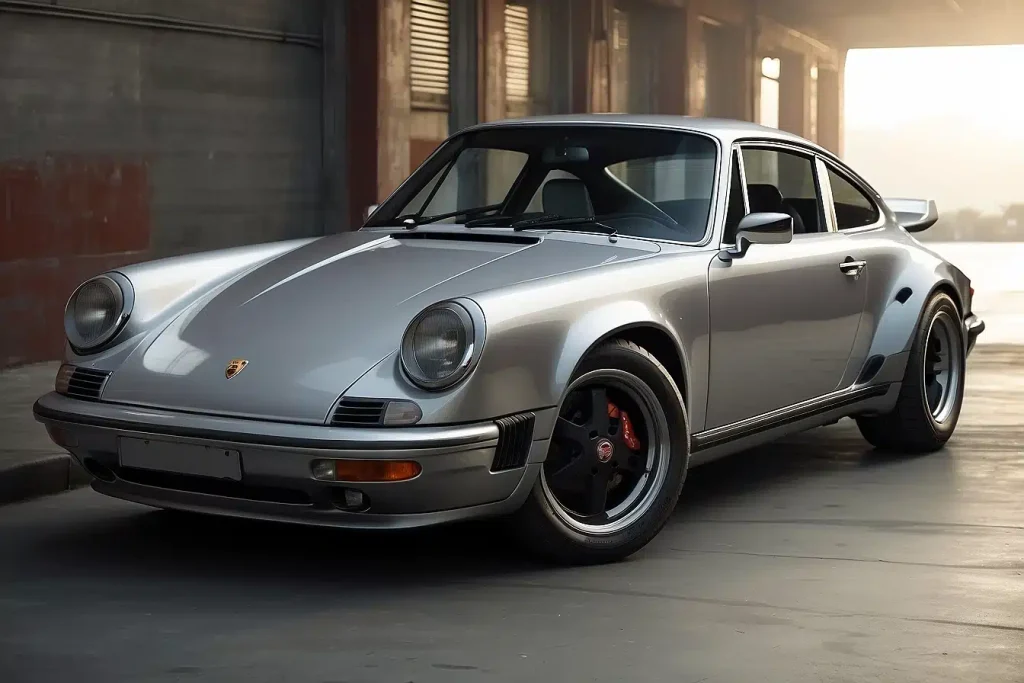
Unlike extremely lightweight British roadsters, early Porsche 911 models delivered manual steering feedback through an entirely different philosophy. Instead of focusing purely on low weight, Porsche relied on engineering balance and a very distinctive rear engine layout.
This unusual configuration placed more weight over the rear wheels, leaving the front end relatively light and allowing surprisingly communicative steering despite the absence of power assistance.
Driving an early 911 requires a slightly different mindset. At parking speeds the steering feels firm, reminding the driver that this is a mechanical system with no shortcuts.
Once the car starts moving, the steering effort reduces and transforms into something remarkably precise. The wheel begins to transmit small details such as surface changes and front tire loading.
What makes this car fascinating is how the steering also teaches discipline. Because of the rear weight bias, aggressive inputs can upset the balance. Skilled drivers learned to guide the car smoothly rather than forcing it. This created a driving culture centered around finesse rather than aggression.
Engineers also tuned the steering ratio to ensure stability at higher speeds. German autobahn conditions demanded confidence and predictability, and the steering reflects that purpose. Instead of feeling nervous, the car feels planted, giving the driver confidence to maintain speed through long sweeping turns.
Many enthusiasts appreciate how the steering character changes depending on driving style. Calm driving produces smooth responses. Push harder and the steering begins to reveal more about tire grip and chassis movement. This layered personality makes the experience rewarding over time.
Collectors often seek early manual steering 911 models specifically because later generations introduced power assistance and additional weight. While those improvements increased comfort, many believe some of the original tactile feedback was reduced.
The early 911 proves that manual steering is not only about simplicity. It can also reflect deep engineering character, showing how layout decisions influence driver feel just as much as steering hardware itself.
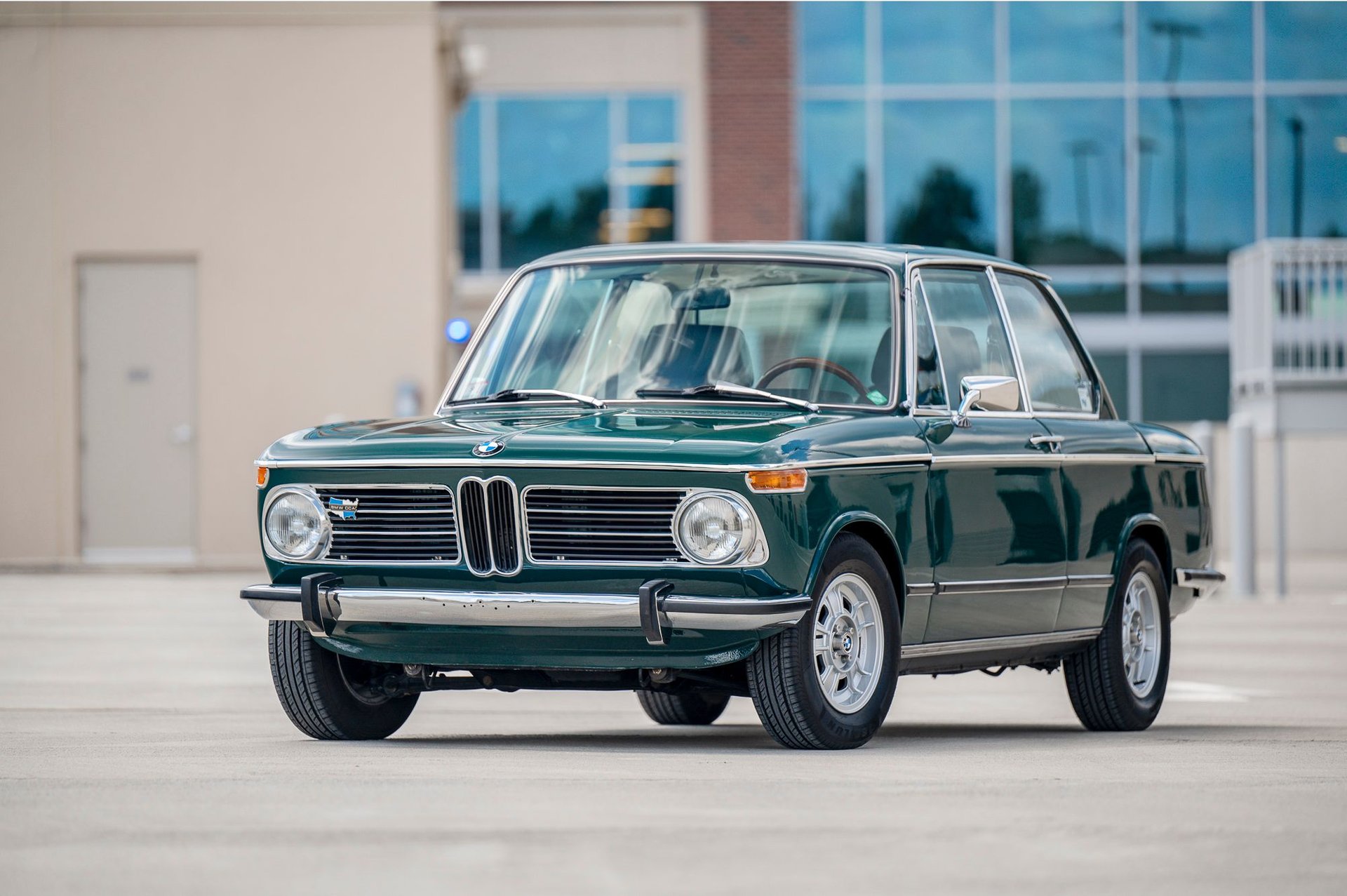
3. BMW 2002 (1968 to 1976)
Some classic cars impress through raw performance. Others earn their reputation through balance. The BMW 2002 belongs firmly in the second category. This compact German sports sedan became famous because it demonstrated how a practical car could still deliver exceptional steering communication without relying on complex systems.
At first glance, the car appears modest. Clean lines, compact size, and a simple interior suggest practicality. The real personality only becomes clear once the car begins moving. The manual steering offers a steady flow of information that makes even ordinary roads feel engaging.
A major reason behind this character comes from the near perfect weight distribution. BMW engineers worked carefully to keep the chassis neutral.
Because neither the front nor rear dominated the balance, the steering could remain predictable and progressive. This predictability helped build BMW’s long standing reputation for driver focused engineering.
The car also introduced many drivers to the idea that a sedan could be fun. Before this era, many believed engaging driving required a two seat sports car. The 2002 changed that thinking by proving that a well tuned four seat car could still provide outstanding feedback through the steering wheel.
One particularly interesting trait is how the steering effort increases naturally as cornering loads build. This progressive weight gives drivers a clear sense of how much grip remains. There is no guesswork involved. The car simply communicates through physics.
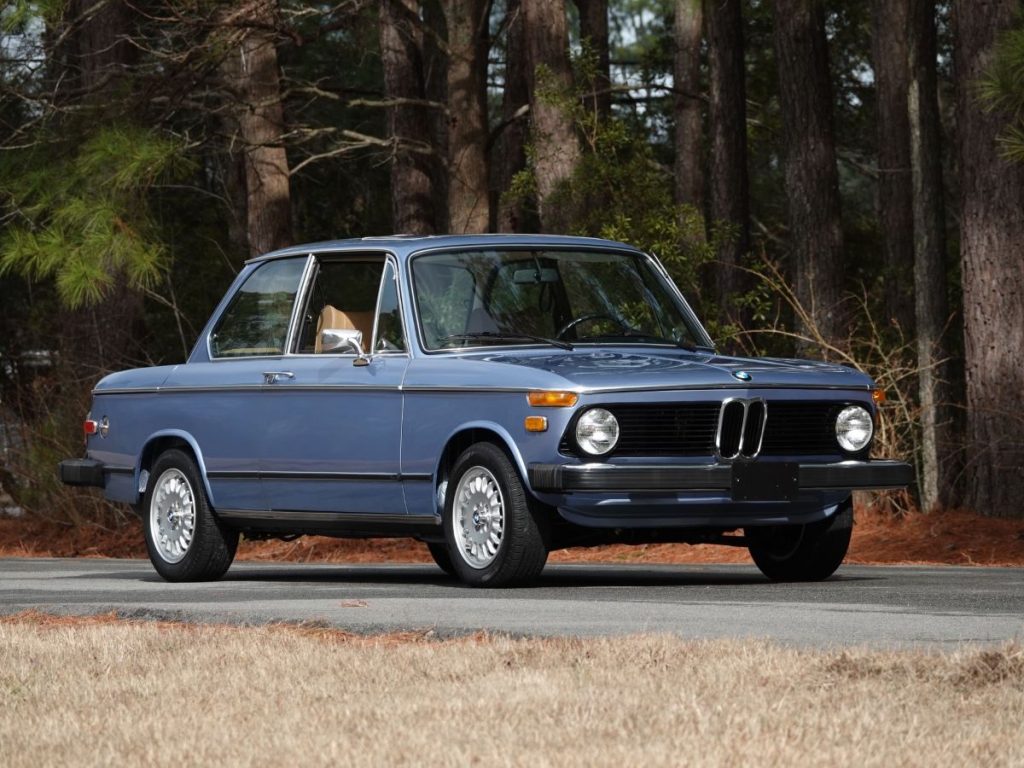
Many historians consider the 2002 responsible for shaping BMW’s future direction. The company learned that driver engagement could become a core brand identity.
Later BMW sport sedans would continue this philosophy, though many enthusiasts still believe the early manual steering cars delivered the purest version of that idea.
Driving a BMW 2002 today feels like experiencing the foundation of the modern sports sedan concept. Its steering shows how clarity and predictability can sometimes matter more than outright speed.
4. Alfa Romeo Spider (1960s and 1970s)
Some classic cars are remembered for statistics, others for emotion. The Alfa Romeo Spider belongs to the second group. This Italian roadster built its reputation not through raw numbers but through the way it made drivers feel connected to the road. Its manual steering played a major role in shaping that personality.
Sit behind the wheel and the first thing you notice is how alive everything feels. The steering does not isolate the driver from the road. Instead, it allows small vibrations and subtle resistance changes to travel through the steering column. These signals create awareness rather than discomfort.
Italian engineers approached driving as an experience rather than a specification sheet. Because of this, the Spider’s steering was tuned to feel expressive. It reacts quickly to small inputs and rewards drivers who prefer smooth flowing cornering rather than abrupt direction changes.
Another interesting characteristic is how the car behaves differently depending on road type. On winding back roads, the steering feels playful and responsive. On longer highway curves, it settles into a calm rhythm. This dual nature made it attractive to drivers who wanted both weekend enjoyment and everyday usability.
The Spider also benefited from relatively narrow tires compared to modern standards. While this limited ultimate grip, it enhanced communication. Drivers could sense when traction approached its limits, making the car feel honest rather than unpredictable.

Many owners describe the experience as artistic. The steering becomes part of a rhythm involving throttle, brakes, and gear selection. Each control contributes to a coordinated driving style rather than acting independently.
What makes the Spider special is that it never tried to feel aggressive. Instead, it focused on balance and expression. It invited drivers to participate rather than dominate.
Even decades later, this Alfa Romeo remains a reminder that great steering is not always about sharpness alone. Sometimes the best feedback comes from a car that feels natural, progressive, and emotionally engaging rather than purely technical.
5. Datsun 240Z (1969 to 1973)
If one car proved that Japan could build a world class driver focused sports machine, it was the Datsun 240Z. At a time when European sports cars dominated enthusiast conversations, this model introduced a different formula. It combined reliability, affordability, and strong steering feel into a package that appealed to a much wider audience.
The manual steering system became one of the car’s most appreciated qualities. Unlike some heavier grand touring cars of the era, the 240Z maintained a relatively light front end thanks to careful engine placement. This allowed the steering to remain manageable while still delivering clear road feedback.
One reason the steering feels so satisfying comes from the long hood sports car layout. The driver sits slightly behind the front axle line, which enhances the sensation of guiding the car rather than sitting on top of it. This positioning creates a psychological sense of control that complements the mechanical feedback.
Another strength lies in how predictable the responses feel. Turn the wheel slightly and the car reacts smoothly. Increase the input and the car follows with progressive movement. There are no surprises, which helped build driver confidence even among people new to sports cars.
The 240Z also demonstrated that engaging steering did not have to come at the cost of comfort. The suspension absorbed rough surfaces reasonably well, meaning the feedback reaching the driver felt informative rather than harsh.
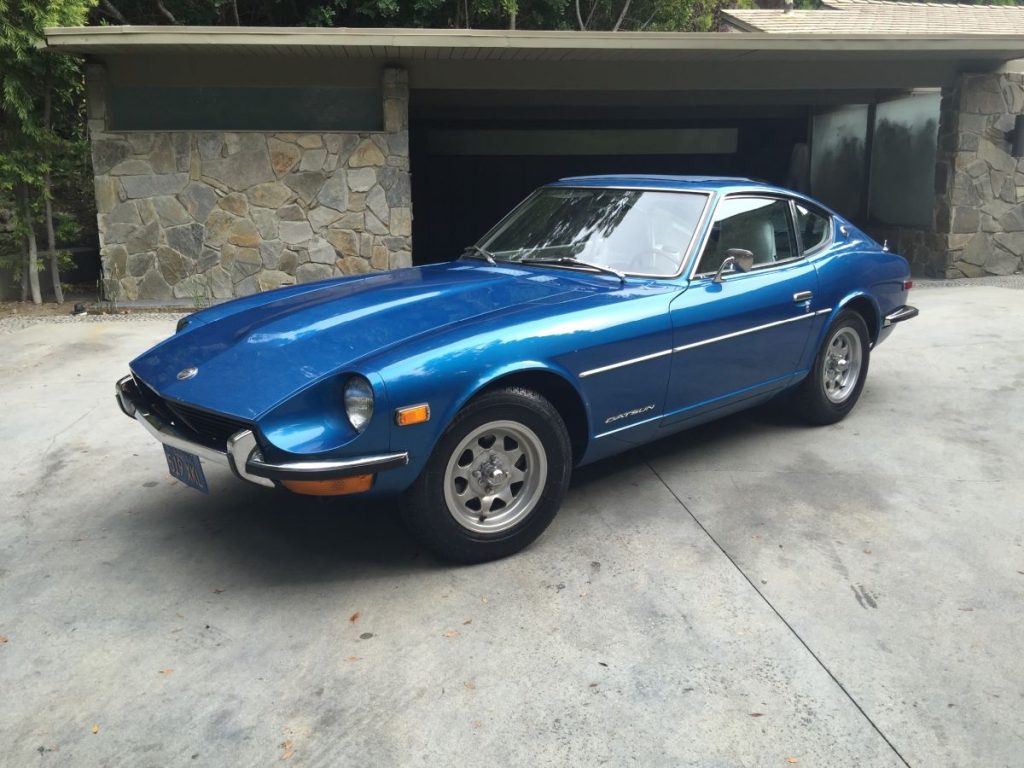
American buyers especially appreciated this combination. They were able to experience sports car style steering feel without the maintenance concerns often associated with European competitors of the same period.
Over time, the 240Z became one of the most influential Japanese sports cars ever built. Much of that reputation comes from how approachable it felt. The steering did not intimidate drivers. It encouraged them to improve their skills.
Today, this Datsun remains a perfect example of how thoughtful design can make manual steering both enjoyable and accessible at the same time.
6. Ford Escort RS1600 (Early 1970s)
Some cars became famous through luxury, and others that earned respect through competition. The Ford Escort RS1600 belongs firmly in the second category.
Developed with motorsport in mind, this compact performance machine showed how manual steering could become a precision instrument when a car was built for rally stages rather than city streets.
The RS1600 did not attempt to make steering effortless. Instead, it made steering meaningful. Every turn of the wheel delivered direct mechanical response. Gravel, tarmac, and uneven rally surfaces all produced different sensations through the steering rim, allowing skilled drivers to constantly adjust their approach.
What separates this Escort from many road cars is how its steering encouraged anticipation. Rally driving requires reading the surface before the car fully reacts. The RS1600 helped drivers do this by transmitting early signals about traction changes. This ability made it extremely competitive in international rally competition.
Weight also played a role. The Escort remained relatively light compared to many performance cars that followed. Because of this, the steering effort remained reasonable once in motion, even without assistance. Motion transformed the steering from heavy to highly communicative.
Another interesting factor is how the steering worked together with the car’s rear wheel drive balance. Drivers could adjust the car’s attitude mid corner using throttle inputs while maintaining direction with small steering corrections. This created a sense of adjustability that many modern cars filter out.
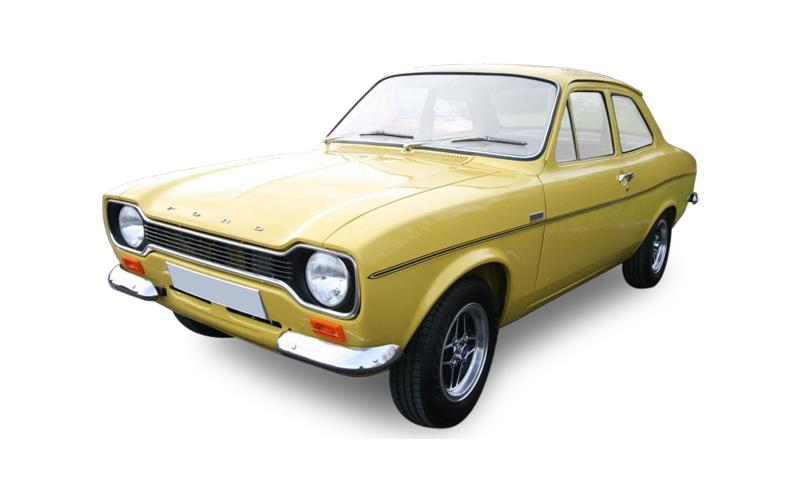
Owners often describe the RS1600 as a car that rewards bravery and concentration. It does not flatter careless inputs. Instead, it rewards commitment and proper technique. That personality made it popular among serious driving enthusiasts.
The Escort RS1600 shows that manual steering can be more than just a basic control system. In the right chassis, it becomes a tool for performance driving. Its legacy continues because it demonstrates how communication and control can sometimes matter more than outright power figures.
7. MG MGB (1962 to 1980)
Not every car known for excellent steering feedback was designed for racing. The MG MGB proves that even an affordable and widely available roadster could deliver satisfying manual steering characteristics.
This British sports car became one of the most popular enthusiast vehicles of its time partly because it offered an engaging driving experience without requiring exotic ownership costs.
The steering character of the MGB is best described as reassuring. It does not feel nervous or overly sharp. Instead, it provides steady resistance that increases gradually as cornering forces build. This progressive nature makes the car easy to understand even for inexperienced classic car drivers.
Unlike some more aggressive sports cars, the MGB focused on approachability. The steering ratio allowed comfortable cruising while still offering enough responsiveness for winding roads. This balance helped explain why the car appealed to such a wide range of owners.
One overlooked aspect is how seating position affects steering perception. The upright driving position gives a clear forward view, which psychologically enhances the sense of control. Combined with the manual steering, this creates a feeling of mechanical honesty that defines many British sports cars of the era.
Maintenance simplicity also contributed to the steering experience. Because the system remained mechanically straightforward, owners could keep it properly adjusted. A well maintained MGB often feels tighter and more communicative than neglected examples of more complex cars.
Another reason enthusiasts still admire this car is consistency. The steering behaves the same way every time you drive it. There are no electronic modes or changing assistance levels. What you feel today is what drivers felt decades ago.
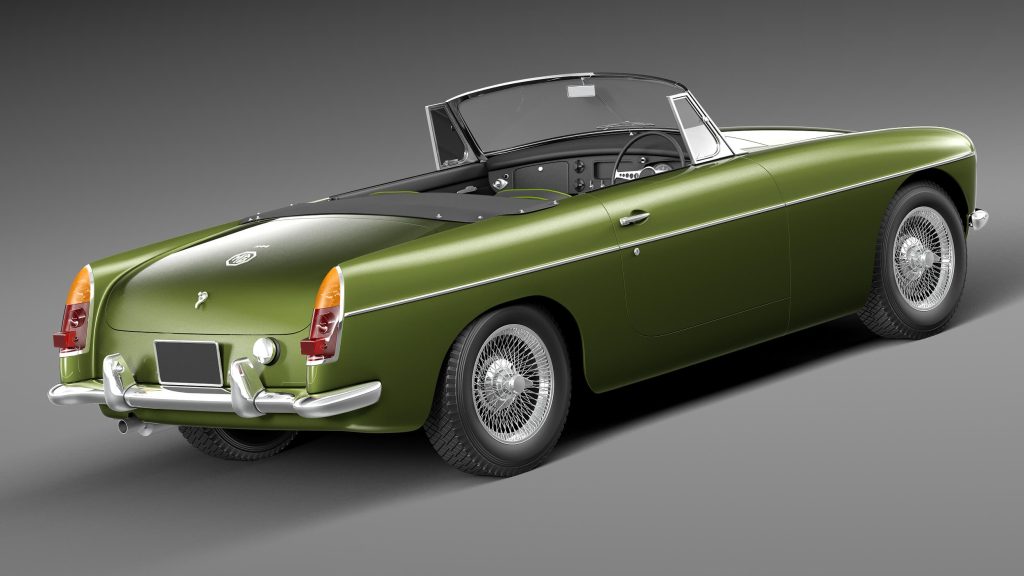
The MGB reminds us that engaging steering does not always require extreme performance credentials. Sometimes the best driving enjoyment comes from a car that is simple, predictable, and willing to communicate clearly with whoever sits behind the wheel.
8. Toyota AE86 Corolla (1983 to 1987)
By the 1980s many manufacturers had already begun moving toward power assisted steering, yet the Toyota AE86 Corolla stayed loyal to mechanical simplicity in many versions.
This decision unintentionally helped create one of the most celebrated driver cars of its era. Its manual steering became part of a formula that emphasized balance rather than brute force.
The AE86 followed a straightforward layout. Front engine, rear wheel drive, relatively low weight, and modest tire width. None of these elements seemed extraordinary individually. Together they created a car that responded with clarity and honesty.
Drivers often talk about how the steering seems to describe what the front tires are doing in real time. Enter a corner and the wheel gently loads up. Approach the limit and subtle lightness appears.
Correct a slide and the wheel naturally returns toward center. This kind of mechanical conversation is what made the car popular among grassroots motorsport communities.
Interestingly, the car did not become globally famous immediately. Its reputation grew slowly through amateur racing, club events, and later through drifting culture. Drivers discovered that the manual steering made car control easier to learn because nothing was hidden behind electronic filtering.
Instead of overwhelming drivers with speed, the AE86 encouraged momentum driving. Carrying speed smoothly through corners became more effective than relying on acceleration. The steering supported this style by making it easy to place the car accurately.
Japanese engineers focused heavily on making the chassis predictable. That predictability is what allowed the steering to shine. Without sudden behavior changes, drivers could trust the feedback they received.
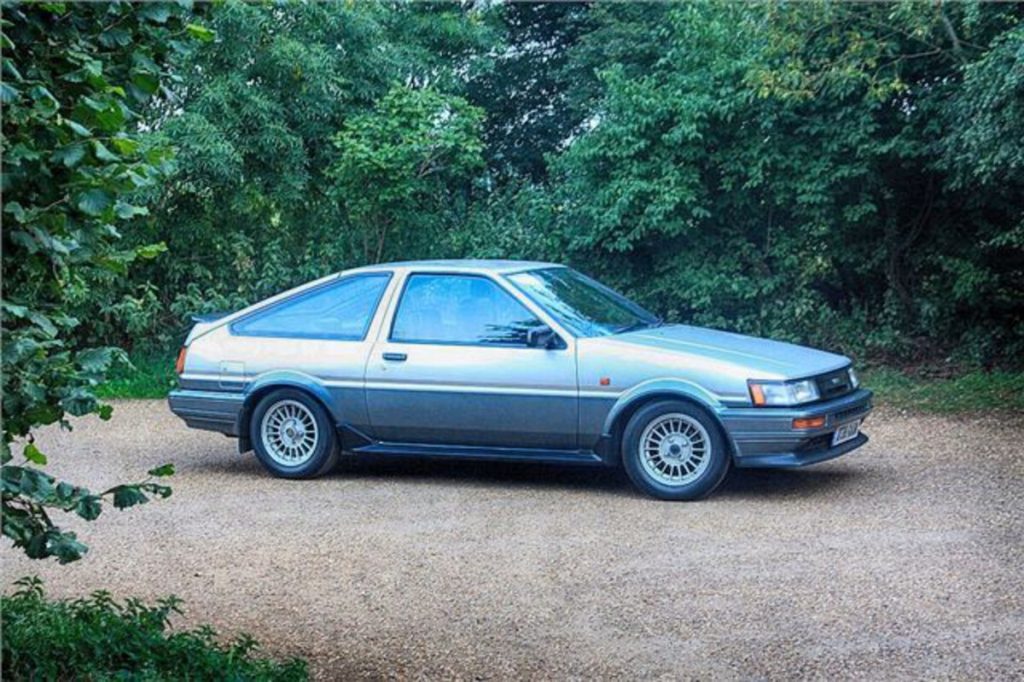
Even today many enthusiasts believe the AE86 represents a turning point. It showed that a simple, lightweight car with manual steering could deliver more enjoyment than heavier, more powerful machines.
Its legacy continues not because it was the fastest car of its time, but because it taught drivers how important balance and communication can be.
9. Triumph Spitfire (1962 to 1980)
If the Lotus Elan represented engineering precision and the MGB represented accessibility, the Triumph Spitfire represented something slightly different. It showed how a small, simple sports car could create driver enjoyment through charm and mechanical transparency.
The Spitfire’s steering personality comes from its extremely light front end. With a small four cylinder engine and compact dimensions, the front tires carried limited weight. This allowed the manual steering to feel surprisingly light once the car was rolling.
Instead of focusing on aggressive cornering, the Spitfire encourages relaxed exploration. Its steering makes even gentle curves enjoyable because the driver can feel exactly how much input is needed. There is a sense of delicacy that rewards smooth hands.
One detail that many drivers notice is how easy it is to sense alignment through the steering wheel. Straight roads feel perfectly centered when the suspension is properly set up. Small corrections feel natural rather than forced.
The car also represents a period when driving involvement mattered more than isolation. Road texture, wind movement, and mechanical sounds all combine with the steering feel to create a complete sensory experience.
Unlike high performance sports cars that demand concentration, the Spitfire feels welcoming. Its steering does not punish mistakes. Instead, it gently teaches better habits by making the effects of driver inputs easy to understand.
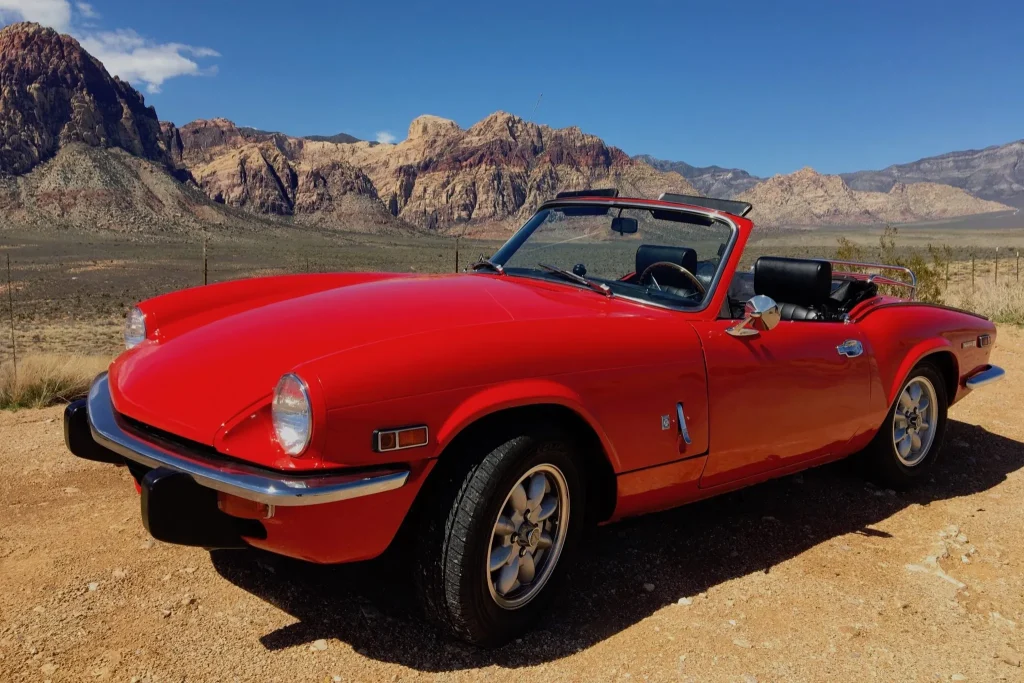
Another reason the car remains appreciated is emotional character. The steering does not just provide information. It gives personality. Each drive feels interactive rather than automated.
The Triumph Spitfire demonstrates that manual steering does not need extreme performance to be enjoyable. Sometimes the greatest pleasure comes from a lightweight car that turns every small journey into something memorable.
10. Mazda MX5 Miata NA (1989 to 1997)
When the Mazda MX5 Miata arrived at the end of the 1980s, the automotive world was already moving toward comfort, technology, and assisted controls.
Mazda chose a different direction. The company studied classic British and European roadsters and attempted to recreate their mechanical honesty while improving reliability. One of the most important parts of that formula was steering feel.
Early base versions without power steering became especially respected among enthusiasts because they preserved the kind of feedback many thought had disappeared. Instead of isolating the driver, the steering worked like a direct extension of the front suspension.
The Miata followed a very specific design target. Engineers wanted the car to feel predictable enough for beginners yet rewarding enough for experienced drivers. Manual steering helped achieve this because it naturally encouraged smooth inputs. Sudden movements felt unnecessary. Precision became the fastest way to drive the car well.
One important engineering decision involved keeping the car light. By controlling overall weight, Mazda ensured the steering would never feel like a burden. Once the car gained even moderate speed, the effort became light and extremely precise.
Another fascinating detail is how the steering complements the short wheelbase. Quick directional changes feel natural rather than nervous. Drivers often describe the sensation as wearing the car rather than sitting in it.
The MX5 also proved that a modern car could still deliver an analog driving experience. Even though it was built decades after many classic manual steering sports cars, it successfully captured the same spirit of communication and balance.
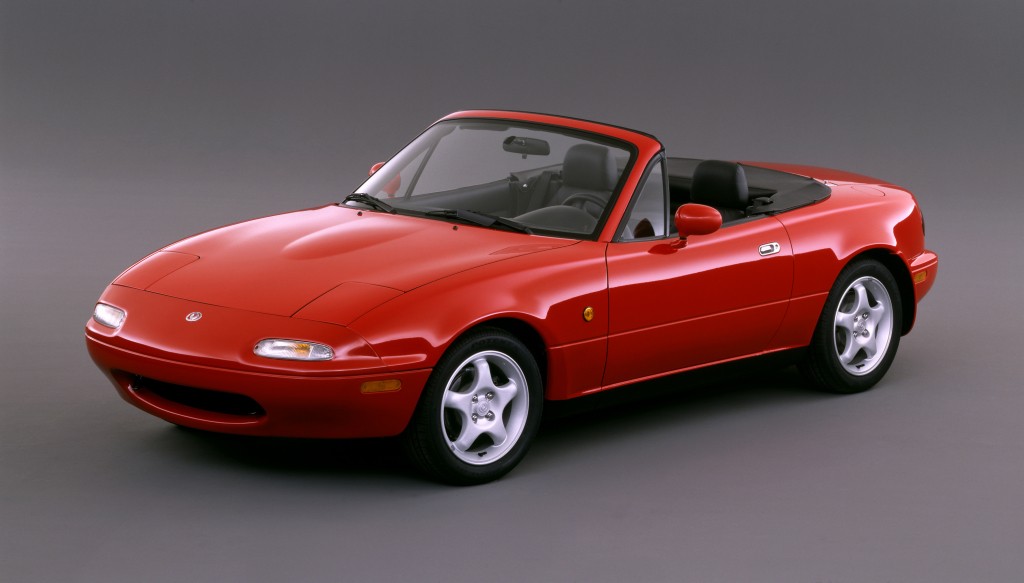
Enthusiasts frequently recommend early manual steering Miatas as learning tools. The car teaches fundamentals such as weight transfer, corner balance, and steering discipline in a very approachable way.
The NA Miata became proof that driver engagement never truly goes out of style. Even as technology advances, the appeal of clear mechanical feedback continues to attract those who believe driving should remain an interactive experience.
Manual steering represents a chapter of automotive history that continues to influence how enthusiasts define true driver engagement.
While modern cars often focus on ease of use and comfort, these classic machines remind us that effort can sometimes increase enjoyment. The need to physically guide the car creates a deeper sense of participation.
Looking across these examples, it becomes clear that there was no single formula for excellent steering feel. Some cars achieved it through extremely low weight.
Others relied on balanced chassis design. Some gained their character from motorsport development, while others came from simple and honest engineering aimed at everyday drivers.
Also Read: 8 Reasons Why You Should Change the Oil in Your Classic Every Six Months
