

Classic cars from the 1950s through the 1980s were built during a time when leaded gasoline was the standard fuel at almost every pump.
Lead was not added to fuel for performance marketing reasons alone, it served real mechanical purposes such as reducing engine knock and protecting certain internal engine parts from premature wear.
When leaded fuel was phased out globally due to environmental and health concerns, many owners of older cars began to worry about how their engines would survive without it.
This change created an entire market of fuel additives commonly called lead substitutes. These products claim to replace the protective qualities of lead and help older engines operate safely on modern unleaded fuel.
However, over time, confusion developed around whether these additives are truly necessary, whether they actually work, or whether they are simply precautionary products that many drivers may not need at all.
Much of the misunderstanding comes from generalizations. Not every classic car engine reacts the same way to unleaded fuel.
Some engines were built with hardened valve seats earlier than people realize, while others can run thousands of kilometers on modern petrol without showing any measurable damage.
Because of this, many long standing beliefs about lead substitutes are based more on habit and fear rather than actual engineering evidence.
Another factor is that advice often gets repeated without context. A recommendation that applied to a 1960s high compression muscle car may not apply to a small economy car from the late 1970s.
Owners sometimes treat all vintage engines as fragile machines that require constant chemical assistance, when in reality many were designed with durability margins that allow them to tolerate fuel changes better than expected.
Understanding what is myth and what is fact can save money, prevent unnecessary maintenance, and help owners make smarter decisions about how they care for their vehicles. The following examples explore common misconceptions through specific cars that are often discussed in this debate.
Also Read: Top 10 Best High Mileage Cars for Delivery and Rideshare Drivers
1. 1965 Ford Mustang
Myth: Every classic Mustang must use a lead substitute at every fill up
The 1965 Ford Mustang is often mentioned whenever discussions about lead additives appear, especially because it represents one of the most recognized classic American cars.
A common belief among owners is that running this car without a lead substitute will quickly destroy the engine. This assumption sounds logical because the car was originally designed during the leaded fuel era, but the reality is more detailed than that simple conclusion.
Many Mustang engines, particularly those with small block V8s like the 289, were built with reasonably durable valve materials. While they did benefit from leaded fuel, they were not always as fragile as myths suggest.
Some engines only experience valve seat recession after extremely long periods of sustained highway driving under heavy load, not normal weekend driving which is how most surviving Mustangs are actually used today.
Another overlooked factor is driving style. Occasional cruising, car shows, and light spirited driving usually do not produce the kind of heat and stress that causes rapid valve wear.
This means some owners may be adding lead substitute simply out of fear rather than necessity. Infrequent use also reduces cumulative wear compared to daily driven vehicles from the past.
There is also confusion because many Mustangs have already been rebuilt during their lifetime. Machine shops commonly install hardened valve seats during restoration work, which removes the original concern entirely. Owners sometimes continue adding substitutes without realizing their engine has already been updated internally.

What matters more than following tradition is knowing the actual condition and history of the engine. A compression test, valve inspection, or rebuild records often tell more truth than generic advice found in forums.
The myth continues mainly because the Mustang is famous, not because every example truly requires additives.
2. 1972 Volkswagen Beetle
Myth: Air cooled engines need lead replacement more than water cooled engines
The 1972 Volkswagen Beetle is frequently pulled into discussions about fuel additives because its air cooled flat four engine operates differently from conventional engines.
A widespread assumption claims that because the engine runs hotter than water cooled designs, it automatically requires lead substitutes for protection. This idea sounds reasonable on the surface but ignores how Volkswagen engineered these engines for durability.
Volkswagen designed the Beetle motor with relatively low compression ratios compared to many performance cars of the same era. Lower compression reduces combustion stress and decreases the likelihood of valve seat damage.
Because of this design choice, many Beetles have operated for decades on unleaded fuel in countries where leaded petrol disappeared early, often without catastrophic wear.
Another interesting detail is how these engines distribute heat. While they are air cooled, their simple design and modest power output mean they rarely operate under the same extreme internal pressures as larger engines. This reduces the mechanical dependence on the cushioning effect lead once provided.
Owners also sometimes forget how adaptable these engines are. The global popularity of the Beetle forced mechanics in different countries to develop practical solutions long before additives became common. Valve adjustments, correct ignition timing, and proper carburetor tuning often matter more than chemical additives.

There is also a behavioral aspect behind this myth. Because the Beetle has a reputation for simplicity, many owners assume it must also be delicate. Ironically, its simplicity is exactly what makes it tolerant of fuel differences.
The more accurate takeaway is that maintenance quality plays a larger role than fuel additives alone. A properly tuned Beetle often survives perfectly well without relying on lead replacement products.
3. 1969 Chevrolet Camaro
Myth: Performance cars from the muscle era cannot survive without lead additives
People often assume that a performance focused car like the 1969 Chevrolet Camaro automatically needs a lead substitute because of its powerful engine options.
This belief usually comes from the association between high horsepower engines and high fuel sensitivity. While some high compression variants did benefit from leaded fuel, the idea that every Camaro will suffer damage without additives is not always accurate.
Looking closer at how these cars are used today changes the discussion completely. Most surviving Camaros are collector vehicles. They are rarely subjected to the long high speed highway abuse they were originally built to handle.
Short drives, occasional acceleration runs, and careful ownership significantly reduce the conditions that historically caused valve seat wear.
Another angle rarely discussed is fuel quality improvements. Modern petrol has better detergents and more stable combustion properties than fuel from the 1960s.
Even without lead, modern fuel often burns cleaner and more predictably. Because of this, some engines experience less deposit buildup compared to what they faced decades ago.
Engine rebuild culture also plays a major role here. Muscle cars are among the most commonly restored vehicles in the world. During restoration, upgraded valve seats and improved components are frequently installed.
This quietly eliminates the original engineering limitation, yet the old advice about additives continues to circulate.
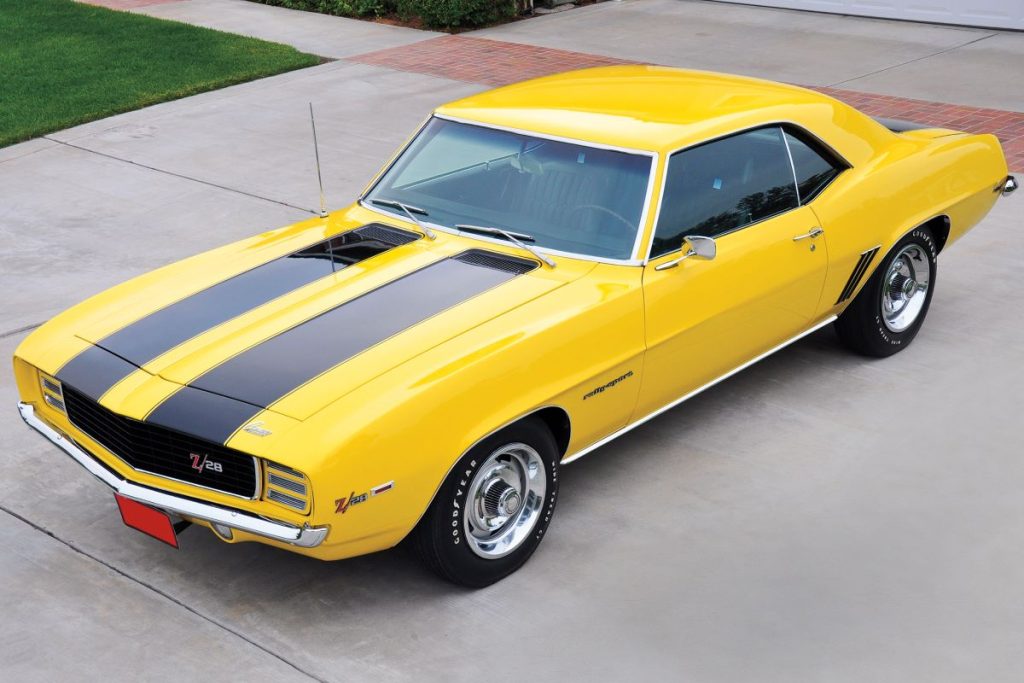
Instead of assuming all performance classics are chemically dependent, a smarter approach is evaluating compression ratio, rebuild history, and intended use. A weekend cruiser Camaro is very different from a track driven big block example.
The myth survives because muscle cars have an aggressive image. The truth depends more on mechanical condition than reputation.
4. 1978 Mercedes Benz 280E
Myth: European luxury cars always require lead replacement additives
Not every myth comes from performance fears. Some come from prestige. The 1978 Mercedes Benz 280E often gets included in conversations where owners assume European engineering automatically means special fuel requirements. This has led to the belief that running unleaded fuel without additives is risky for these refined engines.
Mercedes engineering philosophy at the time focused heavily on long term durability. Many engines from this era were already built with stronger metallurgy than people assume.
By the late 1970s, some manufacturers were already preparing for the global transition away from leaded fuel. Because of this, certain engines were more future ready than commonly believed.
Service documentation sometimes reveals surprising information. In several markets, Mercedes issued guidance showing that occasional unleaded fuel use would not immediately harm these engines. Yet over time, simplified advice replaced these detailed recommendations and turned into blanket statements about always needing additives.
Driving patterns again change the picture. Luxury sedans like the 280E were designed for smooth touring, not constant maximum load operation. This type of driving produces different wear patterns compared to commercial vehicles or heavy duty applications.

There is also a psychological element. Owners of premium classics often prefer to over protect their cars. Buying additives feels like cheap insurance, even when the mechanical benefit may be minimal.
A better approach is understanding manufacturer tolerances instead of assuming nationality determines fuel needs. Engineering decisions matter more than brand origin.
5. 1967 Volvo 122S Amazon
Myth: All pre 1970 family cars suffer valve damage without lead protection
The Volvo 122S Amazon rarely enters dramatic conversations about fuel chemistry, yet it represents one of the most misunderstood categories of classic vehicles.
Practical family sedans from the 1960s are often grouped together and labeled as vulnerable to unleaded fuel. This generalization ignores how conservatively engineered many of these cars actually were.
Volvo built its reputation on durability rather than peak performance. The B18 and B20 engines used in these cars were designed to run under harsh Scandinavian conditions where reliability mattered more than extracting maximum horsepower.
This resulted in strong internal components and moderate compression ratios that placed less dependence on lead for survival.
What makes this myth interesting is how it spreads. Owners often hear advice meant for high compression sports cars and apply it to everyday sedans. This creates unnecessary worry because the operating stresses between these vehicle types are completely different.
Another point worth noting is how these engines respond to proper adjustment. Regular valve clearance checks, correct fuel mixture settings, and maintaining the cooling system often provide more protection than additives. Mechanical sympathy has always been part of Volvo ownership culture.
There are also documented cases of these engines running extremely high mileage on unleaded fuel in regions that banned lead early. Taxi fleets in some European countries continued using similar engines successfully long after fuel changes occurred.
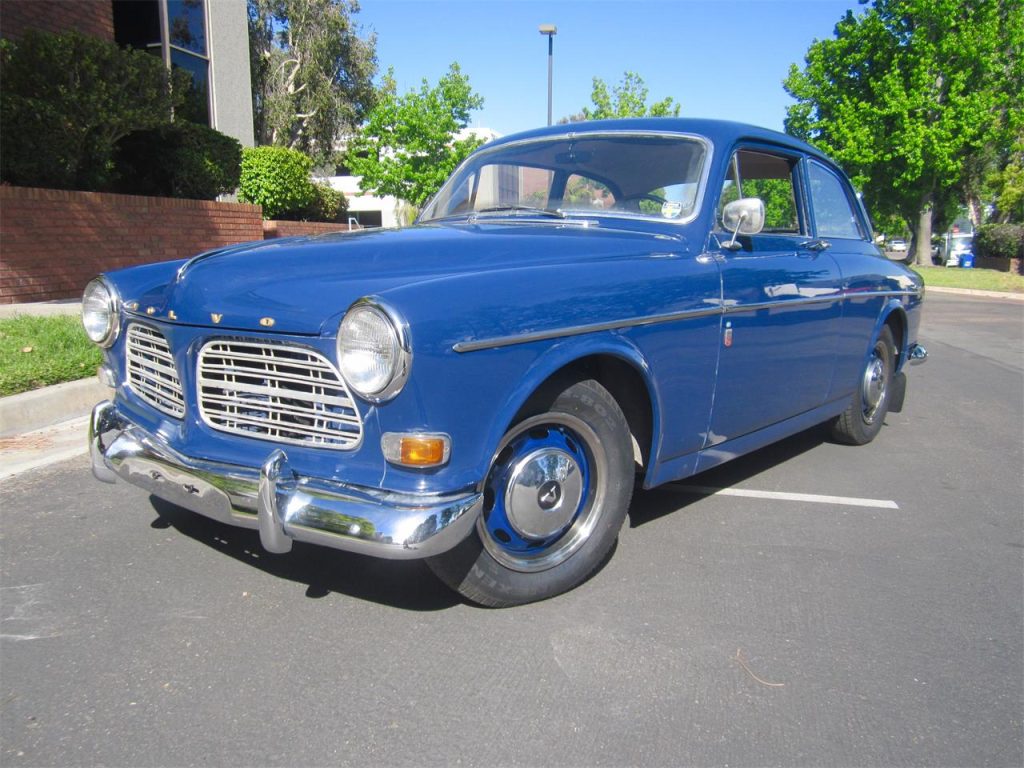
Rather than assuming age alone determines fuel needs, it makes more sense to examine engine purpose, design strength, and real world use patterns. The Amazon was built as a dependable transport machine, not a fragile experiment.
The myth exists because people often judge classic cars by year instead of engineering intention.
6. 1983 BMW 318i E30
Myth: Early 1980s cars still depend on lead substitutes because they are technically old
The BMW 318i from the early E30 generation sits in an unusual position. It is old enough to be considered a classic by some enthusiasts, yet new enough to have benefited from changing engineering standards. This has created confusion where some people still treat it like a 1960s engine when discussing fuel requirements.
By the early 1980s, many manufacturers were actively transitioning toward unleaded compatibility. Emission regulations, catalytic converters, and global fuel changes forced companies like BMW to modernize materials. Hardened valve seats were becoming more common, especially in engines intended for international markets.
The misunderstanding often comes from judging cars purely by appearance or age category. Seeing a boxy design leads some owners to assume the technology is equally old. In reality, the engineering differences between a 1965 engine and a 1983 engine can be significant.
Fuel injection also changes the conversation. The 318i used systems that allowed more precise fuel control than older carbureted vehicles. Better combustion management reduces detonation risk and helps maintain valve health even without lead content.
Maintenance documentation from the period often already recommended unleaded fuel. Yet because the car now qualifies for vintage registration in some places, outdated fuel fears sometimes return unnecessarily.

Instead of focusing on whether a car feels old, it is more accurate to look at what technological transition period it belongs to. The early 1980s represented a bridge into modern engine durability standards.
The myth survives mainly because people confuse classic status with outdated mechanical requirements.
7. 1970 Dodge Charger
Myth: Big block engines absolutely require lead substitutes because of their size
Size often creates assumptions. The 1970 Dodge Charger, especially when equipped with large displacement V8 engines, is a perfect example of how visual intimidation can create technical myths.
Many people believe that because the engine is physically large, it must also be extremely sensitive to fuel changes. This belief has persisted largely because big block engines are associated with racing heritage.
Engine size alone does not determine dependence on lead. What matters more is compression ratio, valve material, and operating temperature. Some Charger engines were built with lower compression setups depending on trim and market requirements. These versions often tolerate unleaded fuel better than enthusiasts expect.
Another factor rarely mentioned is how dramatically usage has changed. When new, these cars were sometimes driven aggressively, used for long distance travel, or even amateur drag racing. Today, most examples live much easier lives. Occasional driving reduces cumulative thermal stress and slows the type of wear that lead once helped reduce.
Historical fuel differences also deserve attention. Leaded fuel in the muscle car era varied widely in quality depending on region and supplier. Engines were designed with tolerance for this inconsistency. That same tolerance often helps them adapt to modern fuel.
Interestingly, professional engine builders sometimes suggest monitoring valve lash over time instead of automatically adding chemicals. Observing whether clearances change gives real data instead of relying on assumptions.
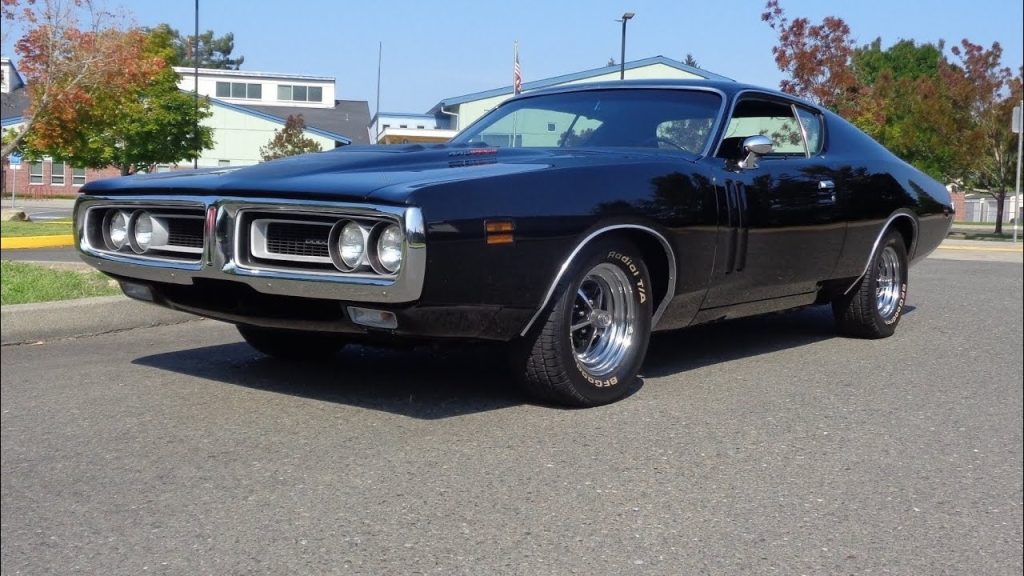
The larger lesson here is that visual scale does not equal mechanical fragility. A large engine built with conservative tuning may actually be less stressed than a small engine pushed to its limits.
This myth continues because big engines look dramatic. Engineering reality is usually less dramatic and far more logical.
8. 1962 Austin Mini Cooper
Myth: Small engines wear out faster on unleaded fuel because they work harder
At first glance, the tiny engine of the 1962 Austin Mini Cooper seems like it would be more vulnerable to fuel changes than larger engines.
A common argument says small engines must work harder to move a car, which supposedly increases the need for lead additives. While this sounds reasonable, it overlooks how these engines were actually engineered.
The Mini Cooper engine was designed for efficiency and light vehicle weight. Because the car itself is extremely light, the engine does not experience the same load levels as a small engine trying to move a heavy vehicle. Power to weight balance plays a much bigger role than engine size alone.
Another important consideration is engine speed design. These engines were built to operate comfortably at higher revolutions compared to large American V8s. Their valve train geometry and materials were designed with this behavior in mind, meaning their durability calculations already considered sustained engine speed.
Real ownership experience also tells an interesting story. Many Minis continued operating reliably in countries that eliminated leaded fuel decades ago. Owners often discovered that proper carburetor tuning and cooling system health mattered more than additives.
There is also a practical observation worth mentioning. Many Mini engines have been rebuilt multiple times due to their popularity in historic racing. Rebuilds frequently include improved materials, eliminating the original concerns entirely.

The more accurate way to judge fuel needs is by looking at stress levels, rebuild history, and mechanical setup rather than assuming smaller equals weaker. This myth survives because people equate engine size with durability. Engineering rarely follows such simple comparisons.
9. 1975 Toyota Corolla E20
Myth: Japanese cars from the 1970s always need lead additives because they were built cheaply
Some myths come from unfair stereotypes rather than engineering facts. The 1975 Toyota Corolla E20 sometimes gets pulled into discussions where people assume that older Japanese cars were built with weaker materials and therefore require extra protection from lead substitutes.
This idea developed during a time when Japanese cars were marketed mainly as affordable transportation rather than long term collectibles.
Toyota engineering during the 1970s focused heavily on efficiency and consistency. Instead of chasing high compression numbers, many engines were designed to operate safely under a wide range of fuel qualities. This approach unintentionally helped these cars adapt better when unleaded fuel became the global standard.
Another overlooked point is manufacturing precision. Even during this period, Toyota emphasized tight tolerances and consistent metallurgy. While these cars were affordable, they were not carelessly engineered. Reliability testing was already part of the company’s identity.
Ownership patterns also matter here. Many Corollas survived because they were easy to maintain and forgiving of imperfect servicing. Engines that can tolerate inconsistent maintenance often also tolerate fuel variations better than expected.
Some mechanics who worked on these cars when they were still common daily transport have noted that valve problems were rarely the first failure point. Cooling neglect, oil quality, and timing chain wear were usually more immediate concerns.

What makes this myth persist is the confusion between affordability and weakness. Price positioning in the market does not always reflect engineering quality. Some inexpensive cars were built with extremely practical durability goals.
Understanding the Corolla story requires separating brand history from mechanical truth. The car was built to be dependable transportation first, which often makes it more adaptable than myths suggest.
10. 1980 Peugeot 504
Myth: If a car manual once recommended leaded fuel, additives are permanently required
The Peugeot 504 provides a perfect case study of how historical documentation can sometimes be misunderstood. Many owners believe that if an original owner’s manual mentioned leaded fuel, then modern operation without additives automatically becomes dangerous.
This interpretation ignores how manufacturers often wrote manuals based on what fuel existed at the time rather than future fuel evolution.
During the production life of the Peugeot 504, fuel standards were already beginning to change in different parts of the world. Peugeot was known for building cars for export markets, including regions where fuel quality varied dramatically.
Because of this, engines were often built with a degree of tolerance rather than strict dependence on one fuel formula.
A useful way to think about this is adaptation. Many surviving 504s have operated in Africa, Australia, and Europe long after leaded fuel disappeared. Their continued operation provides real world evidence that engineering margins often allowed flexibility beyond what manuals originally described.
There is also the issue of interpretation. When manuals recommended leaded fuel, they were not predicting that unleaded fuel would be harmful. They were simply describing what was available. Modern readers sometimes mistake this as a permanent requirement rather than a period correct recommendation.
Experienced restorers sometimes suggest evaluating spark plug readings, valve clearances, and engine sound instead of relying entirely on original fuel notes. Observing actual engine behavior provides better guidance than assuming historical instructions cannot be outgrown.
The more practical conclusion is that manuals provide a starting point, not a permanent rulebook. Engineering capability usually matters more than outdated wording.
The discussion around lead substitutes in older engines is filled with long standing beliefs that are often repeated without careful examination.
Many of these ideas began when leaded fuel disappeared and owners became concerned about protecting their vehicles. Over time, precaution slowly turned into assumption, and assumption eventually became accepted truth.
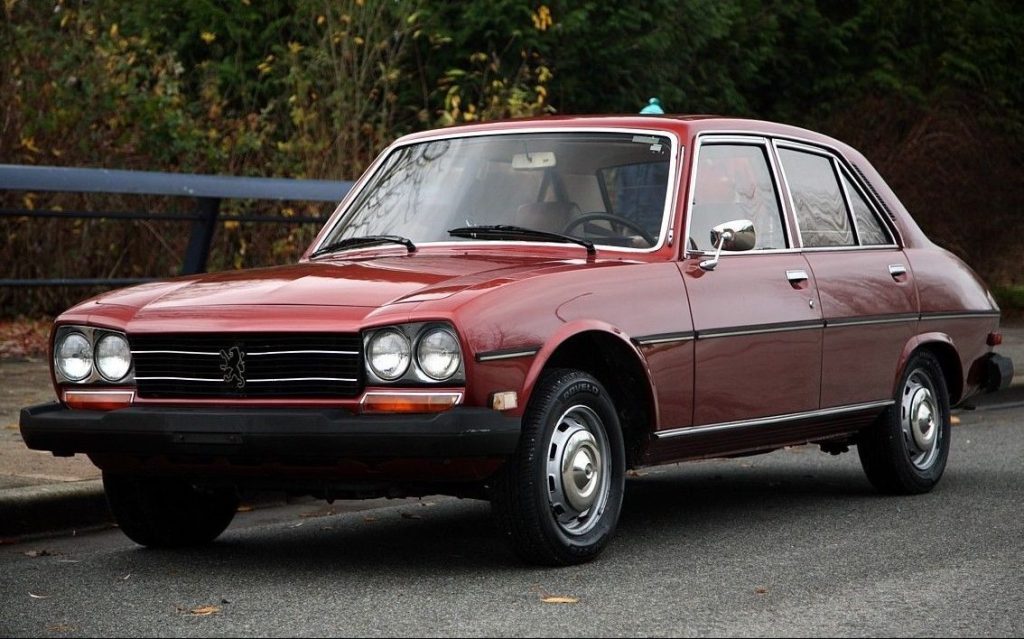
One major theme seen across different classic cars is that age alone does not determine whether an engine needs a lead additive.
Engineering purpose, compression ratios, metallurgy, and rebuild history usually matter far more. Two cars built in the same year can have completely different fuel tolerances depending on how they were designed.
Another important takeaway is that modern usage patterns are very different from historical usage. Most classic cars today are driven occasionally rather than daily. Reduced mileage and lighter duty cycles naturally reduce the type of stress that once made lead beneficial, which changes how necessary substitutes really are.
Maintenance habits repeatedly appeared as a more important factor than chemical protection. Proper valve adjustments, correct ignition timing, cooling system care, and fuel system tuning often provide more meaningful protection than simply adding a bottle of additive at every fill up.
A surprising pattern is how many older engines have already been upgraded internally. During restorations, hardened valve seats are frequently installed without owners always realizing it. This means some engines are already compatible with unleaded fuel, yet owners may still be following outdated habits.
Psychology also plays a role. Owners often prefer to over protect valuable classics because the cost of additives feels small compared to potential engine damage. While caution is understandable, informed decisions based on mechanical inspection are usually better than decisions based only on fear.
Another repeated lesson is that myths often come from generalization. Advice meant for muscle cars was sometimes applied to economy cars. Guidance meant for high compression engines was repeated for low stress family sedans. Context is what separates useful advice from unnecessary routine.
The overall conclusion is not that lead substitutes are useless, but that they are not universally required. Some engines benefit from them, some do not need them, and others depend on how they are driven. Understanding the specific engine is always more valuable than following broad myths.
Also Read: 10 Reasons Why Single Cab Trucks are Making a Comeback for Work
