
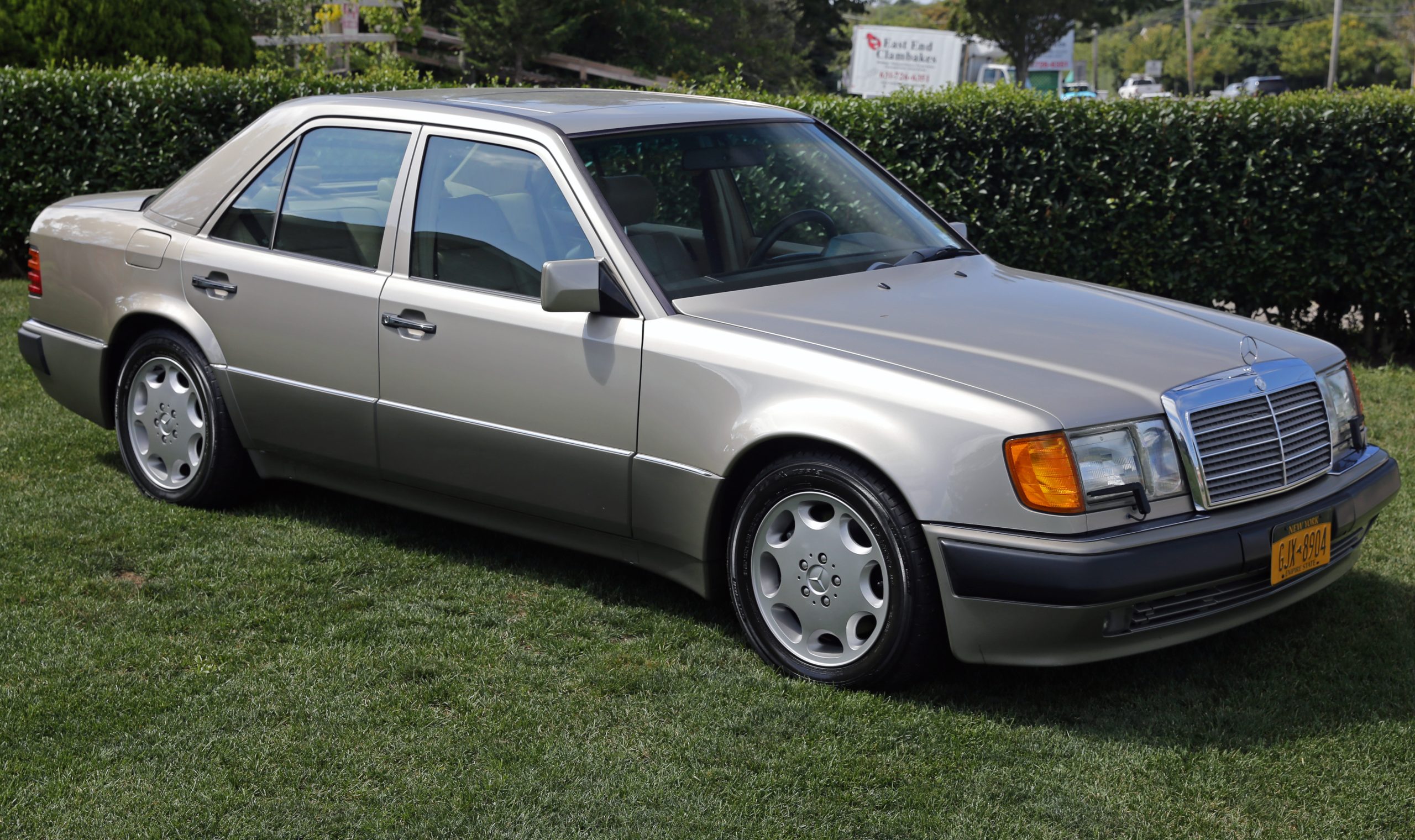
During the late 1980s, Mercedes Benz followed a very different engineering philosophy compared to many other car manufacturers. Instead of focusing mainly on reducing production costs, the company prioritized durability, mechanical strength, and long term reliability.
Their goal was not just to build cars that performed well when new, but vehicles that could still operate properly after decades of use.
This period is often described by enthusiasts as the peak of Mercedes engineering discipline. Engineers were given the freedom to design parts that exceeded minimum requirements. Components were often built stronger than necessary because the company wanted to maintain its reputation for quality rather than simply compete on price.
What makes these vehicles especially interesting is that their durability was not based on one single factor. Instead, it was the result of multiple engineering decisions working together. Strong engines, heavy duty suspension parts, high quality materials, and careful assembly standards all contributed to their long life.
Another important reason behind their reputation comes from real world usage. Many of these vehicles were used as taxis and commercial transport because they could tolerate extreme daily usage. Some examples reached very high mileage numbers that would normally be considered unrealistic for passenger cars.
The design philosophy also avoided unnecessary complexity. While Mercedes did include advanced features for the time, they avoided excessive electronics that could create failure points. This balance between innovation and simplicity helped these vehicles remain serviceable even many years later.
The following reasons explain why late 1980s Mercedes models are often described as indestructible. Each reason highlights a different aspect of engineering, manufacturing, or design philosophy that contributed to their long lasting reputation.
Also Read: Top 10 Iconic Japanese Sports Coupes With All Wheel Steering
1. Overengineering Was a Core Design Philosophy
One of the biggest reasons late 1980s Mercedes vehicles earned a reputation for being indestructible is because they were intentionally overengineered. This does not mean they were unnecessarily complicated. It means components were built with higher strength margins than strictly required.
Instead of designing parts just strong enough to last through warranty periods, engineers designed them to survive extreme long term use. This resulted in thicker metal components, stronger mounting points, and mechanical systems that operated under less stress.
Engines from this period are often used as examples of this philosophy. Rather than extracting maximum power, Mercedes focused on smooth operation and reliability.
Lower stress levels meant parts experienced less fatigue, which naturally increased lifespan. This conservative tuning approach is one reason many of these engines lasted so long.
This mindset also applied to suspension systems. Control arms, subframes, and mounting hardware were designed to tolerate rough road conditions. Even when driven on poor surfaces, these parts did not wear as quickly as those in many competing vehicles.
Doors and structural panels also showed this philosophy. Many owners notice the solid feeling when closing the doors. This comes from strong hinges, reinforced frames, and careful alignment. These small details helped maintain structural integrity even after years of daily use.
The company also invested heavily in testing. Vehicles were often subjected to extreme durability testing before production approval. This included long distance driving simulations and stress testing of major components. Such testing helped identify weaknesses before the cars reached customers.
Another advantage of overengineering is that it creates tolerance for neglect. While no car benefits from poor maintenance, these vehicles were often able to survive situations that would severely damage less robust designs. This gave them a reputation for toughness in real world conditions.
Material selection also reflected this thinking. Higher quality metals and plastics were chosen not only for appearance but also for resistance to fatigue and aging. This is why many interiors from that period still appear intact today.
This philosophy did increase production costs, but Mercedes considered durability part of its brand identity. The company was willing to accept higher manufacturing expenses in exchange for long term reputation.
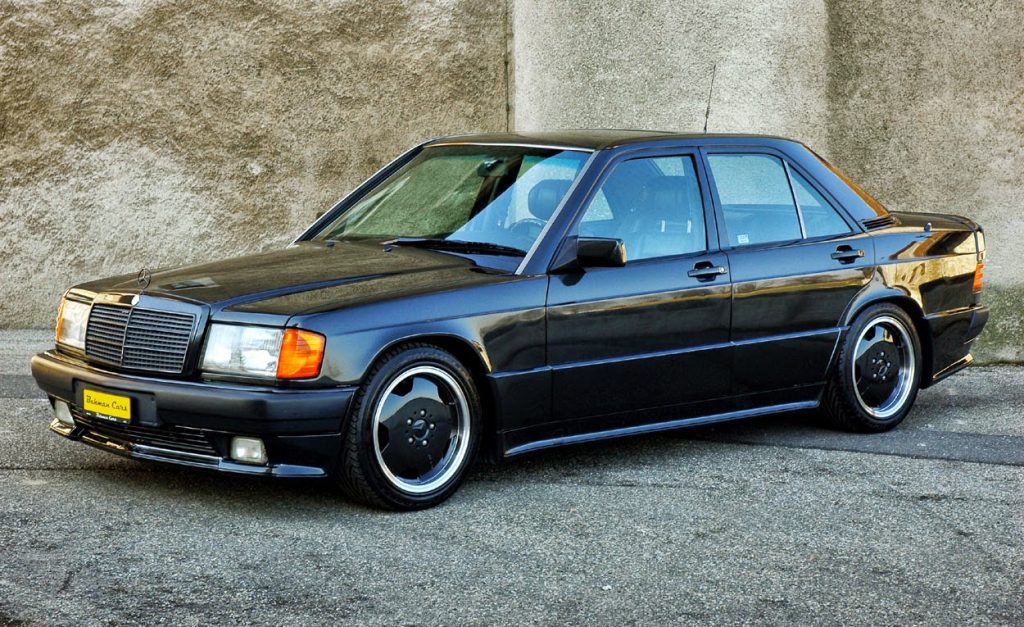
In simple terms, these cars were not designed to be disposable products. They were built to last as long as possible. That mindset alone explains why so many examples from that era are still on the road today.
2. Exceptional Build Quality and Manufacturing Standards
Another major reason behind the durability of late 1980s Mercedes vehicles was the extremely high manufacturing standards maintained during production. At the time, the company placed heavy emphasis on precision assembly rather than production speed.
Assembly processes involved strict quality checks at multiple stages. Instead of relying only on automated inspection, manual quality verification also played an important role. This ensured that components were properly fitted and aligned before vehicles left the factory.
Panel fitment quality was particularly impressive. Body panels were installed with tight tolerances, which helped prevent long term rattles and structural movement. This attention to fitment also improved resistance to wear because poorly aligned parts tend to fail earlier.
Paint quality also contributed to longevity. Protective coatings were applied carefully to reduce corrosion risk. While rust can still affect any vehicle over time, these protective measures gave the cars better survival chances compared to many competitors of that era.
Interior assembly quality followed the same philosophy. Buttons, switches, and knobs were designed for repeated use over many years. Instead of using fragile plastics, Mercedes often selected more durable materials. This is why many controls from that era still function today.
Wiring organization also showed careful planning. Electrical systems were routed neatly and protected from heat and vibration. Good wiring management reduces electrical failures, which are a common problem in aging vehicles.
Another important factor was consistency. Mercedes focused on making sure every vehicle met the same quality expectations. This consistency helped create trust among buyers because reliability did not depend on luck.
Testing after assembly was also thorough. Vehicles were often inspected for noise, vibration, and mechanical smoothness before delivery. This helped catch small issues before customers experienced them.
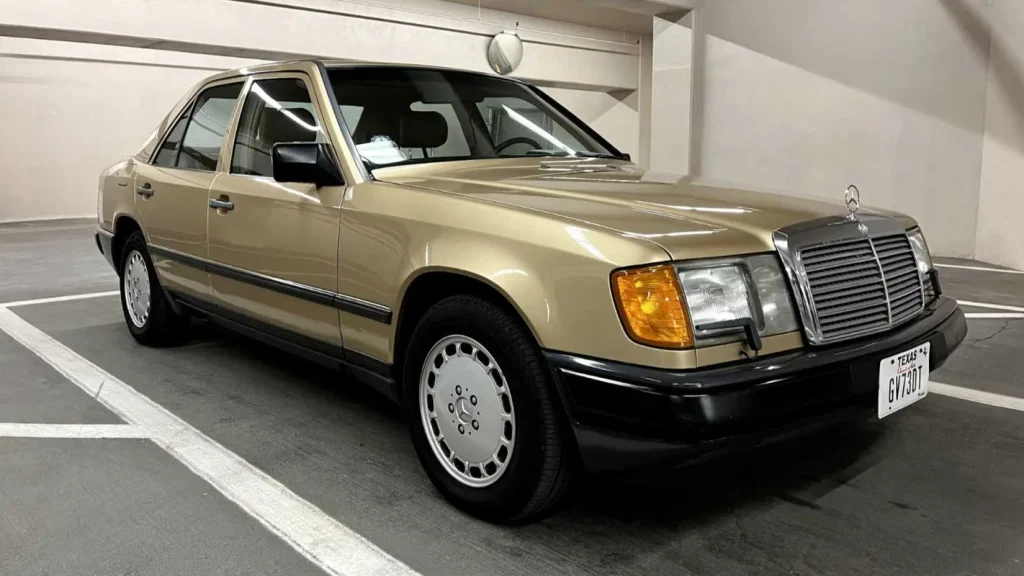
This manufacturing discipline created vehicles that felt solid even after many years. Owners often describe these cars as feeling tight and well assembled long after purchase.
The durability of these models cannot be explained by engineering alone. Careful manufacturing practices ensured that good designs were properly executed. This combination of strong design and strict assembly standards helped create vehicles that earned their reputation for long term strength.
3. Mechanical Simplicity Reduced Long Term Failure Risks
One of the most overlooked reasons why late 1980s Mercedes models became known for their durability is their balanced approach to technology.
While these cars were considered advanced for their time, they avoided unnecessary complexity that could increase the chances of failure. This careful balance between innovation and simplicity played a major role in their long term survival.
Unlike many modern vehicles that rely heavily on complex electronics, late 1980s Mercedes models were still primarily mechanical machines. Their systems were designed to be understandable, serviceable, and predictable. This meant fewer hidden electronic dependencies that could cause unexpected breakdowns.
Fuel injection systems, for example, were engineered for reliability rather than maximum efficiency. Mechanical fuel injection components were often designed to operate consistently under varying conditions. These systems may not have been as digitally sophisticated as modern designs, but their strength was their dependability.
Another advantage of simpler systems was easier troubleshooting. When problems occurred, mechanics could often diagnose issues without relying on advanced diagnostic computers. This made repairs faster and sometimes more affordable, which encouraged owners to maintain the vehicles instead of abandoning them.
Vacuum systems, hydraulic components, and mechanical linkages were designed with durability in mind. These systems were often built with fewer fragile connectors and less dependency on sensors. Fewer sensors meant fewer electronic points of failure.
Electrical systems were also less overloaded compared to modern standards. Because there were fewer electronic features, wiring networks were less complex. This reduced the chance of electrical faults caused by aging connectors or insulation wear. Simpler wiring also made long term maintenance more manageable.
Transmission design followed the same philosophy. Automatic transmissions from this era focused on smooth and consistent operation instead of aggressive shift programming. Lower internal stress meant these gearboxes often lasted longer when properly maintained.
Climate control systems also reflected practical thinking. Instead of relying on highly complex digital modules, many systems used robust mechanical controls combined with reliable electrical components. This allowed the systems to remain functional even as the vehicles aged.
This simplicity also allowed these cars to tolerate imperfect maintenance conditions better than many newer vehicles. While proper servicing always improves longevity, simpler systems tend to degrade more gradually rather than failing suddenly.
Another factor is that simpler mechanical systems often provide warning signs before failure. Noises, vibrations, or performance changes often appear gradually. This gives owners time to correct problems before serious damage occurs. Complex digital failures sometimes occur without such warning.
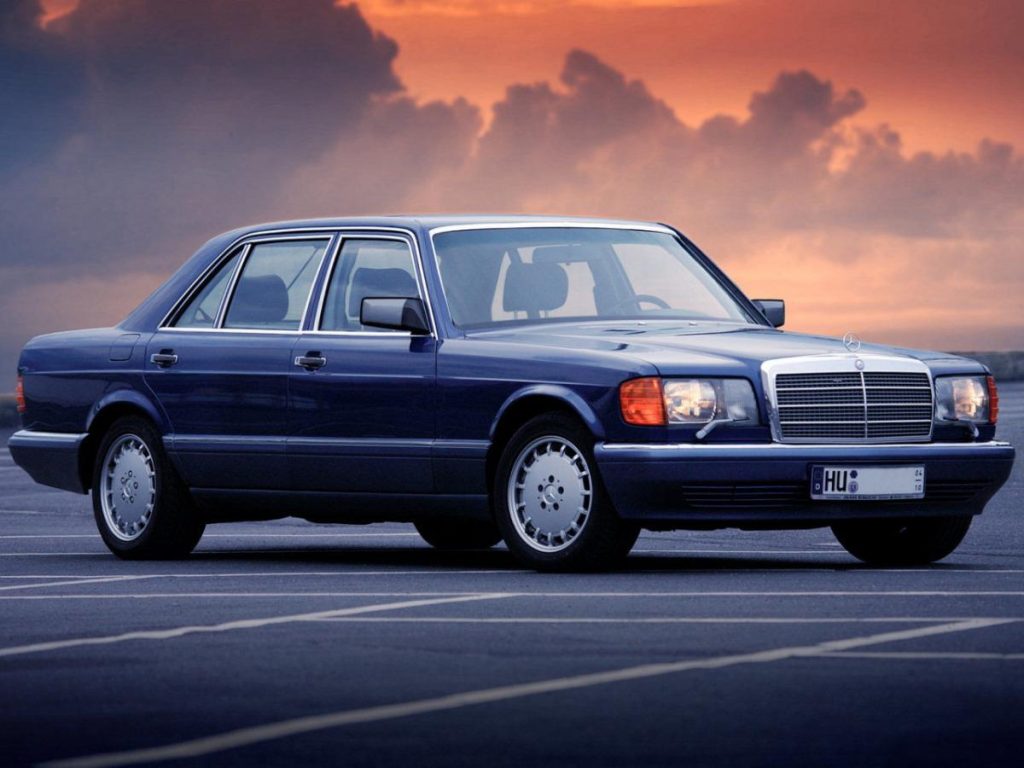
Service documentation also played a role. Mercedes provided detailed technical information that allowed trained mechanics to keep these vehicles operating properly. Clear service procedures made maintenance more consistent across different regions.
This design philosophy shows that durability is not always about adding more technology. Sometimes durability comes from knowing where to stop. Mercedes engineers understood that every additional system could introduce new risks, so they focused on reliability first.
The result was a generation of vehicles that could age gracefully instead of becoming difficult to maintain. This is one of the main reasons many of these cars remained in service long after other vehicles from the same period disappeared.
Mechanical simplicity did not mean basic engineering. It meant intelligent engineering. By focusing on dependable systems instead of unnecessary complexity, Mercedes created vehicles that could realistically survive decades of real world use.
This careful balance between capability and simplicity remains one of the strongest explanations behind their reputation for being nearly indestructible.
4. Strong Material Quality and Long Lasting Components
Durability is not only about design. It also depends heavily on the materials used to build the vehicle. Late 1980s Mercedes cars became famous partly because the company invested heavily in material quality. Instead of choosing materials based mainly on cost reduction, the focus was on longevity and resistance to wear.
Steel quality used in body structures was one example. Panels were often made thicker than industry averages, which helped improve rigidity and resistance to long term fatigue. Stronger body shells also helped reduce vibrations, which indirectly protects other components from stress.
Fasteners and mounting hardware also showed superior quality. Bolts, brackets, and connection points were designed to resist corrosion and maintain strength over time. While these parts rarely receive attention, their durability helps maintain overall structural stability.
Rubber components such as bushings and seals were also designed with long term aging in mind. Many vehicles from this era still retain original rubber components that remain functional. This demonstrates the importance of material formulation and quality control.
Interior materials also reflected this philosophy. Seat structures were often built using strong internal frames instead of lighter designs. Upholstery materials were selected for resistance to wear rather than only appearance. This explains why many interiors from this era still appear structurally intact.
Switchgear durability also stands out. Buttons and control knobs were often designed for thousands of cycles of use. Instead of fragile plastic designs, many components used reinforced materials that resisted cracking.
Glass quality also contributed to durability. Windshields and windows were designed to resist long term environmental stress. Proper sealing helped prevent leaks that could cause interior damage.
Engine components benefited from high quality alloys and conservative engineering margins. Internal parts such as crankshafts and connecting rods were designed to handle loads comfortably rather than operating near failure limits. Lower stress operation naturally extends lifespan.
Cooling system materials also showed careful selection. Radiators, hoses, and connectors were designed to tolerate repeated temperature cycles. Since heat is a major cause of mechanical degradation, strong cooling components play an important role in long term durability.
Paint processes also deserve mention. Protective coatings helped slow corrosion and environmental wear. While time eventually affects any finish, these coatings often provided better resistance compared to many competitors of the same era.
Another overlooked factor is sound insulation materials. Mercedes used durable insulation that resisted breakdown. This helped maintain cabin comfort while also protecting structural areas from moisture intrusion.
Material quality also improves repair outcomes. Strong base materials allow parts to be restored instead of replaced. This increases the chances of long term preservation.
These choices were not accidental. Mercedes understood that reputation depended on how cars performed after many years, not just when new. Investing in strong materials helped ensure vehicles aged with dignity.
The result was a generation of vehicles that could survive heavy use without rapid deterioration. This is why many enthusiasts still consider late 1980s Mercedes models as examples of how material quality directly influences durability.
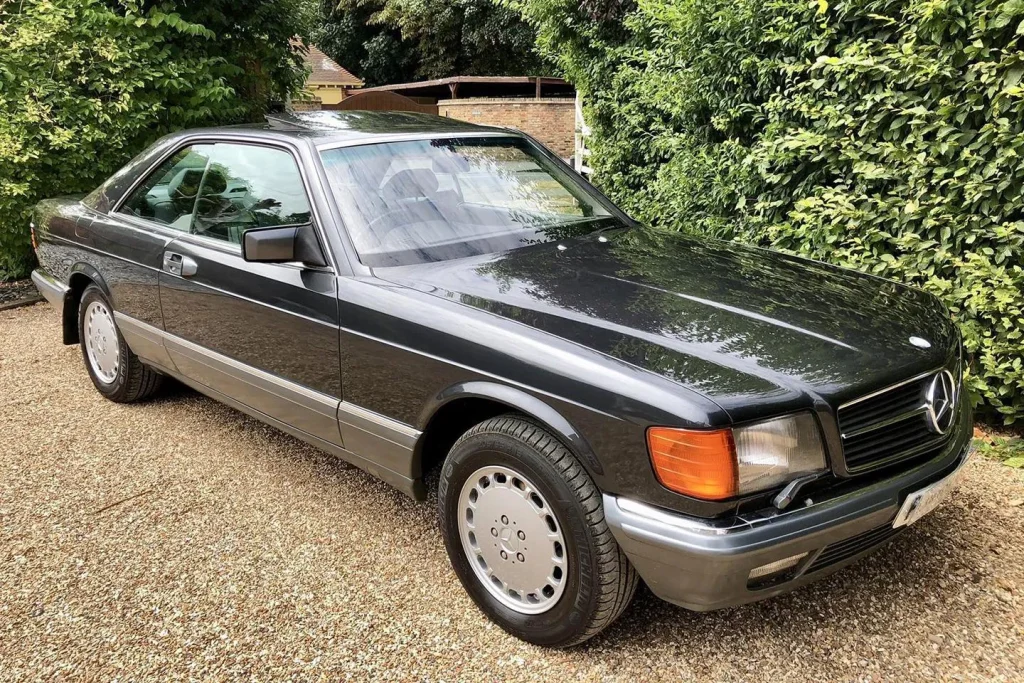
When strong materials are combined with careful engineering, the result is not just reliability but true longevity. This is one of the most important reasons these vehicles continue to be respected decades after their production.
5. Conservative Engine Tuning Helped Extend Lifespan
One of the smartest decisions Mercedes made during the late 1980s was to avoid chasing extreme performance numbers.
Instead of pushing engines to their limits to gain higher horsepower figures, the company focused on durability, smoothness, and long term reliability. This conservative tuning strategy played a major role in why so many of these vehicles survived for decades.
Many manufacturers increase performance by extracting maximum output from smaller engines. While this can improve short term excitement, it often increases internal stress. Mercedes took a different route.
Their engines were usually designed to operate comfortably within their mechanical limits. This meant less strain on pistons, bearings, and internal rotating parts.
Lower compression stress and moderate power output meant that engines did not constantly operate near failure thresholds. When mechanical parts are not pushed to extremes, they naturally last longer. This approach may not have produced the most exciting acceleration numbers, but it greatly improved reliability.
Thermal management also benefited from this philosophy. Engines that are tuned conservatively usually generate less heat stress compared to highly stressed performance engines. Lower operating stress reduces the risk of gasket failures, oil breakdown, and component warping.
Mercedes also focused heavily on smooth power delivery. Instead of aggressive tuning, engines were calibrated to provide consistent and predictable response. Smooth operation reduces shock loads on internal components and transmissions. Over time, this reduces wear.
Lubrication systems were also designed with durability in mind. Proper oil circulation is essential for long engine life, and Mercedes engineered oil passages and pump systems to maintain stable lubrication. Reliable oil flow prevents premature wear and reduces friction damage.
Another important detail is engine balance. Many Mercedes engines from this period were known for smooth mechanical behavior. Good balancing reduces vibration, and lower vibration means less fatigue on engine mounts and surrounding components.
Fuel system calibration also contributed to longevity. Instead of tuning engines to run at the edge of efficiency, Mercedes often allowed safe operating margins. This meant engines could tolerate variations in fuel quality better than highly sensitive designs.
Service intervals were also designed with durability in mind. Maintenance schedules were realistic and achievable, which encouraged proper upkeep. When vehicles are easier to maintain, owners are more likely to follow recommended servicing practices.
Real world experience proved the effectiveness of this approach. Many of these engines reached extremely high mileage figures with only routine maintenance. This kind of long term reliability strengthened the brand reputation significantly.
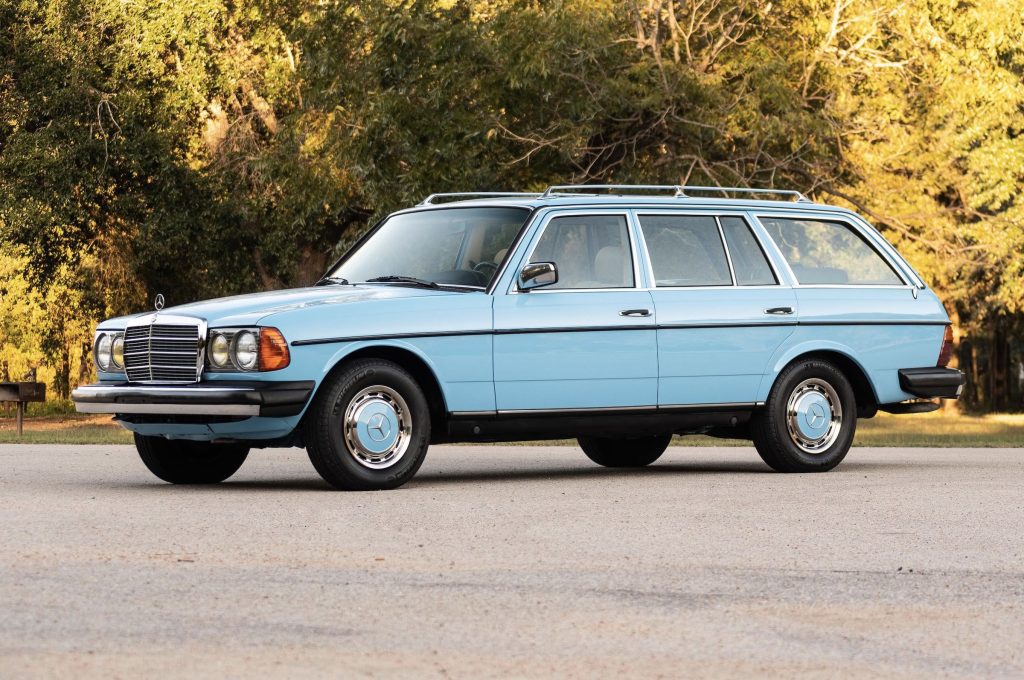
This approach reflects a long term engineering mindset. Instead of focusing on short term marketing advantages, Mercedes focused on how the engine would perform after ten or twenty years of use.
The company understood that true luxury includes reliability. A powerful engine that fails early does not create confidence. A slightly less powerful engine that lasts decades builds trust.
By choosing durability over maximum output, Mercedes created engines that could realistically survive extended use. This philosophy explains why many late 1980s models are still mechanically operational today.
This decision may not have produced headline performance numbers, but it helped create one of the strongest reputations for engine longevity in automotive history.
6. Real World Testing and Taxi Duty Proved Their Toughness
Engineering claims only become meaningful when supported by real world performance. One of the strongest reasons late 1980s Mercedes models gained a reputation for being indestructible comes from how they performed under extreme daily usage.
These cars were not just laboratory successes. They proved themselves in demanding real life conditions.
Taxi service is often considered one of the toughest environments for any passenger vehicle. Cars used for commercial transport operate for long hours, experience constant stop and go driving, and accumulate mileage rapidly.
Many vehicles struggle under such conditions, but Mercedes models from this era became famous for handling this workload.
In several countries, these vehicles became the preferred choice for taxi operators. The reason was simple. They could run for very high mileage without major structural failure when properly maintained. Reliability under such demanding conditions demonstrated their engineering strength more clearly than any advertisement.
Continuous usage exposes weaknesses quickly. Weak suspension parts, fragile cooling systems, and unreliable transmissions usually fail under commercial use. The fact that many Mercedes vehicles continued operating successfully in this environment showed the strength of their engineering approach.
High mileage examples became common. Stories of vehicles crossing several hundred thousand miles were not rare. Some even reached extraordinary distances while still maintaining structural integrity. These examples helped build the legend of Mercedes durability.
Another factor was global climate exposure. These vehicles operated in extreme heat, cold winters, and dusty environments. Surviving such varied conditions requires strong engineering margins. Their ability to operate across different regions strengthened their global reputation.
Fleet maintenance experience also contributed to their status. Mechanics working with taxi fleets often preferred vehicles that were predictable and durable. Mercedes models earned respect because they responded well to routine maintenance and did not develop unpredictable failure patterns.
Durability also affects economics. Vehicles that remain operational longer reduce replacement costs. This made them financially attractive to commercial operators despite higher initial purchase prices. Long lifespan often proved more valuable than lower purchase cost.
Driver experience also contributed to their reputation. Many drivers reported that these vehicles maintained their driving feel even after extensive use. Steering remained stable, doors continued to close solidly, and cabins remained relatively quiet compared to worn competitors.
Another important aspect was parts longevity. Components such as seats, switches, and mechanical controls often remained usable despite constant use. This demonstrated that durability extended beyond the drivetrain into everyday usability.
Long term usage created trust. When a vehicle consistently survives difficult conditions, its reputation spreads through real experience rather than marketing claims. Word of mouth from fleet operators played a major role in building the legend of these cars.
These vehicles earned their reputation the hardest possible way. They proved themselves through years of continuous service rather than controlled demonstrations.
Durability is best measured by survival under pressure. Late 1980s Mercedes vehicles faced that pressure daily in commercial service and continued operating. That real world evidence is one of the strongest reasons they are still described as nearly indestructible.
Their reputation was not created by theory. It was built through years of proven endurance on real roads under real demands.
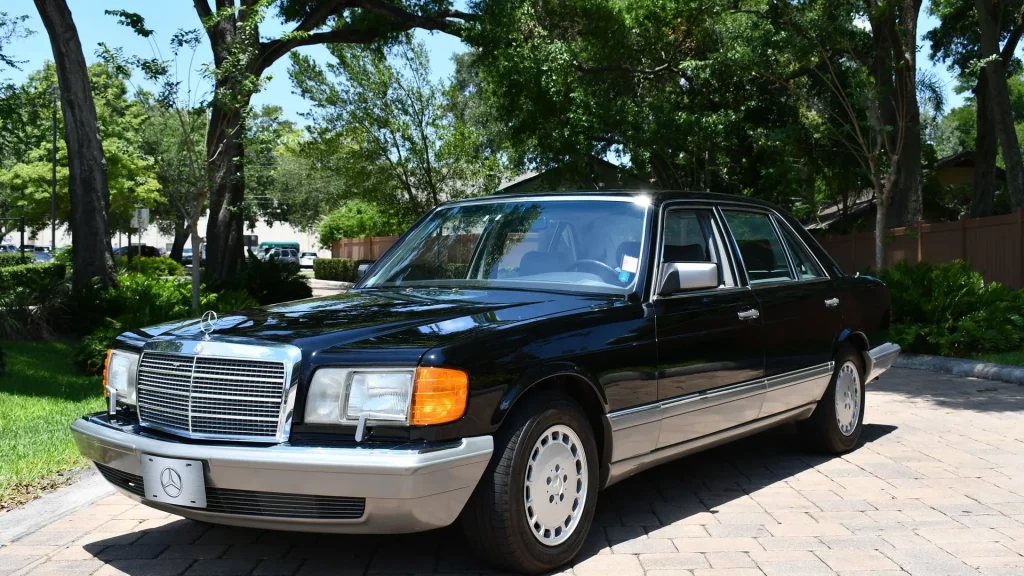
Late 1980s Mercedes models earned their reputation for being indestructible because they were built with a long term engineering mindset rather than short term cost priorities.
The company focused on durability, reliability, and structural strength, which resulted in vehicles that could survive decades of real world use with proper maintenance.
One of the biggest reasons behind their strength was overengineering. Mercedes built many components stronger than necessary to ensure they could tolerate stress over long periods. Instead of designing parts just to meet minimum requirements, engineers created safety margins that reduced wear and mechanical fatigue.
Manufacturing quality also played a major role. Strict assembly standards ensured that each vehicle maintained consistent build quality. Careful panel fitment, durable interior materials, and well organized wiring systems helped reduce long term failures. This attention to detail created cars that felt solid even after many years.
Mechanical simplicity also contributed to their longevity. These vehicles avoided unnecessary electronic complexity, which reduced failure points. Simpler mechanical systems also made repairs easier, encouraging owners to maintain their vehicles instead of discarding them when problems appeared.
Material quality further strengthened durability. Strong steel structures, long lasting rubber components, and high quality interior materials helped these cars resist aging. Mercedes focused on selecting materials that could survive extended use rather than just looking good when new.
Conservative engine tuning also helped extend lifespan. Instead of focusing on maximum performance, Mercedes tuned engines for smooth operation and lower internal stress. This reduced strain on mechanical parts and allowed engines to operate reliably for very high mileage.
Finally, real world usage proved their toughness. Many of these vehicles were used as taxis and commercial transport because they could handle constant driving. Their ability to survive demanding conditions helped build their reputation through real experience rather than marketing claims.
Together, these factors explain why late 1980s Mercedes vehicles are still respected today. Their durability came from careful engineering decisions, strong materials, and proven performance, making them some of the most long lasting passenger cars ever produced.
Also Read: 10 Classic Performance Trucks From the 1970s That Are Still Fast
