

Owning a vintage car requires a different level of preparation compared to owning a modern vehicle. Classic vehicles were built during a time when self sufficiency was part of the driving experience.
Drivers were expected to understand basic maintenance and be ready to handle minor mechanical problems without depending on professional help immediately. Because of this, carrying the right tools in the trunk is not just a good idea, it is often considered part of responsible classic car ownership.
Older vehicles also come with age related realities. Even a perfectly restored car can develop small issues such as loose hose clamps, weak electrical contacts, carburetor adjustments, or minor fluid leaks.
These are not necessarily signs of poor reliability. They are simply part of maintaining machines that were designed decades ago using mechanical systems instead of computerized controls.
Preparation also protects your investment. A small problem fixed quickly can prevent expensive damage later. For example, tightening a loose battery cable may prevent charging problems, and securing a loose coolant hose could prevent overheating.
Many experienced collectors believe the difference between a minor inconvenience and a ruined trip often comes down to what tools are available in the trunk.
Carrying tools also changes the ownership experience psychologically. Instead of worrying about what might go wrong, prepared owners tend to enjoy their cars more because they know they can manage small situations. Confidence allows longer drives and more enjoyment.
The goal is not to carry a full workshop. The goal is to carry smart, compact tools that solve the most common small problems vintage owners actually face. A well planned trunk toolkit focuses on versatility, compact storage, and real world usefulness.
The following list explains ten of the most useful tools that vintage car owners commonly keep in their trunks and why each one earns its place.
Also Read: Top 10 Midsize Pickups That Tow as Much as Older Full Size Trucks
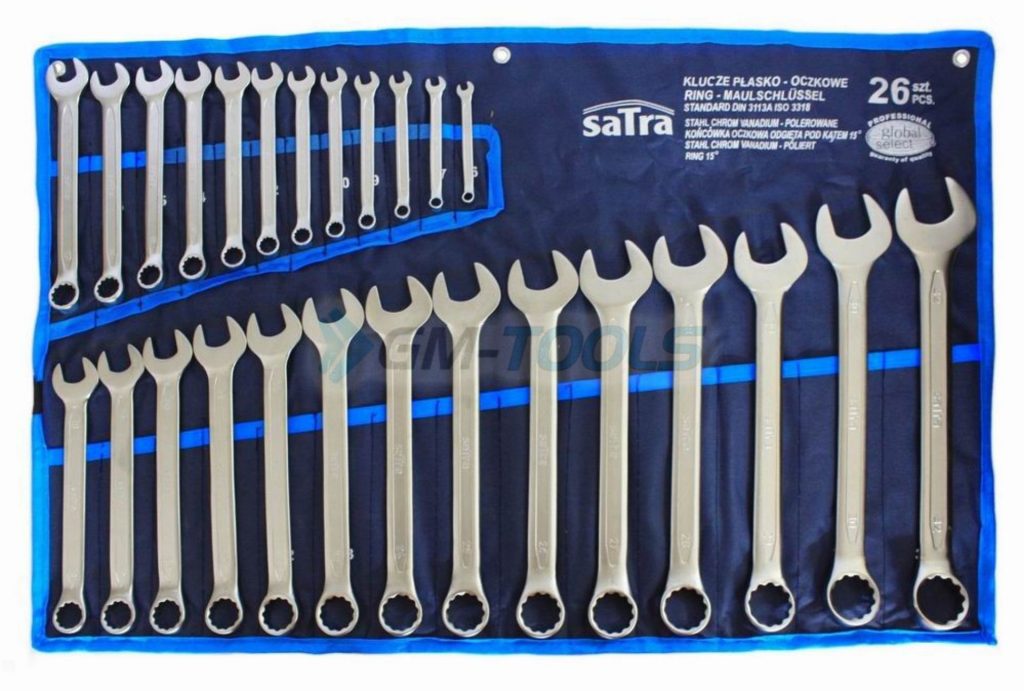
1. Combination Spanner Set
If there is one tool that almost every experienced vintage car owner agrees on, it is a good quality combination spanner set. These tools solve more roadside problems than almost anything else because older vehicles rely heavily on bolts and nuts that may occasionally need tightening or adjustment.
A loose alternator bracket, battery clamp, or carburetor linkage can often be fixed in minutes with the correct spanner.
The biggest advantage of combination spanners is flexibility. One side provides an open end for quick access while the ring end provides better grip when more torque is needed. This dual purpose design makes them extremely efficient when you are working in tight spaces where carrying many separate tools would be impractical.
Size selection also matters more than many beginners realize. Vintage cars may have a mix of metric and SAE fasteners due to repairs done over decades. Carrying both types avoids the frustrating situation where you find the problem but lack the correct size tool to fix it.
Organization plays an important role too. Many owners prefer a roll up tool pouch instead of a metal box. This prevents rattling sounds in the trunk and allows faster access. A clearly arranged set also saves time when working in low light conditions.
Another benefit is preventive use. Many classic car enthusiasts check key bolts before long drives. A quick inspection with a spanner can prevent breakdowns instead of reacting to them.
This tool represents a simple philosophy. Small preparation prevents large inconvenience. That idea is central to successful vintage car ownership.
A proper spanner set is not about repairing everything. It is about making sure simple problems never become trip ending problems.
2. Screwdriver Set with Multiple Heads
Unlike spanners which deal with structural fasteners, screwdrivers deal with the smaller but equally important details that hold vintage cars together. Interior trim screws, hose clamps, carburetor adjustments, distributor caps, fuse box covers, and light housings often require nothing more complicated than the correct screwdriver.
What makes this tool especially valuable is variety. A good trunk kit usually includes flat head and Phillips screwdrivers in multiple sizes. Some experienced owners prefer multi bit screwdrivers because they save space while still providing versatility.
Vintage cars also use screws in places modern cars rarely do. Dashboard panels, chrome trim, and even some mechanical adjustments rely on screw fasteners. Having the right screwdriver prevents damage that can happen when owners try to force the wrong size tool.
There is also a precision advantage. Carburetor idle screws sometimes need small adjustments during temperature changes or altitude differences. Having a properly sized screwdriver allows careful tuning instead of rough adjustments using improvised tools.
Some owners also include a stubby screwdriver for tight areas and a long shaft version for deeper access points. This kind of planning shows the difference between random tools and a thoughtful emergency kit.
Another overlooked use is electrical troubleshooting. Tightening a loose ground screw or fuse holder can sometimes instantly solve a starting issue.
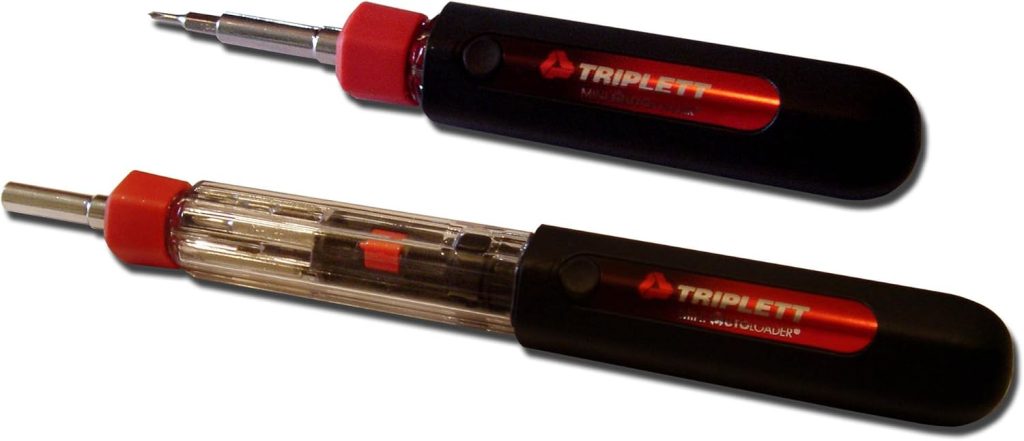
The screwdriver set represents control over small details. Vintage cars often reward attention to detail more than brute force repairs.
A simple screwdriver can sometimes save a long wait for help, making it one of the smartest tools any classic car owner can carry.
3. Adjustable Wrench
A fixed spanner set may handle most jobs, but an adjustable wrench acts as the safety net when the unexpected appears. Vintage cars often have a long history of repairs, part replacements, and improvisations.
Because of this, you may occasionally find a bolt size that does not match anything in your standard tool kit. This is where an adjustable wrench becomes valuable.
Instead of carrying dozens of extra spanners, one well built adjustable wrench can adapt to multiple sizes. This makes it a space saving problem solver. When trunk space is limited, tools that perform multiple roles become extremely important.
However, experienced owners know this tool must be used correctly. The wrench should always be tightened firmly against the nut to prevent slipping. Poor technique can round bolt heads, which creates bigger problems. Proper use turns it into a precision tool rather than a last resort.
Another advantage appears during temporary roadside fixes. If a clamp bolt loosens or a bracket shifts, the adjustable wrench can quickly secure it until proper tools are available later. This temporary repair ability is often exactly what is needed during a road trip.
Durability matters when choosing one. A cheap adjustable wrench may develop play in its moving jaw. A solid version maintains tight alignment and provides better grip.
Some classic car drivers even wrap the handle with cloth tape to improve grip and prevent scratches if it contacts painted surfaces in the trunk.

This tool represents adaptability. While not always the first tool used, it often becomes the most appreciated when unusual situations arise. Prepared owners rarely use it every trip, but when they need it, they are very glad it is there.
4. Feeler Gauge
Modern engines adjust themselves electronically, but many vintage engines rely on physical tolerances that must occasionally be checked manually. A feeler gauge becomes extremely useful in this environment because it allows accurate measurement of small gaps in ignition points, spark plug gaps, and valve clearances.
This is not a tool every beginner immediately understands, but experienced classic car owners often consider it essential. Engines with contact breaker points may stop running smoothly if the gap changes. A quick check with a feeler gauge can restore proper ignition performance.
Temperature changes can also influence mechanical clearances. Metal expands when hot and contracts when cold. Engines designed decades ago sometimes require periodic manual checks to maintain smooth operation. Having this tool allows small corrections without visiting a workshop.
The design is simple but effective. Thin metal blades of known thickness fold into a compact holder. This makes it easy to store while providing high precision when needed.
Some drivers may never use it during a normal trip, but they carry it because when adjustment becomes necessary, nothing else can replace it. Improvised measurement leads to poor tuning.
Another benefit comes during regular preventive checks before long drives. Measuring spark plug gaps ensures efficient combustion and smoother running.

This tool highlights a deeper truth about vintage cars. They reward owners who understand mechanical accuracy.
Carrying a feeler gauge is less about emergency repair and more about respecting the mechanical character of classic engines.
5. Portable Tyre Inflator or Foot Pump
Many vintage car problems are not dramatic mechanical failures. Sometimes the biggest threat to a smooth journey is something as simple as a slowly deflating tyre.
Unlike modern vehicles that may include tyre pressure monitoring systems, older cars usually provide no warning until the handling begins to feel different. By that point, damage may already be starting.
This is why a portable tyre inflator or even a traditional foot pump earns a place in a classic car trunk. The goal is not just convenience. Maintaining correct tyre pressure protects suspension components, improves fuel efficiency, and most importantly prevents sidewall damage that could destroy rare period correct tyres.
There is also a practical travel advantage. Vintage cars are often driven on scenic routes or secondary roads where fuel stations may be far apart. Having your own inflation solution removes dependence on outside help.
Some owners prefer electric inflators that connect to the cigarette lighter socket, while others prefer manual foot pumps because they work without relying on the car’s electrical system. Each approach reflects a different philosophy. Electric tools offer speed while manual pumps offer independence.
Pressure awareness is equally important. Many experienced owners also carry a small tyre pressure gauge alongside the pump. Inflating without measurement defeats the purpose.
Another real world benefit appears after seasonal storage. Tyres naturally lose pressure over time. Having a pump available allows proper preparation before the first drive instead of risking damage by driving on partially deflated tyres.
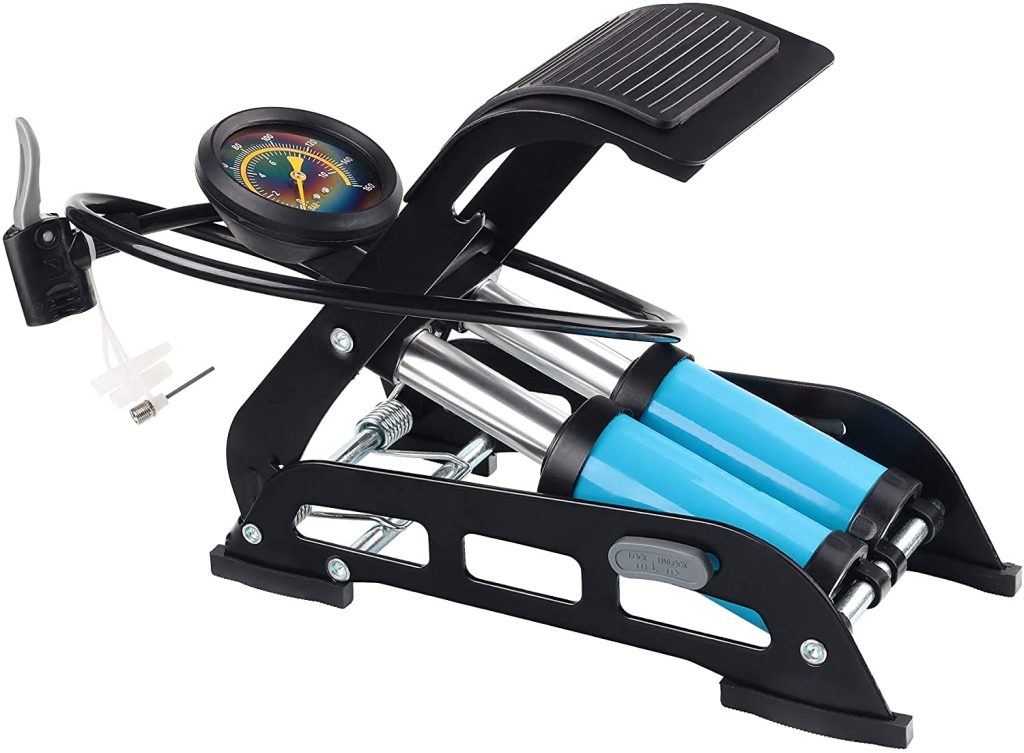
This tool represents self reliance. Air is one of the simplest requirements of safe driving, yet it is often ignored until it becomes a problem.
Prepared vintage car owners understand that sometimes the smartest mechanical preparation is simply making sure the car stays properly connected to the road.
6. Jumper Cables
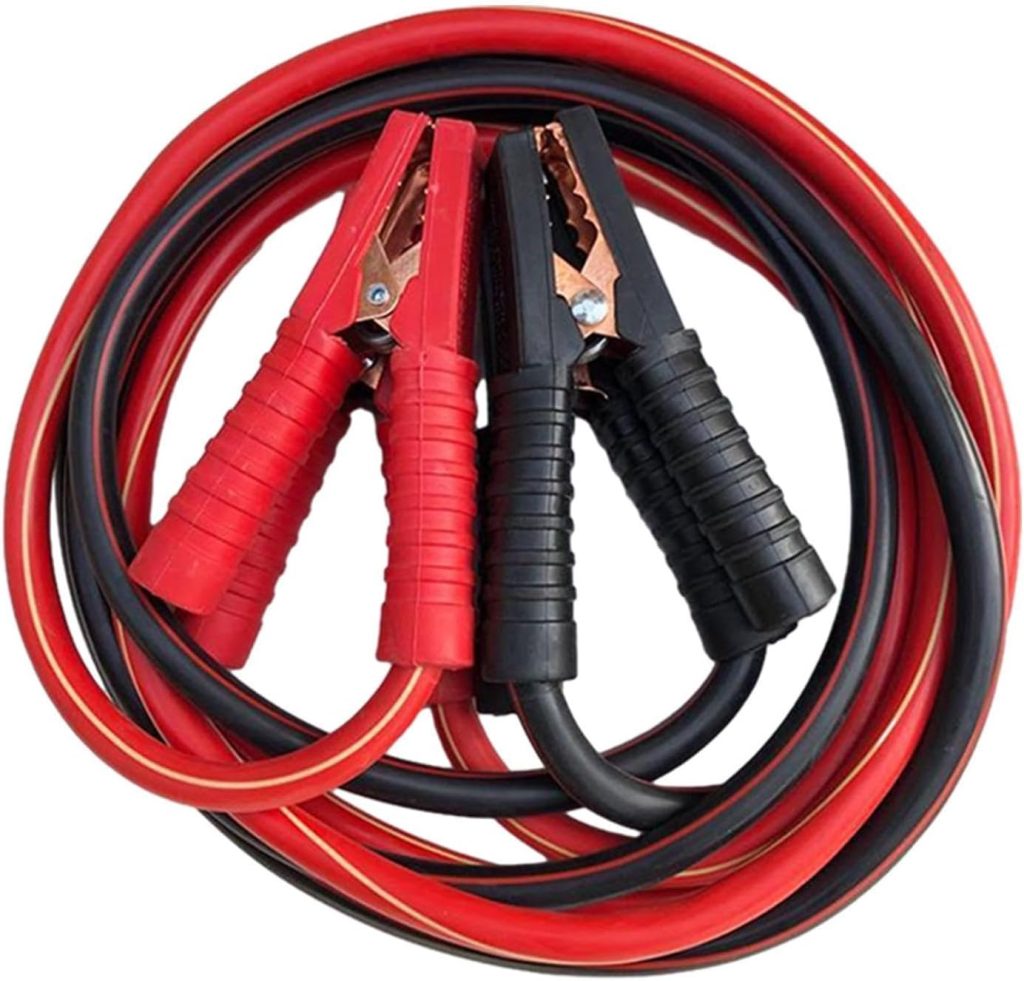
Electrical systems in vintage cars are usually simple, but age affects wiring, battery performance, and charging systems. A weak battery after storage or leaving lights on can quickly turn a pleasant drive into an unexpected delay. Jumper cables are one of the easiest ways to recover from this situation.
Classic cars often use batteries that may not match modern specifications, and cold weather or infrequent use can reduce their strength. Having jumper cables provides a fast solution when another vehicle is available to assist.
Cable quality makes a difference. Thick cables with proper insulation allow better current flow and safer operation. Cheap thin cables often fail to deliver enough power, which defeats their purpose.
Storage method also matters. Many experienced owners keep cables inside a fabric bag to prevent grease from spreading inside the trunk. Clean storage also prevents corrosion on the clamps.
There is also a knowledge component. Owners who carry jumper cables usually also learn correct connection order to avoid electrical damage. Preparation includes both tools and understanding.
Interestingly, this tool is often carried not only for personal use but also to help other classic car owners during group drives. Vintage car communities often value mutual support, and jumper cables are one of the most shared tools during events.
Another overlooked benefit is diagnostic value. If a car only starts with a jump, it may indicate charging system issues. This early warning can prevent future breakdowns.
Jumper cables represent cooperation between preparation and opportunity. They may not be used often, but when needed, few tools restore mobility as quickly.
7. Duct Tape and Electrical Tape
Not every roadside situation requires a traditional metal tool. Sometimes the most valuable items are materials that allow quick temporary fixes.
Duct tape and electrical tape have earned legendary status among vintage car owners because they can solve a surprising number of minor problems long enough to safely reach home or a workshop.
Think about the types of small failures that happen in older vehicles. A heater hose might develop a surface crack, a wire insulation may wear through from vibration, or a loose trim piece may start rattling. These are not catastrophic failures, but ignoring them can lead to bigger trouble. Tape provides fast containment.
Duct tape is valued because of its strength and flexibility. Owners often use it to temporarily secure loose hoses, hold broken plastic covers, or even reinforce ageing rubber parts just enough to finish a journey. It is not a permanent repair, but it buys time.
Electrical tape serves a more specialized role. Vintage wiring insulation can become brittle over decades. A small exposed section of wire can cause shorts or intermittent faults. Wrapping the area quickly can restore reliability until proper rewiring can be done.
Some experienced drivers wrap a few feet of each tape around a pencil or small card instead of carrying full rolls. This saves space and still provides enough material for emergencies.

This tool category also represents creative problem solving. Vintage car ownership often rewards people who can think practically rather than mechanically. Sometimes a temporary solution is all that is needed.
The key idea is not perfection but continuation. Getting home safely is always better than being stranded while wishing for a simple material you could have easily carried. Few items in a trunk kit are as inexpensive yet as surprisingly effective as these two rolls.
8. Flashlight or Rechargeable Inspection Light
Many classic car issues do not happen at convenient times. Evening drives, unexpected delays, or even checking something inside a dark engine bay can quickly become difficult without proper lighting. A reliable flashlight becomes one of the most practical non mechanical tools a vintage owner can carry.
Visibility changes everything. Finding a loose wire, identifying a leaking hose, or checking fluid levels becomes much easier with directed light. Without it, even simple inspections become guesswork.
Modern rechargeable inspection lights offer additional advantages. Some include magnetic bases or hooks, allowing hands free use. This makes it easier to hold tools while still keeping the work area illuminated.
Battery planning also matters. Some owners prefer traditional battery flashlights because spare batteries can be carried easily. Others prefer USB rechargeable lights that can be charged at home before trips. Both approaches work if maintained properly.
Another practical use appears during safety situations. If a car must stop on the roadside at night, a flashlight helps the driver remain visible and aware of surroundings while checking the vehicle.
Lightweight design is also important. A compact aluminum flashlight takes very little trunk space yet provides major convenience when needed.
Experienced owners also know that inspection is often more important than repair. Many problems can be identified early simply by being able to see clearly.

This tool represents awareness. Preparation is not only about fixing problems but also about noticing them before they become serious.
A good flashlight may spend most of its life unused, but when darkness arrives, it becomes one of the most appreciated tools in the entire trunk kit.
9. Spare Fluids Kit
Among experienced vintage car owners, there is a quiet rule that often proves true over time. Old cars rarely fail without warning, they usually ask for something first. Quite often, what they ask for is fluid. Oil, coolant, brake fluid, and sometimes even distilled water can mean the difference between continuing a drive and calling for help.
Instead of carrying full size containers, many prepared owners create a compact fluid kit. This usually includes half liter bottles stored in sealed plastic bags to prevent spills. The focus is not quantity but emergency sufficiency. Just enough to restore safe operating levels.
Engine oil sits at the top of this list. Older engines may consume small amounts of oil during long drives, especially if they were designed with looser tolerances than modern engines. A quick top up can prevent unnecessary engine wear and overheating.
Coolant is equally important. Small leaks from ageing hoses or clamps sometimes appear without warning. Being able to refill enough coolant to maintain safe temperature can prevent serious engine damage.
Brake fluid is another overlooked addition. Hydraulic systems in older cars may develop minor seepage at connections. Even a small drop in fluid level can affect pedal feel. Carrying a small sealed bottle provides insurance against this risk.
Some owners also carry a small funnel and a few shop towels with their fluid kit. Clean refilling prevents contamination and keeps the trunk organized.
There is also a mindset behind this preparation. Carrying spare fluids reflects mechanical awareness rather than fear. It shows understanding that machines need basic resources to function properly.

Vintage cars often reward owners who pay attention to these small details. The ability to respond immediately to a low fluid level can prevent expensive repairs later.
These bottles may look insignificant, but in practical terms they often become the most valuable items in the trunk when needed.
10. Basic Emergency Tool Roll with Pliers and Cutting Tool
Every well prepared vintage car trunk usually ends with one final category. The tools that do not fit into one specific job but become invaluable in unexpected situations. This usually includes a strong pair of pliers, a wire cutter, and sometimes a small multi tool.
Pliers provide gripping strength that fingers cannot match. They can hold a slipping nut, pull a stubborn clip, or help remove a damaged hose clamp. Locking pliers are especially valued because they can hold pressure without constant hand force.
Cutting ability is equally important. Old zip ties, damaged wires, cracked vacuum lines, or temporary repair materials sometimes need trimming. A compact cutting tool allows clean work instead of tearing materials by hand.
Some owners also include needle nose pliers because they reach narrow spaces behind carburetors or under dashboards. This reflects how preparation often comes from experience rather than theory.
Storage style changes how useful these tools become. Many experienced owners build a simple cloth tool roll where each item has a dedicated slot. This prevents tools from knocking together and allows quick visual checks to confirm nothing is missing.
Another important aspect is versatility. These tools often support the use of other tools. Holding a bolt steady while tightening, cutting tape, shaping wire for temporary repairs, or removing small obstructions all become possible.
What makes this final tool group important is unpredictability. You cannot prepare for every exact failure, but you can prepare to respond intelligently.
Vintage car ownership has always been about partnership between driver and machine. Carrying a thoughtful emergency tool roll shows respect for that relationship.
Preparation is not about expecting failure. It is about making sure small problems never end a good drive.
Vintage car ownership is not only about preserving automotive history, it is also about being prepared for the unique responsibilities that come with maintaining older mechanical machines.
Unlike modern vehicles that depend heavily on sealed components and electronic diagnostics, classic cars reward owners who carry simple, practical tools that can handle small but common issues.
One clear lesson from this list is that preparation focuses more on versatility than quantity. A carefully selected set of tools such as spanners, screwdrivers, pliers, and an adjustable wrench can solve a wide range of minor mechanical problems.
The goal is not to perform major roadside repairs but to handle small adjustments that allow the journey to continue safely.
Another important takeaway is that many useful trunk items are not traditional tools. Items like duct tape, jumper cables, spare fluids, and a flashlight often prove just as valuable as metal tools. These items help manage electrical issues, temporary repairs, visibility problems, and basic maintenance needs that frequently appear in older vehicles.

Preventive thinking also appears as a major theme. Tools like tyre inflators, feeler gauges, and fluid kits allow owners to correct small problems before they grow into expensive repairs. Vintage cars respond well to early intervention, and having the right equipment makes this possible even during travel.
Organization is just as important as the tools themselves. Proper storage using tool rolls, sealed bags, and compact kits prevents clutter and makes every item easy to access. Experienced owners understand that a well arranged toolkit is more useful than a large but disorganized collection.
Confidence is another hidden benefit. Carrying essential tools reduces anxiety and allows owners to enjoy longer drives without constantly worrying about small breakdowns. Preparation turns uncertainty into manageable situations.
The overall message is simple. Vintage cars do not demand perfection, but they do reward readiness. A smart trunk toolkit helps owners protect their investment, avoid unnecessary delays, and enjoy the classic driving experience with greater peace of mind.
Also Read: 10 Reasons Why Single Cab Trucks are Making a Comeback for Work
