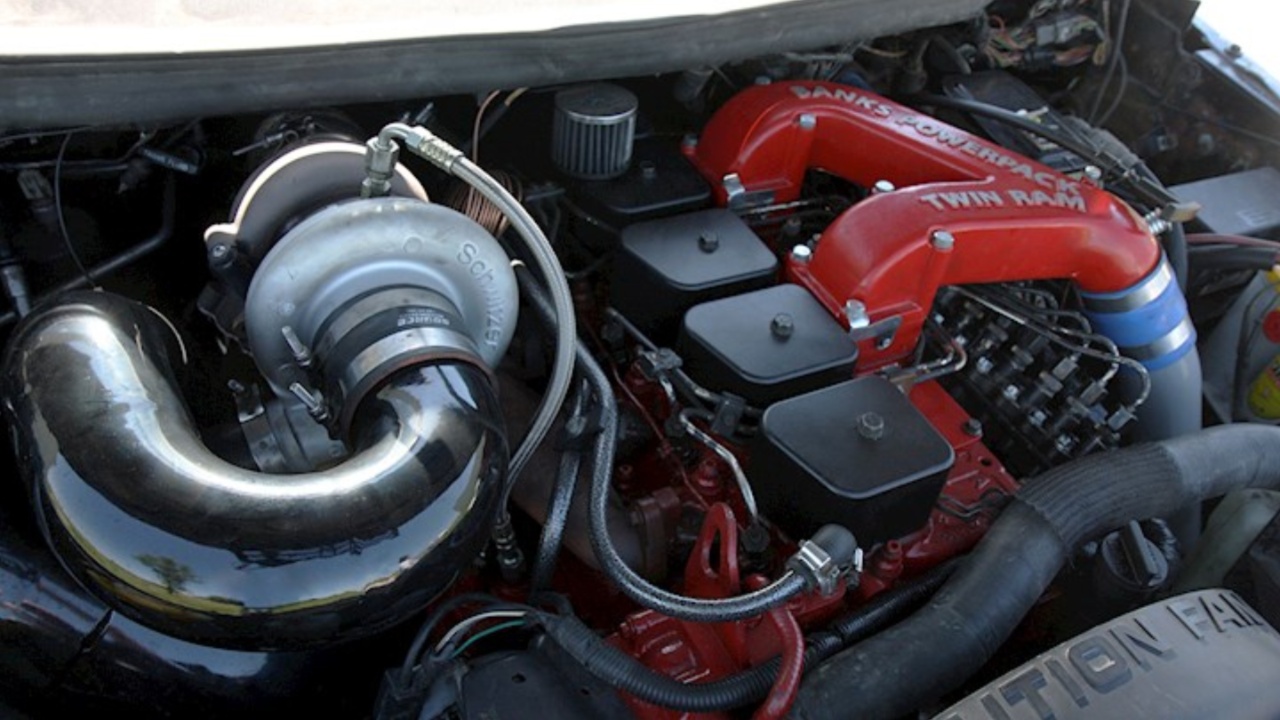
Diesel engines are known for their durability and efficiency, but not all models share the same level of reliability. Engines like the Cummins 5.9L 12-Valve 6BT, Mercedes-Benz OM617, and Toyota 1HZ earned legendary status due to their mechanical simplicity, heavy-duty construction, and long service life.
These engines can operate for hundreds of thousands of miles with minimal maintenance. In contrast, modern diesel engines designed to meet strict emissions standards, such as the Ford 6.0L Power Stroke and Volkswagen 2.0L TDI EA189, often struggle with clogged Diesel Particulate Filters and carbon buildup, showing that emissions compliance can compromise long-term reliability.
5 Diesel Engines Famous for Reliability
1. Cummins 5.9L 12-Valve (6BT): A Legendary “Million-Mile” Diesel Engine
The Cummins 5.9L 12‑Valve (6BT) is widely regarded as one of the most reliable diesel engines ever produced. Manufactured from 1989 to 1998 (with the B-series platform dating back to 1984), this engine earned the nickname “the million-mile engine” because many examples have surpassed that mileage with proper maintenance.
Its reputation comes largely from its mechanical simplicity, heavy-duty construction, and industrial-grade durability, which make it highly desirable for towing, work trucks, and high-performance diesel builds.
One of the defining features of the 6BT is its fully mechanical fuel system. Early models from 1989–1993 used a VE rotary injection pump, while later models from 1994–1998 adopted the legendary Bosch P7100 Injection Pump, commonly called the “P-pump.”
This inline mechanical pump allows the engine to operate without complex electronic control systems once started. Because it relies on mechanical components rather than sensors or engine control units (ECUs), the engine is easier to maintain and less prone to electronic failures than modern diesel engines.
Another major factor behind the 6BT’s reliability is its heavy-duty construction. The engine features a cast-iron block and cast-iron cylinder head, allowing it to handle extremely high cylinder pressures and heavy loads.
In addition, many internal systems are gear-driven, including the timing components. Unlike belt- or chain-driven systems, gear-driven timing greatly reduces the risk of catastrophic timing failure, further enhancing the engine’s durability.
The 6BT also benefits from industrial roots. Originally designed for agricultural, commercial, and industrial applications, it was built to handle long operating hours and high-duty cycles. This rugged design allows many engines to exceed one million miles when properly maintained.
Performance is another reason for the engine’s popularity. Factory ratings for the 1994–1998 models reached around 215 horsepower and 440 lb-ft of torque, but the P7100 pump allows for significant tuning potential. With modifications, enthusiasts commonly push the engine to 500–800 horsepower while retaining impressive durability.
Despite its legendary reliability, the engine does have a known issue called the “Killer Dowel Pin” (KDP). This small pin in the timing cover can loosen and fall into the timing gears, potentially causing catastrophic damage if not secured. Fortunately, this problem is well-known and easily prevented with a simple fix.
The Cummins 5.9L 12-Valve (6BT) remains a benchmark for diesel reliability, combining mechanical simplicity, extreme durability, and exceptional tuning potential.
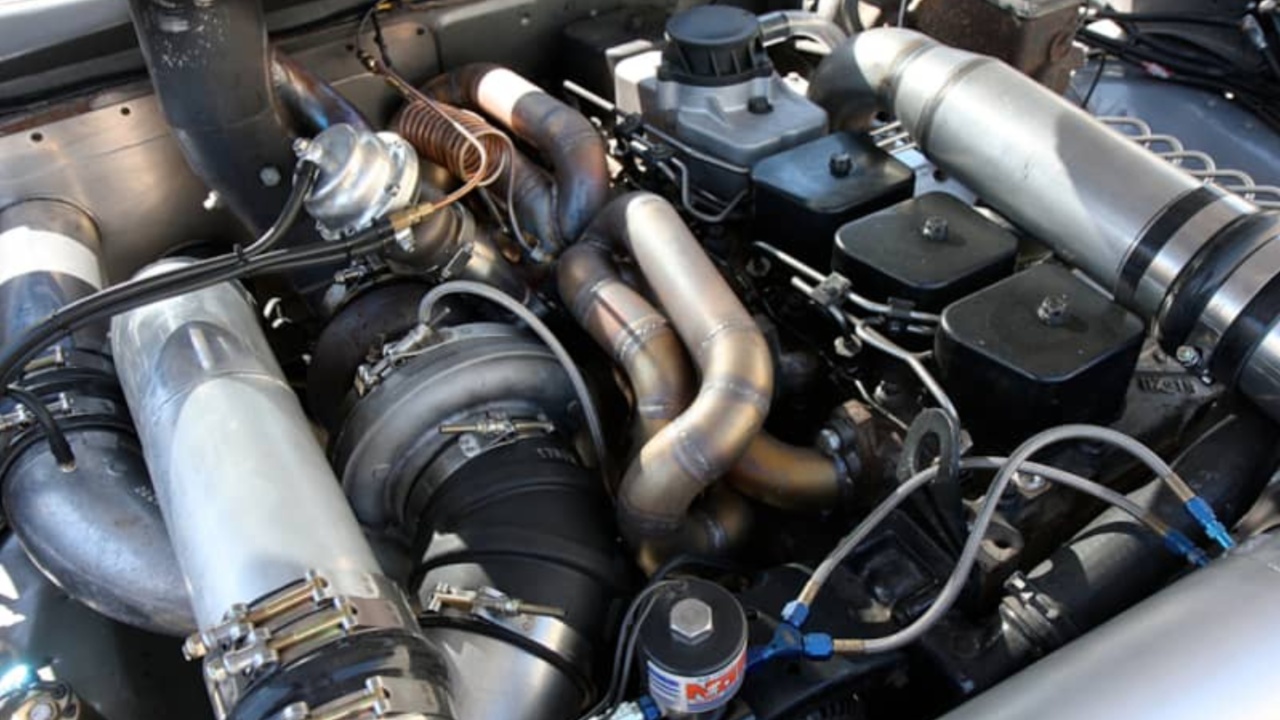
2. Mercedes-Benz OM617: The Legendary “Cockroach” Diesel Engine
The Mercedes-Benz OM617 is widely regarded as one of the most durable automotive engines ever built. Produced between 1974 and 1991, this 3.0-liter inline-five diesel engine earned a reputation for exceptional longevity, with many examples surpassing 500,000 miles and even approaching 1 million miles without requiring a major rebuild.
Its durability reflects a classic 1970s engineering philosophy in which components were intentionally overbuilt for long-term reliability rather than maximum performance. Because of its ability to survive extreme mileage and harsh conditions, enthusiasts often nickname it “the cockroach of engines.”
A major factor behind the OM617’s legendary reliability is its mechanical simplicity. The engine uses a fully mechanical Bosch Mechanical Fuel Injection Pump, eliminating the need for electronic sensors, engine control units, or complex computer systems.
This design allows the engine to continue running reliably even in harsh environments or with lower-quality fuel. The absence of fragile electronics also simplifies repairs, allowing many maintenance tasks to be performed with basic tools.
Another key strength of the OM617 is its extremely robust construction. The engine features a cast-iron block and cylinder head, which help dissipate heat effectively while providing exceptional structural strength. Inside, a forged steel crankshaft and durable internal components are designed to handle long operating hours and heavy workloads.
Unlike modern engines that are engineered for lighter weight and higher power output, the OM617 was built to operate at relatively low stress levels, greatly extending its lifespan.
Thermal management also contributes to its longevity. The engine has a large oil capacity of around 8.5 liters, which helps maintain lubrication and reduce internal wear. Additionally, its indirect pre-chamber injection system allows for a slower, smoother combustion process. This gentler combustion reduces pressure spikes inside the cylinders, placing less strain on engine components over time.
Performance was never the OM617’s main goal. Early naturally aspirated versions produced roughly 79–88 horsepower, while later turbocharged models increased output to about 110–125 horsepower and nearly 180 lb-ft of torque. Although these numbers are modest by modern standards, the engine provides steady, dependable performance and good fuel efficiency.
The OM617 powered several classic vehicles, including the Mercedes-Benz W123 300D, Mercedes-Benz W123 300TD, and Mercedes-Benz W126 300SD. While it may feel slow compared to modern engines, its legendary reliability, simple maintenance, and remarkable longevity have made it one of the most respected diesel engines in automotive history.
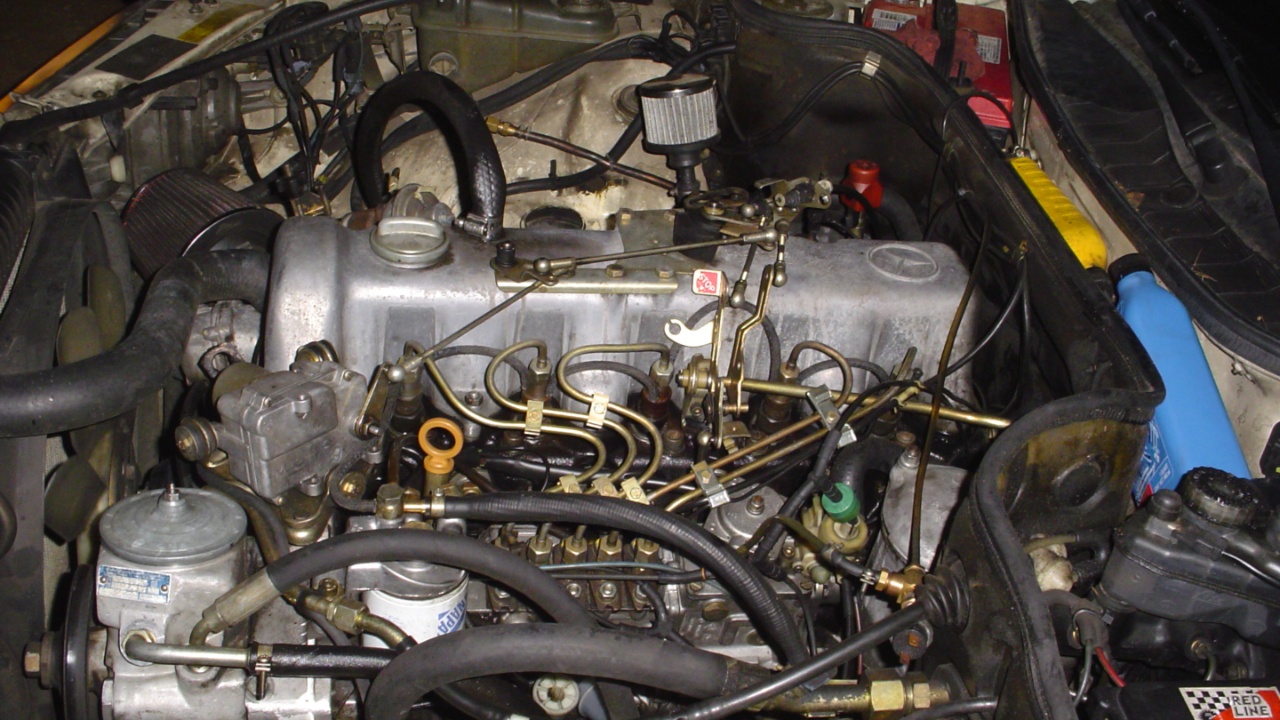
3. Ford 7.3L Power Stroke: A Benchmark for Durable Diesel Work Trucks
The Ford 7.3L Power Stroke is widely considered one of the most reliable diesel engines ever installed in a pickup truck. Produced from 1994.5 to 2003 and built by Navistar International for Ford Motor Company, this engine became the backbone of many heavy-duty work trucks in the late 1990s and early 2000s.
Known for its durability and simple design, the 7.3L Power Stroke regularly surpasses 300,000 to 500,000 miles with proper maintenance, and some well-maintained examples have even approached one million miles.
A major reason for the engine’s legendary reputation is its robust construction. The 7.3L Power Stroke features a cast-iron block and cast-iron cylinder heads, along with strong internal components such as forged steel connecting rods.
This heavy-duty design allows the engine to handle high loads and constant towing without excessive wear. Because the engine has a large displacement and operates at relatively low stress levels, it maintains reliability even under demanding conditions such as hauling heavy trailers or equipment.
Another key advantage is its lack of complex emissions equipment. Built before modern emissions regulations became strict, the 7.3L Power Stroke does not use systems such as Exhaust Gas Recirculation (EGR), Diesel Particulate Filters (DPF), or Diesel Exhaust Fluid (DEF).
These systems, common in newer diesel engines, can introduce additional failure points and maintenance costs. Without them, the 7.3L engine remains simpler and easier to maintain, which contributes significantly to its long-term dependability.
Fuel delivery is handled by a hydraulically actuated electronic unit injection system, commonly known as HEUI Fuel Injection System. This system uses high-pressure engine oil to actuate the fuel injectors, providing efficient fuel delivery and strong torque. When regular oil changes are performed, the HEUI system is generally very reliable and capable of supporting the engine’s long service life.
Performance-wise, the 7.3L Power Stroke was never designed to compete with modern high-horsepower diesels. Instead, it focuses on strong low-end torque, making it ideal for towing and hauling. Its straightforward engine layout also makes repairs and maintenance easier, which has made it popular among mechanics and do-it-yourself truck owners.
Despite its durability, the engine does have some known issues. Common problems include camshaft position sensor (CPS) failures, injector O-ring leaks, and occasional high-pressure oil pump (HPOP) leaks. Fortunately, these problems are generally inexpensive and relatively simple to repair.
The Ford 7.3L Power Stroke remains a gold standard for durable American diesel engines, valued for its simplicity, longevity, and ability to perform reliably in demanding work environments.
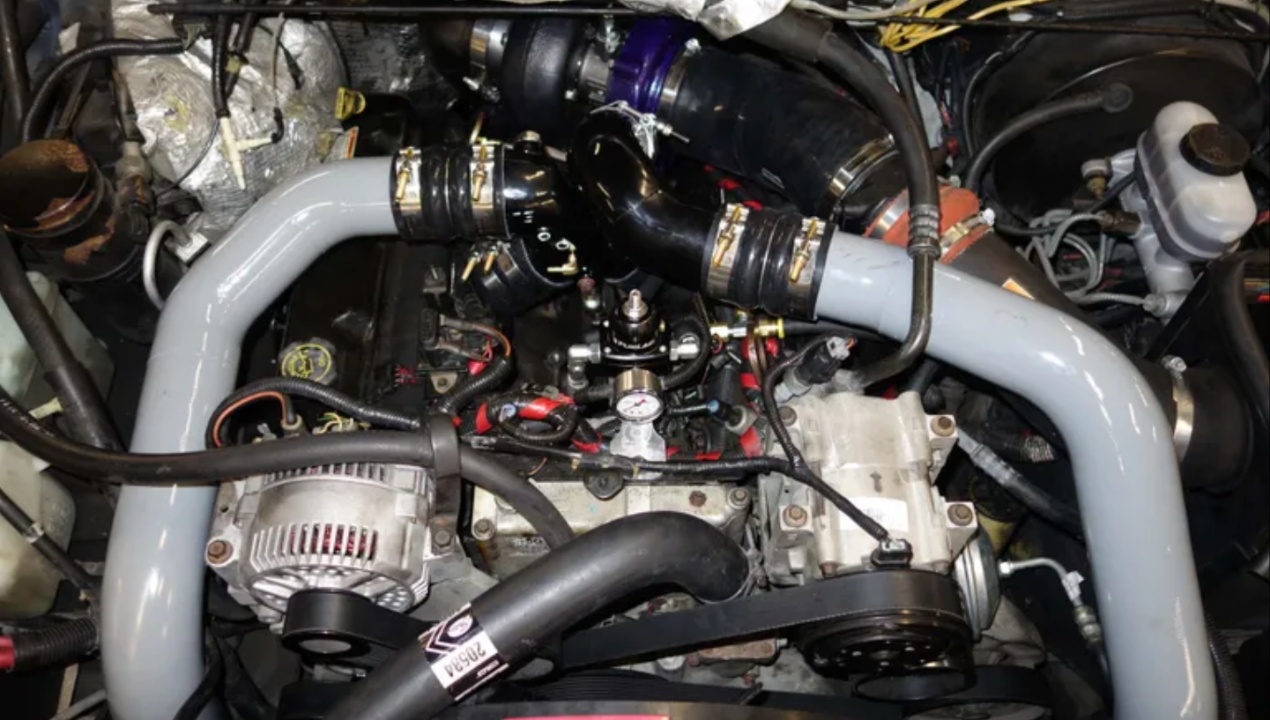
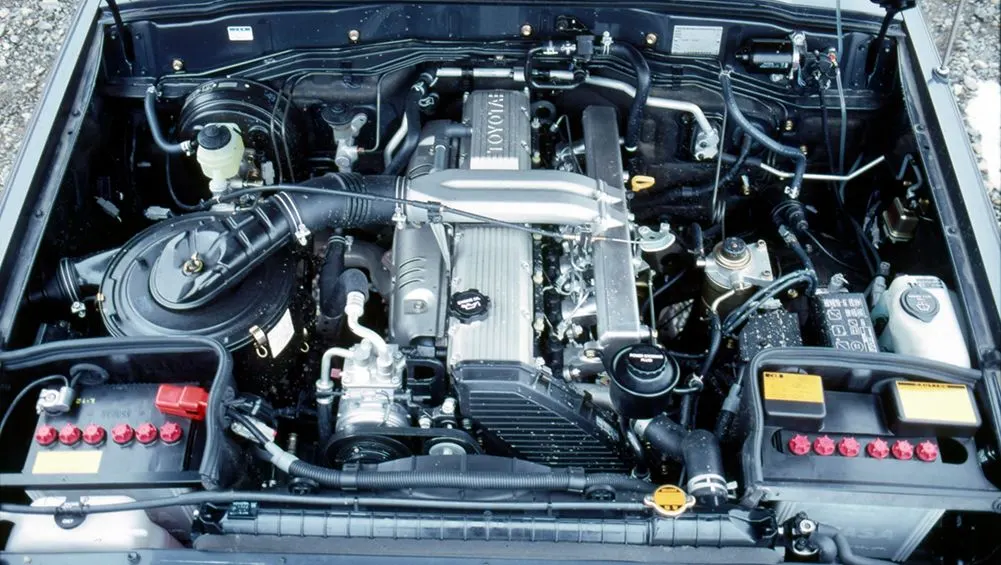
4. Toyota 1HZ: The Unbreakable Heart of the Land Cruiser
The Toyota 1HZ is widely regarded as one of the most dependable diesel engines ever produced. Introduced in 1990, this 4.2-liter naturally aspirated inline-six engine became famous for powering the rugged Toyota Land Cruiser 70 Series, Toyota Land Cruiser 80 Series, and Toyota Land Cruiser 105 Series.
Built for extreme environments, the 1HZ is known for operating reliably in deserts, jungles, and remote regions where maintenance resources are limited. Many engines exceed 500,000 to 1,000,000 kilometers with proper care, making it a favorite among overlanders, humanitarian organizations, and mining fleets.
The engine’s legendary reliability comes primarily from its mechanical simplicity. Unlike modern diesel engines, the 1HZ has no turbocharger, no electronic control unit (ECU), and very few electronic components.
Instead, it relies on a straightforward mechanical fuel injection system that can operate without complex sensors or computer controls. This design dramatically reduces potential failure points and allows the engine to continue running even in harsh conditions or when maintenance facilities are unavailable.
Another key factor in the 1HZ’s durability is its rugged construction. The engine uses a cast-iron block and cast-iron cylinder head, providing excellent strength and heat resistance during long periods of heavy operation.
It also uses gear-driven timing, which is more durable than belt-driven systems and less likely to fail unexpectedly. These features make the engine particularly suitable for high-load environments such as off-road driving, mining operations, and military service.
The 1HZ is also designed to operate under low mechanical stress. With its large 4.2-liter displacement, the engine produces relatively modest power, about 129 horsepower and roughly 285 Nm of torque. While these numbers may appear low compared to modern diesel engines, the conservative tuning prevents internal components from being overstressed. As a result, the engine can run for decades with minimal wear.
Another advantage is its tolerance for poor-quality fuel. The engine’s indirect injection system allows it to run on inconsistent or low-grade diesel, which is common in remote regions around the world. This capability further strengthens its reputation as a reliable global workhorse.
However, the 1Hz does have some drawbacks. It is slow by modern standards, especially on highways, and fuel economy is moderate rather than exceptional. Additionally, installing aftermarket turbochargers without proper modifications can lead to cylinder head cracking or overheating.
Despite these limitations, the Toyota 1HZ remains a symbol of durability and simplicity, proving that a well-engineered, low-stress design can deliver unmatched reliability in the harshest environments.
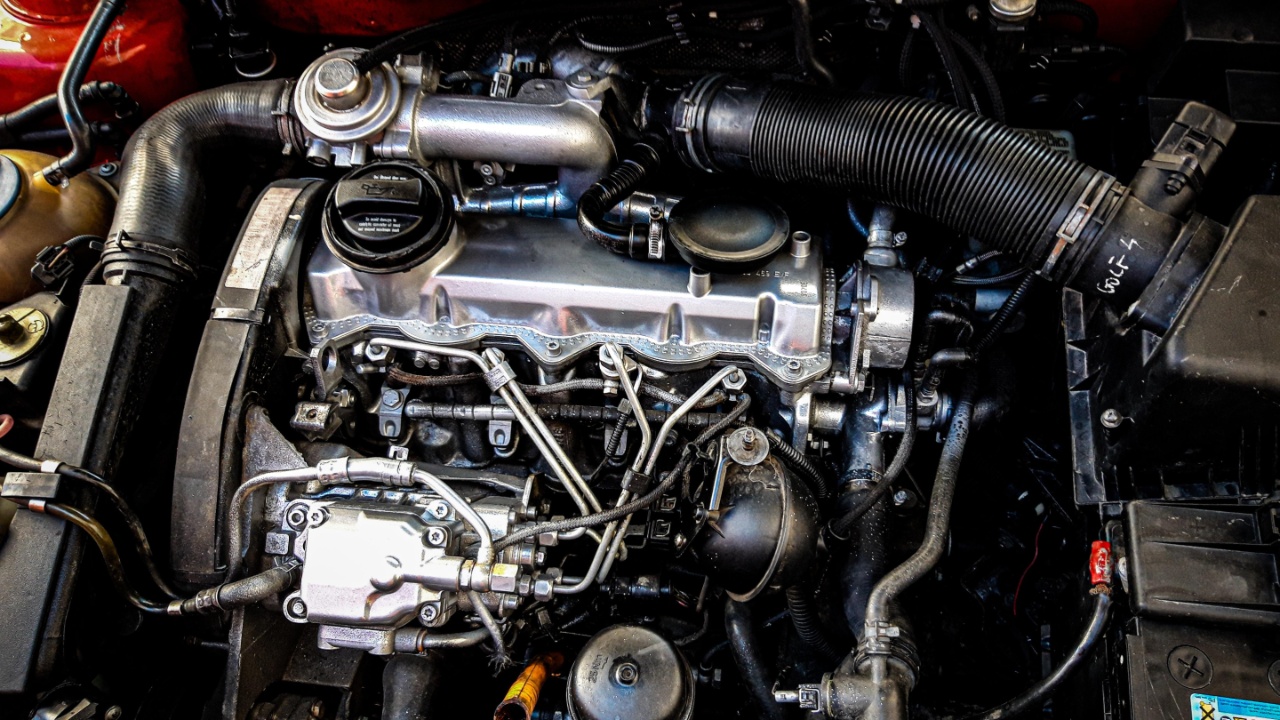
5. Volkswagen 1.9L TDI (ALH): A Durable and Efficient Small Diesel Engine
The Volkswagen 1.9L TDI (ALH) is widely recognized as one of the most reliable and fuel-efficient small diesel engines ever produced. Manufactured from 1999.5 to 2003, this engine became the highlight of Volkswagen’s early TDI lineup. It gained a strong reputation for longevity, with many engines surpassing 300,000 to 500,000 miles when properly maintained.
For many diesel enthusiasts, the ALH represents the ideal balance between modern drivability and traditional mechanical durability from a time before diesel engines became heavily dependent on complex emissions systems.
One of the key reasons for the ALH engine’s reliability is its simple and proven fuel injection system. Instead of the more complicated Pumpe Düse or common-rail injection systems that appeared in later diesel engines, the ALH uses a Bosch VE Rotary Injection Pump.
This rotary pump design is mechanically simpler and known for its long service life. Because it has fewer sensitive components, it is generally easier to maintain and less likely to suffer costly failures.
The engine also benefits from strong construction and durable materials. It uses a cast-iron block, which provides strength and resistance to high compression pressures.
Many of its internal components are designed to handle long-term stress and heat, allowing the engine to maintain reliability even after hundreds of thousands of miles. Routine maintenance, especially regular timing belt replacements and proper oil use, plays a major role in preserving the engine’s lifespan.
Another major advantage of the ALH engine is its excellent fuel efficiency. Vehicles equipped with this engine commonly achieve 40 to 50 miles per gallon, especially during highway driving.
This high efficiency helps lower fuel costs and makes the engine attractive for long-distance commuting and daily driving. At the same time, the engine produces a respectable 90 horsepower and 155 lb-ft of torque, which provides sufficient power for compact cars while maintaining efficiency.
The ALH engine was commonly installed in vehicles such as the Volkswagen Golf Mk4, Volkswagen Jetta Mk4, and the Volkswagen New Beetle (1998). Although reliable, some issues can occur over time, including vacuum leaks that affect turbo performance, intake manifold clogging from exhaust gas recirculation soot, and injection pump seal leaks at high mileage.
The Volkswagen 1.9L TDI ALH stands out as a legendary diesel engine because of its durability, efficiency, and straightforward mechanical design. These qualities continue to make it highly valued among drivers seeking long engine life and economical operation.
Also read: Top 10 Cars With the Best Headlight Ratings for Curvy Roads
5 Known for Clogged Emissions Systems
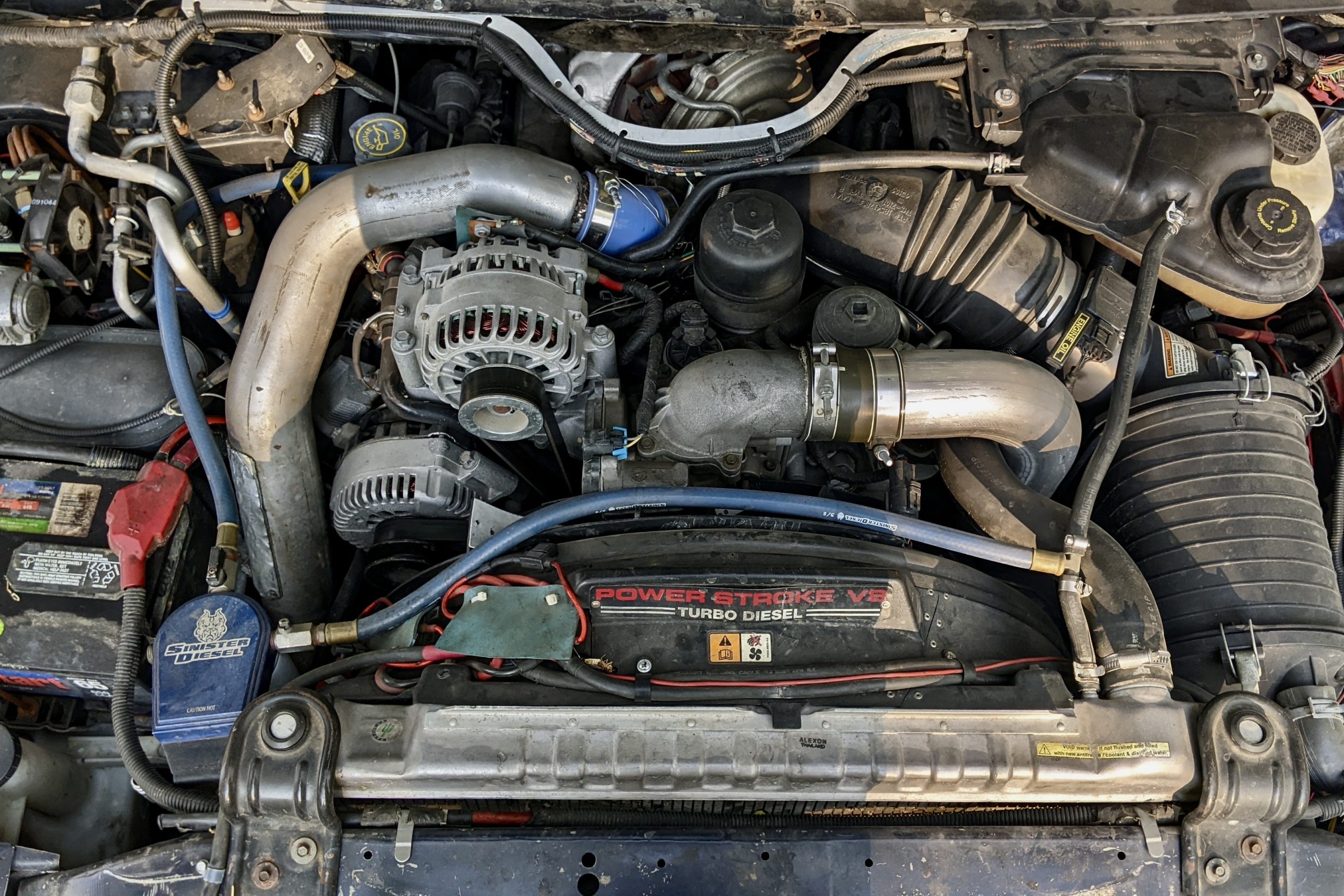
1. Ford 6.0L Power Stroke: Emissions System Failures and Reliability Challenges
The Ford 6.0L Power Stroke, produced between 2003 and 2007, is one of the most controversial diesel engines ever used in Ford heavy-duty trucks. Introduced to meet the stricter 2004 emissions regulations, it incorporated new emissions technologies that greatly increased complexity compared with its predecessor, the Ford 7.3L Power Stroke.
While the 6.0L offered better performance and modern features, it quickly gained a reputation for reliability problems, particularly related to its emissions and cooling systems. These issues often resulted in costly repairs and made the engine a cautionary example of rushed emissions engineering.
A key source of problems is the undersized oil cooler. Its narrow coolant passages are prone to clogging with sludge, debris, or casting sand left over from manufacturing. Once blocked, coolant flow is restricted, limiting the engine’s ability to manage temperature. This can trigger a chain reaction affecting the emissions system, most notably the Exhaust Gas Recirculation system and the EGR cooler.
The EGR cooler relies on steady coolant flow to manage extreme temperatures of recirculated exhaust gases, which can exceed 1,000 degrees Fahrenheit. Restricted flow can cause overheating, boiling of coolant, cracks, or ruptures. When this happens, coolant can leak into the intake system, producing white smoke and potentially severe engine damage.
The EGR valve is another problem area. Carbon deposits from soot and oil vapors build up quickly, often within 20,000 to 30,000 miles, causing the valve to stick open or closed.
Symptoms include rough idling, reduced power, excessive smoke, and dashboard warning lights. The HEUI fuel injection system is also sensitive to emissions-related contamination, with soot in the engine oil causing injector stiction and poor combustion.
Although aftermarket modifications can improve reliability, the stock 6.0L Power Stroke remains notorious for emissions-related failures and maintenance challenges, making it a complex engine for owners to manage.
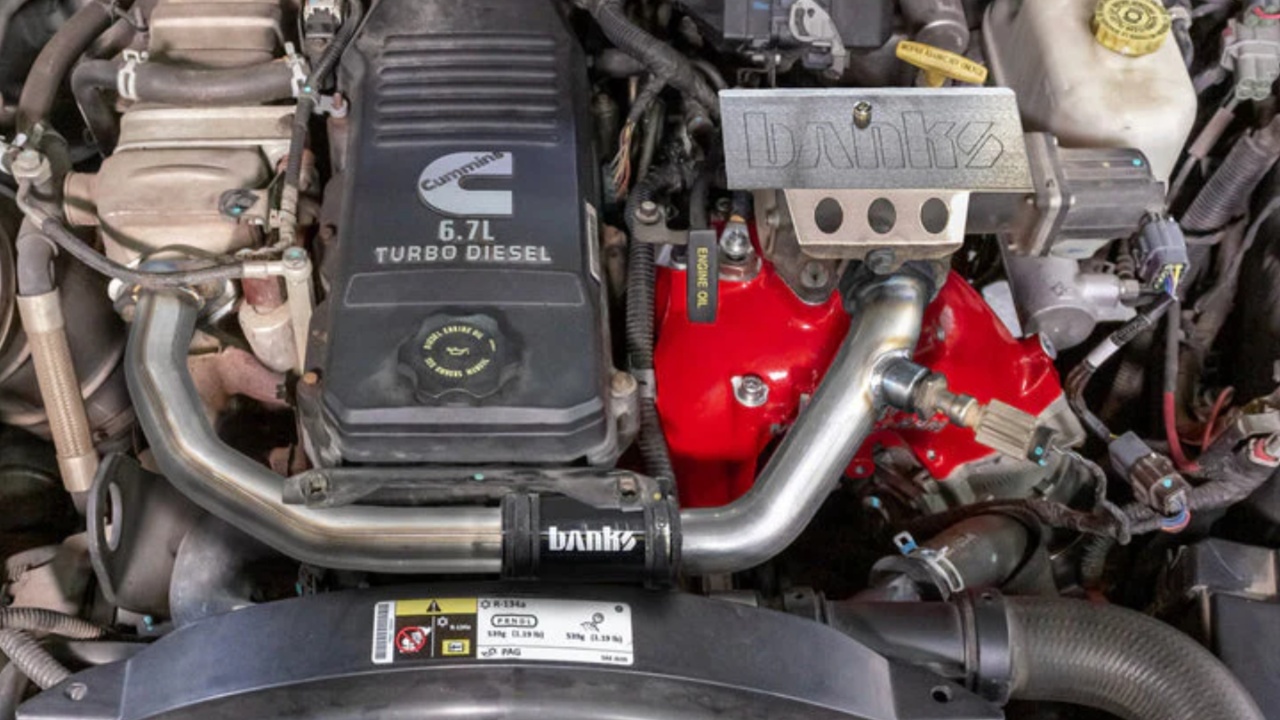
2. Ram 6.7L Cummins (2007.5–2012): Early Emissions Systems and DPF Clogging Issues
The Ram 6.7L Cummins introduced in 2007.5 marked a major step forward in diesel performance for trucks built by Ram Trucks. The engine itself was powerful and durable, continuing the strong reputation of Cummins inline-six diesel engines.
However, early versions produced between 2007.5 and 2012 developed a reputation for reliability problems related to their emissions systems. These issues were largely tied to the introduction of new emissions technologies designed to meet stricter environmental regulations, particularly the Diesel Particulate Filter and Exhaust Gas Recirculation System.
One of the main reasons these engines struggled was the absence of Selective Catalytic Reduction technology, commonly known as Selective Catalytic Reduction, which uses diesel exhaust fluid to reduce nitrogen oxide emissions. Later diesel engines rely on this system to control emissions more efficiently.
Because the early 6.7L Cummins engines did not use DEF, engineers had to rely on different strategies to meet emissions standards. The engine was tuned to operate with a richer air-fuel mixture, which reduced nitrogen oxide emissions but produced significantly more soot during combustion.
This increase in soot placed heavy demands on the diesel particulate filter, which is designed to trap and store particulate matter from the exhaust. Over time, the filter fills with soot and must clean itself through a process known as regeneration.
During regeneration, the engine raises exhaust temperatures to burn off the accumulated particles. However, if regeneration does not occur frequently enough, the filter can become clogged.
Driving conditions often made this situation worse. Many trucks were used for short trips, city driving, or extended idling, which prevented exhaust temperatures from reaching the levels required for effective regeneration.
As a result, the DPF could fill with soot faster than it could clear itself. When this happened, the truck’s engine management system often triggered reduced power or “limp mode”, along with warning messages such as “Service DPF.”
The EGR system also contributed to the problem by recirculating soot-laden exhaust gases back into the intake. Over time, carbon deposits could accumulate in the EGR valve and cooler, leading to restricted airflow, rough idling, and reduced performance.
Additional complications involved the engine’s variable geometry turbocharger, which could also suffer from soot buildup if the emissions system became clogged. This buildup could cause the turbo vanes to stick, further reducing engine efficiency and increasing soot production.
Despite these emissions-related issues, the core 6.7L Cummins engine remained strong and capable. Later versions introduced after 2013 incorporated improved emissions technology, which significantly reduced many of the clogging and regeneration problems seen in earlier models.
3. GM 6.6L Duramax LMM: Early DPF Technology and Emissions System Challenges
The GM 6.6L Duramax LMM, produced from 2007.5 to 2010, marks an important transitional period in diesel engine development for General Motors. Building on the proven design of its predecessor, the Duramax LBZ, the LMM retained strong internal components and maintained excellent durability.
However, it was the first Duramax engine to include a Diesel Particulate Filter to meet stricter emissions standards. While the core engine remained powerful and reliable, the introduction of early emissions control systems created new maintenance and reliability challenges for many owners.
The most common issue with the LMM involves the diesel particulate filter. This filter captures soot from exhaust gases and must periodically clean itself through a process called regeneration. During regeneration, the engine raises exhaust temperatures to burn off accumulated soot. In the LMM, this is achieved by late fuel injection, where additional fuel is injected during the exhaust stroke to increase heat.
While effective in principle, regeneration requires the engine to run at steady highway speeds for around 30 minutes. Frequent short trips, city driving, or stop-and-go conditions can prevent proper regeneration, causing soot to build up. Over time, this can restrict the exhaust system, increase backpressure, reduce efficiency, and trigger limp mode.
The Exhaust Gas Recirculation system can worsen the problem. By redirecting exhaust gas back into the intake, it reduces combustion temperatures and nitrogen oxide emissions, but soot gradually accumulates in the EGR valve and cooler.
This buildup can restrict airflow, cause rough idling, sluggish acceleration, and illuminate warning lights. The absence of a dedicated ninth fuel injector in the LMM further limits regeneration efficiency, allowing some unburned fuel to enter the crankcase and dilute engine oil, which reduces lubrication over time.
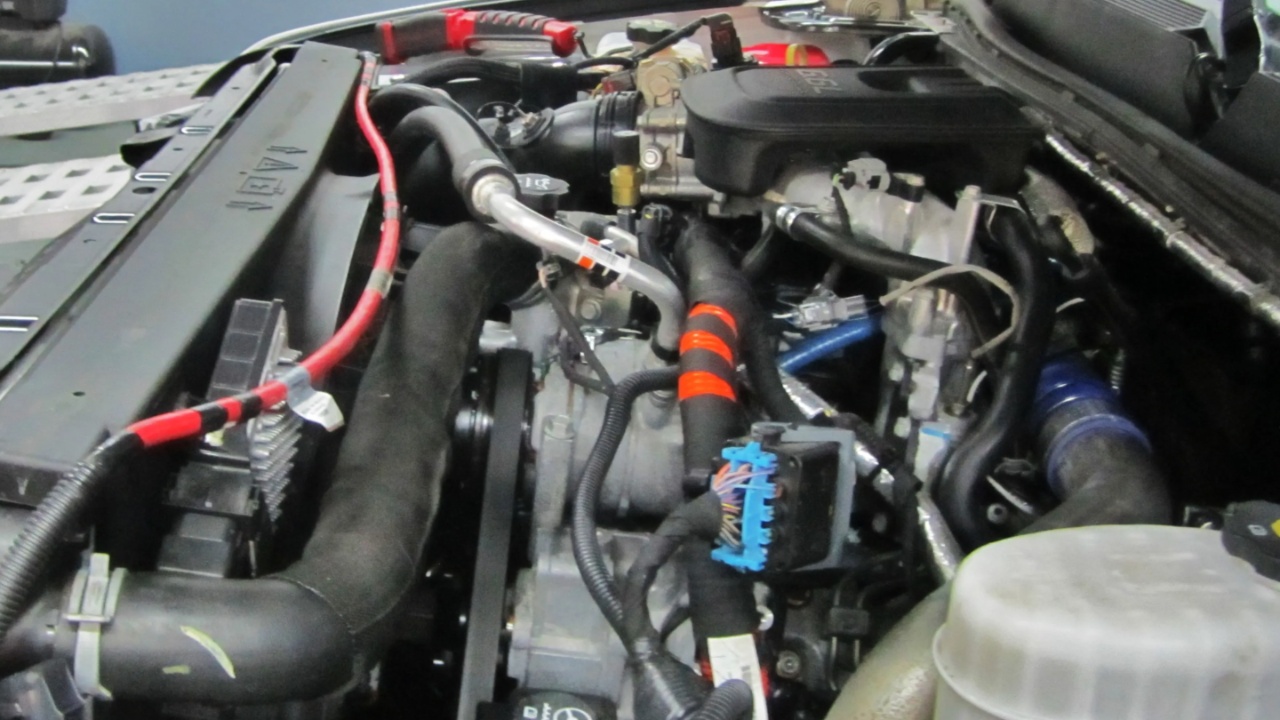
4. Ram 3.0L EcoDiesel (2014–2019): Intake Soot Buildup and Emissions System Problems
The Ram 3.0L EcoDiesel, introduced in 2014 for the Ram 1500, was initially praised for delivering strong torque and excellent fuel economy in a light-duty diesel pickup. However, early-generation models produced between 2014 and 2019 later developed a reputation for reliability problems related to their emissions control systems.
Many of these issues involved severe soot accumulation in the intake system and clogging of key components such as the Exhaust Gas Recirculation System and the Diesel Particulate Filter.
One of the most common problems is heavy carbon buildup inside the intake manifold and cylinder head ports. This occurs because two emissions systems interact in a way that creates thick sludge. The EGR system recirculates hot exhaust gases back into the intake to lower combustion temperatures and reduce nitrogen oxide emissions.
At the same time, the Positive Crankcase Ventilation System routes oily vapors from the engine crankcase into the intake so they can be burned during combustion. When the soot from the EGR system mixes with the oil mist from the PCV system, the two substances combine and form a sticky, tar-like deposit. Over time, this sludge coats intake passages, swirl flaps, and sensors.
As the deposits build up, airflow into the engine becomes restricted. In severe cases, airflow can be reduced dramatically, causing poor engine performance and warning lights. Many drivers report Electronic Throttle Control warnings, rough operation, and a forced reduced power mode when the engine management system detects restricted airflow.
Another serious issue involves the engine’s EGR cooler, which in early models was prone to cracking internally. When this component fails, coolant can leak into the intake system.
The moisture mixes with existing soot deposits and creates a thicker sludge that accelerates clogging. In extreme cases, the buildup combined with hot exhaust gases has been associated with engine fire risks, which led to large recalls affecting many vehicles.
The diesel particulate filter also created problems for owners who primarily used their trucks for short trips or city driving. The filter requires high exhaust temperatures to perform regeneration, which burns accumulated soot. Short drives often prevent the engine from reaching these temperatures, causing the filter to fill quickly and trigger warnings such as “DPF full” or reduced engine power.
Over time, excessive soot contamination can also enter the engine oil, increasing wear on internal components and sometimes leading to major engine damage. Although the EcoDiesel offered impressive efficiency, these early reliability issues created significant maintenance challenges for many owners.
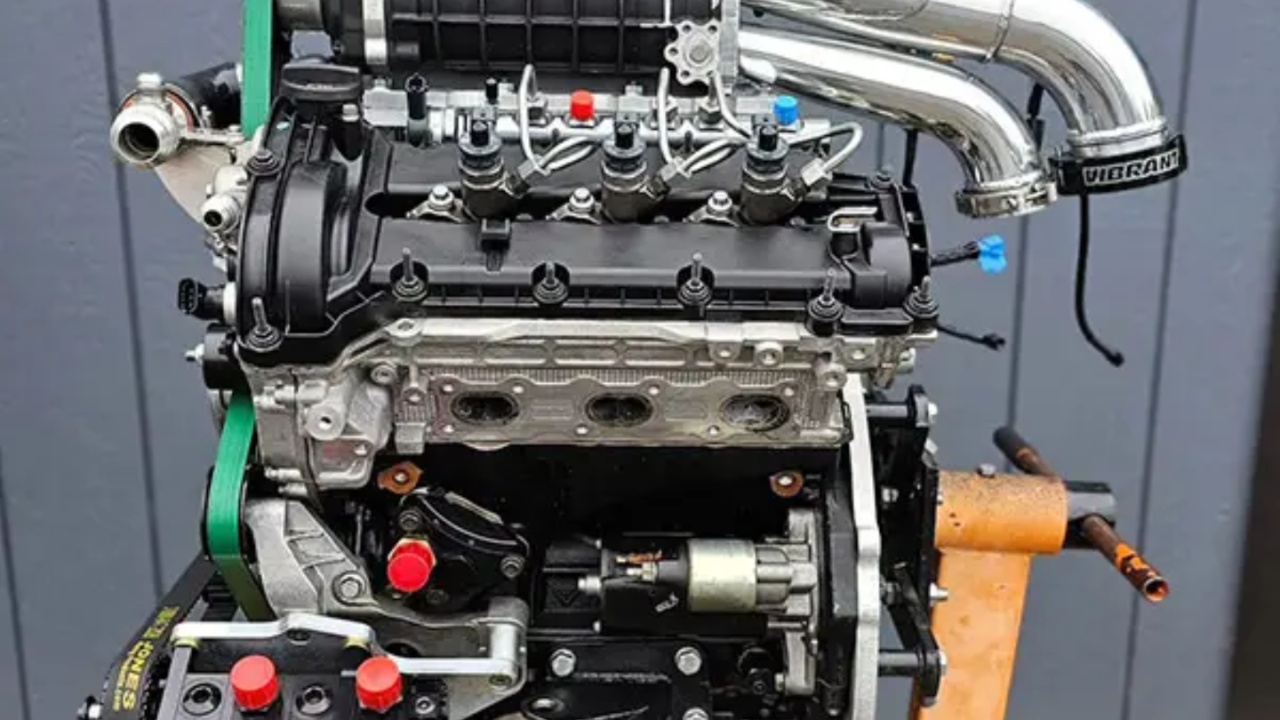
5. Volkswagen 2.0L TDI (Post-2009): Emissions Challenges and Carbon Buildup
The Volkswagen 2.0L TDI EA189, produced from 2009 to 2015, marked a notable evolution from the simpler and highly durable 1.9L TDI engines. Unlike its predecessor, which was praised for mechanical reliability and straightforward design, the 2.0L TDI introduced common-rail fuel injection alongside more complex emissions hardware to meet stringent European and U.S. regulations.
While this allowed for cleaner exhaust and modern diesel performance, it also brought a set of maintenance and reliability challenges, particularly affecting the Diesel Particulate Filter (DPF) and Exhaust Gas Recirculation (EGR) system.
A major issue with the EA189 is soot accumulation in the DPF. The system relies on high exhaust temperatures to burn off trapped soot during passive or active regeneration. Cars primarily used for short commutes or city driving often fail to reach these temperatures, causing the DPF to clog. This can trigger warning lights, reduce fuel efficiency, and force the engine into limp mode to prevent damage.
The EGR system also contributes to reliability problems. Its valve recirculates exhaust gases to lower combustion temperatures and nitrogen oxide emissions, but soot deposits gradually accumulate in the valve, cooler, and piping.
This can cause sticking valves, rough idling, and in some cases, premature EGR cooler failure. Certain engines, such as the 180 hp CFCA variant used in Transporters, are prone to EGR cooler corrosion. Aluminum particles from corrosion can enter the intake, increasing oil consumption and accelerating DPF blockage.
Dieselgate-related software updates further complicated matters by increasing the frequency of regeneration cycles, putting additional stress on the emissions hardware, and accelerating wear.
The EA189’s performance and fuel economy remain strong, but proper maintenance, highway driving, and proactive care of the DPF and EGR components are essential to avoid costly failures. Regular inspections, chemical cleaning, and attentive driving habits are key to keeping these engines running reliably.
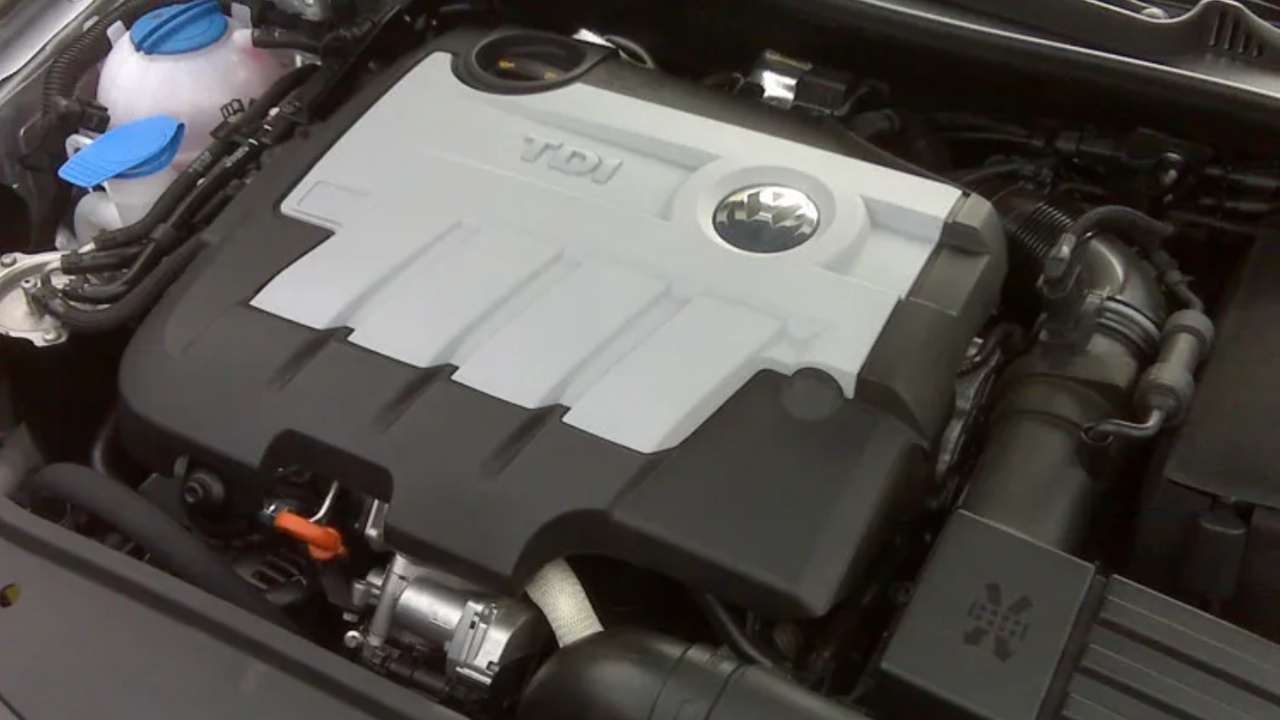
Comparing these engines highlights a divide between classic durability and modern emissions complexity. Legendary diesels like the Cummins 6BT and Toyota 1HZ remain reliable under harsh conditions and heavy use. Modern emissions-focused engines face DPF clogging and EGR problems, requiring careful maintenance and highway driving to perform reliably.
While modern diesels offer efficiency and performance, their long-term durability depends on proper care, driving habits, and monitoring of emissions components, showing that simplicity often outlasts complexity in diesel reliability.
Also read: Top 10 Cars With the Most Useful Hidden Storage Compartments