Vehicle depreciation can vary dramatically depending on reliability, maintenance costs, and market demand. Some models remain highly desirable even after crossing 100,000 miles, while others lose most of their value long before reaching that point.
Durable vehicles such as the Toyota Tacoma, Toyota 4Runner, Porsche 911, Honda Civic, and Jeep Wrangler are known for strong resale value due to reliability, strong demand, and long service life. In contrast, vehicles like the BMW 7 Series, Maserati Quattroporte, Nissan Leaf, Mercedes-Benz S-Class, and Toyota Mirai often depreciate rapidly because of high ownership costs, complex technology, or limited practicality in the used market.
5 Vehicles With High Resale Value After 100000 Miles
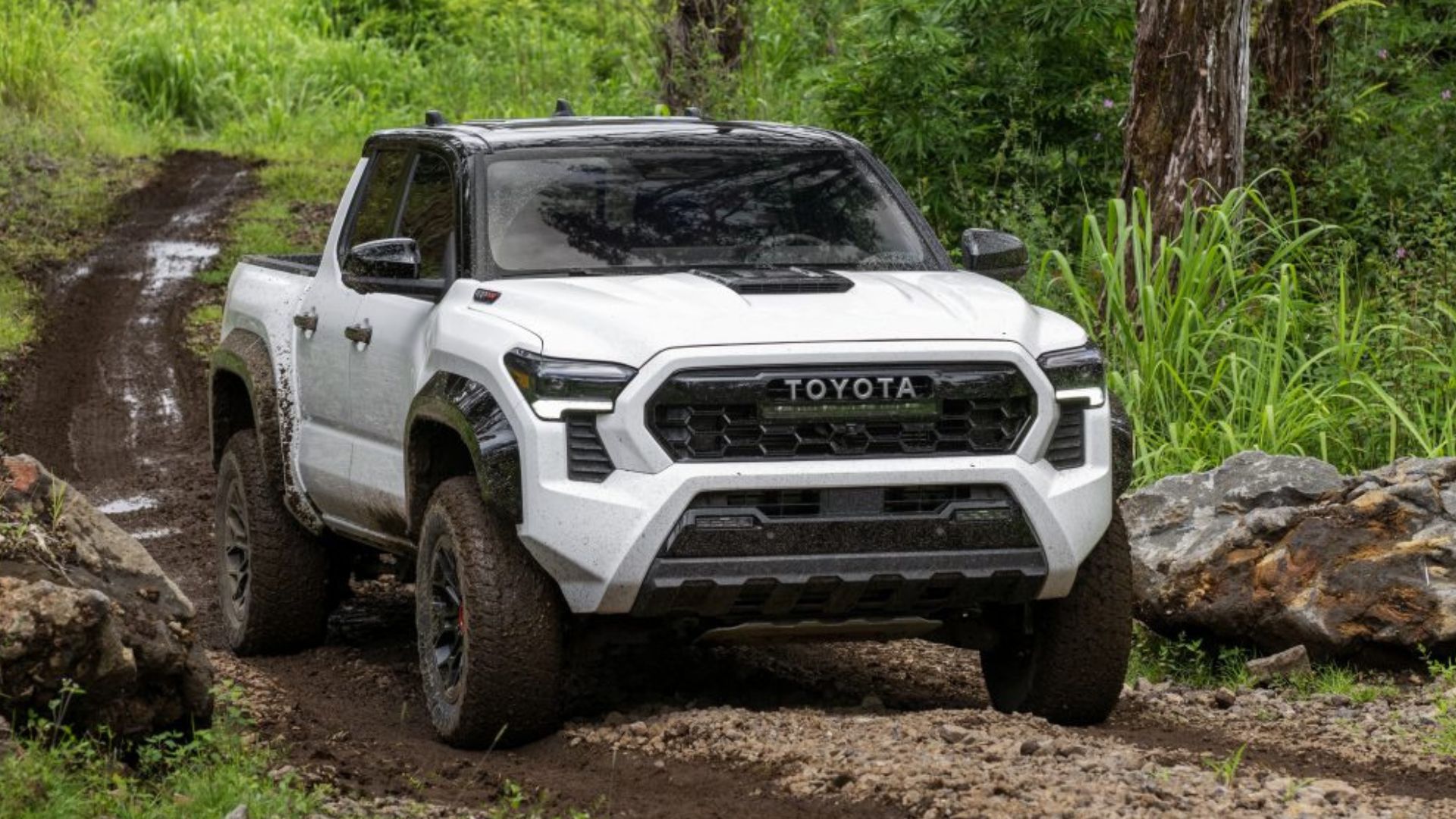
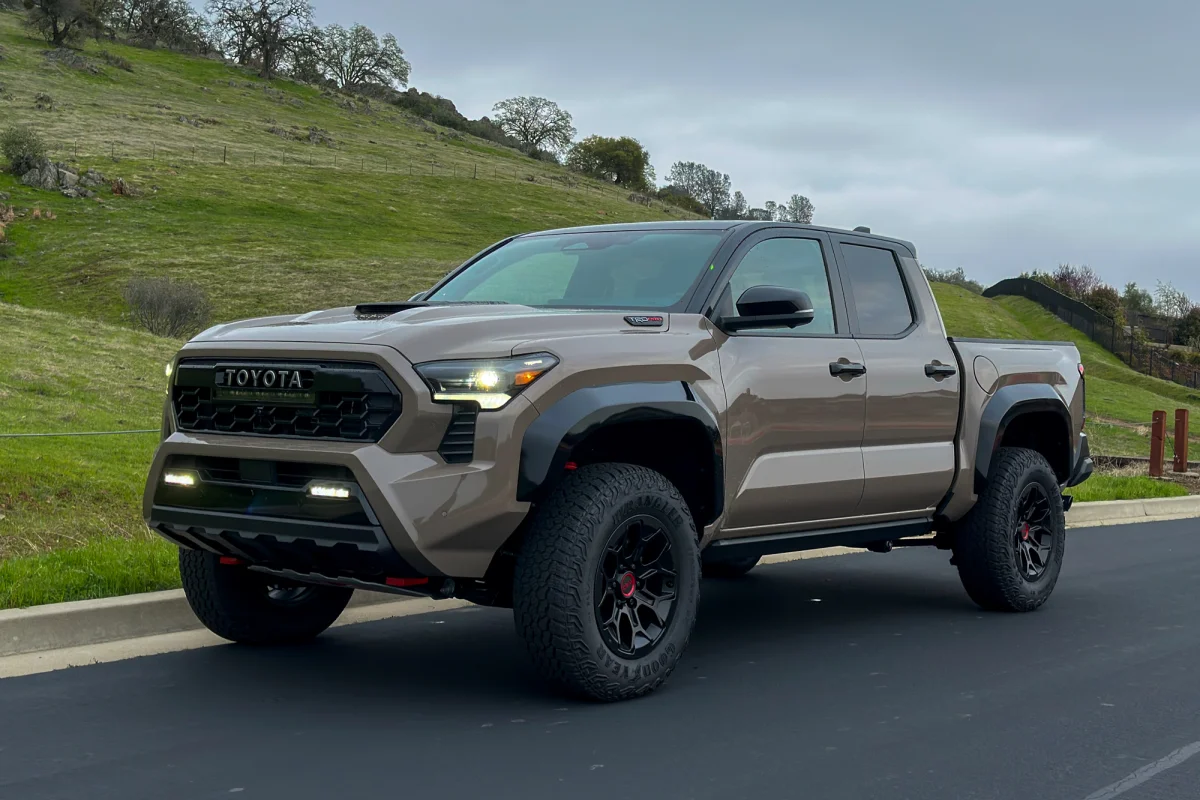
1. Toyota Tacoma: Strong Resale Value and Long-Term Reliability
The Toyota Tacoma is widely known for its outstanding resale value and long-term durability. Even after reaching 100,000 miles, the truck remains highly desirable in the used vehicle market.
Many Tacomas retain about 70 percent of their original value after five years, which is significantly higher than most vehicles in the midsize truck segment. This strong value retention is largely due to its proven reliability, high market demand, low ownership costs, and rugged design built for long-term performance.
One of the main reasons the Tacoma holds its value so well is its reputation for reliability. The truck is engineered with durability in mind and is built using a body-on-frame structure that can handle tough conditions such as off-road driving, heavy loads, and daily work use.
Tacoma engines are known for lasting an exceptionally long time when properly maintained. Many owners report their trucks reaching 250,000 to 300,000 miles or more with only routine maintenance. Because of this track record, a Tacoma with more than 100,000 miles is often considered to be only partway through its useful life rather than nearing the end.
High demand and limited supply also contribute to Tacoma’s impressive resale value. The truck is consistently one of the most sought-after midsize pickups among buyers who prioritize reliability and durability.
At the same time, the supply of used Tacomas remains relatively limited, which keeps resale prices high. Many buyers actively look for older Tacoma models because they appreciate their simpler mechanical design and naturally aspirated engines.
Another important factor is the Tacoma’s relatively low cost of ownership. Compared with many competing trucks, it tends to depreciate more slowly and usually requires fewer major repairs. Routine maintenance is typically enough to keep the vehicle operating reliably for many years. This reliability makes the Tacoma appealing to buyers who want a dependable truck without the risk of expensive mechanical problems.
Toyota’s strong brand reputation also plays a major role. The company is known for producing vehicles that consistently rank high in reliability. Because of this reputation, used Tacomas are widely viewed as safe and dependable purchases. Their strong utility, off-road capability, and long lifespan make them valuable vehicles even after accumulating high mileage.
2. Toyota 4Runner: A Durable SUV with Exceptional Long-Term Value
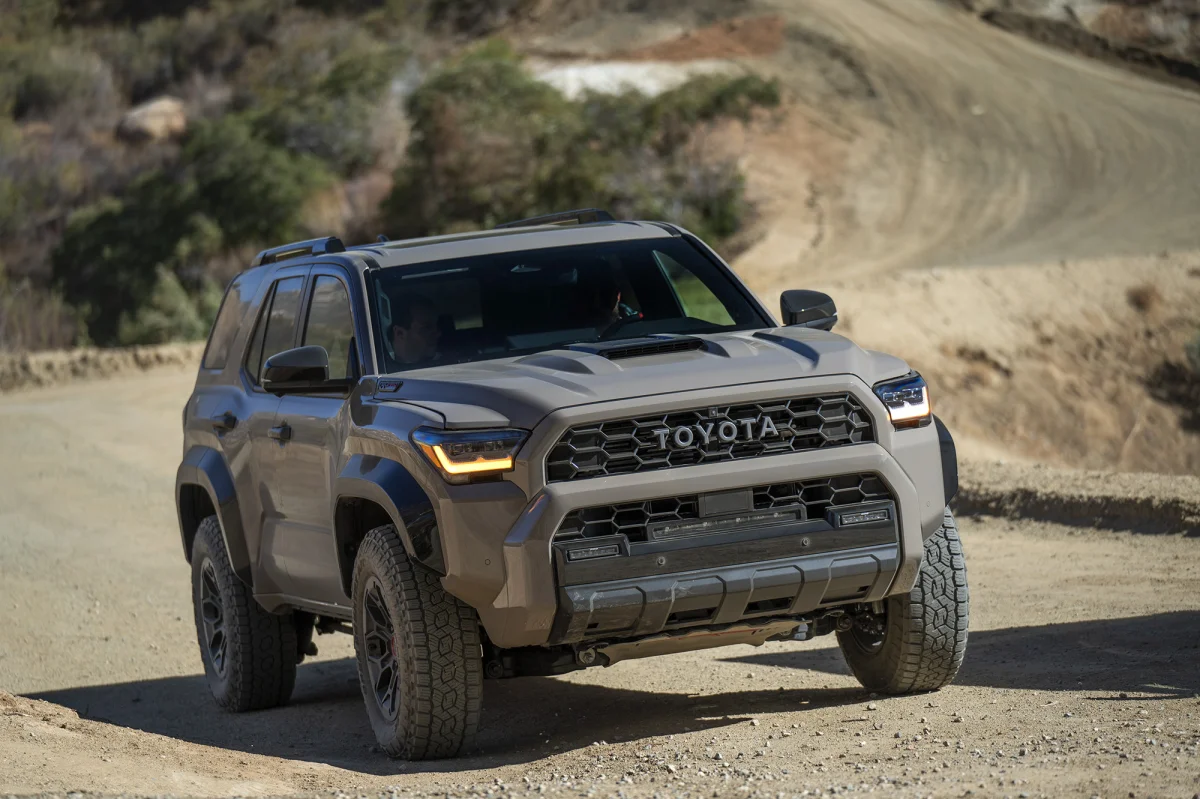
The Toyota 4Runner has built a strong reputation as one of the most durable and dependable SUVs on the market. Even after surpassing 100,000 miles, it remains highly desirable among buyers and enthusiasts.
Its long history of reliability, rugged body-on-frame construction, and proven powertrain contribute to its impressive resale value. In fact, the 4Runner is one of the few SUVs that can retain more than 65 percent of its original value after five years, making it a popular choice for buyers seeking a dependable long-term vehicle.
A major reason for the 4Runner’s strong resale value is its proven durability. For many years, the vehicle relied on a trusted 4.0-liter V6 engine paired with a five-speed automatic transmission, a combination widely known for longevity and consistent performance.
These components are designed to handle heavy use and demanding conditions, allowing many 4Runners to exceed 200,000 miles with proper maintenance. Because of this reliability, high-mileage models are often viewed as safe purchases rather than risky investments.
The 4Runner also benefits from Toyota’s conservative engineering philosophy. Instead of frequently redesigning the vehicle or introducing complicated technology, Toyota has historically focused on mechanical simplicity and proven components.
Features such as timing chains and conservative engine tuning help reduce the likelihood of major mechanical problems. This approach gives older models a reliability advantage and allows them to remain competitive in the used market even as newer vehicles become more complex.
Another important factor is the vehicle’s popularity among off-road enthusiasts. The 4Runner is widely respected for its off-road capability, thanks to features such as available four-wheel drive, locking differentials, crawl control, and specialized trims like the TRD Pro.
Because of these capabilities, many buyers actively seek high-mileage 4Runners to convert into overlanding or off-road adventure vehicles. This consistent demand helps keep resale prices strong.
The vehicle’s design stability also contributes to its value retention. Toyota rarely makes dramatic changes to the 4Runner, which means older models often look and perform similarly to newer versions. This continuity helps stabilize used prices and reinforces the vehicle’s reputation for reliability.
In addition to its durability and off-road ability, the 4Runner offers practical features such as strong towing capability, spacious interior options including an available third row, and modern safety technology. Together, these qualities make the Toyota 4Runner a highly respected SUV that continues to hold its value even after accumulating significant mileage.
3. Porsche 911: A High-Performance Icon with Remarkable Value Retention
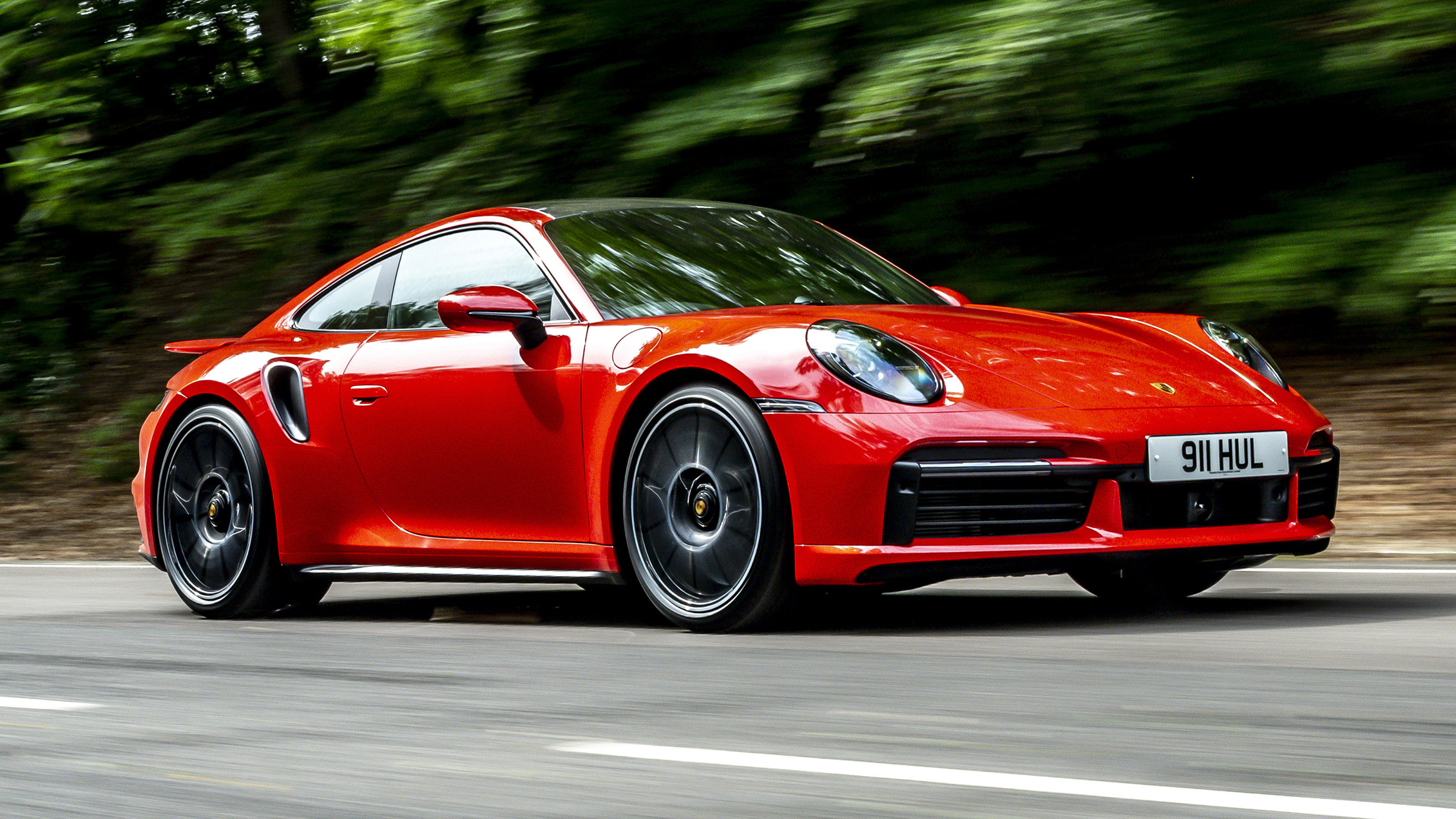
The Porsche 911 stands out as one of the few luxury sports cars that consistently defies the typical depreciation pattern of high-end vehicles. While many luxury and exotic cars lose value quickly over time, the 911 retains an impressive portion of its original price.
In fact, it is widely recognized as the vehicle with the lowest depreciation rate in the automotive market, losing only about 15 to 20 percent of its value over five years. This exceptional value retention is driven by a combination of outstanding engineering, strong brand prestige, limited production, and enduring global demand.
One of the primary reasons the Porsche 911 maintains its value is its exceptional engineering and mechanical longevity. Unlike many high-performance sports cars that become costly to maintain at higher mileage, the 911 is designed to deliver performance and reliability over long periods of use.
With proper maintenance and a complete service history, many 911 models can exceed 100,000 miles while still providing strong performance and reliability. Because of this durability, high-mileage examples are often seen as practical driver’s cars rather than risky purchases.
Another major factor is the prestige and heritage associated with the Porsche brand. The 911 has a long and successful history in motorsports and has become one of the most recognizable sports cars in the world.
This strong legacy creates consistent demand among collectors, enthusiasts, and driving purists. Because the car is produced in relatively limited numbers compared with mainstream vehicles, supply remains tight, which further supports strong resale prices.
The 911’s timeless design also plays an important role in maintaining its value. Porsche has followed an evolutionary design approach for decades, making gradual changes rather than dramatic redesigns. As a result, models that are 10 or even 15 years old still look modern and recognizable. This continuity helps prevent older versions from appearing outdated and keeps them attractive in the used market.
Maintenance history also greatly affects the value of a high-mileage 911. Buyers often place significant importance on detailed service records, which can indicate that the car has been carefully maintained. In many cases, a well-documented 100,000-mile 911 can be considered a better purchase than a lower-mileage car with an unclear maintenance history.
The Porsche 911 is also supported by a strong enthusiast community that values driving experience and mechanical quality. Many enthusiasts specifically seek older or higher-mileage models for regular driving, which keeps demand steady. Together, these factors allow the Porsche 911 to maintain strong resale value and remain one of the most respected sports cars in the world.
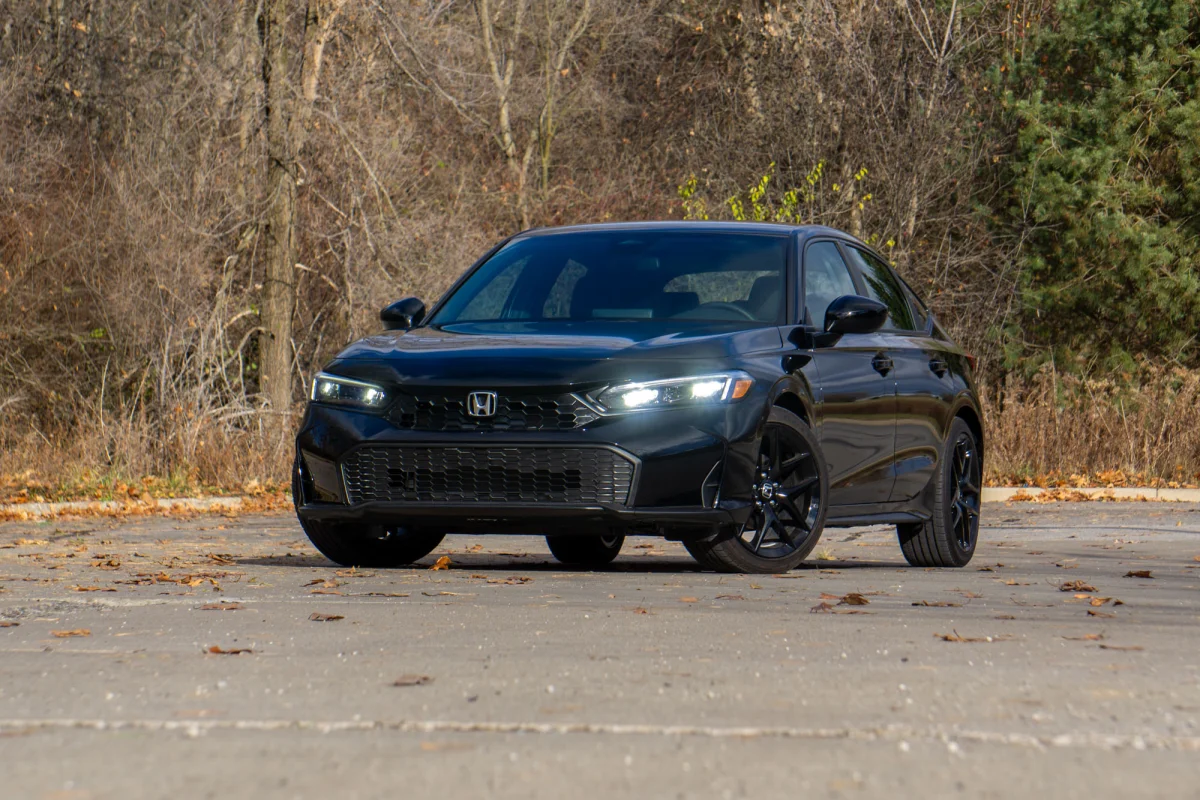
4. Honda Civic: A Reliable and Affordable Car That Holds Its Value
The Honda Civic has long been recognized as one of the most dependable and practical vehicles in the compact car segment. Even after reaching 100,000 miles, the Civic remains highly desirable in the used car market.
Its strong reputation for reliability, low maintenance costs, and fuel efficiency helps it maintain high resale value over time. In many cases, the Civic retains more than 60 percent of its original value, making it a smart choice for buyers seeking a dependable and affordable vehicle.
One of the primary reasons the Civic holds its value so well is its proven reliability and durability. Honda has built a reputation for producing vehicles that can last for hundreds of thousands of miles when properly maintained. Many Civics are known to reach 200,000 to 300,000 miles without major mechanical issues.
Because of this track record, buyers often see a Civic with 100,000 miles as a vehicle that still has many years of service remaining. This perception makes it a popular choice for students, commuters, and families who want a dependable car without the high cost of a new vehicle.
Another factor contributing to the Civic’s strong resale value is its low cost of ownership. Maintenance and repair expenses are typically lower than those of many competing vehicles.
Routine services are affordable, and replacement parts are widely available because the Civic has been produced in large numbers for decades. This availability of parts also makes repairs simpler and less expensive, which further increases its appeal to budget-conscious buyers.
Fuel efficiency also plays a major role in the Civic’s popularity. Both gasoline and hybrid versions offer excellent mileage, making the vehicle attractive to drivers who want to reduce fuel costs.
The standard nonhybrid model features a 2.0-liter four-cylinder engine producing around 150 horsepower, while the hybrid version pairs a similar engine with electric motors for a combined output of about 200 horsepower. These powertrains provide a balance of performance and efficiency that suits everyday driving.
The Civic also benefits from Honda’s strong brand reputation. Buyers trust the brand for its consistent quality, dependable engineering, and long-lasting vehicles. In addition, the Civic offers practical features such as comfortable seating, generous cargo space, and modern safety technology like adaptive cruise control and lane-keeping assist.
Together, these qualities make the Honda Civic one of the safest and most sensible used car purchases available. Even with high mileage, it continues to be viewed as a reliable, fuel-efficient, and cost-effective vehicle that delivers long-term value.
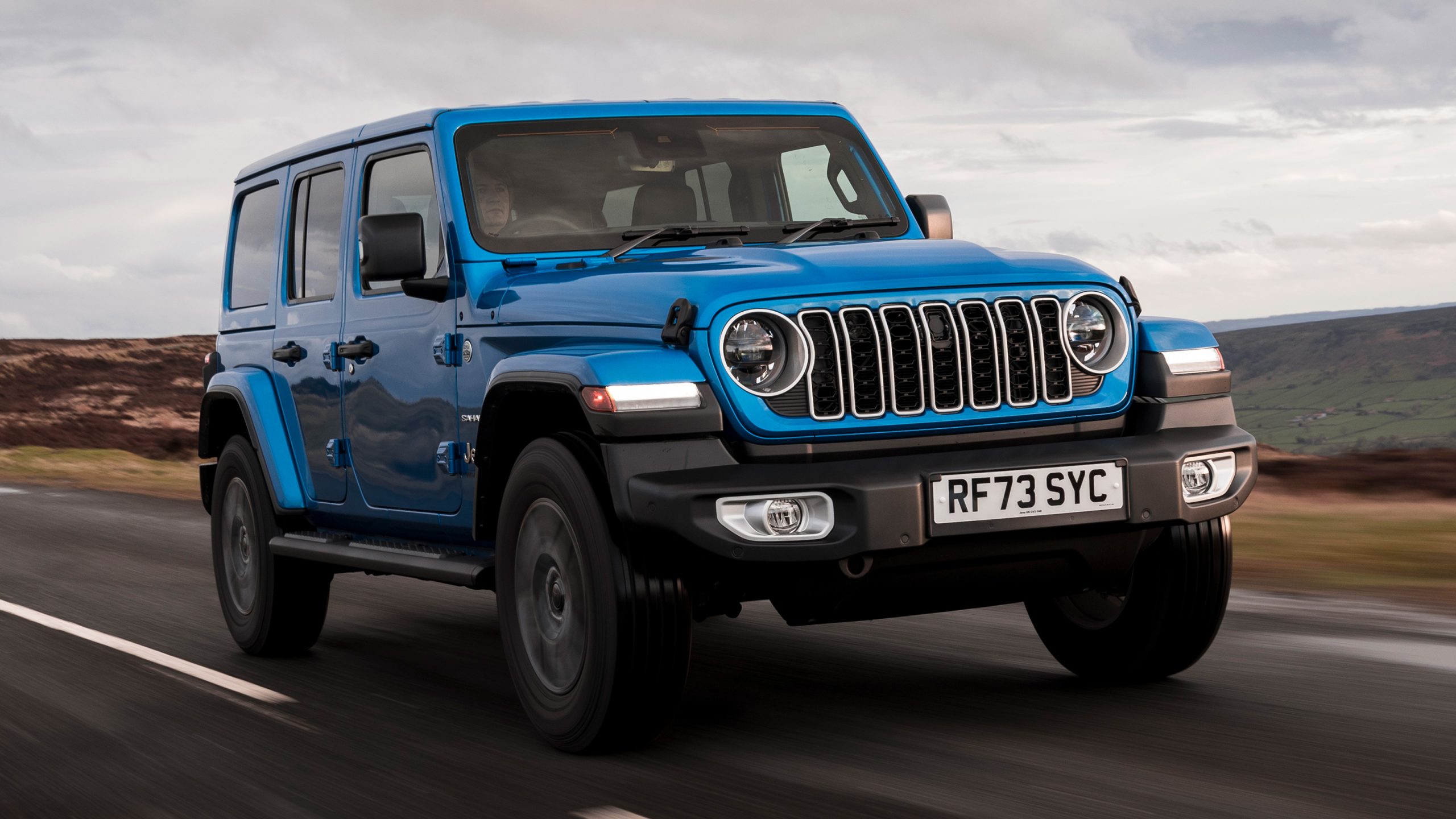
5. Jeep Wrangler: Iconic Off-Road Capability and Strong Resale Value
The Jeep Wrangler is one of the few vehicles that consistently maintains strong resale value, even after surpassing 100,000 miles. Unlike many SUVs that rapidly lose value as mileage increases, the Wrangler remains highly desirable in the used vehicle market.
Its combination of rugged engineering, legendary off-road capability, and a strong enthusiast culture helps it retain a large percentage of its original price. In many cases, Wranglers hold around 60 to 70 percent of their value after five years, making them one of the most depreciation-resistant vehicles available.
One of the main reasons for the Wrangler’s strong value retention is its durable design. The vehicle is built with off-road performance and long-term reliability in mind. Its sturdy frame, four-wheel-drive system, and robust engines allow it to handle rough terrain and demanding driving conditions.
Many Wranglers are known to last well beyond 200,000 miles, and some can reach 300,000 miles with proper maintenance. Because of this reputation for durability, high-mileage Wranglers are often still viewed as capable and dependable adventure vehicles rather than worn-out transportation.
Another factor contributing to the Wrangler’s high resale value is the strong demand created by its enthusiastic fan base. Jeep owners often embrace a lifestyle centered around outdoor adventure and off-road exploration, commonly referred to as the “Jeep Life.” This culture creates a consistent market for used Wranglers, ensuring that there are always buyers interested in well-maintained models regardless of mileage.
The Wrangler also benefits from a massive aftermarket ecosystem. Owners have access to countless replacement parts, upgrades, and customization options. Its modular design allows components such as doors, tops, and fenders to be easily replaced or upgraded. This flexibility means that even a high-mileage Wrangler can be refreshed or modified to suit different purposes, from daily driving to serious off-road use.
In addition, the Wrangler’s iconic design plays a major role in its long-term appeal. The vehicle’s distinctive shape and removable roof and doors have remained recognizable for decades. Because the design rarely changes drastically, older models still look relevant and desirable compared with newer vehicles.
Although the Wrangler may not offer the quiet ride or refined handling of modern crossover SUVs, its rugged character, off-road ability, and loyal enthusiast community continue to support strong resale values. These qualities make the Jeep Wrangler more than just transportation. For many buyers, it represents a lifestyle vehicle that holds its value remarkably well over time.
Also read: 5 Cars With Simple Mechanical Cooling Fans vs 5 With Complex Electric Fan Modules
5 That Plummet Instantly
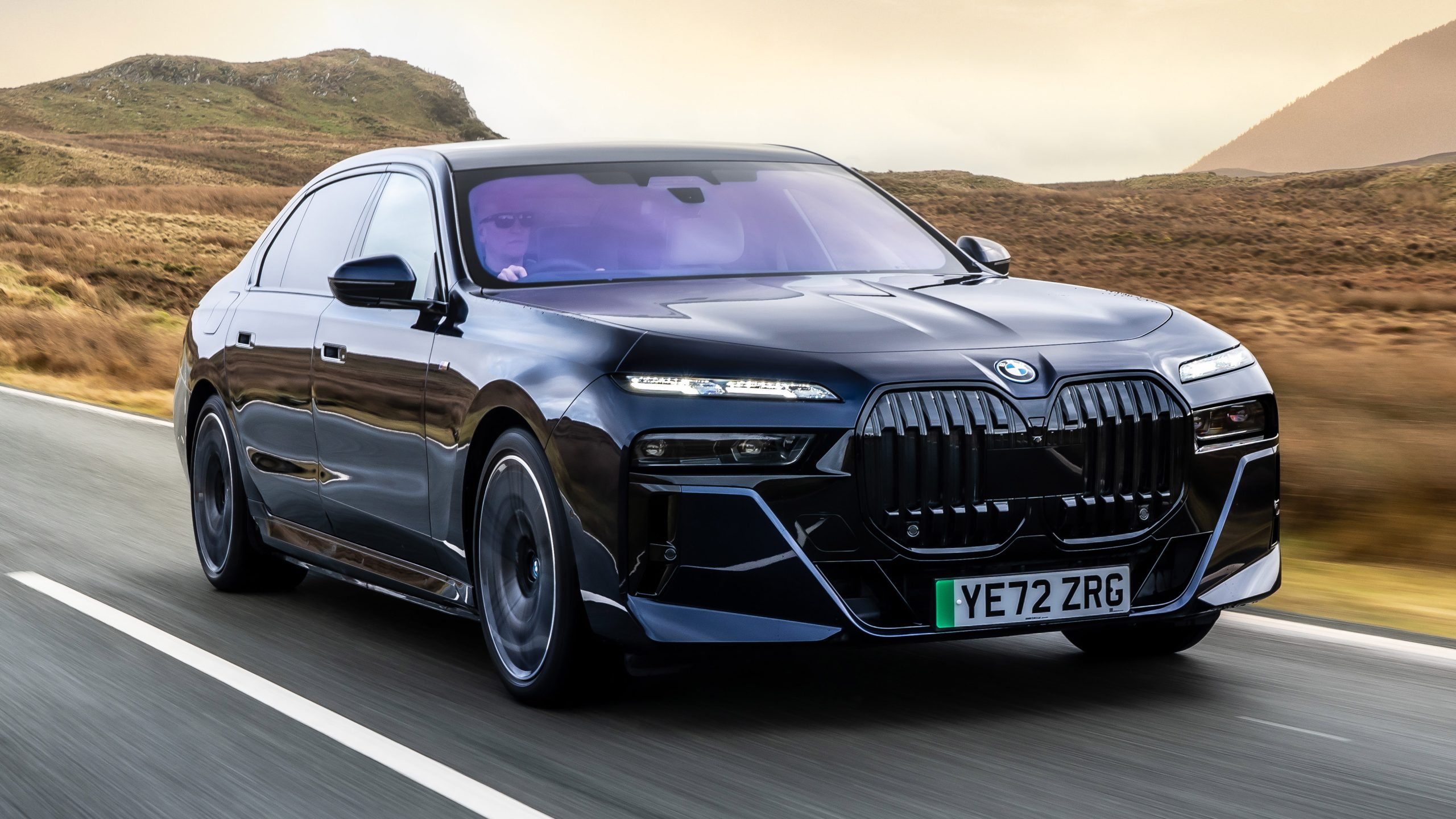
1. BMW 7 Series: Luxury Innovation That Leads to Rapid Depreciation
The BMW 7 Series is widely recognized as one of the most technologically advanced luxury sedans on the market when new. As the flagship model of BMW’s lineup, it showcases cutting-edge features, sophisticated engineering, and premium materials designed to demonstrate the brand’s technological leadership.
However, these same qualities that make the 7 Series impressive when new often contribute to its dramatic depreciation over time. Within five years, the vehicle commonly loses more than 70 percent of its original value, making it one of the fastest-depreciating luxury cars in the automotive market.
One of the primary reasons for this steep decline in value is the high cost of ownership once the factory warranty expires. During the first few years, most issues are covered by warranty programs or maintenance packages, which help keep operating costs manageable.
After this coverage ends, however, owners become responsible for expensive repairs and maintenance. At around 100,000 miles, the vehicle often reaches a critical turning point where major components begin to require replacement or extensive service. At that stage, repair costs can quickly exceed the vehicle’s remaining resale value.
The complexity of the 7 Series also plays a significant role in its depreciation. As a flagship luxury car, it serves as a technological showcase packed with advanced electronic systems and comfort features. These include sophisticated infotainment platforms, advanced driver assistance systems, electronic parking brakes, and air suspension components designed to provide exceptional ride quality.
While these systems offer a premium experience when the vehicle is new, they become potential points of failure as the car ages. High-mileage examples frequently experience issues such as iDrive system malfunctions, oil and coolant leaks, fuel pump failures, and wear in timing chain components.
Repair costs for the 7 Series can be especially high due to the complexity of its design. The tightly packed engine bay and specialized components often require many hours of labor to access even small parts.
For example, replacing a minor gasket or seal may involve extensive disassembly, dramatically increasing the labor cost. In some cases, major repairs such as engine replacements can cost several thousand dollars, creating significant financial risk for owners.
Maintenance for the 7 Series also requires specialized tools and trained technicians, which further increases ownership costs. Over a ten-year period, maintenance and repair expenses can significantly exceed those of other luxury vehicles. Because of these high costs, many potential buyers hesitate to purchase older or high-mileage examples.
Market dynamics also contribute to the rapid depreciation of the 7 Series. Many of these vehicles are leased rather than purchased outright, which results in a steady stream of three-year-old models entering the used market. This oversupply pushes prices down even further for older models. At the same time, luxury buyers often prioritize owning the newest version to maintain status and access the latest technology.
As a result, older 7 Series models lose much of their prestige and uniqueness once newer models appear. Buyers shopping in the used market may prefer alternatives with lower ownership risk, such as more reliable luxury sedans or even new mainstream vehicles with warranties.
Consequently, the BMW 7 Series often transitions from a symbol of executive luxury into a high-risk purchase as it ages, which explains its exceptionally steep depreciation curve.
2. Maserati Quattroporte: Luxury Prestige Undermined by Rapid Depreciation
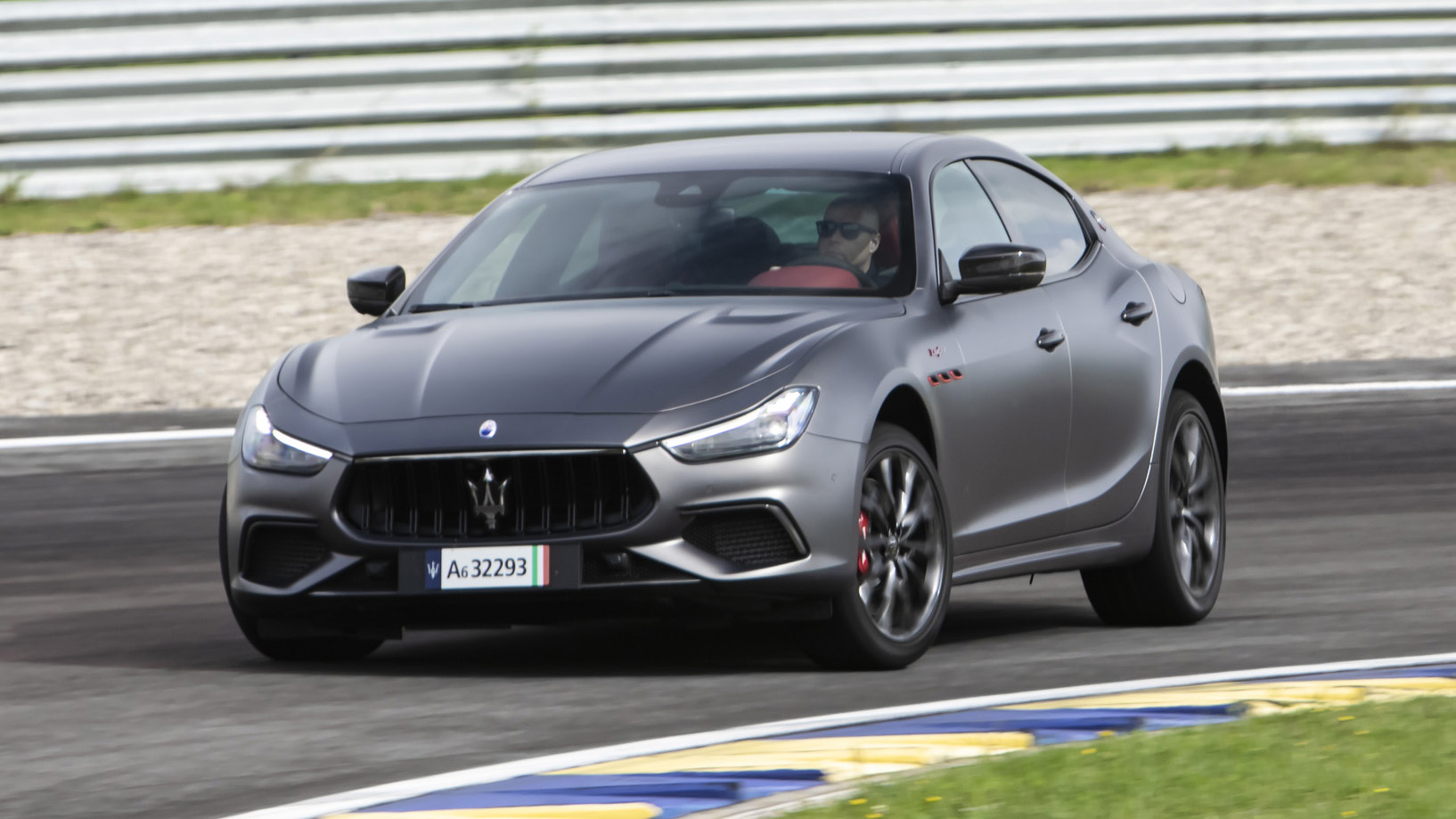
The Maserati Quattroporte is celebrated for its Italian design, powerful performance, and signature exhaust note, positioning it as a high-end luxury sedan that competes with flagship models from premium brands. Despite its elegance and prestige, the Quattroporte suffers from one of the fastest depreciation rates in the luxury market, often losing more than 60 percent of its value within just a few years.
A key factor behind this steep decline is the high cost of maintenance and repairs. Even as the resale price drops, servicing the Quattroporte remains comparable to a six-figure luxury vehicle. Routine maintenance, such as brakes, high-performance tires, and specialized procedures, can cost thousands annually, while major repairs may be even more expensive. Once the factory warranty expires, owners are fully responsible for these costs, deterring many potential used-car buyers.
Reliability issues further impact resale value. Earlier Quattroporte models are known for electrical malfunctions, cooling system failures, and engine-related problems. Some units experience drivetrain issues like clutch wear or rod bearing failures due to oil starvation. These costly repairs often require specialized Italian parts and technicians, making high-mileage examples risky purchases.
The limited secondary market compounds depreciation. Unlike brands such as Ferrari or high-end German sedans, Maserati lacks a large enthusiast base to support used vehicle prices. Aging technology and interior materials, along with outdated infotainment systems and persistent electronic glitches, make older Quattroportes feel less appealing.
By 100,000 miles, the Quattroporte is often seen as a high-risk ownership proposition. Buyers worry that repair costs could exceed the car’s remaining value, transforming the vehicle from a prestigious luxury sedan into one of the most heavily depreciated models on the market.
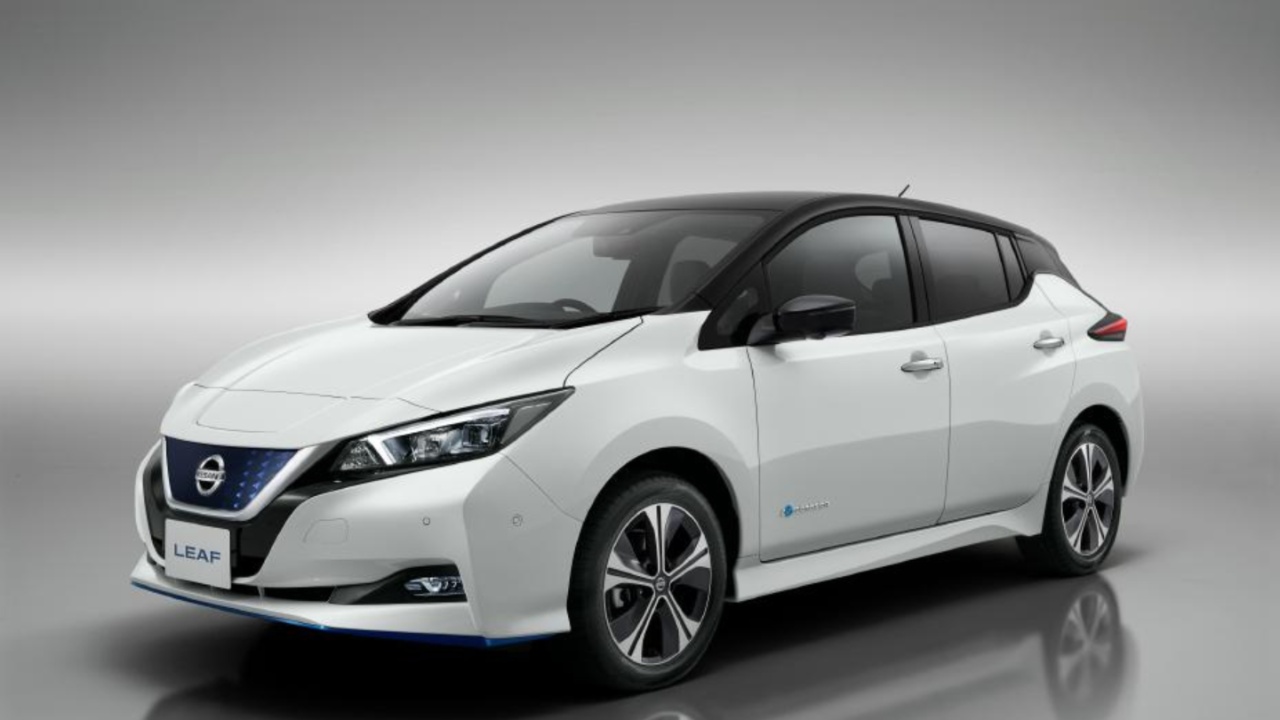
3. Nissan Leaf: Rapid EV Innovation and Battery Limits Drive Depreciation
The Nissan Leaf was a pioneering mass-produced electric vehicle that helped introduce EV technology to mainstream drivers. However, it also highlights how quickly EV technology evolves, with older models losing value sharply as newer vehicles with longer ranges and advanced battery systems enter the market. Within a few years, some Leafs can lose up to 70 percent of their original price, making them one of the most heavily depreciated electric vehicles.
A major factor in this depreciation is the Leaf’s air-cooled battery system. Unlike modern EVs that use liquid cooling, the Leaf’s passive system makes the battery more vulnerable to heat, particularly during fast charging or in hot climates. Over time, this accelerates battery degradation, reducing driving range. By 100,000 miles, many Leafs are approaching the end of their battery capacity warranty, leaving owners responsible for replacement costs that can exceed $10,000, often close to the car’s resale value.
Technological obsolescence also affects resale value. Early Leaf models offered only 70 to 100 miles of range, which can drop to 40–60 miles as the battery ages. Additionally, older Leafs rely on the CHAdeMO fast-charging standard, which is being phased out in favor of newer systems, further limiting usability.
Despite relatively low routine maintenance costs, concerns about battery lifespan, limited range, and outdated charging technology make high-mileage Leafs risky purchases in the used market. While the Leaf remains an important milestone in electric mobility, its resale value suffers from the combination of battery degradation, rapid technological progress, and evolving EV infrastructure.
4. Mercedes-Benz S-Class: Luxury Technology Becomes a Costly Liability
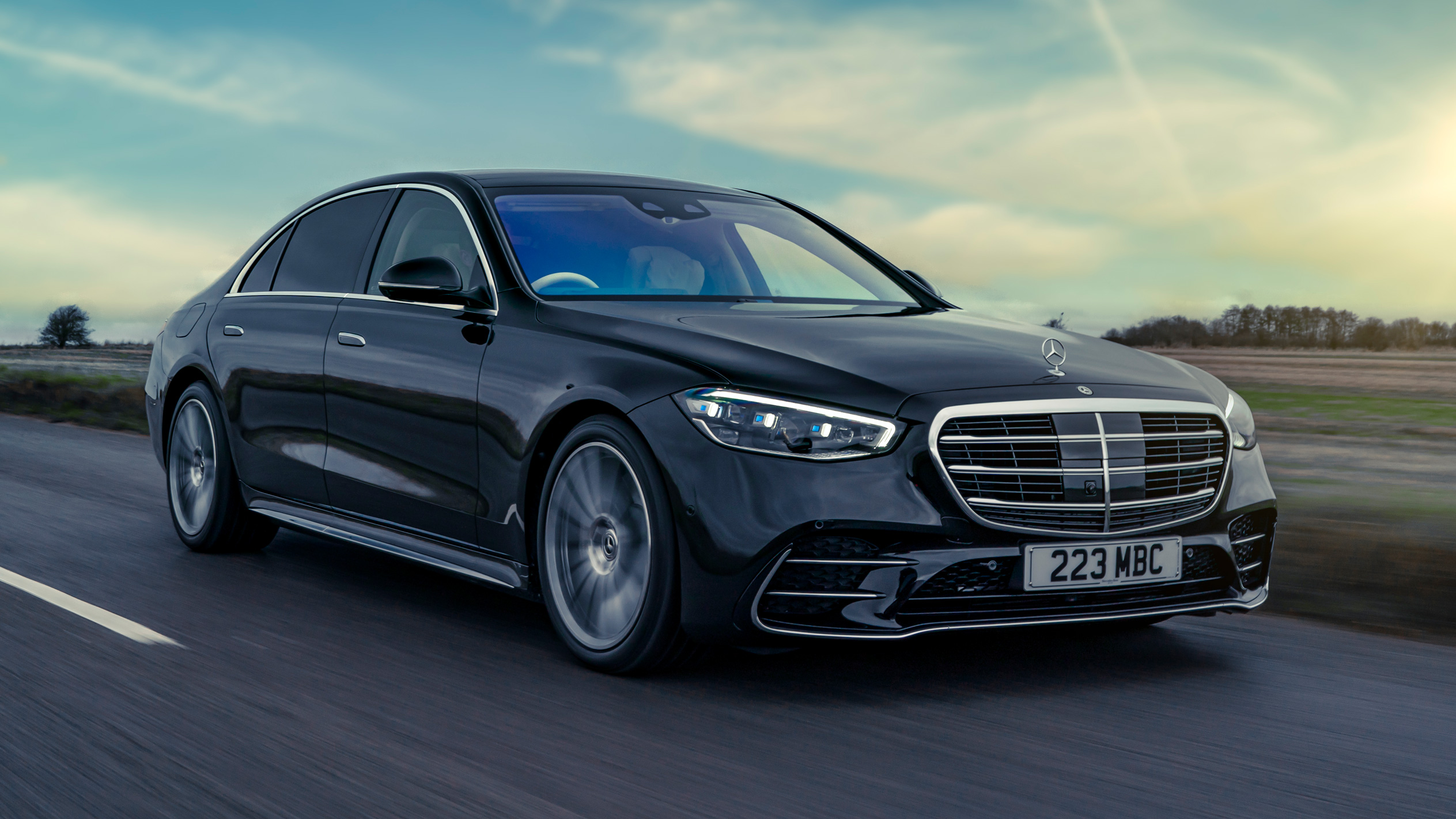
The Mercedes-Benz S-Class represents the peak of luxury sedans, offering advanced technology, comfort, and prestige. While it is a status symbol when new, its complexity becomes a major financial burden as mileage increases.
After 100,000 miles, the cost of maintaining high-tech components and sophisticated systems often exceeds the car’s market value. As a result, the S-Class loses as much as 67 percent of its value over five years, making it one of the fastest depreciating luxury vehicles.
High-mileage S-Classes encounter what is commonly called a maintenance wall. Advanced features that were cutting-edge when new begin to fail, creating expensive repairs. Air suspension components, such as the Airmatic system, often require replacement, with single aftermarket struts costing between $500 and $1,500, and a full dealer overhaul exceeding $5,000.
Engine and drivetrain components, including valve cover gaskets, camshaft plugs, timing chains, and balance shafts, also degrade, sometimes leading to repair bills that surpass the vehicle’s remaining value. Electronics are another concern, as infotainment modules like the COMAND system and other sensors frequently malfunction after 100,000 miles, with replacement costs exceeding $1,500.
Economic factors contribute further to depreciation. Most S-Class buyers prioritize having the newest model and often lease their vehicles, which floods the used market with high-mileage examples.
Budget-conscious buyers are discouraged by potential maintenance costs. Even if a 100,000-mile S-Class is priced at $15,000, it may require $10,000 in repairs in the first year. This encourages shoppers to choose newer, lower-tier models like the Mercedes-Benz C-Class that come with warranties and a lower risk of expensive repairs.
Depreciation data highlights the severity of value loss. A 2023 S-Class can lose approximately $51,000, or 44 percent of its value, in just three years. After five years, depreciation averages 55 percent, and by 100,000 miles, the vehicle may have lost over 75 percent of its original MSRP.
The S-Class is exceptional as a luxury and technology showcase for its first owner, but once factory protections expire and high-mileage repairs become imminent, it becomes a risky and costly vehicle for used car buyers.
5. Toyota Mirai: Hydrogen Innovation Meets Market Reality
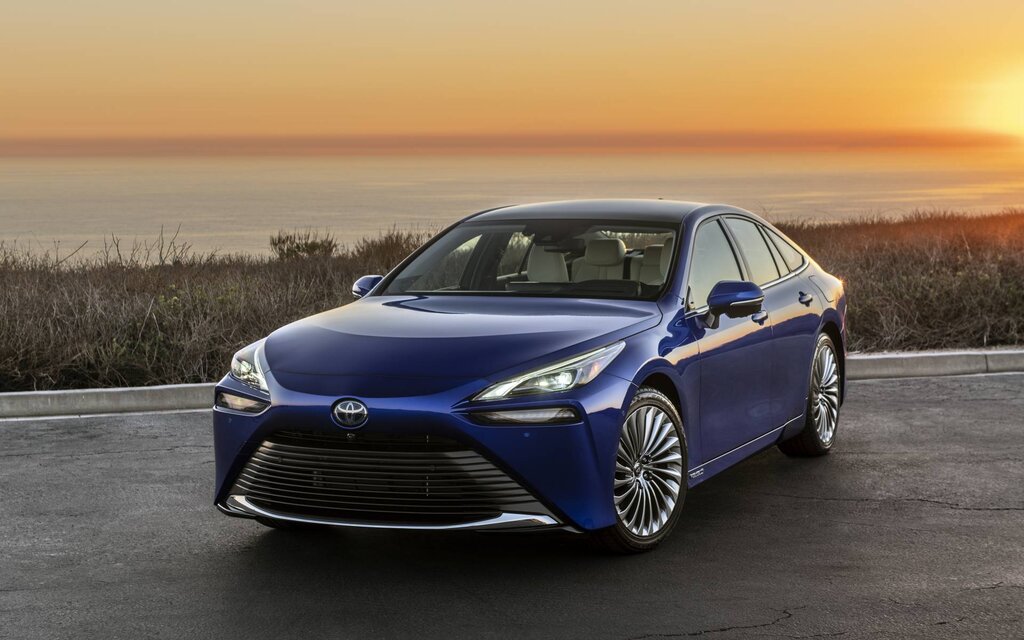
The Toyota Mirai is a pioneering hydrogen fuel cell vehicle, but it has become infamous for catastrophic depreciation. Unlike traditional Toyota models known for reliability and strong resale, the Mirai’s value is almost entirely tied to hydrogen fueling infrastructure, which remains extremely limited.
Outside select areas of California, hydrogen stations are rare, unreliable, or frequently offline, making the car impractical for most buyers.
Rising hydrogen costs, from $13 per kilogram in 2021 to $36 in 2024, have also made operating the Mirai far more expensive than gasoline or battery-electric vehicles. Filling the tank now costs over $200 for roughly 300–400 miles of range, creating a financial barrier that further depresses resale value.
The Mirai’s high-mileage risks exacerbate depreciation. Fuel cell stacks are designed to last 150,000 to 200,000 miles, but reaching this threshold exposes owners to extreme maintenance costs. A replacement fuel cell powerplant can cost around $50,000, often exceeding the used market value of the car.
Specialized components like ion filters, high-pressure carbon fiber tanks, and other fuel cell-specific parts require expert handling. Once the eight-year or 100,000-mile warranty expires, even a single major failure can render the vehicle a total loss in the eyes of potential buyers.
Market dynamics compound Mirai’s woes. Many early units were leased, flooding the used market with vehicles that have extremely limited utility. Legal challenges have also emerged, with owners suing Toyota over claims that their vehicles are effectively worthless due to scarce fueling infrastructure and overstated range.
Meanwhile, battery-electric vehicle networks continue to expand, leaving hydrogen technology increasingly niche and diminishing demand for used Mirais.
In practice, the Mirai does not fail mechanically at 100,000 miles, but its economic and logistical challenges make it nearly unsellable. Fueling costs are high, repairs are complex and expensive, and the pool of interested buyers is minimal.
As a result, the Mirai can lose 80–90 percent of its value within a few years, making it one of the fastest-depreciating cars ever produced. Its steep decline is less a reflection of Toyota’s reliability and more a consequence of infrastructure limitations, maintenance complexity, and market obsolescence.
Resale value is one of the most important long-term considerations when buying a vehicle. Models with proven reliability, strong brand reputation, and practical ownership costs tend to remain valuable even with high mileage. Vehicles such as the Toyota Tacoma and Jeep Wrangler demonstrate how durability and strong demand can protect value over time.
Meanwhile, luxury or experimental vehicles like the BMW 7 Series and Toyota Mirai highlight how expensive repairs or infrastructure limitations can cause steep depreciation. Understanding these differences helps buyers choose vehicles that deliver both reliability and stronger financial value long after 100,000 miles.
Also read: Top 10 Cars With the Most Useful Hidden Storage Compartments