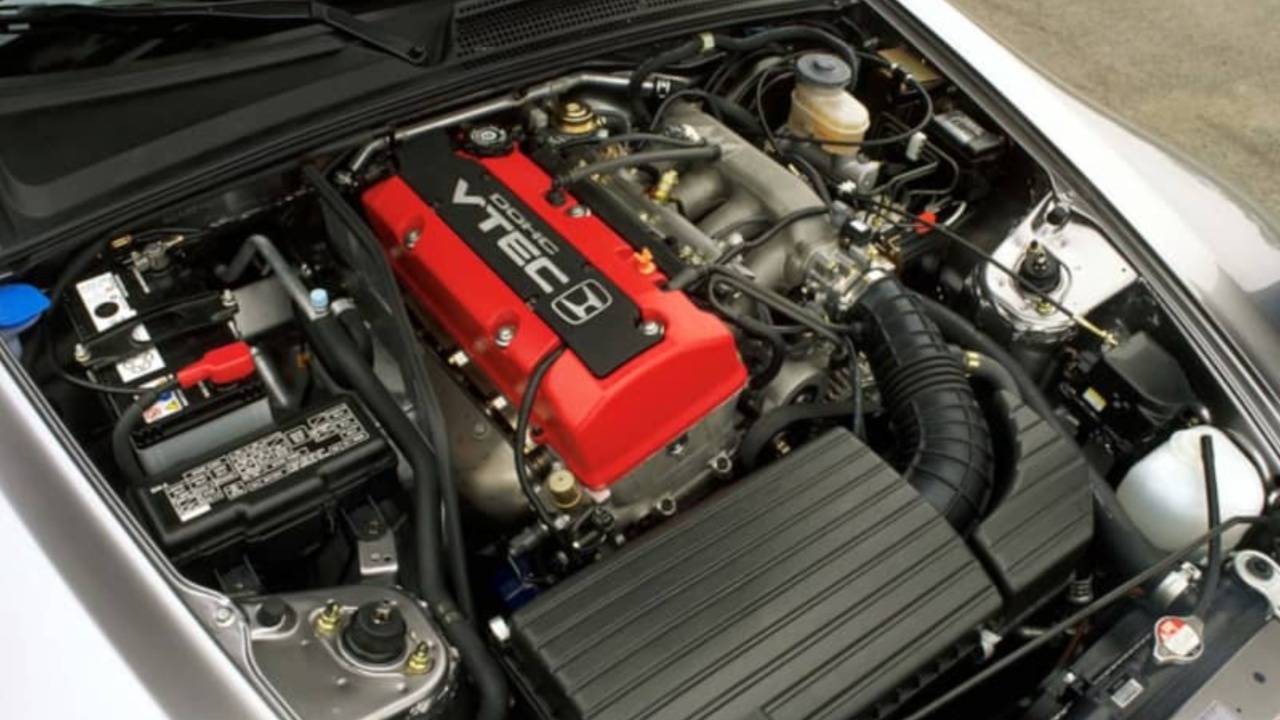
The world of four-cylinder engines is filled with remarkable examples of engineering ingenuity, but a select few stand out for their overbuilt internal components. These engines were designed to handle extreme stresses, high RPMs, turbocharging, and long-term abuse while maintaining durability and performance.
From naturally aspirated masterpieces like the Honda F20C/F22C to turbocharged legends such as the Mitsubishi 4G63T and Mercedes-AMG M139, these powerplants demonstrate how careful material selection, forged internals, and reinforced blocks create engines that far exceed typical production standards.
This list highlights eight four-cylinder engines that embody over-engineering at its finest, proving that size and displacement aren’t everything when it comes to reliability and performance.
Each engine combines strength, precision, and longevity to deliver an engaging driving experience, whether for street, track, rally, or drift applications. These overbuilt designs are also highly sought after by tuners and enthusiasts because they provide a safe foundation for performance upgrades without compromising durability.
1. Honda F20C/F22C (S2000)
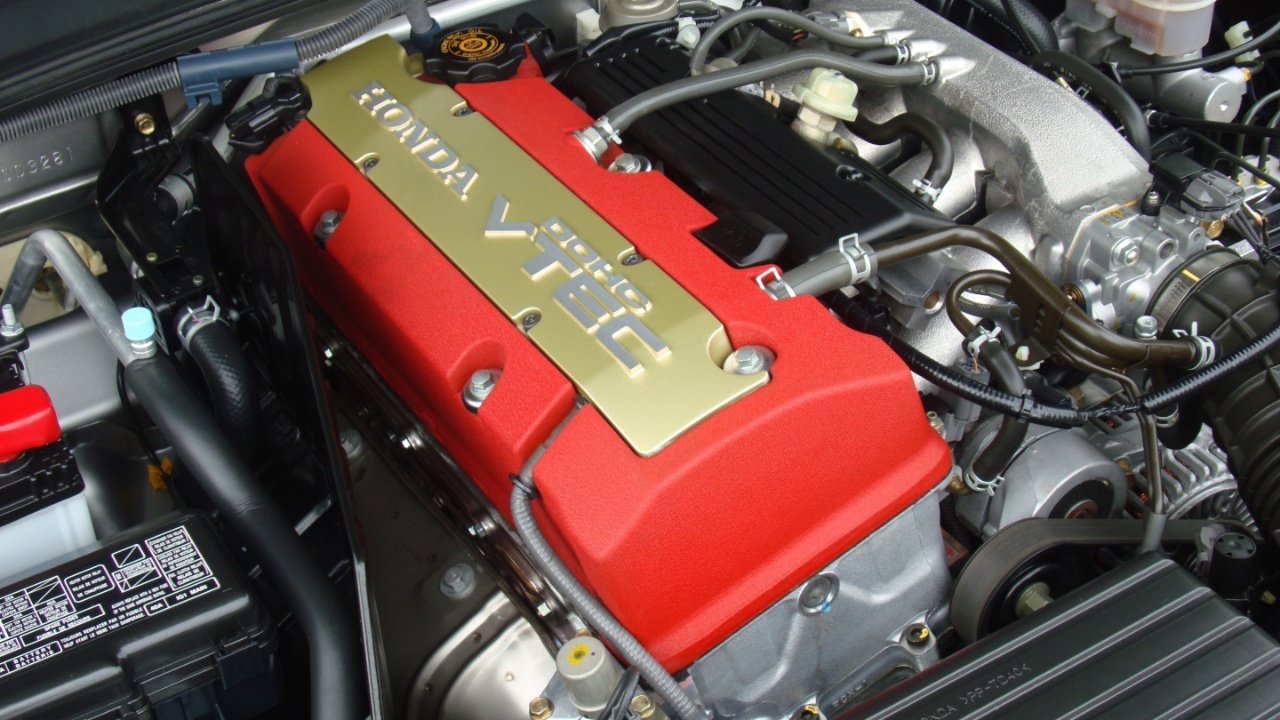
The Honda F20C and F22C engines, developed for the Honda S2000 roadster (1999–2009), are widely regarded as some of the most impressive naturally aspirated performance engines ever produced.
Engineered with racing-inspired technology and exceptional attention to mechanical precision, these powerplants achieved a remarkable balance of high-revving performance, durability, and reliability. For more than a decade, the F20C held the record for the highest specific output of any naturally aspirated production engine, producing over 120 horsepower per liter without the assistance of forced induction.
At the core of this achievement was Honda’s focus on extreme high-RPM capability. The original 2.0-liter F20C was designed to safely operate at a 9,000 RPM redline, an extraordinarily high limit for a mass-produced road car engine. To sustain such speeds, Honda engineered the engine with a collection of robust, race-derived internal components.
These included a forged steel crankshaft and forged aluminum pistons, both designed to withstand intense mechanical stress and rotational forces. The engine block also used fiber-reinforced metal (FRM) cylinder liners, a lightweight yet extremely durable material that reduced friction while improving structural strength compared with traditional cast-iron liners.
Structural rigidity was another key focus. The engine employed a ladder-frame main bearing support system, which reinforced the bottom end of the block and minimized flex during high-RPM operation.
This design ensured precise crankshaft alignment and enhanced durability even under sustained performance driving. Instead of a conventional timing belt, Honda used a timing chain, improving long-term reliability and reducing maintenance requirements.
Friction reduction was equally important for achieving such high rotational speeds. Honda utilized chemically etched internal surfaces to reduce drag between moving components. Additionally, the piston skirts were coated with molybdenum disulfide, a material known for its low-friction properties. These measures helped improve efficiency, longevity, and the engine’s ability to rev freely.
The cylinder head design also played a major role in the engine’s performance. It featured a narrow 25.5-degree valve angle and Honda’s dual overhead cam VTEC system, which optimized airflow and combustion efficiency. At higher engine speeds, the VTEC mechanism switched to more aggressive cam profiles, dramatically increasing airflow and unlocking the engine’s signature high-RPM power surge.
In 2004, Honda introduced the 2.2-liter F22C1 for the later S2000 models. By slightly increasing the engine’s stroke, Honda improved low- and mid-range torque, addressing criticism that the earlier F20C required very high RPMs to deliver strong performance. Although the redline was reduced slightly to 8,200 RPM, the F22C maintained the engine family’s durability and high-revving character.
The F20C and F22C engines are considered “overbuilt” because their internal components, materials, and structural reinforcements were engineered well beyond typical production requirements. This philosophy allowed them to combine exceptional power density, mechanical precision, and long-term reliability, making the Honda S2000 one of the most celebrated analog sports cars ever built.
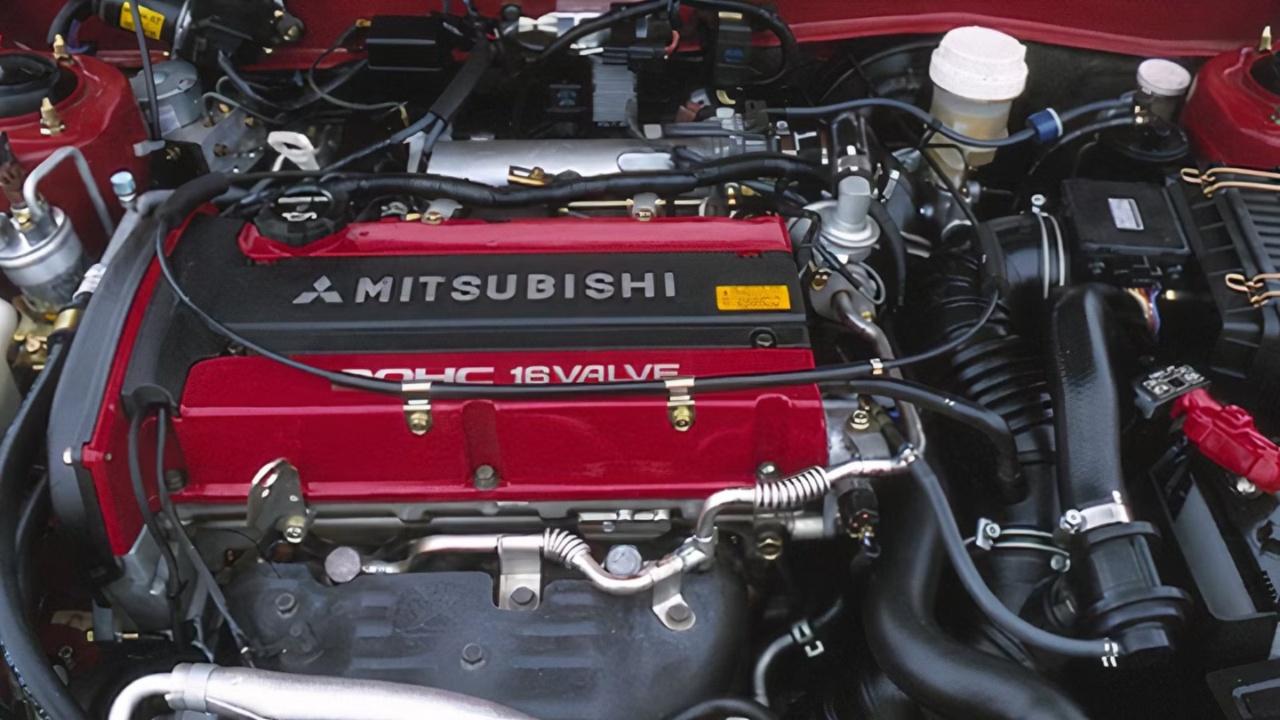
2. Mitsubishi 4G63T (Lancer Evolution)
The Mitsubishi 4G63T is widely regarded as one of the toughest and most tunable four-cylinder engines ever produced. Developed with motorsport in mind, particularly for the demands of World Rally Championship (WRC) competition, the engine became the heart of the Mitsubishi Lancer Evolution from the first generation through the ninth.
Its reputation for durability, immense tuning potential, and rally-bred engineering has made it legendary among performance enthusiasts worldwide.
At the center of the 4G63T’s durability is its heavy-duty cast-iron engine block. While many modern performance engines use lighter aluminum blocks, Mitsubishi opted for cast iron to maximize strength and resistance to extreme cylinder pressures.
The block also features a high-nickel content, which helps prevent warping and structural deformation when exposed to the intense heat and stress created by turbocharged performance. This strong foundation allows the engine to withstand far greater loads than typical production engines.
Complementing the block are forged internal components designed to handle high boost and aggressive driving conditions. The engine utilizes a forged steel crankshaft and strong connecting rods, providing the bottom end with exceptional resilience during high-RPM operation and heavy torque loads.
These components were engineered with significant safety margins, allowing the engine to tolerate far more power than its original factory output.
Another critical feature of the 4G63T is its integrated piston oil squirters. These small nozzles spray oil directly onto the underside of the pistons, helping to dissipate heat generated during high-boost operation. By cooling the pistons and reducing the risk of detonation or melting under extreme conditions, the oil squirters significantly improve reliability during performance driving and motorsport use.
Unlike many engines that were originally designed for everyday commuting and later adapted for performance, the 4G63T was purpose-built for turbocharging. It incorporates reinforced internals, a lower compression ratio, and fuel system components capable of supporting increased airflow and boost pressure.
This intentional design makes the engine extremely receptive to modifications. In the tuning community, it is common for enthusiasts to push the stock engine to 400–500 horsepower without opening the block, while heavily modified builds have been known to exceed 1,000 horsepower.
The engine powered multiple generations of the Mitsubishi Lancer Evolution, from Evo I (1992) through Evo IX (2006). Over time, the platform evolved with improved all-wheel-drive technology such as Active Yaw Control (AYC) and Active Center Differential (ACD), enhancing cornering performance and traction.
These innovations helped define the “golden era” of rally-inspired road cars and cemented the Evolution’s reputation for explosive acceleration and razor-sharp handling.
Despite its legendary durability, the engine is not entirely without issues. Early seven-bolt crankshaft versions were occasionally affected by a problem known as crank walk, a thrust bearing failure that could cause crankshaft movement. However, with proper maintenance and tuning, the engine remains extremely reliable.
The Mitsubishi 4G63T stands as a benchmark of overbuilt engineering, combining rally-grade toughness, immense power potential, and a design that continues to influence performance engines today.
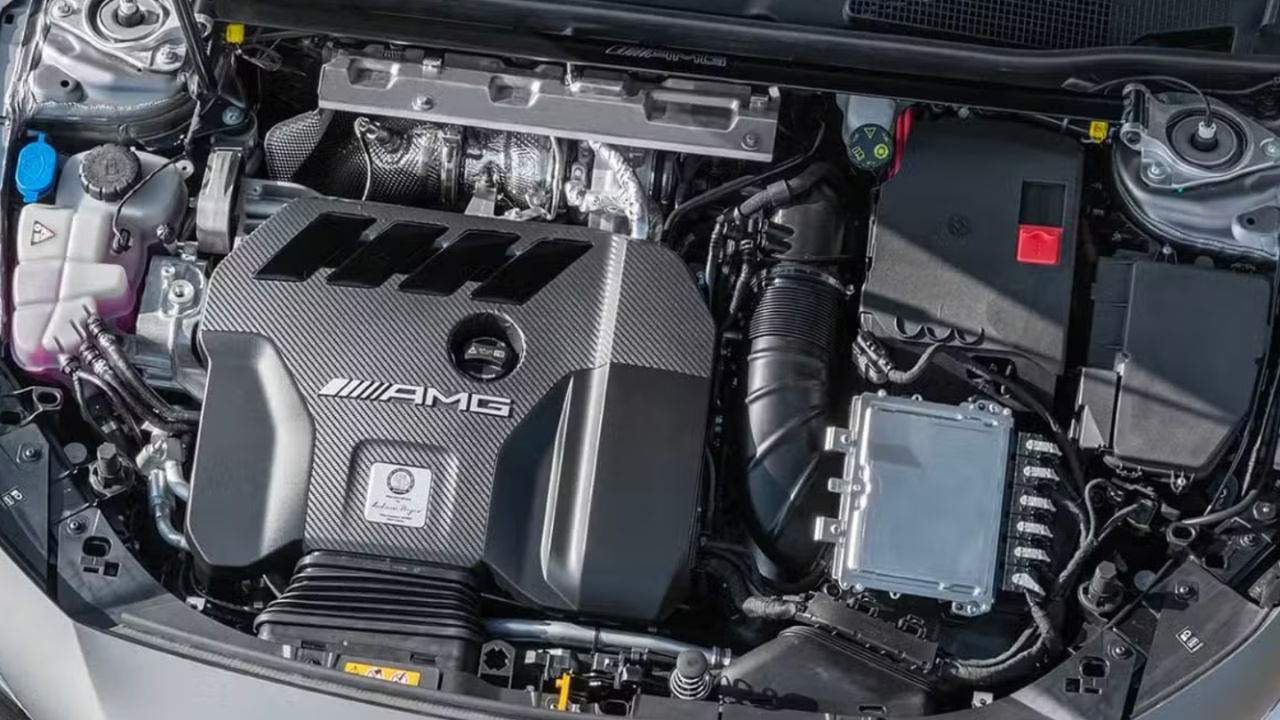
3. Mercedes-AMG M139 (A45 S)
The Mercedes-AMG M139 powers the high-performance Mercedes-AMG A45 S and is widely recognized as one of the most advanced four-cylinder engines ever installed in a production car.
Developed by Mercedes-AMG, this 2.0-liter turbocharged engine produces up to 421 horsepower, making it the most powerful mass-produced four-cylinder engine in the world. Its remarkable output and durability come from engineering approaches normally associated with motorsport engines rather than compact road-car powerplants.
A key element behind the M139’s strength is its closed-deck aluminum block design. Unlike common open-deck engine blocks, the closed-deck structure reinforces the area around the cylinders, greatly increasing rigidity and strength.
This construction enables the engine to withstand extremely high combustion pressures that can reach approximately 160 bar. Such pressures are necessary to support the engine’s extreme boost levels and maintain reliability during demanding performance driving. The rigid block also improves heat control and structural stability at high engine speeds.
The internal components of the M139 were engineered to cope with these intense forces. The engine uses a forged steel crankshaft paired with forged aluminum pistons, both designed to endure heavy loads created by turbocharged combustion.
Forged parts are far stronger than conventional cast components and are commonly used in racing engines because of their resistance to fatigue and deformation. These robust internals allow the engine to operate safely under heavy stress while maintaining durability.
The turbocharging system is another major contributor to the engine’s performance. The M139 features a twin-scroll turbocharger with low-friction roller bearings, a design similar to the one used in larger AMG V8 engines.
Roller bearings reduce internal friction within the turbocharger, which helps it spool more quickly and respond faster to throttle inputs. The turbo system produces roughly 2.1 bar, or about 31 psi, of boost pressure, a very high figure for a production four-cylinder engine.
Advanced surface technology also plays a major role in the engine’s efficiency. The cylinder walls are coated with Nanoslide, a specialized friction-reducing layer developed from technology used in Formula One engines. This coating creates an extremely smooth surface that reduces friction between piston rings and cylinder walls. Lower friction improves efficiency, reduces wear, and helps the engine operate reliably under heavy performance loads.
Another unusual engineering feature is the reversed engine layout. The engine is rotated 180 degrees compared with traditional designs, placing the exhaust manifold and turbocharger at the rear of the engine bay. This arrangement shortens airflow paths, improves thermal management, and helps optimize airflow efficiency throughout the system.
To handle the heat produced by more than 400 horsepower from a compact engine, the M139 also uses advanced cooling solutions. These include dedicated turbo cooling systems, optimized oil flow, and an on-demand electric water pump that adjusts cooling performance based on engine conditions.
Each M139 engine is assembled according to AMG’s “One Man, One Engine” philosophy, meaning a single technician builds the entire engine by hand and signs a plaque attached to it. This process reflects the company’s emphasis on precision engineering, craftsmanship, and strict quality control.
4. Saab B234R (9000 Aero)
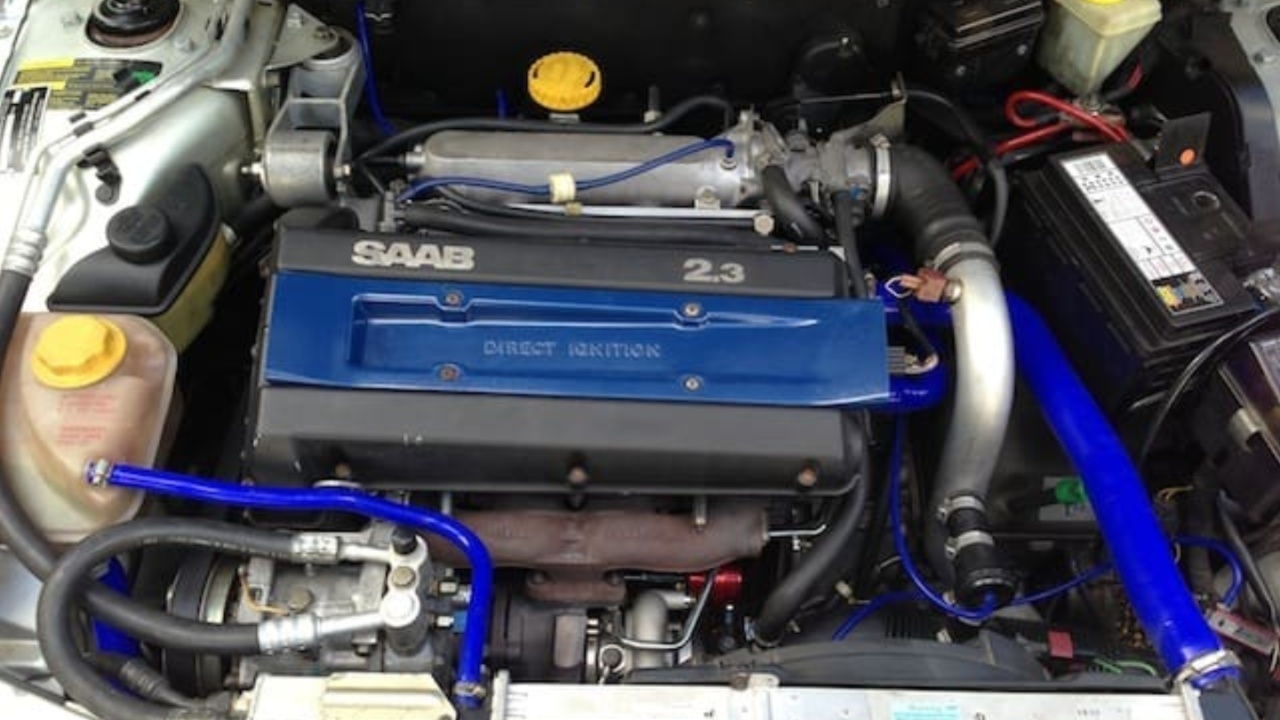
The Saab B234R is one of the most respected turbocharged four-cylinder engines among automotive enthusiasts, known for its exceptional durability and immense tuning potential. Installed in the high-performance Saab 9000 Aero from 1993 to 1997, the engine earned a reputation as the “Swedish Tank” because of its rugged construction and ability to withstand extreme power levels far beyond its factory output.
Saab engineers built the B234R with large safety margins to handle the intense stresses of turbocharging, sustained high-speed driving, and the demanding conditions of European Autobahns.
A major reason for the engine’s strength is its thick cast-iron block. Unlike lighter aluminum designs that prioritize weight reduction, Saab chose a heavy but extremely durable cast-iron structure with deep cylinder walls and reinforced webbing around the main bearings.
This design prevents block flex and structural damage when the engine is subjected to high boost pressures. The strong foundation allows the engine to tolerate significant increases in horsepower without compromising reliability.
The B234R also features a forged steel crankshaft, which is far more resistant to fatigue and breakage than conventional cast components. Forged crankshafts are commonly used in racing engines because they can handle greater torque loads and high rotational stress.
Paired with this crankshaft are heavy-duty connecting rods and pistons engineered with a large safety margin. These components were designed to endure the immense cylinder pressures produced by turbocharging, which is why many modified engines are capable of safely producing 300 to 400 horsepower or more on stock internals.
Another important design element is the engine’s nine-bearing crankshaft configuration. The crankshaft is supported by nine main bearings, which increases stability and reduces flex during high-RPM operation. This setup improves durability and smoothness, particularly when the engine is subjected to high torque loads or aggressive driving conditions.
Turbocharging plays a central role in the B234R’s performance. The engine was equipped with a Mitsubishi TD04 turbocharger, allowing it to deliver strong boost pressure and substantial mid-range torque.
Saab engineers deliberately focused on torque delivery rather than maximum peak horsepower. This philosophy meant the engine’s internal components needed to withstand very high cylinder pressures during everyday driving, which further contributed to its overbuilt nature.
The B234R was also managed by Saab’s advanced Trionic 5 engine management system. This system used ion-sensing technology at the spark plug to detect combustion knock in real time. If a knock was detected, the system could instantly adjust ignition timing and boost pressure to prevent engine damage. This technology helped protect the engine while maintaining strong performance.
Because of its strong internals and conservative factory tuning, the B234R quickly became popular among tuners. Many enthusiasts consider it one of the most durable turbocharged engines of its era, often comparing its toughness to legendary performance engines.
Beyond performance, longevity is another defining trait. With proper maintenance, these engines frequently exceed 300,000 miles, sometimes even when modified for higher power levels. This combination of durability, power potential, and intelligent engineering helped the Saab 9000 Aero become a classic sleeper performance car.
Also read: 5 Cars With Excellent Air Conditioning for Hot Climates vs 5 That Struggle
5. Toyota 22R/22RE (Hilux/4Runner)
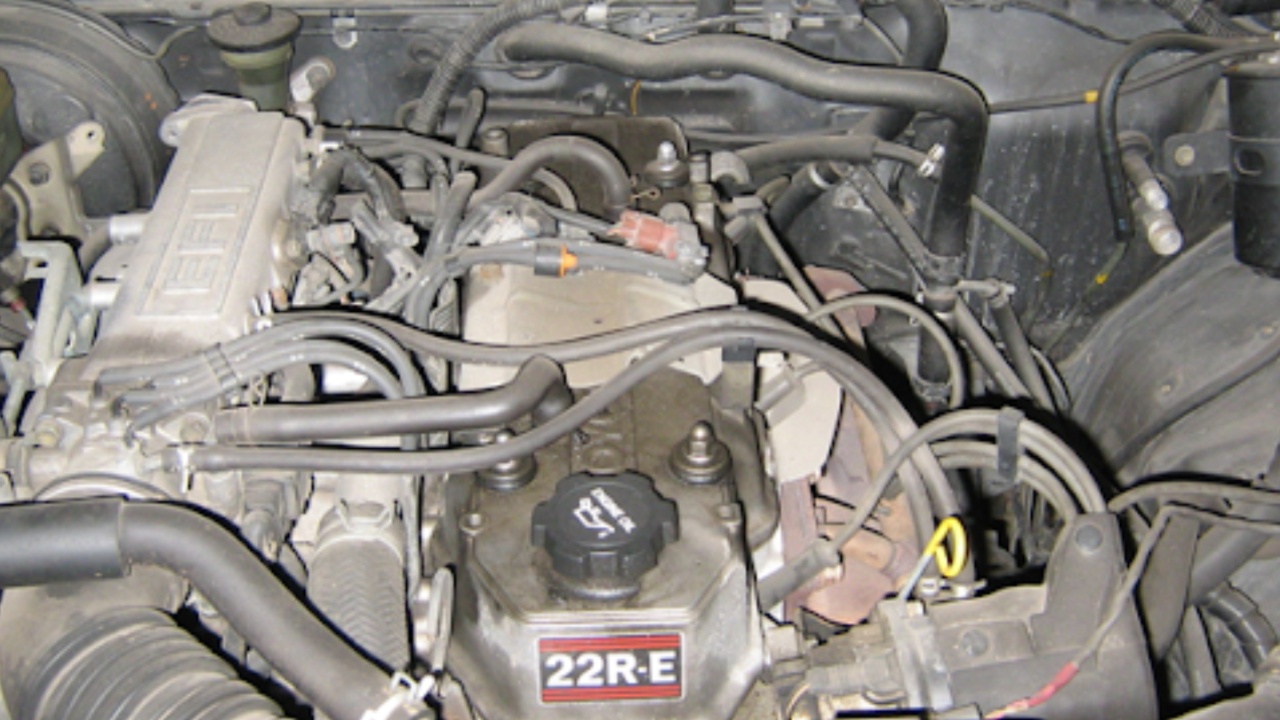
The Toyota 22R and Toyota 22RE are widely recognized for their extraordinary durability and mechanical simplicity. Produced by Toyota from 1981 to 1997, these 2.4-liter inline-four engines powered several iconic vehicles, including the Toyota Hilux, Toyota Pickup, and early Toyota 4Runner models.
Rather than focusing on high horsepower figures, Toyota engineers prioritized long-term reliability, ease of maintenance, and the ability to survive harsh environments. This philosophy helped the engines earn a reputation as some of the toughest internal combustion engines ever built.
A major reason for the durability of the 22R and 22RE is their heavy-duty cast-iron cylinder block. Cast iron provides exceptional strength and resistance to heat distortion, making it ideal for engines expected to endure high mileage and difficult working conditions.
The block also incorporates deep skirts that extend below the crankshaft, which provide additional support and rigidity to the lower engine structure. This design stabilizes the rotating assembly and reduces the chances of crankshaft flex or structural fatigue during long periods of operation.
The internal components were designed with generous safety margins. Both engines use a forged steel crankshaft and strong connecting rods capable of handling far more stress than the engines typically generate. These forged parts are much stronger than standard cast components and are able to tolerate higher loads without failure.
Because the engines produce only about 96 to 116 horsepower and around 128 to 140 lb-ft of torque, the internal components are rarely pushed close to their mechanical limits. This low-stress operating environment contributes greatly to the engines’ remarkable lifespan.
The engines also feature a single overhead camshaft (SOHC) aluminum cylinder head combined with a chain-driven timing system.
Earlier models used a double-row metal timing chain, which was extremely durable and capable of lasting hundreds of thousands of miles when properly maintained. Compared with timing belts used in many modern engines, the timing chain provides greater longevity and reduces the risk of sudden mechanical failure.
The difference between the two versions primarily involves the fuel delivery system. The 22R uses a traditional carburetor, which keeps the engine mechanically simple and easy to repair in remote or off-road conditions. The 22RE introduced electronic fuel injection, improving fuel efficiency, throttle response, and cold-weather starting reliability while maintaining the engine’s robust design.
These engines became legendary for their ability to accumulate extremely high mileage. Many examples surpass 300,000 to 400,000 miles with routine maintenance such as oil changes and cooling system upkeep. Their straightforward design also makes them a favorite among off-road enthusiasts and do-it-yourself mechanics because repairs are relatively simple and parts are widely available.
Performance was never the main focus. Drivers often describe the engines as slow by modern standards, especially in heavier four-wheel-drive trucks. Highway acceleration can be modest, and fuel economy is only average for a four-cylinder engine of this size.
Despite these limitations, the Toyota 22R and 22RE remain celebrated for their rugged construction, mechanical simplicity, and ability to keep running under conditions that would quickly destroy many other engines.
6. Volvo B230FT “Redblock” (740/940)
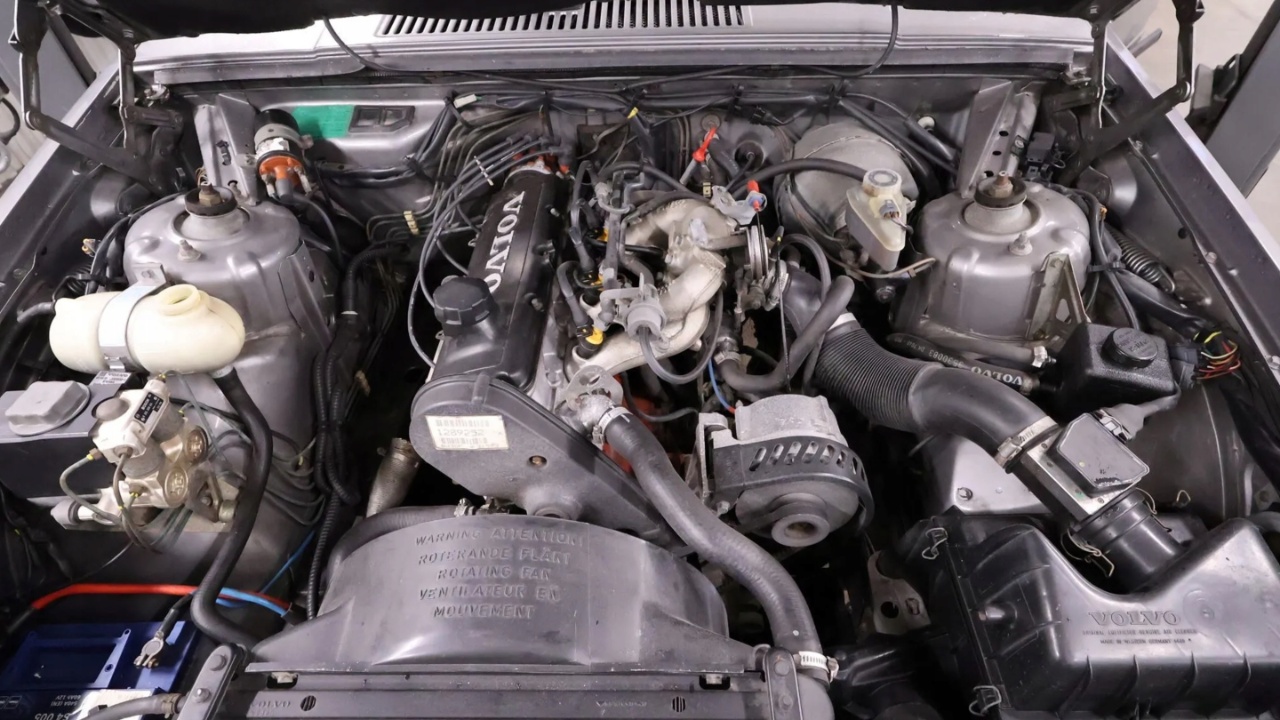
The Volvo B230FT, commonly known as the “Redblock,” is one of the most durable turbocharged four-cylinder engines produced by Volvo. Installed in vehicles such as the Volvo 740 and Volvo 940, the engine earned a reputation for exceptional longevity and mechanical toughness throughout the 1980s and 1990s.
The nickname “Redblock” comes from the engine’s distinctive red-painted cast-iron block, which visually sets it apart and eventually becomes a symbol of its rugged design. Among enthusiasts, these vehicles are often called “Turbo Bricks,” referencing both their boxy styling and their surprisingly durable turbocharged powertrain.
At the center of the B230FT’s reliability is its heavy cast-iron engine block, which was engineered with thick cylinder walls and robust structural reinforcement. Cast iron was chosen for its strength and ability to resist heat distortion under heavy loads.
This strong foundation allows the engine to handle higher cylinder pressures generated by turbocharging without suffering structural damage. The block’s thick construction also contributes to the engine’s ability to withstand years of continuous operation with minimal mechanical fatigue.
The internal components were designed with durability as a priority. The engine features a forged crankshaft and strong connecting rods, allowing it to tolerate substantial torque and boost pressure. Early versions already had a strong bottom end, but later versions introduced improvements that further increased reliability.
Beginning in the early 1990s, certain versions incorporated piston oil squirters, which spray engine oil onto the underside of the pistons. This cooling effect helps reduce heat buildup during high-load operation and protects the pistons during extended turbocharged driving.
The B230FT uses a 2.3-liter inline-four configuration paired with an 8-valve aluminum cylinder head. Factory power output typically ranged between 155 and 180 horsepower, depending on the model year and turbocharger configuration.
Turbochargers such as the Garrett T3 or Mitsubishi TD04 provided boost pressure that significantly improved mid-range performance, though drivers often notice some turbo lag before the turbocharger reaches full boost.
Reliability is one of the defining characteristics of this engine. Many examples are known to exceed 300,000 to 400,000 miles when properly maintained. Routine maintenance tasks such as timing belt replacement and oil changes are essential to preserving the engine’s lifespan. Despite its toughness, aging components such as sensors, fuel pump relays, and seals can require attention in older vehicles.
The B230FT is also well known in the automotive tuning community. Because the engine was engineered with large safety margins and durable internal parts, it can support moderate power increases without requiring extensive internal modifications. Simple upgrades such as larger fuel injectors, improved airflow components, and ECU tuning can increase power output significantly while maintaining reliability.
In addition to its mechanical durability, the vehicles that used the engine were known for practicality and comfort. The rear-wheel-drive layout of the Volvo 740 and 940 provided balanced driving characteristics, while their spacious interiors and supportive seats made them excellent long-distance cruisers.
The B230FT remains a respected engine among enthusiasts because of its rugged design, straightforward mechanical layout, and ability to continue operating reliably even after decades of use.
7. Subaru EJ207 (WRX STI – JDM)
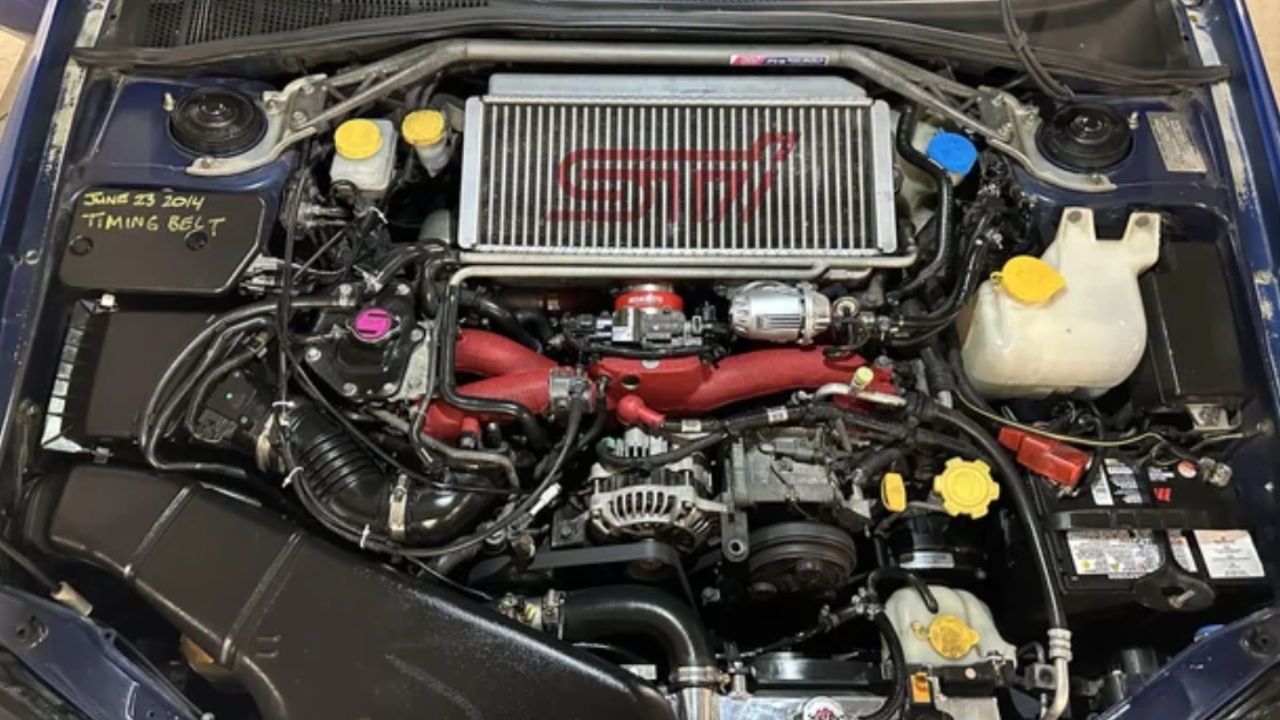
The Subaru EJ207 is a 2.0-liter turbocharged boxer engine widely regarded as one of the most robust and high-revving Subaru powerplants. Found in Japanese-market WRX STI models from Versions 7 through 9, it is distinguished from its US-spec counterpart, the EJ257, by its factory over-engineering and rally-inspired design.
The EJ207 was developed to handle the intense demands of Japanese rally stages, offering a combination of high RPM capability, strong internals, and long-term durability that makes it a favorite among enthusiasts and tuners.
A defining feature of the EJ207 is its semi-closed deck block, which strengthens the cylinder walls and reduces the risk of cracking under high boost pressures. This structure allows the engine to safely operate at extremely high RPMs, frequently reaching 8,000+ RPM, while maintaining reliability.
The engine also comes with factory-forged pistons and connecting rods, providing superior resistance to wear, high cylinder pressures, and thermal stress compared with cast components. In many versions, a cross-drilled forged crankshaft further enhances durability and rotational stability during high-speed operation.
The EJ207’s cylinder heads and valvetrain are optimized for performance. High-flow heads, sodium-filled exhaust valves, and specialized camshaft profiles improve airflow and heat management, which is essential during sustained high-load driving typical in rallying.
Many JDM models are equipped with twin-scroll turbochargers, reducing turbo lag and enhancing low-end torque, allowing the engine to deliver a responsive, high-revving driving experience.
Driving a car with the EJ207 is described as visceral and analog. Coupled with a quick-shifting 6-speed manual transmission and a stiff, agile suspension setup, the engine provides a “meaty” and engaging performance that reflects Subaru’s rally heritage. Version 7 models, especially the Spec C or RA trims, are particularly prized due to lighter weight, upgraded turbos (VF30 or VF34), and refined internals.
While the EJ207 is highly durable, its longevity depends on proper maintenance and quality tuning. Enthusiasts often note that heavy use, high boost, or neglect can lead to premature wear, making diligent servicing essential. The engine’s high-performance nature also introduces some practical drawbacks, including a firm ride, a heavy clutch, and limited maneuverability in tight spaces.
Although Japanese regulations officially limited output to 276 horsepower, the EJ207 has the potential to exceed 350–450+ whp with careful tuning and supporting modifications.
Its combination of factory strength, high-rev capability, and rally-derived engineering makes the EJ207 one of the most desirable and collectible Subaru engines. It remains a benchmark for enthusiasts seeking a capable, high-performance, and durable turbocharged boxer engine.
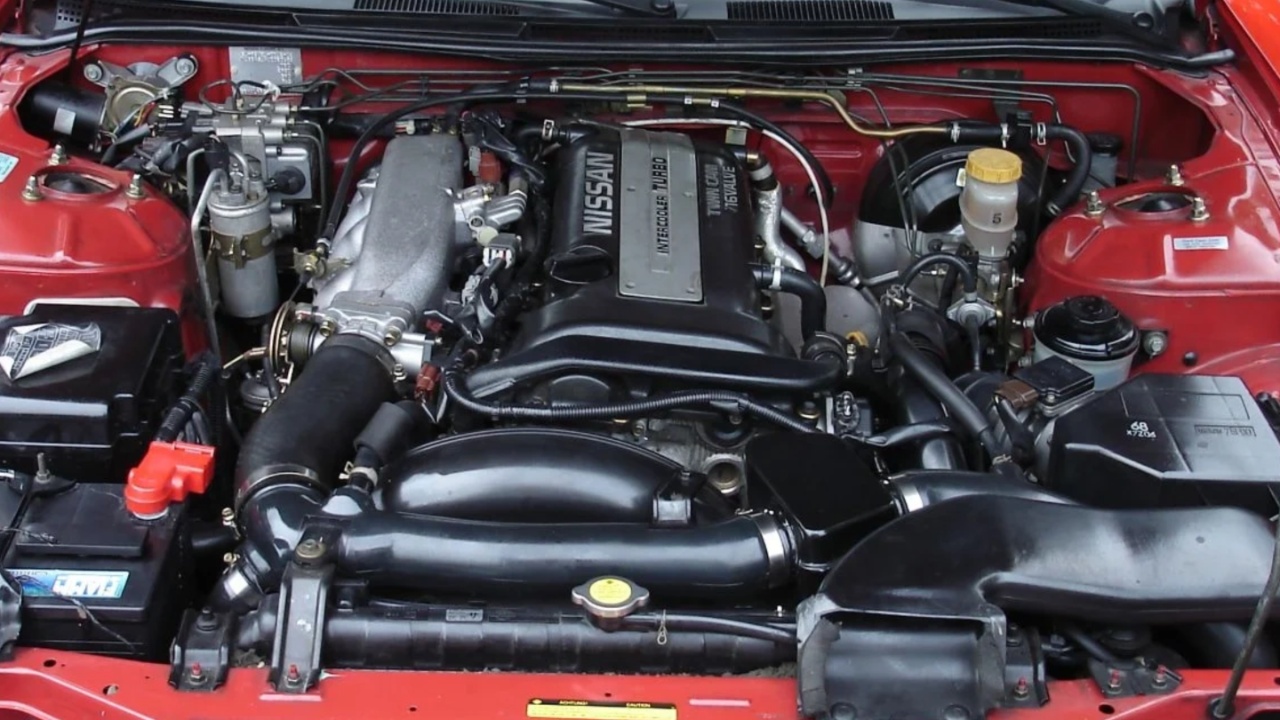
8. Nissan SR20DET (Silvia/180SX)
The Nissan SR20DET is a 2.0-liter turbocharged inline-four engine widely celebrated in the drifting and JDM communities for its combination of reliability, tunability, and high-revving performance. Produced from 1989 to 2002, it powered popular Nissan Silvia models (S13-S15) and the Nissan 180SX.
Despite its all-aluminum construction, the engine was engineered with robust internal components and careful attention to heat management, making it capable of handling the extreme stress of drifting and track driving. Its design has earned it a reputation as an overbuilt yet versatile platform, able to withstand high boost levels and sustained high-RPM operation.
A defining feature of the SR20DET is its closed-deck block, which fully supports the cylinder walls. This provides greater rigidity than open-deck designs and allows the engine to safely manage high cylinder pressures from turbocharging. The rotating assembly benefits from a forged steel crankshaft and thick connecting rods, which were factory-installed components usually reserved for highly tuned engines.
These features give the SR20DET an under-stressed quality, allowing it to safely support up to 400 horsepower on stock internals with basic bolt-on modifications. Piston oil squirters on turbocharged versions further protect the engine by cooling the pistons under high-load, high-RPM conditions.
The high-flow cylinder head design of the SR20DET allows the engine to breathe efficiently, supporting significant power gains without major internal upgrades.
Many versions, including the Red Top and Black Top variants, came with a Garrett T25 or T28 turbocharger, delivering a balance of low-end torque and high-RPM power suitable for both street and competition use. The engine’s 16-valve DOHC layout contributes to its high-revving character and lively driving experience.
The SR20DET is lightweight and versatile, making it ideal for drifting, time attack, and other performance applications. Coupled with the rear-wheel-drive S-chassis of the Silvia and 180SX, it offers nimble handling, precise steering, and an engaging, analog driving feel.
Its aftermarket support is extensive, with a wide range of options for upgraded turbos, cooling systems, and internal components, allowing enthusiasts to reliably push the engine beyond its factory output.
Despite its durability, the SR20DET has some weaknesses. High-RPM use can stress the rocker arms, oiling systems may struggle under extreme G-forces, and stock ECUs can limit tuning potential. Aging components can also pose maintenance challenges for original examples.
The SR20DET remains a cornerstone of JDM culture, prized for its robustness, tunability, and enduring popularity. Its combination of forged internals, strong bottom end, and lightweight design makes it a legendary engine for enthusiasts seeking a high-performance yet reliable platform in both street and track settings.
The eight engines featured in this list showcase the pinnacle of four-cylinder engineering, where attention to detail and internal reinforcement make all the difference.
From the high-revving Honda F20C/F22C to the rally-hardened Subaru EJ207, and from the turbocharged Saab B234R to the drift-friendly Nissan SR20DET, these powerplants prove that overbuilt components provide both performance potential and longevity.
They have become benchmarks in automotive engineering, offering enthusiasts a combination of tunability, reliability, and mechanical satisfaction that many modern engines cannot match.
Whether for daily driving, spirited performance, or motorsport applications, these overbuilt four-cylinder engines remain enduring icons of precision, strength, and engineering excellence. Their legacy continues to inspire new generations of drivers and tuners who value both power and durability.
Also read: Top 10 Cars With the Most Rewarding Gear Shifts</a