
Automotive technology in the mid-20th century sat at an interesting crossroads. Engineers were experimenting with different ways to power convenience features long before modern electronics and computer modules became standard.
During the 1940s through the 1970s, many vehicles relied on engine vacuum, a byproduct of internal combustion, to operate accessories such as windshield wipers, door locks, heater controls, and even seat adjustments.
At the same time, manufacturers began gradually transitioning toward early electric systems, using small motors and switches powered by the vehicle’s electrical system.
This transitional period produced fascinating engineering contrasts. Vacuum-operated systems were often ingenious but sometimes temperamental, especially when engine load reduced vacuum pressure.
Electric accessories, on the other hand, promised consistent operation but required more robust wiring, switches, and motors that were still evolving in reliability and cost.
American automakers were at the forefront of both approaches, introducing increasingly sophisticated convenience features as competition in the luxury market intensified.
For collectors and vintage car enthusiasts today, these systems represent two distinct eras of automotive engineering philosophy.
Some vehicles showcase the clever mechanical solutions of vacuum-powered designs, while others illustrate the early stages of the electrically powered convenience features that dominate modern cars.
Below are five notable vintage cars that relied heavily on vacuum-operated accessories, followed by five that showcased early electric systems.
Vintage Cars With Vacuum-Operated Accessories
Throughout the 1930s, 1940s, and into the early 1950s, vacuum-powered accessories appeared in a wide range of vehicles, from luxury flagships to more affordable family cars.
Manufacturers refined these systems to power wipers, washers, heater controls, and even clutch assist mechanisms. Although electric accessories would eventually replace many of these functions, vacuum systems represent an important transitional stage in automotive engineering.
The following vintage cars highlight how manufacturers once relied on engine vacuum to operate everyday conveniences.
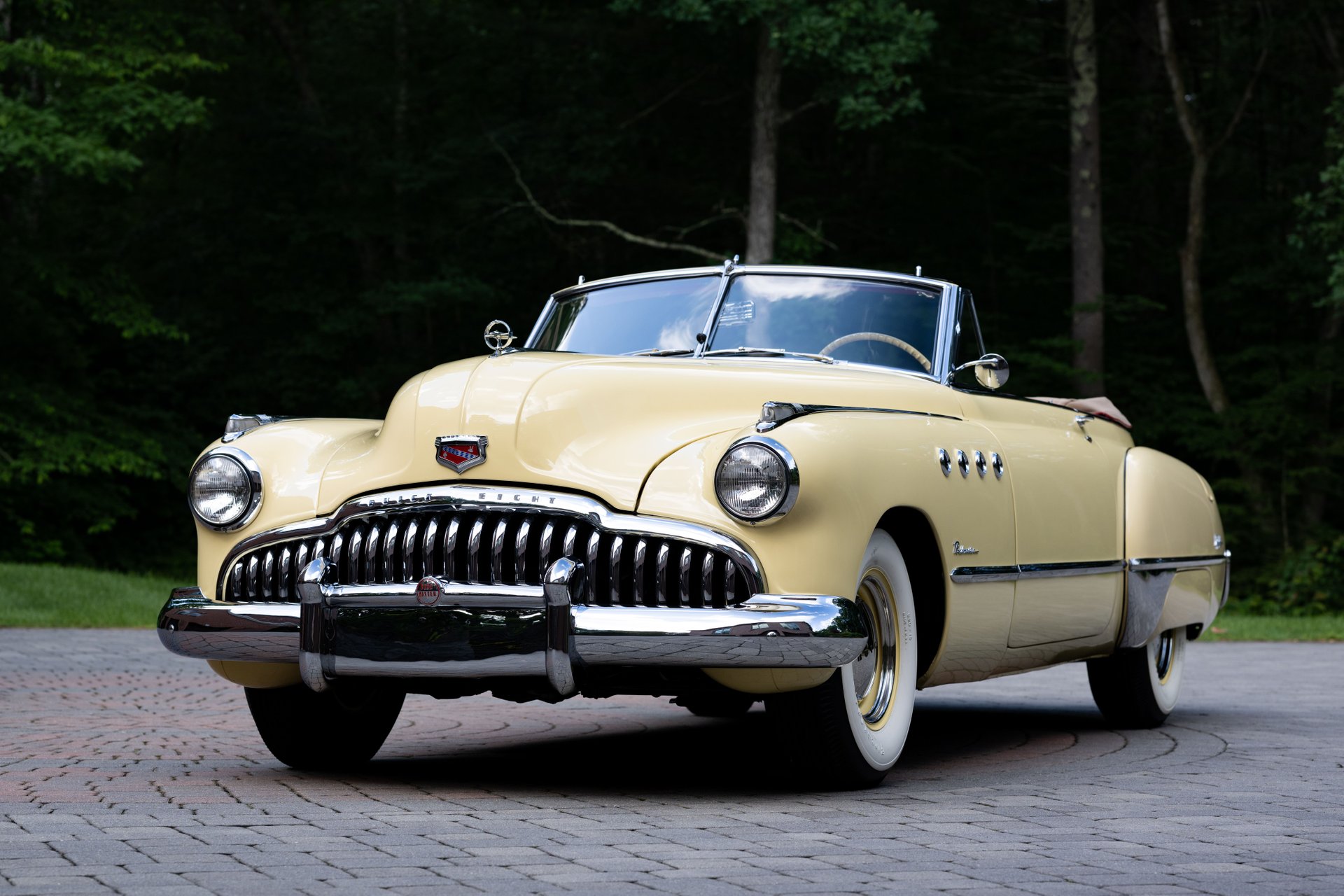
1. 1949 Buick Roadmaster
The 1949 Buick Roadmaster arrived at a pivotal moment in American automotive design, representing both a technological leap forward and a continuation of certain traditional mechanical solutions that had defined prewar luxury cars.
Produced during Buick’s first fully post–World War II redesign cycle, the 1949 model introduced an entirely new body style that would influence General Motors design throughout the early 1950s.
Buick engineers and stylists sought to modernize the brand’s flagship sedan while retaining the quiet refinement and mechanical sophistication expected from the Roadmaster nameplate, which had served as Buick’s premium offering since the 1930s.
Under the hood, the Roadmaster was powered by Buick’s renowned 320-cubic-inch “Fireball” inline-eight engine. This long-stroke, overhead-valve straight-eight produced around 150 horsepower, delivering smooth and abundant torque suitable for the car’s substantial size.
Power was routed to the rear wheels through Buick’s Dynaflow automatic transmission, a notable engineering feature introduced in 1948 that prioritized seamless acceleration over aggressive gear changes.
The Roadmaster followed a traditional front-engine, rear-wheel-drive layout mounted on a full ladder frame chassis, a configuration common among large American luxury cars of the era. Coil springs at the front and leaf springs at the rear provided a compliant ride designed to emphasize comfort on long-distance highway travel.
One of the more interesting aspects of late-1940s luxury engineering was the widespread use of vacuum-operated accessories, and the 1949 Roadmaster is a clear example of this transitional technology. Rather than relying on fully electric systems, many convenience features used engine manifold vacuum as a power source.
Vacuum-assisted windshield wipers were a particularly common application, functioning through a diaphragm motor powered by the engine’s intake vacuum.
While effective at steady speeds, these systems were known to slow during heavy acceleration when vacuum levels dropped. Additional vacuum-driven components could include windshield washer systems or certain climate-control functions, reflecting an engineering philosophy that leveraged the engine’s natural vacuum rather than electrical motors.
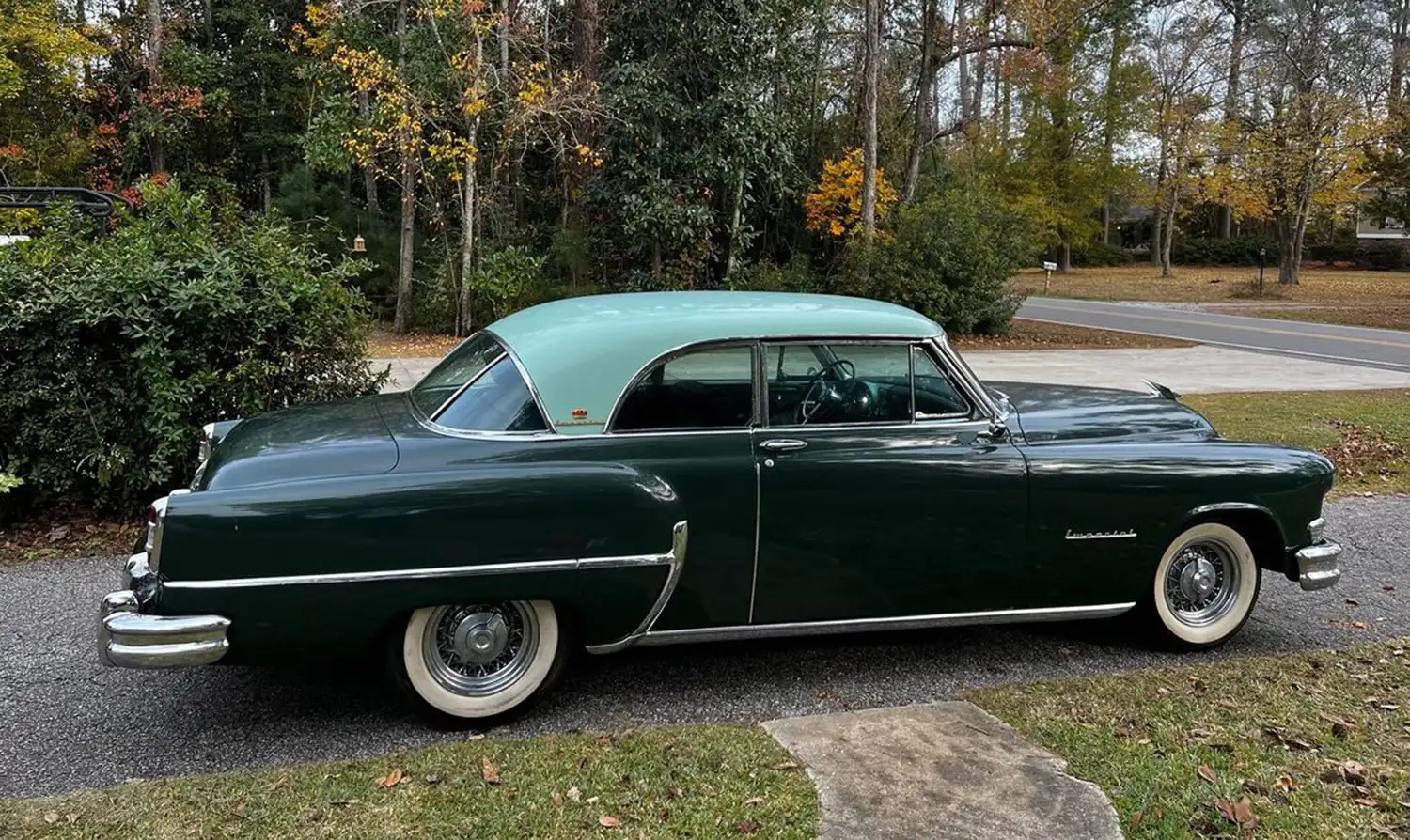
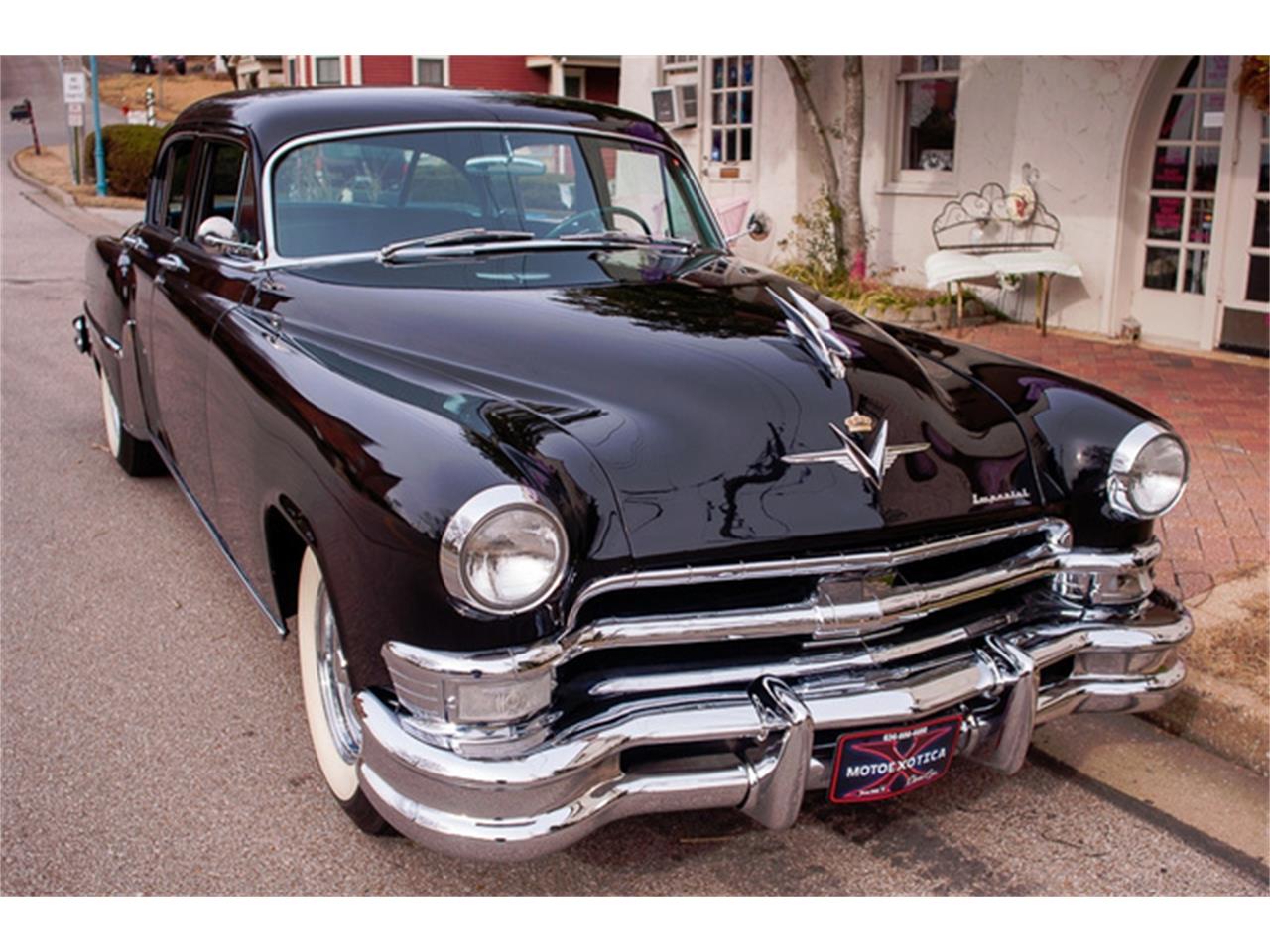
2. 1953 Chrysler Imperial
The 1953 Chrysler Imperial represented the culmination of Chrysler’s early-1950s push to reassert itself in the American luxury market through advanced engineering and increasingly sophisticated electrical systems.
Produced during a period when U.S. automakers were rapidly integrating new convenience technologies, the Imperial served as Chrysler’s flagship sedan, competing directly with Cadillac, Lincoln, and Buick’s top-tier offerings.
By the early 1950s, Chrysler engineers were actively transitioning away from older vacuum-powered accessories toward electrically driven components, making the 1953 Imperial a clear example of the industry’s early adoption of electric convenience features.
Powering the 1953 Imperial was Chrysler’s 331-cubic-inch FirePower V8, one of the most significant engines introduced during the decade. Debuting in 1951, the FirePower V8 featured a hemispherical combustion chamber design that improved airflow, combustion efficiency, and power output.
In Imperial trim, the engine produced roughly 180 horsepower, a substantial figure for the period and a key factor in Chrysler’s performance reputation. The engine was paired with Chrysler’s two-speed PowerFlite automatic transmission, delivering power to the rear wheels through a conventional front-engine, rear-wheel-drive layout.
The vehicle rode on a robust body-on-frame chassis with independent front suspension and leaf springs at the rear, balancing ride comfort with the stability expected of a full-size luxury sedan.
Electrically powered accessories were a defining characteristic of the 1953 Imperial and help explain its relevance in a comparison of early electric systems. By this point, Chrysler had integrated several electrically operated convenience features that were becoming hallmarks of premium American automobiles.
Power windows were a prominent example, using electric motors to raise and lower the large side glass panels with a dashboard-mounted switch. Electric windshield wipers also replaced the vacuum-operated units common in earlier cars, eliminating the speed fluctuation issues that occurred during acceleration.
Additional electrically powered accessories, including power seats and radio systems, further reflected Chrysler’s emphasis on modern convenience and electrical reliability.
The design of the 1953 Imperial reinforced its flagship status. The car featured a long, imposing profile with a substantial wheelbase, a wide chrome grille, and distinctive tail lamps integrated into prominent rear fenders.
The styling maintained the formal, upright appearance typical of early-1950s American luxury cars while incorporating smoother body contours and subtle aerodynamic improvements compared with prewar designs. Interiors emphasized comfort and prestige, with expansive seating, high-quality fabrics, and dashboard layouts designed to highlight the car’s advanced controls.
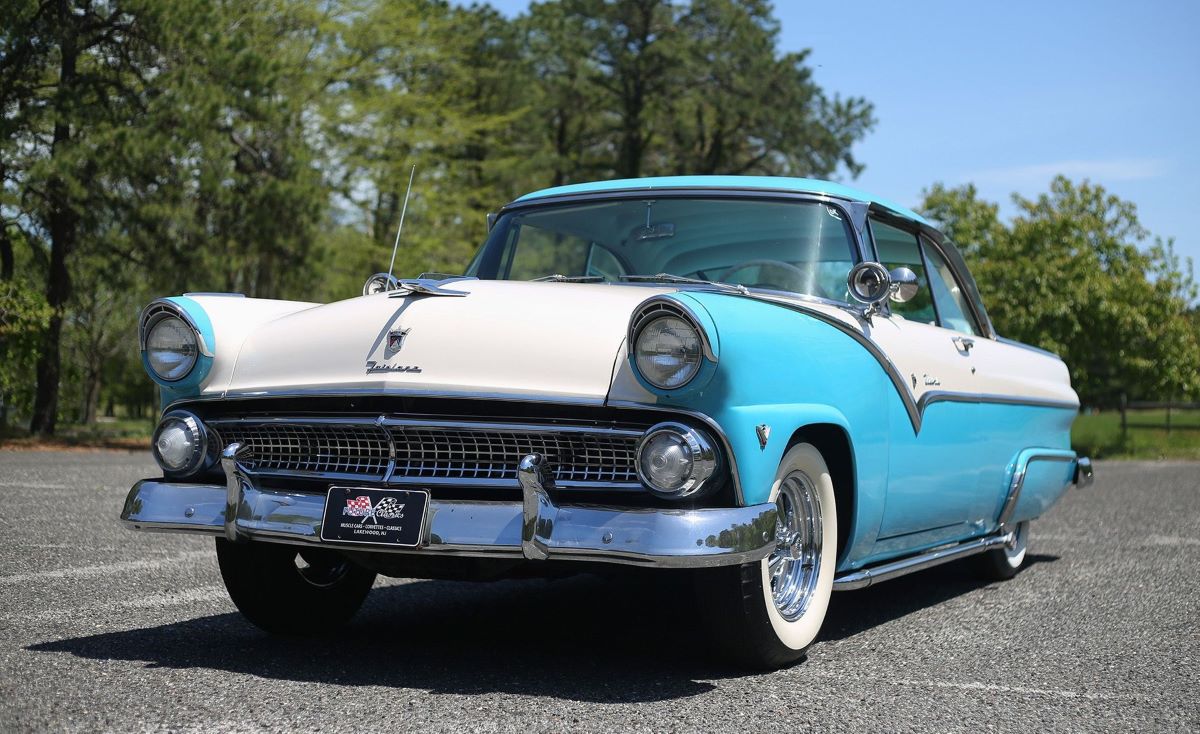
3. 1955 Ford Fairlane
Ford’s 1955 Fairlane represents a period when vacuum accessories were common even in mid-range American cars.
Like many vehicles of the era, the Fairlane used vacuum-powered windshield wipers, a feature shared by millions of cars built in the 1940s and 1950s.
In addition, the Fairlane’s heating and defrost systems used vacuum controls to regulate airflow through the dashboard. Ford engineers designed a network of vacuum lines and small actuators that opened or closed doors within the heater box.
These systems were inexpensive and relatively easy to manufacture, which made them attractive for high-volume vehicles.
However, the increasing popularity of electric wiper motors by the late 1950s eventually made vacuum wipers obsolete.
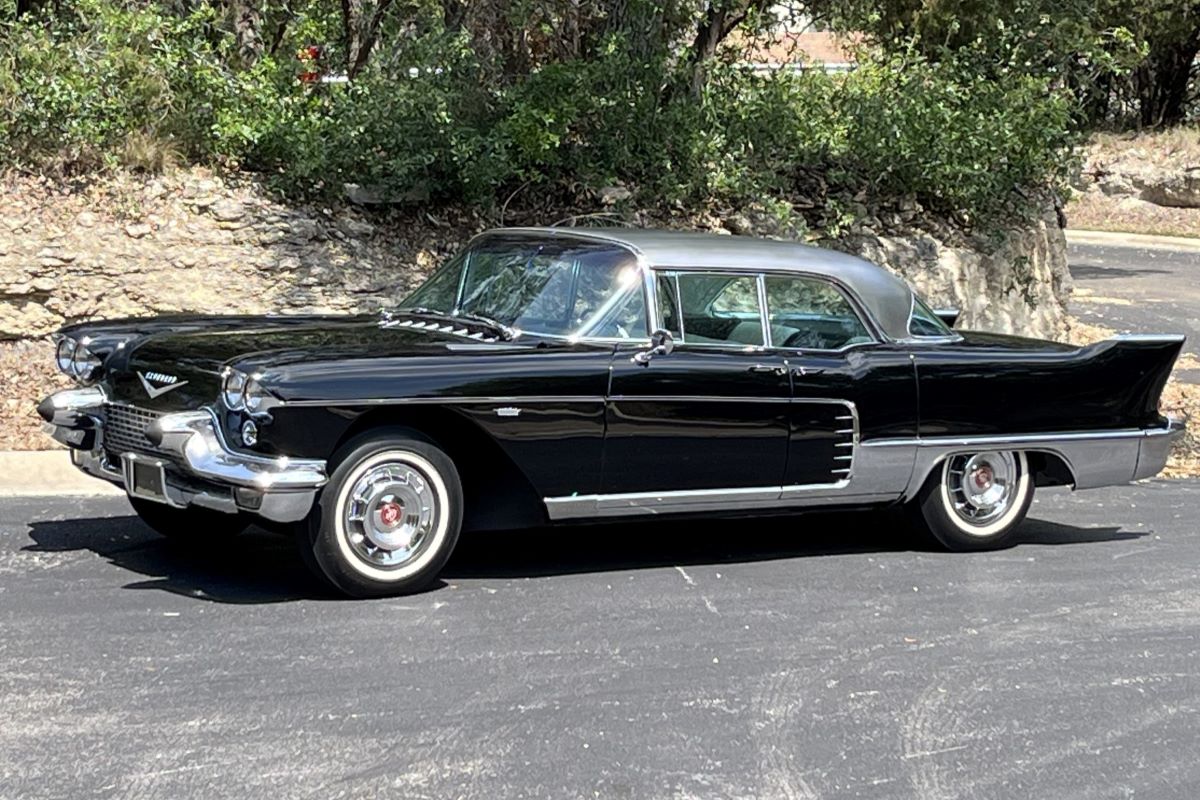
4. 1957 Cadillac Eldorado Brougham
The 1957 Cadillac Eldorado Brougham represented one of the most technologically ambitious luxury cars of the 1950s and demonstrated how rapidly American manufacturers were transitioning toward electrically powered accessories.
Introduced during the height of Cadillac’s postwar prestige era, the Eldorado Brougham was designed as a limited-production flagship that would showcase the most advanced engineering and luxury features General Motors could offer.
Built in extremely small numbers and priced far above most American cars of the time, the model functioned as both a technological showcase and a statement of Cadillac’s dominance in the luxury market.
Power came from Cadillac’s 365-cubic-inch overhead-valve V8, producing approximately 325 horsepower when equipped with dual four-barrel carburetors. This engine represented the evolution of Cadillac’s high-compression V8 program that began in 1949 and had steadily improved throughout the decade.
The engine was paired with Cadillac’s Hydra-Matic automatic transmission, sending power to the rear wheels through a conventional front-engine, rear-wheel-drive layout mounted on a full perimeter frame. Despite the car’s luxury focus, Cadillac engineers paid considerable attention to ride quality and handling.
The Eldorado Brougham featured an experimental air suspension system, replacing traditional steel springs with air-filled bladders designed to maintain a constant ride height and improve ride comfort across varying loads.
Where the Eldorado Brougham truly distinguished itself was in its extensive use of electrically powered accessories, making it one of the clearest early examples of the shift away from vacuum-driven systems. Cadillac equipped the car with a wide range of electric convenience features that were unusually advanced for the period.
Power windows, power door locks, power seats with memory settings, and electrically controlled vent windows were all standard equipment.
Even the trunk release and antenna were electrically operated. Unlike earlier luxury cars that relied on engine vacuum to operate components such as windshield wipers, the Eldorado Brougham employed electric motors and switches for many of its accessory functions, reflecting a growing reliance on more robust electrical systems.
Visually, the 1957 Eldorado Brougham stood apart from other Cadillacs with its clean, formal styling and distinctive roofline. The stainless steel roof panel, rear-hinged rear doors, and restrained tailfins gave the car an elegant yet futuristic appearance.
5. 1961 Chevrolet Impala
By the early 1960s, vacuum accessories were still common in mainstream American cars like the Chevrolet Impala.
One of the most prominent examples was the vacuum-operated windshield wiper system, which Chevrolet continued to use into the early part of the decade.
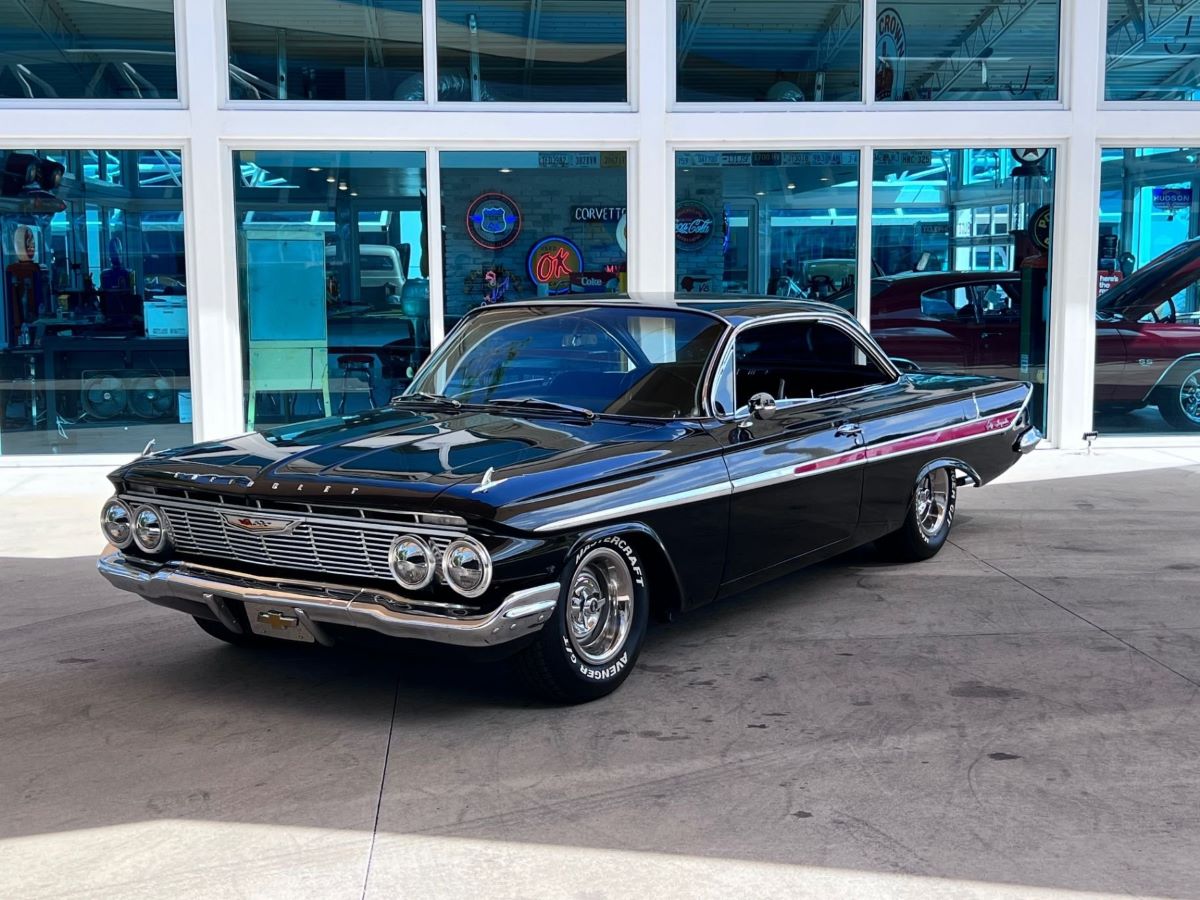
The Impala also used vacuum mechanisms for heater controls and certain optional accessories. These systems were generally reliable when the vacuum lines remained intact, but they required periodic maintenance as hoses aged and hardened.
The eventual shift to electric wiper motors and electrically actuated HVAC controls later in the decade marked the end of vacuum’s dominance in everyday automotive accessories.
Vintage Cars With Early Electric Accessories
Luxury cars were typically the first to adopt these innovations. Power windows, electrically operated windshield wipers, power seats, and advanced radio systems began appearing in premium models throughout the early and mid-1950s.
These features required stronger electrical architecture and more sophisticated wiring systems, but they offered a level of convenience and reliability that vacuum-operated components struggled to match. The growing availability of these systems also reflected changing consumer expectations as postwar buyers sought more comfort and modern technology in their vehicles.
The following vintage cars illustrate this early transition toward electrically powered accessories.
1. 1941 Packard 180
The 1941 Packard One-Eighty, commonly referred to as the Packard 180, represented the pinnacle of Packard’s luxury engineering just before the United States entered World War II. Introduced as the top model in Packard’s lineup, the 180 was designed to compete directly with Cadillac and Lincoln in the premium segment while maintaining the brand’s long-standing reputation for refined mechanical sophistication.
Produced during the final years of prewar American luxury car development, the Packard 180 embodied a period when engineers relied heavily on mechanical ingenuity and vacuum-operated systems to power convenience features rather than electrical components.
Under the hood, the 1941 Packard 180 featured Packard’s celebrated 356-cubic-inch inline-eight engine. This large L-head straight-eight produced approximately 160 horsepower and was renowned for its exceptional smoothness and durability.
The engine used a nine-main-bearing crankshaft to reduce vibration and provide consistent power delivery, a feature that helped establish Packard’s reputation for engineering excellence.
Power was transmitted to the rear wheels through either a conventional three-speed manual transmission or Packard’s Electromatic clutch system, which automated clutch operation using a combination of vacuum and electrical controls. Like most luxury vehicles of the era, the car employed a front-engine, rear-wheel-drive configuration mounted on a rigid ladder-frame chassis designed for stability and long-distance comfort.
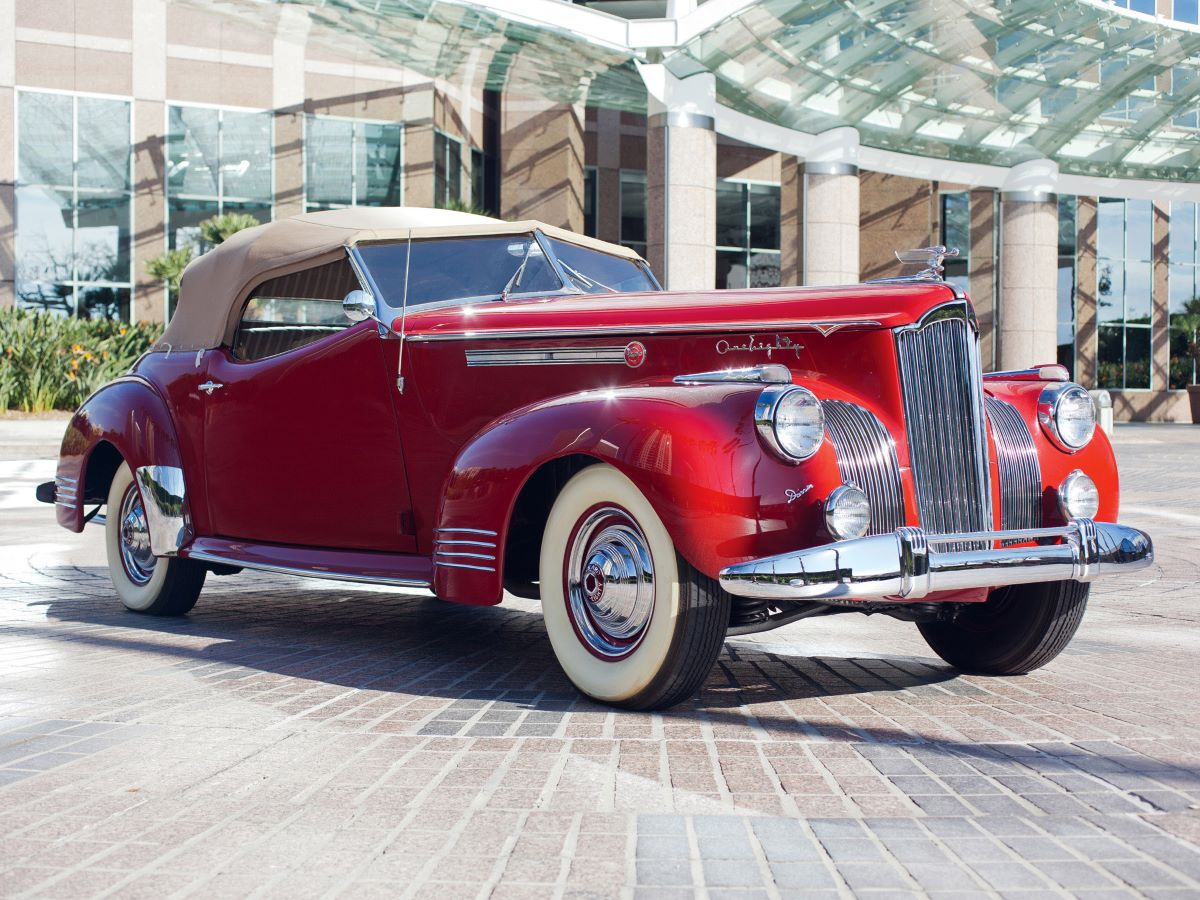
Vacuum-operated accessories were an integral part of the Packard 180’s design and illustrate why the car fits squarely into the category of vehicles using vacuum-powered systems.
One of the most prominent examples was the vacuum-operated windshield wiper system, which used engine manifold vacuum to drive a diaphragm motor that moved the wiper arms across the windshield. While widely used throughout the industry during the late 1930s and early 1940s, these systems had a well-known limitation: when the driver accelerated and manifold vacuum dropped, the wipers could momentarily slow or pause.
Additional convenience features, including elements of the Electromatic clutch system and certain climate or ventilation controls, also relied on vacuum assistance, reflecting the engineering practices of the time.
2. 1954 Cadillac Series 62
The 1954 Cadillac Series 62 arrived during a period when Cadillac was firmly established as America’s benchmark luxury brand and a leader in automotive technology. Positioned just below the ultra-exclusive Eldorado models but still firmly within Cadillac’s premium range, the Series 62 was one of the company’s most important production cars during the early 1950s.
By this time, Cadillac had begun integrating increasingly sophisticated electrical systems into its vehicles, replacing many of the vacuum-operated accessories that had dominated earlier automotive engineering. As a result, the 1954 Series 62 serves as a clear example of the industry’s early shift toward electrically powered convenience features.
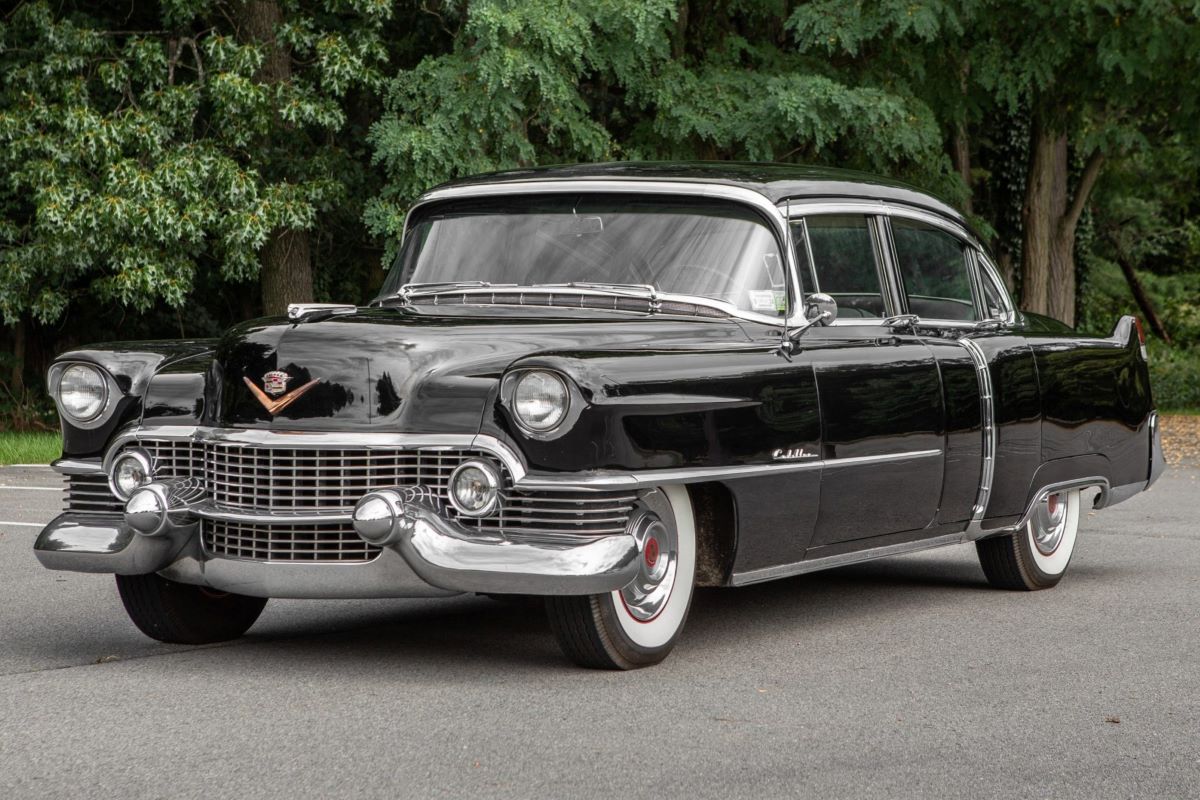
Power came from Cadillac’s 331-cubic-inch overhead-valve V8 engine, part of the revolutionary Cadillac V8 family first introduced in 1949. For the 1954 model year, the engine produced approximately 230 horsepower, providing strong performance for a large luxury sedan weighing over two tons.
The engine used a high-compression design and a four-barrel carburetor to deliver smooth and responsive power. It was paired with Cadillac’s Hydra-Matic automatic transmission, which had already become one of the most respected automatic gearboxes in the industry.
Power was delivered to the rear wheels through a conventional front-engine, rear-wheel-drive configuration, mounted on a rigid perimeter frame chassis that provided strength and ride stability.
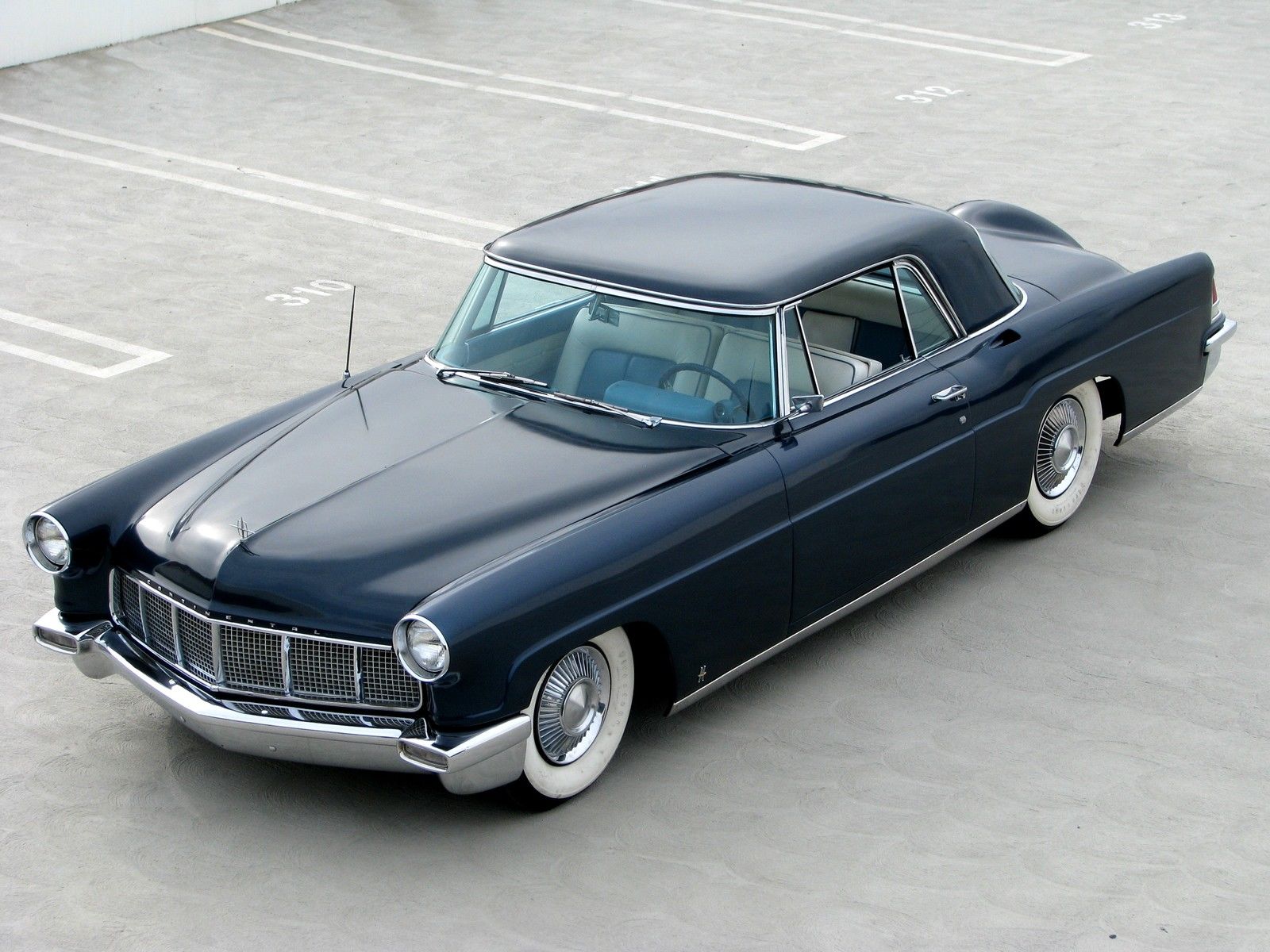
3. 1956 Lincoln Continental Mark II
The 1956 Lincoln Continental Mark II was one of the most ambitious luxury automobiles produced in postwar America, created during a period when manufacturers were rapidly advancing electrical systems and modern convenience features.
Introduced as the inaugural model of Ford’s newly established Continental Division, the Mark II was designed to rival the finest European and American luxury cars while reestablishing the prestige associated with the original prewar Continental.
Built largely by hand and sold at an exceptionally high price for its era, the car prioritized engineering refinement, restrained styling, and advanced electrical accessories, making it an ideal example of early electric-powered luxury technology.
At the core of the Mark II was Lincoln’s 368-cubic-inch overhead-valve V8 engine, producing approximately 285 horsepower. This large displacement engine delivered strong, smooth power suitable for the car’s substantial weight and luxury focus.
Fuel was supplied through a four-barrel carburetor, and power was transmitted through a three-speed Turbo-Drive automatic transmission, sending torque to the rear wheels.
Like most American luxury vehicles of the period, the Mark II used a front-engine, rear-wheel-drive layout built on a sturdy body-on-frame chassis. The suspension system employed independent front suspension with coil springs and a solid rear axle with leaf springs, tuned to deliver the quiet ride and road isolation expected of a flagship luxury car.
One of the defining characteristics of the 1956 Continental Mark II was its extensive use of electrically powered accessories. By the mid-1950s, automotive electrical systems had improved significantly in reliability and capacity, allowing manufacturers to move away from vacuum-operated mechanisms that had previously powered many convenience features.
The Mark II incorporated power windows driven by electric motors, an electrically adjustable front seat, and electric windshield wipers that eliminated the performance fluctuations associated with earlier vacuum-operated systems. The car also featured electrically controlled radios and other cabin conveniences, all integrated into a more robust electrical architecture designed to support the growing list of luxury features.
Stylistically, the Mark II stood apart from many American cars of the era with its restrained and dignified design. While competitors were beginning to experiment with dramatic fins and elaborate chrome trim, the Mark II emphasized clean lines, balanced proportions, and understated elegance.
The long hood, formal roofline, and distinctive spare tire hump integrated into the trunk lid created a silhouette that became one of the car’s defining characteristics. The interior reflected the same philosophy, with high-quality leather upholstery, carefully finished metal trim, and a dashboard layout focused on clarity and craftsmanship rather than excessive ornamentation.
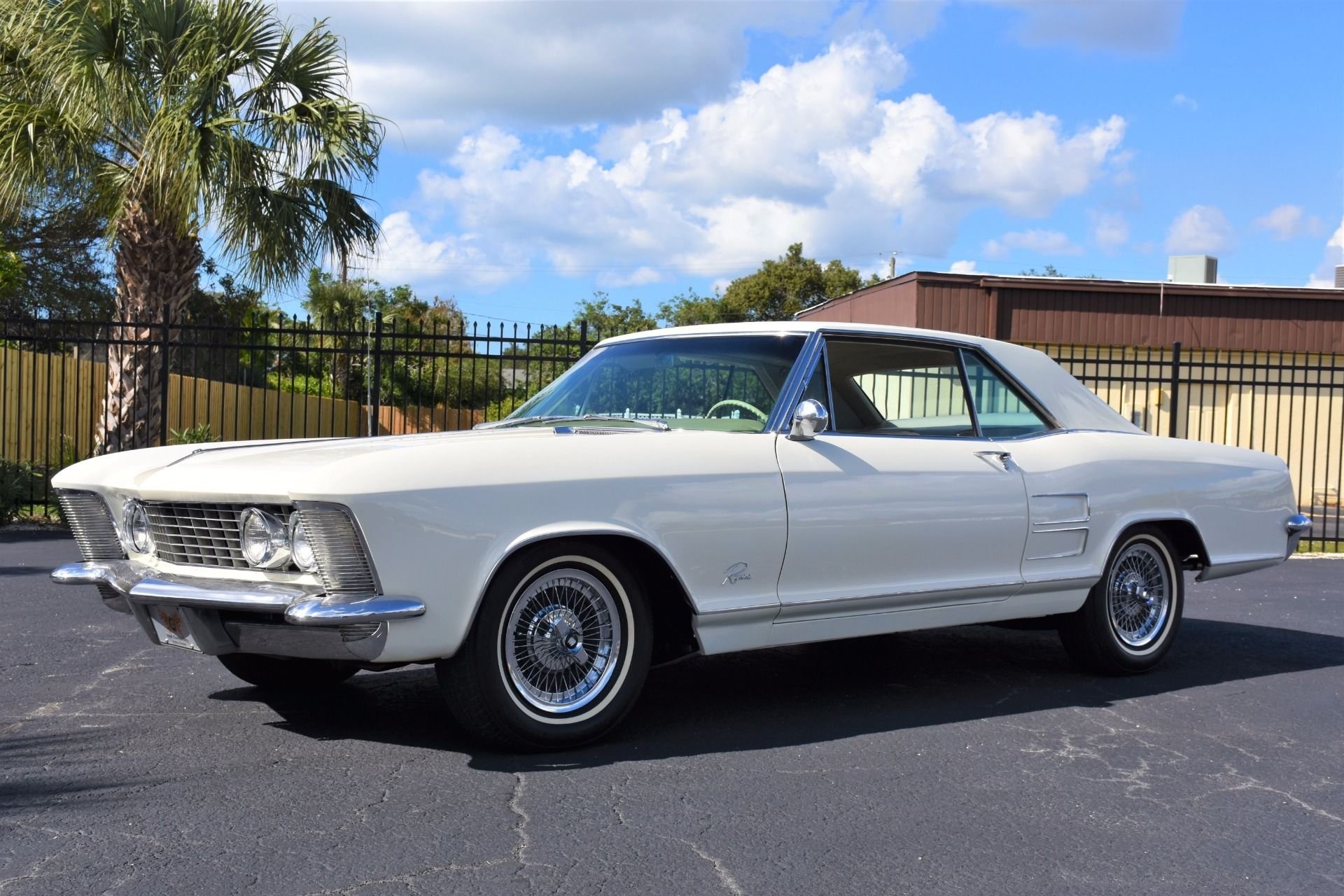
4. 1963 Buick Riviera
The 1963 Buick Riviera marked Buick’s entry into the emerging personal luxury coupe segment and quickly became one of the most influential American car designs of the decade.
Developed during a time when General Motors divisions were experimenting with new vehicle categories, the Riviera was originally conceived within Cadillac before Buick adopted the project and brought it to production.
Introduced for the 1963 model year, the Riviera combined refined engineering, distinctive styling, and a growing suite of electrically powered accessories that reflected the automotive industry’s transition toward more sophisticated electrical systems.
Powering the inaugural Riviera was Buick’s 401-cubic-inch “Nailhead” V8 engine, an overhead-valve design known for its strong low-end torque and smooth operation.
The engine produced approximately 325 horsepower and delivered power through Buick’s two-speed Turbine Drive automatic transmission. This drivetrain sent power to the rear wheels through a traditional front-engine, rear-wheel-drive layout built on a modified version of General Motors’ full-size chassis.
The Riviera’s suspension system employed coil springs at all four corners with a solid rear axle, tuned to balance ride comfort with improved handling compared with larger Buick sedans. The result was a car that maintained Buick’s traditional smooth ride while offering a more controlled and responsive driving experience.
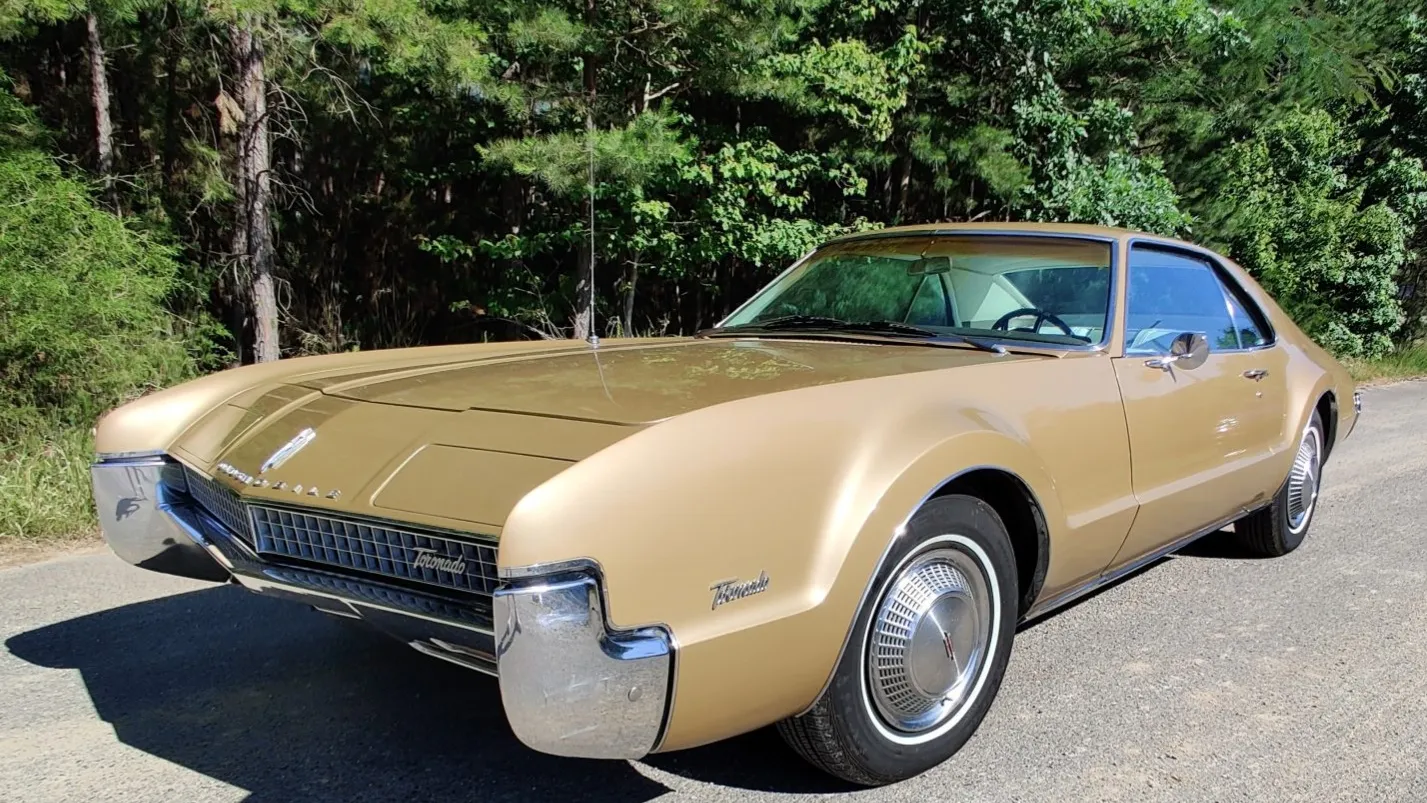
5. 1967 Oldsmobile Toronado
The 1967 Oldsmobile Toronado was one of the most technologically ambitious American cars of its era.
Along with its innovative front-wheel-drive layout, the Toronado featured numerous electric accessories, including power windows, power seats, and electric headlight doors.
Electric motors controlled the hidden headlight covers, a design element that would later appear on many sports cars. The car also featured electrically operated climate controls and various powered interior conveniences.
By the late 1960s, vehicles like the Toronado illustrated how the industry had largely shifted away from vacuum-powered accessories toward electrically driven systems that offered greater reliability and design flexibility.
The transition from vacuum-operated accessories to electric systems was driven by several practical considerations. Vacuum systems depended on engine conditions, meaning performance could vary depending on throttle position or engine load.
As engines became more powerful and drivers demanded consistent performance, these limitations became increasingly noticeable.
Electric systems solved many of these problems by providing constant power through the vehicle’s electrical system.
Improvements in alternators, wiring, and compact electric motors during the 1950s and 1960s made electrically powered accessories both affordable and reliable.
Another advantage of electric systems was design flexibility. Engineers could easily integrate switches, relays, and motors into new features such as power seats, retractable headlights, and automated climate control.
Vacuum systems, by contrast, required extensive tubing and were difficult to scale for increasingly complex vehicle designs.
Today, modern vehicles rely almost entirely on electrical systems. and increasingly on digital electronics, for accessory operation.
Yet the vacuum systems of mid-century cars remain a fascinating reminder of the creative engineering solutions that defined the early decades of automotive convenience features.
