
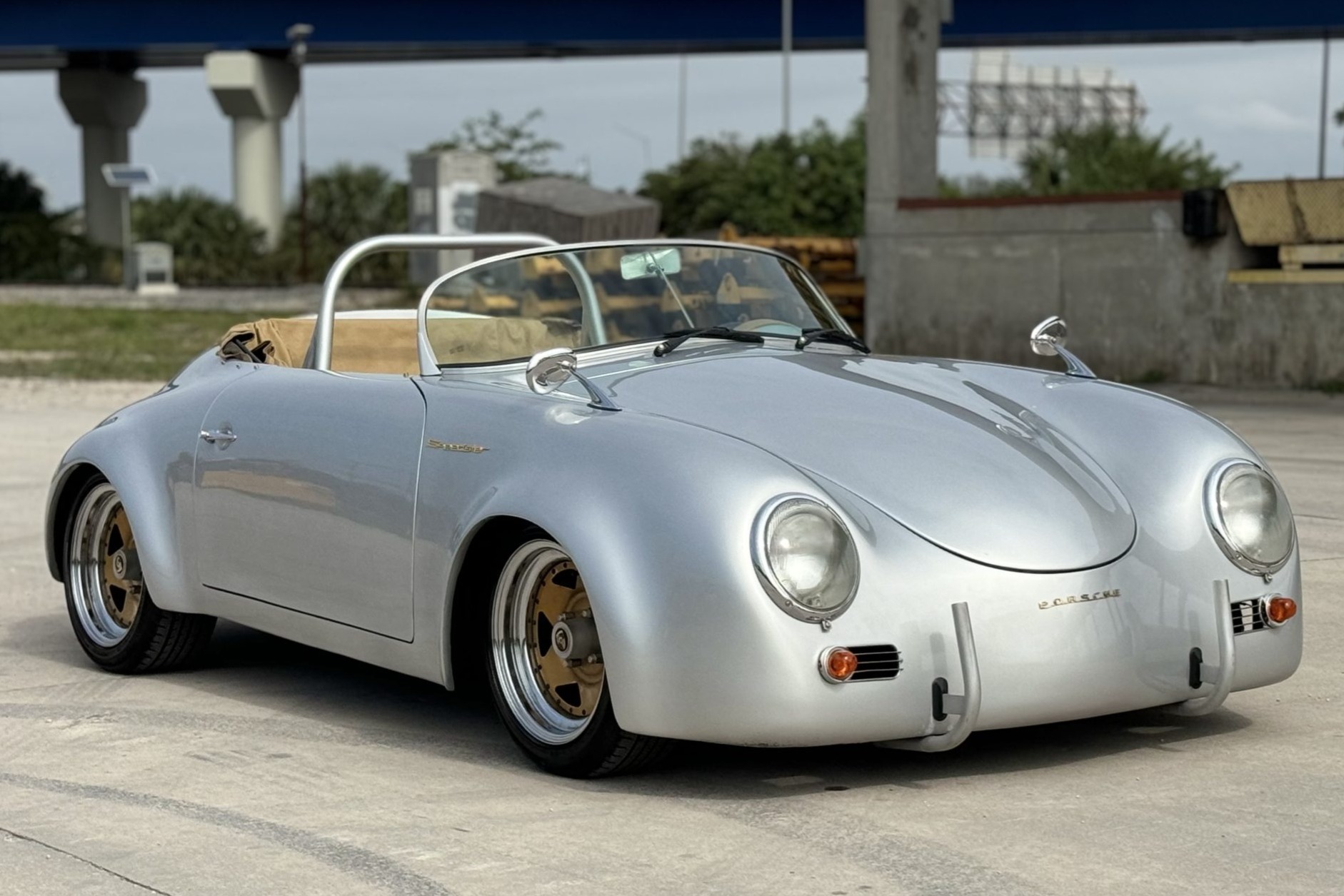
Few automotive experiences match the sensation of open-air driving wind threading through your hair, the sky stretching unbroken above you, and the engine’s note rising undiluted into the open air.
The convertible is one of motoring’s oldest and most enduring pleasures, tracing its roots back to the earliest horseless carriages, which were essentially open vehicles by default. As roofed vehicles became the norm through the 1920s, the convertible evolved from a practical necessity into a deliberate lifestyle statement.
The story of the convertible is, in many ways, the story of two competing philosophies. On one hand, there is the purist’s ideal the manual soft top, a simple folding canvas mechanism that requires the driver to step out, unlatch, fold, and secure the roof themselves.
This ritual, though occasionally inconvenient, carries with it a certain intimacy between driver and machine. It is tactile, honest, and deeply connected to the early spirit of motoring.
On the other hand, engineers throughout the mid-twentieth century worked tirelessly to eliminate that inconvenience. In 1939, Plymouth introduced the first mechanically operated convertible roof powered by vacuum cylinders, marking the dawn of the power-operated era. From that point forward, the race was on to make roof operation as effortless as pressing a button.
This article explores ten iconic machines five celebrated for their pure, mechanical manual soft tops, and five that pioneered or embraced the early power roof revolution. Together, they chart the evolution of one of motoring’s most beloved features.
5 Classic Convertibles With Manual Soft Tops
These exceptionally simple vehicles feature straightforward manual folding mechanisms and minimal complexity perfectly suited for reliable top operation throughout decades of ownership, providing dependable convertible experiences through hand-operated latches and manually folded fabric roofs that resist the mechanical failures typically plaguing early power systems as hydraulic components age and electrical motors deteriorate.
Their straightforward engineering includes basic frame assemblies and purely mechanical operation that resist the expensive repair patterns found in motorized tops while delivering operation that never fails from dead batteries or hydraulic leaks, lightweight roof mechanisms that one person operates easily without power assistance, and complete absence of complex components that render aging power tops permanently inoperable when original parts become unavailable.
1. Jaguar E-Type Series 1 Roadster (1961–1968)
When Enzo Ferrari reportedly called the Jaguar E-Type “the most beautiful car ever made,” he was not speaking in hyperbole. The Series 1 Roadster arrived in 1961 as a seismic event in the automotive world a long-bonneted, curvaceously sculptured two-seater that combined genuine performance with breathtaking aesthetics at a price that undercut its European rivals dramatically.
And despite all its technical sophistication independent rear suspension, disc brakes on all four corners, a twin-cam straight-six engine the E-Type Roadster wore its soft top in the most traditional manner imaginable: entirely by hand.
The manual hood on the Series 1 Roadster was a study in functional simplicity. Drivers unlatched a pair of clips near the windscreen header rail, folded the canvas rearward with a practiced motion, and stowed it beneath a fitted tonneau panel that preserved the car’s elegant lines even with the roof tucked away.
There was no motor, no hydraulic pump, no electrical relay standing between the driver and open-air motoring. The entire operation took perhaps ninety seconds, and many owners regarded this as a feature rather than a flaw a ceremony that heightened the anticipation of the drive ahead.
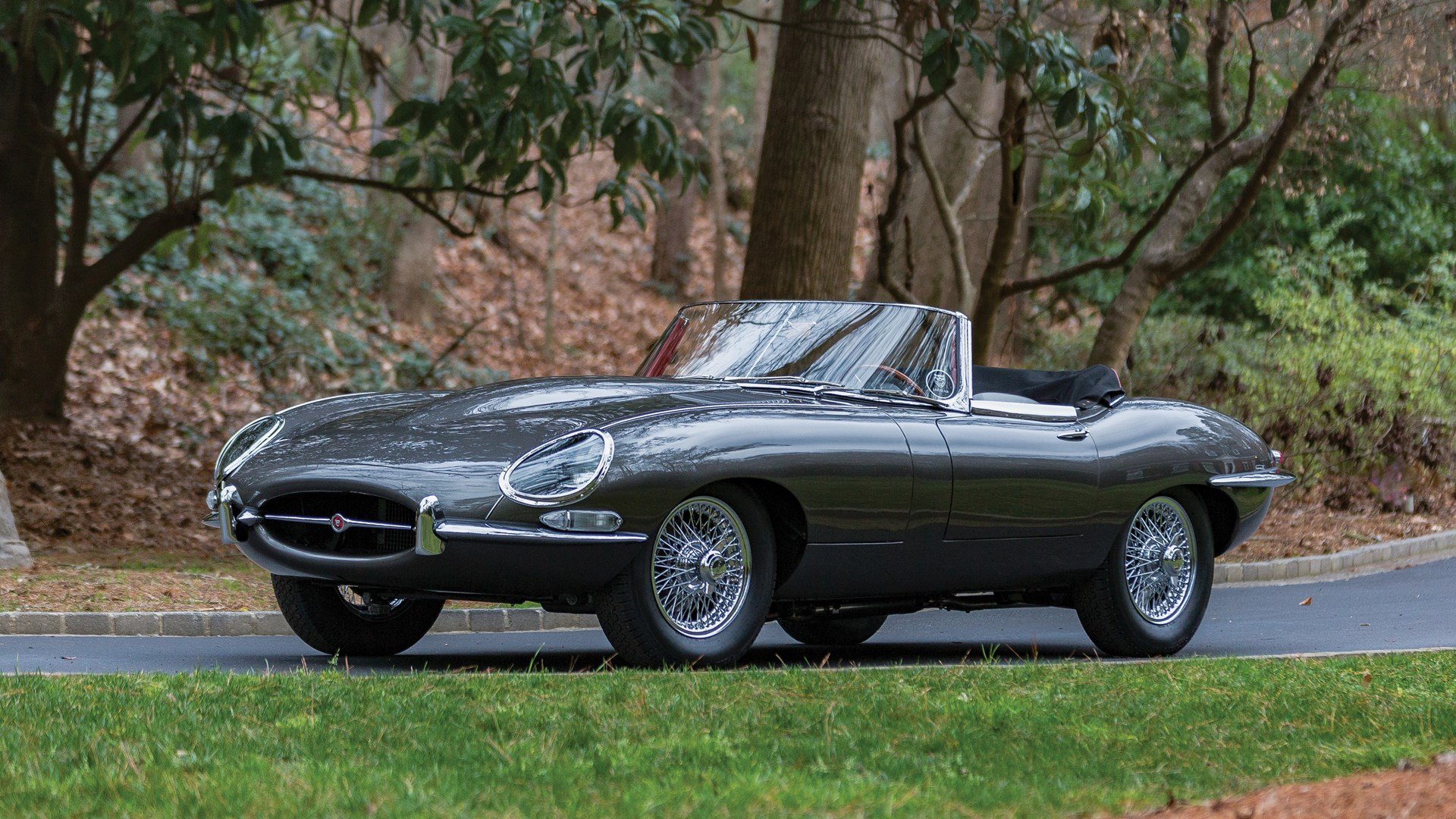
The hood itself was typically finished in black or dark blue canvas, pulling taut over a lightweight aluminium frame. When raised, it sealed reasonably well against light rain, though the E-Type was never marketed as a wet-weather weapon.
Jaguar’s engineers understood that the car’s calling was sunshine and open roads. The chrome-trimmed side windows latched firmly into the hood’s side channels, giving the closed cabin a surprisingly refined appearance for a hand-operated system.
The driving experience with the top down was nothing short of transformative. The 3.8-litre XK engine in early cars produced around 265 brake horsepower, enough to carry the Roadster to sixty miles per hour in under seven seconds a figure that rivalled outright racing machinery of the era.
With no roof interrupting the cockpit, the sound of the engine was gloriously unfiltered, rising to a metallic howl under full acceleration and dropping to a cultured burble on the overrun.
Part of the E-Type’s enduring appeal lies precisely in this analogue character. Collectors and enthusiasts today still regard the manual hood as integral to the experience.
There is a rhythm to preparing the E-Type for a top-down run checking the catches, folding the canvas, clipping the cover that no button press can replicate. The car demands your attention and rewards it generously.
In an era of increasing automotive automation, the Series 1 Roadster stands as a monument to the idea that the best things in motoring sometimes require a little effort.
Production of the Series 1 ran until 1968, when the Series 2 introduced American-market safety and emissions modifications. But it is the early cars those built between 1961 and 1964 with the flat-floor cockpit and outside-latch bonnet that command the highest prices and the deepest reverence. Their manual hoods remain a defining feature, a tactile link to an era when the driver was fully responsible for the machine’s transformation.
2. Triumph TR6 (1969–1976)
The Triumph TR6 occupies a uniquely beloved position in British sports car history. It was the last of the traditional Triumph roadsters a broad-shouldered, squared-off machine with a lusty 2.5-litre straight-six engine and a no-nonsense approach to open-air motoring that endeared it to enthusiasts on both sides of the Atlantic.
Produced through the entire decade of the 1970s, the TR6 sold in considerable numbers, particularly in North America, where its muscular styling and affordable pricing made it a compelling alternative to domestic sports cars.
At the heart of the TR6’s open-top experience was one of the most straightforward manual hood systems in the British sports car tradition. The hood folded into a compact stack behind the two-seat cockpit, concealed beneath a neat cover that kept the exterior lines clean.
Raising or lowering the roof required no tools and minimal strength unclip the front header latches, swing the hood rearward or forward, and the job was done in under two minutes.
It was the kind of system that rewarded familiarity; regular TR6 owners could manage the operation without thinking, their hands working through the sequence on muscle memory alone.
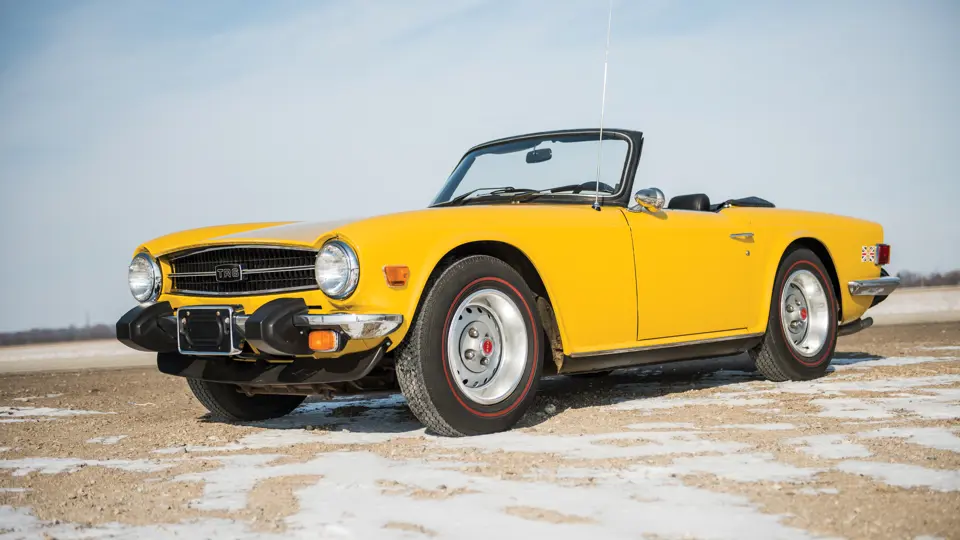
The canvas itself was robust by the standards of its day. Triumph offered the hood in black as standard, with other colours available as alternatives.
The rear window was originally plastic, which earned occasional criticism for its tendency to cloud and craze over time, but later production cars received improved materials that held up considerably better.
When raised, the hood formed a snug enclosure that kept occupants reasonably dry and tolerably warm, though the TR6 was never expected to compete with saloon cars for weather protection.
What distinguished the TR6 as a driver’s car was the quality of its engine. The fuel-injected version sold in Britain produced 150 brake horsepower with genuine mechanical character a torquey, responsive unit that felt at home whether pottering through country lanes or being extended on open A-roads.
With the hood down, the exhaust note reached the cockpit in all its unmediated glory, a deep, purposeful soundtrack that became one of the car’s most celebrated qualities.
The TR6’s manual hood also speaks to an important period in automotive history. By the late 1960s, power-operated roofs were increasingly available on more expensive cars, yet Triumph made no attempt to electrify the TR6’s top.
The decision was deliberate the car was positioned as a driver-focused sports machine, not a luxury cruiser, and the manual hood reinforced that identity. Owners who might have preferred convenience were compensated by a lower price, lighter weight, and the simple pleasure of a system that had almost nothing to go wrong.
Today, the TR6 enjoys a devoted following, with a robust community of owners, specialists, and suppliers keeping cars in excellent condition. The manual hood remains a talking point among enthusiasts easier to maintain than any hydraulic system, cheaper to replace, and entirely consistent with the car’s honest, unaffected character.
3. MGB Roadster (1962–1980)
The MGB Roadster is perhaps the definitive entry-level British sports car of its generation a machine produced in sufficient numbers to be attainable today, yet possessed of genuine character and driving pleasure that justify its enduring cult status.
Manufactured at Abingdon for nearly two decades, the MGB was the car that introduced a generation of enthusiasts to open-top motoring, and its manual hood was a central part of that accessible appeal. The hood mechanism on the MGB evolved over its eighteen-year production run, but the essential operation remained consistent throughout.
A single driver could raise or lower the roof without assistance unclipping the two forward latches, lifting the hood clear of the windscreen, and guiding it rearward into its stowed position, where a press-stud tonneau cover could be fitted to finish the job neatly. Raising the hood was equally uncomplicated, a reversal of the same steps.
The whole process was intended to be fast enough that a driver caught in a sudden shower could protect themselves before getting soaked an important consideration in the British Isles.
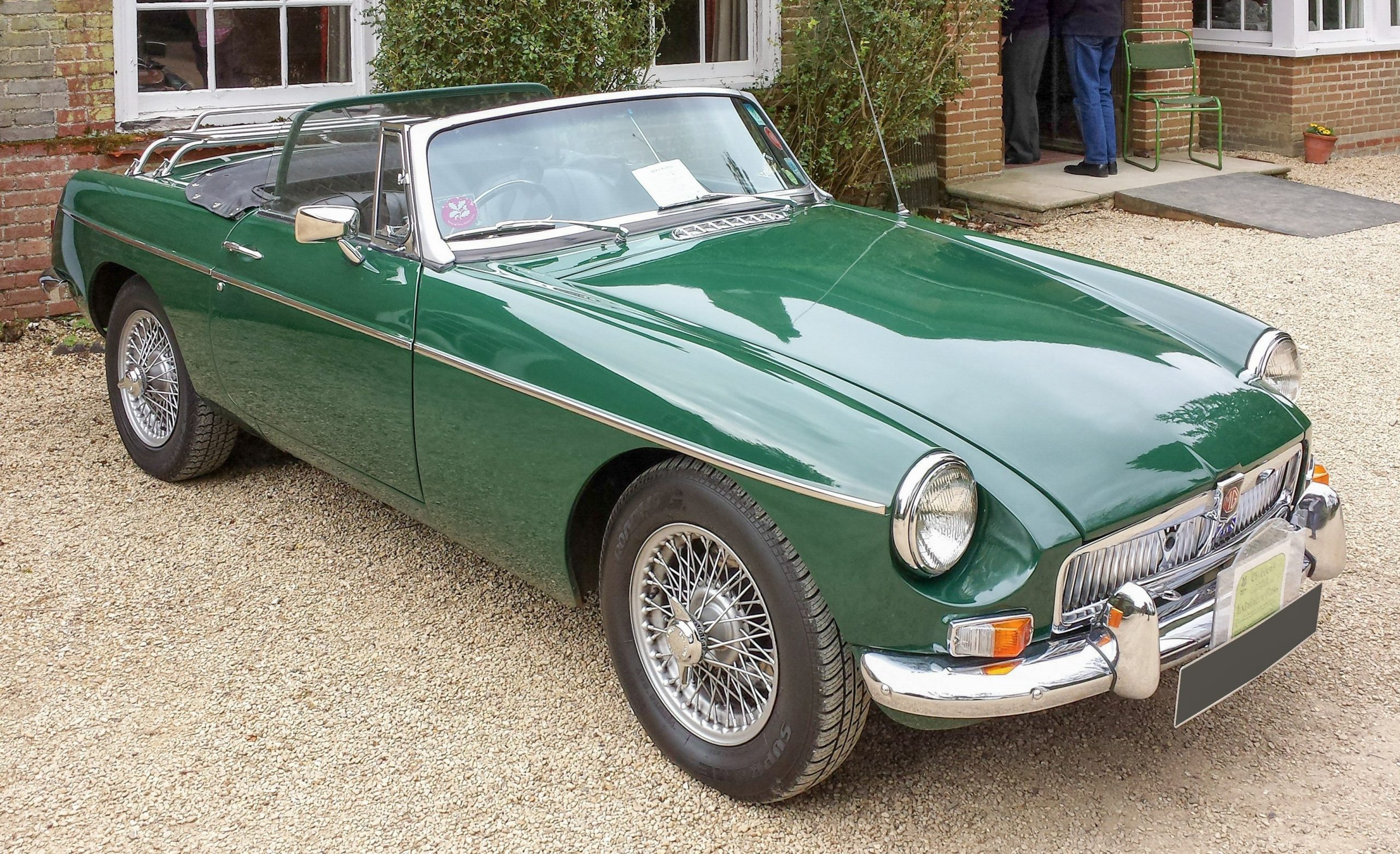
The hood frame used conventional bow construction, with a series of hinged metal arches supporting the canvas. Early cars used aluminium frames, later replaced by steel, and the canvas quality improved noticeably as production progressed.
The rear window transitioned from plastic to glass in 1975, a change welcomed by owners who had grown frustrated with the fogging and discolouration of earlier plastic screens.
Mechanically, the MGB was a straightforward machine a B-series four-cylinder engine in 1.8-litre form, four-speed gearbox, and conventional rear-wheel drive.
It was never the fastest sports car on the road, but it was communicative, involving, and tremendous fun with the roof folded away. The driving position was snug rather than cramped, and the low windscreen meant that full-speed open-air driving required a helmet or at least acceptance of considerable wind blast.
What the MGB Roadster demonstrated, perhaps better than any other car of its era, was that a manual soft top need not be a compromise. Designed properly with good materials, sensible latching points, and a logical folding sequence a manual hood can offer all the weather protection and convenience that a typical owner requires.
The MGB’s system was not flawless, but it was honest, straightforward, and consistent with the car’s entire ethos of uncomplicated, accessible pleasure.
The car’s production run of eighteen years made it one of the longest-lived sports car models in history, and the MGB remains one of the most commonly encountered British classics today. Its manual hood, simple and easily replaced, is one of the reasons so many survive in usable condition.
4. Alfa Romeo Spider Series 1 (Duetto) (1966–1969)
The Alfa Romeo Spider is one of automotive design’s most romantically compelling objects, and the Series 1 universally known as the Duetto, after its distinctive boat-tail rear styling represents the model at its most purely beautiful.
Designed by Pininfarina and revealed at the 1966 Geneva Motor Show, the Duetto wore its Italian heritage with effortless grace, combining a genuinely lovely body with the mechanical vivacity that defined Alfa Romeo in this period. Its manual soft top, like everything else about the car, was executed with characteristic Italian attention to form as well as function.
The hood mechanism was a manually operated affair of considerable elegance. The canvas top folded in a compact and well-ordered manner, guided by a lightweight steel-and-aluminium frame that stowed neatly into the tail section.
When down, the hood disappeared almost completely, preserving the Spider’s svelte profile without the unsightly raised deck that plagued some contemporaries. A fitted cover snapped into place over the stowed canvas, maintaining the car’s sculptural cleanliness.

Raising the hood required the driver to step out or at least lean back to pull the canvas forward over the bows and engage the front header latches.
The operation demanded a degree of care and familiarity, particularly with the tensioning adjustments that kept the hood weathertight, but owners who invested time in understanding their car were rewarded with a hood that sealed well and sat cleanly. The rear screen was initially plastic but was improved on later cars.
The engine in the Duetto was Alfa Romeo’s twin-cam four-cylinder, available in 1300cc and 1750cc forms, the larger unit producing sufficient power to make the Spider genuinely quick by the standards of its day.
The twin-cam’s mechanical character a rasping, high-revving soundtrack quite unlike anything produced by contemporary British sports cars was the perfect accompaniment to open-air driving. With the hood folded away and the Italian sun overhead, the Duetto delivered an experience that felt specifically designed for the moment.
The Series 1 Spider achieved additional cultural immortality through its starring role in the 1967 film The Graduate, appearing in a graduating red finish as Dustin Hoffman drove it along the California coast in some of cinema’s most memorable sequences.
This exposure cemented the Duetto’s status as a cultural icon, and examples today command prices that reflect their historic significance and genuine beauty.
The manual hood is entirely in keeping with the car’s character analogue, tactile, and requiring a degree of driver involvement that power systems cannot replicate. It is a fitting roof for a car that asks its driver to be present, engaged, and willing to participate in the act of driving.
Also Read: Top 10 Most Reliable Diesel Engines From the Late 1970s Era
5. Porsche 356 Cabriolet (1950–1965)
The Porsche 356 Cabriolet holds a foundational place in the story of the sports car, representing the earliest expression of what Ferdinand Porsche Jr. and his colleagues envisioned as the ideal driver’s machine.
Built from 1950 in Gmünd and subsequently in Stuttgart, the 356 was Porsche’s first production car, and the Cabriolet variant introduced almost simultaneously with the coupé demonstrated from the outset that open-air motoring was central to the marque’s identity.
The manual soft top on the 356 Cabriolet was, by necessity, a carefully engineered compromise between simplicity and weather protection. The car was intended as a genuine all-weather sports car, not merely a fair-weather toy, and Porsche’s engineers developed a hood system that sealed more effectively than many contemporary British offerings.
The canvas top stretched over a sturdy frame with considerable tension, creating a relatively quiet and draught-free interior when raised important for a car whose owner might drive it year-round.
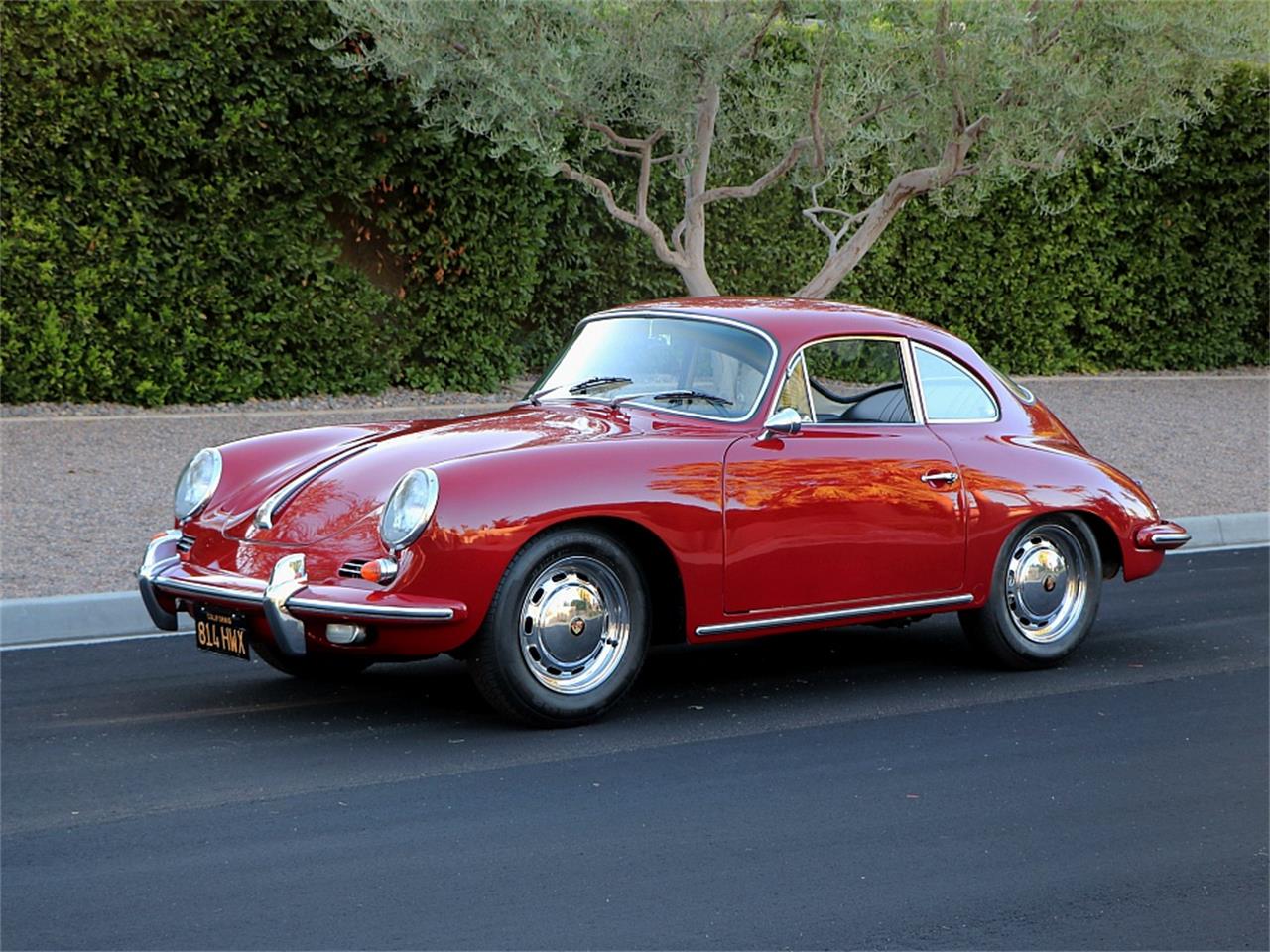
Lowering the hood was a manual operation requiring the driver to release the front header latches, fold the canvas rearward in a controlled sequence, and secure the package beneath a cover.
It was not the fastest operation, but 356 owners tended to be deliberate enthusiasts who appreciated their car’s qualities and were willing to invest the necessary attention.
The folded hood sat higher than on some competitors, creating a mild visual compromise with the roof down, but this was accepted as a reasonable trade-off for the superior sealing achieved when the roof was up.
The 356’s air-cooled flat-four engine was mounted in the rear, a layout that gave the car unique handling characteristics and a distinctive mechanical soundtrack. With the hood folded, the engine’s note reached the cockpit from behind an unusual and characterful experience quite unlike the forward-mounted engines of contemporary British rivals.
Power outputs ranged from modest early figures to the 130 horsepower produced by the later Carrera engines, but even the humblest 356 offered driving pleasure disproportionate to its specification.
The 356 Cabriolet established the template for Porsche convertibles that would continue through the 911 Cabriolet and beyond. The manual hood of the early cars carries enormous historical weight it represents the beginning of a sports car dynasty, built with simplicity and driver focus as guiding principles. For collectors, the 356 Cabriolet is among the most treasured of all classic open-top cars.
5 Classic Convertibles With Early Power Mechanisms
These technologically ambitious vehicles feature pioneering motorized roof systems and complex hydraulic mechanisms perfectly demonstrating 1960s engineering optimism, providing push-button convenience through electrically activated hydraulic pumps and motorized folding sequences that represented cutting-edge technology despite reliability challenges that emerged as these early systems aged beyond manufacturer expectations.
Their complex engineering includes hydraulic cylinders and electric motors that resist the simplicity found in manual mechanisms while delivering impressive convenience when functioning properly, automated folding sequences that seemed futuristic to period buyers, and engineering complexity that unfortunately couldn’t anticipate degradation patterns that would emerge after decades of exposure to temperature extremes and component aging.
1. Plymouth Special DeLuxe Convertible (1939–1942)
The Plymouth Special DeLuxe holds a place of unambiguous significance in automotive history: it was the first production car to feature a mechanically operated convertible roof, introduced in 1939 and powered by vacuum cylinders.
This was not a minor convenience upgrade but a genuine technological leap that redefined what a convertible could be not just a fair-weather sports car requiring driver effort, but an accessible luxury available at the touch of a control.
Plymouth’s parent company, Chrysler, had been watching the convertible market with commercial interest. American buyers were enthusiastic about open-air motoring, but the physical effort required to raise and lower heavy canvas tops in the American heat was a genuine deterrent, particularly for buyers who might otherwise prefer the comfort of a closed car.
The vacuum-operated system offered an elegant solution. Two vacuum cylinders, drawing power from the engine’s intake manifold, provided the force necessary to raise and lower the folding fabric top with minimal driver input.
The system was not instantaneous by modern standards operation required a brief pause, and the roof moved with a deliberate, mechanical cadence that was charming in its way.
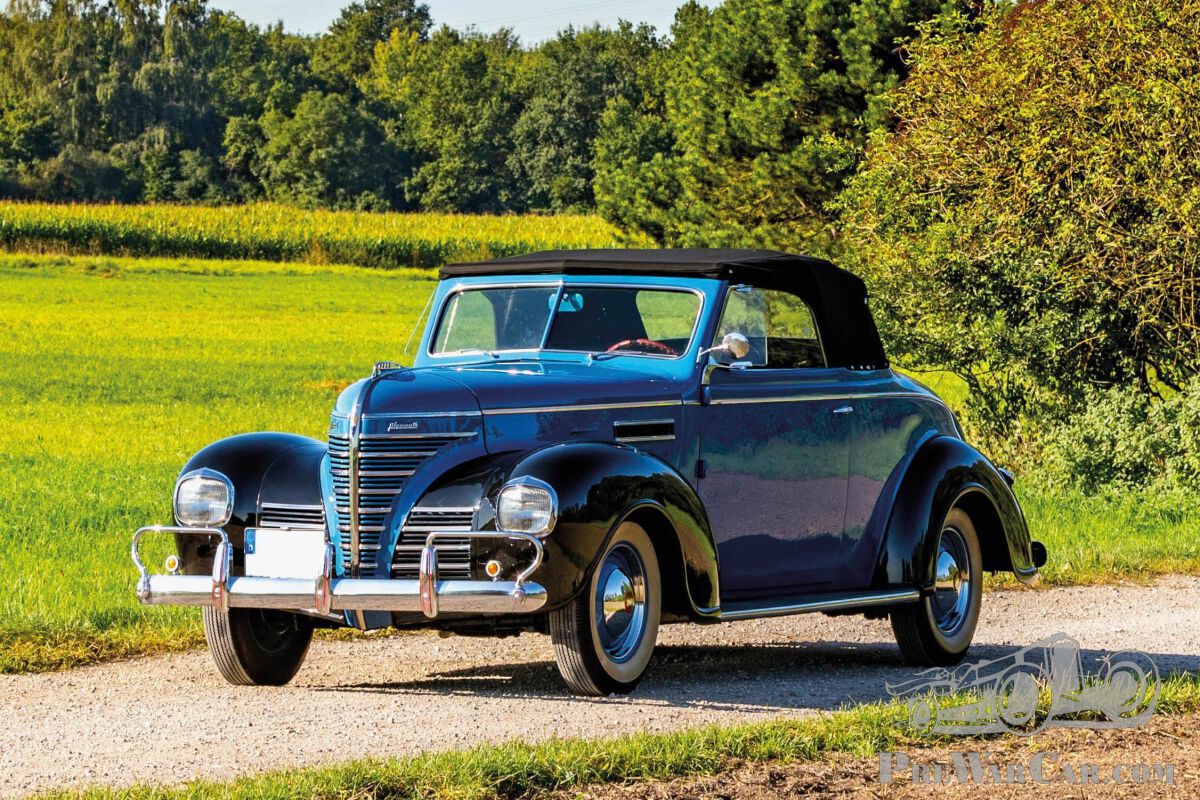
Drivers operated the controls from the cockpit, watching the top unfold and rise over their heads as the cylinders extended. The process took considerably longer than a modern electric roof but was revolutionary in comparison to the wholly manual operations that had preceded it.
The Special DeLuxe itself was a substantial American saloon-style convertible, built on a full-size chassis with a side-valve six-cylinder engine producing modest power by later standards.
The body was generously proportioned, with a wide bench front seat and ample cabin space American convertibles of this era were family-friendly machines rather than two-seat sports cars.
The vacuum hood system covered a large expanse of canvas, and the engineering required to operate it reliably across such a wide structure was genuinely impressive.
The commercial reception to Plymouth’s power top was encouraging, and the technology spread quickly to other manufacturers and more expensive models.
Within a decade, hydraulic and electric systems had begun to supersede vacuum operation, offering faster, more reliable roof movement. But Plymouth’s vacuum cylinders opened the door, establishing the principle that roof operation was a function drivers should be able to control from the driver’s seat without physical exertion.
The cars built between 1939 and the interruption of civilian production in 1942 represent a fascinating transitional moment in automotive history standing at the boundary between the purely manual era and the mechanized future that would follow World War II.
2. Ford Fairlane 500 Skyliner (1957–1959)
The 1957 Ford Fairlane Skyliner featured a powered retractable hardtop that proved so popular that more than 48,000 examples were built across its three-year production run from 1957 to 1959.
It was an extraordinary piece of engineering ambition a full-size American automobile whose steel roof folded in half and disappeared entirely into the trunk at the touch of a button, transforming a solid steel-roofed coupe into an open convertible in a matter of seconds. No other production car had attempted anything comparable with a metal roof at this scale.
Ford’s engineers invested enormously in developing the Skyliner’s mechanism. The retractable steel top was operated by a system of electric motors reportedly thirteen individual motors were involved along with a network of limit switches, solenoids, and relays that choreographed the folding sequence with meticulous precision.
The roof folded at a central hinge, the two halves stacking on top of each other before the entire assembly rotated rearward and descended into the trunk space. The trunk lid simultaneously opened, pivoted, and reconfigured itself to receive the folded roof, then closed again over the top when the operation was complete.
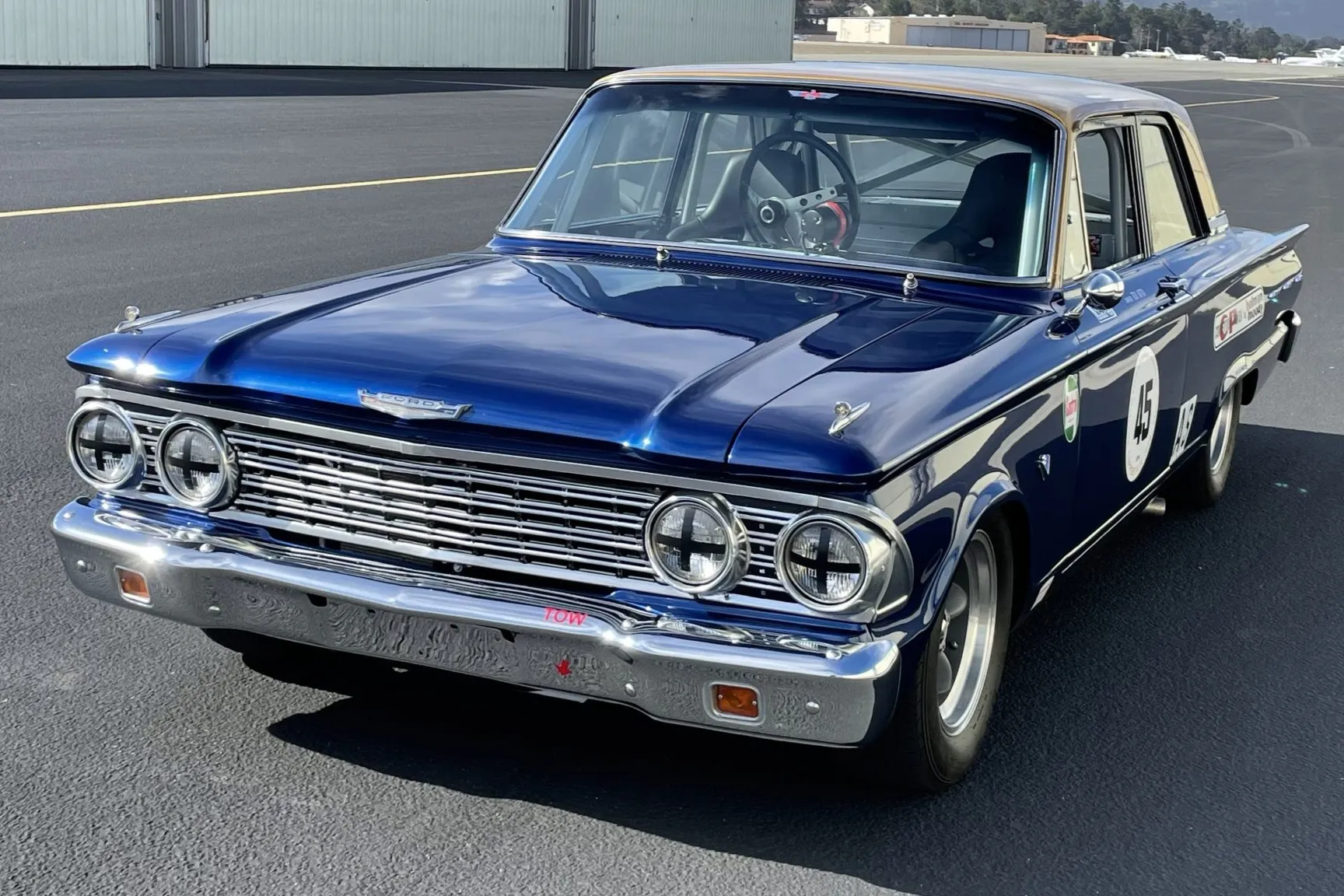
This mechanism was remarkable and, at the time, entirely without parallel in the mass-market automotive world. It required the rear of the car to be structurally engineered around the roof storage requirements, resulting in a trunk that was considerably compromised when the roof was stowed luggage capacity was modest at best with the top down.
The car was also noticeably heavier than comparable open convertibles, and the complexity of the electrical system meant that maintenance required specialist knowledge.
Nevertheless, the Skyliner captured the public imagination in a way that justified its engineering investment. Demonstrating the roof operation became a social event parking lots and show stands attracted crowds whenever the Skyliner’s roof went through its automated routine.
Ford leaned heavily into this theatrical quality in its marketing, and the car sold strongly throughout its production run. The Skyliner rode on Ford’s full-size platform, powered by various V8 engines available across the Fairlane range.
As a driving experience, it offered the typical American formula of the era comfortable, smooth, and capable of effortless highway cruising. The power roof mechanism made open-air driving accessible without any physical effort whatsoever, though the compromise in trunk space was a very real limitation for family use.
The Skyliner’s early retirement after just three model years reflected a commercial reality: the engineering cost was difficult to justify against the sales volume achieved. But its brief existence established a benchmark of mechanical ambition that influenced convertible design for decades.
3. Lincoln Continental Mark II (Concept-Influenced, 1961 Convertible)
The 1961 Lincoln Continental is one of the most celebrated American automobiles of the postwar era a car that abandoned the excessive ornamentation of late 1950s styling for a clean, slab-sided elegance that looked modern then and continues to look modern today.
Designed under the direction of Elwood Engel, the Continental was available in four-door saloon and four-door convertible body styles, the latter being an unusual configuration rarely attempted by any manufacturer. Its power-operated soft top was one of the most sophisticated hood mechanisms available on an American production car at the time.
The Continental’s convertible roof operation was hydraulically powered, drawing on a well-developed system that reflected accumulated engineering experience since the vacuum-cylinder era of the late 1930s.
By 1961, hydraulic hood systems had become considerably more reliable and refined than their vacuum predecessors. The Lincoln’s substantial canvas top covering a wide, four-door cabin raised and lowered with a fluid, unhurried motion, guided by a complex articulated frame that had to manage an unusually wide and long expanse of fabric.
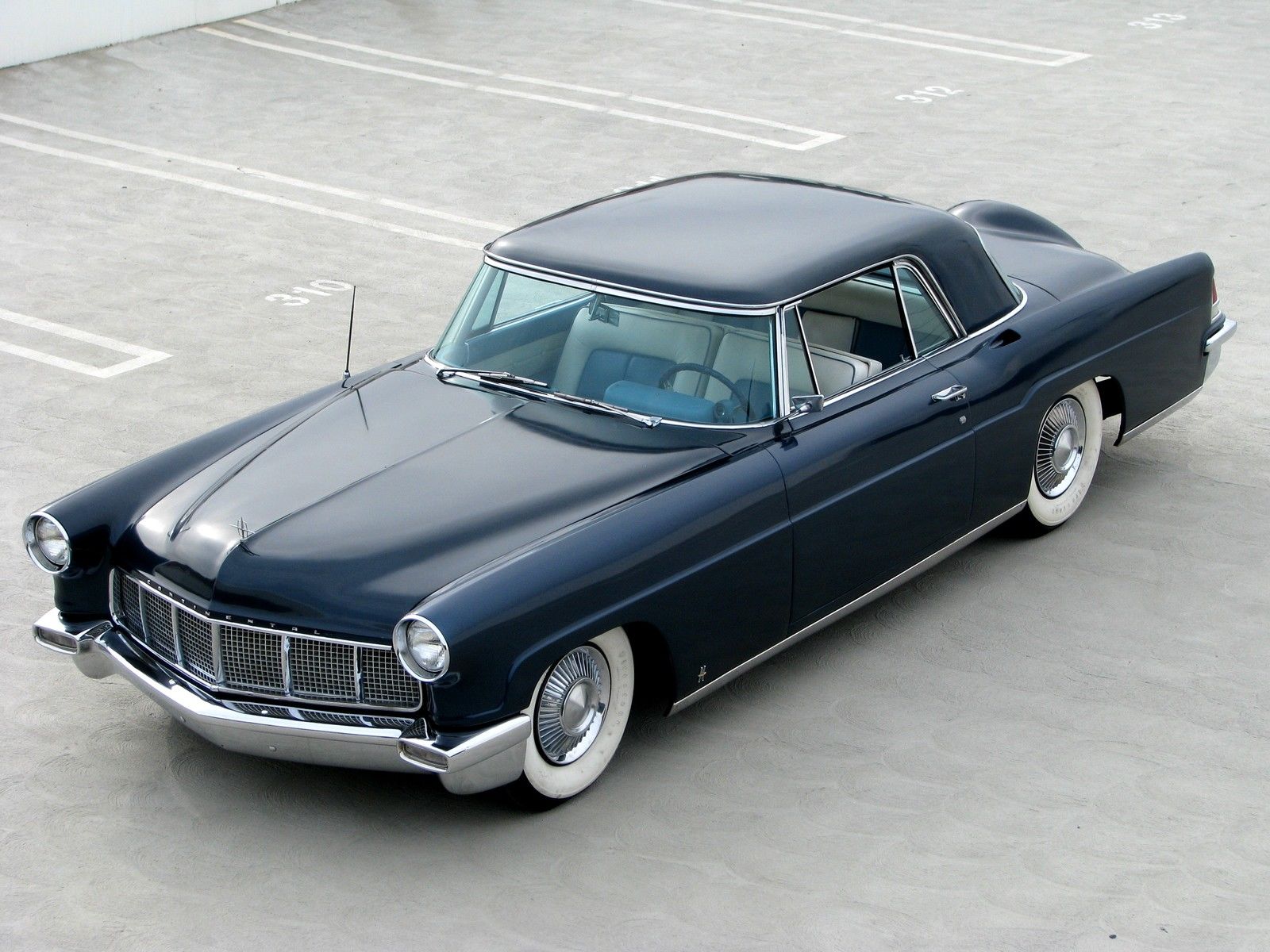
The four-door convertible configuration presented specific engineering challenges that a conventional two-door car did not face. The absence of a B-pillar meant that the structural rigidity of the body had to be achieved through other means, including a heavily reinforced floor pan and door sills.
The hood itself, when folded, disappeared beneath a power-operated lid in the manner common to large American convertibles of the period, maintaining the car’s sleek profile with the roof down.
What distinguished the Continental’s power roof system was its integration with the car’s character. Lincoln positioned the Continental as the pinnacle of American luxury a car purchased by presidents and captains of industry and the effortless, button-operated roof was entirely consistent with that positioning.
Drivers and passengers alike could lower the top without inconvenience, making open-air motoring a spontaneous pleasure rather than a planned activity requiring preparation and effort.
The 7.0-litre V8 engine provided the Continental with effortless motive power, and the car’s size and weight made it a supremely comfortable long-distance machine.
With the roof folded and four seats available for occupants, it offered a social open-air experience quite unlike the two-seat European sports cars of the era.
The 1961 Continental convertible remains one of the most desirable American classics of its decade, combining exceptional styling with sophisticated mechanical content.
4. Mercedes-Benz 300SL Roadster (1957–1963)
The Mercedes-Benz 300SL is one of the twentieth century’s most significant automobiles in any body style, but the Roadster which succeeded the legendary Gullwing Coupé in 1957 brought the car’s remarkable engineering to open-air form.
Equipped with a power-assisted soft top mechanism, the Roadster offered a level of refinement commensurate with its position at the very top of the Mercedes-Benz model range, while its low-slung, beautifully proportioned body made it one of the most desirable convertibles of its era.
The 300SL Roadster’s power hood system was hydraulically operated, consistent with the engineering sophistication that Mercedes-Benz brought to all aspects of the car’s design.
The mechanism raised and lowered the canvas top with a smooth, controlled motion, requiring no physical effort from the driver beyond activating the controls.
For a car aimed at wealthy buyers who expected every aspect of the experience to be refined and effortless, a manual hood would have been a notable anachronism.
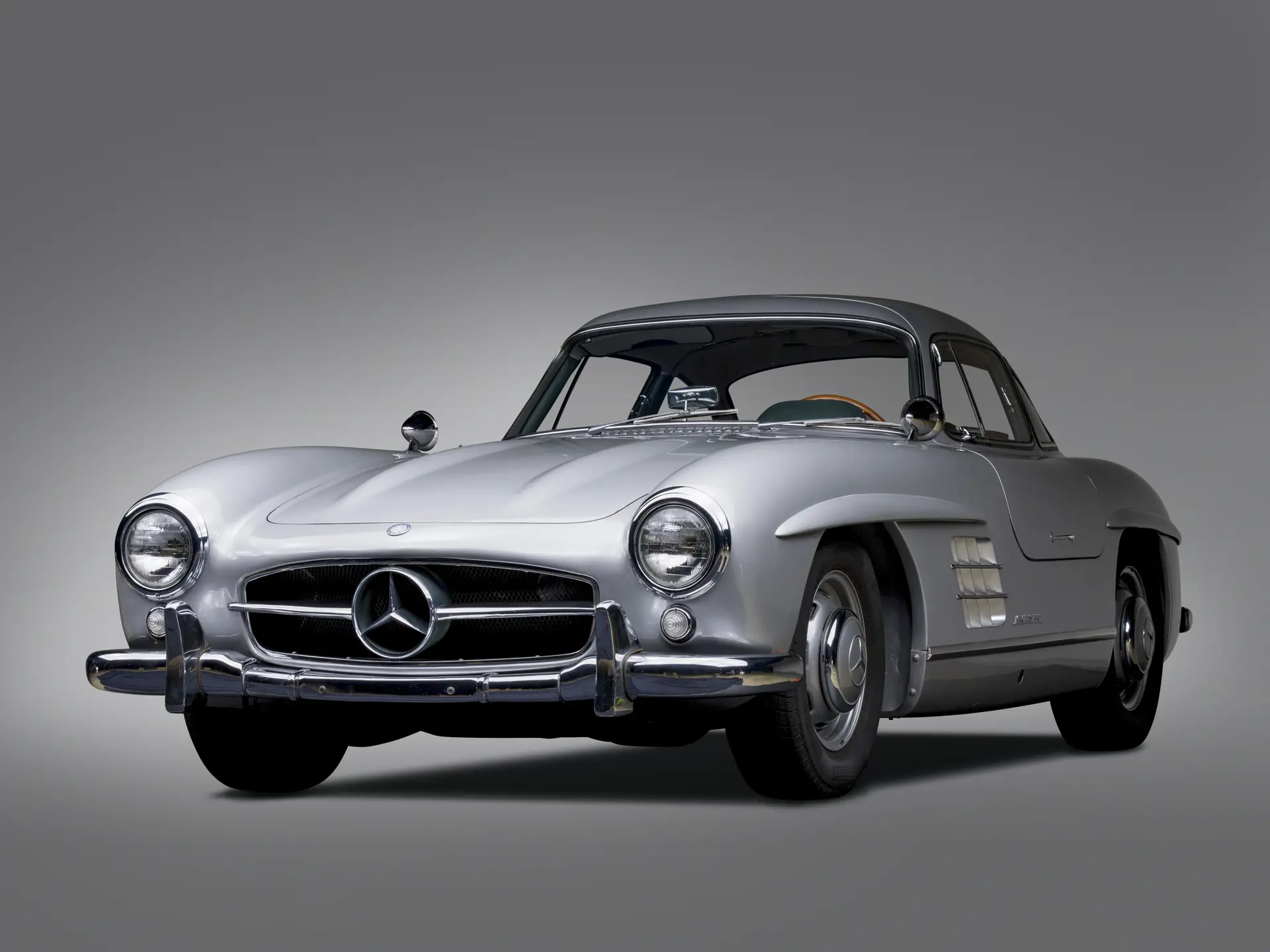
The engineering investment in the hood was matched throughout the car. The 300SL’s fuel-injected straight-six engine borrowed from the Le Mans-winning competition cars produced around 215 brake horsepower and gave the Roadster genuine high-performance credentials.
Fuel injection was itself a rarity on production cars of the late 1950s, and the 300SL was among the first road cars to offer it as standard equipment. The combination of this advanced engine with the power hood mechanism placed the 300SL at the forefront of automotive technology in its era.
The Roadster’s body addressed one of the Gullwing Coupé’s significant limitations the original car’s unconventional doors made entry and exit awkward, particularly for less agile occupants.
The Roadster’s conventional doors, combined with the retractable hood, created a car that could be used with considerably greater everyday convenience while retaining all the performance and character that made the 300SL exceptional.
Production was limited to around 1,858 examples over six years, making the 300SL Roadster one of the rarer postwar Mercedes-Benz models. Today it commands extraordinary prices at auction, reflecting its status as a genuinely important piece of automotive history.
The power hood mechanism, sophisticated for its era, is entirely consistent with the car’s character as the ultimate expression of German engineering ambition in the late 1950s.
5. Cadillac Eldorado Biarritz (1959)
The 1959 Cadillac Eldorado Biarritz stands as one of the most extravagant expressions of the American automotive aesthetic at its zenith a car of enormous physical presence, spectacular styling excess, and comprehensive mechanical sophistication that served as the ultimate statement of American luxury in the jet-age decade.
Its power-operated convertible top was entirely in keeping with the car’s philosophy: no inconvenience, no effort, no compromise. Everything operated at the touch of a button.
The Eldorado’s hydraulic roof system was among the most developed and refined available on any American production car in 1959. By this point, Cadillac had accumulated nearly two decades of engineering experience with power-operated tops, and the system fitted to the Biarritz reflected that maturity.
The large canvas top raised and lowered smoothly and quickly, guided by a well-engineered frame that managed the considerable expanse of fabric without drama or hesitation.
The operation was accompanied by the faint whir of the hydraulic pump and the subtle mechanical movement of the bows a sound and sight that came to define American luxury convertibles of the late 1950s.
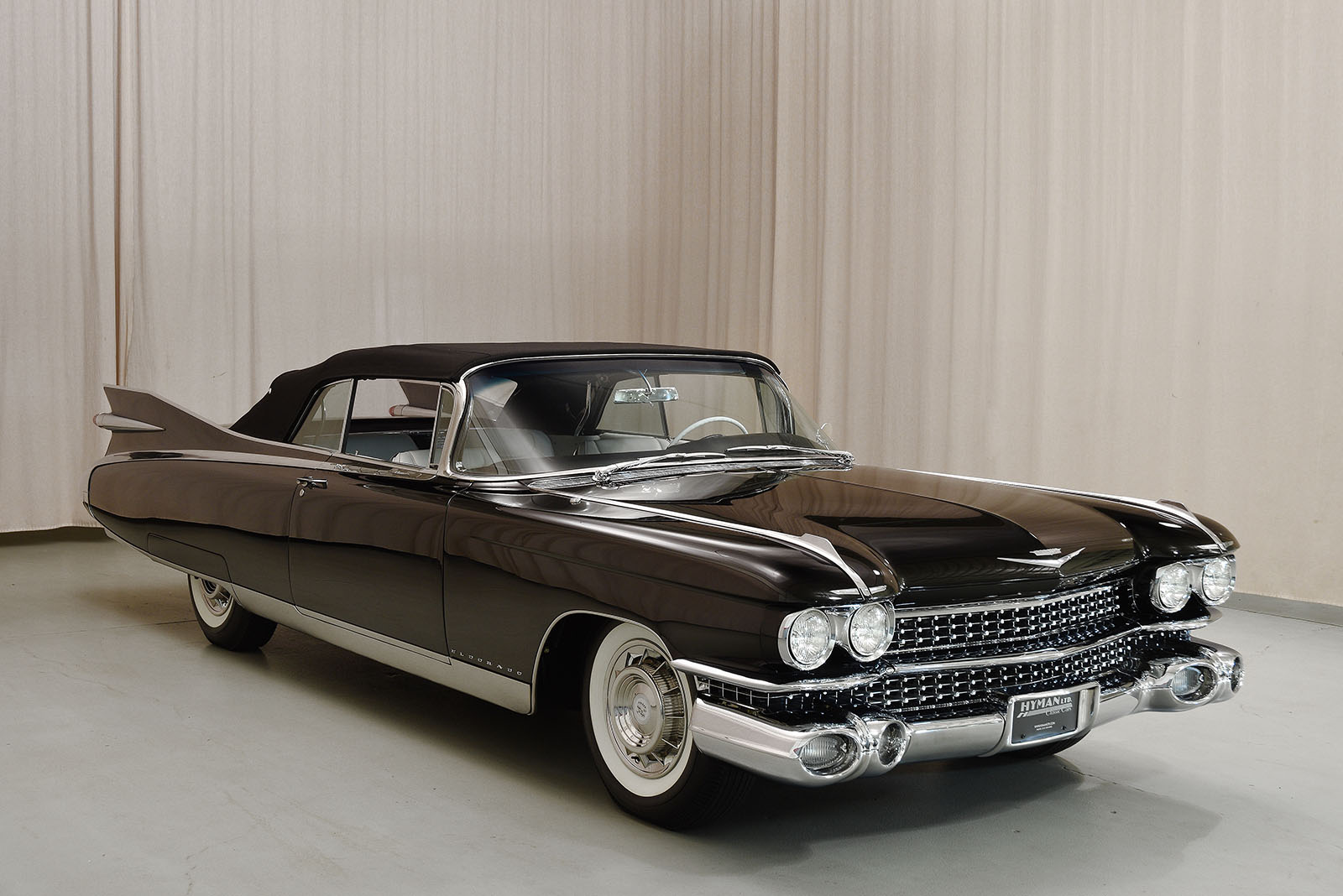
The 1959 Eldorado was, of course, as famous for its styling as for its engineering. The tail fins reached their absolute apotheosis that year, rising to an improbable height above the rear deck and incorporating twin bullet-shaped taillights that caught the light with theatrical effect.
The power roof’s operating mechanism was housed ahead of the fins, in the broad, flat rear deck that was one of the car’s most distinctive visual features. With the top down, the fins towered above the occupants in a manner that was simultaneously absurd and magnificent.
Power came from Cadillac’s 390 cubic inch V8 engine, producing 345 horsepower more than sufficient to propel the substantial car with authority.
The combination of this engine’s effortless torque with the equally effortless power roof operation created an experience of complete, unhurried luxury.
Open-air motoring in the Eldorado Biarritz required nothing more than pressing a switch and waiting a few seconds as the world’s most dramatic convertible completed its transformation.
The 1959 Eldorado Biarritz represents the high-water mark of a specific vision of automotive luxury one in which size, style, and convenience were paramount, and in which the power roof was not a novelty but an expectation.
It remains one of the most recognizable and beloved American classics, a rolling monument to an era of extraordinary confidence and creative excess.
Also Read: 5 Iconic 1980s Sports Cars With Pop Up Headlights vs 5 With Fixed Lights
