
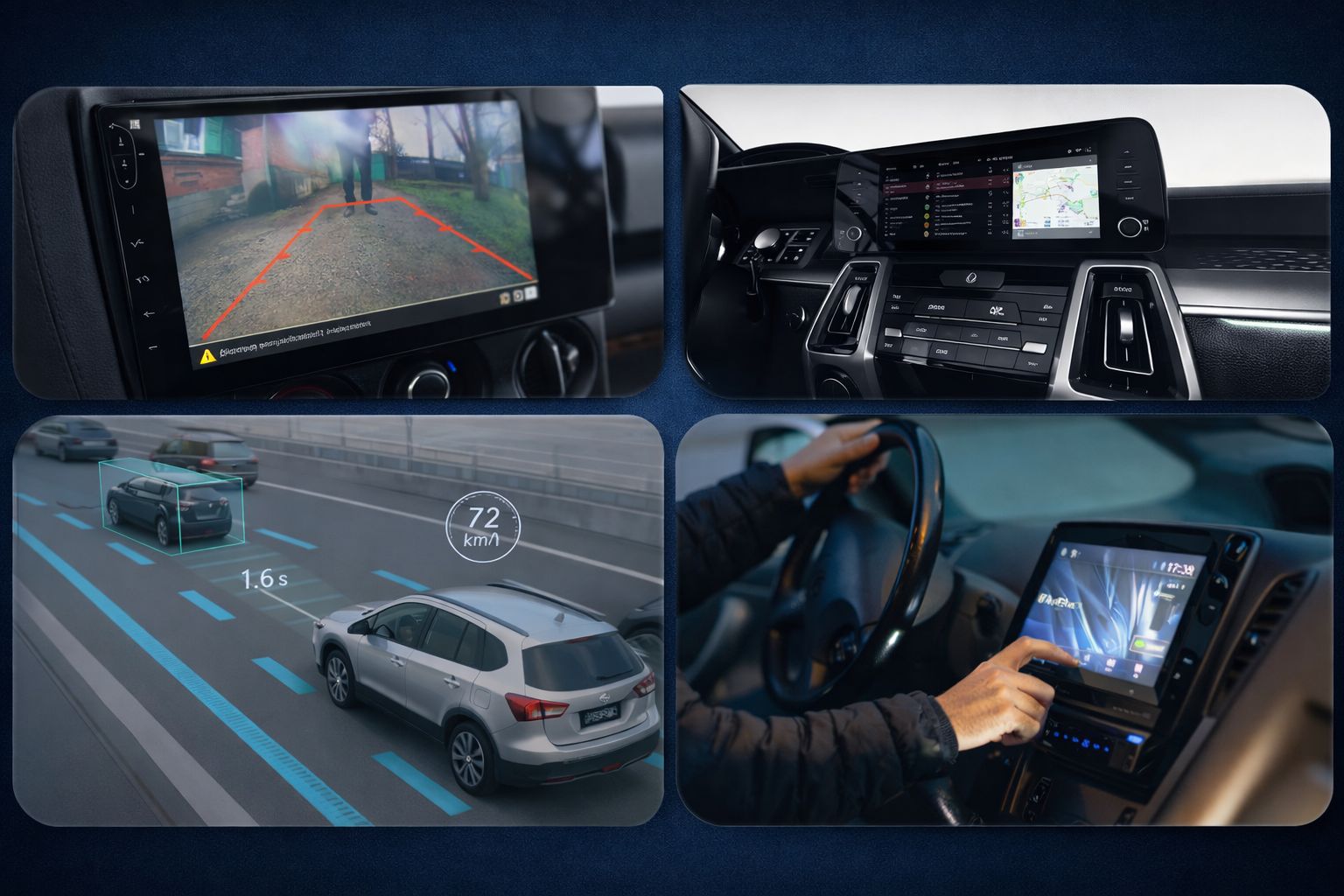
Teaching a teenager to drive has always been one of the most nerve-wracking rites of passage for any parent. But today’s challenge comes with a twist modern cars are no longer just machines with a steering wheel and a gas pedal.
They’re rolling computers packed with adaptive cruise control, lane-keeping assist, blind-spot monitoring, automatic emergency braking, and touchscreen infotainment systems that can distract even the most seasoned adult driver.
For a teenager who is simultaneously learning the fundamental rules of the road, managing anxiety, and developing hand-eye coordination behind the wheel, all this technology can be overwhelming rather than helpful.
The good news is that when introduced correctly, high-tech car features can actually make learning to drive safer and more effective. The key lies in how parents approach the process balancing technology as a teaching aid without allowing it to become a crutch. A teen who relies too heavily on driver-assist features without understanding the basics can develop dangerous blind spots in their driving skills.
In this guide, we’ll walk you through eight practical, proven tips to help you teach your teenager to drive confidently and competently in a high-tech vehicle setting them up for a lifetime of safe driving.
Tip 1: Start With the Technology Basics Before You Touch the Ignition
One of the most common mistakes parents make when teaching teens to drive a modern car is jumping straight into driving without first explaining the technology sitting all around them.
Today’s vehicles can come equipped with dozens of advanced features backup cameras, parking sensors, heads-up displays, adaptive headlights, gesture control, and voice-activated systems. For a teenager sitting in the driver’s seat for the first time, this can feel like being dropped into the cockpit of an aircraft without a briefing.
Before your teen ever starts the engine, dedicate a full session ideally 30 to 60 minutes to walking through every relevant feature in the car. Go through the owner’s manual together. Explain what each symbol on the dashboard means, particularly warning lights and driver-assist indicators. Show them how the infotainment system works, and more importantly, explain why they should not be interacting with it while driving.
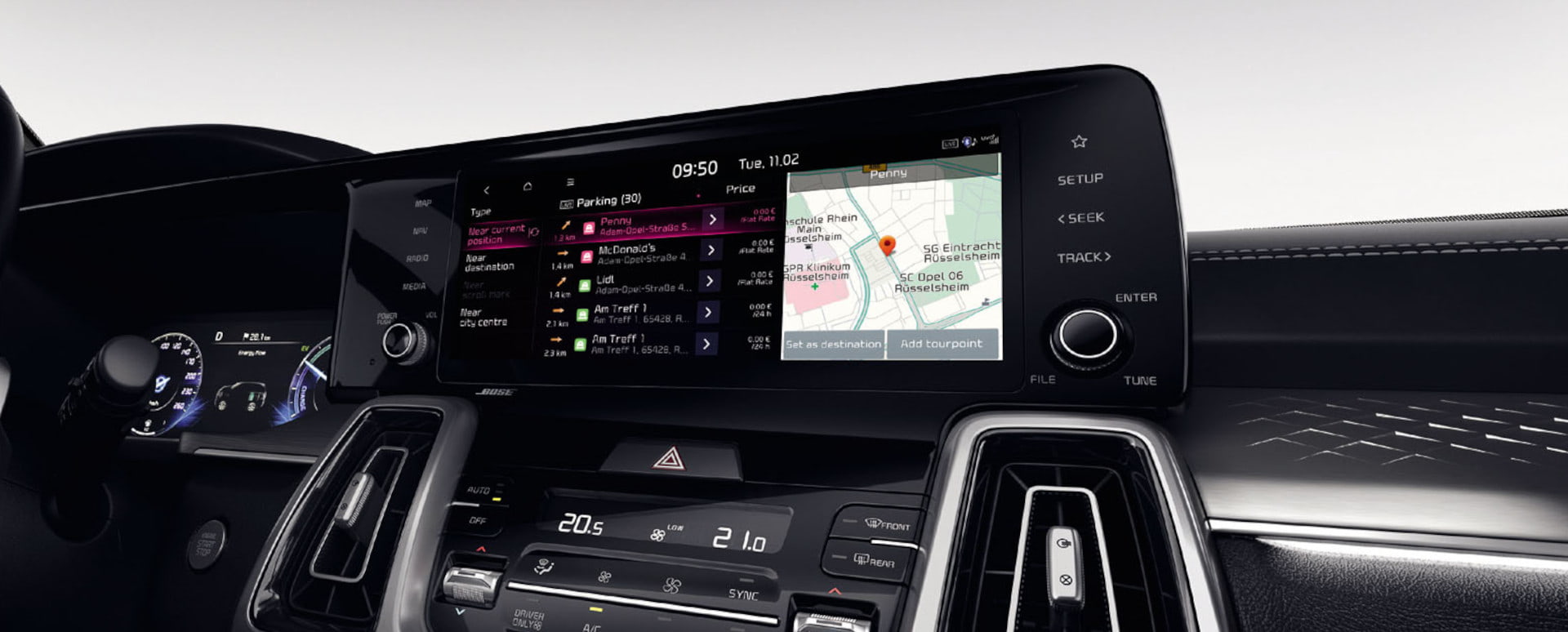
Make sure they understand what features will be active while driving and what those features do. For example, if the car has Lane Departure Warning, explain that it will beep or vibrate the steering wheel if they drift out of their lane but that it’s not a substitute for keeping their eyes on the road.
If the car has Automatic Emergency Braking, explain that it can apply the brakes if it detects an imminent collision, but that it has limitations and is not foolproof.
This foundational session does something psychologically important: it demystifies the car. Instead of being intimidated or distracted by blinking icons and unfamiliar sounds, your teen will feel informed and in control. They’ll understand why the car behaves the way it does, and that understanding builds confidence.
You should also explain the difference between passive safety features (like airbags and seatbelts, which protect during a crash) and active safety features (like automatic braking and lane assist, which try to prevent a crash). Help your teen see the big picture that they are always the most important safety system in the vehicle, and all the technology is simply there to support them.
Finally, make sure your teen knows how to disable or adjust certain features if necessary. For instance, some teens find lane-keeping assist creates a jarring sensation that affects their steering confidence.
Knowing how to adjust sensitivity or temporarily turn it off gives them agency and prevents frustration. The goal of this pre-drive technology orientation is simple: your teen should feel like the car is their partner, not a mysterious machine full of surprises.
Tip 2: Teach the Fundamentals First — Technology Comes Second
There is a dangerous temptation when teaching in a high-tech car to let the vehicle’s safety features carry some of the instructional weight. After all, if the car beeps when your teen gets too close to another vehicle, doesn’t that teach them to keep distance? If lane-keeping assist corrects their steering drift, isn’t that a form of instruction? The answer, unfortunately, is no and relying on technology to teach driving fundamentals is one of the most problematic habits a new driver can develop.
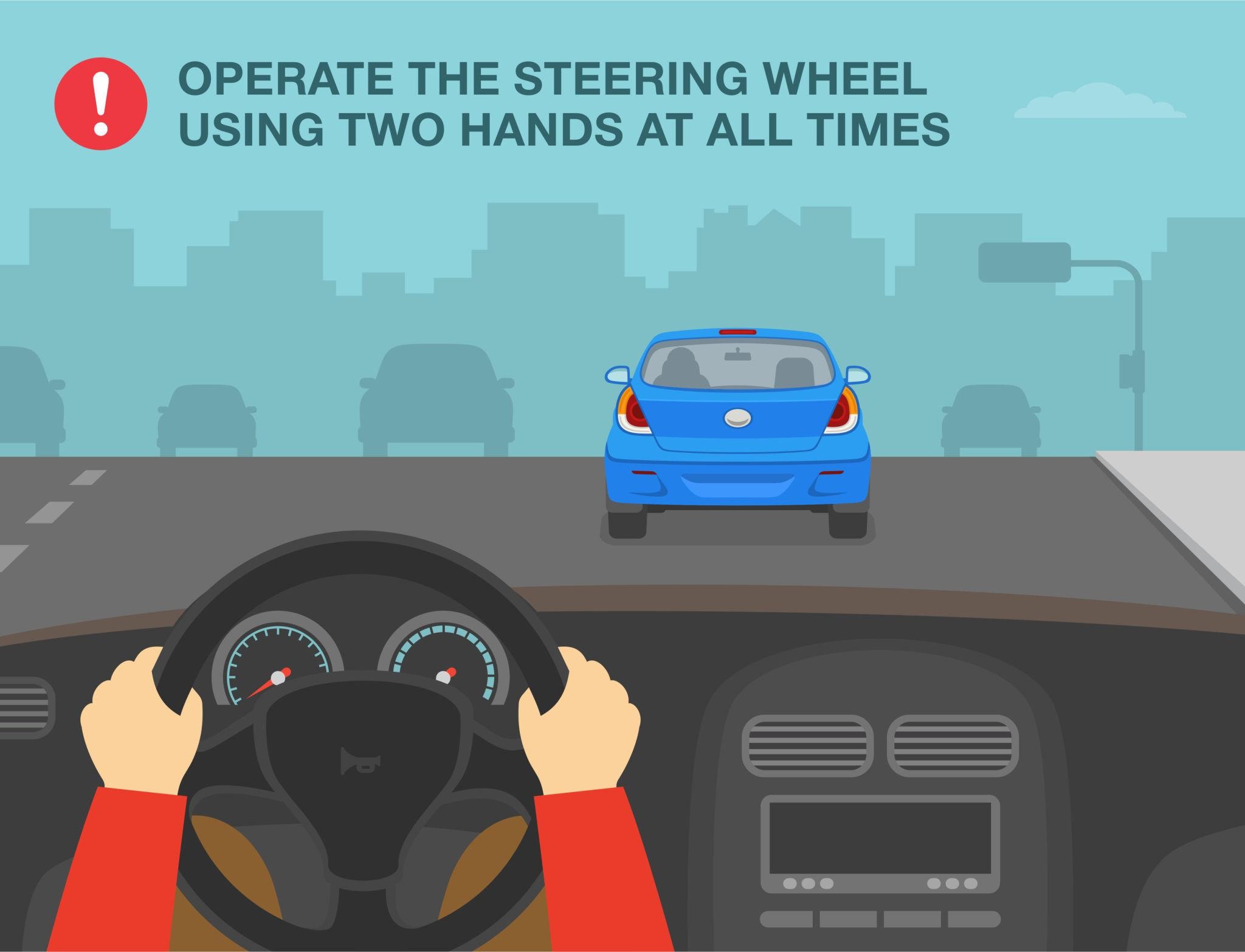
Your teen must first learn to drive as if none of the advanced features exist. This means mastering the basics in their purest form: proper hand placement on the steering wheel, smooth acceleration and braking, checking mirrors every five to eight seconds, proper scanning at intersections, correct turn signal use, and maintaining appropriate following distance using the two-second rule.
These fundamentals form the cognitive and muscular foundation of safe driving. They are the instincts that will kick in during a moment of crisis when the road is icy, when a child runs into the street, or when a system fails. A driver who has genuinely internalized these basics doesn’t need the car to remind them; they do it automatically.
Start your early sessions in large, empty parking lots where the environment is controlled. Focus on one skill at a time. Smooth steering first. Then braking.
Then acceleration. Build from there. Avoid roads with significant traffic until your teen has demonstrated consistent control of the vehicle at low speeds. This progression model mastery before complexity is the same principle used in professional driver training programs.
Once your teen can perform the basic maneuvers smoothly and consistently, you can begin layering in discussions about how the car’s technology supports or supplements those basics.
For example, after they’ve learned to check their blind spot by physically turning their head, you can introduce the blind-spot monitoring indicator and explain it as a secondary confirmation tool not a replacement for shoulder checks.
This sequencing matters because it shapes how your teen thinks about driver assistance technology for the rest of their driving life. If they learn from day one that technology is a backup layer of protection built on top of solid fundamentals, they will be appropriately humble about its limitations.
If they learn to drive with the safety features as their primary guide, they’ll be dangerously dependent on systems that can fail, malfunction, or simply be absent in a different car.
Tip 3: Use the Backup Camera as a Teaching Tool, Not a Crutch
The backup camera is one of the most universally praised safety features in modern vehicles, and for good reason. Since becoming mandatory in all new US vehicles in 2018, backup cameras have significantly reduced accidents involving pedestrians particularly small children who are invisible in a driver’s rearview mirror. For a new driver, the backup camera feels like a superpower.
They can see exactly what’s behind them in vivid color with a wide-angle view. But here’s the problem: many teens quickly become so reliant on the backup camera that they stop looking through the rear window, checking their side mirrors, or turning their head while reversing.
This is a serious safety gap, because cameras have blind spots too, and they cannot show you a bicycle approaching from the side or a car entering the parking lot from an angle outside the camera’s field of view.
Teach your teen to reverse using the old-fashioned method first. Have them turn their body, place their right hand on the back of the passenger seat, look through the rear window, and use their mirrors all while controlling the steering wheel with their left hand.
This technique gives a much wider, more natural field of vision than any camera can provide. Practice this until they’re comfortable and coordinated.
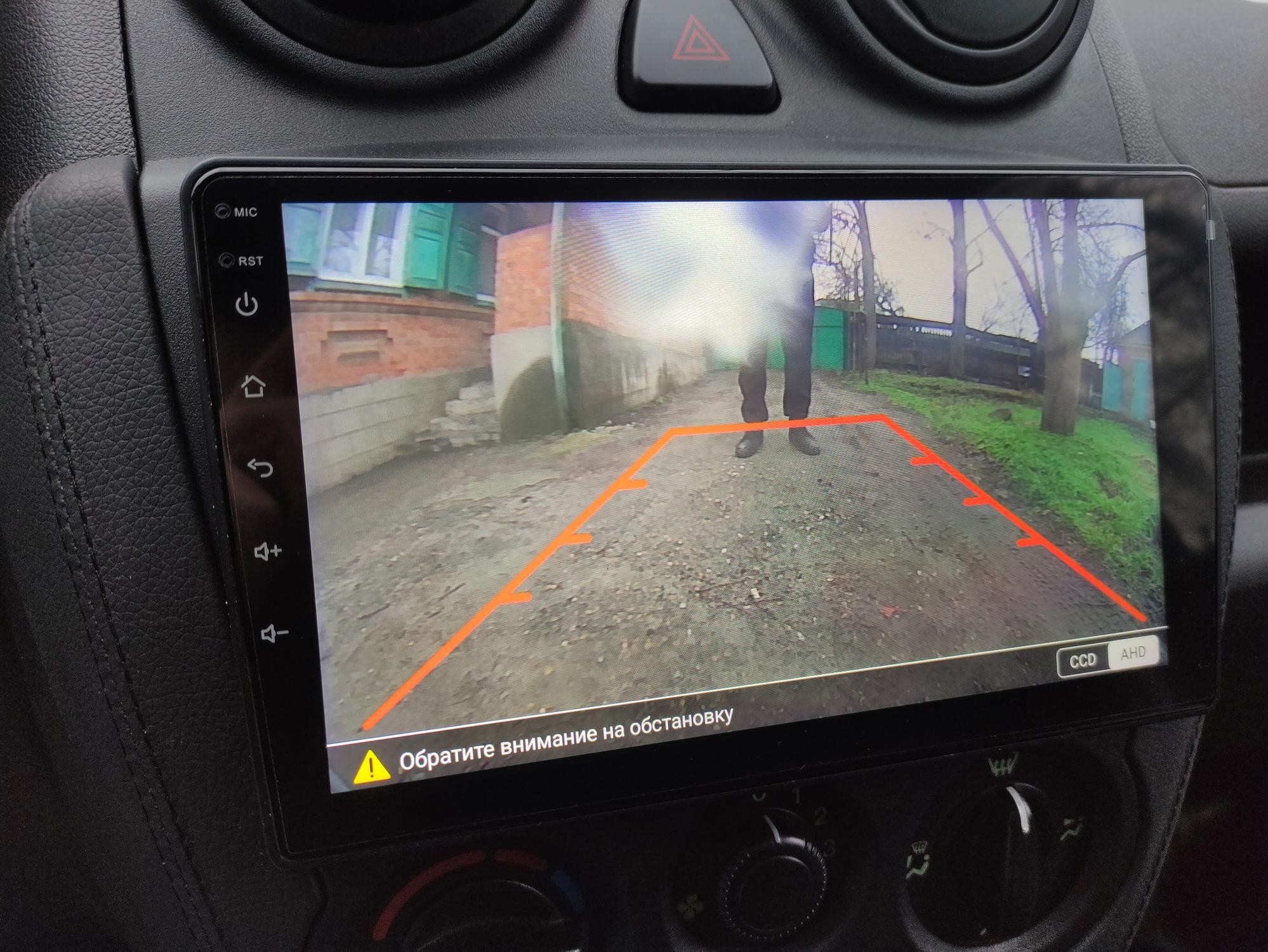
Once they can reverse confidently using traditional techniques, introduce the backup camera as a supplementary tool. Teach them to glance at the screen for a quick additional reference, particularly for judging distance from objects directly behind the vehicle. Explain the colored distance guide lines typically green, yellow, and red and what they indicate.
Also make sure your teen understands the limitations of backup cameras. They can be blocked by dirt, snow, or condensation. They don’t detect everything. And because the wide-angle lens distorts perspective, objects can appear farther away than they actually are.
Teaching them to cross-reference what they see in the camera with what they see in their mirrors and through the rear window makes them a much safer reverser.
A good exercise is to place a small traffic cone behind the car just outside the camera’s frame, then ask your teen to notice whether it appears on screen.
This real-world demonstration makes the concept of camera blind spots tangible and memorable. Once they see it for themselves, they’ll understand why relying solely on the camera is never enough.
Also Read: 8 Reasons Hydrogen Is Becoming a Real Alternative to Diesel Trucks
Tip 4: Have an Honest Conversation About Infotainment and Distraction
The infotainment system in a modern car is, without question, one of the greatest sources of distracted driving for teens. Touchscreens have replaced physical knobs and buttons, meaning that changing the radio station, adjusting the navigation route, or changing a climate setting now requires taking eyes off the road and a finger off the wheel to interact with a flat screen.
Research from the AAA Foundation for Traffic Safety found that some infotainment tasks like programming navigation can take a driver’s eyes off the road for more than 40 seconds.
For a teenager who has grown up swiping and tapping screens instinctively, the temptation to interact with the infotainment system while driving is very real.
They may not even realize they’re doing something dangerous because screen interaction feels so natural and automatic to them. This is why having a clear, honest, and detailed conversation about infotainment distraction is not optional it’s essential.
Start with the data. Explain that at 60 mph, taking your eyes off the road for just two seconds means you’ve traveled the length of a basketball court without looking. Show them videos of distracted driving accidents if they’re willing to watch them. Make the abstract danger concrete.
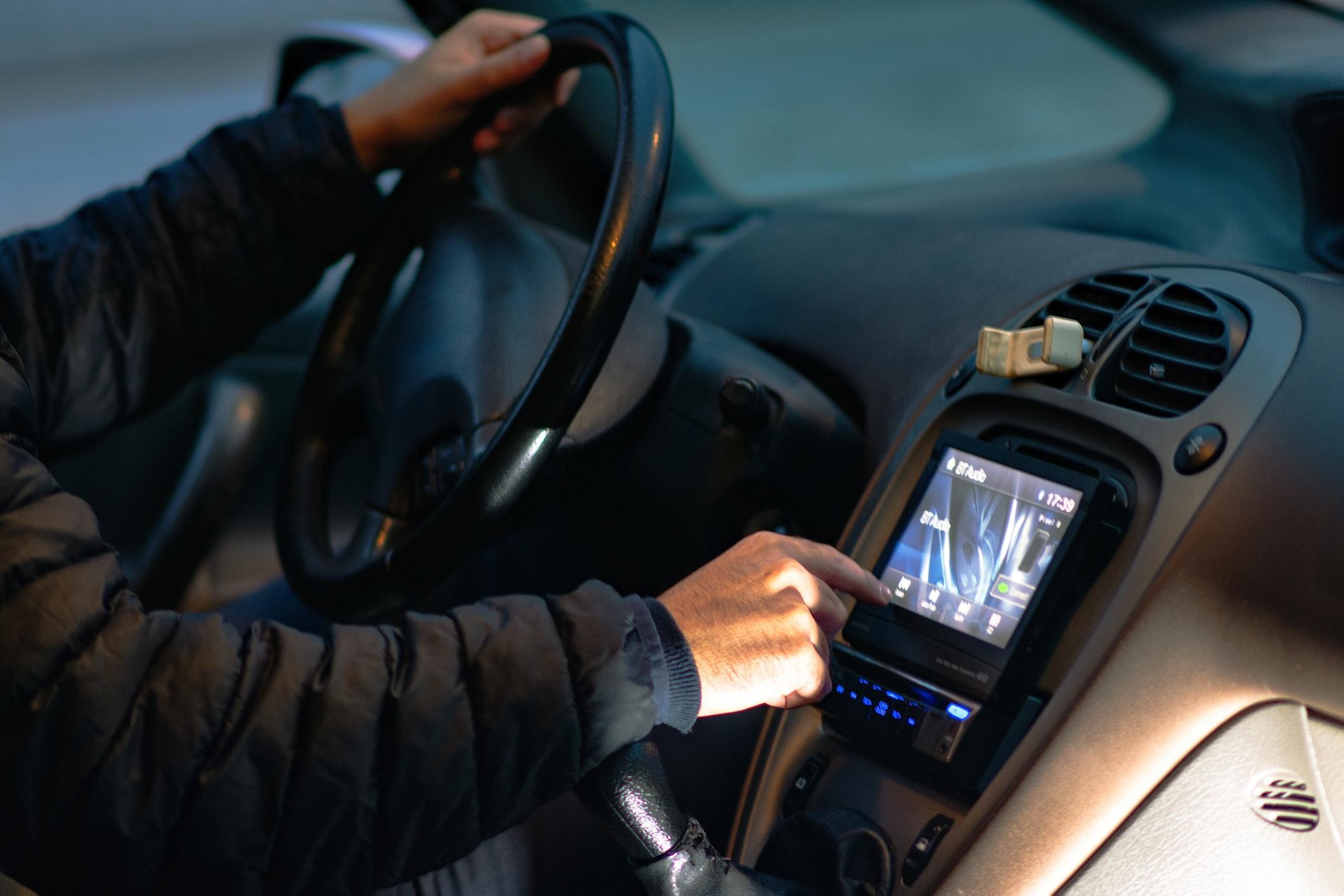
Establish clear rules before each drive: music is set before the car moves. Navigation is programmed before leaving the driveway. Climate controls are adjusted while parked. There are no exceptions. If they need to change something while driving, they must pull over safely first.
Teach them how to use voice commands, because most modern vehicles support hands-free interaction through systems like Apple CarPlay, Android Auto, or native voice assistants. While no voice interaction is completely distraction-free, it dramatically reduces the visual and manual demands compared to touchscreen use.
Also talk about phone integration. Teens should understand that even connecting their phone via Bluetooth to play music requires attention. Playlists should be set before driving. Notifications should be silenced. The phone should go in the glove box, the back seat, or a dedicated phone holder where they can hear it but not reach it easily.
Model the behavior you want to see. If your teen regularly sees you glancing at your own phone or fiddling with the infotainment system while driving, no amount of instruction will override that example. Be the driver you want them to become.
Tip 5: Teach Adaptive Cruise Control — But Don’t Let Them Set It and Forget It
Adaptive cruise control (ACC) is a genuinely impressive technology. Unlike traditional cruise control that maintains a fixed speed, ACC uses radar or cameras to monitor the vehicle ahead and automatically adjusts your speed to maintain a set following distance.
On a highway, it can significantly reduce driver fatigue on long trips. For a teen learning to drive, however, it can create a false sense that the car is handling things, leading to a dangerous drop in attentiveness.
Introduce adaptive cruise control only after your teen has demonstrated comfort and competence with manual highway driving. They should be able to merge confidently, change lanes safely, maintain consistent speed, and judge following distance on their own before you introduce any system that automates those tasks.
When you do introduce ACC, begin by explaining exactly what it does and, critically, what it does not do. Adaptive cruise control does not steer. It does not change lanes. It cannot react to vehicles cutting sharply in front from a blind angle.
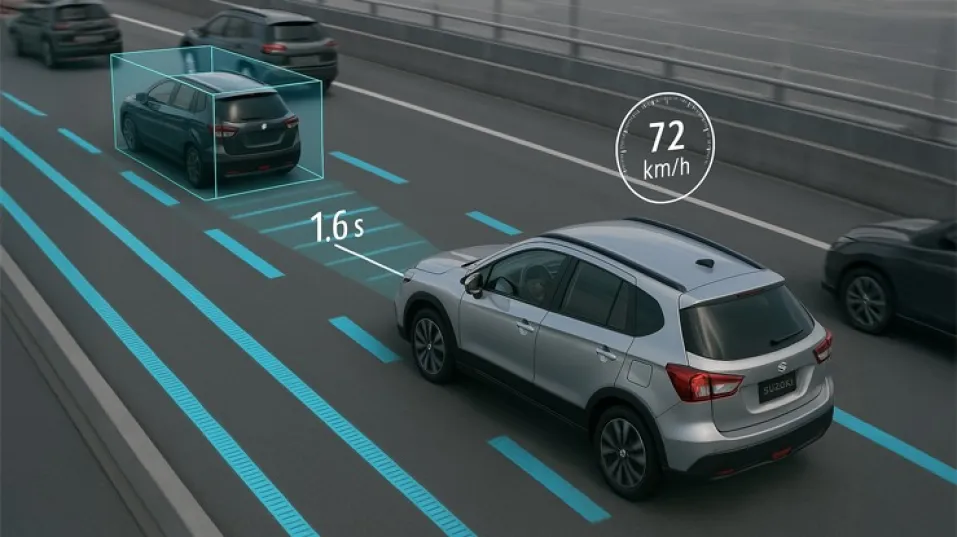
It cannot go through the construction zones or respond to stopped vehicles in exactly the same way a human would. Most importantly, in certain weather or lighting conditions heavy rain, snow, fog, low sun the sensors can be compromised, and the system may disengage without warning.
Practice using ACC together on a quiet, familiar stretch of highway. Let your teen set the speed and the following distance setting (usually adjustable in multiple levels).
Then ask them to narrate what the car is doing “it’s slowing down because that truck is braking,” “it’s maintaining distance now that traffic cleared.” This verbal processing keeps their attention focused on the road and the system’s behavior rather than drifting mentally.
Create a rule: hands on the wheel and eyes on the road at all times, even with ACC engaged. ACC is a comfort and fatigue-reduction tool, not an autonomous driving feature. Your teen should be ready to override or disengage it at any moment. Practice disengaging it manually so it becomes automatic in an emergency.
Finally, make sure your teen understands that different cars have different ACC systems with different capabilities and limitations. If they drive a friend’s car or a rental someday, they should not assume the system works identically to the one they learned on.
Tip 6: Practice With Parking Assist Features — Then Disable Them
Parallel parking has historically been the great nemesis of new drivers. It demands spatial awareness, precise steering inputs, and calm under pressure particularly when other drivers are waiting.
Modern cars have tried to reduce this anxiety with a range of parking assistance features, from simple proximity sensors that beep as you approach objects, to semi-autonomous systems that actually steer the car into a parking space while the driver controls the throttle and brake.
These features are genuinely helpful for experienced drivers who want a bit of extra reassurance. For a learning teen, however, they can become a major shortcut that prevents the development of real parking skill. Your teen needs to learn to park without assistance and then understand how to use the technology as a supplementary layer.
Begin parking practice without any assistance features enabled. Use classic techniques: identify a suitable space, signal, check mirrors and blind spots, position the car correctly, and execute the maneuver using steering angle references and slow, deliberate inputs.
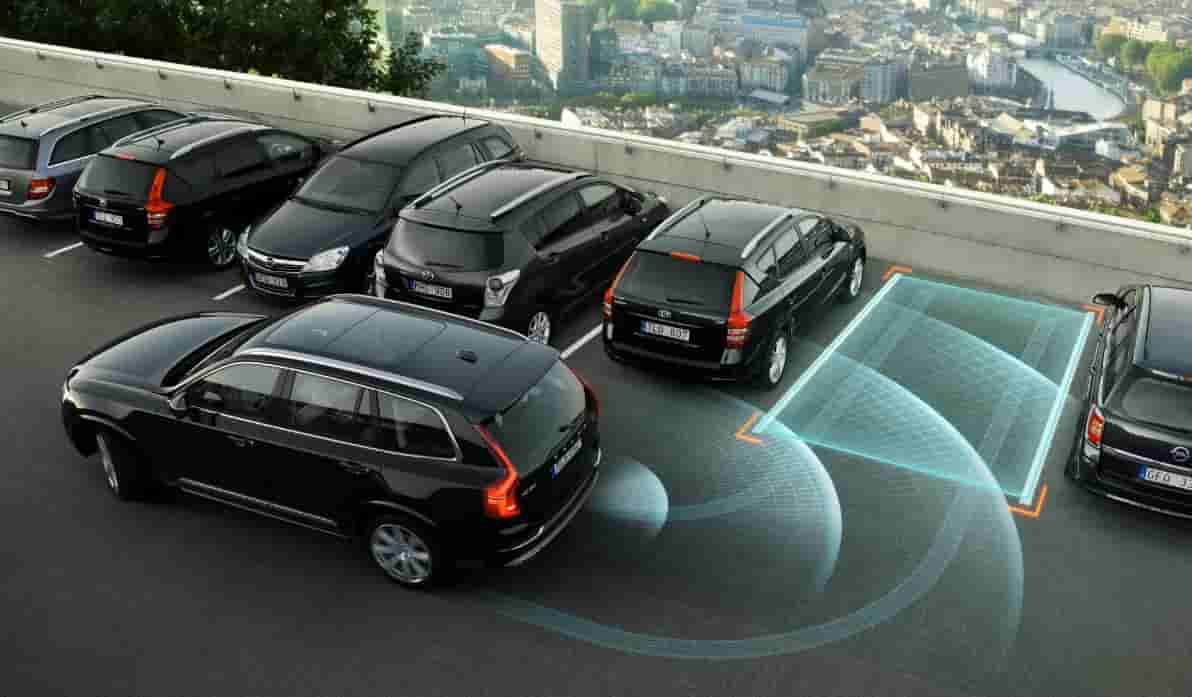
This takes time and repetition. Your teen will make mistakes, misjudge distances, and need corrections and that’s exactly the point. Every mistake is information being processed by their brain, building the spatial awareness they need.
Once they can parallel park and reverse park with reasonable consistency, introduce the proximity sensors. These audio and visual alerts beeping faster as the car gets closer to an obstacle can be framed as a second pair of electronic eyes.
Teach them to listen to the tone and correlate what they hear with what they see in the mirrors. Over time, they’ll internalize the spatial calibration the sensors provide and need to rely on them less.
If the car has a self-steering parking assist feature, demonstrate it together and explain the mechanism but also explain its failure modes. These systems can misjudge space requirements, struggle with non-standard parking situations, and require attentive driver oversight throughout.
They should never be activated without the teen’s hands near the controls. The goal is a teen who parks confidently without assistance and who knows exactly when and how to use the car’s features to supplement their own judgment.
Tip 7: Discuss the Limits of Driver Assistance Technology
One of the most important conversations you can have with your teen driver isn’t about how technology helps it’s about when technology fails. This might feel counterintuitive. After all, you want your teen to feel confident, not anxious.
But understanding the real-world limitations of driver assistance systems is what separates a competent, safe driver from one who is lulled into complacency.
Driver assistance technologies are designed and tested under specific conditions. Lane-keeping assist, for example, relies on cameras to detect painted road markings.
In heavy rain, at night on poorly lit roads, in construction zones, or on roads where lane markings have faded, the system may fail to detect the lines and may disengage abruptly or give incorrect guidance. A teen who has come to depend on that nudge to stay in lane will suddenly find themselves without it at exactly the wrong moment.
Automatic emergency braking systems similarly have limits. They typically operate within specific speed ranges and require a certain minimum time to calculate a collision threat.
They can struggle with slow-moving or stationary objects, with pedestrians in low light, or with vehicles that cut in from the side at close range. They are not a substitute for leaving appropriate following distance.
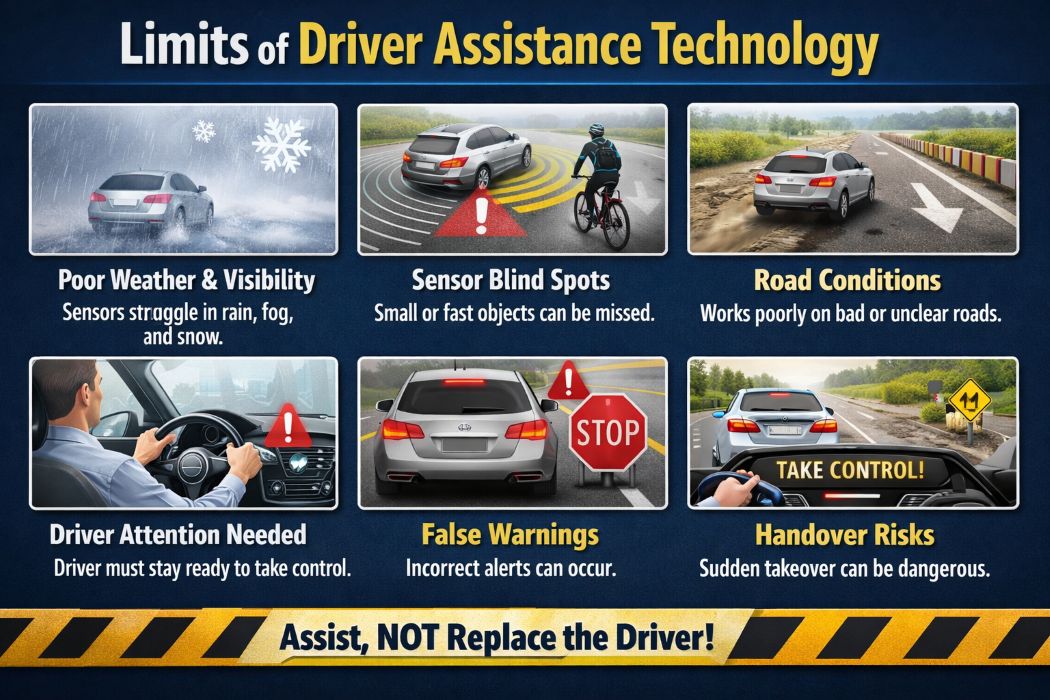
Blind-spot monitoring can miss motorcycles in certain conditions, or can be confused by guardrails and parked vehicles. Adaptive cruise control can be disrupted by GPS signal loss, sensor obstruction, or complex traffic patterns like a vehicle suddenly cutting across multiple lanes.
Walk your teen through these limitations in a low-pressure environment. Use real examples news stories, manufacturer recall notices, or well-documented edge cases to make the conversations grounded in reality rather than fear.
The message isn’t “don’t trust the technology.” The message is “trust yourself first, and understand that the technology is your backup, not your replacement.”
This conversation also naturally opens up an important topic: how your teen should behave if a system fails or gives a false alert while driving. Practise scenarios: the lane assist beeps on a road with no markings what do you do? The ACC suddenly disengages on the highway what’s the response? Having mental scripts for these situations reduces panic and builds preparedness.
Tip 8: Make Progressive Real-World Practice a Non-Negotiable Habit
All the knowledge about high-tech car features means nothing without consistent, progressive, real-world driving experience. Studies consistently show that the greatest predictor of teen driving safety is the total number of supervised driving hours accumulated before they drive independently.
Most driving experts recommend a minimum of 50 supervised hours across a wide variety of conditions before a teen drives solo and many recommend significantly more.
The key word here is progressive. Start simple: quiet residential streets during daylight hours in clear weather. Master that environment completely before advancing to moderate suburban traffic.
Then move on to busier arterial roads, highway merging and lane changes, night driving, wet weather conditions, and eventually complex urban environments.
At each stage, introduce the relevant technology features gradually. On the highway for the first time, you might demonstrate adaptive cruise control but not activate it just let them drive manually and get comfortable with the environment first.
On a second or third highway session, try ACC briefly, narrating what it’s doing. By the fifth or sixth session, they should be comfortable both using and disengaging it confidently.
Keep a driving log. Record each session’s date, duration, conditions, routes, and skills practiced. Many state graduated licensing programs require documentation of supervised hours, but beyond legal requirements, a log helps you and your teen identify gaps. Have they driven in rain yet? Have they parked in a multi-story car park? Have they driven after dark? The log makes patterns visible.
Between practice sessions, continue the conversations. Ask your teen how they felt about a specific maneuver. Discuss what went well and what needs more practice not as a critique, but as an ongoing coaching dialogue.
Share your own experiences of learning to drive. Normalize the fact that driving is a skill that takes years to fully develop, and that even experienced drivers encounter challenging situations that require their full attention and skill.
Most importantly, stay calm and patient throughout the process. Your emotional state as the supervising parent has a direct impact on your teen’s stress levels and their ability to learn.
A calm, encouraging coach produces calmer, more confident drivers. Every session in that passenger seat is an investment in their safety, in their independence, and in a lifetime of responsible driving.
Also Read: 5 Classic Vans With Custom Murals That Defined 1970s Youth Culture
