
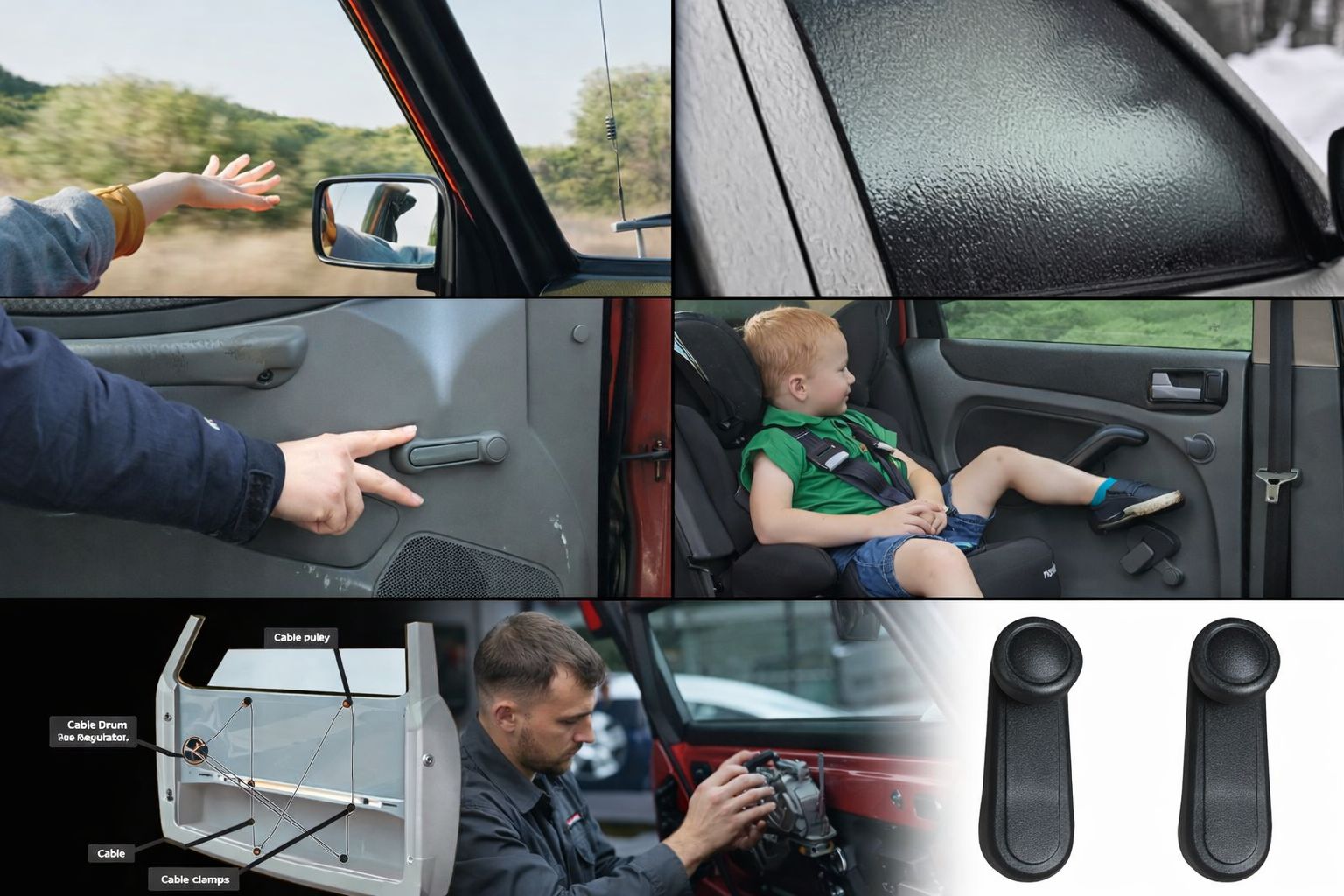
There is something quietly rebellious about preferring the manual window crank in an era where every automotive feature has been electrified, automated, and digitized beyond recognition. We live in a world that equates complexity with progress, where the mere presence of a button signals sophistication.
Yet a growing chorus of drivers enthusiasts, minimalists, and everyday commuters alike will tell you without hesitation that there is a certain joy locked inside those old-fashioned window cranks that no power switch can replicate.
Manual windows have been steadily disappearing from modern vehicles, pushed out by the relentless march of power window technology. Automakers rarely offer them anymore, and when they do, it is usually in the most stripped-down base trims, marketed almost apologetically.
But the drivers who have lived with both systems know a truth that press releases and feature lists refuse to acknowledge: manual windows offer a tactile, reliable, and deeply human experience that their electric counterparts simply cannot match.
This is not mere nostalgia talking. It is an honest reckoning with what we lose when we hand every mechanical task over to a motor and a switch. From the satisfying resistance of the crank in your palm to the complete absence of electrical failure, manual windows deliver something rare in modern motoring a direct, unmediated connection between you and your car. Here are eight reasons why that connection remains profoundly more satisfying.
1. The Tactile Feedback Is Deeply Satisfying
There is a particular pleasure in doing something with your hands and feeling every inch of the process unfold beneath your fingers. Manual window cranks offer exactly that a rich, textured mechanical experience that engages your muscles, your senses, and your attention in a way that pressing a button never could.
When you reach for the crank handle and begin to turn, you feel the gear mechanism engage, the slight resistance of the glass against its rubber seals, and the smooth arc of motion as the window descends. It is a small act, but it is a complete act, one with a beginning, a middle, and an end that you personally execute.
Power windows, by contrast, deliver an experience closer to operating an appliance than driving a vehicle. You press a button and wait. The motor does everything. The glass moves, sure, but you are not really part of that movement you are just issuing a command to a machine and stepping back. There is a layer of abstraction between your intention and the result, and that abstraction quietly drains the experience of any intimacy.
Tactile satisfaction has deep roots in human psychology. Studies in haptic feedback the science of touch and physical sensation consistently show that humans derive measurable pleasure and a sense of competence from tasks that involve direct physical engagement.
Surgeons, craftsmen, musicians, and athletes all describe heightened satisfaction when their hands are directly shaping an outcome. Driving is no different. The steering wheel, the gear lever, the pedals every tactile connection between driver and car adds to the sense that you are in control rather than merely supervising a machine.
The crank window fits naturally into this philosophy. Its resistance is honest. You feel the weight of the glass, the friction of the mechanism, and the slight stiffness on a cold morning.
These sensations are not inconveniences they are information. They tell you how the car is doing, how cold the weather is, how well-maintained the mechanism remains. A power window gives you none of this. It either works or it doesn’t, and the experience either side of that binary is equally sterile.
For drivers who care about the driving experience as a whole not just as a means of transport but as a tactile and sensory engagement with a machine manual windows represent a small but genuine pleasure. In a world increasingly designed to remove effort from every interaction, the honest resistance of a window crank is, paradoxically, a source of genuine delight.
2. Zero Electrical Failures, Ever
Ask anyone who has owned a car long enough and they will eventually produce a manual window story but it will not be a horror story. It will be mundane, functional, perhaps even boring.
Now ask them about power windows and prepare for a completely different genre of tale: the window that dropped into the door and refused to come back up in the middle of January; the switch that stuck in the open position during a rainstorm; the motor that burned out and quoted a repair bill that made their eyes water.
Power windows are, by any objective measure, one of the most failure-prone systems in a modern vehicle. They rely on a combination of electric motors, wiring harnesses, regulator mechanisms, control switches, and in newer vehicles, body control modules and software logic.
Every single one of those components is a potential failure point. The electric motor can burn out. The wiring can corrode. The regulator the scissor-like mechanism that actually moves the glass can snap, seize, or deform over time. The switch contacts can fail.
The software can develop faults. In many modern vehicles, a power window failure is not just inconvenient; it requires specialist diagnostic equipment just to identify where in the chain the problem lies.
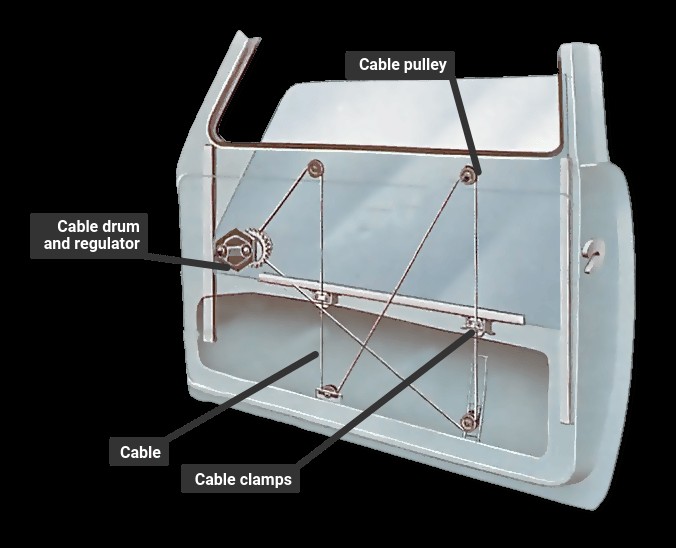
Manual windows have none of this complexity. Their mechanism is almost laughably simple: a hand crank connected to a gear, connected to a regulator, connected to the glass. There are no electrical connections, no software dependencies, no modules to reprogram.
The failure modes are correspondingly rare, and when failure does occur, it is almost always visible, obvious, and fixable with basic tools. A worn gear can be replaced. A stiff mechanism can be lubricated. The diagnosis requires a flashlight and common sense rather than a laptop and a dealership appointment.
This reliability carries real-world significance beyond mere convenience. A window that fails in the closed position is merely annoying. A window that fails in the open position as power windows so often do is a genuine crisis, one that exposes the car’s interior to rain, theft risk, and weather damage.
Manual windows, when they fail, almost always fail gracefully, becoming stiff or slow rather than suddenly plunging open and refusing to move. That predictable, graceful degradation is enormously reassuring in a way that the sudden, binary failure of an electric motor simply is not.
For anyone who has ever taped a plastic bag over a door panel in a parking lot, desperately trying to keep the rain out of a car whose power window died at the worst possible moment, the appeal of the simple mechanical crank is not abstract at all. It is viscerally, immediately real.
3. Lower Repair Costs and Simple Maintenance
Modern cars are marvels of engineering, but they are also increasingly expensive to maintain. The shift toward electrification and computerization in every system including features as minor as window operation has steadily moved routine maintenance out of the reach of ordinary owners and into the hands of specialists wielding expensive diagnostic equipment.
Manual windows stand apart from this trend as a refreshing reminder that not everything needs to be complicated. When a manual window mechanism needs attention, the intervention is almost always cheap and straightforward.
A worn plastic gear the most common failure point in manual window regulators typically costs a few dollars at an auto parts store and can be replaced in under an hour with a screwdriver and a trim panel removal tool.
Lubrication of a stiff mechanism requires nothing more than a can of white lithium grease and five minutes of attention. The entire regulator assembly, in most vehicles, can be sourced and replaced by an amateur mechanic over a weekend afternoon.
Power window repairs inhabit a completely different economic reality. A new power window motor for a common family sedan typically costs between $150 and $400 for the part alone, before labor. A complete regulator and motor assembly often sold as a single unit can cost significantly more.
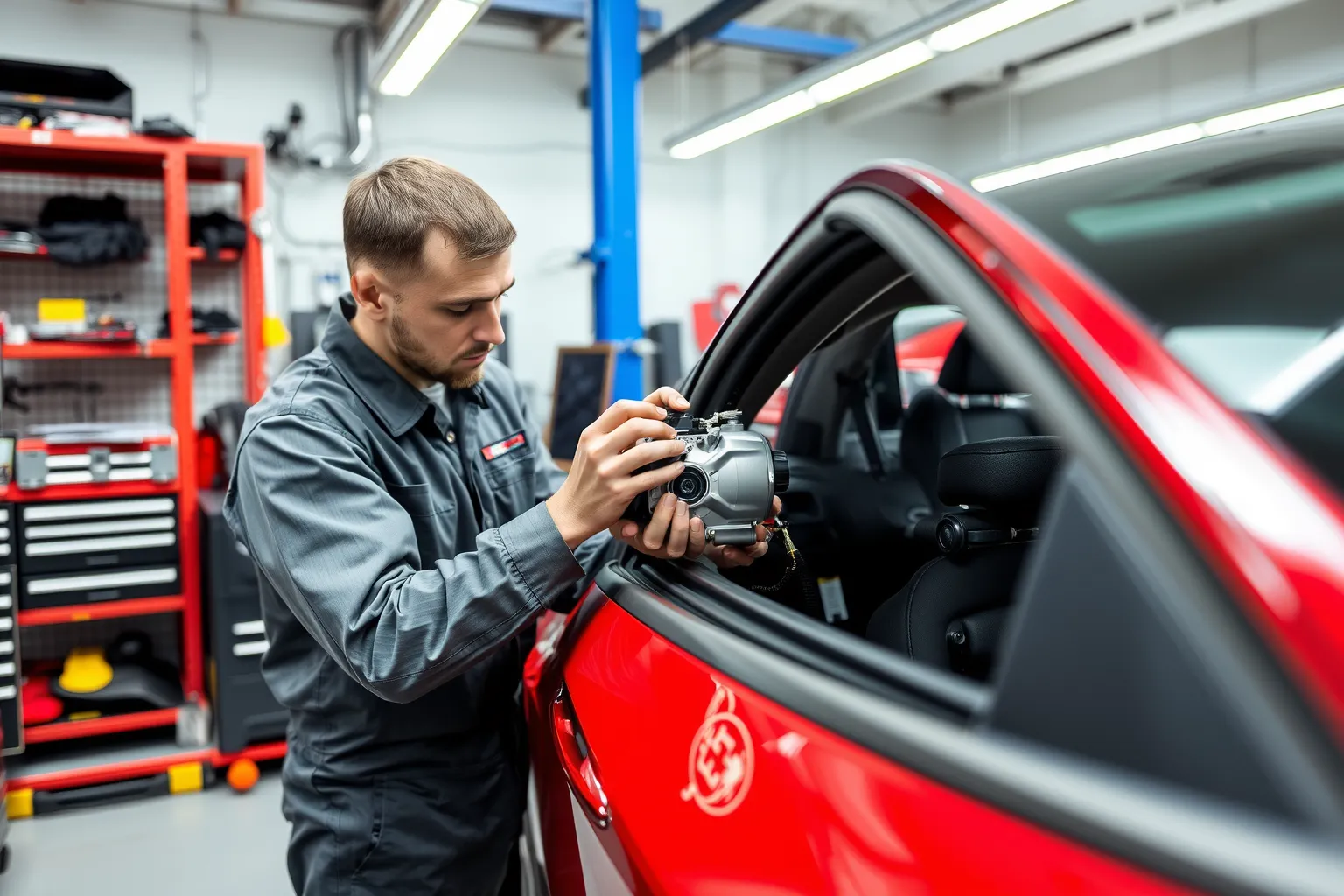
Labor charges at a dealership or independent shop for power window work frequently run between two and four hours, multiplying the total bill considerably.
And that assumes the diagnosis is straightforward. In vehicles where the window operation is controlled through a body control module, diagnosing an intermittent fault can require multiple diagnostic sessions, software updates, and component swapping before the root cause is identified.
There is also the matter of long-term ownership economics. A vehicle that will be kept for fifteen or twenty years will almost certainly require power window repairs during that time the motors simply were not designed for that kind of longevity.
A manual window mechanism, properly maintained, can outlast the vehicle itself with nothing more than occasional lubrication and the replacement of a plastic gear every decade or so.
For budget-conscious owners, classic car enthusiasts, and anyone who values long-term reliability over short-term convenience, this difference is not trivial. It is a genuine and recurring financial advantage that compounds over the life of the vehicle.
4. Works in Any Weather Condition
Weather does not care about your window switch. Rain, extreme cold, flooding, or electrical surges from a jump-start gone wrong nature has an impressive arsenal of ways to defeat the power window system.
Manual windows simply do not face these vulnerabilities, and in climates and conditions where reliability is not optional, that matters enormously.
Cold weather is perhaps the most common adversary of the power window. In freezing temperatures, the rubber seals around the glass can bond to the door frame, and the moisture in the mechanism can freeze solid.
When a driver presses the power window switch under these conditions, one of two things happens: either the motor strains against the frozen seal and burns out entirely, or the regulator mechanism flexes and cracks under the unexpected load.
Either outcome is expensive and frustrating. Experienced drivers in cold climates learn to rock the door before lowering windows in winter a workaround that exists precisely because the power window system is not designed to handle the mechanical reality of frozen seals.
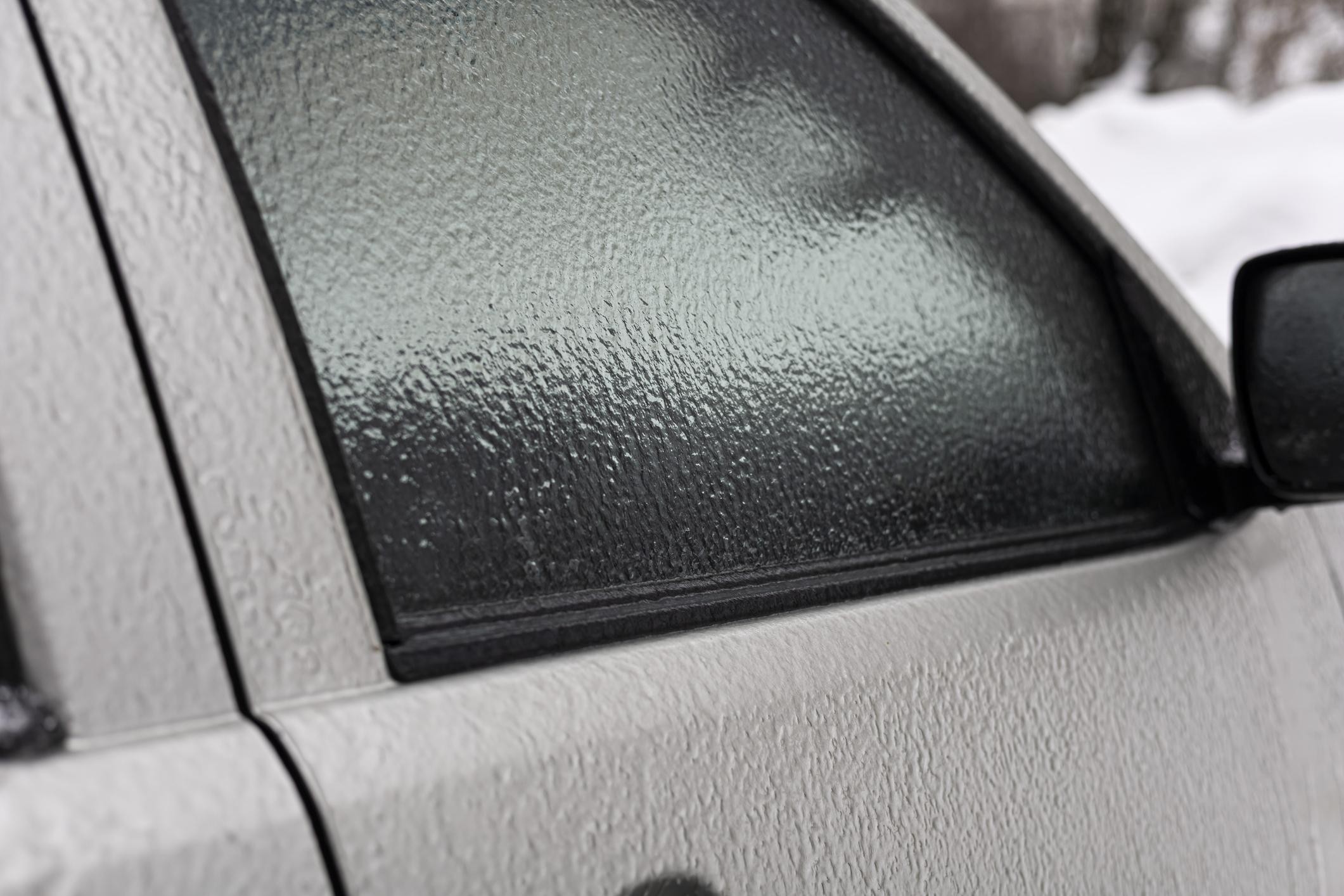
A manual window in the same situation responds quite differently. The driver feels the resistance of the frozen seal through the crank, applies only as much force as is appropriate, and either works the window free gently or decides, sensibly, to leave it closed for now.
The feedback loop between hand and mechanism prevents the kind of over-force application that destroys power window motors. The human touch is, in this context, a safety mechanism that the automated system entirely lacks.
Heavy rain presents a different but equally significant challenge. Electrical systems and water are famously incompatible, and door-mounted electrical components are among the most exposed on any vehicle.
Power window switches mounted in door panels can admit moisture over time, corroding contacts and causing intermittent or permanent failures. The wiring that runs through the door hinge area flexing hundreds of thousands of times over the vehicle’s life can develop micro-fractures that allow moisture intrusion.
In vehicles that have experienced flooding, power window systems are almost universally compromised. Manual windows, with no electrical components whatsoever, are entirely immune to all of this.
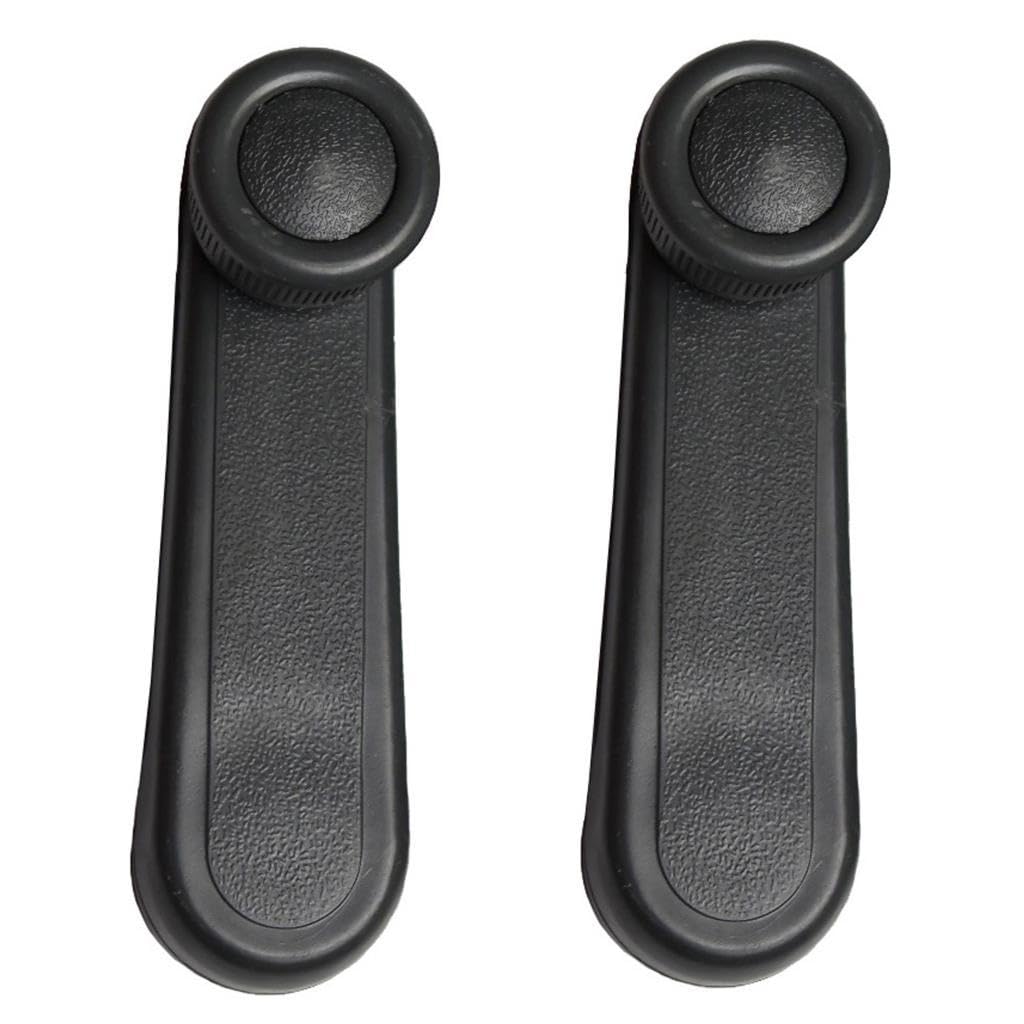
They function in the rain, after flooding, in sub-zero cold, and in desert heat with equal indifference to conditions. That weatherproof reliability is a meaningful and underappreciated advantage.
Also Read: 8 Tips for Teaching Your Teen to Drive in a High Tech Car
5. No Risk of Child Safety Accidents
Power windows and small children are a combination that has resulted in genuine tragedy. It is not a hypothetical concern or an overcautious parenting worry it is a documented safety issue that has prompted regulatory intervention, technological countermeasures, and ongoing concern from automotive safety organizations. The risk is real, and manual windows sidestep it entirely.
The problem with power windows is the combination of force and automation. A power window motor generates substantial closing force enough to cause serious injury, including strangulation, to a small child whose neck, arm, or fingers become caught in the closing gap.
The auto-reverse feature, required on new vehicles in many markets, provides some protection, but it is imperfect: it activates based on motor load, and the activation threshold still allows for significant force before reversal is triggered. Older vehicles without auto-reverse offer no such protection at all.
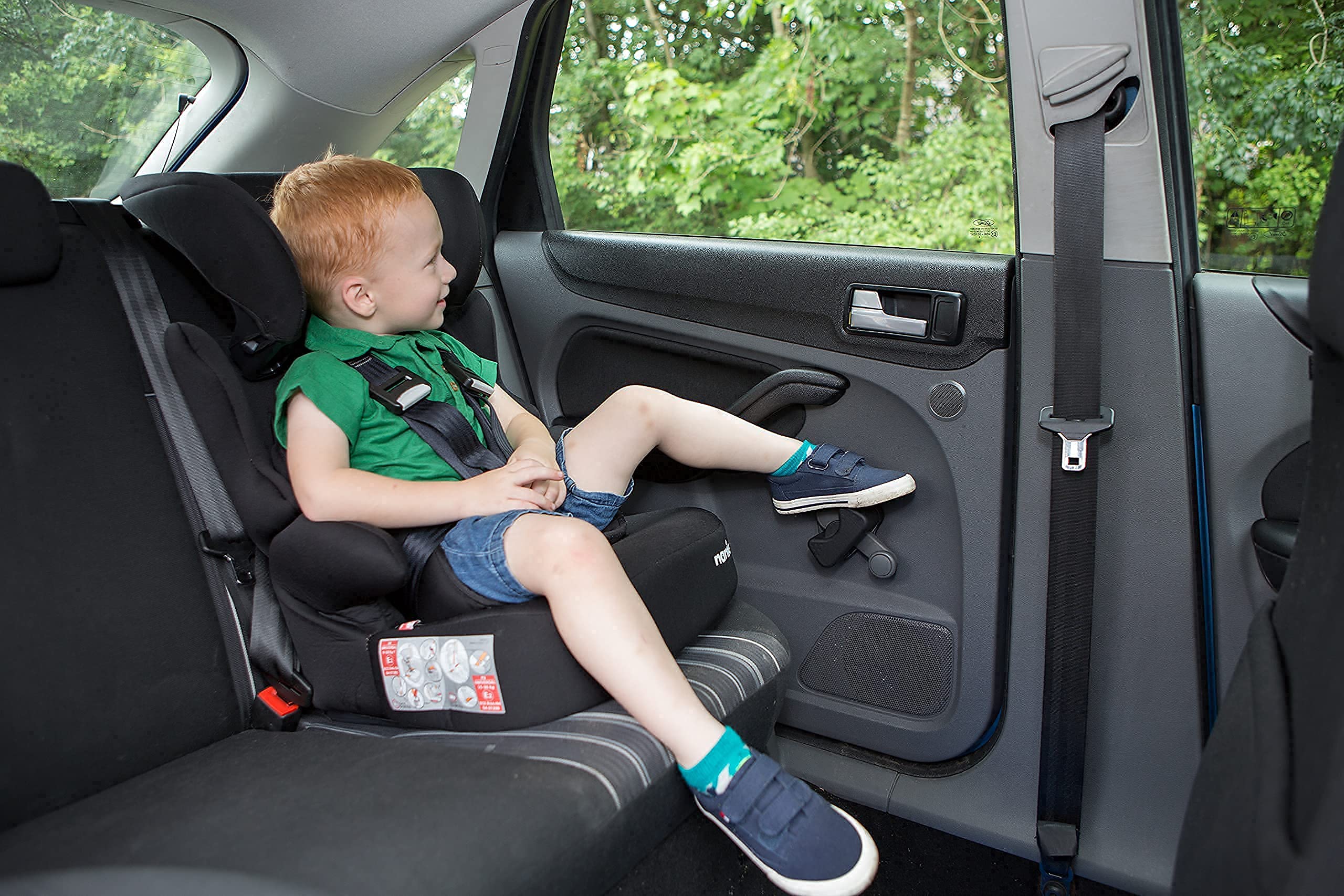
Manual windows cannot produce this type of accident scenario. The closing force of a manual window is limited entirely by the physical effort of the operator, and the tactile feedback of the crank makes it immediately obvious if any resistance is encountered.
A child’s fingers in the path of a manual window produce an unmistakable change in crank resistance that any operator will feel immediately and instinctively stop.
There is no programmed logic to override, no motor torque to exhaust before reversal, no threshold to exceed. The human hand is, in this context, a far more sensitive and responsive safety mechanism than any automated system.
For parents of young children, this is not a minor consideration. It is a genuine, tangible safety advantage that is difficult to dismiss. The peace of mind that comes from knowing that the window mechanism in your car is incapable of generating harmful force without the deliberate and continuous application of human effort is worth something real.
In an automotive world that increasingly treats every safety concern as an engineering problem to be solved with more complexity, manual windows offer a simpler and more fundamental solution: remove the source of the hazard entirely.
6. The Arm Workout Is Surprisingly Enjoyable
This entry might appear at first glance to be a joke, but it deserves to be taken seriously. There is something genuinely, unexpectedly pleasurable about the minor physical effort of operating a manual window crank.
It is not exercise in any meaningful cardiovascular sense, but it is engagement a brief, satisfying moment of physical activity in an otherwise entirely passive experience.
Modern driving is, by design, increasingly passive. Adaptive cruise control manages your speed. Lane-keeping assist manages your steering. Automatic transmissions manage your gear changes.
Climate control manages your temperature. In this context, the manual window crank is one of the last remaining moments in which a driver must perform a small but real physical action to achieve a desired result.
And there is, for many people, a quiet satisfaction in that. The arm reaches out, the hand grips the crank, the wrist rotates, and the window moves. It is a complete, self-contained physical act, and it feels good in the way that all small competent physical acts feel good.
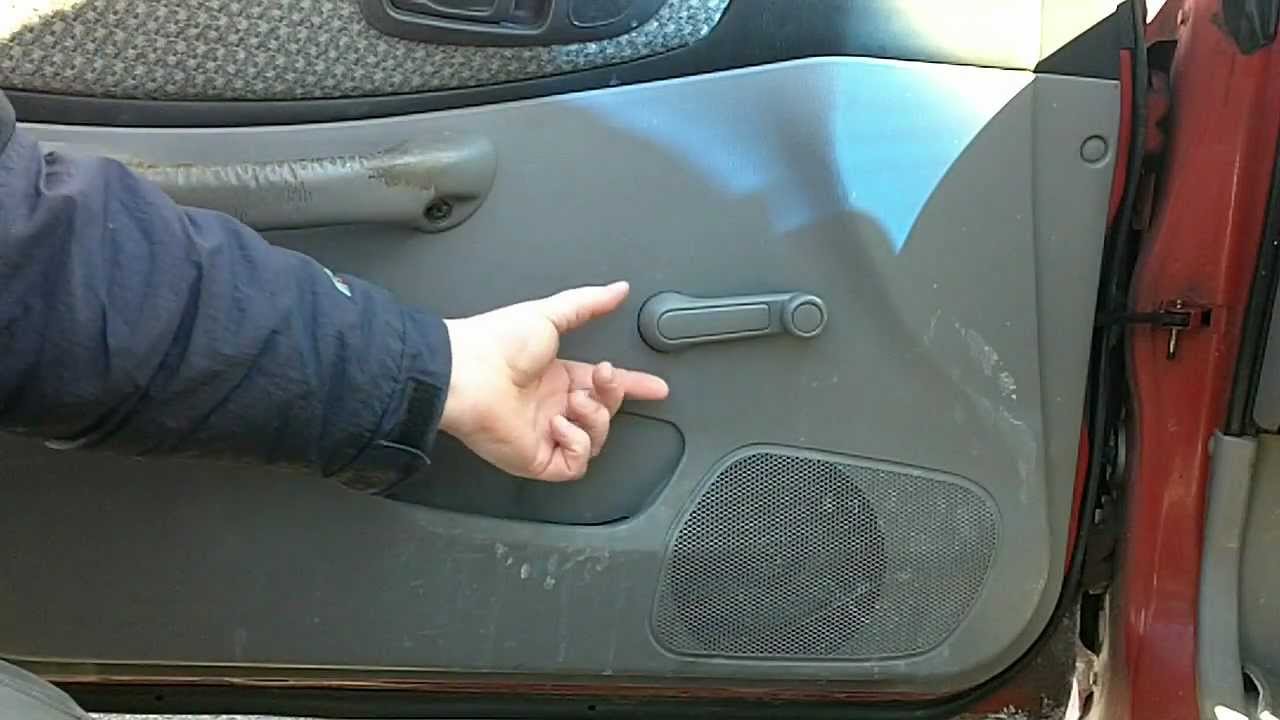
There is also an element of rhythm to the crank that is entirely absent from the button press. Lowering a manual window fully requires several rotations of the crank, each one accompanied by a pleasing mechanical sound and a visible increment of progress. It is, in miniature, the satisfaction of winding something a sensation humans have found pleasurable since the invention of the mechanical clock.
The act has a cadence, a completion, and a result that is directly proportional to the effort applied. That proportionality is deeply satisfying in a world of on/off digital interactions.
Regular drivers of manual-window vehicles often report that they barely notice the effort involved it becomes automatic, fluid, and almost meditative after a short period of habituation.
What they do notice is the slight flatness of the power window experience when they return to it. The button press, by comparison, feels anticlimactic: effortless but also joyless, functional but not felt.
The small physical engagement of the crank turns out, on reflection, to be not an inconvenience subtracted from the experience but a pleasure added to it.
7. Simpler to Operate for Everyone
Technology is often promoted under the banner of accessibility and ease of use, but the assumption that more automation always means simpler operation deserves scrutiny.
Power windows, despite their seemingly obvious convenience, introduce a layer of interface complexity that manual windows entirely lack and for certain users, that complexity is a genuine barrier rather than a benefit.
Consider the window lock feature, present on virtually every vehicle with power windows. Designed to prevent rear passengers particularly children from operating their windows independently, the window lock disables rear window switches from the driver’s control panel.
The number of passengers who have spent extended periods politely (or not so politely) pressing a non-functional window switch, confused and increasingly warm, is difficult to quantify but certainly substantial.
Manual windows have no lock feature, because they need none. Each window is operated directly at the window, and there is no central control system to override individual switches.
Consider also the one-touch-down feature common on modern power windows. Press the switch past its first detent and the window descends automatically to its full-open position without further input.
This is convenient until you want the window only partially open, at which point the interaction becomes more complex: press briefly, stop, wait, assess, press again if needed.
The manual window, by contrast, opens precisely as far as you turn the crank and stops the instant you stop turning. The control is direct, immediate, and infinitely granular without any need to understand a two-stage switch mechanism.
For elderly drivers, for young drivers still learning vehicle operation, and for passengers unfamiliar with a particular vehicle’s interface, the manual window is unambiguous.
There is a crank. You turn it. The window moves. There is no user manual required, no feature to discover, no lock state to diagnose. The entire interface is self-explanatory in a way that modern power window systems with their multiple switches, lock features, one-touch modes, and occasional software quirks simply are not. Simplicity in design is not a compromise; it is an achievement, and manual windows achieve it completely.
8. They Connect You to the Road and the World Outside
There is a philosophical dimension to the manual window that transcends mechanics and practicality, touching something deeper about the relationship between a driver and their experience of motion.
A manual window requires your conscious participation to engage with the outside world. You decide to open it, you perform the action of opening it, and the result fresh air, ambient sound, the temperature of the outside atmosphere arrives as a direct consequence of your intentional act.
That sequence of intention, action, and result creates a moment of genuine presence that the power window, for all its convenience, quietly erases.
Driving enthusiasts speak often about connection the sense that the car is an extension of the driver’s body rather than a separate machine being operated from within.
The best sports cars are praised for their communicative steering, their responsive throttle, their gear changes that feel like a conversation between driver and road.
Manual windows fit naturally into this philosophy. They are one more point of direct, unmediated contact between the person and the vehicle, one more tactile thread in the web of physical engagement that defines a truly involving driving experience.

There is also a quality of mindfulness to the act. In a world of perpetual digital distraction notifications, screens, automated systems demanding attention and delivering information the simple act of reaching for a window crank and turning it is a small, complete, analog moment.
It asks nothing of your attention beyond the act itself. It does not beep, flash, or vibrate. It simply responds to your hand. In that simplicity, there is something almost meditative a brief return to a mode of interaction that feels human in a way that increasingly few automotive interactions do.
The open manual window also changes your relationship with the world you are passing through. Because you chose to open it, because you performed the act of opening it, the air and sound that enter feel invited rather than merely present. It is a small psychological distinction, but it is real.
The world outside the car becomes something you have deliberately reached toward rather than something that has simply arrived. That sense of active engagement with your environment of being a participant in your journey rather than a passenger within it is one of the quiet, unheralded joys of the manual window, and it is something that no power switch, however smooth and responsive, can fully replicate.
Also Read: Top 10 Brands Offering the Most Reliable Hands Free Driving Tech
