
Driving in mountainous terrain places unique demands on a vehicle. Long climbs require strong torque and durable cooling systems, steep descents test braking performance, and tight switchbacks reward balanced chassis design and responsive steering.
Before modern traction control and advanced drivetrains, many vintage cars were engineered with robust mechanical simplicity that actually suited rugged terrain surprisingly well.
Manufacturers in Europe and America designed vehicles capable of navigating steep countryside roads, Alpine passes, and rural mountain routes long before highways were standardized.
For enthusiasts in the United States who enjoy classic cars on scenic mountain drives, from the Appalachian Mountains to the Rocky Mountains, certain vintage models stand out for their mechanical durability, low-end torque, and confident road manners.
While not all classics were built for steep gradients, a handful earned reputations for handling elevation changes and winding roads better than their contemporaries.
The following ten vintage cars combine reliable engineering, strong engines, and chassis stability that make them particularly well-suited to hilly or mountainous environments.
1. Volvo 122 Amazon (1956–1970)
The Volvo 122 Amazon, produced from 1956 to 1970, emerged during a period when European automakers were refining practical family cars into durable, capable machines suited to varied terrain.
Introduced as part of Volvo’s Amazon series, the 122 variant represented the performance-oriented version of the lineup, combining the brand’s reputation for structural durability with stronger engines and improved road manners. Although designed primarily for European markets, the car gained popularity in the United States during the 1960s, particularly among drivers who valued reliability and confident handling in demanding conditions.
Development of the Amazon began in the mid-1950s under Volvo’s effort to modernize its passenger car range. The design was overseen by Jan Wilsgaard, who created a body that blended American-inspired styling cues with Scandinavian practicality.
The result was a compact sedan with smooth fender lines, a pronounced grille, and balanced proportions that made the car appear sturdy rather than flashy. The body structure was heavily reinforced compared with many contemporaries, reflecting Volvo’s growing focus on safety and durability, qualities that would later become central to the brand’s identity.
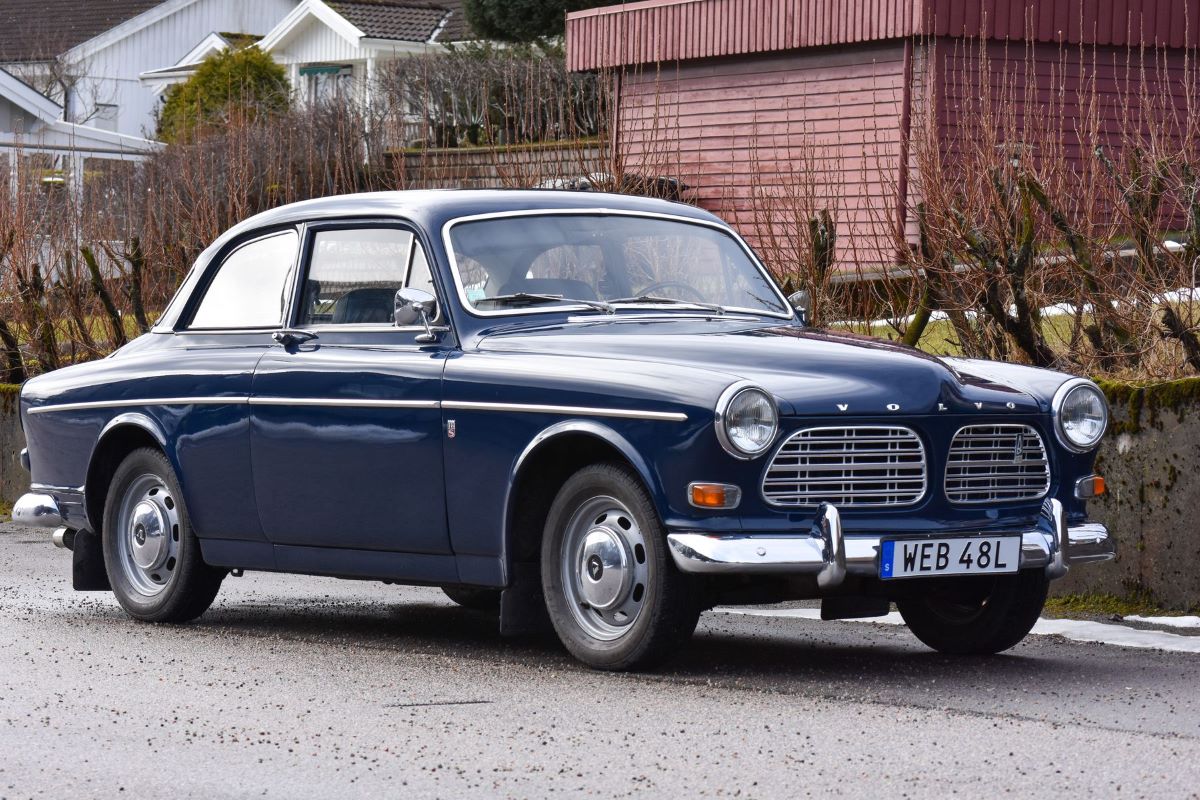
Under the hood, the Volvo 122 Amazon typically used the company’s B18 or later B20 inline-four engines. These overhead-valve powerplants ranged from roughly 1.8 to 2.0 liters in displacement and were engineered for durability as much as performance.
In 122S performance trim, the twin-carbureted B18 produced around 90 to 100 horsepower, modest by American standards but well suited to the car’s relatively light weight. Power was delivered to the rear wheels through either a four-speed manual transmission or, in later years, an optional overdrive unit that improved highway efficiency.
The Amazon followed a traditional front-engine, rear-wheel-drive layout, supported by independent front suspension and a robust live rear axle with coil springs. This setup produced predictable handling and strong traction, particularly on uneven roads.
These engineering characteristics made the Volvo 122 Amazon especially capable in hilly and mountainous environments. The torquey four-cylinder engine delivered consistent power for climbing grades, while the relatively short wheelbase and balanced chassis allowed drivers to maintain control on winding roads.
The car’s sturdy suspension and durable drivetrain also proved well suited to rough or variable terrain, conditions often encountered in mountain regions. In rally competition during the 1960s, Amazons demonstrated impressive durability and agility, further reinforcing their reputation as capable drivers’ cars in challenging landscapes.
2. Porsche 356 (1948–1965)
The Porsche 356, produced from 1948 to 1965, was the first production automobile to carry the Porsche name and remains one of the most influential sports cars of the postwar era. Developed in the years immediately following World War II, the 356 established Porsche’s engineering philosophy of lightweight construction, balanced handling, and mechanical efficiency.
While its sleek design and sporting character made it popular with enthusiasts worldwide, the car’s responsive performance and excellent traction also made it particularly capable on winding roads and steep terrain, qualities that fit naturally with driving in hilly or mountainous environments.
The project began under the leadership of Ferdinand “Ferry” Porsche, who sought to build a lightweight sports car using available Volkswagen mechanical components as a starting point. Early prototypes were assembled in Austria before production moved to Stuttgart, Germany.
The car’s design emphasized simplicity and balance, with a compact body and carefully engineered chassis that prioritized driver control rather than outright power. Over its long production run, the 356 evolved through several generations, commonly known as the Pre-A, A, B, and C series, each introducing incremental improvements in performance, braking, and structural refinement.
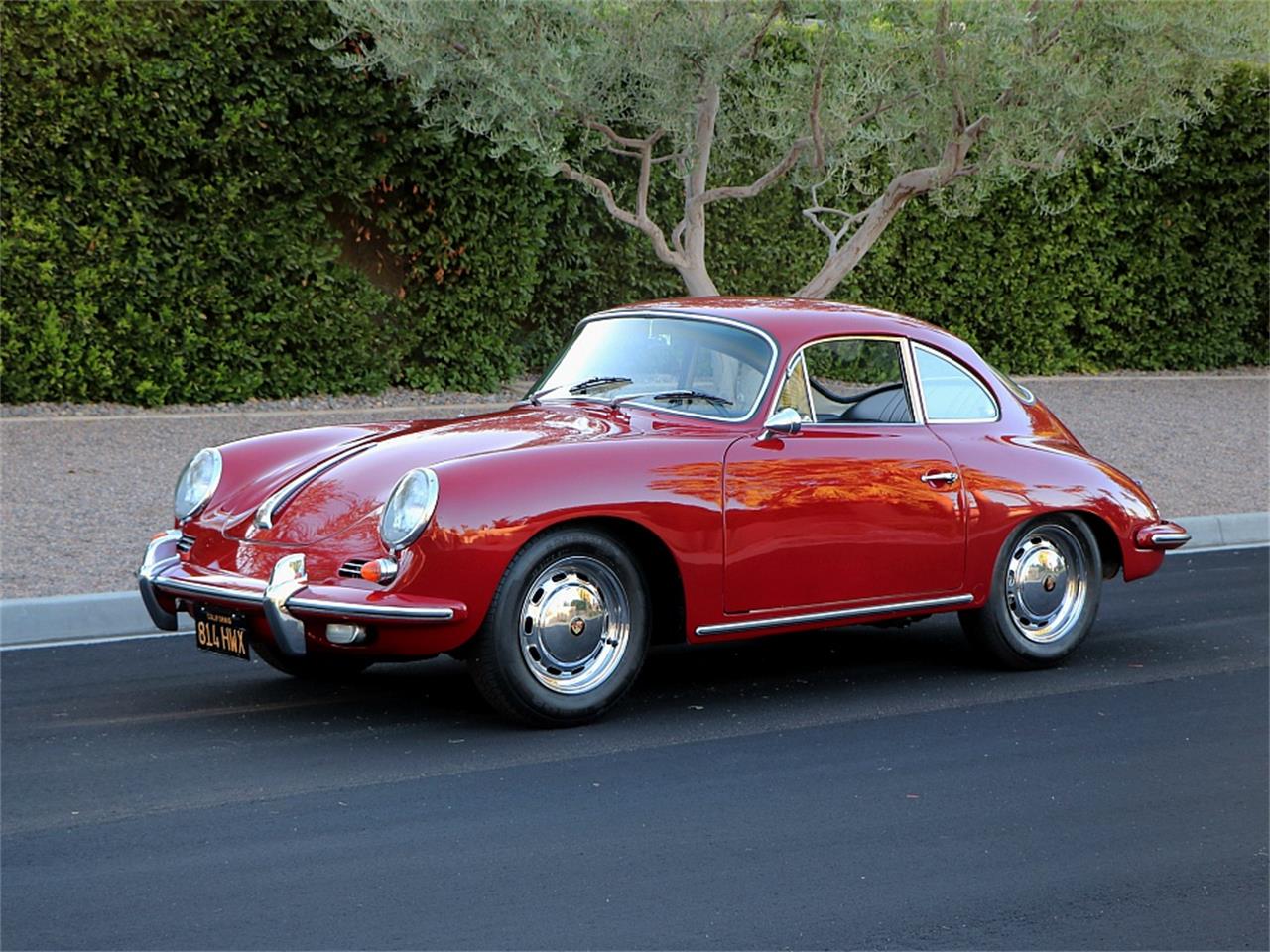
At the heart of the Porsche 356 was an air-cooled flat-four engine mounted at the rear of the vehicle. Displacements ranged from 1.1 to 1.6 liters depending on the model and year, with output varying from roughly 40 horsepower in early versions to over 90 horsepower in later high-performance variants such as the 356C and Carrera models.
Although modest in absolute power, the lightweight construction of the car, often weighing well under 2,000 pounds, allowed it to deliver lively acceleration and agile handling.
Power was sent to the rear wheels through a four-speed manual transmission, and the rear-engine layout placed significant weight over the driven wheels, improving traction when climbing steep grades or navigating slippery mountain roads.
3. Saab 96 (1960–1980)
The Saab 96 is one of the most underrated classic cars for mountain driving. Developed in Sweden for harsh climates and rural terrain, it featured front-wheel drive at a time when most vehicles still relied on rear-wheel layouts.
Front-wheel drive provided excellent traction on steep or slippery roads, particularly in snow or wet conditions common in higher elevations.
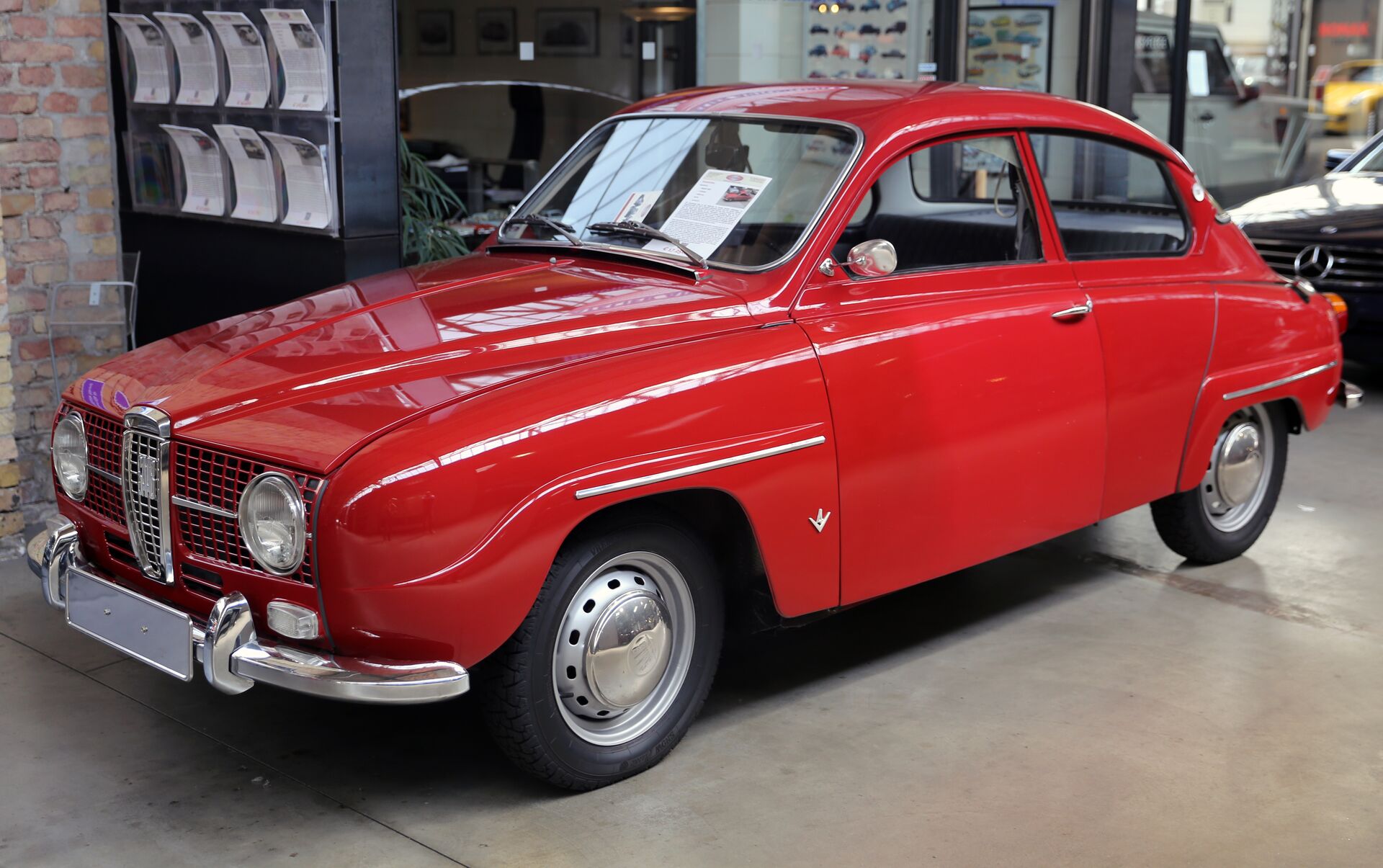
Early models used a two-stroke engine, but later versions adopted the dependable Ford-sourced V4 engine, which delivered stronger torque for climbing hills.
The Saab 96 also became famous in rally competition, where its durability and agility proved valuable on demanding terrain.
For vintage car drivers tackling winding mountain roads, the Saab’s lightweight structure and front-wheel-drive traction remain a significant advantage.
4. Jeep CJ‑5 (1954–1983)
The Jeep CJ-5, produced from 1954 to 1983, was one of the most recognizable off-road vehicles of the twentieth century and a direct descendant of the military Jeeps that proved their durability during World War II.
Introduced by Willys as the successor to the CJ-3B, the CJ-5 was designed to provide greater comfort and improved capability while retaining the rugged simplicity that defined earlier civilian Jeep models. Its long production run reflected both the vehicle’s enduring practicality and its reputation for handling difficult terrain, including steep hills and mountainous trails.
Development of the CJ-5 drew heavily from the Willys M38A1 military Jeep, particularly in its rounded hood and fender design. Compared with earlier CJ models, the CJ-5 featured a slightly longer wheelbase and wider track, improvements that enhanced stability while maintaining the compact proportions necessary for off-road maneuverability.
The body retained the simple steel construction and removable top that made Jeep vehicles versatile tools for farmers, outdoor enthusiasts, and military users alike. Throughout the late 1950s and 1960s, the CJ-5 evolved gradually as Jeep changed ownership from Willys to Kaiser and eventually to American Motors Corporation, with each era introducing mechanical updates while preserving the vehicle’s core design.
The CJ-5’s engineering was built around durability and off-road capability. Early versions were powered by Willys’ dependable F-134 Hurricane inline-four engine, which produced modest horsepower but delivered strong low-end torque essential for climbing steep grades.
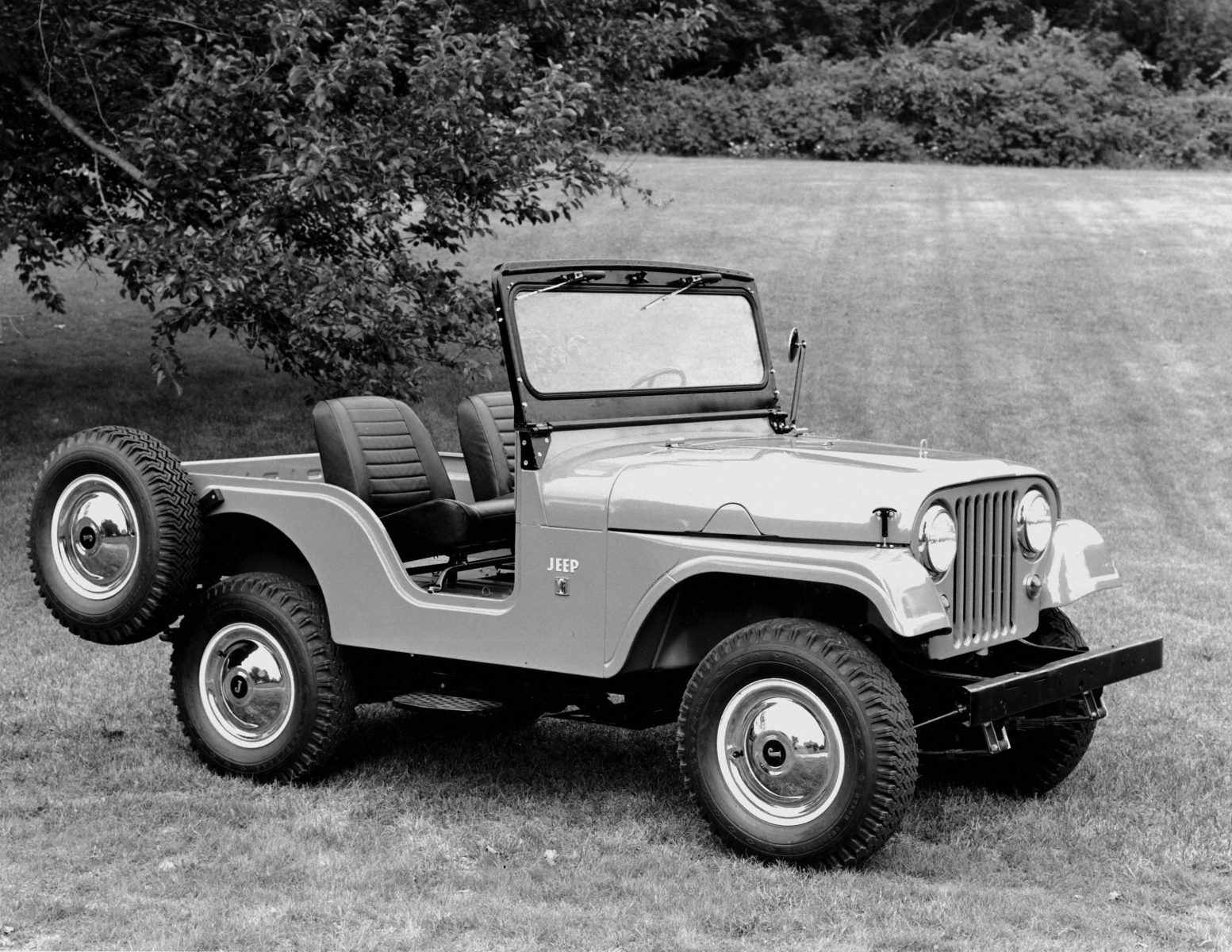
Later models offered more powerful engines, including Buick’s 225-cubic-inch “Dauntless” V6 introduced in the mid-1960s, which significantly improved performance while retaining excellent tractability.
Power was delivered through a traditional front-engine, rear-wheel-drive layout with selectable four-wheel drive via a transfer case. This system allowed drivers to engage both axles when tackling difficult terrain, dramatically improving traction on loose surfaces or steep inclines.
The CJ-5’s short wheelbase and solid axles were key factors in its ability to handle mountainous environments. The compact dimensions allowed the vehicle to navigate narrow trails and tight switchbacks commonly found in mountain regions, while the sturdy suspension design provided the articulation necessary to keep the wheels in contact with uneven ground.
The availability of low-range gearing in the transfer case further enhanced climbing ability, allowing the vehicle to crawl up steep slopes at controlled speeds without placing excessive strain on the engine.
Stylistically, the CJ-5 remained deliberately utilitarian. Its upright grille, exposed hinges, and flat body panels reflected a design philosophy focused on function rather than ornamentation. The interior was similarly simple, with durable materials and straightforward controls that emphasized reliability over luxury.
In the context of vintage cars suited for driving in hilly or mountainous areas, the Jeep CJ-5 stands out for its exceptional off-road engineering and mechanical simplicity.
5. Volkswagen Beetle (Classic) (1938–2003)
The original Volkswagen Beetle might not seem like a mountain car at first glance, but its engineering made it remarkably capable on steep roads. Like the Porsche 356, the Beetle used a rear-mounted air-cooled engine that placed weight over the driven wheels.
This configuration improved traction during uphill climbs, particularly on loose or gravel surfaces.
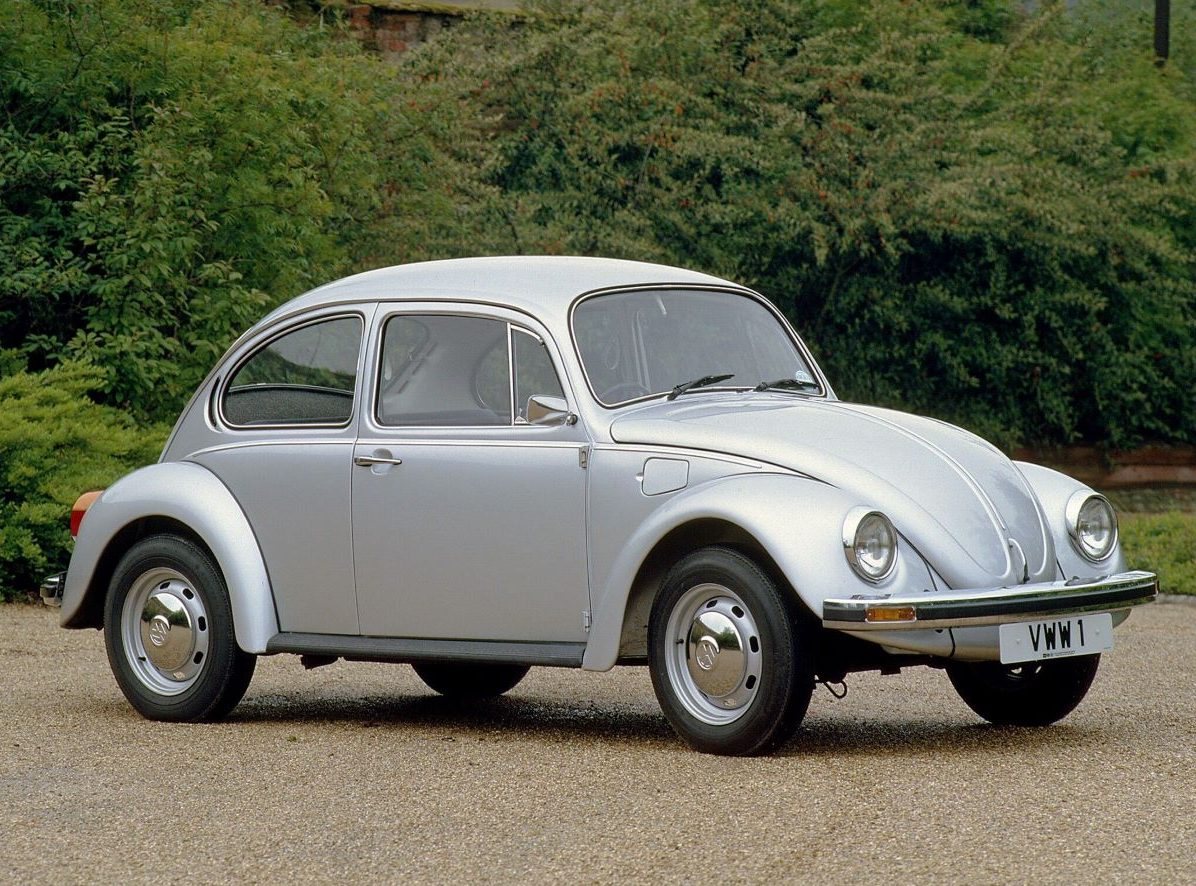
The air-cooled engine also eliminated concerns about overheating during long ascents, an issue that affected many water-cooled engines of the time.
The Beetle’s simple mechanical layout made it easy to maintain, and its narrow width helped it navigate tight mountain roads.
In many mountainous regions around the world, the Beetle became a common sight precisely because of its reliability in challenging terrain.
6. Land Rover Series II (1958–1971)
The Land Rover Series II was designed for rural work and exploration, making it an ideal candidate for mountainous environments. Built in Britain with agricultural and expedition use in mind, it prioritized durability and off-road capability.
Its four-wheel-drive system, combined with a low-range gearbox, allowed the vehicle to climb steep grades without excessive strain on the engine. The sturdy ladder-frame chassis and long-travel suspension also handled uneven terrain effectively.
Although not particularly fast, the Series II excelled at controlled, steady climbing. In mountainous regions where roads could quickly transition from paved to dirt or gravel, this versatility made it extremely valuable.
Today, the Series II remains a favorite among vintage adventure drivers seeking authenticity and rugged capability.
The Land Rover Series II, produced from 1958 to 1971, represented a significant evolution of the original Land Rover concept and solidified the brand’s reputation for building vehicles capable of operating in some of the most demanding terrain on earth.
Developed as the successor to the Series I, the Series II retained the utilitarian philosophy that had defined the company since its founding in the late 1940s while introducing improvements in power, durability, and design. Throughout its production run, the vehicle became widely used in rural, agricultural, and mountainous regions across the world, making it one of the most recognizable off-road vehicles of the twentieth century.
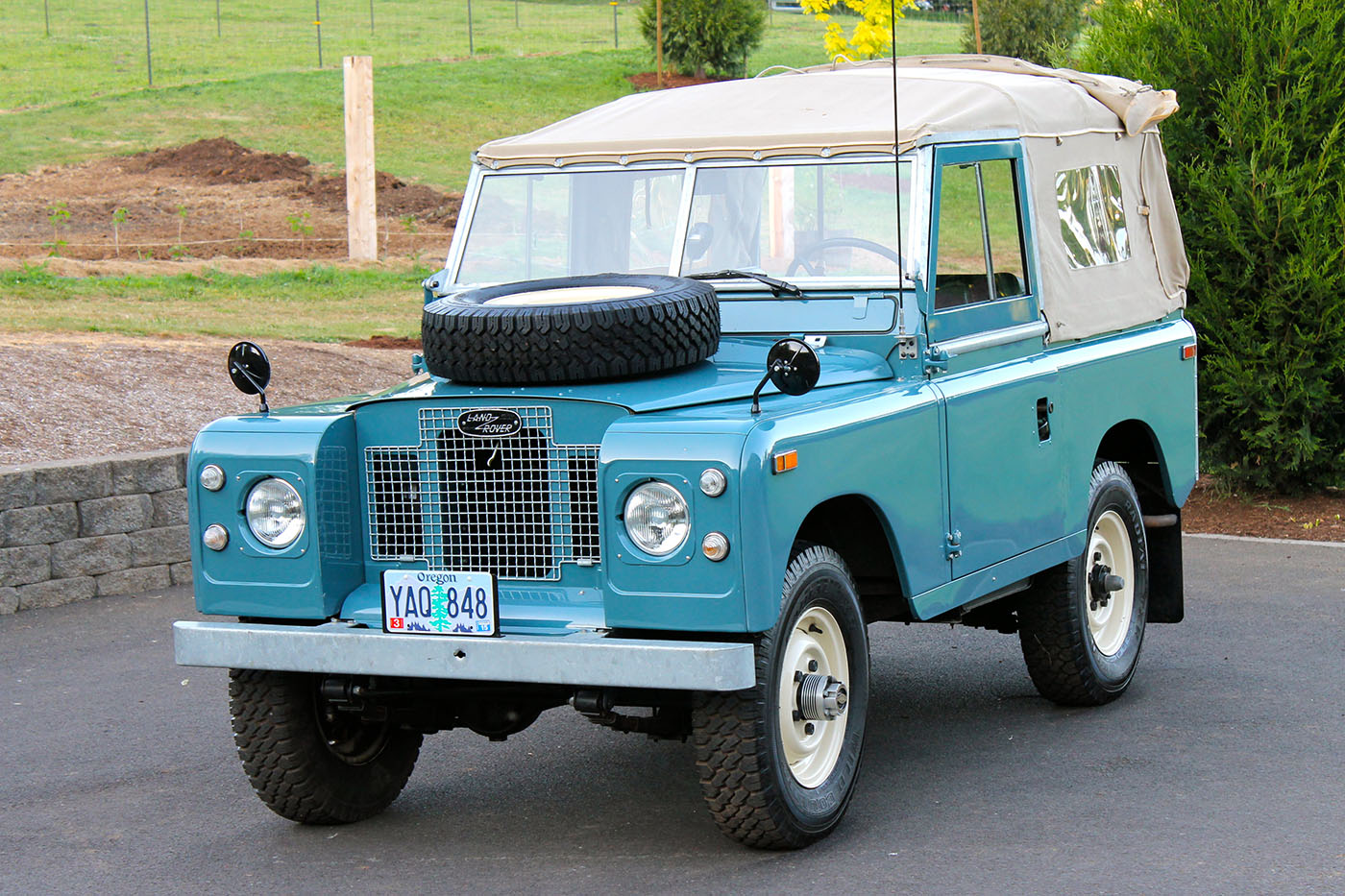
The development of the Series II reflected Land Rover’s effort to refine the rugged formula established by the earlier models while accommodating a broader range of uses. Designers introduced a slightly wider track and more curved body panels, giving the vehicle a more refined appearance while maintaining the boxy practicality that made it easy to repair and modify.
The body panels were constructed from lightweight aluminum alloy rather than traditional steel, a decision originally driven by postwar steel shortages but one that also provided resistance to corrosion in harsh climates. The design remained highly functional, with upright sides, short overhangs, and removable roof sections that allowed the vehicle to adapt to different environments and tasks.
Under the hood, the Series II initially featured a 2.25-liter inline-four gasoline engine that produced roughly 70 horsepower.
Although the output figures were modest, the engine delivered strong low-speed torque, a critical attribute for vehicles expected to operate in steep or uneven terrain. Later in the production run, diesel versions of the same engine were introduced, providing improved fuel economy and enhanced durability for commercial and agricultural use.
Power was delivered through a four-speed manual transmission connected to a dual-range transfer case, allowing drivers to select high or low gearing depending on driving conditions. The drivetrain followed a front-engine, four-wheel-drive layout with a locking center differential and solid axles at both ends, maximizing traction on loose or uneven surfaces.
7. BMW 2002 (1968–1976)
The BMW 2002, produced from 1968 to 1976, became one of the most influential compact sports sedans of the twentieth century and played a critical role in shaping BMW’s reputation for driver-focused performance.
Introduced during a period when European automakers were redefining the small sports sedan, the 2002 combined practical dimensions with lively performance and balanced handling. While originally designed as an everyday driver, its responsive chassis and strong engine characteristics made it particularly well suited to winding roads and steep terrain, the kind often encountered in hilly or mountainous regions.
The 2002 emerged from BMW’s earlier “Neue Klasse” lineup, a series of modern sedans that helped rescue the company financially during the early 1960s. Engineers realized that installing the larger two-liter engine from the Neue Klasse sedans into the smaller two-door body created a car with an excellent balance of power and weight.
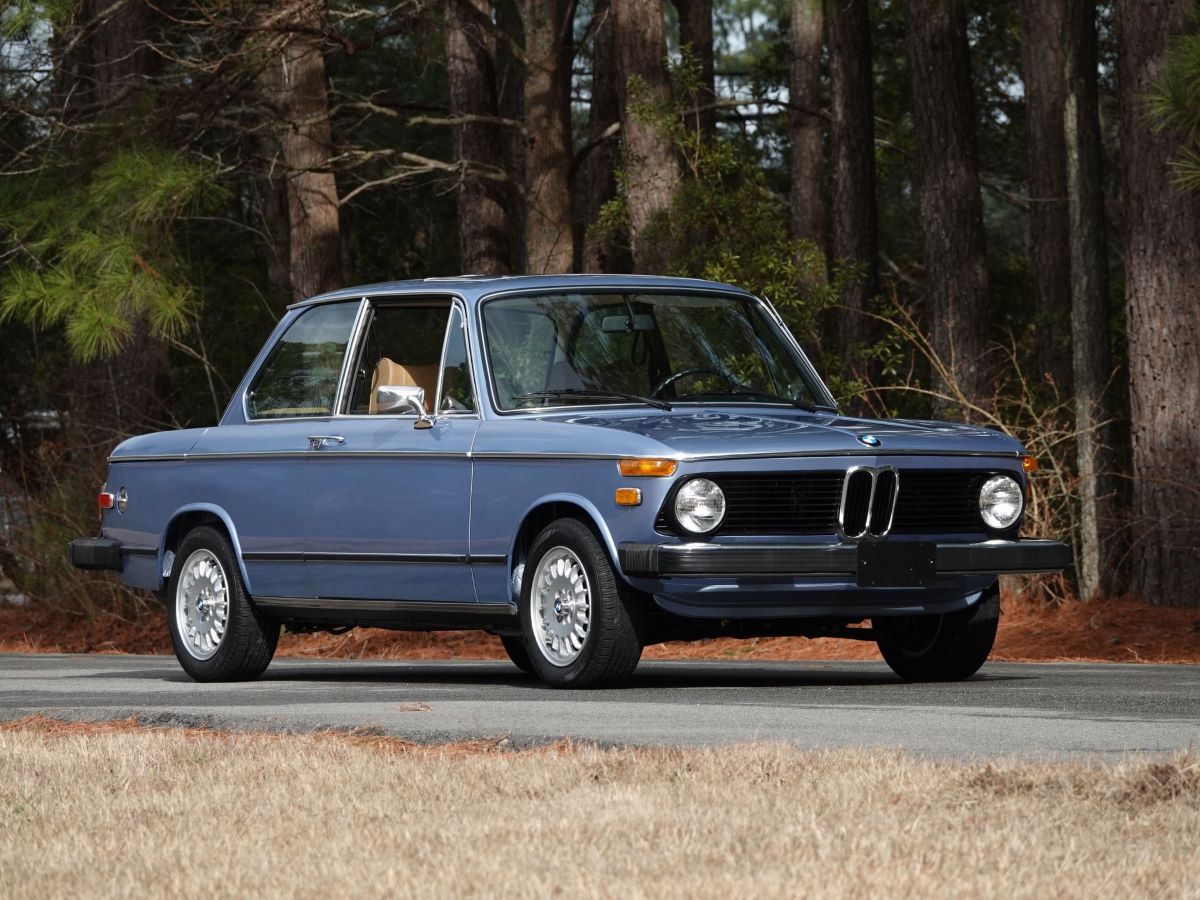
The resulting model, introduced as the BMW 2002, quickly became a defining example of the compact performance car concept. Throughout its production run, the model evolved through several variants, including the fuel-injected 2002tii and the turbocharged 2002 Turbo, each improving performance while maintaining the car’s fundamental driving character.
At the heart of the BMW 2002 was the M10 inline-four engine, a robust overhead-cam powerplant with a displacement of 2.0 liters. Depending on the version, the engine produced between roughly 100 and 130 horsepower, figures that provided energetic performance given the car’s relatively light weight.
Power was delivered to the rear wheels through a four-speed manual transmission, with a five-speed option available in later models and certain performance variants. The 2002 followed a traditional front-engine, rear-wheel-drive layout, a configuration that contributed to its balanced weight distribution and precise handling characteristics.
8. Ford Bronco (First Generation) (1966–1977)
The first-generation Ford Bronco was Ford’s answer to the growing demand for compact off-road vehicles in the 1960s. Built on a rugged frame with short overhangs and strong suspension components, the Bronco performed well in mountainous environments.
Four-wheel drive came standard, and engine options included inline-six and V8 powerplants capable of producing ample torque for steep climbs. The Bronco’s relatively short wheelbase improved maneuverability on narrow mountain trails.
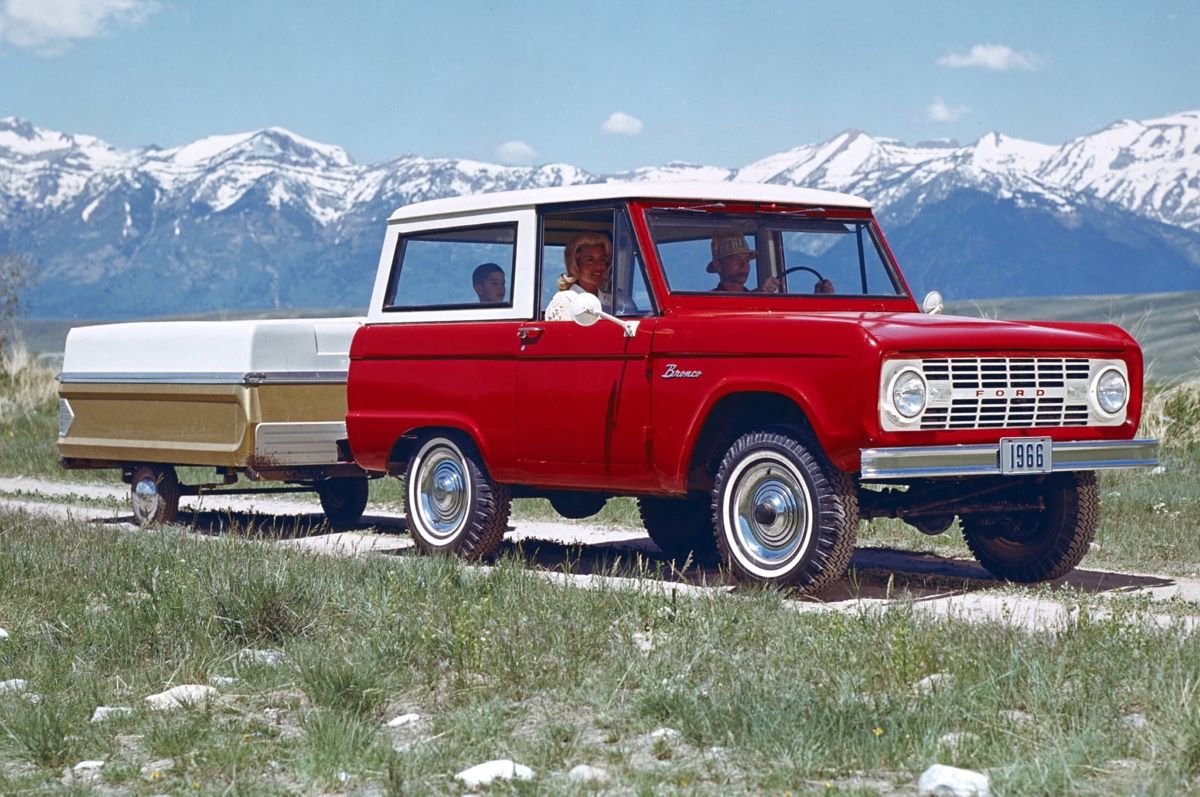
Its simple mechanical design also meant repairs were relatively straightforward, an important consideration when driving far from urban service centers. For vintage SUV enthusiasts, the early Bronco remains a capable and charismatic mountain vehicle.
9. Citroën DS (1955–1975)
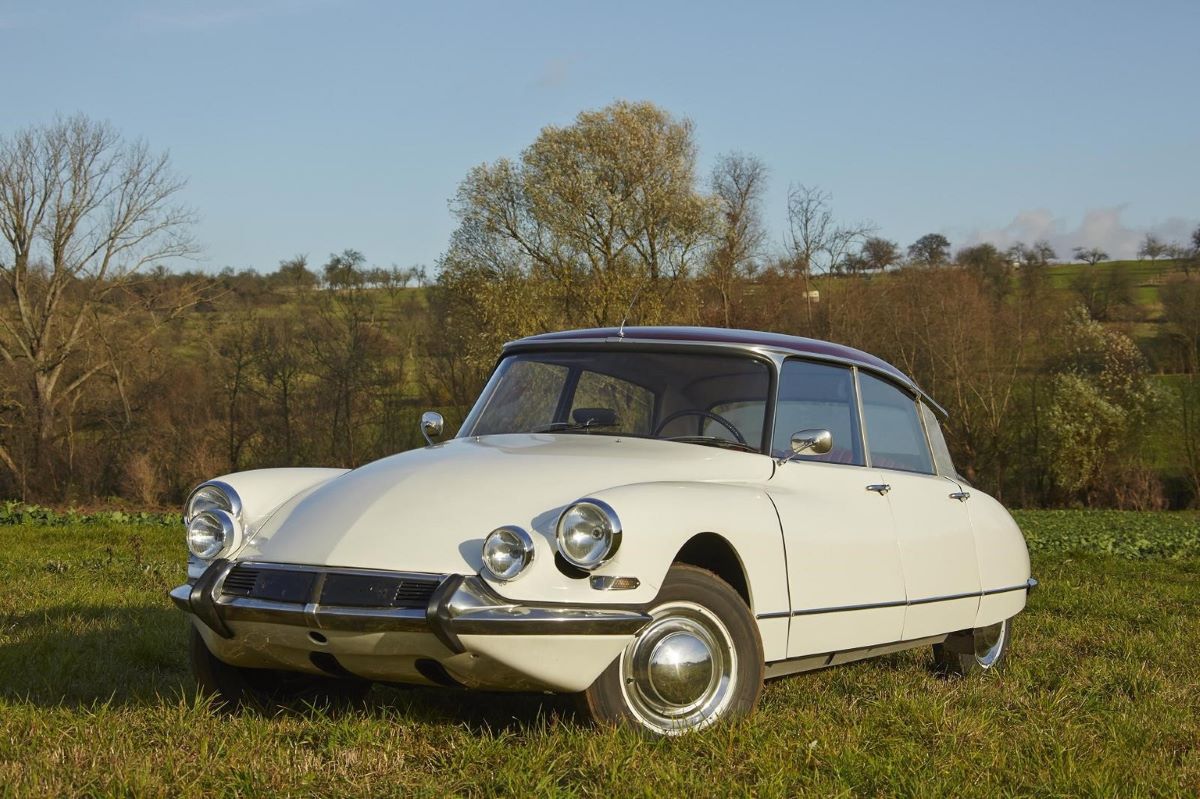
The Citroën DS, produced from 1955 to 1975, remains one of the most technically innovative automobiles of the twentieth century. Introduced at the Paris Motor Show in 1955, the DS immediately attracted international attention for its futuristic styling and groundbreaking engineering.
At a time when most cars still relied on conventional mechanical systems, Citroën introduced advanced hydraulic technology and a highly sophisticated suspension system that dramatically improved ride comfort and road control. These qualities made the DS particularly capable on challenging roads, including steep and winding routes often found in hilly or mountainous areas.
Development of the DS began in the late 1940s under Citroën’s ambitious effort to create a radically modern replacement for its existing models. The project brought together engineer André Lefèbvre and designer Flaminio Bertoni, whose combined work produced a car unlike anything else on the road.
The DS featured an aerodynamic body with a long, tapering profile, partially enclosed rear wheels, and a distinctive front fascia that gave the car a futuristic appearance decades ahead of its time. The design was not merely stylistic; the smooth body shape also improved aerodynamic efficiency and high-speed stability.
Mechanically, the DS followed a front-engine, front-wheel-drive layout, a configuration that provided strong traction in difficult driving conditions. Early models used a 1.9-liter inline-four engine, later expanded to larger displacements of around 2.0 to 2.3 liters as the model evolved.
Although the engine itself was relatively modest in output compared with many contemporary cars, the DS relied on advanced chassis engineering rather than raw power. Power was delivered through a manual or semi-automatic transmission, depending on the version, with the front wheels responsible for both steering and propulsion.
10. Mercedes‑Benz 280SE (1968–1972)
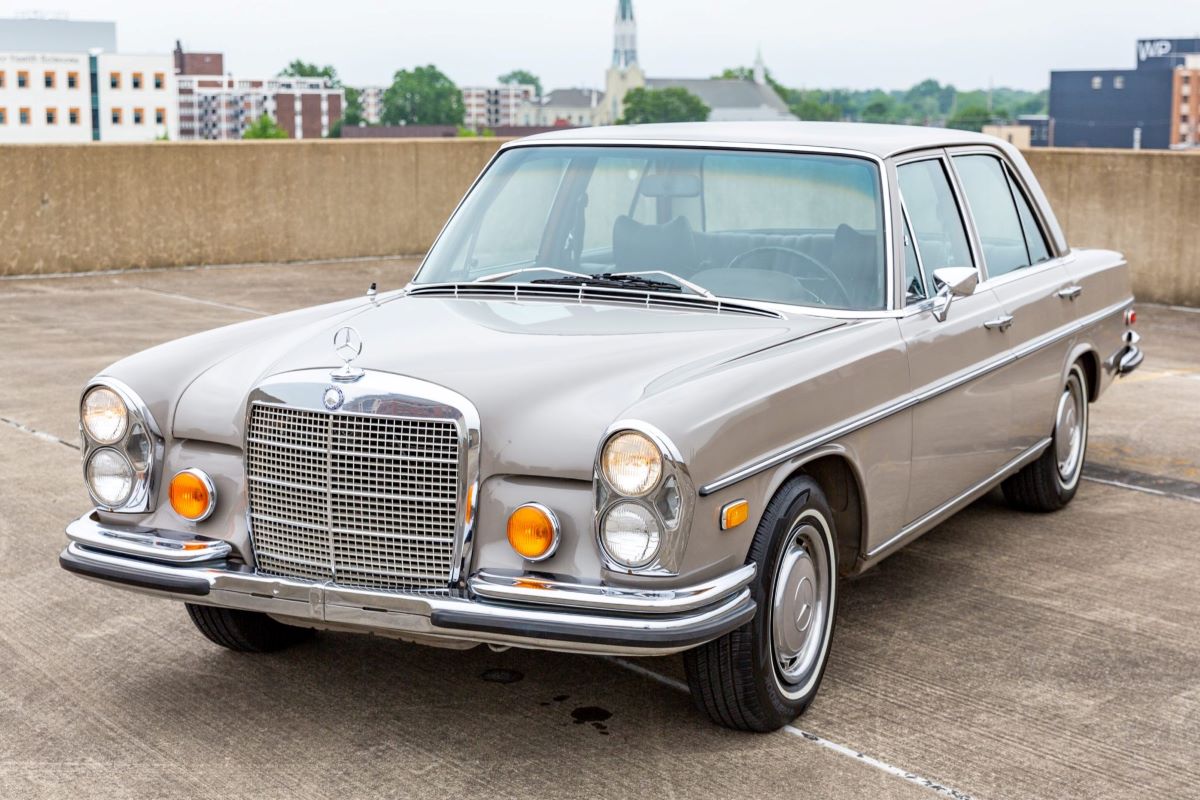
The Mercedes-Benz 280SE from the W108/W109 series represents classic German engineering at its finest. Built with a robust inline-six engine and strong braking system, the car handled elevation changes with authority.
While heavier than many cars on this list, the 280SE compensated with smooth power delivery and exceptional stability. Its long wheelbase and sophisticated suspension kept the car composed during sweeping mountain curves.
Mercedes also engineered these vehicles with durability in mind, ensuring that the drivetrain could handle long-distance driving under demanding conditions. For drivers who prefer comfort without sacrificing performance, the 280SE offers an excellent balance.
Vintage cars were often built with mechanical simplicity and durability that inadvertently made them well suited for challenging terrain.
Strong torque curves, lightweight construction, and balanced chassis designs allowed many classic vehicles to perform admirably on steep, winding roads long before modern driver aids existed.
From the rally-proven agility of the Saab 96 to the rugged off-road strength of the Jeep CJ-5 and Land Rover Series II, these cars represent different approaches to conquering mountainous landscapes.
Some rely on traction and four-wheel-drive capability, while others depend on precise engineering and balanced weight distribution.
For American classic car enthusiasts planning scenic drives through mountain passes or rural hill country, choosing the right vintage vehicle can significantly enhance the experience.
Whether prioritizing rugged exploration, sporty handling, or refined cruising, the models listed above demonstrate that classic engineering still holds its own when the road turns steep and winding.