Fuel injection is now standard technology in modern vehicles, but its roots stretch back far earlier than many drivers realize.
Before electronic fuel injection became commonplace in the 1980s and 1990s, several automakers experimented with mechanical and early electronic systems that aimed to deliver fuel more precisely than traditional carburetors.
These early systems were developed to improve performance, increase fuel efficiency, and meet emerging emissions regulations, especially in the United States, where environmental standards began tightening in the late 1960s.
For decades, carburetors dominated the automotive place because they were relatively simple and inexpensive. However, they relied heavily on airflow and pressure differences, which could make them less precise under varying conditions.
Fuel injection systems, on the other hand, could meter fuel more accurately and deliver it directly into the intake or combustion chamber.
Early versions were often mechanical rather than computerized, but they still represented a major technological leap.
Several classic cars adopted these systems during the 1950s, 1960s, and 1970s, creating some of the most interesting transitional vehicles in automotive history.
Some of these models were American performance icons, while others came from European manufacturers that prioritized engineering innovation.
A few were even short-lived experiments due to reliability issues or cost, but they helped pave the way for the electronic systems used today.
The following eight classic vehicles illustrate how automakers began moving away from carburetors and toward the fuel delivery systems that would eventually dominate the industry.
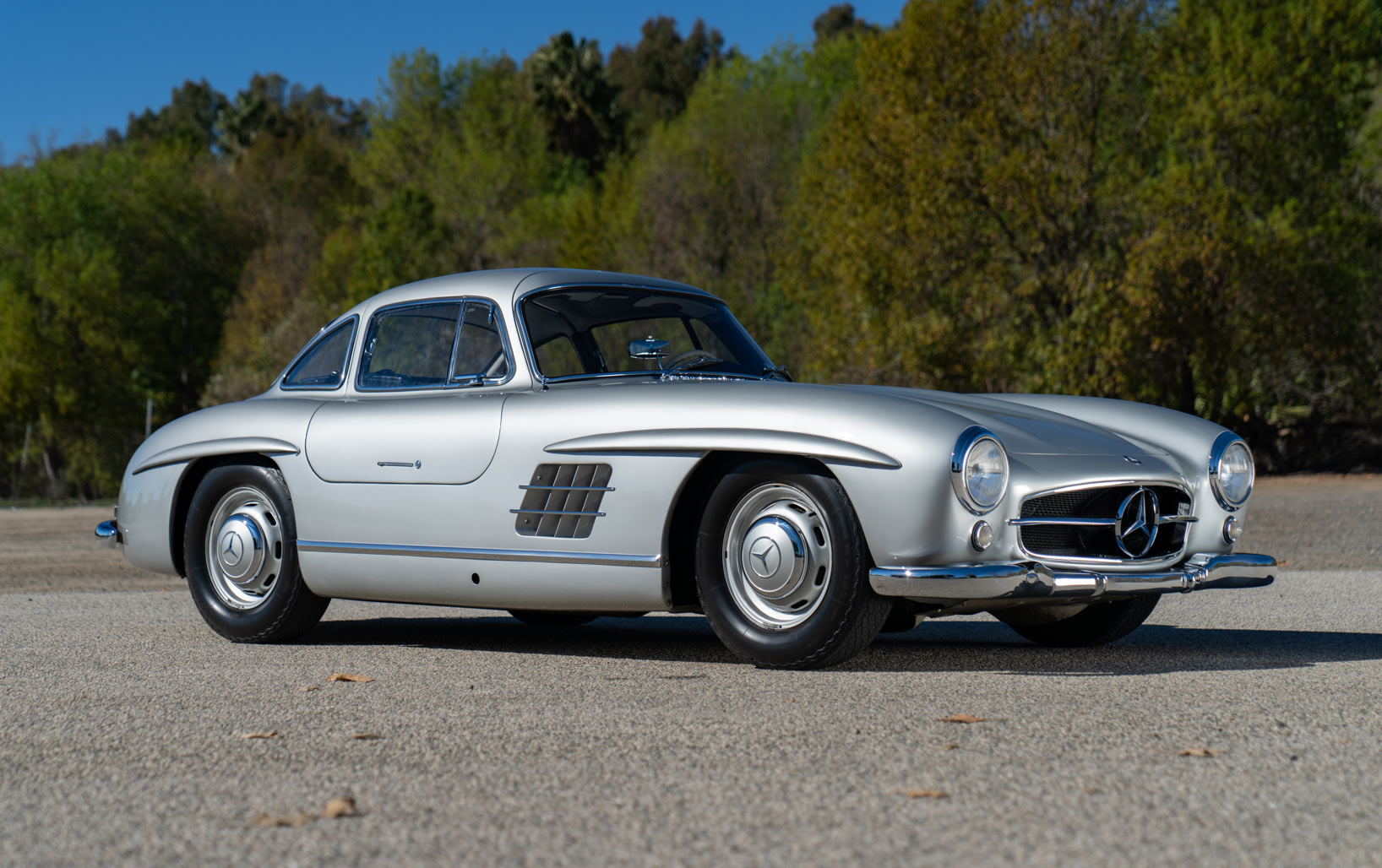
1. Mercedes-Benz 300SL (1954)
The 1954 Mercedes-Benz 300SL stands as one of the most technically significant sports cars of the postwar era and a landmark in the development of automotive fuel delivery systems. Introduced during a period when most production cars still relied on carburetors, the 300SL brought racing-derived mechanical fuel injection to a road-going vehicle.
Developed from Mercedes-Benz’s successful W194 racing program of the early 1950s, the car represented the company’s determination to translate motorsport engineering into a high-performance production model. When it debuted at the New York Auto Show in 1954, the 300SL immediately captured international attention for both its advanced engineering and its dramatic design.
The development of the 300SL was heavily influenced by Mercedes-Benz’s racing success in endurance competitions such as the 24 Hours of Le Mans and the Carrera Panamericana. American importer Max Hoffman played a crucial role in convincing the manufacturer that a production sports car based on the race-winning platform could succeed in the U.S. market.
As a result, the road-going 300SL retained much of the racing car’s engineering philosophy, including its lightweight tubular spaceframe chassis. This structure was exceptionally rigid but required unusually high door sills, leading engineers to adopt the distinctive upward-opening “gullwing” doors that became one of the car’s most recognizable features.
Powering the 300SL was a 3.0-liter inline-six engine derived from the unit used in Mercedes’ luxury sedans but significantly modified for performance. The engine was mounted at a steep angle to reduce hood height and improve aerodynamics. Most importantly, it employed Bosch mechanical direct fuel injection, a system adapted from technology originally developed for aircraft engines during World War II.
Power was delivered to the rear wheels through a four-speed manual transmission, following a traditional front-engine, rear-wheel-drive layout.
Combined with the car’s relatively light weight and aerodynamic bodywork, the fuel-injected engine enabled the 300SL to reach top speeds approaching 160 miles per hour, making it the fastest production car of its time. The sleek body design, characterized by smooth curves, a long hood, and the iconic gullwing doors, reflected both functional aerodynamics and striking visual identity.
Historically, the 1954 Mercedes-Benz 300SL occupies a central place in the evolution of fuel injection technology in road cars. While fuel injection had previously appeared in limited racing applications, the 300SL was among the first production automobiles to successfully implement the system on a large scale.
In the context of early fuel-injected vehicles, the 300SL demonstrates how advanced engineering could dramatically enhance performance and efficiency. Its innovative Bosch mechanical fuel injection system not only defines the car’s technical legacy but also marks an important milestone in the transition away from carburetors in high-performance automobiles.
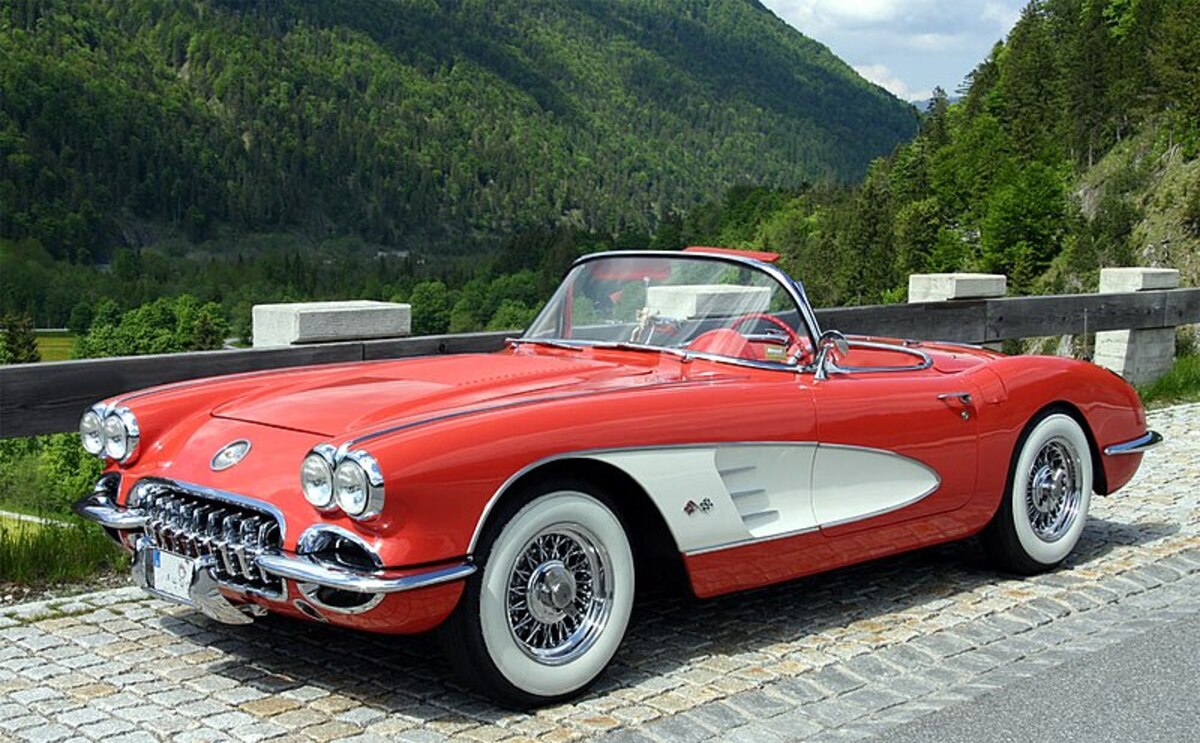
2. Chevrolet Corvette Fuelie (1957)
Chevrolet introduced fuel injection to the Corvette lineup in 1957 with the Rochester Ramjet system, creating one of the first American production cars with mechanical fuel injection.
Known among enthusiasts as the “Fuelie,” this Corvette represented a major technological step for Detroit performance cars.
The 283 cubic-inch V8 engine equipped with the Ramjet system famously achieved one horsepower per cubic inch, producing 283 horsepower, an impressive milestone in the late 1950s.
The system replaced the traditional carburetor with a mechanical unit that precisely controlled fuel delivery based on engine speed and airflow.
Although the system improved performance and efficiency, it was also expensive and complex to maintain compared with carburetors. As a result, relatively few Corvette buyers chose the fuel-injected option at the time.
Today, however, the 1957 Corvette Fuelie is considered one of the most desirable classic American sports cars because of its pioneering technology and rarity.
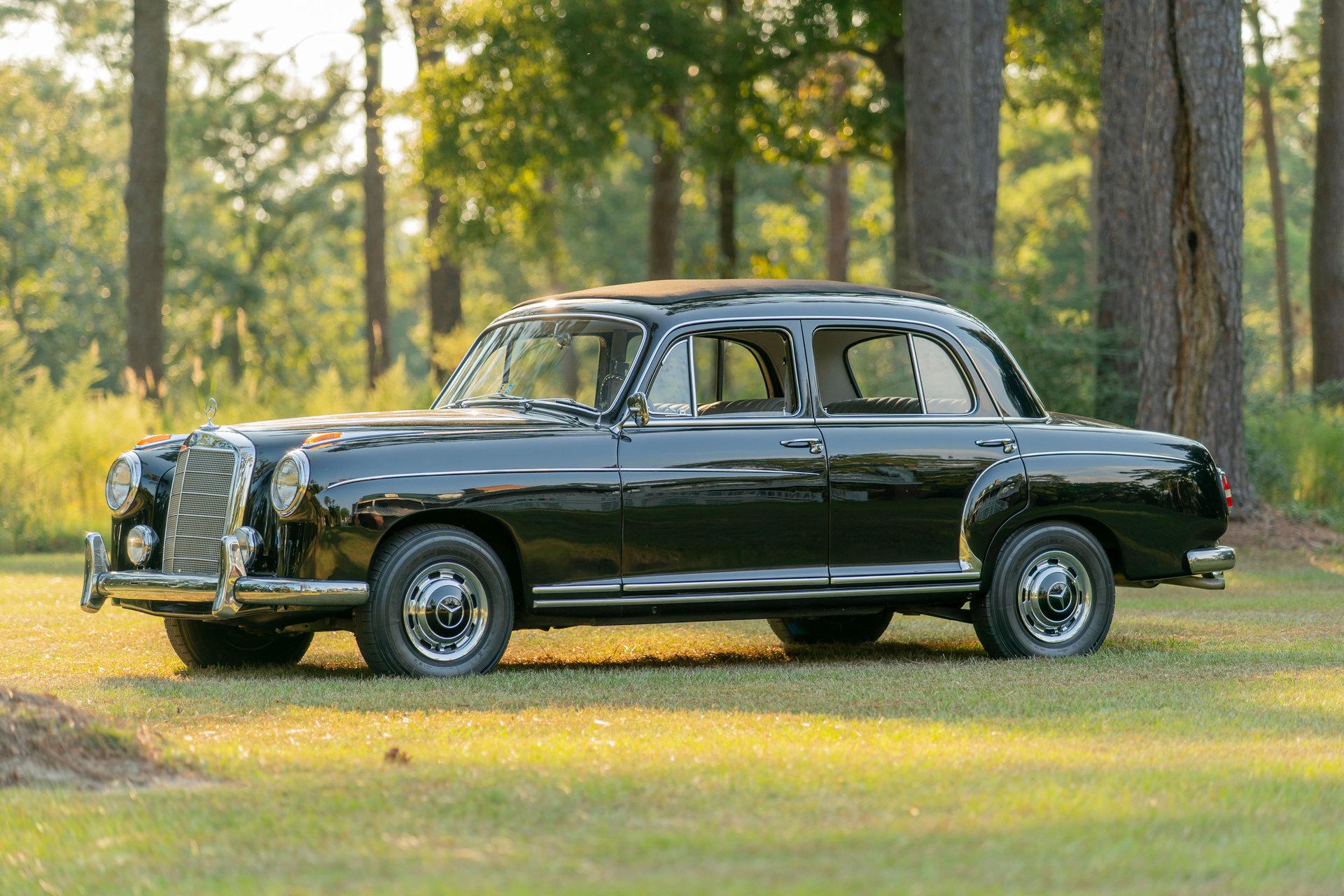
3. Mercedes-Benz 220SE (1958)
The 1958 Mercedes-Benz 220SE represented an important moment in the gradual transition from carburetors to fuel injection in production passenger cars. Introduced as the performance-oriented version of Mercedes-Benz’s W128 luxury sedan lineup, the 220SE demonstrated how the company’s advanced engineering approach could bring fuel injection technology from racing applications into refined everyday vehicles.
During the late 1950s, when most automobiles still relied on carburetors, the 220SE showcased a more precise and efficient method of fuel delivery that improved both performance and drivability.
Mercedes-Benz had already proven the effectiveness of fuel injection earlier in the decade with the groundbreaking 300SL sports car. Encouraged by its success, engineers sought to integrate similar technology into mainstream models while preserving the smoothness and reliability expected from a luxury sedan.
The result was the 220SE, which expanded the brand’s fuel-injection program beyond niche performance cars and into the executive car segment. This move helped establish Mercedes-Benz as a leader in bringing advanced engine technology into production vehicles.
Powering the 220SE was the M127 engine, a 2.2-liter inline-six that featured an overhead camshaft and Bosch mechanical fuel injection. Instead of relying on carburetors to mix air and fuel, the injection system delivered fuel directly into the intake ports through precisely timed mechanical pumps.
This approach allowed for more accurate fuel metering under different driving conditions, improving engine efficiency and throttle response. The engine produced approximately 120 horsepower, a meaningful improvement over carbureted versions of the same engine and sufficient to give the sedan confident highway performance for the era.
The drivetrain followed a traditional front-engine, rear-wheel-drive layout, which was typical for luxury sedans of the time. Power was transmitted through either a four-speed manual transmission or an optional automatic gearbox.
The car’s chassis featured independent front suspension and a swing-axle rear suspension, delivering a comfortable ride while maintaining stable handling characteristics. These engineering features reinforced Mercedes-Benz’s focus on balancing performance with refinement.
Stylistically, the 220SE reflected the understated elegance typical of Mercedes-Benz sedans from the late 1950s. The design emphasized clean lines, modest chrome detailing, and a tall greenhouse that provided excellent visibility. Inside, the cabin combined durable materials with careful craftsmanship, creating a comfortable environment that matched the car’s engineering sophistication.
Within the context of classic vehicles that featured early versions of fuel injection, the 1958 Mercedes-Benz 220SE stands out because it brought this advanced technology into a practical luxury sedan rather than limiting it to high-performance sports cars. Its Bosch mechanical injection system improved engine precision and efficiency, helping demonstrate the real-world advantages of fuel injection and paving the way for its widespread adoption in later decades.
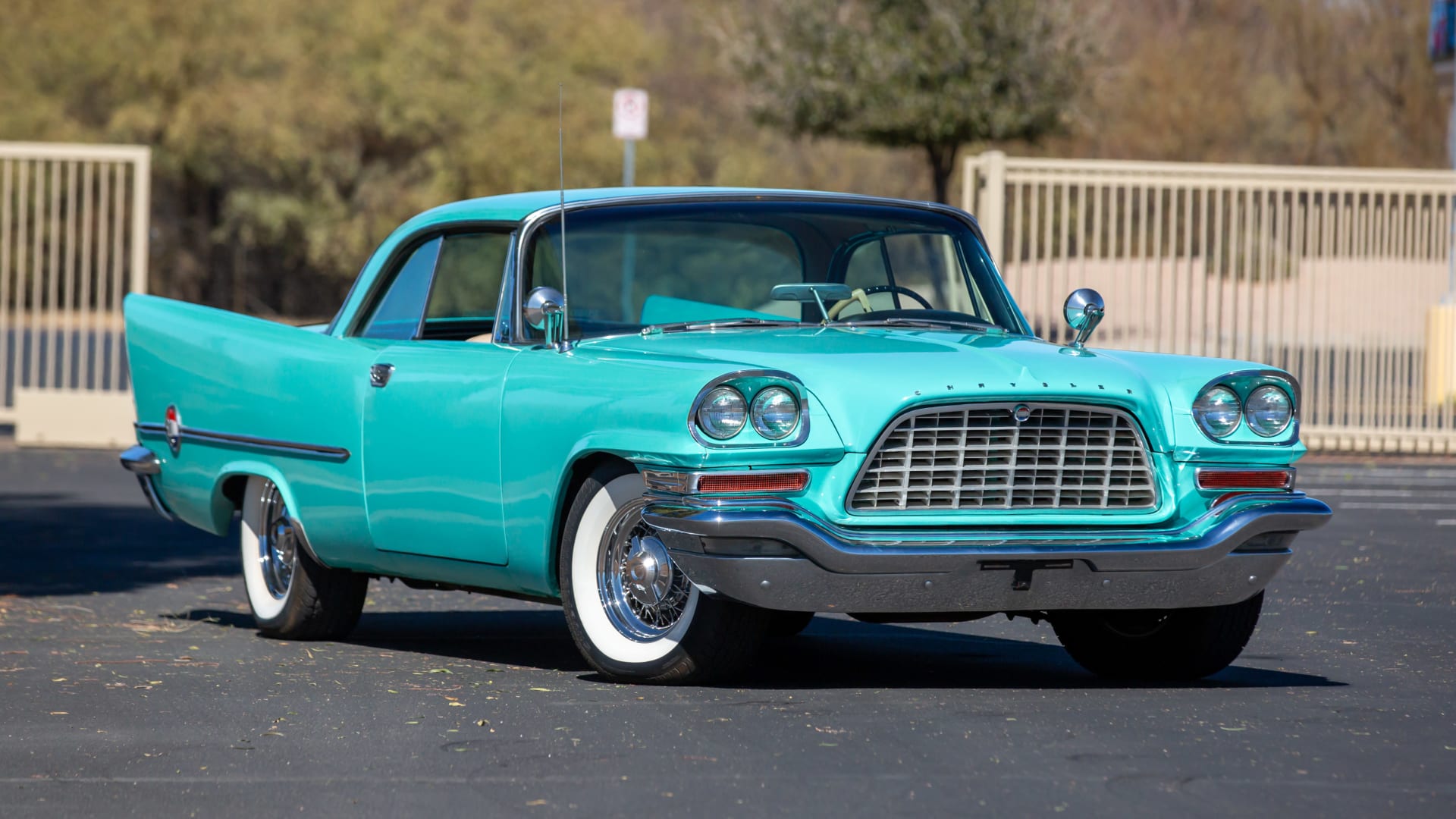
4. Chrysler 300D (1958)
The 1958 Chrysler 300D represented the peak of Chrysler’s celebrated “Letter Series” performance cars and marked an important moment in the early adoption of electronic fuel injection in American production vehicles.
Introduced during an era when most automobiles still relied on carburetors, the 300D demonstrated how advanced fuel delivery systems could enhance both performance and efficiency. As part of Chrysler’s high-performance luxury lineup, the car combined powerful V8 engineering with emerging electronic technology, placing it among the earliest production models to experiment with fuel injection.
The Chrysler 300 series had already built a reputation throughout the mid-1950s as America’s premier high-performance luxury car. Each successive model, from the original 1955 C-300 through the later lettered variants, pushed the boundaries of power and engineering sophistication.
By the time the 300D arrived for the 1958 model year, Chrysler engineers were seeking ways to improve throttle response and horsepower beyond what traditional carburetion could deliver.
Their solution was an optional electronic fuel injection system supplied by Bendix, known as the Electrojector system. Although offered only in limited numbers due to reliability challenges, it represented a pioneering attempt to introduce electronic fuel injection into a mass-produced American automobile.
The 300D was powered by Chrysler’s formidable 392-cubic-inch Hemi V8, part of the company’s renowned hemispherical combustion chamber engine family. In carbureted form, the engine produced approximately 380 horsepower using dual four-barrel carburetors. However, when equipped with the Bendix Electrojector fuel injection system, output increased to around 390 horsepower.
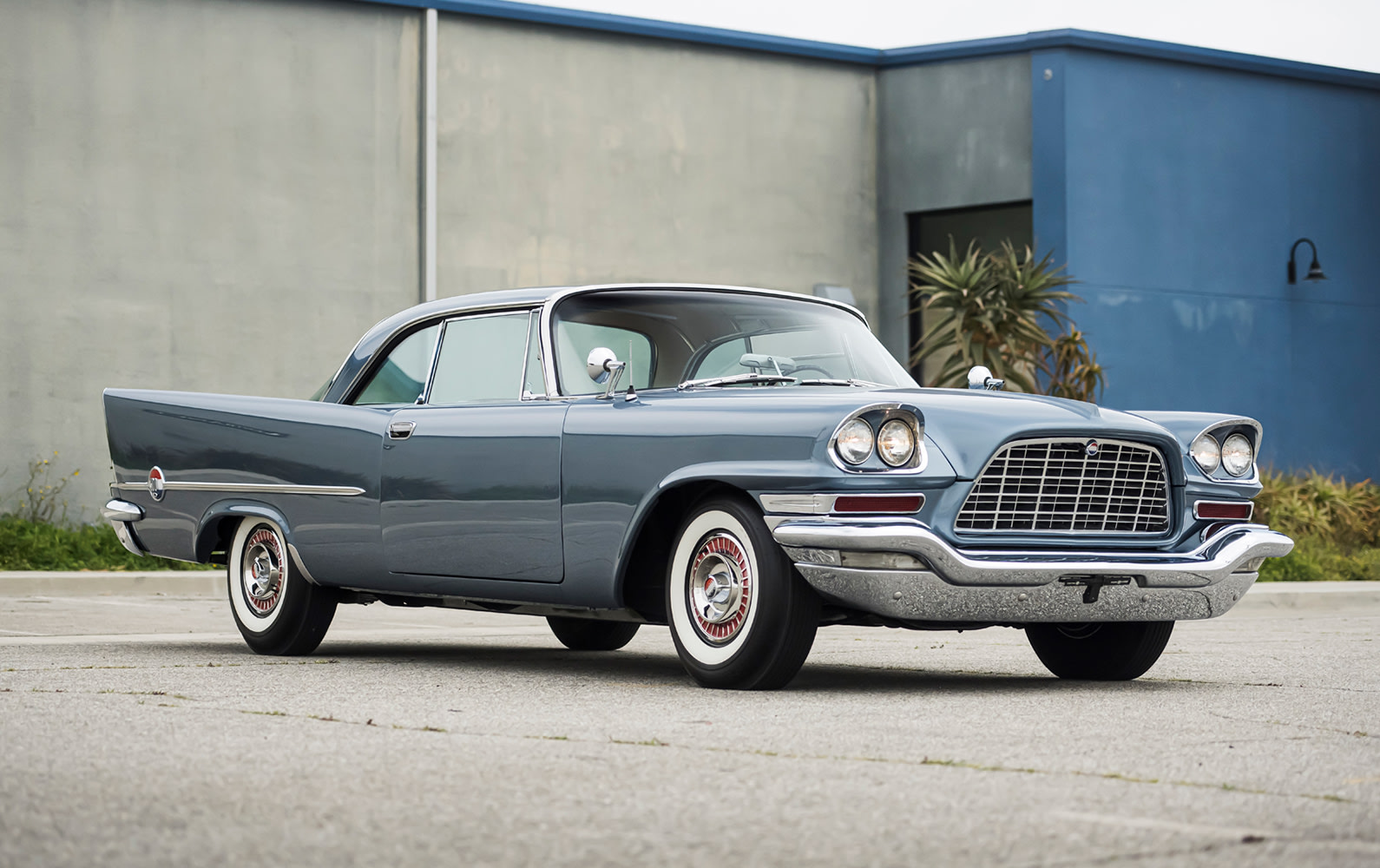
The system delivered fuel directly into the intake manifold using electronically controlled injectors, allowing for more precise fuel metering compared with carburetors. Power was transmitted to the rear wheels through Chrysler’s three-speed TorqueFlite automatic transmission, a robust gearbox that had already earned a reputation for durability and smooth operation.
The Chrysler 300D followed a traditional American performance layout with a front-mounted engine and rear-wheel drive mounted on a full-size body-on-frame chassis. Its suspension used torsion bars at the front, part of Chrysler’s “Torsion-Aire” system, and leaf springs at the rear, providing improved ride control compared with many contemporary large sedans. The car’s substantial size and powerful engine made it capable of impressive high-speed performance, particularly on open highways.
Visually, the 300D maintained the bold styling that defined Chrysler’s late-1950s performance models. The car featured dramatic tailfins, a wide grille, and distinctive chrome trim that emphasized its powerful presence. Inside, the cabin offered luxury appointments alongside performance-focused instrumentation, reinforcing the model’s unique blend of speed and refinement.
Within the context of early fuel-injected vehicles, the 1958 Chrysler 300D stands out as one of the first American production cars to experiment with electronic fuel injection technology.
The 300D therefore represents a significant milestone in the transition from carburetors to electronically controlled fuel delivery systems that would eventually become standard across the automotive industry.
5. Chevrolet Corvair Monza Spyder (1962)
The 1962 Chevrolet Corvair Monza Spyder represented one of the most technically adventurous American production cars of the early 1960s and marked an important step in the development of modern fuel delivery and forced-induction technology.
Introduced during a period when most domestic vehicles still relied on large-displacement engines and conventional carburetion, the Corvair stood apart with its compact design and unconventional engineering. The Monza Spyder variant elevated the model’s performance credentials and demonstrated how advanced fuel and induction systems could enhance a relatively small engine.
Chevrolet introduced the Corvair in 1960 as a response to the growing popularity of compact European imports. Rather than simply scaling down a traditional American sedan, General Motors engineers developed an entirely new platform.
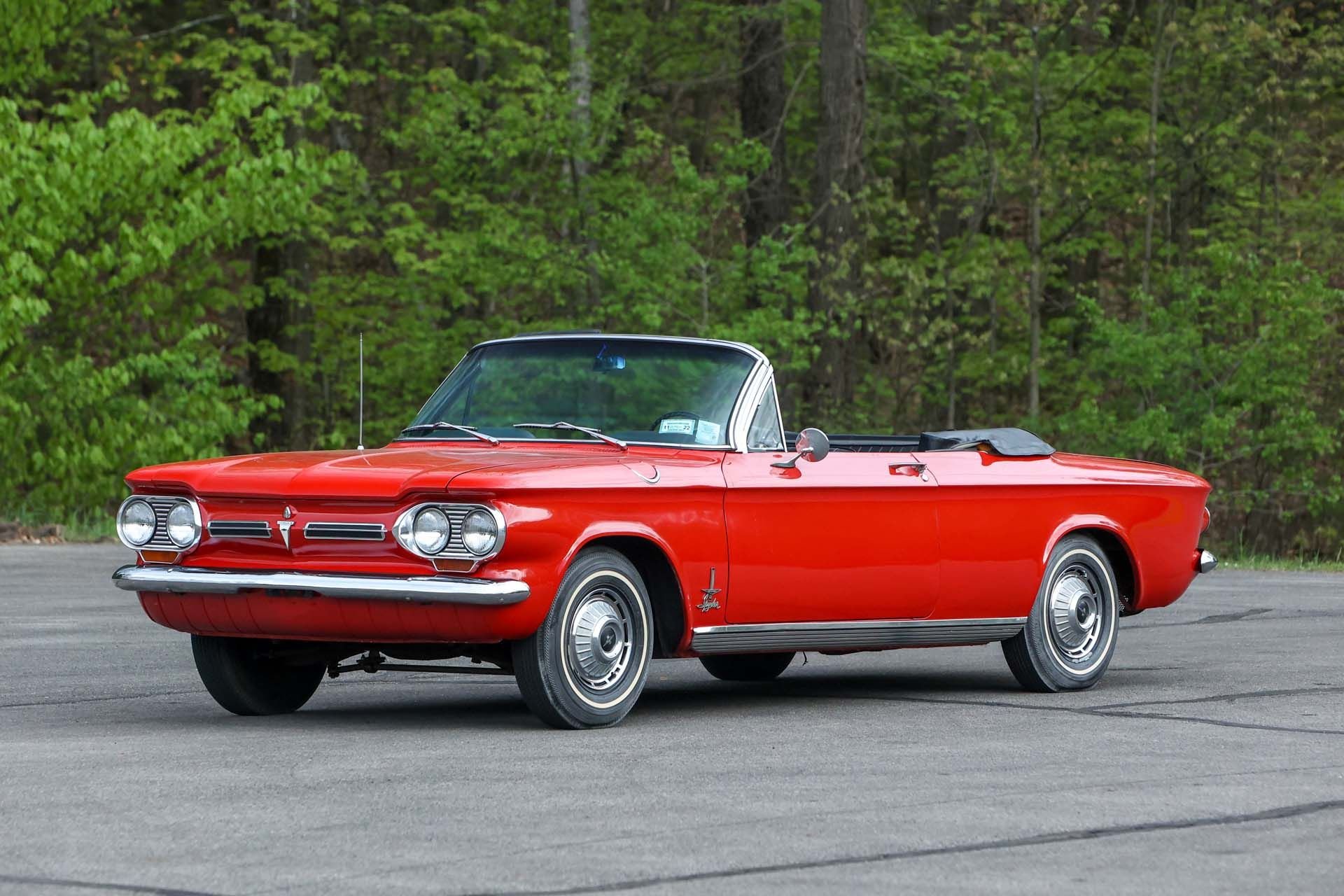
The Corvair adopted a rear-engine, rear-wheel-drive layout inspired in part by European designs such as the Volkswagen Beetle and Porsche sports cars. This configuration allowed for a flat cabin floor and improved traction while giving the vehicle a distinctive mechanical character compared with typical American cars of the time.
Powering the 1962 Corvair Monza Spyder was a 145-cubic-inch air-cooled flat-six engine mounted behind the rear axle. The horizontally opposed design helped lower the car’s center of gravity and contributed to its compact packaging.
While early Corvair engines produced modest output, the Spyder introduced a major performance upgrade with the addition of a turbocharger.
This forced-induction system compressed incoming air before it entered the engine, increasing the amount of oxygen available for combustion. The engine continued to use carburetion, but the turbocharger allowed Chevrolet to extract significantly greater performance from the small displacement engine, producing approximately 150 horsepower.
6. Volkswagen Type 3 (1968)
The 1968 Volkswagen Type 3 marked an important milestone in the evolution of fuel delivery systems in mass-produced automobiles. Introduced during a period when carburetors still dominated most passenger car engines, the Type 3 became one of the first widely produced vehicles to offer electronic fuel injection as a standard production feature.
Developed as part of Volkswagen’s effort to expand beyond the success of the Beetle, the Type 3 combined the company’s familiar air-cooled engineering with new technology designed to improve efficiency, drivability, and reliability.
Volkswagen introduced the Type 3 lineup in the early 1960s as a more sophisticated alternative to the Beetle, offering greater interior space and improved practicality while retaining the brand’s mechanical simplicity. The model was available in several body styles, including the Notchback sedan, Squareback wagon, and Fastback coupe.
By the late 1960s, Volkswagen engineers were exploring ways to modernize engine performance while meeting increasingly strict emissions expectations and improving everyday drivability.
For the 1968 model year, the company introduced the Bosch D-Jetronic electronic fuel injection system to the Type 3, making it one of the earliest production cars to adopt this technology on a large scale.
At the heart of the 1968 Type 3 was a 1.6-liter air-cooled flat-four engine mounted at the rear of the vehicle. Like the Beetle, the engine used a horizontally opposed configuration that helped keep the vehicle’s center of gravity low while maintaining compact packaging.
Unlike earlier carbureted versions, however, the new fuel-injected system replaced the traditional carburetor with electronically controlled injectors that delivered fuel directly into the intake ports.
The Bosch D-Jetronic system used sensors to monitor engine conditions such as manifold pressure and temperature, allowing the system to meter fuel more precisely than mechanical carburetors. This resulted in smoother throttle response, improved cold starting, and more consistent engine performance.
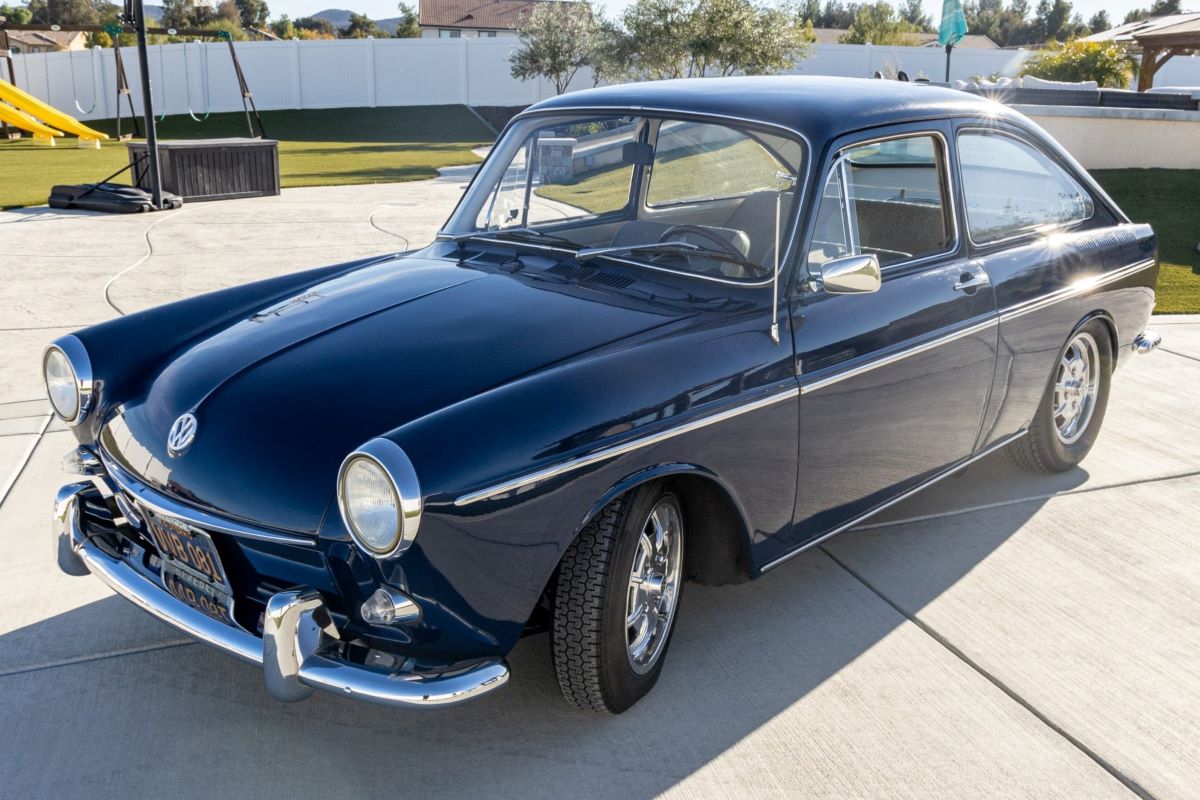
The Type 3’s 1.6-liter air-cooled engine benefited from smoother operation, improved fuel economy, and reduced emissions compared with carbureted versions.
While the system required more complex maintenance, it proved that electronic fuel injection could function reliably in everyday vehicles.
The technology would later appear in numerous European and American cars, marking a key turning point in automotive engineering.
7. Datsun 280Z (1975)
As emissions regulations became stricter in the United States during the 1970s, fuel injection became increasingly important. The Datsun 280Z adopted Bosch L-Jetronic electronic fuel injection to replace the carburetors used in earlier models like the 240Z.
The 2.8-liter inline-six engine used the system to deliver more consistent fuel metering, helping the car meet emissions standards without sacrificing performance.
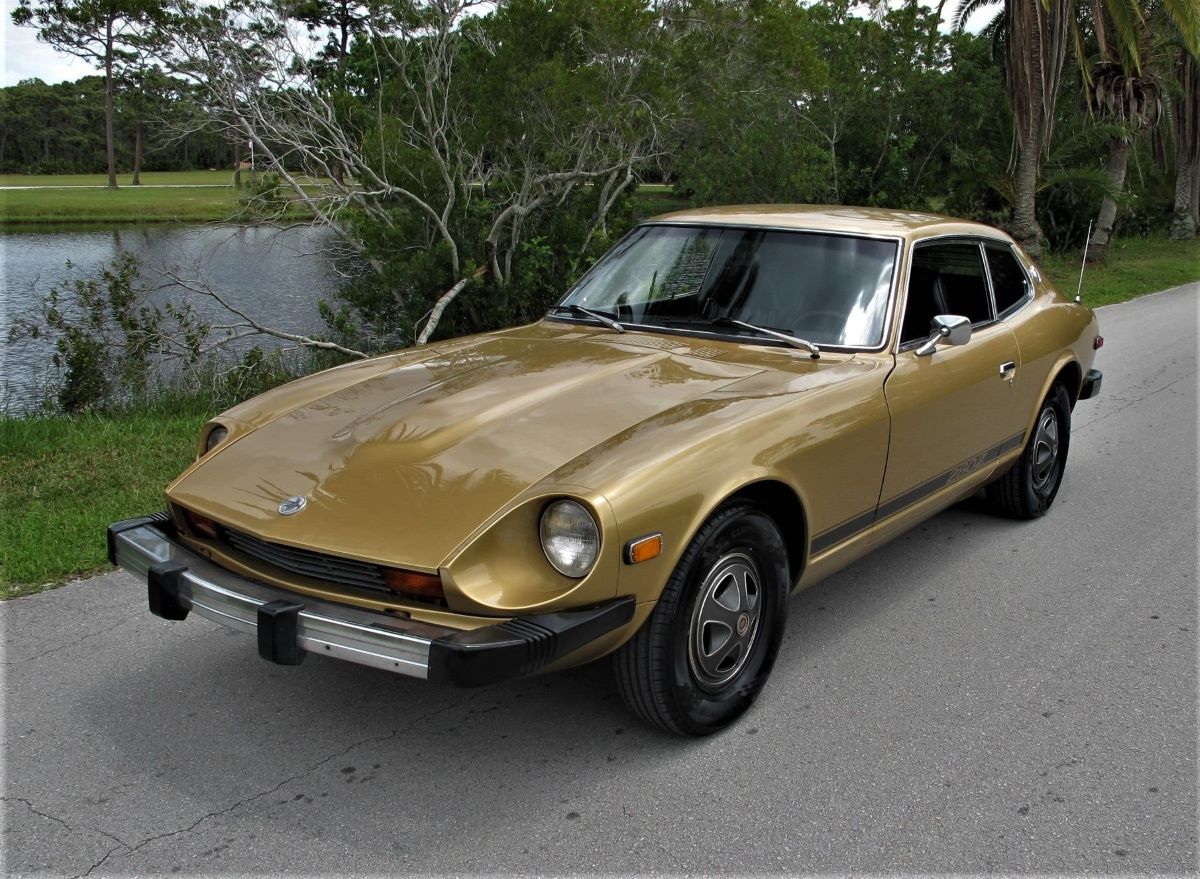
Producing around 170 horsepower, the 280Z maintained the sporty character that made the Z-car lineup famous.
The adoption of electronic fuel injection also improved drivability. Cold starts were easier, throttle response became more predictable, and fuel economy improved under varying driving conditions.
The 280Z demonstrated how fuel injection could maintain performance while meeting the regulatory challenges of the era.
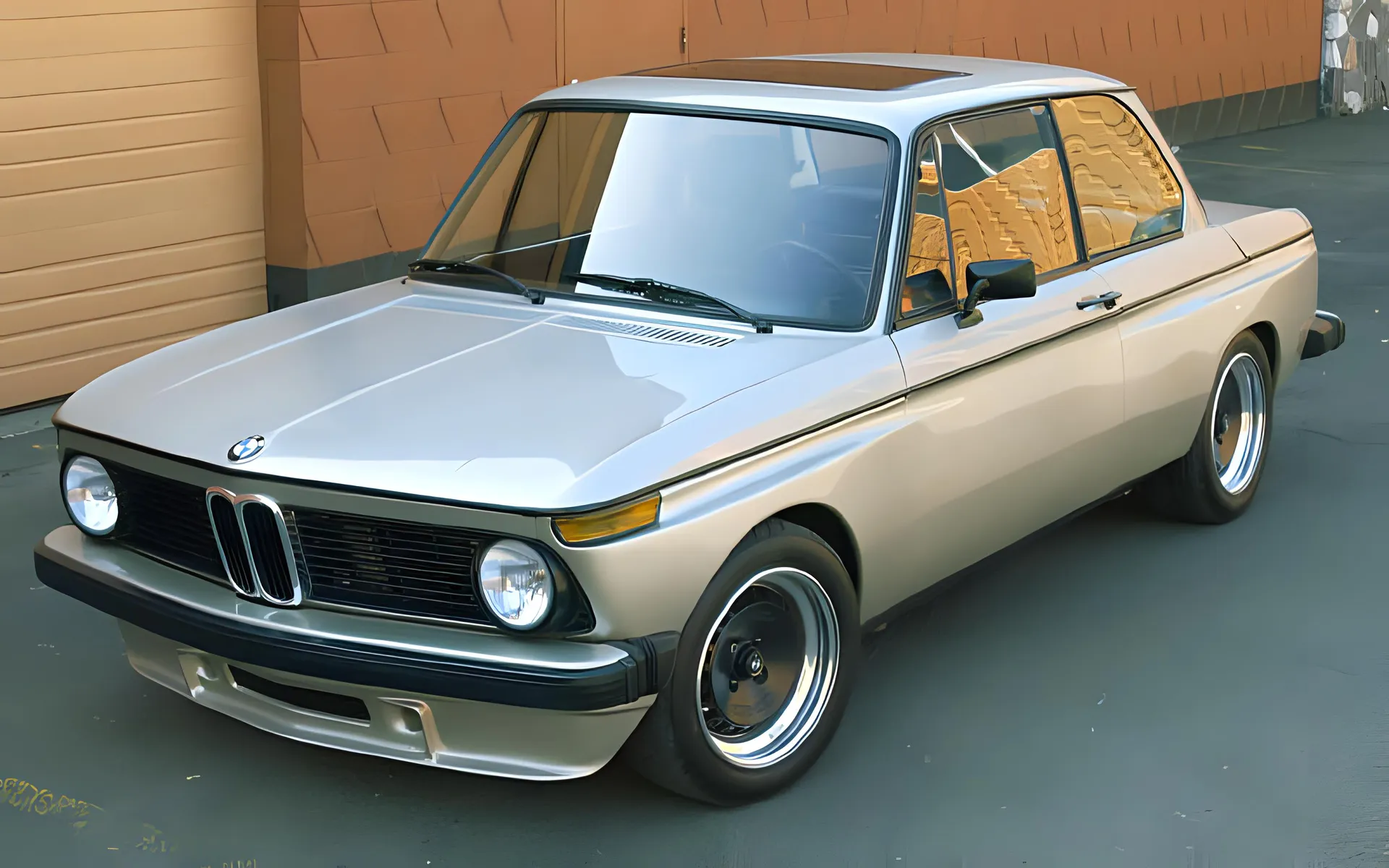
8. BMW 2002tii (1971)
The 1971 BMW 2002tii represented one of the most refined applications of early fuel injection technology in a compact performance car and helped cement BMW’s reputation for engineering-focused driving machines.
Introduced during a period when most production vehicles still relied on carburetors, the 2002tii used a sophisticated mechanical fuel injection system to extract greater performance and responsiveness from its lightweight sports sedan platform. Building on the success of the original BMW 2002, the fuel-injected “tii” variant demonstrated how precision fuel delivery could significantly enhance both power and drivability.
The 2002 lineage grew out of BMW’s “Neue Klasse” development program of the early 1960s, which revived the company financially and established its identity as a builder of sporty yet practical sedans. Engineers discovered that installing the larger two-liter engine from the Neue Klasse sedans into the smaller two-door body created a remarkably balanced car with lively performance.
Introduced in the late 1960s, the BMW 2002 quickly became popular among enthusiasts for its engaging handling and compact size. The 2002tii, introduced in 1971, represented a major technological upgrade by incorporating fuel injection derived from BMW’s larger performance models.
At the center of the 2002tii was BMW’s durable 2.0-liter M10 inline-four engine, an overhead-cam powerplant known for its strength and tuning potential. Unlike the standard 2002, which relied on carburetors, the tii model used a Kugelfischer mechanical fuel injection system.
This precision pump-driven system delivered fuel directly to the intake ports in carefully measured quantities based on engine speed and throttle position. The result was a significant improvement in throttle response and efficiency, raising output to roughly 130 horsepower. In a car weighing just over 2,200 pounds, the increased power transformed the driving experience and gave the 2002tii performance comparable to much larger sports cars of the era.
These early fuel-injected classics represent a critical transitional period in automotive engineering.
Mechanical systems like those used in the Mercedes-Benz 300SL and BMW 2002tii demonstrated the performance advantages of precise fuel delivery, while experimental electronic systems such as Chrysler’s Electrojector hinted at the future of computerized engine management.
By the late 1970s and early 1980s, electronic fuel injection had become increasingly reliable and cost-effective.
Advances in microprocessors allowed automakers to monitor engine conditions in real time and adjust fuel delivery with remarkable precision. This transition ultimately made carburetors obsolete in most passenger vehicles.
Today, nearly every gasoline-powered vehicle uses some form of electronic fuel injection, often combined with advanced technologies like direct injection and turbocharging.
The systems found in modern cars are far more sophisticated than their early predecessors, but they owe their existence to the pioneering work done by the classic models listed above.
For enthusiasts and historians alike, these vehicles offer a fascinating look at the moment when automotive engineering began shifting toward the digitally controlled engines we rely on today.
They demonstrate that innovation often begins with experimental steps, some successful, others flawed, that collectively shape the future of technology.