Automotive interiors did not always follow the standardized layout drivers recognize today. During the early and mid-20th century, automakers experimented heavily with control placement as they searched for the most ergonomic and stylish way to operate a car.
Transmission shifters were one of the most frequently reimagined components. Engineers tried steering-wheel controls, dashboard buttons, long angled rods, and column-mounted levers in an effort to improve cabin space, simplify driving, or present a futuristic image.
In the United States especially, the rise of wide front bench seats encouraged manufacturers to remove bulky floor shifters. Designers wanted the entire front row to function like a sofa so that three passengers could sit comfortably.
At the same time, the post-war era was obsessed with modern technology, and many companies experimented with electric or push-button gear selectors to make cars feel more advanced.
Some of these ideas were practical, while others were simply marketing gimmicks meant to impress buyers.
Although most of these strange shifter placements eventually disappeared in favor of the modern center console layout, they remain fascinating examples of automotive experimentation.
Several classic vehicles stand out for how dramatically they rethought the location and operation of the transmission control.
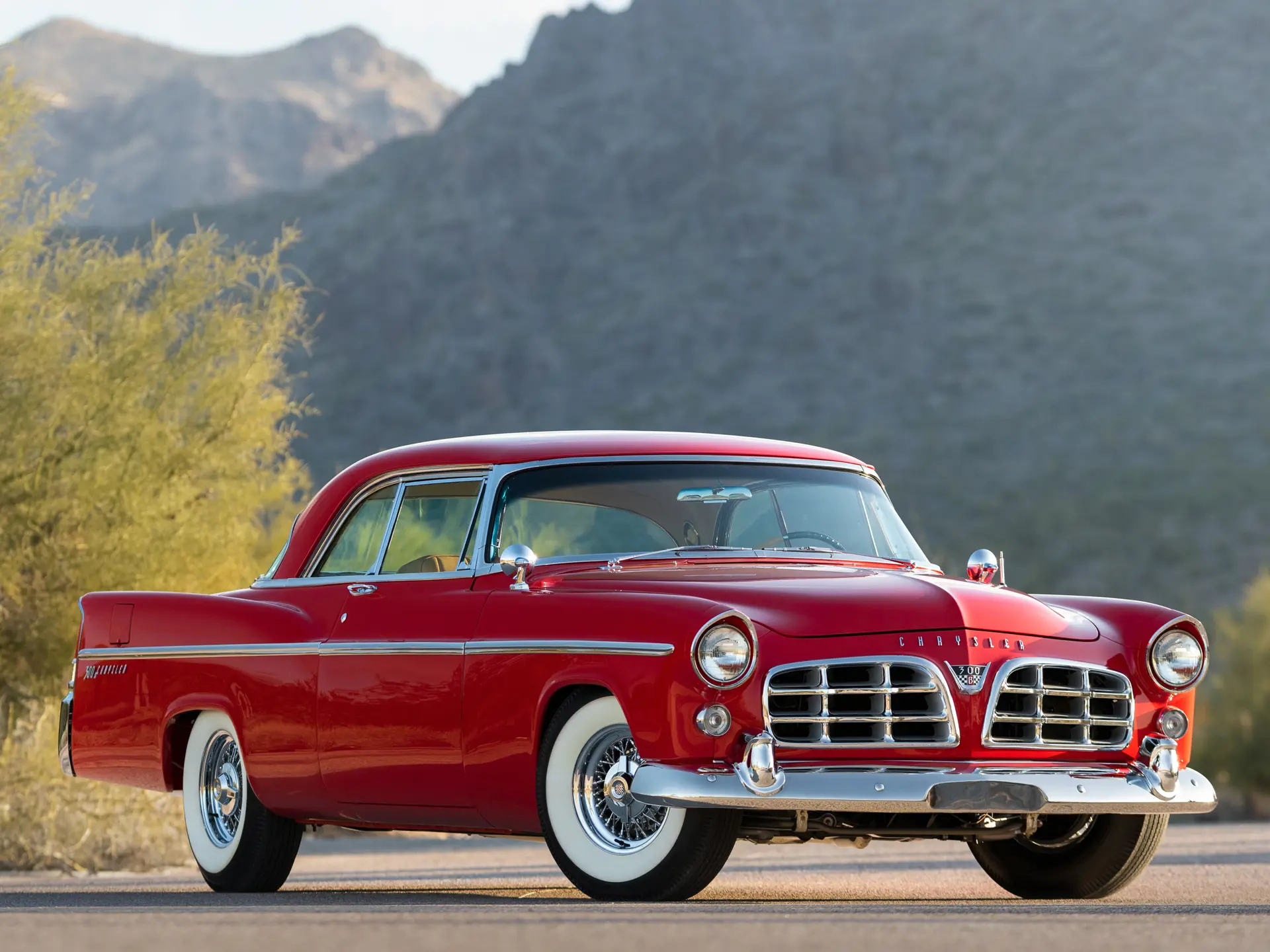
1. 1956 Chrysler 300B
The 1956 Chrysler 300B emerged during one of the most ambitious periods in American performance car development and remains an important chapter in the legendary Chrysler “Letter Series.”
Introduced as the successor to the original 1955 C-300, the 300B continued Chrysler’s effort to blend luxury with genuine high-performance engineering. At a time when most full-size American cars emphasized comfort over speed, the 300B demonstrated that a large luxury coupe could also deliver remarkable power and advanced mechanical design.
The Chrysler 300 program was developed under the leadership of Chrysler engineer Virgil Exner and the company’s performance-focused engineering team. Their goal was to create a limited-production luxury performance car capable of dominating NASCAR competition while showcasing Chrysler’s technical capabilities.
The 300B built upon the success of the original C-300 and refined the formula with improved engine performance, updated styling, and distinctive interior features that reflected the car’s performance-oriented character.
At the heart of the 1956 Chrysler 300B was Chrysler’s famous 354-cubic-inch Hemi V8 engine. This hemispherical combustion chamber engine was one of the most advanced American V8 designs of the era and delivered impressive performance for its time.
In the 300B, the engine produced approximately 340 horsepower when equipped with dual four-barrel carburetors, making the car one of the most powerful production vehicles available in the United States during the mid-1950s.
Power was delivered to the rear wheels through either a three-speed manual transmission or Chrysler’s two-speed PowerFlite automatic transmission, following a traditional front-engine, rear-wheel-drive layout.
The chassis design combined strength with improved ride control. Chrysler’s torsion-bar front suspension system, marketed as “Torsion-Aire,” provided better stability and handling compared with many contemporary full-size sedans that relied on coil springs. This setup helped the large coupe maintain composure at higher speeds, an important characteristic for a car designed with motorsport influence.
Visually, the 300B reflected Chrysler’s bold mid-1950s styling direction. The car featured a wide grille, subtle tailfins, and restrained chrome detailing that emphasized its performance image without excessive ornamentation.
One of the more unusual features of the 1956 Chrysler 300B, and the reason it fits into a list of classic vehicles with strange transmission shifter placements, was its push-button transmission control system.
Instead of a traditional floor or column-mounted shifter, the PowerFlite automatic transmission was operated through a row of push buttons mounted on the dashboard. Drivers selected gears by pressing labeled buttons, a futuristic concept at the time that reflected Chrysler’s enthusiasm for innovative control systems.
The system used cables connected to the transmission rather than a mechanical linkage from a shifter. This arrangement eliminated the need for a bulky gear lever and created a cleaner interior design.
At the time, Chrysler marketed this layout as futuristic technology. It also helped maintain the wide front bench seat that many American buyers expected.
While the push-button system worked reasonably well, drivers accustomed to traditional gear levers sometimes found it unusual because it lacked the physical feedback of moving a shifter.
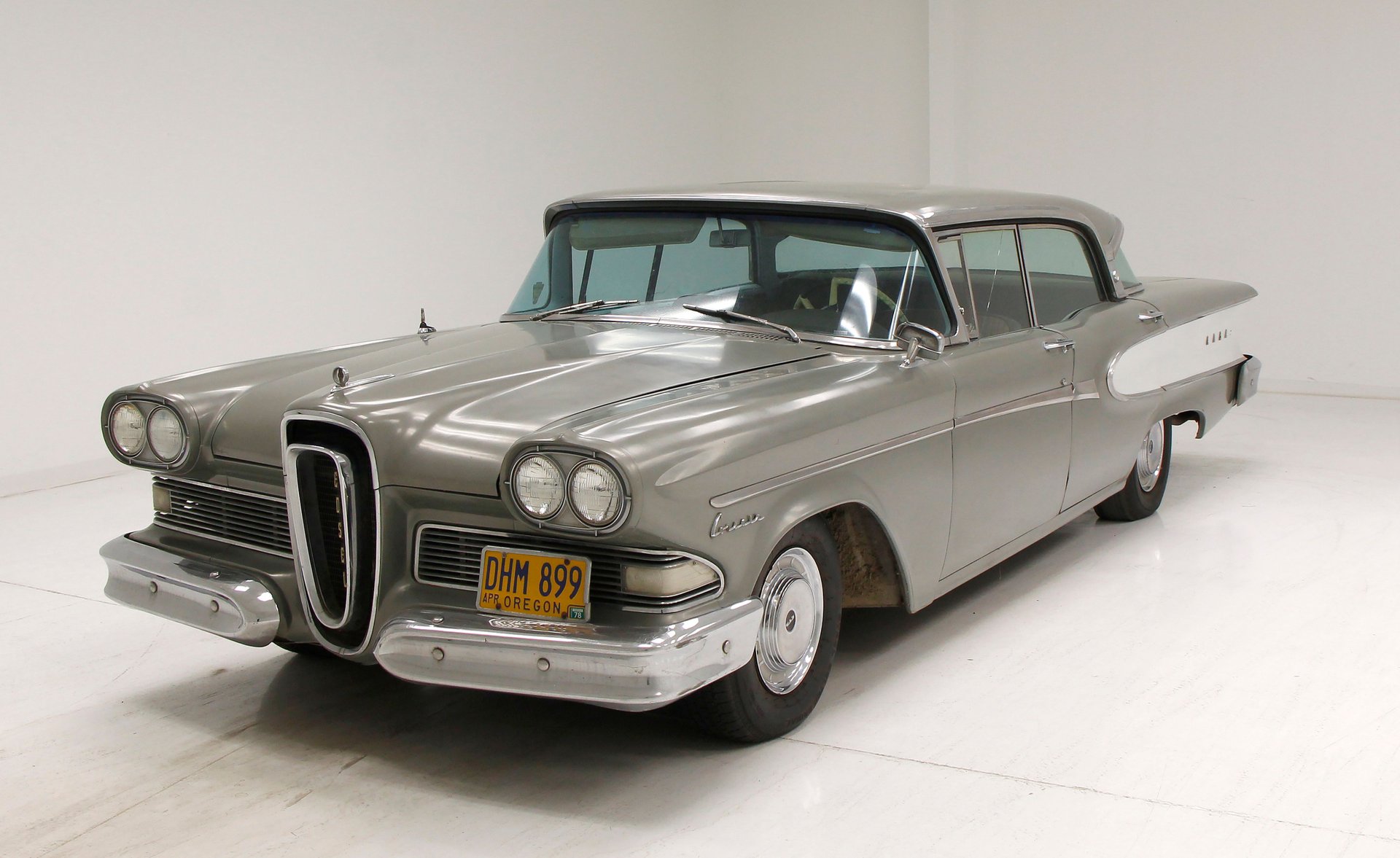
2. 1958 Edsel Corsair
The 1958 Edsel Corsair arrived during one of the most ambitious, and ultimately controversial, automotive launches in American history. Introduced as part of Ford Motor Company’s new Edsel division, the Corsair was positioned as a premium full-size sedan intended to bridge the gap between Ford and Mercury in the company’s product lineup.
Although the Edsel brand is often remembered for its commercial struggles, the Corsair itself was a technologically ambitious vehicle that showcased several innovative features, including one of the most unusual transmission control systems ever installed in a production automobile.
Development of the Edsel began in the mid-1950s when Ford executives believed there was room in the market for a new intermediate brand aimed at buyers seeking more prestige than a Ford but not quite the expense of a Mercury or Lincoln.
The project involved extensive market research and significant investment in engineering and styling. When the Edsel lineup debuted for the 1958 model year, the Corsair represented one of the division’s top-tier offerings, combining large-car comfort with distinctive design and advanced technology.
Powering the 1958 Corsair was a substantial V8 engine typical of late-1950s American automobiles. Most Corsair models were equipped with a 410-cubic-inch V8 engine, producing roughly 345 horsepower with a four-barrel carburetor.
This engine delivered the strong acceleration expected from a large luxury sedan of the era. Power was sent to the rear wheels through Ford’s automatic transmission system, and like most American cars of the time, the Corsair followed a traditional front-engine, rear-wheel-drive layout mounted on a sturdy body-on-frame chassis.
What truly set the Edsel Corsair apart, and why it belongs in a list of classic vehicles with unusual transmission shifter placements, was its unique “Teletouch” push-button transmission system.
Instead of placing the gear selector on the steering column or floor, Edsel engineers mounted the transmission controls directly in the center of the steering wheel hub.
Drivers selected gears by pressing buttons labeled for park, reverse, neutral, drive, and low range, all located within the wheel itself. The system used an electrical interface to activate the transmission mechanism, a concept that was highly futuristic for the time.
Although innovative, the Teletouch system proved complex and occasionally unreliable, contributing to the Edsel’s mixed reputation.
The 1958 Edsel Corsair therefore stands as a fascinating example of the experimental spirit of the late 1950s, when automakers explored bold ideas in pursuit of futuristic driving experiences.
However, the system relied on complex electrical components and wiring inside the steering column. Reliability problems quickly appeared, and repairs were often expensive.
Although the idea was innovative, the Teletouch system became one of the many factors that contributed to the Edsel’s troubled reputation.
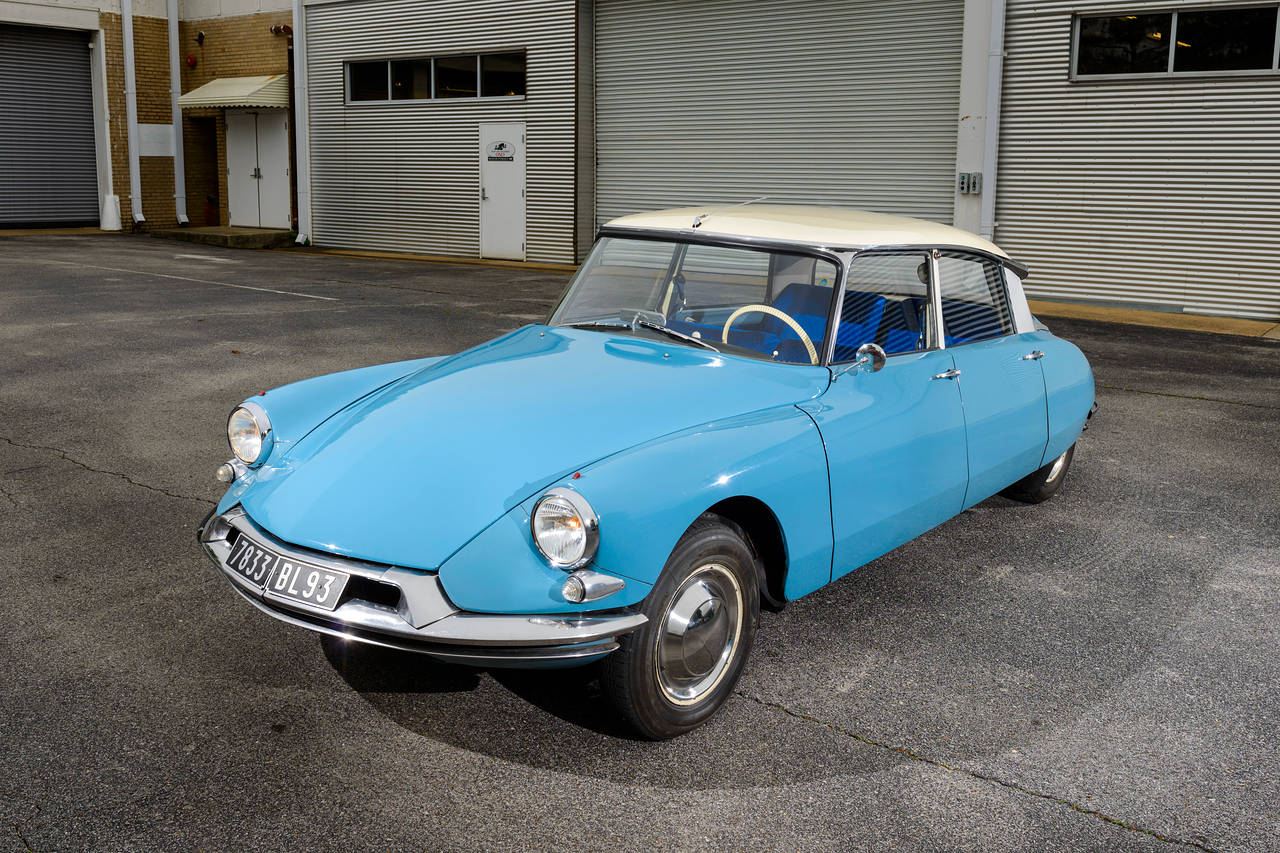
3. 1955 Citroën DS
The 1955 Citroën DS debuted as one of the most revolutionary automobiles ever introduced to the public, instantly redefining expectations for technology and design in passenger cars.
Developed during a period when most automobiles still relied on conventional mechanical systems, the DS showcased Citroën’s willingness to pursue radical engineering solutions.
Its advanced technology extended beyond suspension and braking systems to include an unusual approach to transmission controls, placing it firmly among classic cars known for unconventional shifter placements.
The DS was the result of nearly two decades of development within Citroën’s engineering department. The project was led by engineer André Lefèbvre and designer Flaminio Bertoni, who sought to create a car that combined aerodynamic efficiency with cutting-edge mechanical innovation.
The vehicle’s sleek, futuristic body design stood in stark contrast to the boxy shapes common in the mid-1950s automotive world. Smooth lines, partially enclosed rear wheels, and a streamlined profile gave the DS a striking presence while also improving aerodynamic performance.
Under the hood, early DS models were powered by a 1.9-liter inline-four engine derived from Citroën’s earlier Traction Avant. While the engine itself was relatively conventional, the rest of the vehicle’s engineering was anything but ordinary.
The DS followed a front-engine, front-wheel-drive layout that improved traction and interior packaging. Power was transmitted through a four-speed semi-automatic transmission integrated with the car’s complex hydraulic system. This system controlled not only the suspension but also the brakes, steering assistance, and gear selection.
The transmission control system was particularly distinctive. Instead of a traditional floor-mounted or steering-column gear lever, the DS used a small, dash-mounted control lever located on the steering column area.
Drivers selected gears through this slender control, while the hydraulic system managed clutch operation automatically. This design eliminated the need for a conventional clutch pedal and created a driving experience that felt remarkably futuristic for the time.
The unusual placement and operation of the gear selector made the DS stand out even among other technologically advanced vehicles of the era.
The car’s design became equally famous. Its hydropneumatic suspension allowed the DS to maintain a constant ride height and deliver an exceptionally smooth ride, even on rough roads. Combined with its dramatic styling and innovative engineering, the DS quickly became a symbol of French technological ambition.
Within the context of classic vehicles known for unusual transmission shifter placements, the 1955 Citroën DS stands out as one of the most inventive examples.
This lever controlled a semi-automatic transmission that used hydraulic systems to operate the clutch.
Drivers simply selected the desired gear with the lever while the car handled clutch engagement automatically.
The unusual placement allowed for a spacious interior with a completely open floor area between the seats. Although the system required some adjustment for new drivers, it perfectly matched the DS’s futuristic design philosophy.
4. 1948 Tucker 48
The 1948 Tucker 48 stands as one of the most fascinating and unconventional automobiles ever produced in the United States. Developed in the immediate aftermath of World War II, the car represented entrepreneur Preston Tucker’s ambitious vision for a radically safer and more advanced automobile.
Although only 51 examples were ultimately completed, the Tucker 48 introduced a number of engineering ideas that were far ahead of their time. Among its many unusual features was an unconventional transmission control arrangement, making it a fitting example in a list of classic cars with strange shifter placements.
The Tucker project began in the mid-1940s when Preston Tucker sought to challenge the dominance of Detroit’s established automakers by creating a car built around safety and innovation.
Tucker believed that the automotive industry had become too conservative, and he set out to design a vehicle that incorporated modern engineering solutions inspired by aircraft technology and wartime manufacturing advances.
Development took place in a converted aircraft factory in Chicago, where Tucker assembled a team of engineers determined to bring his unconventional ideas to life.
At the heart of the Tucker 48 was a rear-mounted engine configuration, an unusual choice for an American sedan of the late 1940s. The car ultimately used a modified Franklin 335-cubic-inch air-cooled flat-six engine capable of producing approximately 166 horsepower.
Mounted behind the rear axle, the engine drove the rear wheels through a four-speed manual transmission. This rear-engine, rear-wheel-drive layout helped improve interior space and contributed to the car’s distinctive mechanical character.
The vehicle also incorporated independent suspension and other advanced engineering features intended to enhance ride quality and stability.
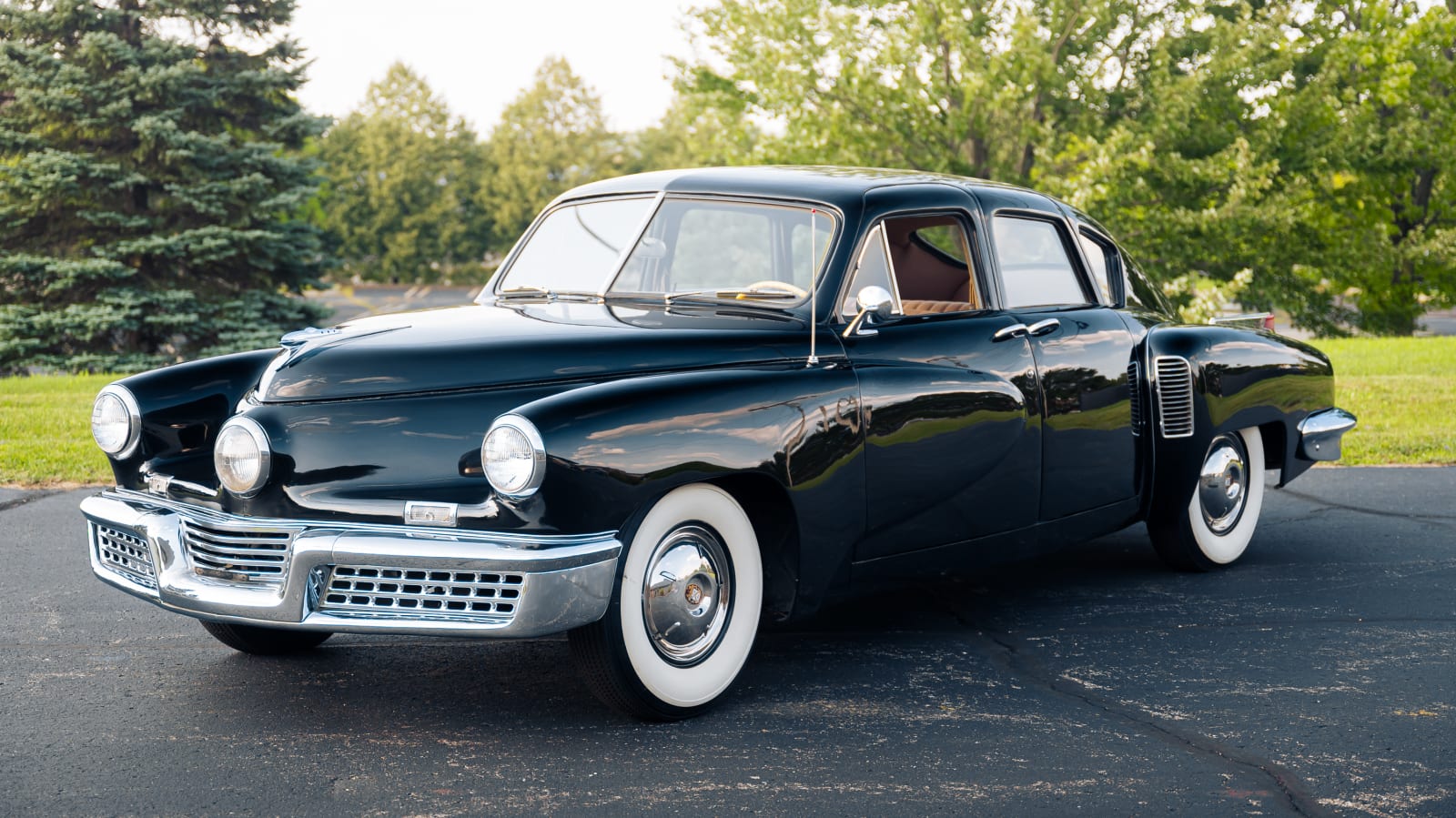
The Tucker’s design was equally unconventional. Its streamlined body featured a central headlight that turned with the steering wheel to improve nighttime visibility, while the interior emphasized passenger safety with padded dashboards and other protective features rarely seen in cars of the era.
The car’s smooth, aerodynamic styling gave it a futuristic appearance that stood apart from the more traditional designs dominating American showrooms in the late 1940s.
One of the more unusual aspects of the Tucker 48 was its transmission control arrangement. Instead of a typical floor-mounted shifter, the car used a distinctive shifter positioned near the dashboard area, integrated into the car’s unconventional control layout.
This placement reflected Tucker’s broader effort to rethink traditional automotive controls and create a more modern driving environment. While the system functioned differently from standard designs of the time, it illustrated the company’s willingness to experiment with alternative approaches to vehicle operation.
5. 1961 Plymouth Valiant
The early 1960s Plymouth Valiant continued Chrysler Corporation’s use of push-button transmission controls. Like several other Chrysler models, the Valiant featured a row of gear-selection buttons mounted directly on the dashboard.
Drivers simply pressed a button to select Park, Reverse, Neutral, or Drive. The absence of a lever created a clean and uncluttered dashboard design. It also allowed the Valiant to maintain a flat front seating area with room for three passengers.
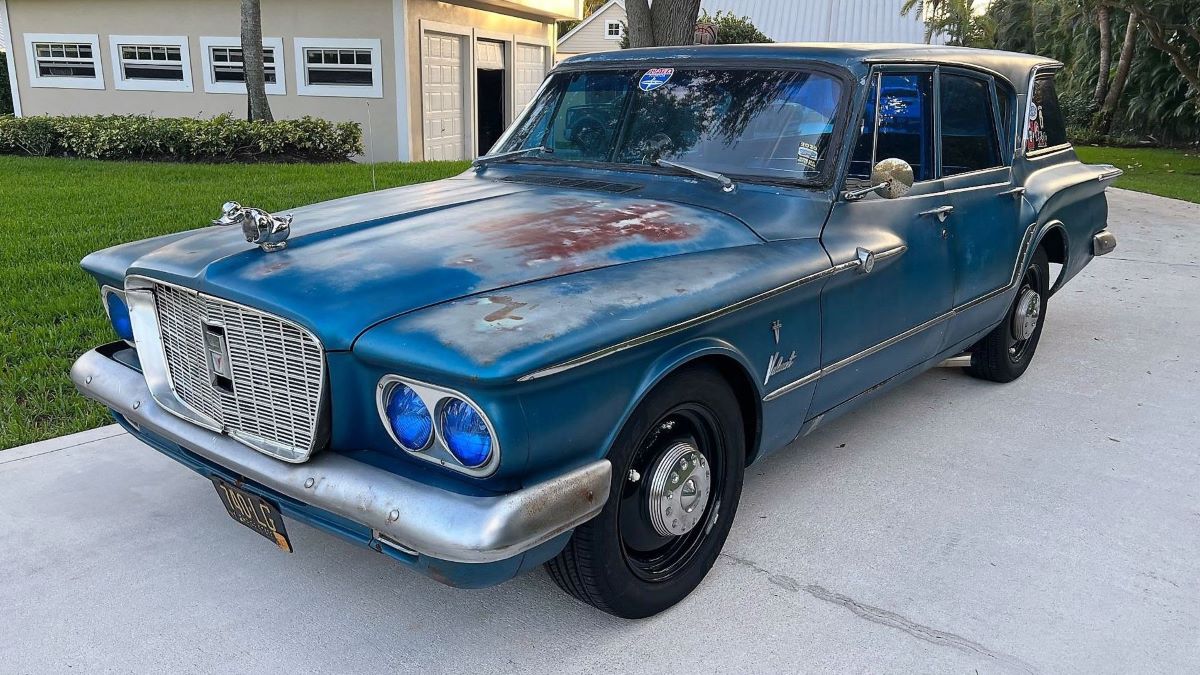
At the time, many buyers viewed push-button controls as a sign of technological progress. The system worked reliably for most drivers, though it eventually disappeared as industry standards shifted back toward lever-based selectors.
6. 1963 Mercedes-Benz 600
The 1963 Mercedes-Benz 600, known internally as the W100, represented the absolute pinnacle of automotive engineering and luxury during the 1960s.
Built for heads of state, royalty, and influential figures around the world, the 600 combined immense power with an extraordinary level of mechanical sophistication.
Among its many distinctive features was an unusual approach to vehicle controls and interior design, including unconventional transmission shifter placement that reflected the car’s unique engineering philosophy.
Development of the Mercedes-Benz 600 began in the late 1950s as the company sought to produce a successor to the prestigious prewar and immediate postwar luxury models. Engineers were instructed to create a vehicle that would surpass anything else available in terms of comfort, performance, and technical innovation.
The result was a limousine that incorporated advanced hydraulic systems capable of powering nearly every major convenience feature in the vehicle, from windows and seats to trunk lids and sunroofs.
The car was available in both short-wheelbase sedan form and the much longer Pullman limousine configuration, the latter often used for diplomatic or ceremonial duties.
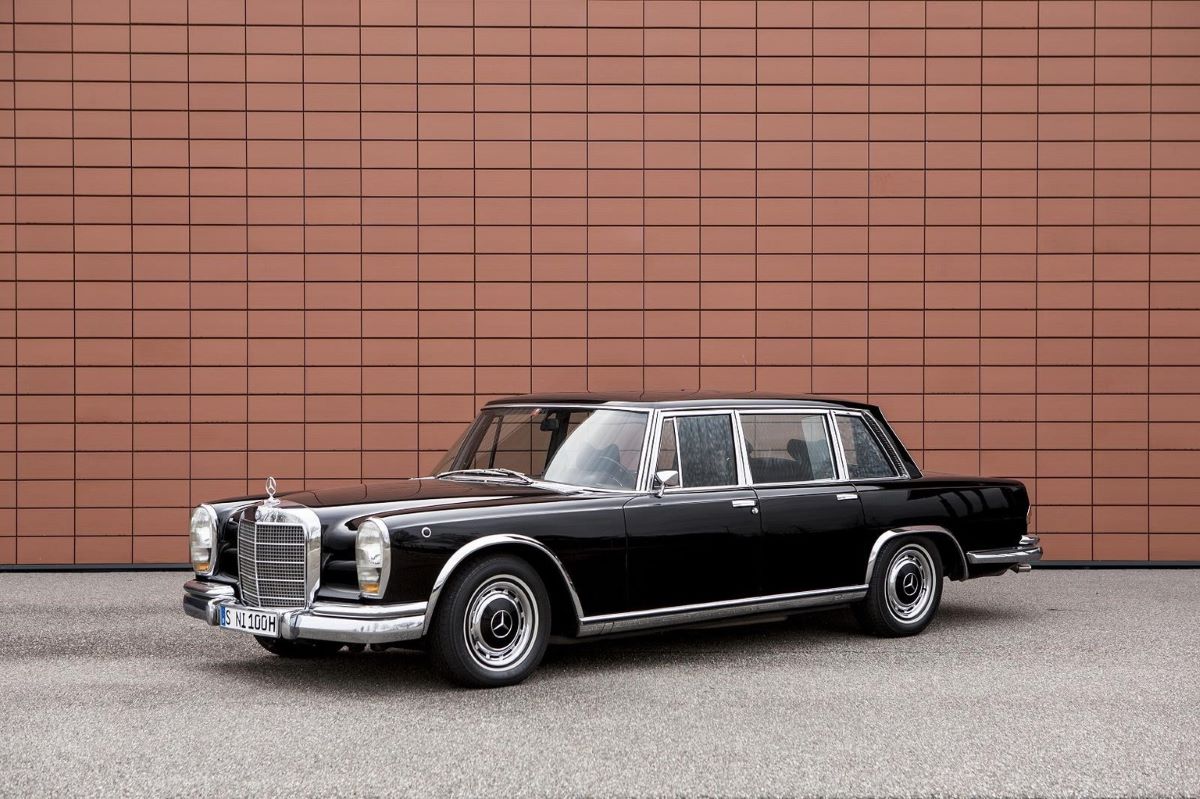
Powering the 600 was a massive 6.3-liter V8 engine developed specifically for the model. This overhead-cam V8 produced approximately 250 horsepower and delivered exceptional torque, enabling the large luxury sedan to accelerate with surprising authority.
Power was sent to the rear wheels through a four-speed automatic transmission, following a traditional front-engine, rear-wheel-drive layout mounted on a robust chassis designed to handle the vehicle’s considerable weight.
The suspension system incorporated air suspension technology, allowing the car to maintain a smooth and controlled ride regardless of passenger load.
The Mercedes-Benz 600’s design emphasized presence and elegance rather than flamboyant styling. Its long, imposing body featured clean lines, a large chrome grille, and balanced proportions that conveyed authority and prestige.
Inside, the cabin was lavishly appointed with premium materials including leather upholstery, polished wood trim, and thick carpeting. The interior layout was carefully designed to provide maximum comfort for passengers, particularly in the rear seating area of the Pullman models.
7. Volkswagen Type 2 Bus
The classic Volkswagen Type 2 Bus introduced one of the most visually distinctive gear shifters in automotive history. Because the driver sat almost directly above the front axle in a forward-control design, engineers had to develop an unusual shifter layout.
The gear lever extended upward from the floor at a steep angle toward the dashboard. The long metal rod created a tall, forward-leaning shifter that looked very different from the typical passenger car design.
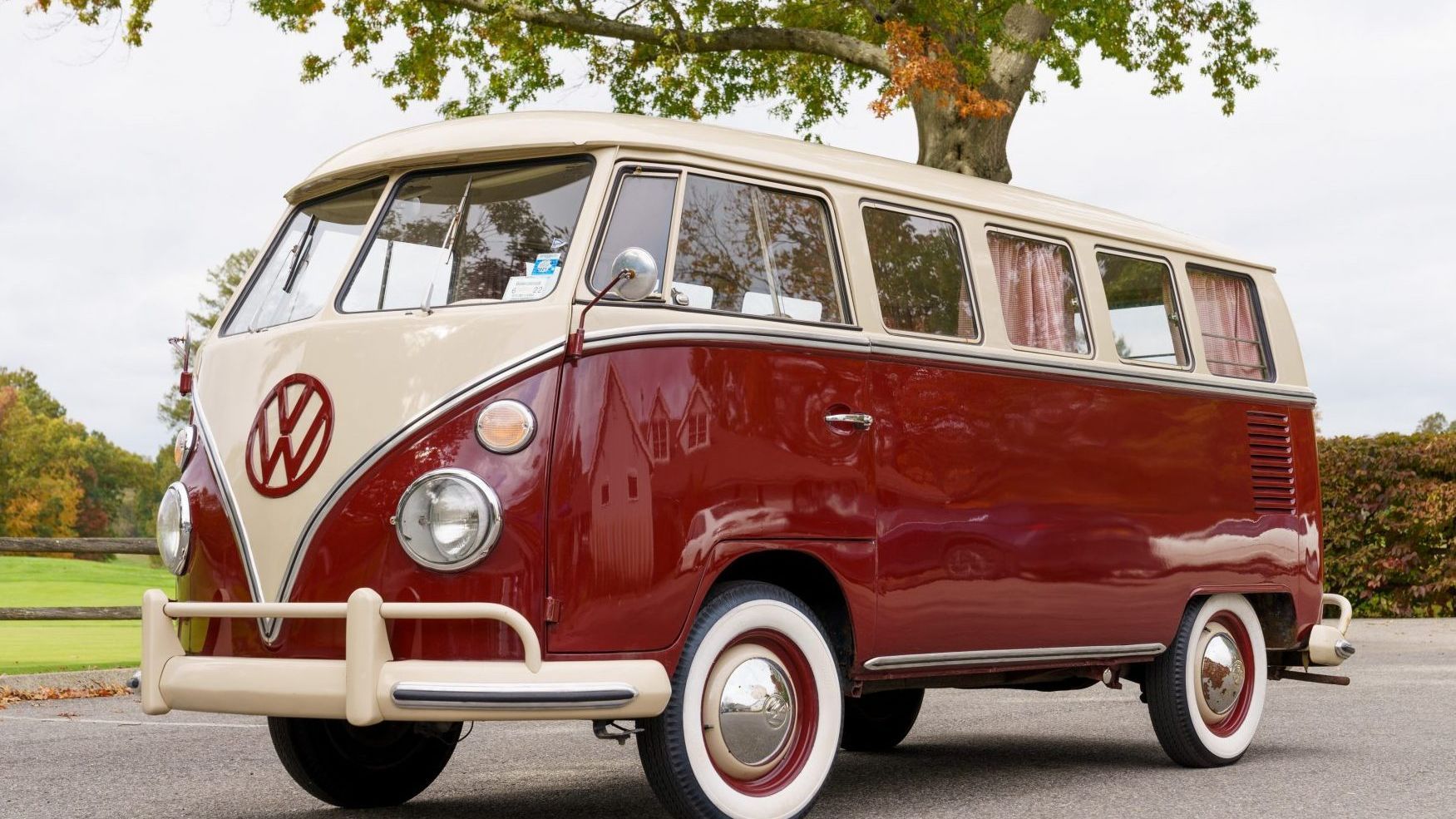
This layout was necessary because the transmission was located at the rear of the vehicle, requiring a long linkage between the shifter and gearbox.
While it looked unusual, the design worked surprisingly well and became one of the most recognizable elements of the classic VW Bus interior.
he Volkswagen Type 2 Bus, introduced in 1950 and produced in various forms for decades, stands as one of the most recognizable and unconventional vehicles ever built.
Developed as a practical transport vehicle based on the mechanical platform of the Volkswagen Beetle, the Type 2 quickly became an icon of both commercial utility and cultural expression.
While its distinctive shape and versatile interior made it famous around the world, the vehicle also featured an unusual transmission shifter placement that reflected its unique engineering layout.
The Type 2’s origins trace back to the late 1940s when Dutch Volkswagen importer Ben Pon envisioned a lightweight commercial vehicle built around the simple, reliable Beetle chassis.
Volkswagen engineers adapted the Beetle’s rear-engine platform into a forward-control design that placed the driver at the very front of the vehicle.
The resulting model, internally designated the Type 2 to follow the Beetle’s Type 1 classification, debuted as a compact van capable of carrying cargo, passengers, or equipment. Its practical design quickly made it popular among businesses, tradespeople, and families seeking a versatile transportation solution.
Mechanically, the Type 2 retained many components from the Beetle, including its air-cooled flat-four engine mounted at the rear of the vehicle.
Early versions used engines ranging from around 1.1 to 1.5 liters in displacement, producing modest horsepower but providing reliable and efficient performance.
The engine drove the rear wheels through a four-speed manual transmission, following a rear-engine, rear-wheel-drive layout. This configuration allowed the bus to maintain a flat cargo floor while keeping the drivetrain simple and durable.
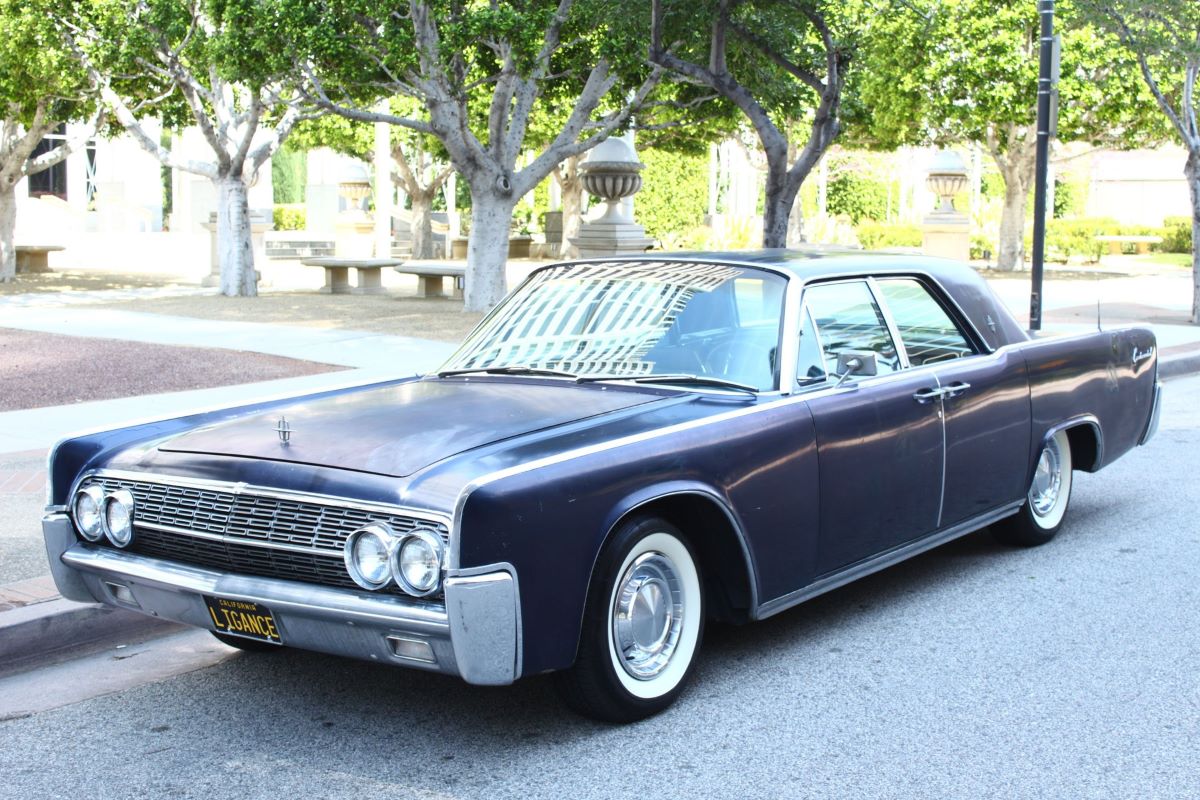
8. 1962 Lincoln Continental
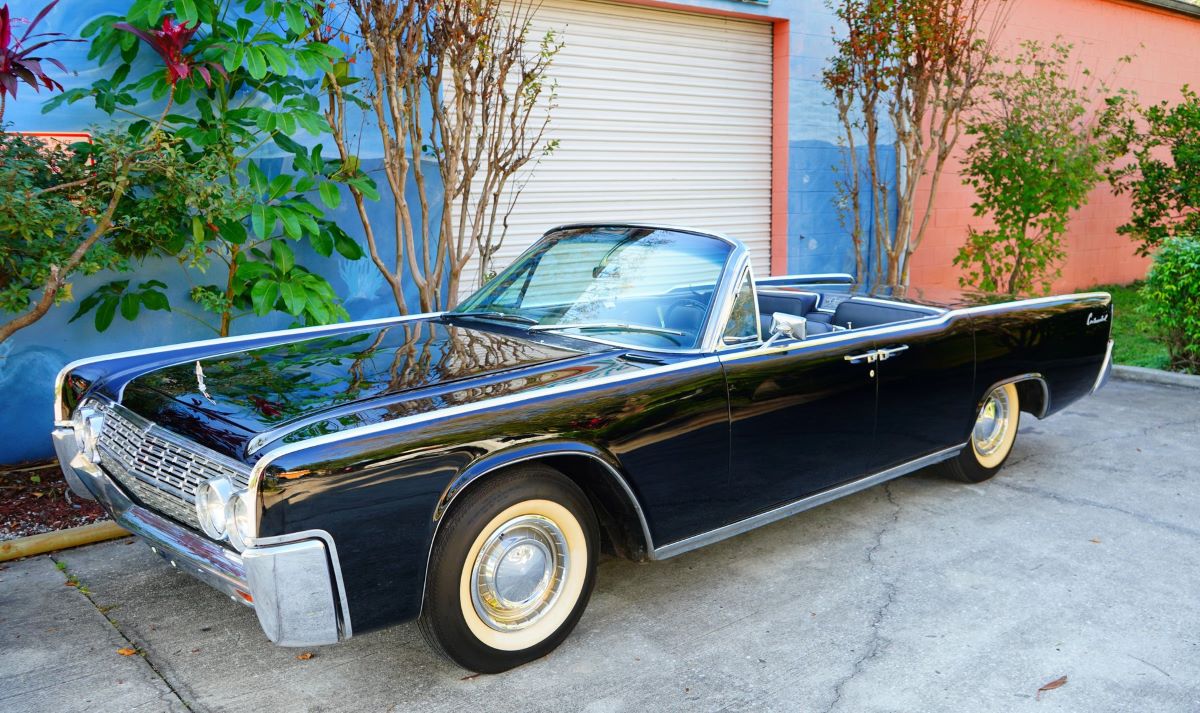
The 1962 Lincoln Continental remains one of the most iconic luxury sedans of the 1960s. Known for its clean styling and rear-hinged “suicide doors,” the car also introduced an unconventional transmission selector system.
Instead of a lever, Lincoln integrated the gear selector into a row of buttons placed on the dashboard to the left of the steering wheel. Drivers simply pressed the appropriate button to shift between Park, Reverse, Neutral, and Drive.
This design reflected the era’s fascination with futuristic technology and minimalist interiors. By eliminating the traditional gear lever, Lincoln created a sleek dashboard layout that matched the car’s upscale image.
Many of these strange transmission shifter placements disappeared as the automotive industry gradually standardized vehicle controls.
Drivers became more comfortable with floor-mounted shifters and center-console automatic selectors, which provided clearer tactile feedback and simpler mechanical systems.
Safety regulations and manufacturing efficiency also played a role. Standardizing control layouts made it easier for drivers to operate different vehicles without confusion. As a result, most manufacturers abandoned experimental shifter placements by the late 1970s.
However, these unusual designs remain an interesting chapter in automotive history. They demonstrate how creative engineers and designers were willing to challenge conventions in pursuit of better ergonomics, improved space utilization, or simply a futuristic appearance.
Today, collectors and enthusiasts appreciate these classic vehicles not only for their styling and performance but also for the unique ideas they introduced.
Their strange shifter placements serve as reminders of a time when the automotive industry was far more willing to experiment with how drivers interacted with their machines.