Turbocharged engines have become the standard in modern vehicles, replacing larger naturally aspirated engines in the pursuit of better fuel economy and lower emissions. However, small-displacement turbo engines often face skepticism when it comes to long-term durability.
Many drivers assume that squeezing more power out of a smaller engine automatically leads to shorter lifespans and higher maintenance costs. While that concern can be valid in poorly engineered designs, several manufacturers have proven that compact turbo engines can deliver both strong performance and impressive longevity.
With careful engineering, improved cooling systems, stronger internal components, and smarter fuel management technologies, some small turbo engines have shown the ability to surpass 150,000 to 200,000 miles with proper maintenance.
These engines balance efficiency with durability, making them excellent choices for daily drivers who want both performance and reliability. The following list highlights six small-displacement turbo engines that have built a reputation for reaching high mileage while still delivering the responsive power that modern drivers expect.
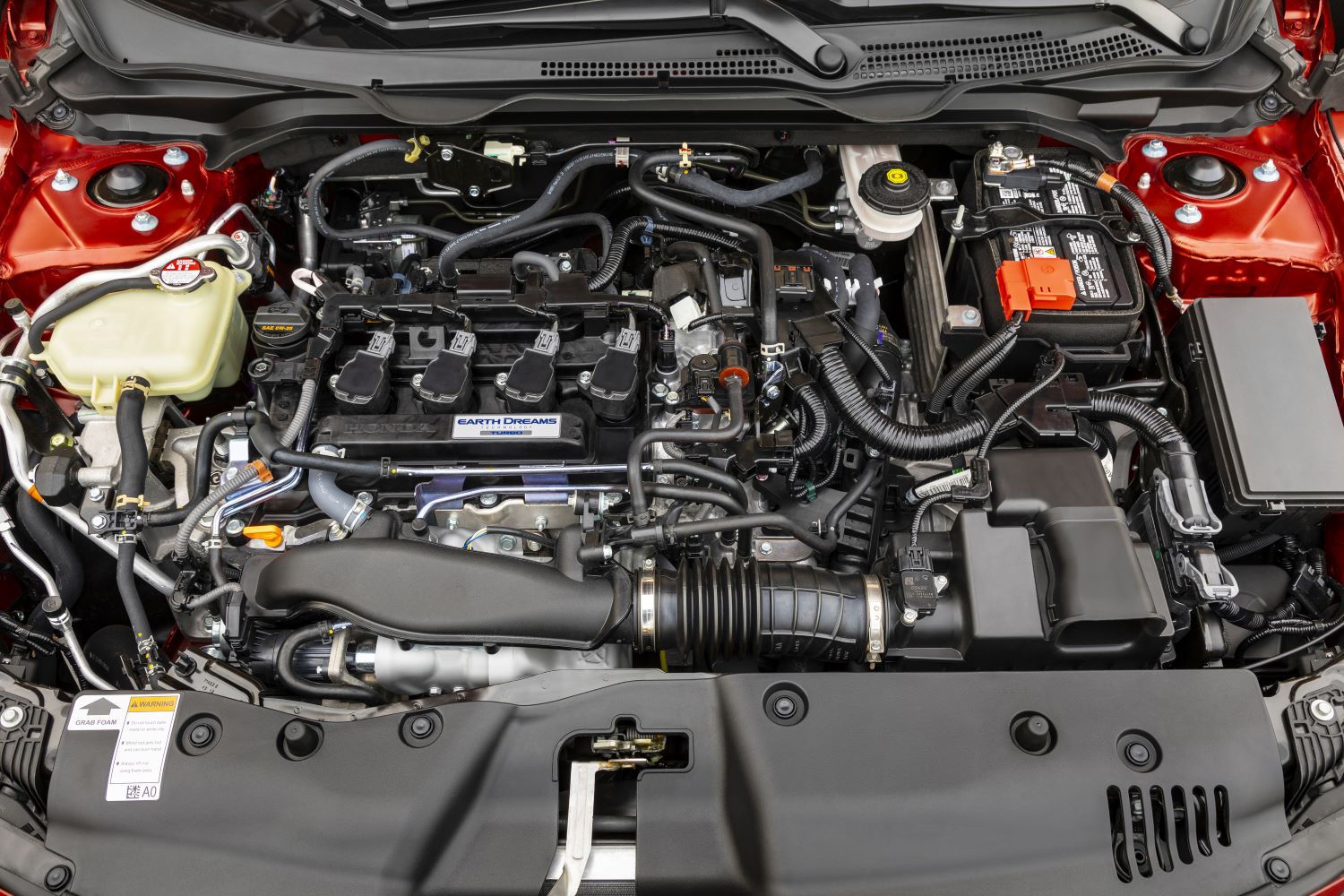
1. Honda 1.5L L15B7/L15BE VTEC Turbo: A Small Engine Built for Longevity
The Honda 1.5L L15B7/L15BE VTEC Turbo engine, found in vehicles such as the 10th and 11th generation Civic, CR-V, and Accord, showcases Honda’s commitment to small-displacement efficiency combined with durability. Despite early concerns over oil dilution in cold climates, software updates and careful engineering have helped these engines regularly surpass 200,000 miles when properly maintained.
Designed as a high-efficiency turbocharged powerplant, it delivers a balance of performance and reliability while prioritizing low internal stress and thermal management, making it a standout in Honda’s engine lineup.
At the heart of its reliability is the robust engineering of the engine’s internals. The L15B7/L15BE features a die-cast aluminum block reinforced with iron cylinder liners and strengthened main bearing caps, which provide exceptional durability under high cylinder pressures. Lightweight, heat-forged steel connecting rods and a forged steel crankshaft reduce friction while enhancing strength.
The L15BE variant in the Accord incorporates a “4 into 2” exhaust manifold cast directly into the cylinder head, improving exhaust flow, reducing heat soak, and supporting turbocharger responsiveness. This careful attention to component quality and structural integrity ensures the engine withstands the stresses of forced induction without compromising longevity.
Turbocharging and thermal management are key to the engine’s performance and life expectancy. A low-inertia turbo delivers high boost, typically 16.5–20 psi, at low to mid RPMs, generating torque between 162 and 192 lb-ft without forcing the engine to operate at high RPMs for extended periods.
Additionally, specialized coolant channels between the pistons and within the block help dissipate heat efficiently, preventing excessive thermal strain. This approach allows the engine to provide spirited performance while maintaining the stability needed for long-term operation, demonstrating Honda’s engineering focus on both power and durability.
The L15B7/L15BE also uses VTEC on the exhaust side, improving gas scavenging, lowering combustion temperatures, and reducing the likelihood of knock. Direct injection allows higher compression ratios, ranging from 10.3:1 to 10.6:1, while achieving complete combustion for better efficiency and power output.
This combination of advanced fuel and valve management supports both performance and longevity, allowing the small-displacement turbo to deliver strong acceleration and responsive driving characteristics comparable to larger naturally aspirated engines.
Despite its strength, achieving high mileage requires attentive maintenance. Early models, particularly pre-2019 versions, were prone to oil dilution, where fuel mixes with engine oil, increasing wear. Frequent oil changes with high-quality synthetic oil every 5,000–7,000 miles, using premium fuel when possible, and longer driving habits that allow the engine to reach full operating temperature are all crucial.
Common issues may include head gasket concerns and carbon buildup from direct injection, though updates in later models have mitigated many of these problems. When cared for properly, the 1.5L VTEC Turbo consistently reaches 200,000 miles or more, offering 174–192 horsepower, low-RPM torque, and a reliable foundation for both daily driving and light performance tuning.
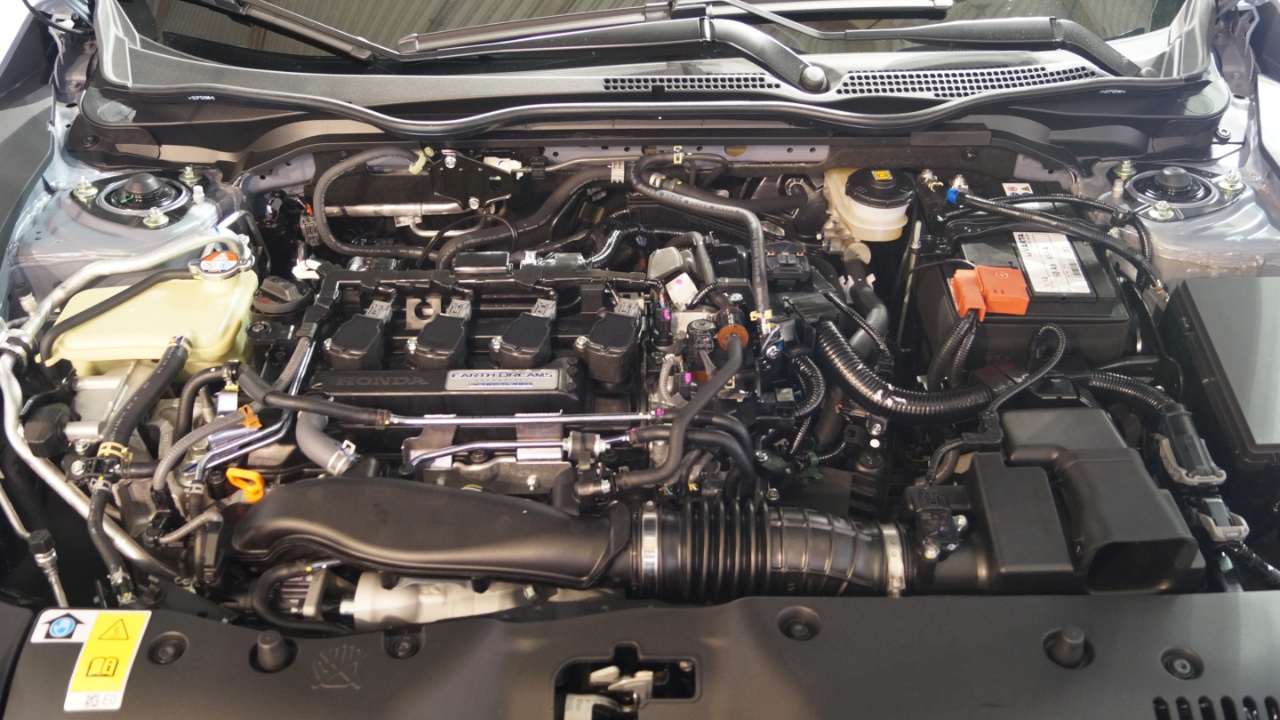
2. Volkswagen 2.0L EA888 (Gen 3/4): Durable Performance in a Small Turbo Engine
The Volkswagen 2.0L EA888 engine, particularly its Generation 3 and Evo 4 (Gen 4) versions, has evolved into one of the most reliable performance-oriented small turbo engines on the market. Found in vehicles like the Golf GTI, Golf R, Audi S3, and Tiguan, these iterations addressed the shortcomings of earlier generations, such as timing chain tensioner failures, oil consumption, and carbon buildup on intake valves.
With strengthened internals, improved thermal management, and dual injection systems, the Gen 3 and 4 engines are capable of exceeding 200,000 miles when maintained diligently with high-quality synthetic oil. This combination of durability, efficiency, and tunability makes the EA888 a benchmark in the sport compact segment.
Key to its reliability is the robust engine architecture. The Gen 3/4 EA888 features high-strength, heat-treated alloy steel timing chains that resist stretching and fatigue, while aluminum alloy pistons with enhanced thermal conductivity prevent hotspots and detonation under turbo boost.
The engine block, though lightweight, is designed to handle sustained high cylinder pressures. The turbocharger is integrated with a water-cooled exhaust manifold mounted directly to the cylinder head, which improves temperature control, reduces thermal stress, and allows for rapid engine warm-up. These design choices ensure that the engine can handle high-performance driving while maintaining structural longevity.
Thermal management and oil control were significantly refined over earlier generations. Gen 3/4 engines employ a dual-injection system combining direct injection (DI) and multi-port injection (MPI) to prevent carbon buildup on intake valves, a common issue in DI-only engines.
Oil consumption, previously problematic, has been addressed with improved piston rings and an upgraded PCV (Positive Crankcase Ventilation) system. The turbocharger itself is designed to withstand extreme temperatures up to 1796°F, while an electronic wastegate provides precise boost control, reducing stress on the engine and allowing safe operation at higher outputs.
Reliability is also dependent on proactive maintenance. While Volkswagen recommends 10,000-mile oil changes, many specialists advise intervals of 5,000–7,500 miles for maximum engine life. Components such as the water pump, thermostat housing, and timing chain should be monitored, particularly in high-mileage units.
Carbon buildup on intake valves may require cleaning every 40,000–50,000 miles, and the PCV valve should be checked periodically. With these measures, the EA888 Gen 3/4 delivers smooth, quiet operation, flat and immediate torque from low RPMs, and excellent drivability for both commuting and spirited driving.
The EA888 engine is also popular in the tuning community due to its strong internal components. Simple Stage 1 ECU remaps can yield significant power gains without hardware upgrades, and with turbo and fueling enhancements, Gen 3 engines can reliably exceed 400–500 horsepower.
The Gen 4 Evo 4 improves fueling, turbo size, and variable valve timing systems, providing a higher stock performance ceiling and greater tuning potential. Overall, the EA888 Gen 3/4 represents a highly capable small turbo engine that combines longevity, refinement, and tunability, making it a practical choice for those seeking a performance-oriented daily driver with long-term reliability.
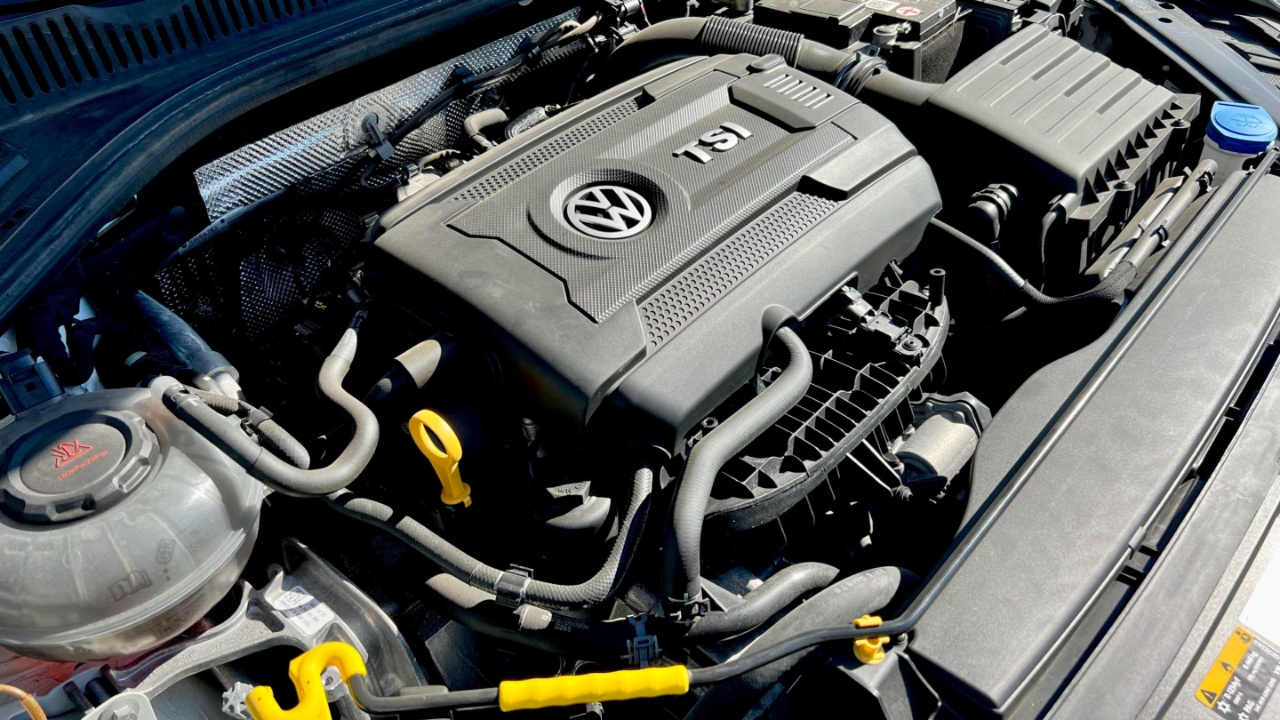
3. Ford 2.3L EcoBoost: Robust Performance and Long-Term Reliability
The Ford 2.3L EcoBoost is a small-displacement, turbocharged engine engineered for both daily reliability and strong performance. Found in vehicles such as the Mustang, Ranger, Explorer, and Focus RS, this “big” small engine is built to handle high torque at low RPMs, reducing strain on internal components during highway driving.
Unlike Ford’s smaller EcoBoost engines, which occasionally faced issues like coolant intrusion, the 2.3L variant features a strengthened aluminum block, forged internals, and a twin-scroll turbocharger designed to last the life of the engine.
Many owners report reaching 230,000 miles on original components when maintenance is properly followed. Its combination of durability, efficiency, and performance makes it a standout among modern turbocharged four-cylinder engines.
At the core of the 2.3L EcoBoost’s longevity is its robust internal engineering. The engine features a cast aluminum block and heads, reinforced with forged steel connecting rods and a forged crankshaft in many applications.
Roller finger followers and advanced coatings reduce friction, while components are specifically engineered to withstand the high pressures and heat generated by turbocharging. The overall design ensures the engine can deliver high output without compromising reliability, making it well-suited for both spirited driving and heavy-duty daily use.
Thermal management and oil control play a critical role in this engine’s endurance. The twin-scroll turbocharger includes water-cooled bearings, which help maintain performance under sustained use and extend turbo life. Advanced cooling systems keep engine temperatures stable, while a variable oil pump supplies precise, demand-based lubrication to reduce wear on moving parts.
These features prevent heat-related stress, a common failure point in high-output turbo engines, ensuring that the 2.3L EcoBoost remains reliable even in high-mileage applications. Regular cooling system flushes are recommended to maintain optimal performance over time.
The 2.3L EcoBoost’s smart power delivery contributes to both drivability and longevity. Its twin-scroll turbo reduces lag, providing strong torque as low as 1,500–3,000 RPM, which minimizes the need for constant high-rev operation.
High-pressure direct injection optimizes combustion and helps keep the engine cool, while modern Eco-Mode systems monitor driving habits to reduce unnecessary strain. Combined, these features allow the engine to balance fuel efficiency, quick acceleration, and long-term durability, whether powering a Mustang for performance driving or a Ranger for work-oriented tasks.
While generally reliable, the 2.3L EcoBoost does have considerations for maintenance. Early Focus RS models experienced head gasket issues, while carbon buildup is possible over time due to direct injection. Proactive care, including high-quality synthetic oil changes, avoiding lugging the engine at low RPMs, and monitoring turbo and cooling components, is essential for achieving 200,000+ miles.
Despite these minor concerns, the engine consistently delivers 270–332 hp and strong torque, providing a lighter, more fuel-efficient alternative to V6 engines. Its versatility, efficiency, and over-engineered design make the Ford 2.3L EcoBoost a strong choice for drivers seeking performance, reliability, and long-term durability in a modern turbocharged four-cylinder engine.
Also Read: 5 Cars That Are Unstoppable in Deep Snow vs 5 AWD Models That Get Stuck
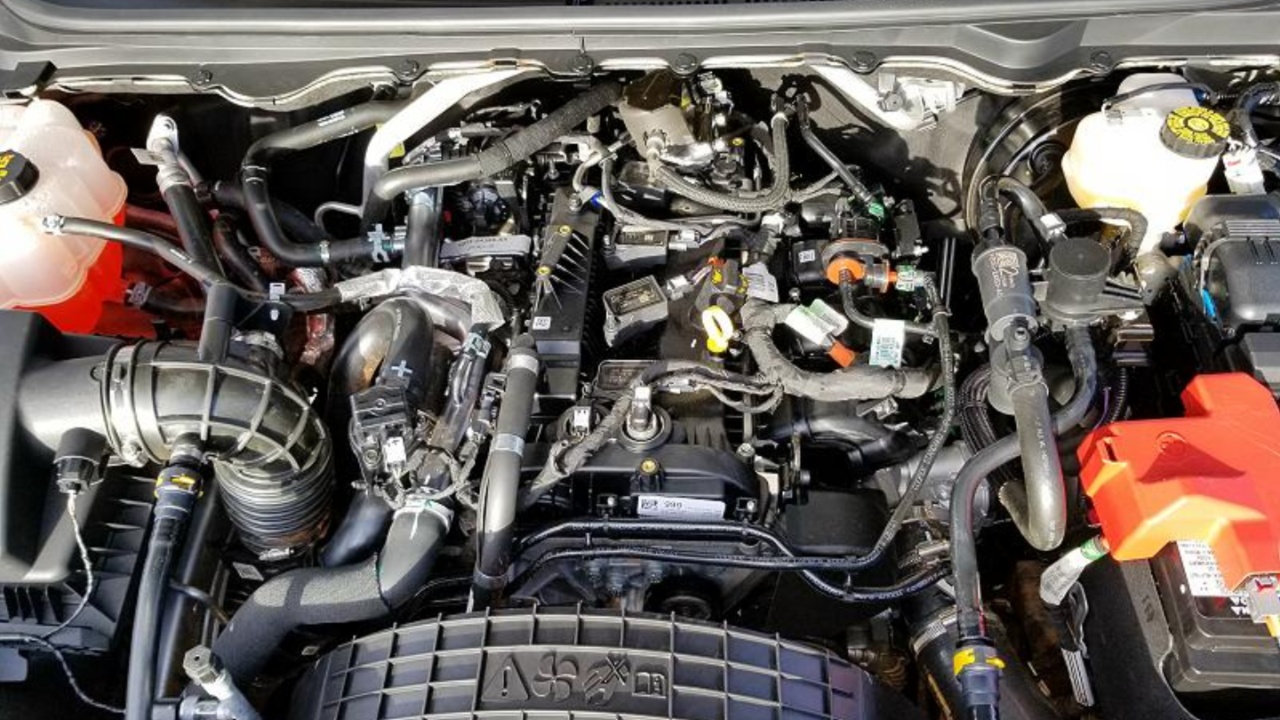
4. Toyota 1.2L 8NR-FTS Turbo: Efficiency-Focused Engineering for Long-Term Durability
The Toyota 1.2L 8NR-FTS Turbo engine reflects Toyota’s cautious and reliability-driven entry into the small turbocharged engine segment. Rather than prioritizing maximum power output, Toyota designed this engine to deliver strong efficiency, low-RPM torque, and long service life. It is used in compact models such as the Toyota Corolla, Toyota C-HR, and Toyota Auris in international markets.
Through conservative tuning and carefully engineered components, the engine minimizes internal stress while maintaining responsive everyday performance.
This approach aligns with Toyota’s long-standing engineering philosophy that values durability and efficiency over aggressive power figures. With proper maintenance, the 8NR-FTS can commonly reach between 150,000 and 200,000 miles with minimal mechanical issues.
A major contributor to the engine’s durability is Toyota’s advanced VVT-iW (Variable Valve Timing-intelligent Wide) system. This technology allows the engine to switch between the traditional Otto cycle and the more fuel-efficient Atkinson cycle depending on driving conditions. Under light loads, the Atkinson cycle improves fuel economy by reducing pumping losses and internal stress.
When more power is needed, the engine seamlessly transitions to the Otto cycle to provide stronger performance. This flexible operating strategy enhances thermal efficiency while keeping combustion temperatures and mechanical loads under control. The engine’s compression ratio of around 10:1 also helps maintain a balanced relationship between power production, fuel efficiency, and component longevity.
Effective heat management plays a crucial role in extending the lifespan of the 8NR-FTS. Turbocharged engines often struggle with high exhaust temperatures, which can accelerate wear if not controlled properly. Toyota addressed this challenge with a water-cooled exhaust manifold integrated directly into the cylinder head.
This system lowers exhaust gas temperatures before they reach the turbocharger, helping maintain stable operating conditions and protecting surrounding components.
The engine also uses a compact low-inertia turbocharger that spools quickly at low RPM. By delivering boost earlier in the rev range, the turbo reduces the need for sustained high engine speeds, lowering mechanical strain on pistons, rods, and other moving parts.
Fuel delivery and combustion efficiency are enhanced by Toyota’s D-4T direct injection system. This technology precisely manages the air-fuel mixture, promoting efficient combustion and reducing the risk of damaging hot spots inside the cylinders. The result is a smooth and efficient power output of approximately 114 horsepower and 136 lb-ft of torque, with peak torque available from around 1,500 RPM.
While not designed for high-performance driving, the engine provides responsive acceleration for everyday use and contributes to excellent fuel economy. Its thermal efficiency reaches roughly 36 percent, demonstrating Toyota’s focus on maximizing energy extraction from a small displacement engine.
Like many modern direct-injection engines, the 8NR-FTS may develop carbon buildup on intake valves over time, especially in vehicles used primarily for short city trips. Occasional longer drives and proper maintenance can help reduce this buildup.
Some early models also reported minor noises from the boost pressure solenoid valve, though these cases rarely affect engine durability. With consistent servicing, quality fuel, and regular oil changes, the Toyota 1.2L 8NR-FTS Turbo remains a dependable and efficient engine designed to deliver many years of reliable daily driving.
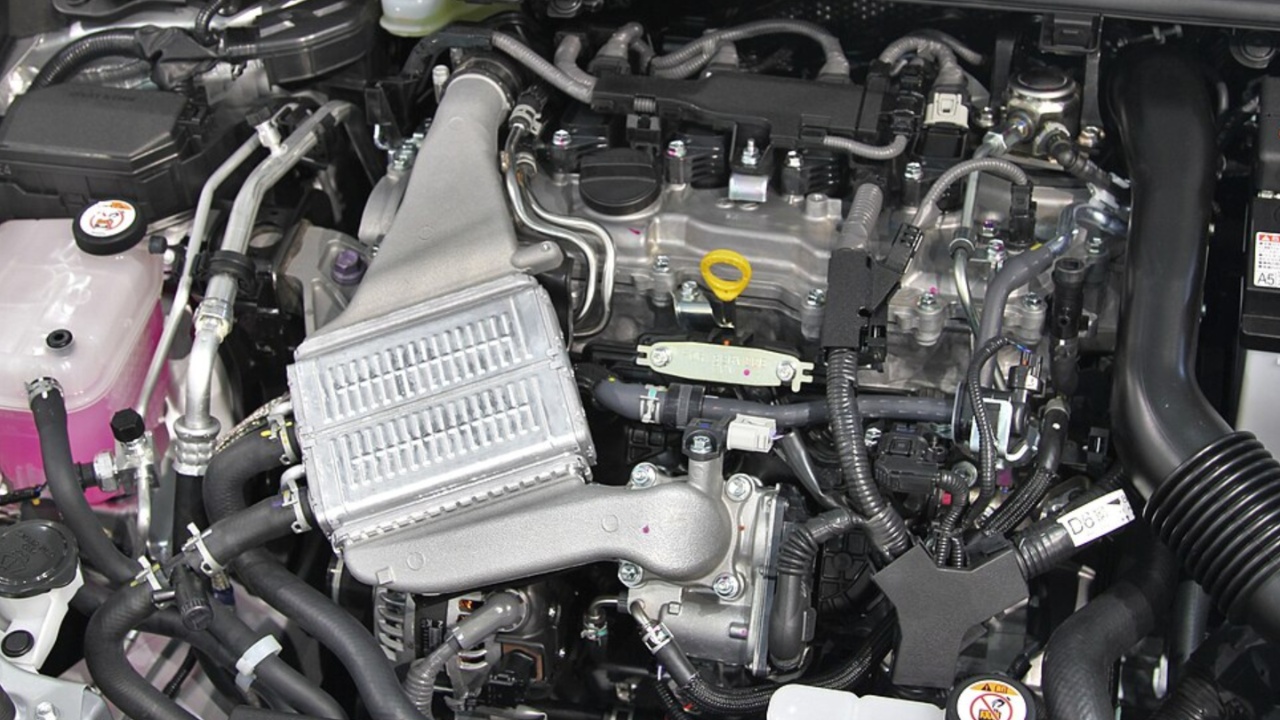
5. Hyundai/Kia 1.6L Gamma T-GDI: Durable Turbocharged Efficiency for Everyday Driving
The Hyundai/Kia 1.6L Gamma T-GDI (Turbocharged Gasoline Direct Injection) engine is one of the most widely used small turbo engines in the Hyundai and Kia lineup. It appears in vehicles such as the Hyundai Tucson, Hyundai Elantra Sport, Kia Soul, and Hyundai Veloster Turbo.
This engine has gained attention for combining strong performance with respectable long-term durability. While some larger Hyundai engines experienced reliability issues in the past, the Gamma 1.6L turbo unit has proven to be relatively dependable when properly maintained.
Many well-cared-for engines reach between 150,000 and 200,000 miles, making it a practical option for drivers who want both efficiency and responsive performance from a compact turbocharged engine.
The durability of the 1.6L Gamma T-GDI begins with its solid internal construction. The engine uses an aluminum block fitted with iron cylinder sleeves that increase structural strength and improve resistance to wear. These sleeves help the engine tolerate the high pressures created by turbocharging.
Forged steel connecting rods and a forged crankshaft are also used in many versions of the engine, giving the rotating assembly the strength needed to handle boosted combustion forces. Hyundai also incorporated a Friction-Optimized Moving System and an offset crankshaft design to reduce friction between pistons and cylinder walls. Lower friction reduces heat and long-term wear while maintaining efficient engine operation.
Cooling technology is another important factor that supports the longevity of this turbocharged engine. The Gamma T-GDI includes piston cooling jets that spray oil onto the underside of the pistons. This system lowers piston temperatures during heavy loads and prevents overheating that can occur in turbocharged engines.
The engine also uses a twin-scroll turbocharger paired with an intercooler to improve airflow and efficiency. By separating exhaust pulses, the twin-scroll design improves turbo response and reduces lag. It also allows the turbocharger to operate more efficiently, which lowers thermal stress on the engine and improves durability during sustained use.
The engine also benefits from a durable timing system and efficient fuel delivery technology. Instead of using a timing belt, the Gamma T-GDI relies on a heavy-duty roller timing chain designed for long service life. Timing chains generally require less frequent replacement and provide more reliable long-term operation.
The engine uses high-pressure gasoline direct injection to precisely control fuel delivery and improve combustion efficiency. This technology produces strong power output and a broad torque range, allowing the engine to deliver responsive acceleration while maintaining good fuel economy in everyday driving situations.
Proper maintenance remains essential for achieving high mileage with the 1.6L Gamma T-GDI engine. Frequent oil changes every 3,000 to 5,000 miles help protect the turbocharger and prevent sludge buildup.
Spark plugs and ignition coils should be replaced approximately every 45,000 miles to maintain consistent ignition performance. Because it is a direct injection engine, carbon buildup on intake valves can occur over time, especially when the vehicle is used mainly for short trips.
Some engines may also show oil consumption if maintenance is neglected, and timing chain tensioners should be monitored as mileage increases. With consistent servicing, careful monitoring of oil levels, and proper driving habits, this turbocharged engine can provide reliable performance and many years of efficient daily use.
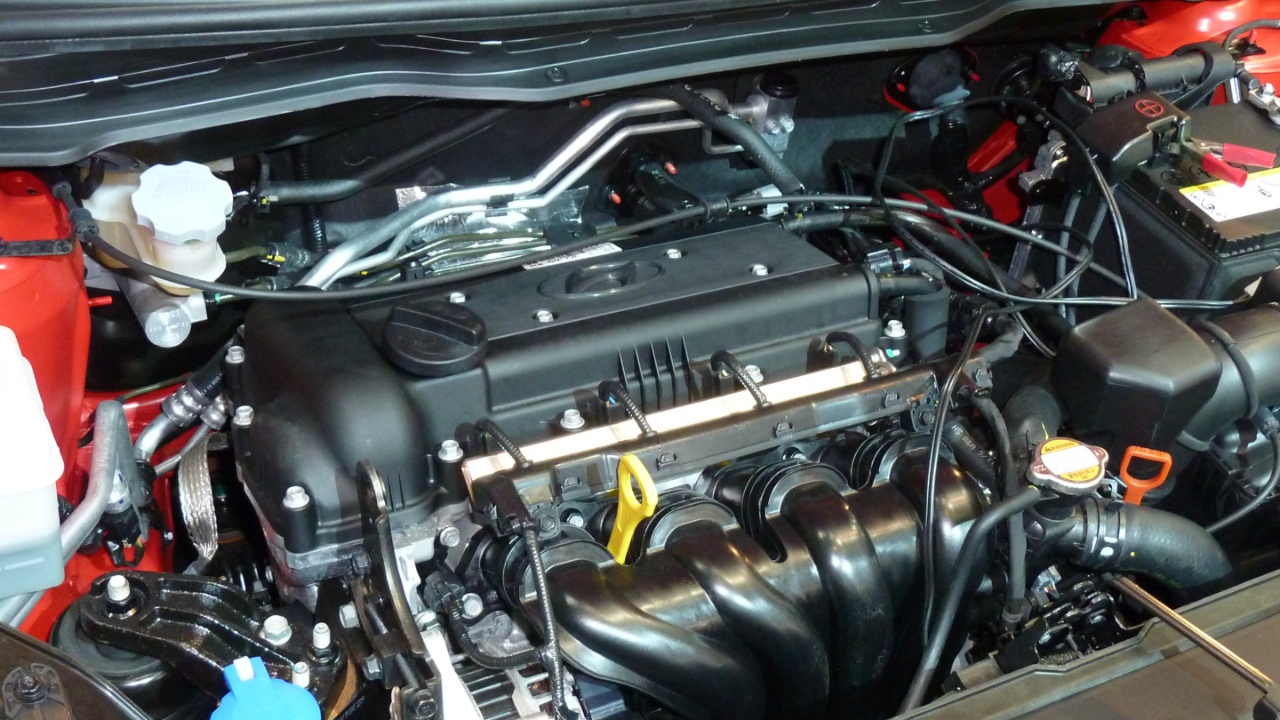
6. Volkswagen 1.0L TSI (EA211): A Compact Three-Cylinder Engine Built for Efficiency and Longevity
The Volkswagen 1.0L TSI engine from the EA211 series demonstrates how modern engineering can transform a small three-cylinder engine into a durable and efficient powerplant. Despite skepticism about its small size and three-cylinder configuration, the engine has proven capable of impressive longevity when properly maintained.
It is widely used in vehicles such as the Volkswagen Polo, Volkswagen Golf, and several models from Škoda. Designed with a focus on reducing friction, improving thermal efficiency, and simplifying mechanical components, the 1.0L TSI has earned a reputation as a reliable commuter engine. Many high-mileage examples in Europe, particularly in fleet service, have surpassed 180,000 miles while maintaining solid performance and efficiency.
A major contributor to the engine’s durability is its carefully engineered internal structure. The EA211 1.0L TSI uses a lightweight aluminum engine block combined with reinforced cast-iron cylinder liners to ensure durability at key wear points. Inside the engine, a forged crankshaft and strong connecting rods are used to withstand the pressure created by turbocharging.
Polymer-coated crankshaft bearings help reduce internal friction, which improves efficiency and limits long-term wear on moving components. This combination of lightweight construction and reinforced internal parts allows the engine to remain both efficient and structurally strong during extended operation.
Another important improvement introduced with the EA211 series is the transition from timing chains to a durable timing belt system. Earlier Volkswagen engines in the EA111 series relied on timing chains that sometimes experienced stretching or tensioner problems over time. The EA211 instead uses a timing belt designed for long service life and reliability.
This change reduced the likelihood of timing system failures and simplified maintenance for owners. In addition, the engine does not use a traditional balancing shaft to control vibrations. Instead, it relies on carefully designed weighted pulleys to smooth out engine operation. With fewer moving parts involved in balancing the engine, the design becomes mechanically simpler and reduces potential points of failure.
Thermal management is another area where the 1.0L TSI demonstrates thoughtful engineering. The engine features an exhaust manifold integrated directly into the cylinder head, which helps the engine warm up quickly after startup and maintain stable operating temperatures.
Faster warm-up reduces internal wear because the engine reaches optimal lubrication conditions sooner. The turbocharger is closely coupled to this integrated exhaust system, improving efficiency and reducing heat-related stress on surrounding components.
The turbocharger also allows the small engine to generate strong torque at low RPM. Because the engine produces useful power without requiring constant high revs, internal components experience less mechanical strain during daily driving.
Maintenance plays an important role in achieving high mileage with the EA211 1.0L TSI. Regular oil changes using high-quality, manufacturer-approved synthetic oil are essential for protecting the turbocharger and internal components.
Since the engine uses direct fuel injection, carbon buildup on intake valves can develop over time, making occasional cleaning necessary to maintain performance. The engine also benefits from longer driving trips that allow it to reach full operating temperature and reduce carbon accumulation.
When maintained properly, many examples of the 1.0L TSI exceed 250,000 kilometers and continue operating efficiently. Its balance of efficiency, simplicity, and dependable engineering makes it a practical and durable choice for modern compact vehicles designed for daily commuting.
Small turbocharged engines have come a long way in the past decade. Advances in materials, cooling technology, fuel injection systems, and engine management have made it possible for these compact powerplants to deliver both efficiency and durability.
While turbo engines once had a reputation for being fragile or short-lived, the examples on this list demonstrate that careful engineering and responsible ownership can lead to impressive longevity.
From Honda’s efficient 1.5L VTEC Turbo to Volkswagen’s refined EA888 and Ford’s powerful 2.3L EcoBoost, these engines show that performance and reliability do not have to be mutually exclusive.
Even smaller units like Toyota’s 1.2L turbo and Volkswagen’s 1.0L TSI prove that smart design can produce dependable engines capable of handling years of daily driving. With regular maintenance, proper oil changes, and responsible driving habits, these small turbo engines can easily exceed expectations and continue running strong well past the 200,000-mile mark.
Also Read: Top 10 Cars With the Most Useful Hidden Storage Compartments