
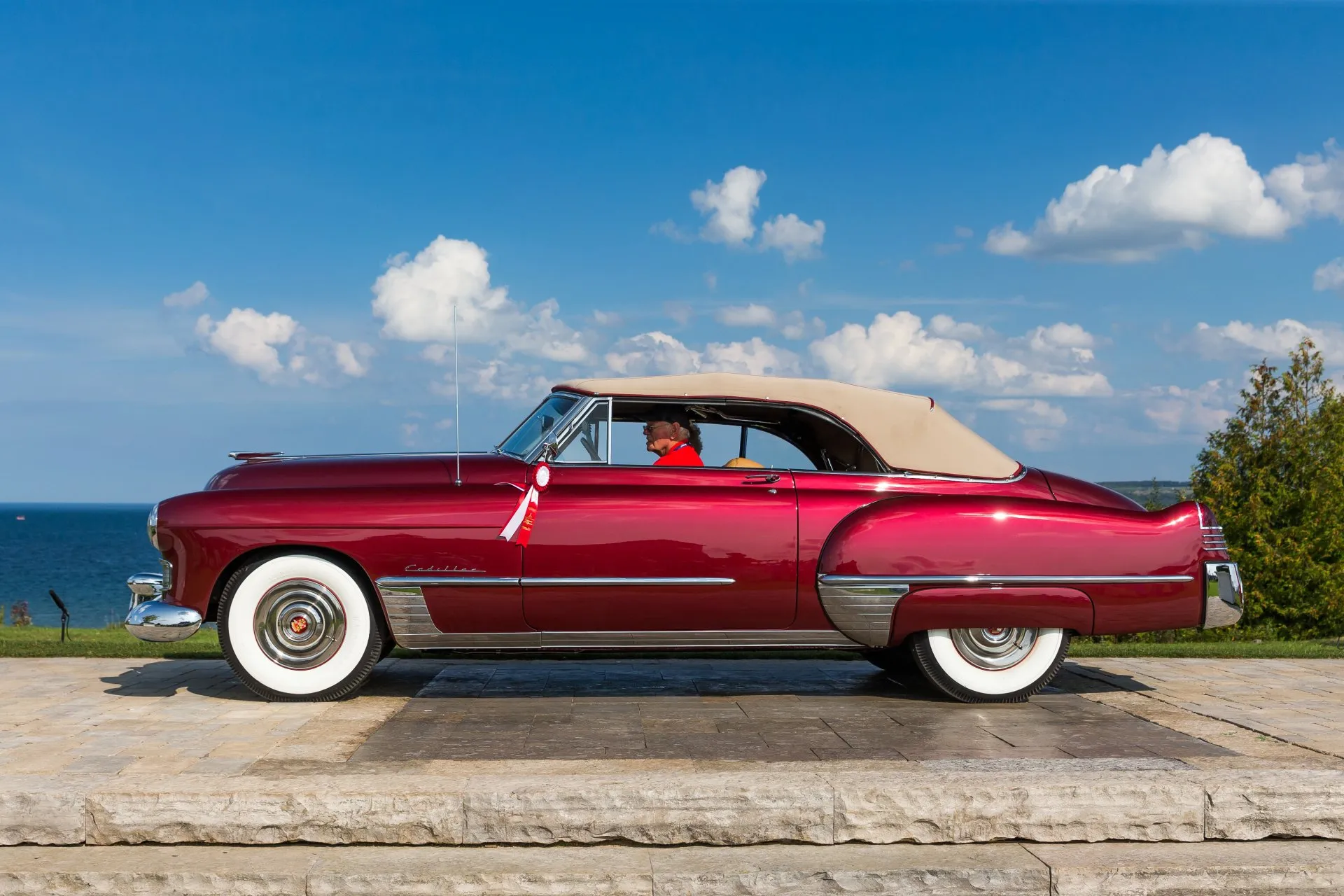
Vintage engines were built in a time when driving conditions, fuel quality, and traffic patterns were very different from what they face today. While these engines are often praised for their durability and simple mechanical design, they can be more sensitive to heat, especially during summer months.
Higher ambient temperatures combined with slow moving traffic and modern driving expectations can expose weaknesses in cooling systems that may not have been noticeable decades ago.
Overheating is not just an inconvenience in older vehicles. It can lead to serious mechanical damage if ignored.
Warped cylinder heads, damaged head gaskets, cracked hoses, and reduced lubrication efficiency are only some of the risks associated with excessive engine temperature.
Preventing overheating is therefore not only about comfort but also about protecting the longevity of the engine.
Many overheating problems do not come from a single failure. Instead, they usually result from small issues building up over time.
Sediment inside the radiator, aging coolant hoses, weak water pumps, incorrect ignition timing, and even improper fuel mixtures can all contribute to rising temperatures. Because vintage engines depend heavily on mechanical efficiency, even small inefficiencies can make a noticeable difference.
Summer conditions make these weaknesses more visible. When outside temperatures rise, cooling systems have less margin for error.
A system that performs adequately in mild weather may begin to struggle once temperatures increase. This is why preventive inspection becomes especially important before hot weather arrives.
Understanding the common causes of overheating allows owners to address problems before they become serious. Most issues can be prevented through proper maintenance, correct adjustments, and awareness of how older cooling systems function.
The following causes highlight the most common reasons vintage engines tend to overheat during hot weather and explain why careful attention to these areas can make summer driving far more reliable.
Also Read: 10 Ways to Maximize Your Brake Pad Life Through Driving Habits
1. Clogged Radiator Passages Reduce Cooling Efficiency
One of the most common but often overlooked causes of overheating in vintage engines is internal blockage within the radiator.
Over time, minerals from coolant, rust particles from engine components, and general debris can accumulate inside the narrow cooling passages. This buildup restricts coolant flow and reduces the radiator’s ability to remove heat.
Unlike modern cooling systems that often use advanced materials, many vintage radiators rely on copper and brass construction. While durable, these materials can accumulate deposits if coolant is not changed regularly. Years of neglected maintenance can result in partially blocked flow channels.
When coolant cannot circulate freely, heat begins to concentrate in the engine. The radiator may appear normal from the outside, yet internally it may be functioning at reduced capacity. This often results in gradual temperature rise during extended driving.
Another sign of internal blockage is uneven temperature across the radiator surface. Some areas may remain cool while others become very hot. This indicates that coolant is not flowing evenly through all sections.
Professional radiator flushing is often required to correct this condition. Simple draining may not remove hardened deposits. Chemical flushing or professional cleaning may be necessary to restore proper flow.
External blockage can also contribute. Dirt, insects, and road debris trapped in radiator fins can reduce airflow. Careful cleaning of external surfaces can improve cooling efficiency.
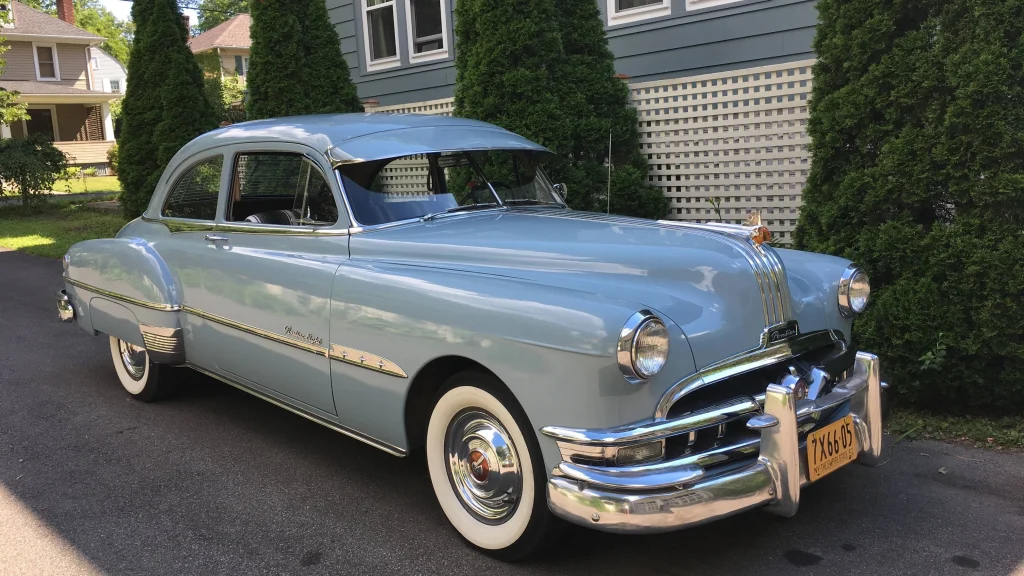
Coolant quality also matters. Using the correct mixture helps prevent corrosion and scale formation. Poor coolant maintenance is often the root cause of internal blockage.
Another important factor is storage conditions. Vehicles stored for long periods without coolant changes often develop internal corrosion that later affects cooling performance.
Radiator problems rarely appear suddenly. They usually develop gradually until hot weather exposes the weakness. Consistent maintenance and periodic inspection remain the best defense against this very common overheating cause.
2. Faulty Thermostats Prevent Proper Coolant Circulation
The thermostat plays a critical role in controlling engine temperature, yet it is sometimes ignored because of its small size. In vintage engines, a malfunctioning thermostat can quickly lead to overheating, especially during high temperature conditions.
The purpose of the thermostat is to regulate coolant flow based on temperature. When working correctly, it allows the engine to warm up efficiently and then opens to allow coolant to circulate through the radiator. When it fails, this balance is lost.
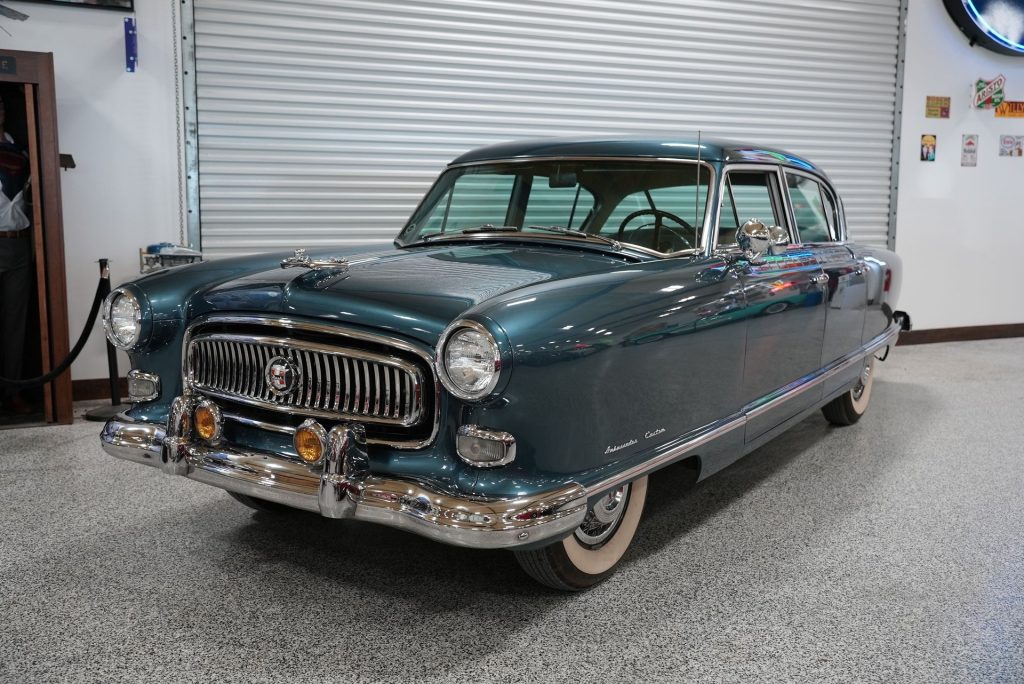
A thermostat that sticks closed is one of the most common causes of sudden overheating. When this happens, coolant remains trapped in the engine instead of circulating. Temperatures can rise quickly because heat cannot be transferred away effectively.
Some thermostats fail partially rather than completely. In these cases, they may open only slightly. This limited flow may be enough during mild weather but insufficient during summer conditions.
Testing thermostats is relatively simple and often recommended during cooling system service. Replacement is usually inexpensive and can prevent major engine damage.
Installation orientation also matters. Incorrect installation can prevent proper operation. Careful attention to correct placement helps ensure reliable function.
Another factor is choosing the correct temperature rating. Using a thermostat with an inappropriate rating can affect cooling behavior. Selecting the correct specification helps maintain intended operating conditions.
Age can also affect reliability. Even if a thermostat appears functional, internal fatigue can reduce its responsiveness. Preventive replacement is often considered good practice during major service.
Cooling system performance depends on proper flow control. When the thermostat cannot regulate that flow correctly, overheating risk increases significantly. This small component plays a very large role in maintaining safe engine temperature.
3. Worn Water Pumps Reduce Coolant Movement
Cooling systems in vintage engines depend heavily on mechanical water pumps to keep coolant circulating. Unlike modern electric assisted systems, these pumps rely completely on mechanical motion. When wear develops inside the pump, coolant movement becomes less effective, which can slowly lead to overheating.
A common problem is internal impeller wear. Over many years, corrosion or poor coolant maintenance can damage the impeller blades. When this happens, the pump may still rotate normally but move less coolant than required. This reduced circulation often goes unnoticed until temperatures begin rising during hot weather.
Seal deterioration can also affect performance. A failing seal may allow small coolant leaks, but more importantly it may allow air to enter the system. Air pockets can interfere with proper coolant flow and reduce cooling efficiency.
Bearing wear is another concern. If pump bearings begin to fail, the pump may develop slight wobble. This can reduce efficiency and eventually lead to complete failure. Early signs often include noise or slight coolant residue near the pump housing.
Another overlooked factor is belt condition. Since most vintage water pumps are belt driven, a loose or worn belt can reduce pump speed. Even slight slipping can reduce coolant circulation enough to cause higher operating temperatures during demanding conditions.
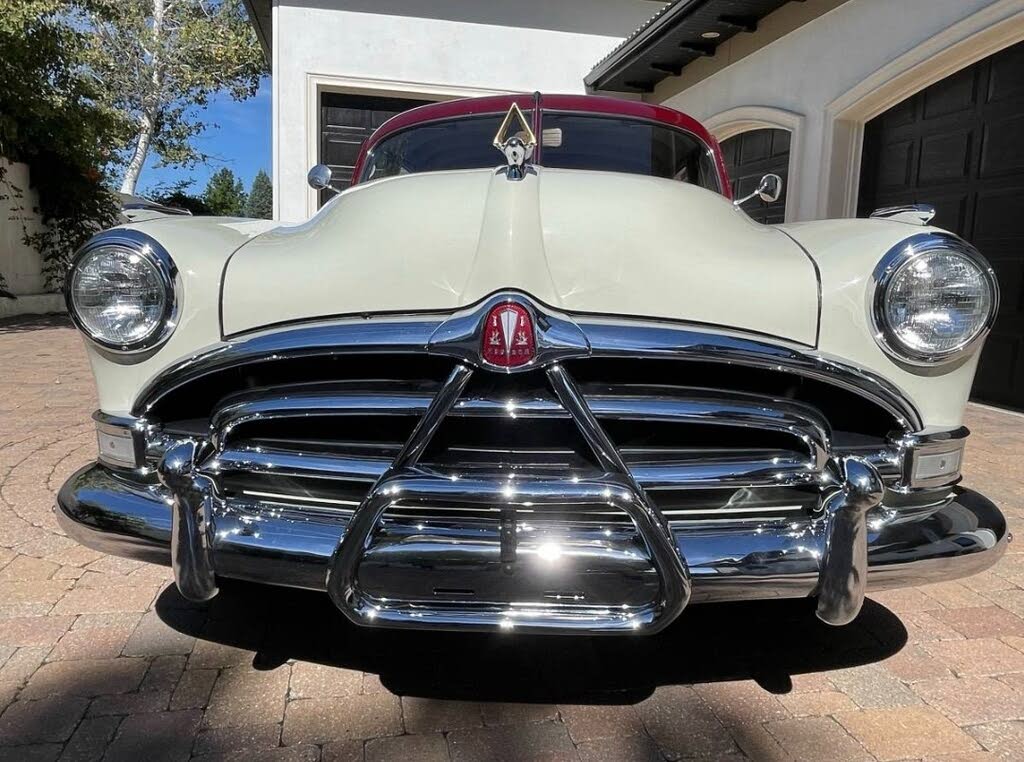
Some overheating problems also result from incorrect replacement pumps. Not all replacement units provide identical internal design. Choosing a properly designed replacement helps maintain correct coolant movement.
Regular inspection helps prevent these problems. Checking for leaks, unusual sounds, or pulley movement can help detect early warning signs. Preventive replacement is often safer than waiting for failure.
Cooling efficiency depends on constant movement of coolant. When circulation slows, heat begins to accumulate faster than it can be removed.
A strong cooling system depends not only on radiator capacity but also on how effectively coolant is kept in motion.
4. Incorrect Ignition Timing Can Increase Engine Heat
Not all overheating problems come from the cooling system itself. Engine tuning also plays a major role in temperature control. Incorrect ignition timing is a surprisingly common cause of overheating in vintage engines, particularly during summer operation.
Ignition timing determines when the fuel mixture ignites inside the cylinder. When timing is incorrect, combustion may occur too early or too late. Both situations can increase heat stress within the engine.
Retarded timing often causes engines to run hotter because combustion continues while exhaust valves begin to open. This can transfer excessive heat into exhaust components and the cooling system. The result is higher operating temperature.
Overly advanced timing can also cause heat problems. Excessive advance can create abnormal combustion pressure and increase engine strain. This additional stress often appears as increased operating temperature.
Many vintage engines require periodic timing checks because mechanical distributors can drift over time. Wear in distributor components can gradually change timing settings without obvious warning.
Fuel quality can also influence timing needs. Differences in modern fuel compared to older formulations sometimes require slight adjustments to maintain correct combustion behavior.
Proper adjustment requires accurate measurement tools rather than estimation. Using proper timing equipment helps ensure correct settings.
Another related factor is vacuum advance function. If the vacuum advance system is not working correctly, timing may not adjust properly during driving conditions. This can contribute to unnecessary heat buildup.
Engine temperature is closely tied to combustion efficiency. When combustion occurs at the correct moment, heat is managed more effectively. Sometimes overheating can be solved not by replacing cooling parts but by correcting engine adjustment.
5. Old Coolant Hoses Can Collapse Under Heat
Some overheating problems develop not because of major failures but because of aging rubber components that no longer perform as intended. Coolant hoses in vintage engines are especially vulnerable because many may still be decades old or replaced long ago with materials that have since hardened.
Rubber naturally loses flexibility with time. Heat cycles, chemical exposure, and simple aging gradually weaken hose structure. When summer temperatures rise, these weakened hoses may soften and partially collapse while the engine is running.
A collapsed hose restricts coolant flow just like a blockage. Even if the radiator and water pump are working properly, restricted flow can cause heat to build inside the engine. This condition can be difficult to notice because the hose may return to normal shape once the engine cools.
Internal hose lining failure is another hidden issue. Some hoses deteriorate from the inside first. Pieces of degraded rubber may break loose and travel through the cooling system, sometimes creating blockages elsewhere.
Reinforcement springs inside lower radiator hoses are especially important. These springs help prevent collapse under suction from the water pump. If these supports are missing or damaged, overheating risk increases.
Visual inspection can help identify early warning signs. Cracks, surface hardness, swelling near connections, or soft spots all indicate aging. Preventive replacement is often safer than waiting for visible failure.
Clamp condition also matters. Loose clamps can allow small air leaks that affect coolant flow. Tight and properly positioned clamps help maintain system pressure.
Modern replacement hoses often provide better material resistance than older rubber. Choosing quality replacements can improve long term reliability.
Another overlooked factor is hose routing. Hoses that touch hot engine parts may deteriorate faster. Proper positioning helps extend service life.
Cooling systems depend on unobstructed flow. Even a partially collapsed hose can disturb that balance. Many overheating issues traced to major systems sometimes begin with something as simple as a weakened rubber connection.
6. Weak Radiator Caps Can Lower Cooling System Pressure
A small component mounted at the top of the radiator can have a major effect on engine temperature. The radiator cap is responsible for maintaining proper system pressure, yet it is often ignored during maintenance checks.
Cooling systems operate more efficiently under pressure. Increased pressure raises the boiling point of coolant, allowing it to absorb more heat before vaporizing. When the radiator cap becomes weak, this pressure cannot be maintained.
A failing cap spring is one common issue. When spring tension weakens, pressure escapes too easily. This can allow coolant to boil at lower temperatures, which reduces cooling efficiency.
Seal deterioration is another cause. If the sealing surface becomes cracked or hardened, pressure may leak even if the spring is still functional. Small leaks often go unnoticed but can affect cooling performance.
Another sign of cap problems is coolant loss into the overflow system without extreme temperature conditions. This may indicate the cap is releasing pressure too early.
Correct pressure rating is also important. Using a cap with lower pressure than recommended can reduce cooling system effectiveness. Matching the correct specification helps maintain intended performance.
Testing caps is simple and often part of professional cooling system inspection. Because replacement is inexpensive, preventive replacement is common practice.
Another benefit of proper pressure is improved coolant circulation. When pressure is stable, coolant flows more predictably through the system.
Some overheating problems appear mysterious until pressure loss is discovered. Restoring correct pressure often resolves temperature instability.
The radiator cap may be small, but it controls an important part of the cooling process. Temperature control depends not only on removing heat but also on maintaining the correct environment for coolant to function effectively.
7. Air Pockets in the Cooling System Can Trap Heat
Sometimes overheating happens even when all major components appear to be working properly. One hidden cause can be trapped air inside the cooling system. Unlike coolant, air cannot absorb and transfer heat effectively, which makes temperature control much more difficult.
Air pockets usually form after coolant replacement or after repairs involving hoses, radiators, or water pumps. If the system is not filled carefully, trapped air may remain inside passages where coolant should be flowing.
When air becomes trapped near hot engine areas, heat begins to concentrate. Coolant may circulate around these areas but not through them. This can cause localized hot spots that gradually increase overall engine temperature.
Symptoms may include temperature fluctuations rather than steady overheating. Gauges may show rising and falling readings as coolant and air move through the system. This irregular behavior often points to trapped air.
Another sign may be weak heater performance. Since heating systems depend on coolant flow, trapped air can interfere with proper circulation through heater cores.
Proper bleeding procedures help prevent this problem. Slowly filling the system, running the engine with the cap removed during warm up, and allowing trapped air to escape are common methods used to restore proper coolant flow.
Some cooling systems also benefit from slightly elevating the front of the vehicle during filling. This can help air move toward the highest escape point.
Regular coolant checks can also help detect this condition. Falling coolant levels after initial filling may indicate trapped air has escaped and needs topping up.
Air inside a cooling system creates empty space where heat cannot be managed properly. Effective cooling depends on full and uninterrupted coolant circulation. Even a small air pocket can interfere with that balance.
8. Lean Fuel Mixtures Can Cause Higher Combustion Temperatures
Engine temperature is influenced not only by the cooling system but also by how fuel burns inside the engine. A lean fuel mixture, meaning too much air and not enough fuel, can cause combustion temperatures to rise significantly. This additional heat can eventually contribute to overheating.
Vintage engines often depend on carburetors that require careful adjustment. If fuel delivery becomes restricted or adjustments drift over time, the mixture may become too lean. This may not always cause immediate running problems but can gradually increase engine heat.
Fuel delivery restrictions can come from partially blocked fuel jets, aging fuel pumps, or contaminated fuel lines. Any restriction that limits fuel supply can shift the mixture toward excess air.
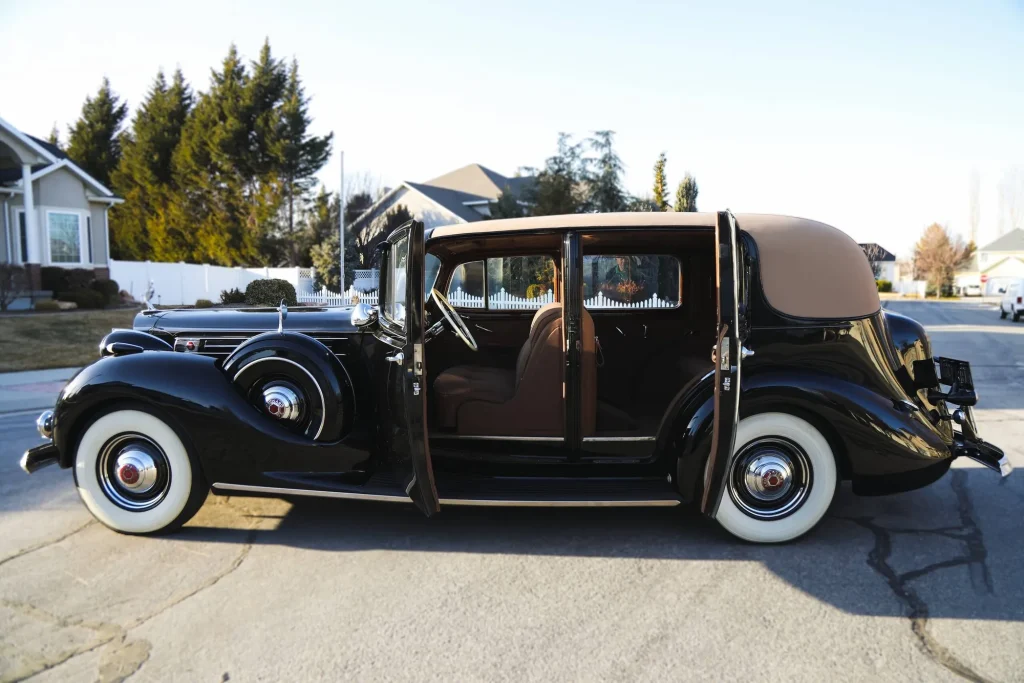
Another factor is vacuum leaks. Cracked vacuum lines or leaking intake gaskets can allow extra air into the engine. This can upset the intended fuel balance and raise combustion temperature.
Spark plug appearance can sometimes help identify this problem. Plugs showing very light coloring may indicate lean operation. Careful inspection can provide early warning.
Correct carburetor tuning is essential for temperature control. Adjusting idle mixture and verifying proper fuel flow helps maintain balanced combustion.
Fuel quality can also influence mixture behavior. Some modern fuels behave differently than older formulations, which may require slight adjustment for best results.
Lean operation often improves fuel economy slightly but increases heat stress. Long term operation under these conditions can affect engine durability.
Temperature control begins inside the combustion chamber. When fuel burns at the correct ratio, heat remains within manageable limits.
Maintaining correct fuel mixture is as important as maintaining coolant flow when managing engine temperature.
9. Blocked Engine Cooling Passages From Internal Rust Buildup
Inside every vintage engine block there are narrow coolant passages designed to carry heat away from the cylinders. Over many decades these internal passages can slowly collect rust, mineral scale, and old coolant residue. This buildup can quietly reduce cooling efficiency until hot weather makes the weakness obvious.
Unlike radiator problems which can sometimes be seen externally, internal blockages remain hidden. The engine may look perfectly maintained from the outside while internal corrosion continues to restrict coolant movement. This makes the problem difficult to identify without careful inspection.
Rust formation is especially common in engines that spent long periods with plain water instead of proper coolant. Water alone cannot prevent corrosion. Over time this leads to scale formation that narrows coolant passages.
As these passages narrow, coolant flow slows down. When flow is reduced, heat stays longer around combustion areas. This causes gradual temperature increase, especially during long drives or heavy use.
Another problem appears when sediment settles in lower parts of the engine. These deposits can act like insulation, preventing heat transfer into the coolant. This makes the cooling system less effective even if all external parts are working correctly.
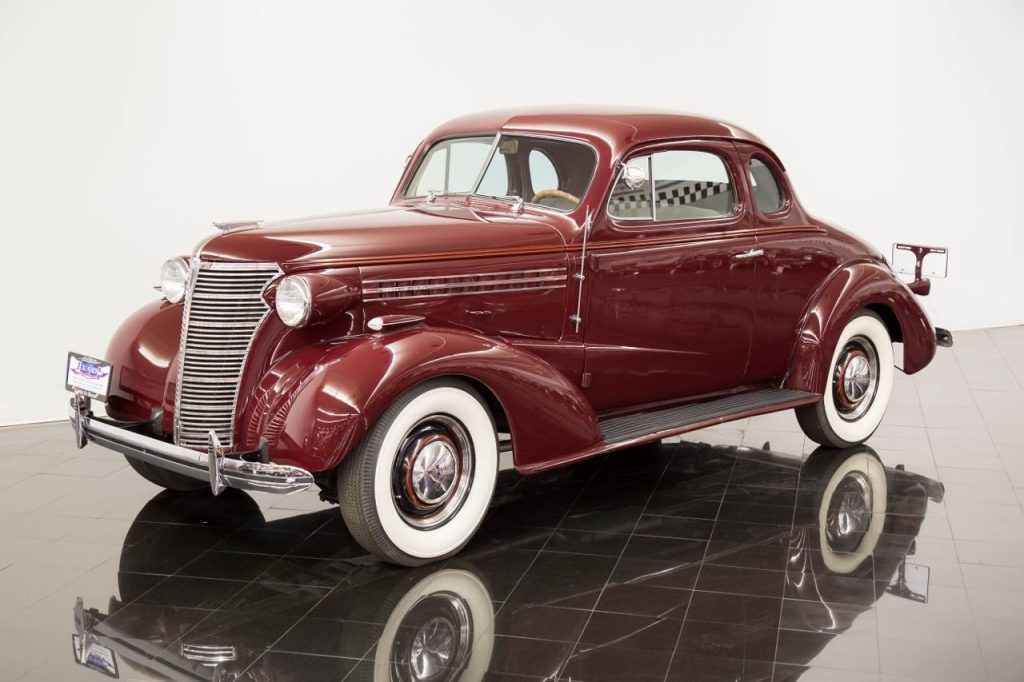
Engine flushing is often required to correct this issue. Chemical flush treatments can help dissolve deposits and restore flow. In severe cases, mechanical cleaning during engine rebuild may be necessary.
Preventive maintenance is the best protection. Regular coolant replacement helps prevent corrosion from developing. Modern coolant mixtures include additives that protect internal metal surfaces.
Drain plug inspection can also reveal early warning signs. Rust colored coolant or visible sediment during draining often indicates internal buildup.
Another overlooked factor is storage. Engines left unused for years often develop internal corrosion because coolant additives lose effectiveness over time. Regular fluid service helps prevent this silent damage.
Temperature problems caused by internal blockage often appear gradually rather than suddenly. Owners may notice slightly rising temperatures each summer until the problem becomes serious.
Cooling systems depend not only on visible components but also on the unseen passages inside the engine. True cooling efficiency depends on keeping these hidden channels as clean as the visible parts of the system.
10. Poor Engine Bay Airflow Can Trap Heat Around the Engine
Even when the cooling system is functioning properly, overheating can still occur if heat cannot escape from the engine compartment. Vintage vehicles were designed for different traffic speeds and airflow conditions. Modern slow moving traffic can expose airflow limitations that were not originally a problem.
Engine bays depend on constant airflow to carry heat away from the radiator and engine surfaces. When airflow becomes restricted, heat begins to accumulate around the engine. This trapped heat can eventually raise coolant temperature.
One common cause is debris blocking airflow paths. Dirt buildup, misplaced insulation, or incorrectly installed components can reduce the movement of air through the engine compartment.
Cooling fan performance also plays a major role. Mechanical fans depend on engine speed. During slow driving conditions they may not move enough air. Worn fan clutches or damaged blades can reduce airflow even further.
Fan shrouds are another important factor. Missing or damaged shrouds reduce the fan’s ability to pull air through the radiator efficiently. Proper shroud fit helps direct airflow where it is needed.
Another issue can come from modern modifications. Additional accessories installed without airflow planning can unintentionally block heat escape routes. Careful placement helps maintain proper ventilation.
Hood sealing can also affect airflow. While sealing helps direct air through the radiator, excessive sealing without proper exit paths can trap heat. Balanced airflow requires both entry and exit paths.
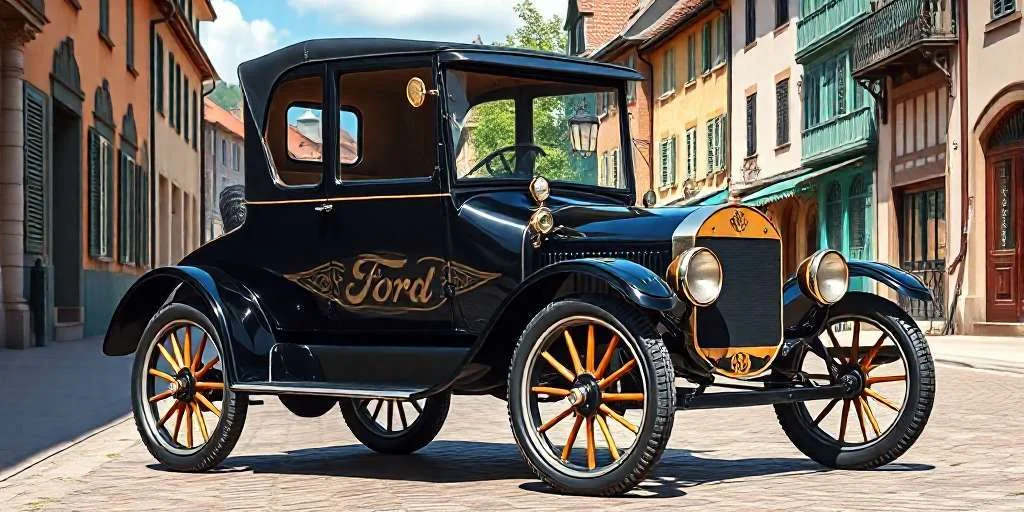
Heat from exhaust components can also contribute. Poor heat shielding or close proximity of exhaust parts can increase engine bay temperature. Proper shielding helps control this effect.
Another practical improvement is ensuring radiator fins remain open and unobstructed. Even small airflow improvements can reduce temperature buildup.
Overheating is not always caused by coolant problems. Sometimes heat simply cannot escape fast enough.
Effective temperature control depends on both removing heat from the engine and allowing that heat to leave the engine compartment efficiently.
Overheating in vintage engines during summer usually results from a combination of cooling system weaknesses, aging components, and improper engine tuning rather than a single major failure. Common causes include restricted coolant flow from clogged radiators, worn water pumps, blocked engine passages, and deteriorated hoses that reduce circulation efficiency.
Other important factors include incorrect ignition timing, lean fuel mixtures, trapped air inside the cooling system, and weak radiator caps that prevent proper pressure buildup. Each of these problems can increase engine heat even if the rest of the system appears functional.
External factors such as poor engine bay airflow and weak cooling fans can also contribute by preventing heat from escaping effectively. These issues often become noticeable only during hot weather when the cooling system has less tolerance for inefficiency.
Regular inspection, correct adjustments, and preventive maintenance remain the most effective ways to avoid overheating. When cooling, airflow, and engine tuning all work together properly, vintage engines can remain dependable even in demanding summer conditions.
Also Read: 10 Classic European Sedans Known for Exceptional Highway Comfort
