
The 1980s produced some of the most recognizable movie cars ever seen on screen. This decade was a turning point where automobiles were no longer just background props but became central characters that helped define entire films.
Whether it was a futuristic time machine, a rebellious high school ride, or a high speed police escape vehicle, these cars helped shape pop culture and remain instantly recognizable decades later.
What makes 1980s movie cars especially interesting today is that many of them were not rare concept vehicles built only for filming. In fact, most were based on production cars that were available to the public at the time.
This means enthusiasts today still have a realistic chance to own one of these cinematic legends, sometimes for far less money than people expect. While screen used hero cars can sell for millions, standard versions of these vehicles remain accessible through collectors, auctions, and classic car markets.
Another reason these vehicles remain desirable is their mechanical simplicity compared to modern cars. Many feature analog controls, straightforward engine designs, and minimal electronics.
For collectors, this makes restoration more manageable and ownership more engaging. Instead of relying on complex software, these cars reward hands on maintenance and mechanical understanding.
The emotional factor also plays a huge role. Owning a car connected to a favorite film creates a personal connection that goes beyond transportation. For some, it represents childhood memories. For others, it is a way to preserve a piece of automotive and entertainment history at the same time.
This list highlights five iconic 1980s movie cars that you can still realistically purchase today if you know where to look.
Each one represents a different type of automotive personality, from performance machines to stylish cruisers. More importantly, each offers a different ownership experience, proving that movie car collecting is not limited to museums or celebrities.
Here are five legendary film cars from the 1980s that can still find a place in a private garage today.
Also Read: 8 Reliable Used Cars That Everyone Forgets to Search For
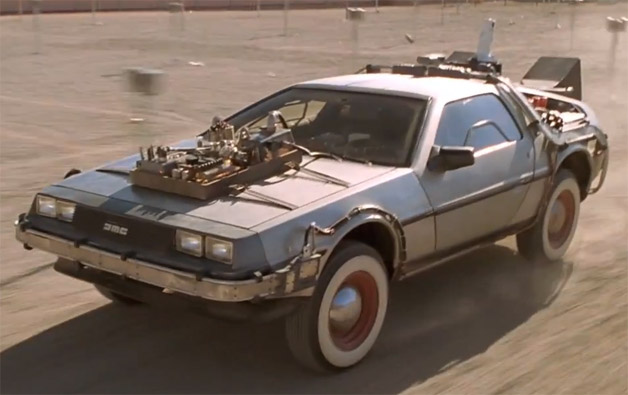
1. DeLorean DMC 12 From Back to the Future
Few cars in film history have achieved the level of recognition enjoyed by the DeLorean DMC 12. Even people with limited automotive knowledge can identify it instantly thanks to its stainless steel body and gullwing doors.
Its appearance in Back to the Future transformed what was originally a struggling sports car into one of the most famous vehicles ever associated with Hollywood storytelling.
The DeLorean itself had a complicated beginning. Created by John DeLorean, the car was intended to be a futuristic sports coupe that emphasized design more than outright speed. Powered by a PRV V6 engine, the performance was modest, but the styling made it unforgettable.
When the car was chosen for the film, the production team recognized that its unusual design already looked like something from the future, making it the perfect candidate for a cinematic time machine.
Interestingly, the movie reputation of the DeLorean ended up saving the car from obscurity. Production numbers remained relatively low, which has helped maintain its collector value. However, unlike many rare classics, the DeLorean has strong parts support thanks to dedicated specialist suppliers. This makes ownership more realistic than many people assume.
From a buying perspective, the DeLorean occupies a unique middle ground in the collector market. It is neither extremely cheap nor unreachable.
Prices vary depending on originality, condition, and whether the car has movie inspired modifications. Some owners choose to replicate the time machine appearance, while others prefer maintaining the factory stock look.
Maintenance tends to focus more on age related issues rather than design flaws. Electrical components, fuel systems, and suspension bushings often require refreshing. Fortunately, a strong enthusiast community exists, which makes technical knowledge easier to access compared to more obscure classics.
Driving a DeLorean today is more about the experience than performance. It feels like a preserved artifact from another era rather than a modern sports car. Visibility, cabin layout, and the driving position all reflect design priorities from the early 1980s. This authenticity is exactly what many collectors appreciate.
For movie fans, ownership can become a hobby beyond driving. Many owners participate in car shows, film themed events, and charity displays where the DeLorean consistently draws attention. Its cultural impact ensures that it remains a conversation starter wherever it appears.
Despite its celebrity status, the DeLorean remains one of the most attainable famous movie cars because thousands were produced. With patience and proper research, buyers can still find good examples. That balance of fame and availability is exactly what makes it one of the most realistic Hollywood cars to own today.
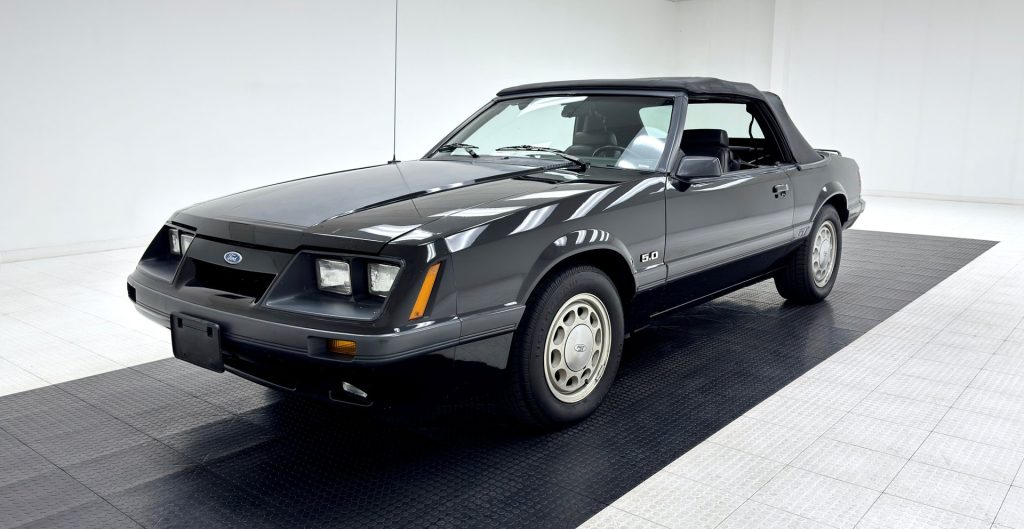
2. 1986 Ford Mustang GT From The Karate Kid Part II
Unlike some movie cars that rely on futuristic styling, the 1986 Ford Mustang GT represents a more grounded kind of automotive icon. Its role in The Karate Kid Part II reinforced the Mustang’s image as an attainable performance car that symbolized freedom and personal growth rather than pure spectacle.
The Fox Body Mustang platform, produced from 1979 through the early 1990s, has become one of the most popular entry points into classic car ownership.
Lightweight construction, strong aftermarket support, and simple mechanical layouts have made it a favorite among both restorers and performance builders. This practicality is one reason why the Mustang remains one of the easiest movie connected cars to actually purchase.
What makes the 1986 GT particularly interesting is its place in Mustang evolution. It featured the 5.0 liter V8 paired with fuel injection, marking a transition from older carbureted setups. This gave the car improved drivability while maintaining the raw character enthusiasts expect from a classic American performance coupe.
From a collector standpoint, Fox Body Mustangs spent many years undervalued. Only recently have clean examples started gaining serious attention. This means buyers still have a window where they can find good cars before prices climb further. Compared to many movie cars, this is one of the few where affordability remains a realistic advantage.
Ownership experiences vary widely depending on what the buyer wants. Some enthusiasts pursue factory correct restorations, focusing on original paint colors, wheels, and interior materials.
Others use the Mustang as a foundation for performance upgrades since the platform responds well to modification. This flexibility gives the car a very different personality compared to more preservation focused classics.
Another advantage is mechanical accessibility. Engine components are widely available, and many repairs can be performed without specialized tools. For someone entering the classic car hobby, this lowers the barrier to entry and reduces the intimidation factor often associated with vintage ownership.
Insurance and operating costs also tend to be reasonable compared to exotic classics. Because the Mustang was mass produced, replacement panels, trim pieces, and drivetrain parts remain available.
This dramatically changes the ownership equation compared to rare European movie cars that may require expensive imported components.
The Mustang also delivers a different emotional appeal compared to something like the DeLorean. Instead of being a futuristic fantasy object, it represents something more personal and relatable. It feels like the kind of car someone could realistically aspire to own, which is exactly why it connected so well with audiences.
Today, finding a good Fox Body Mustang requires careful inspection for rust, previous modifications, and accident history. Many were heavily customized over the years, so originality has become more desirable among collectors.
For buyers who want a recognizable movie era car that can still be driven regularly without excessive concern, the 1986 Mustang GT represents one of the most practical choices available. It proves that not every movie icon needs to be exotic to be meaningful.
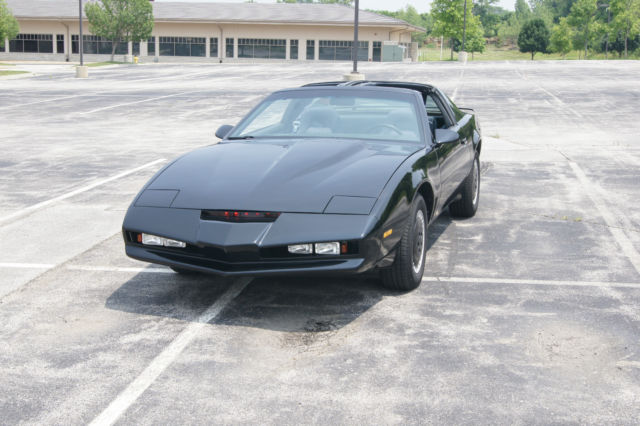
3. 1982 Pontiac Firebird Trans Am From Knight Rider
Some television and movie vehicles become famous because of performance, while others become legends because of personality. The 1982 Pontiac Firebird Trans Am from Knight Rider belongs firmly in the second category.
What made this car unforgettable was not just its appearance, but the idea that the car itself was an intelligent partner rather than just a machine.
The third generation Firebird introduced a completely new design language compared to the muscular shapes of the 1970s.
Pontiac moved toward a more aerodynamic and technical appearance, giving the car a futuristic identity that fit perfectly with the technology driven storyline of the show. The low nose, hidden headlights, and sharp body lines gave it a visual identity that still feels distinctive today.
The television version known as KITT included fictional technology such as artificial intelligence, voice interaction, scanning lights, and autonomous driving capabilities.
While those features were fantasy, the base vehicle underneath was a real production Trans Am that can still be purchased today. This is what makes it attractive to collectors who want a recognizable screen car without needing museum level money.
Unlike some collector vehicles that require preservation above all else, the Firebird often invites personalization. Many buyers specifically search for cars they can convert into KITT replicas.
This has created a unique subculture where owners focus on interior electronics, dashboard recreations, and exterior lighting modifications. The experience becomes part restoration project and part creative build.
The mechanical side of ownership reflects typical early 1980s American engineering. Engine options were more focused on efficiency than raw horsepower due to emissions regulations of the period.
Because of this, buyers today sometimes upgrade engines for improved performance while keeping the exterior appearance authentic. This creates a balance between historical accuracy and modern usability.
From a financial perspective, the Firebird remains one of the more approachable Hollywood associated vehicles. Values depend heavily on condition and originality, but standard examples remain within reach of average collectors.
Screen accurate replicas can cost more depending on build quality, but they still remain far more accessible than many other famous entertainment vehicles.
Finding a good example requires attention to structural integrity. Areas such as floor pans, rear hatch sections, and suspension mounting points should be checked carefully.
Interiors also deserve attention because plastic components from this era can become brittle with age. A well preserved interior significantly increases long term value.
Driving a Firebird Trans Am today offers a completely different feeling compared to modern performance cars. The steering feel, seating position, and cabin layout remind drivers that this was a transitional period in automotive design. Analog gauges mix with early digital elements, giving the car a unique period correct atmosphere.
One interesting aspect of Firebird ownership is how recognizable it remains even among younger generations. The Knight Rider connection continues to introduce the car to new audiences through reruns and streaming platforms. This ongoing exposure helps maintain interest and keeps the car culturally relevant.
Community support also makes ownership easier. Dedicated Firebird clubs and online forums provide restoration guides, reproduction parts information, and technical discussions. This shared knowledge base makes it much easier for new buyers to enter ownership confidently.
For someone looking for a movie or television connected vehicle that offers both nostalgia and customization potential, the 1982 Firebird Trans Am stands out. It offers a different kind of ownership journey compared to more preservation focused classics because it encourages creativity as much as authenticity.
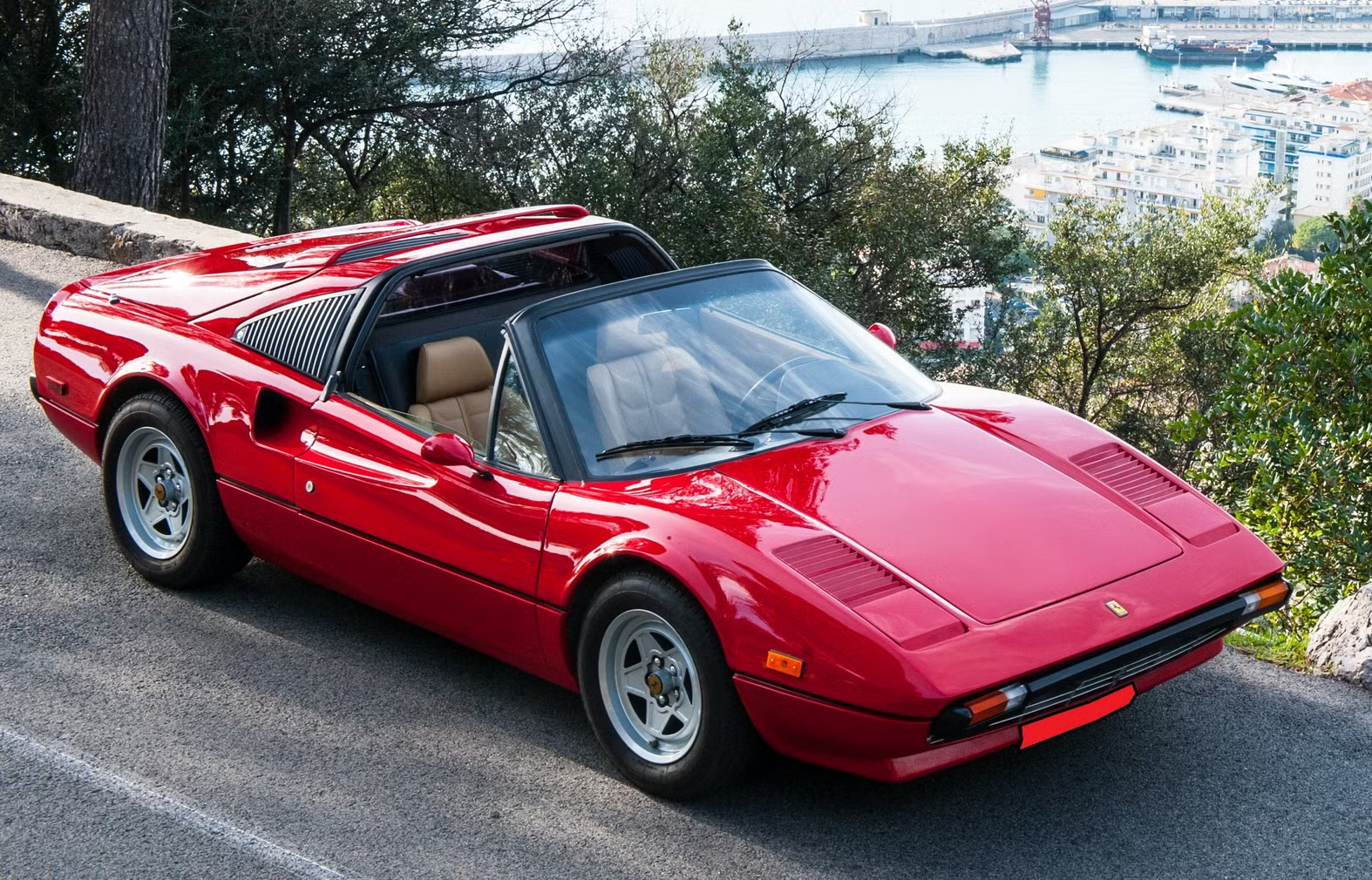
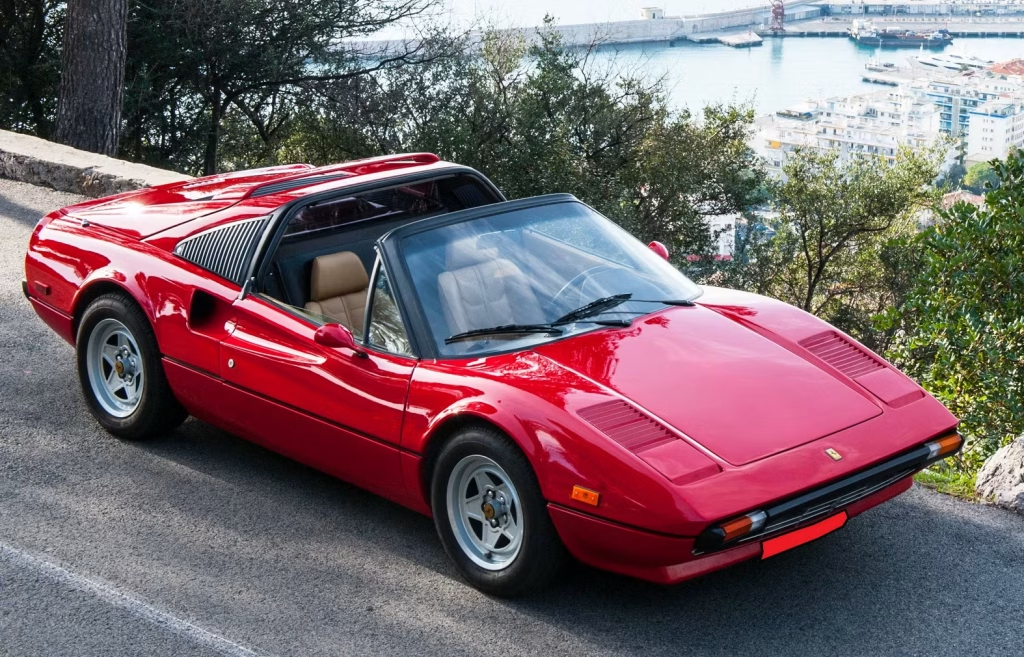
4. 1984 Ferrari 308 GTS From Magnum P.I.
Some movie and television cars represent fantasy, while others represent aspiration. The Ferrari 308 GTS from Magnum P.I. belongs to the second category because it symbolized success, lifestyle, and exotic performance in a way that felt both glamorous and believable. It showed viewers that cars could represent achievement as much as transportation.
During the 1980s, Ferrari was building a global reputation for combining racing heritage with road car excitement. The 308 GTS perfectly represented this philosophy.
With its mid engine layout, sharp Italian styling, and removable roof panel, it offered both performance credentials and visual drama. Its appearance in the series helped introduce Ferrari ownership dreams to a much wider audience.
Unlike mass produced American movie cars, the Ferrari enters a very different ownership category. Buying one requires more preparation, more research, and more financial commitment. However, it remains one of the more attainable entry points into vintage Ferrari ownership compared to rarer limited production models.
What separates Ferrari ownership from typical classic cars is the maintenance philosophy. Preventive servicing becomes more important than reactive repair.
Timing belt services, cooling system maintenance, and proper storage conditions are all essential. Buyers who understand this responsibility usually find the experience rewarding rather than stressful.
Driving experience is where the 308 GTS justifies its reputation. The sound of the naturally aspirated V8, the gated manual transmission feel, and the direct steering response create an immersive mechanical connection. It feels purposeful rather than comfortable, which is exactly what many collectors want from an exotic car of this era.
Interior design reflects traditional Italian sports car priorities. The cabin focuses on the driver, with clear instrumentation and minimal distraction. Visibility can feel tight compared to modern cars, but this contributes to the sense of occasion every time the car is driven.
Market values for the Ferrari 308 have shown steady interest rather than explosive speculation. This stability has made it attractive for collectors who want enjoyment without extreme volatility. Documentation, service history, and originality remain major factors affecting price.
Another important ownership factor involves specialist knowledge. Unlike more common classics, Ferrari maintenance often benefits from experienced technicians familiar with the brand. Fortunately, global interest in vintage Ferraris means knowledge networks are much stronger today than they were decades ago.
The Magnum P.I. connection adds a storytelling dimension to ownership. Even people unfamiliar with technical Ferrari details often recognize the car from its television appearances. That cultural recognition adds intangible value that goes beyond specifications or performance numbers.
Ownership also tends to be more lifestyle oriented. Ferrari events, classic rallies, and enthusiast gatherings provide social opportunities that differ from traditional car shows. For many owners, the network becomes as important as the vehicle itself.
The Ferrari 308 GTS represents a completely different path compared to other movie cars on this list. It is less about accessibility and more about entering the world of vintage exotic ownership. For the right buyer, it delivers a combination of heritage, engineering character, and cultural recognition that few 1980s vehicles can match.
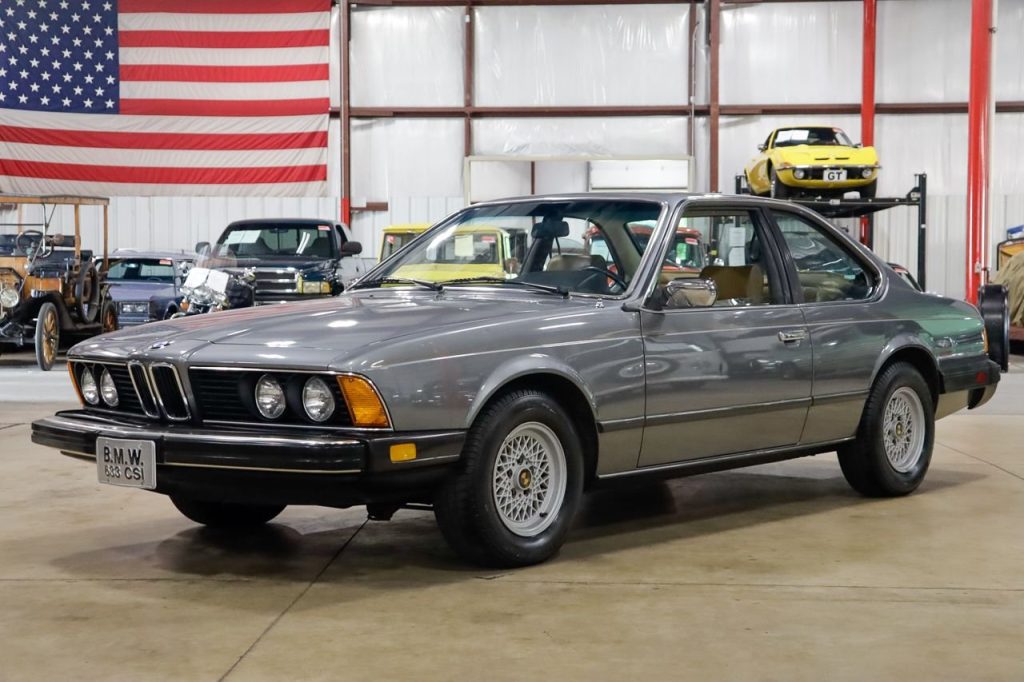
5. 1980 BMW 633 CSi From Risky Business
Not every memorable movie car needs aggressive styling or extreme performance credentials. Sometimes a vehicle becomes iconic because it perfectly matches the tone of a film and the personality of its characters.
The 1980 BMW 633 CSi from Risky Business represents that quieter kind of automotive fame, where sophistication and presence mattered more than outright speed.
BMW designed the E24 6 Series to be a grand touring coupe rather than a pure sports car. Its purpose was to combine long distance comfort with confident performance and executive styling.
The long hood, clean side profile, and driver focused cockpit gave the car a mature personality that contrasted sharply with the flashier sports cars of the same era.
In the film, the BMW played a symbolic role. It represented responsibility, status, and the risks associated with youth and privilege. Unlike cars that serve as fantasy machines, this one felt believable. It was the kind of car a successful professional might actually own, which made its role in the story feel more grounded and realistic.
From a collector perspective, the 633 CSi remains somewhat of a hidden opportunity. While BMW enthusiasts respect the E24 generation, it has not reached the extreme price levels of some M division models.
This creates an interesting situation where buyers can still enter classic European ownership without facing the financial pressure of higher profile collector vehicles.
One of the strongest advantages of this BMW is its engineering philosophy. German design from this era emphasized durability and balance. The inline six engine is known for smooth operation and long service life when properly maintained. This gives the car a reputation for mechanical integrity rather than fragile exotic behavior.
Ownership tends to attract a different type of enthusiast compared to American muscle or Italian exotics. BMW collectors often focus on driving feel, chassis balance, and engineering detail.
The car rewards smooth inputs and thoughtful driving rather than aggressive behavior. This creates a very different emotional connection compared to louder performance focused classics.
Restoration priorities usually center on preserving the driving experience. Suspension refreshes, brake system updates, and proper engine tuning often deliver more noticeable improvements than cosmetic restoration alone. Because of this, many owners focus first on mechanical condition before appearance.
Interior preservation also plays a major role in value. BMW interiors from this era featured high quality materials, but sun exposure and age can affect dashboards and leather surfaces. Finding well preserved interiors or properly restored examples makes a significant difference in long term collectibility.
Another interesting ownership aspect is usability. Compared to some movie associated cars, the BMW can function surprisingly well as a regular weekend driver. It offers better ride comfort than many sports cars of the period, making it suitable for longer drives and touring events. This practical side makes ownership feel less ceremonial and more natural.
Market awareness of the E24 platform has been gradually increasing. As more collectors search for analog driving experiences, interest in well maintained examples continues to grow. This does not necessarily mean prices will skyrocket, but it does suggest that appreciation for the model is becoming more widespread.
The Risky Business connection adds a subtle but important layer of recognition. It may not be as instantly associated with the film as some other vehicles are with their movies, but enthusiasts who know the story appreciate the connection. This gives the car a kind of understated celebrity status rather than obvious fame.
Choosing a 633 CSi today often reflects thoughtful collecting rather than impulse buying. It appeals to buyers who appreciate balance, history, and engineering rather than pure hype. That makes it one of the more intellectually appreciated cars among 1980s film connected vehicles.
In the end, the BMW 633 CSi shows that movie cars do not always need dramatic modifications or science fiction appeal to matter. Sometimes a well chosen production car with the right presence can leave just as lasting an impression.
The 1980s created a unique moment where cars and entertainment became deeply connected. Vehicles were no longer just transportation tools appearing briefly in the background.
They became storytelling devices, personality extensions, and in some cases symbols that defined entire films. What makes these particular five cars interesting is that they represent completely different approaches to automotive identity.
The DeLorean represents imagination and design boldness. It shows how unusual styling can turn an ordinary production car into a permanent cultural artifact. Its value today comes as much from emotional recognition as from rarity.
The Ford Mustang GT represents accessibility and relatability. It demonstrates how a widely available performance car can gain long term recognition simply by being part of a meaningful story. Its continued affordability compared to other movie cars makes it especially appealing for first time collectors.
The Pontiac Firebird Trans Am highlights how television exposure can be just as powerful as film appearances. Its connection to technology themes and customization culture gives it a completely different ownership experience focused on creativity and personalization.
The Ferrari 308 GTS shows the aspirational side of movie cars. It represents the dream of exotic ownership and the idea that cars can symbolize achievement. Even decades later, it continues to offer an authentic vintage supercar experience.
The BMW 633 CSi demonstrates that subtlety can be just as powerful as spectacle. Its role shows how the right car can support a story through atmosphere rather than action. This gives it a different kind of respect among enthusiasts who value engineering depth.
Together, these five cars prove that movie vehicles do not follow a single formula. Some became famous because they looked futuristic. Others became icons because they felt realistic. Some became collectibles because they were rare, while others became popular because they were attainable.
For modern buyers, the most important lesson is that owning a movie era car is still possible without celebrity level budgets. With careful research, patience, and realistic expectations, enthusiasts can still find examples connected to automotive film history.
These vehicles also show that the best collector cars are not always defined by horsepower or price. Sometimes the real value comes from the stories they carry, the memories they represent, and the way they connect generations of enthusiasts.
Owning one is not just about having an old car. It is about preserving a small piece of cultural history that continues to inspire automotive passion even today.
Also Read: 10 Used Luxury Cars With Surprisingly Simple Mechanical Layouts
