

Fuel tank placement is one of the least discussed aspects of classic car engineering, yet it reveals a great deal about how manufacturers approached safety, packaging, performance, and innovation during different automotive eras.
While modern vehicles tend to follow predictable layouts with fuel tanks mounted safely ahead of the rear axle and protected by structural reinforcements, earlier decades saw a surprising amount of experimentation.
Engineers were often balancing limited space, evolving safety standards, and unique design priorities, which sometimes resulted in unusual and creative fuel tank locations.
During the classic car era, particularly between the 1950s and 1980s, manufacturers did not always follow the standardized safety philosophies we see today.
Some placed fuel tanks behind license plates, others integrated them vertically behind seats, while a few positioned them in areas that would later be considered unconventional or even controversial.
These choices were rarely random. They were often influenced by trunk space requirements, weight distribution goals, convertible packaging limitations, or styling decisions.
What makes these designs interesting today is not just their engineering creativity but how they reflect the mindset of their time. Some designs prioritized convenience, allowing easier refueling. Others attempted to improve vehicle balance for performance driving.
A few were simply the result of space limitations in compact vehicles. Regardless of the reason, these unusual placements now serve as historical case studies in how automotive design has evolved.
Collectors today often find these design quirks fascinating because they show how differently problems were solved before modern regulations shaped car architecture. For restorers, unusual fuel tank positions can also present unique challenges involving parts sourcing, corrosion repair, and safety upgrades.
This list explores five classic cars that stood out because of their unconventional fuel tank placement. Each example reflects a different engineering reason and a different automotive philosophy. Some designs were clever solutions to packaging problems, while others became lessons that influenced future safety improvements.
These vehicles remind us that even something as simple as a fuel tank can tell a much larger story about innovation, compromise, and automotive progress.
Also Read: Top 10 Classic Engines Known for Their Unique Exhaust Notes
1. 1971 Ford Pinto
The Ford Pinto remains one of the most discussed examples of unusual fuel tank placement in automotive history. Unlike most vehicles that positioned the fuel tank ahead of the rear axle or protected within the chassis structure, the Pinto placed its fuel tank behind the rear axle and relatively close to the rear bumper.
This decision would later become one of the most analyzed engineering choices of the 1970s automotive industry.
Understanding this design requires looking at the context of the time. Ford was under pressure to produce a lightweight, affordable compact car to compete with growing imports.
The company worked under aggressive development timelines, which influenced how packaging decisions were made. Engineers needed to maximize interior and cargo space within very tight dimensional constraints, and placing the fuel tank in the rear allowed for a simpler overall layout.
From a purely packaging perspective, the decision offered advantages. It allowed a flatter trunk floor and simplified fuel filler routing.
It also reduced manufacturing complexity because fewer structural modifications were required in the center of the car. However, what looked efficient on paper would later become controversial when rear impact safety became a larger public concern.
The Pinto became widely known because this placement made the fuel tank more vulnerable in certain types of rear collisions. While many small cars of the era had similar layouts, the Pinto became the focal point of safety debates that would eventually lead to major changes in automotive fuel system safety standards.
From a historical viewpoint, the Pinto represents a turning point rather than just a design flaw. It forced the industry to take a more serious look at crash protection for fuel systems.
Later design changes across the industry would include reinforced tank mounting, better shielding, and safer filler neck designs. In this way, the Pinto indirectly contributed to improved safety engineering across the automotive world.
For collectors today, the Pinto has an unusual reputation. For many years it was overlooked, but interest in survivor examples has grown as enthusiasts begin to appreciate it as a symbol of a transformative period in automotive regulation. It represents a learning chapter in engineering history rather than just a controversial product.

Restoring one requires careful inspection of the rear structure and fuel system components. Because of the car’s reputation, many surviving examples have already received reinforcement updates or modifications. Buyers often look for cars with documented improvements or well maintained original systems.
Driving a Pinto today offers a reminder of how much small car design has evolved. The compact dimensions, light weight feel, and straightforward mechanical layout reflect a very different philosophy compared to modern compact vehicles filled with safety technology.
Another interesting aspect is how the Pinto has become an educational example in engineering courses. It is often discussed not only for its design but for how engineering decisions interact with corporate strategy, regulation, and public perception.
While it may never achieve the collector values of performance classics, the Pinto holds a unique place in automotive history.
Its unusual fuel tank placement made it one of the most studied compact cars ever built, ensuring that its legacy continues as a lesson in design evolution rather than just controversy.
2. Volkswagen Beetle (Pre 1968 Models)
The early Volkswagen Beetle approached fuel tank placement in a way that seems surprising when viewed through modern design expectations.
Instead of positioning the tank toward the rear like many rear engine vehicles might, Volkswagen placed the fuel tank in the front trunk area above the spare tire. This gave the car a layout that initially feels backwards to those unfamiliar with its engineering philosophy.
To understand this choice, it helps to first understand the Beetle’s overall architecture. With its air cooled engine mounted in the rear, the front of the car was left available for cargo and auxiliary components.
Engineers used this available space efficiently by placing the fuel tank in the front compartment. This was not just a convenience decision. It also helped balance the vehicle by adding some weight to the front axle, improving stability.
This layout also simplified the fuel delivery system. Because the tank sat higher than the carburetor, early Beetles were able to use gravity fed fuel delivery rather than relying entirely on fuel pumps.
This reduced mechanical complexity and improved reliability, which aligned with Volkswagen’s goal of building a simple and dependable people’s car.
Refueling also had a unique character in early models. Opening the front trunk revealed the fuel filler cap directly on the tank. Later designs would move the filler to the exterior, but the earlier approach reflected the simplicity focused design thinking that defined the Beetle’s early years.
From a restoration perspective, this placement introduces some unique considerations. Because the tank sits in a storage area, moisture exposure could sometimes lead to corrosion if seals were not maintained properly.
Restorers often inspect the tank interior carefully and may apply protective coatings to prevent rust contamination in the fuel system.
The design also created interesting safety discussions. While the front placement reduced some rear impact risks common to rear engine cars, it also required careful structural design to ensure protection in frontal collisions.
Over time, Volkswagen made incremental improvements to tank mounting and surrounding structure as safety expectations evolved.
Collectors often appreciate this design because it highlights the Beetle’s philosophy of intelligent simplicity. Rather than following conventional layouts, Volkswagen optimized the car around its rear engine configuration. Every major component was placed where it best supported the car’s overall concept rather than following industry norms.
Owning an early Beetle today often reveals how thoughtfully integrated the design really was. The unusual fuel tank placement becomes just one part of a larger story about efficiency driven engineering. It shows how unconventional layouts can become strengths when properly integrated into the overall vehicle design.
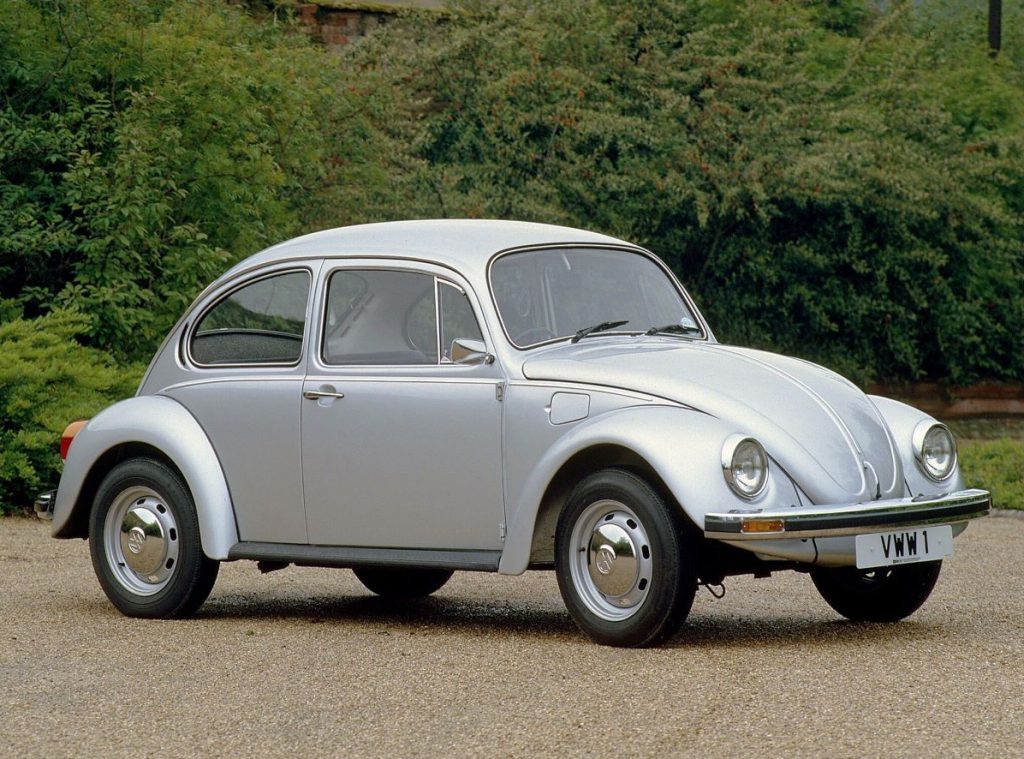
The Beetle’s global popularity also means parts availability remains strong. Replacement tanks, sending units, and fuel system components are widely reproduced. This makes maintaining the unusual layout much easier than it would be for more obscure classics.
Today, the Beetle is often used as an example of how alternative engineering layouts can succeed when they are consistent with the vehicle’s purpose. Its front mounted fuel tank may seem unusual at first glance, but within the context of its design, it becomes a logical and even elegant solution.
3. 1963 Chevrolet Corvette Sting Ray
Sports car engineering often forces designers to make unconventional decisions, and the 1963 Chevrolet Corvette Sting Ray demonstrates this perfectly through its distinctive fuel tank positioning.
Unlike many American cars of the period that focused mainly on comfort and space efficiency, the Sting Ray was designed with handling and weight distribution as major priorities. This influenced where engineers decided to place critical components, including the fuel tank.
Instead of simply positioning the tank in a traditional large trunk space, Chevrolet engineers worked around the Corvette’s independent rear suspension and low body profile.
The fuel tank was positioned in a more centralized rear compartment area, shaped carefully to work around the chassis and suspension geometry. This packaging solution required more engineering effort but helped preserve the car’s low center of gravity and balanced proportions.
The Sting Ray represented a philosophical shift for American sports cars. Chevrolet wanted the Corvette to compete more seriously with European performance machines. This meant thinking differently about how weight was distributed throughout the vehicle.
Fuel load changes can significantly affect balance, so thoughtful tank positioning was part of a broader performance strategy rather than just a packaging afterthought.
The unusual tank shape itself is worth mentioning. Rather than being a simple rectangular container, it was designed to fit within tight dimensional limits created by the car’s sculpted rear bodywork.
The famous split window coupe design of 1963 influenced interior and structural packaging decisions, which in turn affected how and where the fuel tank could be mounted.
Ownership today reveals how these design choices created both advantages and challenges. From a driving standpoint, the car feels more composed than many other American vehicles of its time.
While not solely because of fuel tank placement, the careful packaging of components contributes to the Corvette’s reputation for balanced handling compared to larger domestic cars of the era.
On the other hand, restoration work involving the fuel system can require more patience than with simpler cars. Access is more confined, and correct replacement tanks are important for maintaining originality. Corvette collectors often place strong emphasis on factory correct components, meaning reproduction accuracy becomes important.
Another interesting aspect is how this design reflects the transition of the Corvette from a stylish cruiser into a more serious performance machine.
Every packaging decision, including the fuel tank, reflects a growing focus on engineering credibility. The Sting Ray was not just designed to look fast. It was intended to behave like a true sports car.
Fuel tank safety considerations also evolved through this generation. Mounting security, filler routing, and ventilation design were all improved compared to earlier models. This shows how performance goals and safety improvements often develop together rather than separately.
Collectors often admire the 1963 model because it represents a technical milestone. The unusual fuel tank packaging is just one detail among many that demonstrate how much engineering effort went into making the car competitive internationally. For many enthusiasts, these hidden design decisions are just as interesting as the visible styling.
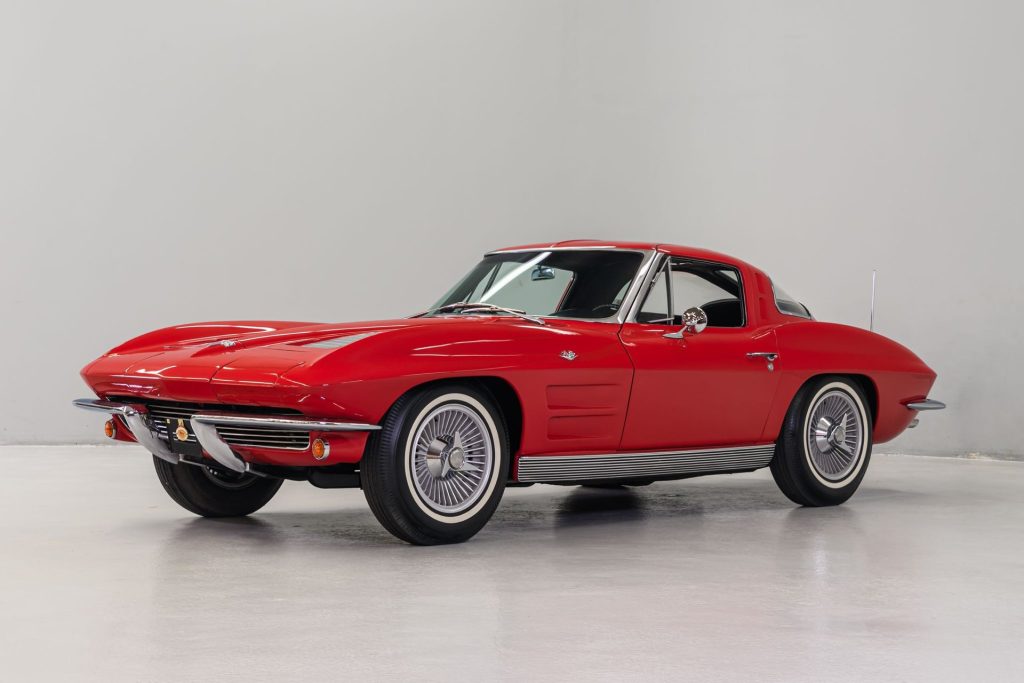
Driving one today provides insight into how sports car priorities began changing in the early 1960s. The car feels deliberate in its responses, reflecting the thoughtful placement of mass throughout the chassis.
While modern vehicles achieve this through computer simulation, the Corvette engineers achieved it through careful physical design choices.
The 1963 Corvette Sting Ray proves that unusual fuel tank placement is not always about compromise. Sometimes it is the result of ambitious engineering goals. In this case, the decision helped support a broader transformation that would eventually establish the Corvette as a legitimate global sports car competitor.
4. 1974 Jaguar XJ S
Luxury grand touring cars often hide their most interesting engineering decisions beneath elegant bodywork, and the Jaguar XJ S provides a fascinating example. Instead of using a single conventional fuel tank, Jaguar engineers designed the car with dual fuel tanks mounted within the rear fender areas.
This unusual approach reflected the challenges of combining long distance touring capability with sleek styling and a large V12 engine.
The decision to use two tanks instead of one large central unit came from packaging necessity. The XJ S featured complex rear suspension geometry and a relatively low trunk floor. Rather than sacrificing cargo space or raising the vehicle profile, Jaguar distributed fuel storage into two separate tanks positioned on either side of the rear structure.
This design brought several interesting characteristics. By distributing fuel weight across both sides of the car, engineers could maintain better lateral balance.
This mattered in a grand touring car designed for high speed highway travel. Stable weight distribution helps maintain predictable handling characteristics, especially when fuel levels change during long journeys.
The system also introduced a more complex fuel management setup. The car used a changeover valve system that allowed fuel to be drawn from one tank while monitoring levels in both.
Drivers could observe tank levels individually, which added a slightly technical dimension to the driving experience. This was not typical behavior for most cars of the time and added to the Jaguar’s sophisticated personality.
Maintenance of this system requires a different mindset compared to single tank cars. Owners must ensure both tanks remain clean and free from corrosion. Fuel changeover valves and connecting lines also require periodic inspection. While this adds complexity, it also gives the car a distinctive engineering identity that many enthusiasts appreciate.
Another reason Jaguar pursued this layout involved styling freedom. The long sweeping rear design of the XJ S would have been harder to achieve with a traditional large central tank.
By dividing the fuel storage, designers were able to preserve the elegant rear proportions without compromise. This shows how engineering sometimes adapts to design rather than the other way around.
From a collector viewpoint, this unusual system can actually enhance the car’s appeal. Enthusiasts often value cars that demonstrate unique solutions rather than conventional thinking. The dual tank system becomes a conversation point and an example of how Jaguar approached problems differently from many competitors.
Driving experience benefits from this design in subtle ways. The car maintains a planted feel even as fuel levels change. While most drivers may never consciously notice this, it reflects how thoughtful engineering can quietly improve refinement.
Restoration challenges usually involve ensuring both tanks are equally healthy. It is common for one tank to age differently depending on storage conditions or usage patterns. Careful inspection and sometimes professional cleaning are part of responsible ownership.
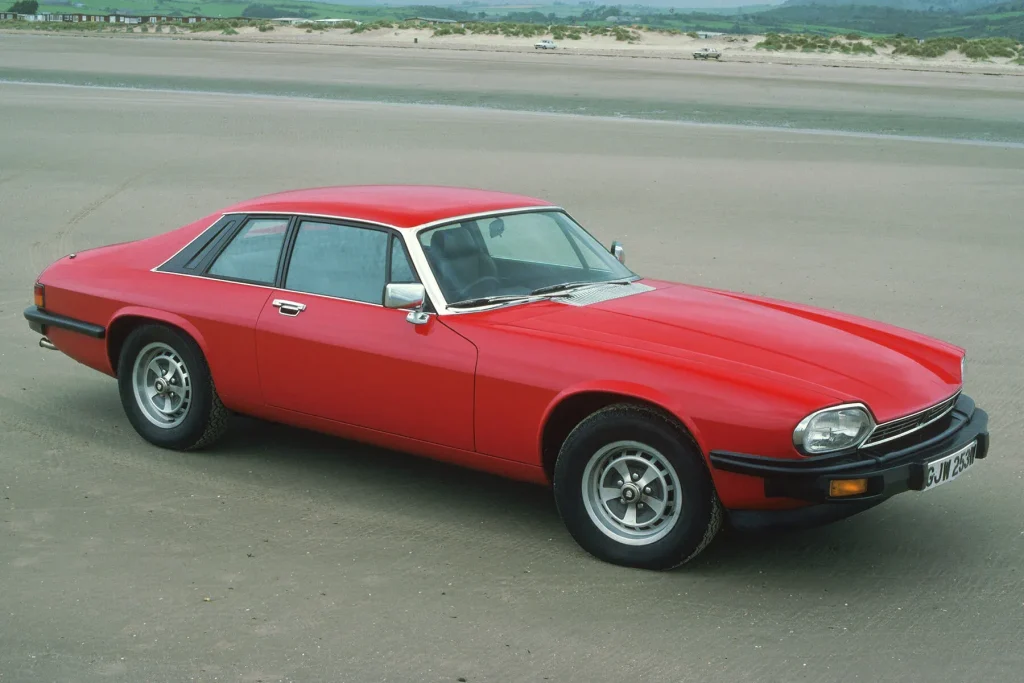
The Jaguar XJ S shows how unusual fuel tank placement is not always about necessity alone. In this case it also supported brand identity. Jaguar was known for combining engineering sophistication with visual elegance, and this solution supported both goals.
This car demonstrates that even hidden components like fuel tanks can reflect a manufacturer’s personality. The XJ S did not just transport fuel. It demonstrated how creative engineering could support luxury, balance, and design freedom at the same time.
5. 1955 Citroen DS
When the Citroen DS arrived in 1955, it did not just introduce futuristic styling. It completely challenged conventional thinking about how a car should be engineered.
Known for its hydropneumatic suspension, aerodynamic body, and advanced braking system, the DS also featured a fuel tank placement strategy that reflected Citroen’s obsession with balance and technical originality.
Unlike many cars of the 1950s that placed fuel tanks in simple rear trunk positions, Citroen carefully located the DS fuel tank to complement its advanced suspension and front wheel drive layout.
The tank was positioned low and toward the rear but integrated in a way that worked with the car’s unique structural floor design. This helped maintain the stability that the DS became famous for.
Understanding this placement requires understanding how different the DS really was. Citroen engineers approached the car as a complete engineering ecosystem rather than a collection of separate parts. The suspension could automatically adjust ride height.
The braking system used hydraulic pressure rather than traditional mechanical linkages. The steering emphasized smoothness over effort. Within this context, fuel placement was treated as part of the overall balance equation.
One key advantage of the DS fuel tank location was how it contributed to ride consistency. Because the car used self leveling suspension, Citroen wanted weight changes from fuel consumption to have minimal effect on vehicle attitude.
Placing the tank in a carefully calculated position helped the suspension system compensate smoothly as fuel levels changed.
Another unusual detail involved how the tank interacted with the DS body structure. The car used a semi monocoque platform with removable body panels. Engineers had to consider not only weight but also accessibility and structural harmony. The result was a placement that feels unconventional compared to typical body on frame designs of the same era.
For collectors today, DS fuel systems require a restoration approach different from many classic cars. Because the car used advanced materials and complex hydraulic integration, fuel system maintenance often goes hand in hand with suspension system checks. This makes the DS more of a technical preservation project than a simple cosmetic restoration.

Driving a DS today highlights why these engineering decisions mattered. The car glides over rough surfaces in a way few vintage vehicles can match. While the suspension receives most of the credit, balanced weight distribution including fuel placement plays a supporting role in this refined driving character.
The Citroen philosophy also considered safety in a progressive way for the time. Engineers attempted to position major mechanical components away from likely impact zones. While not modern by today’s standards, the thinking showed early awareness of how component placement affects crash behavior.
The DS also reveals how unusual engineering sometimes requires unusual ownership commitment. Parts availability is good through specialist networks, but owners often need to learn the car’s systems in greater depth than with simpler classics. This learning process becomes part of the ownership experience rather than a drawback.
Enthusiasts often describe DS ownership as more similar to maintaining a piece of industrial design history than simply owning an old vehicle. Every component reflects intentional thinking. Even the fuel tank placement reflects a desire to rethink established norms.
Market interest in the DS continues to grow because collectors increasingly value engineering innovation alongside styling. The unusual fuel tank positioning may not be visible, but it forms part of the deeper story that makes the car special.
The Citroen DS shows that unusual fuel tank placement can come from ambition rather than limitation. Instead of solving a space problem, Citroen used the opportunity to support a completely new way of thinking about how a car should behave.
Looking at these five vehicles together reveals something important about classic automotive engineering. Unusual fuel tank placement rarely happened by accident. Each example reflects a specific challenge, whether related to space limitations, performance ambitions, safety learning, or engineering creativity.
The Ford Pinto represents how cost pressure and rapid development sometimes produced solutions that later required reconsideration. Its story helped push the industry toward stronger fuel system safety awareness.
The Volkswagen Beetle demonstrates how unconventional layouts can become strengths when they are aligned with a car’s core design philosophy. Its front mounted tank supported both simplicity and balance.
The Corvette Sting Ray shows how performance engineering can influence even hidden component placement. Its fuel system design supported the transformation of the Corvette into a serious sports machine.
The Jaguar XJ S highlights how luxury engineering sometimes requires complex solutions. Its dual tank arrangement reflects a desire to combine elegance with long distance capability.
The Citroen DS proves that the most unusual solutions often come from the most ambitious engineering programs. Its carefully considered fuel placement supported one of the most advanced ride systems of its time.
Another interesting takeaway is how these designs influenced later automotive standards. Some provided positive examples of innovation. Others revealed risks that encouraged better safety regulations. Together they helped shape how modern vehicles approach fuel system protection.
For collectors and restorers, these unusual designs add depth to ownership. They turn routine maintenance into learning experiences and transform ordinary components into conversation topics. This is part of what makes classic car ownership different from modern vehicle ownership.
These cars also remind us that innovation is rarely linear. Progress often comes through experimentation. Some ideas succeed immediately. Others only show their value years later through the lessons they provide.
In the end, unusual fuel tank placement is not just a technical curiosity. It is evidence of how creatively engineers have always approached automotive design challenges. These five cars stand as reminders that even hidden components can tell fascinating stories about how the automobile evolved through decades of experimentation and improvement.
Also Read: Top 10 Best Vintage Cars for Driving in Hilly or Mountainous Areas
