
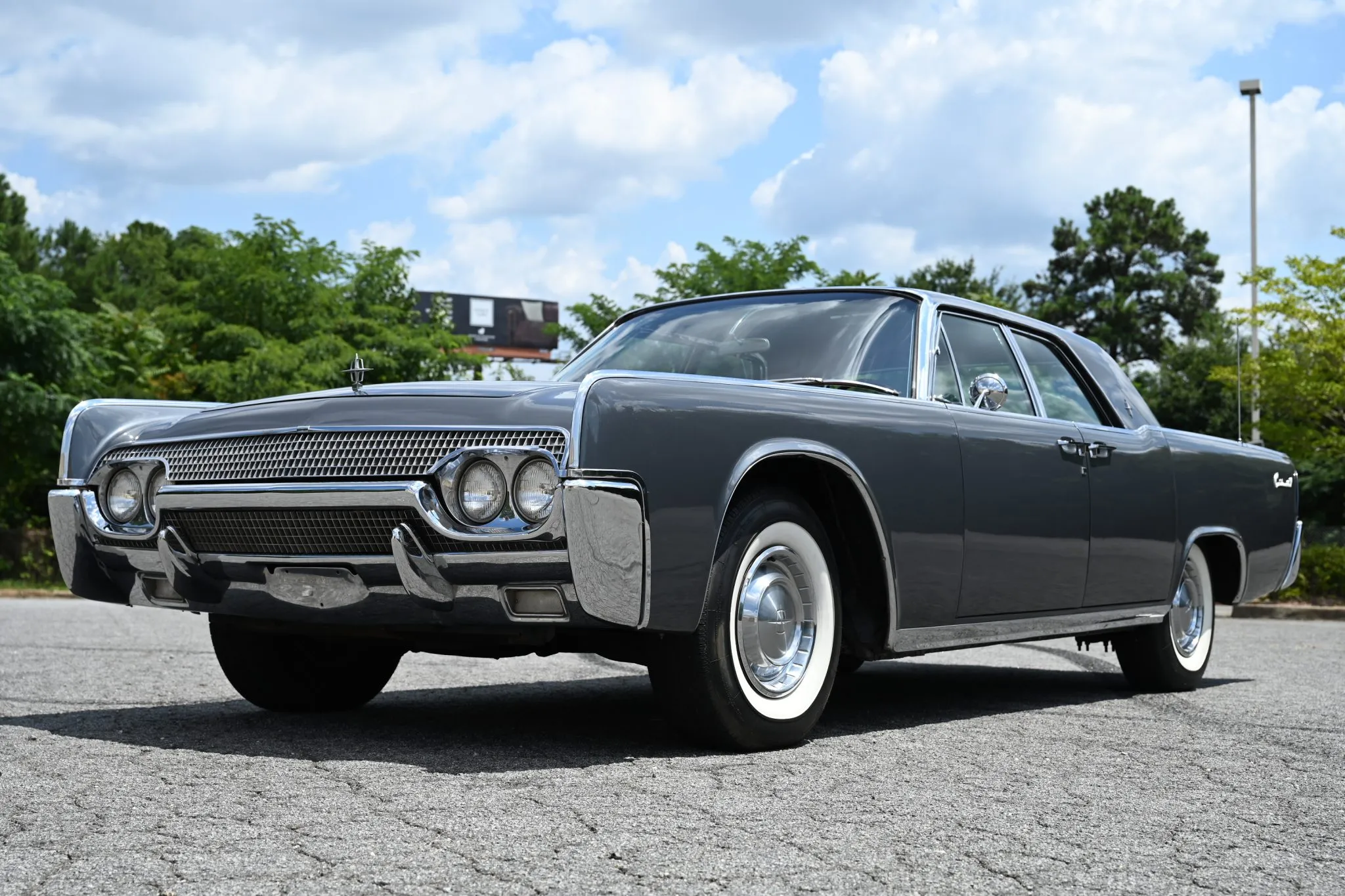
Classic cars were never designed with modern storage expectations in mind. Most vintage vehicles came from a time when drivers carried only basic tools, a spare tire, and perhaps a small emergency kit.
Today, classic car owners often travel farther, attend shows, or take weekend road trips, which means carrying extra tools, fluids, cleaning supplies, and safety equipment has become more practical than optional. The challenge is doing this without damaging originality or creating a cluttered trunk space.
Unlike modern vehicles with hidden compartments and modular cargo systems, classic trunks are usually simple open spaces with exposed metal, spare tires, and sometimes fragile original linings. This means storage solutions must be carefully planned.
Owners must think about weight distribution, preventing rattles, avoiding scratches, and keeping moisture away from important equipment. A poorly organized trunk can quickly become noisy, messy, and even unsafe during driving.
Another important consideration is preservation. Many collectors want storage solutions that do not require drilling, cutting, or permanently modifying the car.
Reversible storage methods are especially valued because they allow the vehicle to remain historically correct while still being practical for modern use. The best solutions usually combine creativity with respect for originality.
Organization also improves the ownership experience. When tools are easy to reach and properly protected, roadside repairs become less stressful.
Finding equipment quickly at night or during bad weather becomes much easier when everything has a designated place. Good storage planning also prevents heavy tools from shifting and damaging paint or interior trim.
Interestingly, many experienced collectors develop their own storage strategies over time. Some focus on period correct solutions that match the era of the car. Others prefer invisible modern storage methods that cannot be seen during shows. Both approaches can work well depending on how the owner uses the vehicle.
The following ideas explore six unique ways to store extra tools and gear inside a classic car trunk while maintaining order and protecting the vehicle. Each method focuses on practicality, preservation, and clever use of limited space.
Also Read: 6 Cars That Changed the Auto Industry Forever
1. Custom Fitted Wooden Tool Boards
One of the most visually satisfying ways to organize tools in a classic trunk is by creating a custom fitted wooden tool board. This method takes inspiration from vintage workshop shadow boards where every tool has a clearly defined position.
Instead of letting tools move freely inside a toolbox, this approach turns the trunk into a structured and organized storage environment.
The idea begins with measuring the available trunk floor or side wall space. A thin but strong wooden panel can then be cut to fit precisely within that area.
Owners often choose lightweight hardwood or quality plywood because it provides strength without adding unnecessary weight. The board can then be covered in carpet, vinyl, or felt that matches the trunk lining.
Tool placement becomes the most interesting part of this process. Each wrench, screwdriver, and small tool can be arranged in a logical order.
Owners sometimes trace the shape of each tool and install small clips or leather straps to hold them securely. This not only prevents movement but also creates a professional presentation that looks appropriate in a vintage vehicle.
Some enthusiasts take this idea further by using period correct materials. Brass fasteners, leather retaining straps, and fabric liners can make the board look like it could have been installed when the car was new. This is especially popular among concours level restorations where visual authenticity matters.
This system offers several practical advantages beyond appearance. Tools cannot collide with each other, which prevents wear and noise. It also allows quick visual checks. A missing tool becomes immediately obvious because its space is empty. This can be especially helpful after roadside repairs when it is easy to forget a small wrench in the dark.
Weight distribution can also be improved by mounting the board against the trunk wall rather than the floor. This leaves the main trunk area open for luggage while keeping tools accessible. Some owners even hinge the board so it can swing open, creating hidden storage behind it.
Another advantage is adaptability. The board can be removed without permanent changes to the vehicle. This makes it attractive for collectors who want improvements without reducing originality. If designed carefully, it can even be lifted out completely for shows.
Weather protection can also be incorporated. Applying protective coatings to the wood helps prevent moisture damage. Rubber backed coverings can reduce vibration and protect both tools and vehicle surfaces.
This approach requires planning and some craftsmanship, but the result often becomes a highlight of the trunk rather than just a storage solution. Visitors at car shows often appreciate seeing thoughtful organization rather than loose equipment.
A well designed tool board turns simple storage into a presentation feature. It reflects the same attention to detail that defines classic car ownership itself.
2. Vintage Style Leather Tool Rolls and Gear Wraps
Not every storage solution needs to involve fabrication or structural planning. Sometimes the most effective ideas come from older traditions that existed long before modern toolboxes became common.
Leather tool rolls represent one of the oldest and most elegant ways to store automotive tools, and they remain perfectly suited for classic car trunks.
The concept is simple but extremely effective. Instead of placing tools inside a rigid container, they are stored inside individual stitched pockets on a flexible leather sheet. The sheet is then rolled into a compact bundle and secured with straps. This keeps tools separated while also making them easy to transport.
One major advantage of this approach is flexibility. Unlike hard toolboxes, leather rolls can fit into irregular trunk spaces. They can be placed beside the spare tire, tucked into corners, or even stored inside period luggage. This makes them especially useful in small trunk compartments where every inch matters.
The material itself also offers benefits. Quality leather absorbs small vibrations and prevents metal to metal contact. This reduces rattling and protects tool finishes. Over time, the leather develops a patina that often looks more appropriate in a classic vehicle than modern plastic storage cases.
There is also a strong historical connection. Many classic European cars originally included tool rolls from the factory. Brands often supplied canvas or leather kits containing essential service tools. Using a similar storage method today maintains a strong period connection while improving organization.
Owners often separate tools by purpose. One roll may contain emergency repair tools. Another may hold electrical supplies such as fuses and connectors. A third could hold cleaning cloths and detailing brushes. This separation makes it easier to find what is needed quickly.
Protection from moisture can also be improved by placing silica packs inside the roll. This helps prevent rust formation on rarely used tools. Some collectors also lightly oil tools before storage for long trips.
Transport convenience is another overlooked benefit. When working on the car, the entire roll can be carried to the work area rather than making multiple trips to the trunk. Once opened, every tool is visible at once, which saves time during repairs.
Aesthetic value also plays a role. A well made leather roll simply looks appropriate in a vintage vehicle. It matches the character of older interiors and avoids the visual disruption of modern storage materials.
Maintenance is simple. Occasional leather conditioning keeps the material flexible and prevents cracking. Unlike plastic containers that can become brittle, a well maintained leather roll can last decades.
This method shows how sometimes the best solutions already existed in the past. Instead of reinventing storage, owners can borrow ideas from the same era as their vehicles. The result feels natural rather than added later.
3. Hidden Spare Tire Compartment Conversions
Some of the most effective storage ideas are the ones that are not immediately visible. Many classic cars already contain unused space around the spare tire well, yet this area often remains underutilized. With careful planning, this space can be turned into one of the safest and most discreet tool storage locations in the entire vehicle.
The concept focuses on using the vertical depth or surrounding edges of the spare tire cavity. Instead of simply placing the tire into an empty well, owners can create structured layers around it. Thin compartment rings made from lightweight board or aluminum can sit around the tire edge, creating a circular storage shelf that does not interfere with the tire itself.
Some restorers create removable platforms that sit just above the spare tire. These platforms can be carpet covered so they appear factory correct while hiding small storage compartments underneath. Items such as belts, spark plugs, relays, and compact hand tools can be placed here without affecting the visible trunk appearance.
Another interesting approach involves dividing the tire well into zones. Foam inserts can be cut to hold tire inflators, tow straps, gloves, and small emergency kits.
Because foam can be shaped precisely, it prevents items from shifting while also protecting delicate equipment. This approach works particularly well for owners who frequently travel long distances.
There is also a safety benefit to this storage location. Tools placed low in the vehicle reduce the center of gravity compared to items stored higher in the trunk. This can slightly reduce movement during cornering and braking. While the difference may be small, thoughtful owners often appreciate any improvement in stability.
Moisture protection is especially important in this area. Since spare tire wells can collect condensation, many owners add thin rubber liners or drainage mats. These help prevent rust on both tools and body panels. Some also include small ventilation gaps to prevent trapped humidity.
Accessibility planning makes a big difference. Frequently used tools should be stored in the upper layer, while rarely needed items can sit deeper. This prevents the frustration of removing multiple layers just to reach a simple screwdriver.

Another benefit of this method is visual cleanliness. When the trunk is opened at a show, everything appears neat and original. Judges and enthusiasts often appreciate modifications that improve usability without being obvious.
Reversibility also matters. The best designs avoid drilling or permanent fasteners. Pressure fit panels or removable brackets allow everything to be returned to stock condition if desired. This protects collector value while still allowing practical improvements.
Some owners even document their layouts with small diagrams stored in the trunk. This may sound excessive, but it prevents confusion later and helps future caretakers understand the system.
This approach works especially well because it respects the original design rather than fighting it. Instead of adding visible storage, it improves what already exists. This makes it one of the most intelligent storage upgrades available.
Hidden storage often reflects thoughtful ownership. It shows that the owner understands both the mechanical and historical value of the vehicle.
4. Period Correct Suitcase Storage Systems
Sometimes the most creative storage solutions are also the most visually appealing. Using vintage suitcases or period style luggage as tool storage creates a solution that feels authentic rather than improvised. Instead of hiding tools, this method disguises them as travel accessories that match the era of the vehicle.
This idea works particularly well because classic cars often have trunk designs originally intended for travel bags rather than loose cargo. By selecting luggage that matches the decade of the vehicle, owners can create a storage system that looks intentional rather than added later.
Hard shell suitcases offer several advantages. They protect tools from impact while also preventing sharp edges from damaging trunk interiors. Fabric lined interiors can be modified with small dividers to separate tools, fluids, and spare parts. Some owners even add removable trays to create multiple layers inside a single case.
Soft leather travel bags provide a different approach. These allow slightly more flexibility and can fit unusual trunk shapes. Their softer sides also reduce vibration noise. Many owners prefer darker leather tones because they hide wear and match vintage trunk finishes.
Internal organization becomes the key to making this method effective. Small canvas pouches inside the suitcase can separate categories such as electrical parts, fasteners, and maintenance supplies. This prevents the problem of everything mixing together.
Security can also be improved. A locked suitcase adds a small layer of protection against theft during events or travel stops. While not a complete security solution, it adds peace of mind when tools are valuable or difficult to replace.
Another benefit involves portability. Instead of carrying loose items, the entire tool collection can be lifted out at once. This is useful during maintenance or when preparing for longer trips. Everything remains contained and organized.
Presentation value should not be underestimated. When the trunk is opened, a well chosen vintage suitcase often attracts positive attention. It enhances the period atmosphere of the vehicle and shows attention to detail beyond basic restoration.
Weight management should still be considered. Heavier tools should be placed at the bottom of the suitcase and positioned near the center of the trunk. This prevents movement and keeps the car balanced.
Some collectors go further by labeling cases subtly. Small leather tags or internal labels can identify contents without affecting the vintage appearance. This makes organization easier without creating a modern look.
Weather protection can be improved by choosing cases with good seals or adding internal moisture barriers. Even a simple cloth wrap around sensitive tools can make a difference.
This method succeeds because it blends function with style. Instead of making storage look like an afterthought, it turns it into part of the vehicle’s story.
5. Magnetic Mount Panels for Small Metal Tools
Creative storage does not always require large changes or visible additions. Sometimes small engineering ideas can completely change how efficiently a trunk functions. Magnetic mounting panels represent one of the most clever modern solutions that can still be used discreetly inside a classic vehicle when applied carefully.
This approach focuses on securing frequently used metal tools using strong rubber coated magnetic strips or panels mounted to removable boards. Instead of placing small wrenches, pliers, or tire gauges inside boxes, they can be secured flat against a vertical surface where they remain visible and instantly accessible.
The biggest advantage of this system is speed. When a quick roadside adjustment is needed, small tools can be removed in seconds without searching through containers. This can make a noticeable difference during emergencies or night repairs where time matters.
Installation must be done thoughtfully to respect originality. Most owners attach magnetic strips to removable carpet panels or wooden inserts rather than directly to the vehicle body. This allows the entire setup to be removed without leaving any marks. Preservation minded collectors often consider this essential.
Another benefit involves noise reduction. Because each tool is held individually, there is no contact between metal surfaces. This eliminates the common problem of rattling sounds from loose equipment. The rubber coating on many magnetic strips also adds a protective layer that prevents scratches.
Some owners create categorized zones. One section may hold tire related tools. Another may hold electrical repair items. A third could hold general adjustment tools. This structured layout improves efficiency and reduces frustration during repairs.
Safety must also be considered. Only lighter tools should be mounted this way. Heavier items should still be stored in more secure compartments. The goal is to improve access rather than replace all storage systems.
Weather resistance can be improved by choosing corrosion resistant magnetic materials. Occasional cleaning also prevents dust buildup which can weaken holding strength over time.
Creative owners sometimes hide magnetic panels behind trunk liners. By cutting access flaps, tools can be stored behind panels while remaining invisible during shows. This provides modern efficiency without changing visual authenticity.
Another overlooked advantage involves inspection. A quick glance confirms whether essential tools are present before a trip. This reduces the risk of discovering missing equipment when it is already needed.
The concept may sound modern, but the philosophy is timeless. Organized access has always been part of good mechanical practice. This method simply adapts that principle to the limited space of a vintage trunk.
When done carefully, magnetic storage can feel almost invisible. It improves functionality without changing the character of the vehicle.
6. Fold Down Trunk Lid Tool Organizers
One of the most underused areas in many classic trunks is the inside surface of the trunk lid itself. While most owners focus on the trunk floor, the vertical lid surface offers valuable unused space. With careful design, this area can become a highly efficient storage zone without affecting the main cargo area.
The basic idea involves installing a lightweight fabric or leather organizer panel that attaches to existing trunk lid structure points. These organizers can include stitched pockets sized for screwdrivers, gloves, small flashlights, and measuring tools. When the trunk is closed, everything remains flat and secure.
This design works particularly well because it uses vertical space instead of competing with luggage or spare parts. Owners who travel to shows often appreciate having more usable trunk floor area while still carrying essential equipment.
Material selection becomes important. Period correct fabrics such as canvas or vinyl often look more appropriate than modern synthetics. Some owners even match the organizer color to the original trunk lining so the addition appears factory inspired.
Attachment methods must be gentle. Many collectors use existing fastener locations or pressure mounted brackets. Avoiding new holes helps preserve originality and allows removal if needed.
Accessibility is where this system really shines. When the trunk is open, tools are presented at eye level rather than buried under other items. This improves efficiency and reduces the need to move luggage during simple repairs.
Weight planning remains important. Only lighter items should be stored in lid organizers to prevent strain on hinges. Items such as cloths, light hand tools, and inspection lights work well.
Another interesting benefit involves cleanliness. Keeping tools elevated prevents contact with dirt or moisture that may collect on trunk floors. This helps protect both the equipment and the vehicle interior.
Some owners incorporate documentation pockets. These can hold wiring diagrams, registration copies, or maintenance notes. Having this information available during events or repairs can be surprisingly useful.
Presentation is another advantage. A well made organizer can look like a thoughtful factory accessory rather than a modification. Enthusiasts often appreciate additions that show careful planning rather than random storage.
Long term durability can be improved by reinforcing pocket edges and using strong stitching. Because trunk lids move frequently, materials must handle vibration without stretching.
This storage idea works because it recognizes unused opportunity. Instead of adding bulk, it simply uses space that was always available but rarely considered.
Classic car ownership often involves balancing authenticity with practicality. Carrying extra tools and supplies has become more important as owners drive their vehicles more actively, yet maintaining originality remains equally important. The best storage solutions succeed because they respect both needs rather than choosing one over the other.
The six methods discussed here demonstrate different philosophies. Custom wooden tool boards focus on precision and presentation. Leather tool rolls highlight tradition and portability.
Spare tire compartment conversions emphasize hidden efficiency. Vintage suitcase storage blends style with function. Magnetic panels improve quick access. Trunk lid organizers take advantage of unused space.
What connects all these ideas is thoughtful planning. None depend on random placement or temporary fixes. Each method shows how careful organization improves not just storage but the entire ownership experience.
Another important lesson is that storage should match how the car is used. A weekend show vehicle may only need basic emergency tools. A long distance touring classic may require a more complete equipment set. Understanding this difference helps owners avoid carrying unnecessary weight.
Protection also remains a central theme. Preventing movement, moisture exposure, and surface damage protects both the tools and the vehicle itself. Small details such as padding, material choice, and placement often make the biggest difference.
These strategies also highlight how classic car culture values craftsmanship. Many owners enjoy building their own solutions because it strengthens their connection to the vehicle. Organization becomes part of the hobby rather than just preparation.
Good storage also reflects good mechanical thinking. Prepared owners tend to experience fewer problems because they can respond quickly to small issues before they become serious.
In the end, trunk organization is not really about tools. It is about respect for the vehicle, preparation for the unexpected, and pride in ownership habits.
A well organized trunk often tells you as much about an owner as the condition of the car itself.
Also Read: Top 10 Weirdest Engine Layouts That Actually Made it to Production
