
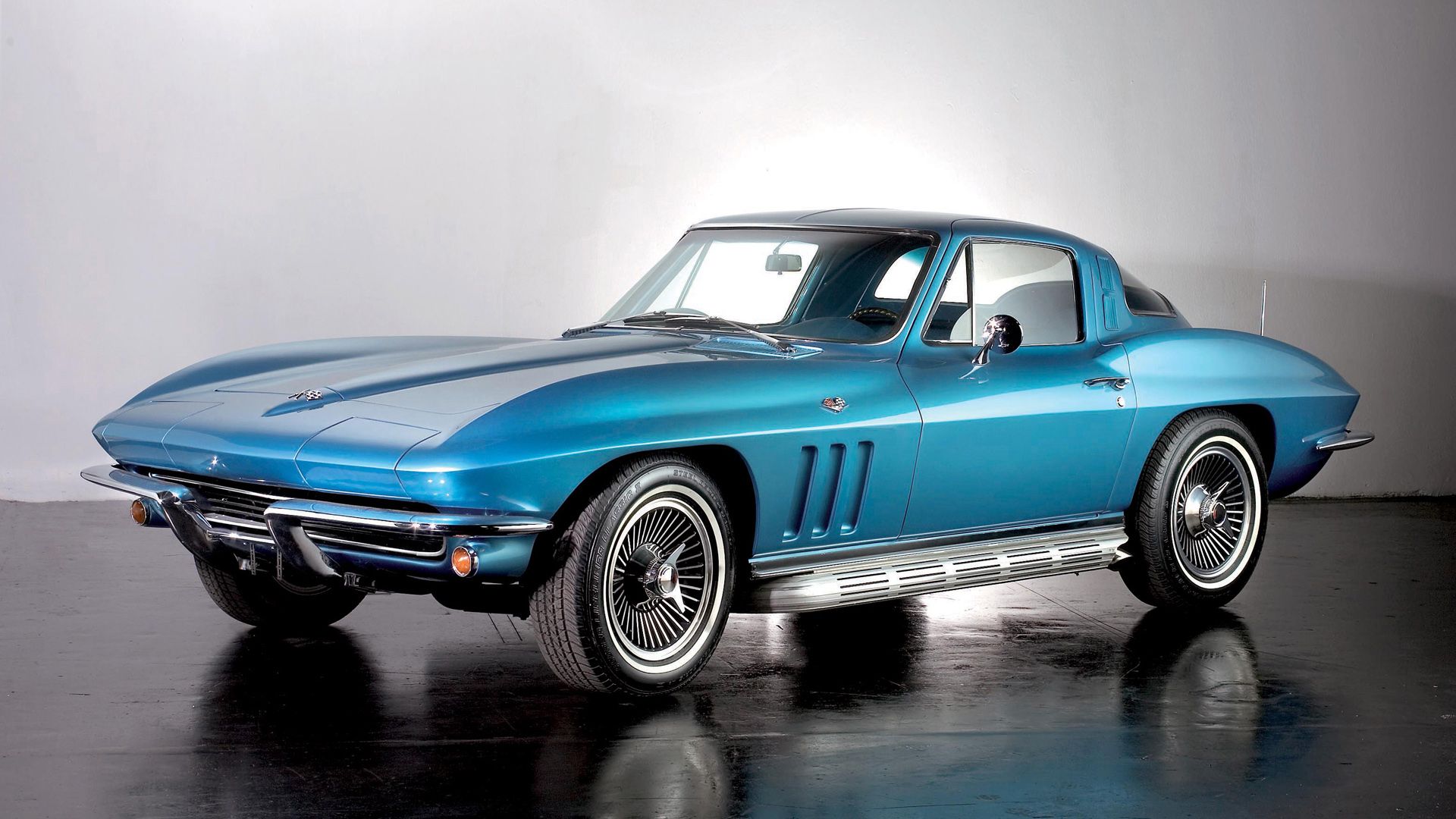
The 1960s was one of the most transformative decades in automotive engineering, especially when it came to suspension design. As performance expectations increased and highways improved, manufacturers were forced to rethink how cars handled stability, cornering, and ride comfort.
Two suspension layouts that clearly highlight this engineering evolution are swing axles and independent rear suspension systems. Both designs aimed to solve the same problem but approached it in very different ways.
Swing axles were a continuation of earlier engineering philosophy, focusing on simplicity, cost effectiveness, and compact packaging.
Many manufacturers continued using them because they were proven, easy to maintain, and worked well for everyday driving. However, as speeds increased, their handling limitations became more noticeable, especially during aggressive cornering.
At the same time, independent rear suspension began appearing in more ambitious designs. This system allowed each rear wheel to react independently to road conditions, improving grip, stability, and comfort. Though more expensive and complex, it represented the direction performance engineering was heading.
Looking at cars that used these two different systems helps us understand how automakers balanced cost, innovation, and driving experience. Some relied on tradition while others pushed toward modern handling concepts.
This comparison is not just about suspension types. It is about how engineering priorities shaped some of the most memorable cars of the decade.
Also Read: 6 Unique Ways to Store Extra Tools and Gear in a Classic Trunk
5 Iconic 1960s Cars With Swing Axles
Swing axle suspension remained relevant during the 1960s mainly because it represented durability and manufacturing efficiency.
At a time when many companies were balancing innovation with affordability, this system allowed them to build reliable cars without dramatically increasing production complexity. It was especially popular among European manufacturers who valued lightweight construction and mechanical simplicity.
Despite its limitations, the swing axle system worked well for normal driving conditions. For city use and moderate highway cruising, it provided acceptable ride comfort and predictable behavior.
Engineers often tuned springs and dampers carefully to compensate for its geometric drawbacks. Because of this, some manufacturers managed to create surprisingly enjoyable driving experiences even with this older design.
These cars are worth discussing because they represent an important transitional phase in engineering history. They show how automakers extended the life of existing technology while the industry slowly moved toward more advanced solutions.
Each example selected here demonstrates a different reason why swing axles remained in production, whether for affordability, packaging advantages, or brand engineering philosophy.
Another important reason to study these vehicles is that they influenced later suspension improvements. Their strengths and weaknesses helped engineers understand the importance of camber control and wheel articulation.
The following five cars were chosen because each tells a different engineering story rather than repeating the same narrative.
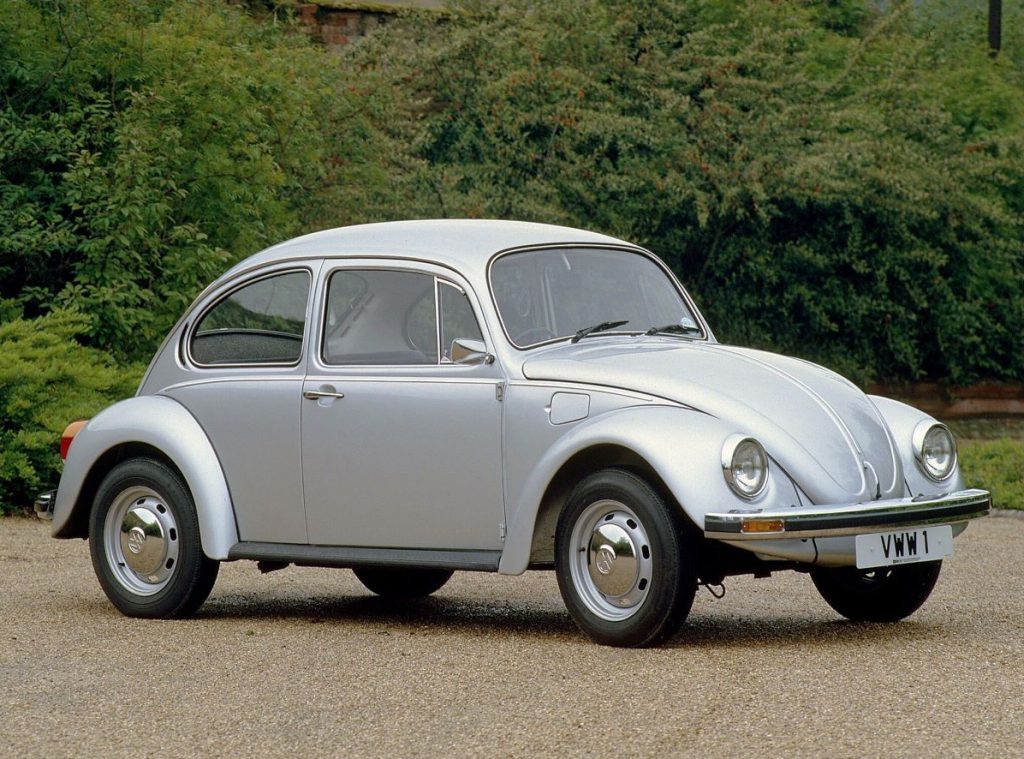
1. Volkswagen Beetle
Few cars symbolize swing axle suspension more clearly than the Volkswagen Beetle. Its engineering dates back before the 1960s, yet the car remained extremely popular during the decade, proving how long a simple mechanical concept could remain competitive when properly refined.
The rear engine layout made swing axles a practical solution because they allowed a compact drivetrain arrangement without complicated linkages.
One reason this car deserves discussion is because it shows how engineering compromises can still lead to massive success.
While the handling could become tricky near the limits, most owners never drove the Beetle aggressively. For everyday commuting, its predictable behavior and mechanical toughness mattered far more than ultimate cornering ability.
Another angle worth mentioning is how the Beetle demonstrates the relationship between suspension design and vehicle purpose. This was not meant to be a sports car.
It was designed to be accessible transportation. When viewed from that perspective, the swing axle makes complete sense because it kept costs low and repairs simple.
It is also interesting to examine how Volkswagen gradually improved the design. Tire pressure recommendations, suspension geometry tweaks, and later revisions all attempted to reduce the typical swing axle handling quirks. This shows how manufacturers often refined existing technology instead of abandoning it immediately.
This car is included not because it was the most advanced vehicle of its time, but because it proves that engineering success is not always about complexity. Sometimes it is about how well a simple idea matches the intended purpose of the machine.
2. Chevrolet Corvair
The Chevrolet Corvair deserves attention because it represents one of the most unconventional engineering decisions made by an American manufacturer during the 1960s.
At a time when most domestic cars followed large front engine formulas, this model adopted a rear mounted air cooled engine combined with a swing axle rear suspension. This combination made it stand apart technically and philosophically.
What makes the Corvair particularly important to include is the debate it created. It became one of the most discussed engineering case studies regarding how suspension design affects real world safety perceptions.
Rather than ignoring its controversial reputation, it is valuable to examine how its design reflected experimentation during a time when American companies were trying to compete with European compact cars.
Looking deeper into its design philosophy reveals something even more interesting. Chevrolet was attempting to rethink what an American compact car could be.
The swing axle was not chosen randomly. It allowed a flat floor, lower weight, and simplified drivetrain packaging. These decisions show how suspension design often connects directly to space efficiency rather than just handling.

Another reason for highlighting this car is that it shows how public opinion can shape engineering direction.
Later versions improved suspension geometry, and eventually the design moved toward a more sophisticated independent setup. This evolution shows how manufacturers learned from both criticism and real world testing.
The Corvair therefore stands as an example of bold experimentation. It reminds us that engineering progress often involves risks, lessons, and redesigns rather than immediate perfection.
3. Mercedes Benz 300SE (W112)
Luxury engineering followed a very different logic compared to economy cars, which is exactly why the Mercedes Benz 300SE provides an interesting contrast within the swing axle discussion.
Instead of focusing purely on cost savings, Mercedes used the swing axle concept while combining it with advanced ride technologies such as air suspension. This created a very different outcome compared to basic economy vehicles.
To understand why this car belongs in this list, it helps to look at how Mercedes approached refinement. Their goal was not minimalism.
Their goal was controlled ride comfort. By carefully tuning geometry and adding compensating components, they managed to reduce some of the traditional disadvantages associated with swing axle behavior.
This example is being discussed because it challenges the assumption that swing axles only belonged in inexpensive cars. Here we see the same basic concept adapted to a premium environment. This demonstrates how engineering value depends heavily on execution rather than just design type.
It is also worth noting how Mercedes treated suspension as part of overall passenger experience. The car was intended to glide over roads rather than attack corners. When evaluated under that mission, the suspension performed exactly as required. Stability at speed and comfort over uneven pavement mattered more than aggressive handling.

The reason this vehicle remains relevant in this conversation is because it shows how manufacturers could stretch older technology through intelligent refinement.
Instead of abandoning the swing axle immediately, Mercedes demonstrated that careful engineering could still make it competitive within luxury expectations of the time.
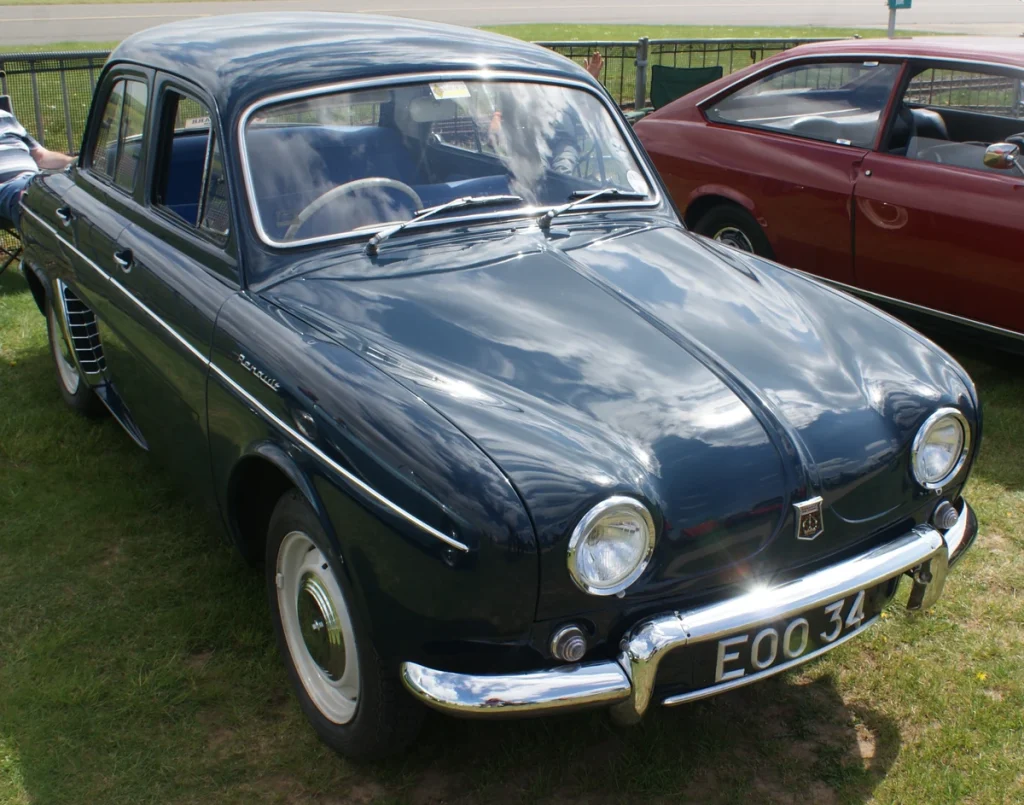
4. Renault Dauphine
Small European cars often tell very different engineering stories compared to American or luxury vehicles, and the Renault Dauphine is a perfect example of how swing axle suspension was used to maximize efficiency in compact transportation.
Instead of chasing performance headlines, Renault focused on creating a lightweight, practical car that could serve growing urban populations.
Looking at this car from a design perspective reveals how strongly packaging influenced engineering decisions. The rear mounted engine allowed better cabin space for such a small vehicle, and the swing axle system helped keep the drivetrain simple and compact.
This decision was not about tradition but about solving multiple design problems with one mechanical approach.
What makes the Dauphine worth examining is how it reflects post war European priorities. Fuel efficiency, ease of ownership, and mechanical accessibility mattered far more than high speed stability.
Many owners maintained these cars themselves, and the suspension layout helped make that possible. It reduced complexity and kept servicing straightforward.
Another interesting point is how the car highlights the difference between engineering expectations in different markets. While critics sometimes focused on handling traits, many buyers valued affordability and operating economy instead.
This shows how the success of a suspension design often depends on how the vehicle is actually used rather than how it performs in extreme testing conditions.
This car is included because it demonstrates how engineering is often about intelligent compromise. The Dauphine shows how manufacturers balanced cost, usability, and production efficiency while still delivering a car that fulfilled its intended role successfully.
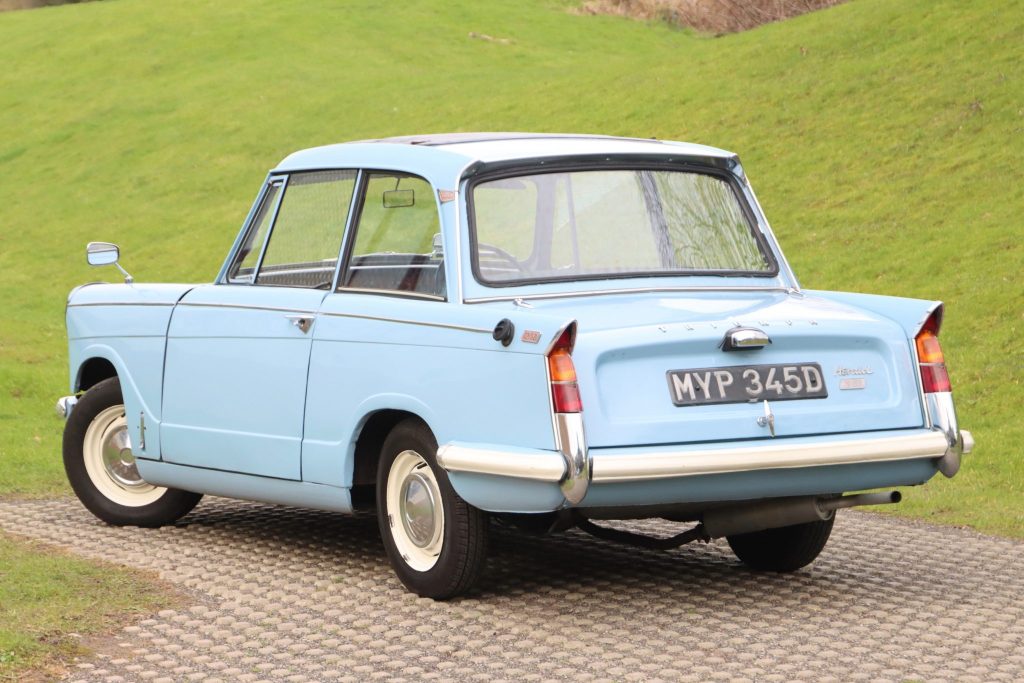
5. Triumph Herald
Instead of beginning with its market impact, it makes more sense to begin with how unusually the Triumph Herald was constructed. Unlike many small cars of the time, it used a separate chassis rather than a fully integrated body structure.
This decision influenced how the rear suspension was designed and explains why a swing axle configuration fit naturally into its architecture.
The Herald deserves inclusion because it shows how modular thinking shaped some 1960s vehicles. Its body panels could be removed easily, and the mechanical layout was designed with serviceability in mind. The swing axle system supported this philosophy by keeping the rear structure relatively simple and accessible.
Another aspect that makes this car interesting is how it blended traditional and modern thinking. While the suspension concept had older roots, the car itself targeted younger buyers who wanted style and individuality.
This mix of conservative engineering and fresh design direction shows how manufacturers often moved forward gradually instead of making radical changes all at once.
Rather than focusing only on technical specifications, it is more useful to consider how the Herald reflects British engineering character.
It was practical, slightly unconventional, and designed with mechanical logic that prioritized repairability. These qualities made it popular among owners who appreciated cars they could understand mechanically.
This vehicle earns its place here because it demonstrates that suspension design cannot be separated from the broader engineering philosophy. In the Herald, the swing axle was not just a component. It was part of a wider idea about simplicity and usability.
5 Iconic 1960s Cars With Independent Rear Suspension
By the 1960s, independent rear suspension was beginning to represent the future of ride and handling engineering.
While earlier decades focused heavily on durability and simplicity, this period marked a growing interest in precision control, road holding, and passenger comfort at higher speeds. Automakers that adopted independent systems were often signaling a shift toward more advanced driving dynamics.
What makes these cars important to study is how they represent confidence in engineering progress. Independent rear suspension was not the easiest solution to manufacture.
It required more components, careful geometry calculations, and higher production costs. Yet companies still chose it because the benefits in stability and ride quality justified the effort.
These vehicles also show how performance expectations were changing. Buyers were beginning to expect cars to feel planted on highways, absorb uneven pavement more effectively, and maintain tire contact during fast cornering.
Independent suspension helped achieve these goals by allowing each wheel to react individually instead of forcing both sides to move together.
Another reason these cars are being discussed is because many of them influenced future performance standards. Their engineering ideas carried forward into modern suspension development and helped establish the handling benchmarks we now consider normal.
Each car selected here represents a different reason manufacturers invested in this more advanced system, ranging from racing inspiration to luxury refinement and technological leadership.
1. Jaguar E Type
There are sports cars, and then there are engineering statements. The Jaguar E Type belongs firmly in the second category because it was not just designed to look fast. It was designed to behave like a race car adapted for the road. Its independent rear suspension system played a central role in achieving that goal.
Jaguar approached suspension design with lessons learned directly from endurance racing. Instead of treating the rear suspension as an isolated component, engineers designed it as an integrated subframe that combined the differential, brakes, and suspension links into one rigid assembly.
This approach improved stability and reduced unsprung weight, which contributed to smoother performance over uneven surfaces.
It is worth writing about this car because it shows how racing knowledge influenced production vehicles.
This was not marketing language. It was genuine technology transfer. The independent suspension helped provide the controlled handling that made the car famous among drivers who valued precision rather than just speed.
Looking at its engineering from another angle reveals how much attention Jaguar paid to balance. The system helped maintain tire contact during aggressive driving, which improved driver confidence. This was essential for a car capable of high performance during a time when road infrastructure was still improving.
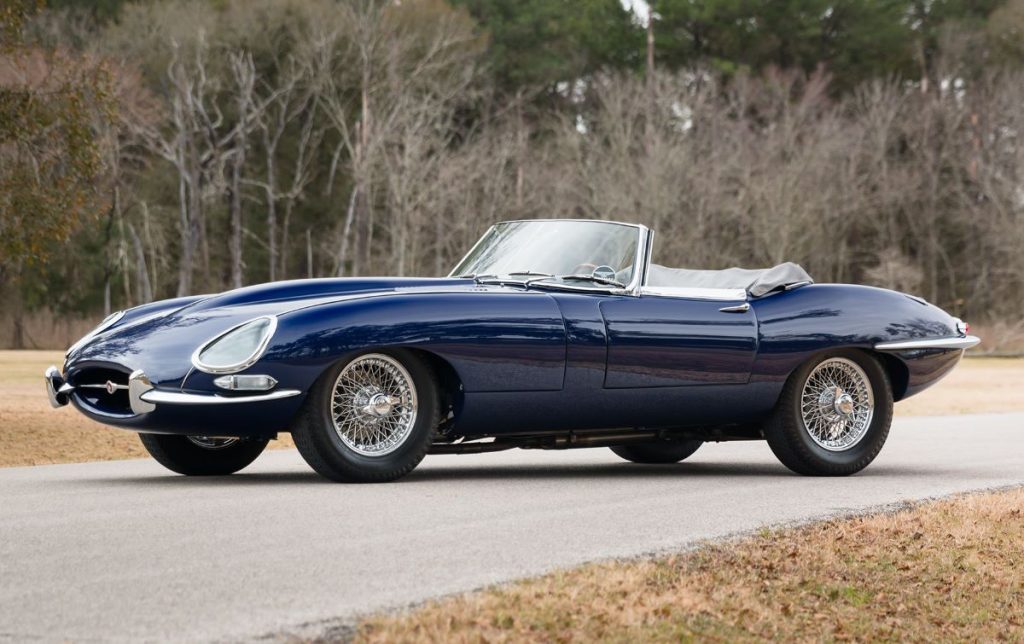
The E Type is included here because it represents how independent rear suspension became associated with serious performance engineering. It helped prove that advanced suspension could transform not just handling but also how drivers emotionally connected with a machine.
2. Chevrolet Corvette Sting Ray (C2)
If the Jaguar represents European precision, the Corvette Sting Ray shows how American performance engineering began embracing sophisticated suspension solutions.
During the early 1960s, Chevrolet realized that straight line speed alone would no longer define performance leadership. Handling was becoming equally important.
The second generation Corvette introduced a fully independent rear suspension that dramatically improved the car’s behavior in corners.
This was a major departure from traditional American solid axle thinking. It demonstrated that domestic manufacturers were willing to adopt more complex solutions to stay competitive with global sports cars.
One reason this car deserves focus is because it shows how engineering ambition can reshape brand identity. Corvette was evolving from a stylish cruiser into a genuine sports machine. The independent rear suspension helped make that transition believable by improving grip and stability.
Another interesting aspect comes from examining how the car balanced comfort and aggression. Engineers wanted the car to remain usable on public roads while still delivering performance capability. Independent suspension made this possible by allowing better shock absorption without sacrificing control.
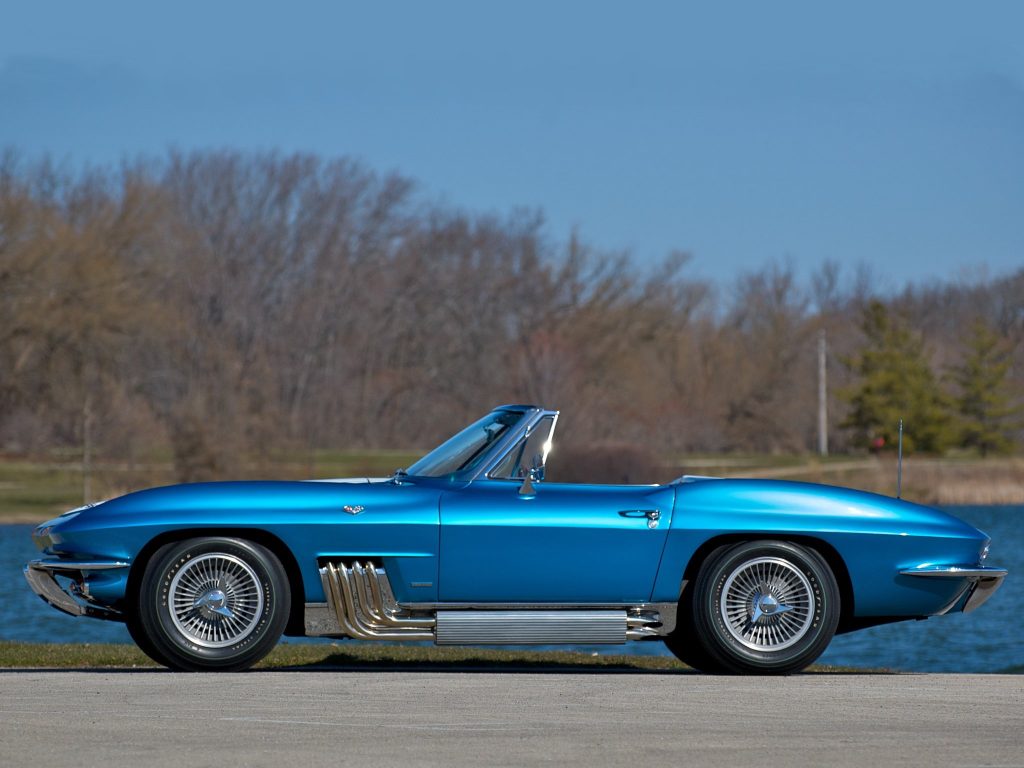
This example is included because it reflects a turning point. It shows how American engineering began aligning with global performance standards. Instead of relying on raw power alone, the Corvette began demonstrating that intelligent chassis design was just as important.
The Sting Ray therefore stands as evidence that suspension innovation was becoming a key battleground in the performance wars of the 1960s.
3. Mercedes Benz 600 (W100)
When engineers at Mercedes Benz began work on the 600, their objective was not speed in the traditional sports car sense. Their goal was authority.
This car had to carry heads of state, industrial leaders, and royalty while delivering a ride quality that separated it from ordinary luxury sedans. That requirement alone explains why independent rear suspension became essential rather than optional.
Instead of starting with suspension diagrams, it is more revealing to begin with the expectations placed on the car. Passengers were meant to feel isolated from poor road conditions.
Vibrations, harsh impacts, and body movement had to be minimized. Independent rear suspension allowed each rear wheel to absorb disturbances separately, preventing large motions from transferring into the cabin.
The engineering story becomes even more interesting when looking at how Mercedes combined multiple systems. The car featured complex hydraulic controls, advanced damping concepts, and carefully calculated suspension geometry.
The rear suspension was only one piece of a larger comfort strategy. It worked together with the chassis and body structure to create what many considered the smoothest ride of its era.
Another reason this vehicle deserves discussion is because it shows how independent suspension was not only about performance driving. In this case, it represented engineering dignity. The ability to maintain composure at any speed or road condition became part of the vehicle’s identity.
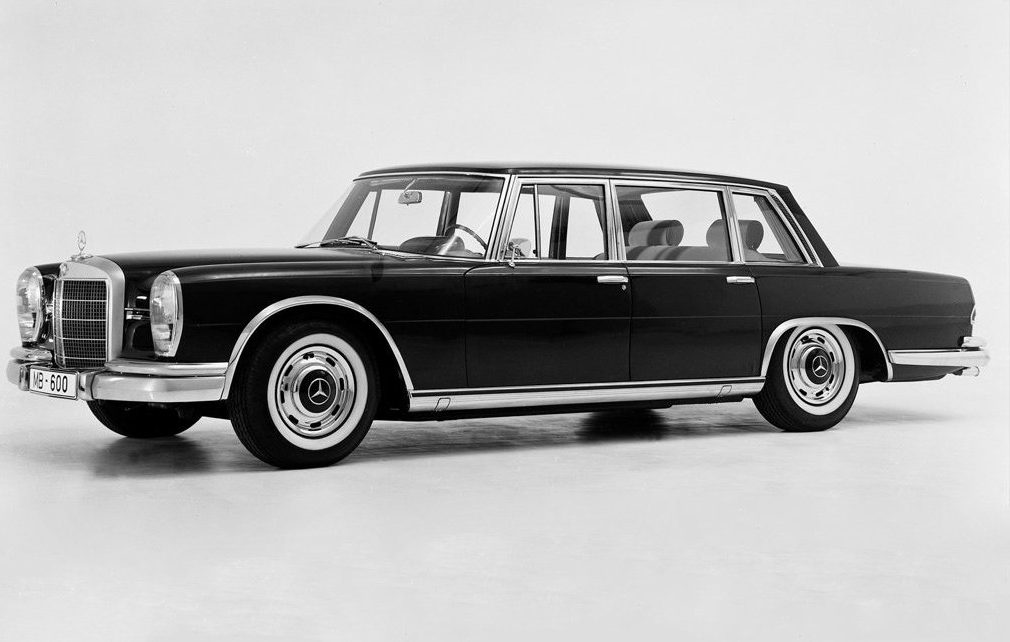
This car also reflects how manufacturers used suspension technology to demonstrate technical leadership. Mercedes did not choose the more complex system because it was fashionable. They chose it because their reputation depended on engineering excellence.
Studying the 600 helps illustrate how suspension design can become part of a brand’s philosophy. Here it symbolized control, refinement, and technical confidence rather than sporting aggression.
Its inclusion here highlights how independent rear suspension helped define what ultimate luxury meant during the 1960s.
4. BMW 2002
Unlike large luxury cars or exotic sports machines, the BMW 2002 tells a story about balance. Not balance in marketing language, but balance in engineering priorities. It was designed to be light, responsive, practical, and enjoyable to drive without becoming complicated or intimidating.
To understand why its independent rear suspension matters, it helps to think about the type of driver BMW was targeting. This was a car for people who enjoyed driving as an active experience.
Steering feedback, predictable cornering, and chassis communication were just as important as reliability. Independent suspension helped deliver that connection between driver and road.
Another useful way to examine this car is through its long term influence. The engineering philosophy seen here later became a foundation for BMW’s reputation as a manufacturer focused on driver engagement.
The suspension allowed the car to remain composed through turns while still maintaining everyday usability.
Instead of describing the system purely in technical terms, it is more interesting to look at how it affected behavior. The rear end remained stable during quick transitions, which made the car feel confidence inspiring even when pushed harder than typical family sedans. This created a new category sometimes described as the sports sedan.
There is also value in studying this vehicle because it shows how independent rear suspension could be applied to smaller, more affordable performance cars. It was not reserved only for expensive machines. This helped democratize better handling.

The reason this car is included is simple. It represents how smart suspension engineering can transform an ordinary sized car into something memorable. The BMW 2002 proved that driving enjoyment could come from chassis tuning as much as from engine output.
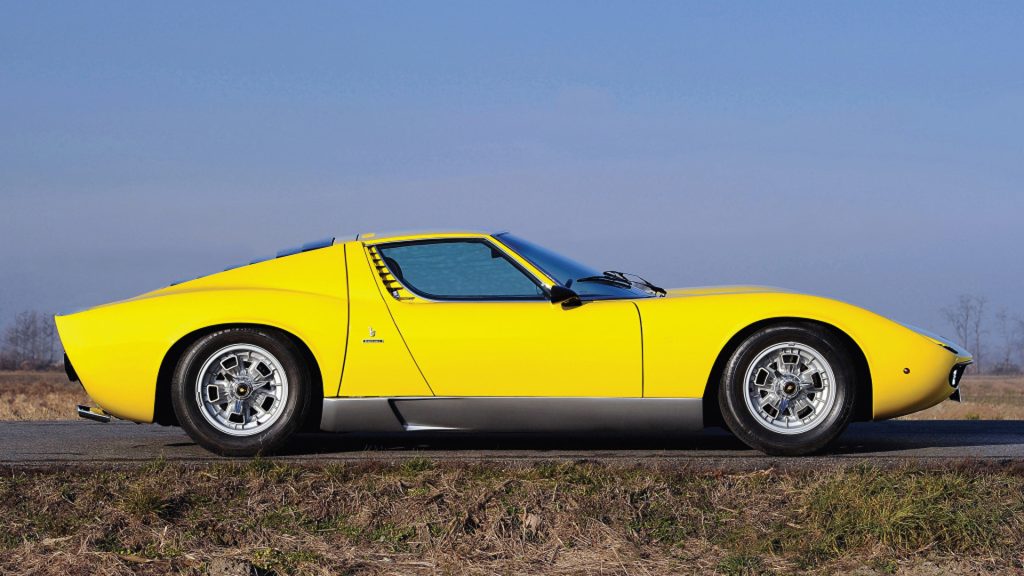
5. Lamborghini Miura
Some cars become famous because they are fast. Others become important because they change engineering direction. The Lamborghini Miura belongs to the second group because it helped redefine what a high performance road car could be.
When Lamborghini placed the engine in a mid mounted position, it created new technical challenges, and independent rear suspension became a necessity rather than a choice.
Looking at the Miura from a mechanical layout perspective explains everything. With the engine sitting behind the driver but ahead of the rear axle, weight distribution became critical.
Engineers needed a suspension system that could maintain stability while managing this unusual balance. Independent rear suspension allowed better control of wheel movement and helped manage the power being delivered to the road.
Another interesting way to understand this car is to look at how it influenced expectations. Before cars like this appeared, many high performance vehicles still relied on traditional layouts.
The Miura demonstrated that advanced suspension combined with innovative packaging could produce both speed and handling sophistication. This helped establish the blueprint followed by later supercars.
This car is also worth including because it shows how engineering sometimes moves forward through bold risks. Lamborghini was still a young company at the time.
Choosing such an ambitious layout showed confidence and a desire to compete directly with established performance brands. The suspension system was a critical part of making that ambition successful.
It is also important to recognize how the Miura changed conversations about chassis engineering. It showed that controlling power required just as much attention as producing it. Independent suspension became part of that control strategy.
The Miura earns its place here because it represents a moment when suspension design became inseparable from the idea of the modern supercar.
Examining these ten cars together reveals more than just two different suspension types. It reveals a period where the automotive industry stood between tradition and innovation.
Swing axle cars demonstrate how long proven solutions can remain useful when matched correctly to a vehicle’s purpose. Independent rear suspension cars show how rising performance expectations pushed manufacturers toward more advanced engineering.
What becomes clear is that neither system existed in isolation. Each reflected the priorities of the company that used it.
Economy manufacturers valued simplicity. Luxury brands focused on refinement. Performance companies chased control and stability. Suspension design became a reflection of these different goals.
Another important takeaway is that engineering progress rarely happens instantly. The 1960s show a gradual transition rather than a sudden replacement of old ideas.
Some companies refined swing axle designs while others invested in independent systems. This overlap shows how technological evolution usually happens step by step.
These vehicles also remind us that automotive history is not just about engines or styling. Chassis development played an equally important role in shaping how cars felt to drive. Many of the handling characteristics drivers expect today can be traced back to lessons learned during this decade.
Studying these cars helps us appreciate how engineering decisions influence long term development. What may seem like a small technical choice can shape entire generations of vehicles.
Together, these examples show how suspension design helped define the driving experience of the 1960s and influenced everything that followed.
Also Read: 6 Unique Ways That A Vintage Cars Managed Cabin Ventilation Before AC
