The classic car market has always been influenced by nostalgia, rarity, motorsport heritage, and cultural impact, but in 2026 the landscape is evolving faster than ever. A new generation of collectors is entering the market, and their interests are reshaping which vehicles are appreciating the fastest.
Instead of focusing only on pre-1970 antiques, buyers are now aggressively pursuing cars from the 1970s through the early 2000s, especially models that represent engineering milestones or the final era of analog driving.
Another major factor driving prices upward is the rapid transition toward electrification. As modern cars become increasingly digital, collectors are placing higher value on vehicles that deliver a raw mechanical driving experience.
Manual transmissions, naturally aspirated engines, hydraulic steering, and lightweight construction are no longer just technical specifications. They are becoming emotional selling points that cannot be replicated in modern vehicles.
Limited production numbers are also playing a critical role. Cars that were once overlooked because they sat between mainstream models and halo supercars are now being rediscovered.
Many of these vehicles offer strong performance, distinctive styling, and historical importance without the extreme prices of the most famous collector icons. As awareness grows, their values are rising quickly.
Auction results from the past three years show a clear trend. Models that were considered affordable entry level classics just five years ago are now being treated as serious investment assets.
Clean examples with original paint, documented service history, and minimal modifications are seeing the strongest gains, sometimes doubling in value in a relatively short period.
Condition is no longer the only factor either. Provenance, originality, and even period correct options now influence pricing more than ever. Collectors want authenticity, not just aesthetics.
The following ten classic cars represent some of the fastest appreciating vehicles right now. Each one shows strong collector demand, limited availability, and the kind of historical significance that typically predicts long term value growth.
Also Read: Top 10 Most Recognizable Vintage Nameplates That Still Exist Today
1. Porsche 944 Turbo
The Porsche 944 Turbo is one of the clearest examples of a car that spent years being undervalued before finally receiving the recognition it deserved.
For a long time it lived in the shadow of the 911, often dismissed by purists simply because its engine was mounted in the front rather than the rear. That perception is now changing rapidly as collectors begin to appreciate how advanced the car actually was.
What makes the 944 Turbo special is its balance. Porsche engineered the car with near perfect weight distribution by placing the transmission in the rear through a transaxle layout.
This gave the car handling characteristics that many drivers still consider among the best of any Porsche from the era. As values of air cooled 911 models skyrocketed beyond the reach of many enthusiasts, attention naturally shifted toward alternatives that still delivered an authentic Porsche driving experience.
Performance is another reason values are climbing. The turbocharged inline four cylinder engine delivered impressive power for its time while maintaining reliability when properly maintained.
Unlike many 1980s turbo cars that suffered from severe lag, the 944 Turbo offered a relatively progressive powerband, making it both exciting and usable.
Market psychology is also playing a role. Buyers who grew up seeing these cars in magazines and racing games during the 1990s are now reaching peak earning years. That demographic shift is pushing demand upward. When nostalgia meets financial capability, price acceleration usually follows.
Another interesting factor is survival rate. Many 944 Turbos were driven hard or modified heavily during the tuner boom of the early 2000s. Finding an unmodified example today is becoming difficult, and scarcity always fuels appreciation.
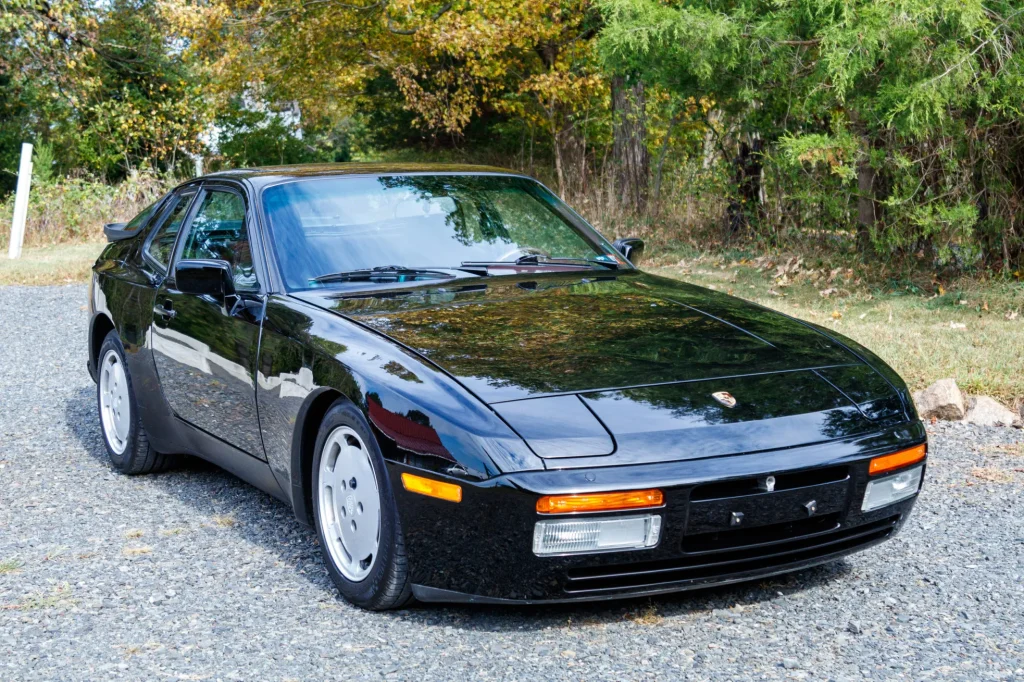
Recent collector behavior suggests the biggest gains are happening with original examples finished in period correct colors and factory specifications. Special editions such as the Turbo S have already seen strong price movement, and standard Turbo models are following the same trajectory.
For years the 944 Turbo was called the smart enthusiast’s Porsche. In 2026, it is increasingly being called a smart investor’s Porsche as well.
2. Toyota Land Cruiser FJ60
Not every fast appreciating classic car is a sports car. The Toyota Land Cruiser FJ60 proves that durability and heritage can sometimes matter more than outright performance. Over the past few years, vintage SUVs have become one of the hottest segments in the collector world, and the FJ60 sits right in the center of that trend.
Unlike earlier Land Cruisers that were extremely utilitarian, the FJ60 represented a shift toward comfort while maintaining Toyota’s legendary off road capability. It introduced a more family friendly interior, improved ride quality, and better road manners, effectively creating a bridge between rugged expedition vehicles and modern luxury SUVs.
Collectors are increasingly attracted to vehicles that represent the origins of today’s luxury off road market. The FJ60 tells that story perfectly. It reflects the moment when SUVs stopped being purely agricultural tools and began evolving into lifestyle vehicles. That historical importance is part of what is pushing values upward.
There is also a global demand factor involved. Interest in vintage Land Cruisers is not limited to one region. Buyers from North America, Australia, the Middle East, and Europe are all competing for clean examples. When multiple international markets compete for a limited number of vehicles, appreciation tends to accelerate quickly.
Restoration culture is another contributor. The FJ60 has become a favorite platform for high quality restorations that preserve originality while subtly improving reliability. As restoration shops began showcasing these builds, collector awareness increased, bringing new buyers into the market.
What truly separates the FJ60 from many other classics is its reputation. Toyota built these vehicles with an emphasis on longevity rather than planned obsolescence.
Stories of these trucks reaching extremely high mileage have become part of their legend. Reliability myths often become value drivers in the collector world because they create confidence among buyers.
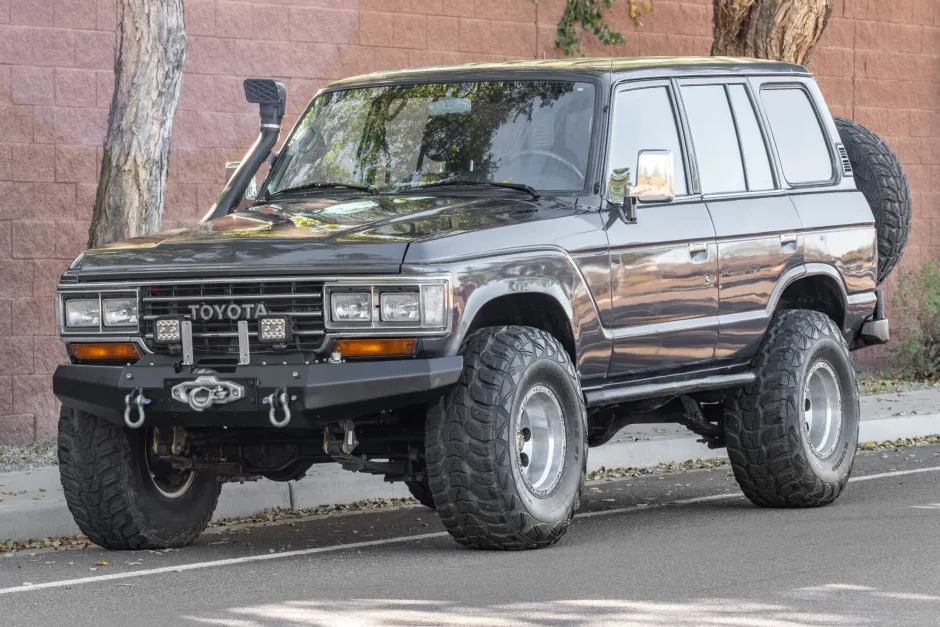
As modern SUVs become more complex and software dependent, interest in mechanically simple vehicles continues to grow. The FJ60 represents a time when toughness was achieved through engineering rather than electronics.
Because of that identity, this once overlooked Land Cruiser is rapidly becoming a serious collector target.
3. BMW E30 M3
Some cars become valuable because they were rare. Others rise because they were fast. The BMW E30 M3 is increasing in value because it combines motorsport credibility, engineering purity, and cultural significance in a way very few cars can match.
To understand why this car is accelerating in value, it helps to start with its origin story rather than its specifications. BMW did not originally build the E30 M3 simply to sell a performance model.
It existed because racing regulations required a road going version of their competition car. That single decision created one of the most respected homologation cars ever produced.
Its box flared fenders were not styling experiments. They were functional aerodynamic improvements. The higher trunk line improved airflow. The wider track improved cornering stability. Even the windshield angle was slightly revised. Every visual detail had a technical justification, which is something collectors deeply respect.
Values are also being driven by a philosophical shift in what enthusiasts want. Modern performance cars often deliver speed through software, driver aids, and automation. The E30 M3 represents the opposite approach.
It rewards driver skill rather than compensating for it. That distinction is becoming more valuable as the industry moves toward assisted driving experiences.
Auction behavior over the past decade shows a steady upward curve rather than speculative spikes. That kind of growth usually indicates a stable collector foundation rather than a temporary trend. Cars that appreciate slowly but consistently often end up becoming the most secure investments.
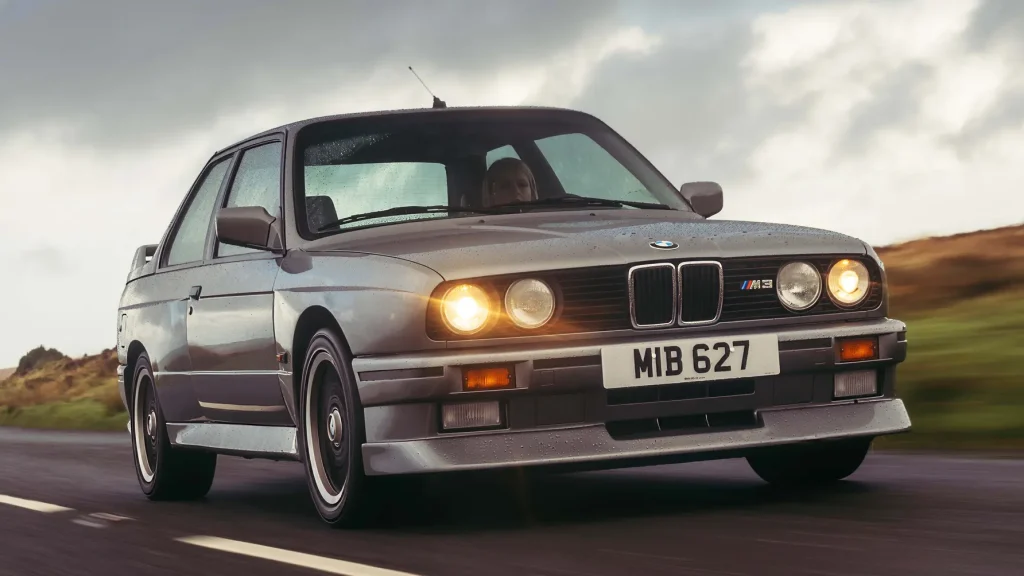
Interestingly, even higher production numbers compared to exotic supercars have not slowed appreciation. This is because demand is fueled by reputation rather than exclusivity alone.
The E30 M3 is often described as one of the greatest driver’s cars ever built. When a vehicle earns that kind of long term critical respect, value growth tends to follow naturally.
Today the conversation around this BMW is no longer about whether it will become expensive. That transition already happened. The real discussion now is how much further it can climb.
4. Mazda RX-7 FD
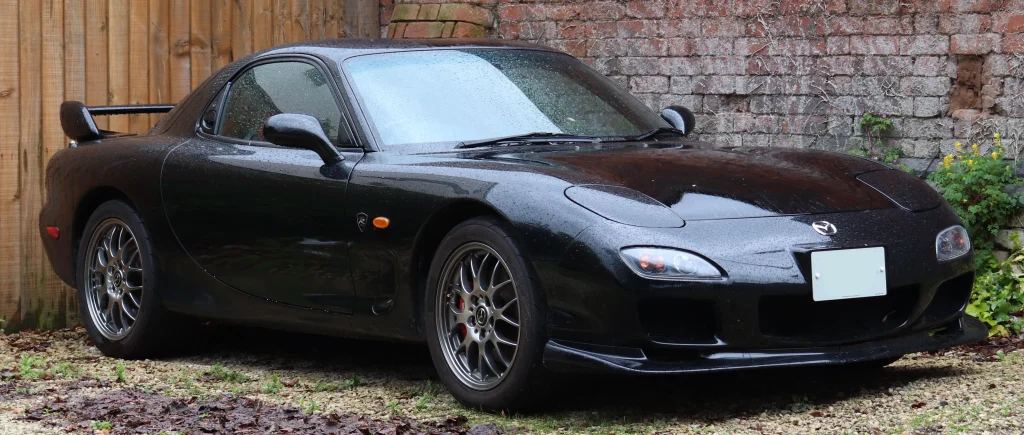
There is a completely different reason the Mazda RX-7 FD is climbing in value, and it has less to do with racing history and more to do with engineering uniqueness. This is one of the last widely recognized sports cars to use a rotary engine, a design philosophy that now feels almost extinct.
The FD generation RX-7 represents the peak of Mazda’s rotary development. Its sequential twin turbo system, lightweight construction, and flowing body design created a machine that felt almost exotic despite being produced by a mainstream manufacturer. That exotic character is becoming more appreciated as time passes.
Another major value driver is cultural exposure rather than traditional collector pathways. Appearances in films, video games, and tuner culture dramatically expanded its fanbase.
Many collectors today first encountered the RX-7 through digital culture rather than traditional automotive media. That type of exposure creates emotionally driven demand, which can be extremely powerful in collector markets.
Unlike many classics whose values depend heavily on concours restorations, the RX-7 has a strong following among both preservation collectors and performance enthusiasts. Some buyers want perfectly original examples.
Others are willing to pay significant money for tastefully modified versions built during the golden era of Japanese tuning culture. This creates multiple demand channels instead of just one.
However, originality is starting to command serious premiums. Many RX-7s were heavily modified, raced, or poorly maintained due to the specialized care rotary engines require. As a result, low mileage factory specification cars are becoming genuinely scarce.
Another factor pushing appreciation is design maturity. The FD RX-7 is increasingly being recognized as one of the most elegant Japanese sports car designs ever produced. Its proportions have aged exceptionally well, which matters more than many people realize. Design longevity often predicts collector longevity.
The final piece of the puzzle is simple economics. Supply is shrinking while global interest continues expanding. When those two forces move in opposite directions, values rarely stay still.
5. Mercedes-Benz 190E 2.5-16 Evolution II
Some collector cars rise because they are beautiful. Some because they are fast. The Mercedes 190E Evolution II is increasing in value because it looks like nothing else Mercedes has ever built, and likely never will again.
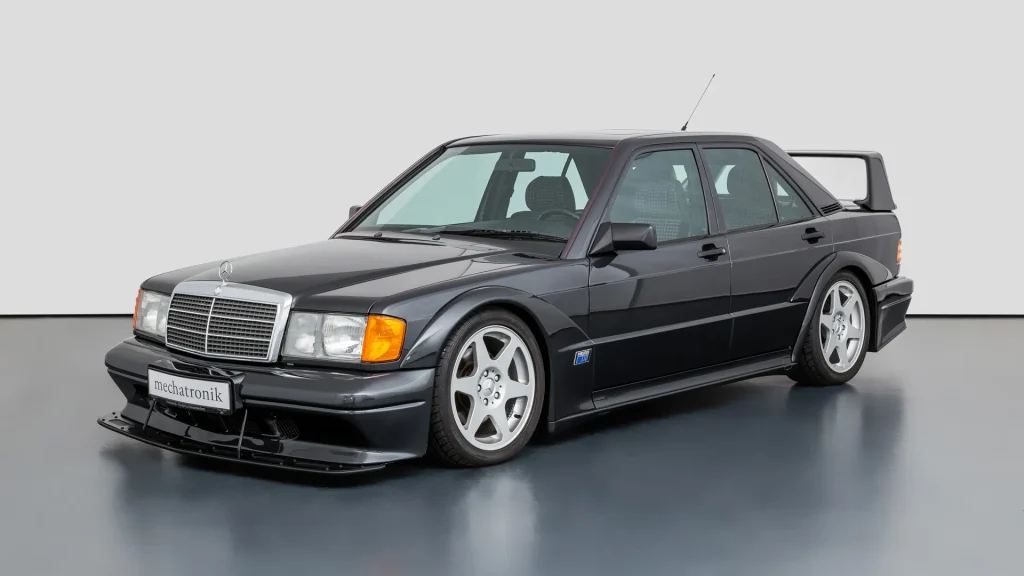
At first glance, the aggressive bodywork almost feels out of character for the brand. The massive rear wing, widened arches, and deep front splitter appear closer to a touring race car than a traditional luxury sedan.
That is exactly what it was meant to be. This was Mercedes proving it could build a track weapon when pushed by motorsport competition.
Only a limited number were produced, which immediately placed the Evolution II into the rare homologation category. Cars built to satisfy racing rules often become collector gold because they represent a direct connection between road and track engineering.
Another reason this model is appreciating quickly is because it represents a different era of Mercedes philosophy.
This was a time when the company over engineered cars to prove technical superiority rather than reduce production costs. Doors shut with authority. Materials were selected for durability. Mechanical feel was prioritized over digital refinement.
Collectors are also recognizing that this car represents the beginning of Mercedes performance sedans as we know them today. Before AMG became fully integrated into the brand, cars like this laid the groundwork for what performance luxury would eventually become.
The styling itself has also aged into desirability. Cars that once looked extreme often become icons once the industry moves toward safer, more conservative design language. The Evolution II now stands out in a sea of similar looking modern vehicles.
Perhaps the strongest reason for appreciation is simple availability. Many examples are already locked inside long term collections. When cars stop circulating in the open market, prices tend to react sharply whenever one appears for sale.
What was once considered an unusual Mercedes experiment is now viewed as one of the brand’s boldest statements. That shift in perception is exactly what creates collector value momentum.
6. Acura NSX (First Generation)
Instead of beginning with rarity or styling, the story of the first generation Acura NSX starts with a question that changed the supercar industry. What if a supercar could be driven every day?
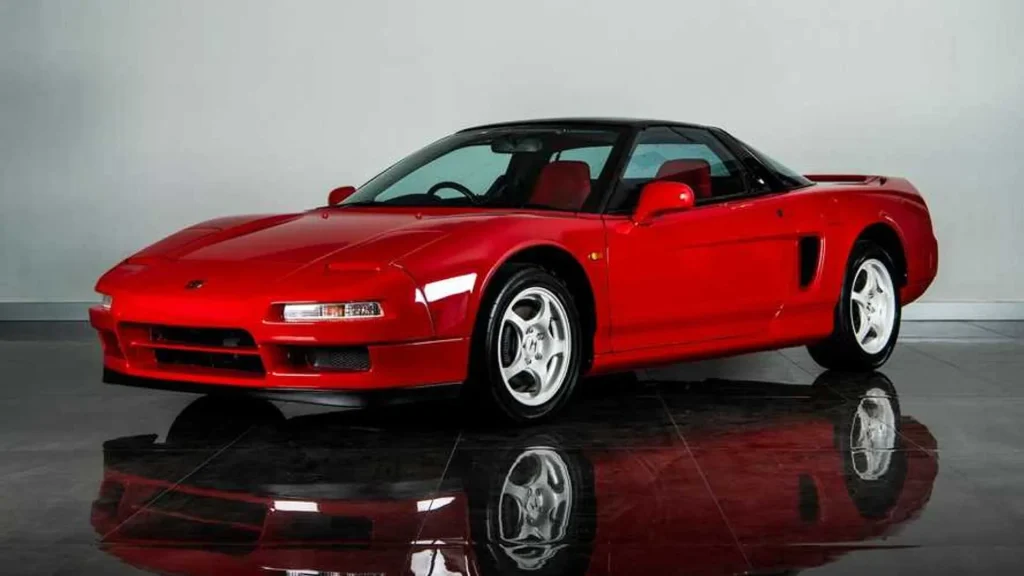
During the late 1980s and early 1990s, exotic cars were often known for being temperamental, uncomfortable, and expensive to maintain. Acura approached the problem differently. Their goal was not just speed, but usability. That philosophy alone is one of the main reasons the NSX is gaining value today.
Its development involved input from Formula One legend Ayrton Senna, which gave the chassis extraordinary balance. But the real breakthrough was refinement. The car started reliably. Visibility was excellent. Ergonomics were carefully studied. It was a supercar that did not punish its owner.
That idea influenced the entire industry. Some European manufacturers were forced to rethink build quality and reliability after the NSX proved performance did not require compromise. When a car changes how competitors build their own vehicles, its historical importance increases significantly.
The aluminum construction also deserves attention. At the time, this was a bold manufacturing decision rarely attempted at scale. It reduced weight while maintaining structural rigidity, showing how innovation can become a long term value driver.
Collectors are also reacting to the driving feel. Naturally aspirated power delivery, precise steering feedback, and excellent visibility create a connection modern supercars often struggle to replicate.
As assisted driving technology becomes more common, analog supercars are becoming emotional assets rather than just performance machines.
There is also a generational shift happening. Enthusiasts who had posters of the NSX in their childhood are now entering collector markets. Emotional history often translates directly into financial demand.
The NSX is no longer just respected as a great Honda or Acura. It is increasingly respected as one of the most important sports cars ever engineered.
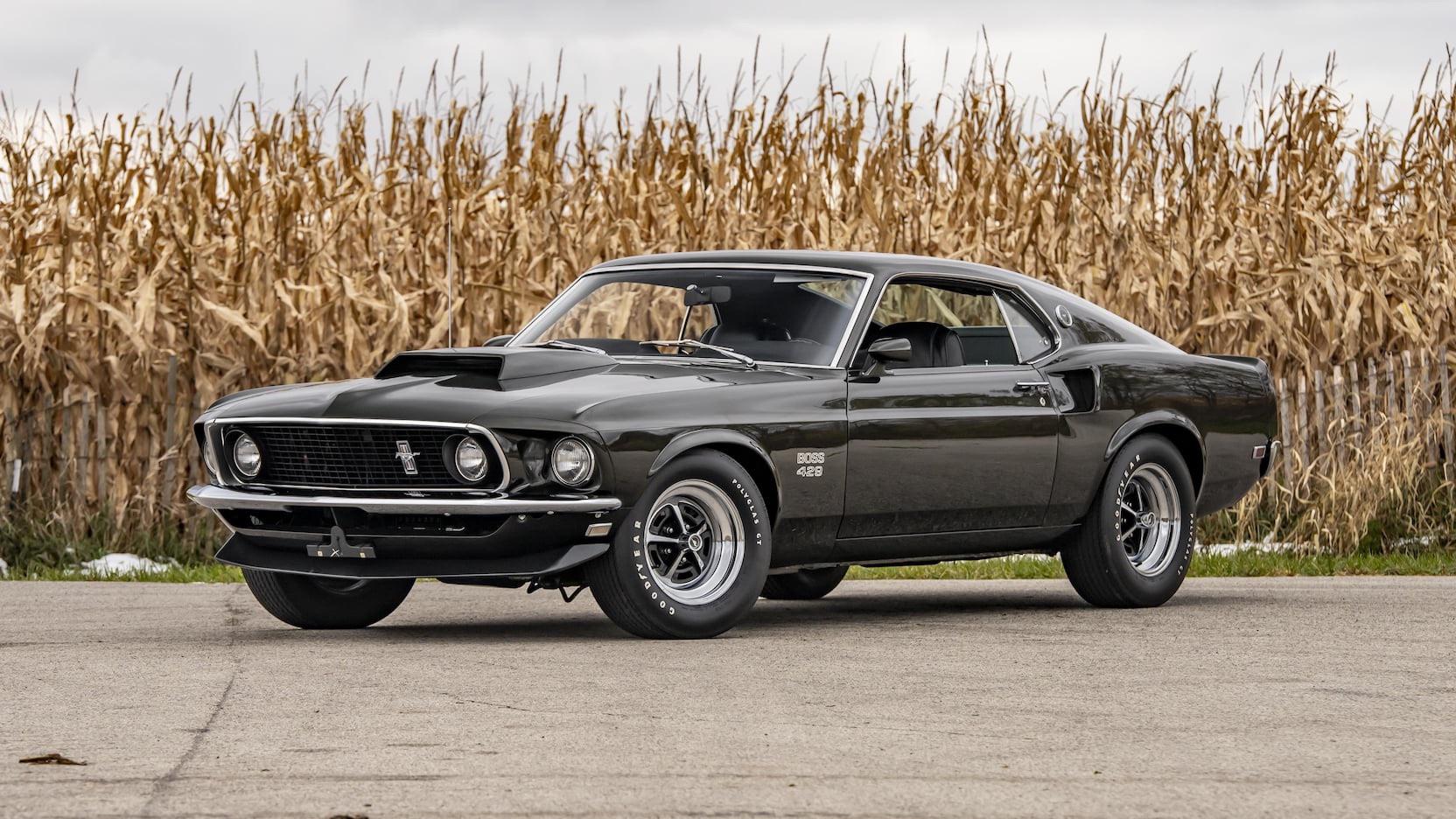
7. Ford Mustang Boss 429
Among American muscle cars, there are many famous names, but only a few carry the kind of mythological reputation that surrounds the Boss 429.
This is not just another Mustang variant. It was a machine created because Ford needed a competitive engine platform for NASCAR, and the road car existed mainly to legalize that racing ambition.
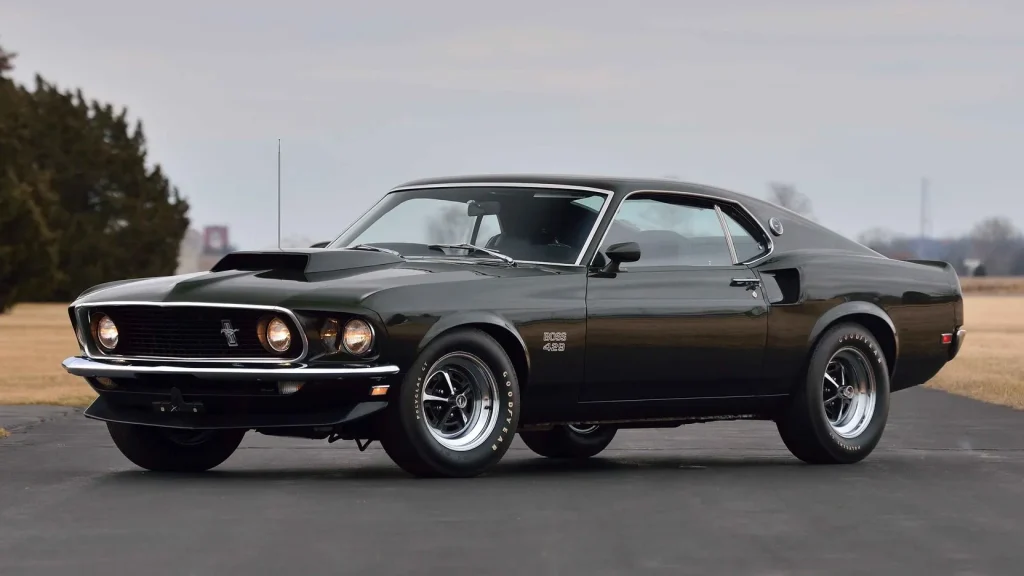
What makes the Boss 429 fascinating from a collector perspective is how specialized it was. Ford had to significantly modify the Mustang body just to fit the massive semi hemispherical V8 engine.
Assembly was even outsourced to Kar Kraft, a company experienced in handling limited production performance projects. This unusual production story adds another layer of desirability.
Value growth today is being fueled by authenticity verification. Because these cars command serious money, documentation, matching numbers, and factory records have become extremely important.
The more traceable the history, the stronger the collector confidence. Cars with complete histories are seeing especially aggressive price increases.
Unlike some muscle cars that are valued mostly for straight line performance, the Boss 429 represents engineering ambition.
It symbolized a time when manufacturers were willing to bend their own rules to win on Sunday and sell on Monday. That philosophy resonates strongly with collectors who value purpose driven design.
The visual identity also plays a role. Subtle graphics combined with functional performance upgrades give the car a serious presence without looking excessive. That balance between aggression and restraint is part of what keeps it relevant decades later.
There is also a psychological factor affecting demand. As the most famous muscle cars become increasingly expensive, buyers often move toward historically important second tier legends.
When they discover the Boss 429’s story, it rarely stays second tier for long. As more examples disappear into private collections and museums, market visibility continues shrinking.
When availability drops but reputation keeps growing, appreciation usually follows. That pattern is clearly visible with the Boss 429 today.
8. Nissan Skyline GT-R R32
Some cars earn value through luxury. Others through rarity. The R32 Nissan Skyline GT-R built its reputation through dominance.
Nicknamed “Godzilla” by the Australian automotive press after it began dominating touring car racing, the R32 GT-R became a symbol of technological superiority. Its advanced all wheel drive system and sophisticated electronics allowed it to outperform many rivals that relied purely on engine power.
Instead of telling its story through design or comfort, the R32 tells its story through results. Racing success often translates into collector demand because it provides measurable proof of capability. The GT-R did not just compete. It repeatedly won.
Another reason values are increasing is technological significance. The ATTESA all wheel drive system and Super HICAS rear steering showed how software and mechanical engineering could work together to improve performance. Many modern performance cars follow principles first proven in cars like the R32.
Import eligibility laws in various countries also influenced demand. As the car became legally importable into new markets, buyer pools expanded. Whenever geographic restrictions disappear, price pressure usually increases.
The tuning community also helped keep the GT-R relevant. The RB26 engine became famous for handling significant power increases, which kept the car in enthusiast discussions long after production ended. Cultural relevance helps maintain long term collector awareness.
Condition is becoming a major separator now. Many examples were modified or raced, meaning factory correct cars are becoming harder to locate. As collectors mature, originality often becomes more important than performance potential.
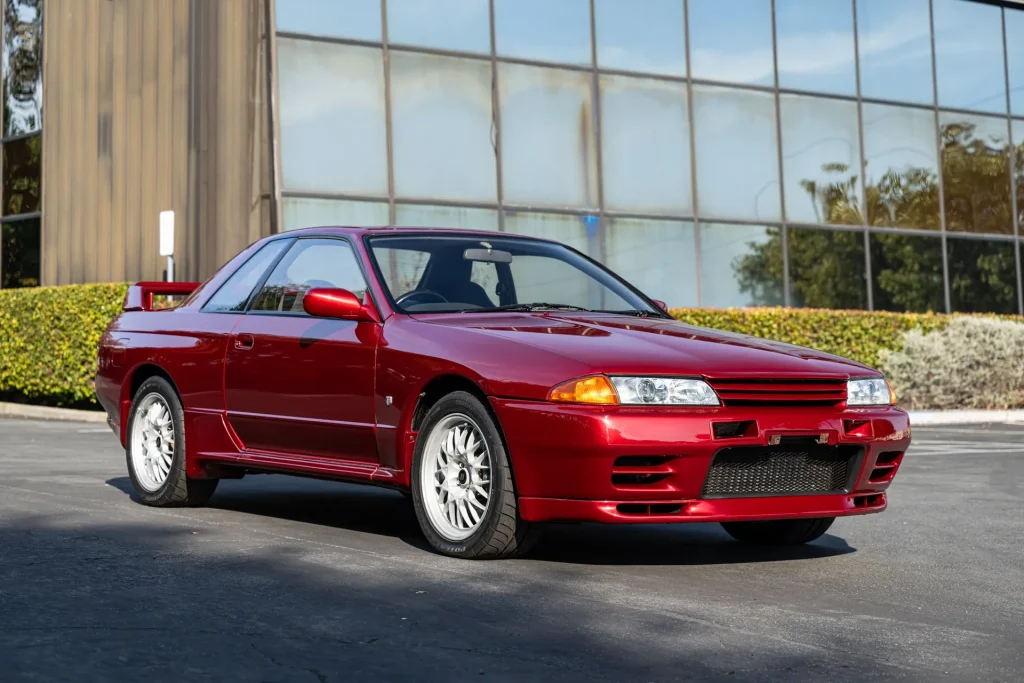
One unusual aspect of the R32 market is how respect for the car continues to grow even among people who never owned one. Reputation alone can sometimes create value momentum, especially when reinforced by decades of enthusiast admiration.
The Skyline GT-R R32 represents the moment Japanese performance engineering forced the world to pay attention. That legacy is translating directly into rising collector interest.
9. Jaguar E-Type Series 1
Very few cars gain value simply because they changed how the world defines beauty, but the Jaguar E-Type is one of those rare exceptions.
When it debuted in the early 1960s, it shocked the automotive world not only because of its performance but because it delivered exotic level design at a relatively accessible price compared to Italian rivals.
Instead of starting with market trends, it makes more sense to begin with its design influence. Enzo Ferrari himself reportedly described it as one of the most beautiful cars ever made. Statements like that carry enormous long term weight in collector psychology because they become part of the vehicle’s permanent story.
The Series 1 models in particular are seeing the fastest appreciation because they represent the purest expression of the original concept. Details such as covered headlights, toggle switches, and the early interior layout are now seen as defining characteristics rather than minor production differences.
Another important value factor is restoration philosophy. Unlike some classics where heavy restoration reduces originality, properly restored E-Types can still command strong premiums if authenticity is preserved.
The key factor is correctness rather than perfection. Collectors are increasingly prioritizing cars that reflect how they left the factory rather than over restored examples.
The driving experience is also part of the equation. Long hood proportions, mechanical feedback, and the sound of the inline six engine provide a sensory experience modern vehicles rarely attempt to replicate. Emotional response plays a surprisingly large role in collector pricing.
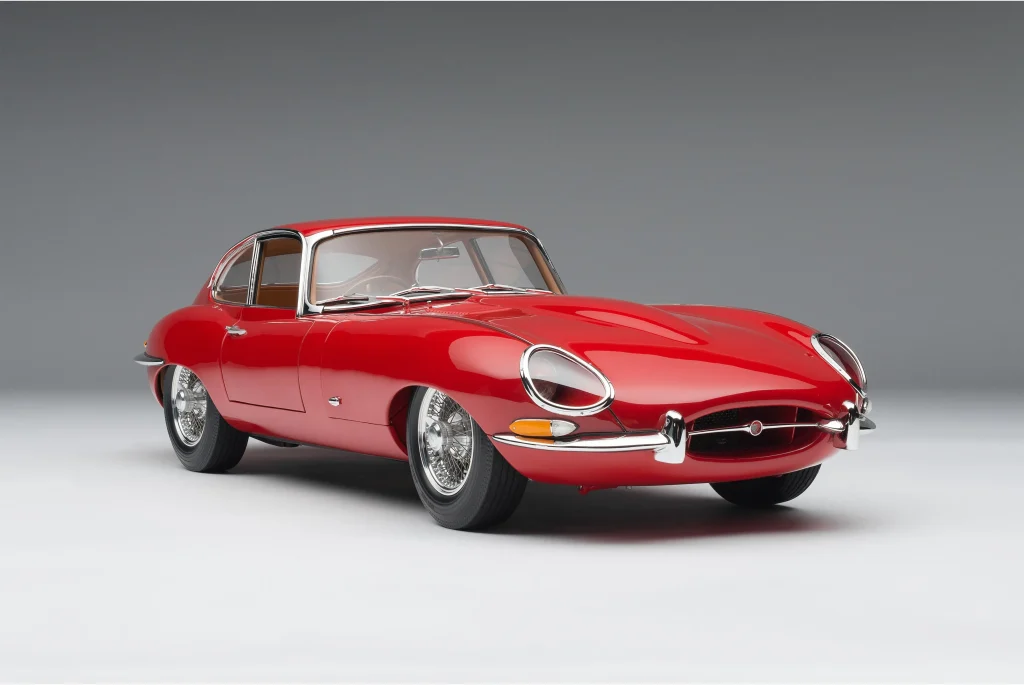
The E-Type also benefits from cross generational recognition. Even people outside the traditional collector community often recognize its shape. Broad cultural awareness tends to stabilize long term demand because interest is not limited to a narrow buyer group.
Over time, many examples have either been exported, damaged, or placed into permanent collections. This naturally reduces supply.
As availability tightens and its reputation as a design icon continues growing, the Series 1 E-Type continues its steady climb as one of the safest classic car investments.
10. Ferrari 355 Berlinetta
The Ferrari 355 Berlinetta is gaining value for a reason that is becoming increasingly important in collector circles. It represents one of the last Ferraris that delivered a fully analog emotional driving experience before technology began reshaping the brand’s identity.
Rather than focusing immediately on performance numbers, it is more useful to understand where it sits historically. The F355 arrived at a time when Ferrari was transitioning from raw mechanical sports cars into more electronically assisted machines. Because of this, it captures a perfect midpoint between old school character and modern usability.
The naturally aspirated V8 is often cited as one of the best sounding Ferrari engines ever built. Sound matters more than statistics in the collector world because it creates memory. Cars that create strong sensory memories often hold stronger long term appeal.
Transmission choice is also affecting values. Traditional gated manual versions are seeing particularly strong demand because they represent a driving interaction that is rapidly disappearing. As paddle shifted gearboxes became dominant, the tactile experience of a metal shift gate became something collectors began chasing.
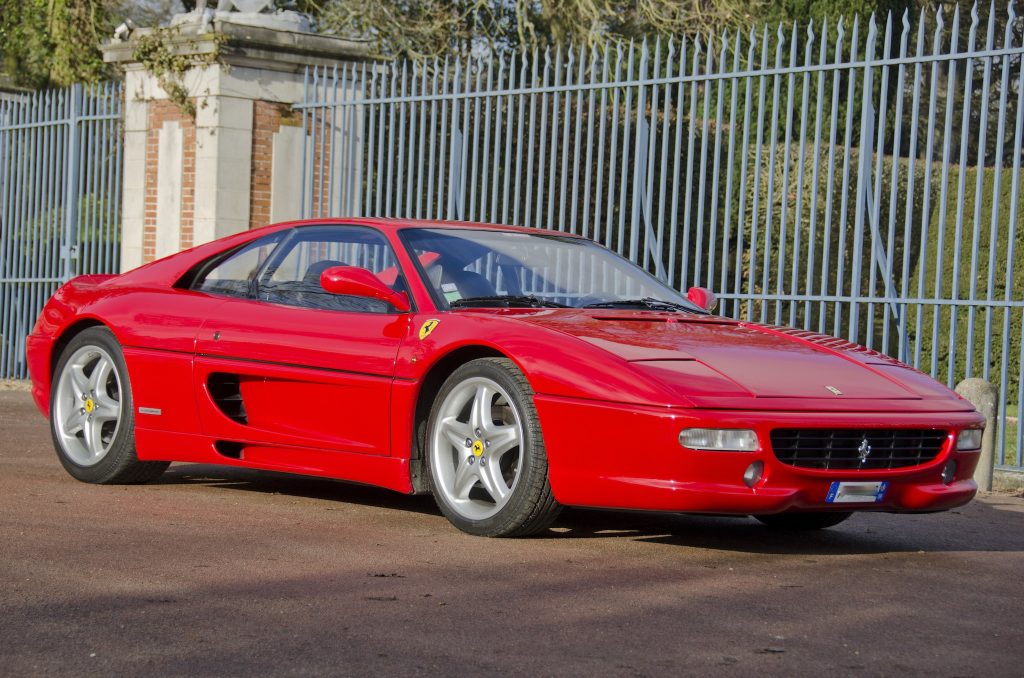
Maintenance reputation once kept prices relatively low compared to other Ferraris. Ironically, that period allowed enthusiasts to buy and preserve good examples. As knowledge improved and specialist support increased, buyer confidence improved as well. Confidence often precedes appreciation.
The proportions of the Berlinetta are another overlooked strength. It is compact, balanced, and free from the oversized dimensions seen in many modern supercars. As performance cars continue growing physically larger, smaller classics often gain new appreciation.
Collectors are increasingly identifying the F355 as a turning point model rather than just another Ferrari. Cars that represent turning points often gain historical importance beyond their original market position.
Because of this shift in perspective, the F355 is moving from being simply admired to being actively pursued. That transition is exactly how collector cars begin their strongest appreciation phase.
Also Read: Top 10 Best Classic Models for a First Time Solo Cross Country Trip