
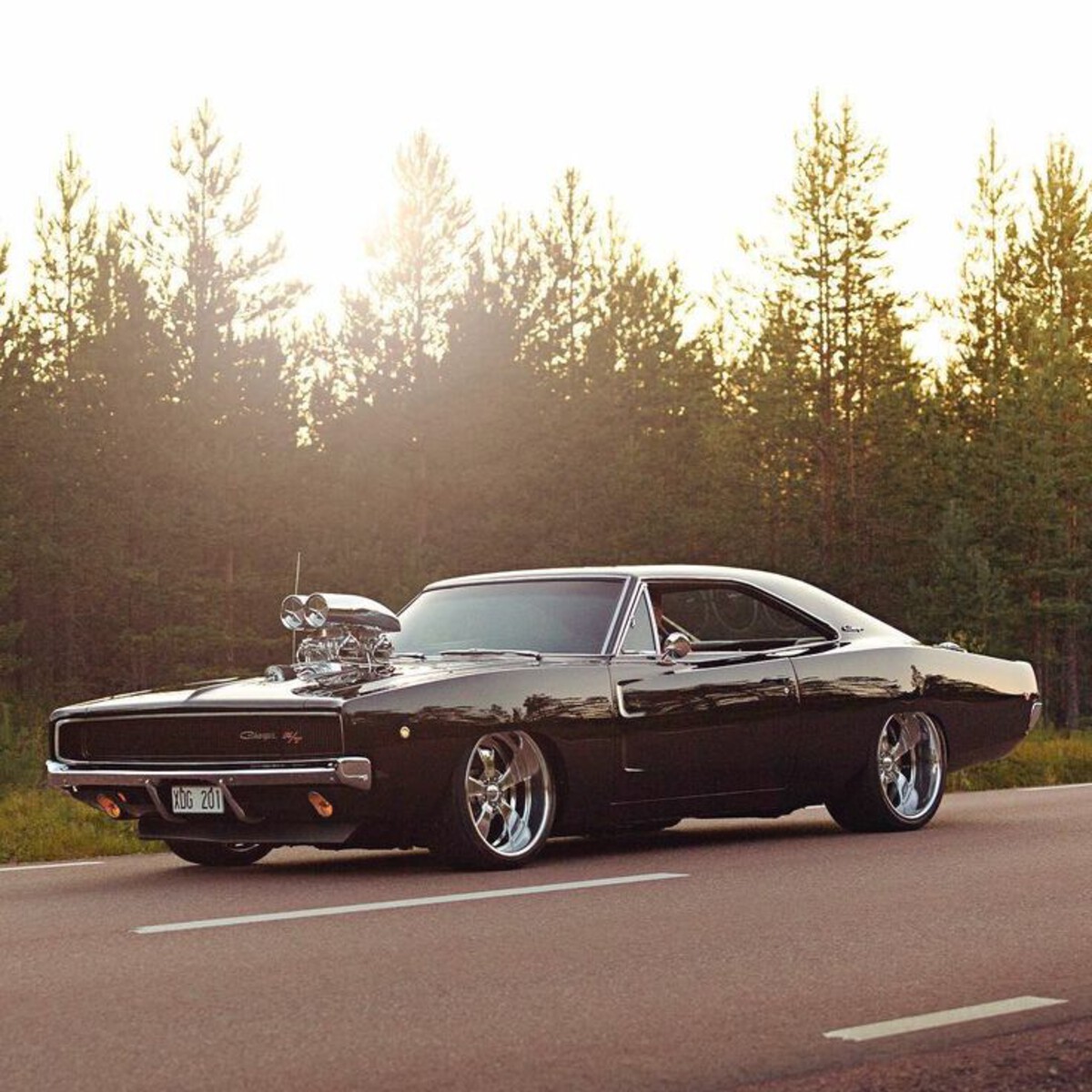
When discussing classic cars, tire selection becomes a surprisingly serious topic because it directly affects authenticity, drivability, and long term ownership satisfaction.
Unlike modern vehicles that are engineered specifically for radial tires, many vintage automobiles were originally designed around bias ply technology.
Because of this, the choice between bias ply and radial tires is not simply about replacing worn rubber. It is a decision about whether to preserve original driving dynamics or adopt improvements that came from decades of tire evolution.
Bias ply tires represent the foundation of early automotive mobility. Their layered crisscross construction was strong, simple, and suitable for the road conditions of the time.
Roads were not always smooth, highway speeds were lower, and driver expectations were different. These tires delivered durability and strength, even if they sacrificed precision and longevity compared to modern standards.
Radial tires emerged as a technological breakthrough because they solved many limitations of earlier tire designs. By separating the function of the tread and sidewall, engineers created a tire that could maintain better road contact while also improving flexibility.
This innovation dramatically improved traction, increased tire lifespan, and improved stability, especially at higher speeds.
For classic car owners today, the decision often depends on how the car is used. A collector who values originality may insist on bias ply tires because they preserve the correct look and driving behavior.
Meanwhile, an owner who enjoys long drives, highway cruising, or frequent use may prefer radial tires because they offer better safety margins and require less frequent replacement.
Another important factor is how each tire type communicates with the driver. Bias ply tires tend to deliver a softer but less precise feel. Radial tires often provide sharper steering response and more predictable braking behavior. This difference alone can influence confidence behind the wheel.
Environmental conditions also matter. Radial tires generally perform better in wet conditions and maintain traction over a wider temperature range. Bias ply tires can still perform well, but they demand more awareness from the driver, especially during aggressive maneuvers.
Cost over time also becomes part of the discussion. While bias ply tires may sometimes cost less initially in certain sizes, radial tires often last longer, which may offset their purchase price.
Ultimately, neither tire is universally better. Each serves a different purpose depending on whether the owner values originality, driving comfort, historical accuracy, or practical usability. Understanding the differences allows owners to make informed decisions instead of simply following trends.
Below are five key differences explained in a structured comparison format to clearly show how bias ply and radial tires contrast in real world characteristics.
Also Read: Top 10 Most Successful Rally Cars From the 1960s and 1970s
1. Difference in Internal Construction and Structural Behavior
Bias Ply Tire
The defining characteristic of a bias ply tire lies in how it is built from the inside. These tires use multiple layers of fabric cords placed diagonally in alternating directions, forming a crisscross pattern that ties the tread and the sidewall together into one structural unit.
Because the layers overlap each other, the entire tire reacts as one piece whenever it encounters bumps, turns, or load changes. This gives the tire a strong structure but also limits how independently different parts of the tire can react to the road surface.
One important outcome of this design is sidewall stiffness. Bias ply tires typically have stronger and less flexible sidewalls, which can be helpful when dealing with uneven road surfaces.
This strength was important during earlier automotive decades when road quality was inconsistent and durability mattered more than precision handling. However, this same rigidity also means that the tire cannot maintain as consistent a contact patch as modern designs.
Another factor is heat generation. Because the internal layers rub slightly against each other during rotation, bias ply tires tend to build heat faster, especially during long drives. This does not necessarily make them unsafe, but it does mean they usually wear faster under modern driving expectations.
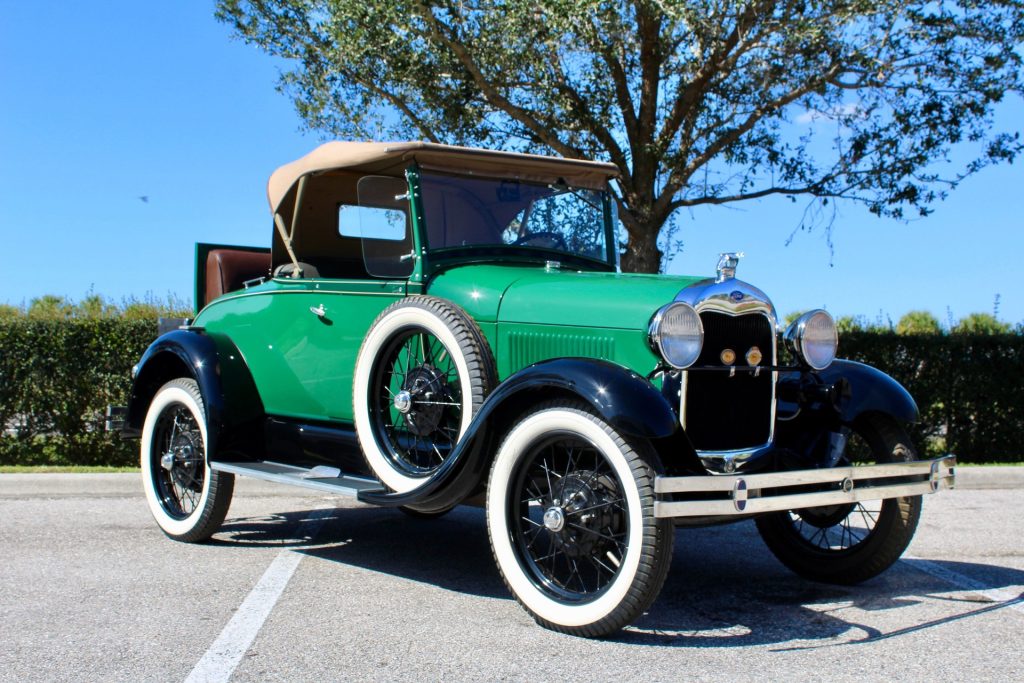
The overall behavior of bias ply construction gives classic cars their period correct driving personality. Steering may feel less sharp, but many enthusiasts appreciate the authenticity this brings.
The tire becomes part of the historical experience rather than just a replacement component, which is why many restorers still prefer them for accuracy rather than pure performance improvement.
Radial Tire
Radial tire construction represents a major leap forward in engineering because it separates structural responsibilities within the tire. Instead of crossing layers, radial tires use cords that run straight across the tire from one bead to the other.
Above these cords sit steel belts placed directly under the tread, giving the tire strength exactly where it is needed while allowing other parts of the tire to remain flexible.
This design allows the tread to remain flatter on the road surface. Because the tread does not distort as much during movement, the tire maintains better grip and more predictable traction. This is especially noticeable during braking and cornering where road contact consistency matters significantly.
The independent sidewall movement also reduces internal friction. Since the layers do not cross each other in the same way as bias ply construction, less heat is generated during driving. Lower heat buildup directly contributes to longer tread life and better long distance reliability.
Another advantage comes from rolling efficiency. Radial tires usually create less resistance while moving, which improves fuel efficiency and reduces strain on suspension components. While this may not have been a major concern in the past, it is a meaningful advantage for classic owners who regularly drive their vehicles today.
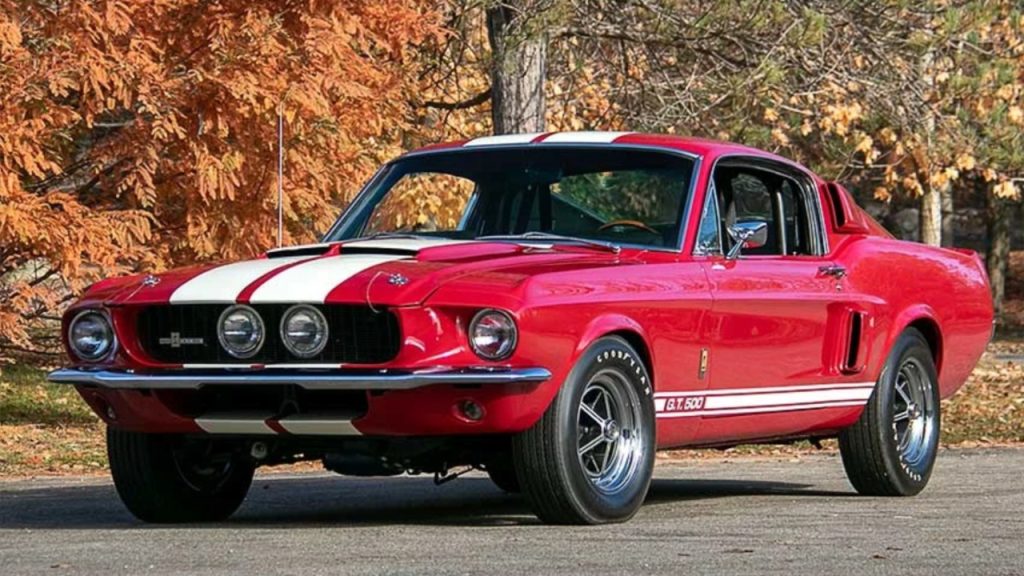
Overall, the radial design focuses on efficiency, grip, and longevity rather than structural simplicity. This makes it the more practical choice for owners prioritizing usability while still maintaining compatibility with many vintage vehicles when properly selected.
2. Difference in Ride Comfort and Road Feedback Characteristics
Bias Ply Tire
Ride quality with bias ply tires can best be described as traditional and mechanical rather than refined. Because the sidewall and tread function together, the tire tends to react to road imperfections as one solid unit.
This often produces what many classic drivers call a floating sensation at moderate speeds, especially on older suspension systems that were tuned around this behavior. The experience is not necessarily uncomfortable, but it does feel different from what modern drivers expect.
When driving over uneven pavement, small vibrations may travel more directly into the chassis rather than being absorbed within the tire itself.
This happens because the stiff internal layering limits how much the sidewall can flex independently. As a result, the suspension must handle more of the road shock instead of the tire acting as the first cushion.
Steering feedback is also unique. Bias ply tires sometimes follow grooves or surface variations in the road, a behavior often called tramlining. This requires small steering corrections, particularly at highway speeds. Experienced classic drivers usually consider this normal behavior rather than a flaw.
Another noticeable trait appears after storage. If a classic car remains parked for extended periods, bias ply tires may temporarily develop flat spots where the tire contacts the ground. These usually smooth out after some driving, but they reflect the structural memory of the tire materials.
Despite these characteristics, many collectors intentionally choose bias ply tires because they preserve the authentic ride feel. For enthusiasts focused on originality, the slightly less controlled ride is part of the historical driving experience rather than a disadvantage.
Radial Tire
Radial tires approach ride comfort from a completely different engineering mindset. Because their sidewalls are designed to flex independently from the tread, they can absorb small road imperfections before those forces reach the suspension. This often results in a smoother and more controlled driving experience, especially on imperfect road surfaces.
Drivers frequently notice that vehicles equipped with radial tires feel more planted. Instead of floating slightly over the road surface, the car tends to feel more connected and predictable. This is largely due to the consistent tread contact patch which improves stability even when road conditions change.
Steering effort often feels more precise as well. Radial tires typically resist road grooves better than bias ply tires, which reduces the need for constant steering adjustments. This makes longer drives less tiring and gives drivers greater confidence, particularly in modern traffic situations where sudden maneuvers may be necessary.
Another improvement comes in vibration control. Because the tire structure allows more localized flex, small bumps are often absorbed before they can travel through the steering column. This creates a calmer driving sensation compared to the more mechanical feedback of bias ply designs.
Radial tires also tend to maintain their shape better during long parking periods. Flat spotting is less common and usually less noticeable when it does occur. For owners who drive their classics regularly, this consistency adds to everyday usability and convenience without significantly altering the visual character of the vehicle.
3. Difference in Tread Wear, Longevity, and Maintenance Expectations
Bias Ply Tire
When discussing tread life, bias ply tires reflect the engineering priorities of an earlier automotive era where replacement intervals were expected to be shorter.
Their internal structure causes more movement across the tread surface as the tire rolls, which can lead to uneven wear patterns if the vehicle is driven frequently on modern paved roads. This does not mean they are poorly made, but rather that they were designed for different driving conditions and expectations.
Maintenance plays a bigger role in keeping bias ply tires performing properly. Regular rotation becomes important because the wear pattern can develop faster compared to newer designs. Owners who neglect rotation schedules may notice the tread wearing more heavily on certain sections due to how the tire flexes during turns and braking.
Another factor involves sensitivity to alignment. Classic cars running bias ply tires usually tolerate original factory alignment specifications well, but improper alignment can shorten tire life quickly. This is why experienced restorers often recommend keeping suspension components in proper condition to prevent unnecessary wear.
Storage habits also matter. If a vehicle sits unused for long periods, bias ply tires may require careful inflation checks and occasional movement of the vehicle to prevent prolonged pressure points. These small habits can significantly influence lifespan.
Despite these factors, bias ply tires still serve an important purpose in preservation focused restorations. Owners who primarily attend shows or drive occasionally may find their lifespan perfectly acceptable.
Their maintenance demands are simply part of owning historically accurate equipment rather than a drawback when used within those expectations.
Radial Tire
Radial tires were designed with longevity as a major objective. Their construction allows the tread to stay flatter against the road surface, which distributes weight more evenly. This even distribution reduces localized stress points, helping the tire wear more gradually and predictably over time.
One of the most noticeable advantages is mileage potential. Under similar conditions, radial tires often last significantly longer than bias ply tires. This makes them appealing for classic car owners who enjoy frequent driving or long distance touring events. Fewer replacements over time can also offset the initial purchase cost.
Maintenance demands are often simpler. While tire rotation is still recommended, radial tires are generally more forgiving if rotation intervals are slightly delayed. Their construction naturally promotes more even wear compared to older tire technology.
Radials also tend to be less sensitive to minor alignment variations. While proper alignment remains important, their design tolerates small deviations better without rapid tread degradation. This can reduce maintenance stress for owners who use their vehicles regularly.
Environmental durability is another advantage. Radial tires typically resist heat related degradation more effectively, which helps preserve rubber integrity over time. This is particularly beneficial in warmer climates or during extended highway use.
Overall, radial tires are built for owners who want reliability, reduced maintenance surprises, and longer service intervals. Their design reflects modern expectations where durability and consistency are considered essential rather than optional improvements.
4. Difference in Handling, Cornering Control, and Braking Behavior
Bias Ply Tire
Handling characteristics of bias ply tires reflect the era in which they were developed. These tires were created when average driving speeds were lower and aggressive cornering was not a primary design concern.
Because the internal plies work together as one structure, the tread can shift slightly during turns. This can produce a gentle delay between steering input and vehicle response, something many classic drivers describe as a relaxed steering character rather than a sharp reaction.
During cornering, bias ply tires may allow more body movement before fully settling into the turn. This is partly due to how the contact patch changes shape as forces are applied.
Instead of staying completely flat, the tire can slightly roll onto its shoulder. While this reduces cornering precision, it contributes to the smooth transitional feel typical of older cars.
Braking behavior also reflects this design. Under hard braking, the tire may not maintain as wide a contact footprint as a radial tire. This can slightly increase stopping distances compared to modern standards. However, when driven within the limits expected during the classic era, this behavior remains predictable and manageable.
Another handling trait involves steering return. After completing a turn, the steering wheel may not always snap back as quickly as with radial tires. This is simply a result of the tire construction rather than a defect.
For many collectors, these handling traits are part of the vehicle’s personality. The slower, more deliberate response encourages relaxed driving rather than aggressive maneuvering. This makes bias ply tires ideal for historically accurate driving experiences where authenticity is valued over maximum grip.
Radial Tire
Radial tires significantly improve handling precision because their tread remains more stable during cornering. The steel belts help the tire resist distortion, which allows more consistent grip throughout a turn. This makes steering response feel more immediate and predictable, which can increase driver confidence.
Cornering stability is one of the most noticeable improvements. Instead of the tire rolling slightly during turns, radial construction helps maintain a broader and flatter contact patch. This improves traction and reduces the amount of body sway felt during directional changes.
Braking performance also benefits from this design. Because more rubber stays in contact with the road, radial tires usually provide shorter and more controlled stopping distances. This can be especially important when classic cars are driven in modern traffic environments where sudden braking situations may occur.
Steering response also tends to feel more direct. When the steering wheel is turned, the vehicle reacts with less delay. This can make the car feel more modern even if the rest of the vehicle remains unchanged.
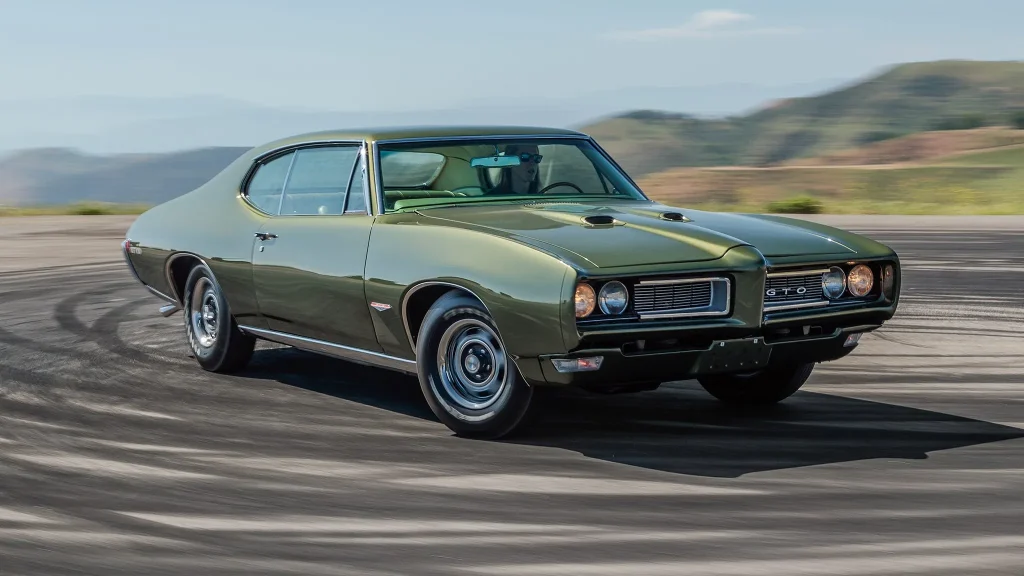
High speed stability is another advantage. Radial tires generally maintain directional control better at highway speeds, reducing the need for small steering corrections. This makes them especially appealing for owners who enjoy touring events or extended drives.
These characteristics make radial tires the preferred option for drivers who want improved safety margins and more predictable vehicle behavior without significantly altering the appearance of their classic car.
5. Difference in Appearance, Authenticity, and Period Correct Character
Bias Ply Tire
For many classic car owners, the discussion about tires is not only mechanical but also visual. Bias ply tires carry a distinctive appearance that immediately signals historical accuracy.
Their sidewalls typically appear taller and slightly more rounded at the shoulders, giving classic cars the exact stance designers originally intended. This visual detail may seem small, but among collectors it can make the difference between a correct restoration and a visually altered one.
Another aspect often discussed is how bias ply tires influence the overall posture of a vehicle. Because of their construction, they sometimes give the car a slightly elevated and softer sitting profile.
This contributes to the recognizable vintage silhouette seen in period photographs and advertisements. Enthusiasts who participate in judged shows often prioritize this detail because authenticity scoring sometimes considers correct tire type.
The lettering and tread designs also tend to reflect historical styling. Many bias ply reproductions are manufactured specifically to replicate the exact patterns used decades ago.
This allows restorers to match factory specifications very closely. For vehicles intended for museum preservation or historically accurate collections, this becomes an important factor.
There is also a philosophical argument among purists. Some believe that installing anything other than bias ply tires changes the character of the car, even if performance improves. From this perspective, the tire is considered part of the vehicle’s historical identity rather than just a wear item.
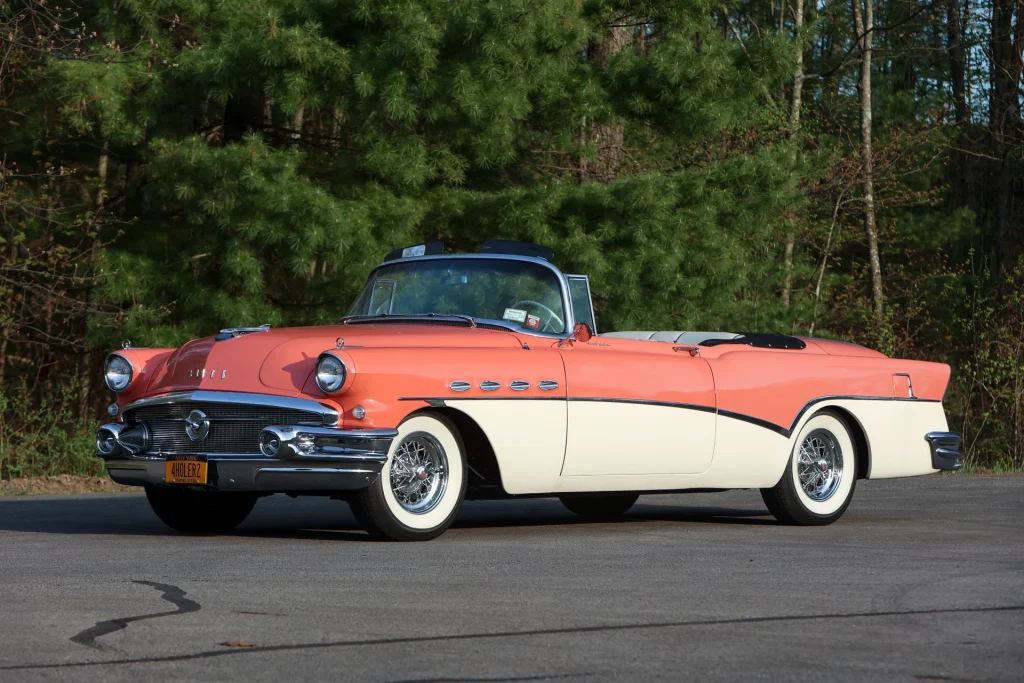
Because of these reasons, bias ply tires remain popular among collectors who value originality above convenience. They represent a commitment to preserving not only how a classic car looks, but also how it was meant to exist during its own time period.
Radial Tire
Radial tires approach the same topic from a different angle. While they may not always replicate the exact appearance of original tires, many modern manufacturers now produce radial tires designed specifically for classic cars.
These often include vintage style whitewalls, period looking sidewall markings, and tread patterns that visually resemble older designs while still using modern internal construction.
From a practical ownership perspective, some enthusiasts accept small visual differences in exchange for improved usability. A slightly different sidewall contour is often considered an acceptable compromise if it results in better road grip and longer tire life.
This viewpoint is especially common among owners who actively drive their vehicles rather than storing them as static displays.
Another visual factor involves tread shape. Radial tires usually have a flatter footprint, which can slightly change how the tire fills the wheel well. Some owners appreciate this because it can make the vehicle appear more planted, while others prefer the taller bias ply look. This becomes a matter of personal preference rather than a strict advantage.
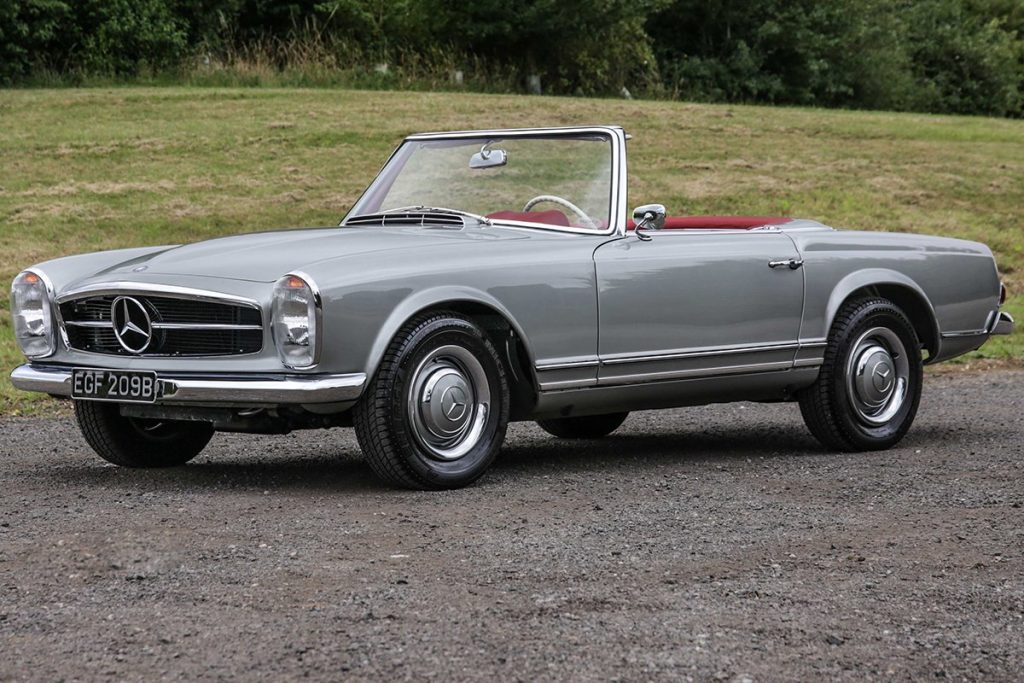
Availability also plays a role in modern restoration decisions. Radial tires in classic sizes are often easier to source globally, which can simplify ownership logistics. This can be especially useful for drivers who travel long distances and want easier replacement access if needed.
In the end, radial tires appeal to owners who view their classic cars as living machines meant to be driven regularly. While they may compromise slightly on historical appearance, they often enhance the practicality of owning and enjoying a vintage automobile in modern conditions.
Also Read: 6 Unique Ways That A Vintage Cars Managed Cabin Ventilation Before AC
