Vintage cars offer a driving experience that feels mechanical, direct, and engaging in ways modern vehicles rarely match. However, one area where older cars often show their age is ignition technology.
Traditional distributor based ignition systems with contact breaker points require regular adjustment, can suffer from inconsistent spark timing, and often struggle with reliability compared to modern electronic alternatives.
This is exactly why electronic ignition conversions have become one of the most popular upgrades among classic car owners.
Unlike heavy modifications that change the character of a vehicle, ignition upgrades are usually considered sympathetic improvements. They preserve the engine’s personality while improving reliability, starting behavior, and efficiency.
Electronic ignition eliminates mechanical points and replaces them with solid state triggering systems. This results in more consistent spark delivery, better combustion efficiency, and reduced maintenance requirements. Many owners report smoother idle, improved throttle response, and easier cold starts after the upgrade.
Not every vintage car responds equally well to this modification. The best candidates usually share certain characteristics. Engines that were originally designed with simple distributor systems, cars with strong aftermarket support, and models known for daily usability tend to benefit the most.
Availability of conversion kits also plays a major role since some classics have far better technical support than others.
Another important factor is practicality. Many owners today want to actually drive their classics instead of keeping them parked.
Improvements like electronic ignition help transform older cars into dependable weekend drivers without compromising originality. In most cases the modification is also reversible, which matters to collectors who value preservation.
The following vintage models stand out as excellent candidates for electronic ignition upgrades due to their mechanical simplicity, strong enthusiast communities, and proven compatibility with modern ignition solutions. Each offers a slightly different reason why the conversion makes sense.
Also Read: 10 European Hot Hatches From the 1980s That Are Still Fast Today
1. Volkswagen Beetle (Air Cooled)
Few cars make a stronger case for electronic ignition upgrades than the classic air cooled Volkswagen Beetle.
Its simplicity is exactly what makes the improvement so noticeable. Because the engine design is straightforward and accessible, even small improvements in ignition consistency can be clearly felt during everyday driving.
Owners of these cars often describe the same routine from the original ignition setup. Periodic point adjustment, occasional starting hesitation, and sensitivity to moisture were all part of the ownership experience.
While this maintenance routine is part of the historical charm, many drivers prefer improvements that allow more driving and less adjustment.
The conversion works especially well on the Beetle because of how the engine operates. Air cooled engines depend heavily on proper combustion efficiency to maintain smooth running temperatures. A more stable spark helps ensure more complete combustion, which can indirectly support engine longevity.
Availability of parts is another reason this car is an ideal candidate. Because the Beetle remains one of the most produced cars in history, the aftermarket support is enormous.
Owners can choose between simple drop in modules that fit inside the original distributor or complete ignition system upgrades depending on their goals.
Interestingly, many restorers choose electronic ignition not for performance but for preservation. Reducing the need for frequent distributor adjustment helps prevent wear caused by repeated servicing. That practical benefit often matters more than horsepower gains.
Driving behavior also changes subtly. Many drivers notice more predictable idle stability and smoother low speed operation. These are not dramatic changes, but they significantly improve usability.
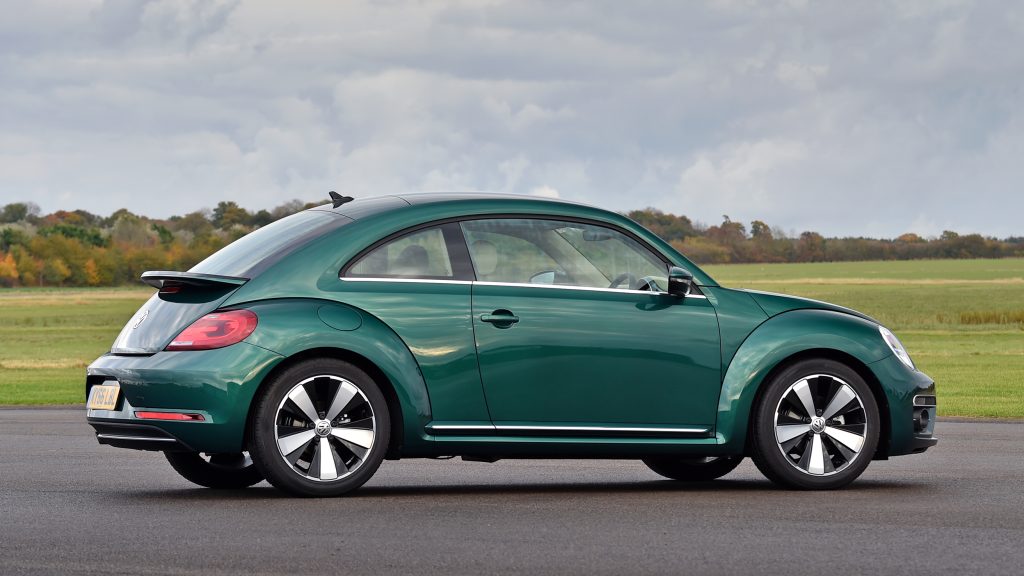
For a vehicle designed to be simple transportation, reliability improvements fit perfectly with its original philosophy. In many ways, electronic ignition simply helps the Beetle become what it was always meant to be. A dependable everyday classic.
2. Ford Mustang (1965–1973)
Unlike the Beetle, where simplicity defines the story, the early Ford Mustang presents a different reason for ignition modernization. This car represents the era when performance tuning became part of ownership culture. Because many Mustangs were modified even when new, sympathetic upgrades feel historically appropriate.
Classic Mustangs equipped with small block V8 engines respond particularly well to electronic ignition conversion. These engines benefit from precise timing control, especially when owners have already added mild performance upgrades such as improved carburetors or exhaust systems.
One advantage often overlooked is starting consistency. Carbureted V8 engines can sometimes be sensitive to temperature conditions. A stronger and more consistent spark can reduce extended cranking time, something many owners appreciate when using their cars regularly.
Another factor is compatibility with existing upgrades. Because Mustangs have one of the largest restoration and modification ecosystems in the classic car world, electronic ignition systems are widely available in multiple configurations. Owners can choose factory style hidden conversions or more visible performance oriented setups.
There is also a safety related benefit. Mechanical points can gradually degrade without obvious warning, sometimes causing sudden running problems. Electronic systems remove that gradual wear variable. Many owners see this as preventative maintenance rather than modification.
The Mustang community has also influenced adoption. When a large enthusiast base begins favoring a certain upgrade, acceptance tends to grow quickly. Electronic ignition has now become almost standard practice among regularly driven examples.
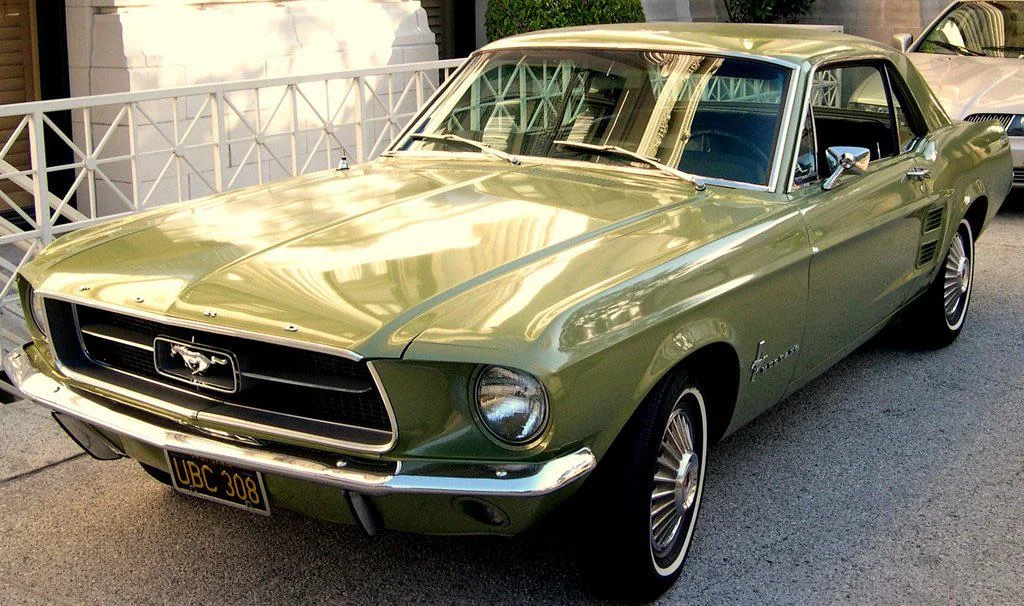
What makes the Mustang particularly suitable is how well the upgrade matches the car’s identity. This was never meant to be a fragile collector piece. It was designed to be driven, enjoyed, and personalized.
Upgrading ignition reliability follows that same philosophy. Rather than changing the car’s character, it simply supports the way most owners already use it.
3. Chevrolet C10 Pickup (1967–1972)
There is a practical argument to be made for upgrading the ignition system in a vintage Chevrolet C10, and it starts with how these trucks were actually used. Unlike many classics that lived sheltered lives, these pickups were working machines.
They hauled equipment, pulled trailers, and handled daily responsibilities. Because of that, reliability improvements make logical sense rather than feeling like optional upgrades.
The original ignition systems were perfectly acceptable for the era, but they assumed frequent maintenance schedules. Owners were expected to check timing, replace points, and keep everything properly adjusted. That expectation does not always match how modern owners use these trucks today.
Electronic ignition changes that ownership experience in a very noticeable way. Instead of planning maintenance around ignition wear, the system becomes largely maintenance free. For trucks that still see regular use, this is often the single biggest motivation behind the upgrade.
Another strong advantage comes from the nature of the Chevrolet small block engine itself. These engines are known for durability and adaptability. Adding a modern ignition system often complements that reputation rather than altering it. The upgrade fits naturally into the truck’s engineering philosophy.
Some owners approach the conversion from a usability perspective rather than a technical one. When a vintage truck starts immediately, idles steadily in traffic, and responds predictably, it becomes easier to use in modern conditions. That usability factor often outweighs any performance discussion.
Parts accessibility is also a major advantage. Because Chevrolet produced these engines in massive numbers, ignition upgrades are widely supported. Whether someone wants a hidden factory appearance or a clearly modern system, both paths are easy to achieve.

Interestingly, many restorations now include electronic ignition as part of a reliability package along with improved cooling and charging systems. This reflects a broader trend where classic trucks are being prepared for regular driving rather than occasional display.
For a vehicle originally valued for toughness and practicality, improving dependability through better ignition technology feels completely appropriate.
It helps the truck continue doing what it was always respected for doing. Starting every time and getting the job done.
4. BMW 2002 (1968–1976)
The BMW 2002 presents a completely different case study because its value lies heavily in driving precision. This is a car known for balance, responsiveness, and driver engagement. For vehicles like this, ignition improvements are less about convenience and more about maintaining the engine’s sharp character.
Rather than discussing maintenance first, it helps to consider how sensitive these engines are to proper tuning. The BMW M10 engine responds strongly to correct ignition timing. Small inconsistencies in spark delivery can slightly affect smoothness and throttle response. Electronic ignition helps remove those small variations.
Another reason this upgrade works well on the 2002 is philosophical compatibility. BMW built these cars around the idea of mechanical harmony. Improving ignition accuracy without changing the core engine design fits naturally within that engineering mindset.
Owners who drive these cars enthusiastically often notice subtle benefits. More predictable rev behavior, cleaner acceleration transitions, and reduced hesitation during gear changes are commonly mentioned improvements. These changes do not transform the car but refine it.
There is also a preservation angle. Frequent distributor servicing always carries a small risk of accidental misadjustment. Reducing mechanical intervention helps maintain consistent operation over time. Many collectors see this as protecting the engine rather than modifying it.
Support from the BMW enthusiast community also plays a role. Because the 2002 has such a strong following, knowledge about reliable ignition conversions is well documented. This reduces uncertainty for owners considering the change.
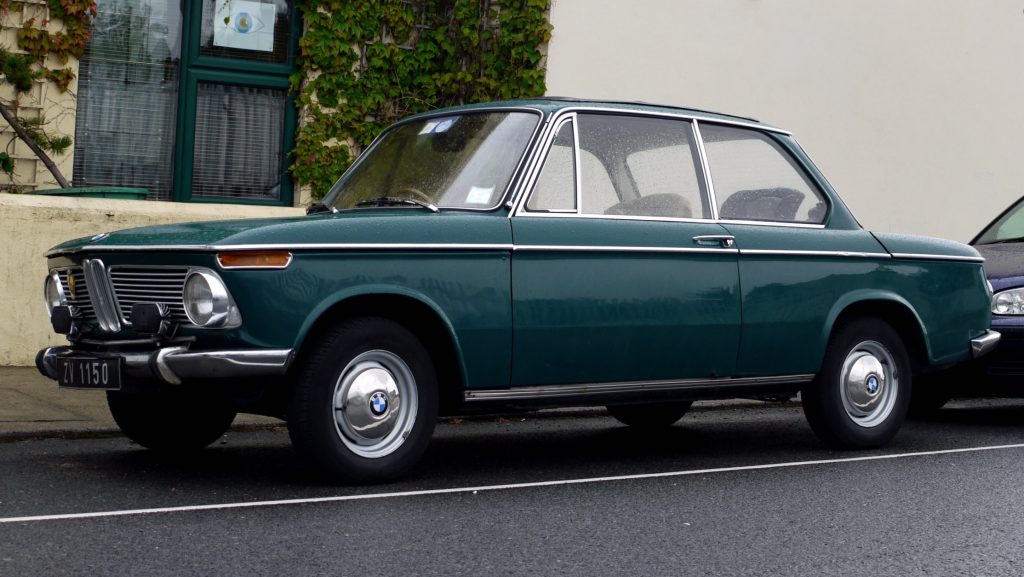
Unlike muscle cars or trucks where reliability is the main argument, the BMW story is about precision. It is about helping a well engineered engine perform with greater consistency.
This upgrade does not change what makes the BMW 2002 special. It simply allows the engine to operate closer to the way its engineers originally intended.
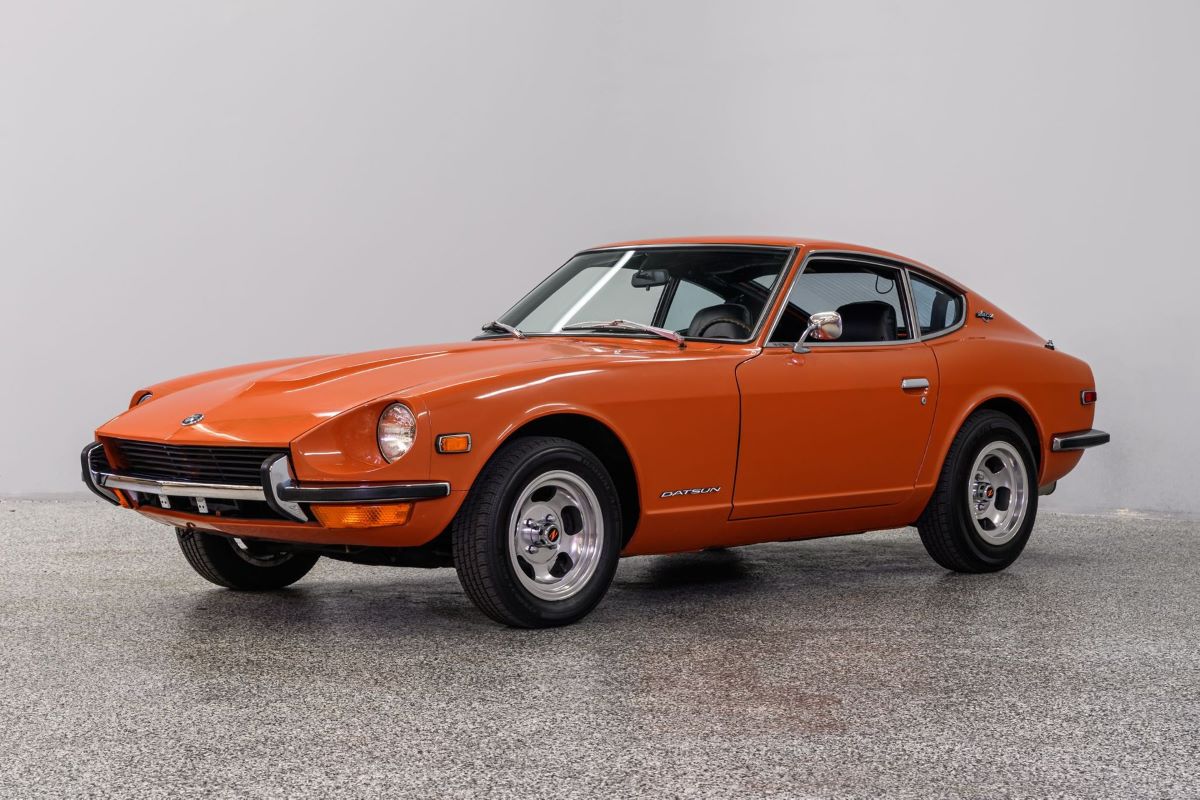
5. Datsun 240Z
When discussing vintage cars that benefit from electronic ignition, the Datsun 240Z deserves attention not because it needs modernization, but because it responds exceptionally well to subtle technical refinement. This is a car where small mechanical improvements often produce disproportionately satisfying results.
The inline six engine found in the 240Z is known for its smooth character and willingness to rev. However, like many engines from the early 1970s, its ignition system depended on mechanical components that gradually drifted out of adjustment.
Even when properly maintained, point wear could slowly affect timing accuracy. This is where electronic ignition makes a meaningful difference.
Instead of focusing on dramatic performance gains, most owners report improvements in consistency. The engine tends to feel more predictable during acceleration, particularly in mid range driving where smooth combustion matters most. These changes often feel more like refinement than modification.
Another reason the 240Z is a strong candidate comes from how these cars are currently used. Many examples have transitioned from affordable sports cars into respected collector vehicles that are still driven regularly.
Owners often want reliability without sacrificing originality. Electronic ignition fits this goal because many systems can be installed without permanent alteration.
There is also an interesting technical compatibility advantage. The L series engines used in the 240Z are extremely tolerant of mild upgrades. This means electronic ignition tends to integrate smoothly without requiring additional changes. That simplicity encourages adoption among owners who prefer straightforward improvements.
Heat management is another indirect benefit sometimes mentioned. A more consistent spark can contribute to cleaner combustion, which helps engines operate more smoothly during longer drives. While this is not always the primary motivation, it adds another practical advantage.
The growing collector interest in early Japanese sports cars is also influencing upgrade decisions. As values increase, owners are becoming more selective about modifications.
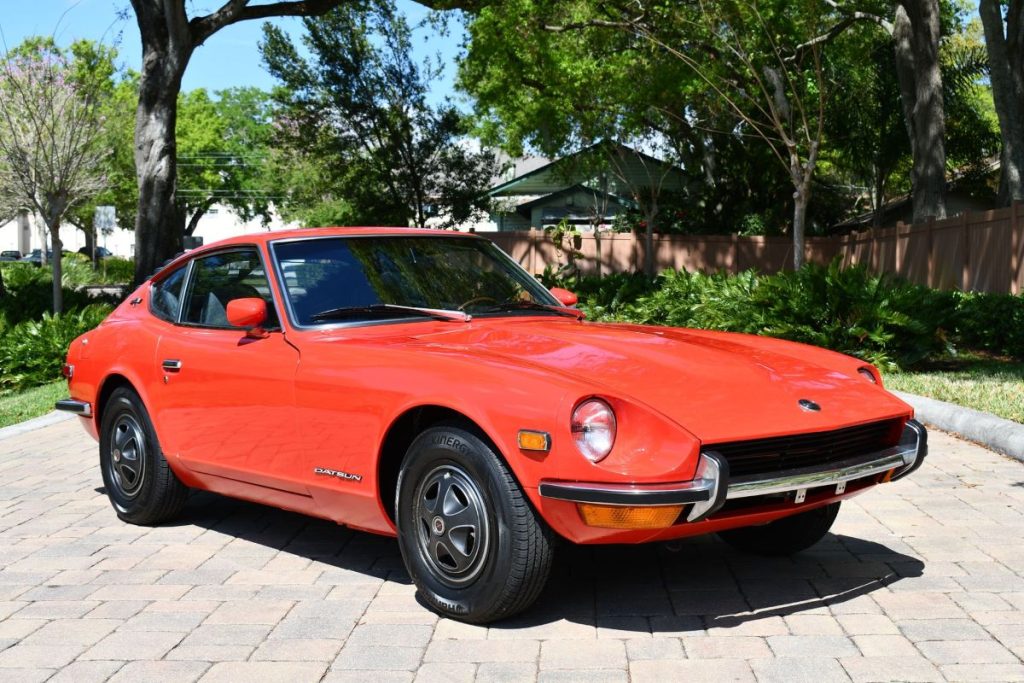
Reversible upgrades that improve drivability while preserving originality are becoming the preferred approach. Electronic ignition fits perfectly into that philosophy.
It does not attempt to redefine the 240Z. It simply removes one of the small weaknesses of period technology while allowing the car’s natural strengths to remain the focus. For a car celebrated for balance and simplicity, that kind of upgrade feels entirely appropriate.
6. Mercedes Benz W123 (1976–1985)
Some classics are upgraded for performance. Others for convenience. The Mercedes W123 is usually upgraded for a much simpler reason. Owners expect it to start every single time.
This model built its reputation on durability. Taxi fleets around the world proved how robust these cars could be under extreme use. Because of that legacy, modern owners often feel a responsibility to maintain that reputation. Improving ignition reliability becomes part of preserving the car’s identity.
Looking at the engineering philosophy helps explain why electronic ignition works well here. Mercedes designed the W123 with long term serviceability in mind. Components were made to be repaired rather than discarded. Upgrading the ignition system follows the same long term thinking by reducing wear related maintenance.
Unlike sports cars where throttle response improvements dominate discussions, W123 owners often talk about dependability improvements. Smoother cold starts, reduced idle fluctuation, and predictable operation in varying weather conditions are commonly mentioned benefits.
Another advantage comes from usage patterns. Many classic Mercedes sedans are still used for long drives rather than short exhibition runs. For cars covering real distances, reducing maintenance sensitive components becomes increasingly valuable. Owners often prefer improvements that reduce uncertainty on longer journeys.
There is also a subtle mechanical benefit involving timing stability. Mechanical points can gradually change characteristics as they wear. Electronic triggering eliminates this gradual variation, helping engines maintain stable timing over extended periods. This stability often contributes to smoother long term operation.
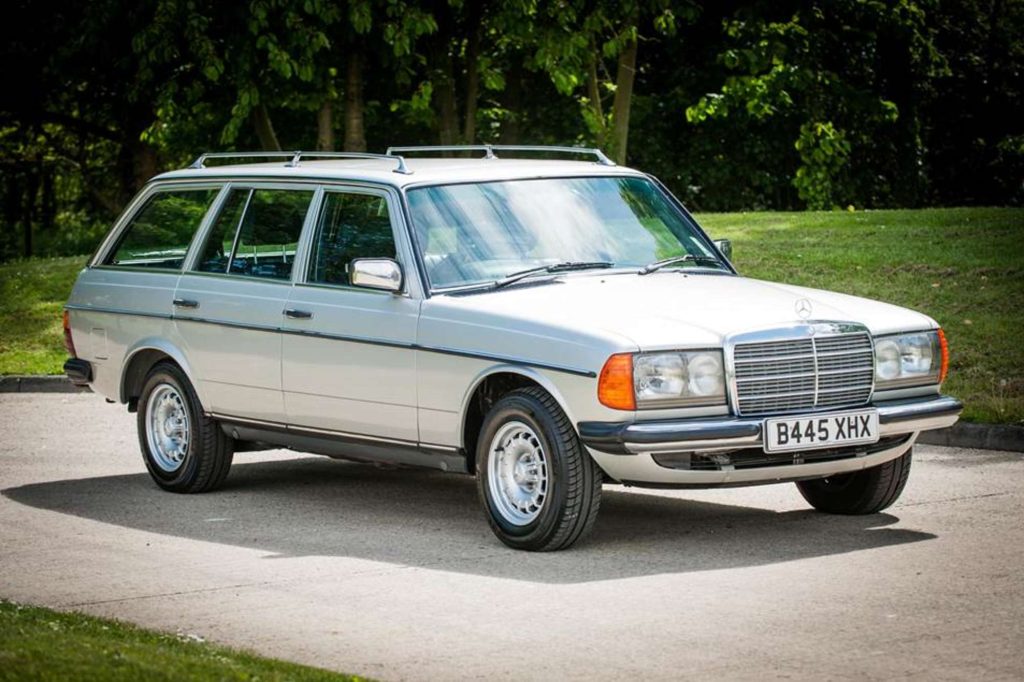
The availability of discreet conversion kits also supports adoption. Many owners prefer upgrades that remain visually consistent with the original engine bay. Hidden electronic modules allow the car to retain its classic appearance while benefiting from modern reliability.
Interestingly, many specialists now recommend ignition upgrades as part of preventative care when recommissioning stored vehicles. This reflects how accepted the modification has become within the restoration community.
For a car famous for engineering integrity, improving reliability without changing character aligns perfectly with its original purpose. The W123 was built to outlast expectations. Electronic ignition simply helps it continue doing exactly that.
7. Triumph Spitfire
If there is one vintage car where electronic ignition feels less like an upgrade and more like a quality of life improvement, it is the Triumph Spitfire. British sports cars from this era are famous for their charm, their simplicity, and their personality. They are also known for requiring regular attention to keep them running at their best.
The Spitfire represents a type of ownership experience where the driver often becomes part mechanic. Routine tuning was once considered part of the enjoyment.
Adjusting carburetors, checking ignition timing, and replacing points were normal weekend activities. While some enthusiasts still enjoy that ritual, many modern owners prefer to spend that time driving instead.
Electronic ignition directly addresses one of the most maintenance sensitive parts of these cars. By eliminating the physical contact points that gradually wear down, the ignition system becomes far more stable over time.
This stability tends to show up first in idle behavior. Engines that previously required occasional adjustment often begin running more consistently.
Another interesting benefit appears during seasonal use. Many Spitfires are not driven daily. Cars that sit for extended periods sometimes develop starting inconsistencies due to slight ignition variations. Electronic systems help reduce this sensitivity, making the car more predictable after storage.
Weight and simplicity also play a role. Because the Spitfire is such a lightweight sports car, even small improvements in engine smoothness can be felt more clearly than in heavier vehicles. Drivers sometimes report that the engine feels more eager and linear, even though power output may remain largely unchanged.
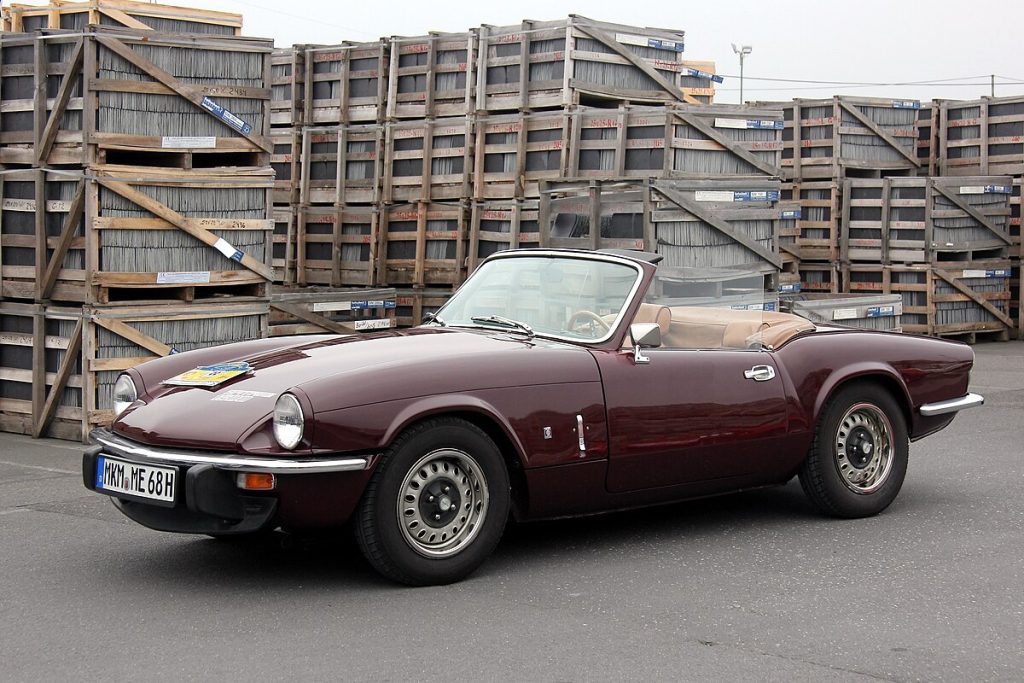
Parts support is another practical reason this model is ideal. The British classic car aftermarket is extremely well developed, and ignition upgrades are widely available. Owners can usually find solutions that match their restoration goals whether they prioritize originality or usability.
What makes this upgrade especially appropriate is how it supports the car’s intended purpose. The Spitfire was always meant to be an accessible, enjoyable sports car rather than a fragile museum piece. Reducing maintenance interruptions allows owners to experience more of what the car does best.
Open road driving, simple mechanical feedback, and the kind of analog enjoyment that made these cars beloved in the first place.
8. Chevrolet Corvette C3 (1968–1982)
The case for electronic ignition in the Corvette C3 begins with evolution rather than correction. This was a generation produced during a time when automotive technology was rapidly changing. As emissions regulations increased and performance expectations shifted, ignition precision became more important than ever.
Rather than viewing electronic ignition as a fix, many Corvette owners see it as completing a technological transition that had already begun by the late 1970s. Later C3 models even started moving toward improved ignition systems from the factory, which makes modern upgrades feel historically consistent.
V8 engine behavior is another important consideration. Large displacement engines depend heavily on accurate spark delivery to maintain smooth combustion across all cylinders. Electronic ignition helps ensure consistent firing, particularly at lower engine speeds where uneven combustion can sometimes be felt as roughness.
Another point often raised by Corvette enthusiasts involves heat. The engine bay of a C3 Corvette can become quite warm due to its tight packaging and performance orientation. Mechanical ignition components can sometimes be sensitive to heat related wear. Solid state electronics generally tolerate these conditions more consistently.
There is also a usability argument connected to modern traffic conditions. These cars were built in an era with different driving environments.
Today, stop and go traffic and longer idle periods place different demands on classic engines. More consistent ignition helps engines remain composed in situations they were not originally optimized for.
Restoration practices are also evolving. Many Corvette restorations now aim for what is sometimes called functional originality. This means preserving the look and feel of the car while quietly improving reliability. Electronic ignition fits perfectly within this approach because many conversions remain visually subtle.
The Corvette also benefits from one of the strongest enthusiast networks in the collector world. Knowledge sharing, proven upgrade paths, and well documented installation practices reduce uncertainty for owners considering improvements.
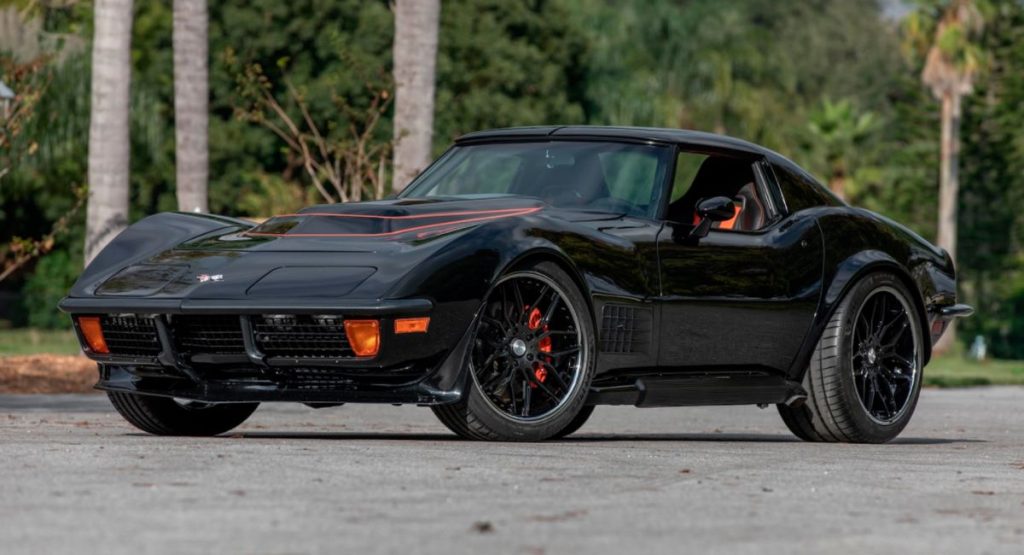
For a car that always represented American performance innovation, updating ignition technology feels like a continuation of its story rather than a departure from it. It keeps the experience strong, responsive, and ready to drive. Exactly what a Corvette was always meant to be.
9. Volvo 240
The Volvo 240 is not usually the first car people think about when discussing ignition upgrades, yet it may be one of the most logical candidates.
This is a vehicle built around a philosophy of longevity, safety, and everyday usability. When viewed through that lens, improving ignition reliability becomes a natural extension of the car’s original design goals.
The engines used in the Volvo 240 are known for their durability and conservative engineering. These motors were never pushed to their limits from the factory, which is exactly why many have survived for decades.
Because the core engine design is so robust, improving supporting systems like ignition often produces noticeable improvements in everyday operation.
Instead of focusing on performance improvements, many Volvo owners approach electronic ignition from a stability perspective. The goal is not speed. The goal is predictability. Cars that start easily, idle consistently, and operate smoothly under varying weather conditions are far easier to keep in regular use.
Climate tolerance is another interesting reason this upgrade makes sense. Many Volvo 240s still operate in regions with cold winters or variable humidity.
Mechanical ignition components can sometimes become sensitive to environmental changes. Electronic triggering systems reduce this variability, making the car feel more consistent throughout the year.
There is also a strong practicality argument. The Volvo 240 has developed a reputation as a classic that can still function as real transportation. Owners who depend on their cars occasionally prefer upgrades that reduce unexpected maintenance. Electronic ignition often becomes part of a broader reliability improvement strategy.
The enthusiast community has also influenced this trend. Volvo specialists often recommend ignition upgrades alongside fuel system refreshes when reviving older examples. This reflects how the modification has moved from optional improvement to common best practice.
Another factor is subtle engine refinement. Many owners report smoother cruising behavior and slightly improved fuel efficiency after installation. These are modest gains, but they align perfectly with the car’s identity.
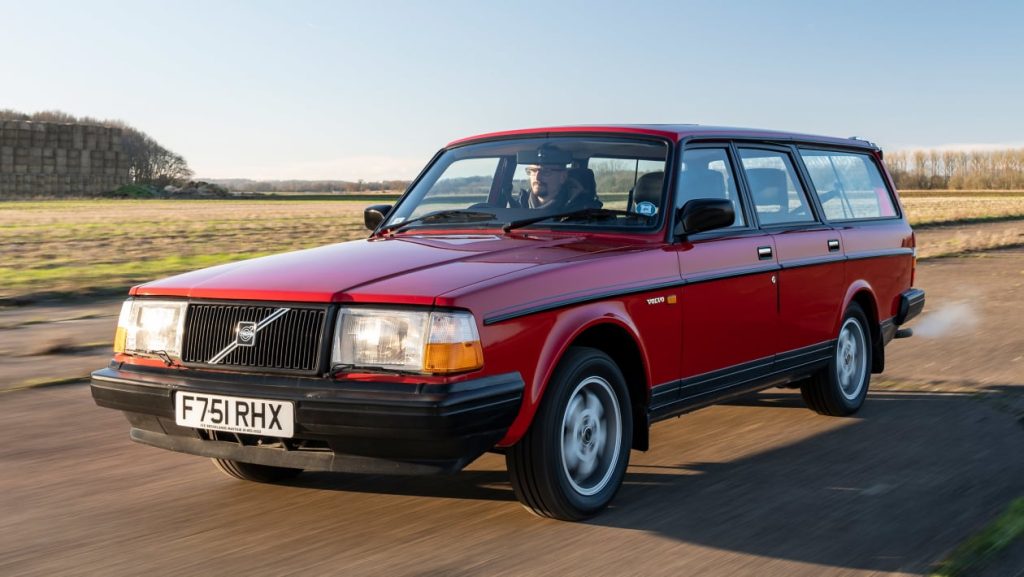
The Volvo 240 was never about excitement. It was about trust. Improving ignition reliability simply reinforces the very quality that made the car respected in the first place. Dependability that owners can rely on without constant attention.
10. Alfa Romeo Spider (1966–1993)
Upgrading the ignition system in an Alfa Romeo Spider is rarely about convenience alone. It is often about preserving the emotional connection between driver and machine while removing one of the small frustrations that can interrupt that experience.
Italian sports cars are often celebrated for their character. The Alfa Spider is a perfect example. Twin cam engines, responsive throttle behavior, and a distinctive exhaust note give the car a personality that owners become deeply attached to. Electronic ignition helps maintain that personality by improving consistency rather than altering behavior.
Instead of beginning with technical reasons, it helps to consider the ownership experience. Many Spider owners describe the car as something that rewards attention. When properly tuned, the engine feels lively and responsive. When slightly out of adjustment, it can feel temperamental. Electronic ignition helps reduce that variability.
Another important factor involves timing precision. The Alfa twin cam engine responds strongly to accurate ignition timing. Maintaining that accuracy mechanically requires regular inspection. Electronic systems hold timing far more consistently, which helps the engine maintain its intended character between service intervals.
There is also a long distance driving advantage. Many Spider owners enjoy touring with their cars. Reducing ignition related unpredictability provides peace of mind during extended trips. This kind of confidence often matters more than measurable performance improvement.
Parts availability has improved significantly over the past decade, which has encouraged more owners to consider this upgrade. Modern ignition modules designed specifically for Alfa engines allow installation without major modification. This preserves originality while improving usability.

Some restorers even consider electronic ignition a sympathetic enhancement rather than a modification. The reasoning is simple. If the technology had been affordable and available when the car was designed, engineers likely would have used it.
That perspective has helped increase acceptance among traditional collectors. For a car defined by passion and engagement, the best upgrades are the ones that allow the driver to focus on the experience rather than the maintenance schedule.
Electronic ignition does exactly that. It protects the rhythm of the drive while quietly removing one small mechanical distraction.
Also Read: Top 10 Affordable Classics cars From the 1960s That Are Still Easy to Find