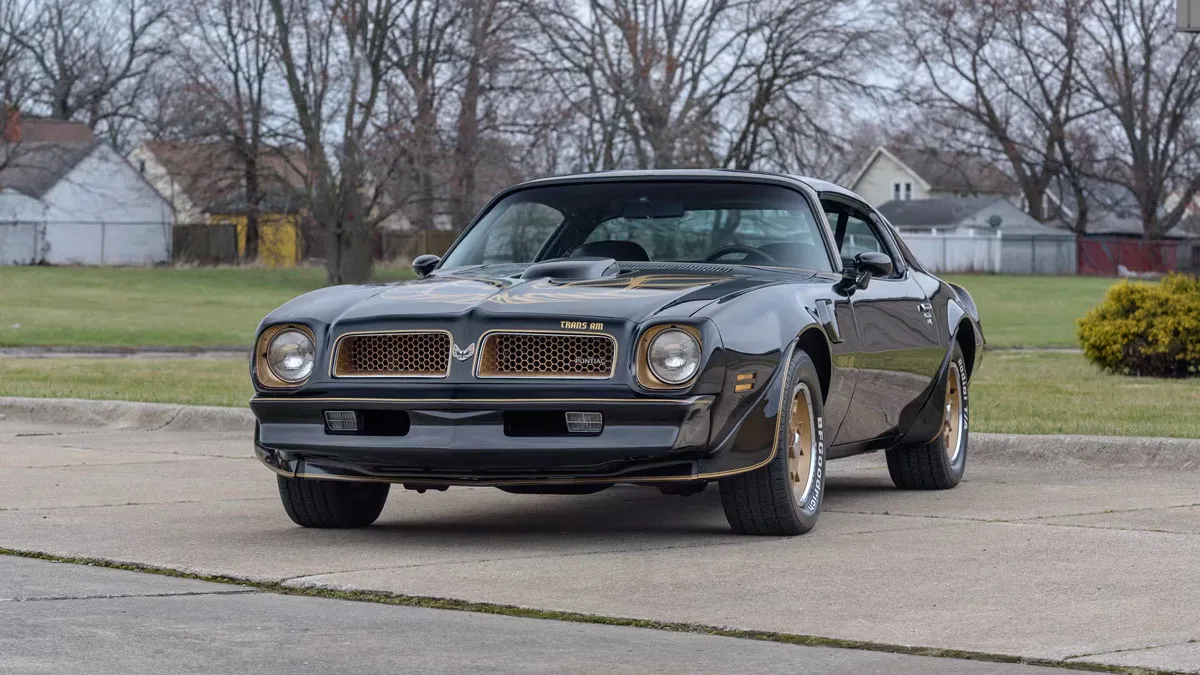
The 1970s represented a fascinating period of experimentation in automotive design. Manufacturers were trying to balance changing safety regulations, evolving styling trends, and customer demand for more engaging driving experiences.
Among the most interesting innovations of that era was the rise of the T top roof design, a feature that allowed drivers to enjoy open air driving without sacrificing the structural strength of a fixed roof coupe.
Unlike full convertibles, T top cars offered something different. They gave drivers the freedom of removable roof panels while keeping a solid center bar for rigidity. This design allowed manufacturers to maintain better chassis strength while still offering the emotional appeal of wind, sound, and sunlight entering the cabin.
The popularity of T tops also reflected a cultural shift. Driving was becoming more than transportation. It was becoming entertainment. People wanted cars that felt exciting even at moderate speeds, and the semi open roof concept added a sense of occasion to every drive.
Another reason these cars became icons was their connection to performance culture. Many T top vehicles were based on muscle cars or grand touring platforms. This meant drivers could combine strong engines with an immersive driving environment, creating a unique blend of power and atmosphere.
Design also played a huge role. T top cars often featured long hoods, wide stances, and dramatic proportions that matched the bold design language of the decade. With the panels removed, these shapes looked even more dramatic, making the driving experience feel special even when parked.
The engineering challenge behind T tops should not be overlooked. Removing large sections of the roof could reduce body stiffness, so manufacturers had to reinforce frames and rocker panels. These solutions helped push structural engineering forward and influenced future sports coupe design.
There was also a strong lifestyle element attached to these vehicles. T top cars became symbols of freedom, especially in North America where long highway drives and coastal routes helped highlight their appeal. The experience of removing the panels before a drive became part of the ownership ritual.
Another reason enthusiasts still admire these cars today is their mechanical simplicity. Most came from a time before heavy electronic integration, which means the driving experience feels direct and analog. This raw connection adds to the feeling of openness created by the roof design.
These vehicles also helped shape how future sports cars approached driver engagement. Even though T tops became less common later, the idea of blending structural design with sensory driving experiences continued to influence automotive development.
Collectors today often seek these cars not just because of rarity but because of the experience they offer. The sound of the engine feels closer, the air feels more present, and the connection to the road feels more memorable.
The following T top cars became icons because they delivered more than just removable panels. They created experiences that combined design, engineering, and emotion into something drivers still remember decades later.
Also Read: 6 Reasons Why Late 80s Mercedes Models Are Considered Indestructible
1. Chevrolet Corvette C3
Few cars demonstrate the drama of 1970s automotive styling as clearly as the Corvette C3. With its sweeping curves, aggressive fenders, and aircraft inspired details, it looked futuristic even by the bold standards of its time. The addition of T tops only enhanced that sense of theater.
The removable roof panels transformed the driving environment in a way that matched the personality of the car. Instead of simply adding ventilation, they created an immersive atmosphere where the sound of the V8 engine became part of the experience rather than background noise.
One interesting aspect of the Corvette approach was how it balanced performance identity with lifestyle appeal. This was not just a sports car designed for speed. It was a car designed to make ordinary drives feel memorable.
The cockpit layout reinforced this feeling. Deep set gauges, a driver focused dashboard, and a low seating position gave the impression of sitting inside a purpose built machine. With the roof panels removed, that feeling became even more intense.
Owners often describe a unique sensory effect when driving a C3 with the roof open. The long hood remains visible ahead, the rear fenders rise dramatically behind, and the open sky above creates a strong sense of motion even at relaxed speeds.
Another factor that made this car influential was how it helped normalize removable roof panels in performance vehicles. Instead of treating open air driving as something reserved for convertibles, the Corvette showed that coupes could deliver similar excitement.
From a structural standpoint, Chevrolet invested heavily in reinforcing the chassis to compensate for the removable panels. This helped maintain handling balance and prevented excessive body flex, which was critical for maintaining the Corvette’s sports car reputation.
Unlike some T top cars that felt like modified versions of existing designs, the Corvette integrated the concept naturally. The roof opening looked intentional rather than an afterthought, which helped it stand out visually.
The C3 also helped define the emotional appeal of T top ownership. Removing the panels was not just functional. It was part of the ceremony of driving. Owners often planned drives around weather conditions just to enjoy the open feeling.
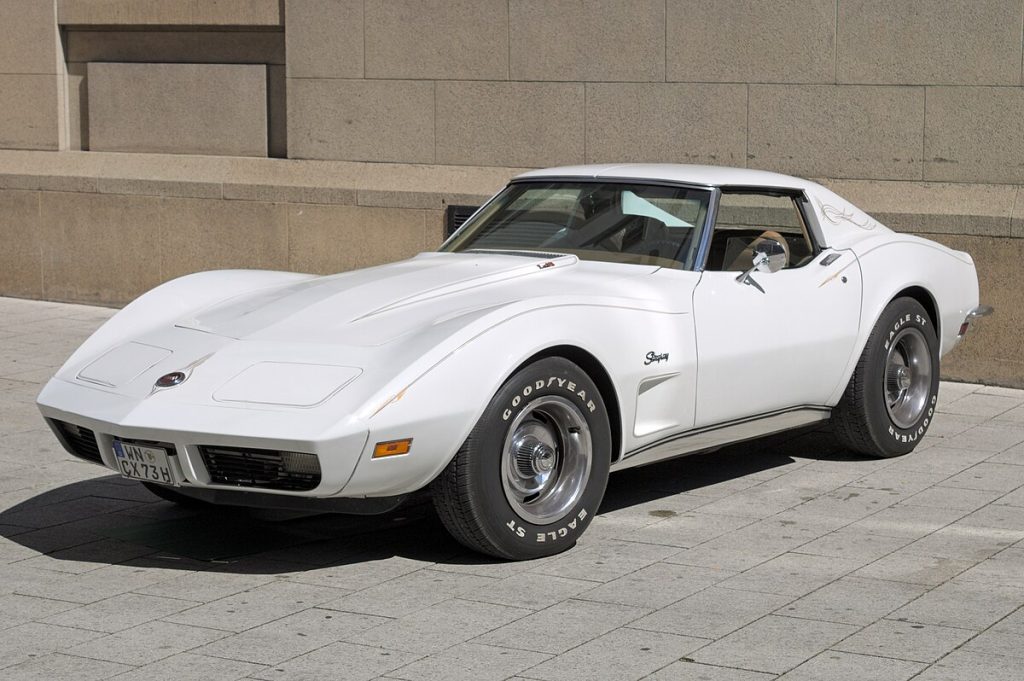
Another interesting detail is how the Corvette connected T tops with personal identity. During the 1970s, owning a Corvette already suggested enthusiasm for driving. Choosing a T top version added another layer of personality centered around experience rather than just performance numbers.
Even today the C3 remains one of the most recognizable T top cars ever produced. Its silhouette continues to appear in collector events, restoration projects, and classic car culture discussions.
Its long term influence comes from how naturally it combined visual drama, mechanical sound, and environmental exposure into a single driving experience. It did not just offer removable panels. It offered atmosphere.
2. Pontiac Firebird Trans Am
If the Corvette represented sports car elegance, the Pontiac Firebird Trans Am represented attitude. It approached the T top concept from a completely different direction, focusing on presence, character, and cultural identity as much as engineering.
The Trans Am became a symbol of bold automotive expression. Large hood decals, aggressive front styling, and wide track proportions gave it a road presence that few cars could match. With the roof panels removed, this personality became even more noticeable.
Where the Corvette emphasized precision, the Trans Am emphasized emotion. The experience of driving one was about sound, visual drama, and confidence. The T tops added another dimension by making the driver feel more connected to the surroundings.
The popularity of the Trans Am also benefited from its association with entertainment culture. Appearances in film and television helped turn it into a symbol of rebellious freedom, reinforcing the open air driving image created by the removable panels.
One unique strength of this car was how it blended muscle car heritage with grand touring comfort. It was capable of strong acceleration, yet also comfortable enough for long distance highway drives with the roof panels stored in the rear.
Instead of focusing purely on technical capability, Pontiac leaned heavily into emotional marketing. Buyers were encouraged to see the Trans Am as a statement rather than just a vehicle. The T tops became part of that statement.
Another interesting design decision was how the dark center roof bar visually divided the open panels. This created a distinctive look from both inside and outside the car, giving it an instantly recognizable profile when the panels were removed.
The Trans Am also helped expand the T top audience. While some earlier buyers were sports car enthusiasts, this model attracted drivers who simply wanted a car that felt exciting and visually distinctive.
From a usability standpoint, the removable panels were designed to be manageable for individual owners. This made it easier for drivers to quickly switch between closed and open configurations depending on weather and mood.
The interior also reflected the performance lifestyle image. Engine turned dashboard details, sport steering wheels, and supportive seats helped reinforce the car’s identity as something more expressive than ordinary transportation.
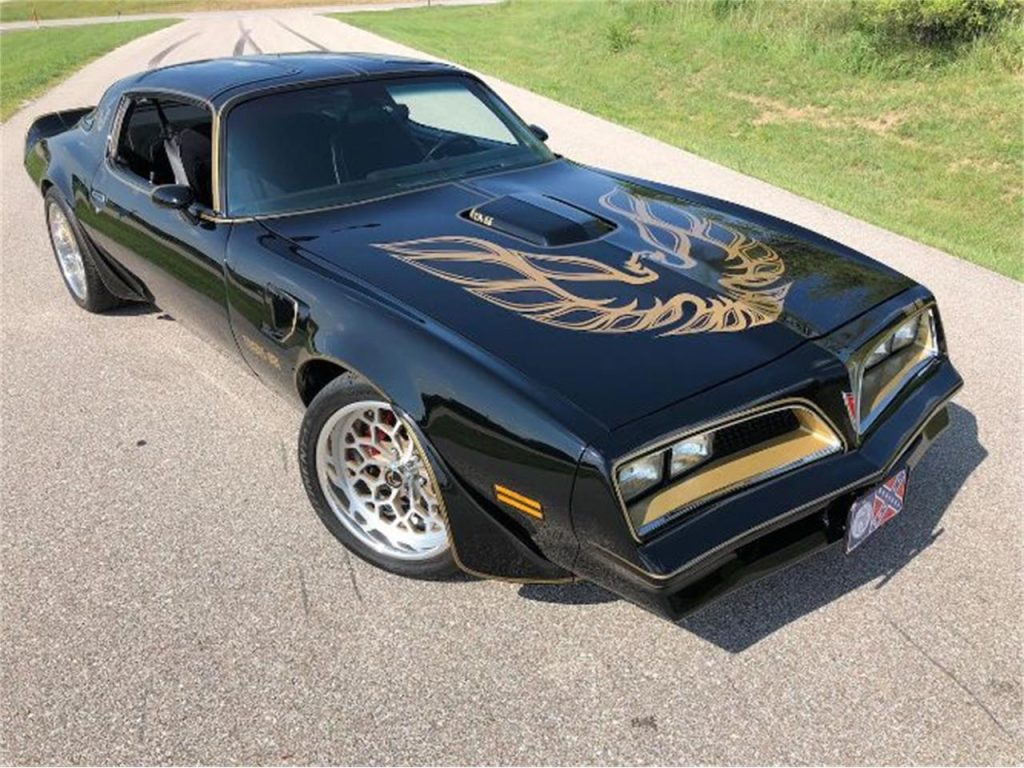
Collectors often note that the Trans Am feels theatrical in a way few other T top cars do. Everything about it, from startup sound to exterior graphics, contributes to a sense of occasion.
The long term legacy of the Firebird Trans Am comes from how it turned the T top idea into part of automotive culture rather than just a design feature. It showed that open roof driving could be about personality just as much as engineering.
3. Chevrolet Camaro Z28
Some T top cars built their identity around styling, while others built their reputation through the way they made drivers feel connected to the road. The Chevrolet Camaro Z28 followed the second path, turning the open roof concept into a performance oriented sensory experience rather than just a comfort feature.
Unlike some of its contemporaries that emphasized luxury or visual drama first, the Z28 came from a motorsport influenced background. Its identity was rooted in handling balance, driver control, and mechanical feedback. The addition of T tops added a new dimension to this formula.
Driving a Z28 with the panels removed created a different kind of awareness. Instead of simply feeling exposed to the environment, drivers became more aware of engine vibration, intake sound, and the subtle mechanical character that defined performance cars of the era.
This connection between mechanical sensation and open air driving helped shape the perception that performance was not just about speed figures. It was also about how a car communicated with the person behind the wheel.
The Camaro also approached the T top design in a way that preserved its aggressive proportions. The long hood and short rear deck design still dominated the visual experience even with the panels removed. This ensured the car did not lose its performance identity when configured for open driving.
One overlooked aspect of the Z28 was how it appealed to drivers who wanted something more serious than a pure cruiser. While some T top cars were about relaxed driving, the Camaro suggested involvement and participation.
The sound profile of the car also changed noticeably with the roof removed. Exhaust notes felt sharper, gear changes sounded more mechanical, and even wind movement added to the sensation of speed. This created an experience closer to racing than touring.
Another way the Z28 influenced T top culture was through its association with driver skill. Cars like this encouraged people to learn how to manage traction, braking balance, and steering input. The open roof simply amplified the sensory reward of doing this well.
Interior design also played a supporting role. The driver focused layout placed controls within easy reach and emphasized function over decoration. With the roof panels stored away, the cabin felt less like a compartment and more like part of the driving environment.
An interesting cultural impact of the Camaro was how it helped expand T tops into the younger performance enthusiast market. It was seen as more accessible than some sports cars, which helped bring open air performance experiences to a broader audience.
The vehicle also demonstrated that T tops did not have to compromise a car’s sporting character. Many buyers initially worried that removable panels might reduce performance credibility, but cars like the Z28 proved that both ideas could coexist.
Another reason this model remains respected is because it reflects a transitional period in automotive design. It still delivered raw mechanical engagement while beginning to incorporate features that made performance cars easier to live with daily.
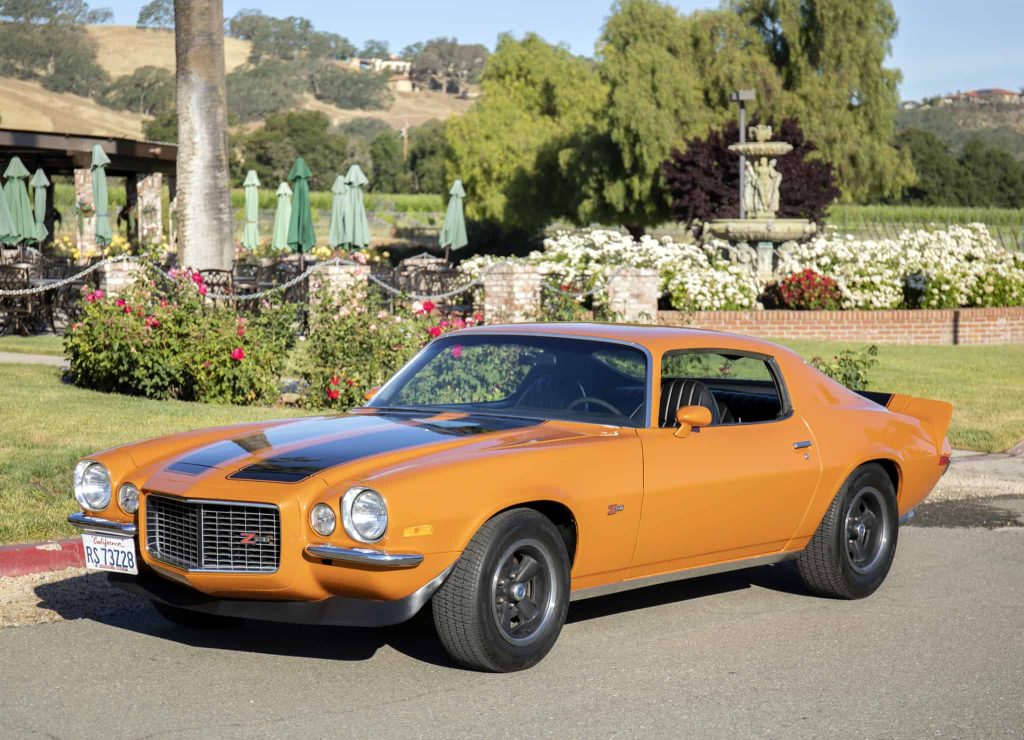
Today the Camaro Z28 remains an important example of how the T top concept could enhance performance identity instead of distracting from it. It showed that open air driving could intensify the connection between driver and machine rather than soften it.
4. Datsun 280ZX
While American manufacturers often connected T tops with muscle car culture, the Datsun 280ZX introduced a more refined interpretation of the concept. It demonstrated that open roof driving could also belong in the world of grand touring rather than just aggressive performance.
The 280ZX reflected a different philosophy from many domestic competitors. Instead of focusing purely on power or visual impact, it emphasized driving smoothness, balance, and long distance comfort. The T top design fit naturally into this approach.
Rather than making the open roof feel wild or dramatic, the Datsun made it feel sophisticated. The airflow felt controlled, the cabin remained relatively quiet, and the experience leaned more toward relaxed touring than adrenaline focused driving.
This approach helped broaden the appeal of T top cars internationally. Buyers who wanted refinement rather than raw muscle began to see removable roof panels as an enhancement rather than a novelty.
Another strength of the 280ZX was how carefully integrated the roof system felt. The panels fit cleanly into the overall design, maintaining the sleek fastback profile whether installed or removed. This showed careful attention to aesthetic continuity.
The car also demonstrated how Japanese manufacturers were beginning to reinterpret sports car expectations. Reliability, ergonomics, and efficiency were given equal importance alongside style and driving enjoyment.
Inside the cabin, the grand touring influence was clear. The seating position was comfortable for extended drives, instrumentation was clear, and the overall environment encouraged relaxed confidence rather than aggressive intent.
The T tops added a subtle emotional layer to this formula. Night drives, coastal highways, and scenic routes all became part of the ownership narrative. The car encouraged appreciation of the journey rather than just acceleration.
Another important contribution was how the 280ZX helped normalize T tops in markets outside North America. Its success showed that the concept could appeal to buyers with different driving priorities and cultural expectations.
From a technical standpoint, the car also demonstrated strong build quality. Panel fit, sealing quality, and structural integrity showed how the concept could mature beyond early experimental implementations.
The Datsun also helped connect T tops with the emerging idea of personal luxury sports cars. This was a category that balanced performance with comfort, and the open roof concept added to the sense of occasion.
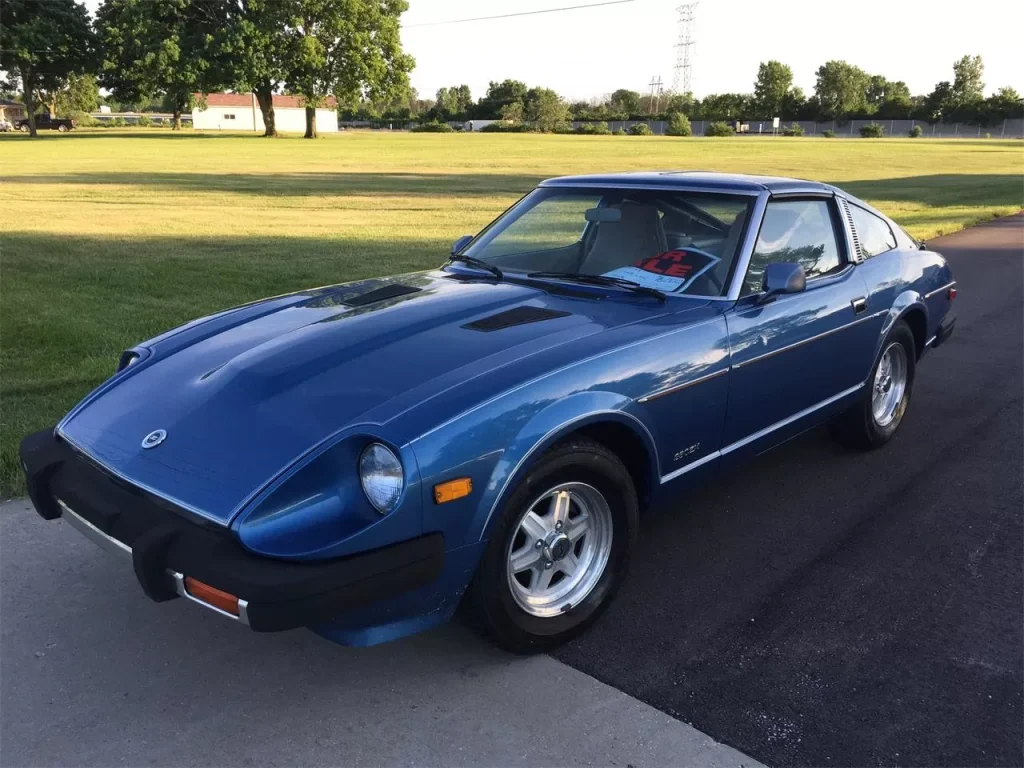
Collectors often note that the 280ZX delivers a calmer form of excitement compared to muscle-based T-top cars. Its appeal comes from refinement and usability rather than spectacle.
Its legacy lies in proving that the T top concept was flexible. It could support different personalities, from aggressive American performance cars to composed Japanese grand touring machines.
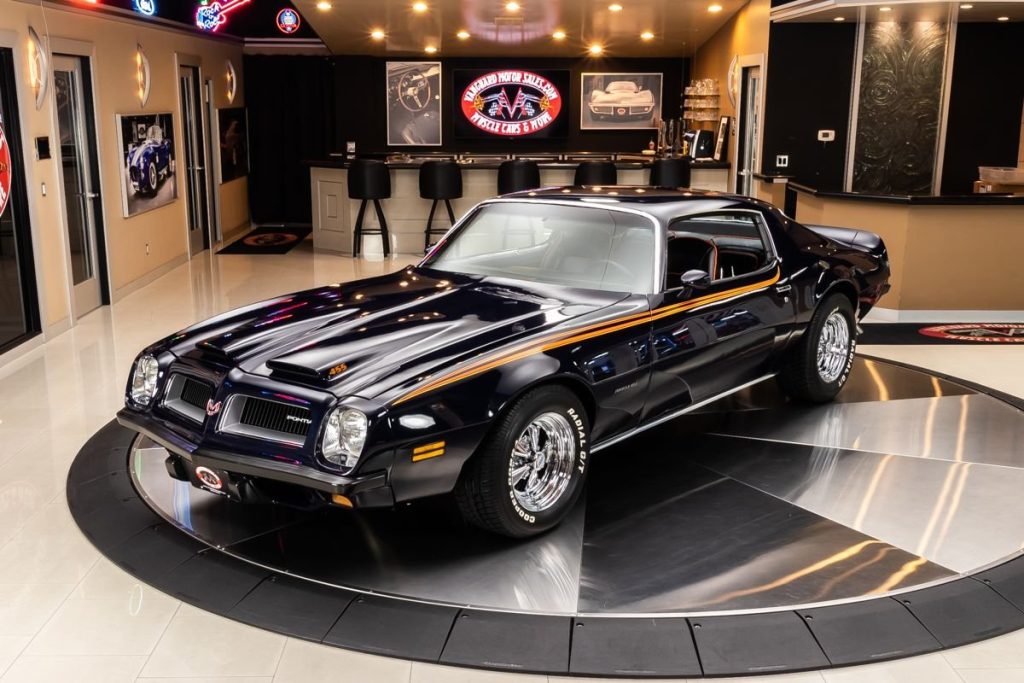
5. Pontiac Firebird Formula
Not every influential T top car became famous because of massive publicity or pop culture attention. Some earned respect quietly through balance, thoughtful engineering choices, and the way they delivered a complete driving package. The Pontiac Firebird Formula belongs in this category.
While the Trans Am often attracted the spotlight with bold graphics and aggressive presentation, the Formula offered a more restrained interpretation of performance. This made it appealing to buyers who wanted capability without excessive visual attention.
The T top configuration suited this personality perfectly. Instead of turning the car into a dramatic showpiece, the removable panels created a personal driving experience that felt more private and intentional.
One of the Formula’s strongest qualities was how it blended muscle car strength with everyday usability. It delivered strong acceleration when needed, but it also behaved predictably in normal driving situations. This dual character helped it appeal to drivers who valued versatility.
Unlike some cars that demanded attention through noise and styling, the Formula often impressed through subtle details. Hood design, stance, and proportion all communicated performance without relying on decoration.
This difference in approach also influenced how owners related to the vehicle. Instead of seeing it purely as a weekend toy, many treated it as a car that could be enjoyed regularly. The T tops added flexibility by allowing the experience to change depending on the day.
The experience of removing the panels in a Formula often felt less like preparation for a show and more like preparation for a personal escape. Early morning drives, evening cruising, and relaxed highway travel all became part of its character.
Another strength of this model was how it showed that T top ownership did not need to follow a single personality type. Some buyers wanted bold expression, while others wanted quiet confidence. The Formula helped prove both approaches could succeed.
From a structural perspective, Pontiac ensured the car maintained its integrity despite the removable roof sections. Reinforcement strategies allowed it to preserve driving confidence, which was essential for maintaining its performance credibility.
Interior presentation also followed the same balanced philosophy. Controls were clear, seating was supportive, and the layout avoided unnecessary distraction. With the panels removed, the interior felt open without feeling exposed.
The Formula also helped demonstrate how T top cars could mature beyond novelty status. Earlier in the decade, removable roof panels sometimes felt experimental. By this stage they were becoming refined features integrated into well developed platforms.
Another interesting aspect of its legacy is how it represents choice within the same vehicle family. Buyers could select between the louder Trans Am personality or the more composed Formula character, showing how flexible the Firebird platform had become.
Enthusiasts today often appreciate the Formula for this reason. It represents the idea that enjoyment does not always need to be loud to be meaningful. Sometimes the best experiences come from balance rather than extremes.
Looking across these five cars, it becomes clear that the T top era was not defined by a single formula. Each manufacturer interpreted the concept differently depending on their brand identity, engineering priorities, and customer expectations.
Some models used the design to amplify performance excitement. Others used it to enhance touring comfort. A few used it to build image and cultural presence. Together they showed how one design idea could support many different driving philosophies.
Another shared contribution was how these vehicles helped redefine driver engagement. Open air driving changed how people experienced sound, speed, and distance. It made even familiar roads feel new and encouraged people to value the sensory side of driving.
These cars also demonstrated how design constraints can inspire creativity. Safety regulations limited convertibles during this period, but engineers responded with solutions like T tops that created new experiences instead of removing them.
Their influence can still be seen today in panoramic roofs, removable panels, and modern targa designs. While the original T top trend may have faded, its spirit continues through designs that try to connect drivers more closely with their surroundings.
Collectors continue to value these vehicles because they represent a very specific era of automotive thinking. They reflect a time when manufacturers experimented boldly and were willing to try unconventional ideas to create memorable experiences.
The lasting importance of these cars is not just their rarity or styling. It is the way they changed how people thought about driving. They showed that the space above the driver could be just as important as the road ahead.
These five icons remain reminders that sometimes the best automotive innovations are not about going faster, but about making every journey feel more alive.
Also Read: 8 Essential Safety Checks Before Driving a Trailer for the First Time