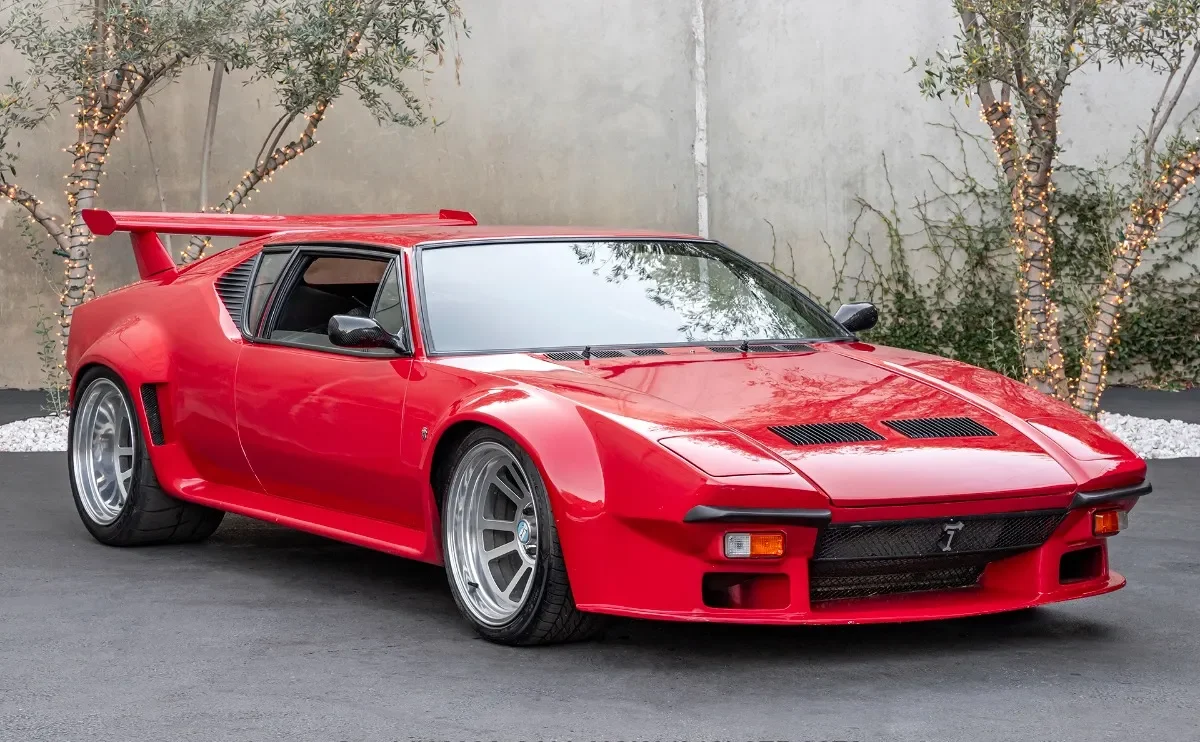
The 1970s was a decade filled with contradictions in the automotive world. While emissions regulations, fuel crises, and safety requirements forced many manufacturers to become more conservative, a small group of designers decided to move in the opposite direction.
Instead of playing it safe, they began experimenting with shapes that looked like they belonged in science fiction films rather than on public roads.
This period became the golden age of wedge design. Sharp angles, low noses, hidden headlights, and dramatic proportions became symbols of what designers believed the future would look like.
These cars often ignored traditional curves and instead embraced geometric shapes that prioritized aerodynamics and visual drama.
Italian design houses played a major role in this movement. Companies such as Bertone, Italdesign, and Pininfarina began competing to create the most radical concepts possible.
Some of these designs made it into production with surprisingly few changes, which is why certain 1970s cars still look more futuristic than many modern vehicles.
Technology also influenced styling. The space race had captured global imagination, and designers borrowed inspiration from aircraft, rockets, and experimental industrial design. Interiors began featuring unusual dashboards, deep set gauges, and driver focused controls that looked advanced for their time.
What makes these cars especially fascinating today is how well some of them have aged. While many vehicles from the era clearly show their age, these futuristic designs still look strikingly modern. In some cases, they even appear more daring than current designs shaped by pedestrian safety regulations.
Another reason these cars stand out is courage. Building something radically different always involves risk. Some of these vehicles were commercial successes while others remained niche products, but all of them pushed automotive design forward.
The following ten cars are some of the best examples of 1970s vehicles that still look like they came from decades ahead of their time.
Also Read: 8 Signs Your Variable Valve Timing System Needs Professional Help
1. Lamborghini Countach (1974)
If someone were asked to imagine a car from the future without any technical constraints, the result might look very close to the Lamborghini Countach. Even today, its shape feels more like a concept car than a production vehicle.
Instead of flowing curves, the Countach was defined by straight edges and aggressive angles. Its wedge profile created a visual impression of motion even when parked. The extremely low front end, wide rear stance, and dramatic scissor doors created a design language that still influences supercars today.
What made the design feel futuristic was not just the shape but the proportions. The cabin looked almost secondary to the mechanical components, giving the impression of a machine built purely for performance. The rear air intakes, wide tires, and flat surfaces created an appearance that felt engineered rather than styled.
Visibility compromises and unconventional ergonomics were accepted as part of the experience. Drivers sat in a cockpit like position surrounded by angular surfaces and minimal distractions. This added to the feeling that the car belonged to another era.
Another element that helped the Countach look ahead of its time was its rejection of traditional luxury cues. Instead of chrome trim and decorative elements common in the 1970s, it embraced a technical aesthetic. Matte surfaces, exposed mechanical ideas, and bold shapes replaced ornamentation.
The Countach also influenced what people expected exotic cars to look like. Before it, many sports cars still followed classic grand touring proportions. After it, the idea of a supercar became something far more dramatic.
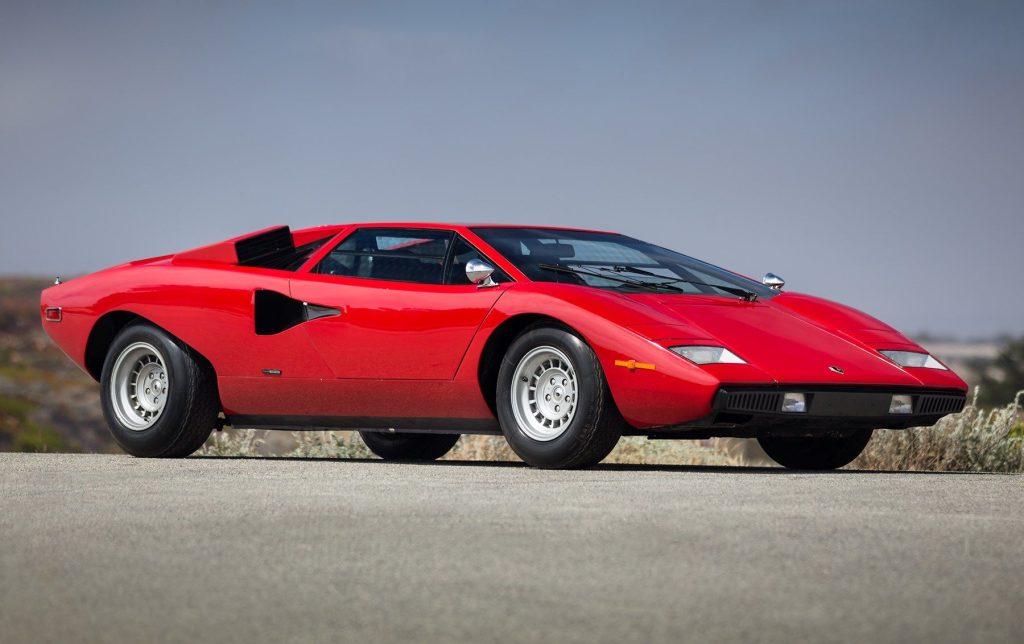
Even modern high performance vehicles still borrow design themes first popularized here. Sharp edges, large air channels, and aggressive stance all trace their visual roots back to this car.
Few cars can claim to have permanently changed the visual definition of performance. The Countach did exactly that. Decades later, it still looks like something that arrived early from the future.
2. Lancia Stratos (1973)
Where the Countach looked futuristic because of size and drama, the Lancia Stratos looked futuristic because it broke every expectation of what a car should look like. Its short wheelbase, abrupt rear section, and unusual cabin shape gave it a silhouette unlike anything else on the road.
This was a car designed with a single purpose. Winning rallies. Everything about its appearance came from that mission. The extremely compact body reduced weight and improved agility. The wide track improved stability. The wraparound windshield provided exceptional visibility for competitive driving.
Instead of looking elegant in the traditional sense, the Stratos looked purposeful. That purpose driven design is one of the reasons it still appears modern. Today many performance cars emphasize function shaping form, but the Stratos was already demonstrating this idea decades earlier.
One of its most distinctive features was the dramatic windshield curve. It wrapped around the cabin in a way that looked closer to aircraft design than traditional automotive glass. This detail alone made the car appear experimental.
The rear of the car also rejected convention. Instead of a long flowing tail, it ended abruptly to support aerodynamic efficiency and mechanical access. This gave the car a visual compactness that still feels contemporary.
Color schemes also helped reinforce its futuristic identity. Many Stratos examples appeared in bold racing liveries that emphasized its geometric form. These graphics enhanced the impression that the car belonged on a racetrack rather than on ordinary streets.
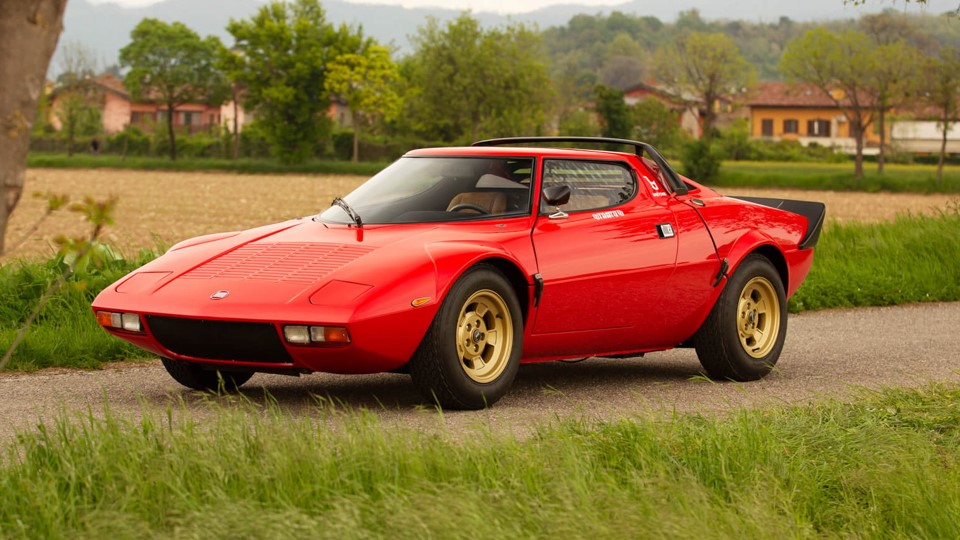
Another reason the design still feels fresh is because it avoided unnecessary decoration. The body panels were clean and intentional. Every surface looked like it had a reason to exist.
The Stratos did not try to look futuristic for style alone. It looked futuristic because it was engineered differently. That authenticity is why it still feels advanced today. It was not trying to predict the future.
It simply focused so completely on its purpose that it accidentally created one of the most timeless designs of the decade.
3. Maserati Boomerang (1971)
Some cars look futuristic because they are refined. Others because they are fast. The Maserati Boomerang looked futuristic because it seemed to ignore every accepted design rule of its time. Even among radical 1970s concept cars, it stood apart as something almost architectural in form.
To understand why it still appears modern, it helps to picture the design as a single geometric idea rather than a traditional car shape. The entire body followed a continuous wedge profile from nose to roof to tail. There was no visual break in the line. It looked like it had been carved from a single block of metal.
The glass area played a major role in this effect. The cabin was surrounded by large angular windows that gave it a spaceship like observation deck appearance. Instead of blending the greenhouse into the body, the designers emphasized the separation, making it feel more experimental.
Inside, the design became even more extreme. The dashboard featured a circular instrument cluster mounted within the steering wheel itself. This unusual approach created a driver environment that felt more like a prototype than a road car. Even today, such bold interior experimentation is rare.
Unlike many futuristic designs that rely on decorative tricks, the Boomerang achieved its impact through simplicity. Flat surfaces, sharp intersections, and clean lines created a visual honesty that still feels contemporary. It proved that minimalism could look more advanced than complexity.
Another fascinating detail was how low the car appeared. Its stance made it look closer to a racing prototype than a road vehicle. Designers achieved this by minimizing unnecessary height and keeping the profile tightly controlled.
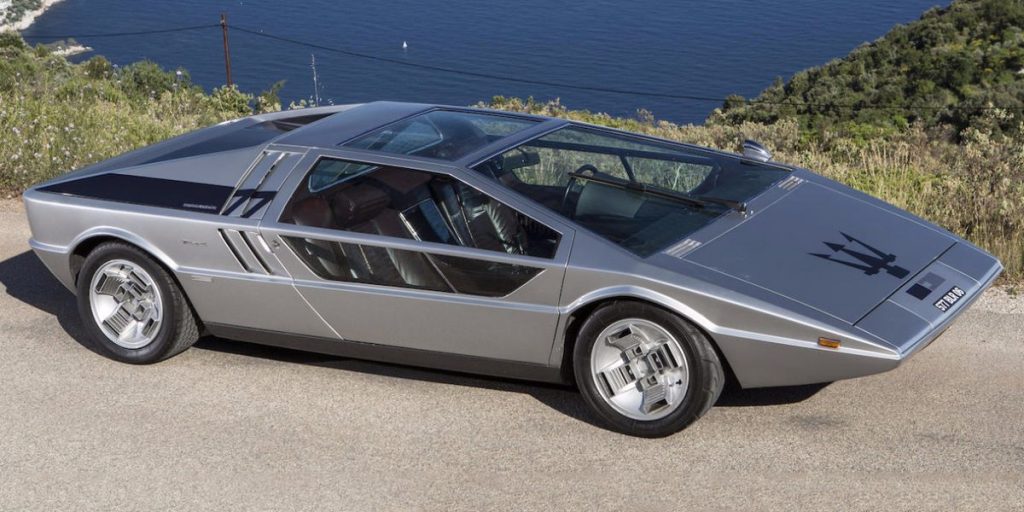
The Boomerang also demonstrated how concept cars could influence production vehicles. Many later sports cars adopted similar wedge proportions and sharp body transitions. Even if indirectly, its ideas spread across the industry.
What makes this car remarkable is that it still looks like a concept from tomorrow rather than yesterday. It represents a moment when designers were not afraid to explore extreme ideas. That fearless experimentation is exactly why it still looks like it belongs in the future.
4. Lotus Esprit Series 1 (1976)
Unlike some futuristic cars that relied on extreme proportions, the Lotus Esprit Series 1 achieved its forward looking appearance through precision. It was not the most dramatic car of the decade, but it may have been one of the most perfectly balanced wedge designs ever produced.
Designed by Giorgetto Giugiaro, the Esprit followed a philosophy of controlled geometry. Every line felt intentional. The flat hood, sharp beltline, and crisp rear treatment created a shape that looked both modern and disciplined. It avoided excess while still looking advanced.
Instead of chasing visual shock value, the Esprit relied on proportion. The relationship between the low nose, the shallow cabin, and the tapered rear created harmony. This balance is one reason the design has aged so well. It never depended on trends.
The car also demonstrated how aerodynamic thinking was beginning to influence mainstream sports cars. Its clean surfaces and carefully managed airflow gave it a technical appearance that many modern vehicles still try to achieve.
The interior followed a similar philosophy. Early Esprit models featured an instrument layout that felt driver focused and deliberate. The squared off steering wheel and neatly arranged controls gave the cockpit a functional character rather than decorative luxury.
Pop up headlights also contributed to the futuristic look. When closed, the front remained perfectly clean. When opened, the car instantly transformed into something more aggressive. This dual personality became a defining feature of many later sports cars.
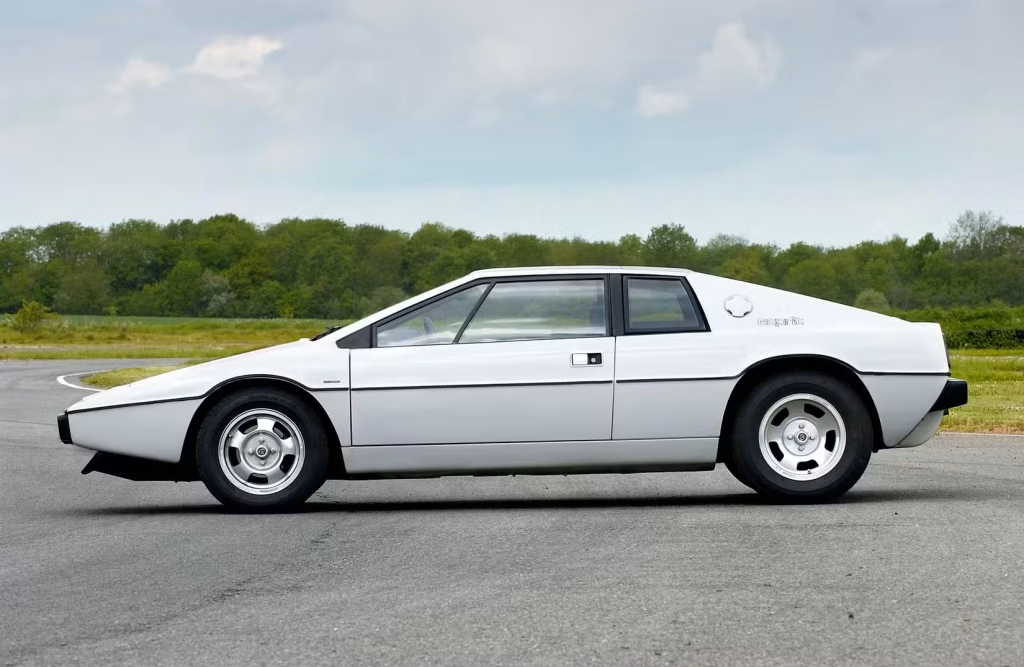
Another reason the Esprit still looks contemporary is restraint. Designers avoided unnecessary chrome or visual noise. The result was a shape that could easily be mistaken for something built decades later.
The car also gained cultural relevance through film appearances, which reinforced its futuristic image. Seeing it presented as advanced technology helped cement its identity as a car ahead of its time.
The Esprit proves that futuristic design does not always require extremes. Sometimes it comes from clarity of vision.
By focusing on proportion, geometry, and purity of form, Lotus created a car that still looks like it belongs far beyond the decade that produced it.
5. Ferrari 512 Berlinetta Boxer (1973)
Not every futuristic car announces itself through sharp angles alone. The Ferrari 512 Berlinetta Boxer shows a different interpretation of the future, one that combines smooth surfaces with aggressive mechanical presence. Instead of looking like a spaceship, it looks like a machine built for speed in an era that had not yet caught up.
The first impression comes from how low the car appears. Ferrari engineers pushed the flat twelve engine layout specifically to achieve a lower center of gravity, but this technical decision also created a visual advantage. The roofline sits unusually close to the ground, giving the car a planted, almost unreal stance.
From certain angles, the car almost looks like it is sliding through the air even when stationary. That effect comes from the long flat hood and the carefully controlled body height. Rather than dramatic wings or exaggerated shapes, the futuristic feel comes from mechanical efficiency.
One of the more interesting design choices is the absence of excessive decoration. Many cars of the early 1970s still relied on chrome details and ornamental touches. The 512 BB moved toward a cleaner, more performance focused look. Painted surfaces replaced shiny trim, creating a more technical personality.
The rear of the car also contributed to its advanced look. Wide rear tires, large ventilation openings, and a purposeful stance made it clear this was a serious performance machine. This kind of honest mechanical expression is something modern supercars still try to communicate.
Another factor that keeps the design feeling fresh is its balance between curves and lines. Unlike pure wedge cars, the Berlinetta Boxer used gentle curvature to soften its geometry. This makes the design feel timeless rather than experimental.
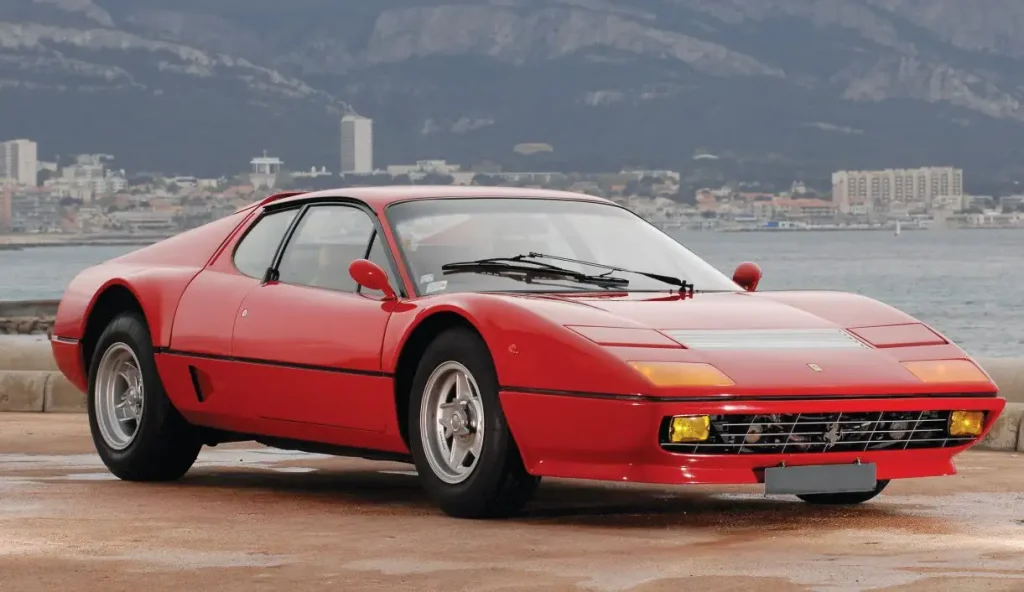
Collectors often point out that the car represents a transition in Ferrari thinking. It moved the brand toward mid engine architecture for road cars, something that would later become standard practice for high performance vehicles.
The 512 BB did not try to shock viewers. It tried to perfect the idea of a modern supercar before the world fully understood what that meant. That quiet confidence is exactly why it still feels like a design from the future.
6. Aston Martin Lagonda Series 2 (1976)
If any 1970s car truly looked like it came from a science fiction film, it was the Aston Martin Lagonda. Unlike sports cars that used futuristic styling to suggest speed, the Lagonda used it to redefine what a luxury sedan could look like.
Its shape was radically different from traditional luxury cars. Instead of tall proportions and formal lines, it appeared long, low, and sharply folded. The flat hood seemed to stretch endlessly forward, while the rear remained equally horizontal. This gave the car an almost digital appearance long before the digital era arrived.
The most radical aspect was not just the exterior but the philosophy behind it. Luxury cars had traditionally emphasized comfort through softness and curves. The Lagonda suggested luxury could also be expressed through technology and modernity. This idea would later become common, but in the 1970s it was revolutionary.
The interior pushed this idea even further. Early versions experimented with digital instrumentation at a time when most cars still used purely analog gauges. This attempt to integrate electronic displays made the car feel decades ahead, even if the technology itself was still developing.
Another unusual quality was how the car seemed to reject nostalgia. While many luxury brands relied on heritage cues, the Lagonda looked determined to avoid references to the past. It was designed to look forward, not backward.
The length of the vehicle also contributed to its visual drama. Its extended proportions made it appear almost like a concept limousine. Yet despite its size, the sharp lines prevented it from looking heavy.
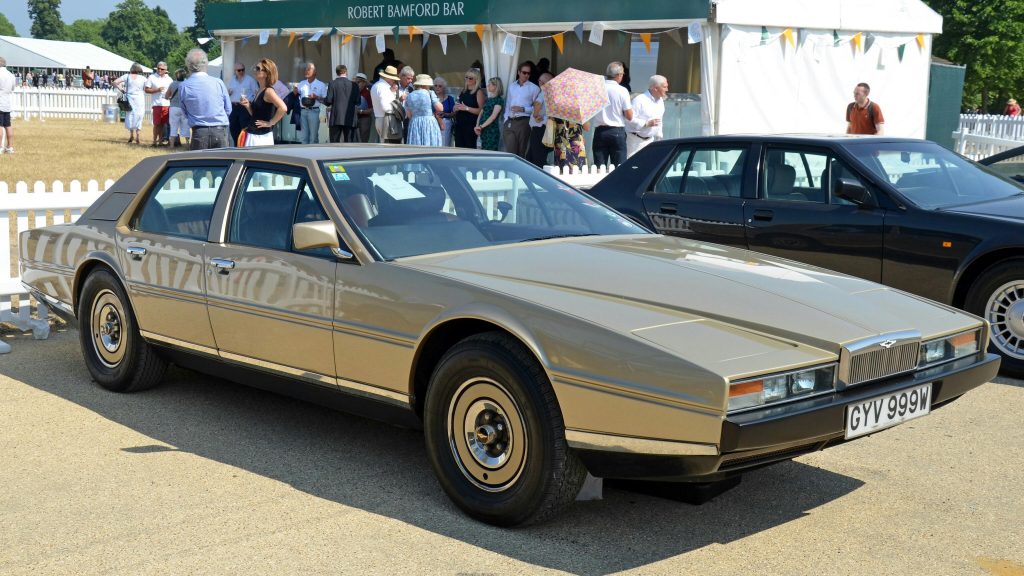
Perhaps the most fascinating thing about the Lagonda is that it still looks unusual today. While modern sedans have adopted more aggressive styling, very few have matched its willingness to completely abandon convention.
This was not a cautious design. It was a statement about what the future of luxury might become. Even now, it still feels like a prediction that has not fully been repeated. That alone makes it one of the boldest futuristic cars of the entire decade.
7. De Tomaso Pantera (1971)
Unlike some futuristic cars that came from pure design experiments, the De Tomaso Pantera tells a story about international collaboration shaping the future.
It combined Italian styling with American power, creating a machine that looked exotic but felt mechanically accessible. That unusual combination helped it stand apart visually from many of its contemporaries.
The first thing that makes the Pantera look ahead of its time is its stance. The car sits wide and low with a very deliberate posture. Its front end slopes downward with very little visual interruption, giving it a sleek aerodynamic character that still feels current.
Instead of relying on excessive styling tricks, the Pantera built its futuristic identity through proportion and surface tension. The body panels appear stretched tightly over the mechanical structure. This gives the impression of efficiency and strength rather than decoration.
The side profile may be its strongest visual angle. A straight beltline, subtle air intakes, and a clean roofline all contribute to a look that feels surprisingly modern. Many sports cars that came later would follow a similar formula of simplicity combined with strong mechanical posture.
Cooling vents integrated into the body also helped give the Pantera a technical appearance. These were not decorative additions. They were necessary for managing heat from the mid mounted engine. Functional design often ages better than purely stylistic trends, which explains why these details still look relevant.
Another interesting detail is how the car avoided the overly delicate appearance of some European exotics. The American V8 influence meant the design had to communicate durability as well as speed. This gave it a slightly more muscular visual identity compared to some of its Italian rivals.
The interior also reflected this dual personality. It offered the focused environment expected from a sports car but without the fragility often associated with hand built exotics. This practical exotic idea would later become much more common.
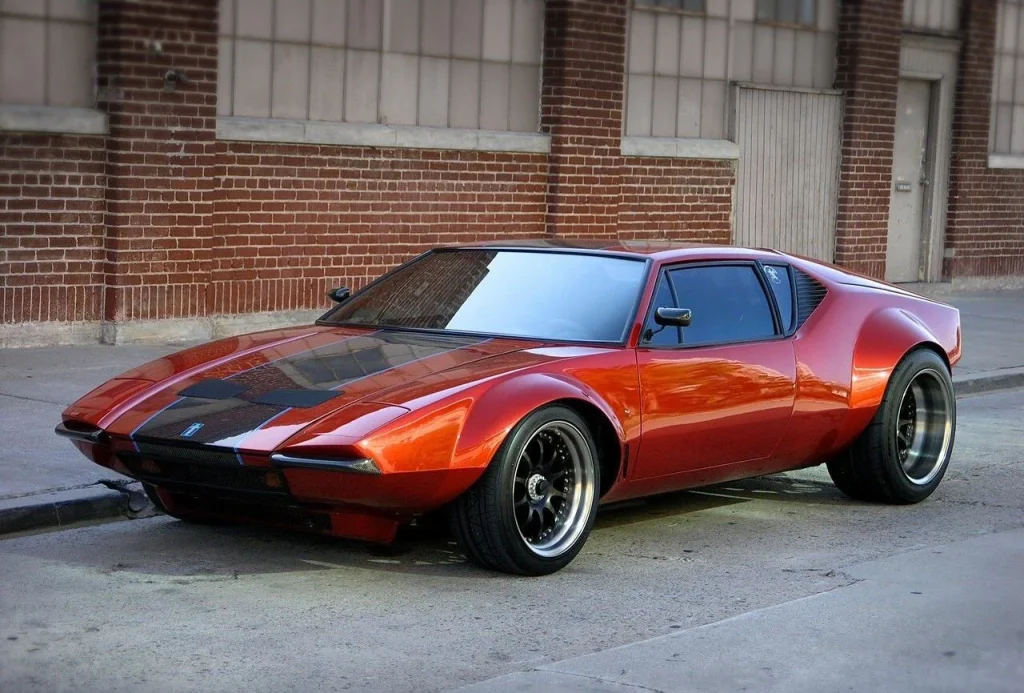
What makes the Pantera especially interesting is that it predicted a future where supercars would become more usable and internationally engineered.
It was not just futuristic in appearance. It was futuristic in concept. A global performance car designed before globalization became the industry norm.
8. BMW M1 (1978)
The BMW M1 represents a different kind of futuristic thinking. Instead of focusing purely on dramatic styling, it combined clean geometry with motorsport purpose. The result was a car that looked advanced not because it was extreme, but because it was intelligently resolved.
From the front, the M1 appears remarkably modern. The low nose, slim kidney grilles, and neatly integrated headlights create a design that could easily pass for something much newer. Its restraint is part of its strength. It looks engineered rather than exaggerated.
Looking at the side profile reveals how carefully the proportions were calculated. The cabin sits slightly forward, emphasizing the mid engine layout, while the rear deck remains compact and controlled. This balance between front and rear mass creates a visual stability that many later performance cars would copy.
Instead of sharp aggression, the M1 used clarity. Lines meet cleanly. Surfaces transition without clutter. This design discipline is one reason the car still feels contemporary. It avoided gimmicks that would later date other designs.
The rear of the car also deserves attention. Horizontal lines, balanced lighting elements, and a clean tail treatment gave the car a technical presence. Many modern performance coupes still use similar horizontal visual themes to emphasize width.
Another reason the M1 still looks futuristic is because it marked the beginning of BMW’s dedicated performance identity. This was the first car developed by BMW’s M division, which would later define the brand’s performance philosophy. Historical importance often strengthens design legacy.
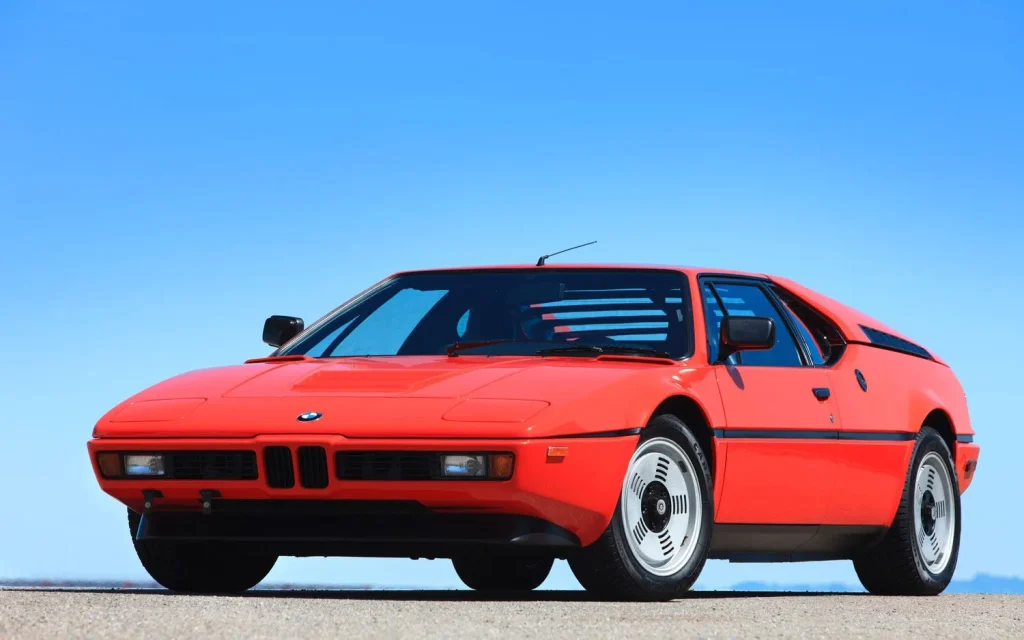
The car also represented a learning experience in supercar development for BMW. Its construction involved multiple engineering partners and introduced ideas that would later influence the brand’s high performance direction.
Perhaps the most impressive thing about the M1 is how calm it looks compared to other supercars of its time. While others tried to shock, the M1 tried to perfect proportion and clarity.
That approach gave it something many futuristic cars never achieve. Timelessness. It still looks like a blueprint for how a modern performance coupe should be designed.
9. Dome Zero (1978)
Some futuristic cars look advanced because they influenced production vehicles. Others look futuristic because they were so radical that the industry never fully caught up with them. The Dome Zero belongs to the second category. Even today, it still looks closer to an experimental prototype than a vintage automobile.
Developed in Japan with strong inspiration from aerospace thinking, the Dome Zero followed a pure wedge philosophy.
The nose sits extremely low while the body rises in a clean uninterrupted line toward the rear. This kind of geometric purity gives the car a visual sharpness that continues to look modern even decades later.
The lighting design played an important role in creating this impression. Hidden headlights allowed the front surface to remain smooth and uninterrupted when not in use. This created a clean aerodynamic appearance that many modern electric cars now attempt to replicate.
Glass placement was also carefully considered. The windshield angle and side window layout created a cockpit feeling rather than a traditional passenger compartment. This gave the impression that the car was built around the driver rather than around comfort expectations.
Another aspect that makes the Dome Zero feel advanced is how little visual excess it carries. There are no unnecessary creases or decorative additions. Every surface appears intentional. This minimal approach often ages better than complex styling because it avoids trends that quickly become dated.
The story behind the car also adds to its mystique. Although it never became a widely produced road car, it demonstrated how ambitious Japanese design thinking had become during the late 1970s. It showed that futuristic automotive design was no longer limited to Europe.
The proportions also deserve attention. The extremely low height compared to the width gives the car a planted presence. Modern performance vehicles often try to achieve this same planted look through complex bodywork, yet the Dome Zero achieved it through simple geometry.
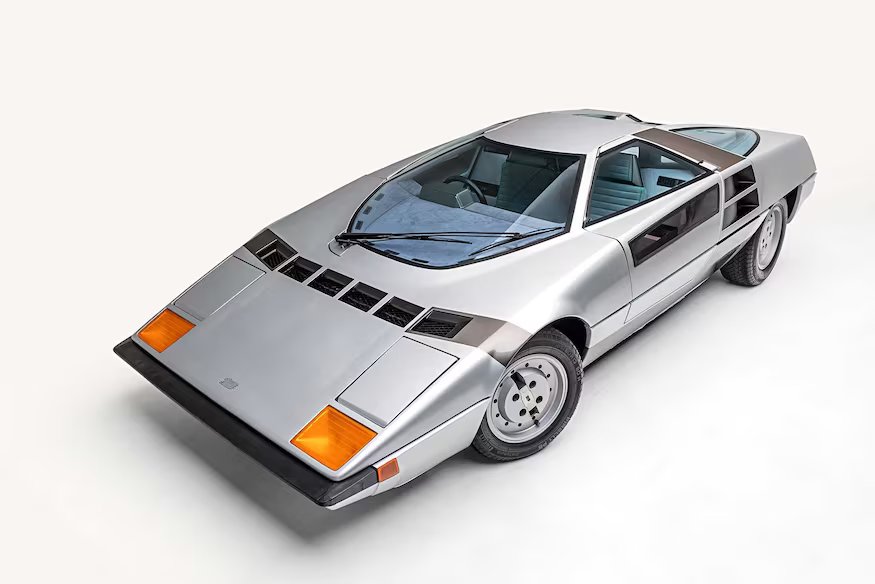
Perhaps the most fascinating part is that it still looks like an idea rather than a finished chapter in automotive history. Many concept cars eventually look tied to their era, but this one still feels open ended.
It looks less like a car from the past and more like a question about what the future could have been. That sense of unfinished possibility is what keeps it visually ahead of its time.
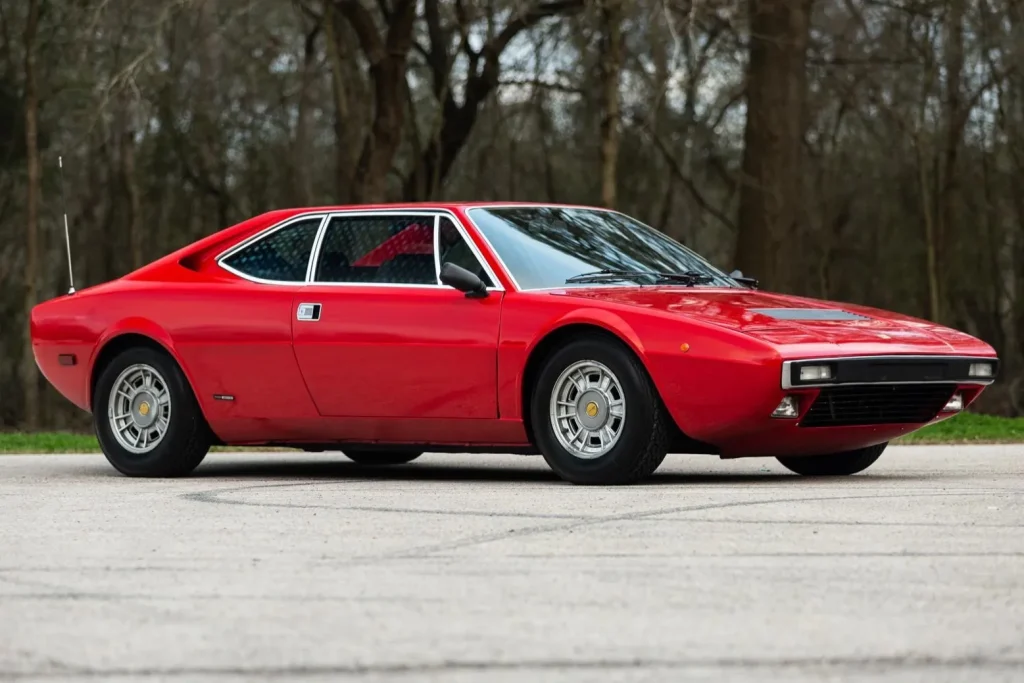
10. Ferrari 308 GT4 (1973)
While many futuristic cars of the 1970s were dramatic supercars, the Ferrari 308 GT4 demonstrated that forward thinking design could also exist in a more practical performance car. It managed to combine everyday usability with styling that still appears strikingly modern.
Designed by Bertone rather than Ferrari’s usual design partner Pininfarina, the GT4 adopted a sharper and more geometric appearance than earlier Ferrari road cars. This gave it a unique identity within the brand’s history and allowed it to stand apart visually.
The car’s shape emphasized straight lines and controlled edges rather than flowing curves. This created a structured appearance that still feels contemporary because modern design often returns to geometric simplicity after periods of excessive complexity.
Another interesting element is how the car balanced performance and practicality. The 2+2 seating configuration required careful packaging, yet the designers managed to maintain a low and sporty profile. Achieving both usability and futuristic styling at the same time required thoughtful proportion management.
The front design deserves particular attention. The low nose, simple grille treatment, and clean bumper integration created a front end that still feels modern because it avoided the heavy chrome elements common during that era. The absence of visual clutter helped the design age gracefully.
The side view also highlights the intelligence of the design. The slight upward angle toward the rear gives the impression of forward motion while keeping the car visually balanced. Small details like the air intakes and window shape reinforce the technical feel without overwhelming the design.
Inside, the car continued this modern thinking. The dashboard layout focused on driver usability rather than decoration. Controls were arranged logically, reinforcing the idea that futuristic design can also be practical.
What makes the 308 GT4 important in this list is that it represents a different vision of the future. Instead of being extreme, it showed how modern ideas could be applied to real world sports cars.
That idea has become standard practice today. Building cars that feel advanced while remaining usable is now expected. In the early 1970s, it was still a bold direction. The 308 GT4 quietly proved that the future did not always need to be radical to be convincing.
Also Read: 8 Essential Safety Checks Before Driving a Trailer for the First Time