
Cast iron engine blocks have long been celebrated for their ability to withstand extreme heat and stress, making them a cornerstone of automotive engineering for durability and performance.
Unlike lighter aluminum blocks, cast iron provides superior structural rigidity, thermal stability, and resistance to warping, allowing engines to endure high cylinder pressures, repeated thermal cycles, and prolonged heavy-duty use.
Across both gasoline and diesel applications, manufacturers have used cast iron to create engines that combine longevity with tunability, from legendary high-performance inline-sixes to heavy-duty workhorse diesels. In this article, we explore ten engines with cast iron blocks famous for extreme thermal durability, highlighting why these powerplants remain respected by enthusiasts, tuners, and professionals alike.
From the Toyota 2JZ-GTE’s turbocharged strength to the Toyota 1HZ’s enduring diesel reliability, each engine demonstrates how thoughtful engineering and robust materials can produce powertrains capable of surviving decades of demanding use while providing exceptional performance and reliability.
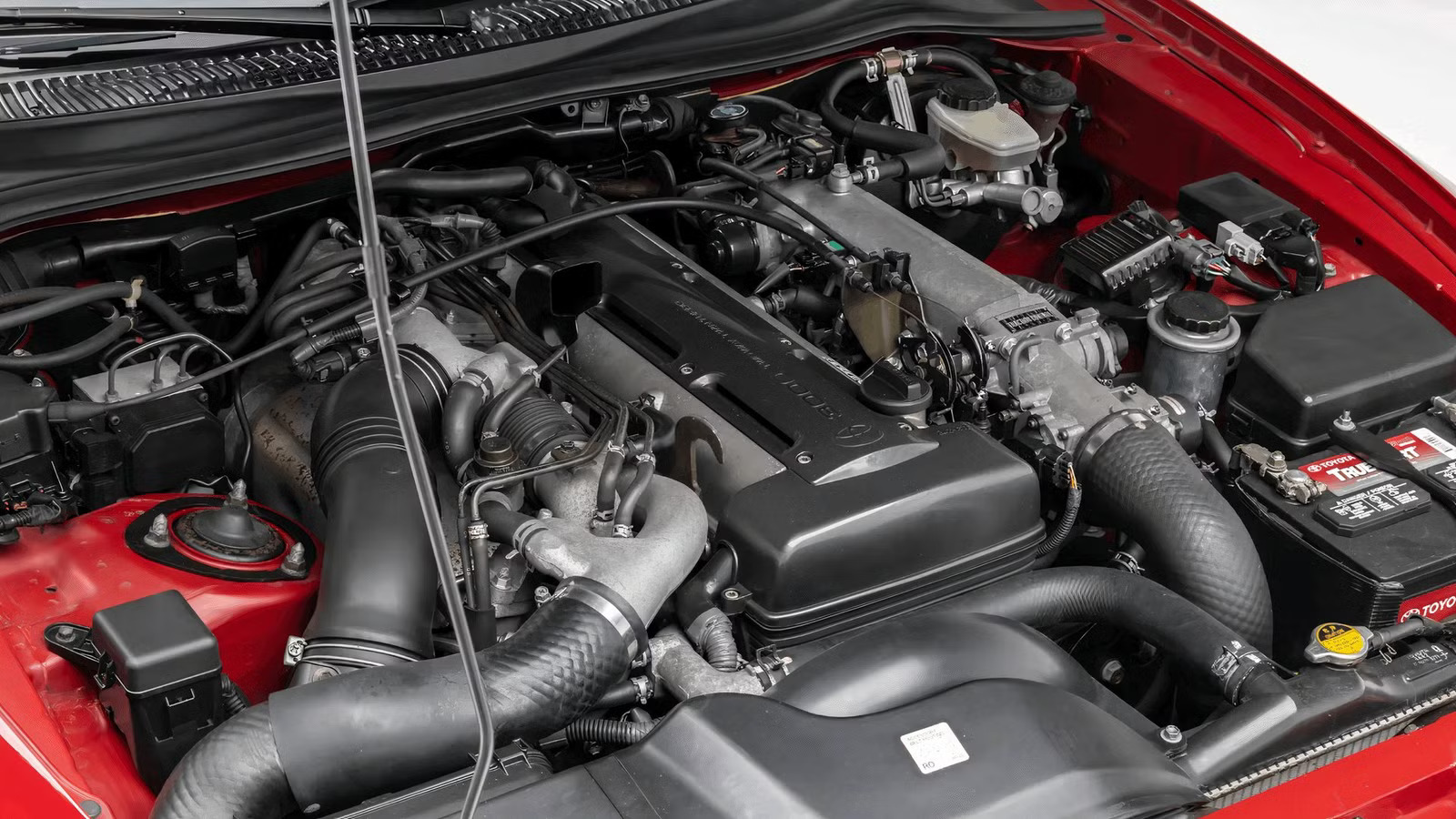
1. Toyota 2JZ-GTE: Legendary Strength and Tuning Potential
The Toyota 2JZ-GTE is widely regarded as one of the most durable and capable performance engines ever produced. Introduced in the early 1990s, this 3.0-liter inline-six turbocharged engine powered the fourth-generation Toyota Supra, producing about 320 horsepower in North American models.
Despite this output, the engine was conservatively tuned due to the Japanese “Gentlemen’s Agreement,” leaving substantial untapped performance potential. Its reputation for reliability and tuning flexibility stems from deliberate over-engineering and robust construction.
A key factor in the 2JZ-GTE’s durability is its cast-iron closed-deck block. Cast iron provides exceptional rigidity and heat resistance compared to aluminum, allowing the engine to withstand the high cylinder pressures generated by turbocharging.
The closed-deck design strengthens the cylinder walls, preventing deformation under heavy boost, while thick walls and optimized cooling passages maintain structural stability even under extreme performance demands.
The bottom end is equally strong. A forged steel crankshaft supported by seven large main bearing caps distributes torque evenly and reduces fatigue during high-performance operation. Forged connecting rods, under-piston oil squirters, and an external oil cooler help manage internal temperatures, preventing overheating and ensuring consistent lubrication during sustained high-rpm driving or heavy boost.
The naturally balanced inline-six configuration further enhances durability. Its smooth operation reduces vibration and mechanical stress, while the square bore and stroke design balances torque and high-rpm capability. The stock sequential twin-turbo system provides low-end response with one turbo and high-rpm power with the second, demonstrating Toyota’s advanced engineering.
Thanks to its strong internals and engineering, the 2JZ-GTE can tolerate major power increases with minimal modifications. Many builds surpass 700 horsepower without opening the block, and professional racing engines have exceeded 2,000 horsepower. Its combination of structural strength, smooth performance, and reliability has cemented the 2JZ-GTE as an iconic and respected engine in automotive history.
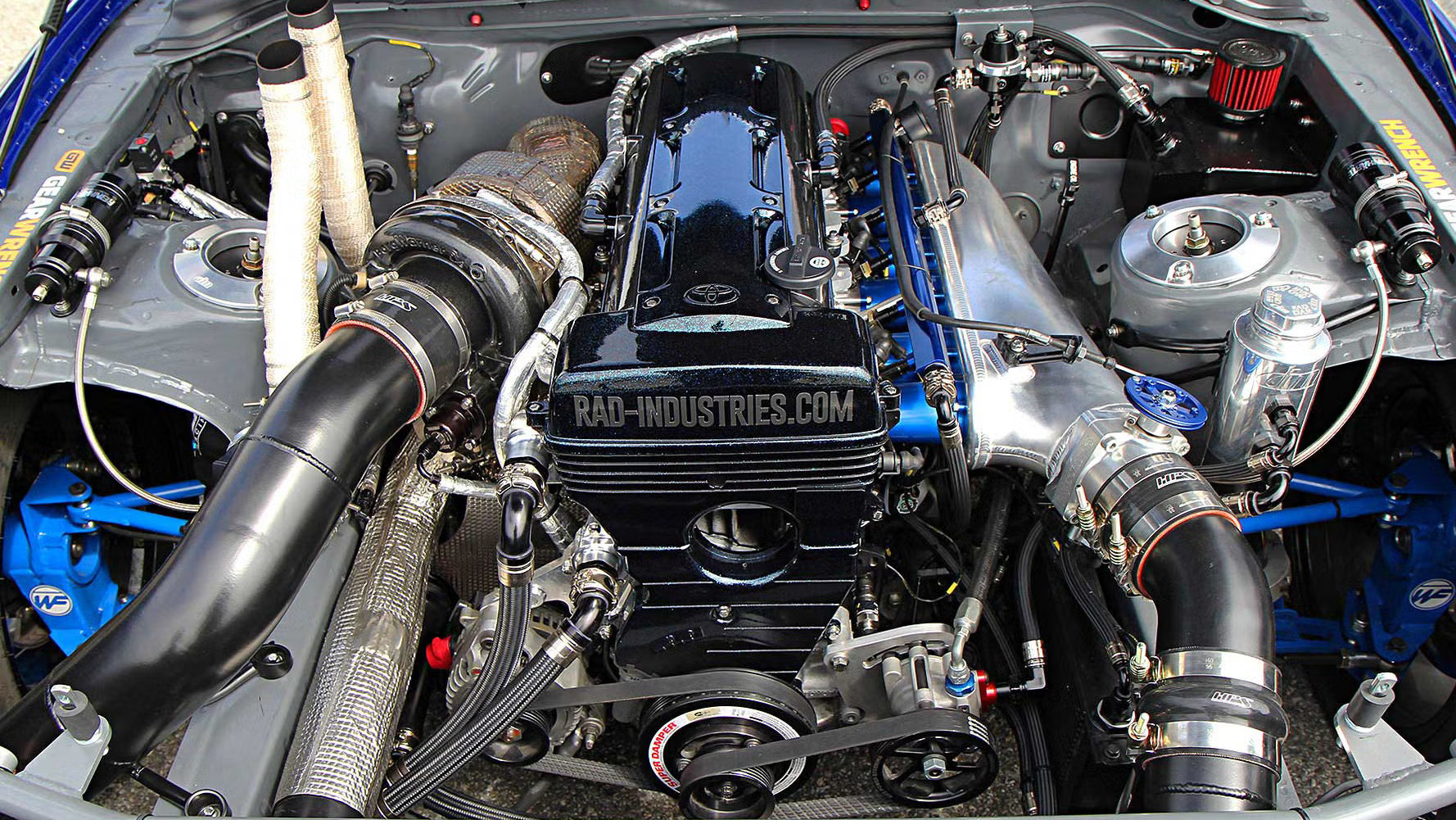
2. Cummins 5.9L 12-Valve (6BT): A Diesel Engine Built for Extreme Longevity
The Cummins 5.9L 12-valve engine, commonly called the 6BT, is renowned for being one of the most durable diesel engines ever built. Originally engineered for industrial and agricultural use, it was designed to operate under heavy loads for prolonged periods without failure.
When installed in pickup trucks such as the Dodge Ram between 1989 and 1998, it brought unparalleled toughness and reliability to the consumer market. With proper maintenance, many 6BT engines exceed 300,000 to 500,000 miles, and some even approach one million miles.
A major reason for the 6BT’s legendary longevity is its cast-iron construction. Both the block and cylinder head are made from high-grade cast iron, which provides exceptional structural strength and resists heat-induced warping or cracking. Its deep-skirt block design extends around the crankshaft, reducing vibration and flex while maintaining precise internal alignment under extreme stress.
The engine’s internal components are heavily reinforced. A forged steel crankshaft and durable connecting rods can handle the high cylinder pressures of diesel combustion, while thick cylinder walls add rigidity and prevent cracking under boost. The interface between the block and cylinder head is strengthened to maximize clamping force, reducing the likelihood of head gasket failure under heat and pressure.
Thermal management further contributes to durability. A high-volume water pump and efficient liquid-cooling system regulate temperatures during heavy use, while direct fuel injection ensures cleaner combustion and less heat buildup. Many 1994 to 1998 models feature the Bosch P7100 mechanical injection pump, praised for reliability and precise fuel delivery.
The 6BT’s mechanical simplicity adds to its appeal. Unlike modern electronically controlled diesels, it relies mostly on mechanical systems, making it easier to maintain and repair. This combination of robust construction, reinforced internals, efficient cooling, and simple mechanical design makes the Cummins 5.9L 12-valve 6BT one of the most respected and long-lasting diesel engines in automotive history.
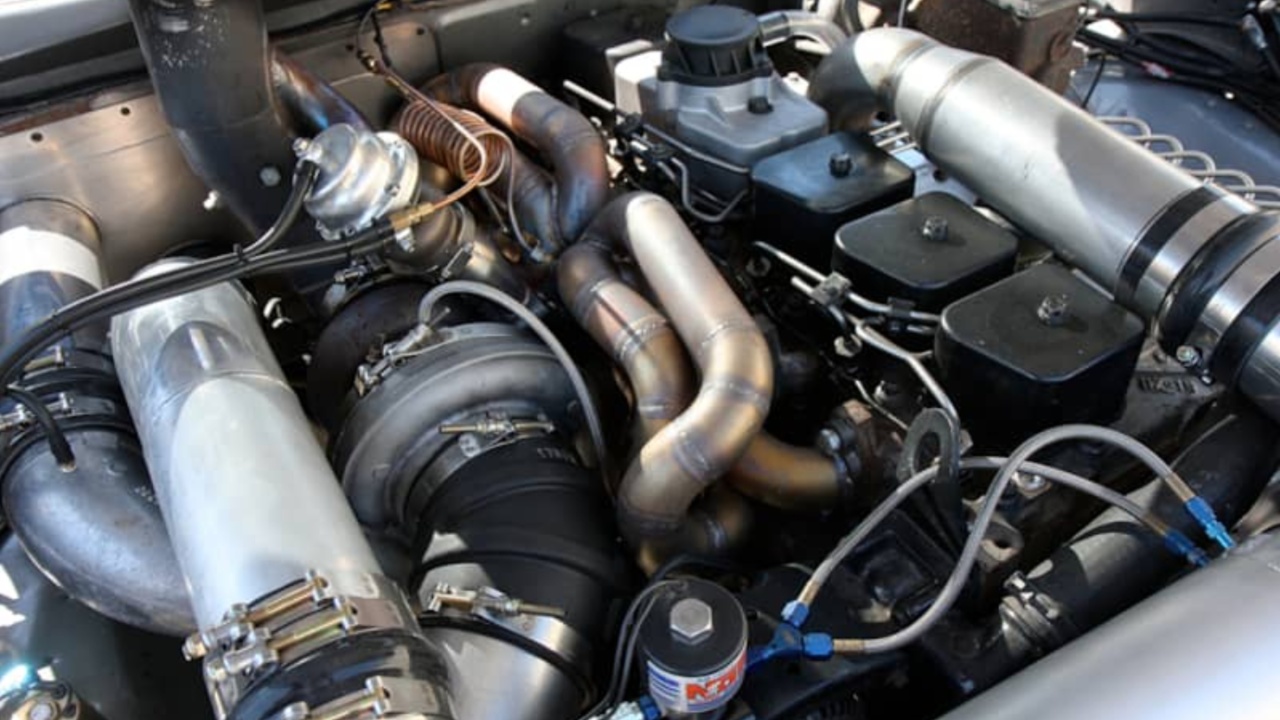
3. Nissan RB26DETT: A Racing Engine Built for Extreme Power
The Nissan RB26DETT is one of the most iconic performance engines ever created, known for its incredible strength, racing heritage, and massive tuning potential. Developed specifically for Group A touring car racing, the engine was engineered to endure the intense heat, pressure, and stress associated with high-performance motorsports.
It first gained worldwide recognition as the powerplant of the Nissan Skyline GT-R models, including the R32, R33, and R34 generations. Although the engine was officially rated at around 276 horsepower due to Japan’s voluntary horsepower agreement among manufacturers, its true performance capability was far greater. Enthusiasts and professional tuners quickly discovered that the RB26DETT had a tremendous margin for additional power.
One of the primary reasons for the engine’s durability is its cast-iron block. Unlike aluminum blocks commonly used in modern engines, cast iron offers superior rigidity and resistance to heat-related distortion. This allows the RB26DETT to withstand extremely high cylinder pressures produced by turbocharging.
The block also uses a closed-deck design, which strengthens the area surrounding the cylinders and prevents cylinder wall flex during high-boost operation. This structural strength allows the engine to remain stable even when power levels are pushed far beyond factory specifications.
The RB26DETT was also designed with strong internal components to support high-performance operation. Many versions include forged crankshafts and connecting rods that can handle extreme mechanical loads.
The engine’s internal design was intended to operate at high engine speeds, producing a smooth and powerful power curve that builds toward the upper RPM range. This high-revving nature, combined with the twin-turbo configuration, allowed the RB26DETT to deliver strong performance in both racing and street applications.
To further improve durability in high-performance situations, Nissan developed special N1 versions of the RB26 engine. These versions used even stronger cast iron blocks with thicker deck surfaces to resist cracking when exposed to extreme boost levels.
High-performance variants also included sodium-filled exhaust valves, which help transfer heat away from the valves and reduce thermal stress within the cylinder head. This feature improves heat management and contributes to the engine’s ability to withstand intense racing conditions.
Because of its strong construction and racing-focused design, the RB26DETT has become a favorite among tuners worldwide. With proper modifications and careful tuning, the engine is capable of producing 800 to 1,000 horsepower or more.
This combination of durability, performance, and racing heritage has cemented the RB26DETT’s reputation as one of the most legendary turbocharged engines in automotive history.
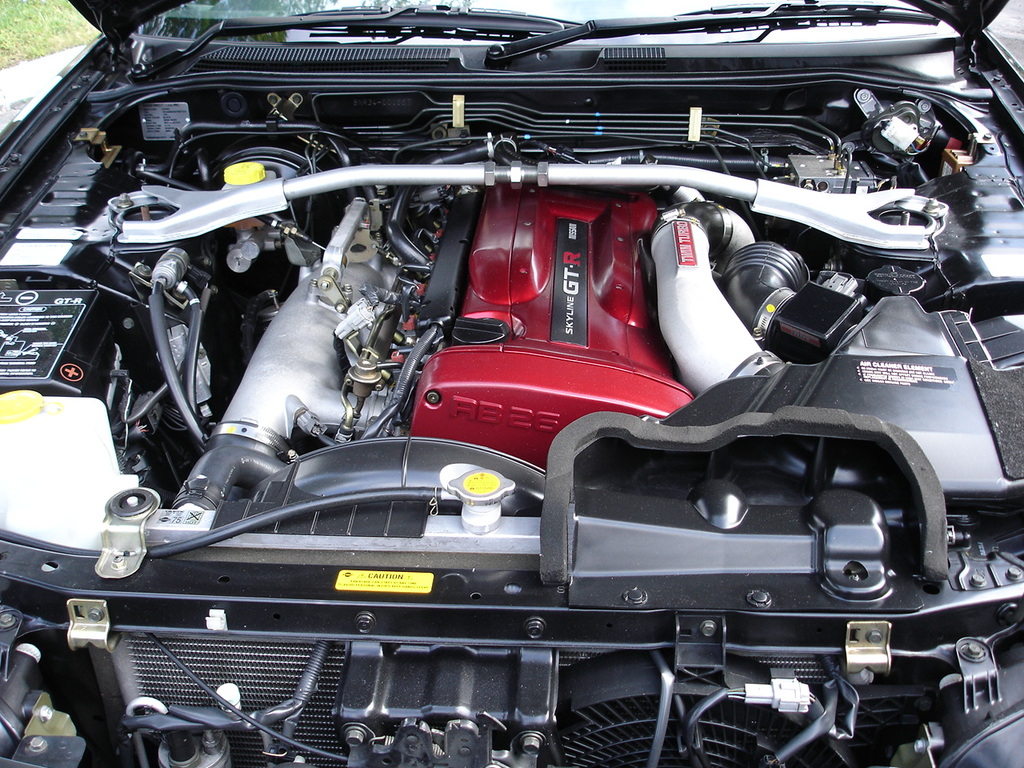
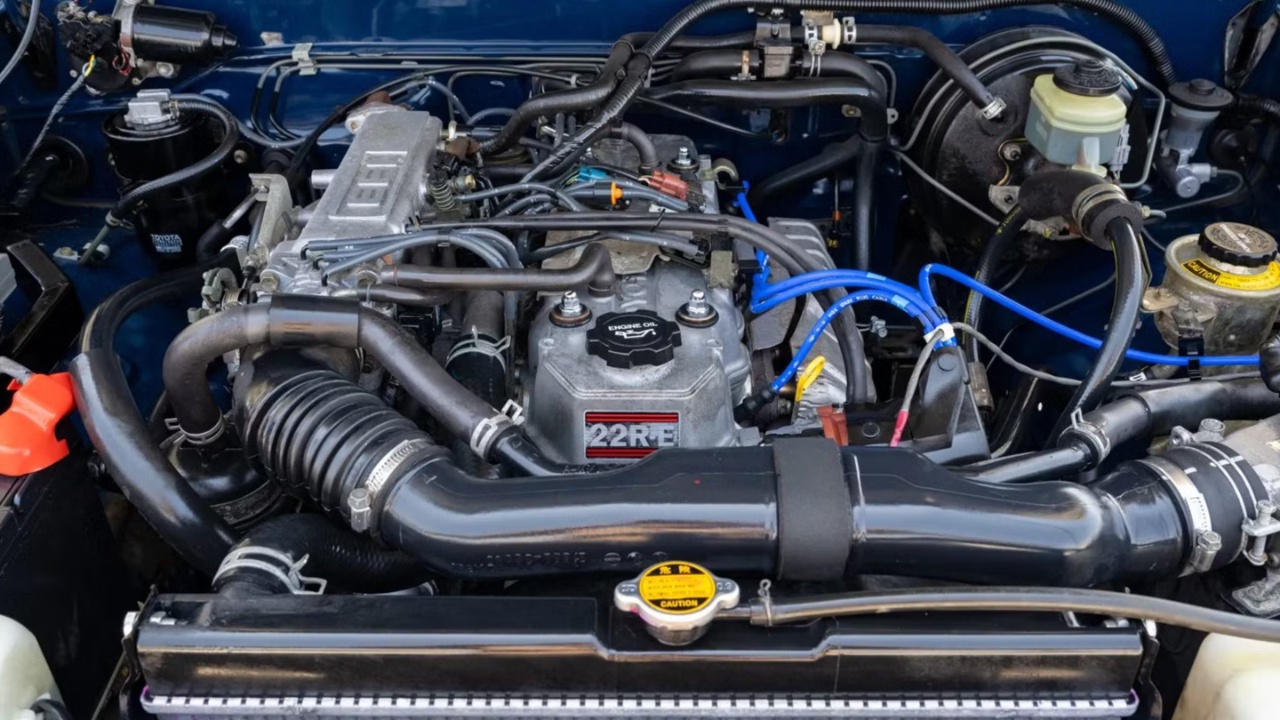
4. Toyota 22R / 22R-E: The Legendary Workhorse Engine
The Toyota 22R and its fuel-injected successor, the 22R-E, are widely regarded as some of the most durable four-cylinder engines ever produced. Introduced in the early 1980s and used in Toyota pickups, 4Runners, and Hilux models through the 1990s, these engines earned a reputation for exceptional reliability and longevity.
Unlike many modern engines designed primarily for performance or efficiency, the 22R series was built with a truck-first philosophy that prioritized durability, thermal stability, and strong low-end torque. Because of this rugged engineering approach, many of these engines continue running well beyond 300,000 miles, with some examples even approaching 400,000 miles or more without major internal repairs.
A major reason for the engine’s durability is its thick-walled cast-iron block. Cast iron provides excellent strength and resistance to heat, allowing the engine to endure repeated heating and cooling cycles without suffering from warping or structural damage. This material also resists cylinder wear and distortion, helping maintain proper internal tolerances even after years of heavy use.
The block’s deep-skirt design further improves durability by reinforcing the lower portion of the engine and reducing vibration or flex under load. This strong structural foundation allows the engine to survive conditions that might damage lighter aluminum engines.
The 22R series was also designed with mechanical simplicity in mind. The carbureted 22R used a straightforward fuel delivery system, while the later 22R-E introduced electronic fuel injection for improved efficiency and smoother operation.
Despite these differences, both engines retained simple mechanical layouts that make them easy to maintain and repair. This simplicity has made the engines particularly popular among mechanics and do-it-yourself enthusiasts, as most components are accessible and inexpensive to service.
In terms of performance, the 22R and 22R-E were never intended to be high-speed or high-power engines. Power output was relatively modest, generally producing around 105 to 115 horsepower.
Instead of focusing on speed, Toyota tuned the engine to deliver strong torque at low engine speeds, which is ideal for trucks used in off-road driving, hauling, or daily work. This tuning also reduces mechanical stress, contributing to the engine’s long service life.
Although the 22R series is known for its toughness, it does have a few common issues. Timing chain guides can wear or break over time, and head gaskets may fail if the engine overheats.
Even with these minor concerns, the Toyota 22R and 22R-E remain legendary for their ability to withstand harsh environments, minimal maintenance, and extremely high mileage, making them some of the most respected workhorse engines ever built.
5. Mitsubishi 4G63: A Rally-Bred Engine Built for Extreme Power
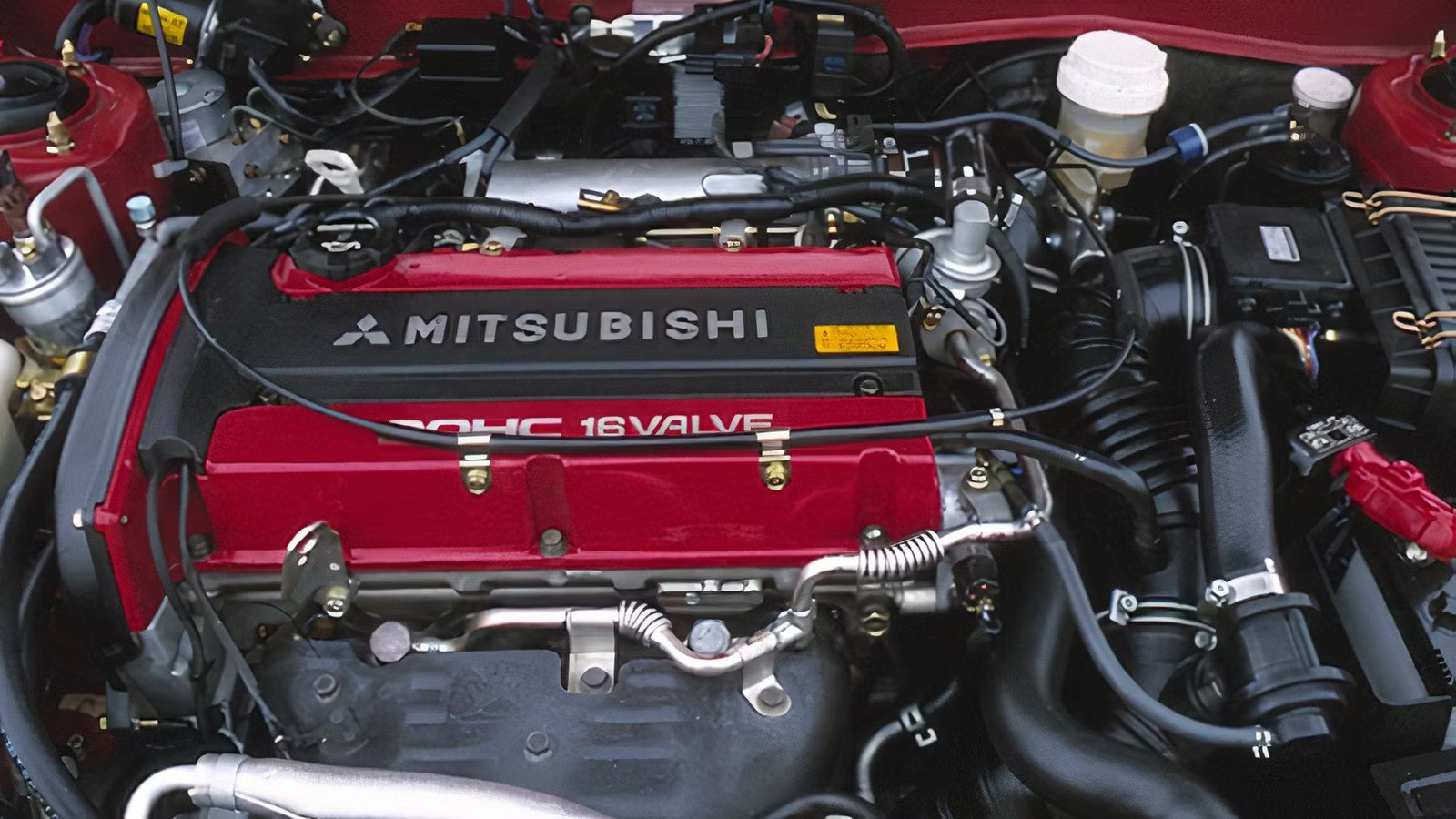
The Mitsubishi 4G63 engine, particularly the turbocharged 4G63T version, is widely recognized as one of the most durable and high-performance four-cylinder engines ever produced. It became famous through its use in the Mitsubishi Lancer Evolution series, as well as other performance models such as the Galant VR-4 and several DSM vehicles like the Eclipse and Talon.
Developed with motorsport in mind, the engine was built to handle the extreme stresses associated with rally racing. High cylinder pressures, constant heat, and sustained high-RPM operation required an engine capable of maintaining structural stability under demanding conditions. Because of this motorsport heritage, the 4G63 quickly earned a reputation for durability and exceptional tuning potential.
A major contributor to the engine’s strength is its heavy-duty cast-iron block. While many manufacturers moved toward aluminum blocks to reduce weight, Mitsubishi chose cast iron for its superior rigidity and resistance to heat. Cast iron can withstand high combustion temperatures and extreme pressure without warping or cracking.
This material also prevents cylinder wall distortion, which is a common issue in weaker engine designs operating under high turbo boost. The result is a strong foundation that allows the engine to support major increases in power while maintaining reliability.
The 4G63 also uses a reinforced closed-deck block design. In this configuration, the area surrounding the cylinders is more solid and rigid compared to open-deck blocks. This added reinforcement helps prevent the cylinders from flexing or shifting during high boost conditions.
Because of this structural strength, the engine can handle much higher levels of turbo pressure than many engines of its era. This capability made the 4G63 especially popular among enthusiasts and professional racers looking for a reliable high-performance platform.
Another reason for the engine’s durability is the use of strong internal components. Many turbocharged 4G63 engines feature forged steel crankshafts and durable connecting rods designed to handle significant mechanical stress.
These components work together with the cast iron block to create a highly resilient internal structure. The engine also uses an aluminum cylinder head, which helps dissipate heat more efficiently and reduces the risk of detonation during high-performance driving.
Thanks to this combination of strong materials and motorsport-focused engineering, the 4G63 has become legendary among tuners. With proper upgrades and careful tuning, many modified versions easily exceed 500 horsepower, while extreme racing builds have reached 1,000 horsepower or more. Its strength, reliability, and racing pedigree continue to make the Mitsubishi 4G63 one of the most respected turbocharged engines in automotive history.
Also read: 5 Cars With Simple Interiors That Age Well vs 5 With Too Much Fragile Plastic
6. GM “Iron Duke” (151 CID): A Simple Engine Built for Endurance
The GM 2.5-liter “Iron Duke,” also known as the 151 CID engine, earned a reputation as one of the toughest and most reliable four-cylinder engines produced by General Motors. Developed by Pontiac in the late 1970s, the engine was designed to replace the less reliable aluminum engines used previously.
Engineers focused on durability, simplicity, and low maintenance rather than high performance. As a result, the Iron Duke became known as a dependable workhorse that could operate for hundreds of thousands of miles with basic care. It powered a wide range of vehicles from the late 1970s through the early 1990s, including models from Chevrolet, Pontiac, Jeep, and various fleet vehicles.
A major reason for the engine’s durability is its heavy cast-iron construction. Both the cylinder block and cylinder head were built from high-strength cast iron, which provides excellent resistance to heat and mechanical stress.
Cast iron is far less likely to warp or crack under high temperatures compared to aluminum, making the engine capable of surviving overheating situations that might destroy lighter engines. The thick iron castings also act as a heat sink, absorbing and dissipating heat gradually. This design helps maintain stable operating temperatures and protects internal components from thermal damage during extended use.
The Iron Duke was also engineered to operate under low mechanical stress. Rather than focusing on high horsepower or high engine speeds, Pontiac designed the engine to produce steady torque at lower RPM levels.
Lower engine speeds reduce friction, heat generation, and wear on internal parts such as pistons, rings, and bearings. The engine used a simple overhead valve pushrod design that minimized complexity and improved reliability. Early versions also used durable timing gears instead of timing belts, eliminating a common failure point in many engines.
Engineers incorporated additional features to improve heat management and long-term durability. Special exhaust manifold bolts allowed for expansion and contraction caused by heat without damaging the gasket seal.
Heat shields protected the carburetor from excessive engine temperatures that could cause fuel vaporization. Later versions also introduced improved cooling designs that enhanced airflow and temperature control within the engine.
One of the strongest demonstrations of the Iron Duke’s durability came from its use in fleet vehicles such as the Grumman Long Life Vehicle used by the United States Postal Service. These trucks operate in constant stop-and-go conditions with long periods of idling, which places significant thermal stress on an engine.
Despite these demanding conditions, many Iron Duke engines exceeded 200,000 miles of service. Its rugged construction and straightforward design helped secure its legacy as one of the most durable workhorse engines of its time.
7. Chevrolet Small Block 350 (SBC): The Legendary Cast Iron V8
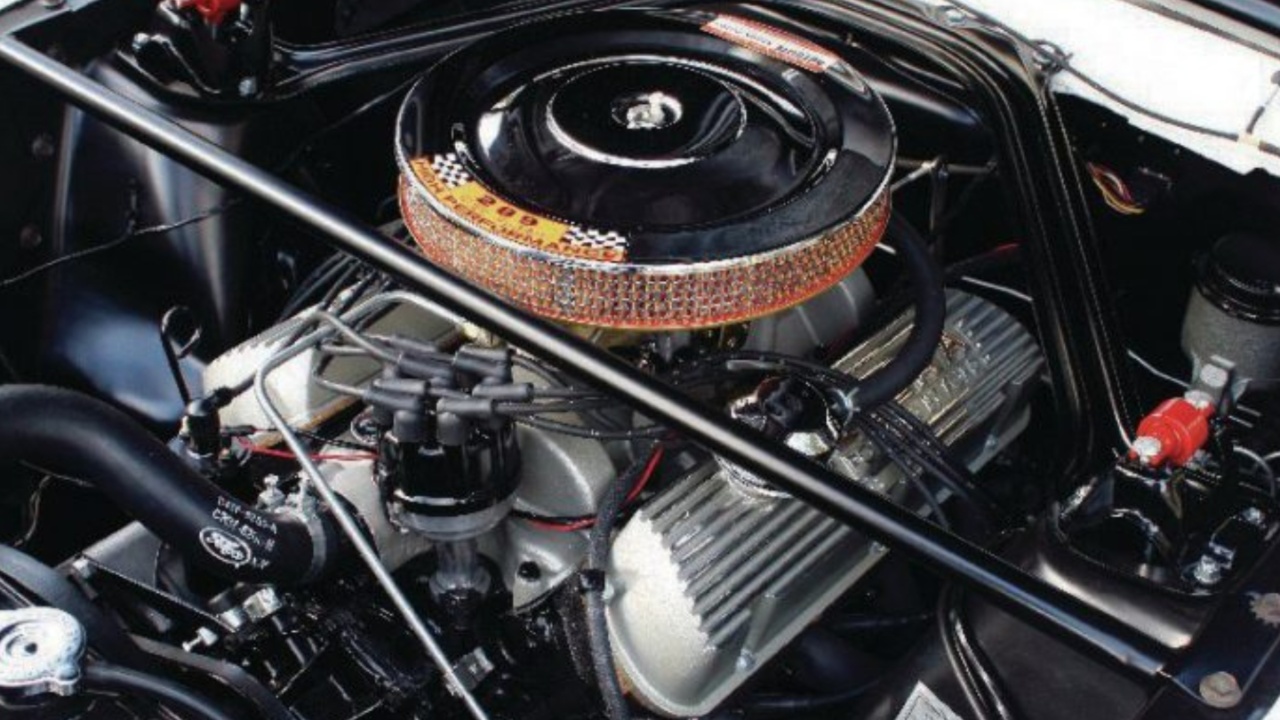
The Chevrolet Small Block 350, commonly called the SBC 350, is one of the most famous and widely used V8 engines in automotive history. Introduced by General Motors in 1967, the 5.7-liter engine quickly became known for its balance of power, durability, and versatility. Over the decades, it powered countless vehicles, including passenger cars, trucks, performance models, and marine applications.
Its simple pushrod design and strong construction made it popular among mechanics, racers, and enthusiasts. Because it could handle both everyday driving and demanding workloads, the SBC 350 earned a reputation as a dependable engine capable of lasting hundreds of thousands of miles.
A key factor behind the engine’s longevity is its cast-iron block. The block provides exceptional structural strength and stability under high temperatures and heavy loads. Cast iron resists warping and cracking better than lighter materials such as aluminum, especially when engines experience overheating or prolonged high-stress operation.
This strength allows the block to maintain tight internal tolerances even when exposed to extreme heat. As a result, the engine remains reliable in demanding environments such as towing, racing, and heavy-duty work.
The thermal properties of cast iron also contribute to the engine’s durability. Cast iron expands less than aluminum when exposed to heat, which helps the engine maintain consistent clearances between internal components. Stable clearances reduce wear on parts like pistons, rings, and bearings.
The material also absorbs heat gradually, allowing the engine to manage temperature changes more effectively during sustained high-load conditions. These characteristics make the SBC 350 more forgiving when subjected to overheating or irregular maintenance.
Another advantage of the small block design is its rigidity and vibration control. The strong block structure can handle significant combustion pressure without flexing, which is important for both reliability and performance.
Cast iron also dampens engine vibrations, reducing stress on internal components and extending the life of the engine. Many high-performance versions of the SBC 350 used higher nickel content in the iron block, which further improved resistance to cracking and thermal fatigue.
The Chevrolet 350’s reputation is also supported by its adaptability and long production history. The engine remained in production for decades, and countless variations were developed for different applications.
Many stock engines have surpassed 200,000 or even 300,000 miles with proper maintenance. Its strong cast iron foundation, simple design, and proven reliability helped make the small block 350 one of the most respected and enduring engines ever built.
8. Ford 7.3L Power Stroke: A Heavy-Duty Diesel Built for Longevity
The Ford 7.3-liter Power Stroke diesel engine, produced from 1994.5 to 2003, is widely regarded as one of the most reliable and durable diesel engines ever installed in pickup trucks. Built by Navistar International for Ford Super Duty and heavy-duty truck applications, the engine was designed with longevity and strength as its top priorities.
Unlike many modern engines that focus heavily on maximizing horsepower, the 7.3L Power Stroke was engineered for consistent performance, towing capability, and long service life. Because of this approach, many of these engines have surpassed 300,000 to 500,000 miles with proper maintenance, making them a favorite among truck owners who rely on durability.
A major contributor to the engine’s toughness is its heavy cast-iron construction. Both the engine block and cylinder heads are made from high-strength cast iron, which provides excellent resistance to heat, pressure, and long-term wear. Diesel engines naturally operate with higher compression ratios than gasoline engines, which generates more internal stress and heat.
The thick cast iron block of the 7.3L Power Stroke was designed with reinforced webbing and strong cylinder walls to handle these conditions without warping or cracking. This solid construction allows the engine to maintain structural stability during prolonged towing or heavy-duty work.
The engine also features robust internal components designed to withstand demanding conditions. Forged steel connecting rods and a forged crankshaft provide exceptional strength when dealing with high cylinder pressures produced during diesel combustion.
In addition, the engine uses a strong head bolt configuration that keeps the cylinder heads securely sealed to the block, reducing the risk of head gasket failure even under high load. These heavy-duty internal parts contribute significantly to the engine’s ability to operate reliably for hundreds of thousands of miles.
Effective cooling and heat management also play a major role in the engine’s longevity. The 7.3L Power Stroke was equipped with a large cooling system designed to handle the high heat levels produced during towing or hauling.
Later models added an air-to-air intercooler, which lowers intake air temperatures and improves efficiency while helping control exhaust gas temperatures. An external oil cooler further assists in managing the heat generated by the engine’s fuel injection system.
Another reason for the engine’s durability is its conservative design philosophy. The engine produces relatively modest horsepower for its size, meaning the internal components are rarely pushed to their mechanical limits.
This lower stress level allows the engine to maintain reliability over extremely long service lives. Because of its rugged construction and dependable performance, the 7.3L Power Stroke remains one of the most respected diesel engines ever used in heavy-duty pickup trucks.
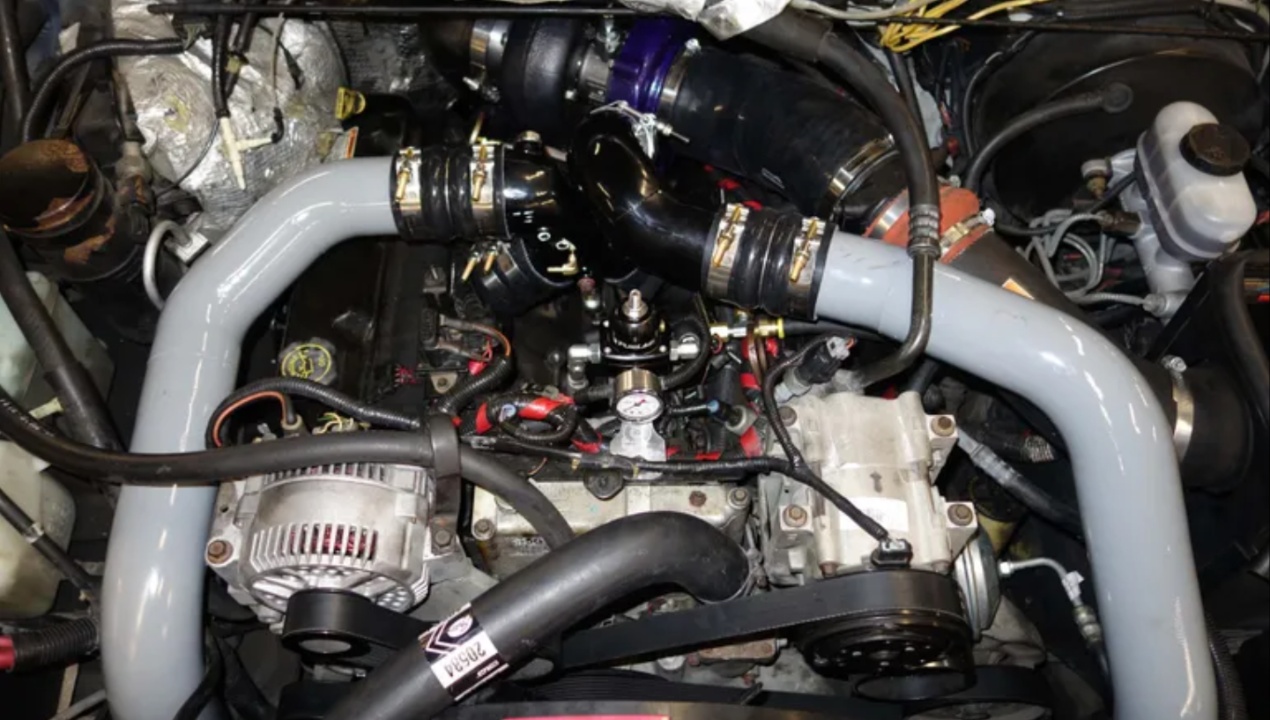
9. Toyota 1HZ: Legendary Reliability in Extreme Conditions
The Toyota 1HZ is a 4.2L naturally aspirated inline-six diesel engine engineered for extreme durability rather than high performance. Introduced in 1990, it features a massive cast iron block and head, designed to withstand the harshest environments such as deserts, mining operations, and remote overlanding routes.
Its simple mechanical design, lacking a turbocharger and complex electronics, minimizes stress on internal components and reduces failure points, allowing it to run continuously under high temperatures and with low-grade fuel.
The engine produces approximately 129 horsepower and 285 Nm of torque, prioritizing longevity and low-end torque over speed. Its indirect injection system and SOHC 12-valve configuration contribute to mechanical simplicity, making the 1HZ easy to maintain even in remote locations.
The naturally aspirated design keeps thermal loads low, ensuring that the thick iron castings manage heat effectively and preventing cracking common in high-output or turbocharged engines. Many examples exceed 500,000 km, with some approaching 1,000,000 km without major overhauls, demonstrating exceptional endurance.
Thermal stability is enhanced by the heavy cast iron construction, which resists warping or distortion even under sustained high operating temperatures. The engine’s low-stress design and modest power output allow it to operate reliably in extreme heat while handling poor-quality diesel, a key reason it is favored by NGOs, militaries, and remote-area operators.
While the 1HZ is slow and consumes 11–13 liters per 100 km, its reliability is unparalleled. Some owners add aftermarket turbochargers for improved highway performance, but these modifications require careful monitoring of exhaust gas temperatures to avoid head damage. Upgrades such as larger exhaust systems and intercoolers are sometimes used to enhance efficiency.
The Toyota 1HZ remains a benchmark for durability and longevity in diesel engines. Its combination of mechanical simplicity, robust cast iron construction, and ability to thrive on low-grade fuel makes it ideal for applications where reliability and serviceability are more important than speed or modern performance metrics.
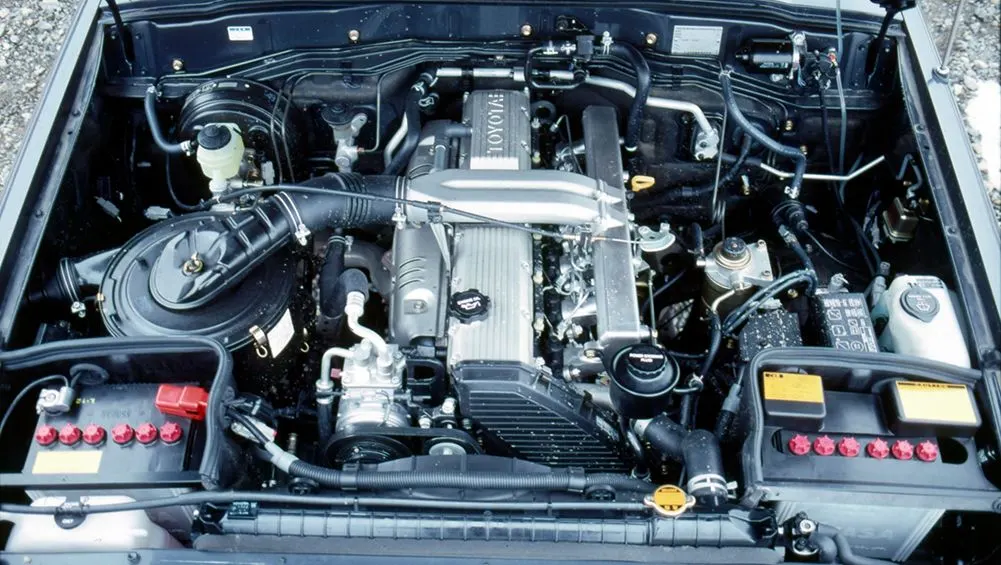
10. BMW M50 and M52 Iron Block Engines: Durable Foundations for High-Performance Builds
The BMW M50 and select M52 engines are celebrated for their cast-iron blocks, which offer exceptional thermal durability and structural rigidity. Produced from 1990 to 1999, these engines remain highly sought after in tuning communities because they can handle high horsepower without extensive internal modifications.
Unlike later aluminum or magnesium-aluminum blocks, the iron construction provides a strong foundation for forced induction or high-performance builds, making them ideal for street and drift cars.
The key to their longevity is the grey cast iron block. Iron maintains strength under extreme heat, preserving cylinder bore geometry and main bearing alignment even under heavy boost. This prevents common issues found in aluminum variants, such as Nikasil bore wear and head bolt thread stripping.
The rigid iron deck also provides a reliable surface for head gaskets and ARP studs, allowing the engines to handle turbo pressures of 15 to 20 psi or higher without damage.
Thermal management is another advantage. Cast iron resists warping, cracking, and embrittlement from repeated thermal cycles, ensuring reliability under prolonged stress. Many engines surpass 186,000 miles (300,000 kilometers) without block-related issues. Consistent cylinder sealing maintains compression and reduces oil consumption even at high loads.
In performance terms, the M50 favors high-revving setups with simpler non-VANOS or single-VANOS designs and larger-flow intake manifolds. The M52 improves low-end torque and includes OBD-II diagnostics. Both engines produce smooth, linear power and offer excellent tuning potential. Common upgrades include M50 intake manifolds on M52 blocks to improve airflow, with stock internals handling 500 to 600 wheel horsepower reliably. Stroker kits from the S52 engine can increase displacement further.
Weak points are mainly plastic cooling components, including water pumps, thermostat housings, and radiators, as well as VANOS seals. These are minor compared to the strength and reliability of the iron block.
The BMW M50 and iron-block M52 engines are considered modern classics, combining durability, tuner-friendly design, and performance potential while providing reliable long-term operation for daily driving and motorsport applications.
The ten engines featured in this list illustrate the timeless advantages of cast iron construction in automotive engineering. From high-performance tuning platforms like the Nissan RB26DETT and BMW M50/M52 to enduring diesels like the Cummins 6BT and Toyota 1HZ, these engines showcase unparalleled thermal durability, structural integrity, and mechanical simplicity.
Cast iron allows for high boost pressures, long service intervals, and reliability under extreme conditions, whether on the racetrack, in heavy-duty hauling, or in remote off-road environments.
Even decades after production, these engines continue to serve as benchmarks for strength, longevity, and versatility, proving that robust materials combined with intelligent design can produce powerplants that remain relevant, tunable, and highly respected in both enthusiast and professional circles.
Their legacy reinforces why cast iron blocks are often the foundation of engines designed to survive both performance demands and harsh operating conditions.
Also Read: Top 10 Cars With the Most Useful Hidden Storage Compartments
