Transmission overheating is a common concern for many drivers, particularly those who frequently tackle heavy traffic, long highway journeys, or extreme weather conditions. Heat buildup can reduce efficiency, accelerate component wear, and ultimately shorten a vehicle’s lifespan.
Fortunately, several modern vehicles feature transmission designs that are engineered to resist overheating through advanced mechanical layouts, superior cooling systems, and innovative thermal management strategies. From hybrid CVTs to high-capacity torque converters, automakers have developed solutions that minimize friction, optimize power delivery, and maintain consistent operating temperatures.
This article explores ten vehicles renowned for their heat-resistant transmissions, highlighting how each system manages stress, distributes power efficiently, and ensures long-term durability.
Vehicles such as the Toyota Corolla Hybrid, Honda Civic, Mazda3, and Tesla Model 3 exemplify engineering approaches that reduce slippage, limit internal friction, and integrate sophisticated cooling to maintain stable temperatures even under demanding conditions. These transmissions are not only reliable but also provide smooth, responsive driving experiences for daily commuting and long-distance travel.
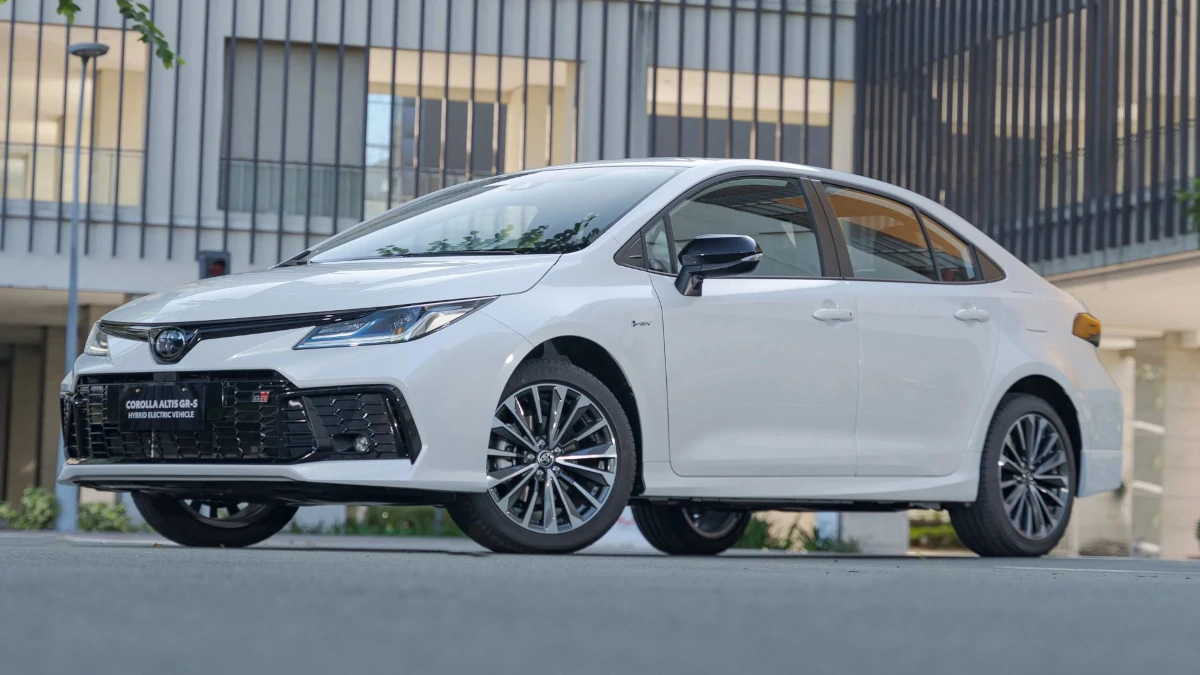
1. Toyota Corolla Hybrid e-CVT: Planetary Gear Hybrid Transmission with Superior Thermal Management
The Toyota Corolla Hybrid is widely recognized for its reliable and thermally efficient transmission system, known as the electronic Continuously Variable Transmission (e-CVT).
Unlike traditional automatic or belt-driven CVT transmissions, Toyota’s design focuses on reducing friction, minimizing heat generation, and improving durability. As a result, the system rarely experiences overheating, even under demanding driving conditions such as heavy traffic or long highway trips.
A key reason for the transmission’s thermal stability is its unique mechanical design. Conventional CVTs use steel belts and variable-diameter pulleys to change gear ratios. These components rely heavily on friction, which generates significant heat and increases wear over time.
In contrast, the Corolla Hybrid’s e-CVT uses a planetary gear set as part of Toyota’s Hybrid Synergy Drive system. This gear-driven mechanism eliminates the need for belts, pulleys, and friction clutches.
Because the electric motor-generators connect directly to the planetary gears, power distribution occurs smoothly and with far less mechanical stress. The reduced friction inside the transmission significantly lowers the chances of overheating.
Another important factor is Toyota’s advanced cooling and lubrication system. The hybrid drivetrain integrates cooling loops that regulate the temperature of critical components such as the electric motors, inverter, and transmission fluid.
In this design, the transmission fluid primarily acts as a lubricant and coolant rather than a hydraulic medium for gear changes. This allows the fluid to maintain optimal temperatures while protecting gears and bearings from excessive heat.
The Corolla Hybrid also benefits from efficient power management through its hybrid powertrain. The Atkinson-cycle gasoline engine works together with electric motors to distribute workload across the system. This cooperation reduces strain on the transmission and helps keep operating temperatures low.
Regenerative braking further contributes by allowing the electric motor to recover energy during deceleration, which reduces reliance on friction brakes and lowers heat buildup during city driving.
The e-CVT prioritizes efficiency, durability, and smooth power delivery rather than high performance. While acceleration can feel modest and engine noise may increase during hard acceleration, the system excels in fuel economy, achieving roughly 50 miles per gallon combined.
With fewer wear-prone components and effective thermal management, the Corolla Hybrid’s transmission is considered one of the most reliable and low-maintenance systems for everyday commuting.
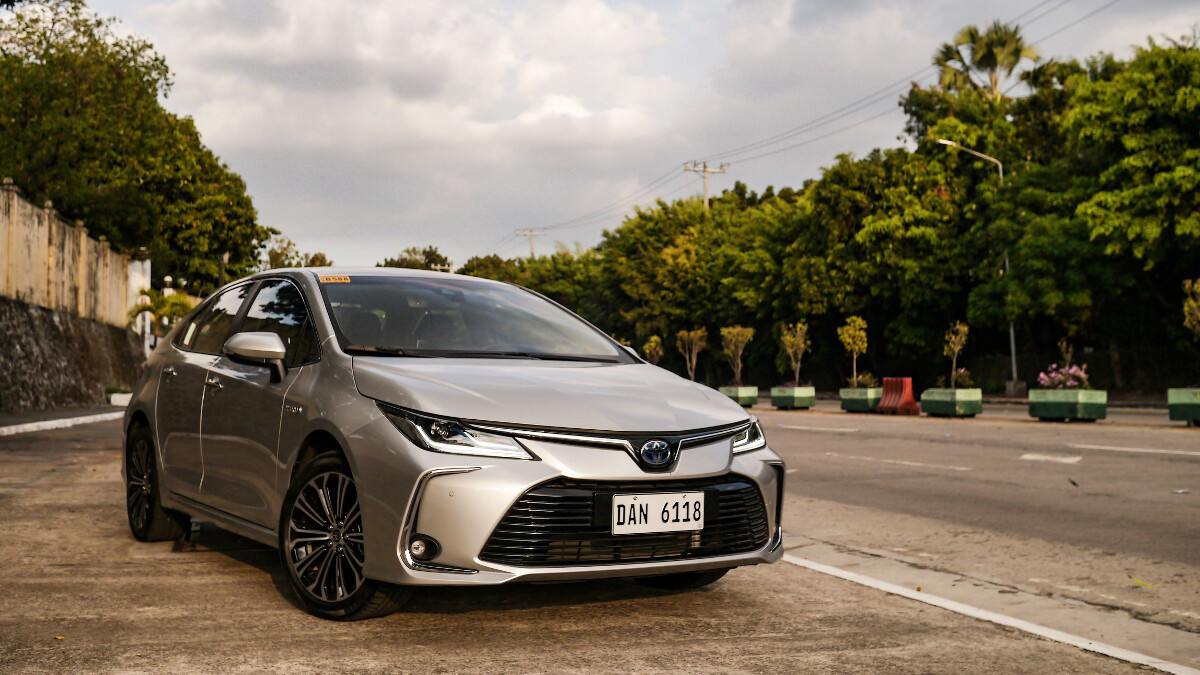
2. Honda Civic CVT: Refined G-Design Shift Transmission with Enhanced Cooling and Thermal Control
The Honda Civic has helped improve the reputation of continuously variable transmissions through careful engineering and long-term refinement. Modern Civic models use Honda’s CVT system equipped with “G-Design Shift” logic, a control strategy designed to make acceleration feel more natural while reducing mechanical stress inside the transmission.
This system manages how the engine and transmission respond during acceleration, limiting the common “rubber band” sensation associated with many CVTs. By reducing unnecessary friction and strain, the transmission produces less heat and maintains stable operating temperatures even during demanding driving conditions.
A major reason the Civic CVT rarely overheats is its improved internal components. Honda uses high-strength steel belts and a high-efficiency hydraulic pump to maintain precise pressure between the belt and the variable pulleys. Proper hydraulic pressure prevents belt slippage, which is one of the main causes of heat buildup in CVT systems.
With reduced slippage, the transmission operates more smoothly while minimizing internal friction. This design helps the Civic handle challenging situations such as steep inclines, extended highway driving, or aggressive acceleration without excessive temperature increases.
Honda also focuses heavily on thermal management through an advanced cooling system. The Civic’s transmission cooling setup is designed with greater capacity than the vehicle strictly requires. This provides a buffer that helps keep temperatures stable during heavy traffic, warm climates, or prolonged driving. Specialized transmission fluid also plays a critical role.
Honda’s HCF-2 fluid is formulated specifically for CVT systems and is designed to manage friction, resist thermal breakdown, and maintain consistent viscosity under stress. These properties allow the fluid to protect internal components while dissipating heat effectively.
Another factor that reduces heat generation is the CVT’s ability to maintain the engine at efficient revolutions per minute. Instead of shifting through fixed gears, the transmission continuously adjusts its ratio to keep the engine operating within its most efficient range. This reduces unnecessary engine strain and prevents excessive thermal buildup in the drivetrain.
Modern Civic transmissions also include built-in protective features. If the system detects unusually high temperatures, it can activate a “limp home” mode that limits power output and protects internal components until the vehicle reaches a safe location.
Earlier Civic models from the early 2000s experienced transmission reliability issues, but later generations have addressed these concerns through stronger materials, improved cooling systems, and better electronic control strategies.
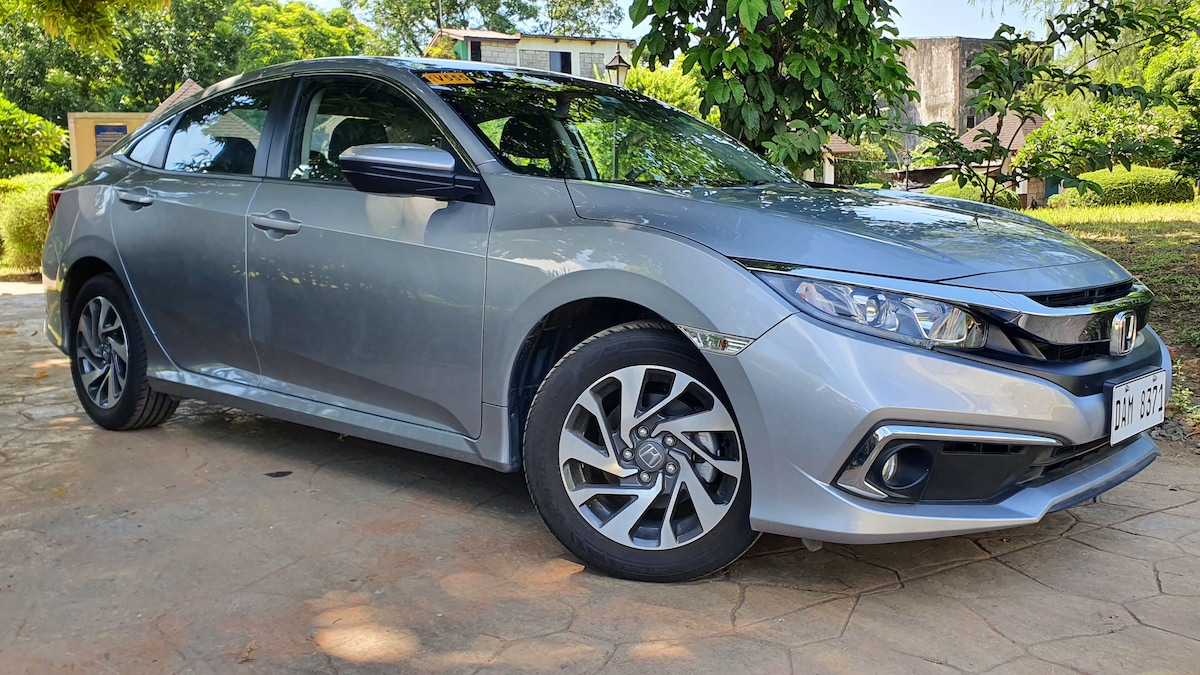
3. Mazda3 Skyactiv-Drive 6-Speed Automatic: Early Lock-Up Torque Converter with Efficient Heat Control
The Mazda3 uses Mazda’s Skyactiv-Drive six-speed automatic transmission, a system widely regarded for its reliability, efficiency, and strong thermal management. Unlike many competitors in the compact car segment that rely on continuously variable transmissions (CVTs), Mazda chose a traditional torque converter automatic and refined it with advanced engineering.
The result is a transmission that combines the strengths of conventional automatics, manual gearboxes, and dual-clutch systems while minimizing heat generation and mechanical losses.
A key feature of the Skyactiv-Drive transmission is its full-range direct drive philosophy. Traditional automatic transmissions rely heavily on a torque converter, which transfers power through hydraulic fluid. This process causes fluid shearing, which generates heat and reduces efficiency.
Mazda’s design addresses this problem by using a multi-plate lock-up clutch that engages much earlier and across a wider portion of the driving range. Once the clutch locks the engine directly to the transmission, power flows mechanically rather than through fluid. This greatly reduces slippage inside the torque converter, which is one of the main sources of heat in automatic transmissions.
The wide lock-up range provides several advantages. Because the transmission spends more time in direct mechanical connection, less energy is lost as heat. This improves fuel efficiency while keeping transmission temperatures stable during both city and highway driving. The system also provides a more direct and responsive driving feel compared with many CVT systems that rely on belts and pulleys.
Mazda’s decision to avoid CVT technology also contributes to the Mazda3’s reputation for durability. Many CVT designs generate additional heat due to constant belt friction and pulley pressure, particularly under heavy loads or during aggressive acceleration.
The Skyactiv-Drive transmission avoids these issues by using a traditional gear-based design with carefully optimized shift programming. This approach reduces internal stress and helps prevent overheating during demanding conditions such as steep climbs or extended highway travel.
In everyday driving, the Skyactiv-Drive automatic delivers smooth and nearly unnoticeable gear changes. A Sport Mode allows the transmission to hold gears longer for stronger acceleration, giving drivers a more engaging experience when desired. A six-speed manual transmission, known as Skyactiv-MT, is also available on select Mazda3 hatchback trims and is praised for its precise feel and light clutch operation.
The Skyactiv-Drive transmission is known for its low failure rate and long-term durability. Although Mazda often describes the transmission fluid as lifetime, some owners recommend periodic servicing to maintain optimal performance and longevity.
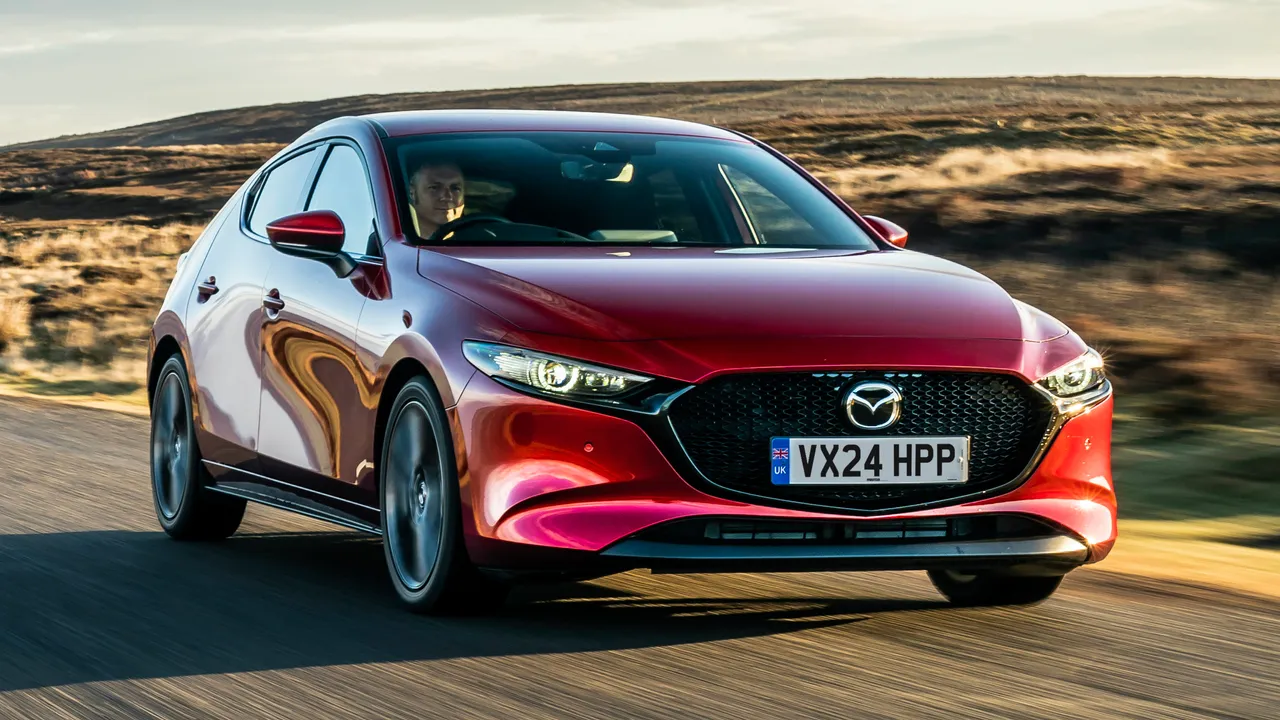
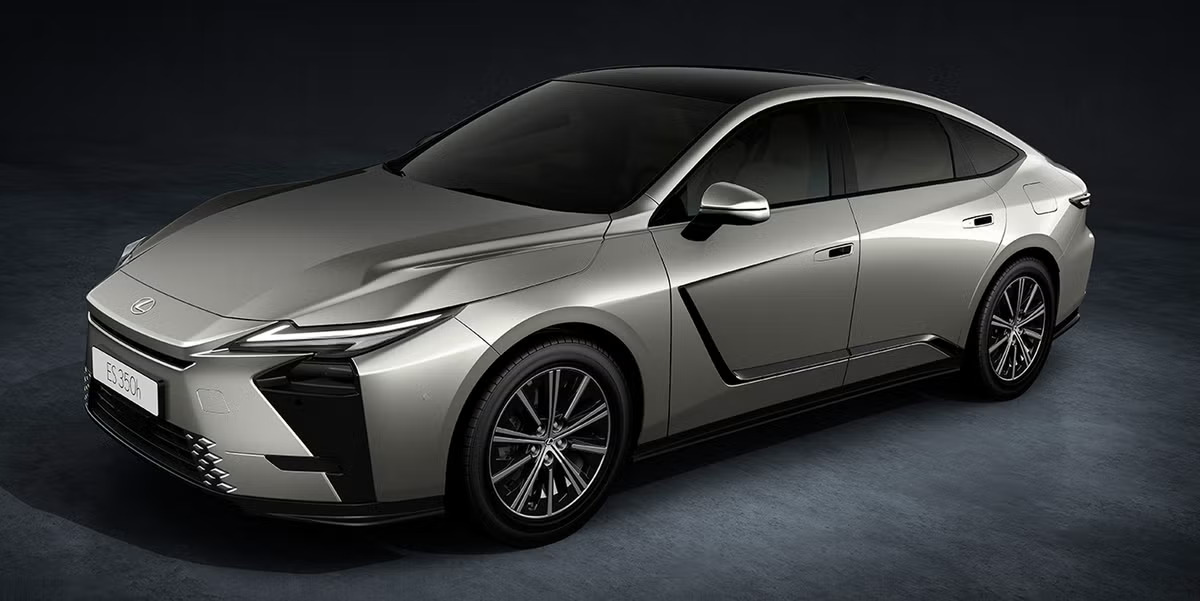
4. Lexus ES Aisin 8-Speed Automatic: Luxury-Tuned Transmission with Strong Thermal Stability
The Lexus ES is known for its smooth driving experience and long-term reliability, qualities that are strongly supported by its transmission systems. Most gasoline-powered models, such as the ES 350, use an Aisin-Warner eight-speed automatic transmission that is widely respected for durability and thermal stability.
Aisin, a company closely associated with Toyota, designs transmissions with large safety margins and proven engineering principles. This conservative approach helps ensure that the transmission operates within safe limits and rarely experiences overheating or heat-related performance issues.
One of the main reasons the Lexus ES transmission remains stable under varying conditions is its efficient eight-speed design. The larger number of gears allows the engine to stay within its optimal power band while reducing mechanical strain on the transmission.
Tighter gear ratios mean the engine does not have to work as hard during acceleration or cruising. Lower mechanical stress reduces internal friction and heat generation, which helps maintain consistent operating temperatures during city driving, highway travel, or extended trips.
Thermal management is also supported by the transmission’s physical design and cooling system. Many Lexus ES transmissions use aluminum housings, which are effective at dissipating heat compared with heavier materials. Aluminum conducts heat efficiently, allowing excess thermal energy to move away from internal components more quickly.
In addition, the transmission is integrated into a robust cooling system that includes radiators, cooling lines, and fans designed to regulate fluid temperatures. This setup ensures that transmission fluid maintains its protective properties even under demanding driving conditions.
Lexus also focuses heavily on durability by using high-quality materials and conservative engineering strategies. The components inside the Aisin eight-speed automatic are built to handle loads far beyond typical daily driving requirements.
This approach reduces the likelihood of wear, slipping, or internal friction that could lead to excessive heat buildup. As a result, the transmission avoids common issues seen in aggressively tuned luxury vehicles, such as gear hunting or heat-induced shuddering.
Hybrid versions of the Lexus ES, such as the ES 300h, use a different transmission system called an electronic continuously variable transmission, or e-CVT.
This design works with electric motors to deliver smooth and efficient power delivery while placing less mechanical stress on the drivetrain. Both transmission options prioritize comfort, efficiency, and reliability, aligning with Lexus’s long-standing reputation for dependable luxury vehicles.
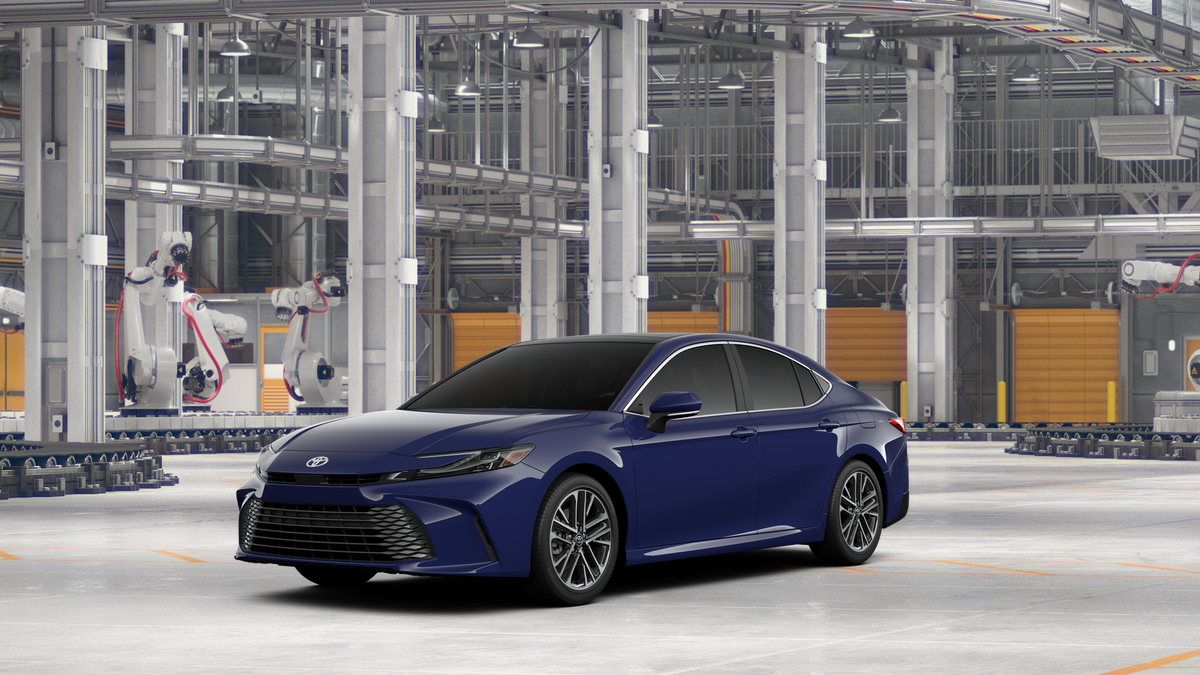
5. Toyota Camry Direct Shift-8AT: Expanded Lock-Up Automatic with Advanced Thermal Management
The Toyota Camry is widely recognized for its durable transmission systems and strong resistance to overheating. Modern gasoline models use Toyota’s Direct Shift-8AT eight-speed automatic transmission, while hybrid versions rely on an electronic continuously variable transmission (eCVT).
Both designs focus on reducing friction, improving cooling efficiency, and maintaining stable operating temperatures. This engineering approach has helped the Camry develop a reputation for reliability, with many examples surpassing 200,000 miles when properly maintained.
The Direct Shift-8AT transmission in gasoline-powered Camry models emphasizes a direct mechanical connection between the engine and drivetrain. A major feature is its expanded torque-converter lock-up range. In many traditional automatic transmissions, the torque converter relies heavily on hydraulic fluid to transfer power, which can generate heat due to fluid shearing.
Toyota’s design allows the lock-up clutch to engage earlier and remain active across a broader range of driving conditions. Once engaged, the engine connects more directly to the transmission gears, reducing slippage and limiting heat buildup within the transmission fluid.
Another important component is Toyota’s sophisticated thermal management system. The transmission monitors fluid temperature in real time through onboard sensors and electronic control software.
If temperatures begin to rise during demanding conditions such as steep climbs, aggressive driving, or extended highway use, the system can adjust shift patterns to help reduce heat. By prioritizing cooler operation, the transmission protects internal components and maintains consistent performance.
Cooling is further supported by an integrated oil cooling system connected to the vehicle’s main engine cooling circuit. Transmission fluid is routed through a radiator, where heat is dissipated through aluminum fins before the fluid returns to the transmission.
This constant circulation helps maintain stable temperatures even in warm climates or heavy traffic. Toyota also uses its specialized WS (World Standard) transmission fluid, which is designed for high thermal stability and reduced friction, helping the fluid resist breakdown under high temperatures.
Hybrid Camry models use an eCVT system that relies on a planetary gear set and electric motors rather than belts and pulleys. This design produces less friction and generates minimal heat, which further enhances reliability.
The Camry’s transmission systems prioritize longevity, efficiency, and smooth operation. Combined with regular fluid checks and proper maintenance, these designs help ensure consistent performance and long service life for drivers who rely on the Camry for daily commuting and high-mileage use.
Also Read: 5 Cars With Simple Interiors That Age Well vs 5 With Too Much Fragile Plastic
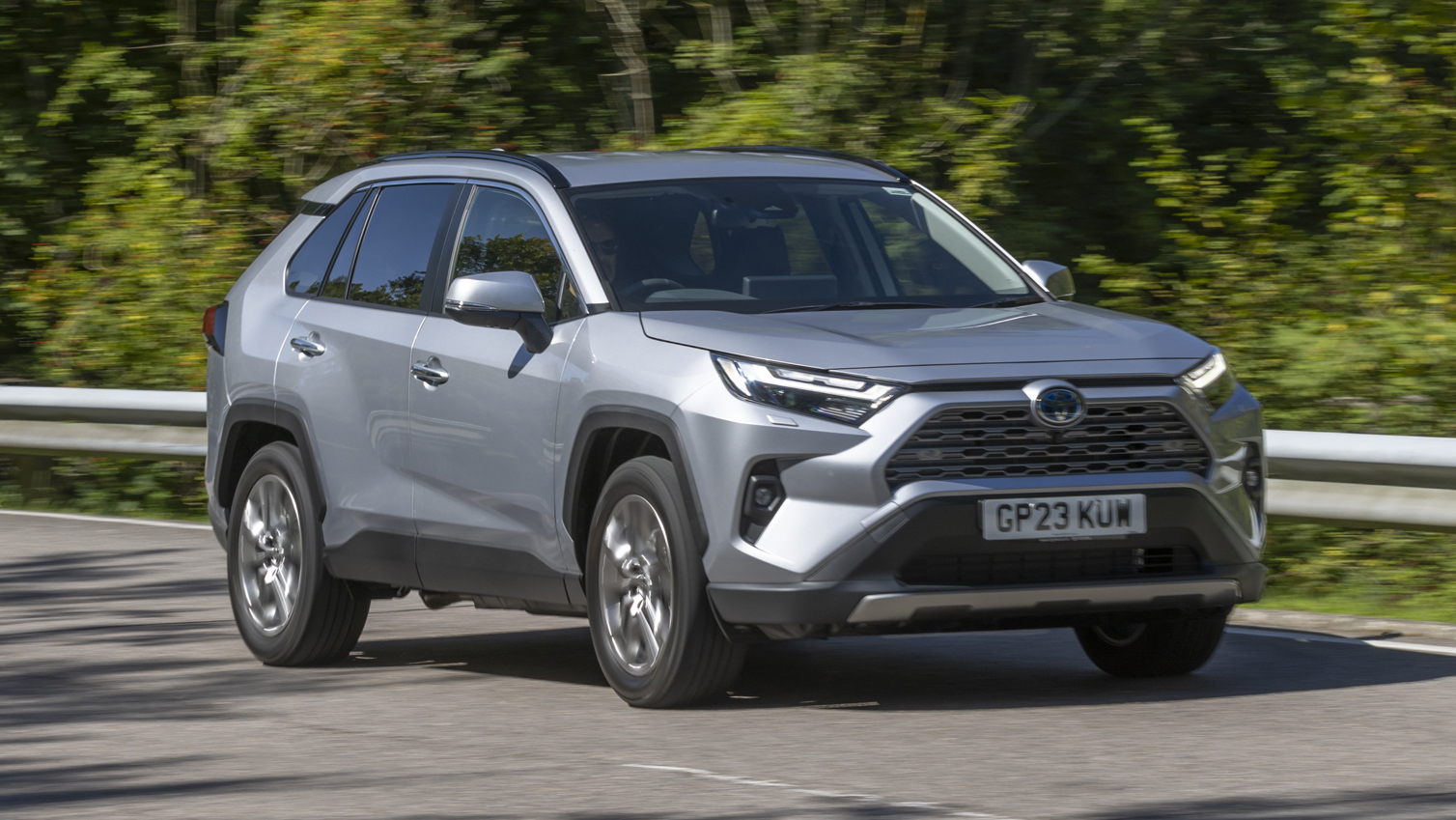
6. Toyota RAV4 Hybrid eCVT: Reinforced Planetary Gear Hybrid Transmission for Thermal Stability
The Toyota RAV4 Hybrid uses an electronically controlled continuously variable transmission (eCVT) designed to handle the heavier weight and greater load demands of an SUV.
This transmission is closely related to the hybrid systems used in smaller Toyota models but is strengthened and tuned to suit the RAV4’s size and performance requirements. Its simple mechanical layout and reduced reliance on friction components help it maintain stable temperatures, which is a major reason the system rarely experiences overheating during normal driving.
One of the most important characteristics of the RAV4 Hybrid transmission is its simplified design. Traditional automatic transmissions depend on torque converters, clutch packs, and bands that repeatedly engage and disengage to change gears. These components generate heat because of the constant friction involved in shifting.
The eCVT used in the RAV4 Hybrid avoids these components entirely. Instead, it relies on a compact planetary gear set that blends power from the gasoline engine and two electric motor generators. This gear-based system allows the vehicle to vary power delivery electronically rather than through conventional gear changes, which significantly reduces friction and heat generation.
The planetary gear arrangement also improves durability by spreading mechanical loads across multiple gear teeth. Torque is distributed evenly through the gear set instead of concentrating stress on a single part.
This design reduces the likelihood of overheating and mechanical wear, making the transmission capable of handling the additional demands of SUV driving, including hauling passengers, carrying cargo, or traveling on slippery roads in winter conditions.
Thermal stability is further supported by integrated cooling systems built into Toyota’s hybrid transaxle design. These systems regulate the temperature of the electric motors and other drivetrain components to ensure they operate within safe limits. Electric motor assistance during low-speed driving also reduces how often the gasoline engine must work, which decreases the thermal load placed on the drivetrain.
Another factor that reduces heat buildup is regenerative braking. During deceleration, the electric motors capture kinetic energy and convert it into electricity instead of relying entirely on traditional friction brakes. This process reduces heat throughout the drivetrain and improves energy efficiency.
The result is a transmission that delivers smooth power delivery, strong fuel economy that often exceeds 40 miles per gallon, and dependable performance for daily driving and light off-road use.
7. Subaru Outback Lineartronic CVT: Chain-Driven Transmission with Advanced Thermal Management
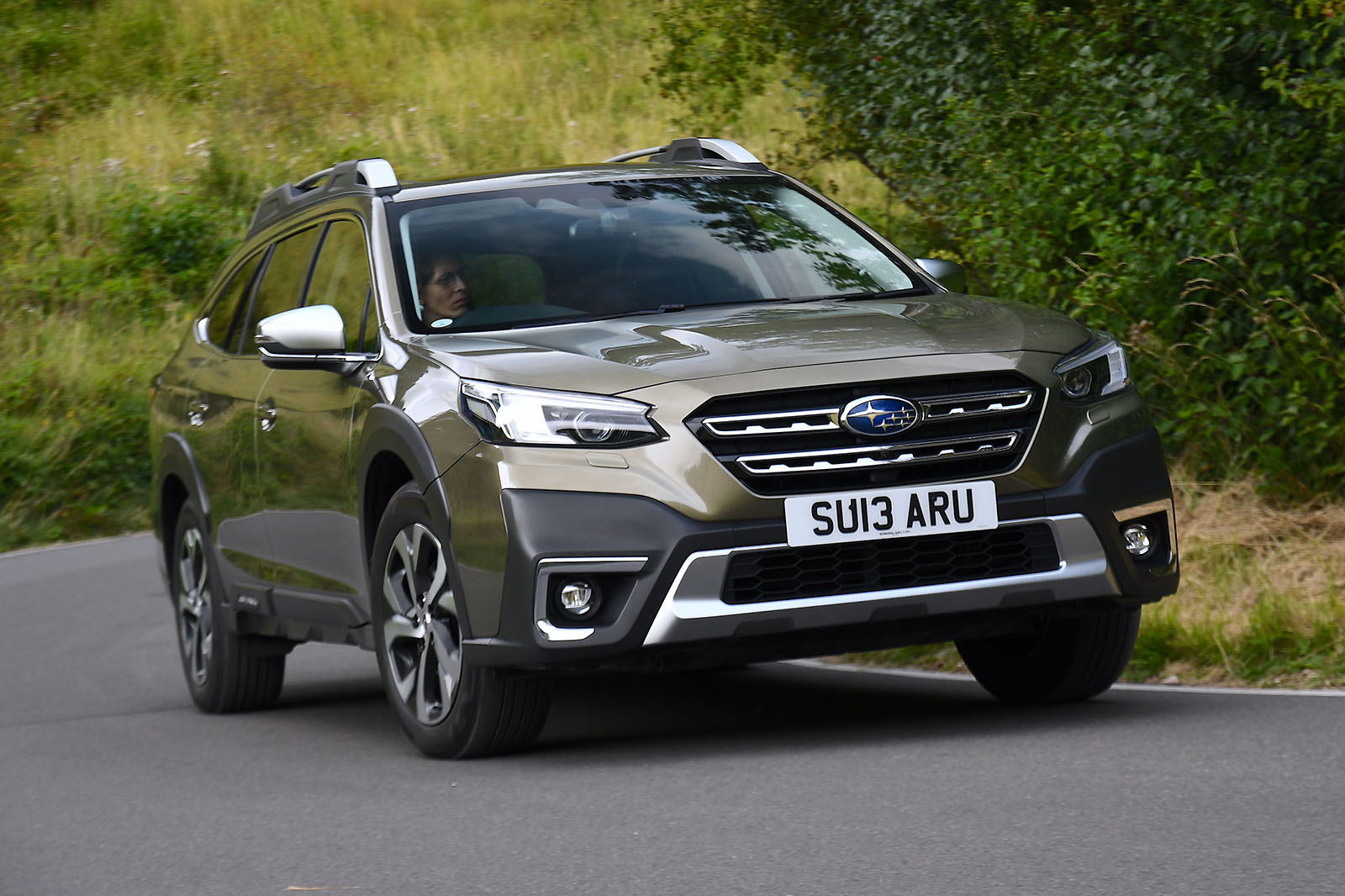
The Subaru Outback features the Lineartronic continuously variable transmission (CVT), which is unique due to its metal chain design instead of a traditional rubber or composite belt. This chain-driven setup improves power transfer efficiency and greatly reduces heat generated by friction, making it particularly well-suited for Subaru’s Symmetrical All-Wheel Drive system.
The transmission is engineered to handle the extra load of an AWD SUV and maintain performance in demanding conditions such as light towing, soft sand, or muddy terrain, where conventional CVTs often struggle.
A primary reason the Lineartronic CVT rarely overheats is its efficient internal design. The system is built to minimize internal friction and distribute mechanical stress evenly across components.
Unlike older CVT designs, which relied on belts that could slip under heavy load, the metal chain is far more robust and durable, providing long-term reliability even under sustained stress. This mechanical simplicity, combined with advanced electronics controlling simulated gear ratios, ensures smooth, predictable power delivery while reducing thermal strain.
Thermal management is further enhanced by a high-capacity transmission fluid cooler integrated into the system. This cooler circulates specialized heat-resistant CVT fluid to maintain stable operating temperatures.
Proper fluid maintenance is crucial for longevity, with Subaru recommending changes between 60,000 and 100,000 miles, or more frequently under severe driving conditions. Neglecting fluid maintenance can lead to issues such as pressure sensor failures, though overheating remains rare when the system is properly serviced.
The transmission also features simulated gear ratios to mimic a conventional automatic, reducing the typical CVT drone and providing a more natural driving feel. Daily driving is smooth and efficient, keeping the engine around 2,000 rpm for fuel economy.
While the base 2.5L engine can feel underpowered during highway passing and produce a noticeable CVT drone under hard acceleration, the optional 2.4L turbocharged engine offers more responsive performance, complementing the CVT’s smooth operation.
The Lineartronic CVT is praised for reliability and longevity, often exceeding 200,000 miles with consistent maintenance. Although it is not designed for aggressive, sporty driving, the combination of chain-driven mechanics, robust cooling, and careful engineering makes it highly resistant to heat and wear.
Its integration with AWD and off-road modes further ensures durability in diverse driving scenarios, making the Outback’s transmission one of the most dependable and heat-resistant CVTs in its class.
8. Honda CR-V CVT: Efficient Continuously Variable Transmission with Superior Thermal Control
The Honda CR-V features a Continuously Variable Transmission (CVT) designed for efficiency, smoothness, and heat resistance. Unlike conventional automatic transmissions, which rely on fixed gears, the CR-V’s CVT uses a high-rigidity belt and variable pulleys to maintain the engine at optimal RPM.
This minimizes internal friction and prevents slippage, which is the primary cause of heat buildup in CVTs. Combined with a high-pressure oil pump and Honda’s specially formulated high-stability transmission fluid, the system remains cool even during extended city driving, heavy traffic, or suburban idling.
A major innovation in the CR-V’s CVT is the G-Design Shift technology, which improves acceleration response while preventing the excessive engine revving often associated with conventional CVTs. By keeping engine operation smooth and efficient, this system reduces unnecessary thermal stress on internal components.
Over successive generations, Honda has refined the design to enhance durability, resulting in a CVT that rarely overheats and maintains reliable performance over many miles.
The CR-V lineup offers two primary transmission options. The 1.5L turbo model uses a standard CVT that delivers 190 hp and 179 lb-ft of torque, providing efficient daily driving. While generally smooth, this transmission can become noisy under heavy load, such as climbing steep inclines.
The hybrid 2.0L model uses an e-CVT, which combines electric motors with the gasoline engine for seamless, linear power delivery. This system produces 204 hp and 247 lb-ft of torque and accelerates from 0-60 mph in 7.6 seconds. The e-CVT is highly regarded for smoothness, low noise, and reliability, offering a more refined driving experience than the traditional belt-driven CVT.
Honda’s CVT also benefits from efficient power transfer and advanced cooling, ensuring the transmission remains stable under varied driving conditions. Although older models experienced issues like torque converter shudder or excessive engine noise under heavy acceleration, modern CR-V CVTs are engineered for long-term reliability.
With proper maintenance, these transmissions provide smooth, efficient, and heat-resistant operation, making the Honda CR-V a dependable choice for both daily commuting and long-term use.

9. Toyota Land Cruiser Automatic: Heavy-Duty Transmission Engineered for Extreme Conditions
The Toyota Land Cruiser is renowned for its over-engineered transmission, designed to withstand harsh environments such as the Australian Outback and Saharan deserts, where temperatures regularly exceed 40°C (104°F).
Its automatic transmission includes large dedicated coolers, high-capacity fluid reservoirs, and reinforced internal components capable of handling extreme torque without generating excessive heat. This combination ensures the transmission rarely overheats, even during low-speed off-road crawling or heavy towing across long distances.
A major factor in thermal stability is the integrated cooling system. Land Cruisers often feature liquid-to-air transmission coolers or dual-cooler setups that effectively dissipate heat, even when airflow is limited.
Larger fluid capacity allows the transmission to absorb more heat and maintain consistent circulation, preventing rapid temperature spikes that are common in smaller vehicles. Components are over-engineered to exceed normal requirements, providing a safety margin for extreme off-road and towing conditions. Additional aftermarket coolers can be installed for situations requiring even higher cooling capacity.
The torque converter is also designed to reduce heat generation. Land Cruiser automatic transmissions use a multi-plate lock-up torque converter that engages at higher speeds to create a direct mechanical connection between the engine and transmission.
This minimizes slip, the primary source of heat in automatic transmissions, and reduces internal friction. Newer 8-speed and 10-speed automatic transmissions are built to handle high torque loads without excessive thermal stress, ensuring reliable operation under severe conditions.
The Land Cruiser’s transmissions are engineered for long service life, often exceeding 25 years with proper maintenance. While extreme towing or prolonged desert driving can raise temperatures, overheating is uncommon in normal or demanding use.
The 2024–2026 8-speed automatic provides smooth, quick shifts and works efficiently with engine torque. Multiple driving modes, including Eco, Comfort, and Sport, allow optimization for fuel economy, off-road control, or responsiveness. Older 70 Series manual transmissions offer low-range gearing for high torque, prioritizing durability over highway speed.
The Land Cruiser transmission combines high thermal capacity, reinforced components, and advanced cooling to provide exceptional reliability, smooth operation, and durability in both everyday driving and extreme conditions.

10. Tesla Model 3 Direct-Drive: Single-Speed Electric Transmission with Advanced Thermal Management
The Tesla Model 3 exemplifies heat-resistant transmission design by eliminating traditional multi-speed gearboxes entirely. Instead, it uses a single-speed direct-drive reduction gear, which connects the electric motor directly to the wheels.
This design avoids the friction-generating components found in conventional transmissions, such as torque converters, clutches, or gear-hunting mechanisms, making overheating nearly impossible under normal driving conditions.
The system’s simplicity, combined with Tesla’s sophisticated liquid thermal management, ensures efficient heat dissipation from the drivetrain and even allows heat to be redirected to warm the battery or cabin.
The single-speed gearbox, with a fixed reduction ratio of approximately 9:1, minimizes the number of moving parts, drastically reducing friction and heat generation. Unlike traditional automatic transmissions, the absence of a torque converter eliminates one of the largest sources of heat in combustion vehicles, particularly in stop-and-go traffic.
The reduction gears are bathed in a specialized oil, which circulates through a liquid-cooled loop to maintain optimal temperatures. This system is integrated with the motor inverter, ensuring that both propulsion and transmission components remain cool under various loads.
Regenerative braking further reduces thermal stress by using the electric motors to slow the vehicle, limiting reliance on friction brakes and preventing heat buildup in the drivetrain. The wide power band of the electric motor also allows efficient operation across high RPM ranges without the need for multiple gears, which reduces strain on the transmission and maintains smooth, linear power delivery.
Performance benefits include rapid acceleration, with the Performance Model 3 reaching 0–60 mph in as little as 2.9 seconds. The system is highly efficient, contributing to a competitive real-world range and low maintenance requirements. Daily driving is quiet, smooth, and responsive, although high-speed wind noise and the lack of a traditional gear stalk can be minor drawbacks in certain situations.
While extreme, sustained high-performance racing could theoretically challenge the system’s thermal limits, the Tesla Model 3’s single-speed direct-drive transmission is exceptionally robust for standard and demanding conditions. Its combination of mechanical simplicity, liquid thermal management, and regenerative energy recovery delivers a reliable, low-maintenance, and virtually overheating-proof drivetrain.
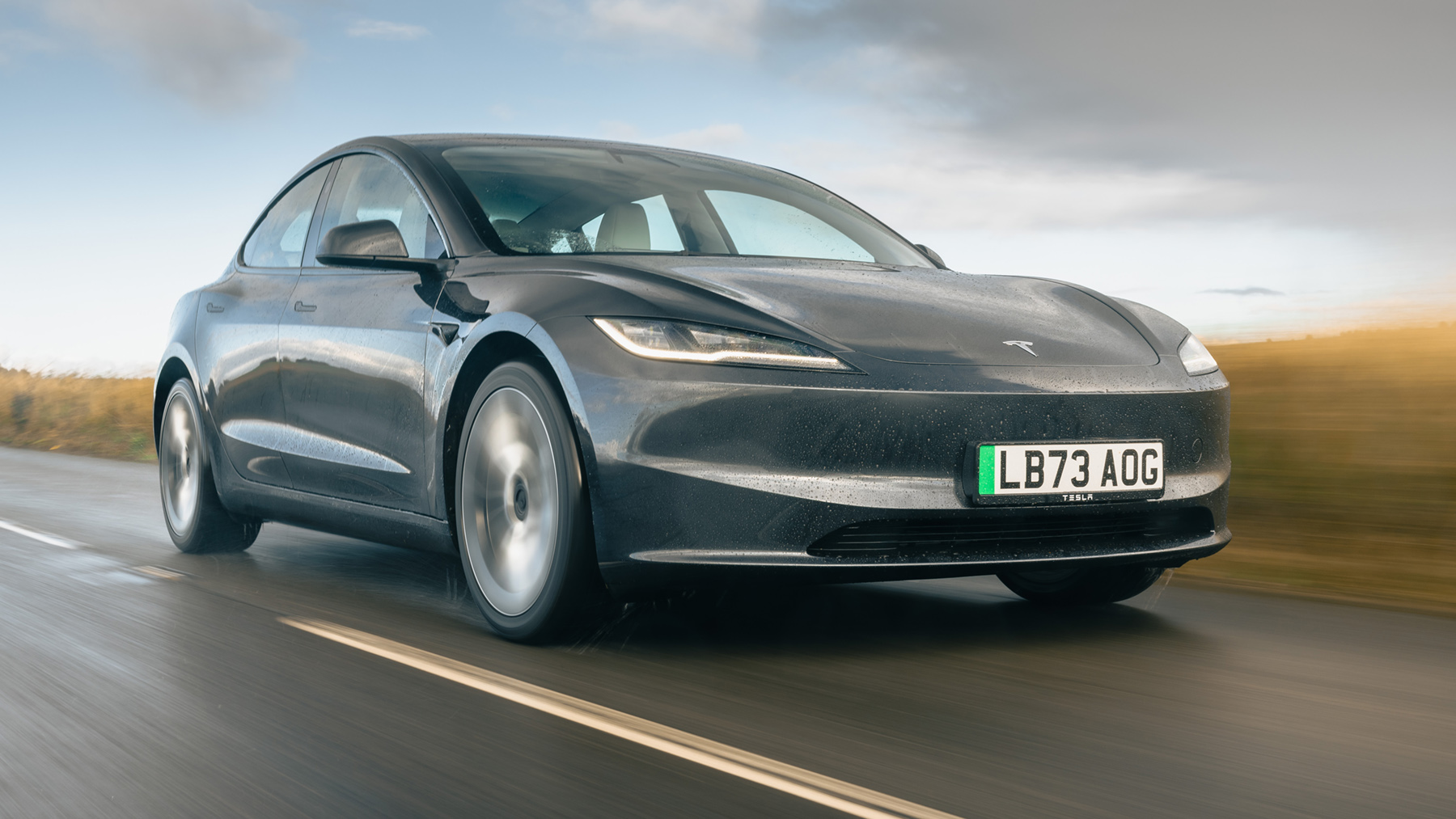
The ten vehicles highlighted demonstrate how careful transmission design can prevent overheating and promote longevity. Whether through planetary gear e-CVTs, refined torque-converter automatics, or single-speed electric drive systems, each example prioritizes thermal efficiency while balancing performance and durability.
Systems like the Subaru Outback’s chain-driven CVT, the Toyota Camry’s Direct Shift-8AT, and the Tesla Model 3’s direct-drive setup showcase how advanced cooling, reduced internal friction, and intelligent power management contribute to resilient operation.
For drivers, these technologies translate into dependable, low-maintenance transmissions capable of handling city driving, extended commutes, and even light off-road or high-load conditions without excessive heat buildup.
By minimizing thermal stress, these vehicles offer peace of mind, fuel efficiency, and consistent performance, underscoring the importance of engineering transmissions not just for power, but for endurance and reliability in real-world conditions.
Also read: Top 10 Cars With the Most Useful Hidden Storage Compartments