
Used car shopping has a predictable pattern. Buyers load up a search website, type in Toyota Camry, Honda Accord, or Honda CR-V, and then spend the next hour scrolling through listings that everyone else has already looked at, bid on, and driven the price up on.
Those are great vehicles, and their reputations are fully deserved, but their popularity creates a market dynamic that works against budget-conscious buyers. High demand pushes prices up, low-mileage examples disappear fast, and the best deals get snapped up before most shoppers even see the listing.
What consistently delivers better value in the used car market is looking slightly off the beaten path, at vehicles with equally strong reliability records that simply do not carry the same name recognition among casual shoppers.
These are cars that mechanics respect, long-term owners love, and informed automotive journalists recommend, but that most buyers walk right past because the brand or model name does not trigger the same automatic recognition as the household favorites.
Overlooked used cars often present a genuine financial opportunity. Lower demand means negotiating room that does not exist on popular models. Dealerships price them more conservatively because they know they cannot count on a bidding war from multiple interested buyers.
Private sellers are more likely to be flexible because finding the right buyer takes longer. All of this creates conditions where a smart shopper can drive away with a vehicle that is objectively as reliable and capable as the most popular alternatives but at a price that reflects its lower profile rather than its actual quality.
This page covers eight used vehicles that deserve far more attention than they receive in typical used car searches. Each one has a documented reliability record, reasonable parts availability, and a purchase price that reflects how few people are competing for it rather than how well it was built. Read through all eight before your next search session.
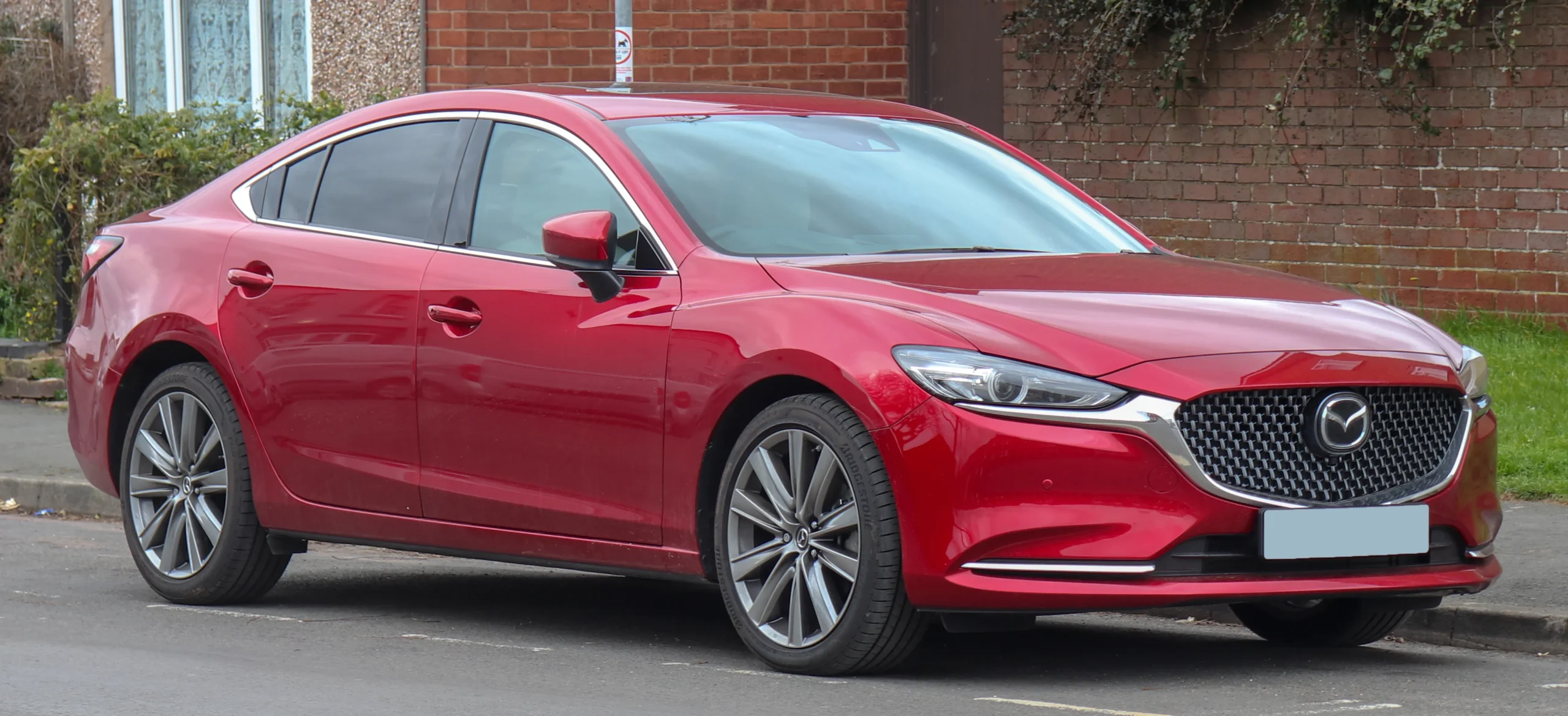
1. Mazda6 Touring 2.5L (Third Generation, 2014 to 2021)
Estimated range: $8,000 to $20,000
Ask any automotive enthusiast which midsize sedan they would choose if reliability, driving dynamics, and interior quality were the priorities rather than resale value and name recognition, and a meaningful number of them will say Mazda6 without hesitation. Ask a casual used car buyer the same question, and the Mazda6 rarely surfaces.
That disconnect between enthusiast knowledge and mainstream buyer awareness is precisely what makes used Mazda6 examples such consistently good value propositions. Mazda’s third-generation Mazda6, produced from 2014 through 2021 and sold in Touring, Grand Touring, and Signature trim levels in the US market, is one of the best-built midsize sedans of its production era.
Mazda’s Skyactiv-G 2.5-liter naturally aspirated four-cylinder engine is a model of naturally aspirated simplicity in an era when most competitors moved to smaller turbocharged engines with more failure points and more expensive maintenance requirements.
No turbocharger to fail, no high-pressure direct injection carbon buildup concerns, and a timing chain rather than a belt means the engine’s longevity is limited primarily by maintenance adherence rather than mechanical fragility.
Consumer Reports reliability data for third-generation Mazda6 models is consistently strong, with multiple model years appearing on recommended used car lists.
Owner satisfaction rates are high, which typically correlates with low reported issue frequency rather than simply reflecting brand loyalty. A well-maintained Mazda6 Touring covering 100,000 miles without major mechanical intervention is not an unusual outcome. It is a normal one.
Interior quality in the Mazda6 genuinely surprised automotive journalists during the car’s production run, with materials, fit, and finish that competed meaningfully with entry luxury sedans from BMW and Audi rather than simply matching the mainstream midsize segment.
Real stitched upholstery, a refined instrument cluster, and a quiet cabin made the Mazda6 one of the most pleasant sedans in its class to spend time inside, and this quality holds up well in older examples that have been maintained properly. Used pricing reflects the Mazda6’s lower mainstream demand rather than its quality.
Examples from 2016 through 2019, representing the third generation’s fully developed specification with updated infotainment and safety technology, are consistently available at prices 15 to 25 percent below equivalent-year Camry or Accord examples with similar mileage.
For a buyer who does their research and prioritizes objective quality over name-brand security, that pricing differential is a genuine opportunity to own a better driving car at a lower price than the popular alternatives demand.
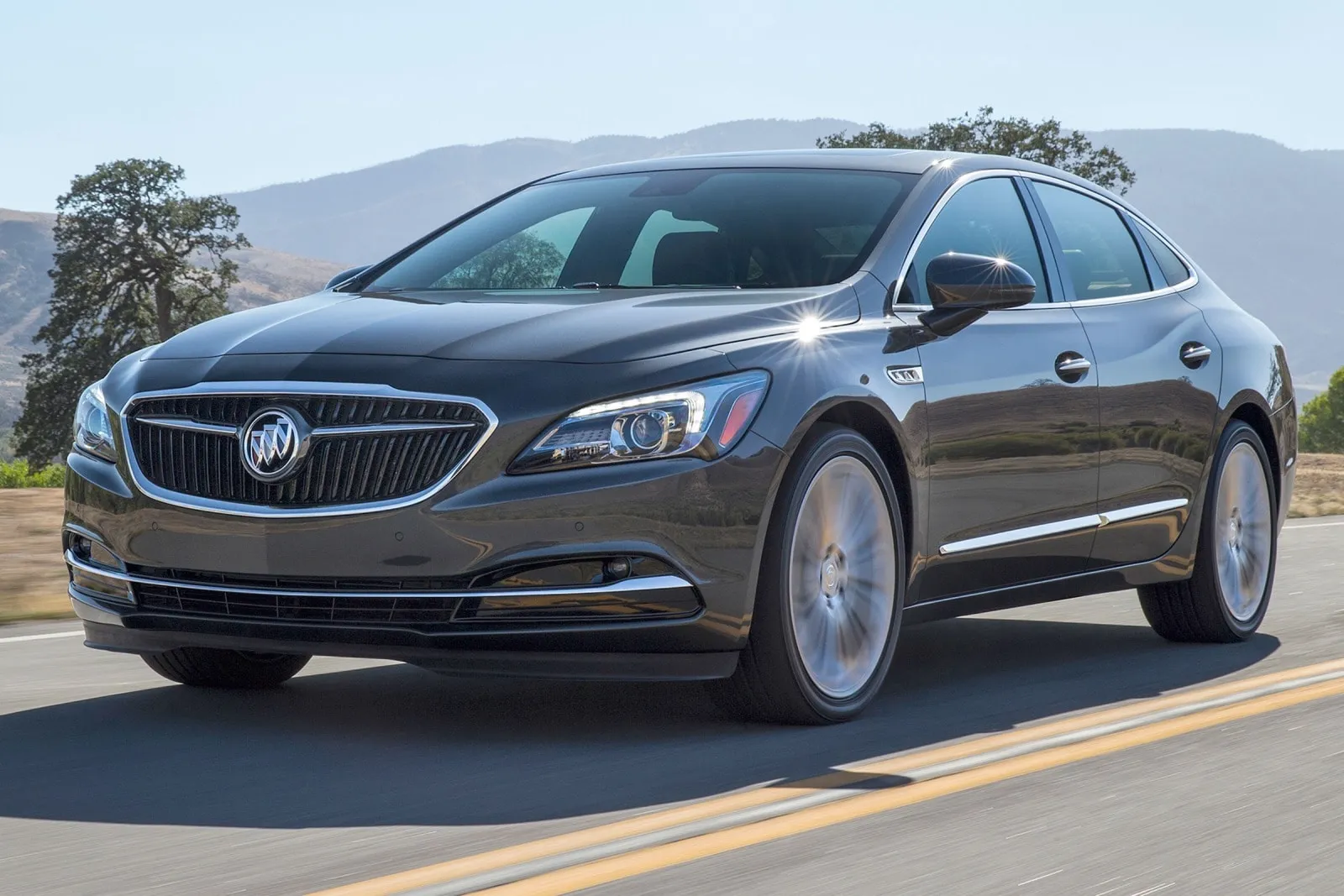
2. Buick LaCrosse Premium FWD (Third Generation, 2017 to 2019)
Estimated range: $12,000 to $18,500
Here is a used car situation that genuinely puzzles buyers who discover it after years of overlooking it: a full-size American luxury sedan with a quiet, refined cabin, strong reliability data, available premium features including ventilated seats and a head-up display, and used pricing that places it in direct competition with basic economy sedans from mainstream brands.
That is the 2017 to 2019 Buick LaCrosse Premium FWD in the current used car market, and buyers who encounter it often wonder why it is priced so reasonably against its actual content and capability. Buick redesigned the LaCrosse from the ground up for the 2017 model year, producing a genuinely impressive large front-wheel-drive sedan that received positive assessments from automotive publications at launch but failed to generate the sales volume that would have sustained the nameplate.
Buick discontinued the LaCrosse for the US market after the 2019 model year, which reduced the supply of new vehicles supporting the brand in this segment and allowed used examples to depreciate to prices that reflect supply rather than quality. General Motors’ 2.5-liter LKW four-cylinder engine in the standard LaCrosse configuration, or the available 3.6-liter V6, both benefit from GM’s extensive development and service history across multiple platforms.
These are well-understood, widely serviced powertrains with parts availability from a large independent aftermarket at prices that reflect GM’s domestic production scale. A Buick LaCrosse owner who needs front brakes, spark plugs, or routine service items pays prices that reflect the car’s mainstream mechanical underpinnings rather than any luxury import premium.
Ride quality in the third-generation LaCrosse is genuinely impressive, using a Bose active noise cancellation system and carefully tuned suspension that produces a quiet, smooth ride that many buyers describe as competitive with much more expensive luxury vehicles. Spending a commute inside a well-maintained LaCrosse Premium feels considerably more premium than its used purchase price suggests it should.
Searching for a used 2018 Buick LaCrosse Premium FWD with 40,000 to 60,000 miles in the current market will typically reveal pricing that falls well below equivalent-mileage Toyota Avalon examples with less content and equivalent reliability. For buyers willing to step outside the most familiar names, the LaCrosse offers a quality and comfort proposition that its current used pricing dramatically undervalues.
Also Read: 5 Best Used Vans That Make Perfect Mobile Offices vs 5 With Poor Ventilation
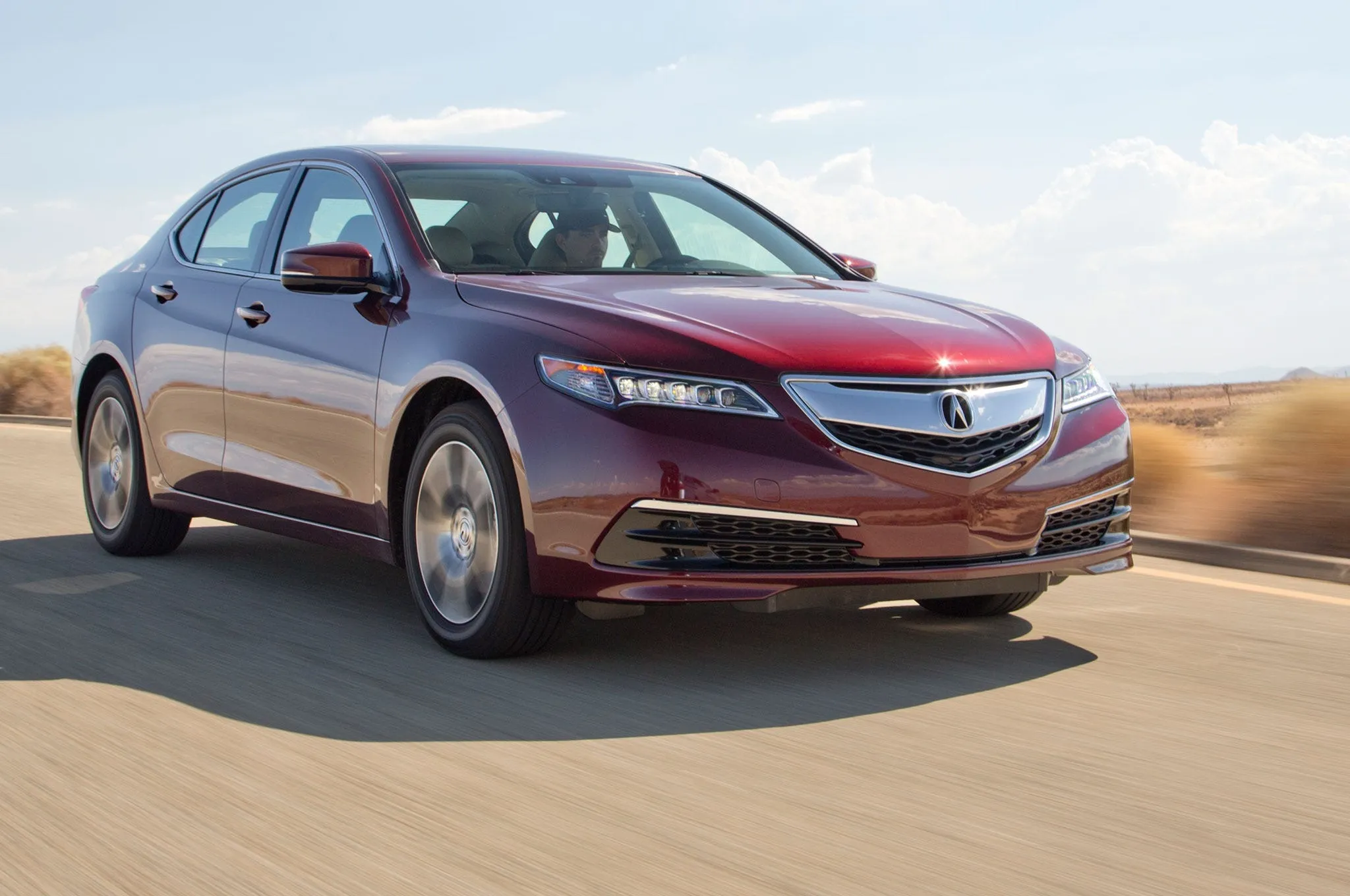
3. Acura TLX 2.4L Tech Package (Second Generation, 2015 to 2017)
Estimated range: $10,000 to $17,000
Acura introduced the TLX to streamline its sedan range, bringing together the spirit of the former TL and TSX into a single, well-balanced model. The 2015 to 2017 Acura TLX equipped with the 2.4-liter engine and Tech Package represents a smart choice for buyers seeking a refined driving experience without luxury-brand pricing pressure.
When new, this sedan blended upscale construction with everyday usability. As a used purchase, it delivers even stronger appeal due to its reduced entry cost. The naturally aspirated 2.4-liter four-cylinder engine belongs to Honda’s long-established K-series family.
This engine design has been refined through decades of use across multiple Honda and Acura vehicles. Its reputation for durability rests on straightforward engineering and consistent manufacturing quality. Owners who follow routine service schedules usually experience smooth performance and strong longevity, making this powertrain well-suited for long-term ownership.
Transmission behavior deserves careful evaluation. The eight-speed dual-clutch gearbox fitted to these models provides crisp moves under ideal conditions but has drawn mixed feedback in daily use, especially during low-speed operation.
A proper test drive should include slow traffic and parking situations to confirm smooth engagement. Complete maintenance records add reassurance, while examples showing hesitation or irregular shifting require careful consideration.
Inside the cabin, Acura’s premium intent is clear. Materials feel solid, switchgear operates with precision, and the entire assembly quality remains competitive years after production. The Tech Package adds features that continue to feel relevant, including advanced audio, navigation, and climate controls designed for everyday convenience rather than novelty.
Market pricing for these TLX models reflects limited buyer attention rather than reduced quality. Shoppers comparing them with popular midsize sedans often discover stronger feature content and a more refined driving environment at comparable or lower prices.
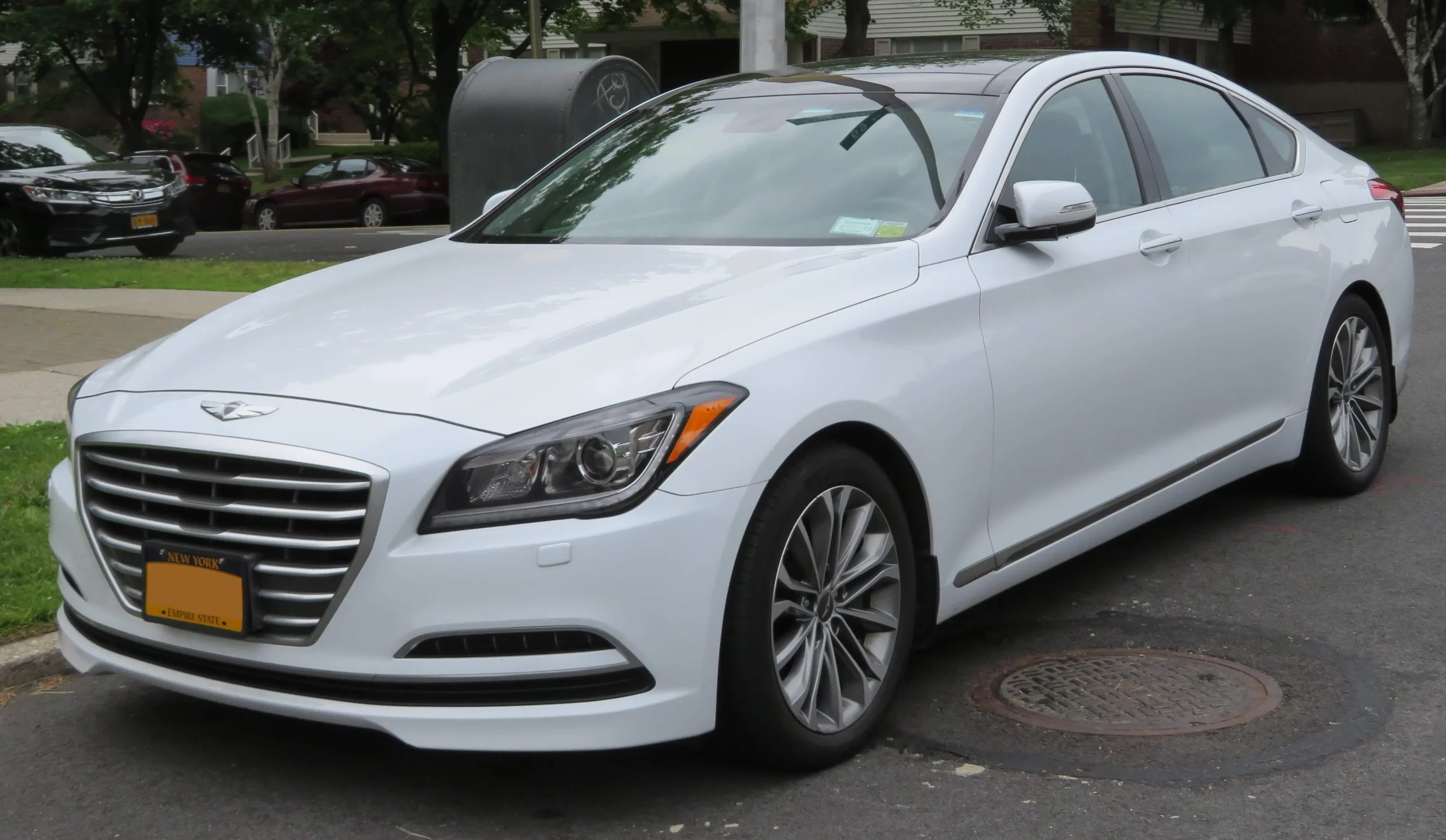
4. Hyundai Genesis 3.8L RWD (Equus Predecessor, 2012 to 2014)
Estimated range: $6,000 to $12,000
The 2012 to 2014 Hyundai Genesis 3.8L rear-wheel-drive sedan stands as one of the more surprising finds in the used luxury segment. When introduced, it marked Hyundai’s determined effort to establish credibility among established luxury brands. With a spacious interior, refined ride quality, and strong V6 performance, it competed confidently against well-known European and Japanese rivals.
Power comes from a naturally aspirated 3.8-liter V6 that delivers smooth acceleration and confident highway performance. This engine belongs to Hyundai’s Lambda II family, known for dependable operation when serviced correctly. Absence of forced induction keeps maintenance predictable, and many independent workshops are familiar with its mechanical layout.
Rear-wheel-drive architecture adds a layer of balance and composure that distinguishes this sedan from many front-wheel-drive alternatives in its current price range. The driving experience feels planted and composed, especially during longer journeys. Maintenance discipline remains important, particularly with oil changes, as clean lubrication supports the engine’s timing and valve systems.
Interior execution reflects genuine ambition. Leather upholstery, wood accents, and effective sound insulation create an environment designed for comfort rather than mere appearance. Cabin materials age well when cared for, and ride isolation remains a strong point.
Current market values place these Genesis models within reach of buyers who might not expect full-size luxury at such cost. Locating a well-documented example from later production years delivers a level of comfort and refinement that feels far above its used purchase price.
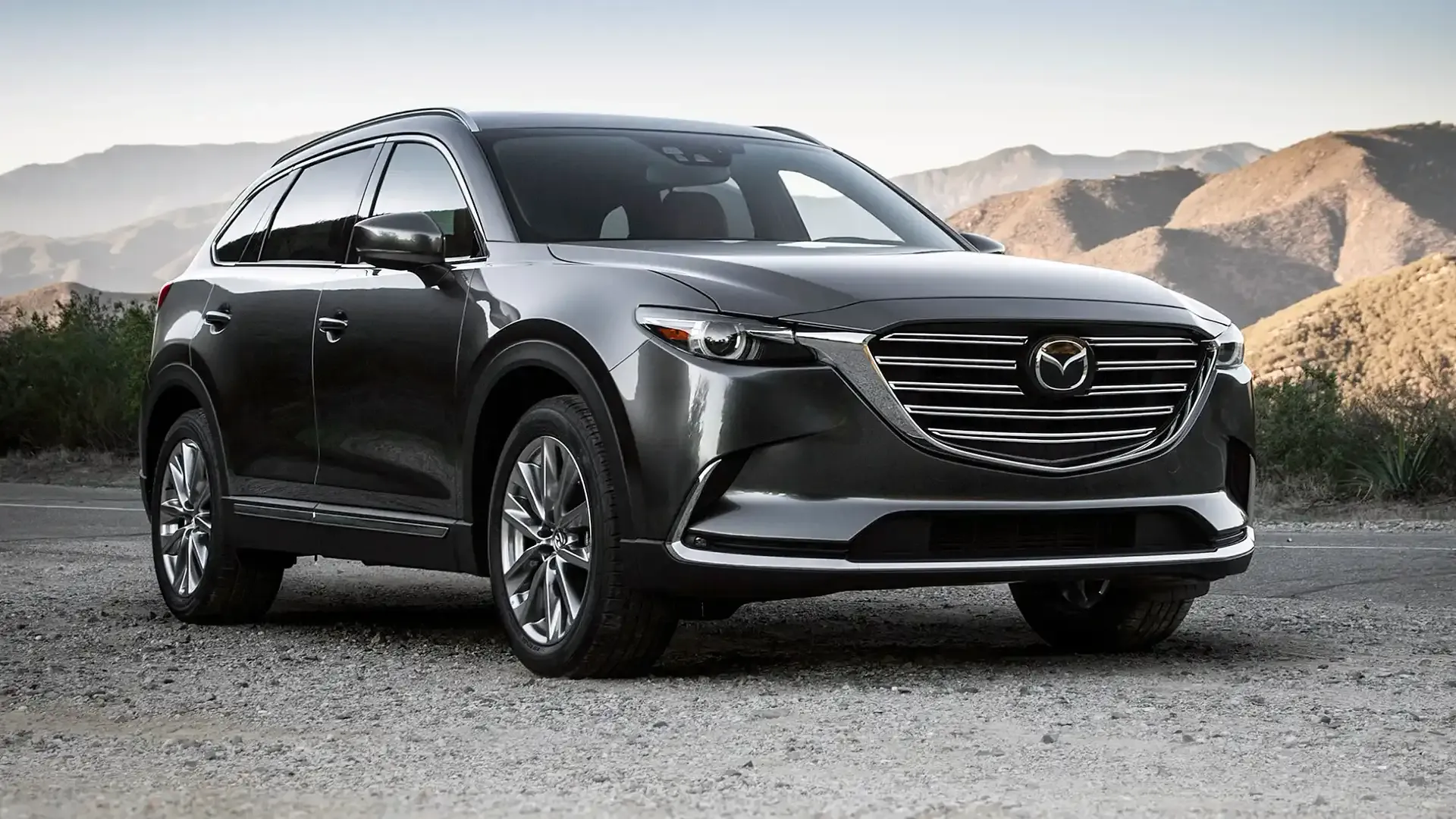
5. Mazda CX-9 Touring AWD (Second Generation, 2016 to 2019)
Estimated range: $15,000 to $26,000
Three-row family SUV shopping typically involves Toyota Highlander, Honda Pilot, and Kia Telluride searches that dominate buyer attention and drive prices up on the most popular examples.
Mazda’s second-generation CX-9 in Touring AWD specification from the 2016 through 2019 model years represents one of the most thoroughly overlooked alternatives in this segment, combining driving dynamics, interior quality, and reliability data that compete directly with the segment leaders at used prices that reflect lower buyer awareness.
Mazda’s Skyactiv-G 2.5T turbocharged four-cylinder engine in the second-generation CX-9 provides adequate power for a vehicle of this size and weight, producing 250 horsepower on premium fuel or 227 on regular. This is a smaller displacement turbocharged engine than most CX-9 buyers expect in a three-row SUV, and the power delivery is sufficient for family hauling but not impressive in the way larger V6 alternatives feel.
Buyers who prioritize fuel efficiency and reliability over outright acceleration will find the 2.5T’s 28 miles per gallon highway rating and relatively simple turbocharged architecture a fair trade. Interior quality in the second-generation CX-9 is the feature that most surprises buyers who experience it without prior expectations.
Mazda invested in genuinely premium materials for the CX-9 at a time when competitors were still using harder plastics and simpler trims at equivalent price points. Soft-touch surfaces on most contact areas, available Nappa leather seating in higher trims, and a driver-focused instrument cluster design give the CX-9 interior a quality feel that its used pricing in no way suggests should be present.
Third-row seating in the CX-9 is functional for children and manageable for adults on shorter trips, which is an honest description of most three-row vehicles in this segment, regardless of brand. Second-row access is better than some competitors, and cargo space behind the third row is usable rather than merely symbolic.
Families who primarily use the third row for occasional extra passenger capacity rather than regular adult transport will find the CX-9’s packaging fully adequate for their actual usage patterns. Reliability data for second-generation CX-9 models from Consumer Reports shows consistently positive results, with multiple model years recommended and owner-reported problem frequency that is low compared to the three-row segment average.
A well-maintained CX-9 Touring AWD with 60,000 to 80,000 miles is a genuinely compelling used vehicle that typically sells for 15 to 20 percent less than a comparable Highlander with equivalent mileage, specification, and service history. That pricing gap reflects popularity differential rather than quality differential, and buyers who understand this consistently leave with more vehicle than their budget suggested was possible.
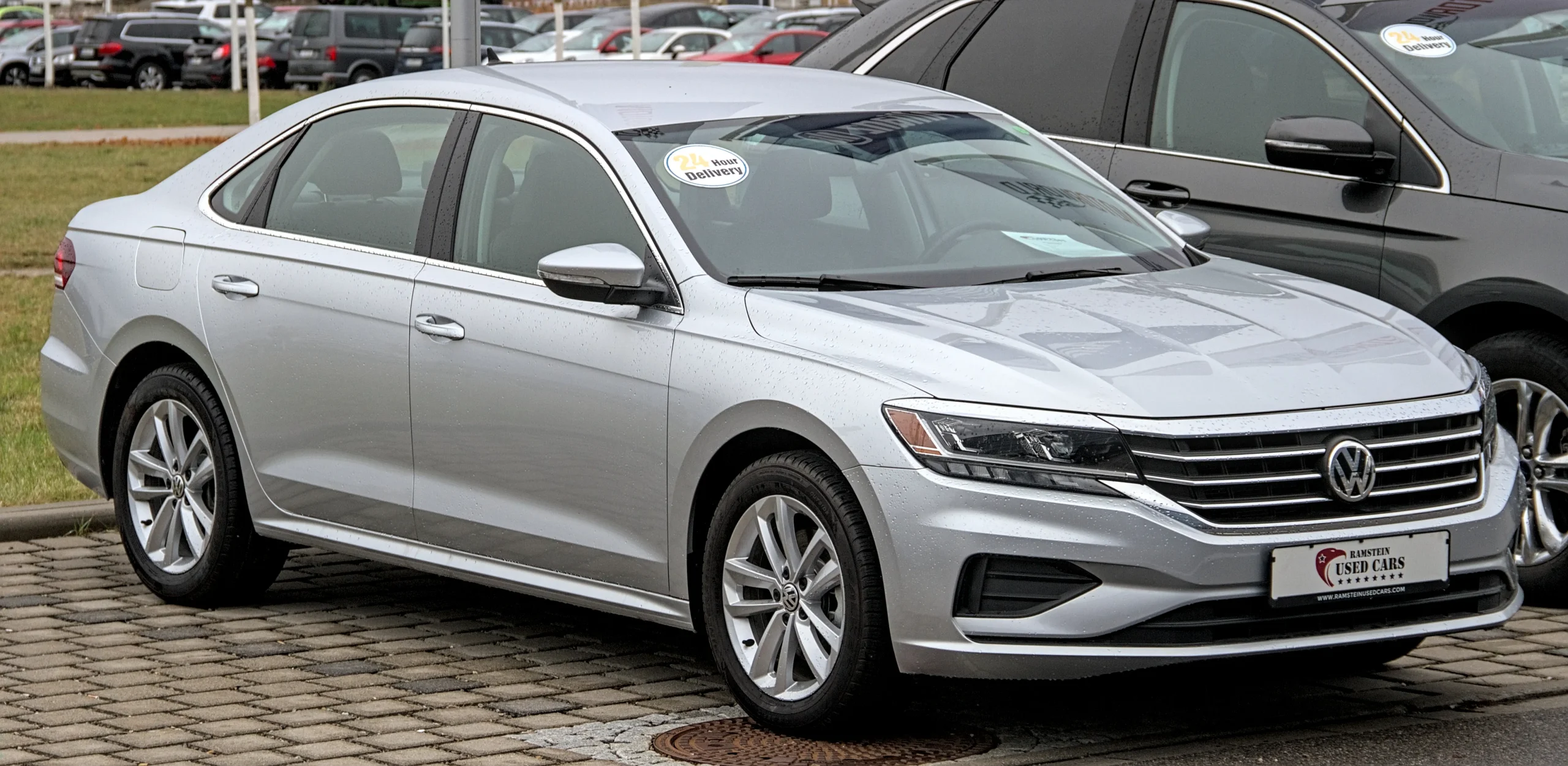
6. Volkswagen Passat SE 1.8T (B8 Generation, 2016 to 2018)
Estimated range: $8,500 to $14,500
Volkswagen’s reputation in the US used car market took damage from the emissions controversy that emerged in 2015, and the ripple effect of that reputational damage is visible in the used pricing of B8-generation Passat SE examples from 2016 through 2018.
These vehicles, unrelated to the diesel-specific issues that drove the controversy, are gasoline-powered family sedans with genuinely competitive specifications, above-average interior space, and used pricing that places them in competition with basic economy sedans despite offering substantially more vehicle.
Volkswagen’s EA888 1.8-liter turbocharged four-cylinder engine in the Passat SE specification produces 170 horsepower through a six-speed automatic transmission. This engine has an extensive service history across VW and Audi applications and responds well to regular maintenance, particularly oil changes performed on schedule with the correct specification full synthetic oil.
Buyers who review service documentation for adherence to VW’s oil service intervals and who perform a pre-purchase inspection for timing chain and PCV system condition will be able to assess engine condition accurately before committing. Interior space in the B8 Passat is one of its most legitimate advantages over both its direct competitors and the popular alternatives that overshadow it in used car searches.
Rear seat legroom in the Passat SE is exceptional for the class, making this one of the few midsize sedans where adults can sit comfortably behind other adults without the usual knee-room compromises. Trunk space is correspondingly generous, and the entire sense of spaciousness inside the Passat competes with full-size sedans from domestic brands rather than typical midsize competitors.
Passat SE specification for 2016 through 2018 includes features that were genuinely well-specified for their class, including a touchscreen infotainment system, dual-zone climate control, and available driver assistance features that were not universal in the midsize segment at this time.
Finding a well-documented example with complete service history at current market prices typically reveals a vehicle whose specification and space exceed what a comparable budget would purchase in a Honda Accord or Toyota Camry of the same vintage.
A pre-purchase inspection by a VW-familiar independent mechanic is a recommended step for any Passat purchase, covering timing chain tensioner condition, PCV system integrity, and DSG fluid status if the dual-clutch transmission is present.
An inspection that comes back clean on these specific items is a genuine confidence indicator for the vehicle’s long-term reliability, and clean examples at current pricing represent exactly the kind of overlooked used car value that informed buyers consistently find rewarding to own.
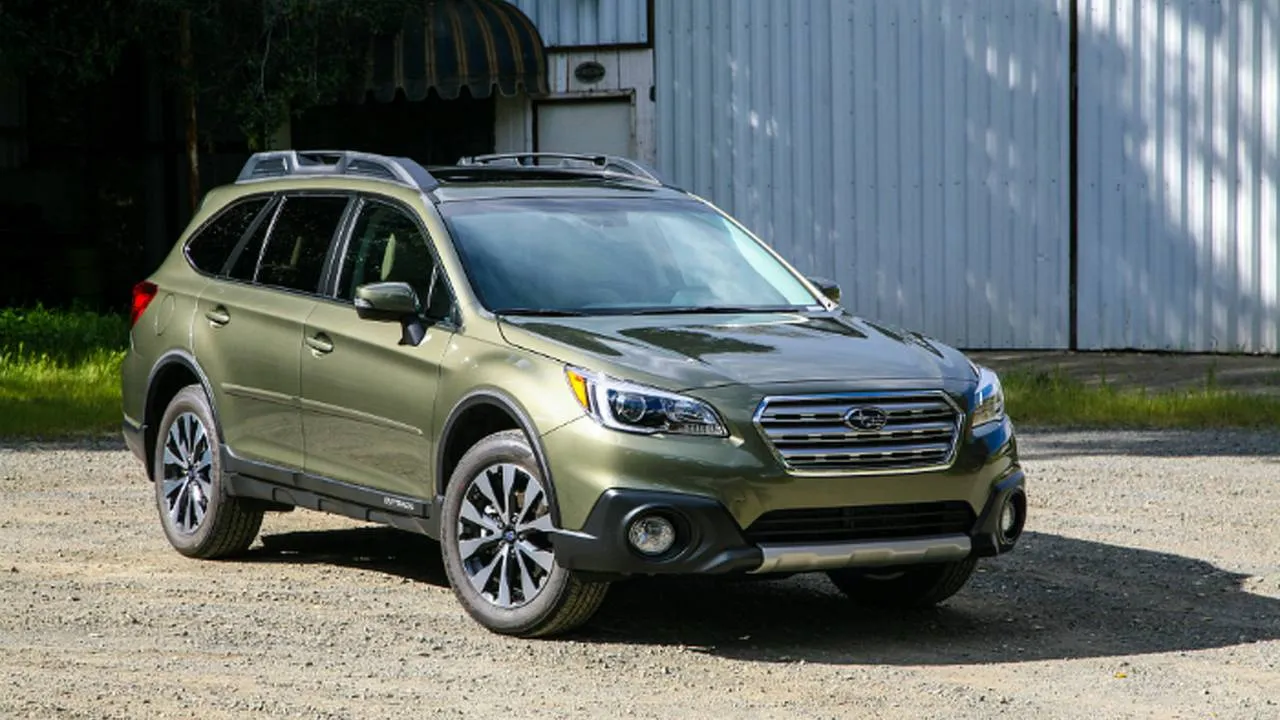
7. Subaru Outback 2.5i Limited CVT AWD (Fifth Generation, 2015 to 2019)
Estimated range: $10,000 to $22,000
The fifth-generation Subaru Outback in 2.5i Limited CVT AWD form occupies a quietly strong position in the used vehicle market, even though it is often overshadowed by newer versions. Models produced between 2015 and 2019 deliver a balance of durability, comfort, and genuine all-weather usefulness that remains highly relevant for daily driving.
Buyers who look beyond model-year freshness often discover that this generation offers a level of equipment and real-world capability that newer vehicles frequently match only at much higher prices. The 2.5-liter horizontally opposed four-cylinder engine used during this period requires informed evaluation rather than blind acceptance. Earlier production years recorded higher reports of oil consumption, an issue Subaru addressed through running updates as production continued.
Later models from 2017 onward benefited from these refinements and tend to present fewer ownership concerns when properly maintained. Prospective buyers are well advised to verify oil usage history during inspection, as examples with stable consumption patterns typically provide dependable long-term service.
Transmission care plays an important role in ownership satisfaction. Subaru’s Lineartronic CVT in this generation performs reliably when fluid replacement schedules are respected. Vehicles with documented CVT servicing at appropriate mileage intervals usually indicate responsible ownership. Any example lacking such records at higher mileage deserves closer examination before purchase.
Limited trim specification adds substantial everyday comfort. Features such as heated seats, dual-zone climate control, power seat adjustment, and available driver assistance systems support both convenience and safety. Combined with 8.7 inches of ground clearance and Subaru’s symmetrical all-wheel drive, the Outback offers practical capability for winter conditions and rougher roads without unnecessary mechanical complication.
Used pricing for these models remains attractive compared to newer equivalents. Buyers who prioritise condition and service history rather than age alone often secure dependable vehicles that deliver consistent value over extended ownership.
Also Read: 8 Used Luxury Cars That Are Now Cheaper Than a New Compact
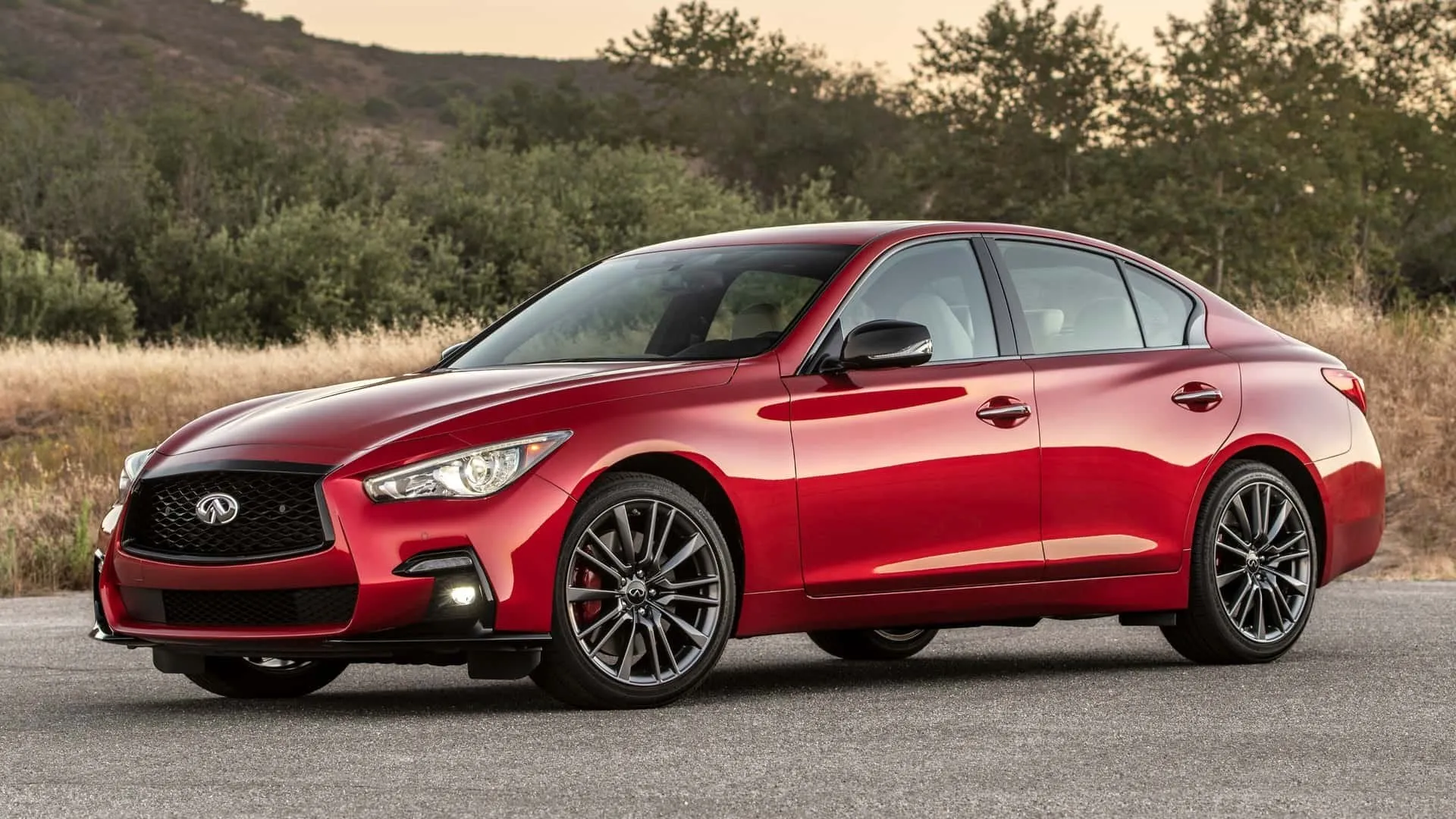
8. Infiniti Q50 3.0t Premium AWD (V37 Generation, 2016 to 2019)
Estimated range: $15,000 to $27,000
The Infiniti Q50 3.0t Premium AWD from the V37 generation presents a compelling opportunity for buyers seeking performance and refinement without paying current-market luxury premiums.
Introduced to compete directly with established European sport sedans, this model delivers substantial power, confident handling, and premium interior quality at used prices that continue to soften faster than its mechanical credentials would suggest.
At the heart of this vehicle sits a 3.0-liter twin-turbocharged V6 producing 300 horsepower. This engine has demonstrated solid durability across Infiniti applications when maintained correctly.
Routine use of proper synthetic oil and prompt attention to minor issues contribute to consistent performance across higher mileage. Owners who follow manufacturer-recommended service practices typically report strong reliability alongside impressive acceleration.
Steering configuration deserves attention during evaluation. Some Q50 models employ Infiniti’s electronically controlled steering system, which removes the traditional mechanical connection.
While innovative, this system does not appeal to every driver. Versions equipped with conventional steering often deliver a more familiar and engaging feel, making confirmation of steering type an important part of the buying process.
Interior presentation aligns with luxury brand expectations. Leather upholstery, dual-screen infotainment, and available premium audio contribute to a cabin environment that feels carefully finished rather than merely upgraded. Rear seating accommodates adult passengers comfortably for most daily use, supporting both family and professional driving needs.
Market depreciation has positioned the Q50 as a strong value option. Well-documented examples from 2017 or 2018 with moderate mileage now offer performance and comfort that rival more expensive alternatives. For buyers seeking refined power and premium quality at restrained used-market prices, this Infiniti remains an intelligent and often overlooked choice.
