The 1970s was a remarkable era for automotive design and engineering. While many people associate this period with flamboyant styling and high-performance machines, there was also a strong emphasis on practicality and reliability.
Cars from this decade often combined sturdy construction with straightforward mechanics, making them surprisingly easy to maintain even today. For enthusiasts seeking a blend of classic charm and everyday usability, certain models from the 1970s remain ideal candidates for daily driving.
Unlike modern vehicles, many 1970s cars were built with simplicity in mind. Their engines, suspensions, and transmissions were designed to be serviceable without requiring extensive diagnostic tools or computerized systems.
This simplicity translates into a hands-on experience that appeals to both new and seasoned drivers who enjoy a direct connection with their vehicle. Additionally, many cars from this period were constructed with materials and engineering standards that allowed them to endure years of use without excessive wear.
Comfort and ergonomics also played a role in the practicality of 1970s cars. Many models offered spacious cabins, straightforward controls, and robust seating arrangements suitable for daily commutes.
While fuel efficiency was not always a primary concern, certain cars from this era managed a reasonable balance between performance and consumption, making them suitable for longer drives or city traffic. The combination of comfort, durability, and manageable running costs contributes to their appeal as daily drivers.
Another important factor in choosing a classic car for everyday use is reliability. The 1970s produced several vehicles that, despite their age, continue to operate with minimal issues when properly maintained. Owners often find replacement parts are relatively available and affordable, allowing for continued upkeep without breaking the bank.
The enduring popularity of these models ensures that support networks, forums, and clubs exist to provide guidance on keeping them running smoothly.
Finally, practicality also includes adaptability. Many classic cars from the 1970s were designed to accommodate modifications, whether for improved performance, fuel economy, or comfort. This adaptability allows owners to tailor their vehicles to modern driving conditions while retaining the nostalgic character of the car.
For anyone interested in owning a classic car that can serve reliably on a daily basis, certain 1970s models offer a rare combination of style, simplicity, and dependability that continues to impress decades later.
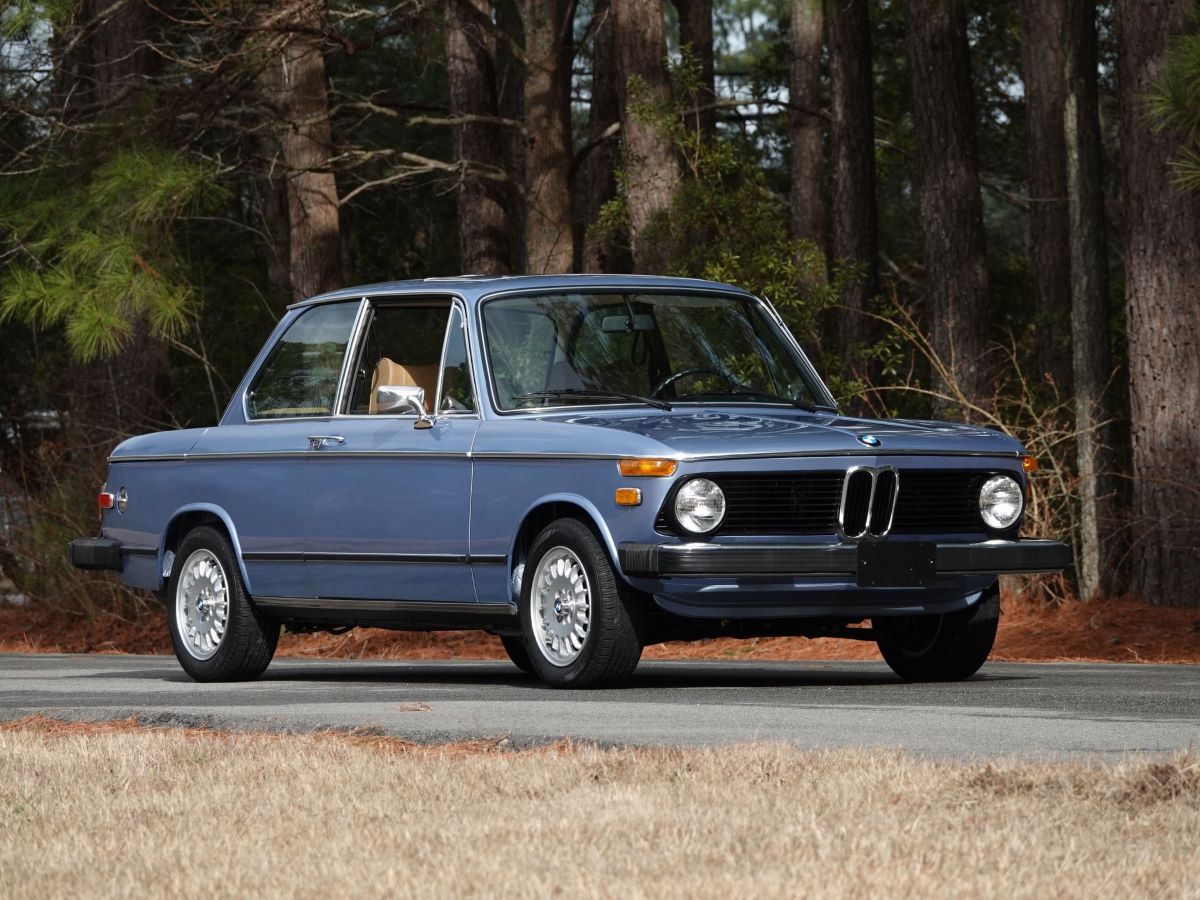
1. BMW 2002
The BMW 2002 is widely regarded as one of the most practical classic cars from the 1970s. Its compact size makes it easy to maneuver in traffic and park in tight spaces, while the engine offers a satisfying mix of performance and reliability. With a simple mechanical setup, owners can perform routine maintenance without requiring specialized tools, making it ideal for daily driving.
The cabin of the BMW 2002 provides enough space for small families or commuters. Seats are supportive and durable, designed to handle the rigors of daily use. Controls are ergonomically arranged, giving drivers easy access to essential functions. Even after decades, many examples maintain a comfortable and functional interior.
The 2002’s engines are renowned for their robustness. Many units have surpassed 200,000 miles with basic upkeep, proving their long-term reliability. Fuel injection variants offer slightly better efficiency, while carbureted models remain simpler to service. Owners often report minimal mechanical issues when adhering to regular maintenance schedules.
Parts availability is another advantage of the BMW 2002. Despite being a classic, components such as brakes, suspension parts, and trim items remain accessible. A strong enthusiast community ensures that restoration advice, replacement guides, and performance upgrades are easy to find. This makes ownership practical without excessive effort.
Finally, the 2002’s handling makes it a joy to drive every day. Its lightweight chassis, responsive steering, and balanced suspension provide confidence on twisty roads and in urban traffic. While it may not match modern vehicles in refinement, it offers a connected, engaging driving experience. For those seeking a blend of practicality and classic appeal, the BMW 2002 remains a standout choice.
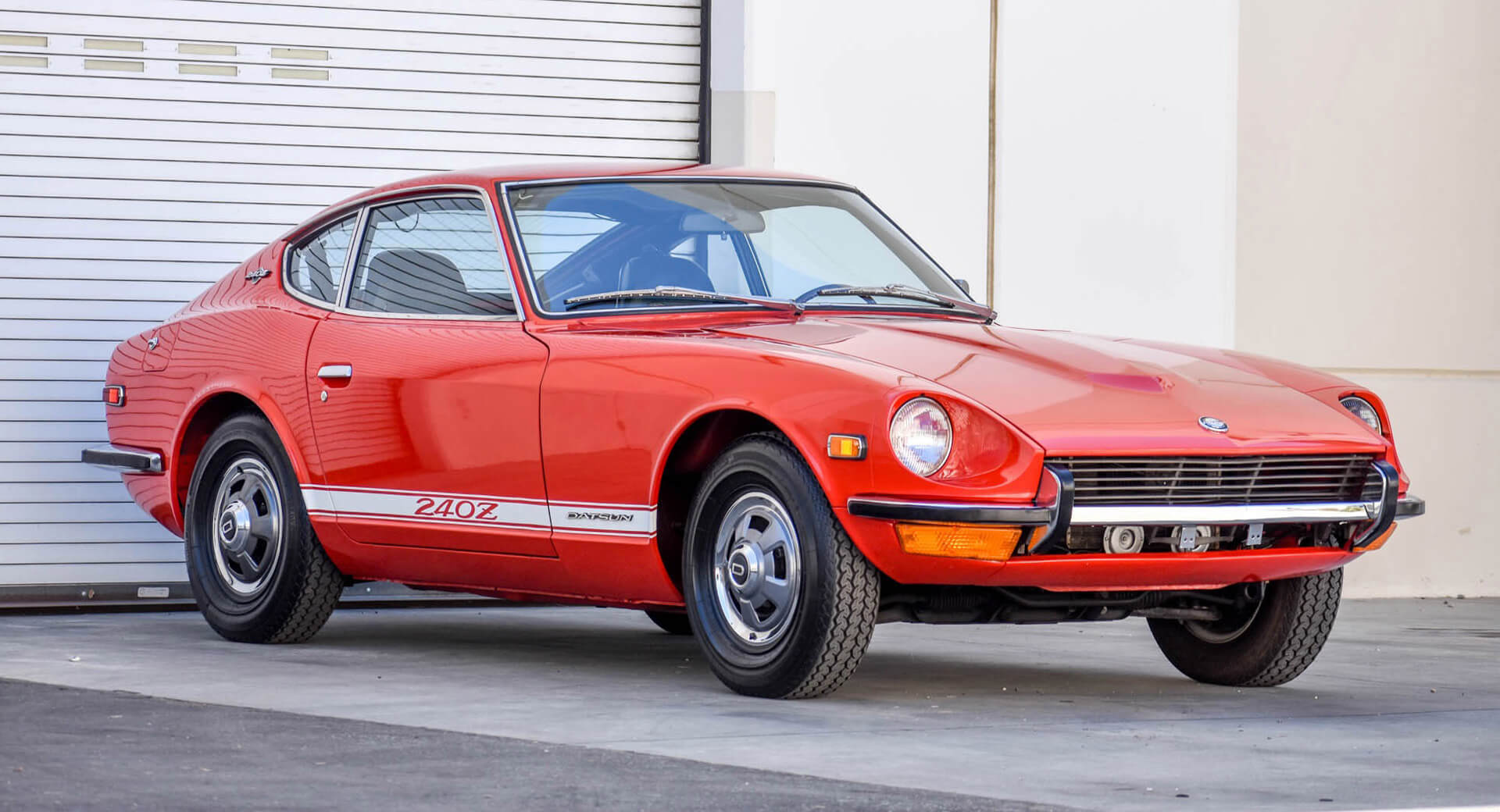
2. Datsun 240Z
The Datsun 240Z is celebrated for combining sports car excitement with practical usability. Its sleek design conceals a reliable and straightforward mechanical layout, making maintenance approachable for daily drivers. With rear-wheel drive and a lightweight body, it delivers spirited performance without overwhelming new owners.
Inside, the 240Z provides a simple, driver-focused cabin. Controls are intuitive, seats are comfortable for daily commutes, and visibility is good in urban environments. Despite its sports car image, it accommodates passengers and luggage reasonably well for short trips. This makes it more practical than many modern sports cars.
Reliability is a strong suit of the Datsun 240Z. Its inline-six engine is known for durability, often running smoothly with regular maintenance. Parts are easier to source than many European classics, and basic repairs can be carried out without specialized equipment. These features make the 240Z suitable for frequent use.
Fuel economy is respectable for a 1970s sports car. While not as efficient as compact sedans, the 240Z offers reasonable mileage considering its performance. Modern drivers may find it economical enough for daily commutes, especially with careful driving and minor engine tuning.
The Datsun 240Z also has a supportive enthusiast community. Owners frequently share tips for maintenance, upgrades, and sourcing parts, ensuring that upkeep remains manageable. Its combination of reliability, usability, and style makes it an enduring favorite for those looking to enjoy a practical classic sports car every day.
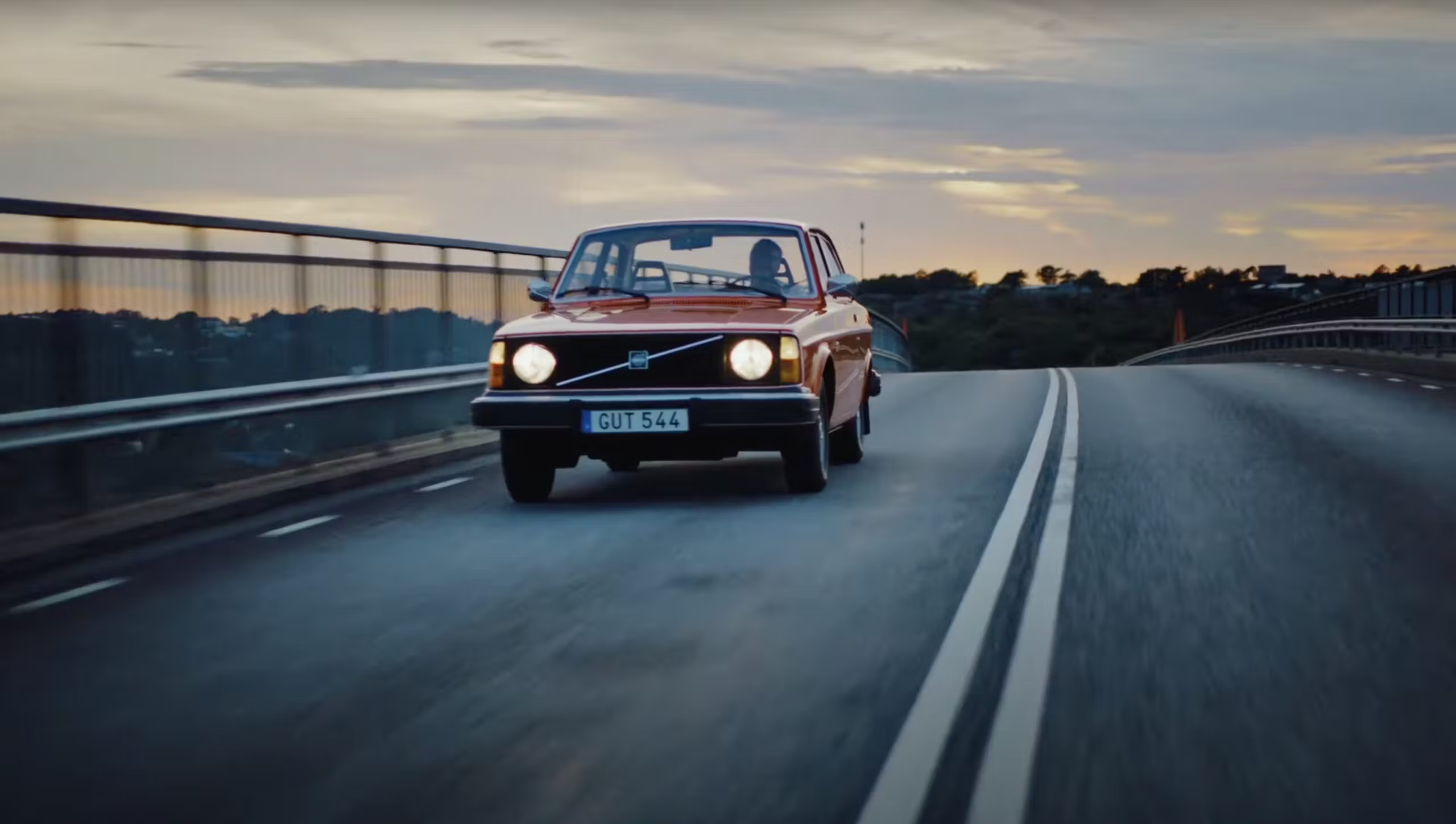
3. Volvo 240
The Volvo 240 is a symbol of reliability and understated practicality from the 1970s. Known for its boxy design and spacious interior, it comfortably accommodates passengers and cargo. The straightforward engineering of the 240 makes it simple to maintain, and the mechanical components are durable enough to handle decades of use. These factors make it an excellent choice for those seeking a dependable daily driver.
Its interior prioritizes comfort and function. The seats are large and supportive, offering excellent posture for long commutes or highway driving. Controls are clearly labeled, and the dashboard layout is logical, allowing drivers to access essential functions without distraction. Even older models remain comfortable for both driver and passengers.
Volvo engines of this era are highly resilient. The four-cylinder units are known for longevity, often surpassing 200,000 miles with proper care. Routine maintenance, such as oil changes and timing belt replacements, keeps the car running reliably. This engine durability adds confidence for drivers planning daily use.
Parts for the Volvo 240 are surprisingly easy to find, given its popularity. Brake components, suspension parts, and interior trim are widely available, and many aftermarket suppliers provide affordable replacement options. Additionally, the car has a robust online community, offering guidance for repairs, troubleshooting, and upgrades, which makes ownership less intimidating.
Finally, the Volvo 240 provides a smooth and predictable driving experience. Its suspension handles rough roads effectively, and the steering feels stable and controlled. While it lacks the sporty handling of other classics, it compensates with comfort, safety, and reliability, ensuring it can be enjoyed every day without constant concern about breakdowns.
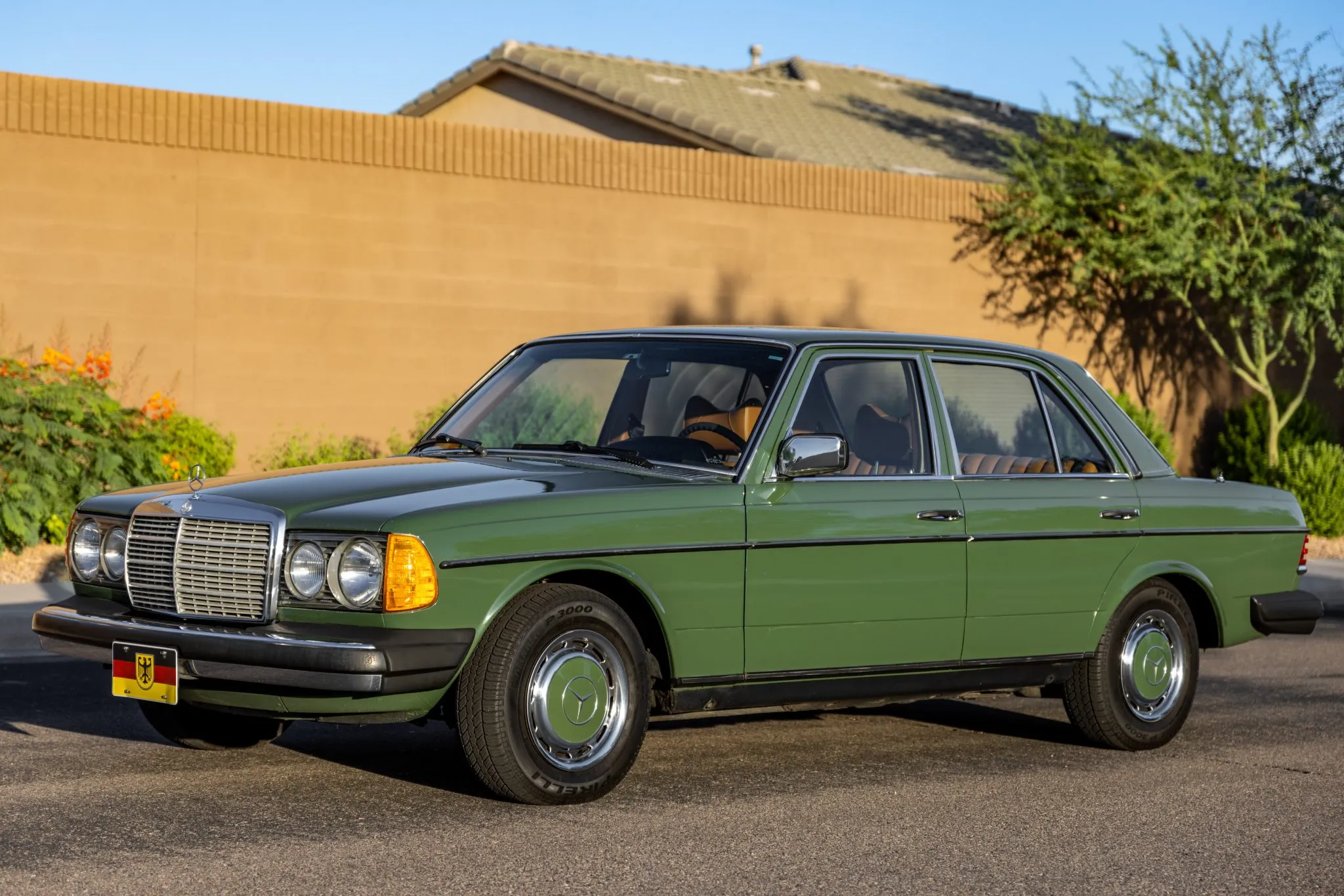
4. Mercedes-Benz W123
The Mercedes-Benz W123 is often regarded as one of the most robust and practical luxury cars ever built. Its combination of a durable engine, comfortable interior, and straightforward mechanical design allows it to function reliably in daily driving situations. Despite being nearly fifty years old, many W123s remain in active use around the world.
Inside, the W123 offers high levels of comfort and refinement. Seats are supportive, materials are resilient, and controls are intuitive. The cabin is designed to reduce fatigue during long drives, making it suitable for commuting or weekend trips. Its roomy interior allows multiple passengers to travel in comfort, which is unusual for a car of its age.
The engines of the W123 are legendary for longevity. Inline-four, inline-five, and six-cylinder diesel engines are particularly durable, often surpassing 300,000 miles with minimal major repairs. Gasoline variants are also reliable when maintained properly. Their mechanical simplicity ensures that routine maintenance is manageable, even for non-professional mechanics.
Availability of parts for the W123 is excellent. Replacement engines, transmissions, suspension components, and interior trim are widely accessible due to the car’s popularity. Enthusiast clubs and online forums provide valuable advice for keeping these vehicles on the road, making ownership realistic and practical.
The W123 offers a smooth, stable driving experience. Its suspension absorbs road imperfections effectively, and steering feels precise yet forgiving. Despite being a luxury car, it remains economical to maintain and easy to drive, making it an ideal choice for someone wanting a dependable, stylish daily classic.
5. Toyota Celica (First Generation)
The first-generation Toyota Celica stands out for combining sporty looks with daily usability. Its compact size and lightweight construction make it agile in traffic, while the engine and drivetrain are known for reliability. The Celica’s balance of performance and practicality has allowed it to remain a popular classic choice for commuters.
Inside, the Celica’s cabin is simple but functional. Controls are straightforward, seats are comfortable, and the driving position is ergonomic. While not as spacious as sedans, the Celica provides adequate room for driver and passenger, making it suitable for daily commutes or weekend trips. Storage space is modest but manageable for routine needs.
Reliability is a key strength of the Celica. Its four-cylinder engines are mechanically straightforward, easy to maintain, and long-lived. With regular servicing, owners often report that these cars remain dependable after decades of use. Many components are interchangeable with other Toyota models, further simplifying upkeep.
Parts availability for the Celica is strong. Replacement engine parts, suspension components, and cosmetic items are still widely accessible, and enthusiasts maintain active communities for advice. This support network ensures that maintenance remains practical and cost-effective, even for vehicles approaching fifty years old.
Driving the Celica is enjoyable without being overwhelming. Its nimble handling, responsive steering, and manageable power delivery provide confidence on both highways and city streets. While modern cars may outperform it in refinement or safety, the Celica delivers a satisfying, reliable, and usable driving experience every day.
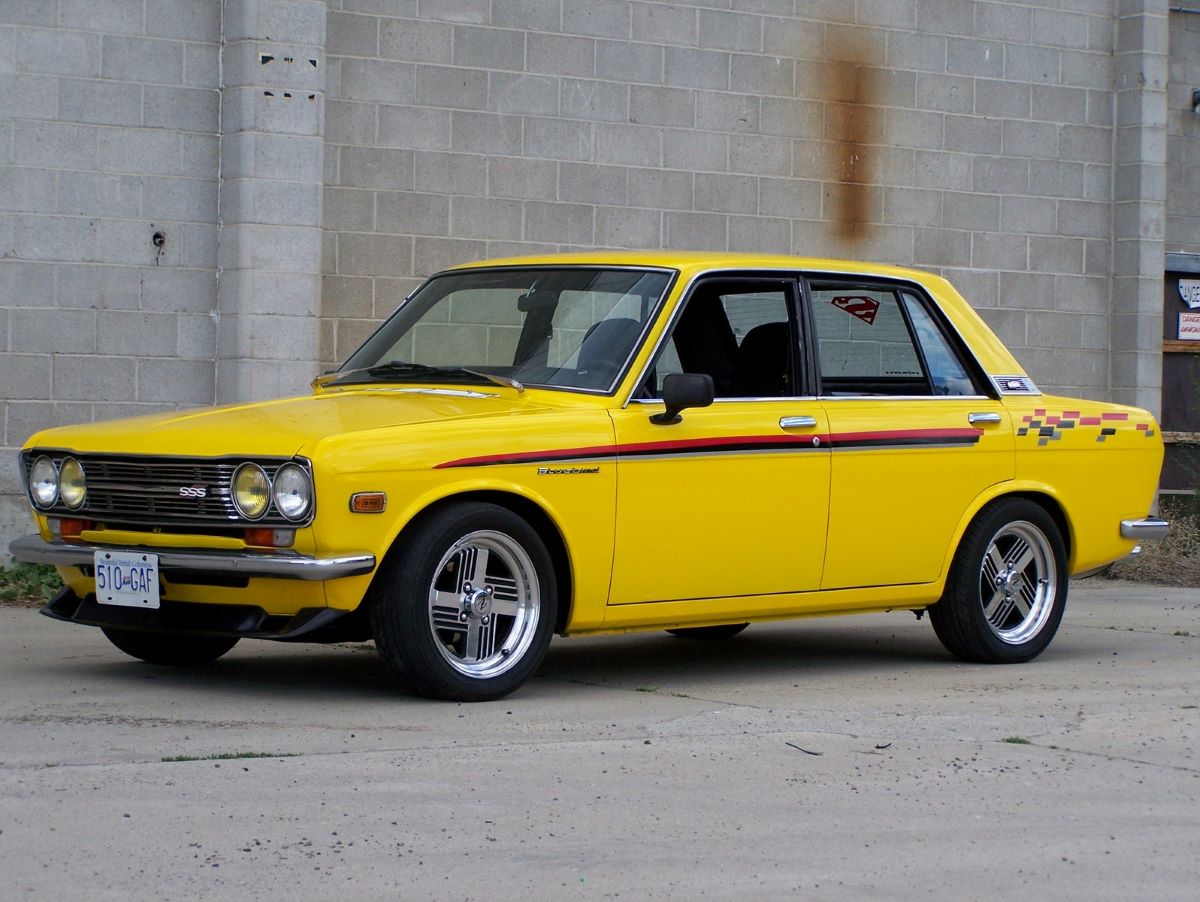
6. Datsun 510
The Datsun 510 is often called the “poor man’s BMW” due to its combination of sporty handling and everyday reliability. Its lightweight chassis and simple suspension make it nimble in traffic, while its engine is durable and easy to maintain. Even today, many owners use the 510 as a daily driver because it offers classic styling without constant maintenance headaches.
Inside, the 510 offers a practical and straightforward cabin. Seats are supportive, the layout is functional, and visibility is excellent. Despite being a compact car, it can comfortably seat four adults for short trips. Its minimalist design makes it less prone to interior wear, ensuring longevity for everyday use.
The engines of the Datsun 510 are renowned for their simplicity and durability. Basic inline-four units can last hundreds of thousands of miles with regular oil changes and minor servicing. Carbureted models are easy to tune, while fuel-injected versions remain reliable and efficient for modern driving conditions.
Parts for the 510 are widely available, partly due to its popularity among enthusiasts and restorers. Suspension components, brakes, and even engine internals are easy to find, and aftermarket support ensures that modifications or repairs are simple. This makes owning a Datsun 510 practical even decades after it was first produced.
Driving the 510 is engaging yet manageable. Its suspension provides a balance between comfort and control, making daily commutes enjoyable without being harsh. The car feels responsive at city speeds, and its lightweight design contributes to better fuel efficiency. For those seeking a small classic that is fun yet reliable, the Datsun 510 is an excellent choice.

7. Ford Capri
The Ford Capri combines European styling with accessible mechanics, making it a practical classic from the 1970s. While it offers sporty aesthetics, the Capri was designed for everyday use, with reliable engines and straightforward maintenance. Its lightweight frame and compact dimensions make it easy to handle in city traffic or parking.
The cabin of the Capri provides reasonable comfort for a sports coupe. Seats are supportive for daily driving, and the controls are logically arranged. Visibility is good, which makes city driving safer, and the interior is durable enough to withstand routine use over time. This balance of comfort and practicality adds to its appeal.
Under the hood, the Capri features a range of engines that are robust and reliable. Smaller four-cylinder options are fuel-efficient, while V6 models offer additional performance without becoming temperamental. Engines are mechanically straightforward, allowing owners to perform maintenance without extensive tools or diagnostic equipment.
Parts availability is strong due to the Capri’s popularity in Europe. Replacement components for brakes, suspension, and engine maintenance are widely obtainable. Enthusiast clubs and online forums provide guidance on repairs, upgrades, and maintenance tips, making ownership more practical for daily use.
Driving the Capri is enjoyable without being demanding. Its suspension and steering provide confidence in both city and highway conditions, and the compact design allows for easy maneuvering. For those seeking a stylish 1970s car that can reliably serve as a daily driver, the Ford Capri is an excellent option.
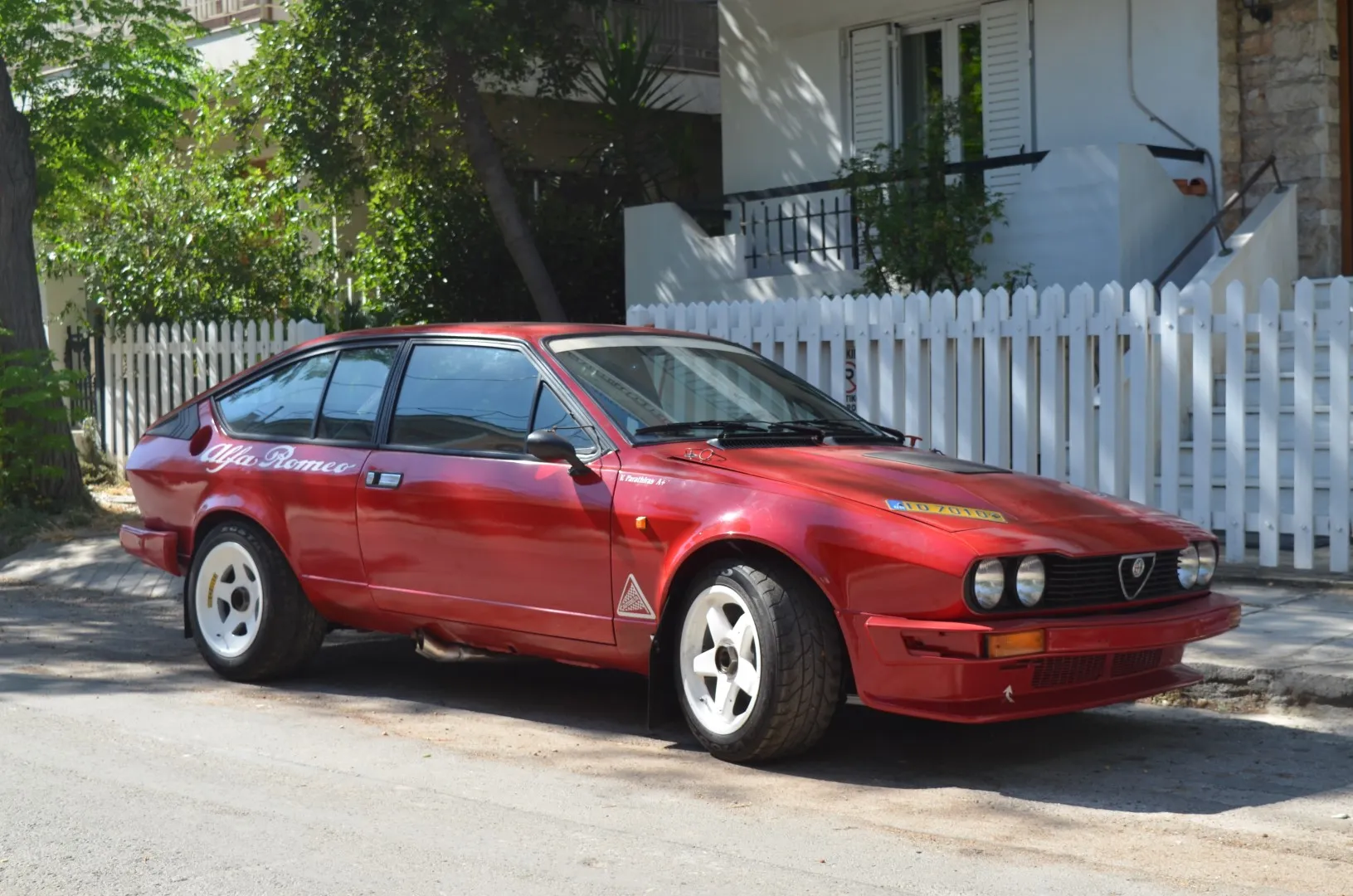
8. Alfa Romeo GTV
The Alfa Romeo GTV offers a combination of Italian flair and mechanical simplicity that appeals to classic car enthusiasts. Despite its reputation as a sports car, it is surprisingly practical for everyday use. The lightweight chassis and responsive handling make city commuting and highway driving equally satisfying.
Inside, the GTV’s cabin is designed for the driver. Seats are comfortable and supportive, controls are within easy reach, and the layout minimizes distraction. While space is not as generous as in sedans, it accommodates daily driving needs, including commuting and errands. The cabin’s simple design also makes maintenance straightforward.
Alfa Romeo engines of this era are known for their lively character and reliability when properly maintained. Routine servicing keeps the inline-four units running smoothly, and parts such as belts, brakes, and suspension components are relatively easy to source. This makes the GTV a practical option for classic enthusiasts.
Parts availability has improved thanks to dedicated Alfa Romeo communities and aftermarket suppliers. Engine components, interior trim, and mechanical parts are accessible, and guides exist to simplify repairs. Owners can maintain a GTV for daily use without excessive cost or difficulty, which is rare for Italian cars of this vintage.
Driving the GTV is engaging yet manageable. The lightweight body and responsive steering make commuting fun, while the suspension remains comfortable for city and highway conditions. It strikes a balance between performance and usability, allowing owners to enjoy classic Italian style without compromising practicality.
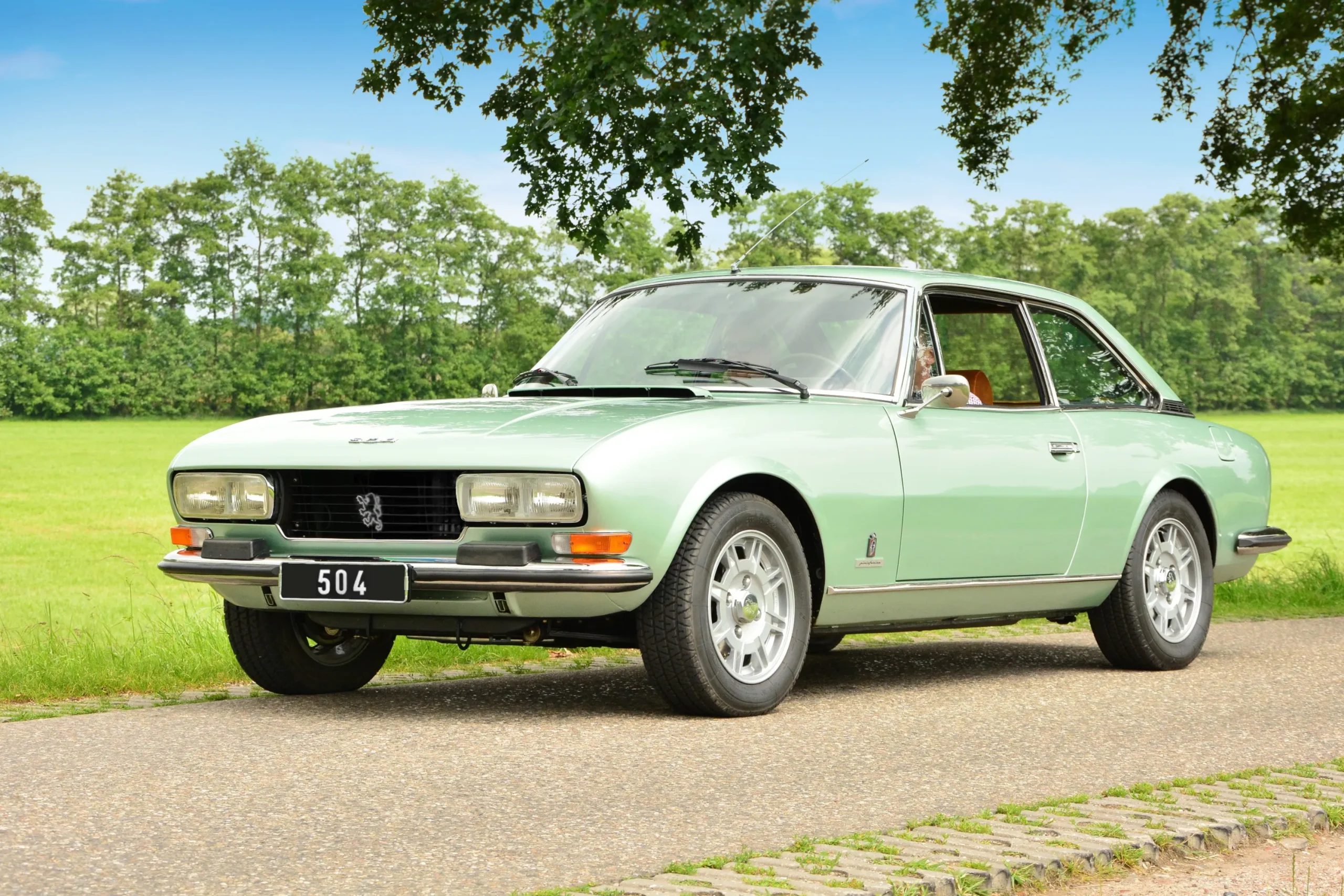
9. Peugeot 504
The Peugeot 504 is celebrated for its rugged durability and comfort, making it a practical choice for daily use. Its suspension is capable of handling rough roads, and the engines are reliable and straightforward to maintain. Even decades after production, many 504s remain in service in various parts of the world due to their resilience.
The interior of the Peugeot 504 is spacious and well-appointed for a 1970s sedan. Seats are supportive, the cabin is comfortable for longer drives, and the layout is logical. Controls are simple, making it easy to operate without modern distractions. These features make it suitable for regular commuting or family use.
The engines of the 504 are known for longevity and reliability. Both petrol and diesel variants can endure high mileage with proper care. Maintenance is uncomplicated, and the mechanical design avoids overly complex systems, allowing owners to perform routine servicing with relative ease.
Parts availability remains good due to the car’s enduring popularity, particularly in Africa and Europe. Components such as suspension parts, brakes, and engine components are still obtainable. Active communities and guides provide support for repairs and upkeep, ensuring the 504 can continue as a practical daily driver.
The driving experience of the 504 is smooth and controlled. Its suspension absorbs imperfections effectively, and steering is predictable. While performance is moderate, comfort and reliability make it ideal for daily use. For those seeking a practical classic with solid engineering and longevity, the Peugeot 504 remains a strong candidate.
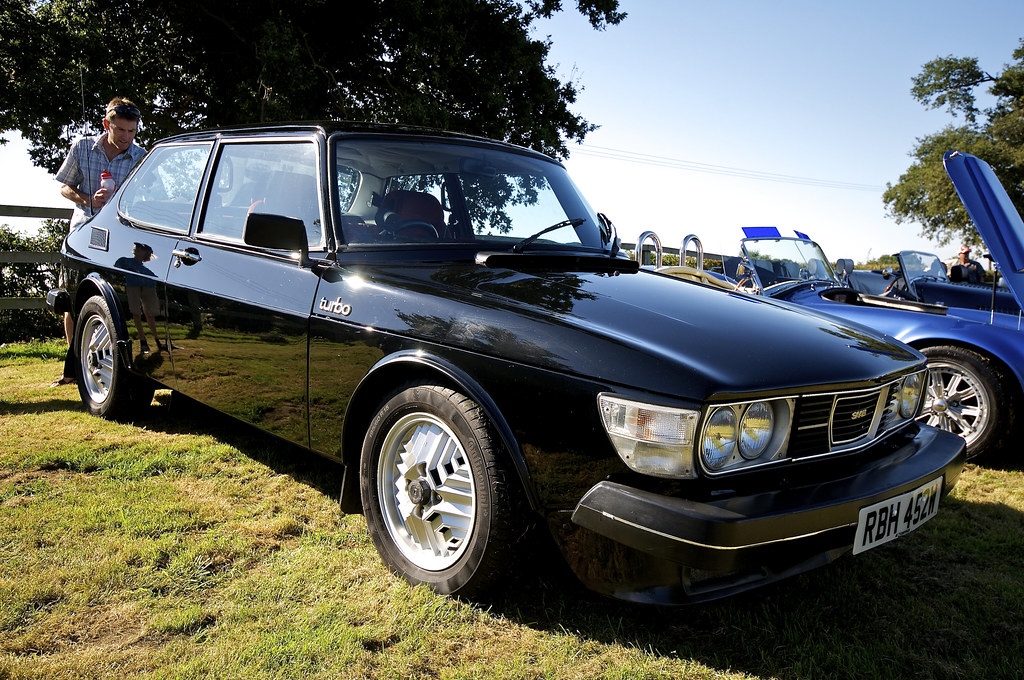
10. Saab 99
The Saab 99 combines practicality, safety, and reliability, making it a strong contender as a daily classic. Its aerodynamic shape and sturdy construction provide durability, while the engine and transmission systems are straightforward and long-lasting. This combination ensures it can be used regularly without constant maintenance concerns.
Inside, the Saab 99 offers a comfortable and functional cabin. Seats are supportive, controls are logically placed, and visibility is excellent. Space is sufficient for passengers and cargo, making it suitable for daily commuting, errands, and weekend trips. The simplicity of the interior ensures durability over time.
Saab engines of this era are robust and efficient. Regular oil changes and standard maintenance keep the engines running reliably for decades. Mechanical simplicity allows owners to service their cars without specialized tools, making the Saab 99 one of the most practical choices for daily use among 1970s classics.
Parts availability is generally good, thanks to the car’s popularity and enthusiast support. Replacement components for brakes, suspension, and engine maintenance are accessible. Online communities provide guidance on maintenance, upgrades, and troubleshooting, ensuring that owners can keep their cars on the road with confidence.
Driving the Saab 99 is comfortable and predictable. The suspension handles urban and highway conditions smoothly, while steering and brakes provide confidence and control. With a combination of practicality, reliability, and distinctive styling, the Saab 99 remains a viable and enjoyable daily driver decades after its initial production.