The 1990s was a defining decade for Japanese automotive engineering, particularly in the luxury performance segment. During this period, Japanese manufacturers combined advanced technology, meticulous craftsmanship, and powerful engines to create vehicles that could rival European sports cars while maintaining reliability.
The era saw the rise of high-performance sedans and coupes that offered both comfort and excitement. Luxury was no longer limited to plush interiors and smooth rides; it became inseparable from speed, handling, and technological innovation. Cars from this period reflected the ambition of Japanese automakers to assert themselves in a global market traditionally dominated by German and Italian manufacturers.
In addition to technical prowess, these vehicles displayed bold design choices that emphasized aerodynamics, aggressive styling, and driver-focused layouts. The interiors of these cars often incorporated leather, wood, and advanced electronics that were ahead of their time.
Japanese manufacturers were able to engineer engines that provided incredible power without sacrificing efficiency, thanks to innovations such as variable valve timing and lightweight materials.
Performance models were not just limited to two-door sports cars; luxury sedans and coupes also received high-output engines that made daily driving thrilling. The balance between comfort, performance, and exclusivity made these cars highly desirable among enthusiasts and collectors alike.
Many of these vehicles became icons because they represented a unique period when Japanese car makers experimented with advanced technologies that were later adopted worldwide. The 1990s also marked a surge in motorsport involvement, with manufacturers using racing success to influence production vehicles.
This led to the development of cars with superior handling characteristics, braking systems, and chassis dynamics that could compete at both track and street levels. Drivers could enjoy precise steering, responsive suspensions, and powerful brakes, providing an experience that felt both controlled and exhilarating.
Japanese performance luxury cars of this era were known for their meticulous attention to detail, which extended beyond mechanical engineering to the aesthetics of design, ensuring that every vehicle looked as refined as it drove.
The cars of this decade were not just about raw speed. They were symbols of ambition, technological achievement, and status. Japanese automakers showed that they could produce vehicles that combined luxury and performance without compromise. Each model had its own character, appealing to drivers who valued both refinement and excitement.
These vehicles laid the groundwork for the Japanese performance car culture that remains influential today. Collectors and enthusiasts continue to prize these cars, appreciating their engineering excellence, distinctive styling, and the driving thrill they provide.
This article highlights ten of the most iconic performance cars from the 1990s Japanese luxury segment. Each vehicle on this list made a significant impact on the automotive world, either through innovative engineering, outstanding performance, or a combination of both.
From four-door sedans with surprising speed to sleek coupes designed for precision handling, these cars exemplify the best of Japanese automotive creativity during a decade of technological advancement. The legacy of these vehicles continues to influence car design, and their reputation as performance icons has only grown over time.
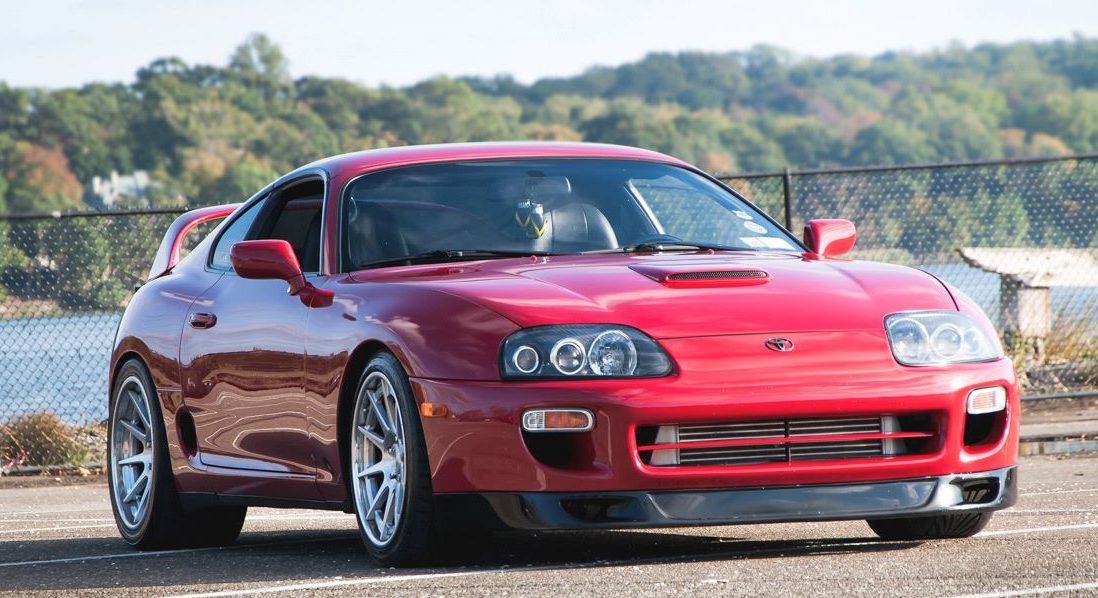
1. Toyota Supra Mark IV
The Toyota Supra Mark IV became a benchmark for Japanese performance cars during the 1990s. Its 3.0-liter turbocharged inline-six engine produced remarkable power, enabling it to compete with European sports cars at a fraction of the price.
The engine’s reliability allowed enthusiasts to modify it extensively without losing dependability. The Supra’s smooth power delivery and wide torque band made it an excellent choice for both street driving and track use.
Its styling emphasized aerodynamic efficiency, with a long hood, sleek roofline, and rear spoiler that enhanced high-speed stability. The interior combined driver-focused controls with luxurious touches, including leather seats and climate control.
The cockpit design ensured that every essential control was within easy reach. With features such as a well-padded steering wheel and supportive bucket seats, the car offered both comfort and performance.
Handling was one of the Mark IV’s most praised attributes. The double-wishbone suspension provided precise cornering and minimal body roll. Its chassis was balanced for high-speed stability while remaining agile in tight turns. The combination of low center of gravity, wide track, and well-tuned suspension made it a joy for drivers who appreciated responsiveness.
The Supra also gained cultural significance during this era. It became a symbol of Japanese automotive excellence in the global market. Its popularity was reinforced by appearances in motorsport and media, contributing to its status as a collector’s item today. This combination of performance, design, and cultural influence makes it a true icon.
Even decades later, the Supra Mark IV remains highly sought after among enthusiasts. Its tunability ensures it remains relevant in performance circles, while its original engineering continues to impress. The Supra exemplified the perfect balance of luxury and sportiness, making it a defining model for 1990s Japanese performance cars.
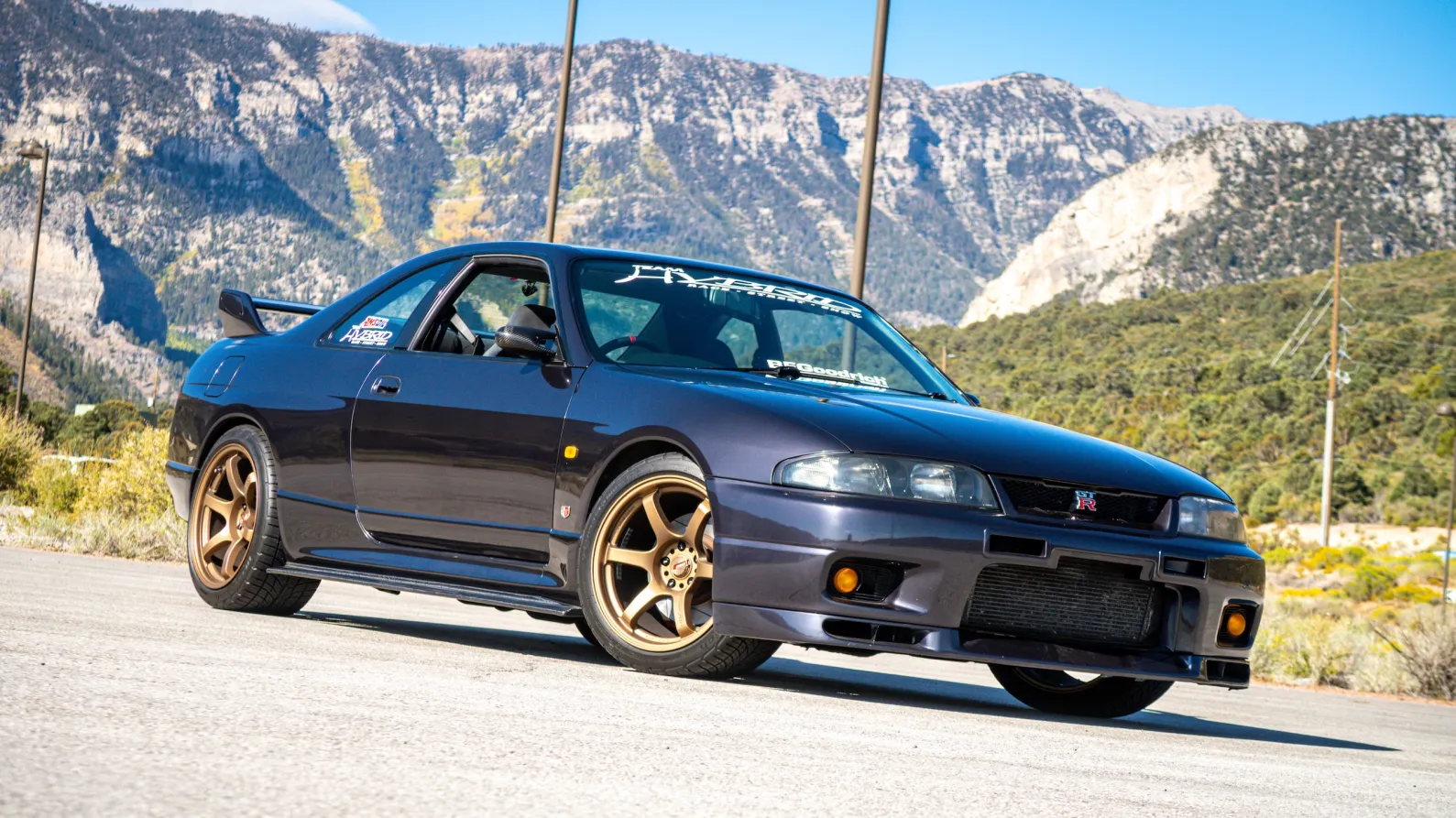
2. Nissan GT-R R33
The Nissan GT-R R33 followed the legendary Skyline lineage with advanced technology and enhanced performance. It featured the RB26DETT twin-turbo inline-six engine, capable of producing remarkable horsepower and torque for the era. The GT-R’s all-wheel-drive system provided exceptional traction in various driving conditions. Drivers appreciated the car’s ability to launch quickly while maintaining stability during high-speed maneuvers.
Aerodynamics were a key focus of the R33’s design. The wide stance, flared wheel arches, and rear diffuser contributed to high-speed stability and reduced lift. The front fascia included large air intakes for cooling the turbocharged engine. Its shape emphasized both function and style, ensuring the car was visually striking without sacrificing performance.
Inside, the R33 combined technology with comfort. Features such as automatic climate control, leather-wrapped steering, and supportive seating enhanced the driving experience. The layout emphasized accessibility of controls, allowing drivers to focus on performance without distraction. Ergonomics were carefully considered, making long drives more enjoyable.
Its multi-link suspension and all-wheel-drive system allowed precise cornering and confident acceleration out of turns. Braking was strong and consistent, ensuring the car felt composed even under aggressive driving. This combination of power and control defined its reputation among enthusiasts.
The R33 became an icon because of its engineering and cultural impact. It solidified the GT-R as a performance benchmark and laid the groundwork for future models. Its presence in motorsport, media, and car culture cemented its status as one of the most memorable Japanese luxury performance cars of the 1990s.
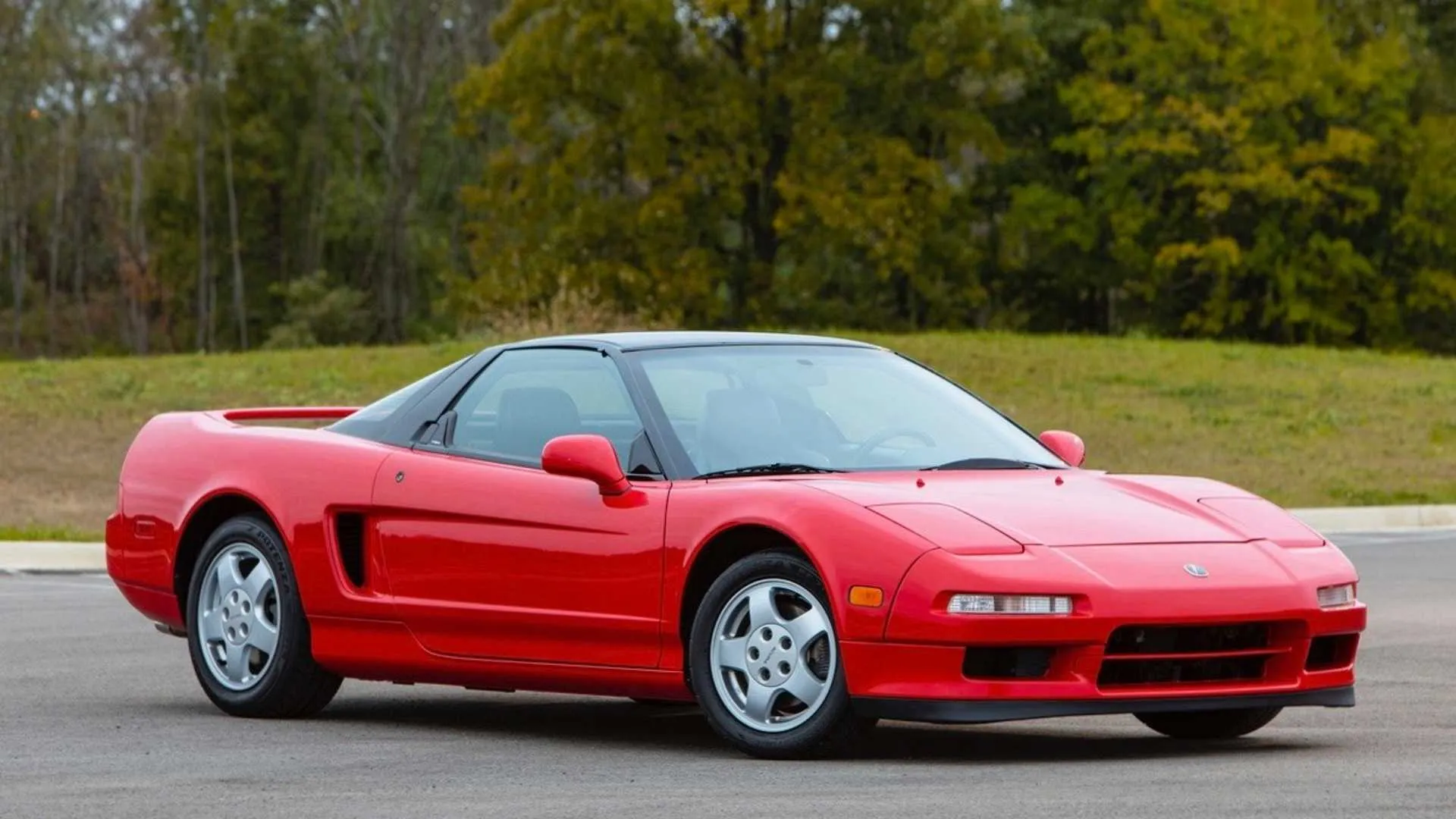
3. Acura NSX
The Acura NSX redefined what a Japanese luxury performance car could be, combining exotic styling with everyday usability. Its mid-engine layout contributed to precise weight distribution, offering sharp handling that rivaled European supercars.
Powered by a naturally aspirated V6 with VTEC technology, the NSX delivered linear power and a high-revving character that made driving exhilarating. Unlike many exotic cars of its time, it maintained reliability, which allowed owners to enjoy high-performance driving without frequent maintenance issues.
The exterior design was sleek and purposeful, with pop-up headlights, sculpted side panels, and an aerodynamic rear that enhanced stability at speed. The low, wide stance gave it a commanding road presence, while the clean lines emphasized simplicity and function.
Even minor design elements, like the integrated air intakes, were carefully engineered to balance form and airflow. The NSX’s styling aged gracefully, with an understated elegance that distinguished it from flashier competitors.
Inside, the NSX offered a driver-focused environment. Seating positioned the driver close to the controls, while premium materials like leather and high-quality plastics elevated comfort.
The dashboard layout was uncluttered, giving priority to essential gauges and instrumentation. Climate control, a sound system, and ergonomic adjustments made long drives comfortable without diminishing the sporty character of the cabin.
Handling was a defining feature of the NSX. Its lightweight chassis, coupled with precise suspension tuning, allowed it to respond instantly to driver inputs. Steering feedback was communicative, giving confidence on both tight corners and high-speed stretches.
Brakes were firm and progressive, making the car feel composed during aggressive maneuvers. These characteristics made the NSX a benchmark in driving dynamics for Japanese cars.
The NSX left a lasting impression on automotive enthusiasts and manufacturers alike. Its combination of performance, reliability, and design influenced supercars worldwide.
By blending luxury and sport in a balanced package, it proved that Japanese engineers could create a vehicle that rivaled established European icons. Collectors today value the NSX not only for its performance but also for its historical significance in Japanese automotive history.
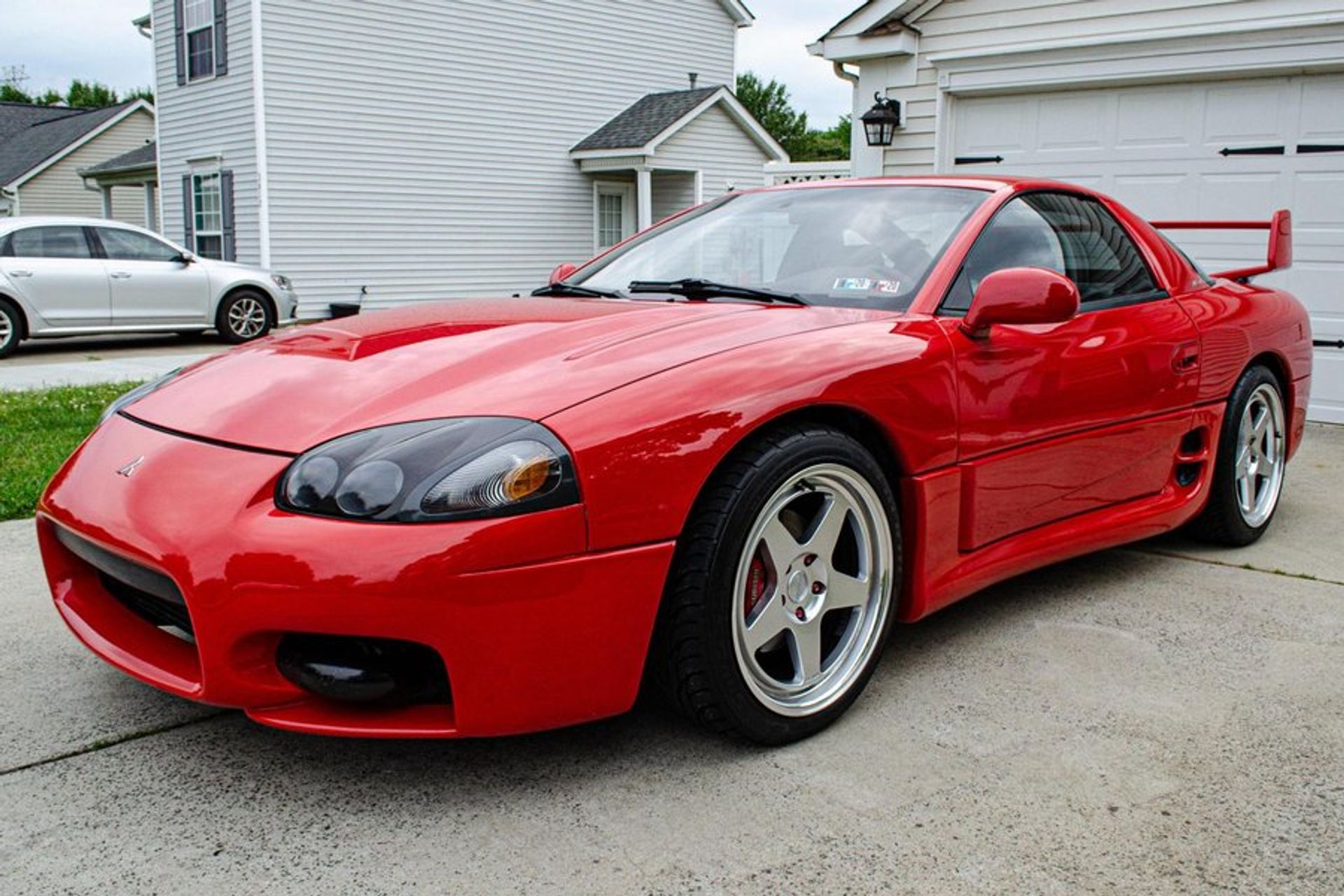
4. Mitsubishi 3000GT VR-4
The Mitsubishi 3000GT VR-4 was a technological marvel of its era, offering features that were uncommon in Japanese cars of the 1990s. Its twin-turbocharged V6 engine, all-wheel drive, and active aerodynamics created a car capable of impressive acceleration and stability.
Mitsubishi also equipped the VR-4 with active suspension and electronically controlled differentials, which allowed the car to adapt to varying road conditions. These innovations made it both a luxurious daily driver and a thrilling performance machine.
Styling played a key role in the 3000GT VR-4’s appeal. Its wide stance, pop-up headlights, and smooth curves gave it an aggressive yet refined look.
Functional design elements, such as vents and spoilers, were incorporated to improve airflow and reduce lift at high speeds. The vehicle projected the kind of futuristic, high-tech image that matched its advanced mechanical features. Its aesthetic made it instantly recognizable, setting it apart from other Japanese sports coupes.
The interior of the 3000GT VR-4 balanced technology and comfort. Leather seats, premium carpeting, and climate control contributed to a sense of luxury.
Drivers had access to a suite of electronic controls, including suspension settings and drivetrain modes, which allowed them to tailor the driving experience. The cockpit layout focused on ergonomics, ensuring that performance controls were intuitive and accessible.
Handling capabilities were impressive, largely due to the all-wheel-drive system and electronically controlled suspension. The car maintained traction in various conditions while delivering precise cornering responses. Braking was strong, providing confidence during spirited driving. The VR-4’s combination of high-speed stability and agility made it a standout in the Japanese luxury performance market.
The 3000GT VR-4 is remembered for pushing the boundaries of technology and performance. Its advanced features, combined with a luxurious interior and aggressive styling, captured the spirit of 1990s Japanese engineering. Enthusiasts appreciate it today not only for its speed but also for the ingenuity that went into its design, which remains influential in modern performance cars.
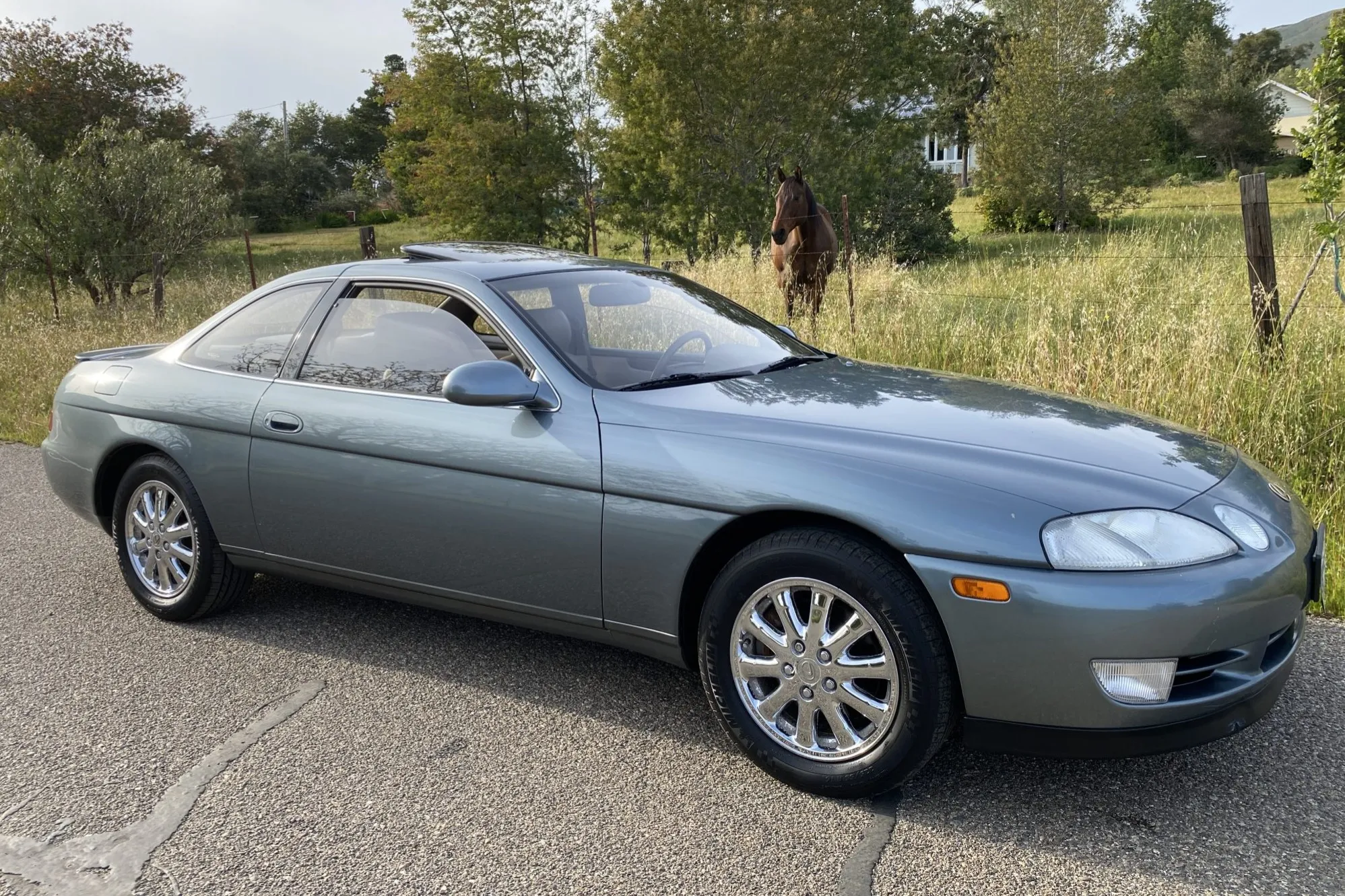
5. Lexus SC 400
The Lexus SC 400 was a sophisticated luxury coupe that delivered performance without compromising comfort. Its smooth 4.0-liter V8 engine produced strong torque and refined acceleration, making it competitive with European grand tourers.
The SC 400 emphasized ride quality and refinement, with advanced suspension components that absorbed road imperfections while maintaining composure in corners. It was designed for drivers who desired both performance and long-distance comfort.
Exterior styling reflected understated elegance. The SC 400 featured a sleek roofline, long hood, and minimalist details that highlighted its luxury character. Subtle curves and flush surfaces emphasized aerodynamics while maintaining a polished appearance. Its styling balanced aggression and sophistication, appealing to a wide audience seeking refinement in a performance car.
Inside, the SC 400 offered a luxurious environment with wood trim, leather upholstery, and advanced electronics. The cockpit was designed to minimize driver distraction while providing all necessary controls within reach. Seating comfort and interior ergonomics were prioritized, making it suitable for extended journeys. Noise insulation and climate control further enhanced the premium experience.
Handling was precise yet comfortable, with a well-tuned suspension that maintained stability at high speeds. Steering feedback was responsive but not harsh, ensuring confidence for both spirited driving and relaxed cruising. Braking was efficient and consistent, contributing to the SC 400’s reputation as a capable grand tourer. Its balance of performance and comfort made it a standout among Japanese luxury cars of the 1990s.
The SC 400 remains a symbol of Lexus’s ability to blend luxury and performance seamlessly. Its refinement, engineering quality, and driving enjoyment contributed to its lasting appeal. Collectors and enthusiasts value it for its smooth V8, dependable mechanics, and classic styling that embodies 1990s Japanese grand touring excellence.
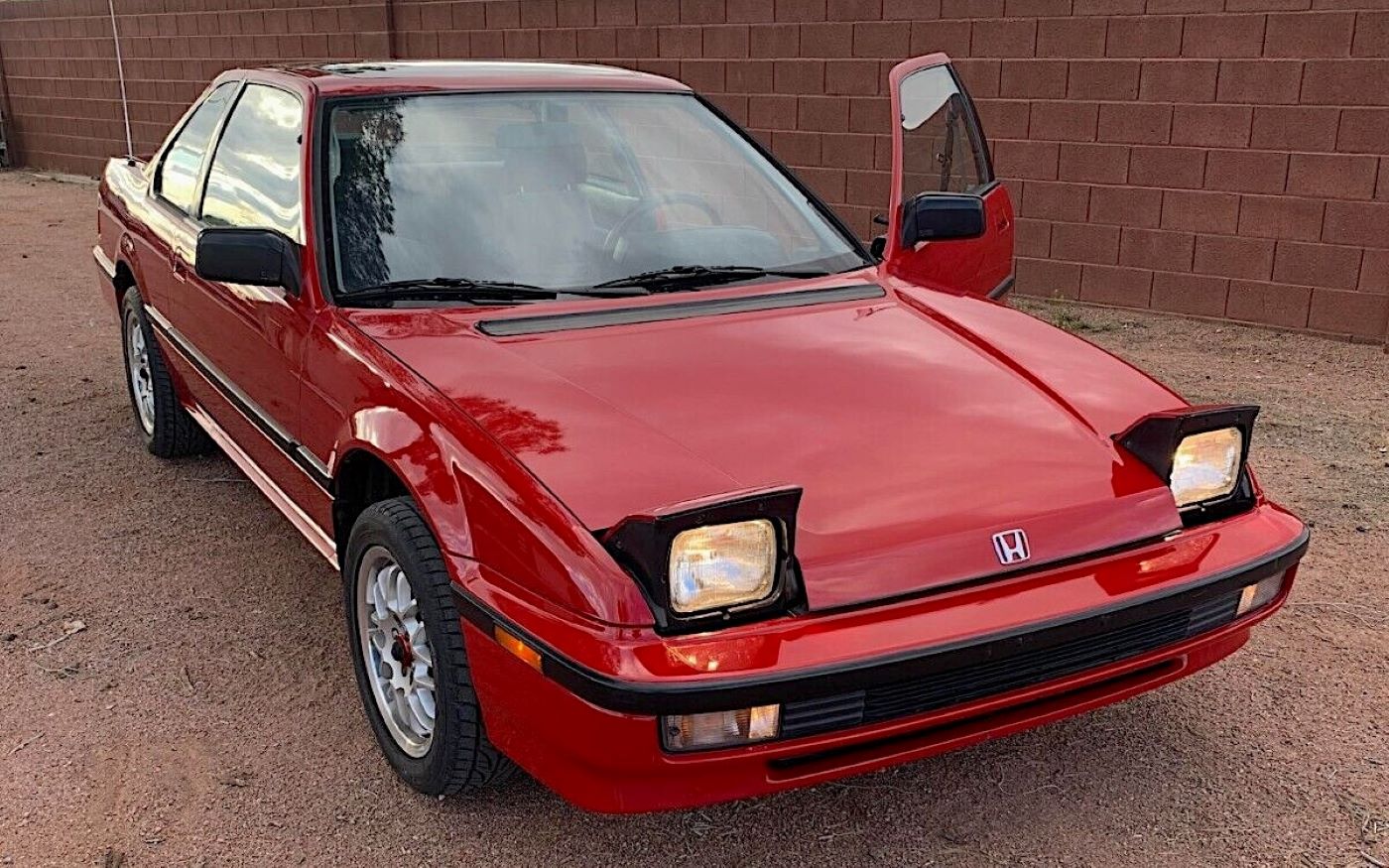
6. Honda Prelude VTEC
The Honda Prelude VTEC was a symbol of innovation and precision engineering during the 1990s. Its four-cylinder engine, equipped with VTEC technology, provided a unique combination of efficiency and high-rev performance.
The car delivered smooth power across the rev range, encouraging spirited driving without overwhelming the driver. Reliability and maintenance simplicity made it a practical choice for enthusiasts who wanted daily usability alongside performance.
Styling emphasized sharp, aerodynamic lines with a low hood, flush headlights, and integrated bumpers. The sleek profile reduced drag while giving the Prelude a purposeful and sporty presence. Its design reflected Honda’s focus on driver engagement, ensuring the car looked as dynamic as it performed. Subtle spoilers and body contours improved stability at higher speeds.
Inside, the Prelude offered a driver-focused cabin with high-quality materials and ergonomic controls. Leather-trimmed steering wheels and seats elevated comfort without detracting from the sporty character.
The dashboard layout was intuitive, with clearly marked gauges and controls for quick adjustments during spirited driving. Features such as air conditioning and optional premium audio balanced practicality with enjoyment.
Handling was one of the Prelude’s most praised attributes. Its independent suspension and precise steering offered exceptional cornering balance. Body roll was minimal, and the car maintained composure through tight turns. Braking performance was confident, complementing the car’s lightweight chassis and responsive dynamics. The Prelude rewarded drivers with a connected and enjoyable experience that few competitors could match at the time.
The Honda Prelude VTEC became an icon for enthusiasts seeking a blend of reliability, style, and performance. Its innovative engine technology and precise handling contributed to its lasting reputation. Even decades later, the Prelude remains a sought-after model for collectors who value its engineering excellence and engaging driving characteristics.
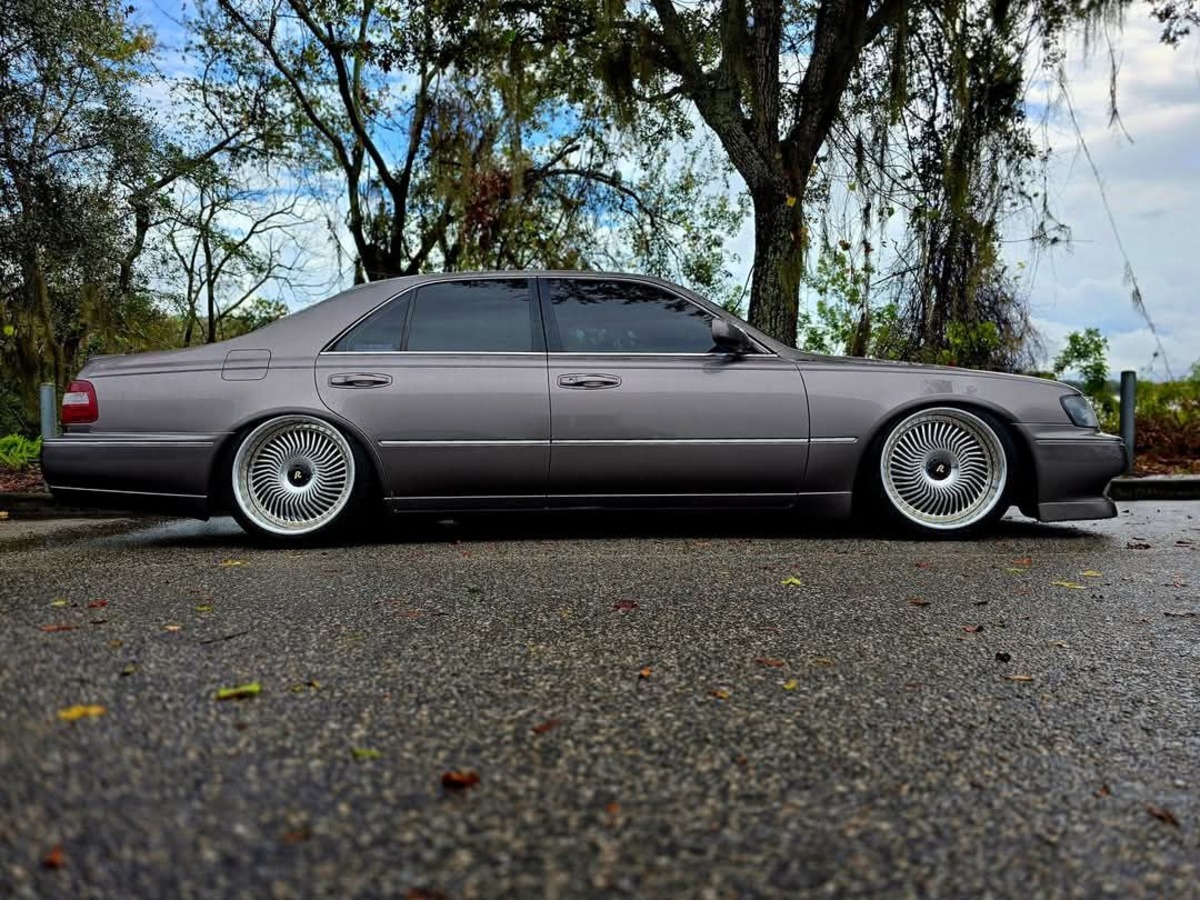
7. Infiniti Q45
The Infiniti Q45 was a bold statement in Japanese luxury performance, combining a powerful V8 engine with advanced suspension and braking technology. Its 4.5-liter V8 delivered smooth, effortless acceleration while maintaining refinement suitable for a luxury sedan. The Q45 showcased Japanese innovation in balancing power and comfort, with a focus on precision engineering rather than flashy design.
Its exterior styling featured a long wheelbase, understated grille, and aerodynamic contours that minimized drag. The clean lines and minimal ornamentation emphasized performance-oriented elegance. Large alloy wheels and low-profile tires enhanced both grip and aesthetics. The car projected confidence without appearing ostentatious, appealing to drivers who valued subtle sophistication.
Inside, the Q45 offered a spacious, luxurious cabin with premium materials, leather upholstery, and wood trim. The driver enjoyed easy access to controls, while advanced electronics enhanced convenience and comfort. The seats were supportive for long drives, and noise insulation maintained a quiet, refined environment. The interior reflected Infiniti’s attention to detail and commitment to high-end comfort.
Handling and ride quality were key strengths of the Q45. Its double-wishbone suspension provided stability during high-speed driving and smooth responses through corners. Steering was precise, offering confidence to drivers without compromising comfort. The braking system was powerful and progressive, allowing for controlled deceleration even under spirited conditions.
The Q45 helped establish Infiniti as a serious contender in the luxury performance segment. Its combination of power, handling, and refinement set a standard for Japanese sedans during the 1990s. Collectors today appreciate the Q45 for its understated design, engineering quality, and its ability to merge luxury and performance in a compelling package.
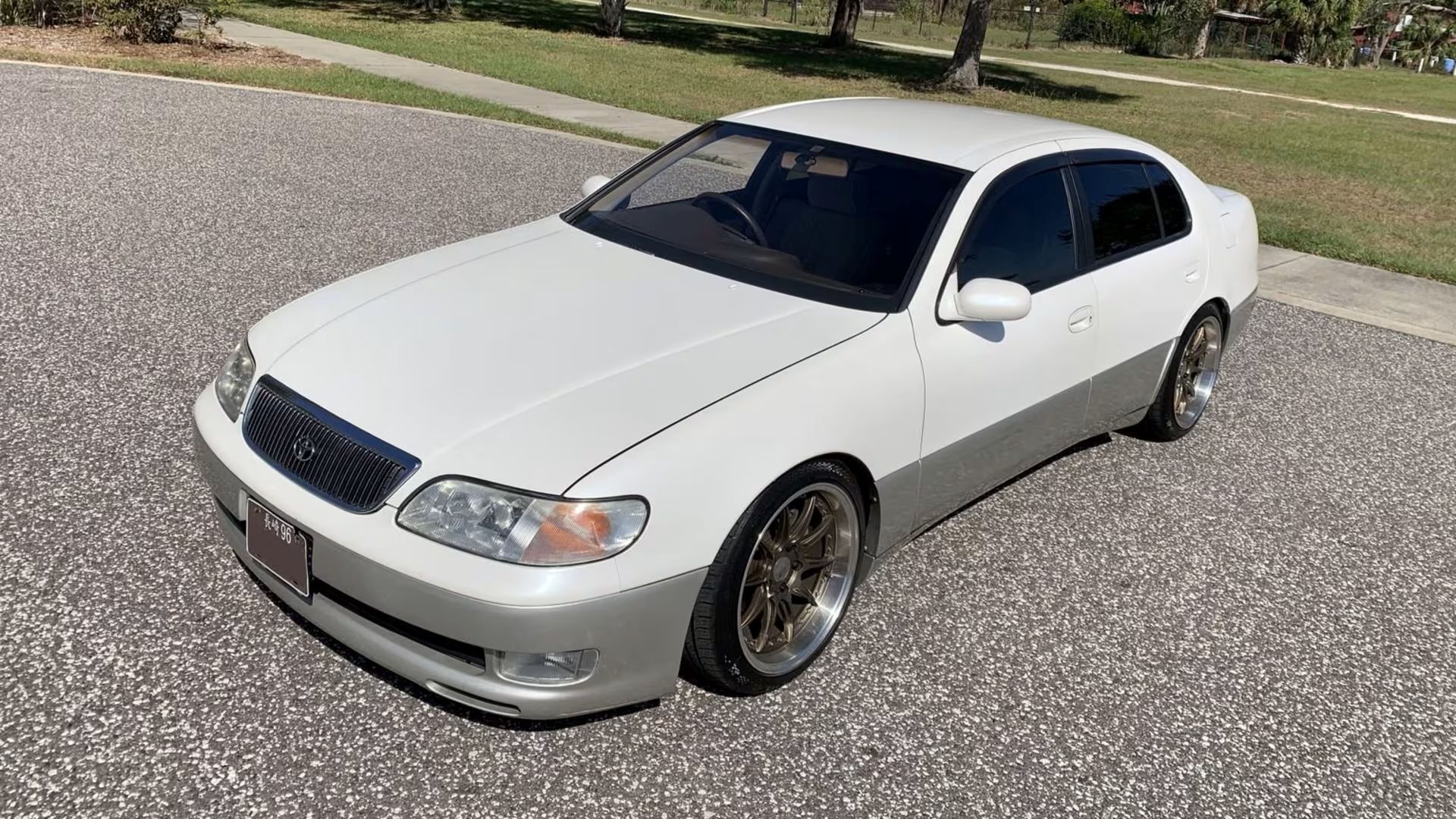
8. Toyota Aristo V300 Twin Turbo
The Toyota Aristo V300 Twin Turbo offered an exceptional blend of luxury, performance, and technology. Its 3.0-liter inline-six twin-turbocharged engine delivered impressive horsepower and torque, giving the car fast acceleration comparable to European sedans.
Toyota combined this with smooth automatic transmissions and responsive handling, ensuring a refined driving experience. The Aristo was engineered to provide both excitement and comfort, appealing to enthusiasts seeking understated performance.
Design reflected elegance and aerodynamics, with a sleek roofline, subtle rear spoiler, and flush headlights. Its wide stance and sculpted body panels improved stability at high speeds while maintaining a polished appearance. Functional design elements, such as air vents and diffusers, enhanced performance without compromising aesthetics. The Aristo projected quiet sophistication while hinting at its potent capabilities.
The interior emphasized luxury and driver convenience. Soft-touch materials, leather seats, and wood trim created a premium environment. The cabin featured well-organized instrumentation, ensuring that all controls were intuitive and within easy reach. Advanced features like climate control, power seats, and premium audio made long drives pleasurable. Comfort and usability were central to its appeal, complementing the car’s performance capabilities.
Handling was precise, benefiting from an advanced suspension system and low center of gravity. The car maintained composure during cornering, with limited body roll and responsive steering. Braking was strong and consistent, giving drivers confidence at both moderate and high speeds. These qualities contributed to a driving experience that was both thrilling and reassuring.
The Toyota Aristo V300 Twin Turbo earned recognition for combining luxury sedan comfort with sports car performance. Its twin-turbocharged engine, refined handling, and premium interior set it apart from competitors. Collectors and enthusiasts continue to value the Aristo for its engineering, understated styling, and its role in defining 1990s Japanese luxury performance.
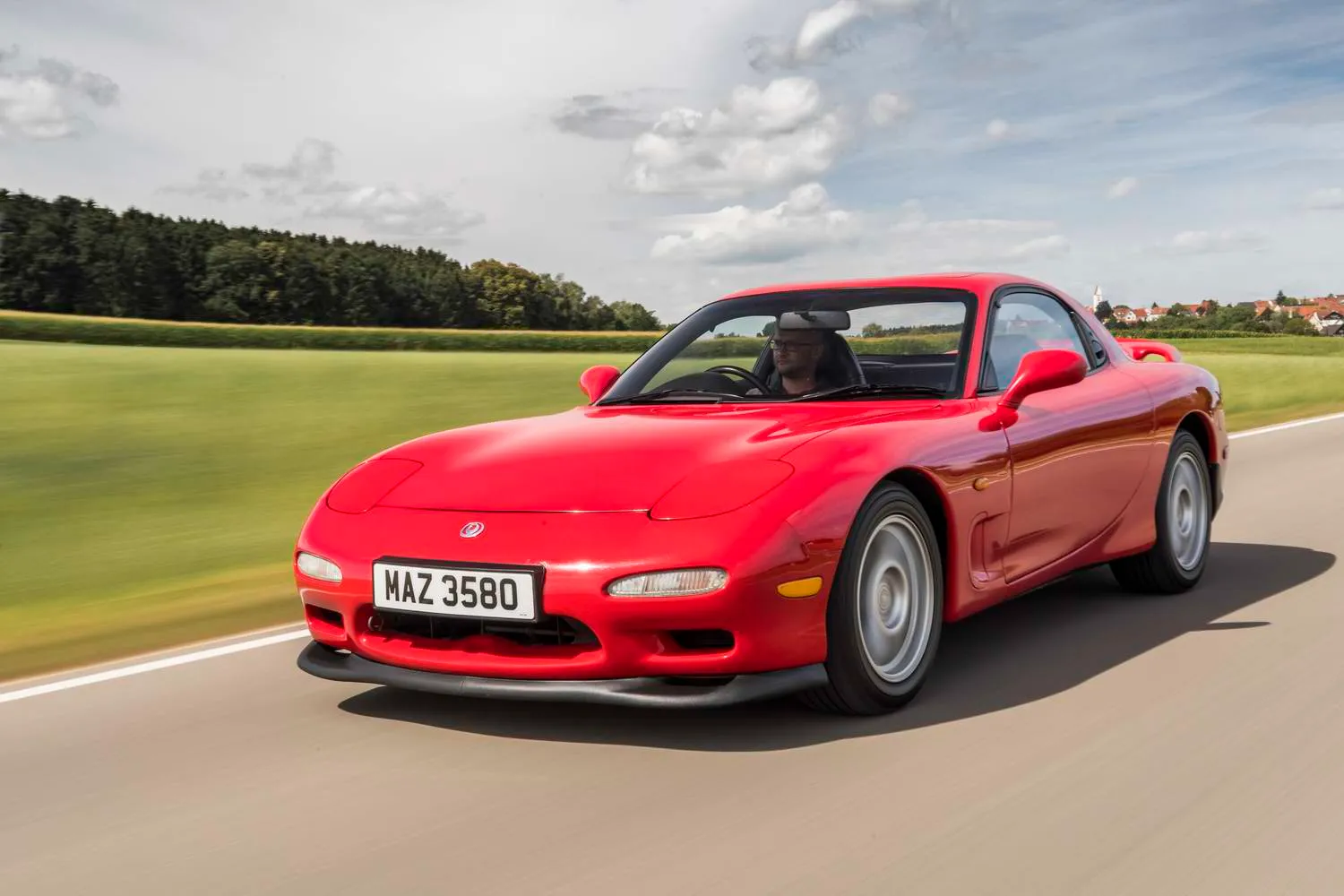
9. Mazda RX-7 FD3S
The Mazda RX-7 FD3S represented the pinnacle of rotary engine performance, offering lightweight agility and thrilling acceleration. Its 1.3-liter twin-rotor engine produced a surprising amount of power relative to its size, thanks to turbocharging and innovative engineering.
The car was balanced, responsive, and incredibly agile, making it a favorite among enthusiasts who valued precision handling and driver engagement. Its reliability and tunability further enhanced its reputation.
Styling emphasized fluid curves and aerodynamic efficiency, with a low stance, smooth body lines, and integrated rear spoiler. Its design reduced drag while enhancing high-speed stability. The pop-up headlights and sculpted hood added personality and flair, creating a distinctive silhouette that remains iconic today. The RX-7’s aesthetics reflected both performance and elegance.
The interior was compact and driver-oriented, focusing on engagement rather than excessive luxury. Comfortable seats, well-positioned controls, and clear instrumentation enhanced the driving experience. While the cabin was minimal compared to larger luxury cars, Mazda prioritized ergonomics and visibility. Long drives were comfortable enough without detracting from the sport-focused character of the vehicle.
Handling defined the RX-7 FD3S experience. Lightweight construction, near-perfect weight distribution, and sophisticated suspension allowed precise cornering and confident high-speed driving. Steering was sharp and communicative, while brakes were reliable under repeated hard use. The car felt alive in the hands of skilled drivers, delivering a connection that few competitors matched.
The RX-7 FD3S remains a legend in Japanese performance circles. Its rotary engine, handling dynamics, and iconic design make it a standout among 1990s sports cars. Collectors prize it for its engineering excellence, driving excitement, and the distinctive character that set it apart from traditional piston-engine vehicles.

10. Nissan Silvia S14
The Nissan Silvia S14 was a lightweight, rear-wheel-drive sports coupe celebrated for its agility and tunability. Its SR20DET turbocharged four-cylinder engine offered lively performance, producing strong acceleration while remaining manageable for street driving.
The S14’s balance between power and handling made it a popular choice for enthusiasts seeking both fun and precision. Its relatively low weight enhanced cornering responsiveness and driving enjoyment.
Styling combined elegance and aggression, with smooth body lines, low profile, and subtle aerodynamic features. The pop-up headlights on early models added flair, while later fixed-headlight versions offered a modern, clean look. The wide stance and sculpted panels enhanced road presence and stability at speed. The S14’s design communicated performance without appearing excessive.
Inside, the cabin was simple yet functional, emphasizing driver engagement. Seats were supportive, and controls were logically placed for easy access. While not as luxurious as some of its contemporaries, the interior provided sufficient comfort for daily driving.
Optional features such as air conditioning and premium sound systems enhanced usability without compromising weight or performance focus.
Handling was a defining characteristic of the Silvia S14. Its rear-wheel-drive layout, coupled with a well-tuned suspension, allowed precise cornering and confident throttle control. Braking was effective and consistent, complementing the car’s agile chassis. Drivers appreciated the car’s ability to maintain composure through technical corners and spirited driving sessions.
The Silvia S14 became an icon of 1990s Japanese performance cars due to its combination of style, handling, and tuning potential. It remains popular among enthusiasts and in motorsport communities for drifting and track use. Its balance of accessibility and performance ensures that the S14 continues to be celebrated as one of the era’s most exciting Japanese coupes.